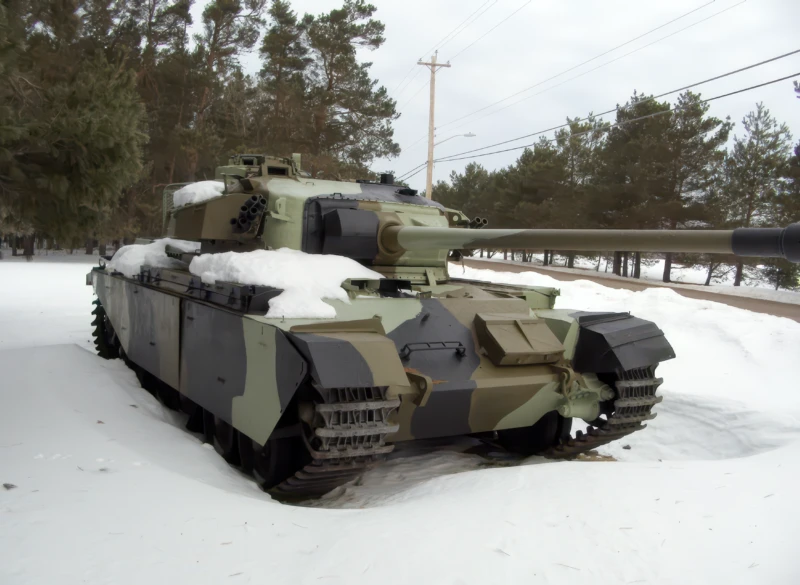
Centurião Mk5 | |
|---|---|
| País | Reino unido |
| Papel | Tanque de batalha principal |
| Em serviço | 1946–presente |
O Centurião foi o principal tanque de batalha britânico do período pós-Segunda Guerra Mundial. Introduzido em 1945, é amplamente considerado um dos projetos de tanques mais bem-sucedidos do pós-guerra, permanecendo em produção na década de 1960 e vendo o combate nas linhas de frente na década de 1980. O chassi também foi adaptado para várias outras funções, e estas permaneceram em serviço até hoje.
Fonte: Char Centurion na Wikipédia
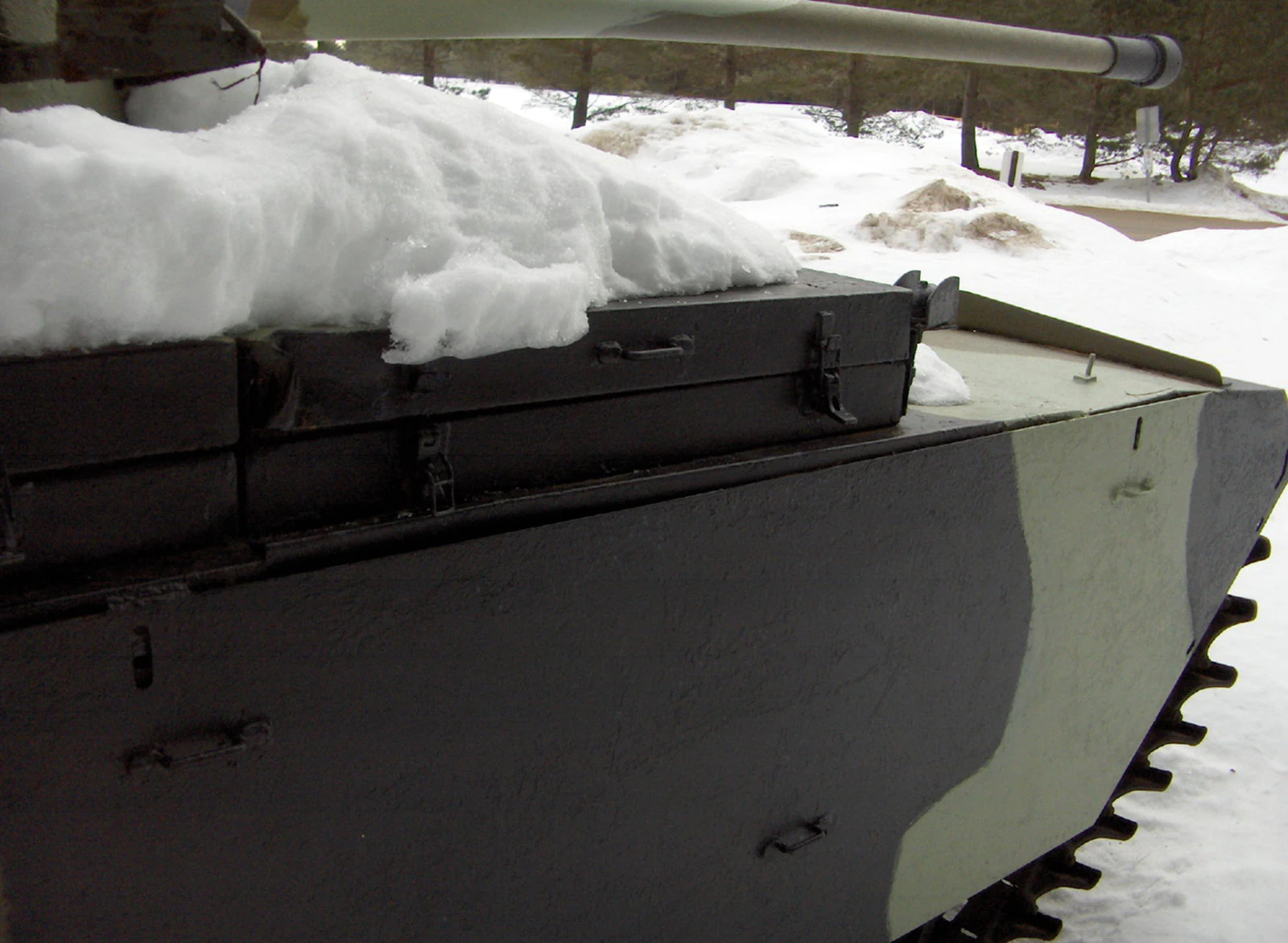
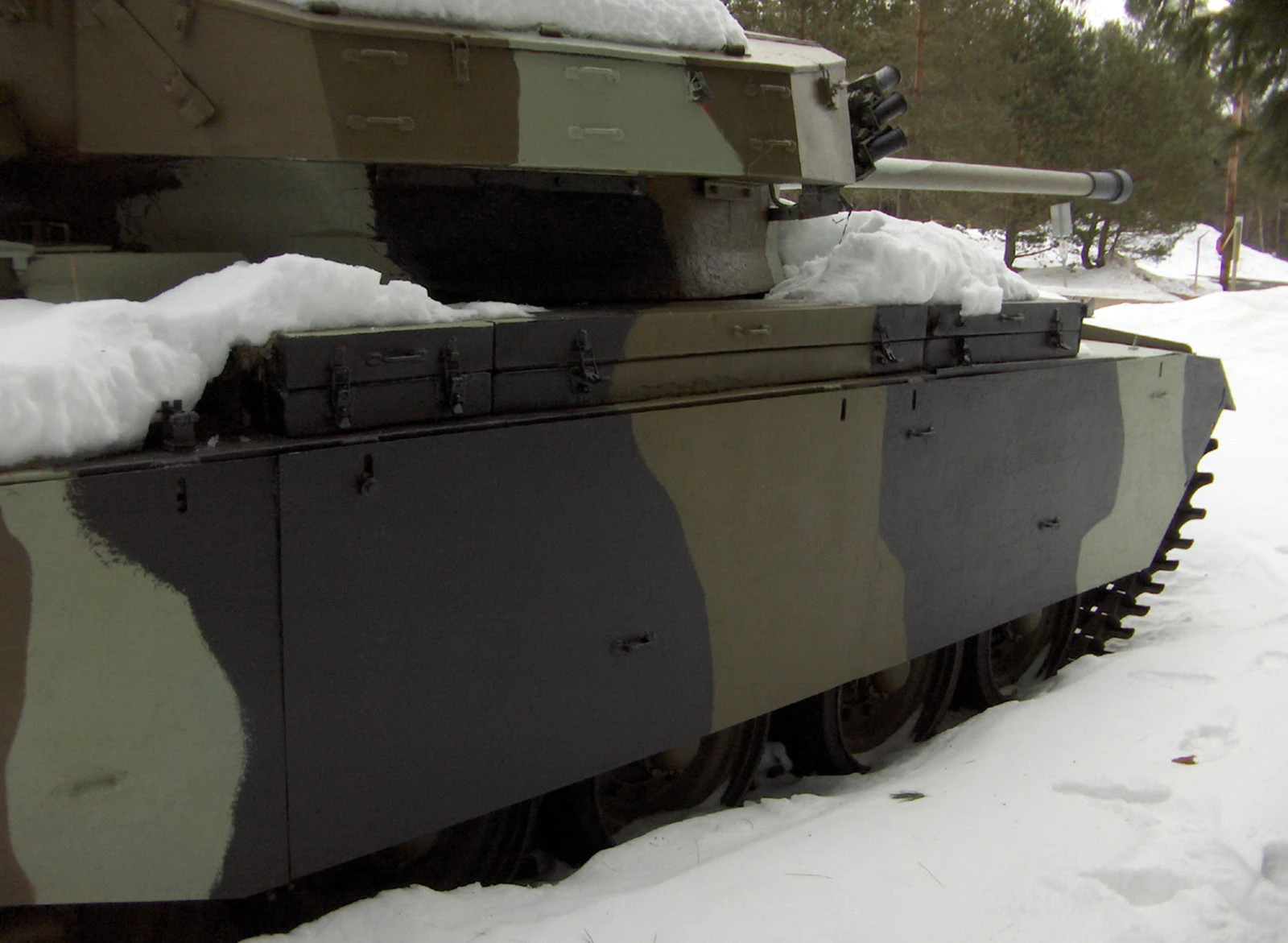
| Centurion Mk5 | |
|---|---|
| Fotógrafo | Desconhecido |
| Localização | Desconhecido |
| Fotos | 71 |
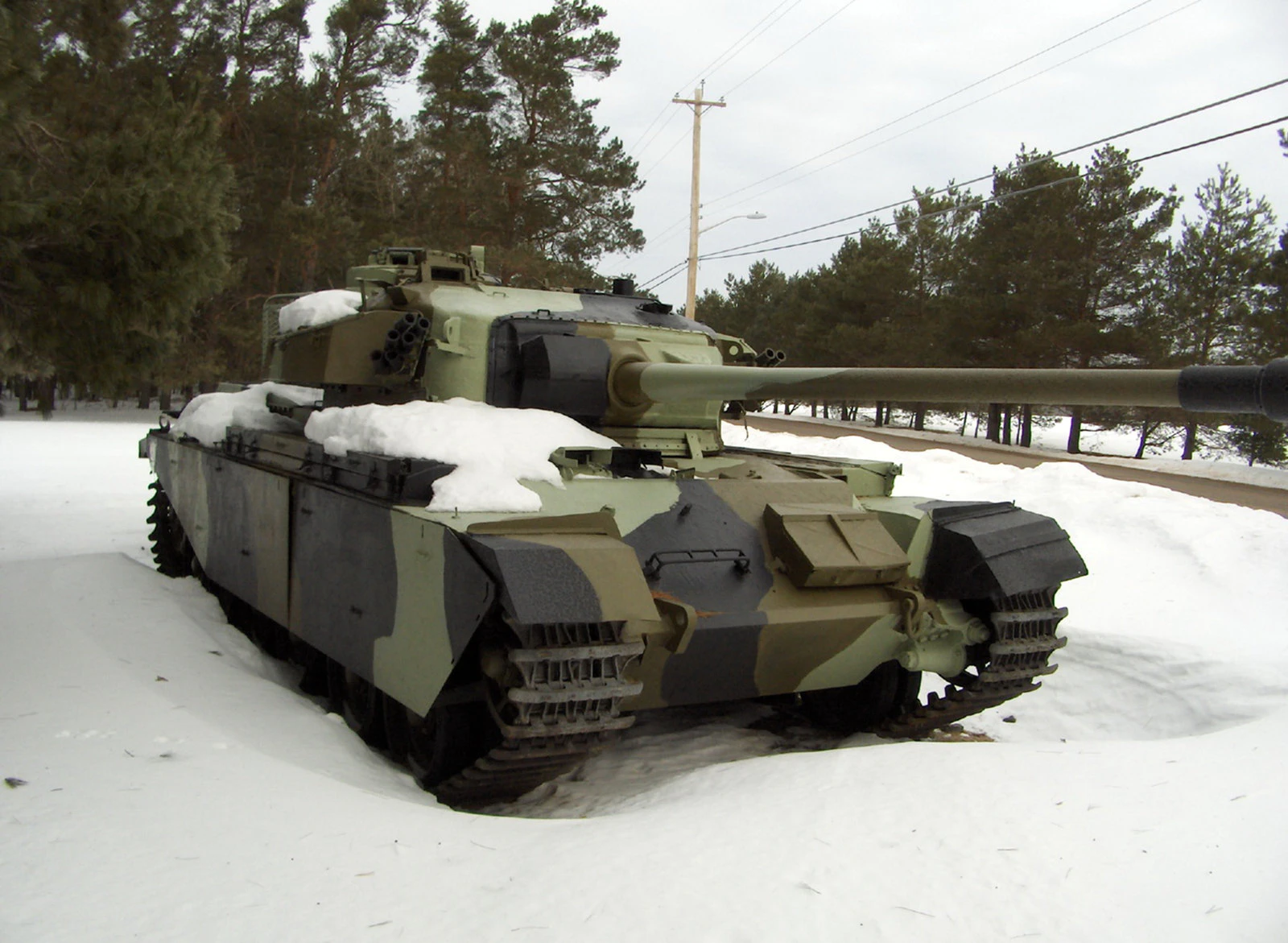
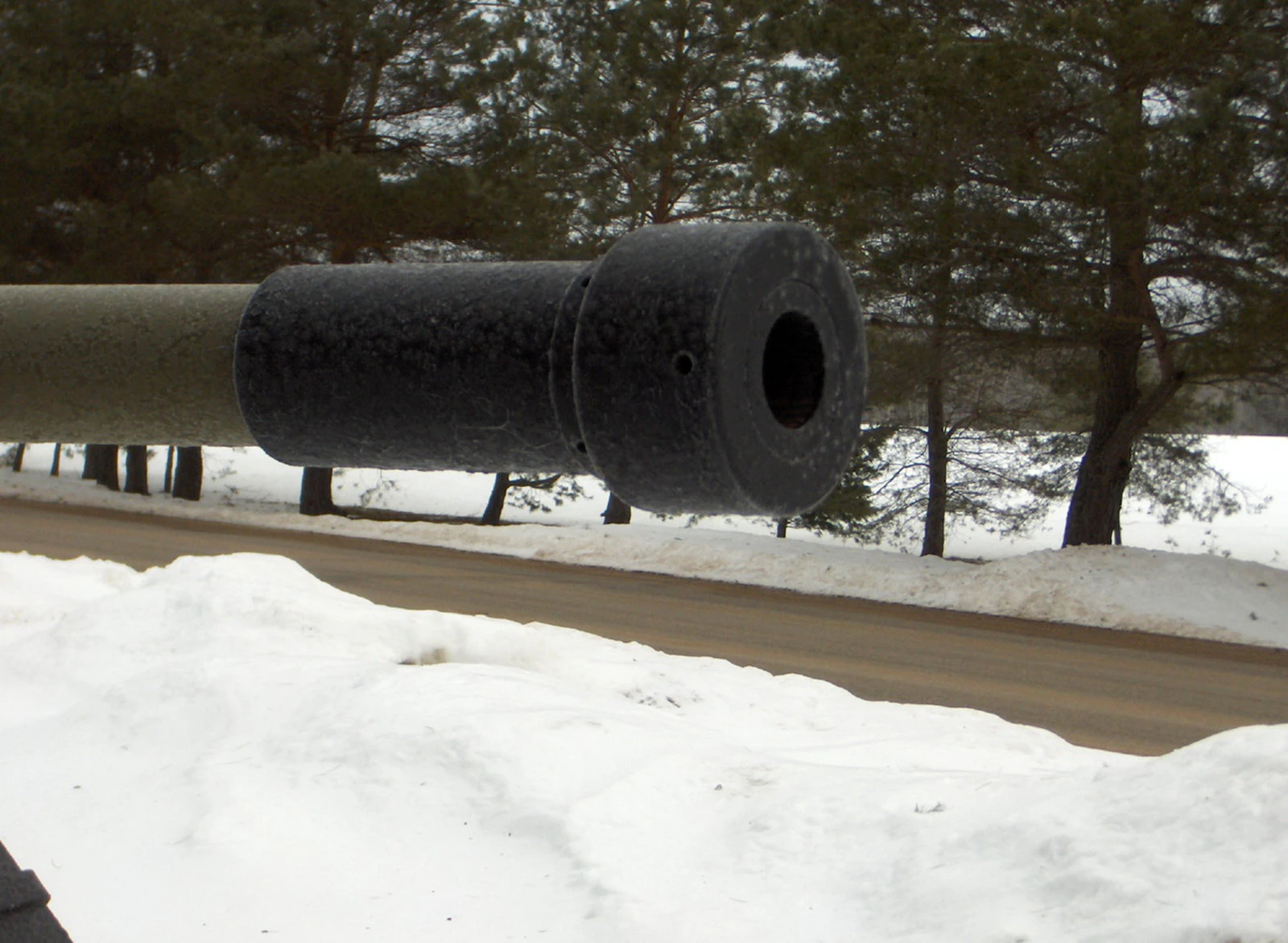
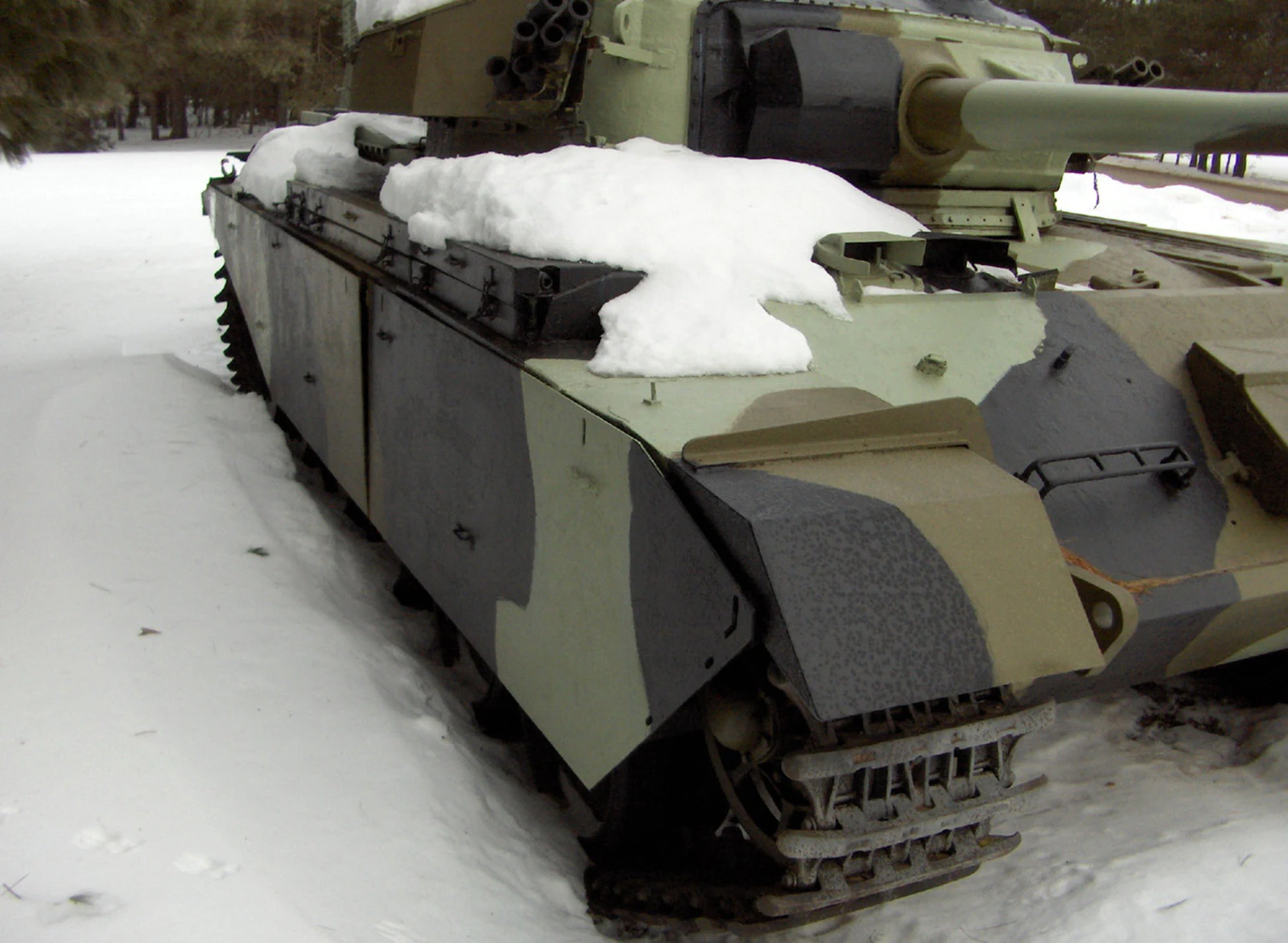
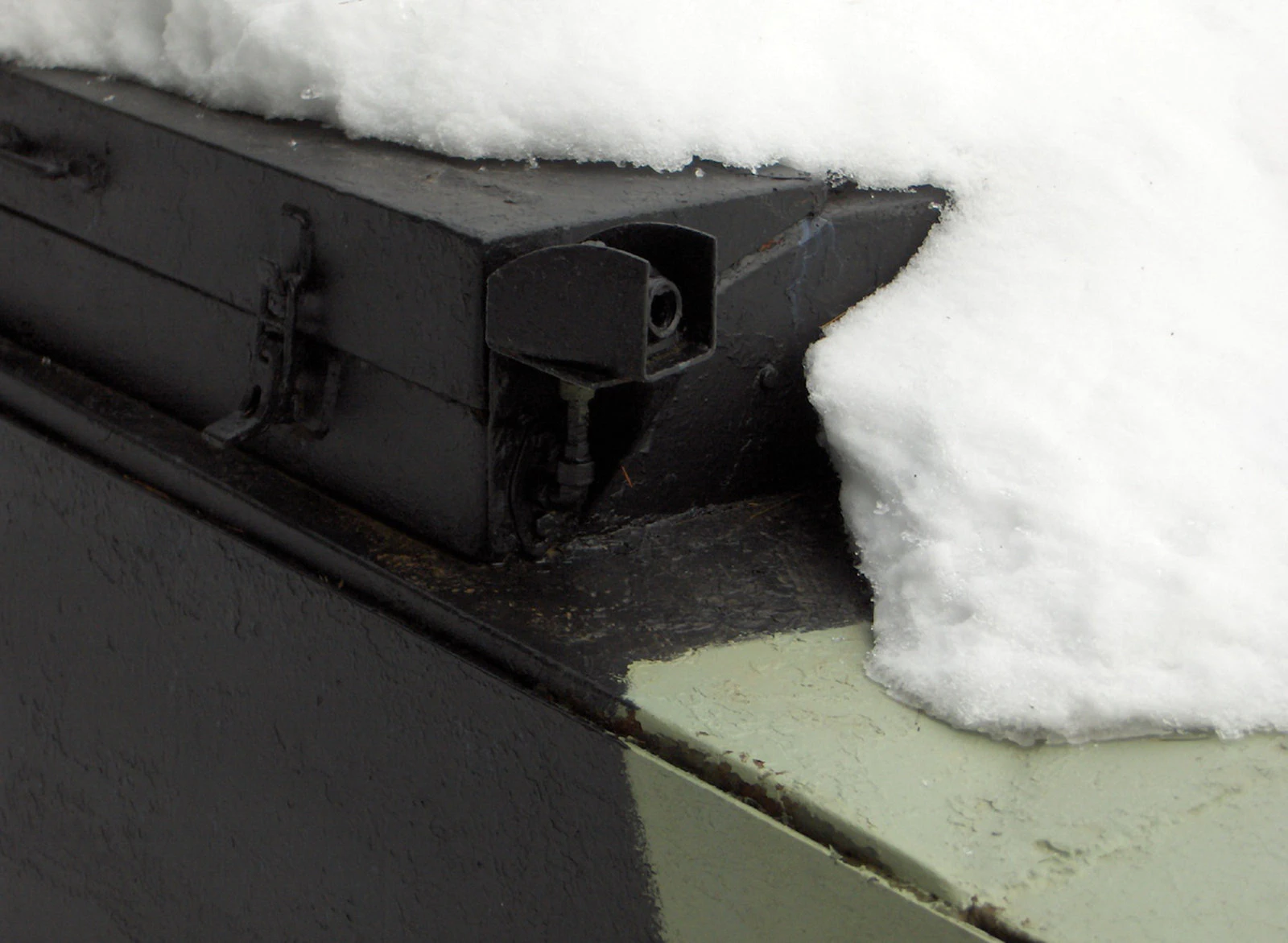
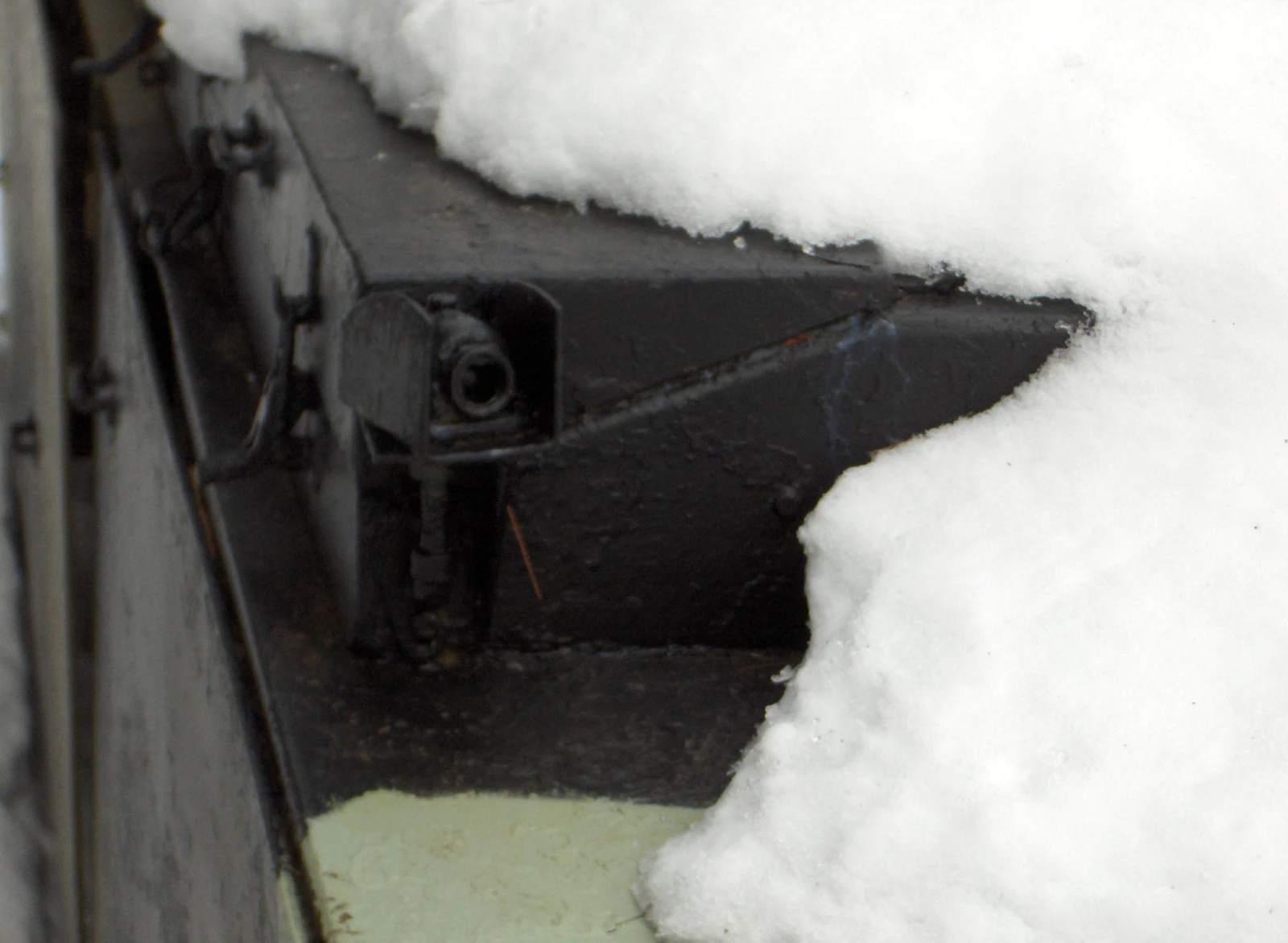
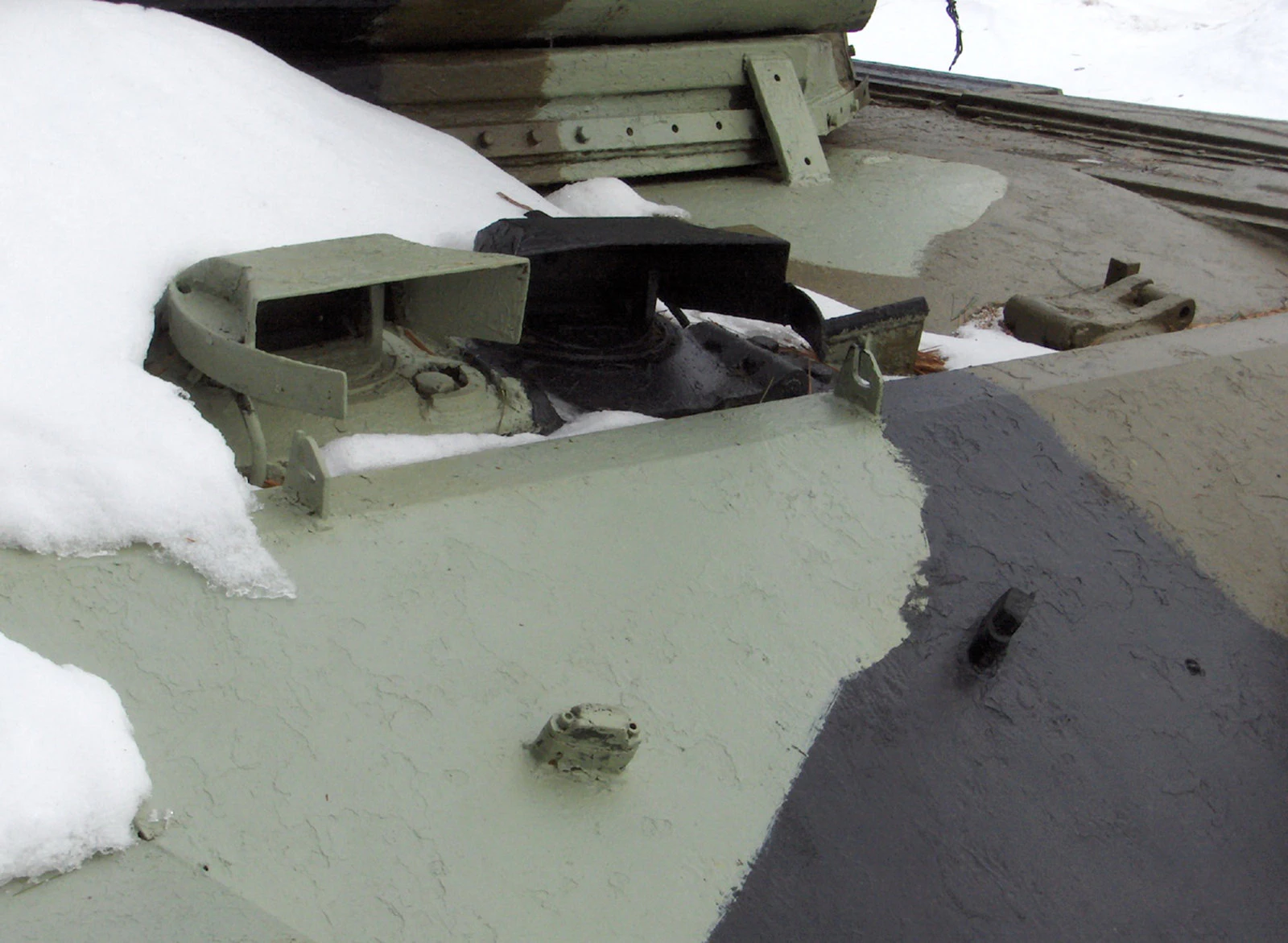
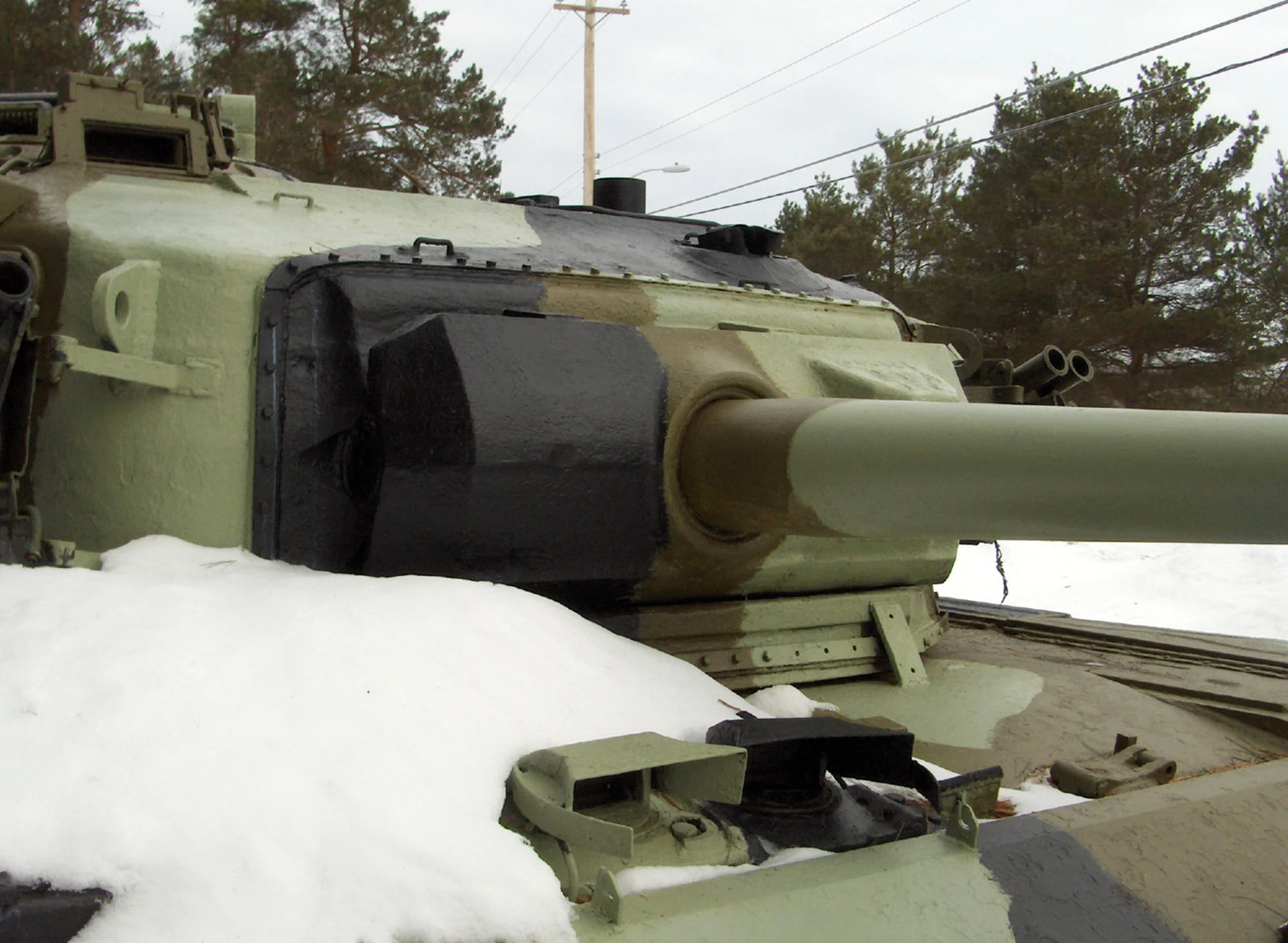

| Especificações técnicas | |
|---|---|
| Tripulação | 4 hommes (comandante, tireur, chargeur, conducteur) |
| Longueur | 7,82 m |
| Largura | 4,30 m |
| Hauteur | 3,01 m |
Veja também:


| Centurion Mk.5 Walk Around | |
|---|---|
| Fotógrafo | Daryl Rouxinol |
| Localização | Desconhecido |
| Fotos | 91 |
The Blueprint for Modern Warfare
O Centurion Mk 5 is arguably the most successful British tank ever built. Arriving just after WWII, it abandoned the old British doctrine of separate “Cruiser” and “Infantry” tanks in favor of a single Universal Tank. The Mk 5 was the definitive early Cold War version, featuring improved Browning machine guns and upgraded armor. It was the tank that proved British engineering could dominate the battlefield, famously holding the line in Korea and later forming the armored backbone of dozens of nations worldwide for over half a century.
| Attribute | Technical Specification (Centurion Mk 5) |
|---|---|
| Papel | Main Battle Tank (MBT) |
| tripulação | 4 (Commander, Gunner, Loader, Driver) |
| Main Armament | Ordnance QF 20-pounder (84 mm) |
| Secondary Armament | 2 × 7.62 mm Browning machine guns |
| Armadura | Up to 118 mm (Glacis) / 152 mm (Turret Front) |
| Motor | Rolls-Royce Meteor V12 petrol (650 hp) |
| Maximum Speed | 35 km/h (22 mph) on road |
| Operational Weight | Approx. 51 tonnes |
Design Engineering: The Meteor and the 20-Pounder
- The 20-Pounder Gun: Before the world-famous L7 105mm existed, the 20-pounder was the king of the hill. It was the first tank gun to utilize APDS (Armor-Piercing Discarding Sabot) ammunition, allowing it to punch through the thickest Soviet armor of the era with incredible accuracy.
- The Meteor Engine: The Centurion was powered by a non-supercharged version of the legendary Rolls-Royce Merlin aero-engine. While it made the tank somewhat slow, it provided massive torque and legendary reliability.
- Horstmann Suspension: Instead of internal torsion bars, the Centurion used external Horstmann bogies. This made the tank slightly wider but left more room inside the hull for ammunition and fuel, and it was much easier to repair in the field if hit by a mine.
- The “Coaxial” Switch: The Mk 5 marked the transition where British tanks swapped their standard Besa machine guns for the American Browning .30 caliber, standardized for better logistics with NATO allies.
Operational History: The “Atomic Tank” and Beyond
- The Atomic Survivor: In 1953, an Australian Centurion (Type Mk 3/5) was placed just 460 meters from the epicenter of a 9-kiloton nuclear blast. The tank was sandblasted and pushed back 5 feet, but after some minor repairs, it was driven away. It served for another 23 years, including combat in Vietnam.
- Vietnam Jungle Fighter: Australian Centurion Mk 5s were legendary in Vietnam. While the US relied on the M48 Patton, the Australians found the Centurion’s 20-pounder canister rounds and superior armor made it a “jungle fortress” that VC RPGs struggled to defeat.
- The “Sho’t” Kal: Israel heavily modified their Mk 5s, renaming them “Sho’t.” During the 1973 Yom Kippur War, a handful of Israeli Centurions famously held off hundreds of Syrian T-55s and T-62s in the “Valley of Tears,” proving the tank’s hull-down defensive superiority.
- Boiling Vessel (BV): No British Centurion was complete without the “BV”—an electric kettle that allowed the crew to make tea or heat rations without leaving the safety of the armor. It has been a standard feature on every British tank since.
Views : 4565
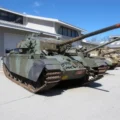
foi esta tomada em Nova Escócia