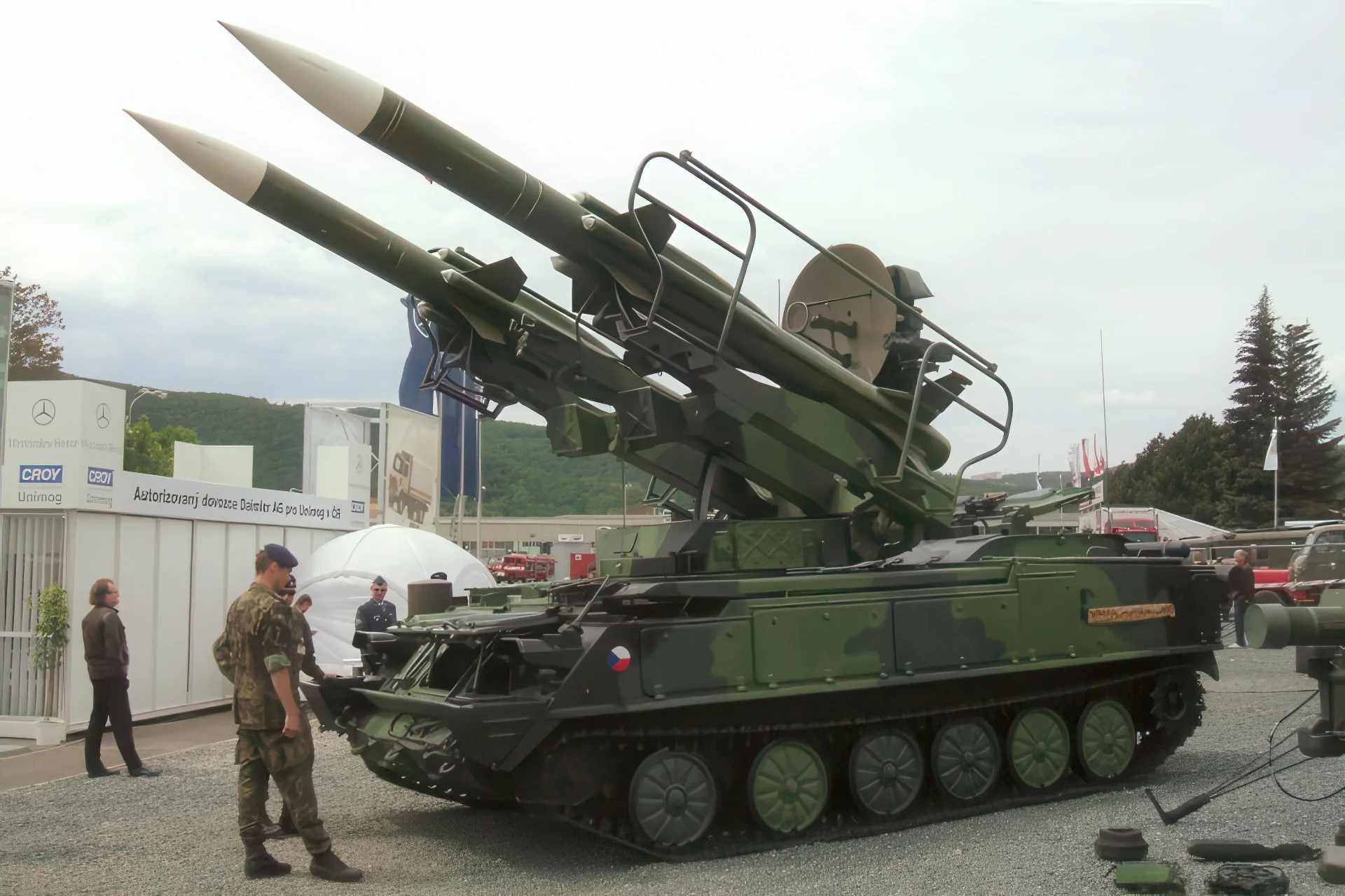
SA-6 Zyskowny | |
|---|---|
| Kraju | Radzieckiego |
| Typu | Gąsienicowy system rakietowy ziemia-powietrze średniego zasięgu |
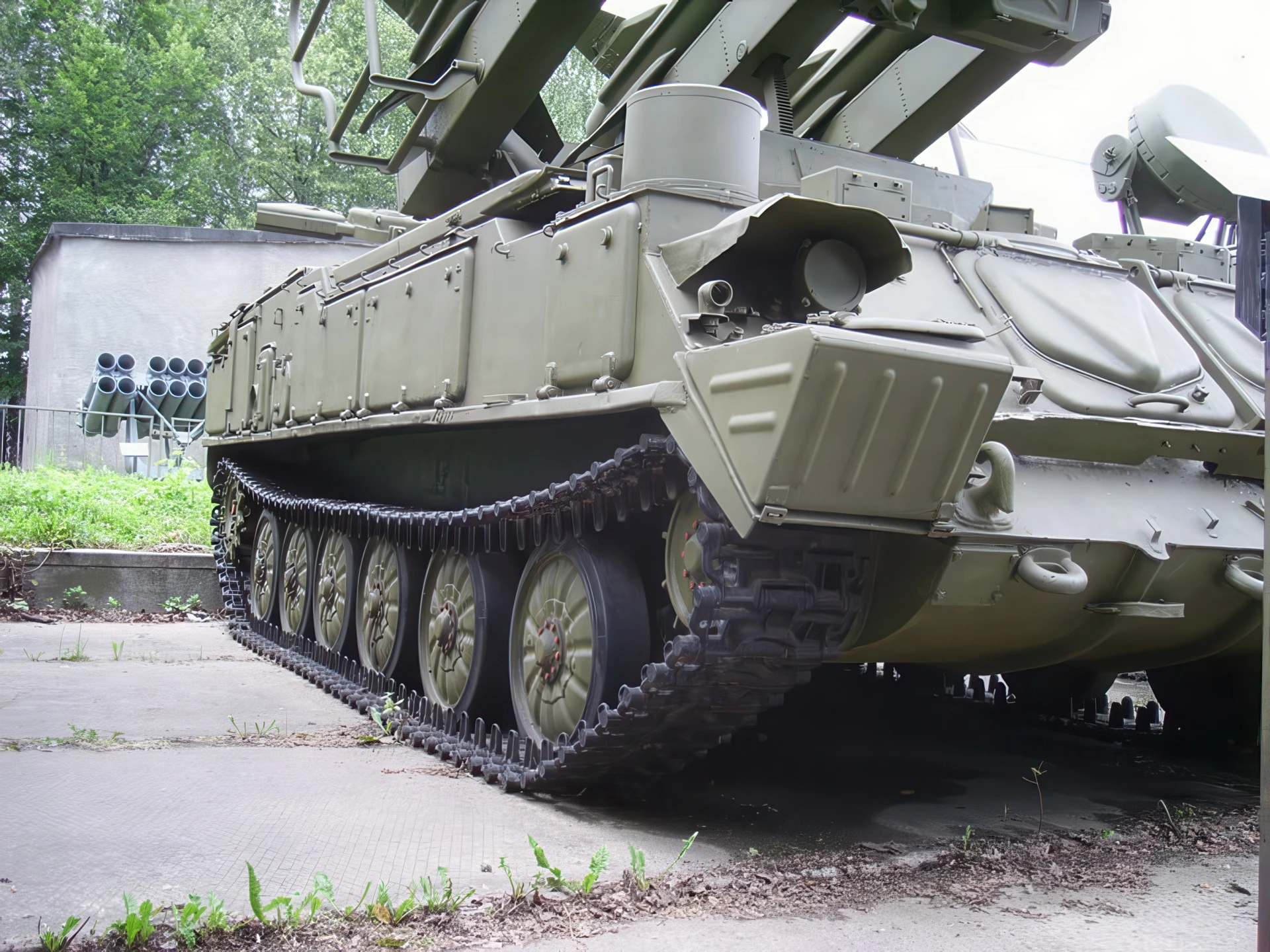
Galeria zdjęć SA-6 Zyskowny, The 2K12 “Kub” (Russian: 2К12 “Куб”; English: cube) (NATO reporting name: SA-6 “Gainful”) mobile surface-to-air missile system is a Soviet low to medium-level air defence system designed to protect ground forces from air attack. “2К12” is the GRAU designation of the system. Each 2K12 battery consists of a number of similar tracked vehicles, one of which carries the 1S91 (SURN vehicle, NATO designation “Straight Flush”) 25 kW G/H band radar (with a range of 75 km (47 mi)) equipped with a continuous wave illuminator, in addition to an optical sight. The battery usually also includes four triple-missile transporter erector launchers (TELs), and four trucks, each carrying three spare missiles and a crane. The TEL is based on a GM-578 chassis, while the 1S91 radar vehicle is based on a GM-568 chassis, all developed and produced by MMZ.
Źródła: SA-6 Zyskowny na Wikipedii
| SA-6 Gainful | |
|---|---|
| Fotograf | Zdenek Eliasz |
| Lokalizacja | Niewiedzy |
| Zdjęcia | 30 |
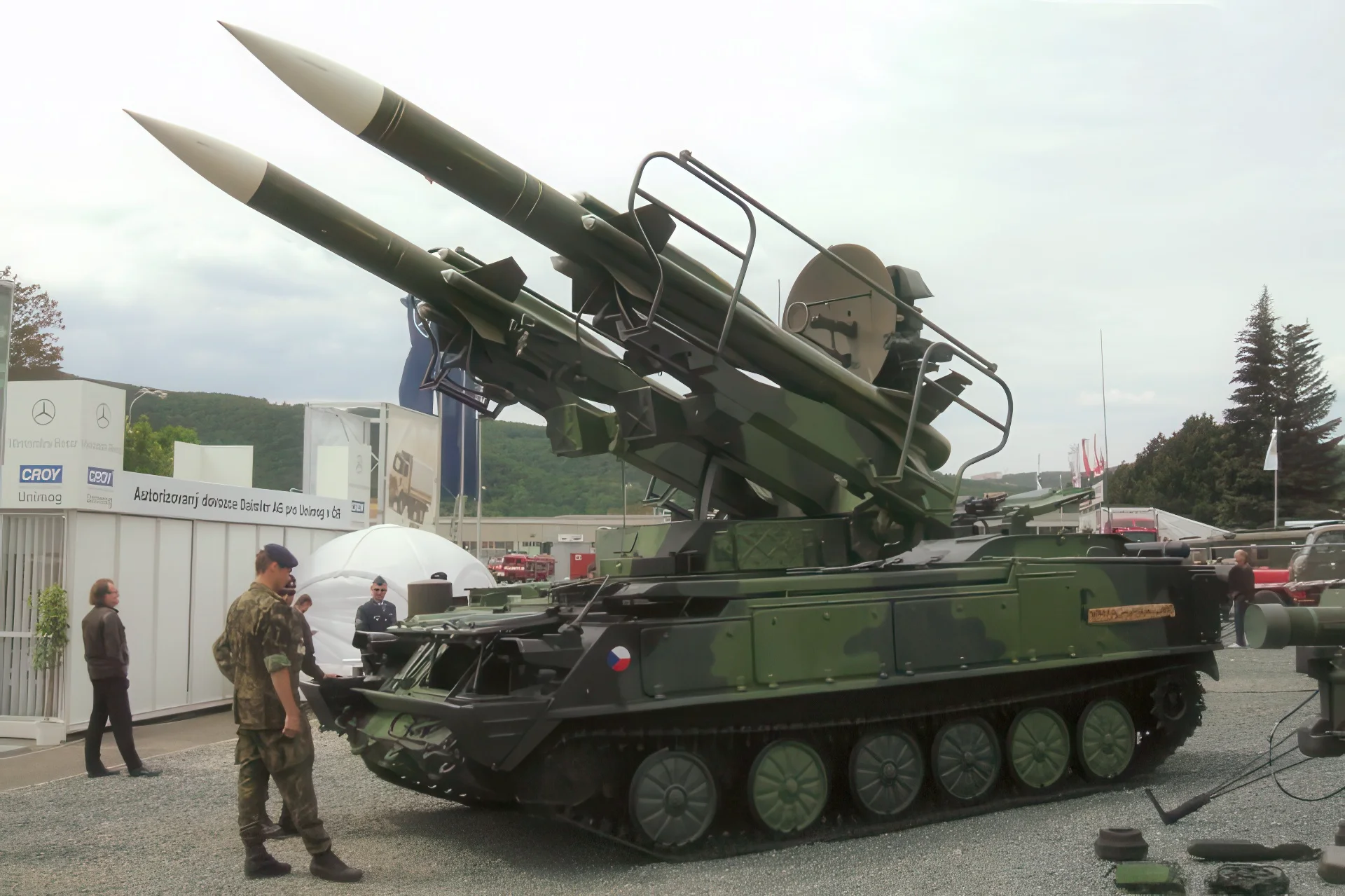
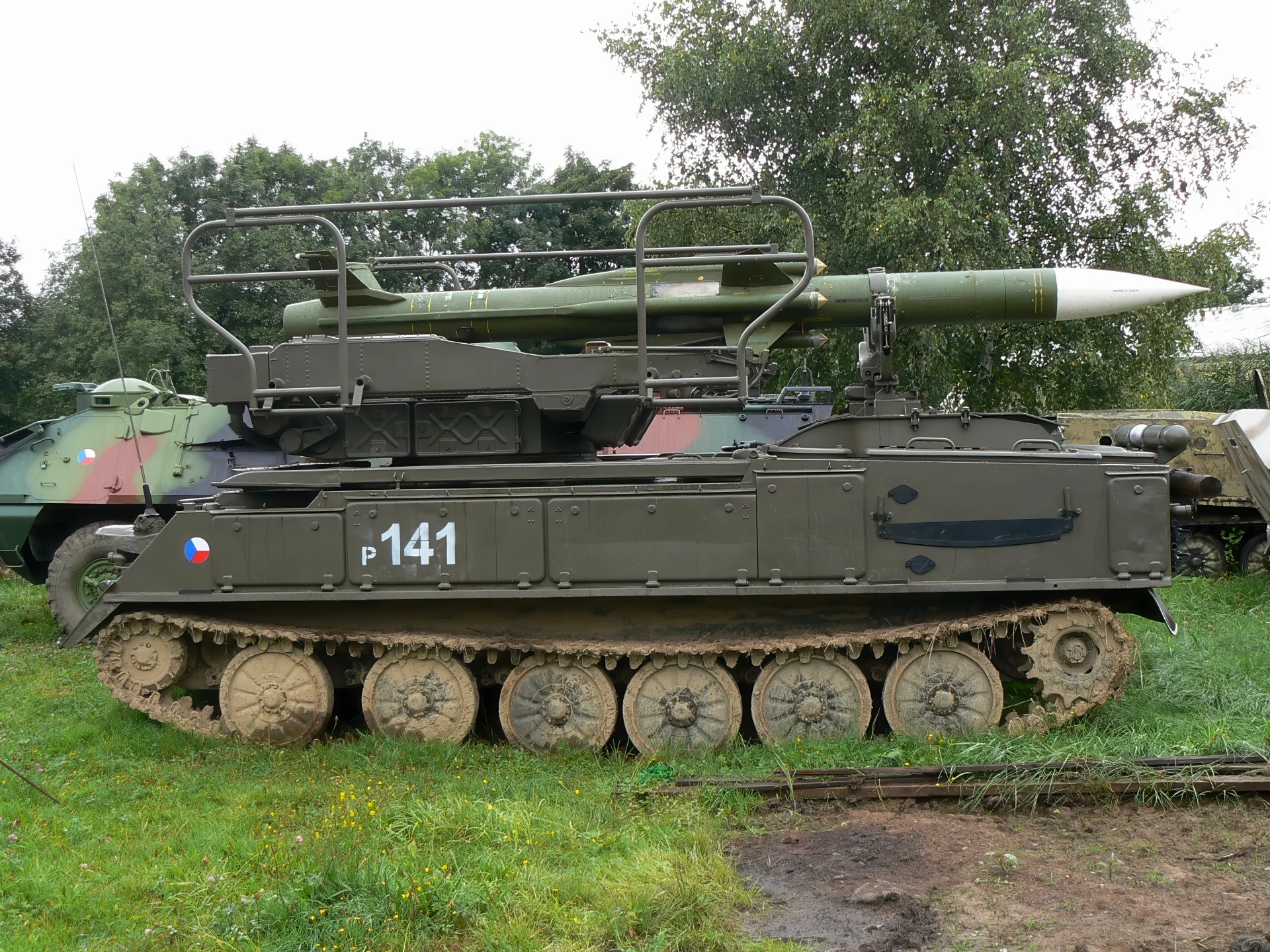
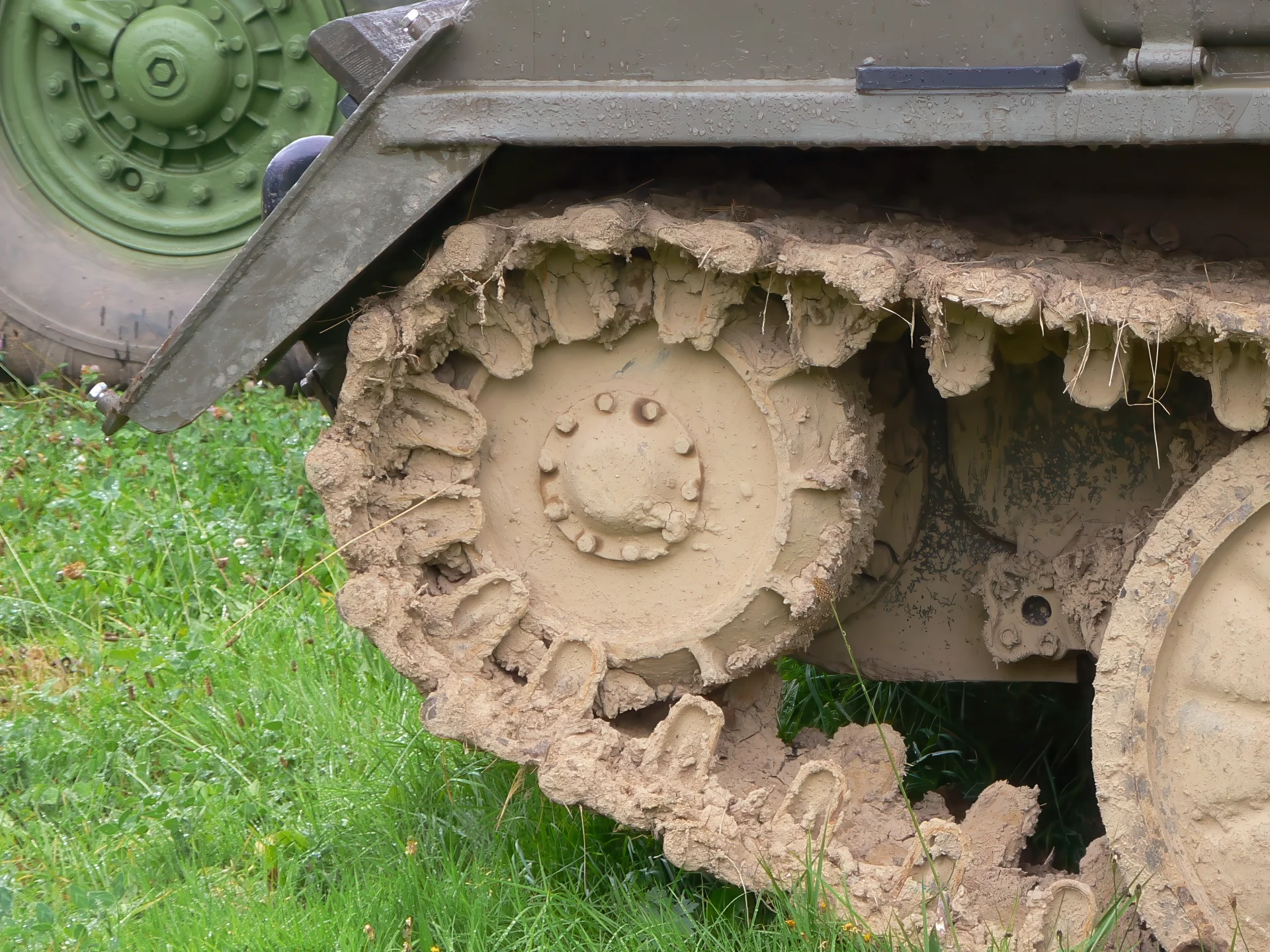
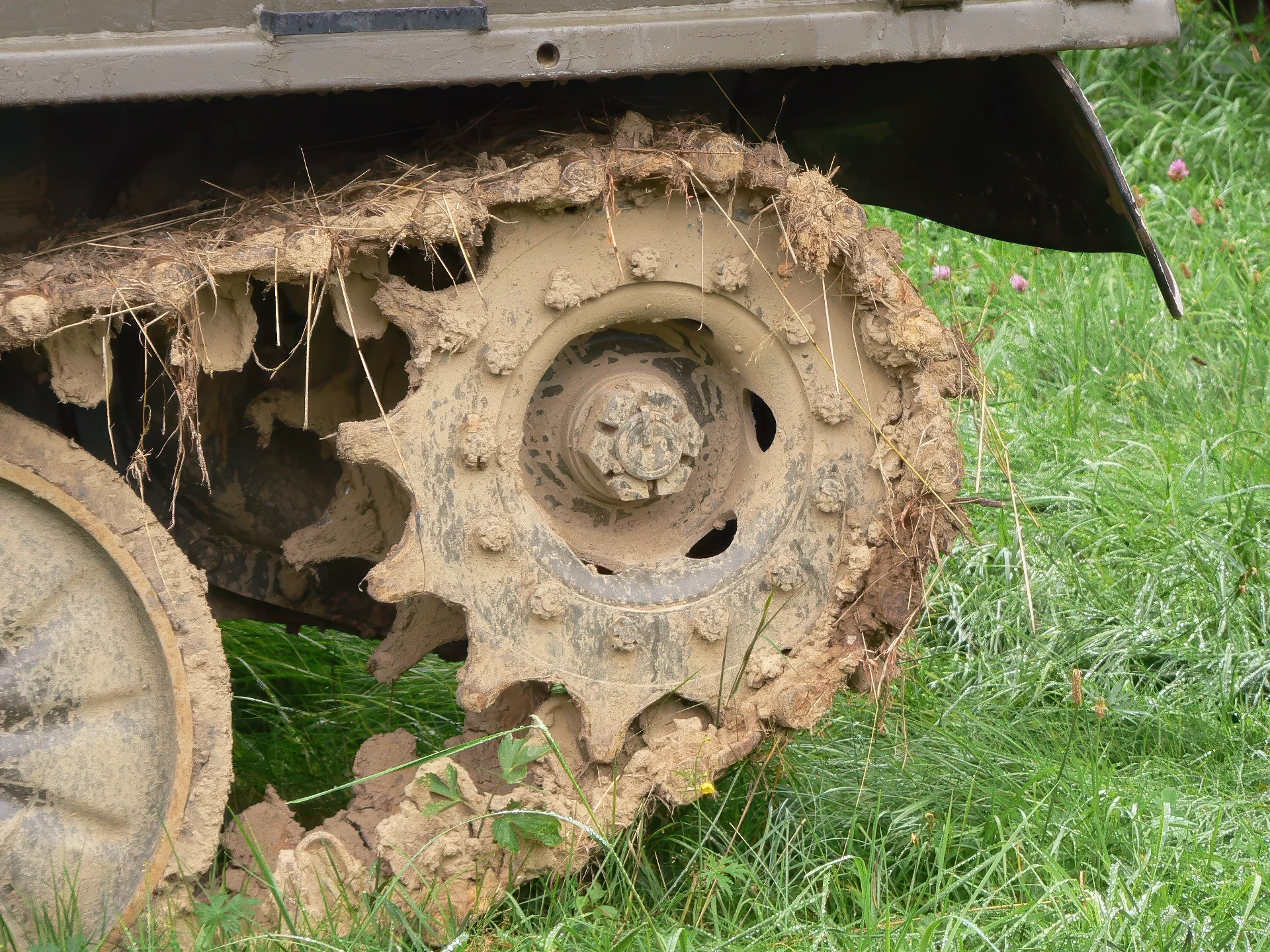
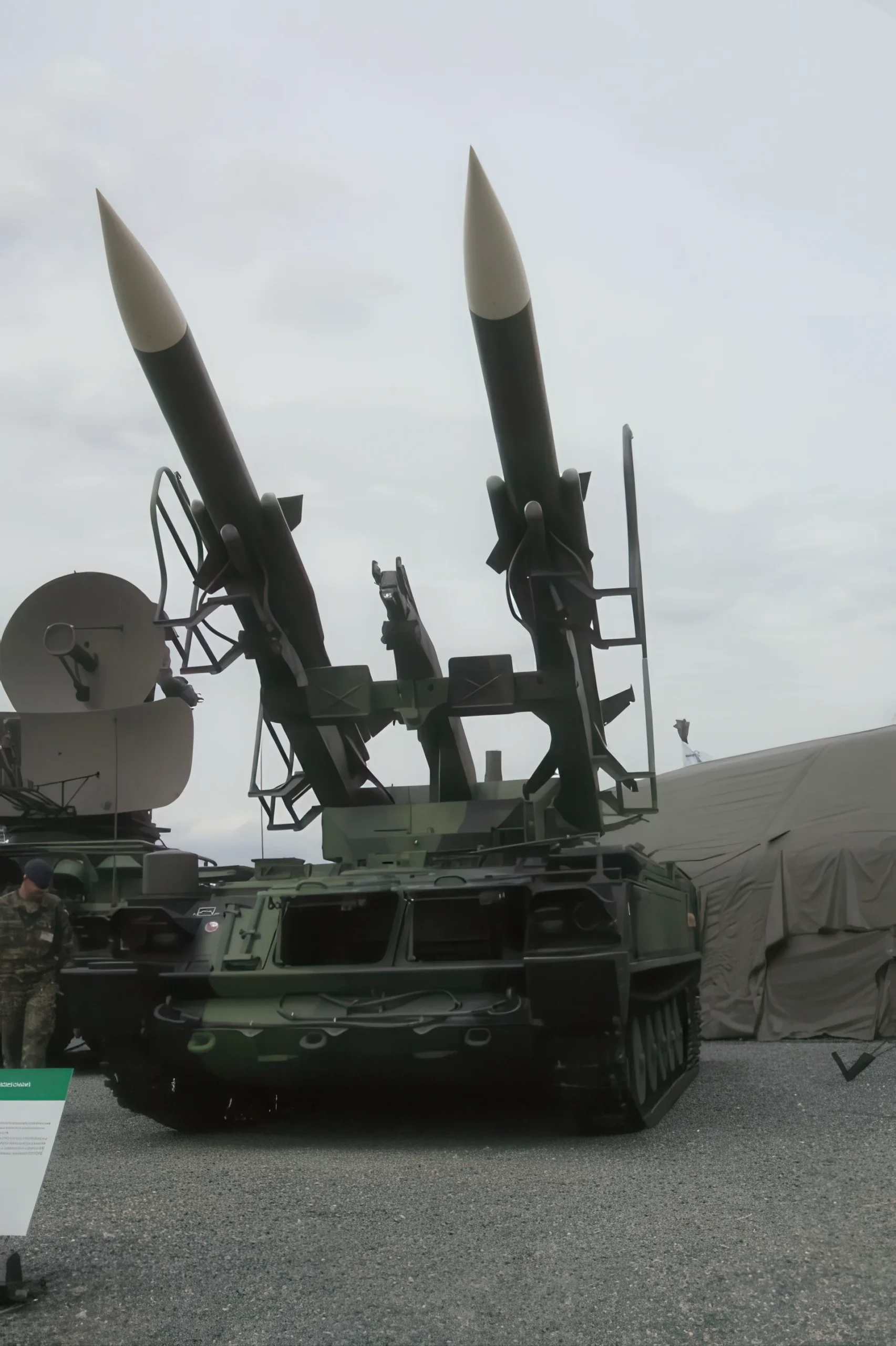
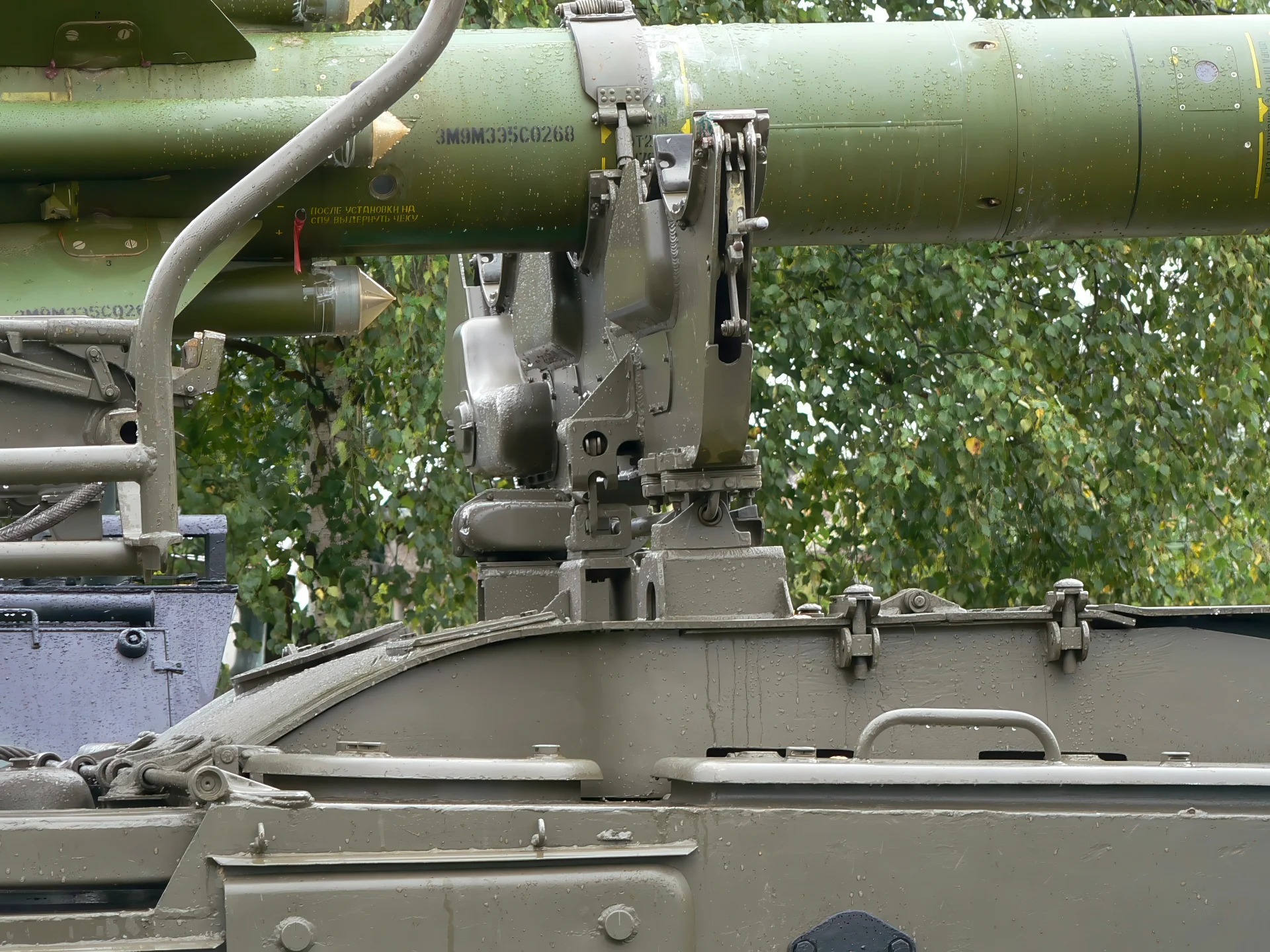
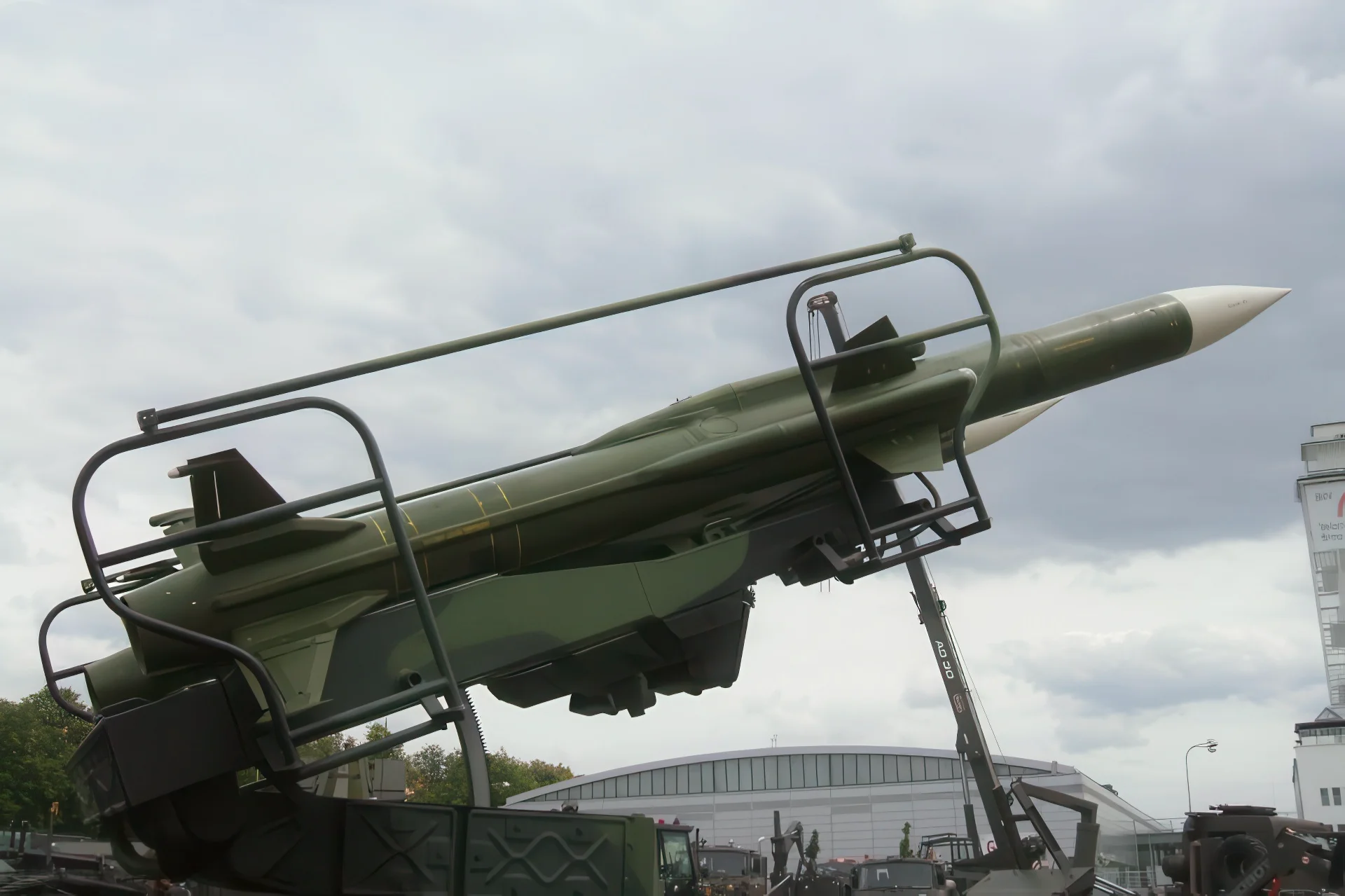
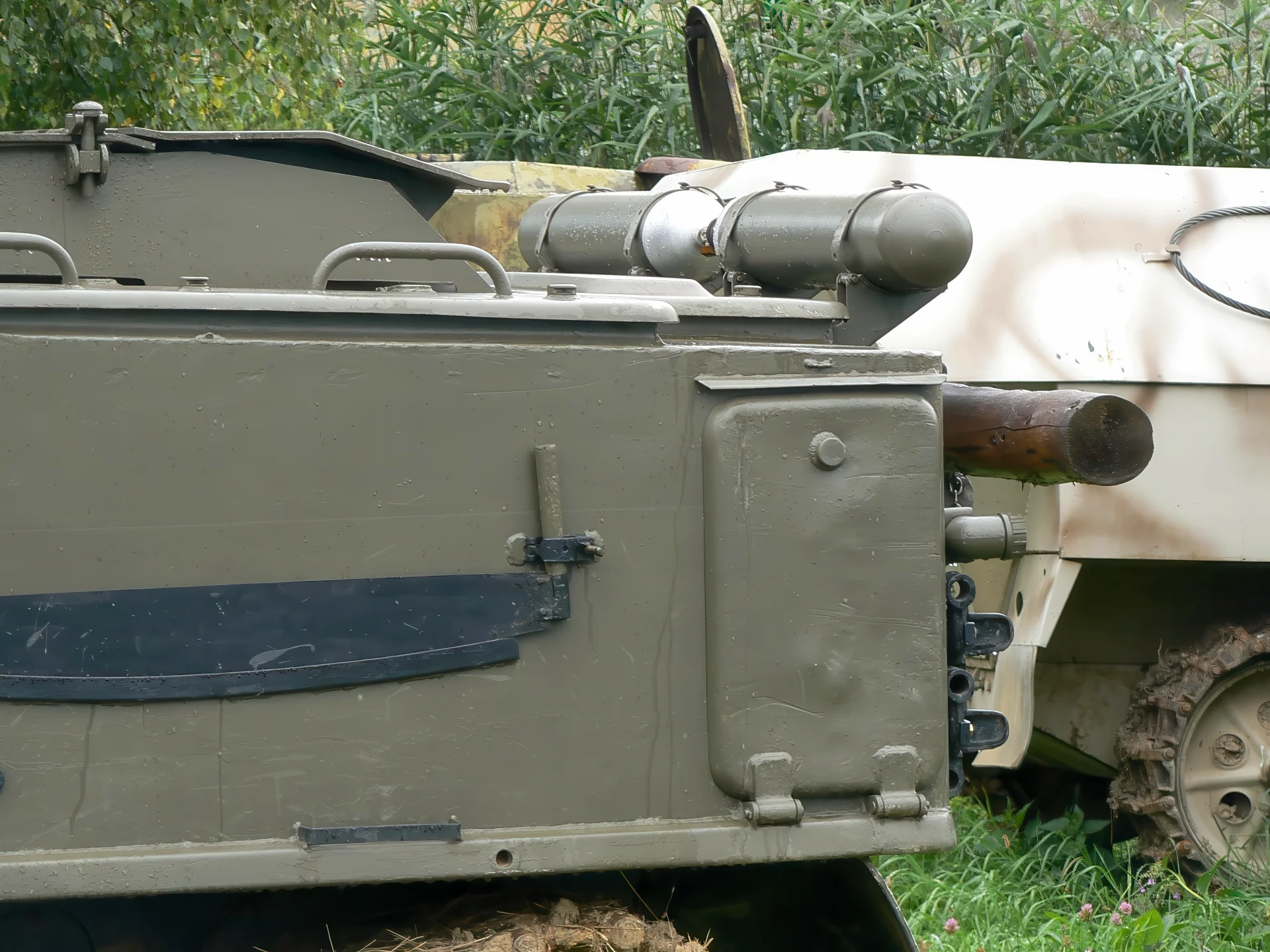
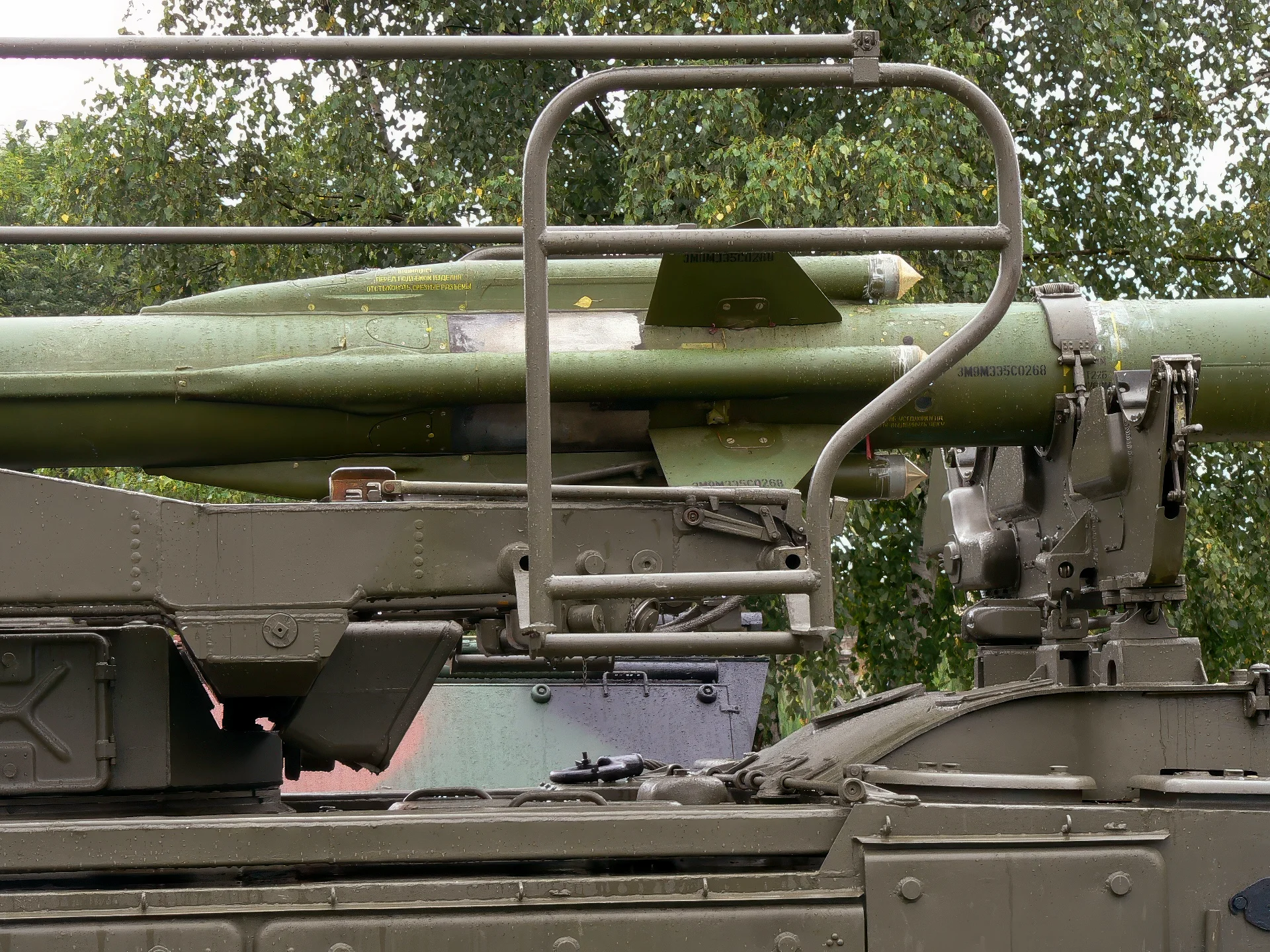

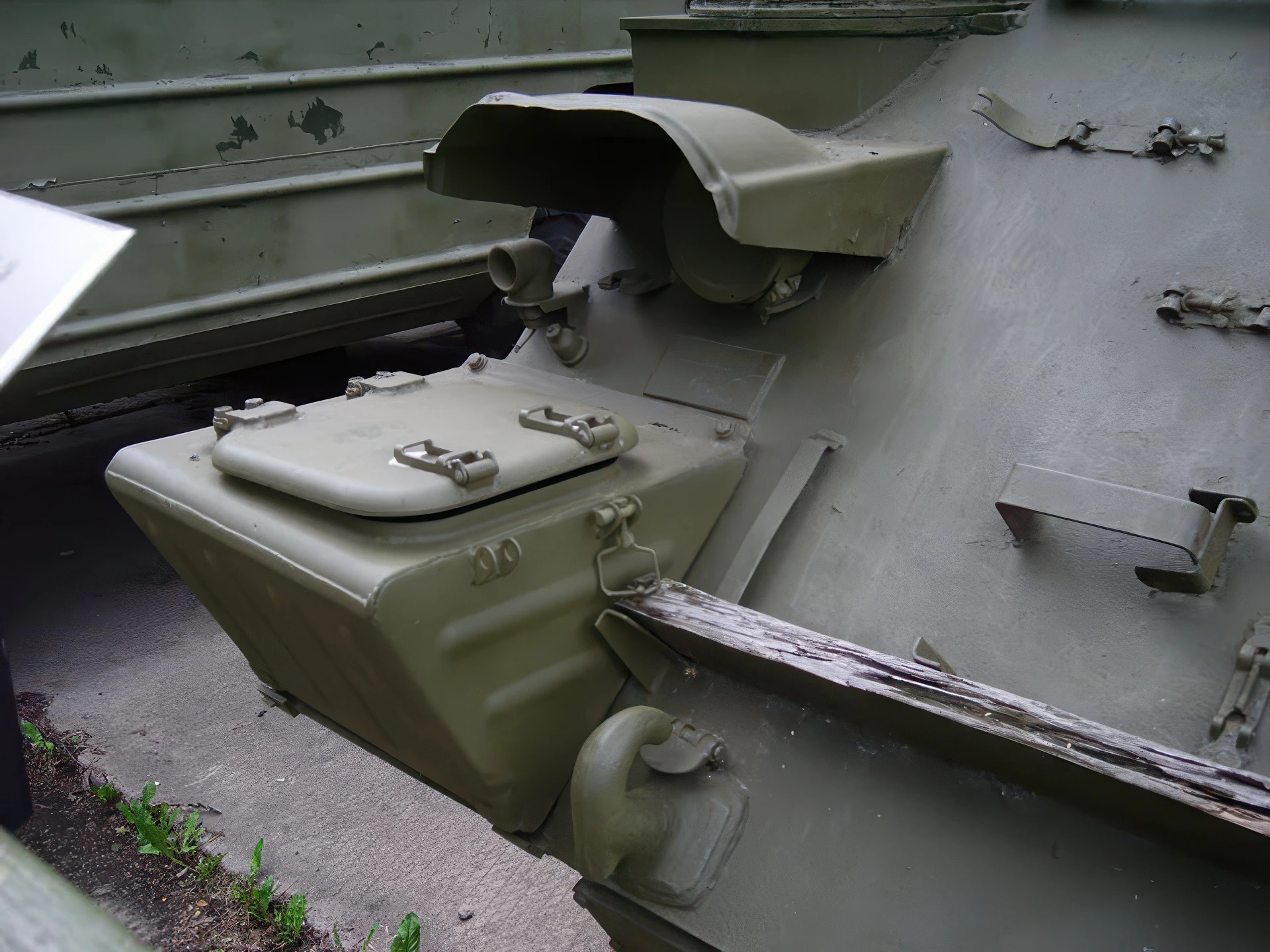
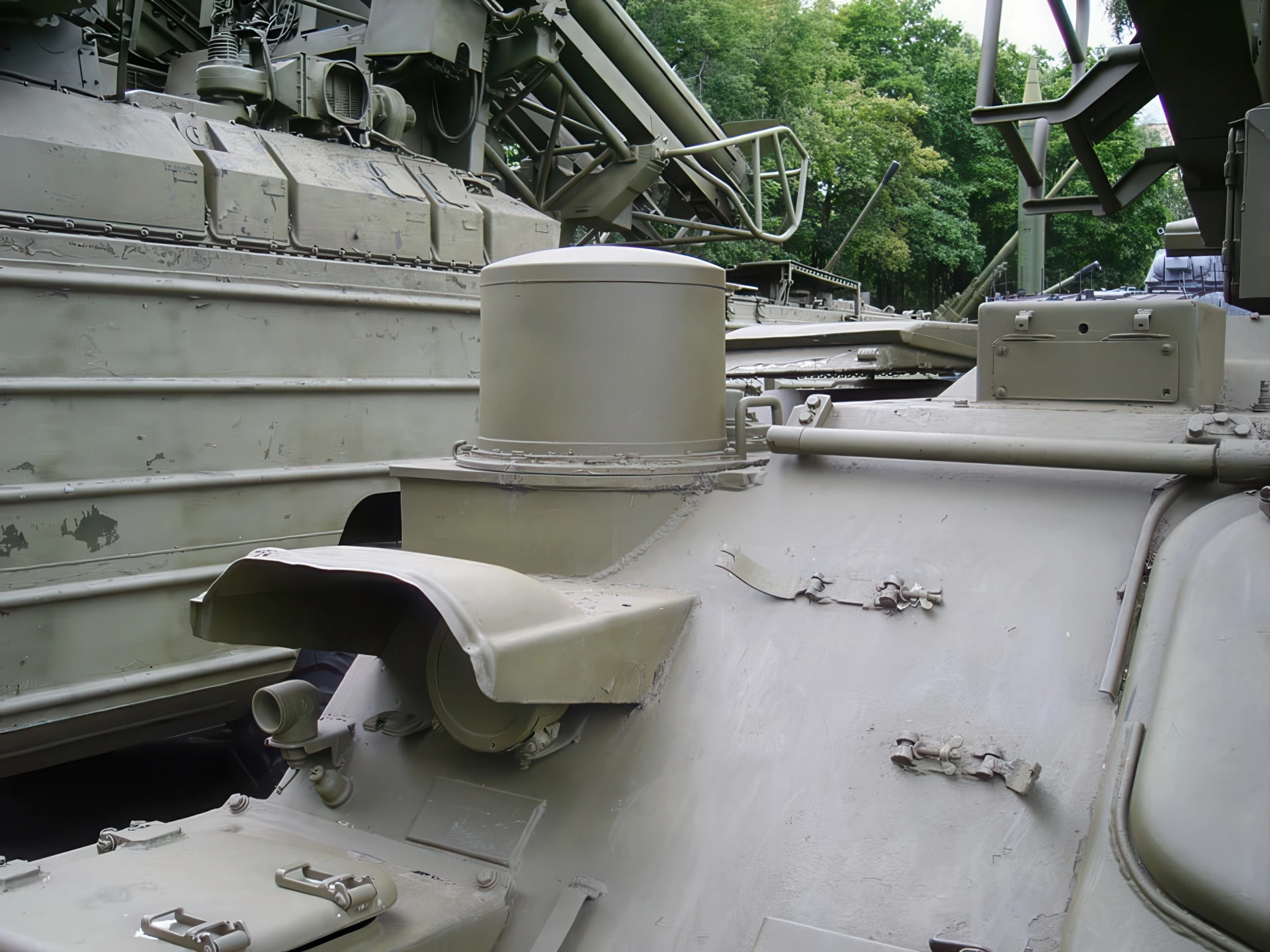
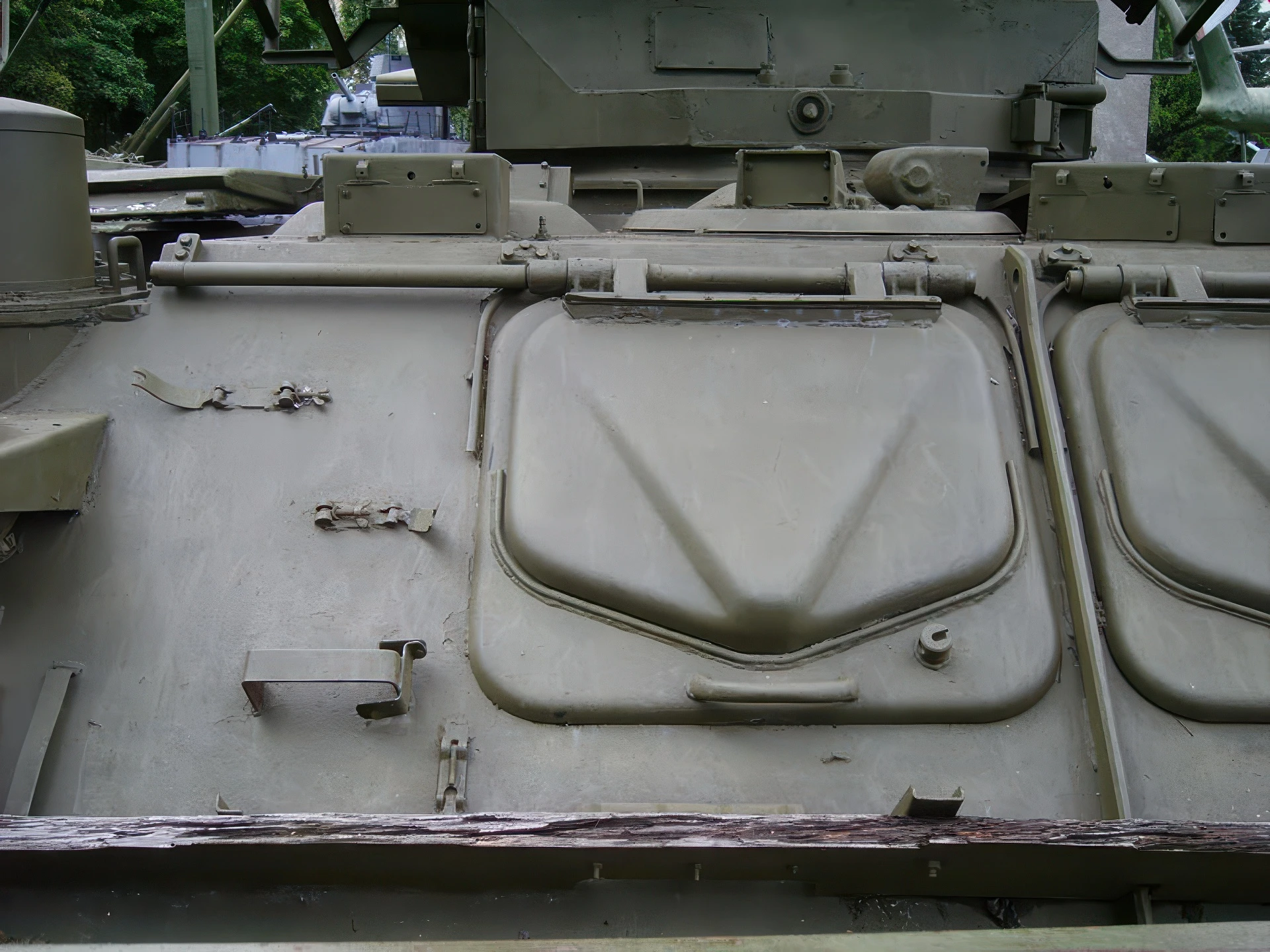
| 2K12 Kub (NATO SA-6 Gainful) Walk Around | |
|---|---|
| Fotograf | Władimir Yakubov |
| Lokalizacja | Centralne Muzeum Sił Zbrojnych, Moskwa |
| Zdjęcia | 64 |
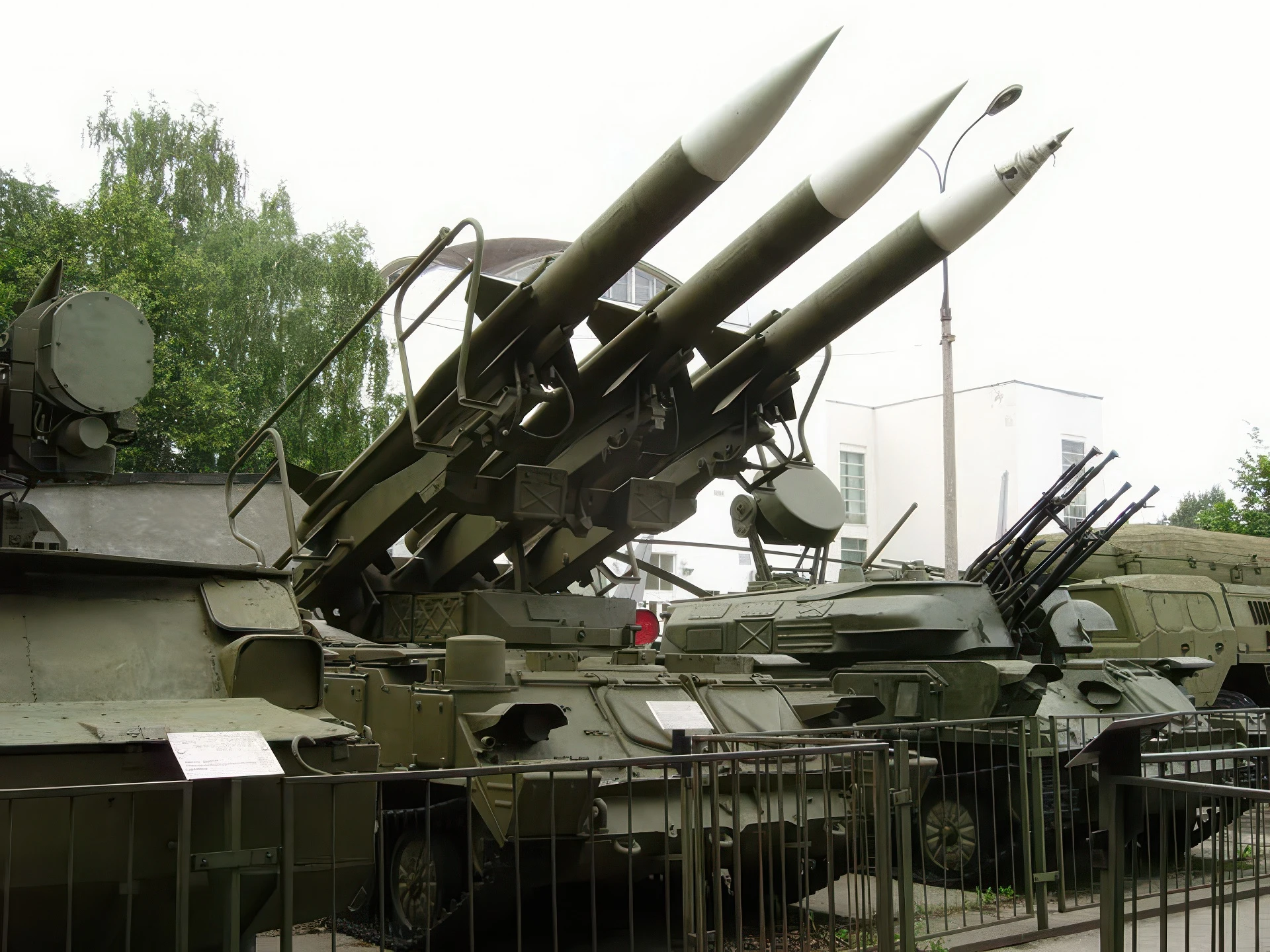
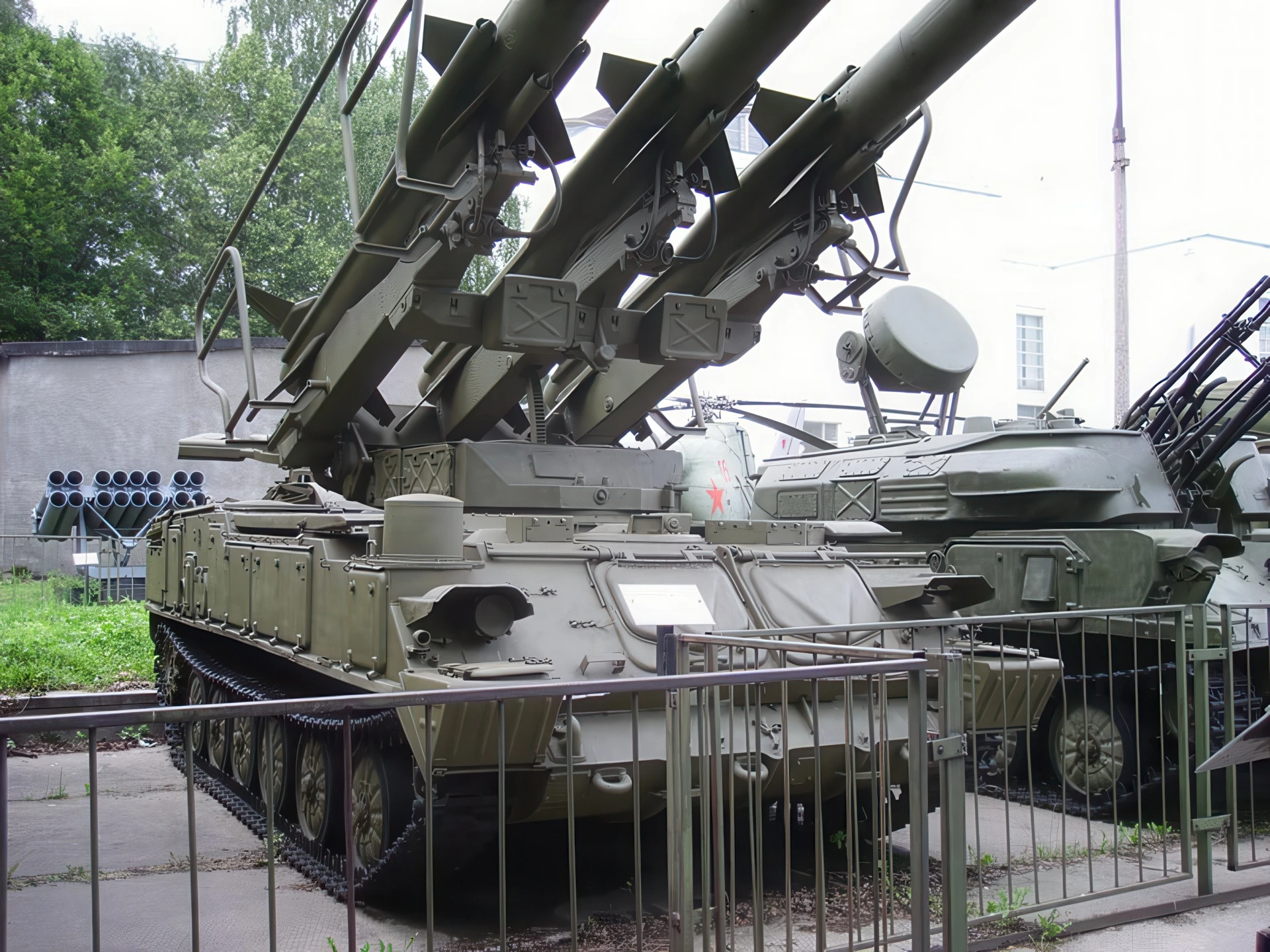
 Kup mi kawę
Zobacz też:


The Deadly Desert Sky-Sweeper
Tthe Kub 2K12 (NATO reporting name: SA-6 Zyskowny) was a revolutionary Soviet mobile, low-to-medium altitude surface-to-air missile (SAM) system developed to defend mechanized divisions from supersonic air attack. Representing a massive leap forward in tactical air defense during the Cold War, the SA-6 combined tracked mobility with advanced radar tracking and continuous-wave guidance. The system shocked Western military planners during the 1973 Yom Kippur War, where it effectively neutralized Israeli air superiority and proved itself as one of the most lethal anti-aircraft weapons of its era.
| Attribute | Technical Specification (2K12 Kub / SA-6) |
|---|---|
| Roli | Mobile Low-to-Medium Altitude Surface-to-Air Missile System |
| Missile Designation | 3M9 (Three missiles carried per launcher vehicle) |
| Target Engagement Range | Minimum: 4 km (2.5 miles) / Maximum: 24 km (15 miles) |
| Target Engagement Altitude | Minimum: 50 m (160 ft) / Maximum: 14,000 m (46,000 ft) |
| Missile Speed | Mach 2.8 (Supersonic ramjet sustained flight) |
| Guidance System | Semi-Active Radar Homing (SARH) with Radio Command Link |
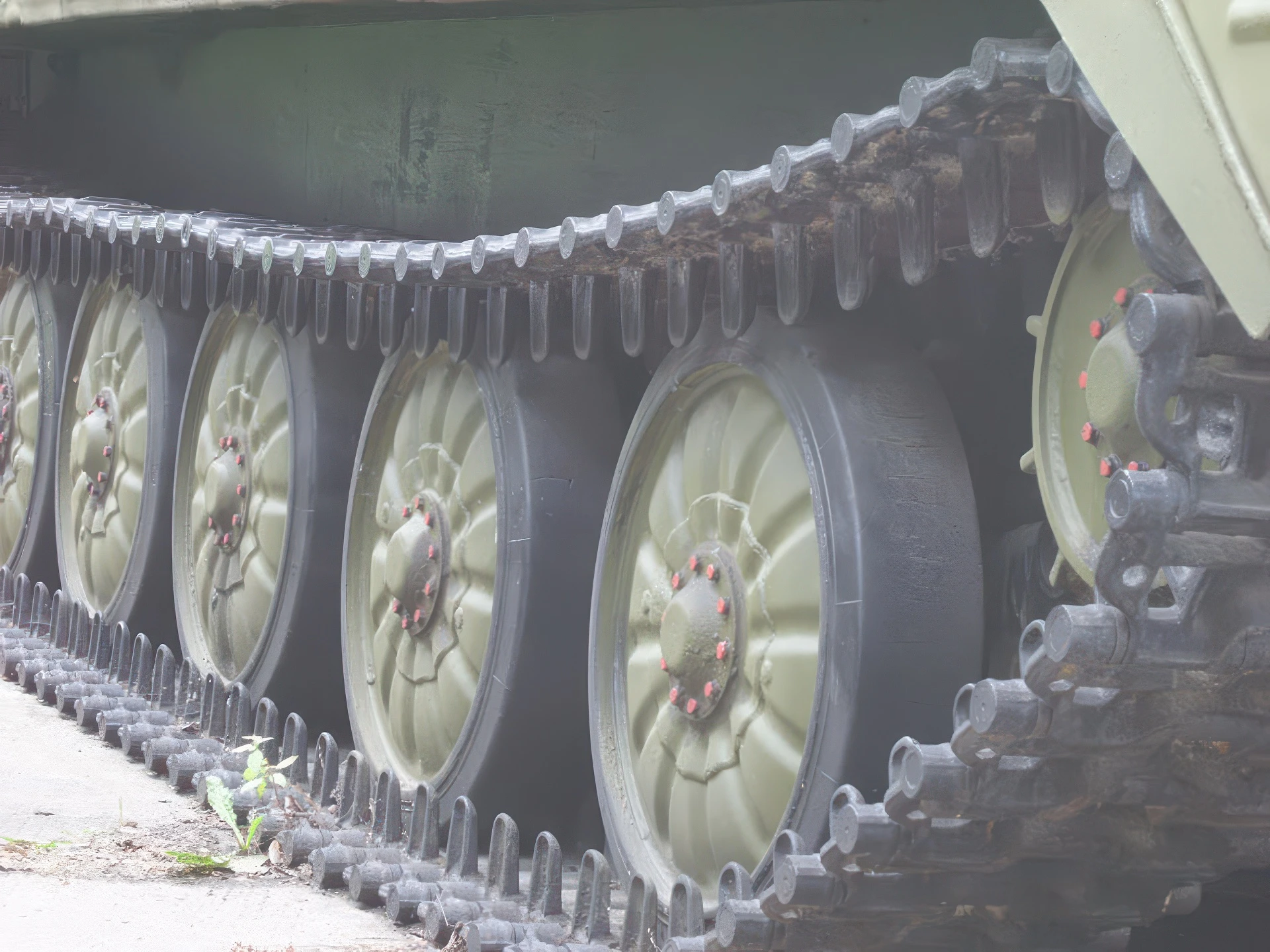
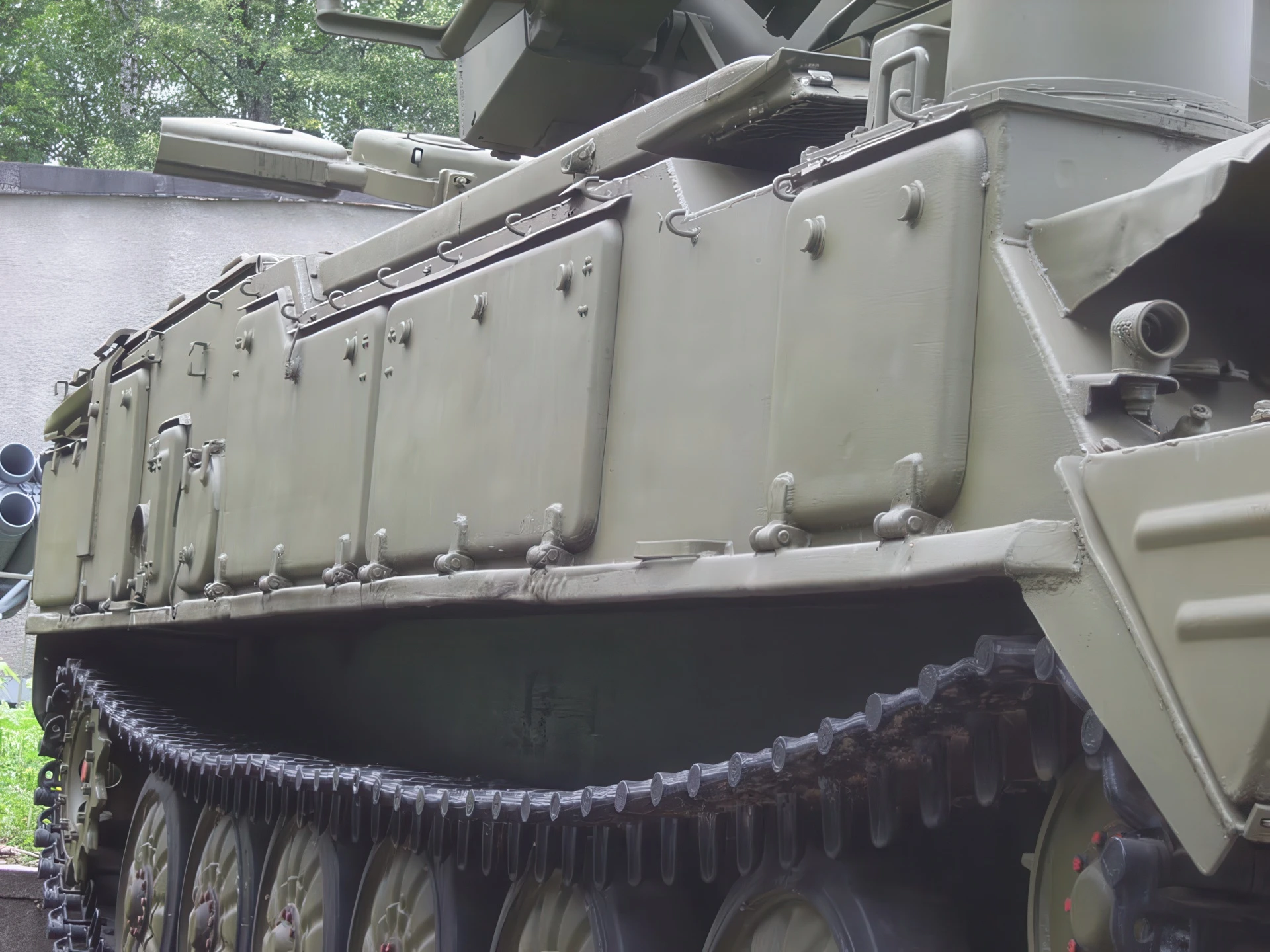
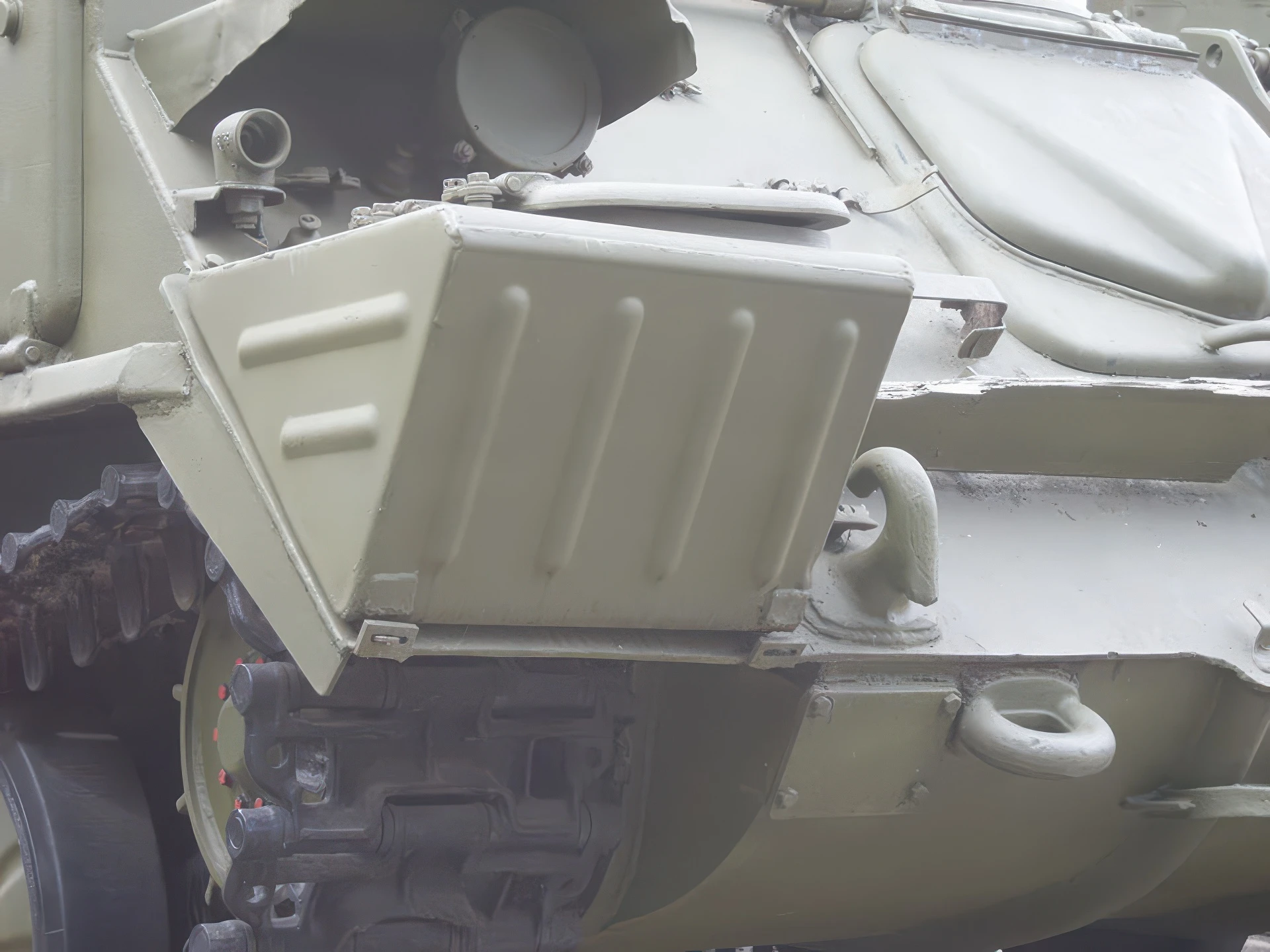
| Chassis Platform | GM-578 Tracked Armored Vehicle (Launcher) / GM-568 (Radar) |
| Missile Weight | 599 kg (1,321 lbs) with a 59 kg (130 lbs) HE-fragmentation warhead |
Design Engineering: Integral Ramjets and Tracked Fire-Control
- Integral Rocket-Ramjet Motor: The 3M9 missile featured a brilliant piece of propulsion engineering. It launched using a solid-fuel booster rocket pack inside the main combustion chamber. Once burned out, the empty casing instantly converted into the air-mixing combustion chamber for a supersonic ramjet motor, allowing sustained high-speed maneuverability all the way to the target.
- Three-Missile Launcher (1S91): The launcher vehicle carried three missiles on a fully rotatable, elevating turntable turret. The tracked chassis allowed the system to keep pace with fast-moving armored columns over rugged terrain and deploy to fire within minutes of stopping.
- The “Straight Flush” Radar: A complete SA-6 battery relied on a separate companion vehicle housing the 1S91 (NATO: “Straight Flush”) radar system. This vehicle combined target acquisition, tracking, and illumination radars on a single platform, allowing the battery to scan the skies, lock targets, and guide missiles simultaneously.
- Semi-Active Radar Homing: Unlike simpler heat-seeking missiles, the SA-6 chased radar energy bouncing off the target plane. The “Straight Flush” radar painted the enemy aircraft with a continuous-wave beam, and a seeker antenna in the nose of the missile followed that reflected signal with surgical precision.
Operational History: Yom Kippur Ambushes and Global Flashpoints
- The 1973 Yom Kippur Shock: The SA-6 achieved legendary status in the hands of Egyptian and Syrian forces against the Israeli Air Force (IAF). Operating alongside mobile ZSU-23-4 anti-aircraft guns, the SA-6 caught IAF pilots completely off guard. Their existing electronic countermeasure (ECM) pods were tuned to defeat older SA-2 and SA-3 radars, leaving them defenseless and resulting in severe aircraft losses.
- The “Three Fingers of Death”: Terrified Israeli pilots quickly nicknamed the distinct, three-missile launching silhouette the “Three Fingers of Death.” The missile’s smoky, high-speed launch trajectory and extreme agility made it a psychological nightmare for pilots operating over the Sinai and Golan Heights.
- The Balkan Engagements: Decades later, the aging system still proved highly dangerous. During the 1995 Bosnian War, a Bosnian Serb SA-6 successfully shot down a US Air Force F-16C flown by Captain Scott O’Grady. In the 1999 Kosovo War, Yugoslav forces used the SA-6 to heavily restrict NATO flights to higher altitudes.
- A Prolific Export Legacy: The Soviet Union exported the 2K12 Kub to dozens of Warsaw Pact, Middle Eastern, African, and Asian nations. Its combat success fundamentally forced Western air forces to redesign their tactical electronic jamming gear, spearhead the development of stealth technology, and revolutionize anti-radiation missile tactics.
Views : 5835
Możesz również zobaczyć:
 9K33 Osa – Zdjęcia i filmy
 BM-30 Smerch – Zdjęcia i filmy
 Northrop JB-1 Bat – Zdjęcia & Filmy
 Pershing II – Zdjęcia & wideo
 MIM-3 Nike Ajax – Zdjęcia & wideo
 Czołg rakietowy IT-1 – Zdjęcia i wideo
 S-75 Dvina – Zdjęcia & Video
 RM-70 MLRS – Zdjęcia i wideo
 15 cm Nebelwerfer 41 – Spacer
 Transporter holowniczy M1167 – WalkAround