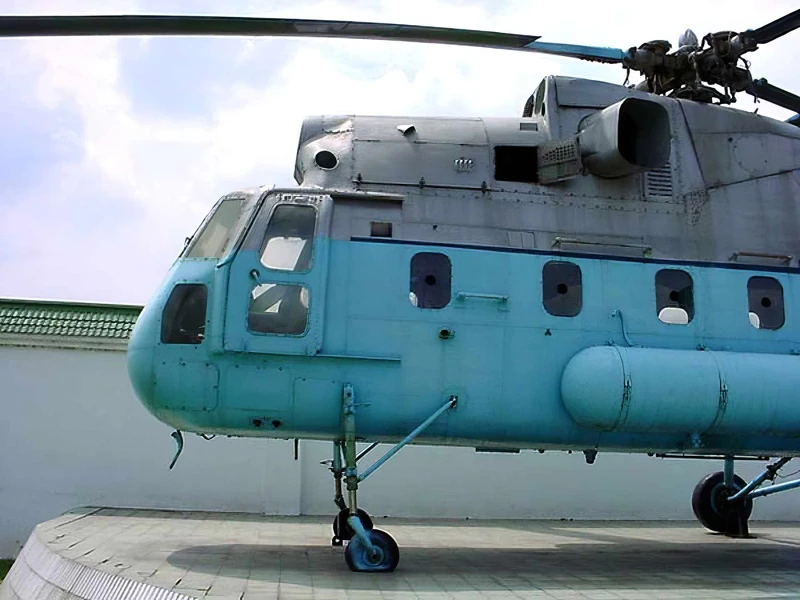
Harbin Z-6 | |
|---|---|
| Kraju | Chińska Republika Ludowa |
| Roli | Helikopter |
| Pierwszy lot | 15 grudnia 1969 r. |
| Zbudowany | 11 |
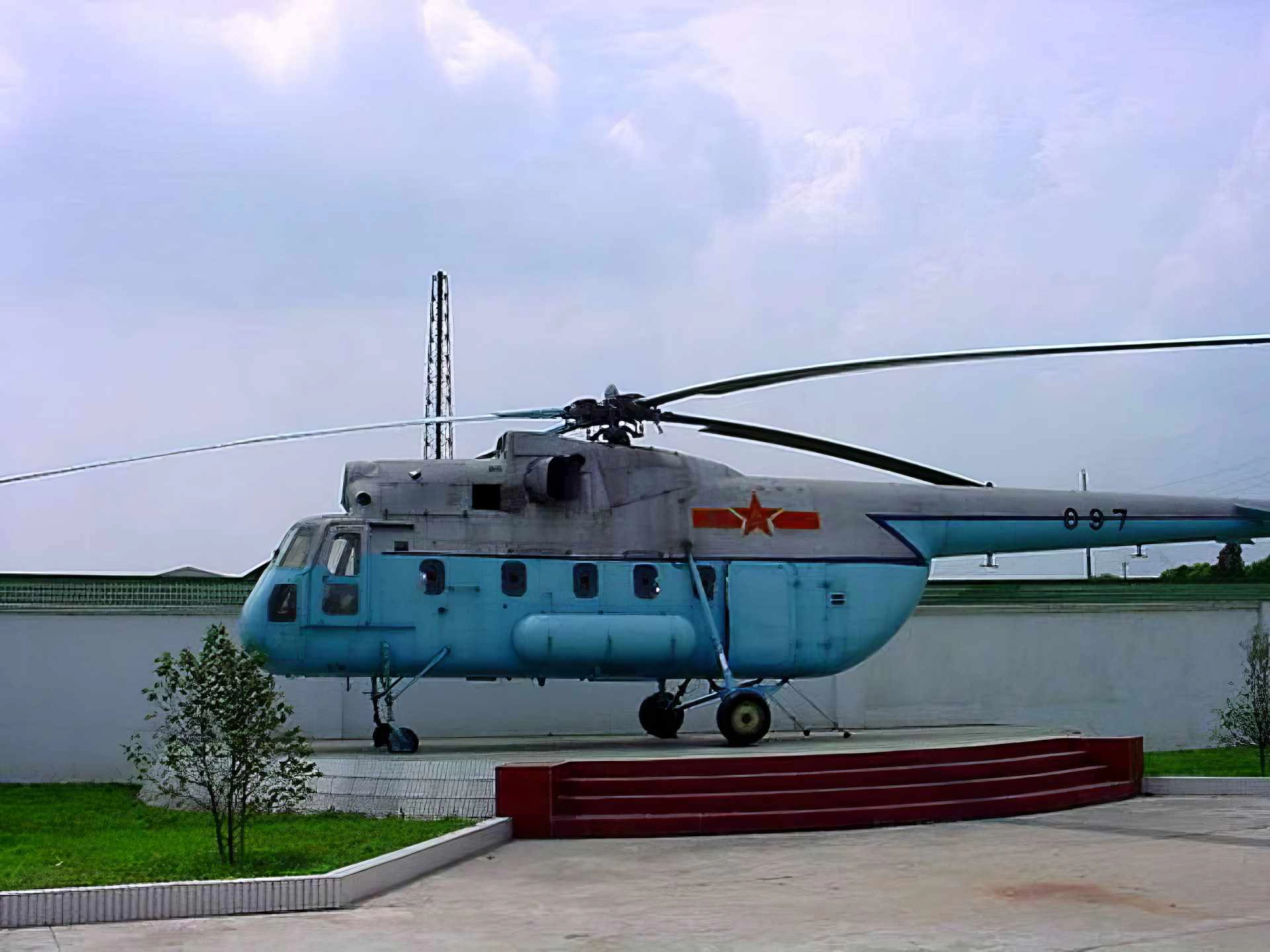
Harbin/CHDRI Z-6, (Z – Zhishengji – pionowy samolot startowy), to chiński śmigłowiec oparty na Harbin Z-5, który sam w sobie jest zbudowanym na licencji / inżynierii odwrotnej Mil Mi-4. Ograniczona seria produkcyjna została zakończona po tym, jak stwierdzono, że wydajność jest gorsza od jego protoplasty Z-5
Źródła: Harbin Z-6 na Wikipedii
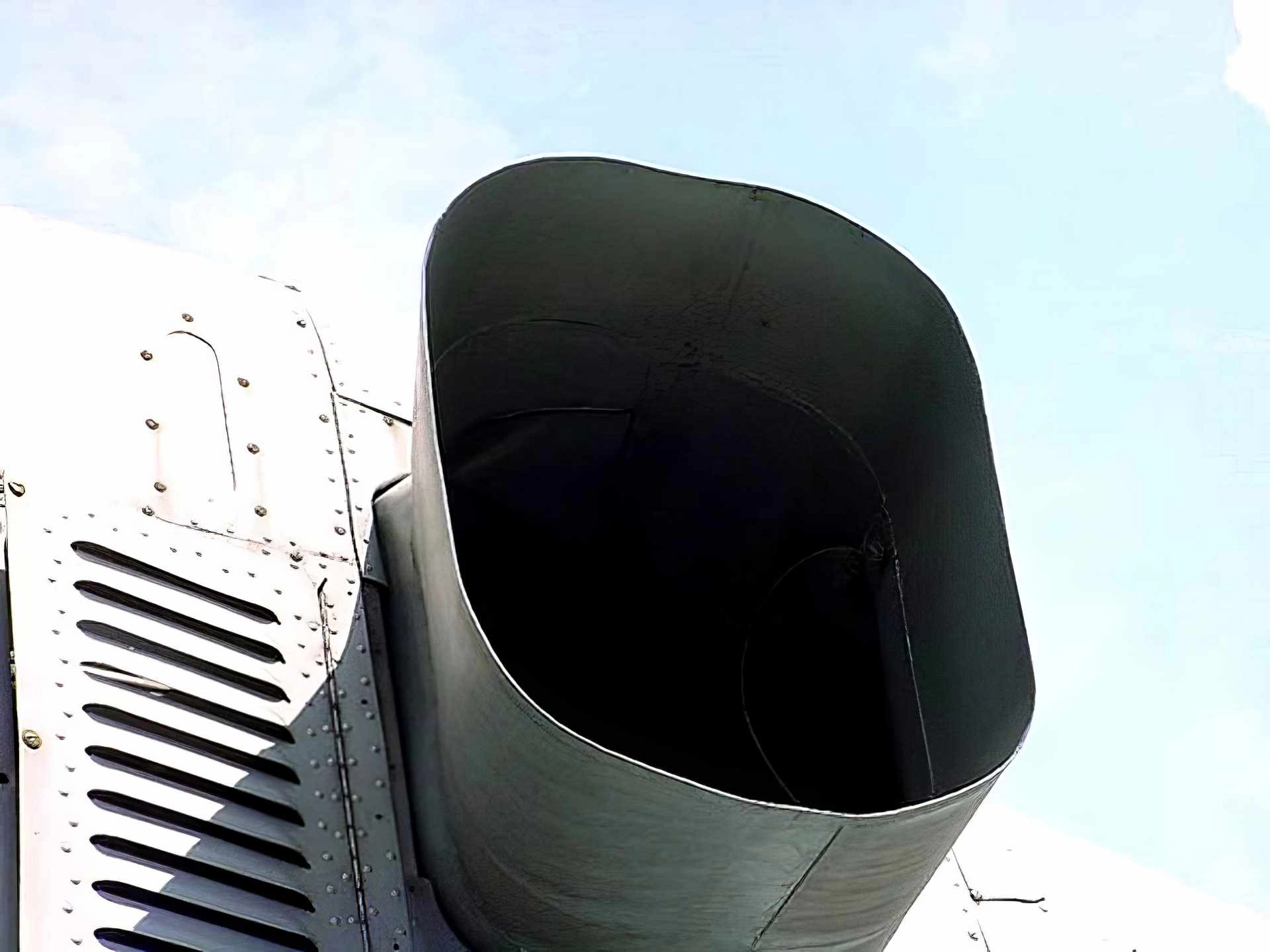
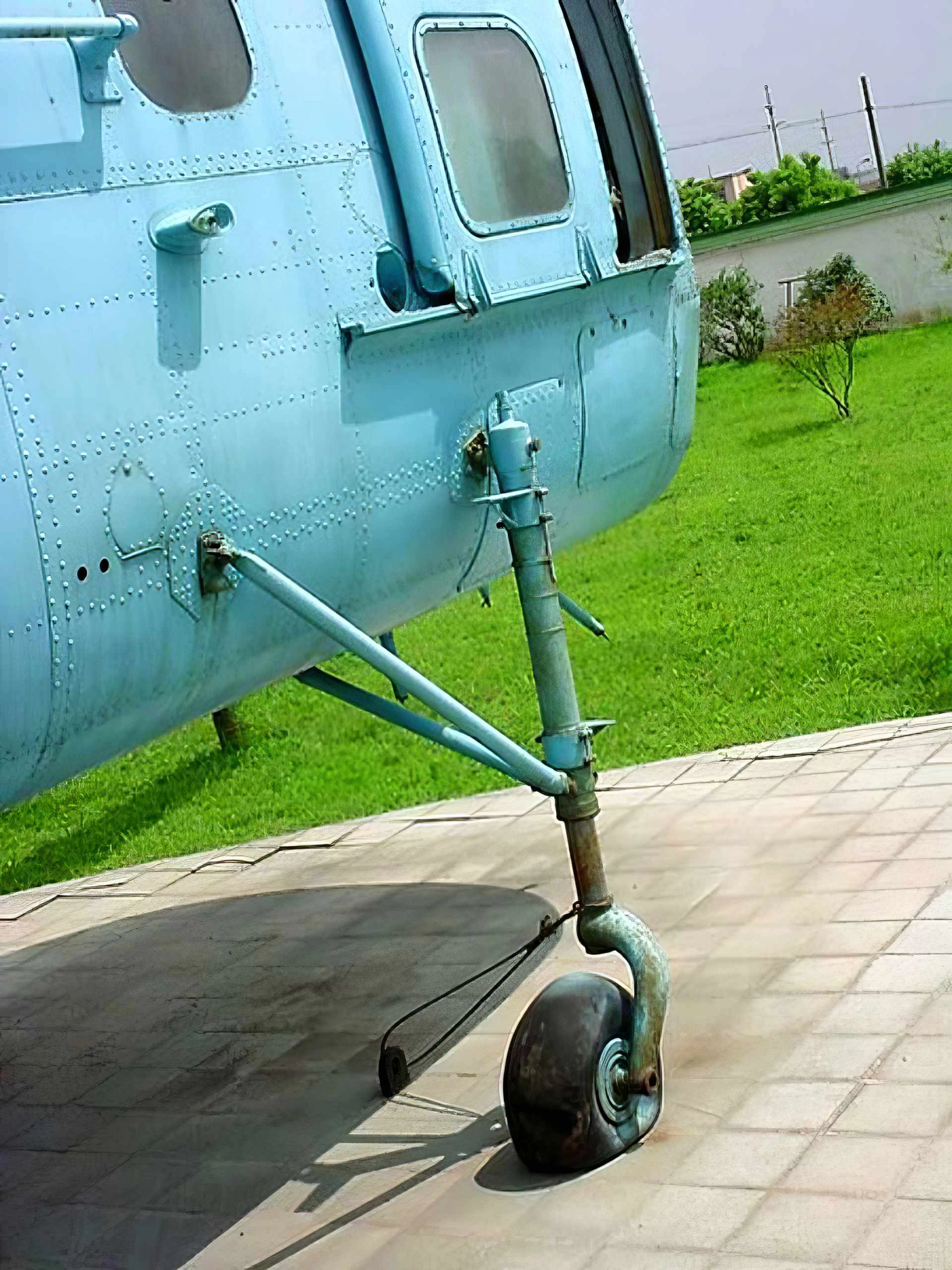
| Harbin Z-6 Walk Around | |
|---|---|
| Fotograf | Niewiedzy |
| Lokalizacja | Niewiedzy |
| Zdjęcia | 48 |
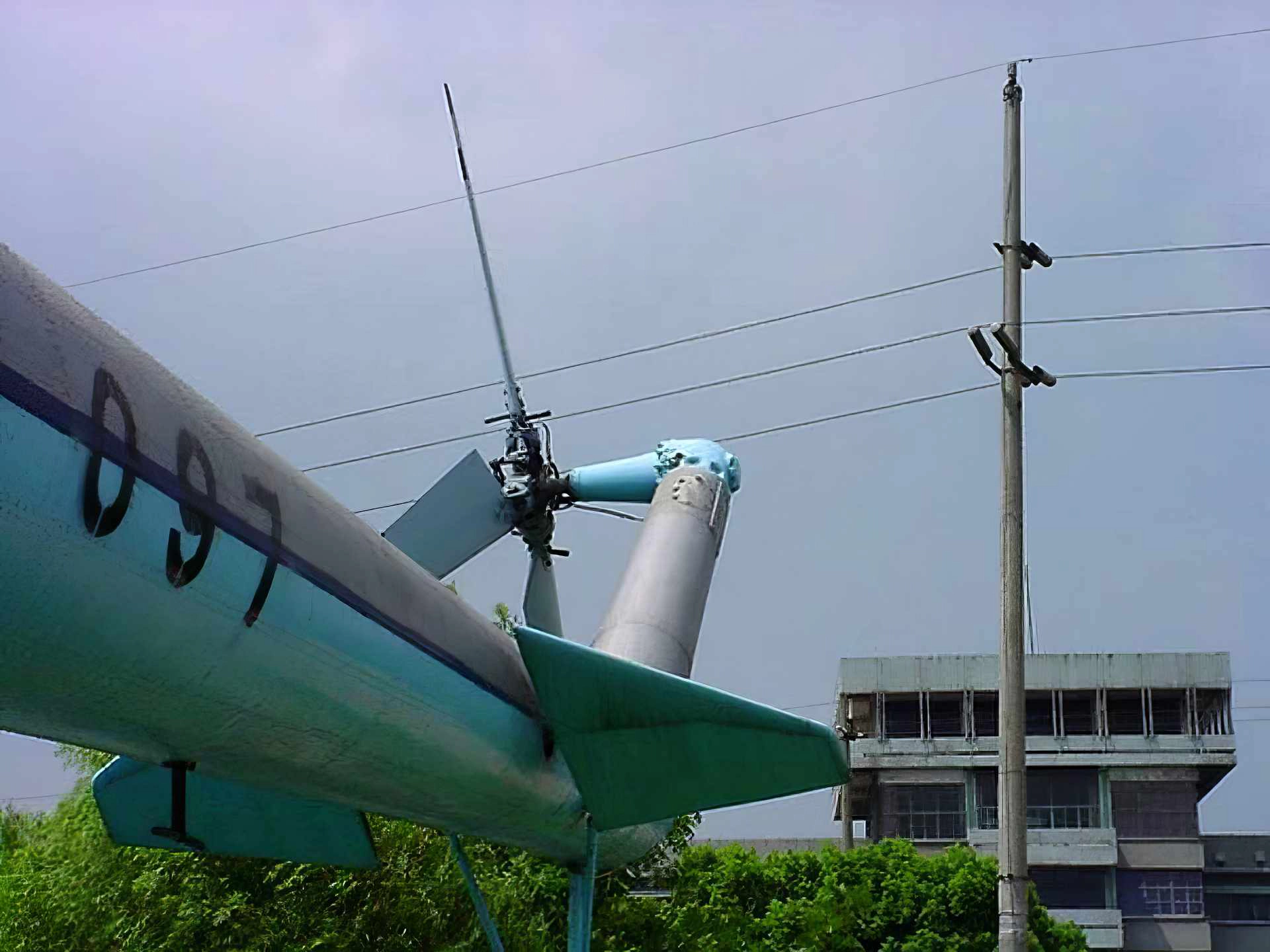
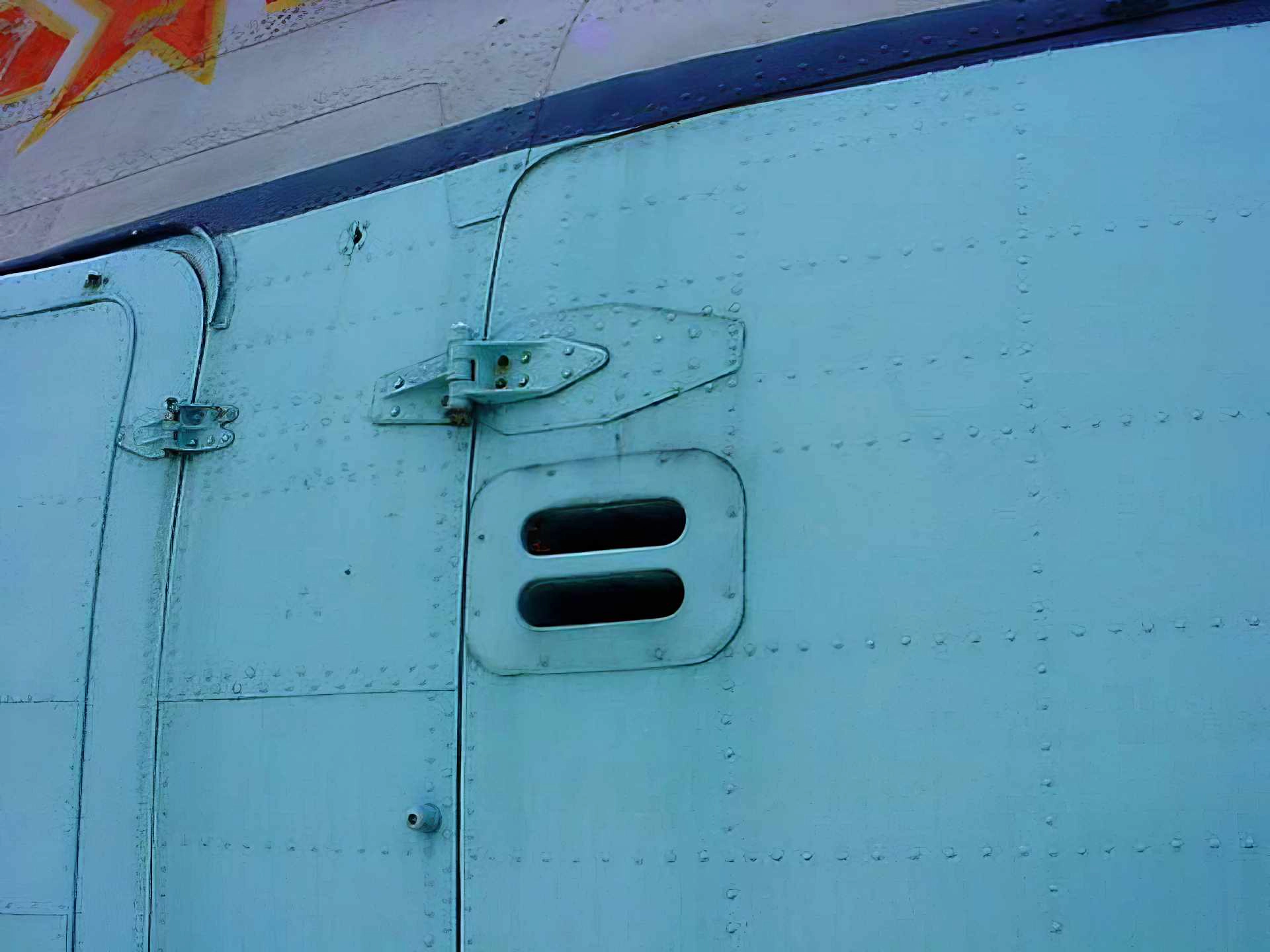
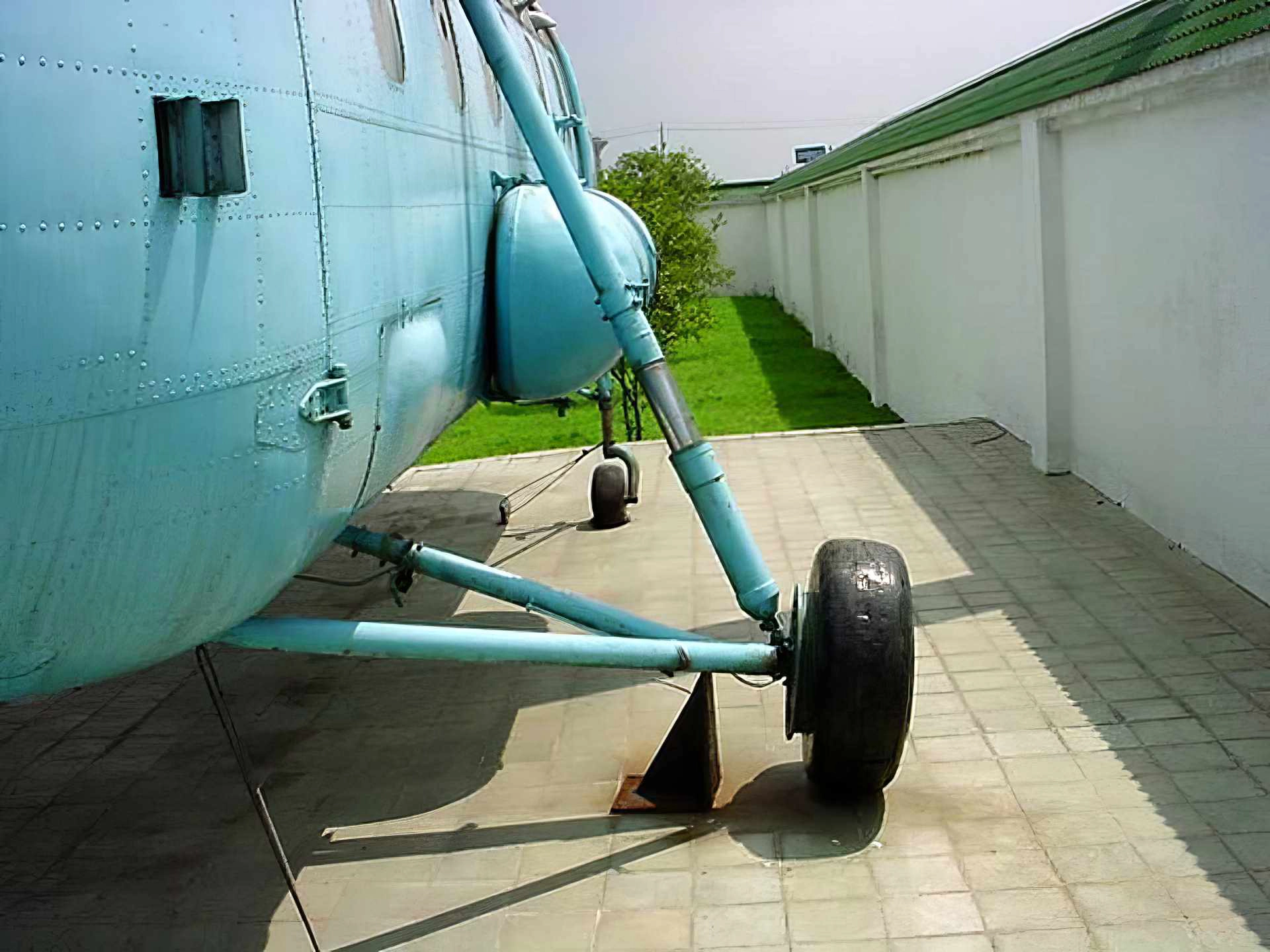
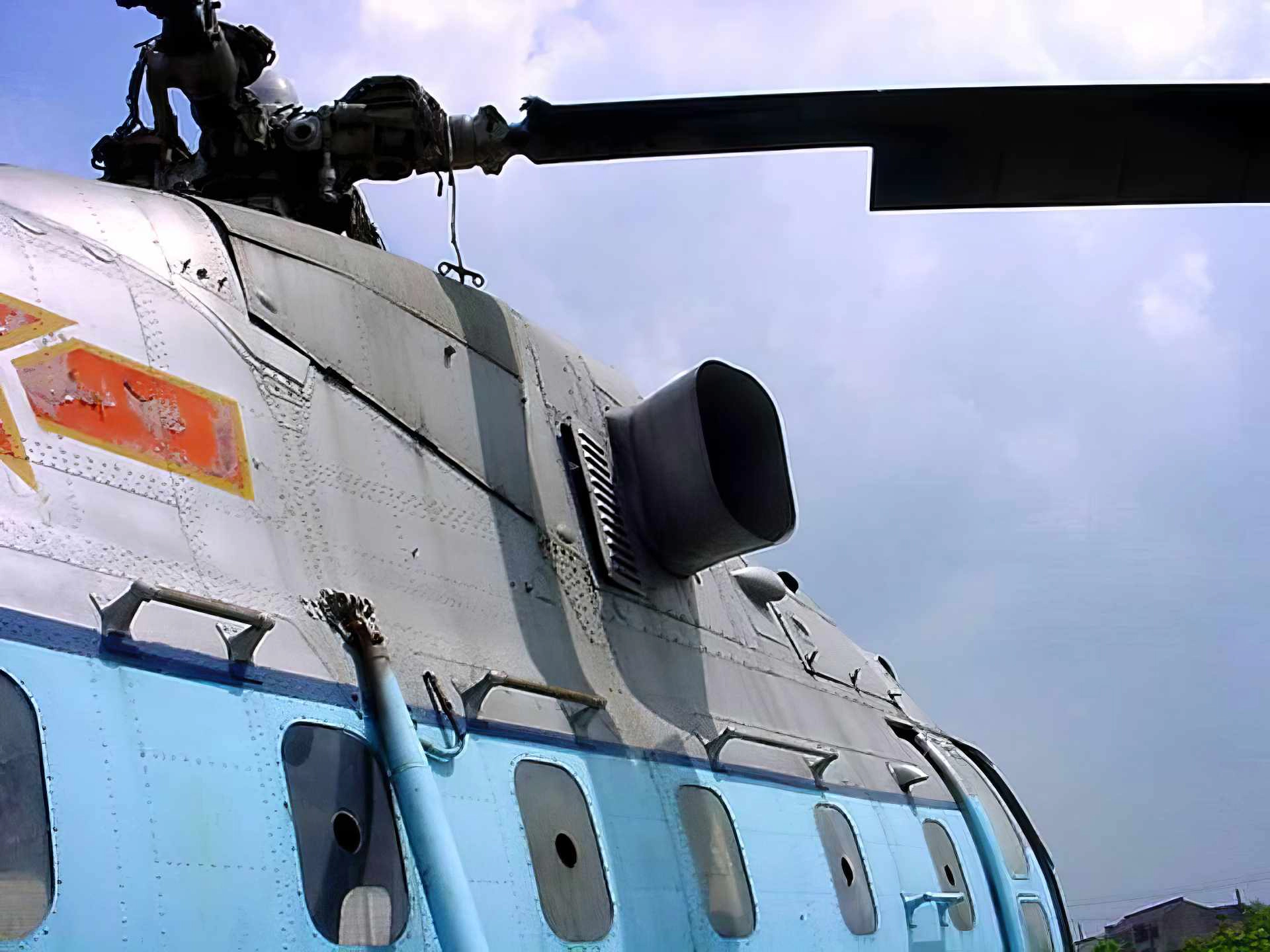


Zobacz też:


autorstwa Bill Gunston & Mike Spick
General Characteristics and Role
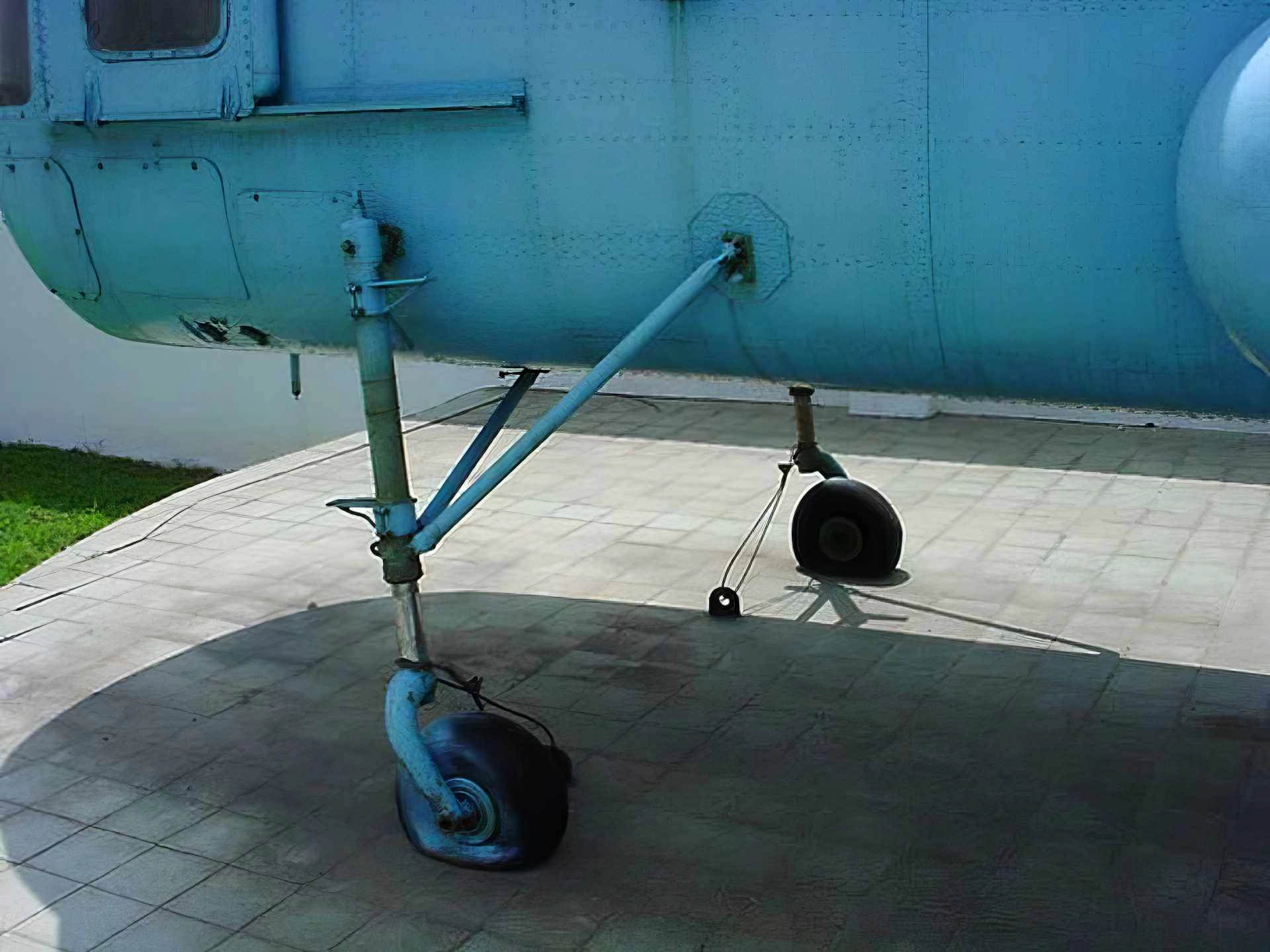
The Harbin Z-6 (Zhi-6) was a Chinese military transport helicopter developed by the Harbin Aircraft Manufacturing Corporation (HAMC) and the Chinese Helicopter Design Research Institute (CHDRI). It was a significant project as it was China’s first domestically developed turboshaft-powered helicopter, intended to replace the piston-engine Harbin Z-5 (a license-built Mil Mi-4). The Z-6 design retained the general size and fixed quadricycle landing gear of the Z-5 but featured a new, wider fuselage and a single turboshaft engine mounted above the cabin. Development was plagued by technical issues (including excessive vibration and engine overheating) and political turmoil, leading to a fatal crash in 1972. Despite receiving type approval in 1977, only about 11 prototypes/pre-production units were built before the program was terminated, as the single-engine design was deemed unsafe and its performance inferior to the Z-5 it was meant to supersede.
| Property | Typical Value (Z-6) |
|---|---|
| Roli | Military Transport Helicopter |
| National Origin | China (People’s Republic of China) |
| Producent | Harbin Aircraft Manufacturing Corporation (HAMC) |
| First Flight | 15 grudnia 1969 r. |
| Załogi | 3 |
| Pojemność | 12 equipped troops or 1,200 kg (2,646 lb) payload |
| Length (Overall) | 20.96 m (68 ft 9 in) |
| Main Rotor Diameter | 21.00 m (68 ft 11 in) |
| Wysokość | 5.59 m (18 ft 4 in) |
| Max Takeoff Weight | 7,600 kg (16,755 lb) |
Powerplant and Performance
- Engine: 1 x Dongan WZ-5 turboshaft engine (derived from the WJ-5 turboprop).
- Power Output: 1,600 kW (2,200 hp).
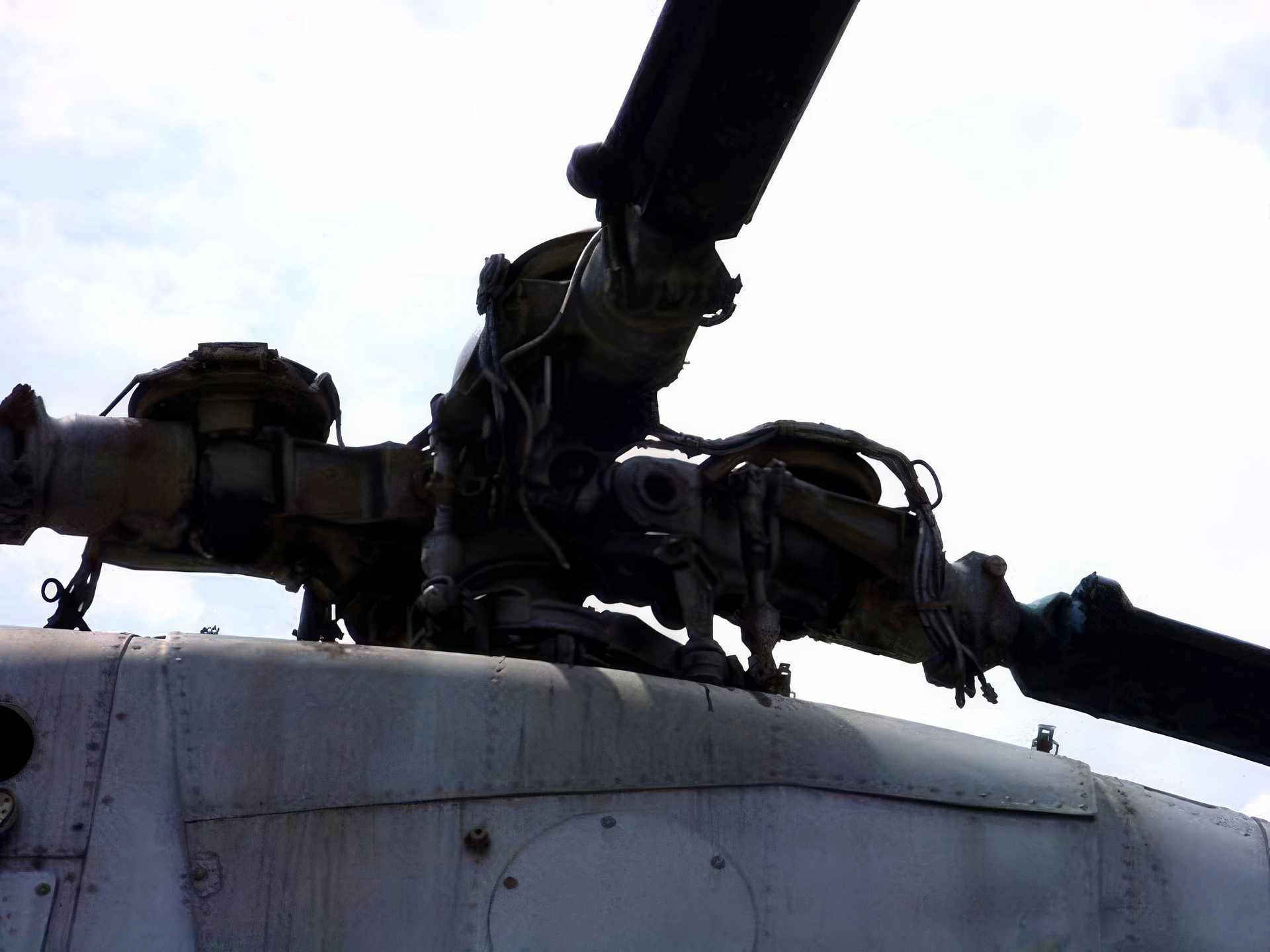
- Rotor System: 4-bladed main rotor and a 3-bladed tail rotor.
- Maximum Speed: 192 km/h (119 mph; 104 kn).
- Maximum Range: 651 km (405 mi; 352 nmi).
- Service Ceiling: 3,200 m (10,500 ft).
- Armament: None (Designated as a pure transport helicopter, lacking fixed or podded weapons).
Development and Legacy
- Basis: Designed as a turboshaft-powered upgrade to the Z-5 (Mil Mi-4).
- Production: Extremely limited; only around 11 airframes were constructed due to performance and safety concerns.
- Status: The program was effectively canceled in the early 1970s, and the Z-6 saw only brief, limited service before being retired by 1980.
- Significance: Despite its failure, the Z-6 provided valuable experience in designing and integrating turboshaft engines into helicopters, paving the way for future Chinese helicopter development.
Liczba wyświetleń : 1163
Możesz również zobaczyć:
 Agusta-Bell AB.212 – Zdjęcia i filmy
 Denel Rooivalk – Zdjęcia & Filmy
 Eurocopter EC135 – Zdjęcia i filmy
 TAI/AgustaWestland T129 ATAK – Zdjęcia i filmy
 Bell H-13 Sioux – Zdjęcia & Filmy
 Sikorsky SH-60B SeaHawk – Zdjęcia & Filmy
 Sikorsky S-61R – Zdjęcia & wideo
 Mi-8T HIP – WalkAround
 Bell V-22 Osprey – WalkAround
 Mi-24 Hind – WalkAround