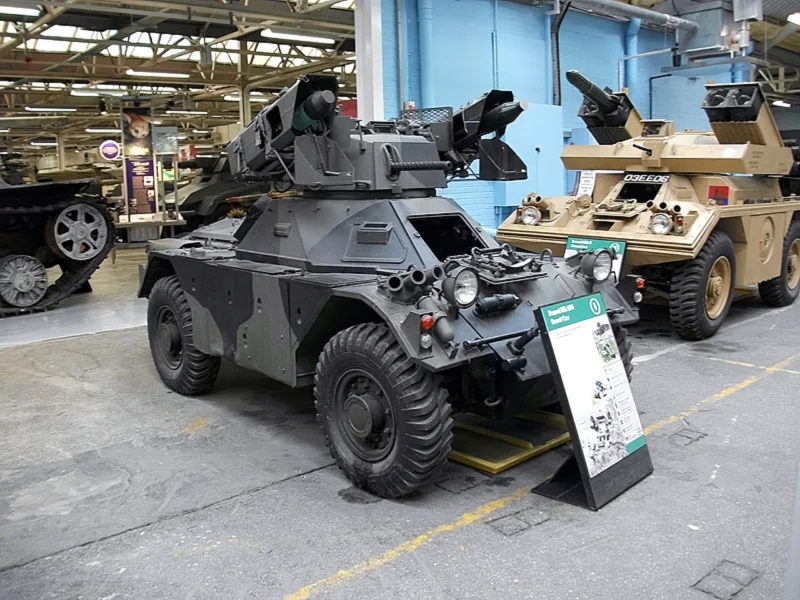
Fretka Mk 2-6 | |
|---|---|
| Kraju | Uk |
| Typu | Samochód pancerny |
| Produkcji | 1952-1971 |
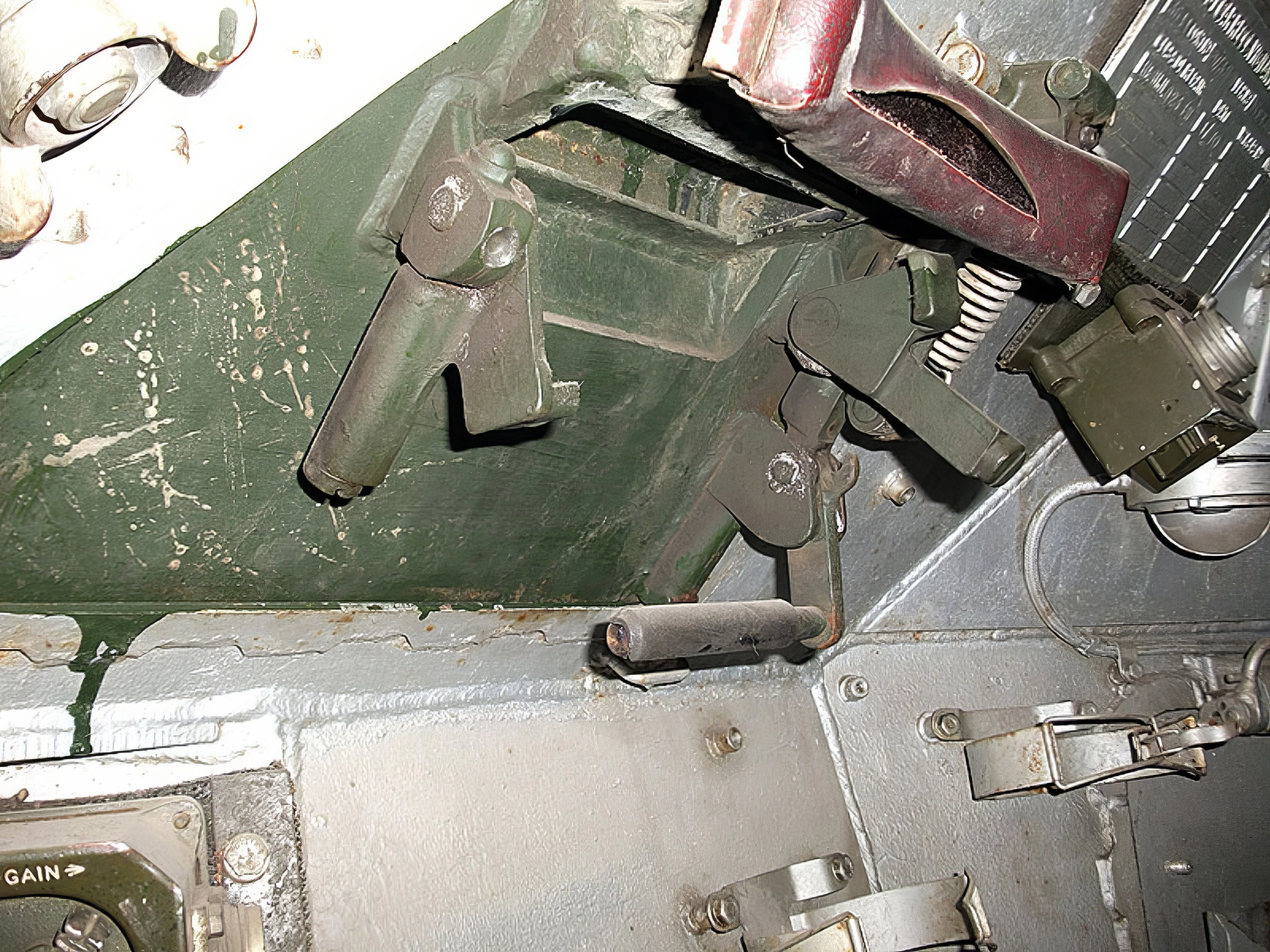
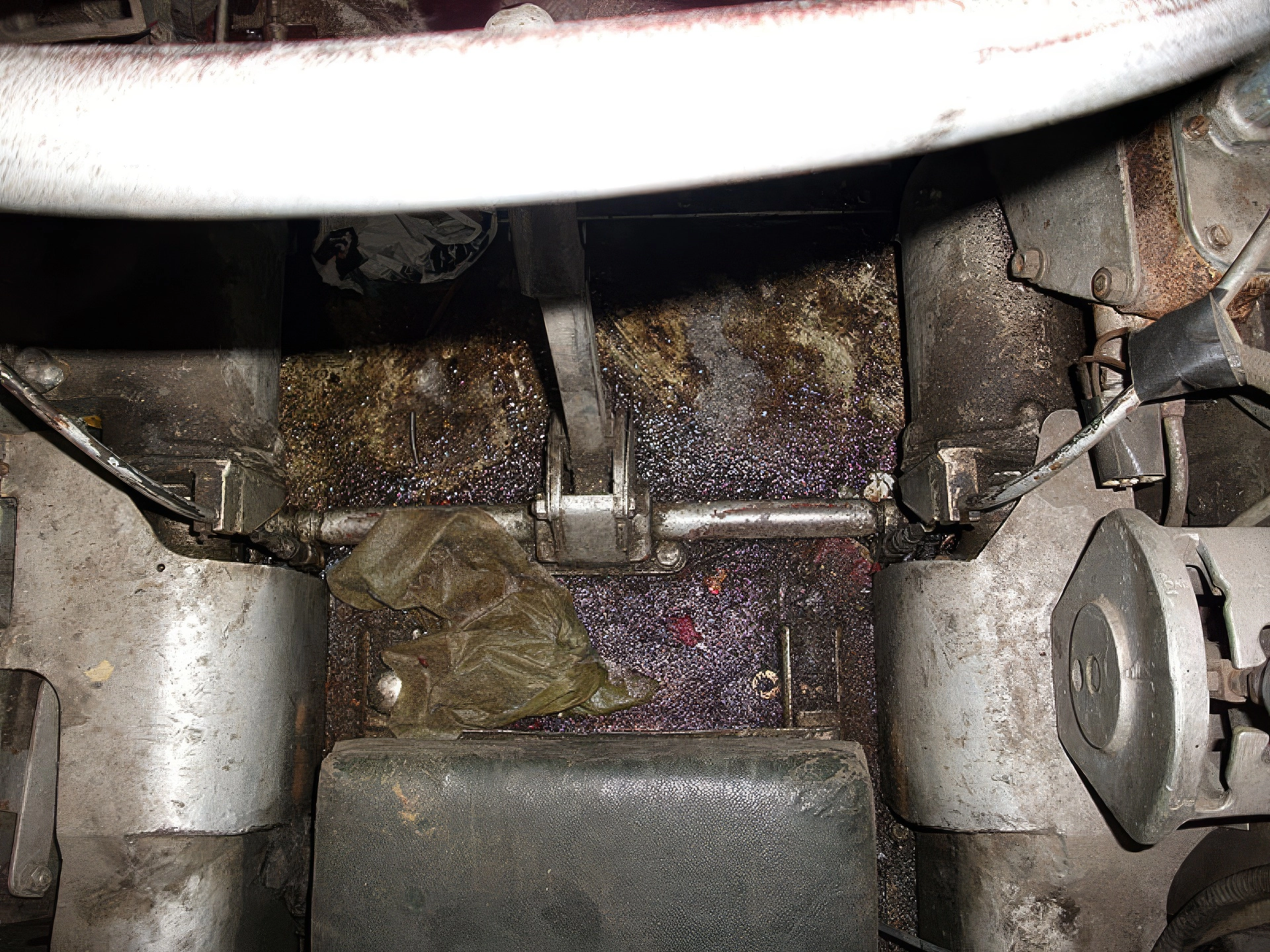
| Opis | Album 38 zdjęcia spacer po «Ferret Mk 2-6» |
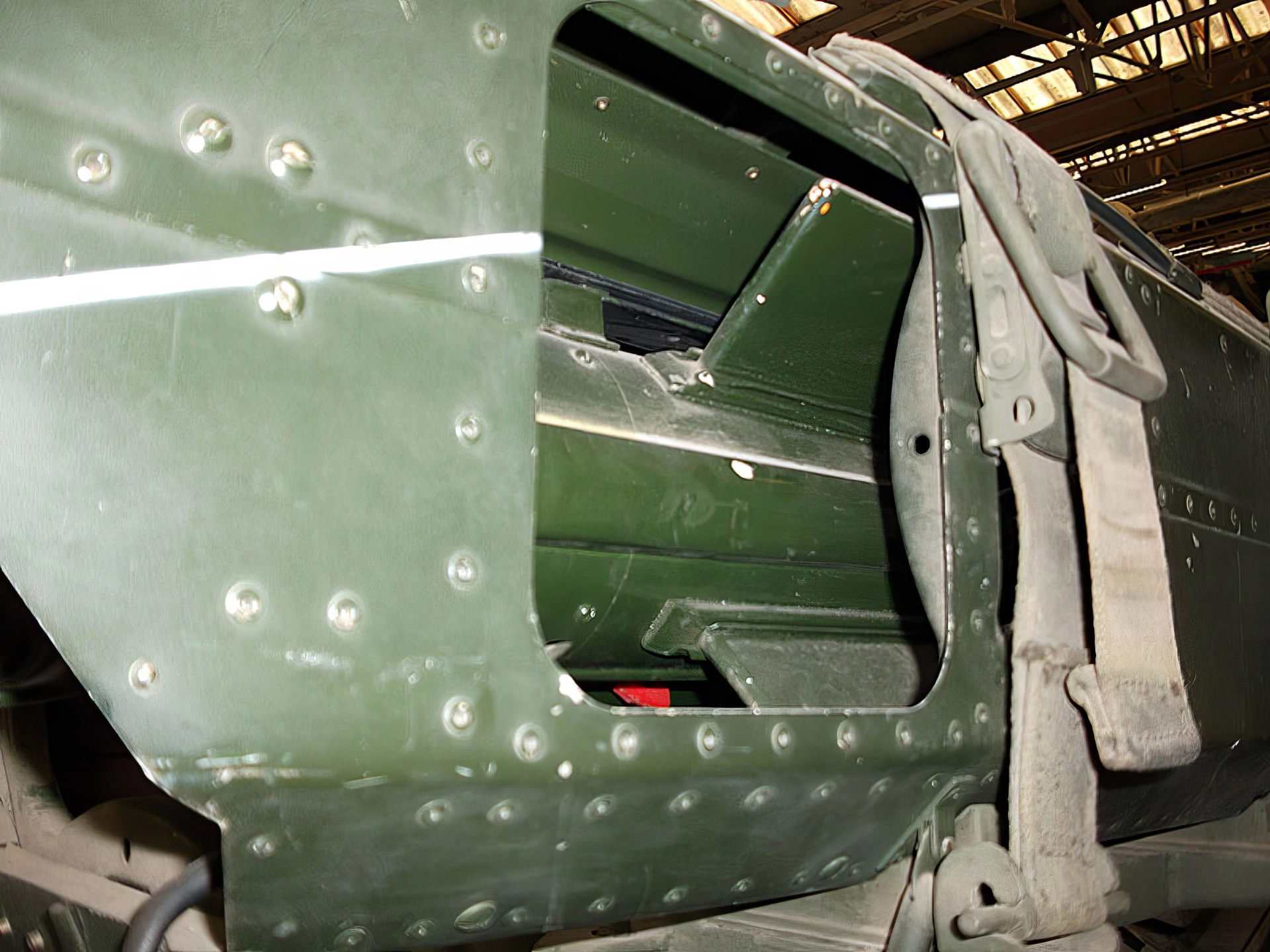
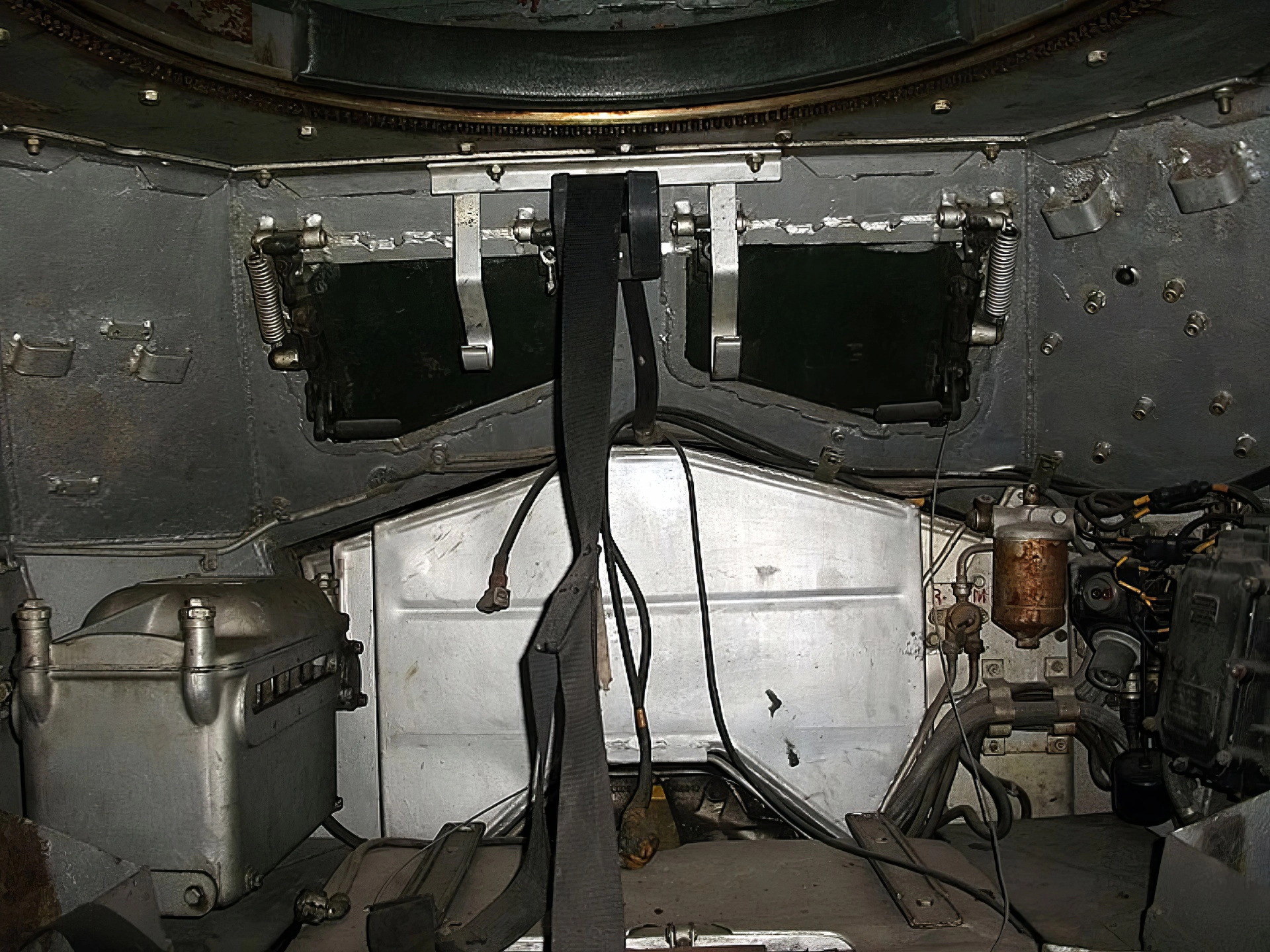
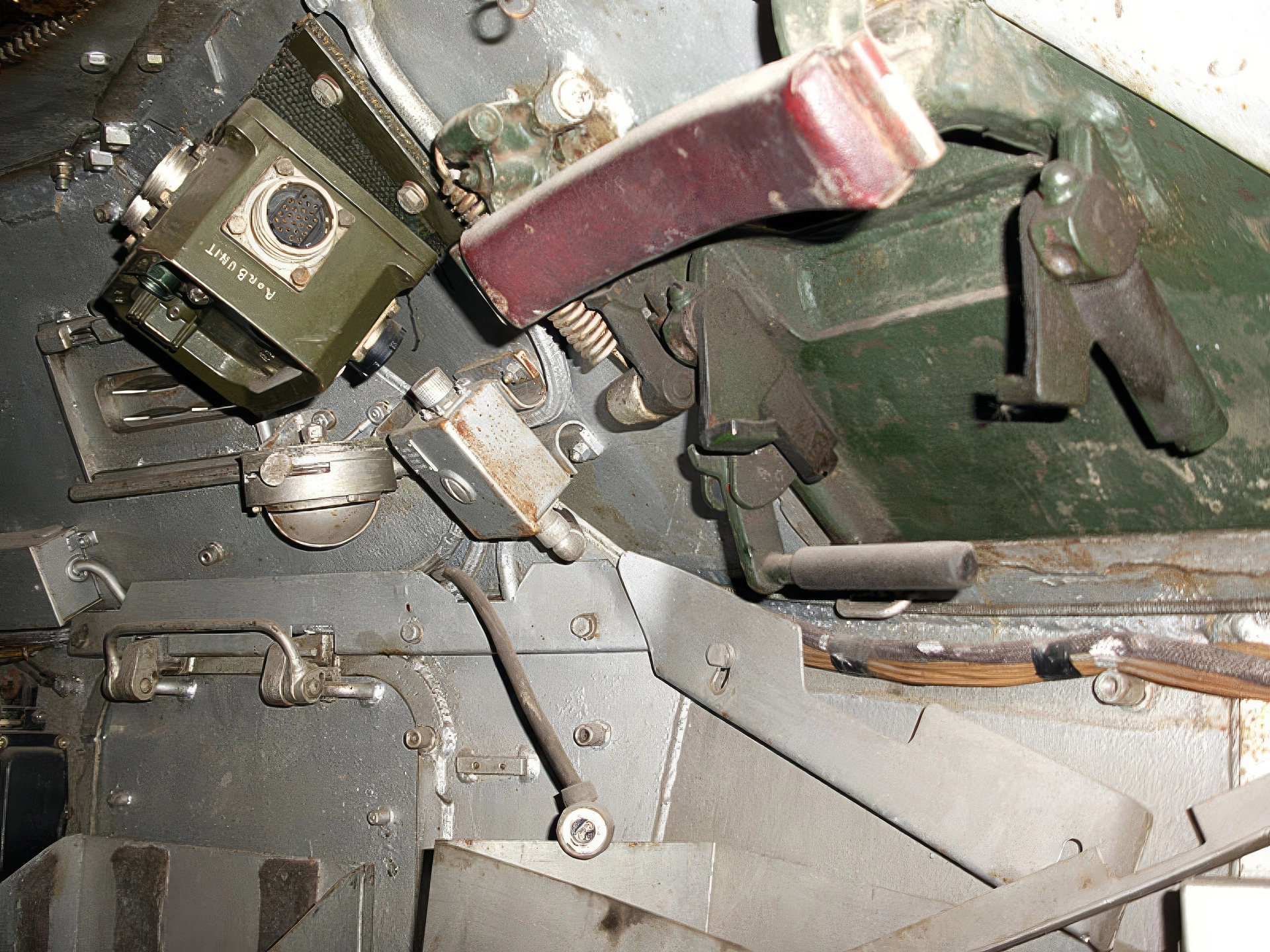
Galeria fretek Mk 2-6, Samochód pancerny Fretka, zwany także potocznie Ferret Scout car, to brytyjski opancerzony wóz bojowy zaprojektowany i zbudowany do celów rozpoznawczych. Fretka została wyprodukowana w latach 1952-1971 przez brytyjską firmę Daimler. Był szeroko stosowany przez pułki w armii brytyjskiej, a także w krajach Wspólnoty Narodów przez cały ten okres.
Źródła: Wikipedia

Zobacz też:


Tthe Daimler Ferret Scout Car is a highly successful British armored car developed for reconnaissance and liaison duties in the post-World War II era. The Ferret Mk 2/6 (sometimes referred to as the Mk 2/6) is a specific, later variant of the Mk 2 series, designed primarily to enhance its anti-tank capability.
The Ferret entered service in 1952 and was built upon the lessons learned from the earlier Daimler Dingo scout car, prioritizing speed, maneuverability, and a low profile.
General Characteristics
- Rola: Light Reconnaissance, Liaison, and Anti-Tank.
- Manufacturer: Daimler Motor Company (UK).
- Załoga: 2 (Driver and Commander/Gunner).
- Ruchliwość: It is a 4×4 wheeled vehicle known for its exceptional agility and tight turning circle. It utilized a pre-selector gearbox that allowed for quick gear changes and could run equally well in forward or reverse.
- Silnik: Powered by a **Rolls-Royce B60 6-cylinder petrol engine** producing 129 horsepower. This gave the small, light vehicle a top road speed of over 90 km/h (56 mph).
- Zbroja: The armor is light, consisting of welded steel plates, sufficient only for protection against small-arms fire and shell splinters, consistent with its reconnaissance role.
The Mk 2/6 Variant
The Mk 2 series of Ferrets introduced a **small, fully rotating turret** to the design, providing better protection and a more stable platform for the crew and primary armament compared to the open-topped Mk 1.
Tthe Mk 2/6 was created by fitting the standard Mk 2 turret with a specialized anti-tank armament:
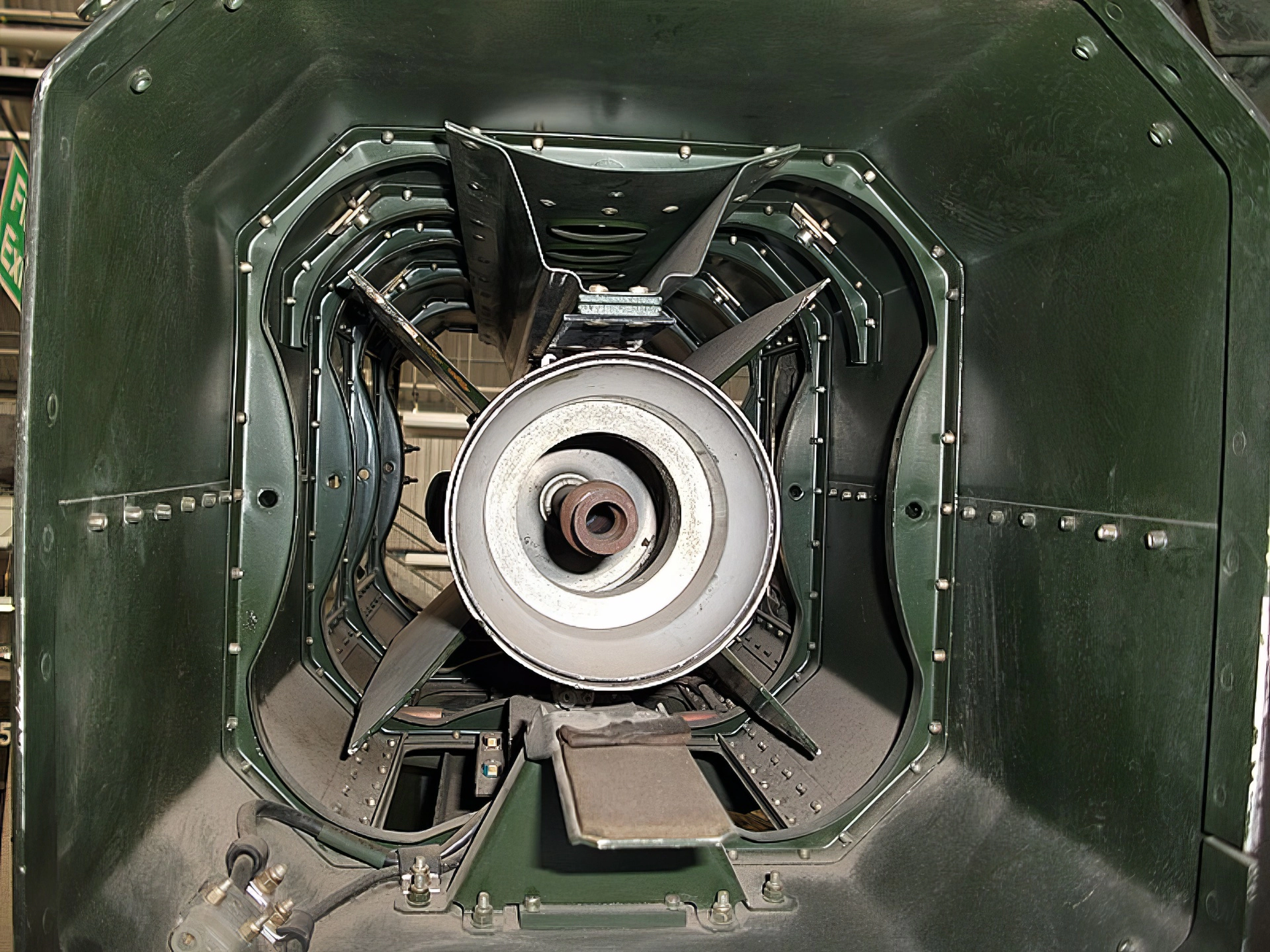
- Primary Armament: It was armed with four **Vigilant anti-tank guided missiles (ATGMs)** mounted on the turret sides.
- Secondary Armament: Typically retained the **.30-caliber Browning machine gun** mounted coaxially in the turret.
This configuration allowed the Mk 2/6 to operate on reconnaissance missions while possessing the firepower to engage and potentially destroy main battle tanks at a distance, significantly increasing its lethality and tactical utility. The Vigilant missile system gave the Ferret a much-needed long-range punch that was lacking in the purely machine-gun-armed variants.
Historia operacyjna
The Ferret family served with the British Army and Commonwealth forces for decades, proving robust and popular. The Mk 2/6, like other Ferret variants, was widely exported, seeing service in countries across Africa, Asia, and the Middle East. Many Ferrets are still maintained in active reserve or parade duty worldwide due to their reliability and simplicity.
Liczba wyświetleń : 3189
Możesz również zobaczyć:
 FV721 Fox CVR – Zdjęcia & Video
 BRDM-1 – zdjęcia i wideo
 Carro Armato M13-40 – spacer po okolicy
 Marmon-Herrington Mk 4f – Zdjęcia & wideo
 FV1611A Humber Pig Mk.2 – Zdjęcia & Wideo
 PSzH-IV – Zdjęcia i wideo
FV721 Fox CVR – Zdjęcia & Video
PSzH-IV – Zdjęcia i wideo
FV721 Fox CVR – Zdjęcia & Video
 Ba-27 – Zdjęcia & wideo
 Humber Mk IV – Zdjęcia & Wideo
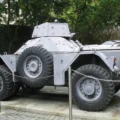 Ferret Mk 2 – Zdjęcia & Film