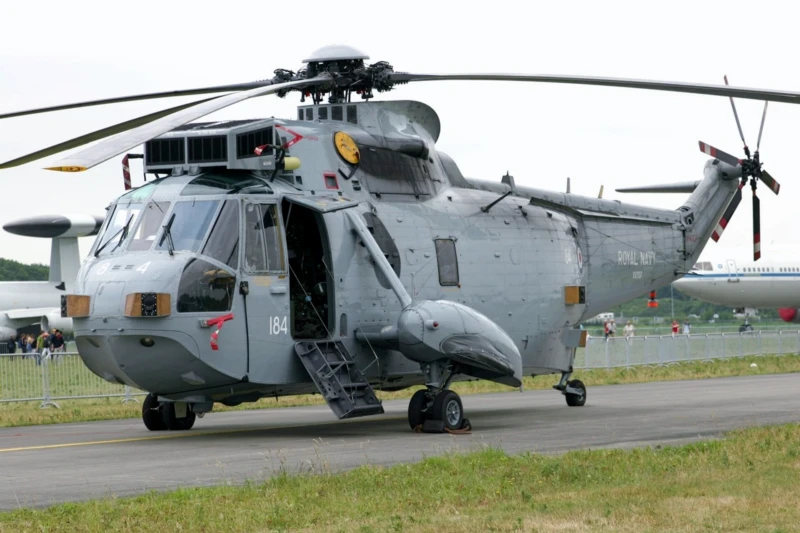
Westland Seaking Mk7 | |
|---|---|
| Country | UK |
| Type | Helicopter |
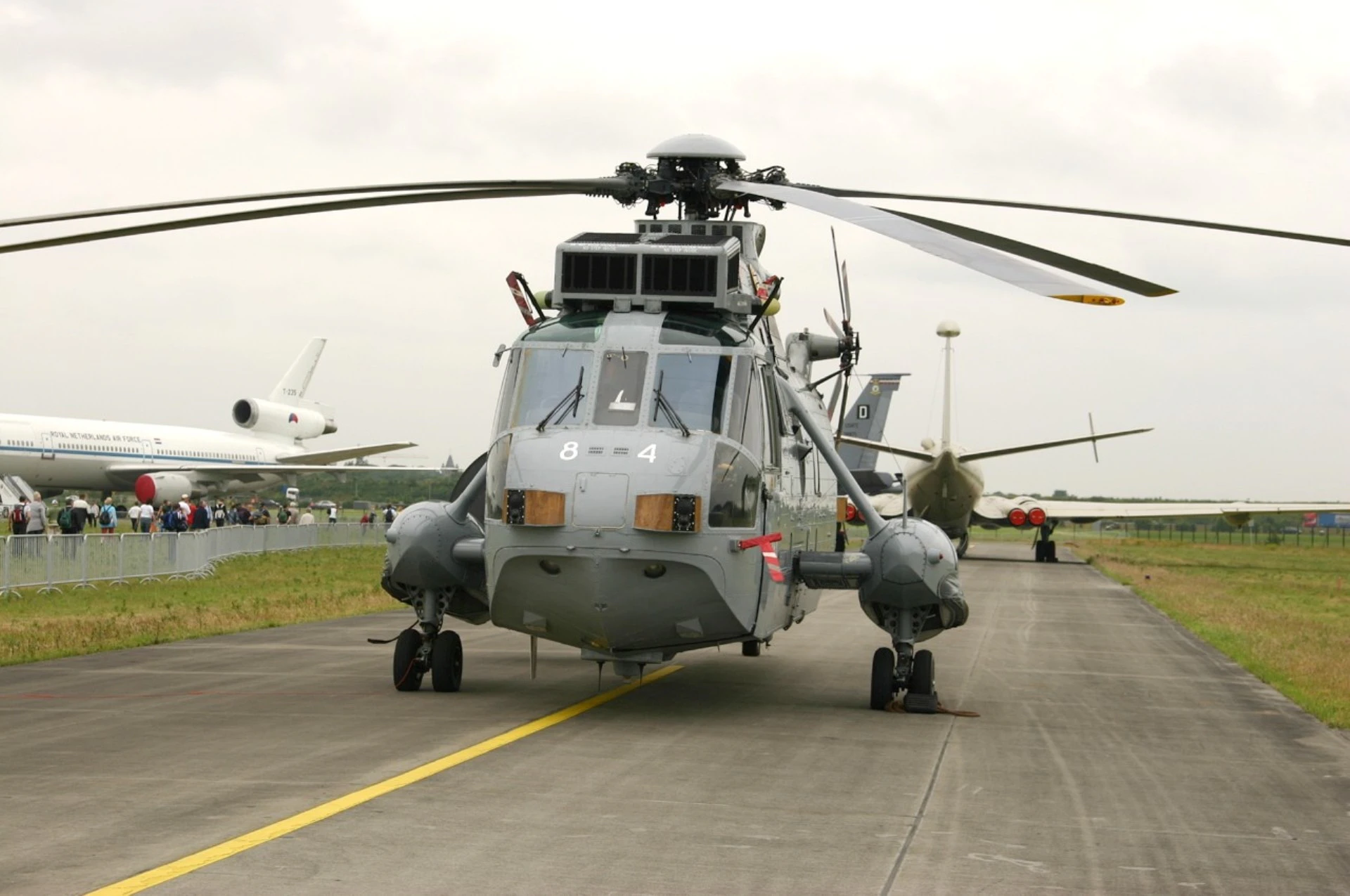
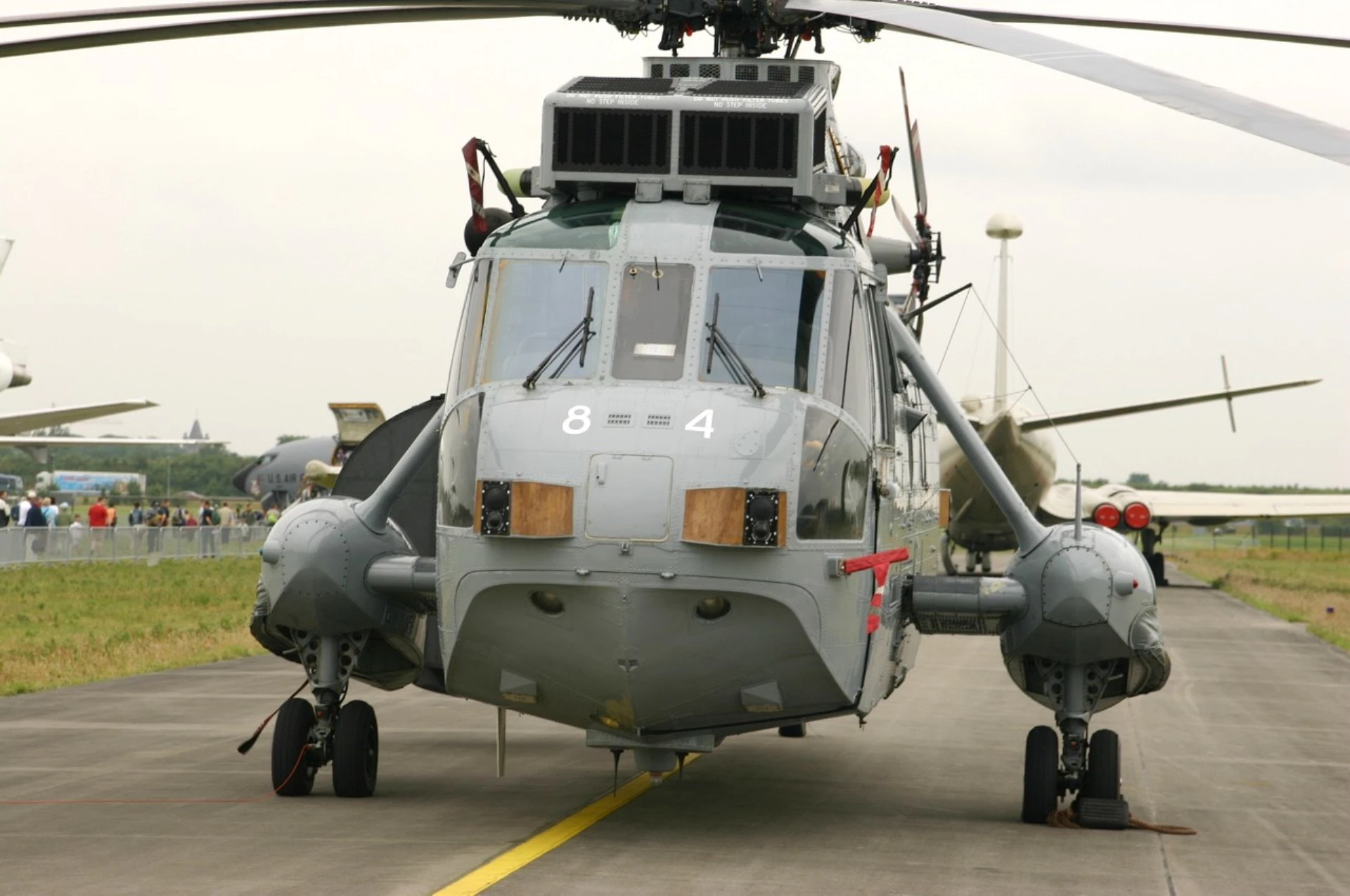
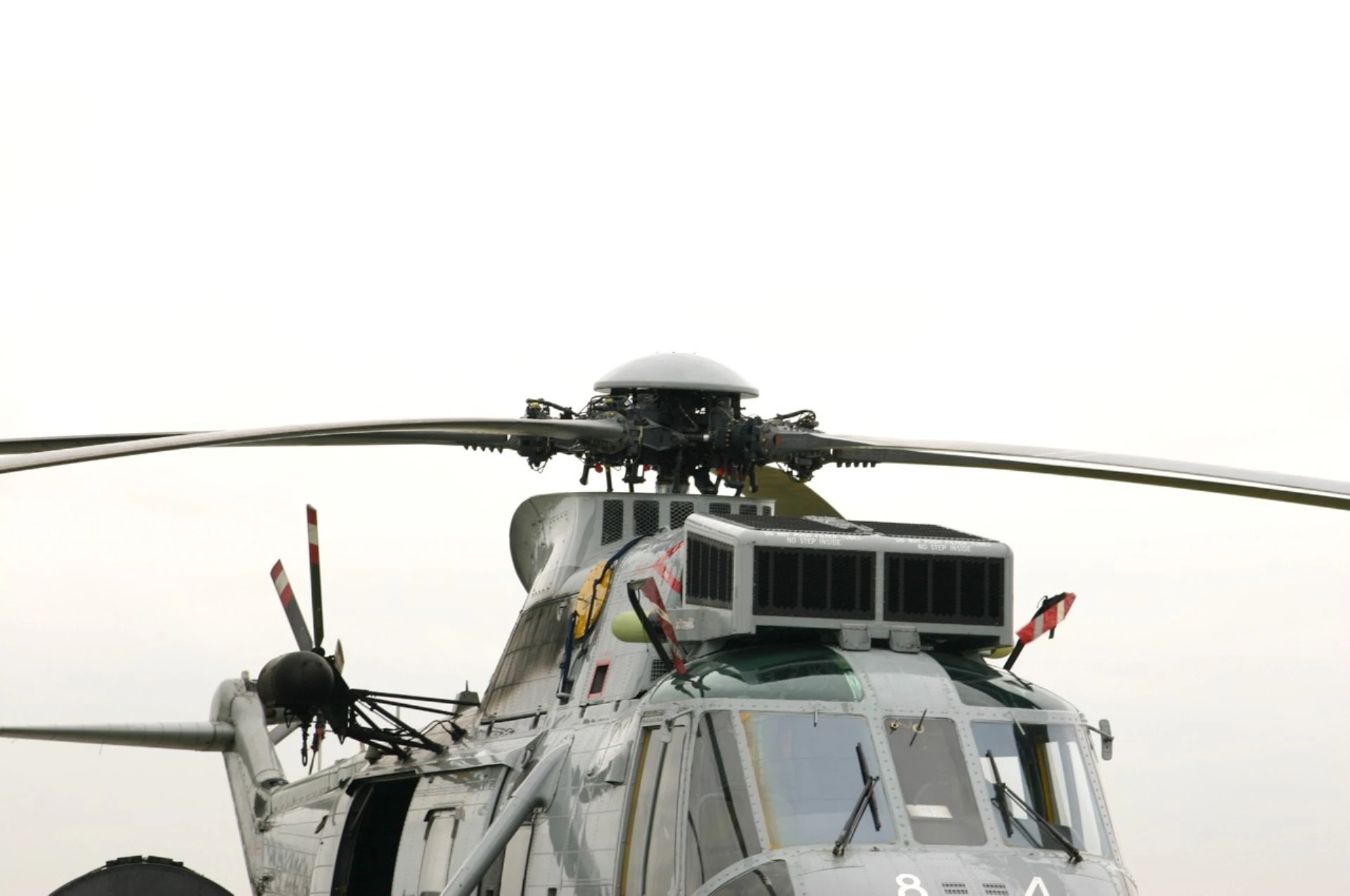
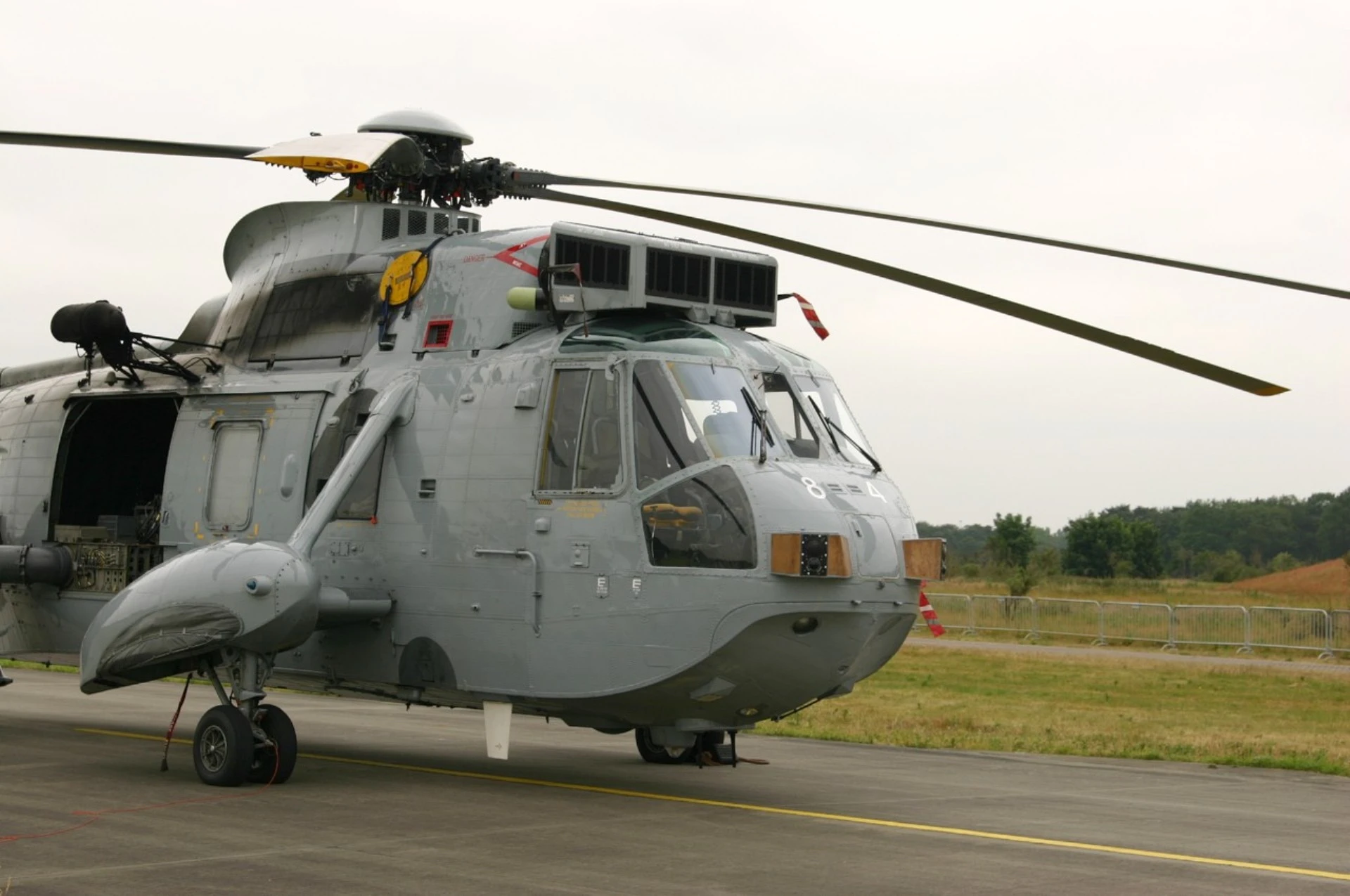
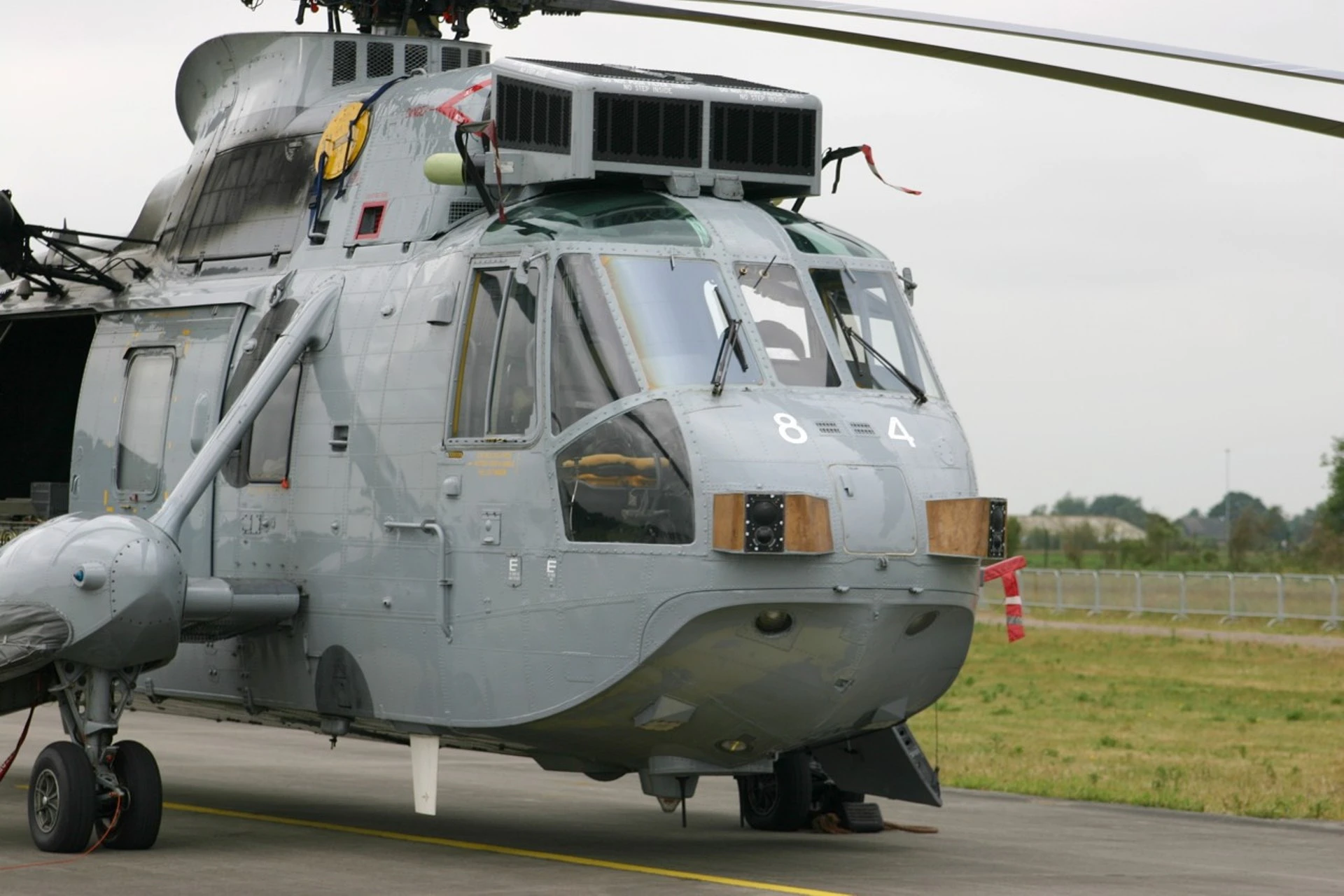
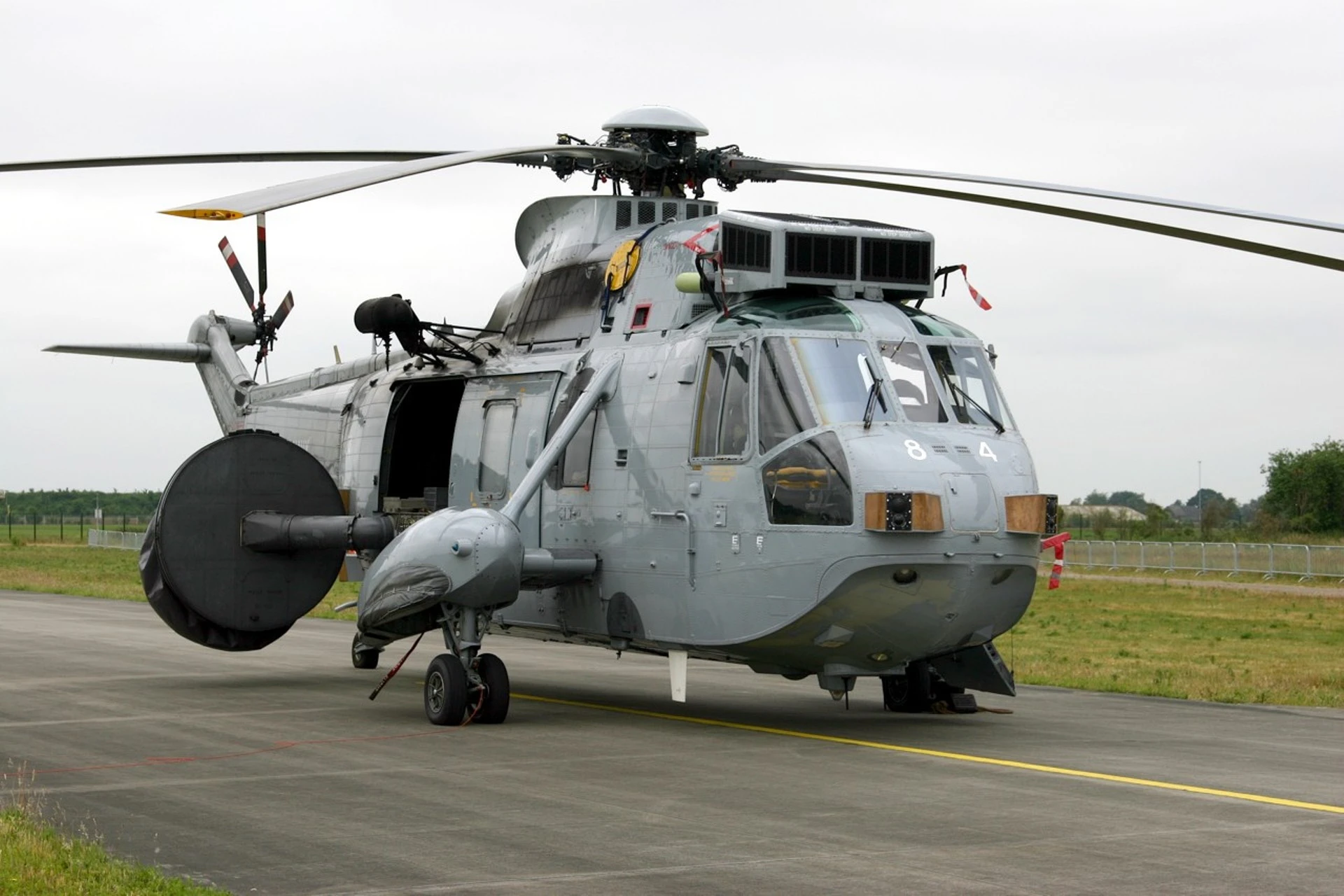
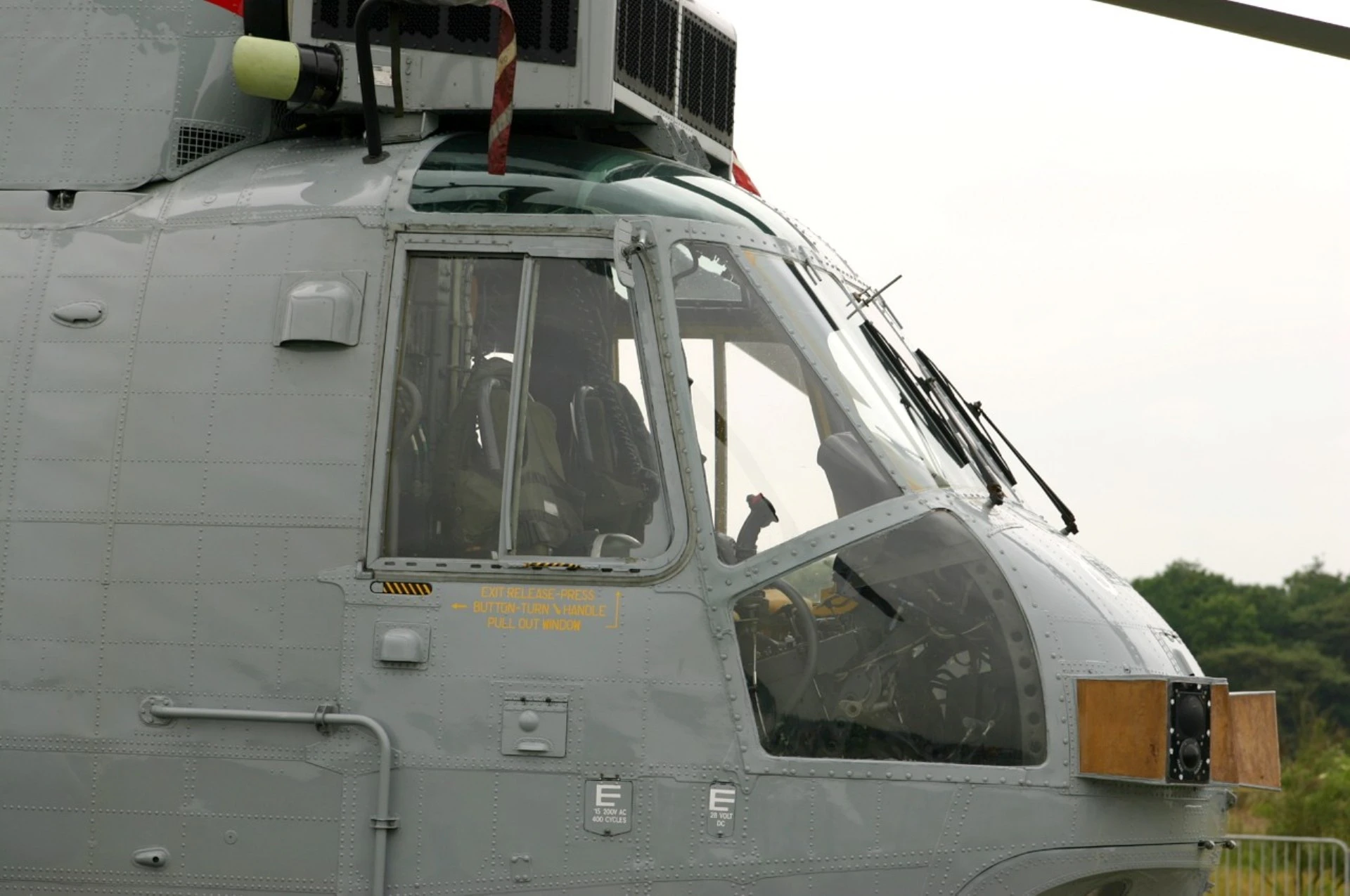
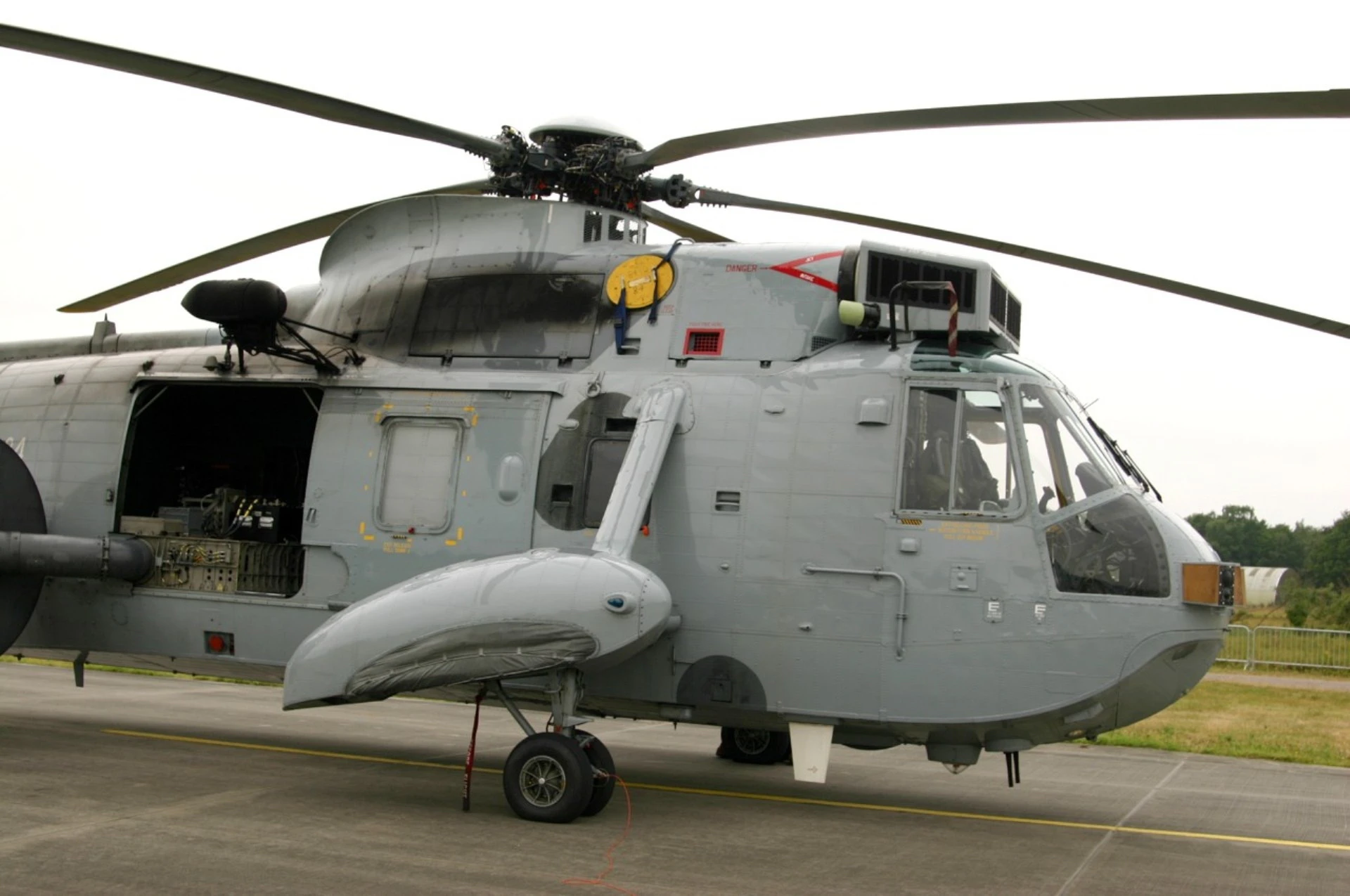
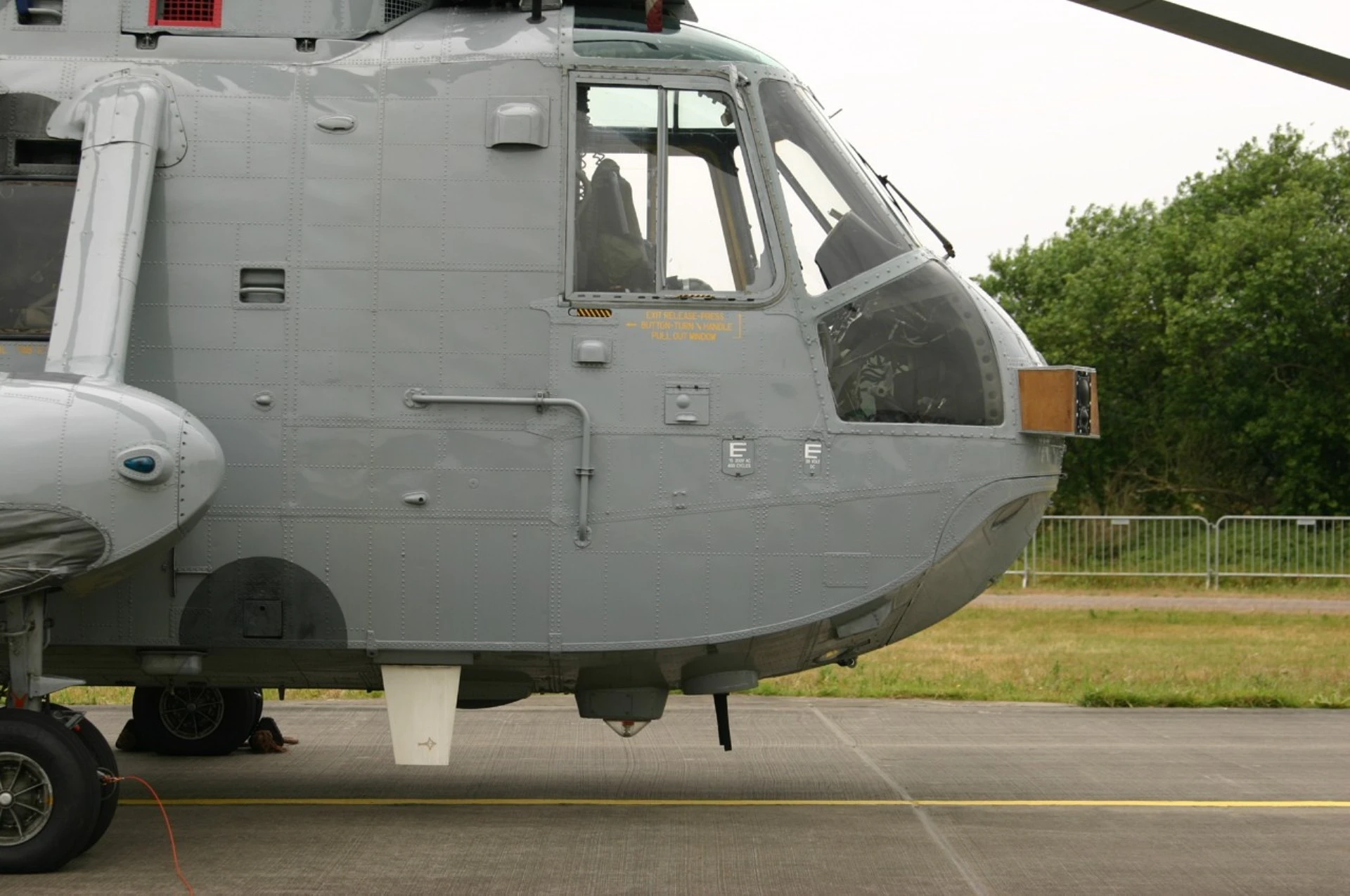
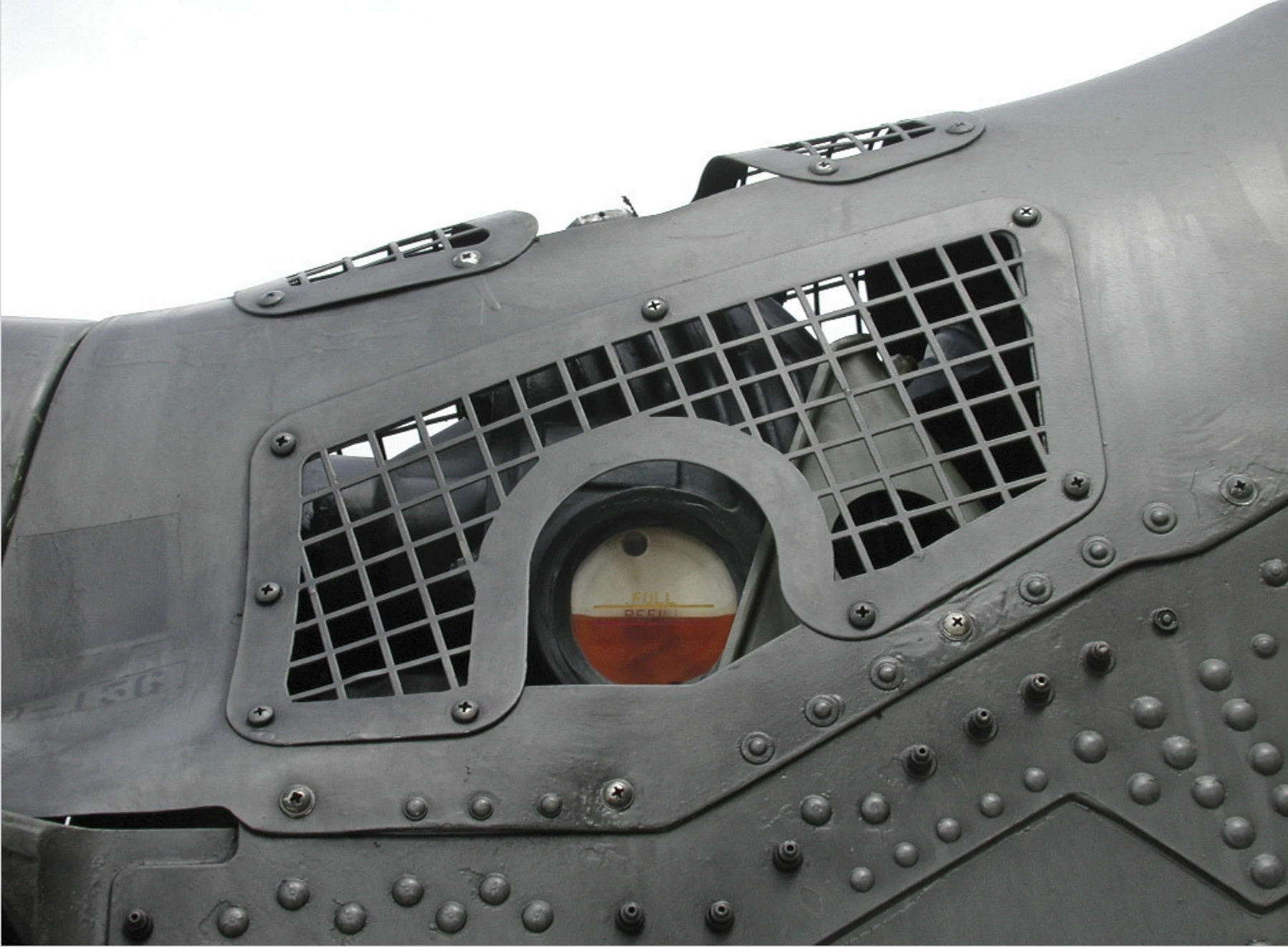
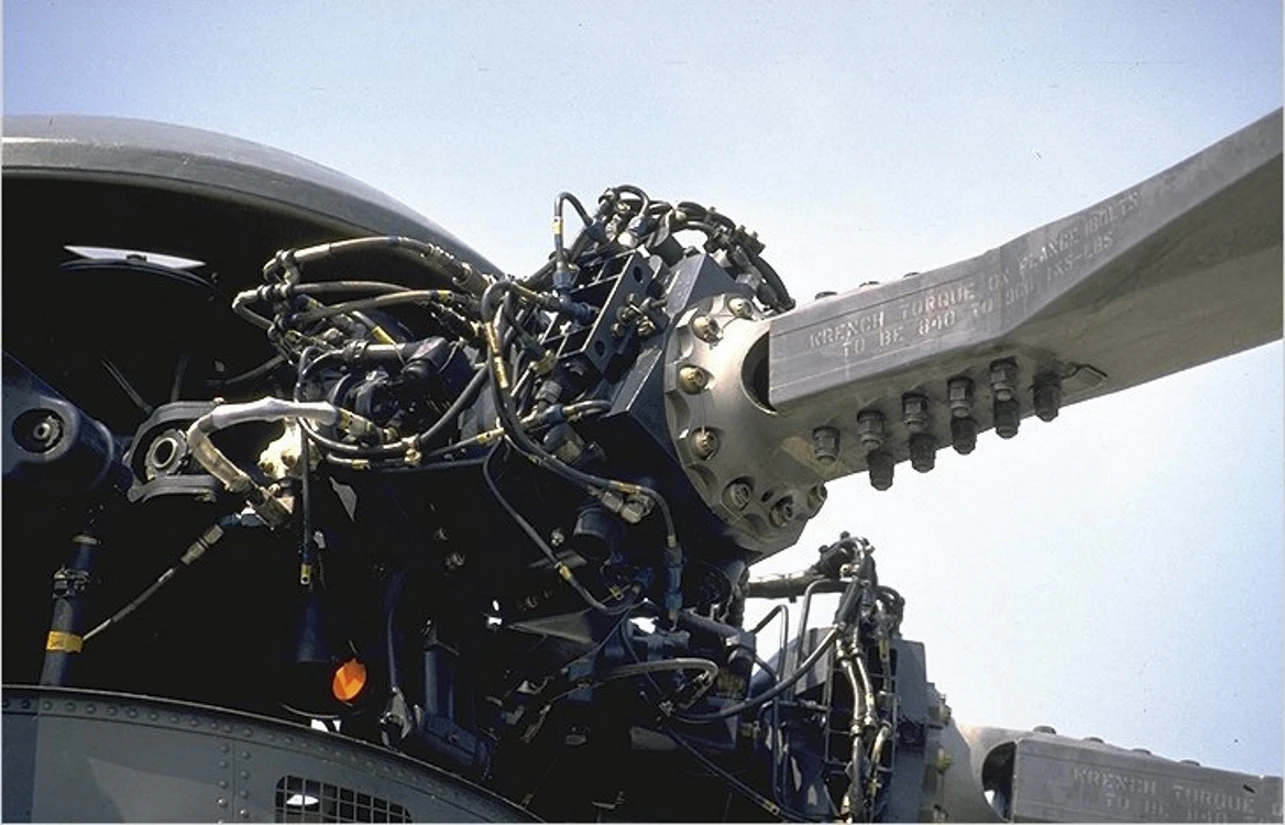
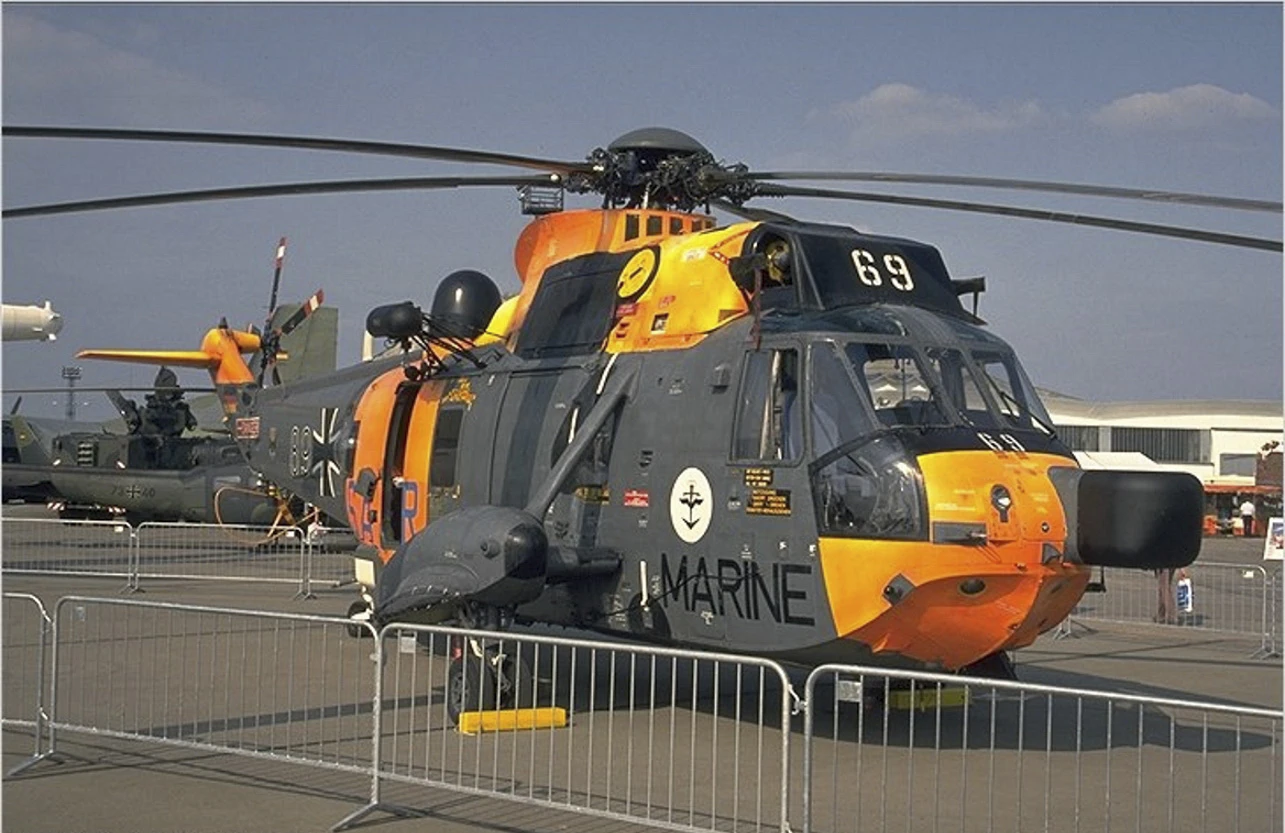
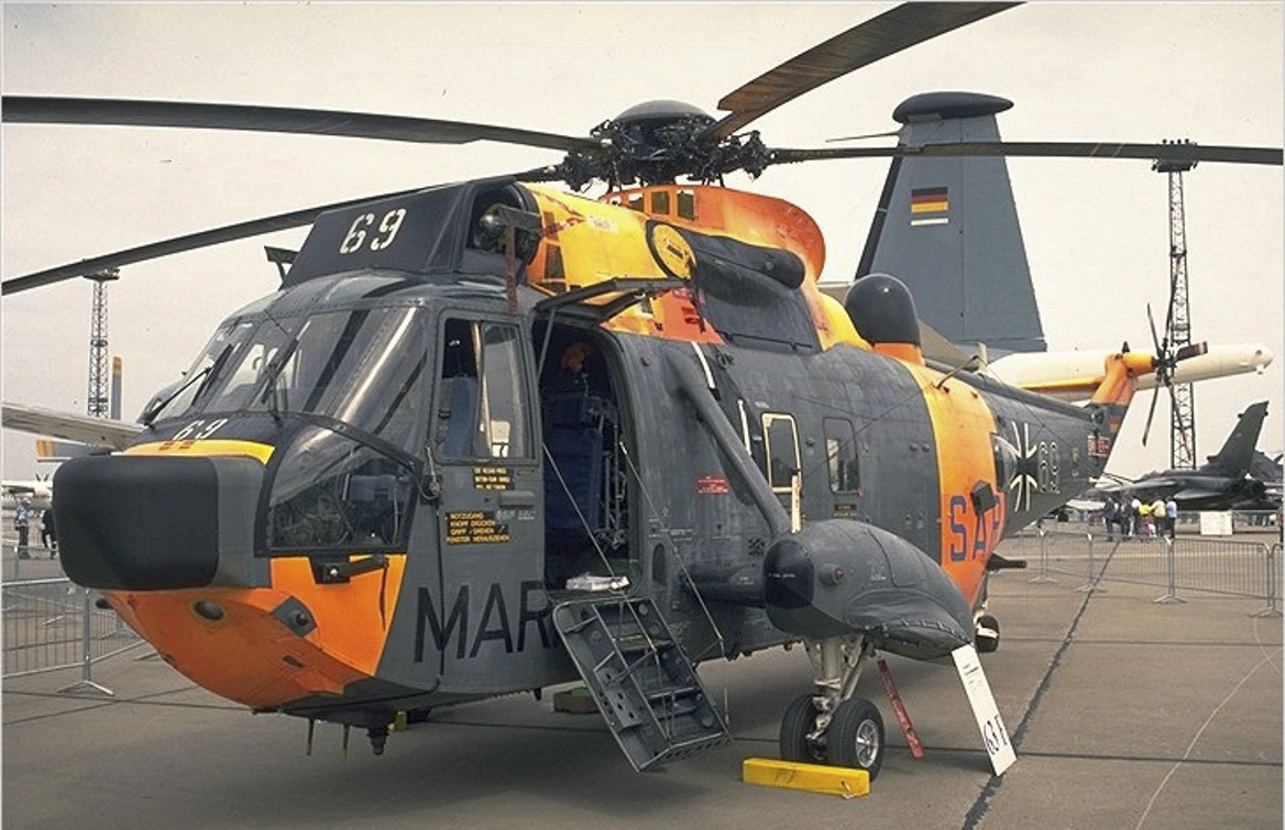
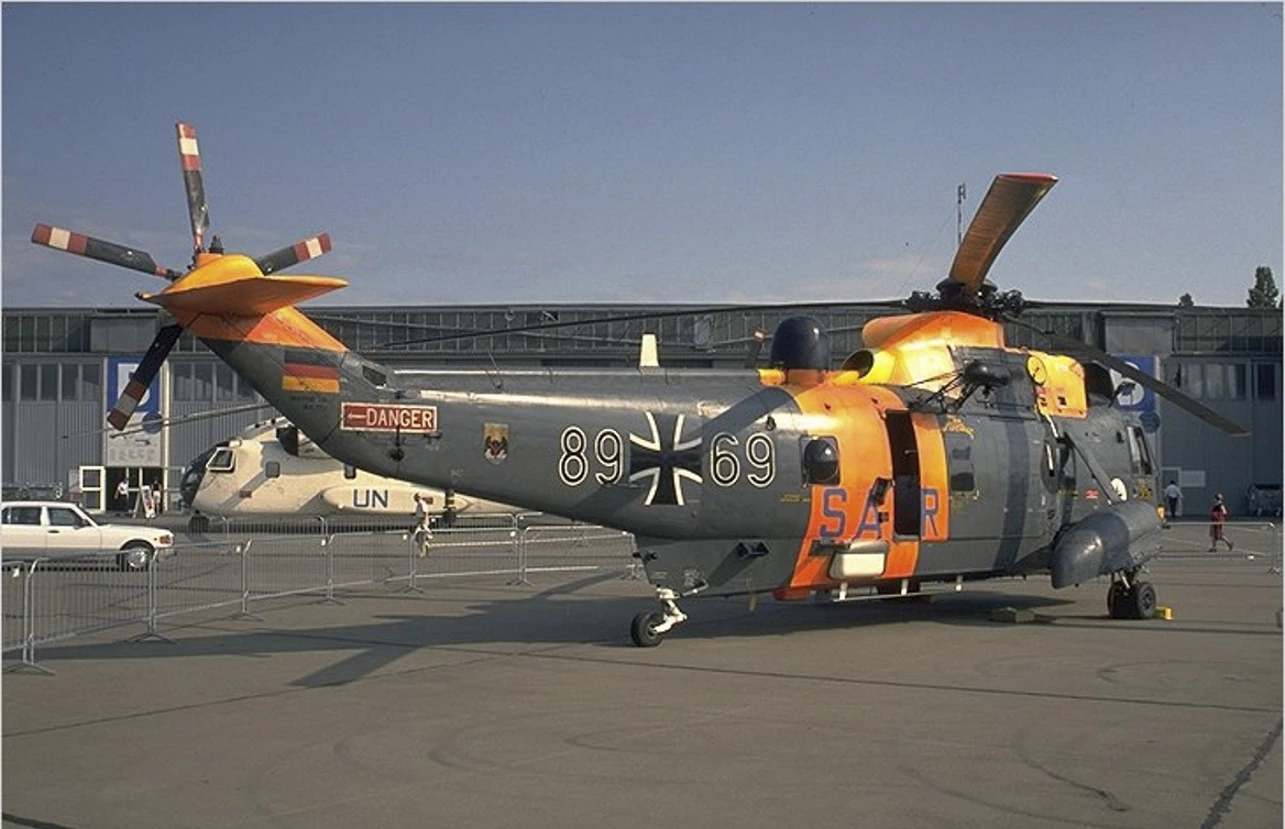
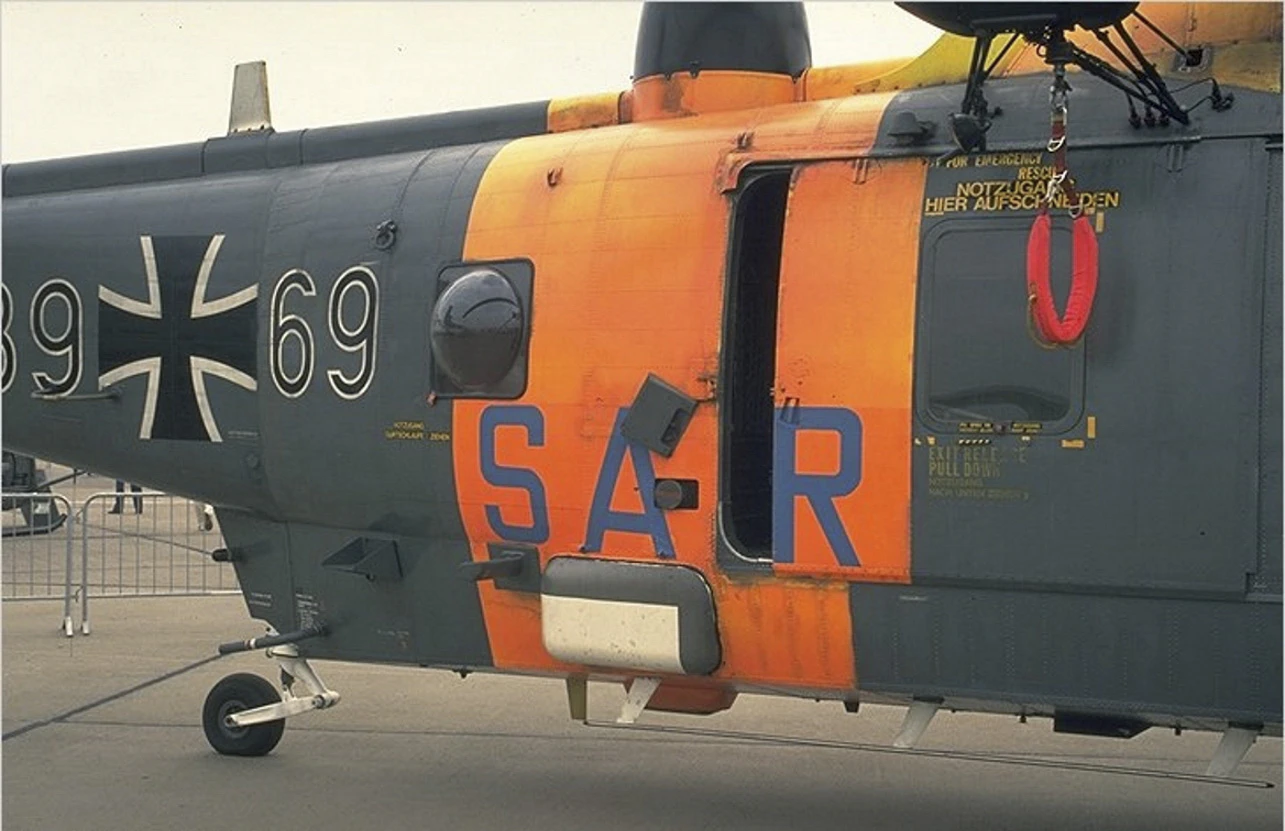
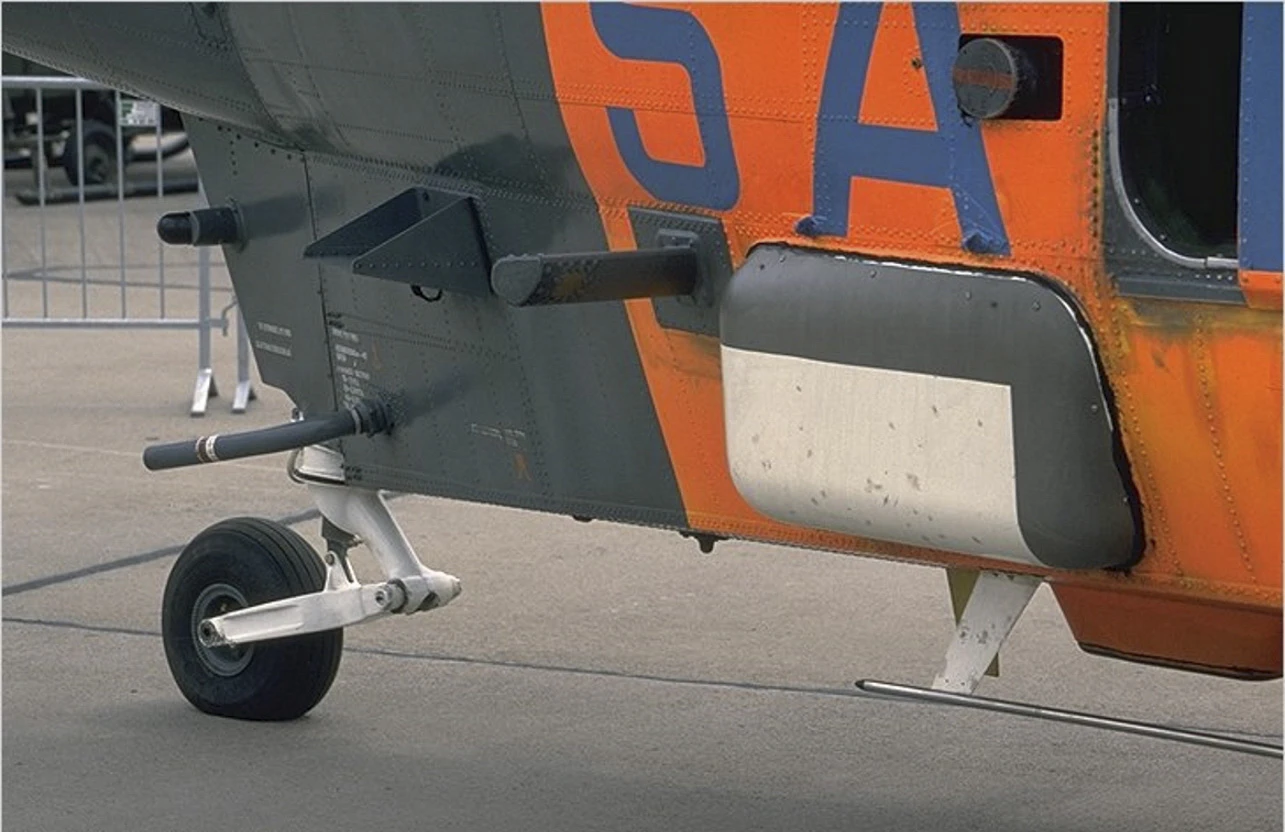
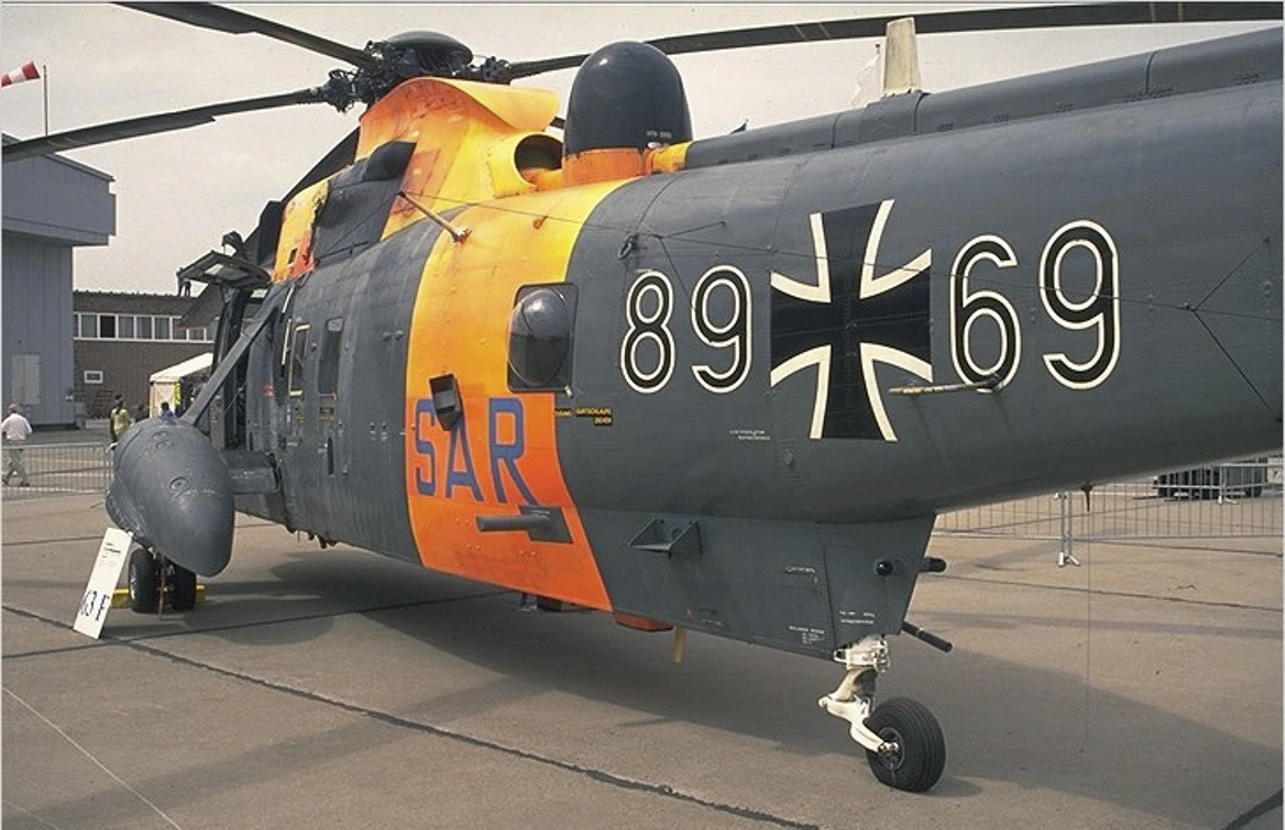
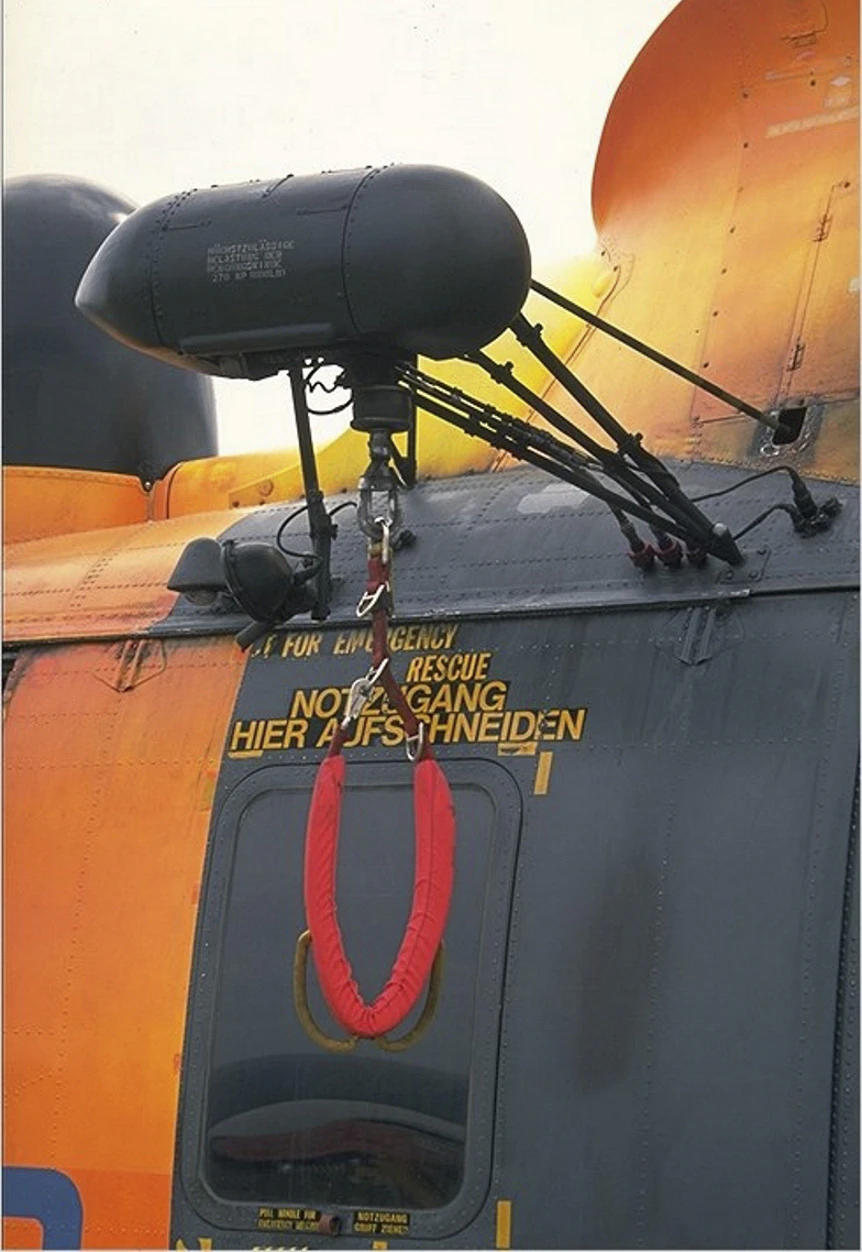
Photo gallery of a Westland Seaking Mk7, The Westland WS-61 Sea King is a British licence-built version of the American Sikorsky S-61 helicopter of the same name, built by Westland Helicopters. The aircraft differs considerably from the American version, with Rolls-Royce Gnome engines (derived from the US General Electric T58), British-made anti-submarine warfare systems and a fully computerised flight control system. The Sea King was primarily designed for performing anti-submarine warfare (ASW) missions. A Sea King variant was adapted by Westland as troop transport known as the Commando.
Source: Westland Seaking Mk7 on Wiki
| Westland Seaking | |
|---|---|
| Photographer | Erik Gustavsson |
| Localisation | Unknow |
| Photos | 35 |

 Buy Me a Coffee
| Westland Sea King Mk.41 KWS (Sikorsky S-61) Walk Around | |
|---|---|
| Photographer | Burhand Donke |
| Localisation | Unknow |
| Photos | 15 |
See also:


| Sea King Mk48 (RS05) Walk Around | |
|---|---|
| Photographer | Jean Thomas Rembert |
| Localisation | Unknow |
| Photos | 41 |
An American Concept with a British Soul
While the Westland Sea King originated from the Sikorsky S-61 design, it was far more than a licensed copy. Westland re-engineered the aircraft specifically for the Royal Navy, replacing the American engines and flight systems with British technology. The result was a highly autonomous “hunter-killer” that didn’t need a mother ship to process its radar and sonar data. Beyond its anti-submarine roots, the Sea King became a national icon in the UK through its decades of service as the primary Search and Rescue (SAR) helicopter, instantly recognizable in its bright yellow livery.
| Attribute | Technical Specification (Sea King HAS.5) |
|---|---|
| Role | ASW / SAR / Airborne Early Warning (AEW) |
| Crew | 2-4 (Pilots, Observer, Acoustic Warfare Officer) |
| First Flight | May 7, 1969 (First Westland build) |
| Powerplant | 2 × Rolls-Royce Gnome H1400 turboshafts |
| Horsepower | 1,660 shp (1,238 kW) each |
| Maximum Speed | 208 km/h (129 mph) |
| Endurance | Over 4 hours (Standard fuel) |
| Armament | 4 × Mk 46/44 torpedoes or depth charges |
Design Engineering: The Amphibious Hunter
- The Boat Hull: The Sea King features a sealed, boat-shaped lower fuselage. While not intended for regular water takeoffs, it allowed the helicopter to settle on the water in emergencies or during specialized naval operations.
- Rolls-Royce Gnome Engines: Unlike the American T58, the British “Gnome” engines were optimized for the damp, salty environments of the North Atlantic, providing high reliability for low-altitude hovering over the sea.
- Computerized Sonar: The British Sea King was the first to feature a fully integrated tactical data system. This allowed the crew to “dip” their sonar, track a submarine, and coordinate an attack entirely from the helicopter’s internal computer.
- The “Baggage” (AEW): Following the Falklands War, some Sea Kings were fitted with a massive, inflatable black dome on the side. This was a search radar that could be swung down in flight to detect low-flying enemy aircraft.
Legendary Careers: From War to Rescue
- Falklands War (1982): Sea Kings flew around the clock, performing anti-submarine screens, troop transport, and the “decoy” role—hovering near ships to lure away Exocet missiles with their large radar signatures.
- The Yellow Harvesters: For the British public, the Sea King is the “Yellow Helicopter.” Operated by the RAF and Royal Navy SAR units, these aircraft saved thousands of sailors and hikers, often in storms that grounded all other aircraft.
- The “King” in Ukraine: In 2022/2023, the UK donated several retired Sea Kings to Ukraine. Despite their age, they have been vital for maritime patrol and transport, proving the airframe’s enduring durability.
- The Prince’s Mount: Both Prince Charles and Prince William flew the Sea King during their military careers, with Prince William serving as a SAR pilot at RAF Valley.
Views : 3788
You can see also :
 Agusta-Bell AB.212 – Photos & Videos
 Denel Rooivalk – Photos & Videos
 Eurocopter EC135 – Photos & Videos
 TAI/AgustaWestland T129 ATAK – Photos & Videos
 Harbin Z-6 – Photos & Videos
 Westland Wasp – Photos & Video
 Westland Lynx – Photos & Video
 Westland Wessex SAR – Photos & Video
 Mi-8T HIP – WalkAround
 Mi-24 Hind – WalkAround