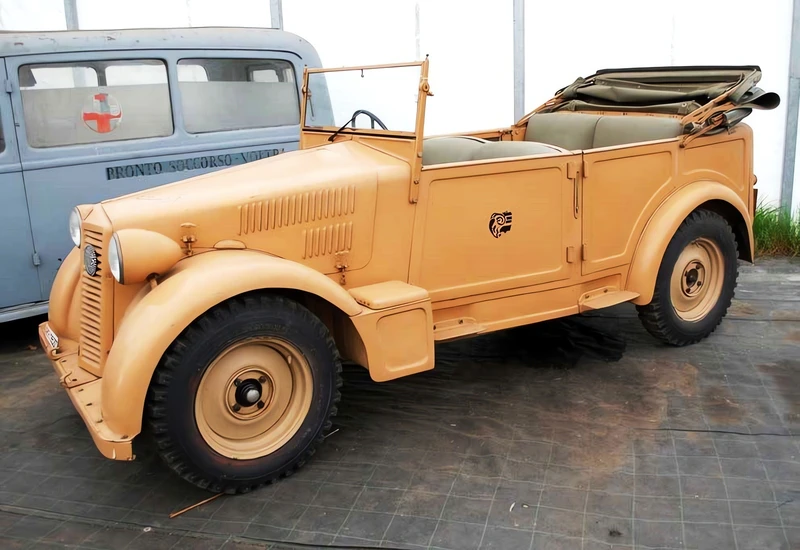
Fiat 508e | |
|---|---|
| Country | Italy |
| Type | Compact car |
| Production | 1932–1937 |
| Built | 100000+ |
The Fiat 508 Balilla was a compact car designed and produced by Fiat from 1932 to 1937. It was, effectively, the replacement of the Fiat 509, although production of the earlier model had ceased back in 1929. It had a three-speed transmission (increased to four in 1934), seated four, and had a top speed of about 50 mph (80 km/h). It sold for 10,800 lire (or 8,300 2005 euro). About 113,000 were produced.
Source: Wikipedia
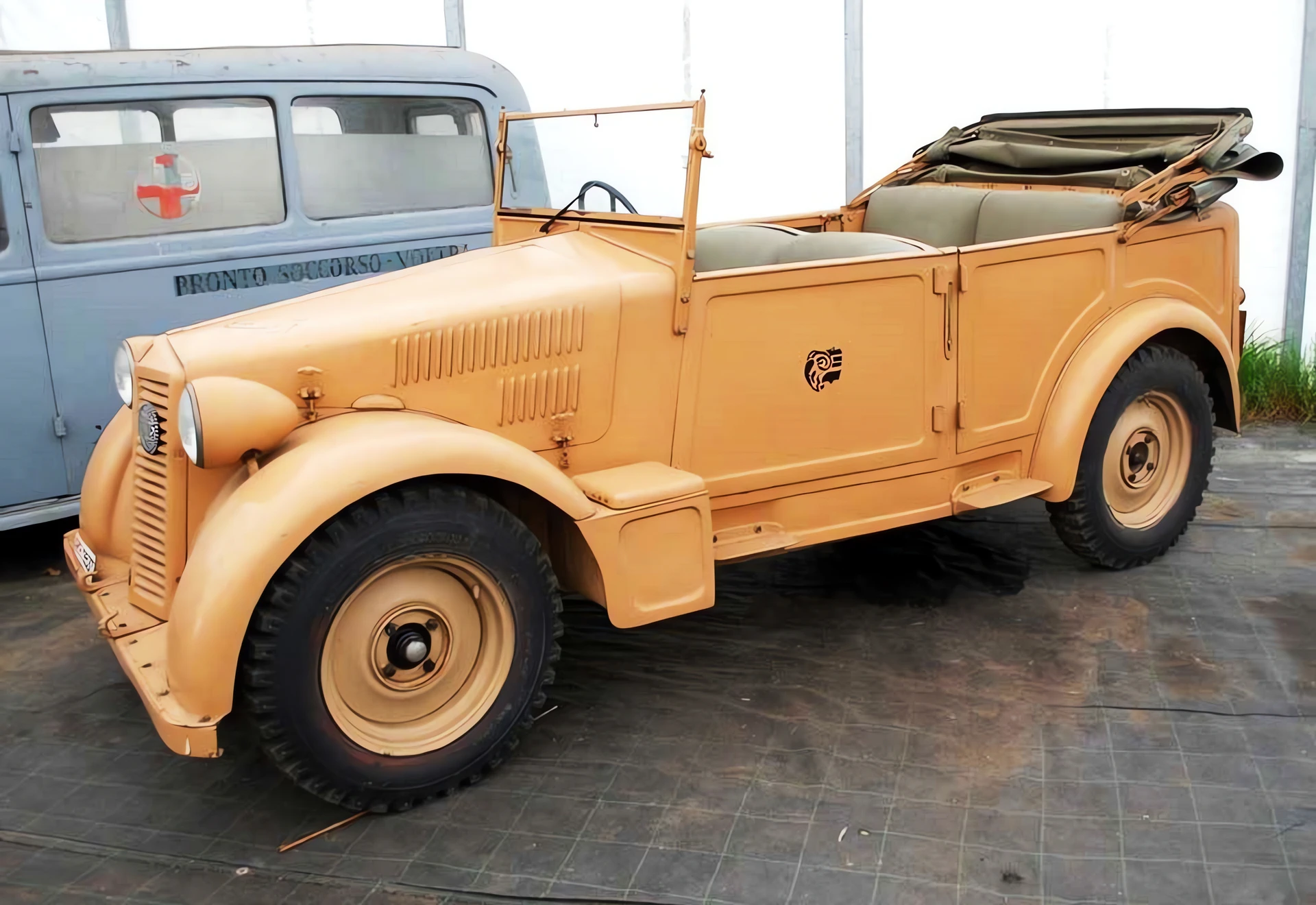
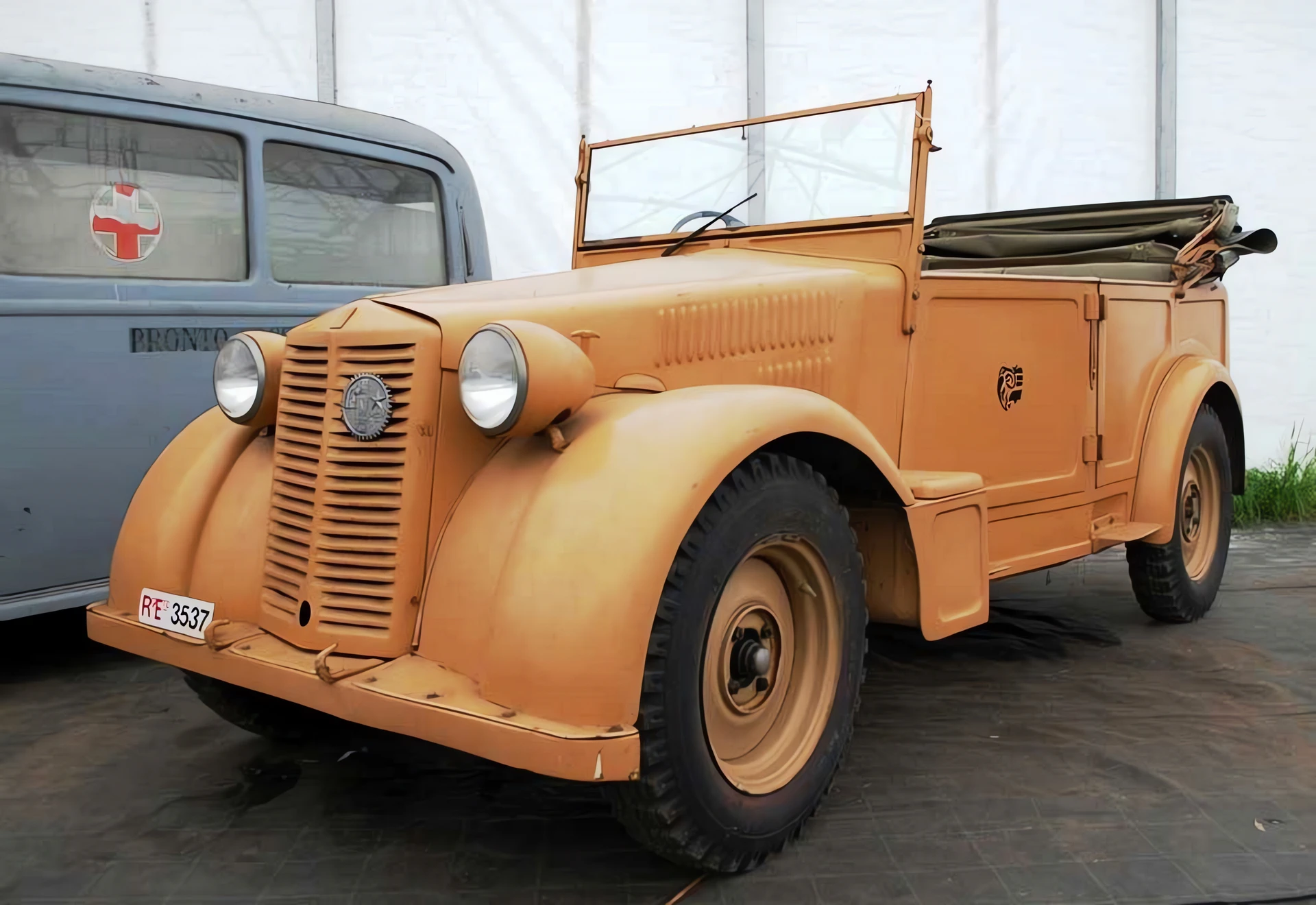
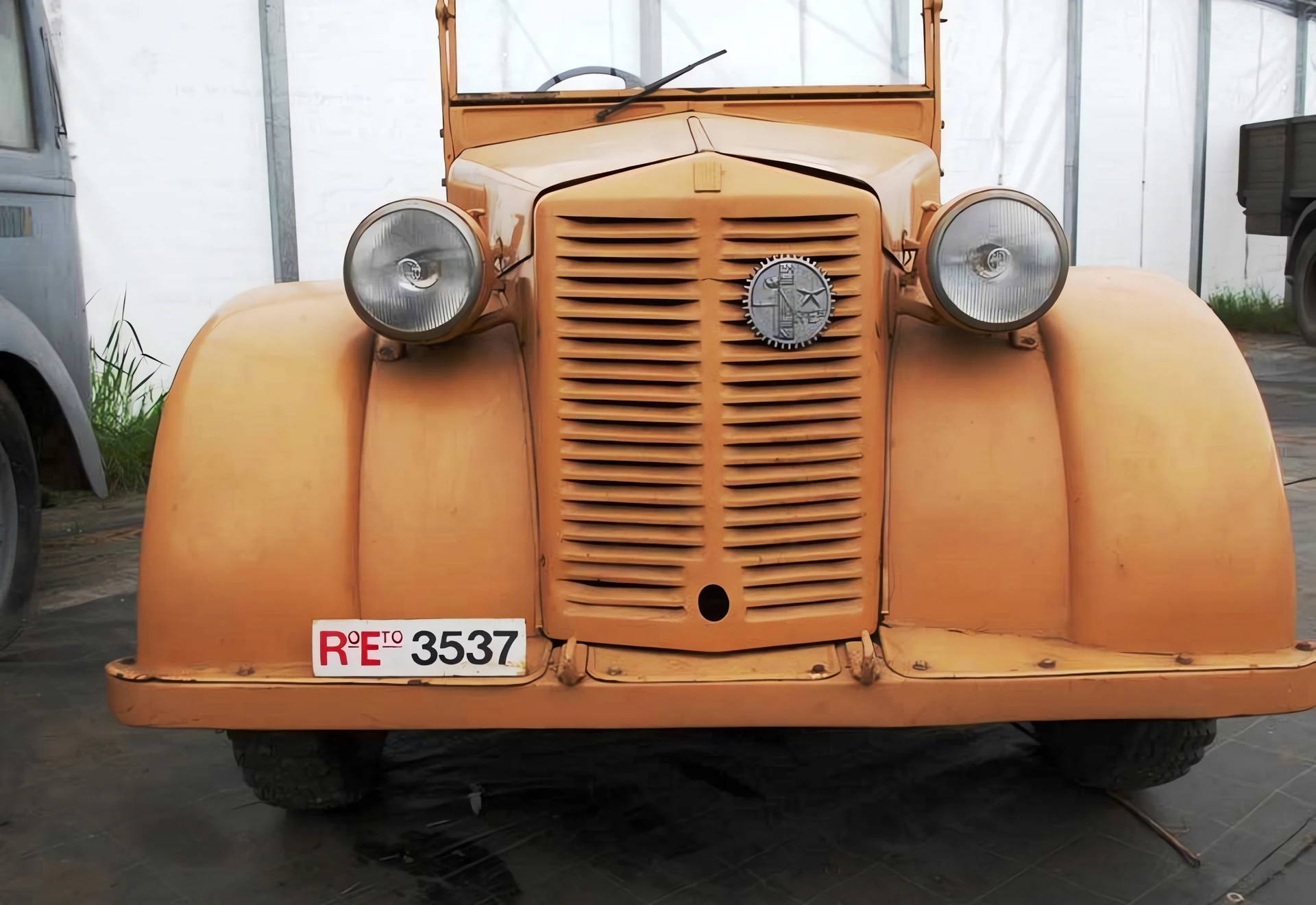
| FIAT 508 Walk Around | |
|---|---|
| Photographer | Gian Luca Cocchi |
| Localisation | Unknow |
| Photos | 17 |
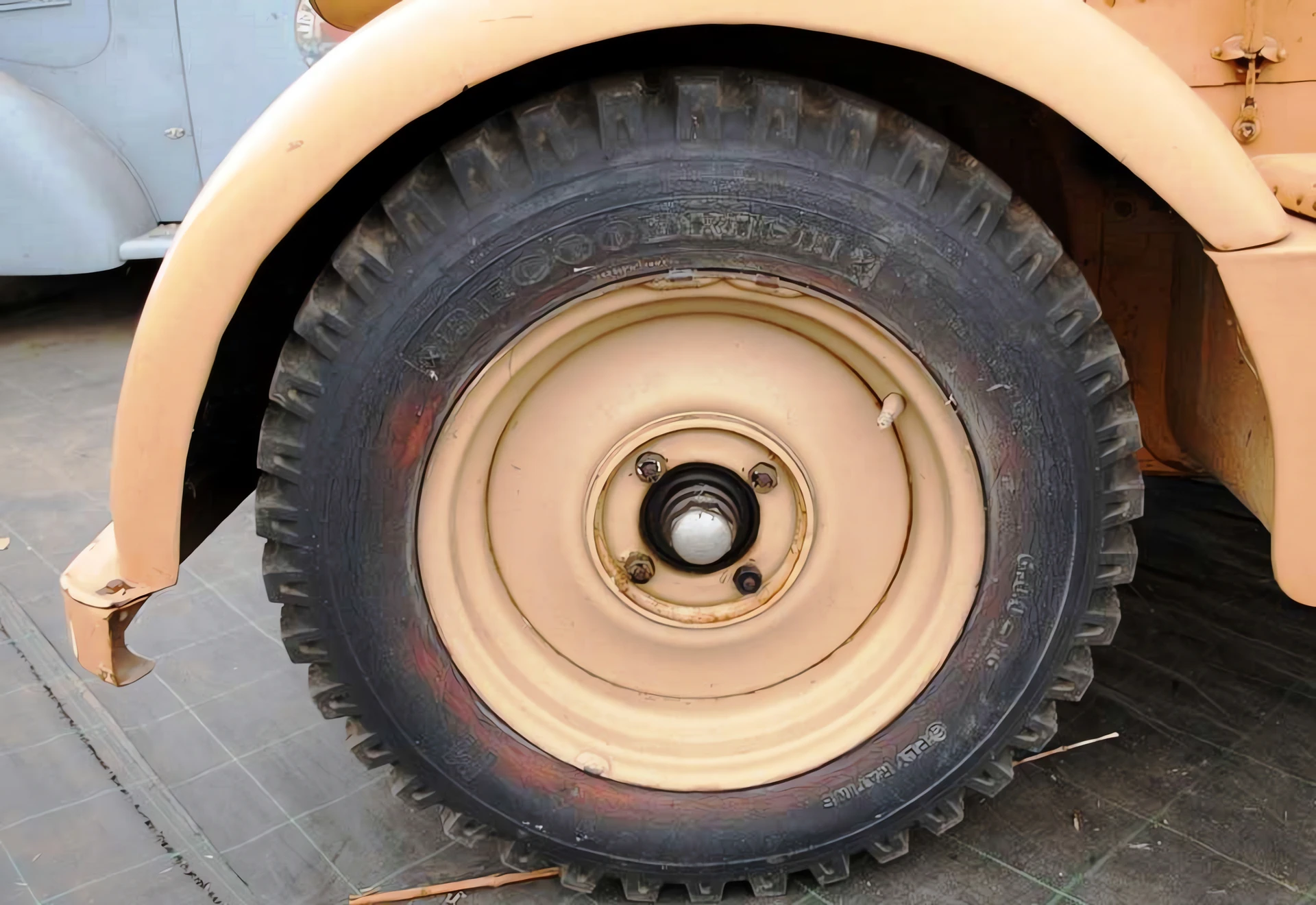
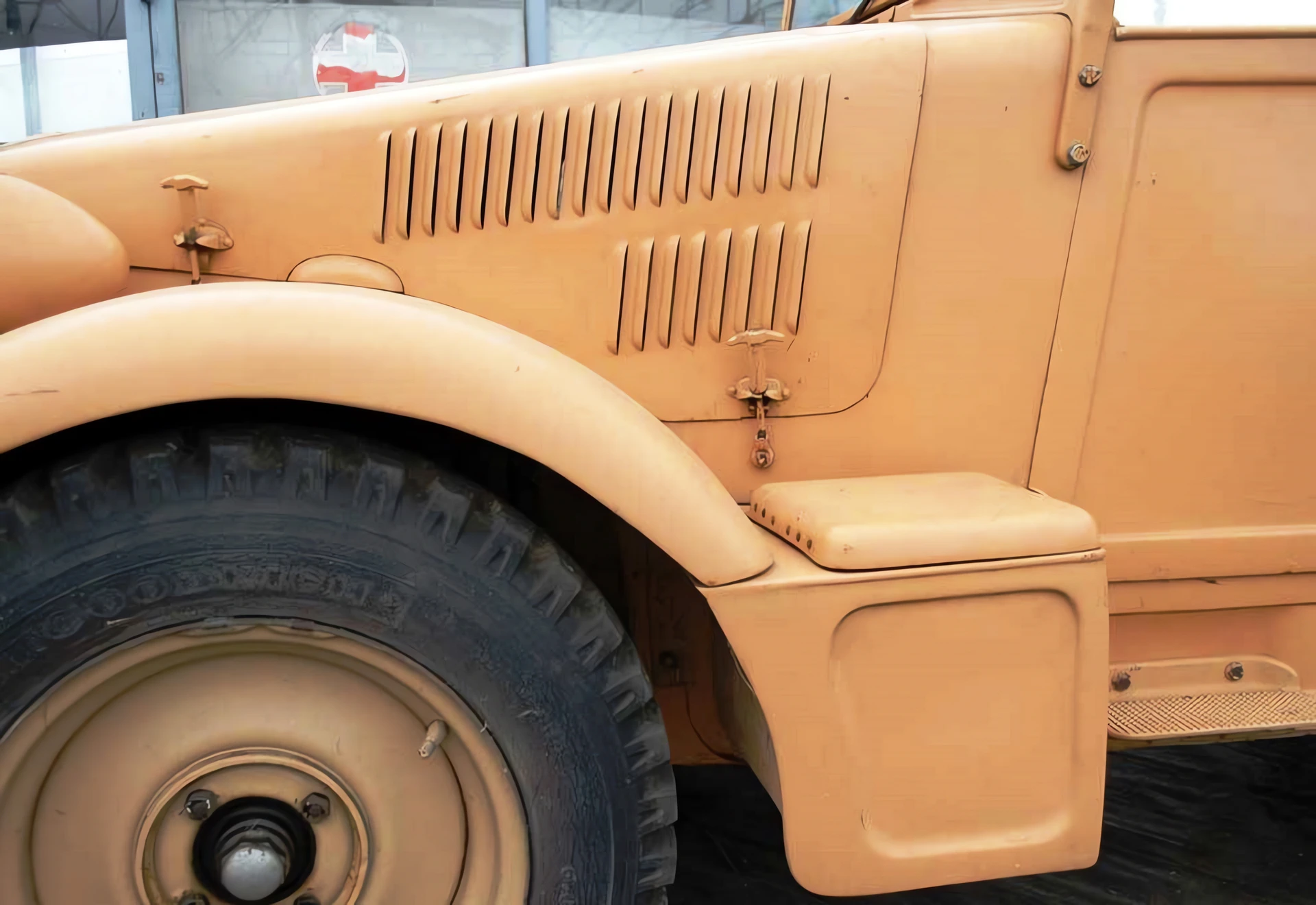
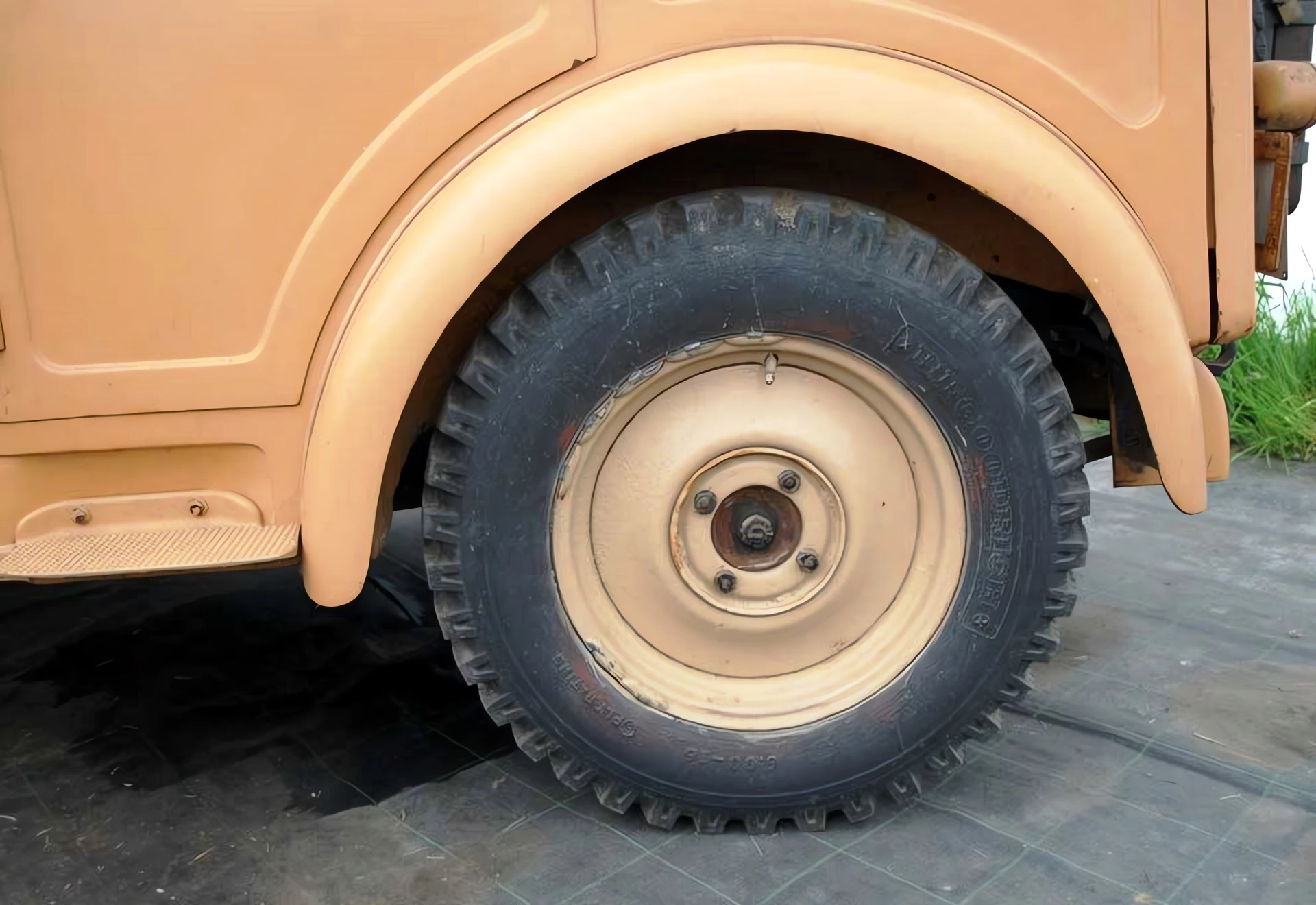
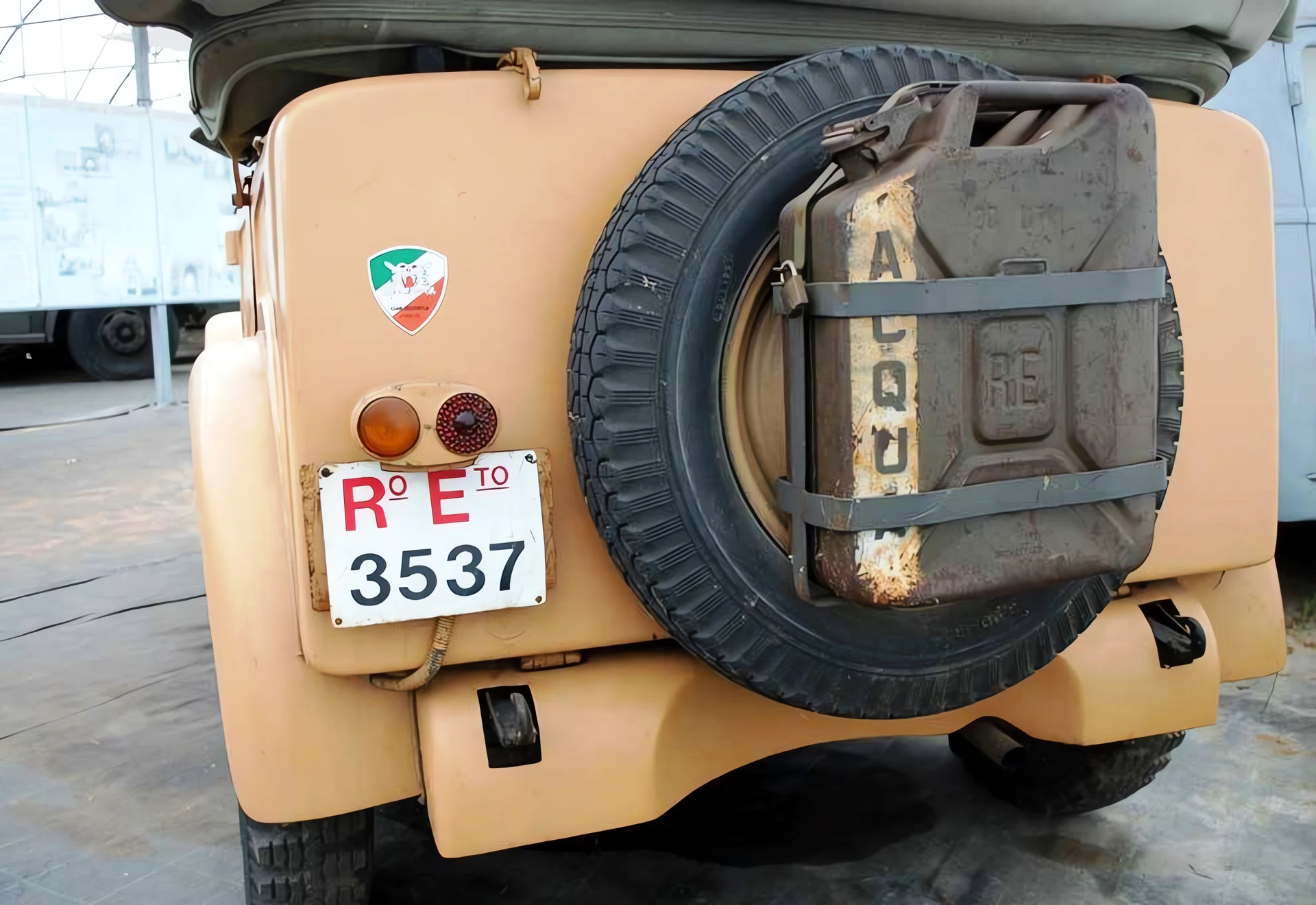
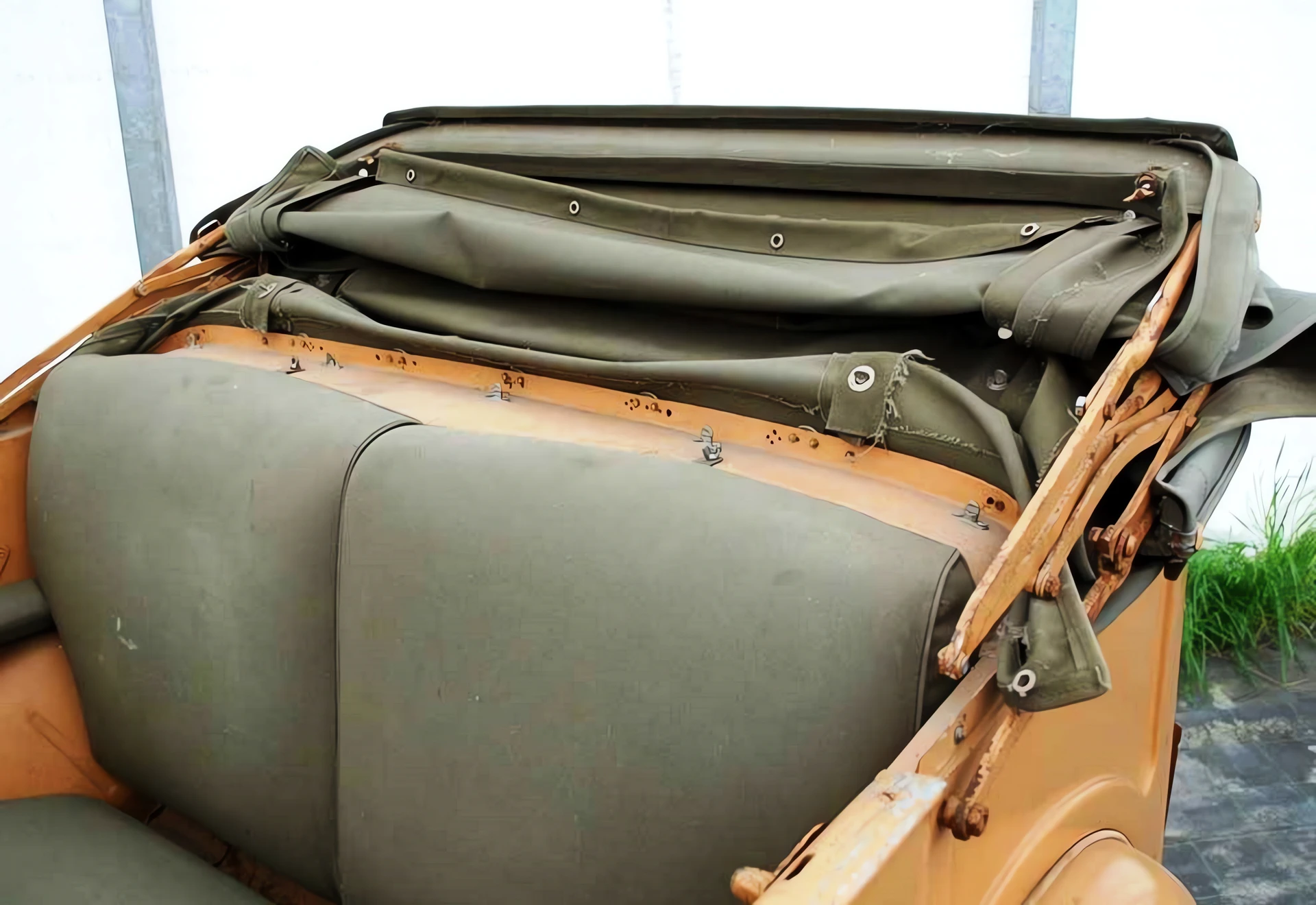
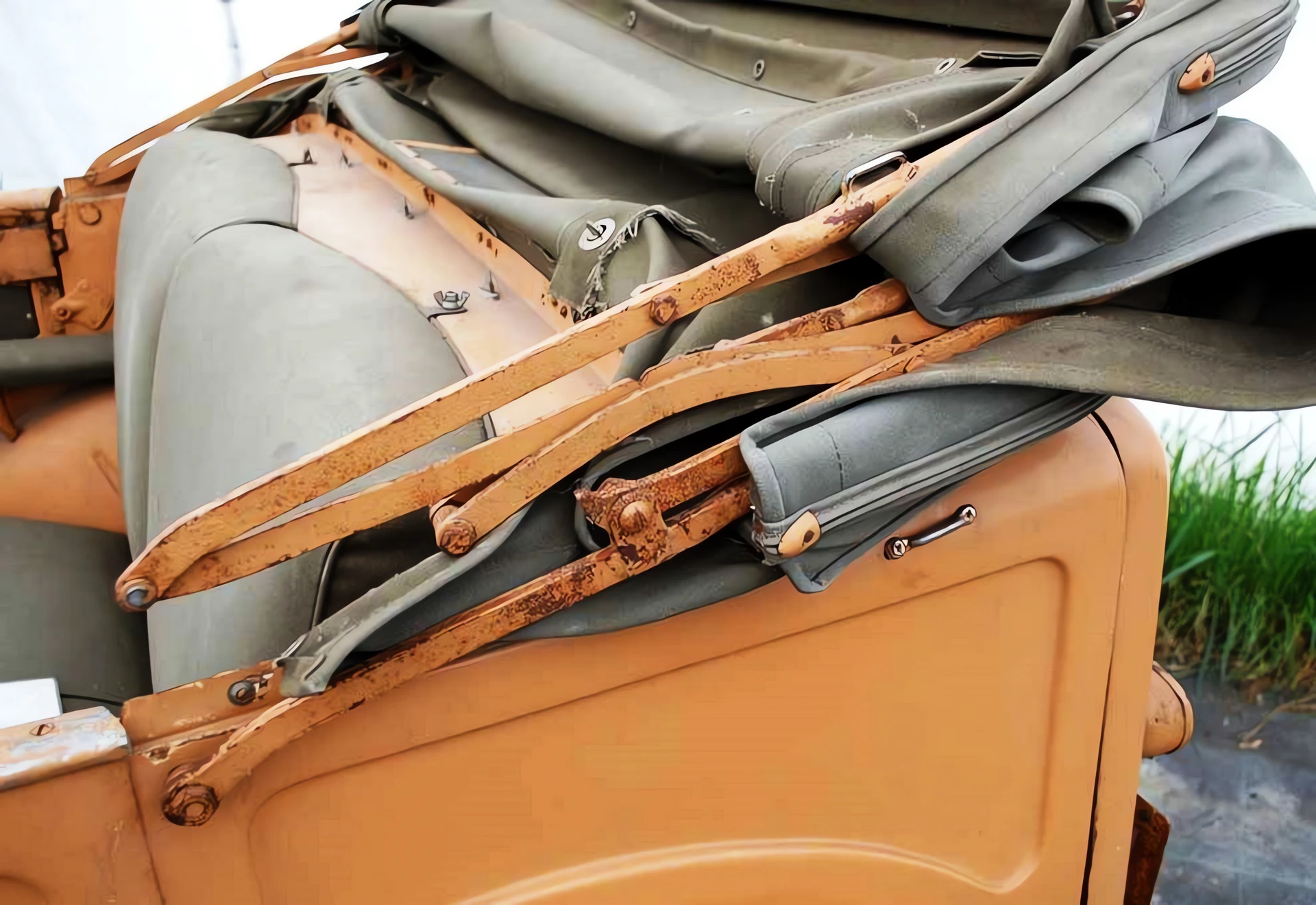


See also:


A Social and Military Revolution
The Fiat 508 Balilla, introduced in 1932, was the most popular Italian car of the 1930s. Designed as an affordable “people’s car,” it was simple, robust, and easy to maintain. However, its true legacy lies in its versatility; the Royal Italian Army (Regio Esercito) quickly realized that the 508 chassis was ideal for military adaptation. This led to the creation of the 508M (Militare) and the famous 508 CM “Coloniale,” which became the ubiquitous light staff car for Italian officers in North Africa and Russia.
| Attribute | Standard Specification (Fiat 508 / 508 CM) |
|---|---|
| Role | Economy Car / Military Staff & Liaison Car |
| Production Years | 1932–1937 (Civilian) / Until 1945 (Military) |
| Engine Type | Fiat 108: 4-cylinder, side-valve petrol |
| Displacement | 995 cc |
| Horsepower | 20 hp to 24 hp (30 hp in later 508C models) |
| Transmission | 3-speed Manual (Later 4-speed) |
| Max Speed | 80–95 km/h (approx. 50–60 mph) |
| Curb Weight | approx. 685 kg (Civilian) / 890 kg (Military) |
The “Coloniale” Evolution
- Military Adaptation: The 508 CM was characterized by its high-clearance suspension, larger tires, and a rugged, open-top body. These modifications allowed it to traverse the soft sand and rocky “hamada” of the Libyan desert.
- The “Long” 508C: In 1937, Fiat introduced the 508C (Nuova Balilla), which featured a more powerful 1,100cc engine and aerodynamic styling. This chassis was also militarized, leading to the 1100 “Coloniale” which served as the Italian equivalent of the German Kübelwagen.
- Technical Simplicity: The side-valve engine was intentionally under-stressed to run on low-quality fuel, and the mechanical brakes were simple to repair in the field.
Military Variants
- 508M (Militare): The first militarized version, often featuring a soft-top and standard civilian fenders, used mainly for domestic duties and communications.
- 508 CM (Coloniale Militare): The definitive war version with a distinctively boxy body, spade mounts, and extra fuel cans for long-range desert patrols.
- 508 Camioncino: A light pickup truck version capable of carrying 350 kg, used for transporting light supplies and small units of soldiers.
- AS.37 Platform: The 508 was often used as the base for the Autosahariana long-range desert vehicles, which were heavily armed with Breda machine guns or 20mm cannons.
Legacy
The Fiat 508 didn’t just win over Italian families; it proved itself as a resilient combatant in some of the harshest environments of WWII. After the war, the 508C chassis became the foundation for the Fiat 1100, a car that would continue to be produced (most notably in India as the Premier Padmini) for decades to come.
Views : 369
You can see also :
 SPA CL39 – Photos & Videos
 Pavesi P4 – Photos & Videos
 Fiat TL.37 – Photos & Videos
 Autoblinda Lancia Lince – Photos & Videos
 Fiat L6-40 tank – Photos & Videos
 Fiat M15/42 tank – Photos & Videos
 Fiat CR.46 – Photos & Videos
 Fiat G.91 – Photos & Videos
 Fiat M13/40 – WalkAround
 Fiat G-55 Centauro – Walk Around