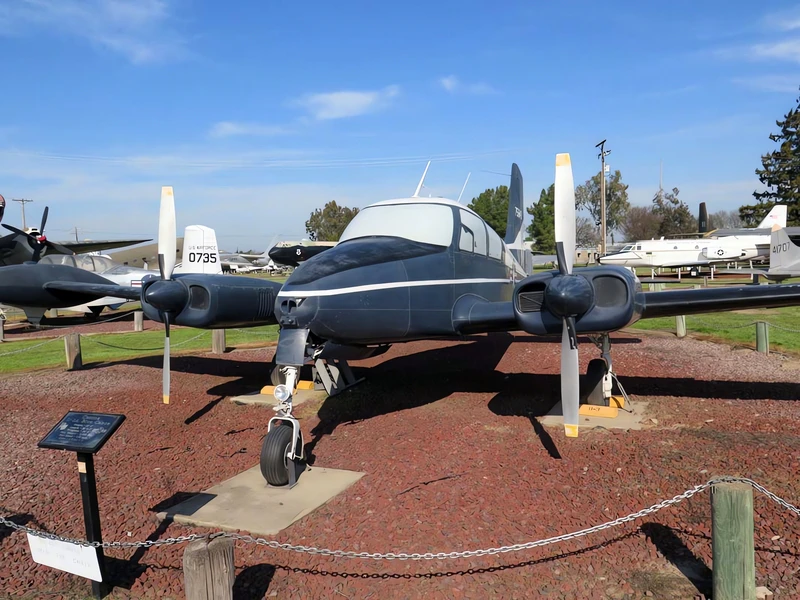
Cessna 310 | |
|---|---|
| Country | USA |
| Role | Twin-engine cabin monoplane |
| First flight | January 3, 1953 |
| Built | 5000+ |
The Cessna 310 is an American four-to-six-seat, low-wing, twin-engine monoplane produced by Cessna between 1954 and 1980. It was the first twin-engine aircraft that Cessna put into production after World War II.
Source: Cessna 310 on Wikipedia
| Cessna U-3A Blue Canoe Walk Around | |
|---|---|
| Photographer | Vladimir Yakubov |
| Localisation | Castle Air Museum |
| Photos | 102 |
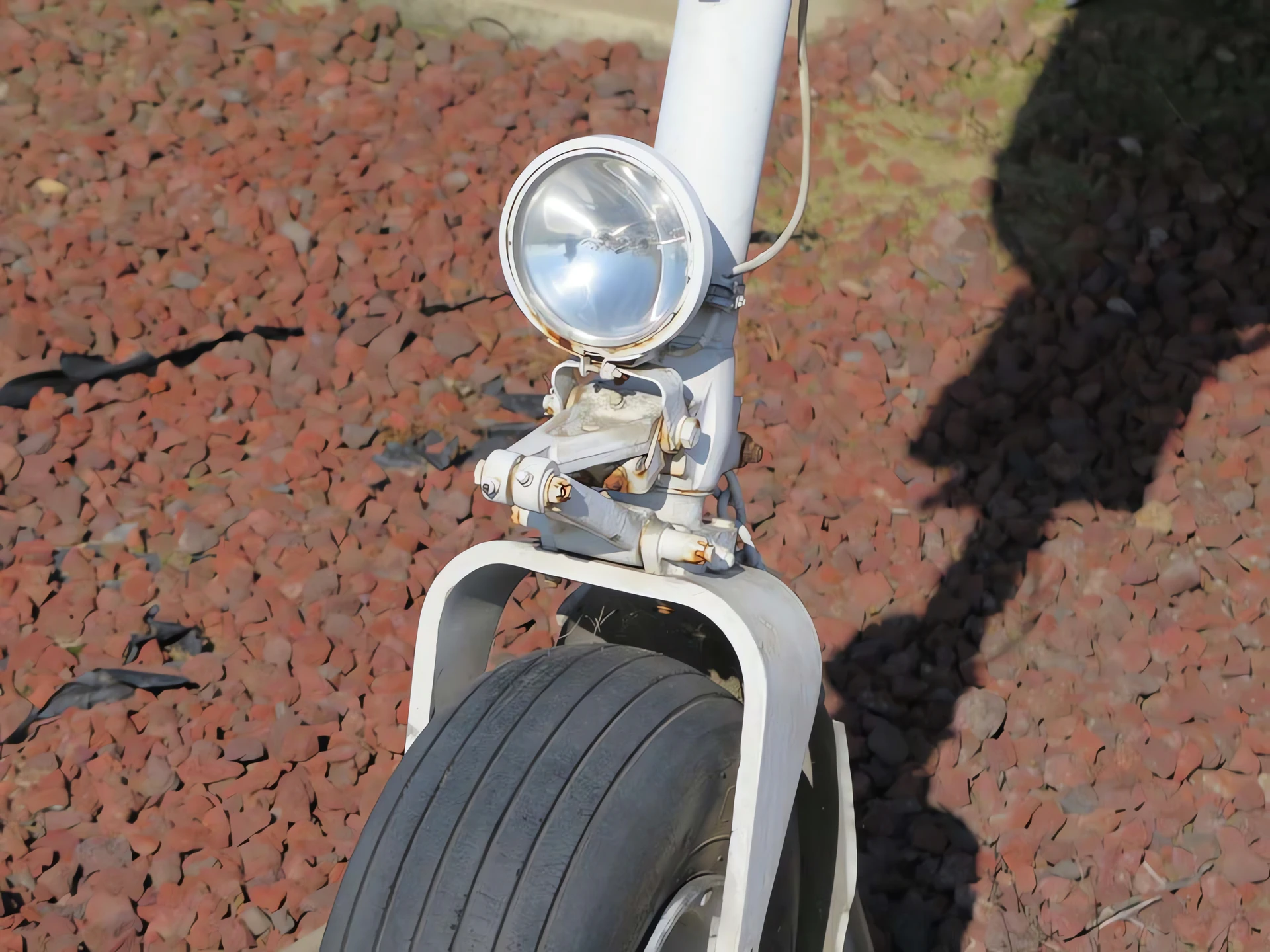
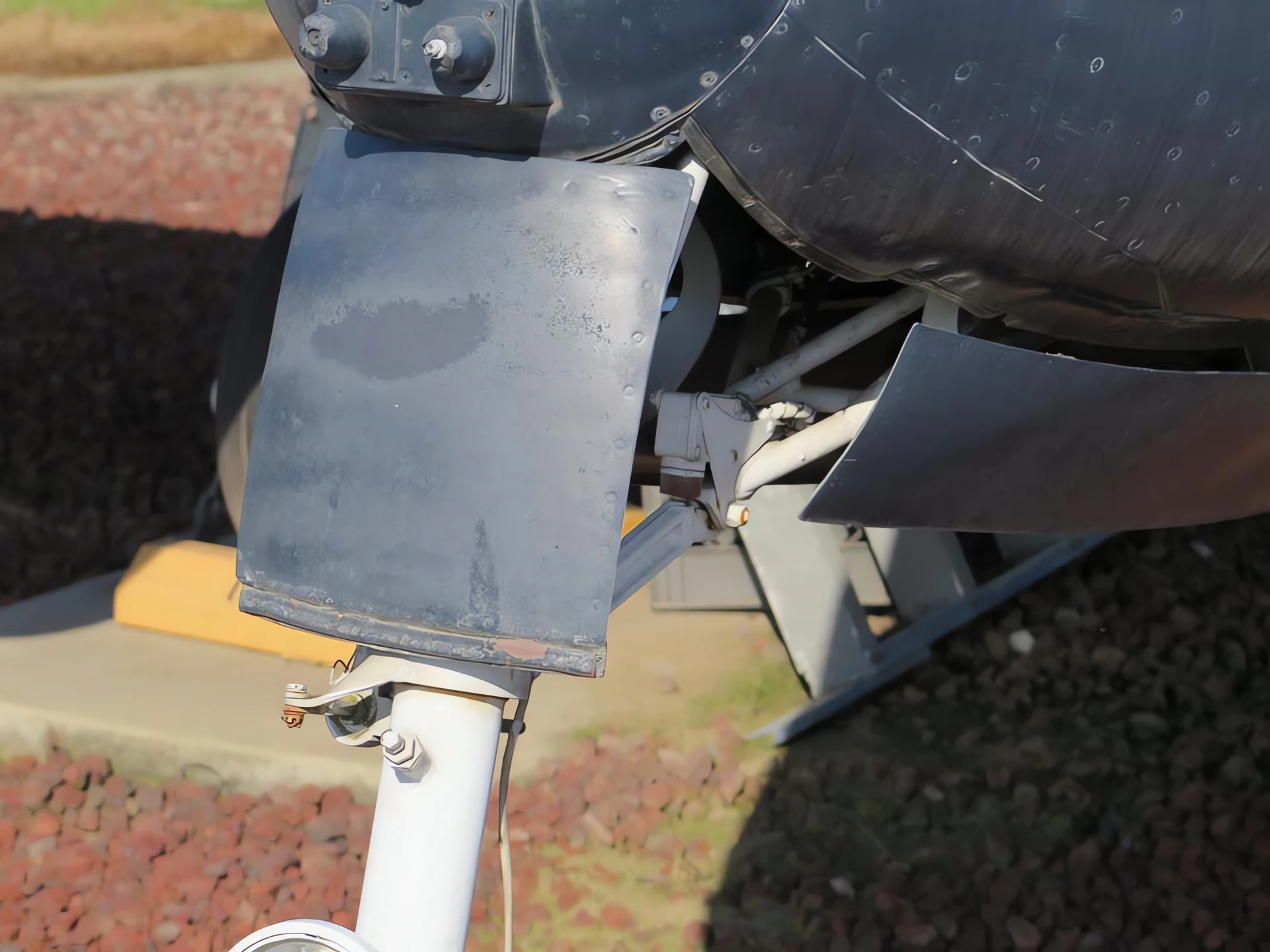

See also:


General Characteristics and Role
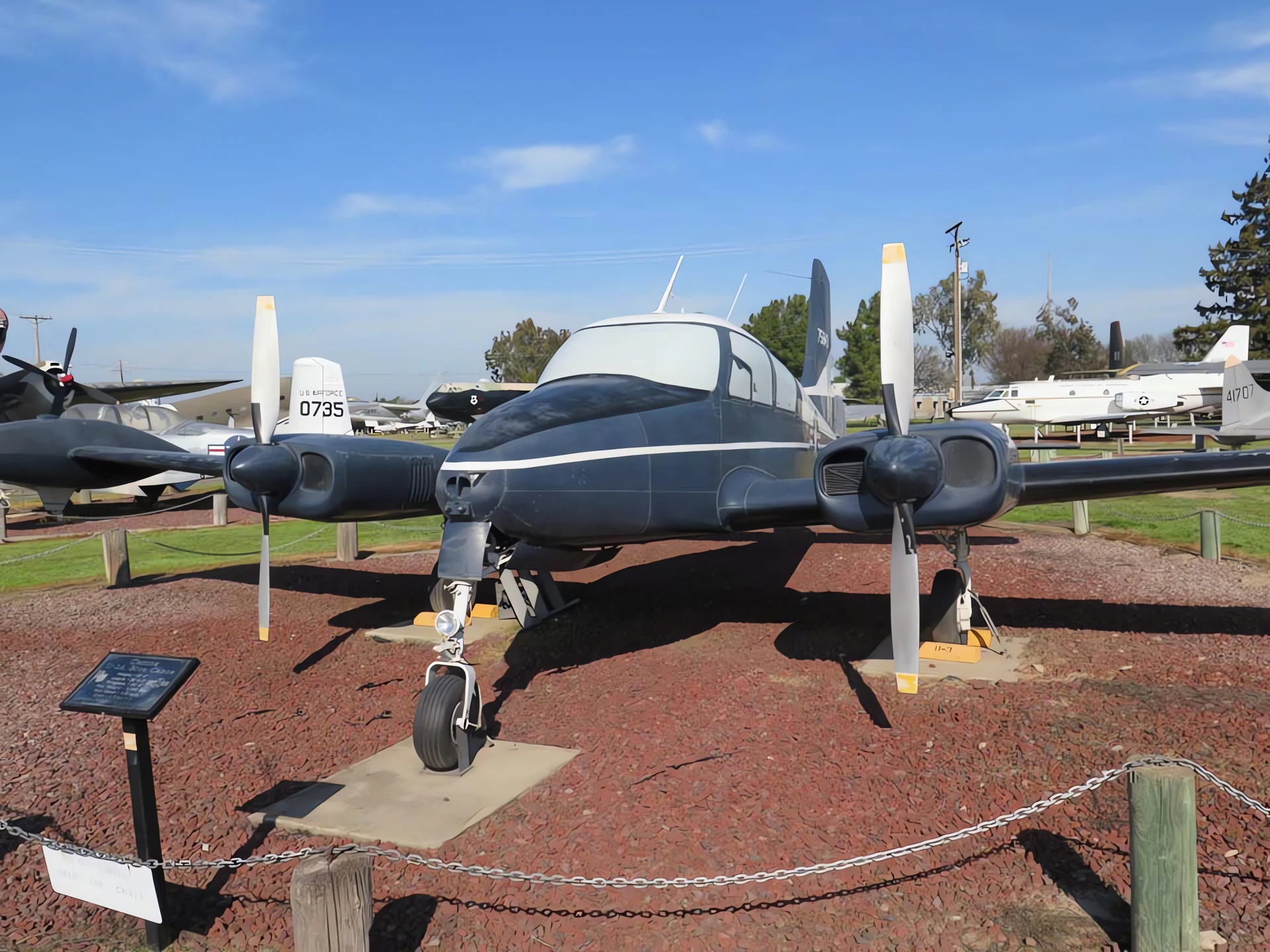
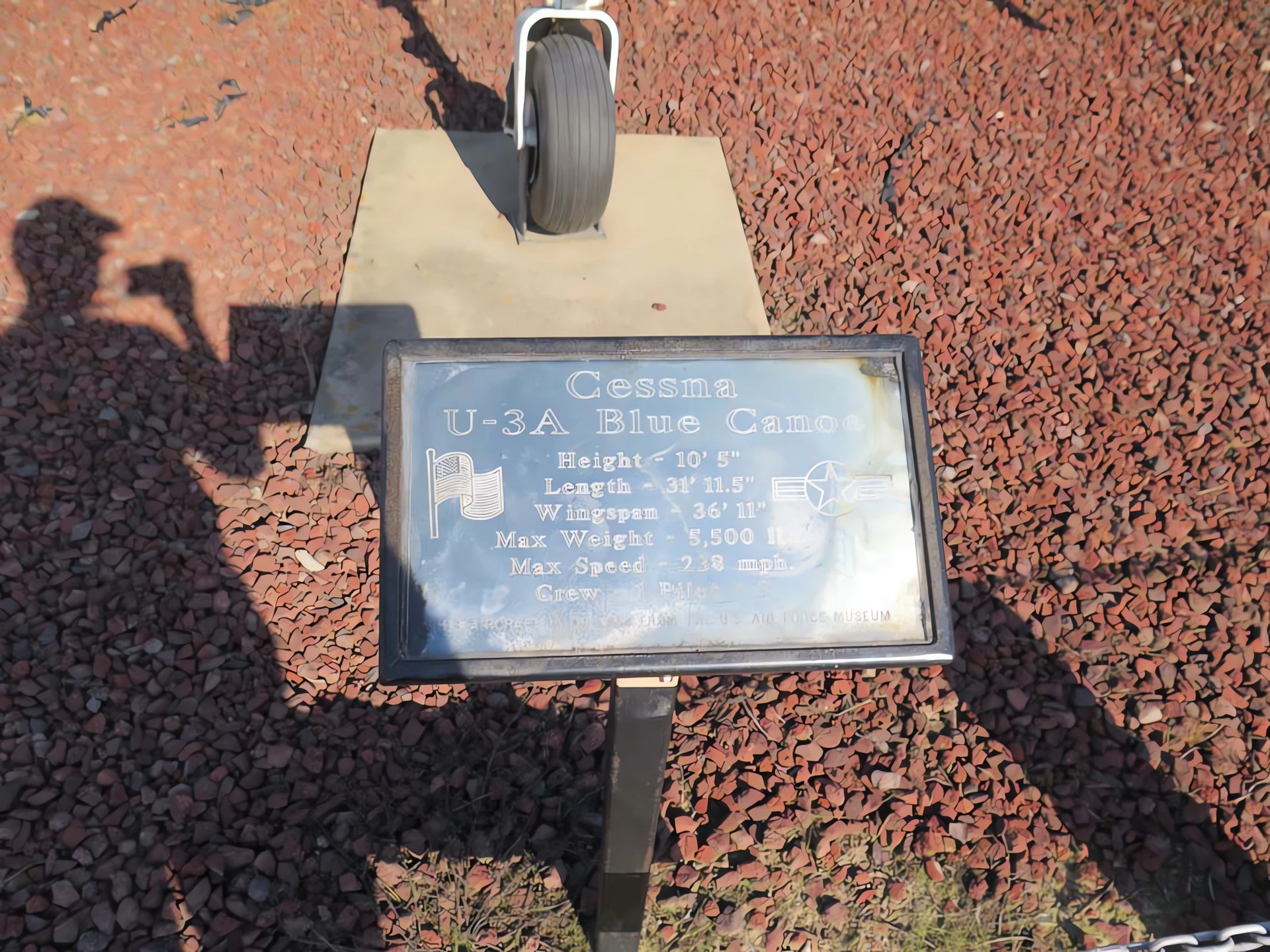
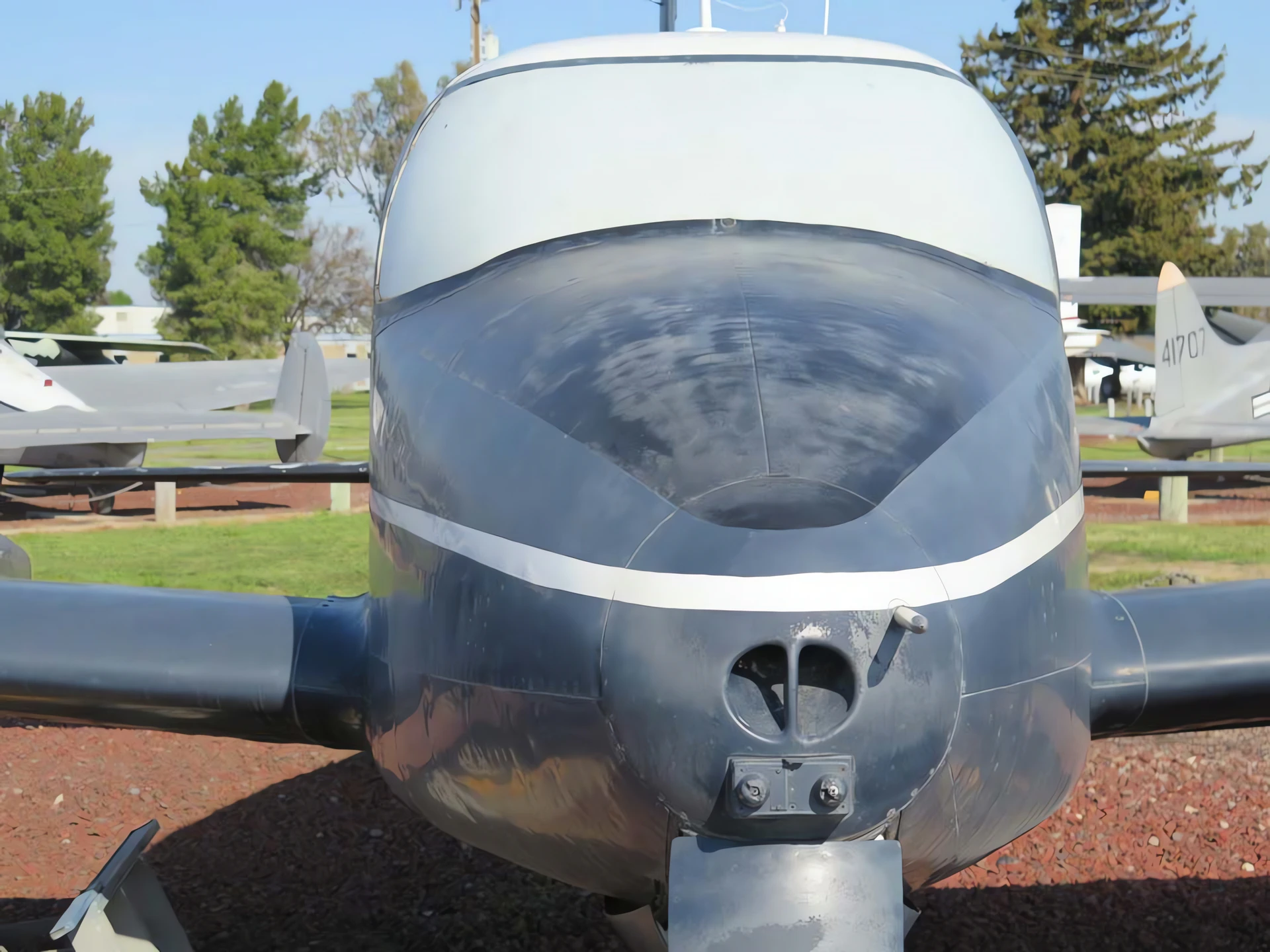
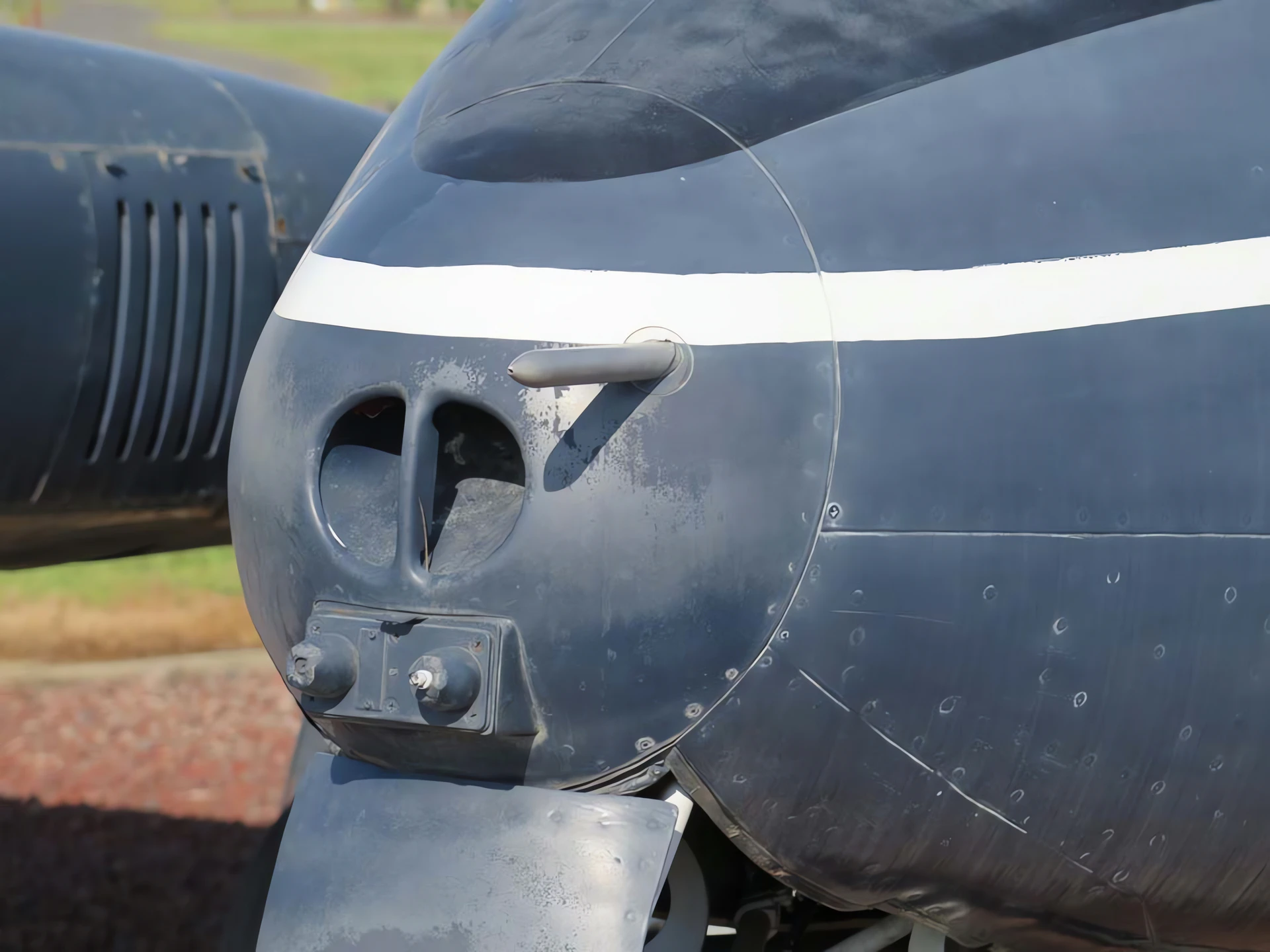
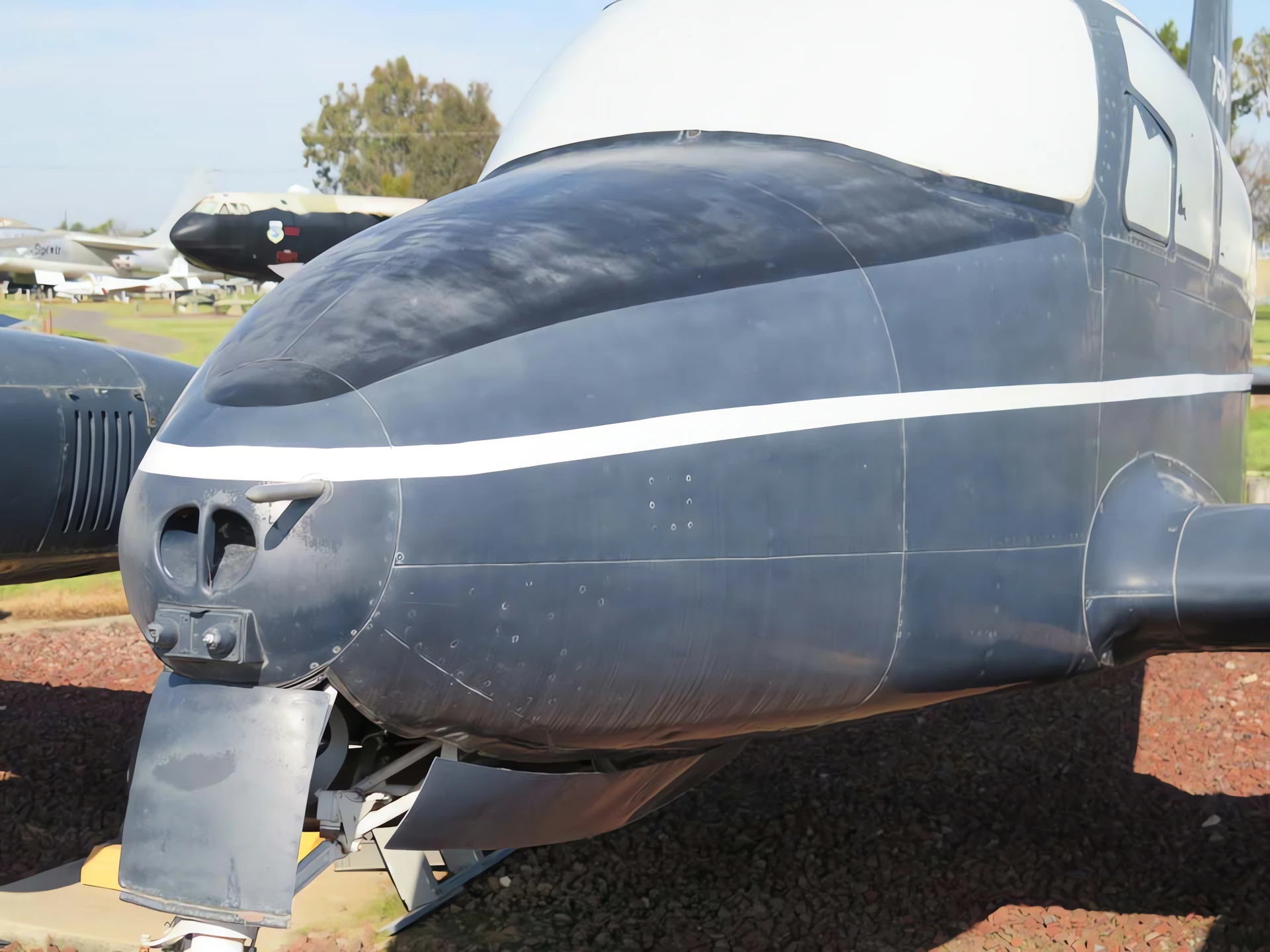
The Cessna U-3A Blue Canoe is the United States military designation for the commercially successful Cessna 310 light twin-engine aircraft. It was adopted by the U.S. Air Force in the late 1950s primarily for high-priority light transport, utility, and administrative duties. Its nickname, “Blue Canoe,” refers to its distinctive blue and white military paint scheme. The U-3A was one of the first light twin-engine aircraft used by the Air Force for non-combat tasks, allowing heavier aircraft to be dedicated to combat and strategic transport roles. Its main task was providing quick, reliable liaison and staff transport for base and unit commanders. It was also famously used as a chase and instructor plane for the difficult-to-land Lockheed U-2 reconnaissance aircraft.
| Property | Typical Value (U-3A / Cessna 310A) |
|---|---|
| Role | Light Command, Liaison, and Utility Transport |
| National Origin | United States |
| Manufacturer | Cessna Aircraft Company |
| First Flight (Cessna 310) | 3 January 1953 |
| Crew | 1 (Pilot) |
| Capacity (Passengers) | 4–5 passengers |
| Length | 8.23 m (27 ft 0 in) |
| Wingspan | 10.87 m (35 ft 8 in) |
| Height | 3.17 m (10 ft 5 in) |
| Empty Weight | 1,293 kg (2,850 lb) |
| Max Takeoff Weight | 2,190 kg (4,830 lb) |
Powerplant and Performance
- Engine: 2 x Continental O-470-M six-cylinder, air-cooled, horizontally opposed piston engines.
- Power Output (Per Engine): 179 kW (240 hp).
- Maximum Speed: 383 km/h (238 mph; 207 kn).
- Cruise Speed (Typical): 290 km/h (180 mph; 156 kn).
- Range: 1,448 km (900 mi; 782 nmi).
- Service Ceiling: 6,700 m (22,000 ft).
Design Characteristics and Variants
- Tip Tanks: Features distinctive, non-removable fuel tanks at the wing tips, a hallmark of the Cessna 310 design that aids stability.
- Initial Designation: Originally designated as the L-27A before the 1962 DoD redesignation.
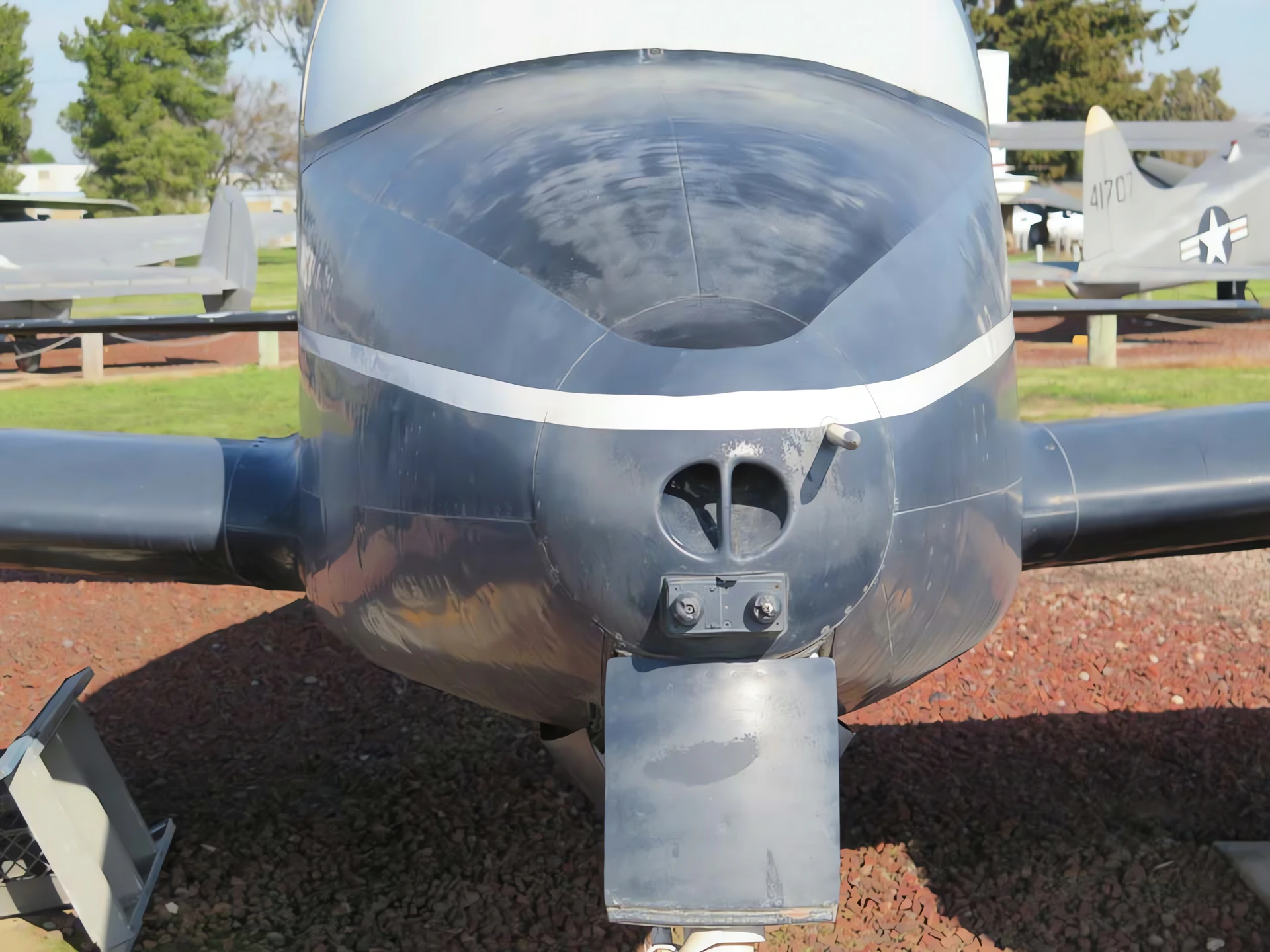
- U-3B Variant: A later military version derived from the Cessna 310E, featuring a swept vertical fin, slightly more powerful 260 hp engines, and a longer nose.
- U-2 Chase Role: The U-3A’s similar cockpit height and low-speed flight characteristics made it an ideal training and safety escort aircraft for U-2 Dragon Lady pilots during landings.
Views : 1789
You can see also :
 Cessna 185 Skywagon – Photos & Videos
 Cessna T-37 Tweet – Photos & Videos
 Cessna 150 – Photos & Videos
 Cessna AT-17 Bobcat – Photos & Videos
 Cessna O-2A Skymaster – Photos & Video
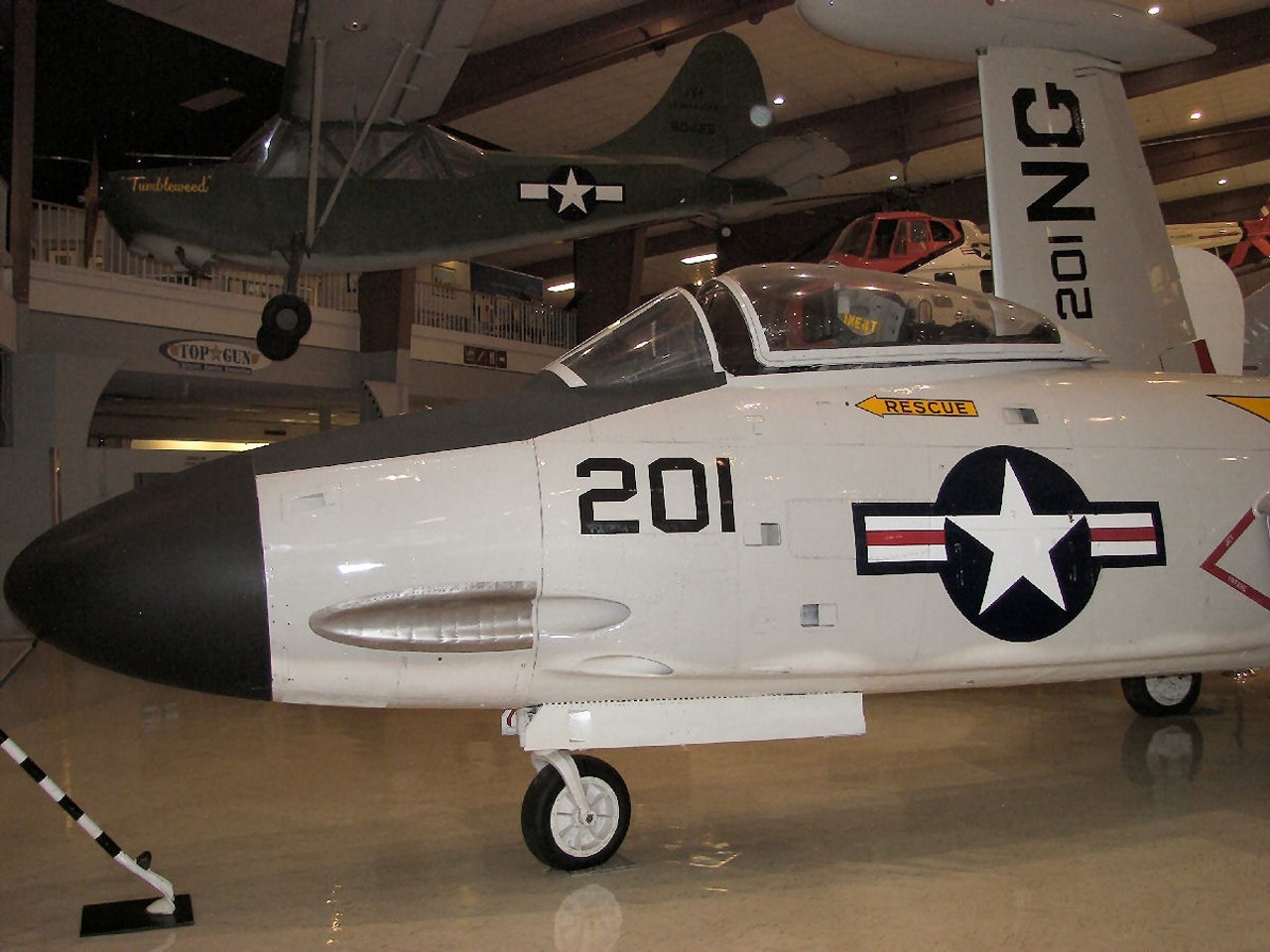 McDonnell F2H Banshee – Photos & Video
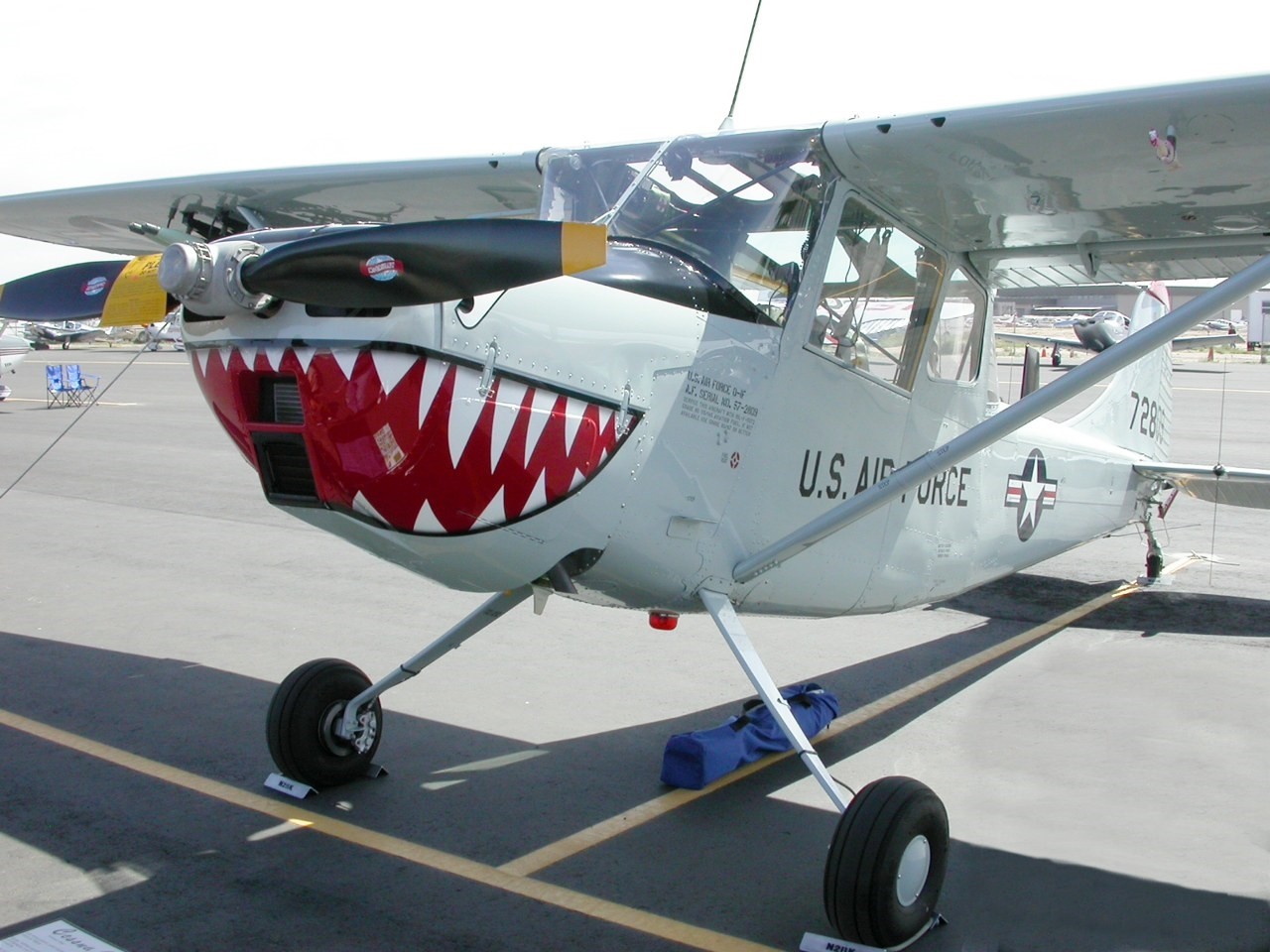 Cessna L-19 Bird Dog – Photos & Video
 Cessna Dragonfly – Photos & Video
 Fairey Battle – WalkAround
 Hawker Sea Fury – Walk Around