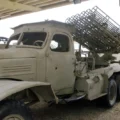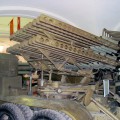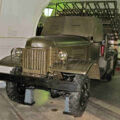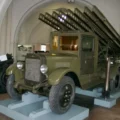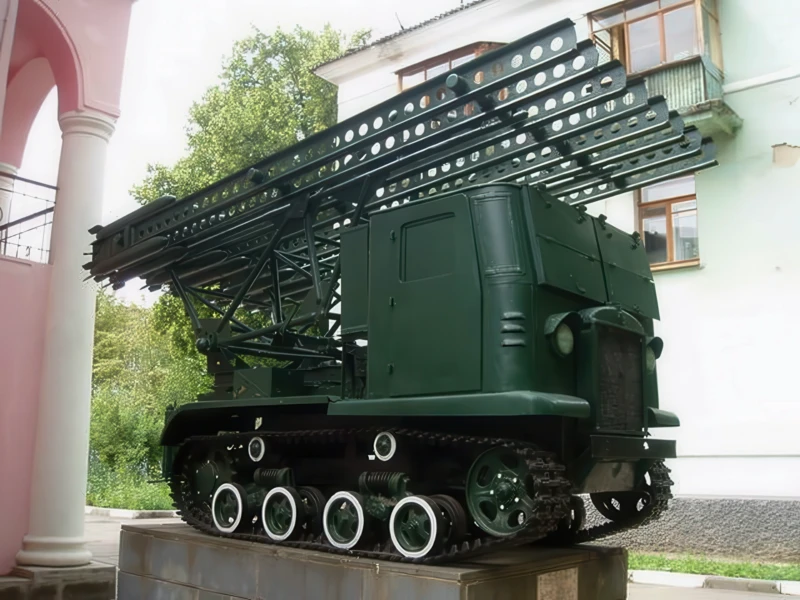
| BM-13 Katyusha STZ-5 NATI | |
|---|---|
| Pays | Ussr |
| Type | Rocket launcher |
| Description | Album de 143 walk-around photos of a BM-13 Katyusha STZ-5 NATI |
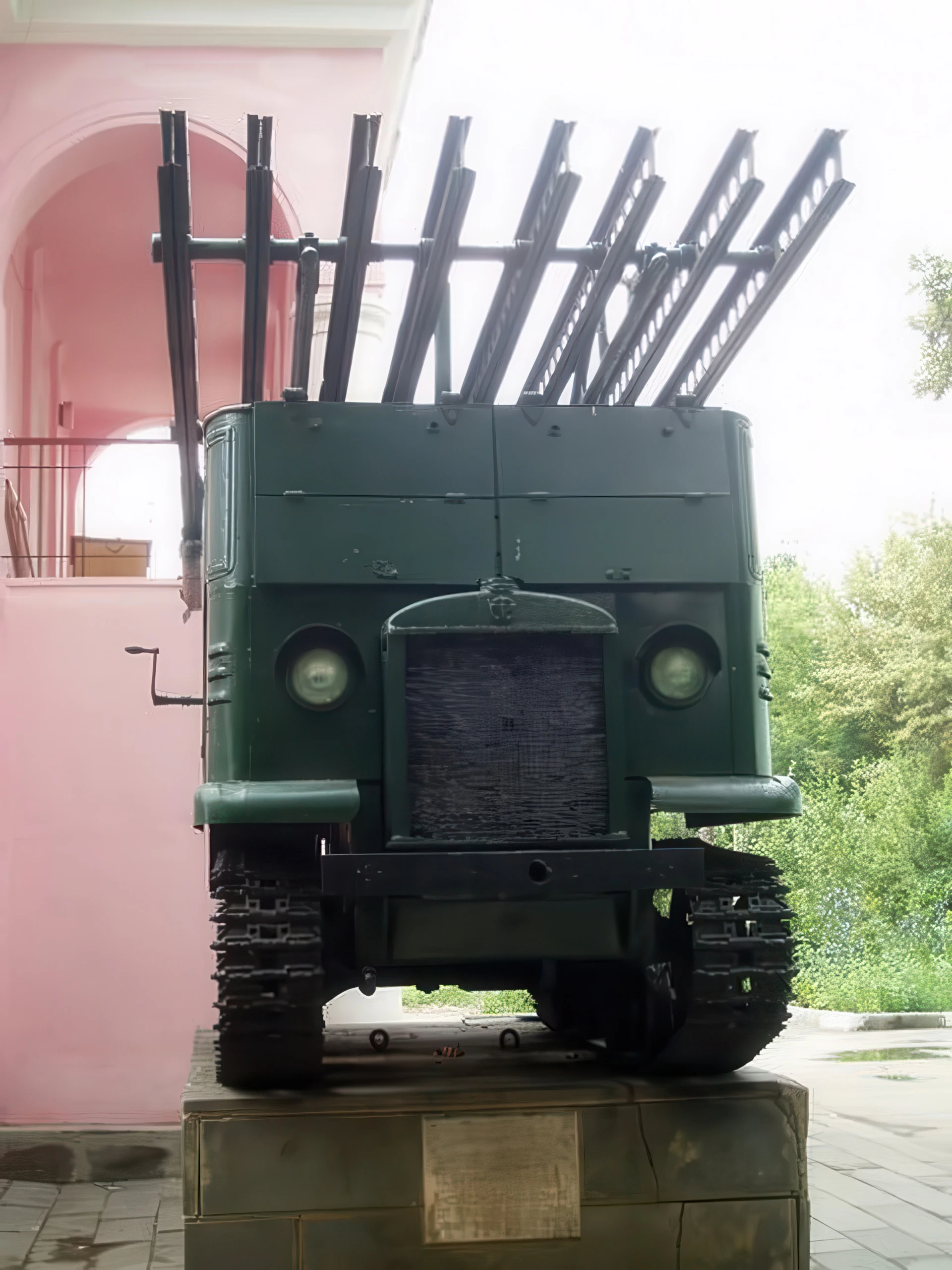
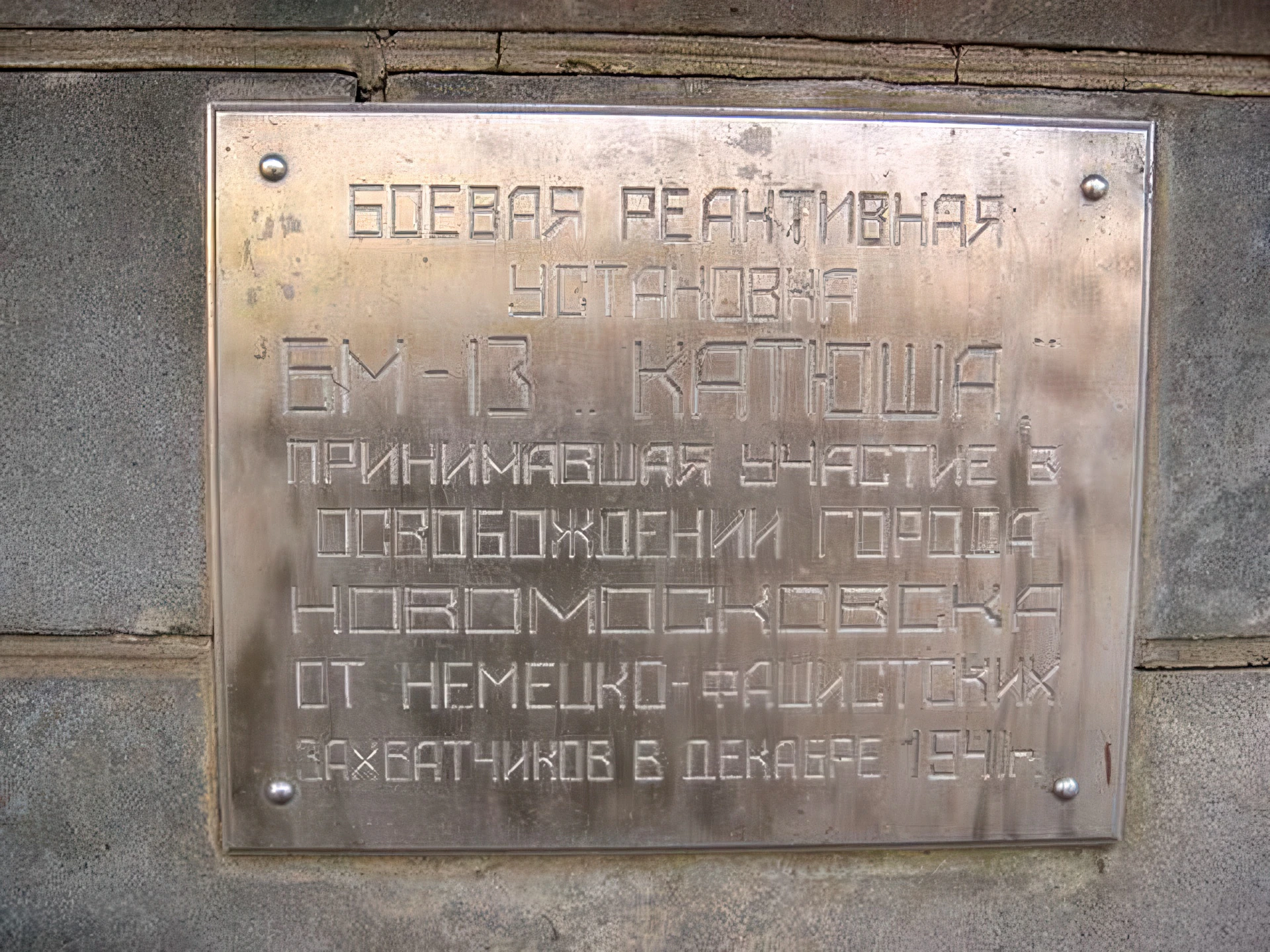
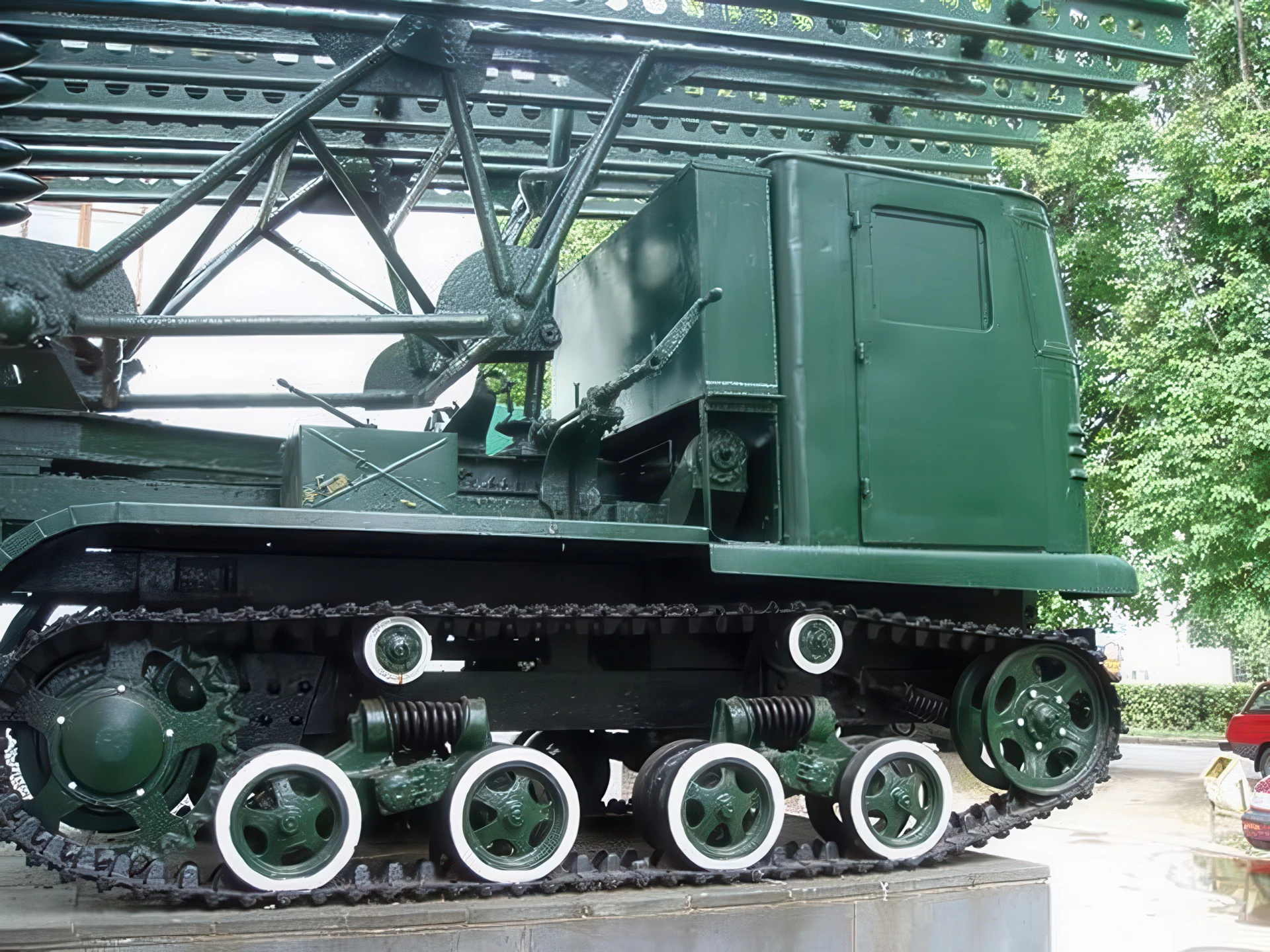
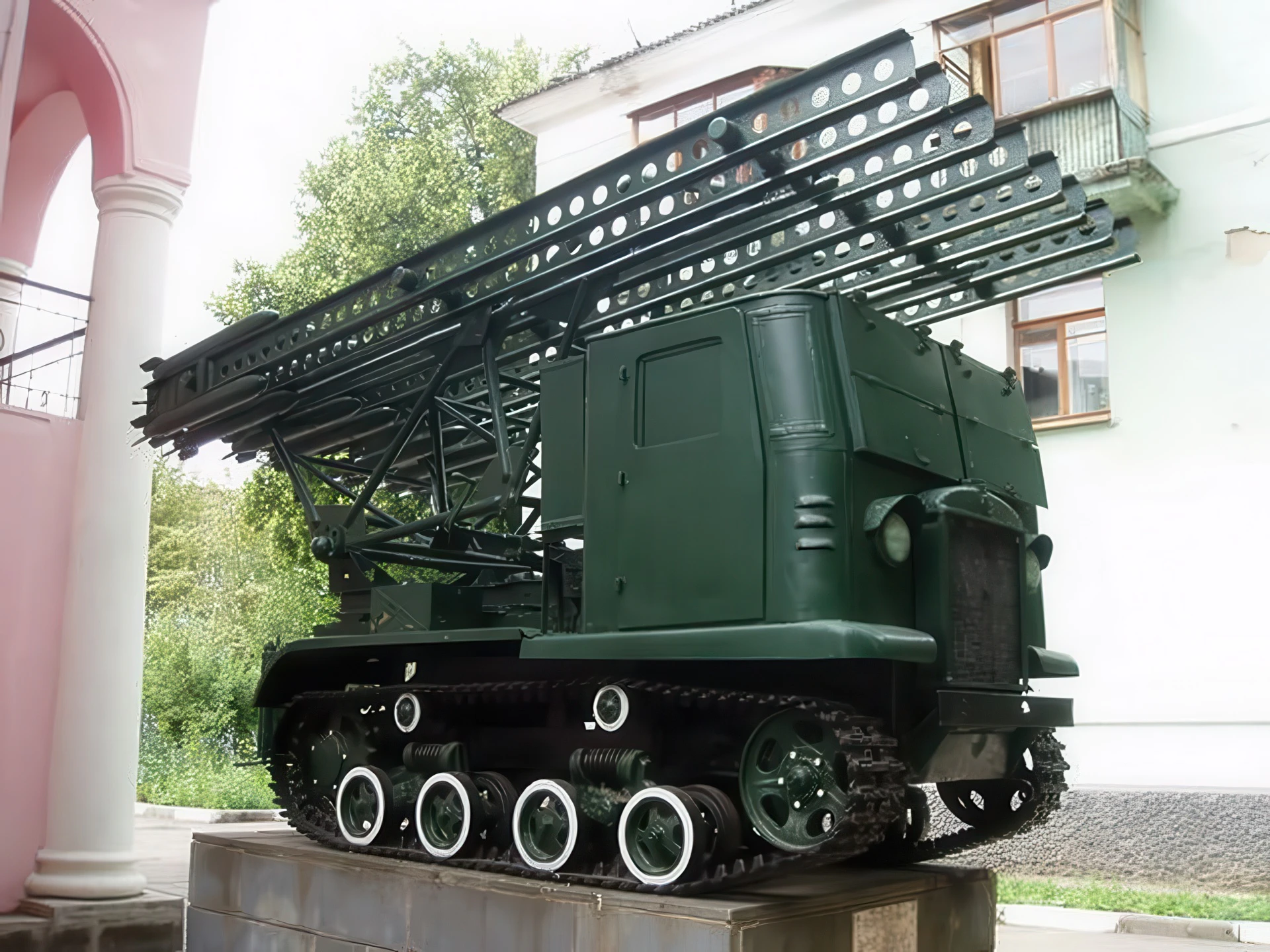
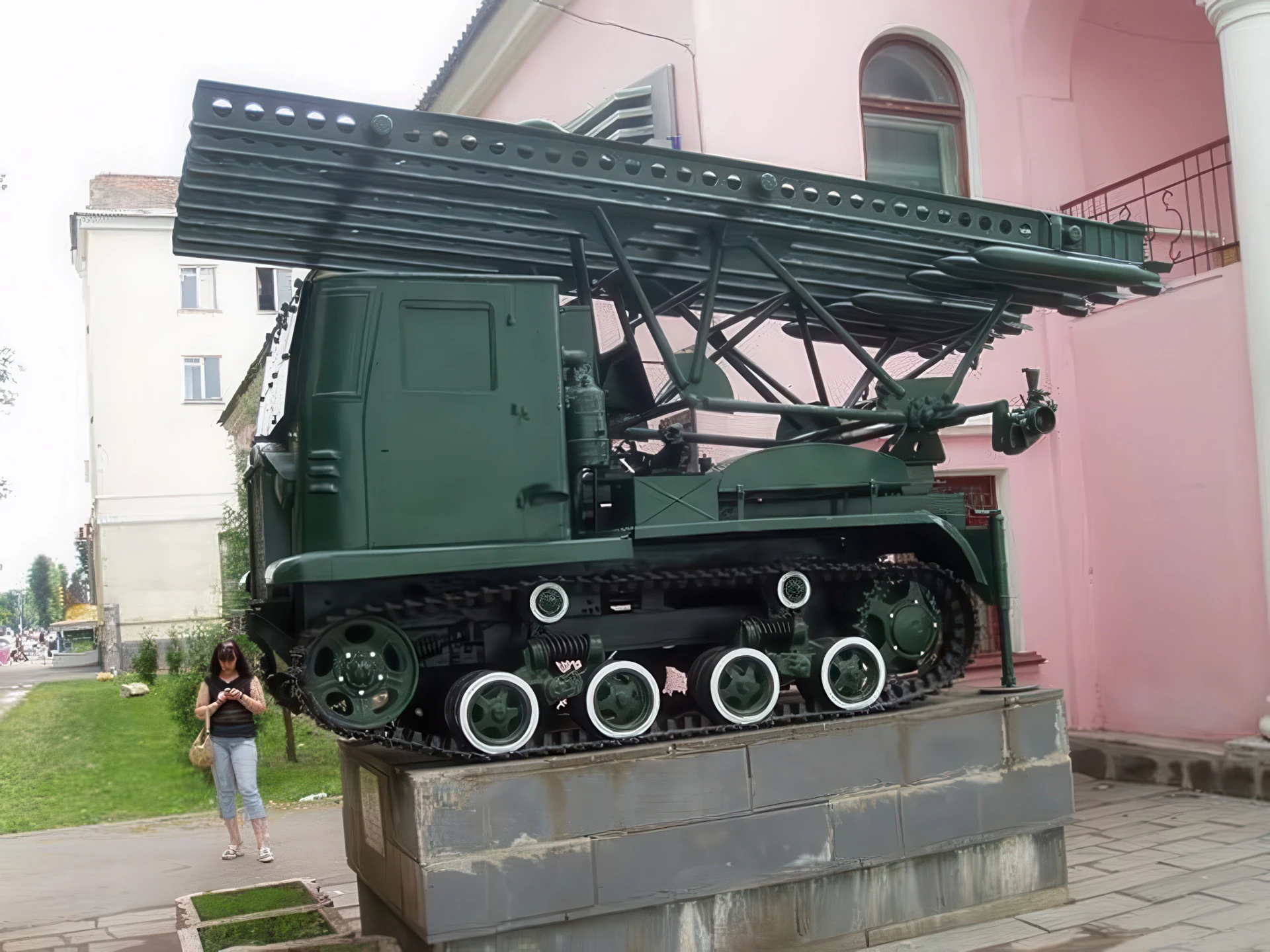
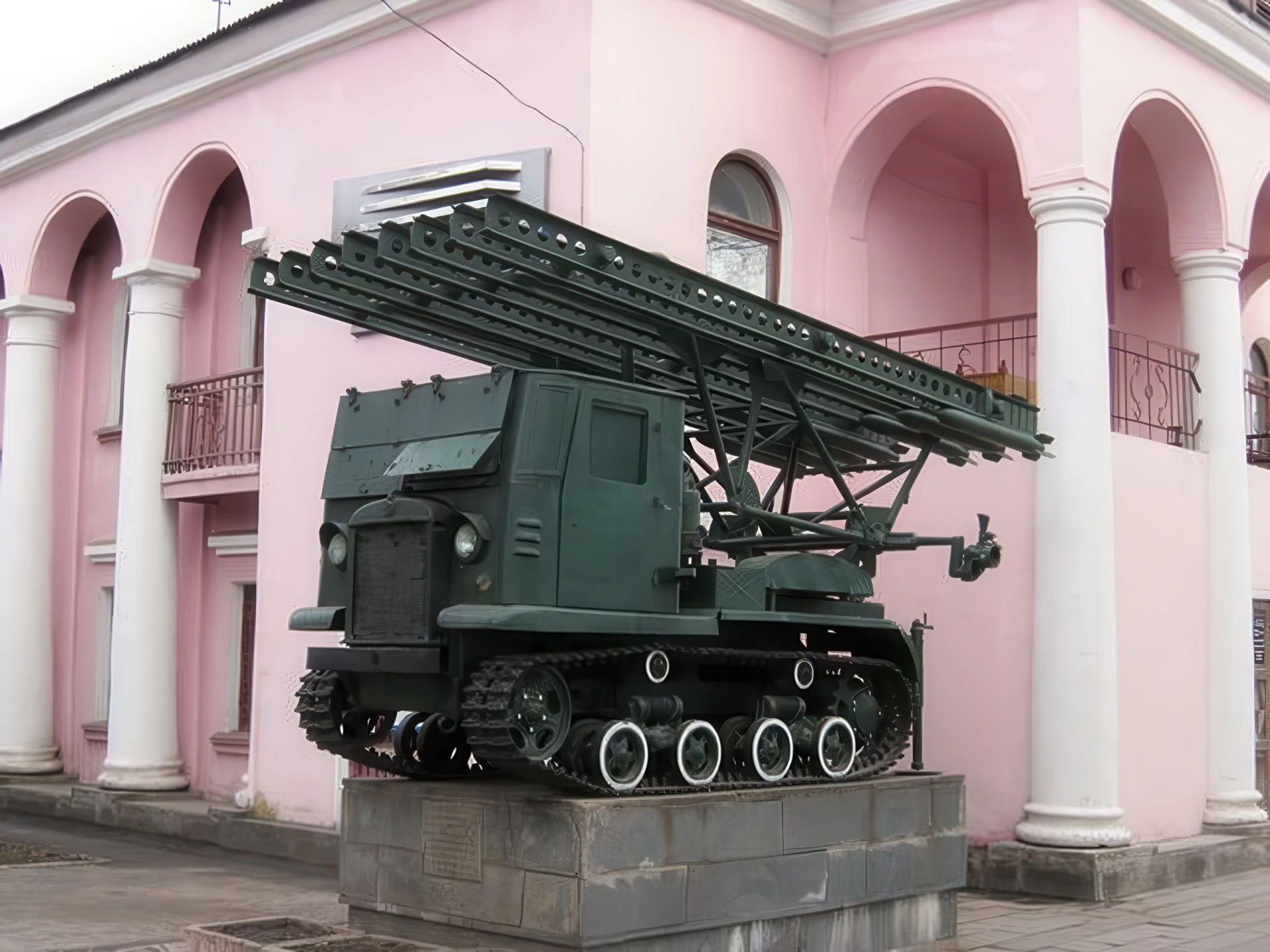
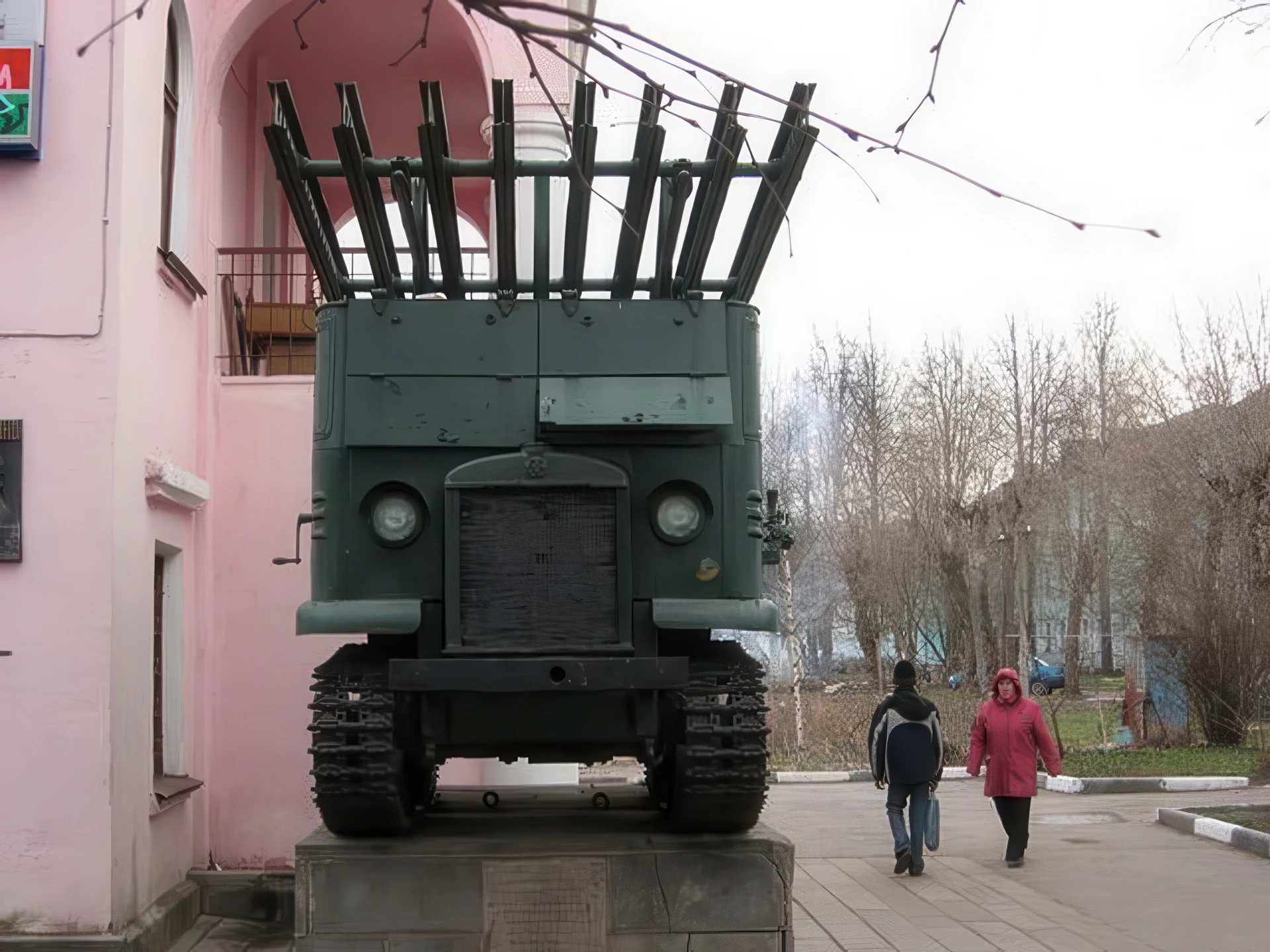
Photo gallery on a BM-13 Katyusha STZ-5 NATI, The BM-13 Katyusha is a Soviet rocket launcher in use during the Second World War.
Source: Vu sur le forum

See also:


The BM-13 Launcher System
The Katyusha was the Soviet Union’s first mass-produced self-propelled rocket artillery weapon, gaining infamy during World War II for its devastating saturation fire and distinctive, howling sound, which led German troops to dub it “Stalin’s Organ.”
- Role: Area saturation, psychological warfare, and shock effect rather than precision fire.
- Armament: The BM-13 typically used 132 mm M-13 unguided rockets.
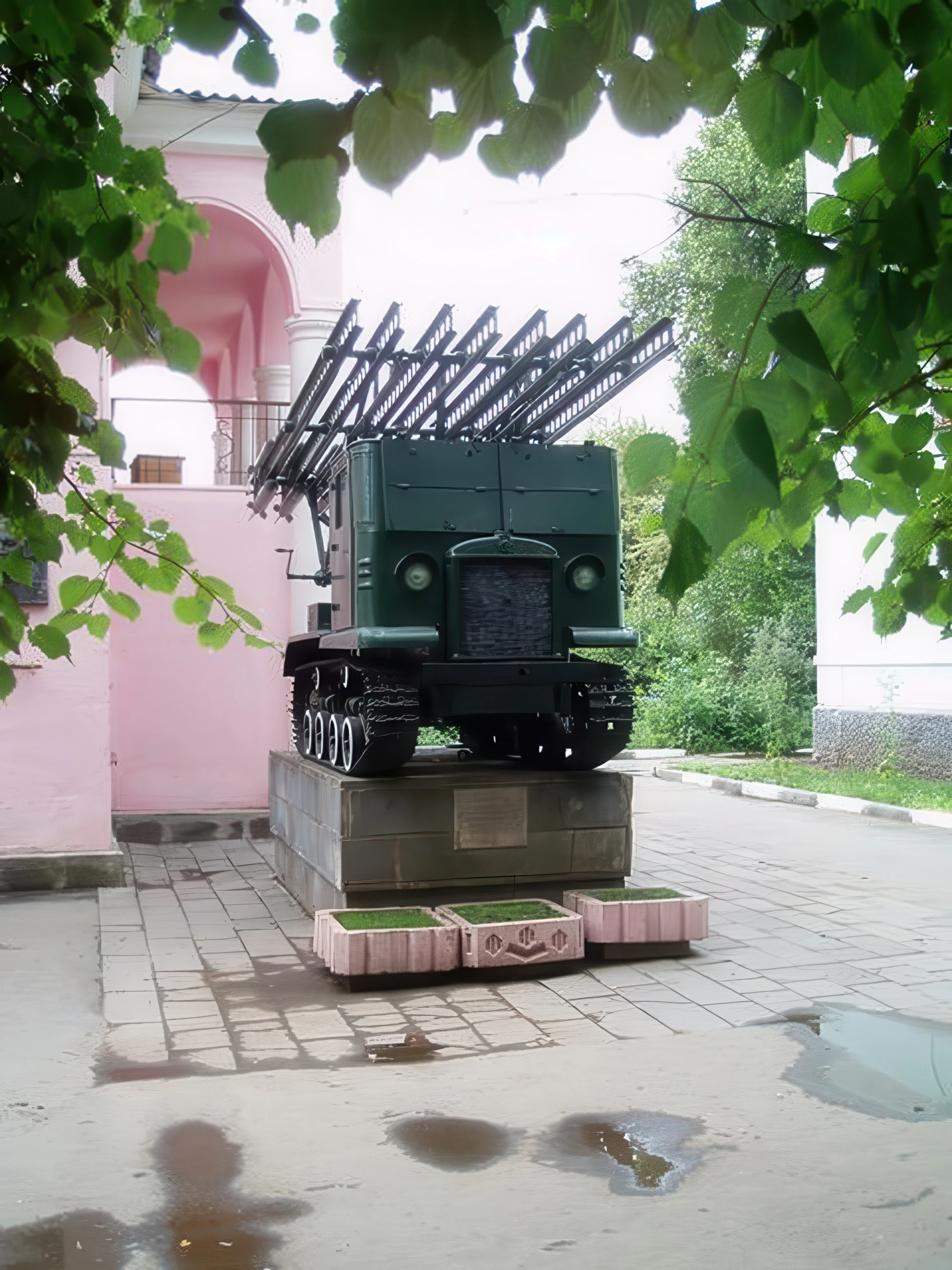
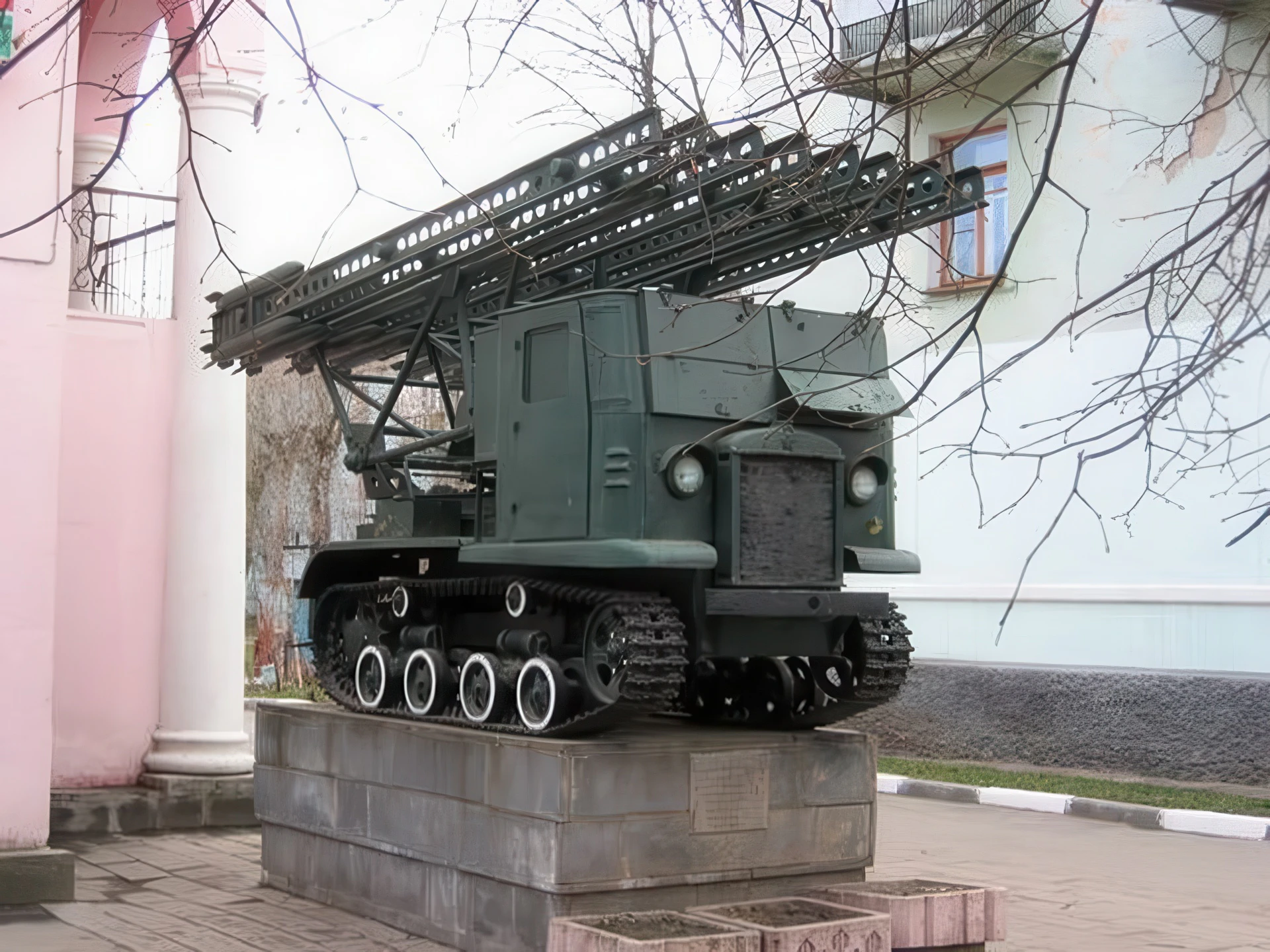
- Launcher: The system consisted of parallel launch rails, usually 16 on the standard version, mounted longitudinally over the cab and fired over the rear.
- Salvo Power: A salvo from a battery of four BM-13 launchers could deliver over 4 tons of high explosives across a wide target area in under 10 seconds.
The STZ-5 Chassis
The Stalingrad Tractor Zavod (Factory) built the STZ-5, a tracked artillery and transport tractor, between 1937 and 1942. While the standard BM-13 was mounted on trucks (like the ZiS-6 or later the Lend-Lease Studebaker US6), a small number were mounted on the STZ-5 chassis.
- Adaptation: The STZ-5’s cargo bed was removed, and the BM-13 launch rack was installed in its place.
- Mobility: While much slower than the wheeled truck versions, the tracked STZ-5 offered superior cross-country and off-road performance (a key advantage during the muddy Russian Rasputitsa seasons).
- Crew Protection: The cab was open-topped or lightly protected, consistent with its tractor design, focusing on transport capacity rather than combat protection.
- Service: The STZ-5 mounted Katyushas first saw combat around Moscow in 1941 but were eventually overshadowed by the more numerous and faster truck-based versions.
Service and Specifications
The Katyusha’s speed and ability to rapidly relocate after firing (shoot-and-scoot) were crucial for avoiding enemy counter-battery fire. The combination with the STZ-5 provided a mobile solution for challenging terrain.
Key Specifications (BM-13 on STZ-5)
| Characteristic | Specification |
|---|---|
| Country of Origin | Soviet Union |
| Chassis Type | STZ-5 Tracked Artillery Tractor |
| Mass (Approx.) | Around 6.6 tonnes (launcher included) |
| Max Road Speed | 22 km/h (14 mph) |
| Main Armament | 16 rails for 132 mm M-13 rockets |
| Max Rocket Range | Approximately 5.5 – 8.5 km |
| Crew | 2-3 (for the vehicle) + Rocket Battery Crew |
Views : 5028