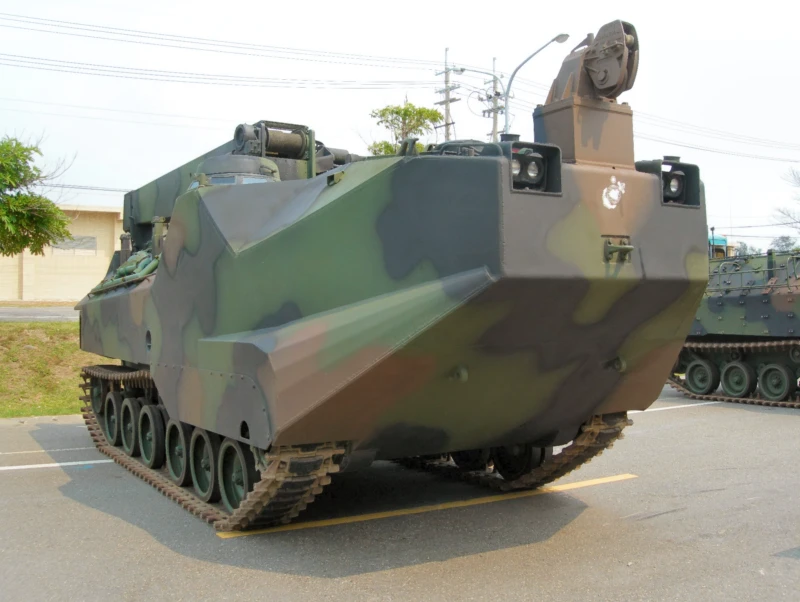
Assault Amphibious Vehicle | |
|---|---|
| Country | USA |
| Role | Amphibious armored personnel carrier |
| In service | 1972–present |
| Built | Unknow |
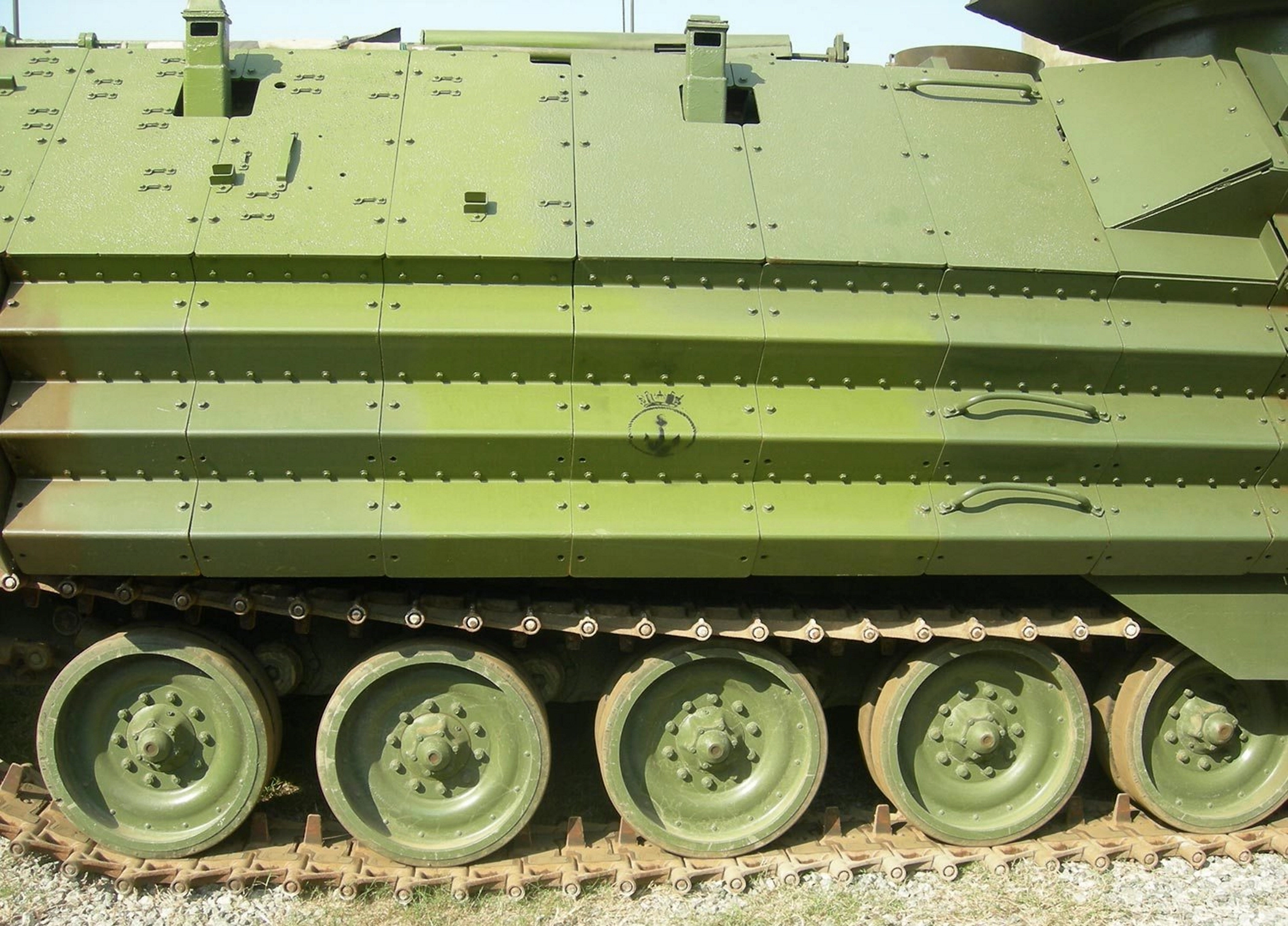
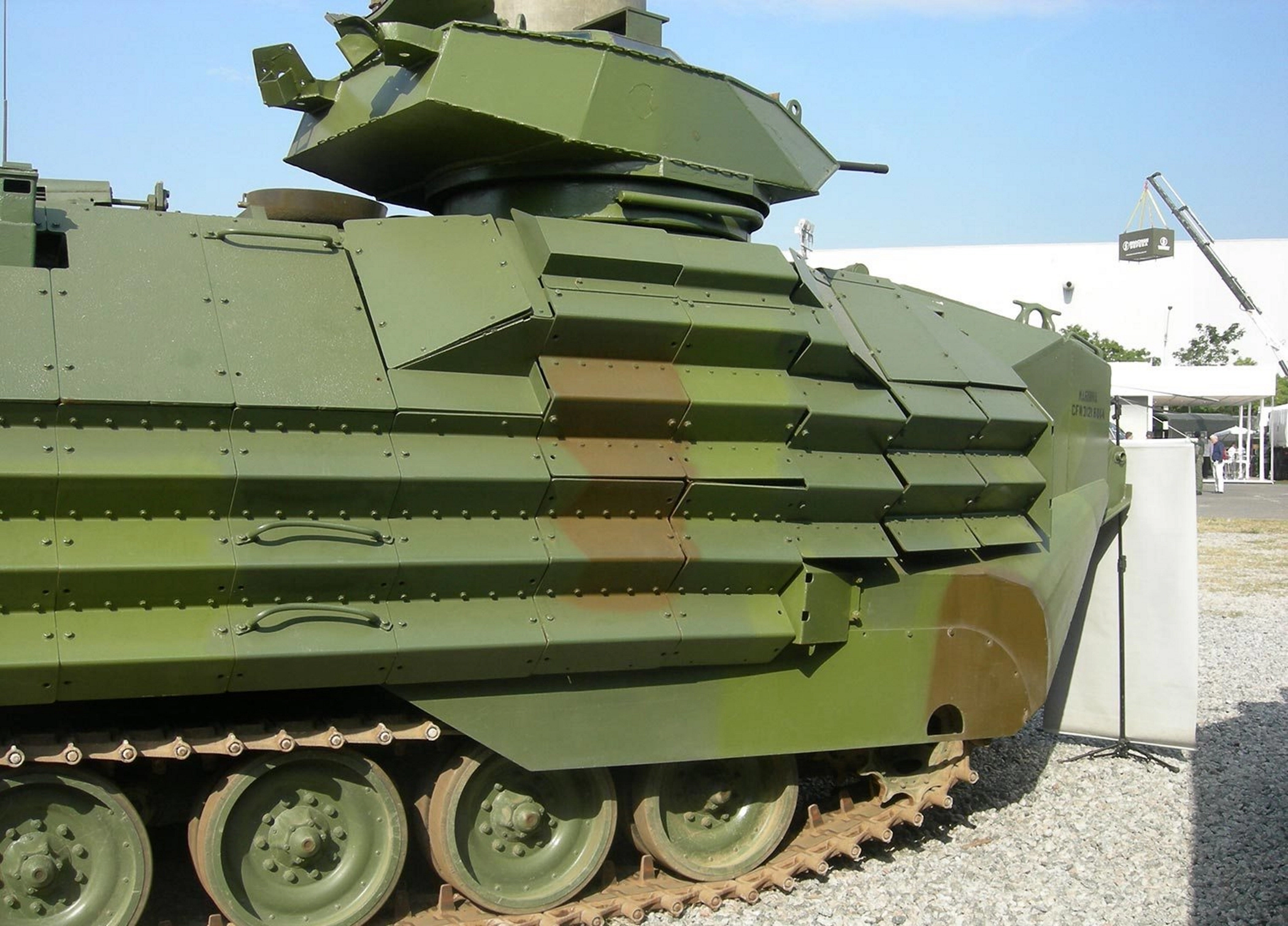
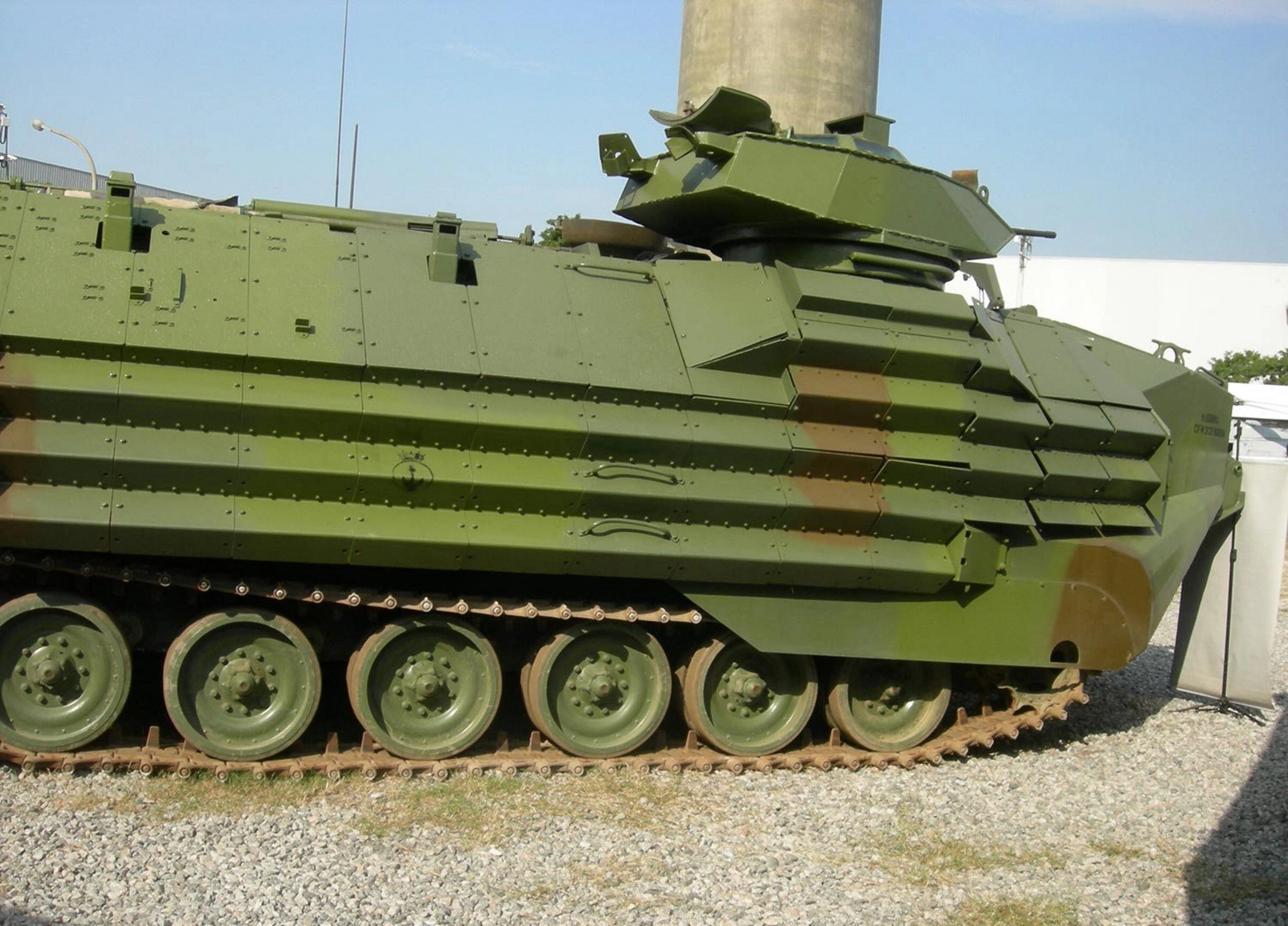
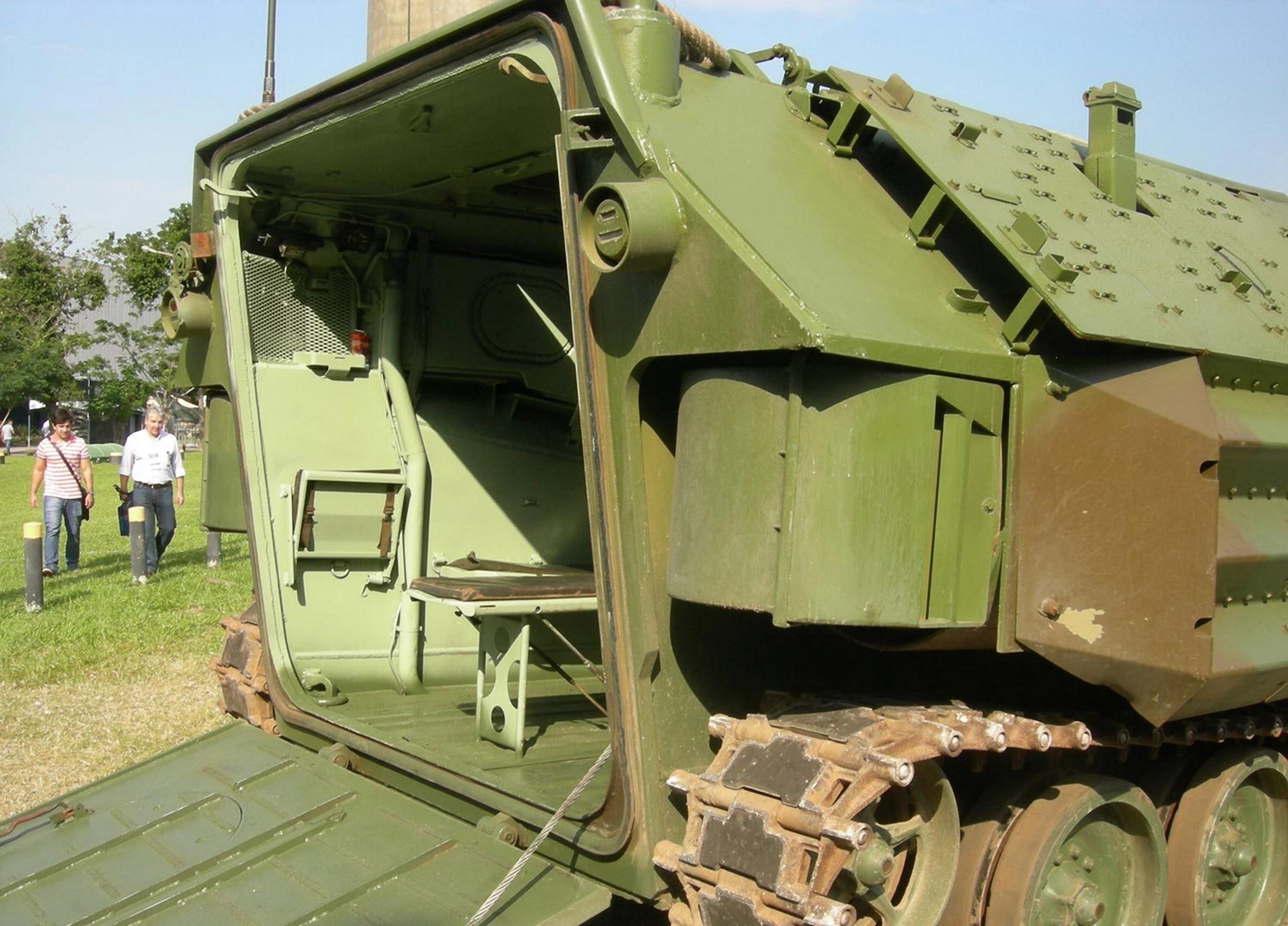
The Assault Amphibious Vehicle (AAV)—official designation AAVP-7A1 (formerly known as Landing Vehicle, Tracked, Personnel-7 abbr. LVTP-7)—is a fully tracked amphibious landing vehicle manufactured by U.S. Combat Systems (previously by United Defense, a former division of FMC Corporation). The AAV-P7/A1 is the current amphibious troop transport of the United States Marine Corps. It is used by U.S. Marine Corps Assault Amphibian Battalions to land the surface assault elements of the landing force and their equipment in a single lift from assault shipping during amphibious operations to inland objectives and to conduct mechanized operations and related combat support in subsequent mechanized operations ashore. It is also operated by other forces. Marines call them “amtracs”, a shortening of their original designation, “amphibious tractor”.
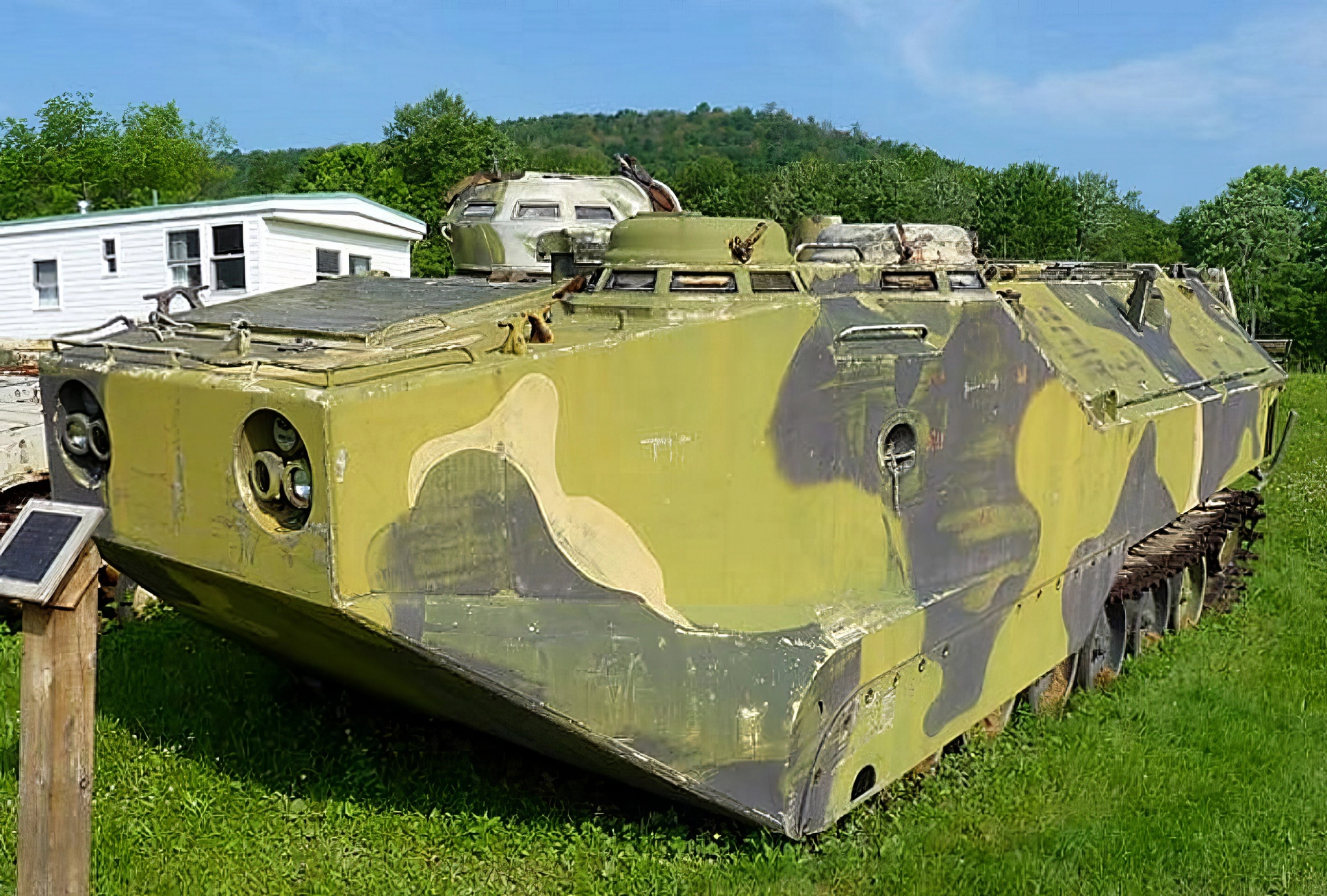
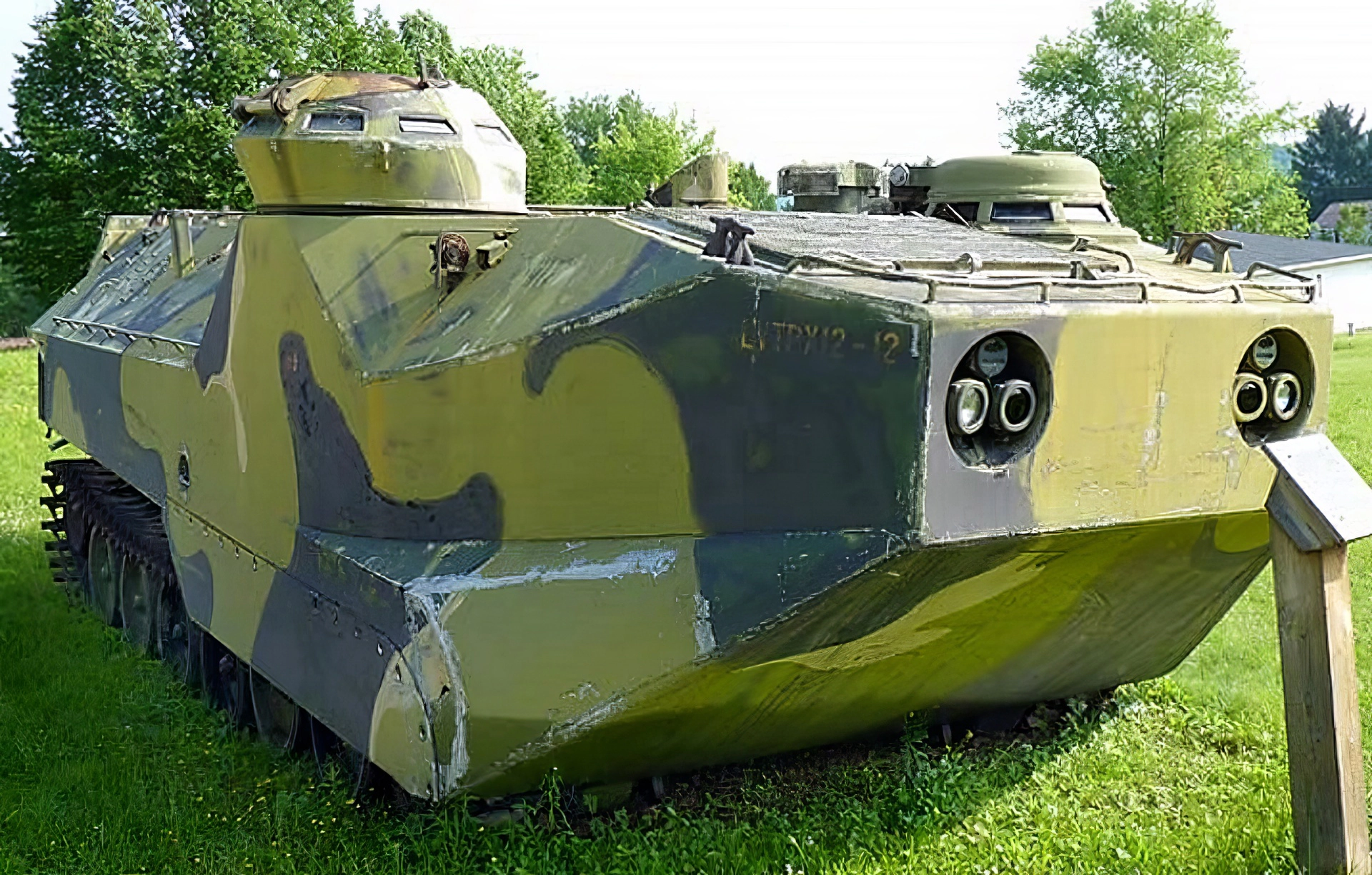
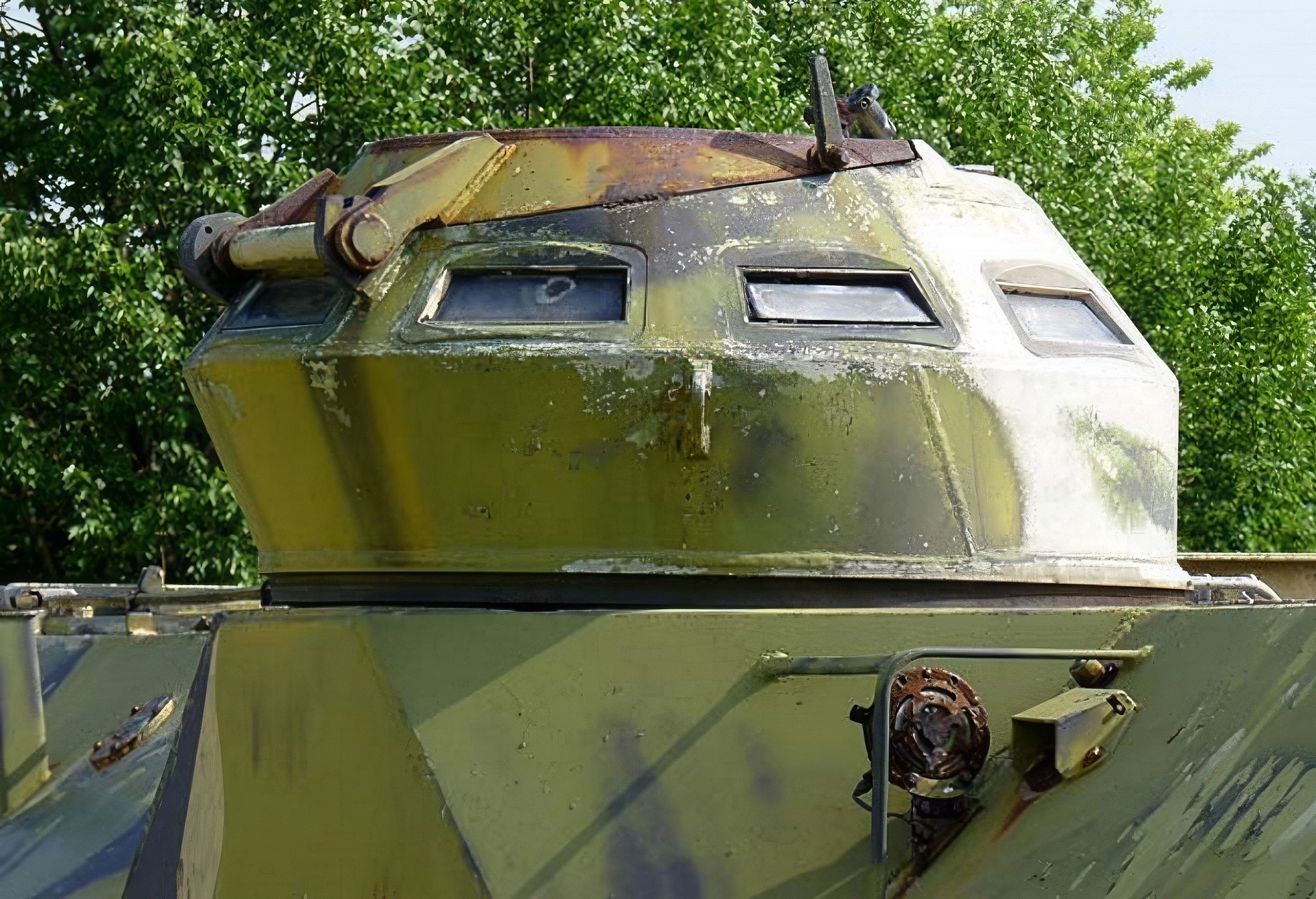
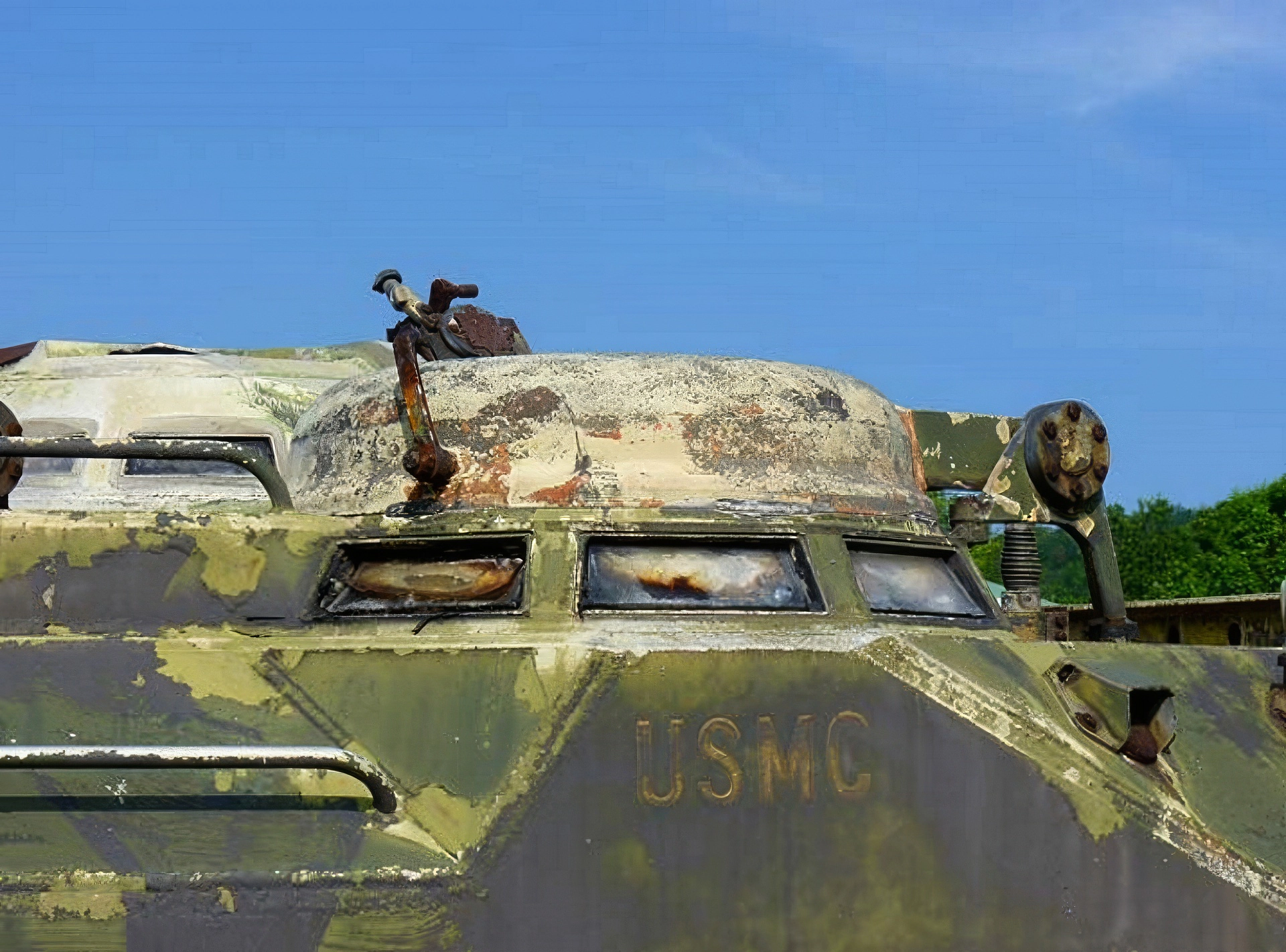
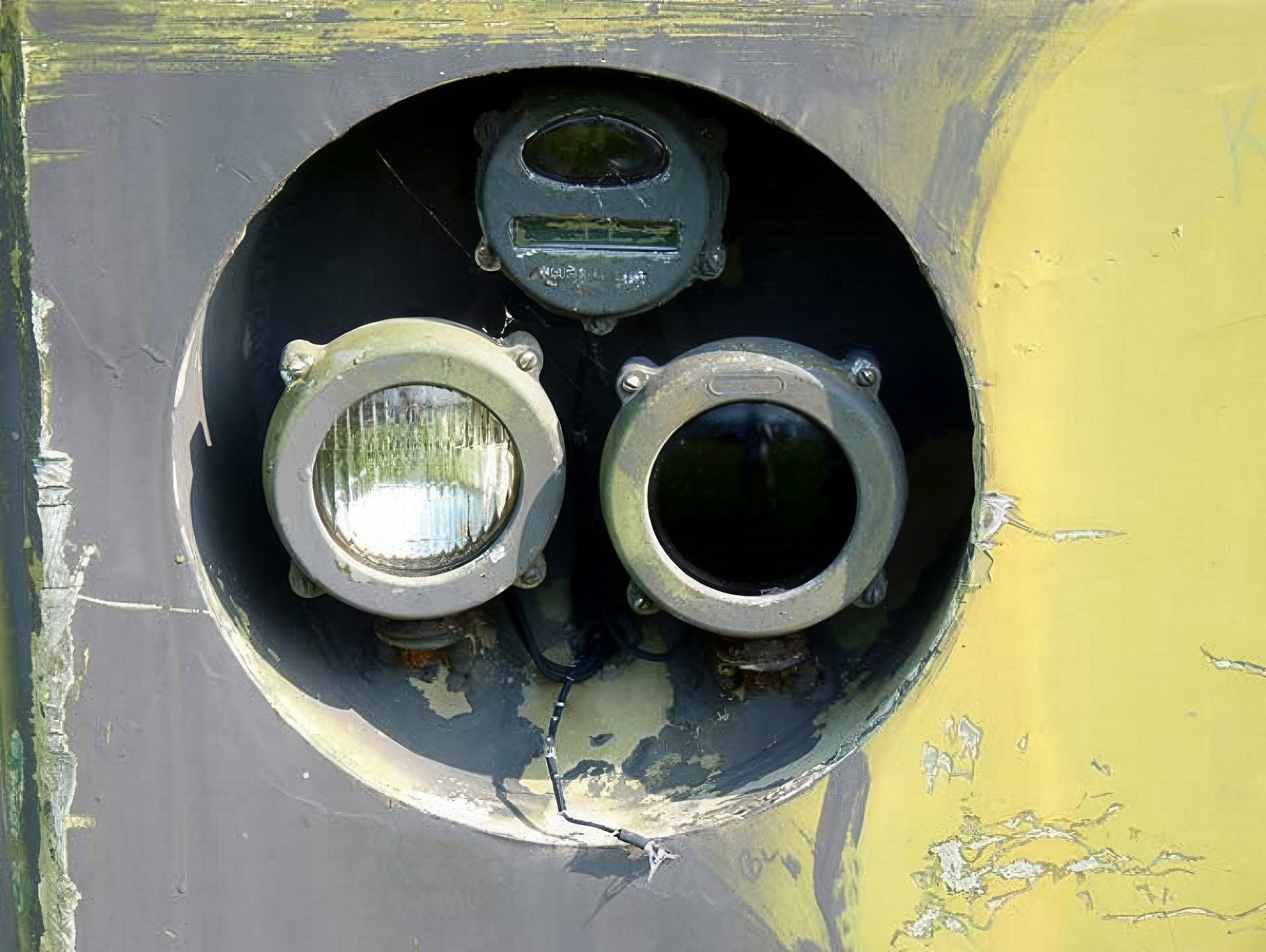
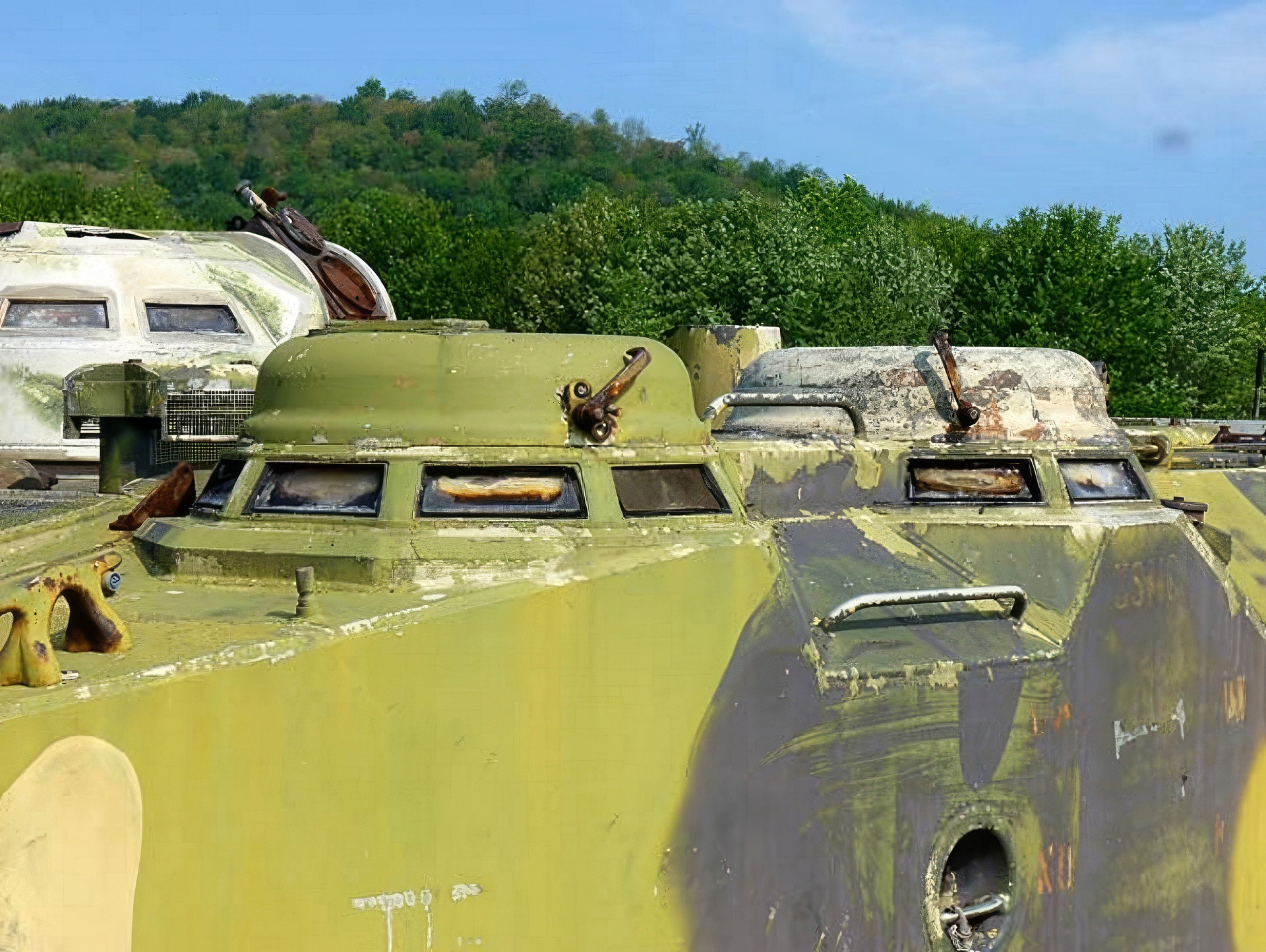
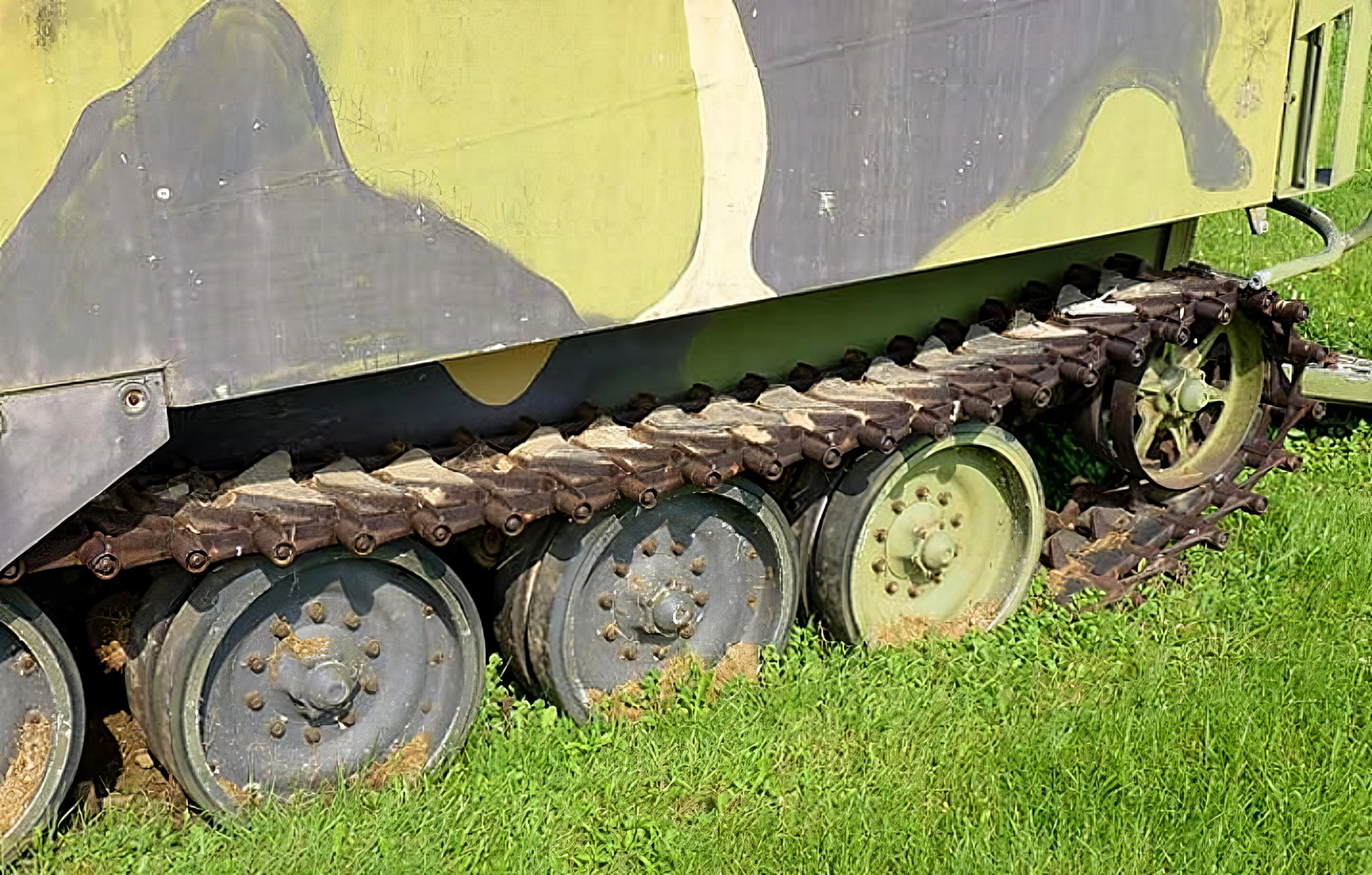
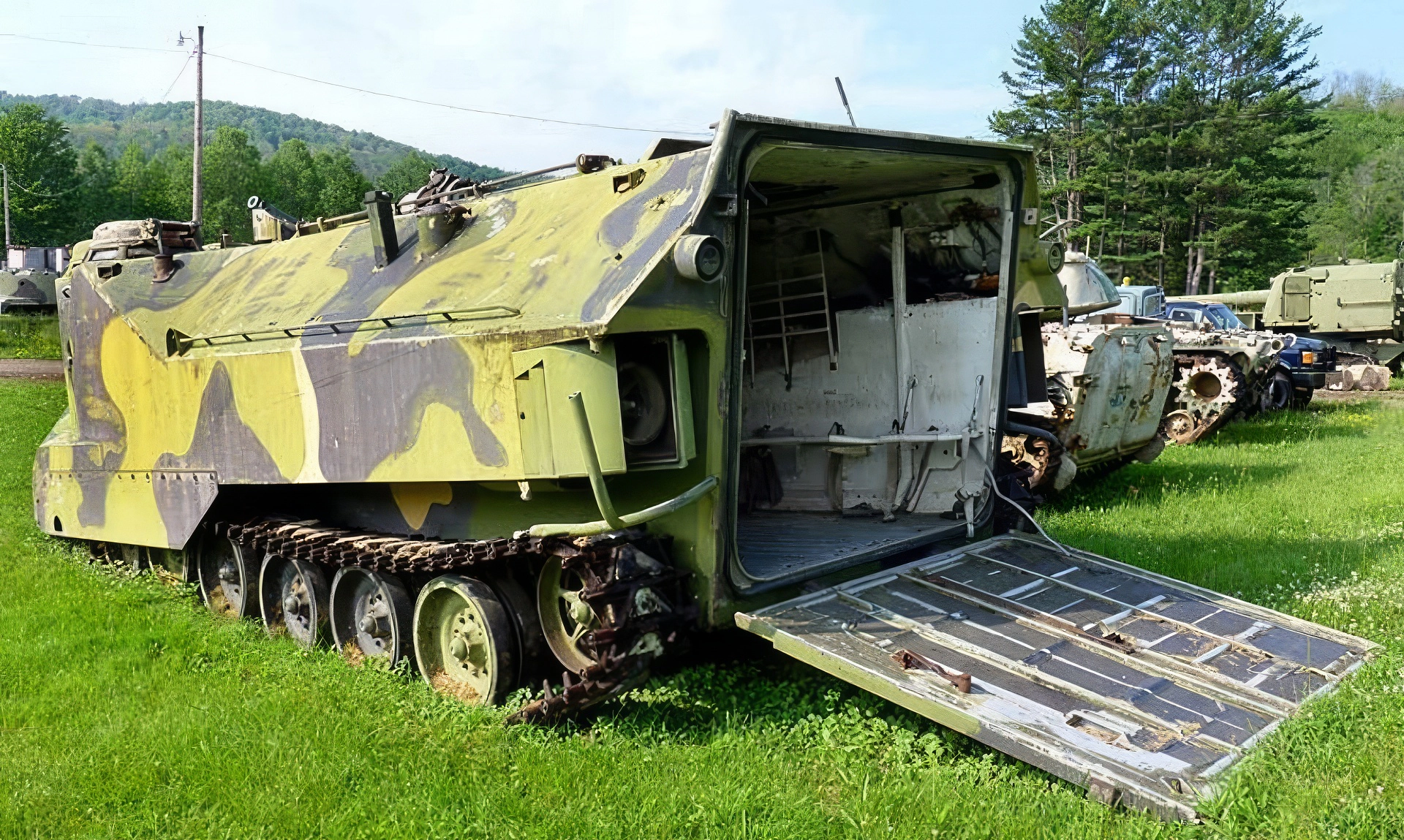
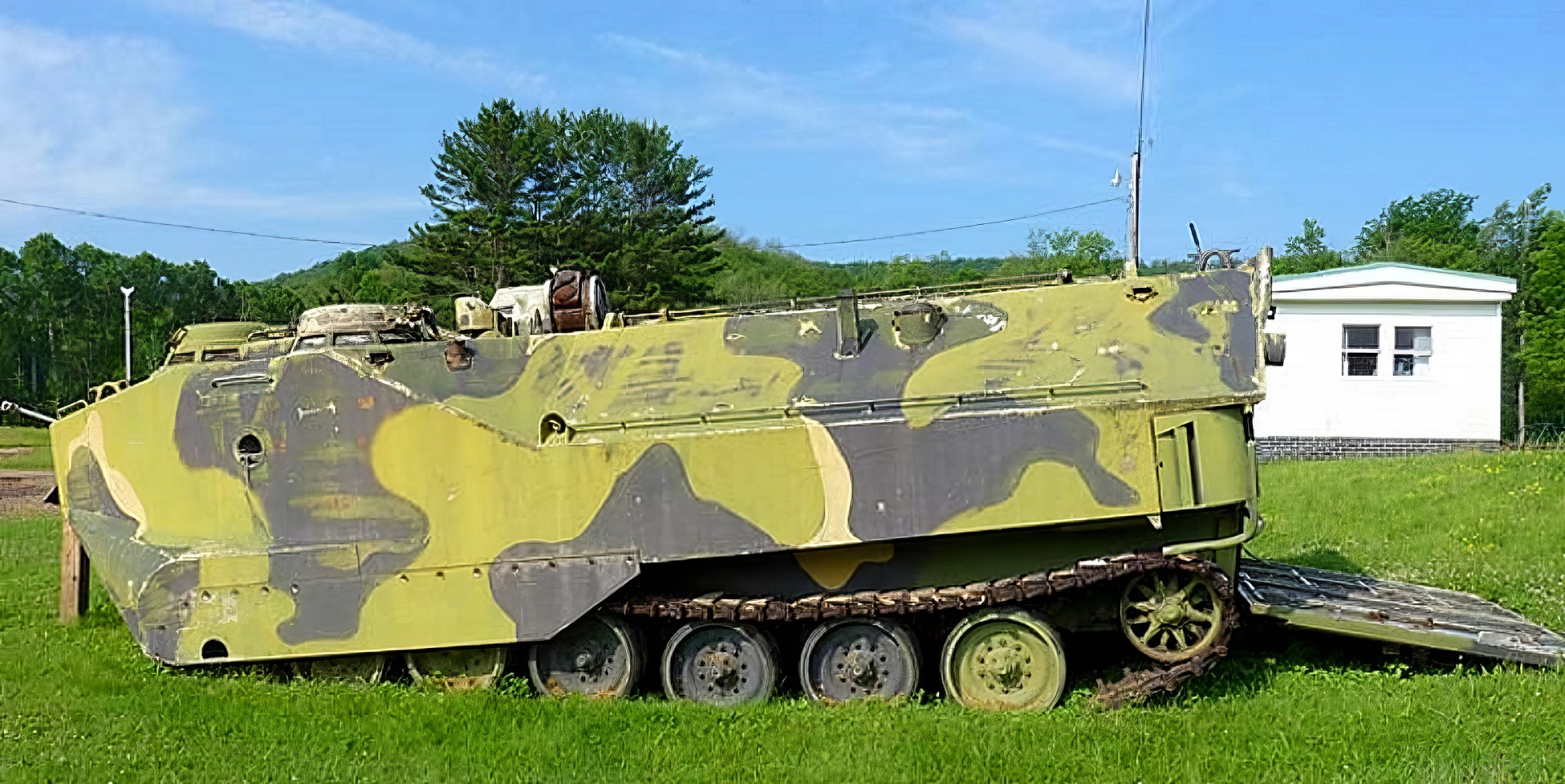
| LVTP-7 Armored Amphibious Assault Vehicle Walk Around | |
|---|---|
| Photographer | Bill Maloney |
| Localisation | Allegheny Arms & Armor Museum |
| Photos | 23 |


| LVTP6 Walk Around | |
|---|---|
| Photographer | Unknow |
| Localisation | Unknow |
| Photos | 33 |
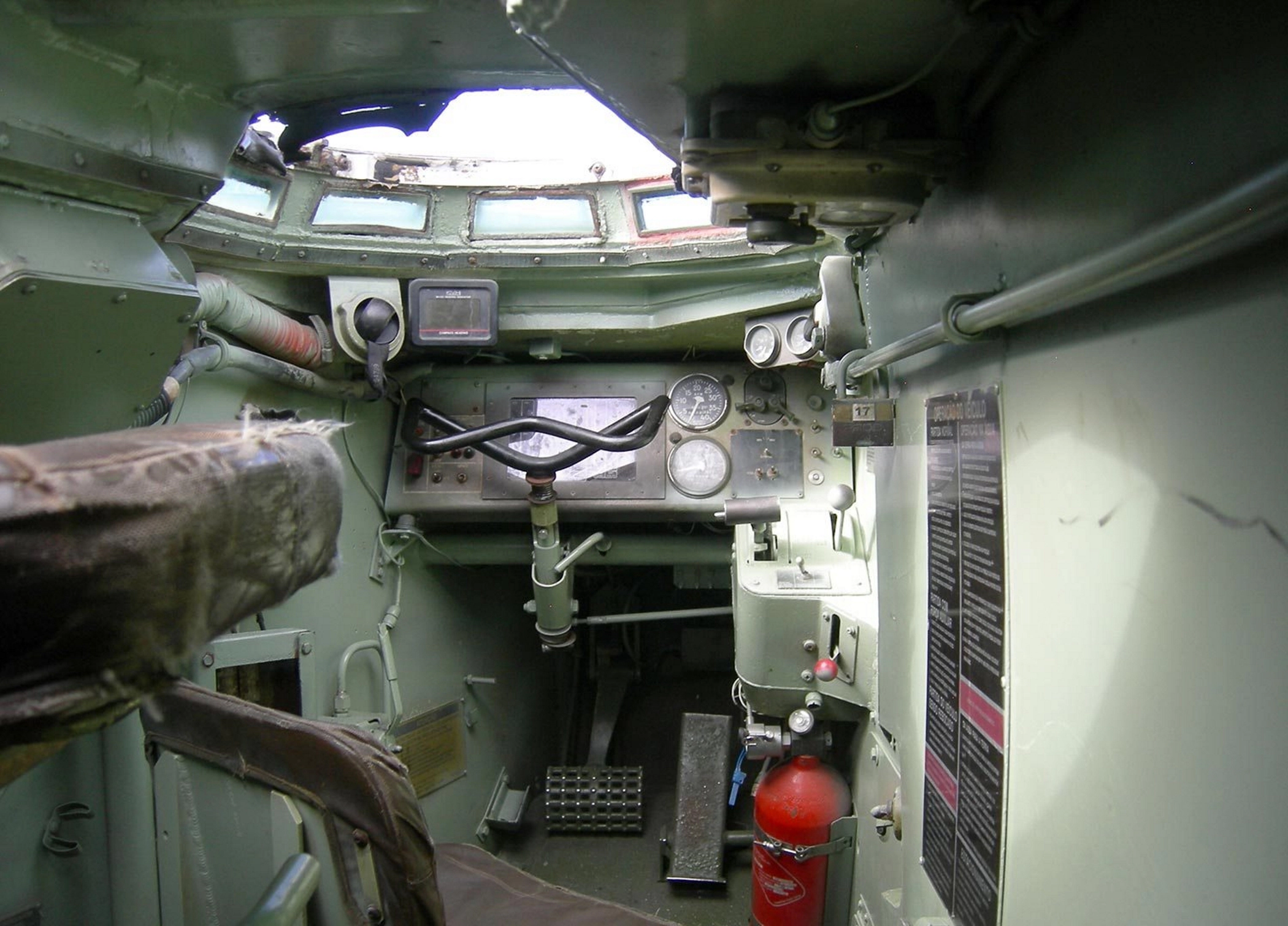
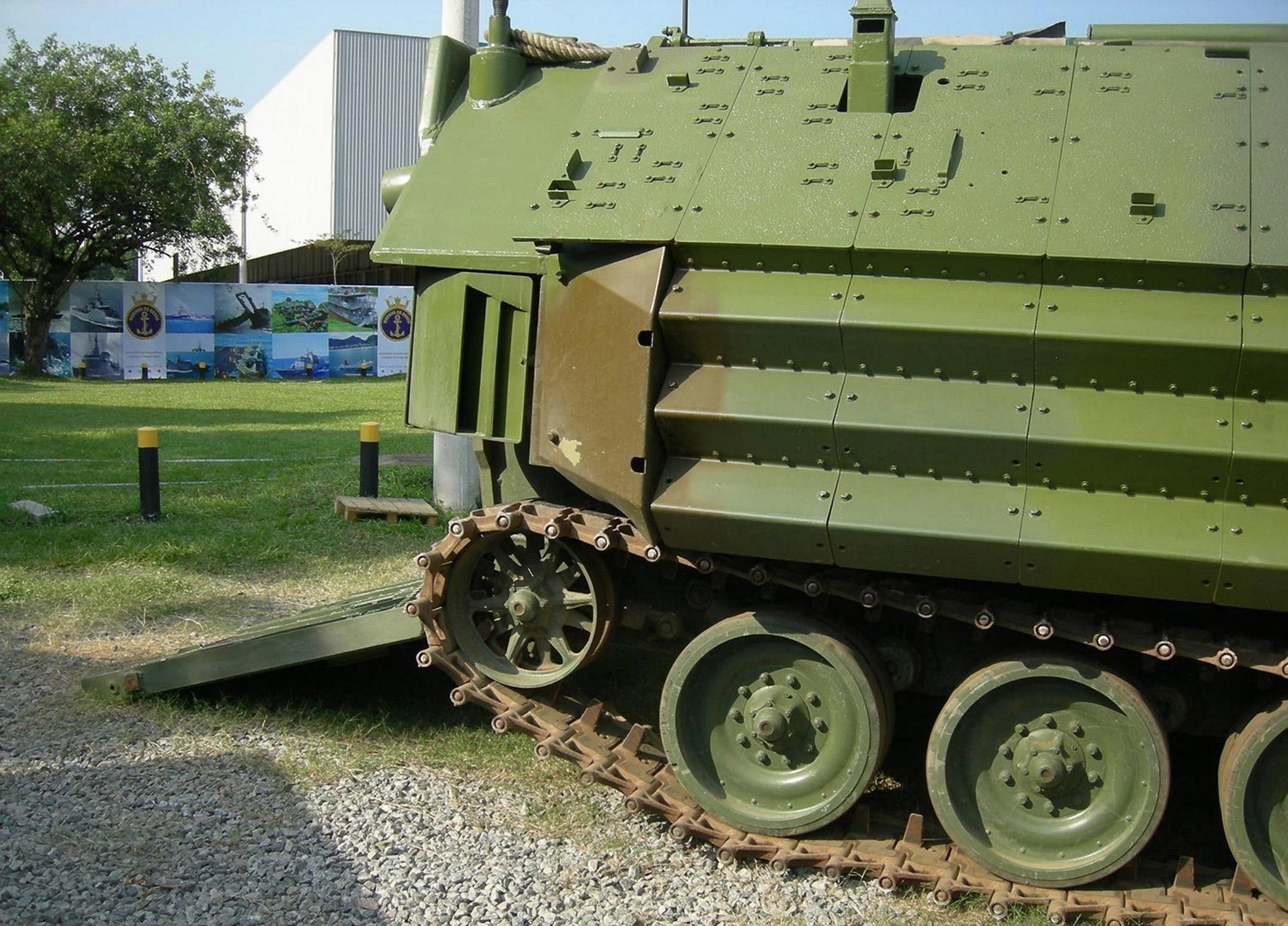
| CLANF (AAV-7A1) Walk Around | |
|---|---|
| Photographer | Gino Marcomini |
| Localisation | Unknow |
| Photos | 24 |
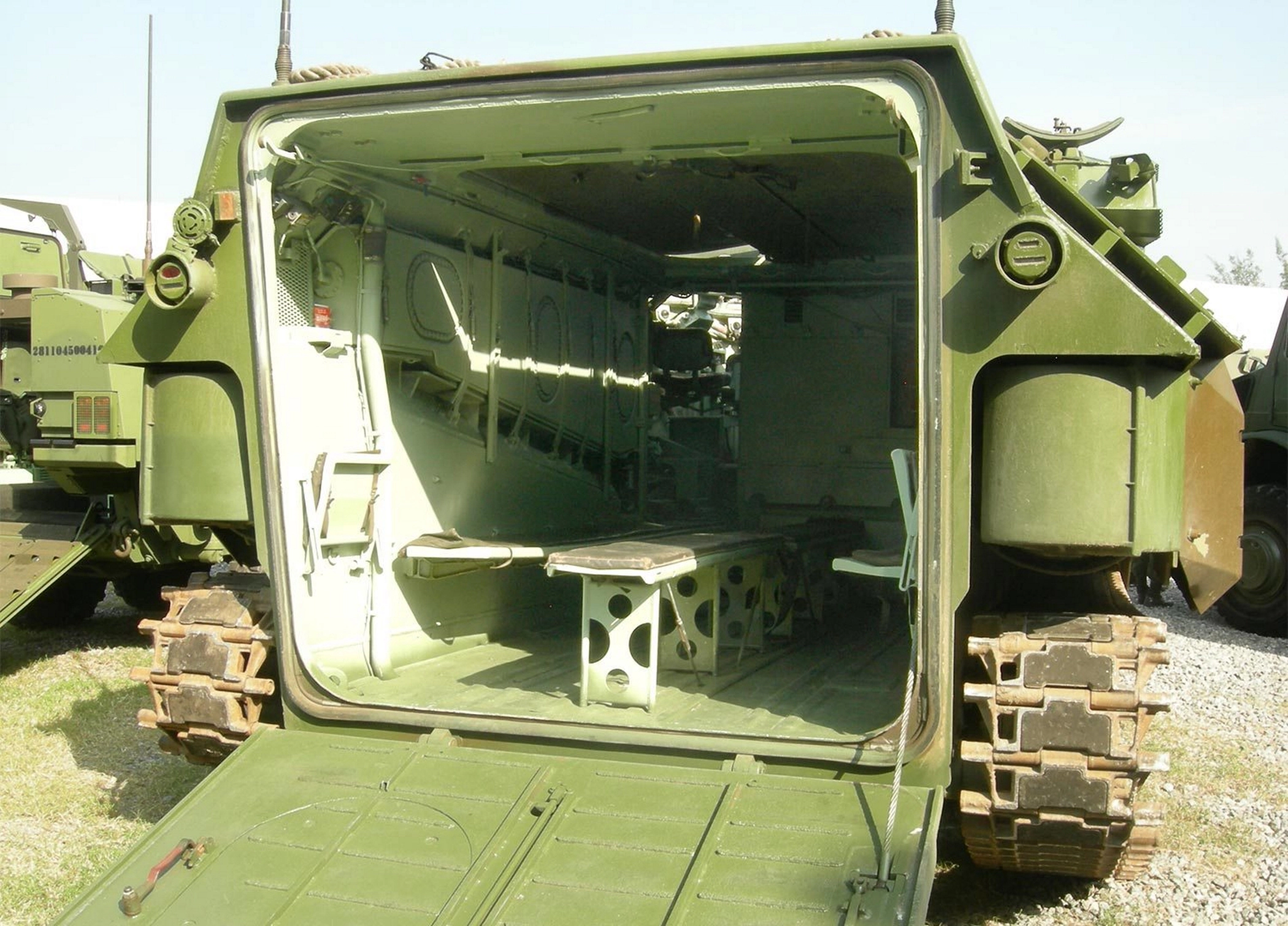
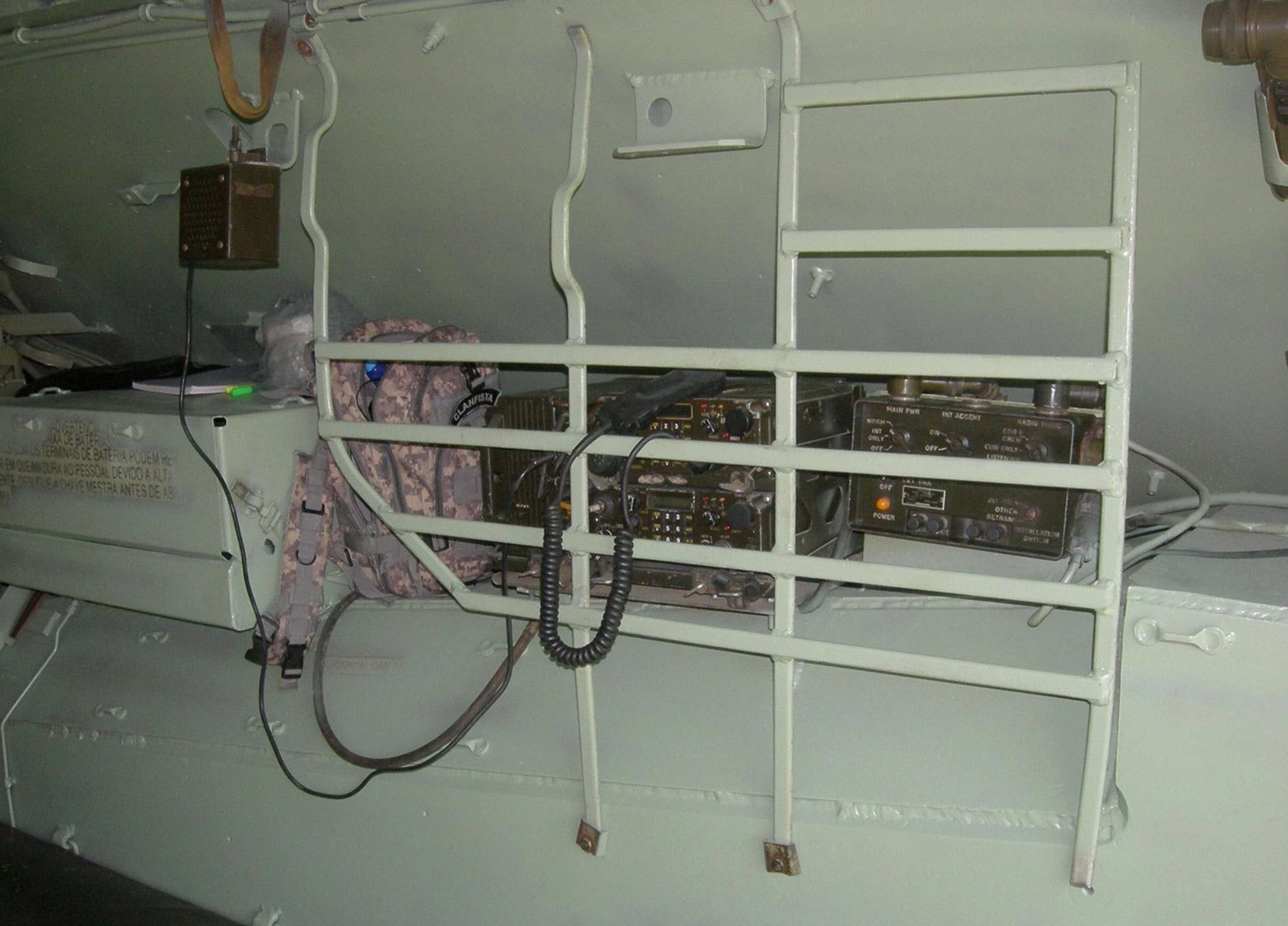
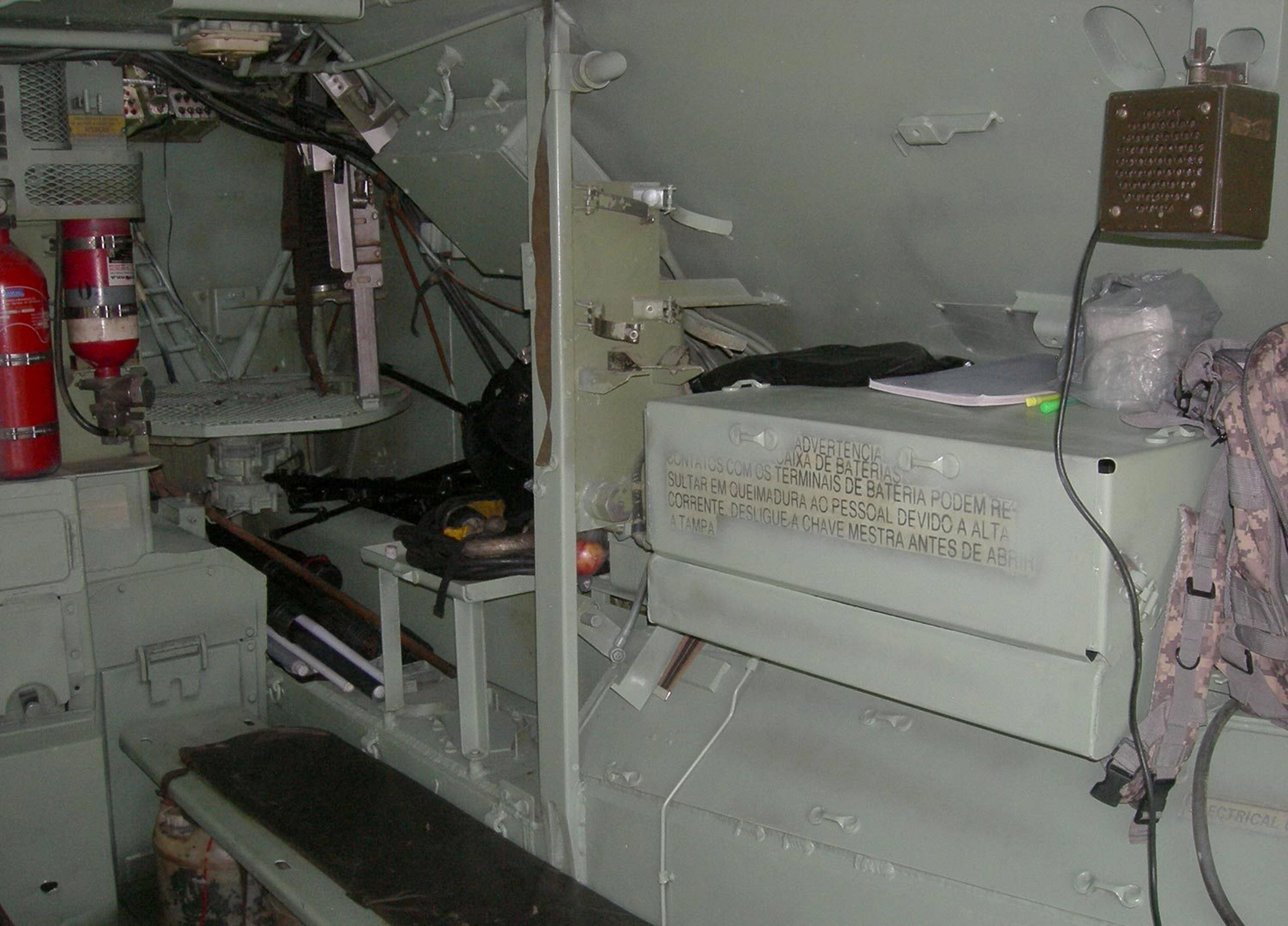
See also:


| AAV-7 Walk Around | |
|---|---|
| Photographers | Jeff DeRosa, Chiou Cheng Wen |
| Localisation | Unknow |
| Photos | 68 |
General Characteristics and Role
The LVTP-7 (Landing Vehicle, Tracked, Personnel, 7) was the original designation for this series of armored amphibious assault vehicles developed for the United States Marine Corps (USMC). Designed to replace the LVTP-5, its fundamental role is to transport Marines and their cargo from ship to shore through heavy surf and across the beach, then serve as a light armored personnel carrier on land. The vehicle is fully amphibious, propelled in the water by two water jet pumps and driven on land by a track system. The LVTP-7 designation was later changed to AAV-7A1 (Amphibious Assault Vehicle) following a major upgrade program. It provides protection and mobility for the initial waves of an amphibious operation.
| Property | Typical Value (AAV-7A1) |
|---|---|
| Type | Armored Amphibious Personnel Carrier |
| National Origin | United States |
| Manufacturer | FMC Corporation (later United Defense, now BAE Systems) |
| Entered Service (LVTP-7) | 1972 |
| Crew | 3 (Driver, Commander, Gunner) |
| Troop Capacity | 21 Marines or up to 4,500 kg (10,000 lb) of cargo |
| Combat Weight | Approx. 22.8 tonnes (49,500 lb) |
Powerplant and Performance
- Engine: 1 x Cummins VT400 diesel engine (AAV-7A1 upgrade).
- Engine Power: 400 hp (298 kW) or 525 hp (391 kW) in later variants.
- Land Speed (Max): 72 km/h (45 mph).
- Water Speed (Max): 13.2 km/h (8.2 mph).
- Water Propulsion: Two water jet pumps.
- Armament (AAVP-7A1): 1 x .50 cal (12.7 mm) Browning M2HB heavy machine gun and 1 x 40 mm Mk 19 automatic grenade launcher in the Upgraded Armament Station (UAS).
- Amphibious Feature: A hydraulically operated trim vane at the front raises to allow the vehicle to plane and reduce drag in the water.
Service History and Variants
- Operation Experience: The LVTP-7 series has been widely used by the USMC in numerous conflicts, including the Vietnam War (limited use), the invasion of Grenada (1983), the Persian Gulf War (1991), and the Iraq War (2003).
- AAV-7A1 Upgrade: The extensive Reliability, Availability, Maintainability/Product Improvement Program (RAM/RS) led to the current AAV-7A1 standard, featuring a more powerful engine, new transmission, and better armor.
- Variants: The series includes:
- AAVP-7A1 (Personnel): The standard troop carrier.
- AAVC-7A1 (Command): Fitted with extensive communications equipment and a mortar turret, sacrificing troop space.
- AAVR-7A1 (Recovery): A vehicle outfitted with a crane and winch for maintenance and vehicle recovery.
- International Users: It is operated by many navies and marine corps globally, including Brazil, Italy, South Korea, Spain, and Taiwan.
- Replacement: The USMC is currently planning to replace the aging AAV-7A1 with the newer, more protected Amphibious Combat Vehicle (ACV).
Views : 2838
You can see also :
 Type 63 – Photos & Videos
 Panhard M3 – Photos & Videos
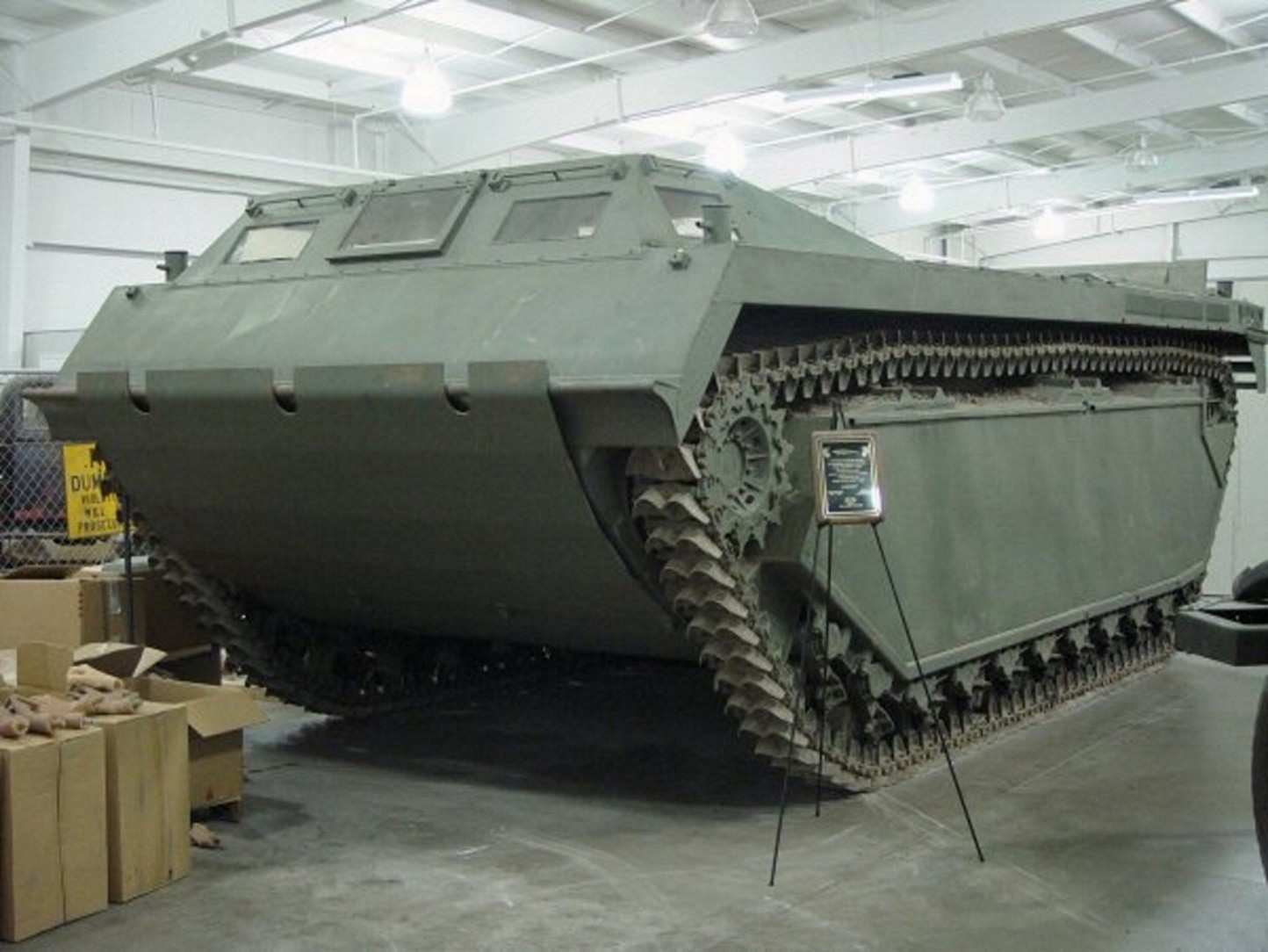 Landing Vehicle Tracked – Photos & Videos
 T-30 – Photos & Video
 FV180 Combat Engineer Tractor – Photos & Video
 OT-62 TOPAS – Photos & Video
 MT-LB Sjvpbv 4024 – Photos & Video
 PTS-M Tracked Amphibious Transport – Photos & Video
 T-40S tank – Photos & Video
 Ford GPA – Walk Around