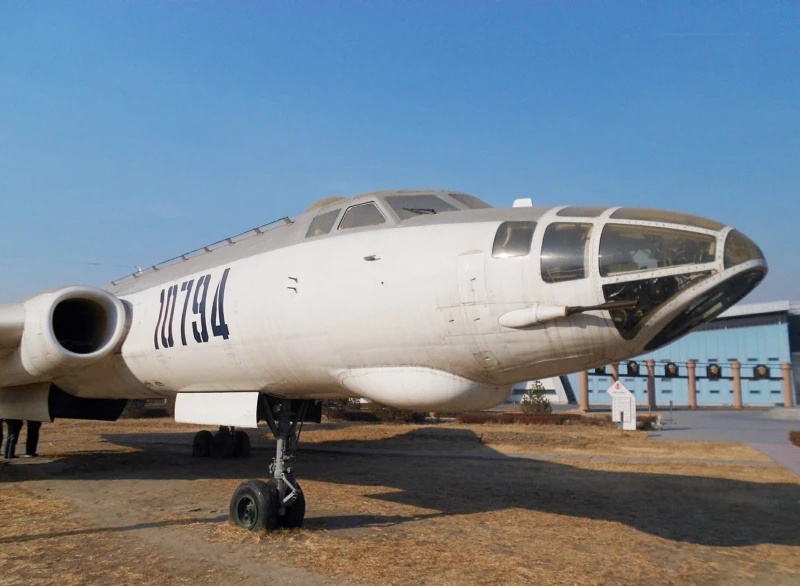
Tupolev Tu-16 Das | |
|---|---|
| Land | Sovjet-Unie |
| Type | Tweemotorige straaljager strategische bommenwerper |
| Eerste vlucht | 27 april 1952 |
| Gebouwd | 1509 |
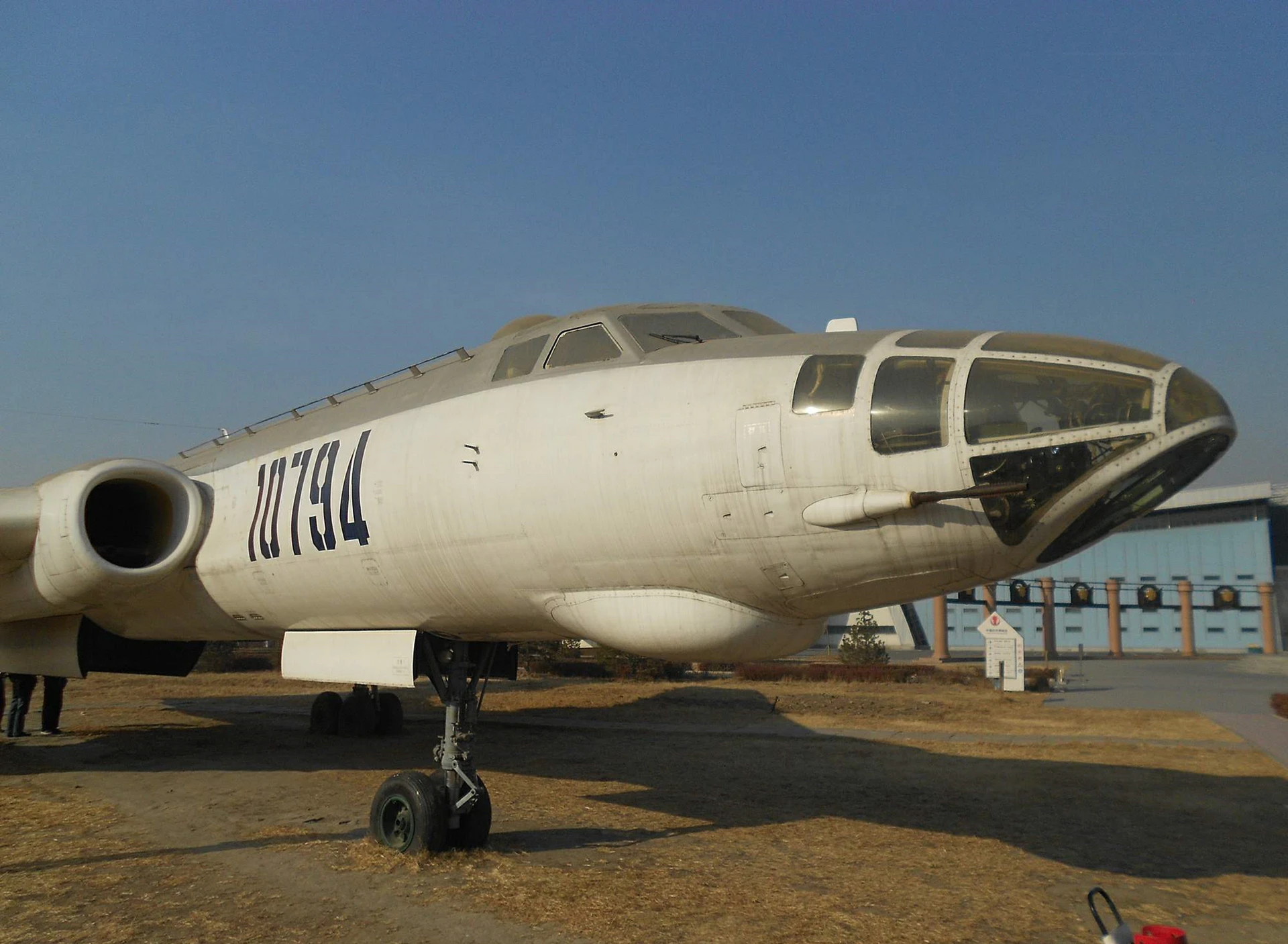
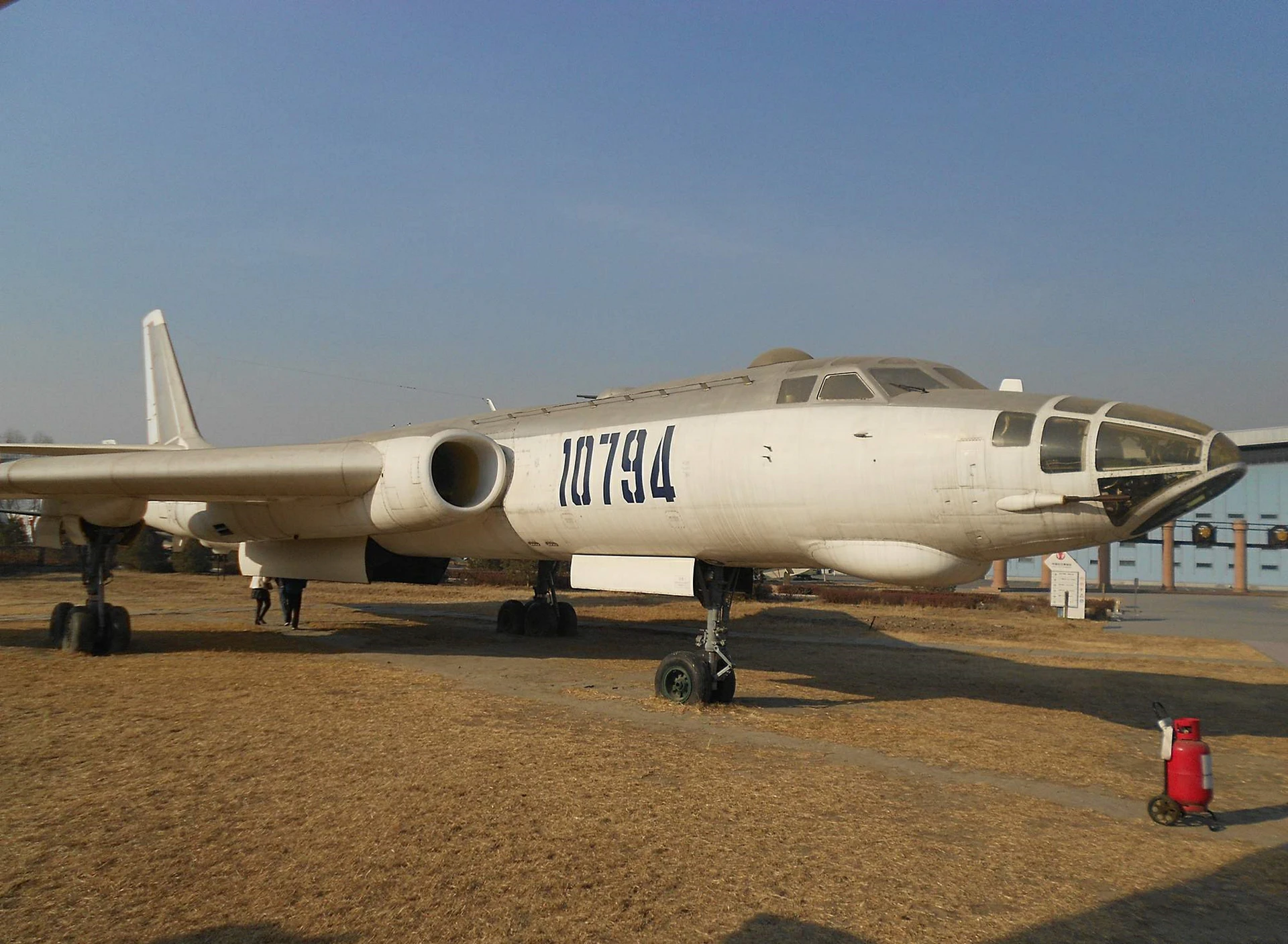
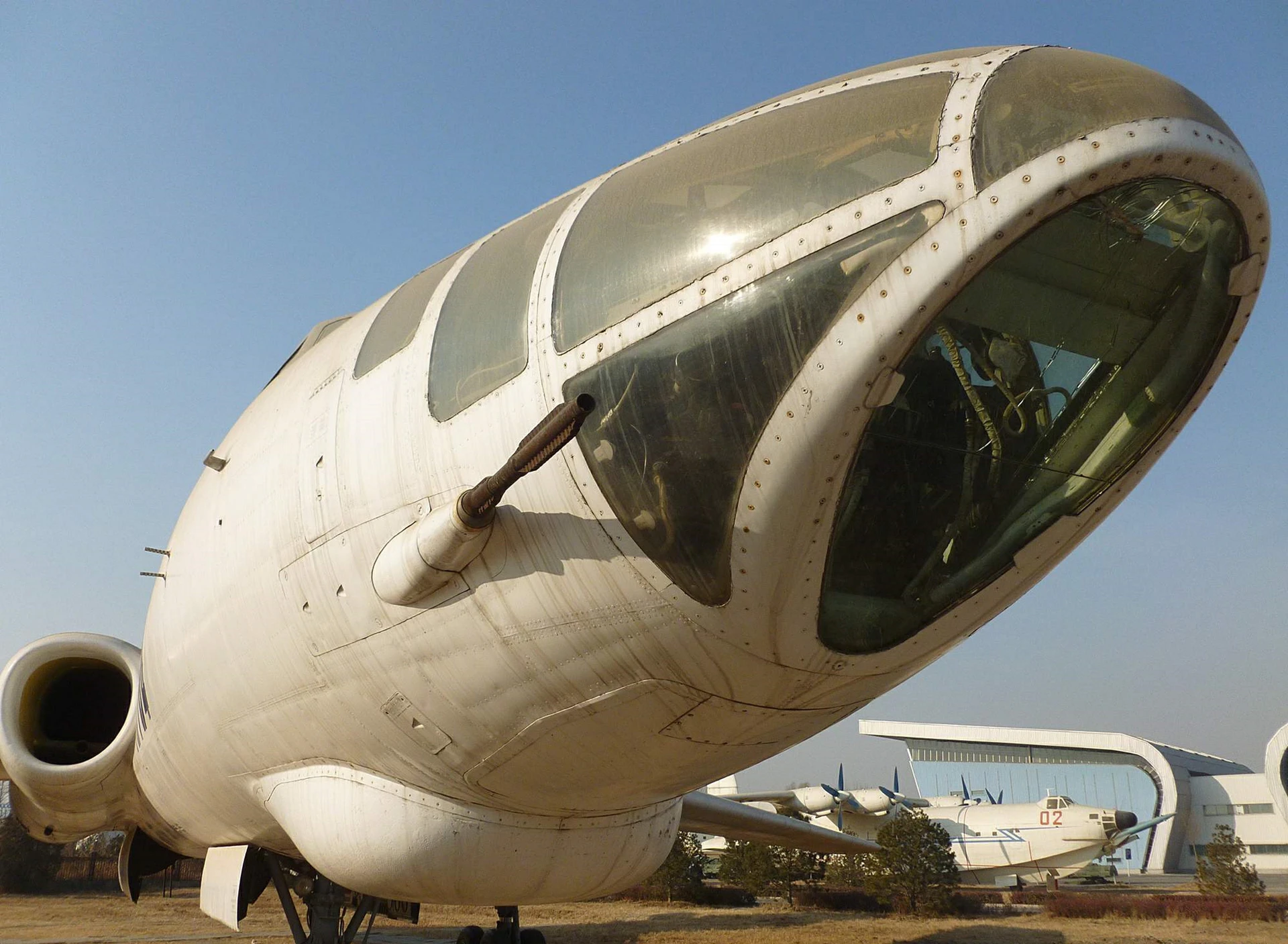
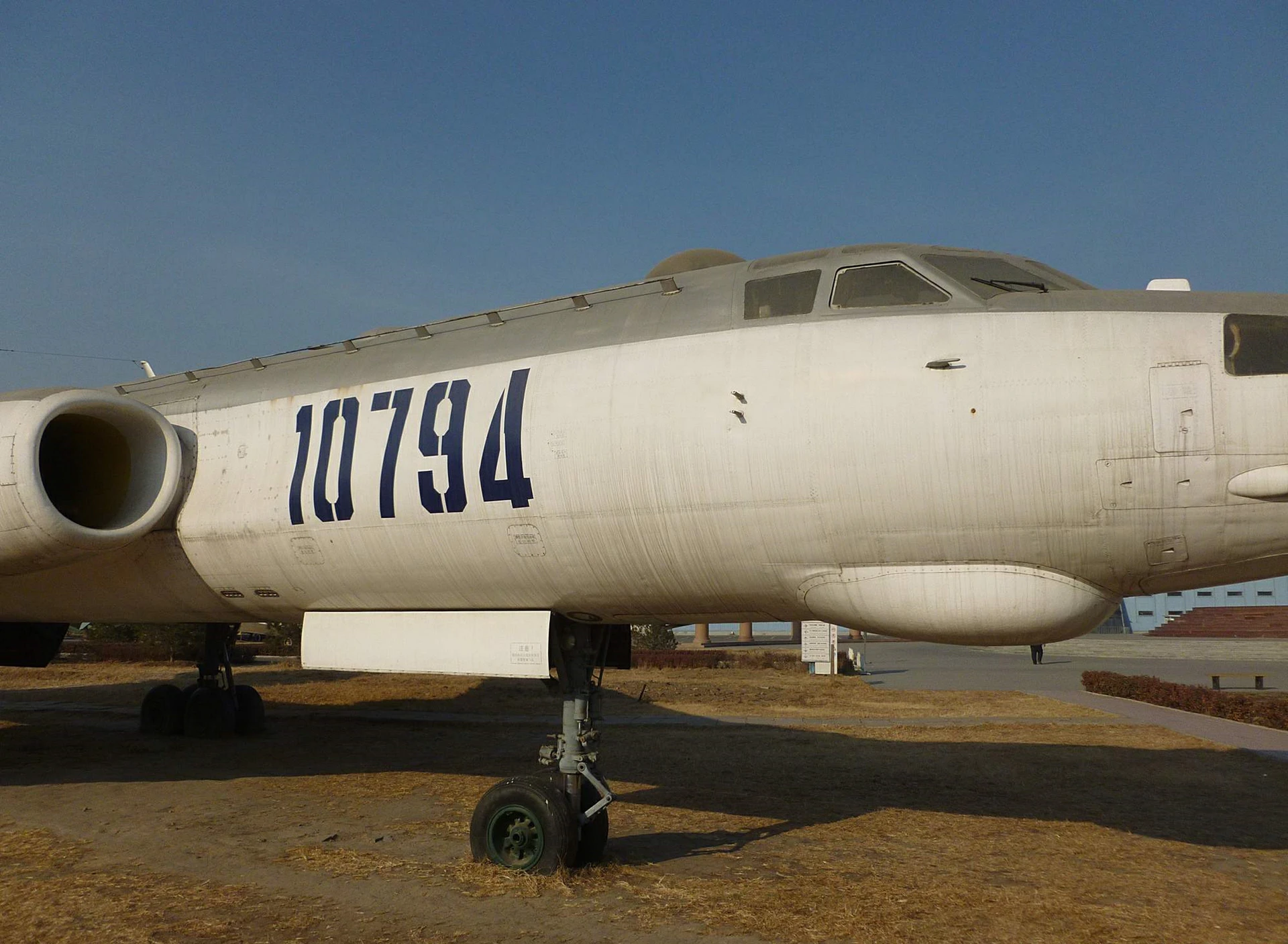
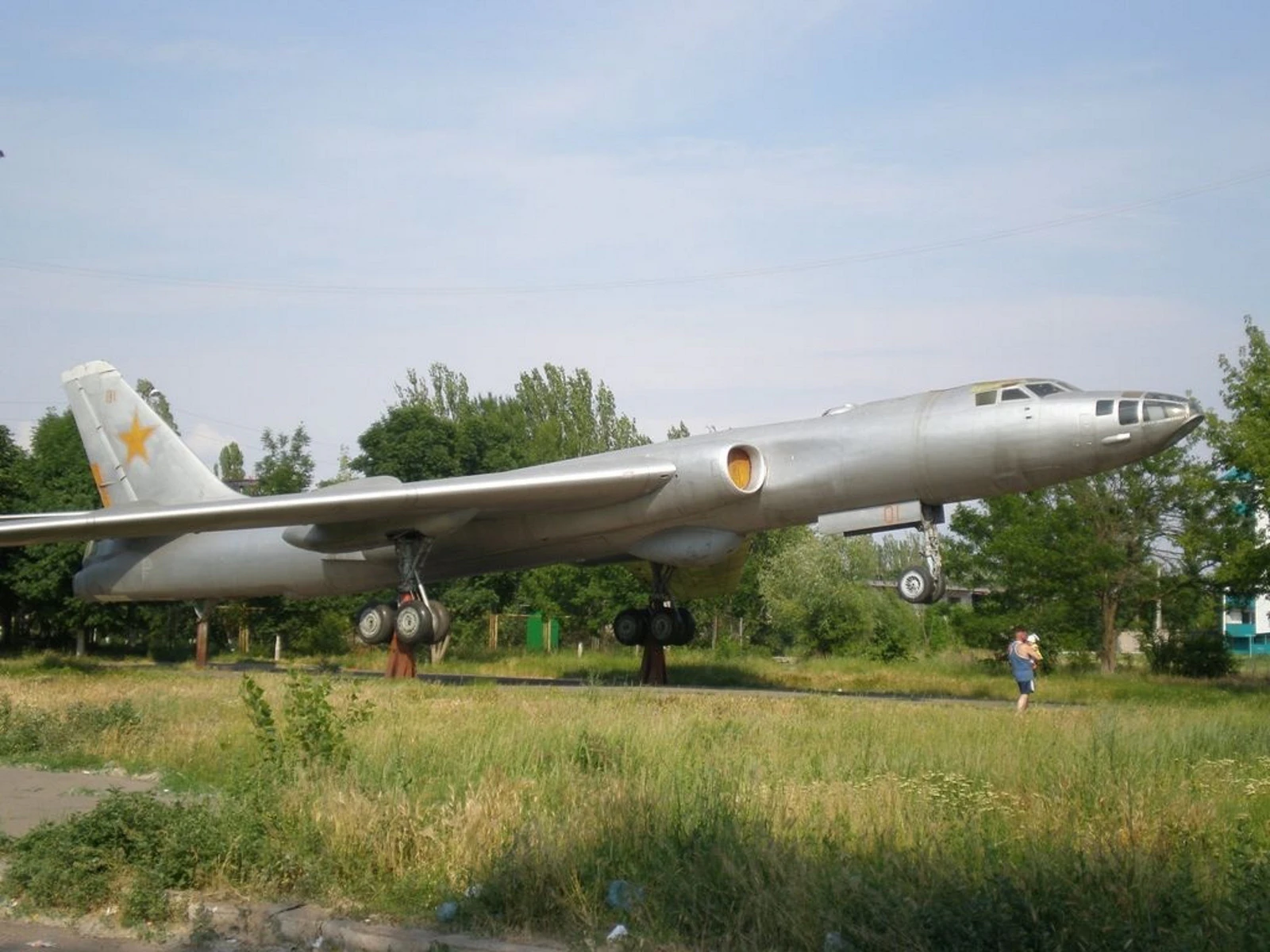
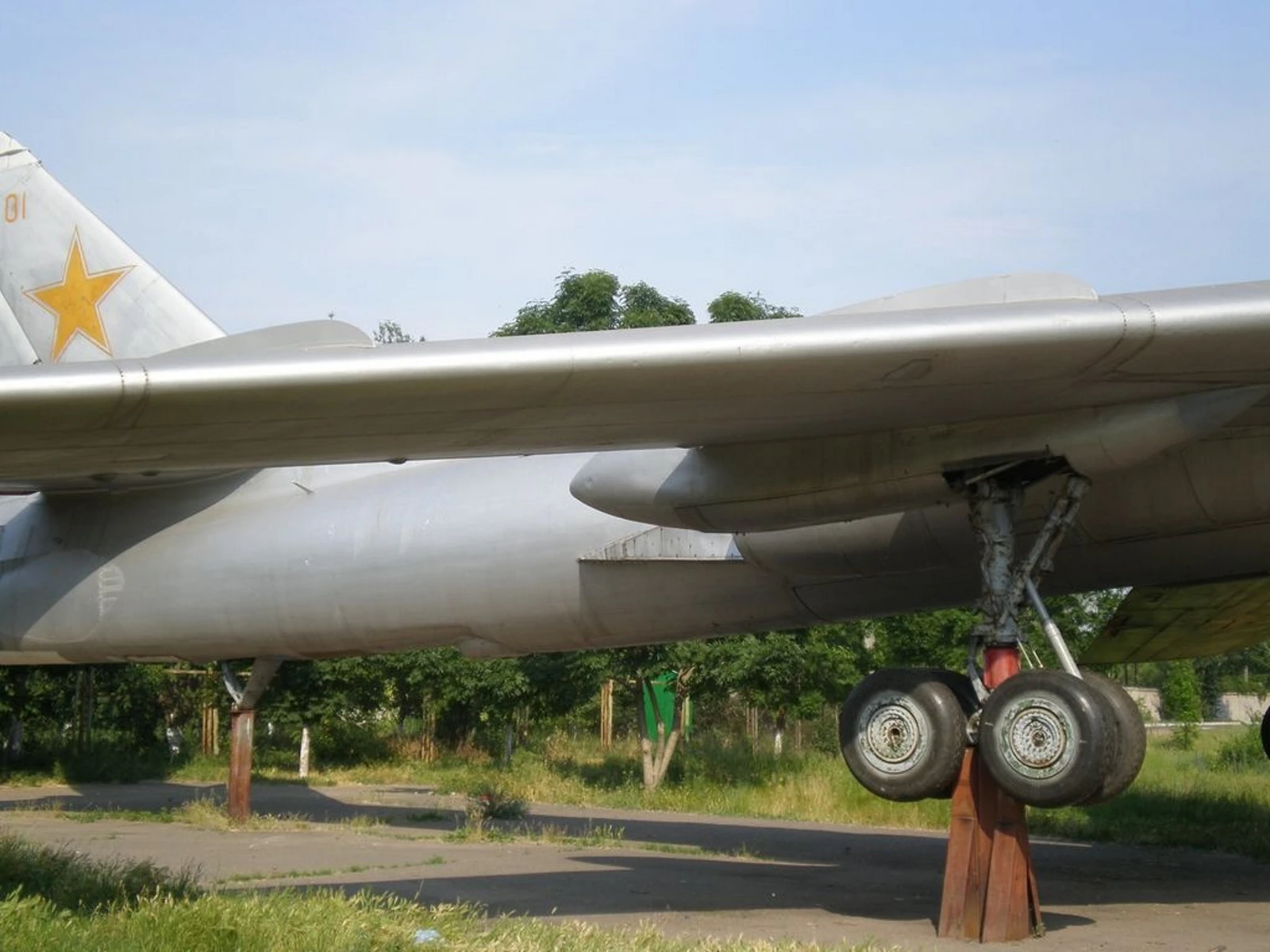
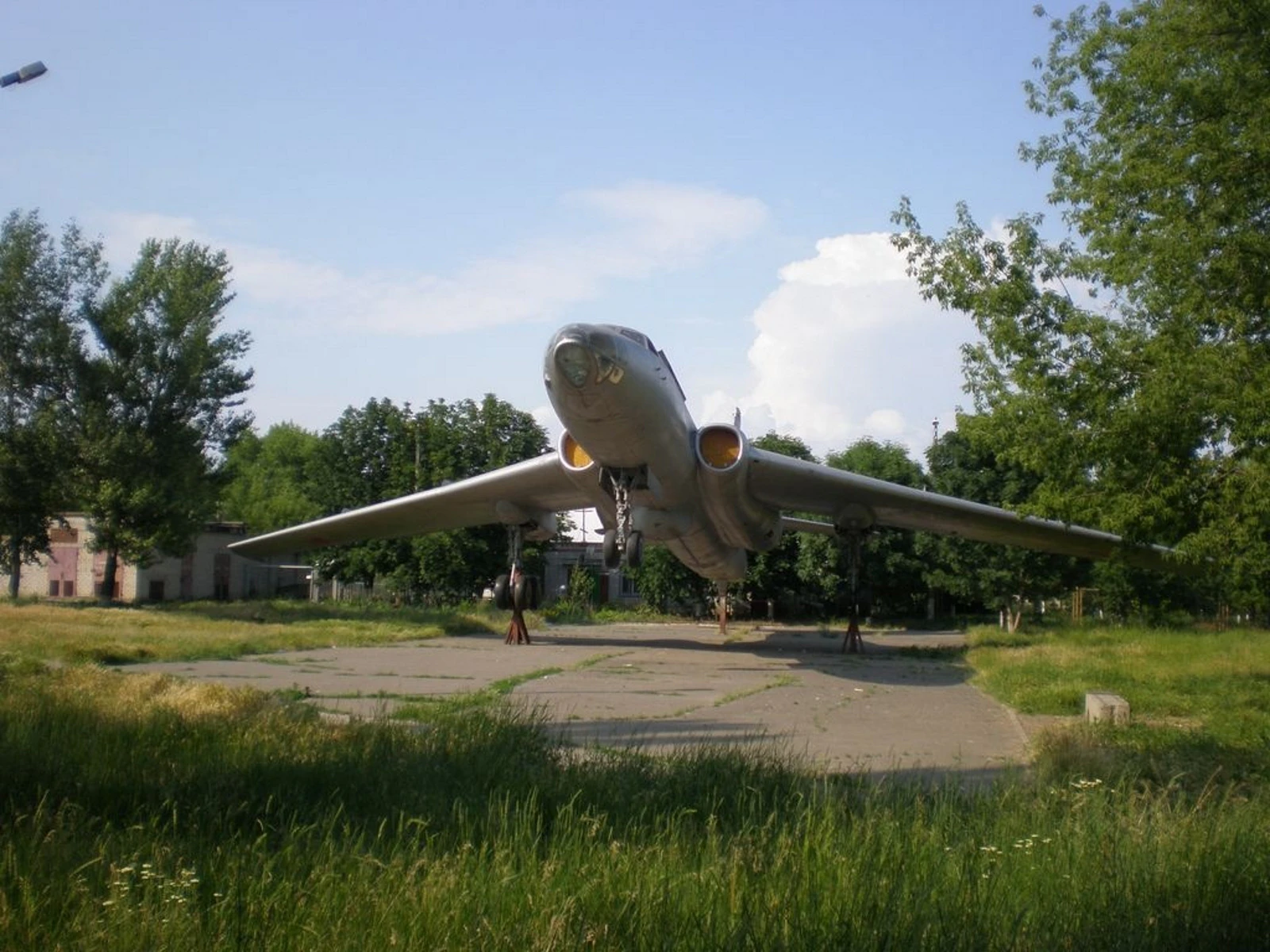
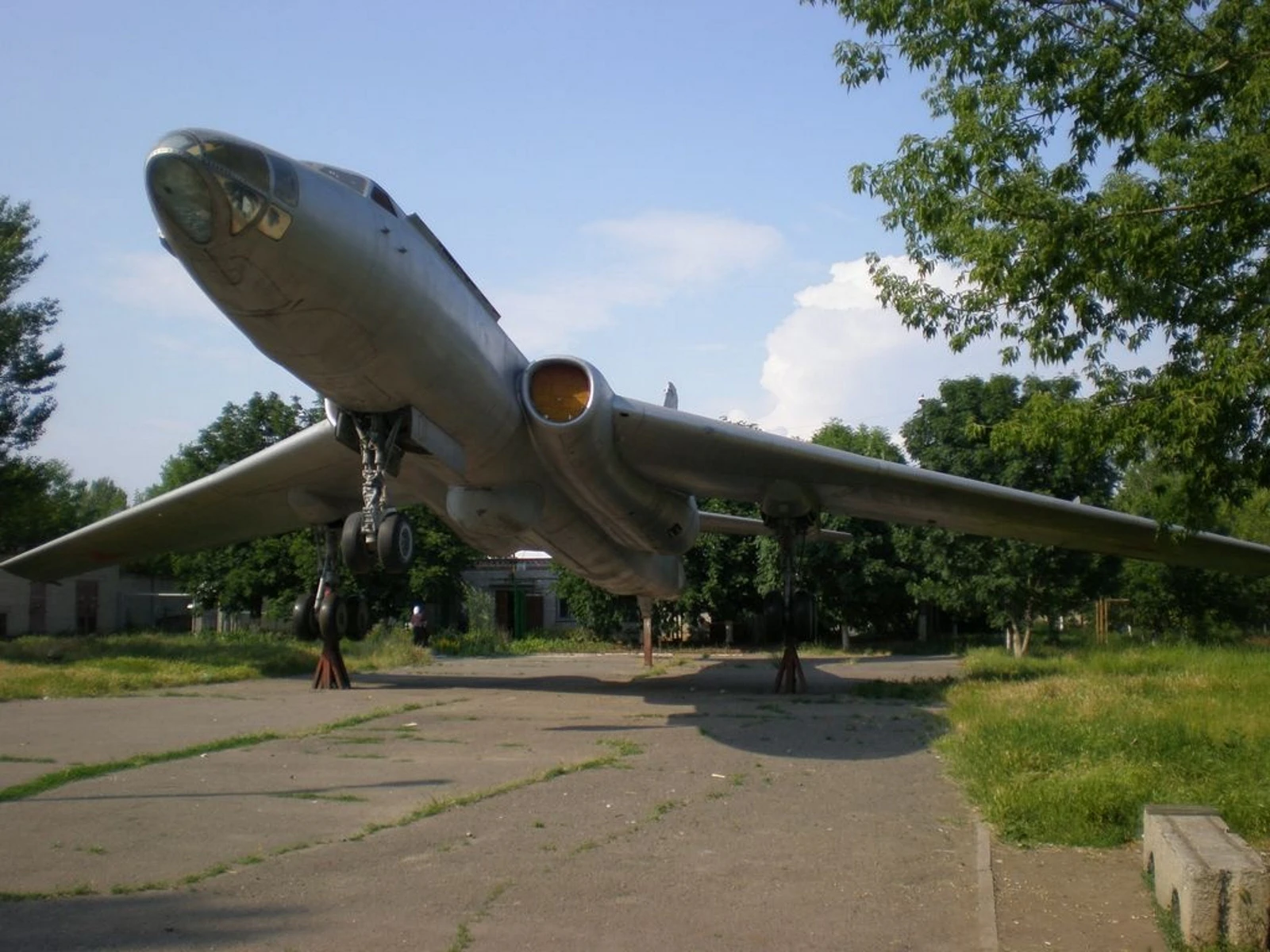
Fotogalerij van een Tupolev Tu-16 Das, The Tupolev Tu-16 (NATO reporting name: Badger) was a twin-engined jet strategic bomber used by the Soviet Union. It has flown for more than 60 years, and the Chinese licence-built Xian H-6 remains in service with the People’s Liberation Army Air Force.
| Tupolev Tu-16 Das | |
|---|---|
| Fotografen | Martin Zahаlka, Lukas Tlaskal |
| Lokalisatie | Onbewust |
| Foto 's | 48 |
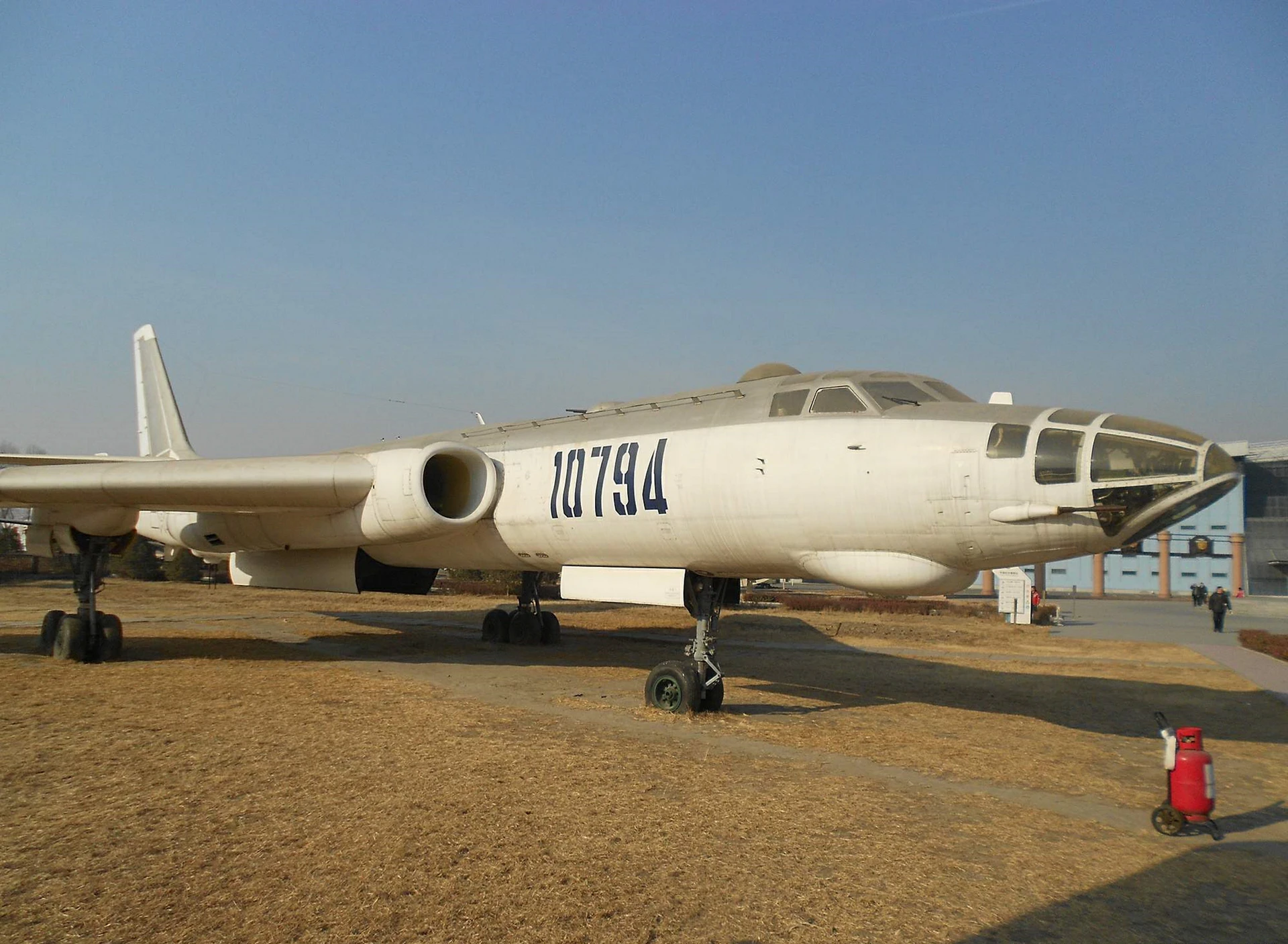
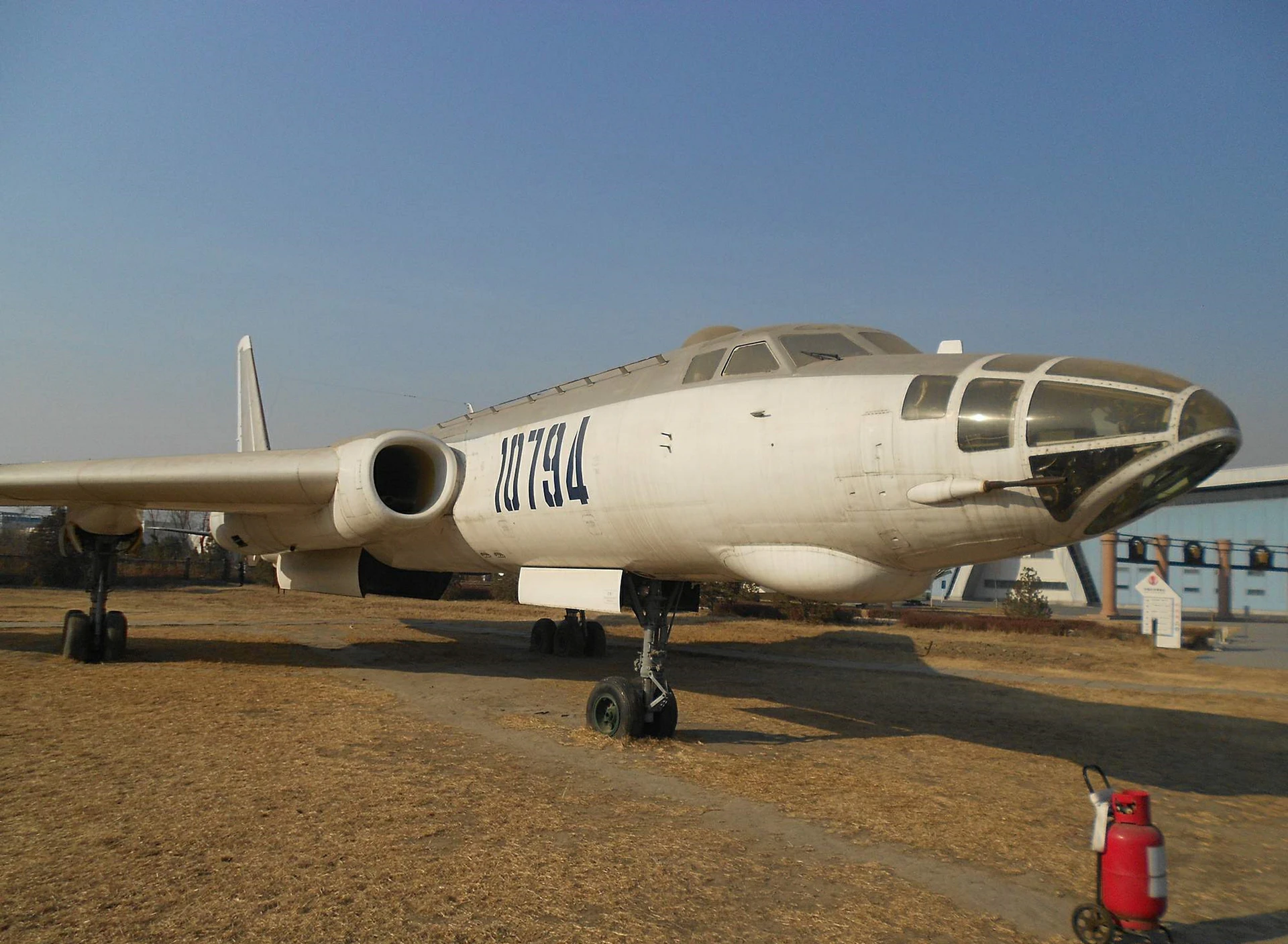
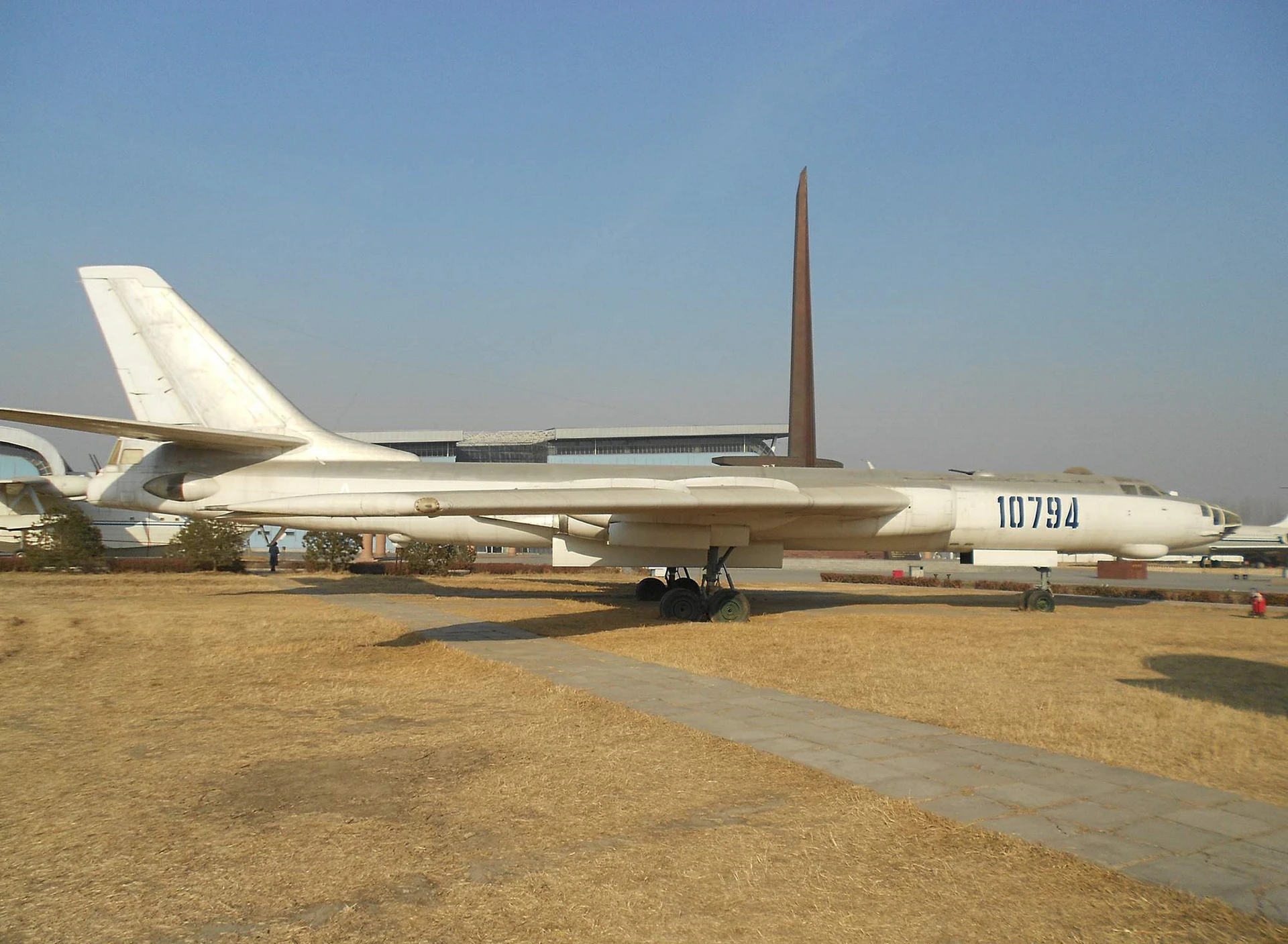

| Tu-16 RM Rondlopen | |
|---|---|
| Fotograaf | Onbewust |
| Lokalisatie | Onbewust |
| Foto 's | 33 |
The Jet Age Leap
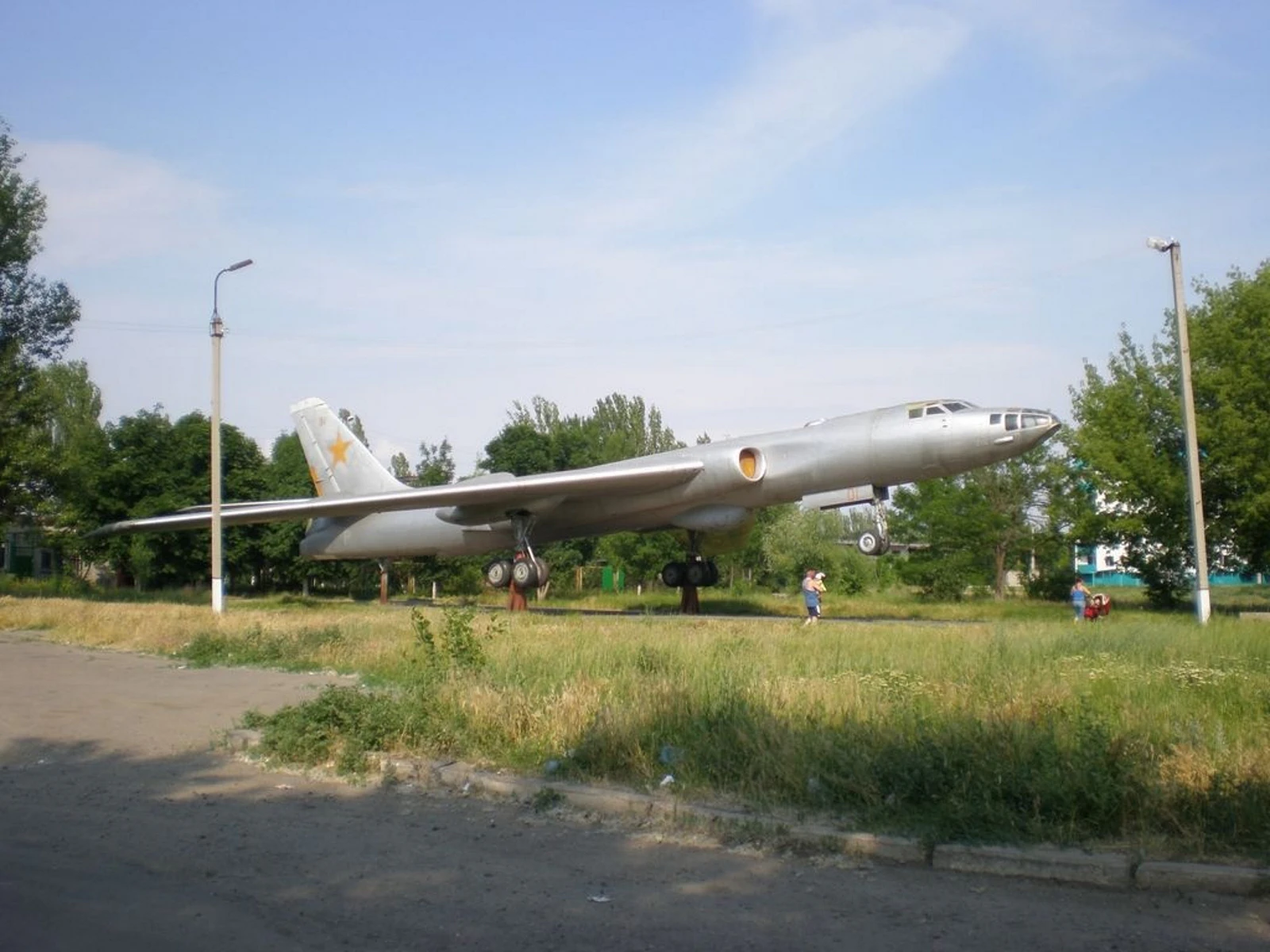
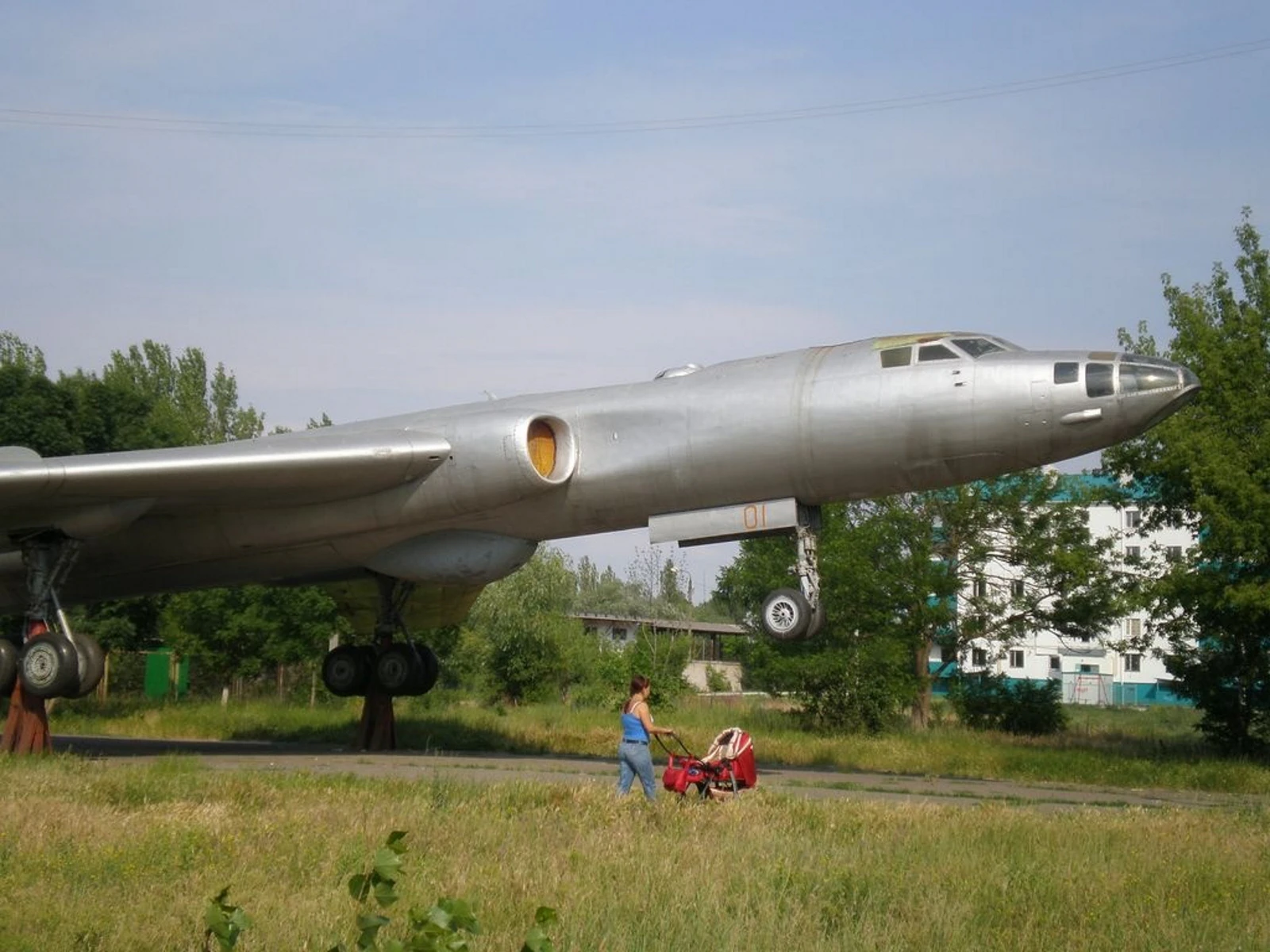
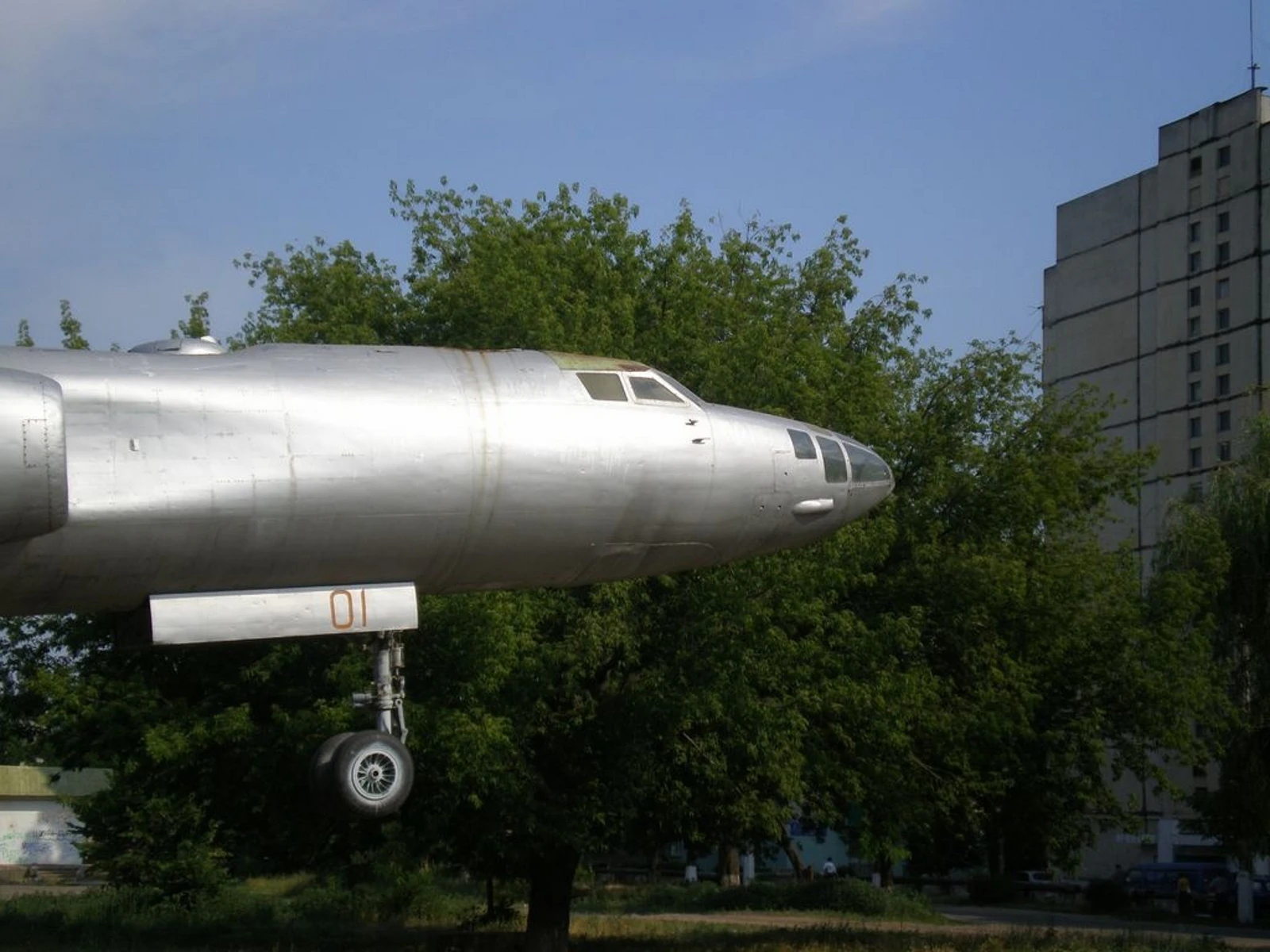
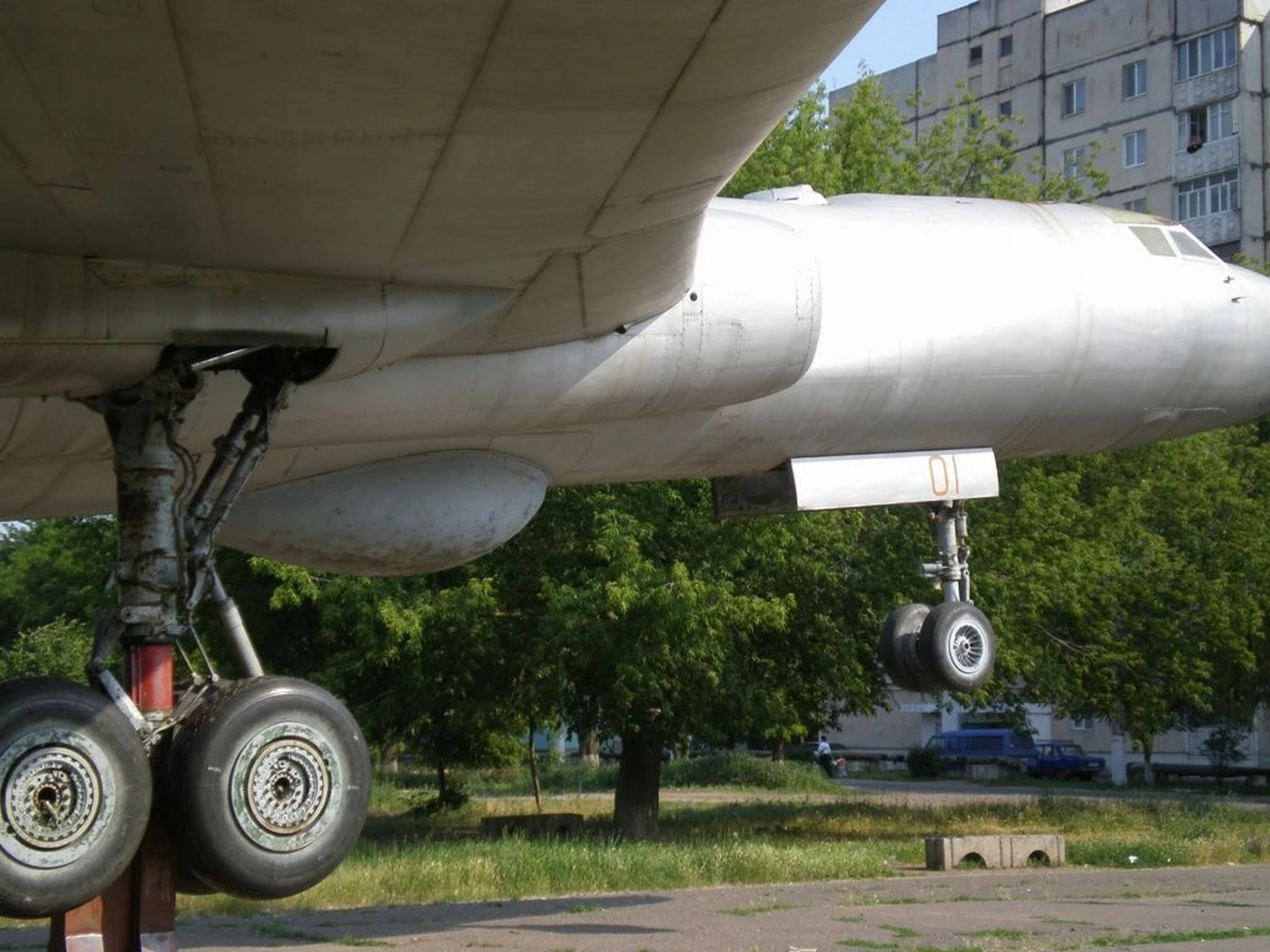
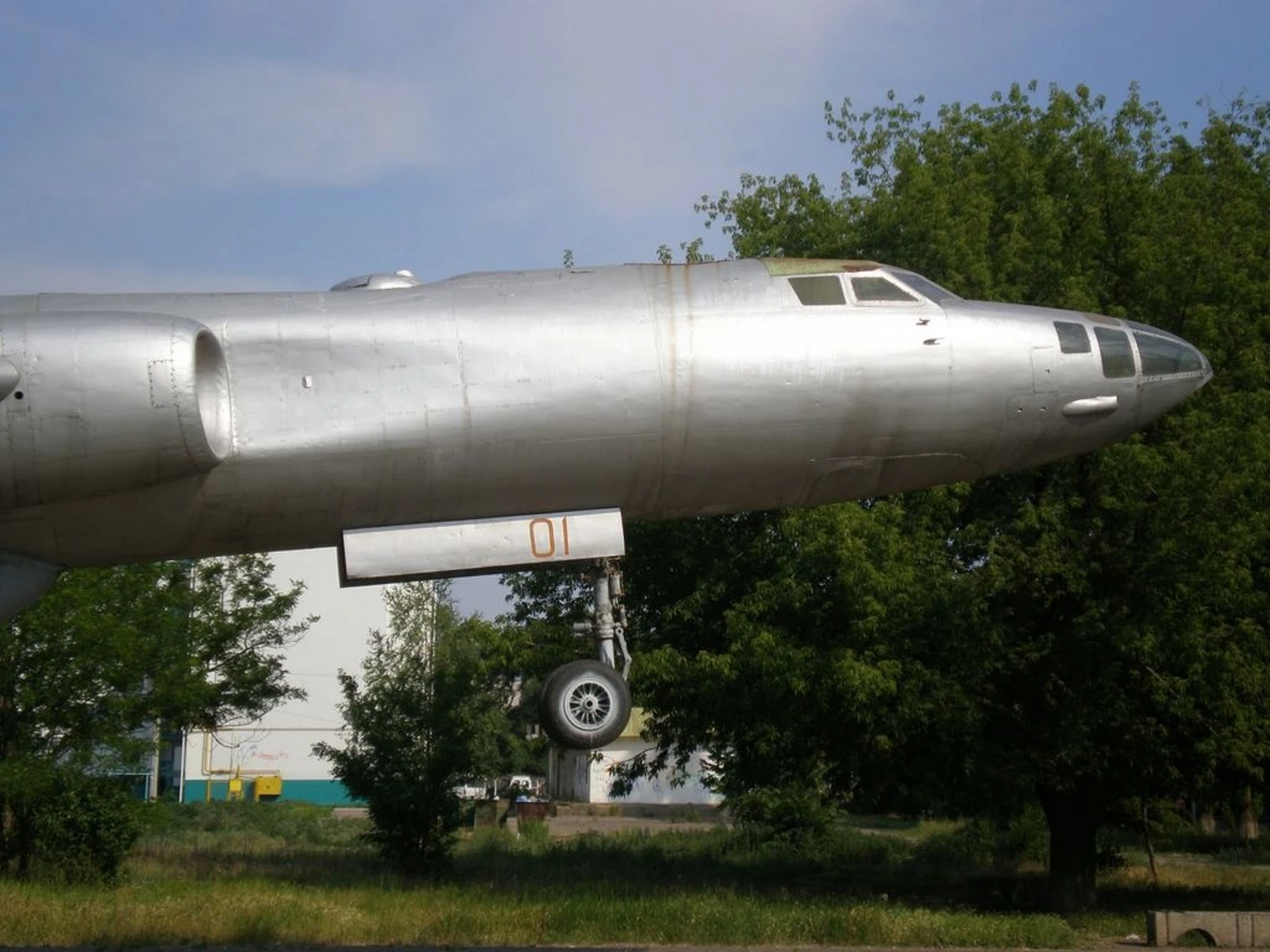
De Tupolev Tu-16 was the aircraft that truly brought the Soviet Union into the jet-powered strategic era. Replacing the piston-engined Tu-4, the Tu-16 featured sleek, swept wings and two of the most powerful engines of its day. It was designed to deliver nuclear weapons at high subsonic speeds, but it found its true calling as a versatile missile carrier, electronic warfare platform, and maritime scout. While it retired from Russian service in the 1990s, its Chinese-built descendant, the H-6, remains a cornerstone of the PLAAF today, proving the timelessness of its design.
| Attribute | Technical Specification (Tu-16) |
|---|---|
| Role | Strategic Bomber / Missile Carrier |
| Bemanning | 6–7 (Pilots, Navigator, Bomb-aimer, Gunners) |
| First Flight | April 27, 1952 |
| Krachtbron | 2 × Mikulin AM-3 M-500 turbojets |
| Thrust | 20,900 lbf (93 kN) each |
| Maximum Speed | 1,050 km/h (652 mph) |
| Bereik | 7,200 km (4,470 mi) |
| Bewapening | 7 × 23 mm AM-23 cannons; up to 9,000 kg bombs or missiles |
Design Engineering: The “Tupolev” Aesthetic
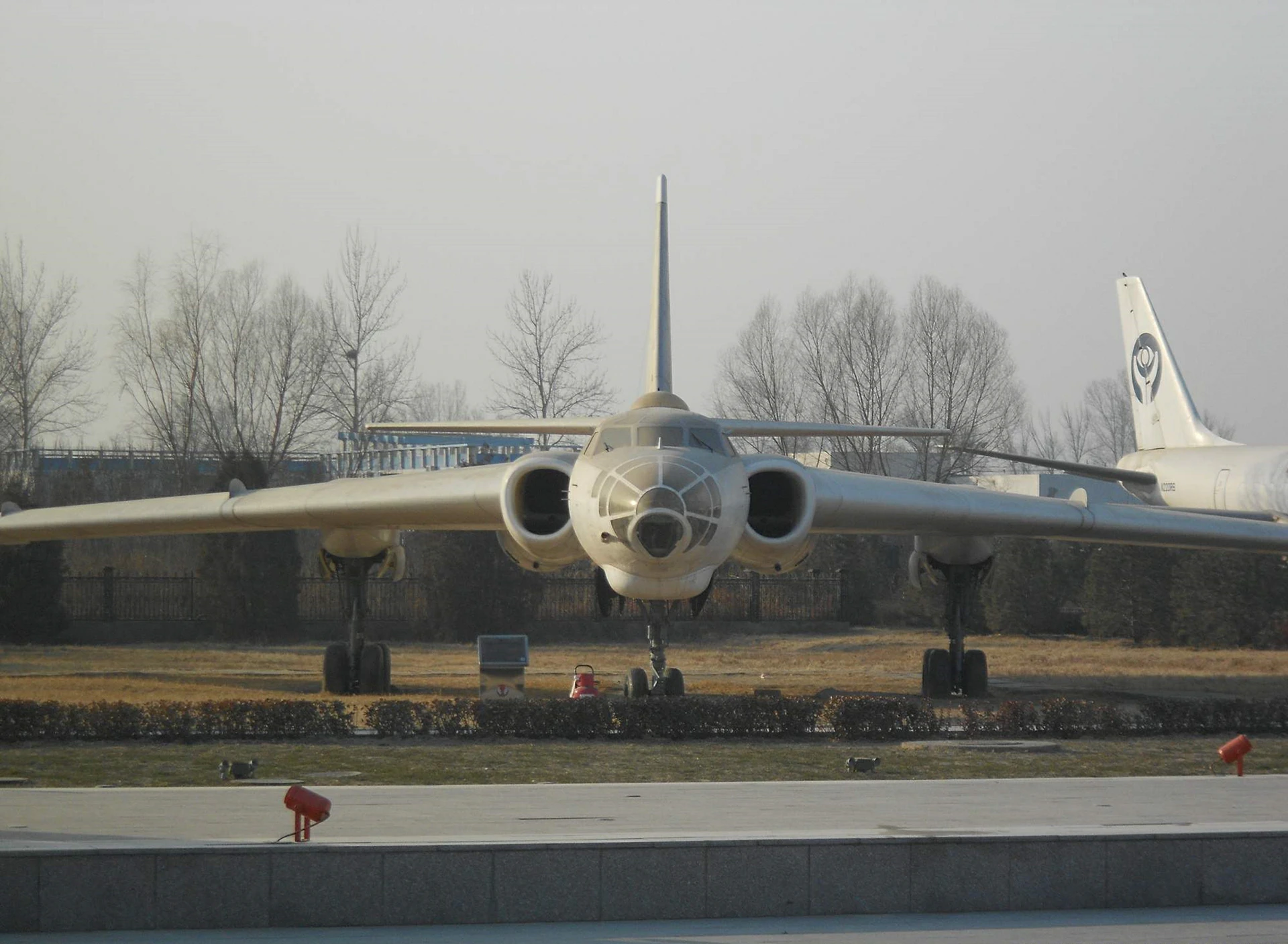
- Wing-Root Engine Integration: To minimize drag while avoiding the complexity of pylon-mounted engines, Tupolev buried the AM-3 engines directly into the wing roots. The massive intakes give the aircraft its distinctive “broad-shouldered” look.
- Compound Sweep: The wings feature a “compound” sweep—sharper at the root (approx. 41°) and shallower toward the tips (35°). This optimized the aircraft for high-speed stability while maintaining good low-speed handling for landing.
- The “Glass Dog” Nose: Like the Tu-4 before it, early Tu-16s featured a heavily glazed nose for the navigator/bomb-aimer. This provided excellent visual targeting but was eventually supplemented by a large chin-mounted radar for missile guidance.
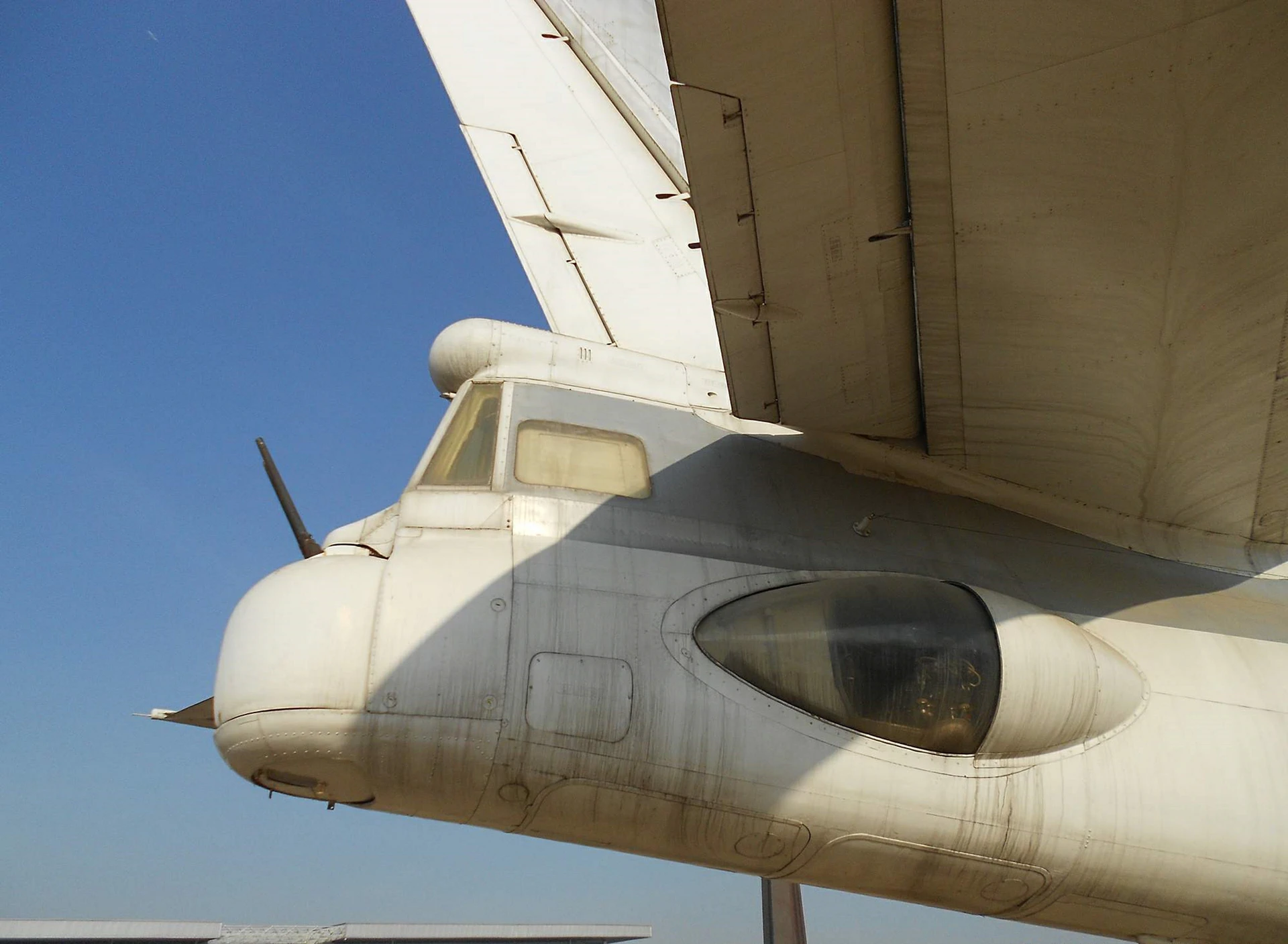
- Remote Defensive Turrets: The Badger was protected by a sophisticated system of three remote-controlled twin-cannon turrets (dorsal, ventral, and tail), controlled by gunners using periscopic sights.
The Maritime Menace and the H-6
- Carrier Killer: The Tu-16KS and Tu-16K variants were the primary threat to US Navy carrier groups. Carrying massive anti-ship missiles like the AS-1 “Kennel” or the AS-6 “Kingfish”, they could strike from hundreds of miles away.
- Electronic Warfare (Badger-J): The “J” variant was a dedicated jammer, easily spotted by the large “canoe” fairing under the fuselage which housed electronic countermeasures meant to blind NATO radar networks.
- The Chinese H-6: China began producing the Tu-16 under license as the Xian H-6. Decades of upgrades have turned the 1950s airframe into a modern cruise missile carrier (H-6K/N) with digital cockpits and turbofan engines, capable of launching hypersonic weapons.
- Tu-104 Airliner: The Tu-16’s wings, engines, and tail were so successful they were used to create the Tupolev Tu-104, the world’s second jet airliner to enter regular service (and the only one flying for a time after the Comet’s grounding). [Image comparing the Tu-16 bomber and the Tu-104 jet airliner airframes]
Views : 4124
U ook zien :
 Tupolev Tu-134 – Foto's & Video
 Martin 4-0-4 – Foto's & Video's
 Bristol F.2 Fighter – Foto's &Video's
 Tupolev Tu-142 – Foto's & Video
 Tupolev Tu-22M – Foto's &Video
 Tupolev TU-2 – Foto's &Video
 Tupolev Tu-95MS Beer – Foto's &Video
 Tupolev Tu-4 Bull – Foto's &Video
 KFIR C-1 – WalkAround
 MiG-29 – WalkAround