
Noord-Amerikaanse T-2A Buckeye | |
|---|---|
| Land | Usa |
| Eerste vlucht | 31 januari 1958 |
| Role | Opleidingsvliegtuigen |
| Gebouwd | 529 |
De Noord-Amerikaanse T-2 Buckeye was het intermediate trainingsvliegtuig van de United States Navy, bedoeld om U.S. Navy en U.S. Marine Corps Student Naval Aviators en Student Naval Flight Officers kennis te laten maken met straaljagers. Het kwam in dienst in 1959 en werd vervangen door de McDonnell Douglas T-45 Goshawk in 2008.
| Noord-Amerikaanse T-2A Buckeye rondlopen | |
|---|---|
| Fotograaf | John Heck |
| Lokalisatie | Onbewust |
| Foto 's | 31 |
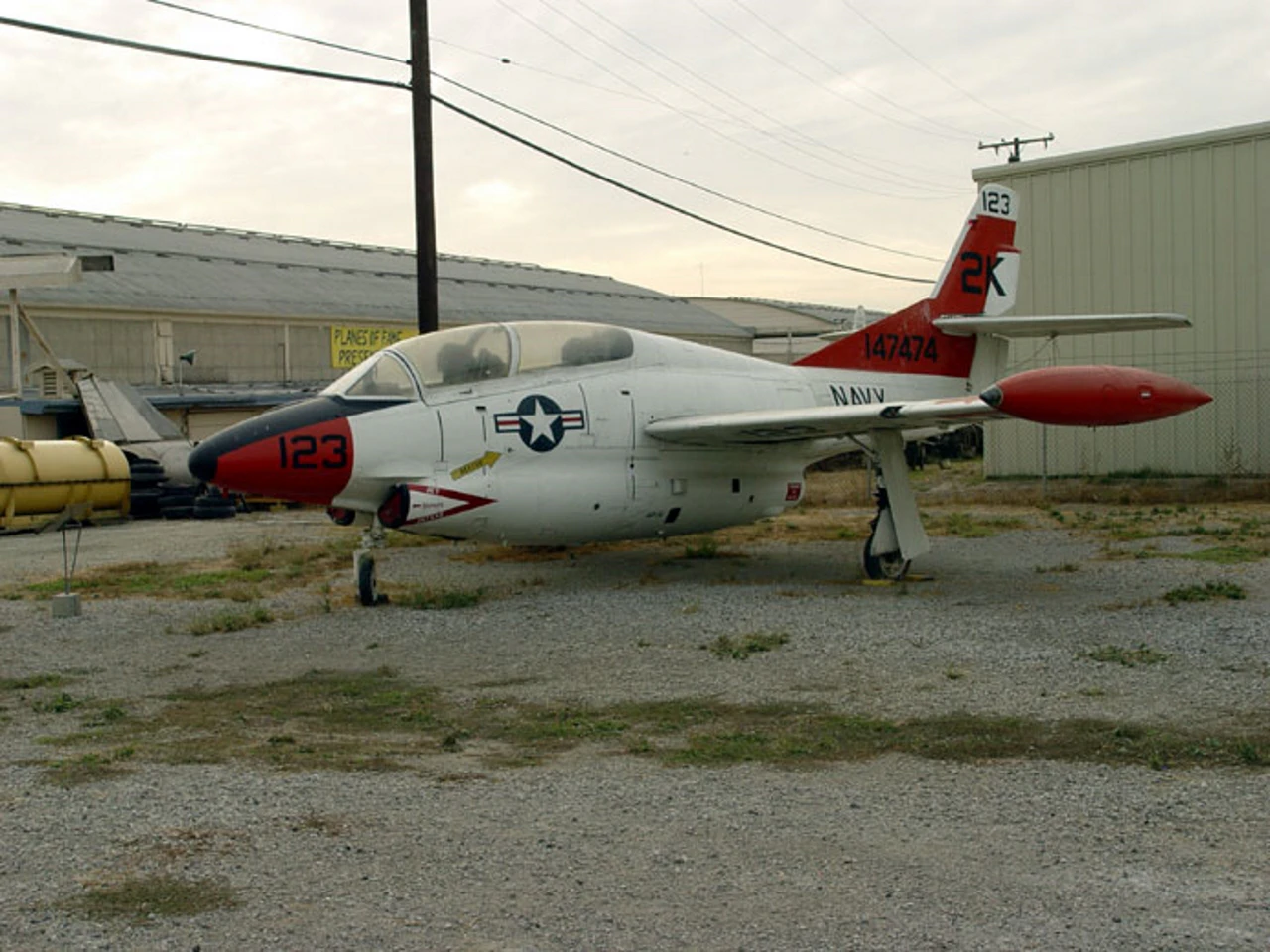
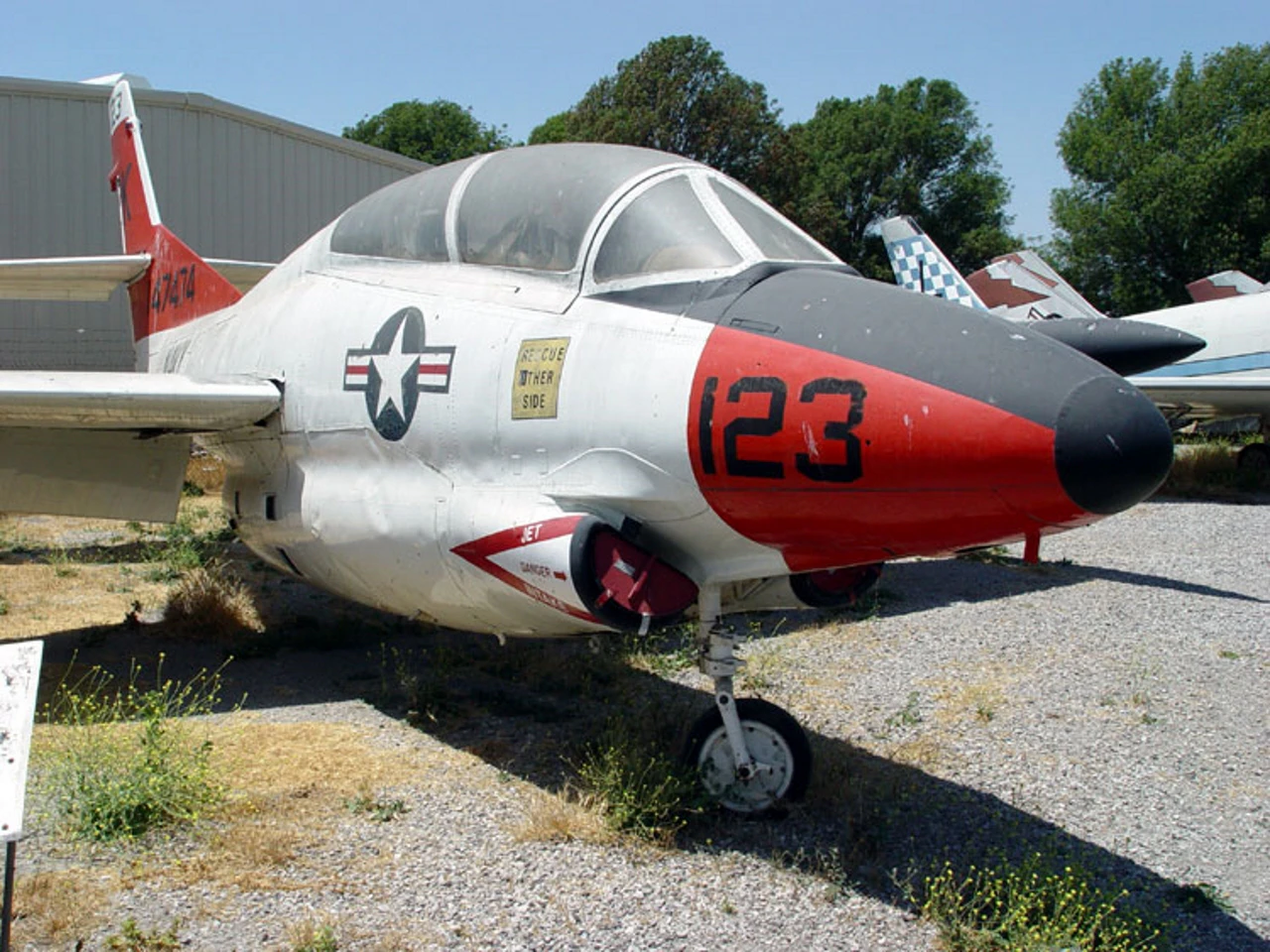
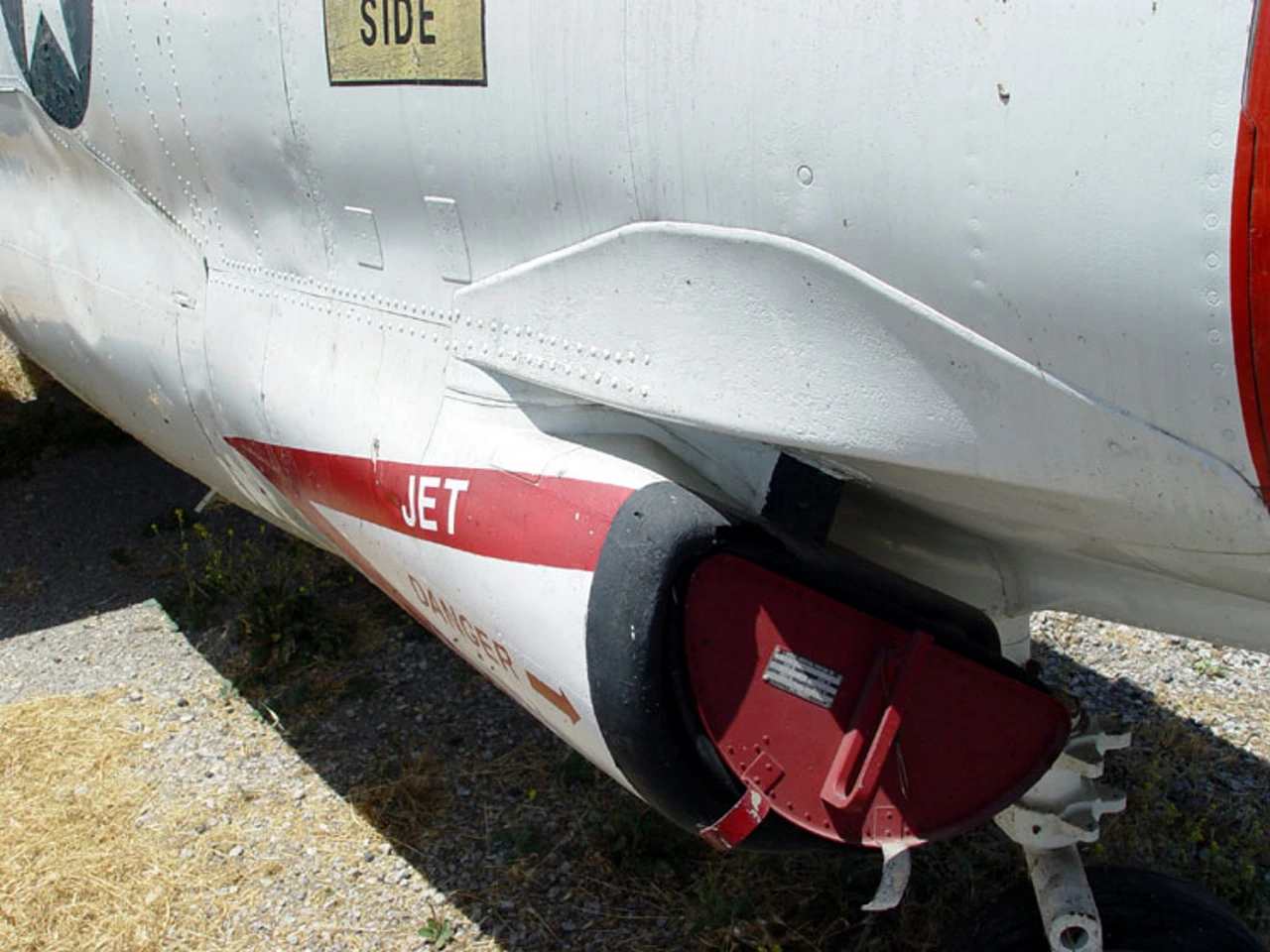
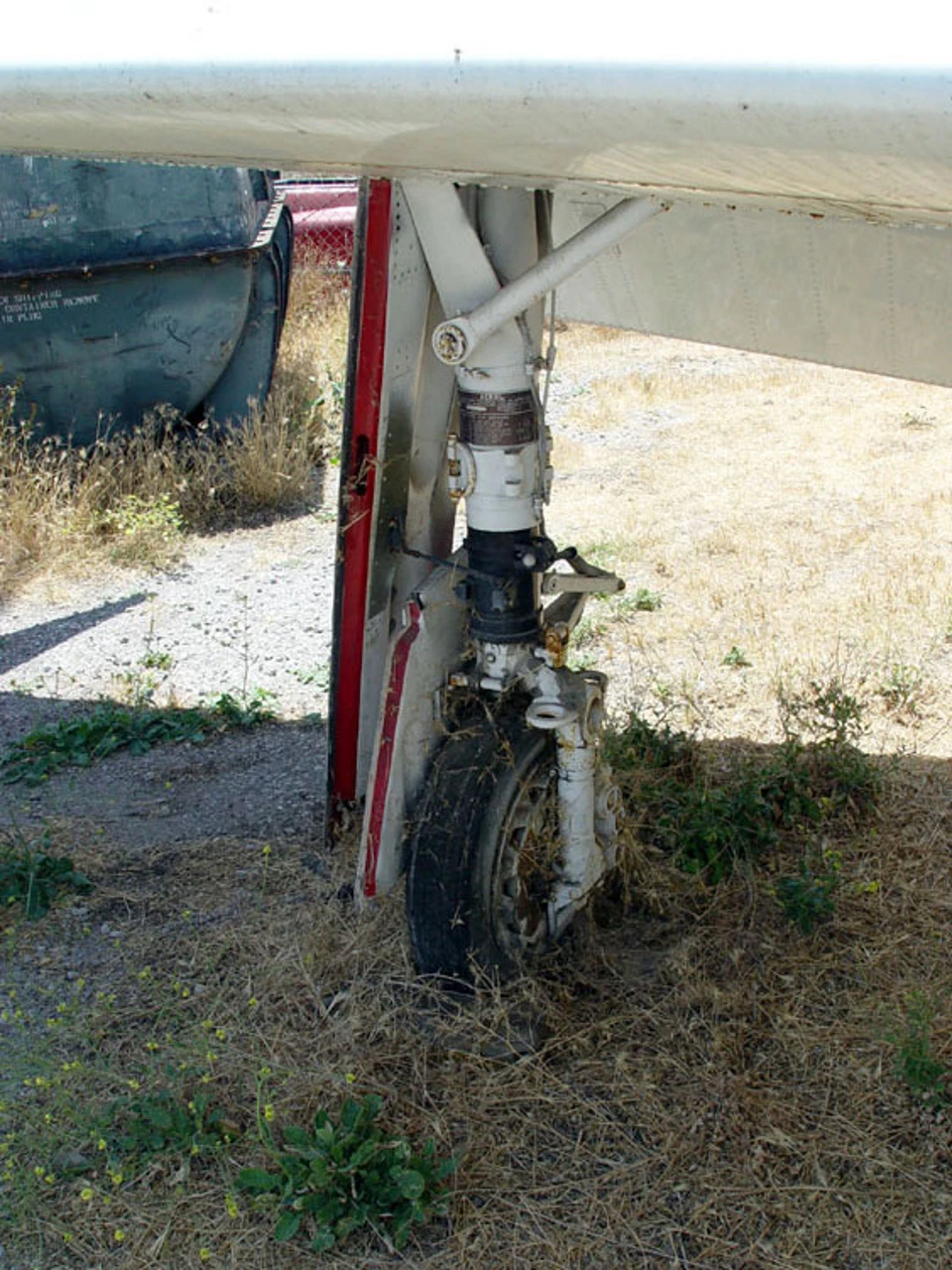
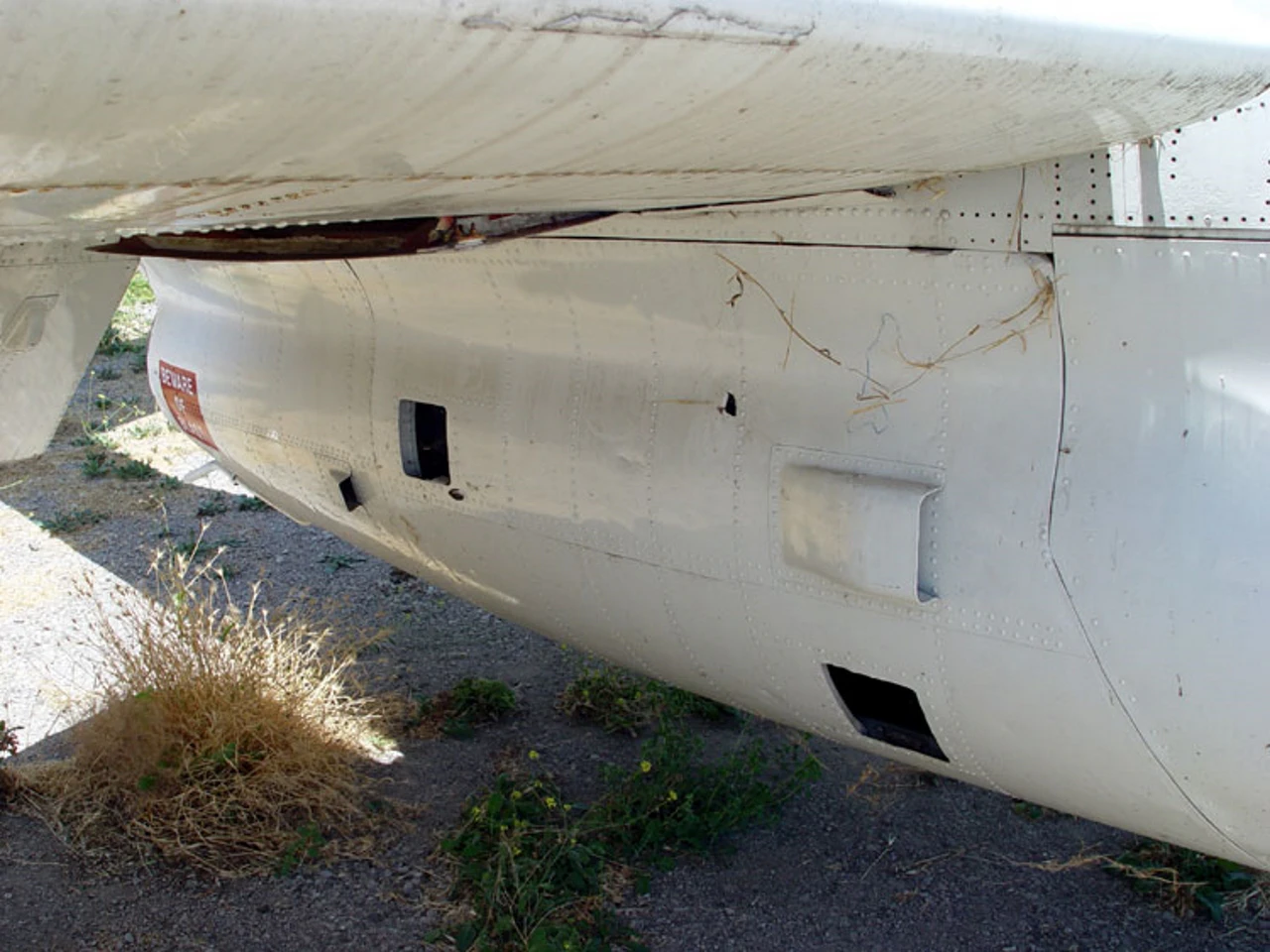
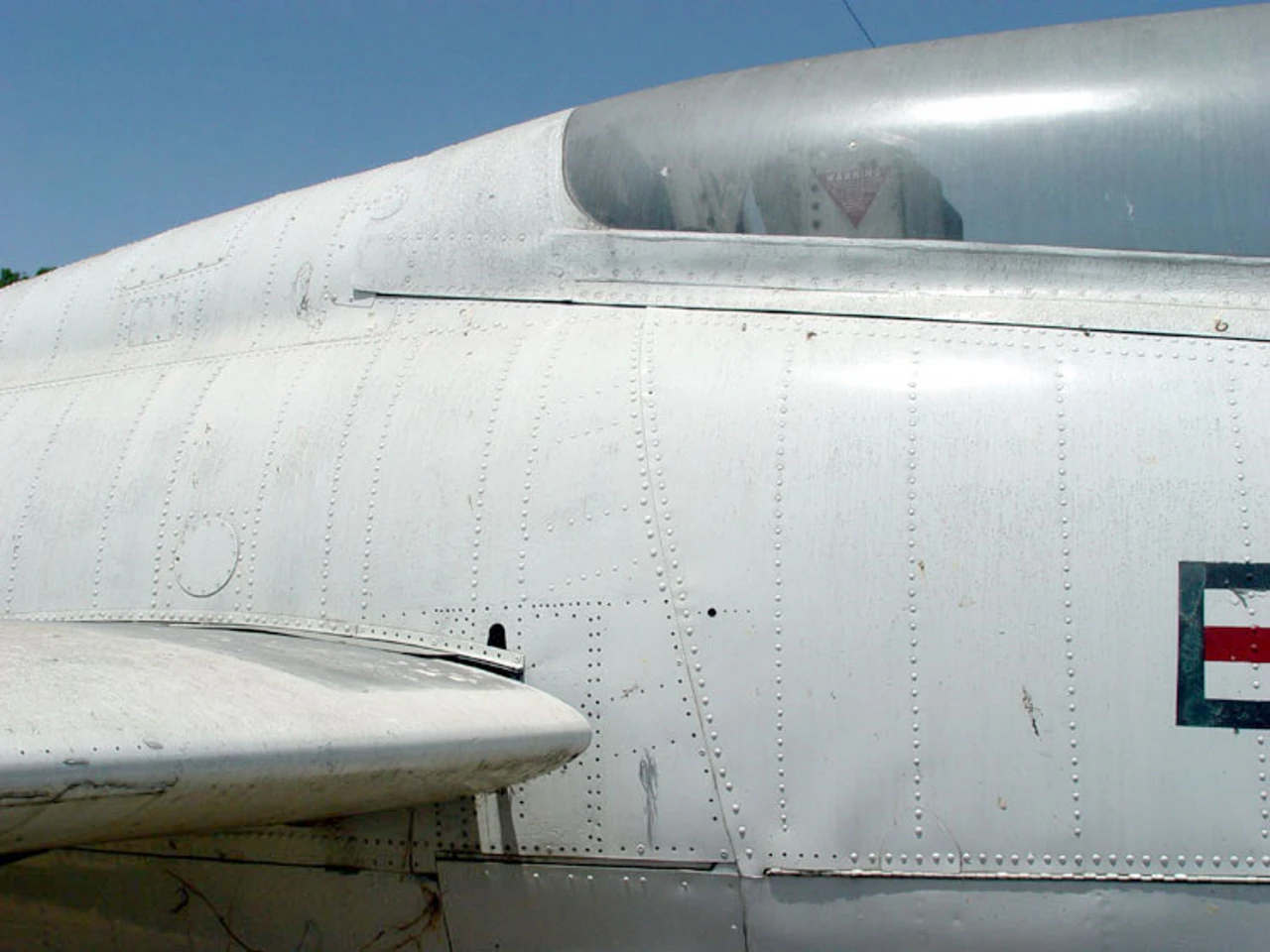
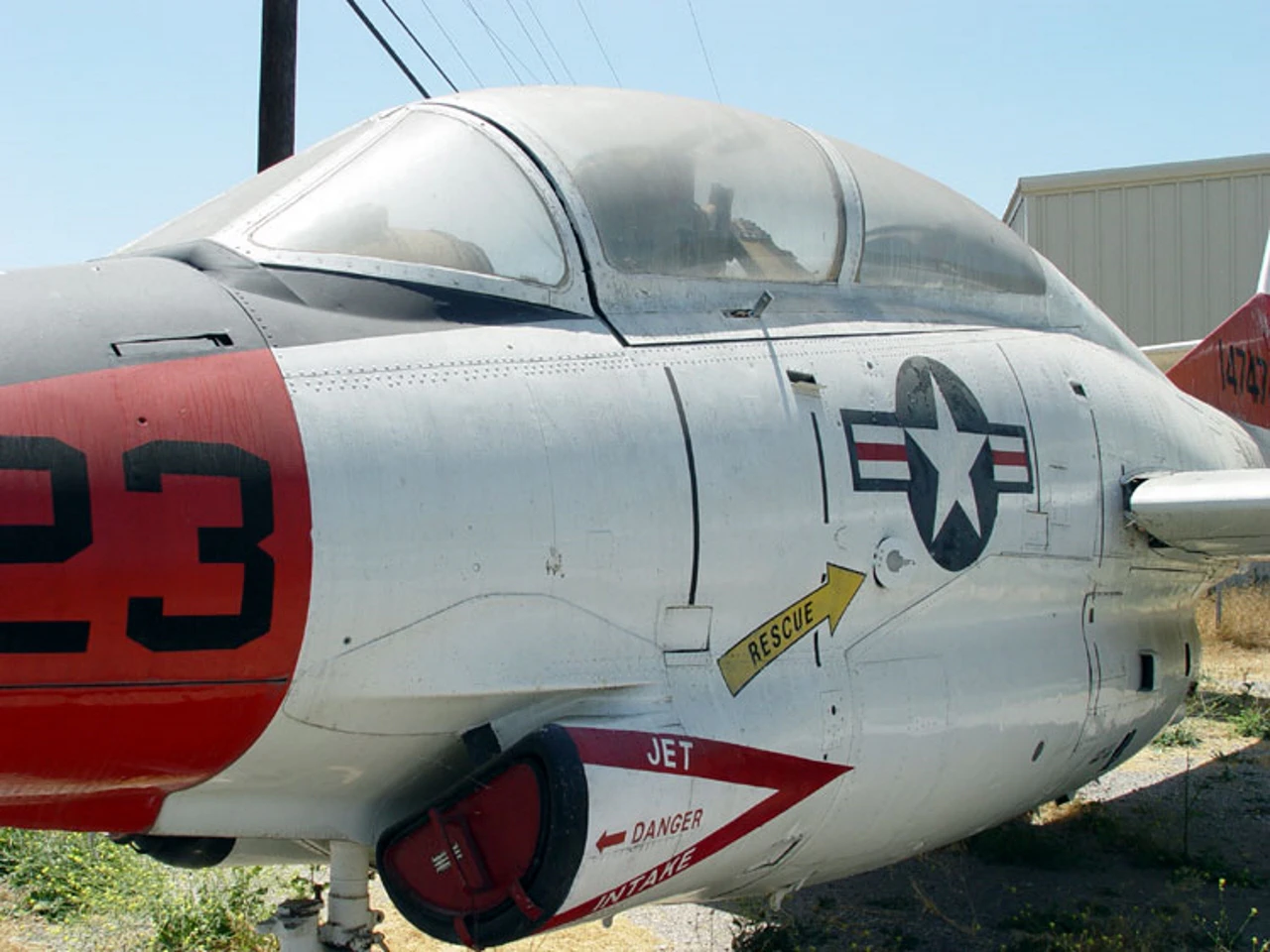
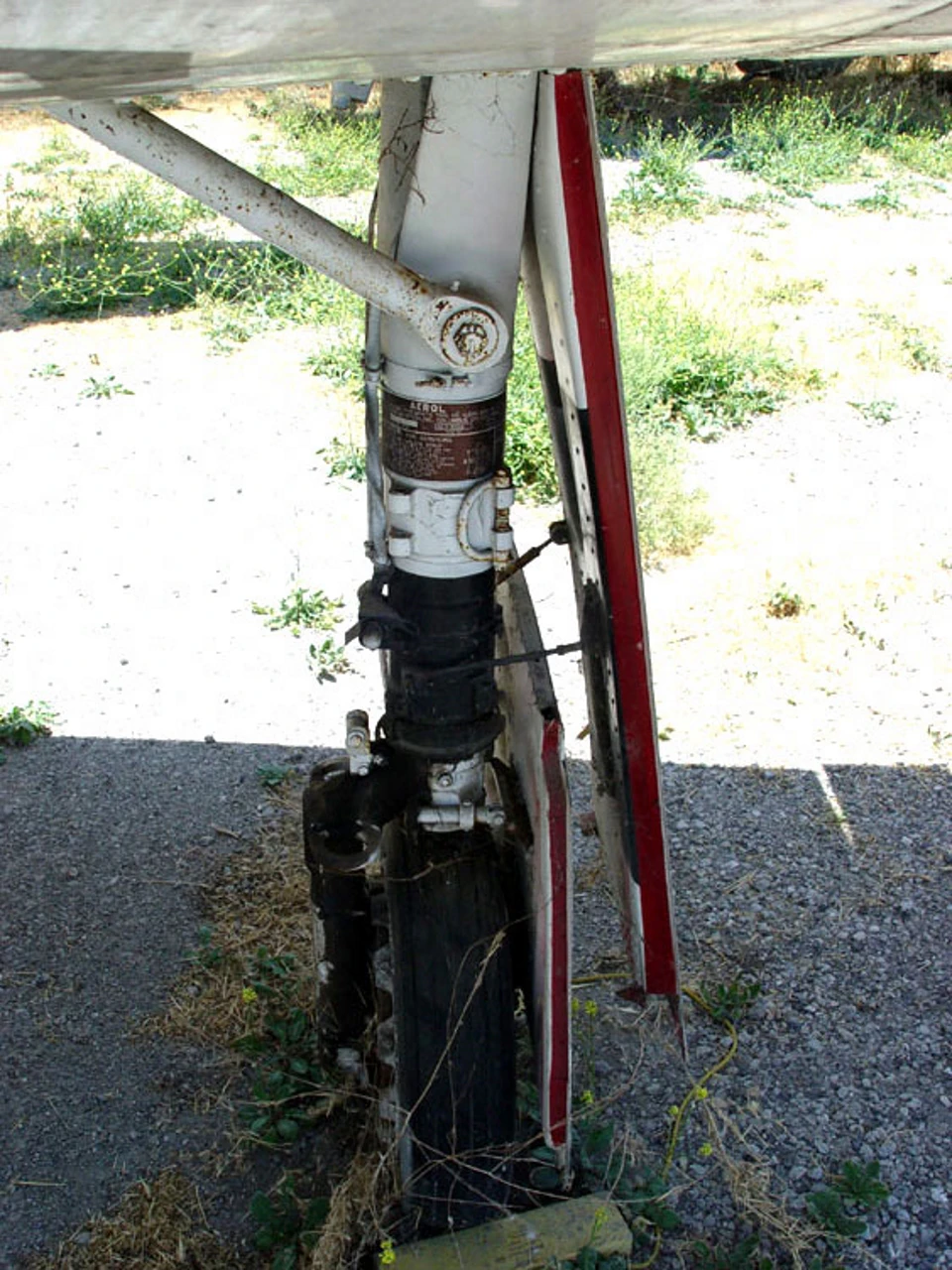
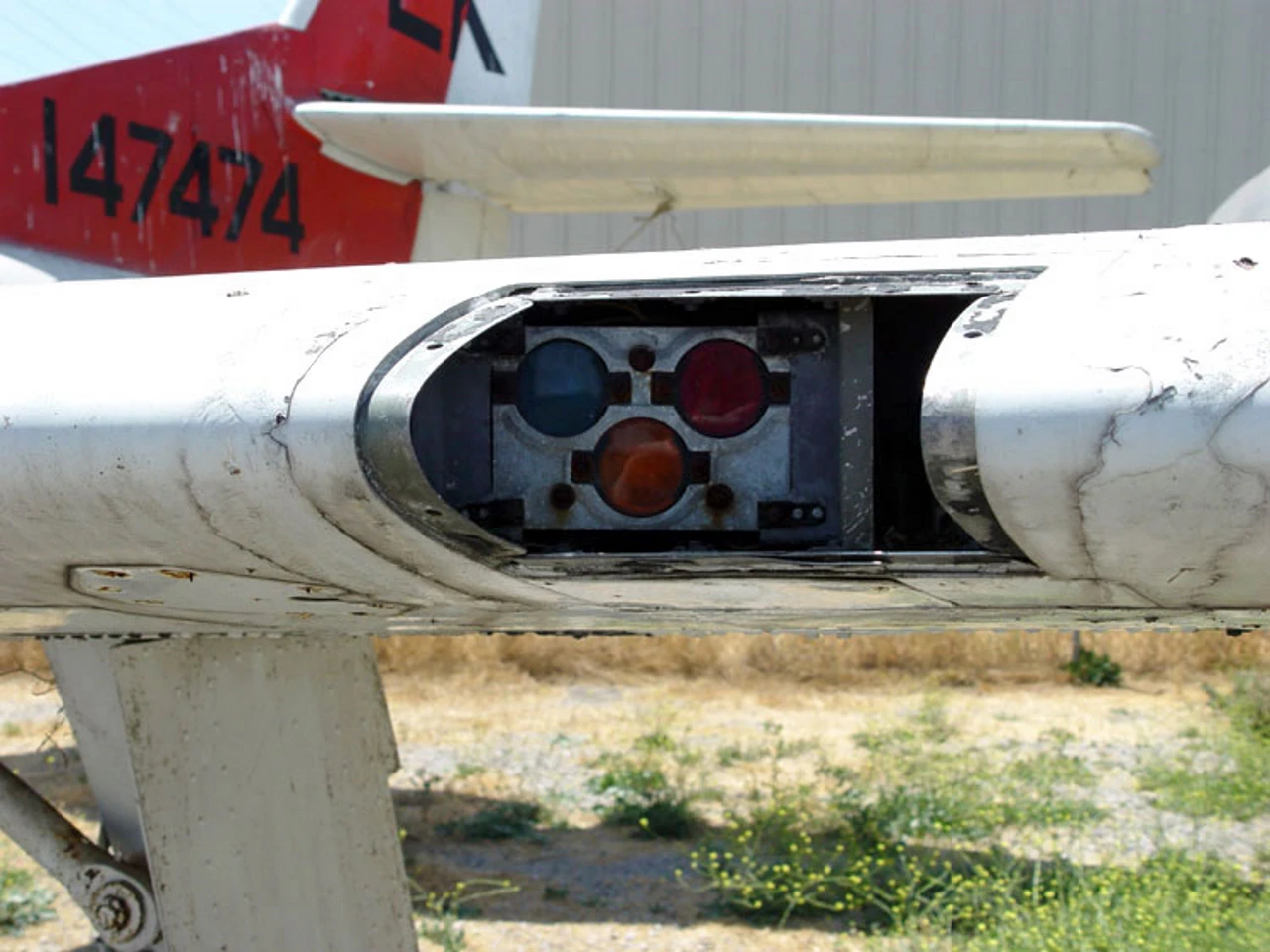

| North American T-2C Buckeye Walk Around | |
|---|---|
| Fotograaf | Cees Hendriks |
| Lokalisatie | Onbewust |
| Foto 's | 80 |
| North American T-2 Buckeye Walk Around | |
|---|---|
| Fotograaf | Unknow |
| Lokalisatie | Onbewust |
| Foto 's | 32 |
| North American T-2C ‘Buckeye’ Walk Around | |
|---|---|
| Fotograaf | Unknow |
| Lokalisatie | Onbewust |
| Foto 's | 14 |
Zie ook:


The Foundation of Naval Aviation
De Northrop T-2 Buckeye was the U.S. Navy’s primary intermediate jet trainer for nearly five decades. Entering service in 1959, it was designed specifically to bridge the gap between initial propeller training and high-performance fleet jets like the F-4 Phantom or F-14 Tomcat. Known for its rugged “all-metal” durability and remarkably forgiving flight characteristics, the Buckeye was the first jet thousands of naval aviators used to perform their first Carrier Qualifications (CQ). Its wide, tricycle landing gear and low stall speed made it the perfect tool for the violent “controlled crash” of a carrier landing.
| Attribute | Technical Specification (T-2C) |
|---|---|
| Role | Intermediate Jet Trainer |
| Bemanning | 2 (Student and Instructor in tandem) |
| First Flight | January 31, 1958 (T2J-1) |
| Krachtbron | 2 × General Electric J85-GE-4 turbojets |
| Thrust | 2,950 lbf (13.1 kN) per engine |
| Maximum Speed | 522 mph (840 km/h) |
| Service Ceiling | 40,400 feet (12,315 m) |
| Bewapening | Usually unarmed; wing hardpoints for practice bombs/gun pods |
Design Engineering: Built for the “Boat”
- Straight-Wing Stability: Unlike the swept-wing fighters students would eventually fly, the Buckeye used an unswept wing. This provided excellent lift and stability at the low speeds required for approaching a carrier deck, ensuring the student didn’t “stall out” during the final seconds of a landing.
- Raised Instructor Seating: To give the instructor (sitting in the back) a clear view over the student’s head during landings, the rear cockpit was significantly elevated. This “stadium seating” became a standard feature in later trainers.
- Rugged Carrier Gear: The T-2 featured heavy-duty landing gear and a robust arresting hook designed to take the immense structural loads of catching a wire on a pitching deck thousands of times over its lifespan.
- Engine Evolution: The T-2 started as a single-engine jet (T-2A). However, the Navy preferred the safety of two engines for over-water operations. The T-2B and T-2C added a second engine, allowing the plane to fly home even if one failed.
A Half-Century Legacy
- “The Buckeye State”: The aircraft was named after the state of Ohio (the Buckeye State), as it was manufactured at North American Aviation’s plant in Columbus.
- Global Trainer: While primarily a U.S. Navy asset, the Buckeye was also exported to the Greek Air Force and the Venezuelan Air Force, where it was used for both training and light attack roles.
- NASA Chase Plane: Like the T-38, the Buckeye served NASA as a chase plane and a high-stability platform for testing various flight systems.
- End of an Era: The T-2 was officially retired from U.S. Navy service in 2008, replaced by the digital-cockpit **Boeing T-45 Goshawk**. However, its reputation for being “built like a tank” remains legendary among those who flew it.
Bekeken: 4902
U ook zien :
 Noord-Amerikaanse F-82 Twin Mustang – Foto's & Video's
 Noord-Amerikaanse X-15 - Foto's & Video's
 Noord-Amerikaanse A-5 Vigilante - Foto's & Video
 Noord-Amerikaanse O-47 - Foto's & Video
 Noord-Amerikaanse B-45 Tornado - Foto's & Video
 North American Rockwell OV-10 Bronco – Foto's & Video
 Noord-Amerikaanse A-36A Apache – Foto's & Video
 Noord-Amerikaanse FJ-3 Fury - Foto's & Video
 Noord-Amerikaanse F-86 Sabre – Foto's & Video
 Noord-Amerikaanse T-6 Texaans – Foto's &Video
Goed gedaan! Geweldige referentie! Ik ben het bouwen (proberen is nauwkeuriger) de 1/72 Body Job conversie kit en ik vind uw foto's zeer nuttig. Hartelijk dank.