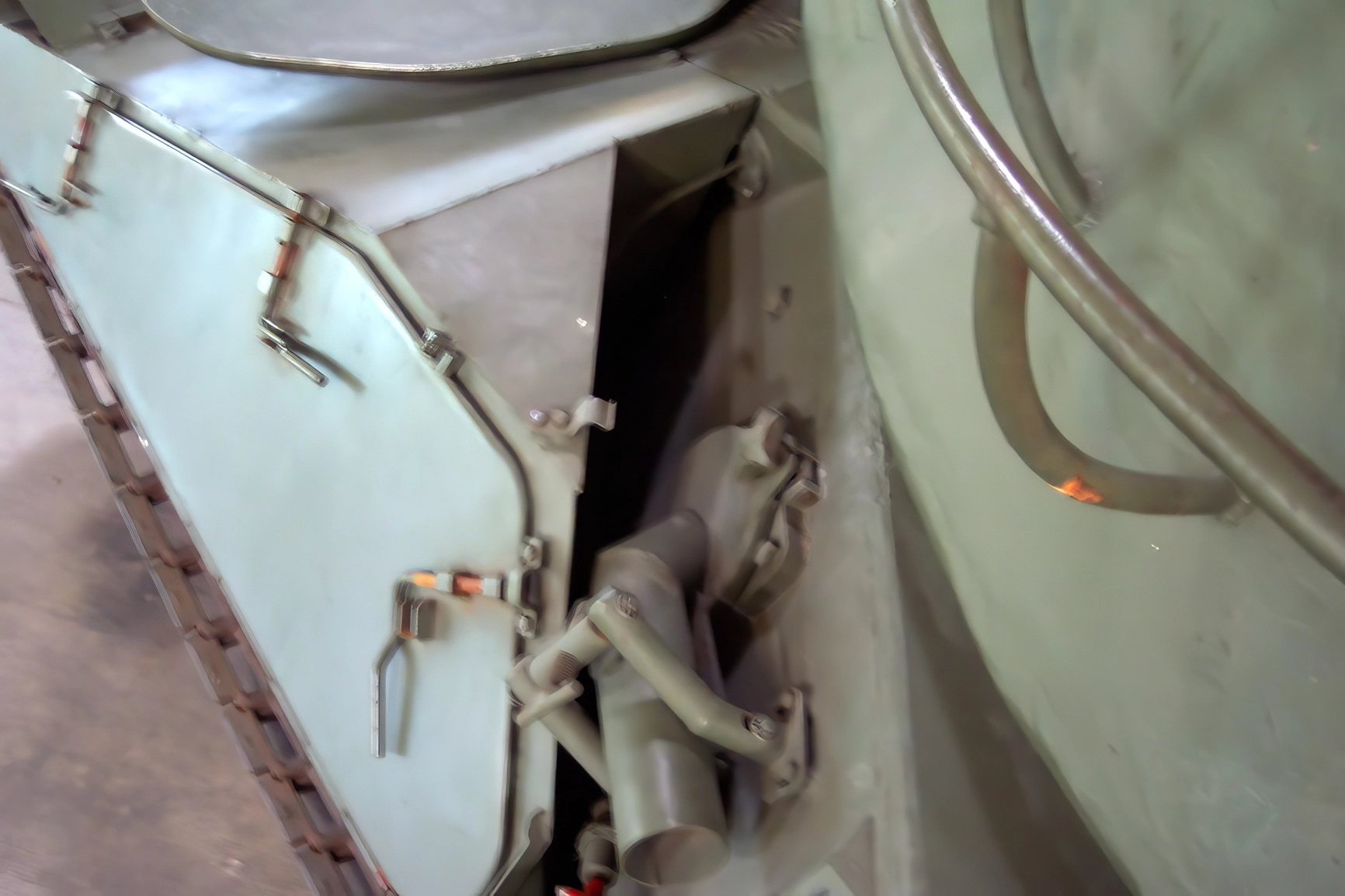
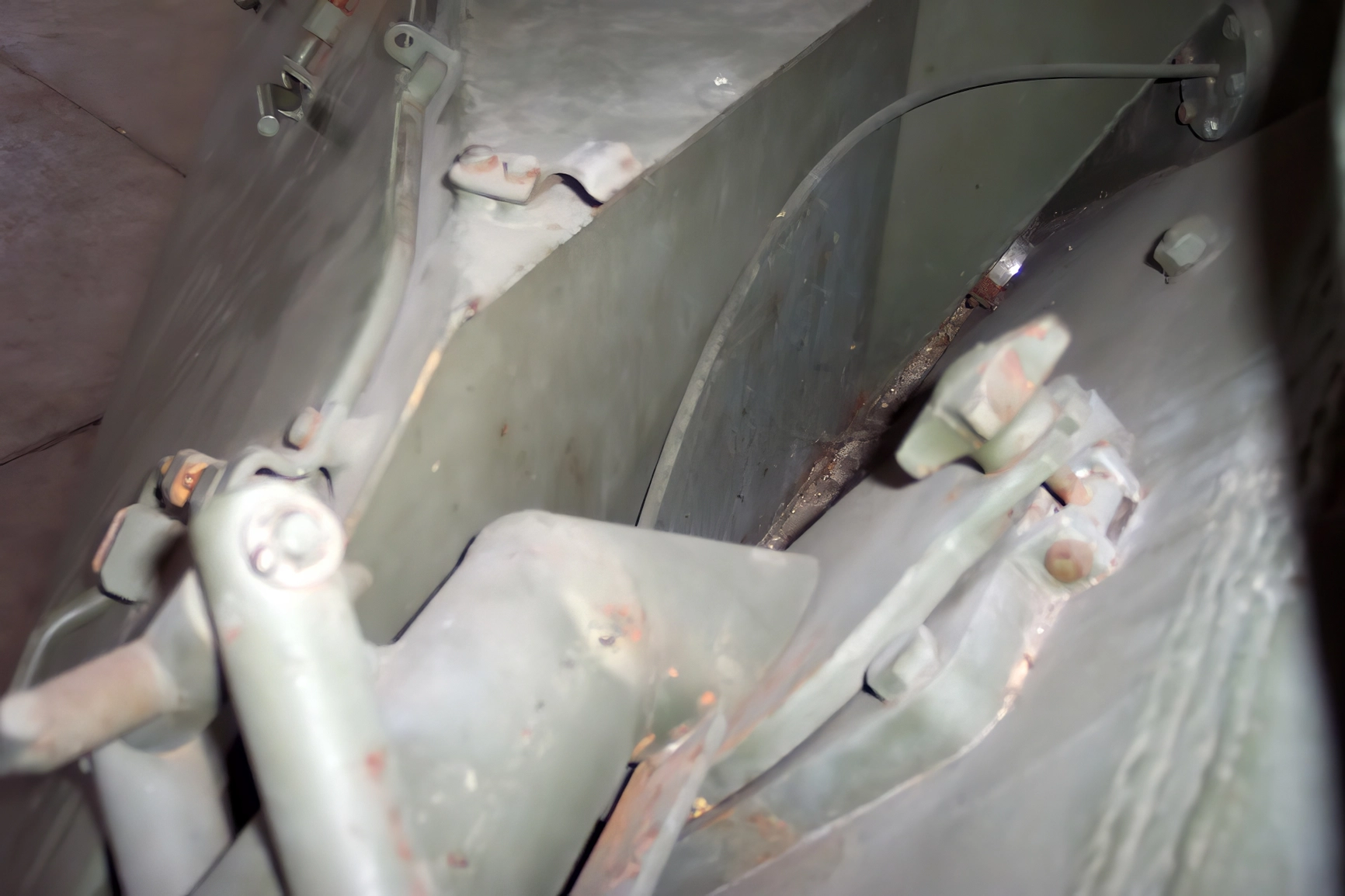
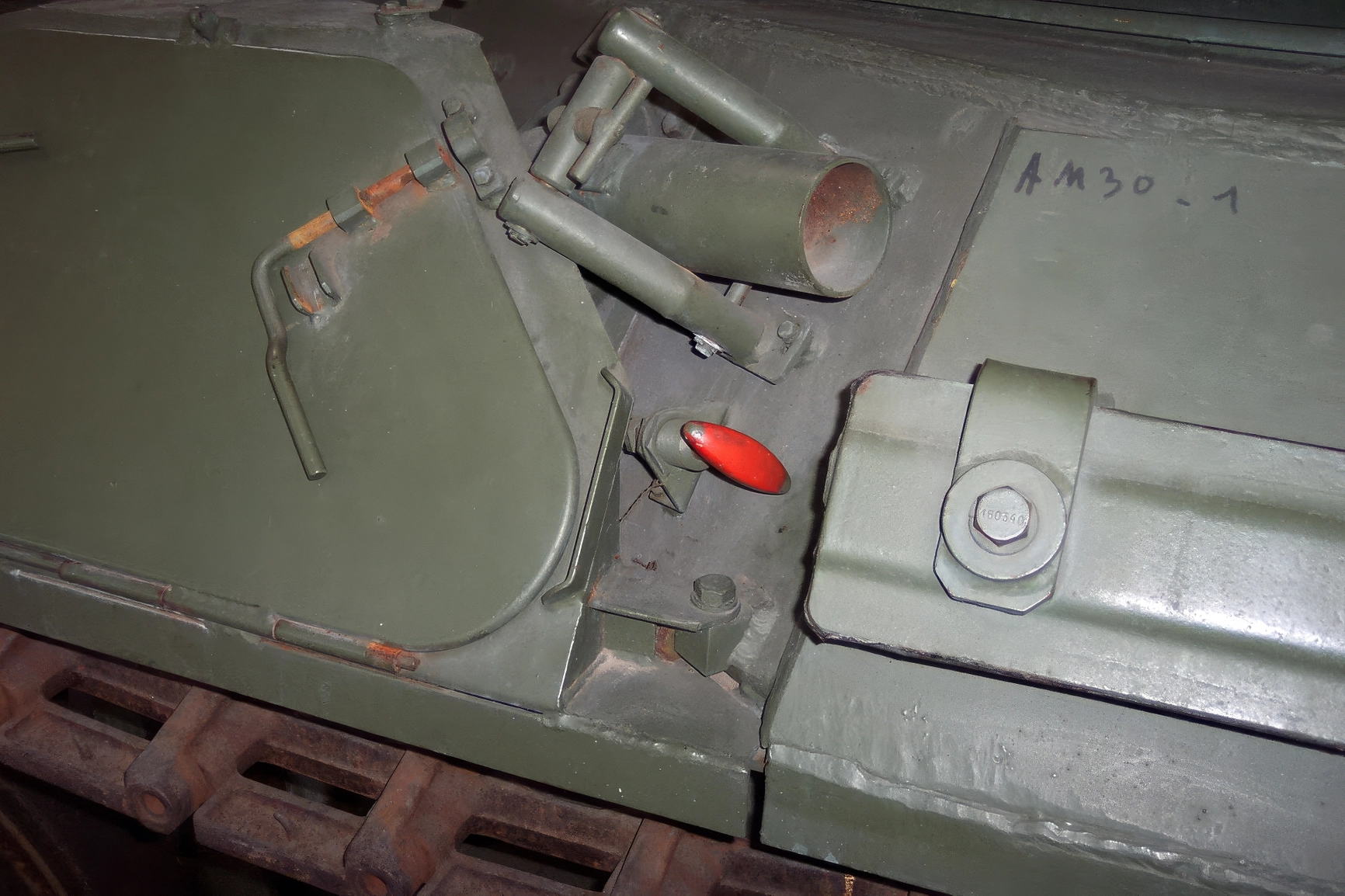
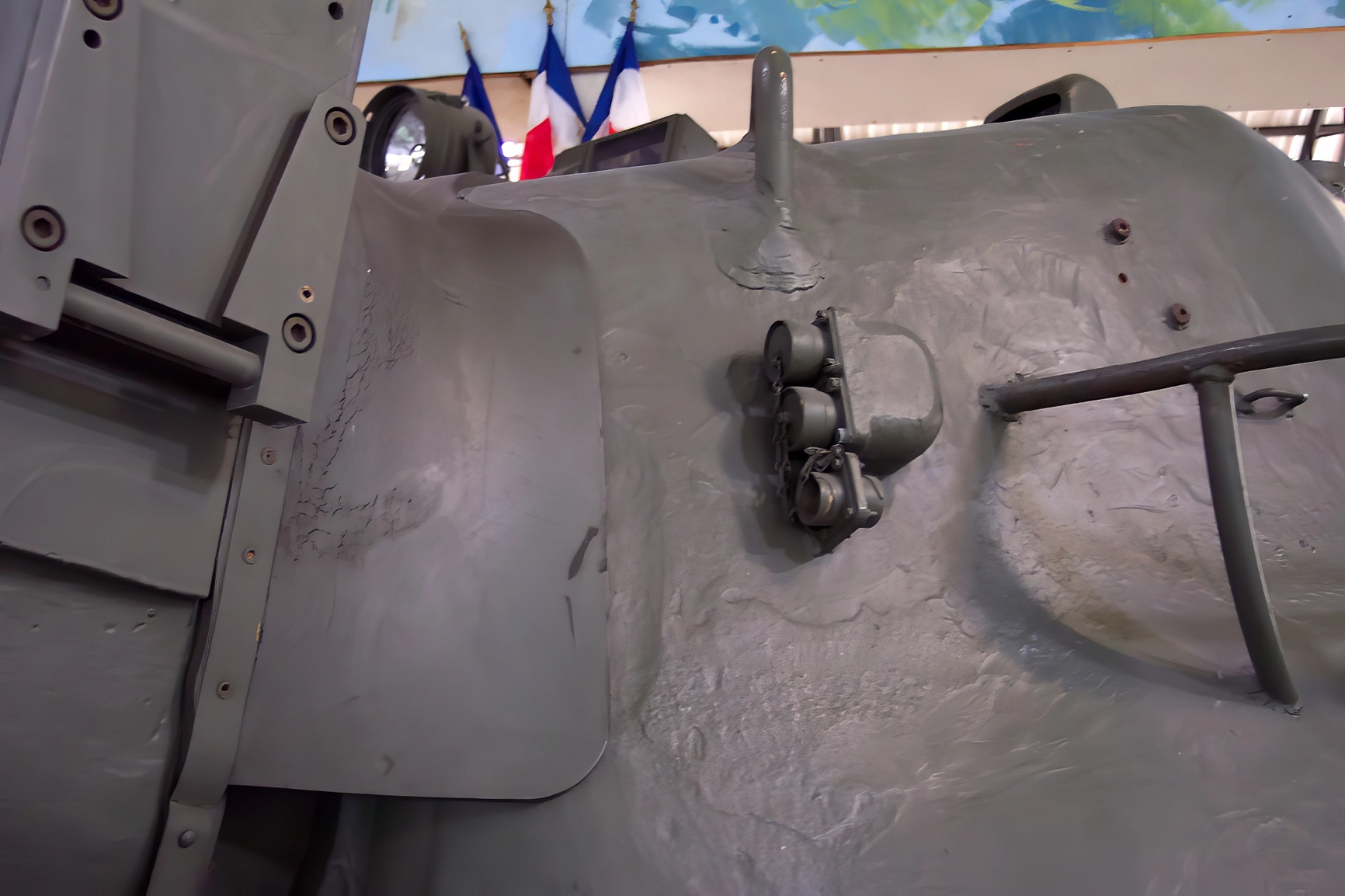
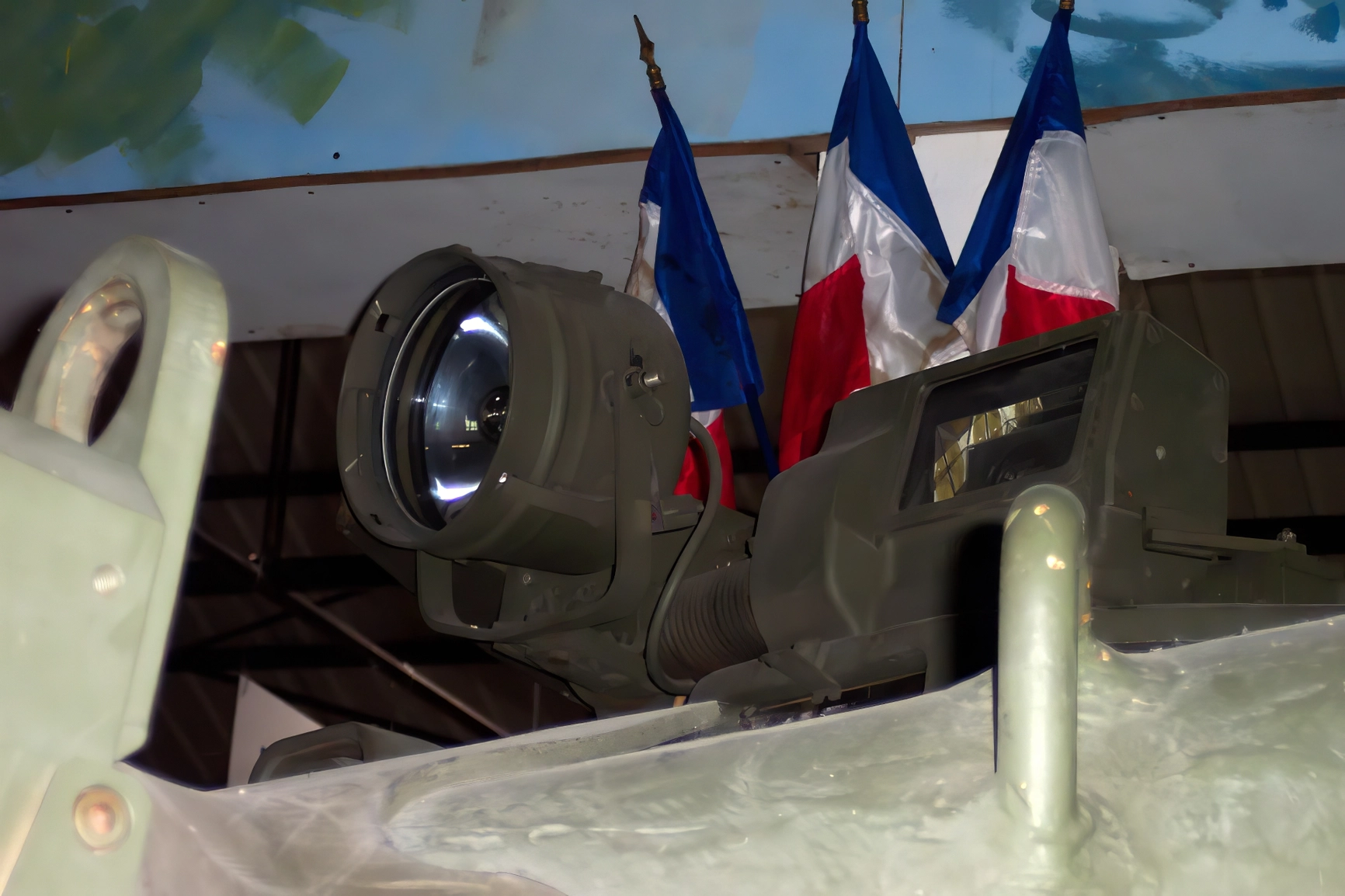
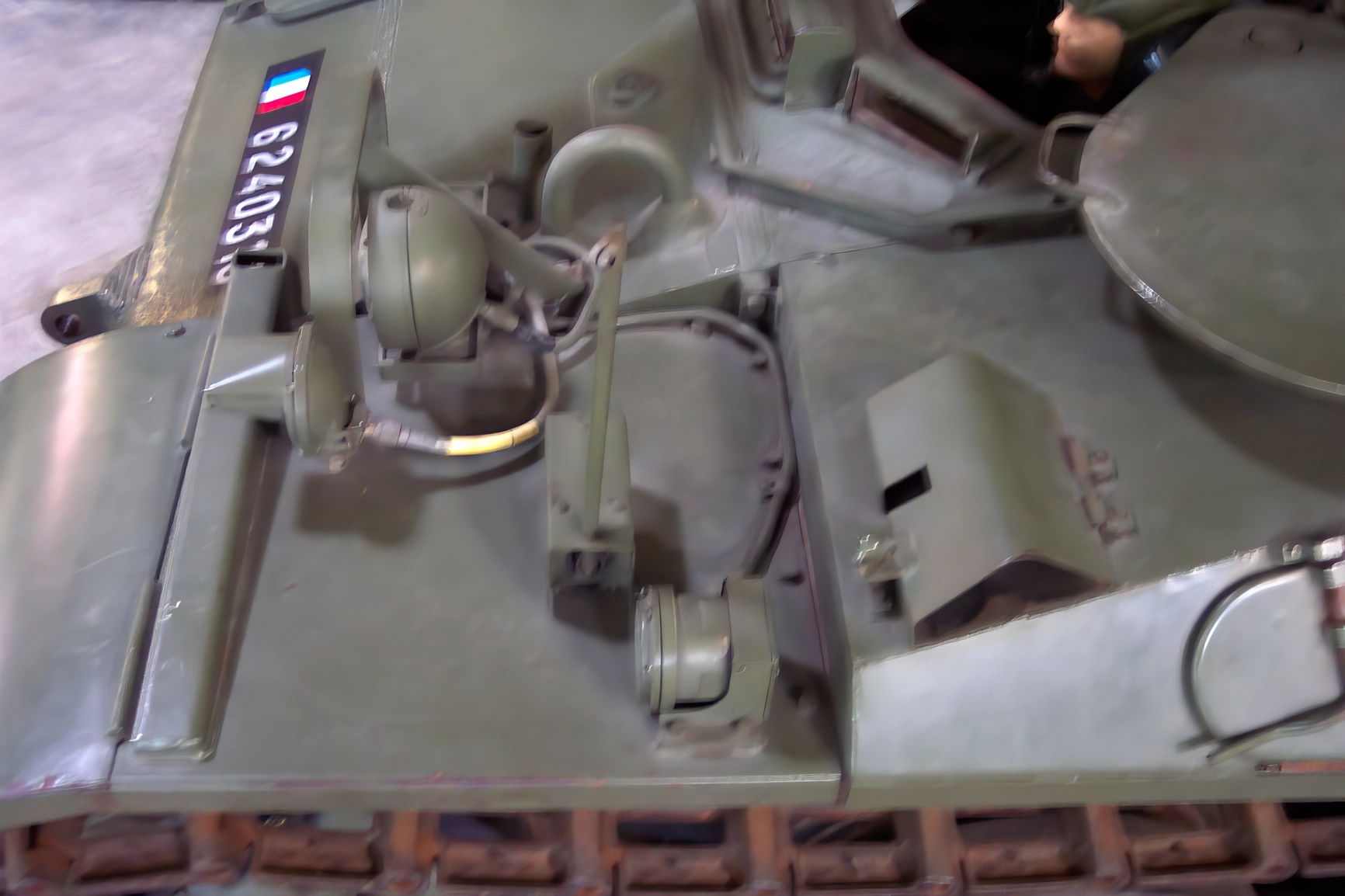
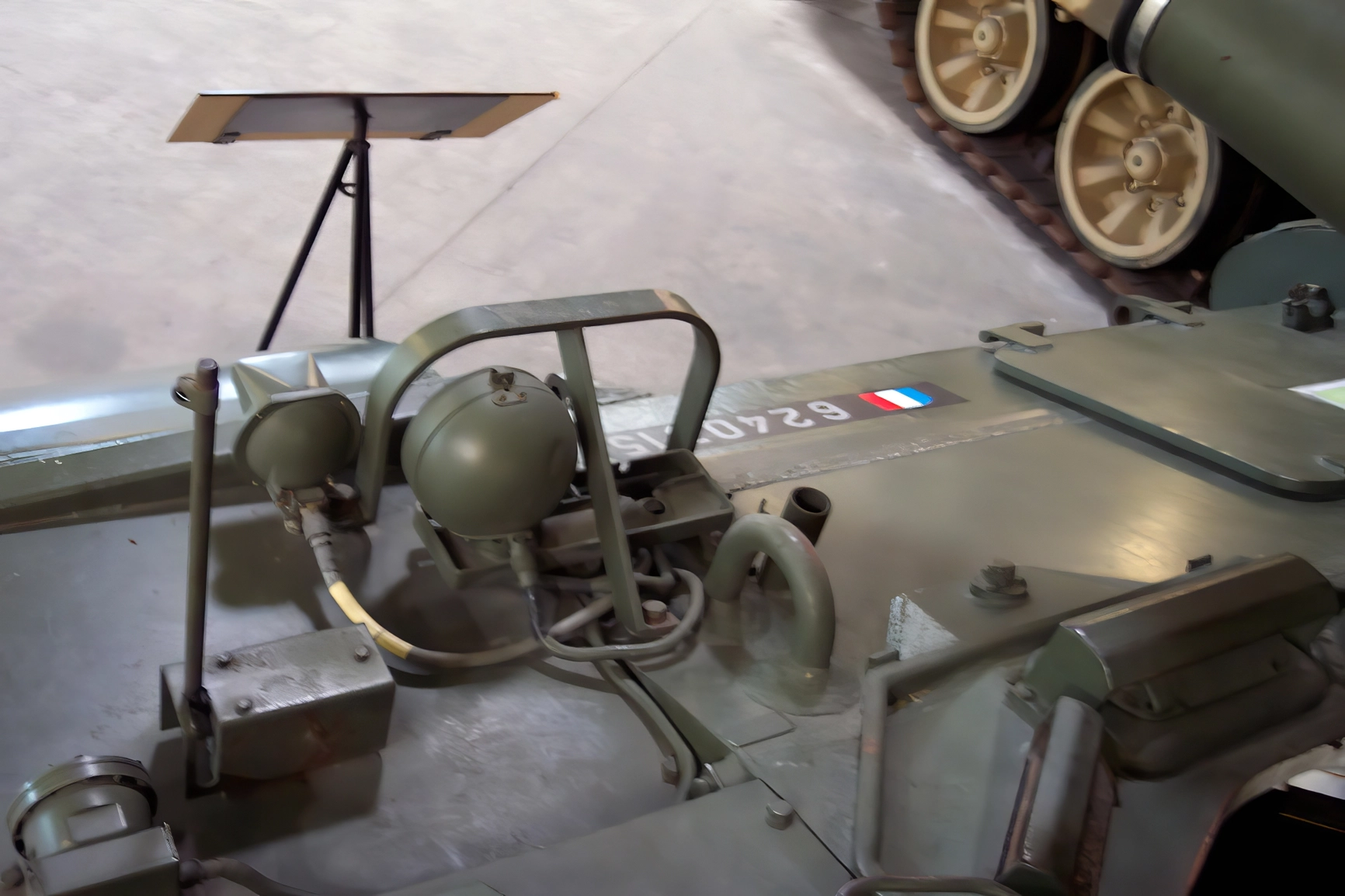
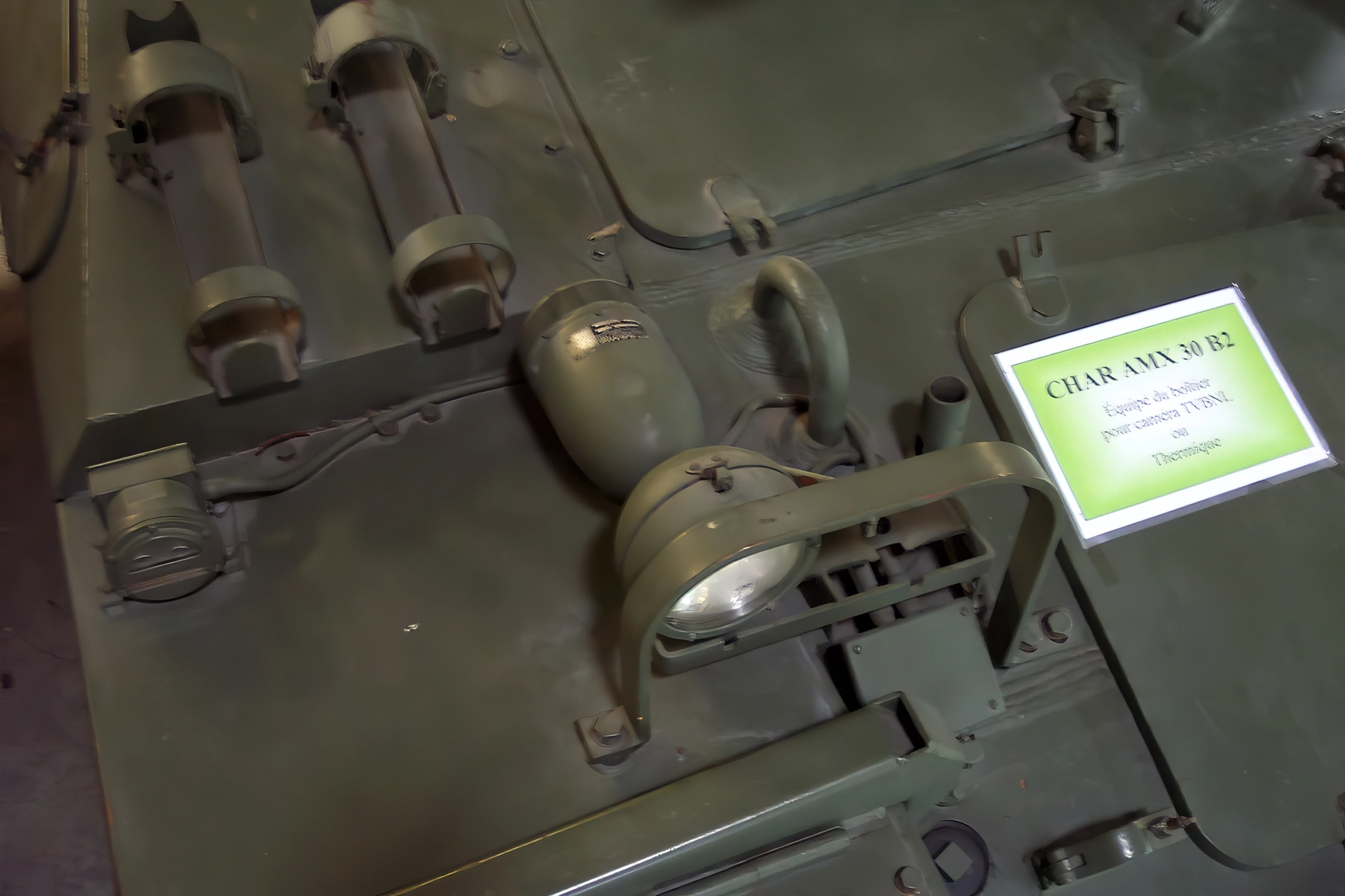
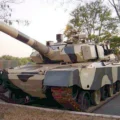
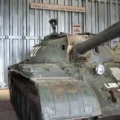
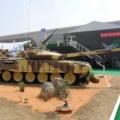
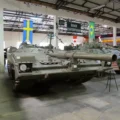
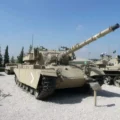
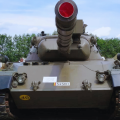
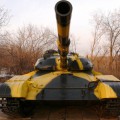
Fotogalerij van een AMX-30B2, De AMX-30 is een belangrijke gevechtstank van het Franse leger. De eerste productieversies van de AMX-30, amx 30b genoemd om ze te onderscheiden van de AMX 30A prototypes, werden voltooid in juni 1966, vervaardigd met een gelaste en gegoten romp en een volledig gegoten torentje.
AMX-30 B2: vervanging van de optische telemetrie telemetrielaser en installatie van een brand-analoog (de AMX30B2 heeft niet langer de optische kant van het torentje, maar een lens gemonteerd voor de koepeltankcommandant). Verbeterde vuurkracht, mobiliteit en bescherming.
The AMX-30 was the first Main Battle Tank (MBT) designed by France after World War II, developed to meet the needs of the French Army for a modern, indigenous tank. Its design philosophy broke with the heavily armored concepts prevalent at the time, prioritizing mobility and firepower over heavy protection. The French doctrine was based on the belief that thick armor could not fully protect against modern anti-tank munitions anyway. Instead, the AMX-30 emphasized low weight, high road speed, and a powerful gun capable of defeating enemy armor. Its primary role was to form the backbone of French armored formations, capable of rapid movement across the battlefield and engaging enemy tanks at long ranges. The tank was named for its design weight of approximately 30 tonnes, although later variants exceeded this.
Property
Typical Value (AMX-30 B)
Type
Main Battle Tank (MBT)
National Origin
Frankrijk
Fabrikant
Ateliers de construction d’Issy-les-Moulineaux (AMX)
Entered Service
1966
Bemanning
4 (Commander, Gunner, Loader, Driver)
Combat Weight
Approx. 36 tonnes
Length (Gun Forward)
9.48 m (31 ft 1 in)
Powerplant and Firepower
Engine: 1 x Hispano-Suiza HS-110 multi-fuel diesel engine (later replaced by the more powerful HS-110-2).
Engine Power: 720 hp (537 kW).
Maximum Road Speed: 65 km/h (40 mph).
Main Armament: 1 x 105 mm Modèle F1 gun (50 rounds). This gun utilized a unique Obus G HEAT (High Explosive Anti-Tank) projectile that was highly effective and required no range adjustment, fitting the tank’s mobile philosophy.
Secondary Armament: 1 x 20 mm M693 cannon (coaxial, 1,050 rounds) for engaging light armored vehicles and helicopters, and 1 x 7.62 mm or 7.5 mm machine gun (on the cupola).
Armor: Ranged from 15 mm to 80 mm. Protection was moderate, relying on sloped angles and speed rather than bulk.
Distinctive Feature: The tank utilized an unusual configuration of a smaller 20 mm cannon mounted coaxially with the main gun, allowing the crew to engage targets without expending the 105 mm ammunition.
Service History and Legacy
Cold War Role: The AMX-30 served as France’s primary tank throughout the latter half of the Cold War until it was replaced by the Leclerc MBT.
Export Success: The tank was a major export success for France, being sold to over ten countries, including Spain, Saudi Arabia, Qatar, and Venezuela.
Operation Experience: AMX-30s saw combat during the Gulf War (1991), primarily with the Saudi Arabian armed forces, where they successfully engaged Iraqi armor.
AMX-30 B2 Upgrade: A major upgrade program led to the AMX-30 B2 variant, which included a new transmission, improved fire control systems, and better night vision capabilities.
Variants: The AMX-30 chassis was the basis for a large family of vehicles, including the AMX-30D recovery vehicle, the AMX-30 AuF1 self-propelled howitzer, and various anti-aircraft systems.
Retirement: The AMX-30 was formally retired from French Army service in the early 2000s, though many variants and export models remain in service globally.