D4Y Suisei Comet Judy | |
|---|---|
| 국가 | 일본 |
| 역할 | 다이빙 폭격기 |
| 첫 비행 | 1940년 12월 |
| 내장 | 2038 |
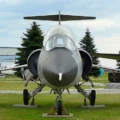
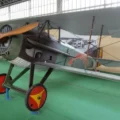
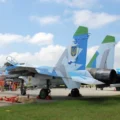
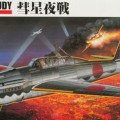
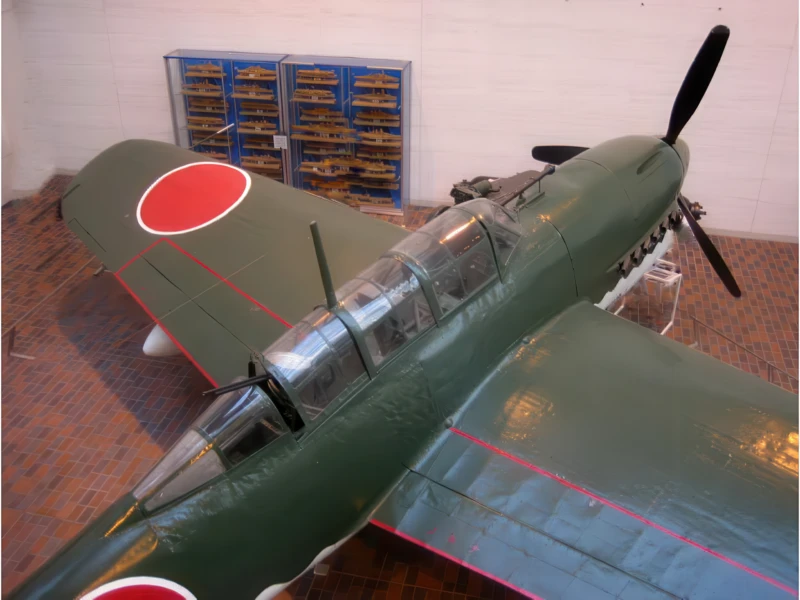
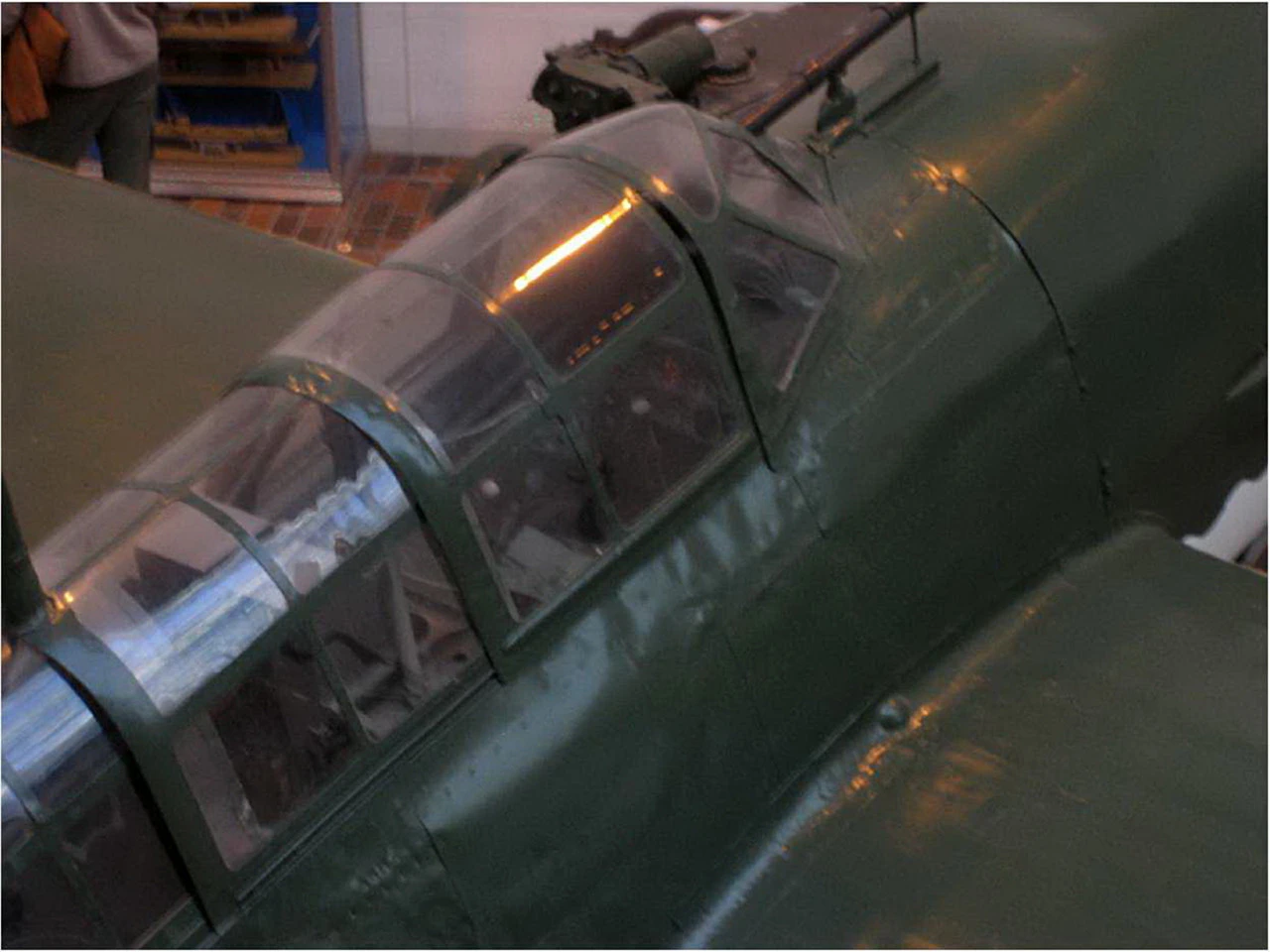
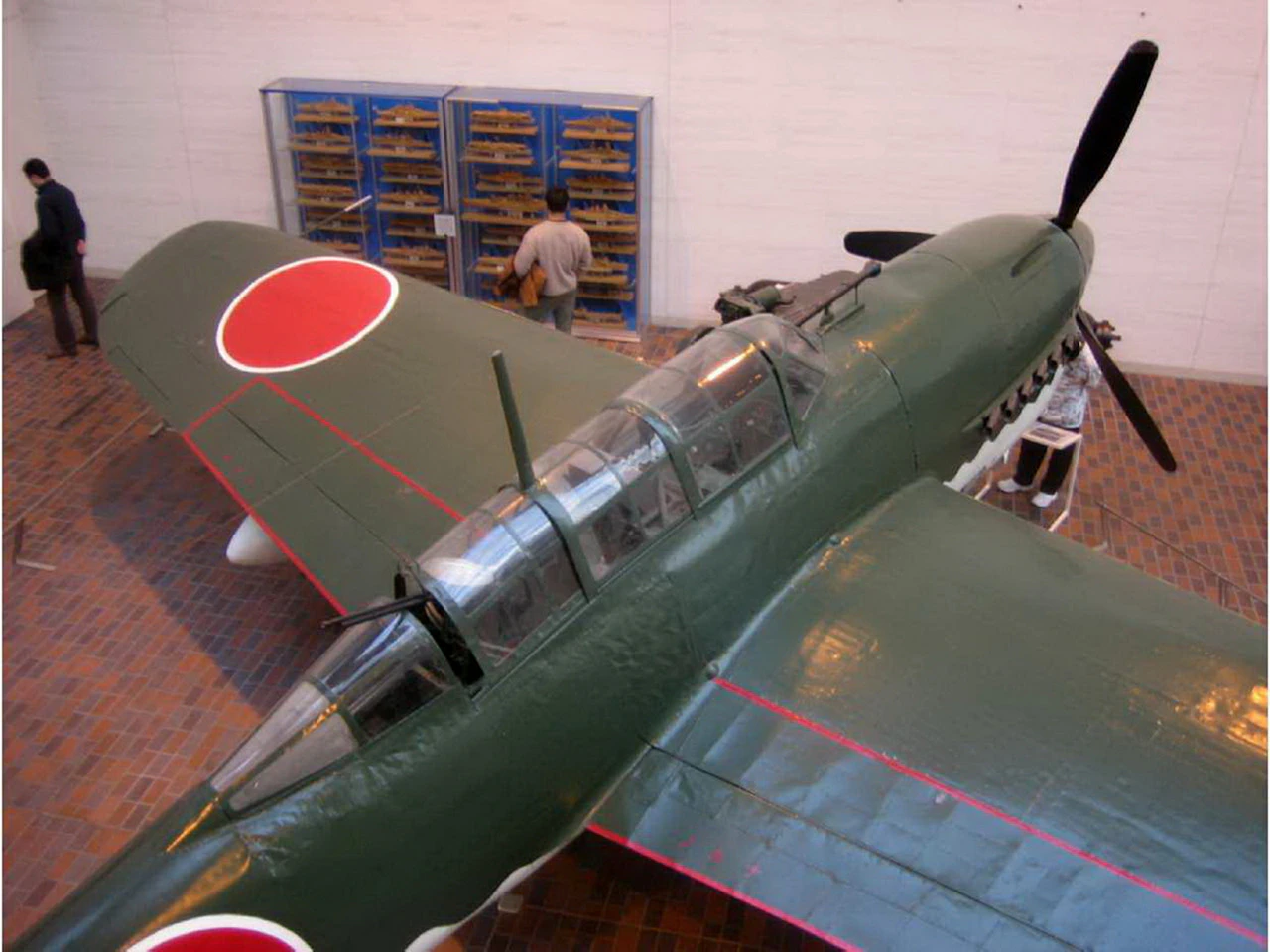
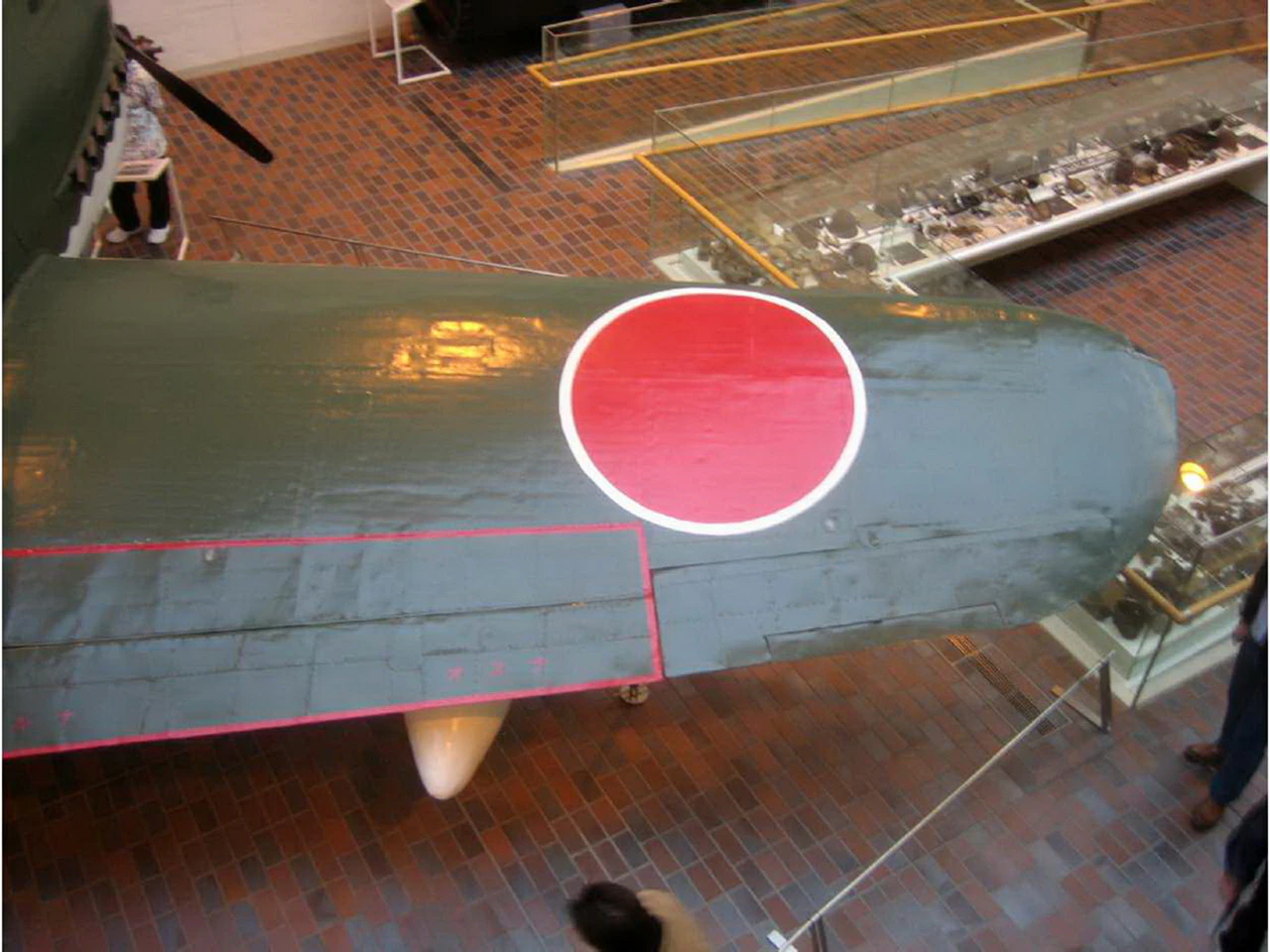
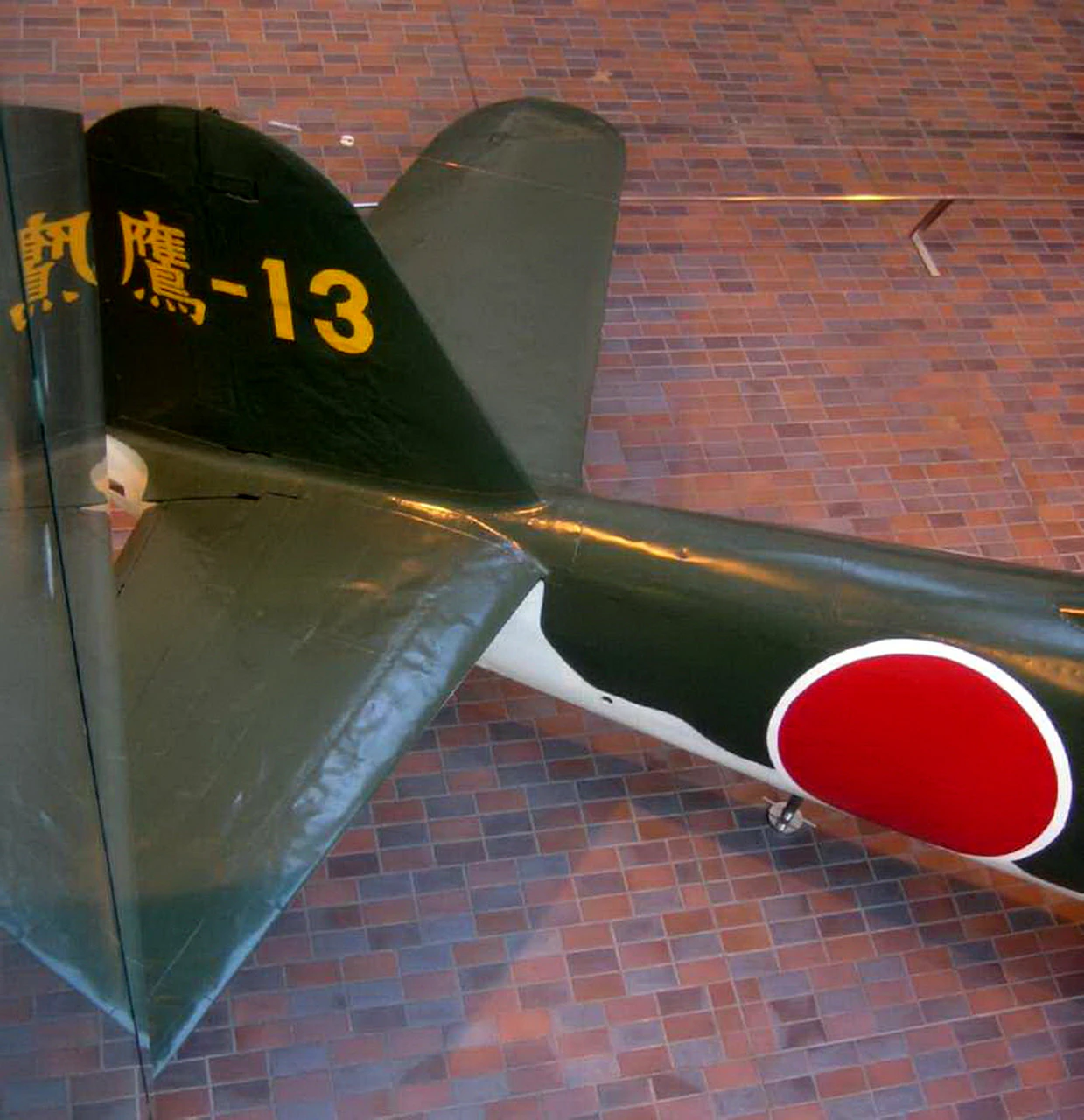
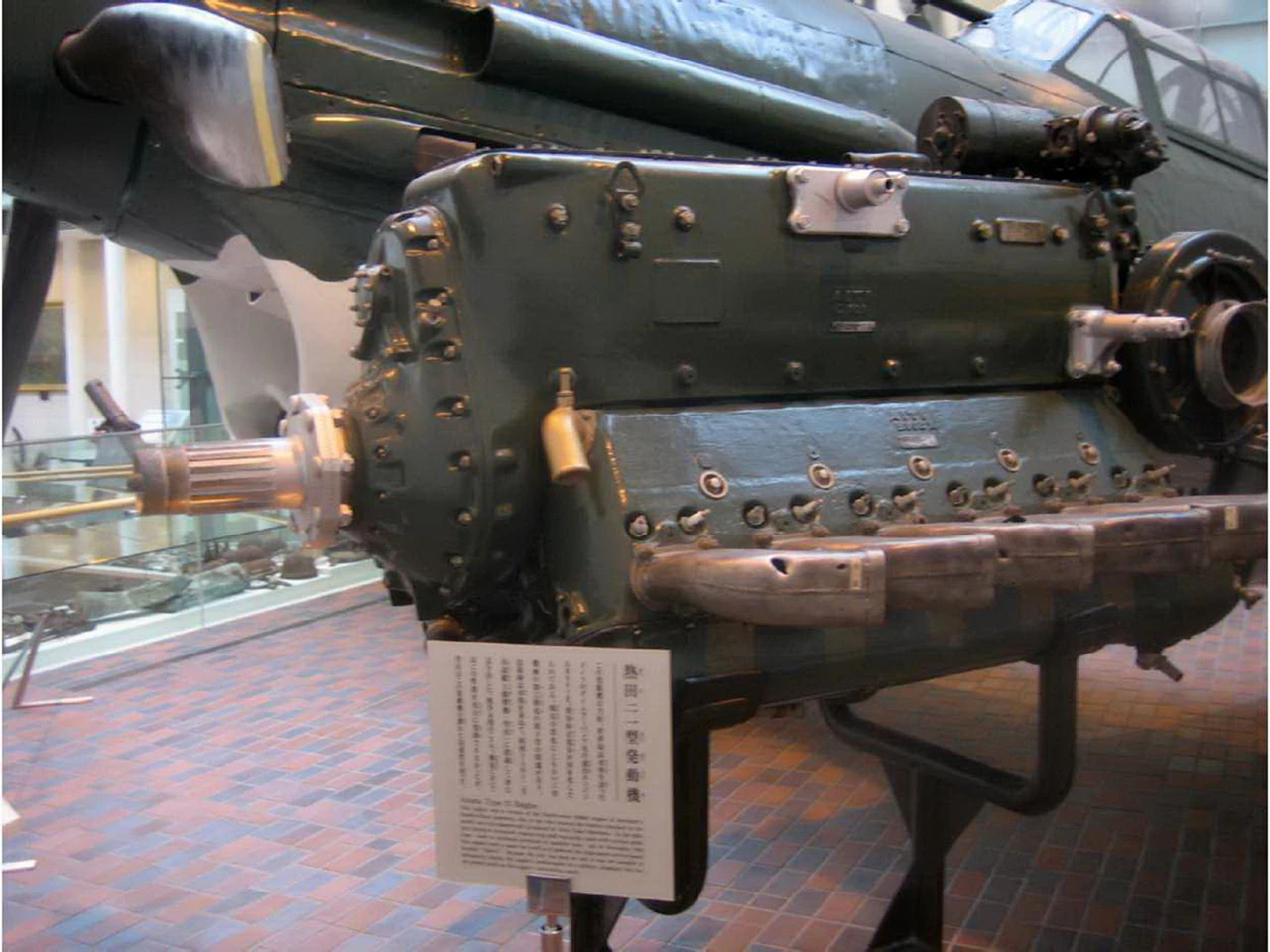
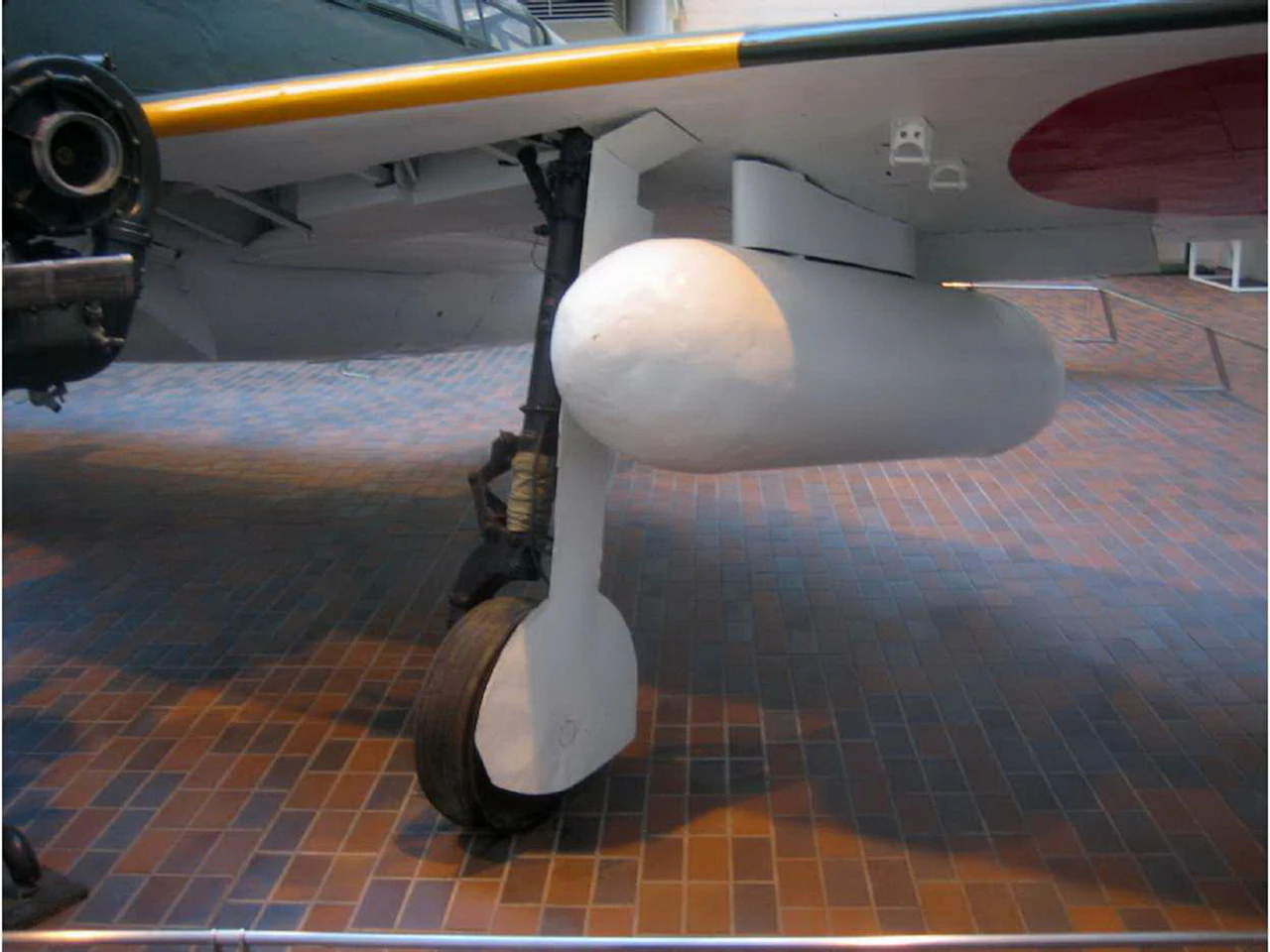
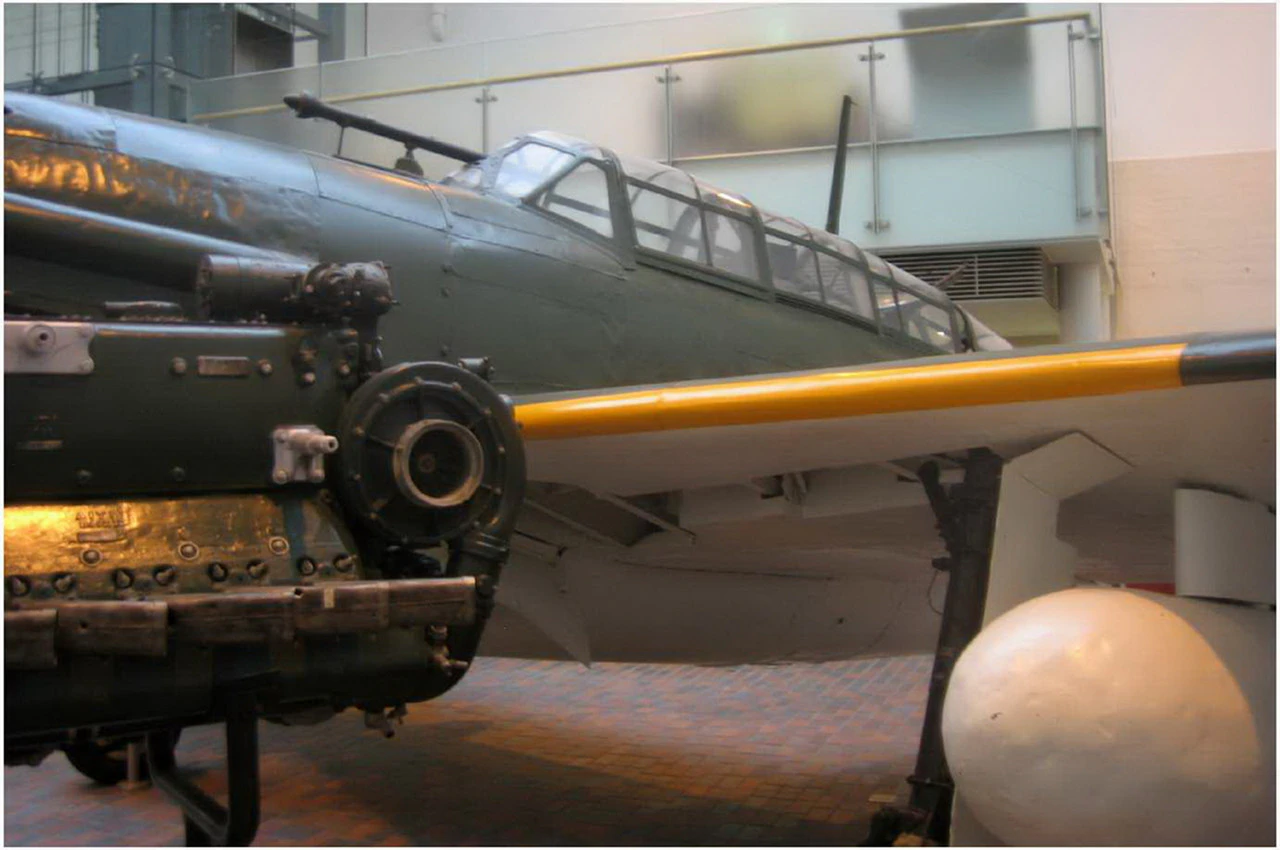
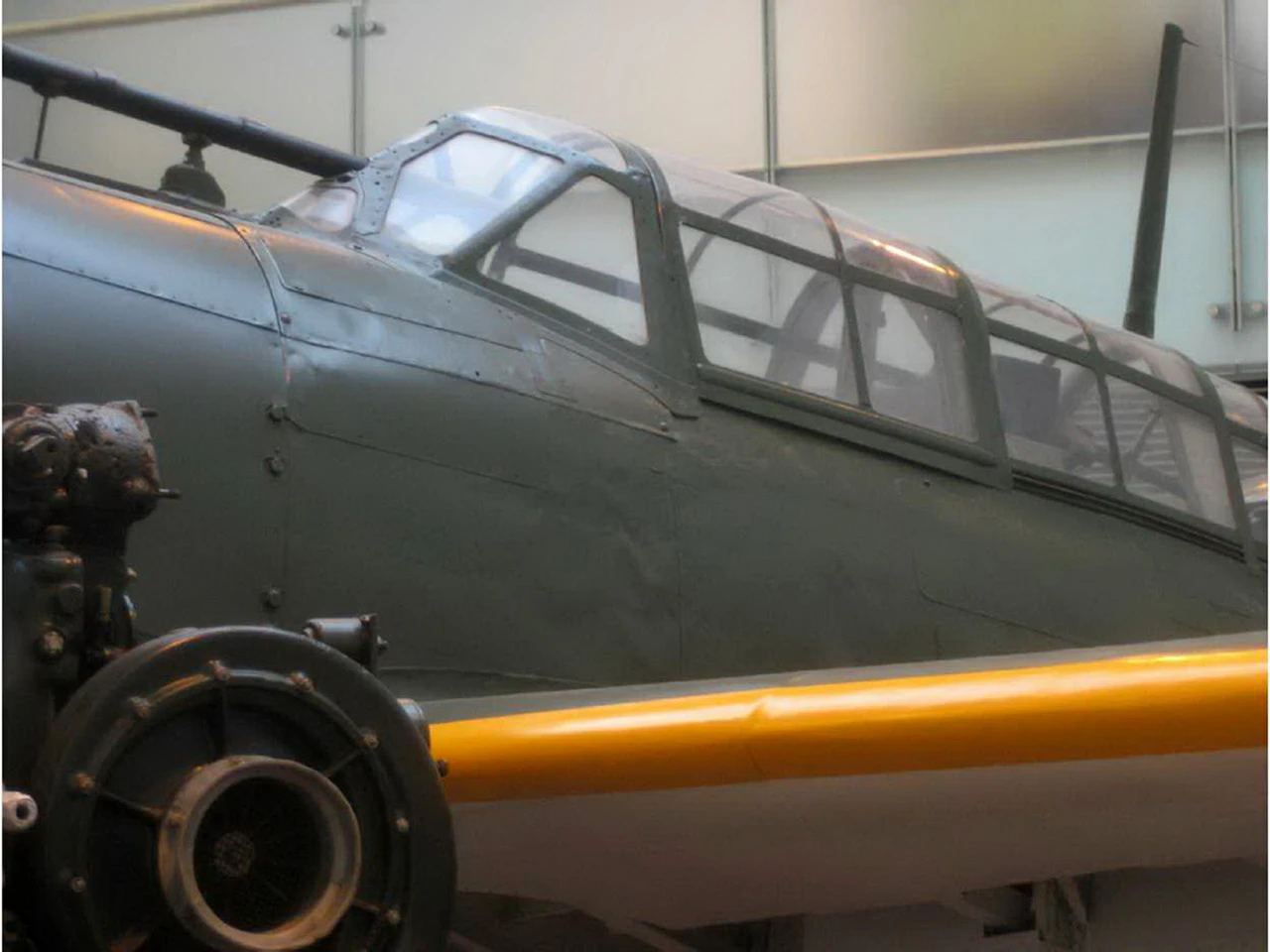
D4Y 수이세이 혜성 주디, 요코스카의 사진 갤러리 (요코스카?) D4Y 수이세이(彗星 "혜성") 해군형 2캐리어 다이브 폭격기는 일본 해군이 운용했다. 연합군의 보고 이름은 "주디"였습니다. D4Y는 전쟁에서 가장 빠른 다이빙 폭격기 중 하나였으며 개발 지연만이 서비스를 방해했으며, 전임자인 느린 고정 장비 Aichi D3A는 의도한 것보다 훨씬 오래 복무했습니다. 사용이 제한되어 있음에도 불구하고 D4Y의 속도와 범위는 여전히 가치가 있었고, 이 유형은 정찰 항공기와 가미카제 임무의 성공과 함께 사용되었습니다.
| D4Y Suisei Comet Judy | |
|---|---|
| 사진 작가 | Unknow |
| 로컬라이제이션 | Unknow |
| 사진 | 76 |

| Yokosuka D4Y Suisei ‘Judy’ Walk Around | |
|---|---|
| 사진 작가 | 시스 헨드릭스 |
| 로컬라이제이션 | Unknow |
| 사진 | 86 |
참고 항목:


The Fastest Dive Bomber of the Pacific
Tthe 요코스카 D4Y 스이세이 was a radical departure for Japanese naval aviation. While previous designs like the D3A “Val” relied on fixed gear and maneuverability, the Suisei was built for raw speed and streamlined efficiency. Inspired by the German Heinkel He 118, it featured an internal bomb bay and a liquid-cooled engine—a rarity for Japan. It was so fast that early models were used exclusively for high-speed reconnaissance, as they could outrun almost any Allied fighter they encountered in 1942. However, its lack of armor and self-sealing fuel tanks earned it a darker reputation among pilots as a “flying torch.”
| Attribute | Technical Specification (D4Y2 Model 12) |
|---|---|
| 역할 | Dive Bomber / Reconnaissance / Night Fighter |
| 승무원 | 2 (Pilot and Navigator/Radio Operator) |
| 엔진 | 1 × Aichi Atsuta AE1P (1,400 hp) — Licensed DB 601 |
| 최대 속도 | 550 km/h (342 mph) at 5,250 m |
| Service Ceiling | 10,700 m (35,100 ft) |
| 군비 | 2 × 7.7mm Type 97 (Nose) & 1 × 7.92mm Type 1 (Rear) |
| Internal Bomb Bay | 1 × 500 kg (1,100 lb) bomb |
| External Stores | 2 × 30 kg or 60 kg bombs under the wings |
Design Engineering: The German Heart & Japanese Spirit
- Liquid-Cooled Gamble: The D4Y1 and D4Y2 used the Aichi Atsuta engine, a licensed version of the German Daimler-Benz DB 601. This allowed for a very narrow, aerodynamic nose but proved to be a maintenance nightmare in the humid, salt-air environments of carrier decks.
- Internal Bomb Bay: Unlike the SBD Dauntless or the “Val,” the Suisei kept its primary 500 kg bomb inside the fuselage. This reduced drag significantly, allowing it to maintain fighter-like speeds even when fully loaded.
- The Radial Pivot (D4Y3): Reliability issues with the liquid-cooled engine eventually led to the D4Y3 variant, which swapped the sleek nose for a bulky Mitsubishi Kinsei 62 radial engine. While it lost some of its aerodynamic elegance, the reliability and ease of maintenance skyrocketed.
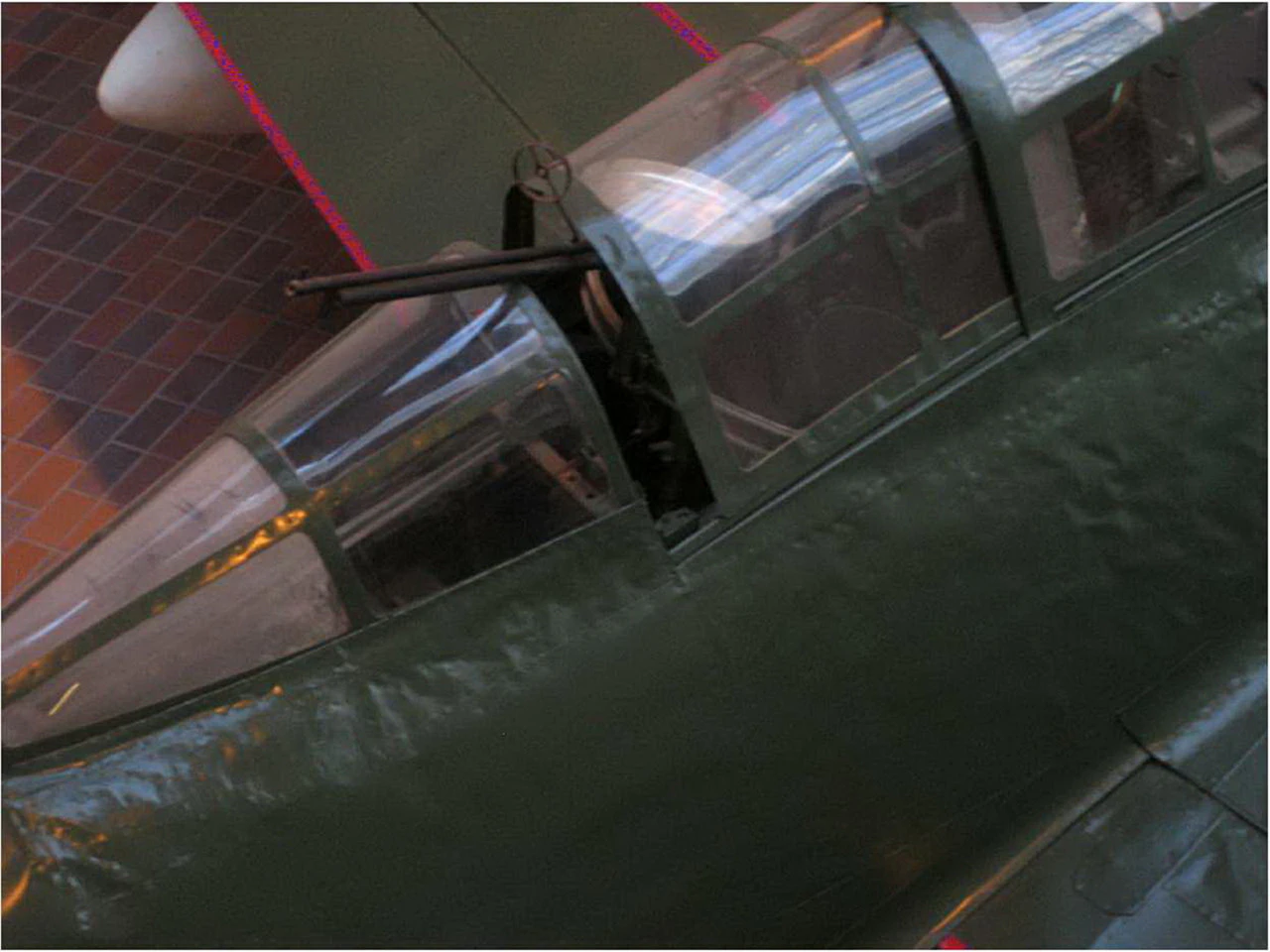
- The Glasshouse Canopy: The crew sat under a long, multi-paneled greenhouse. The navigator/observer had a specialized downward-facing window to spot targets and assist in high-altitude reconnaissance missions.
Operational History: From Midway to the Divine Wind
- The Silent Scout: Two pre-production Suiseis were present at the Battle of Midway aboard the Soryu. They were used to scout for the American fleet, and their speed meant they could penetrate enemy airspace and return with Intel before interceptors could close the distance.
- The “Flying Torch”: Because weight was prioritized over protection, the Judy lacked self-sealing fuel tanks. A single burst of incendiary fire from a Hellcat or Corsair often resulted in the plane erupting into a massive fireball—the “Comet” living up to its name in a tragic way.
- Night Fighter Variant (D4Y2-S): Some Suiseis were converted into night fighters. They removed the bomb equipment and installed a 20mm Type 99 cannon behind the pilot, firing upward at an angle (similar to the German Schräge Musik) to hunt B-29 bombers.
- The Final Variant (D4Y4): Near the end of the war, the D4Y4 was produced as a dedicated “Special Attack” (Kamikaze) aircraft. It was stripped of its rear seat and carried a massive 800 kg bomb semi-recessed into the fuselage, often equipped with rocket boosters to accelerate its final dive.
Views : 8435