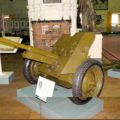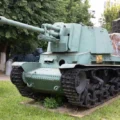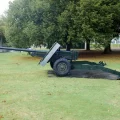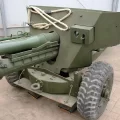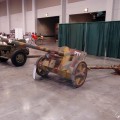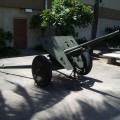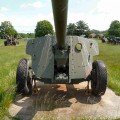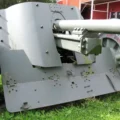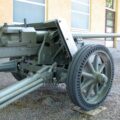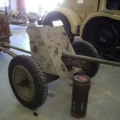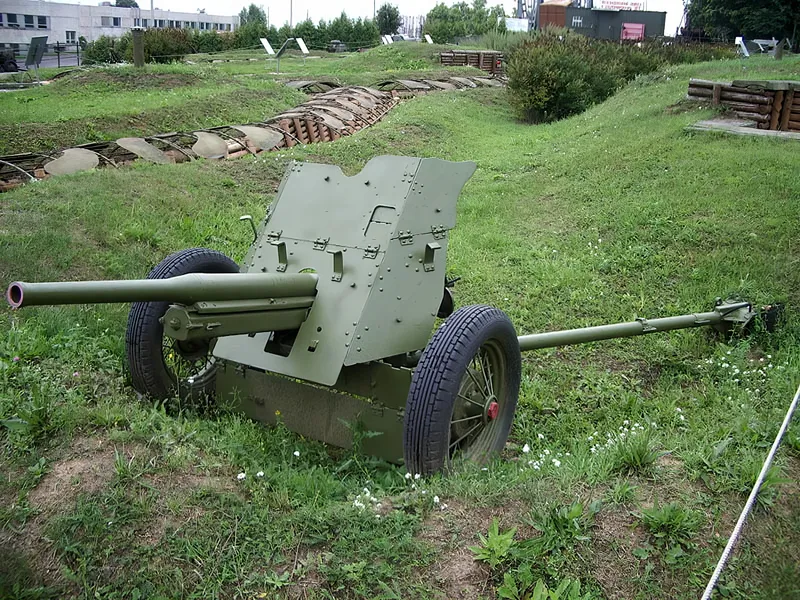
45mm 모델 1934 | |
|---|---|
| 국가 | 소련 사회주의 연방 공화국 |
| 형식 | 카논 |
| 항목 | 총의 사진 앨범 45mm 모델 1934 |
대전차 총 45mm의 사진 갤러리, The 45mm 대전차총 모델 1937 (공장 명칭 53-K)는 독일-소비에트 전쟁의 첫 번째 단계에서 사용 된 가벼운 빠른 발사 대전차 총이었다. 그것은 소련 포병 디자이너 M.N. Loginov에 의해 만들어졌습니다. 갑옷 침투가 불충분하기 때문에 긴 배럴 45mm 대전차포 M1942 (M-42)로 대체되었다.
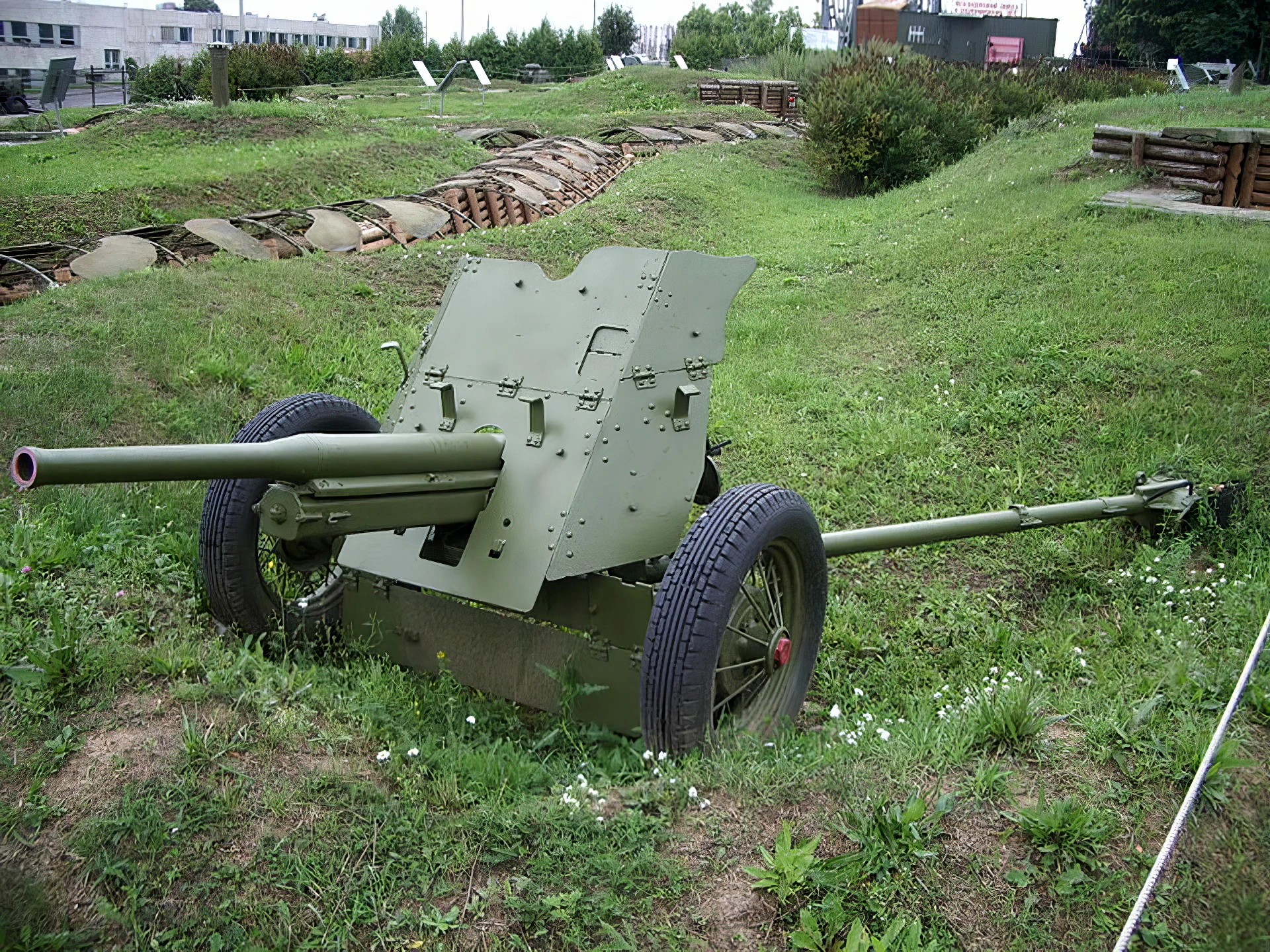
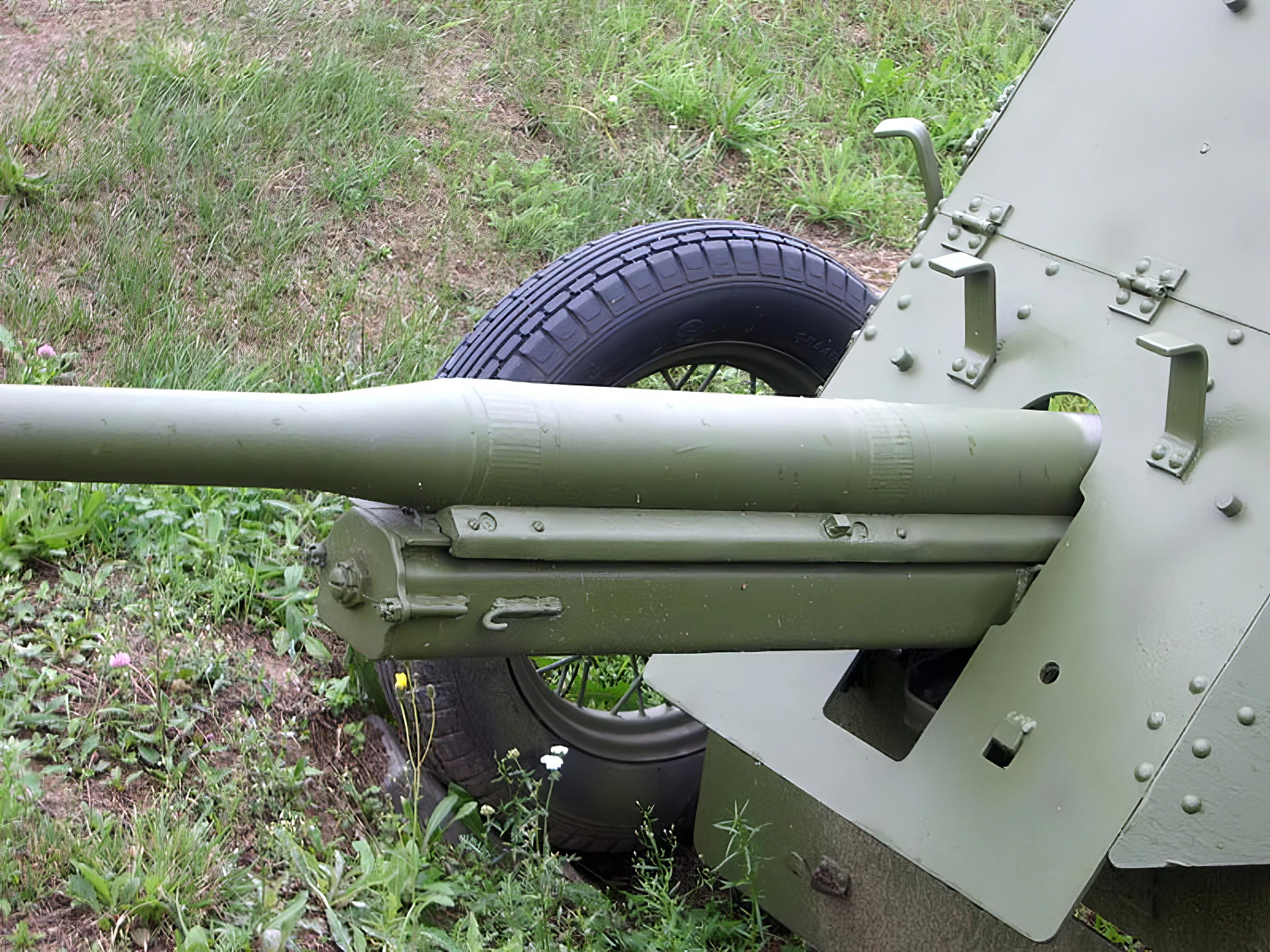
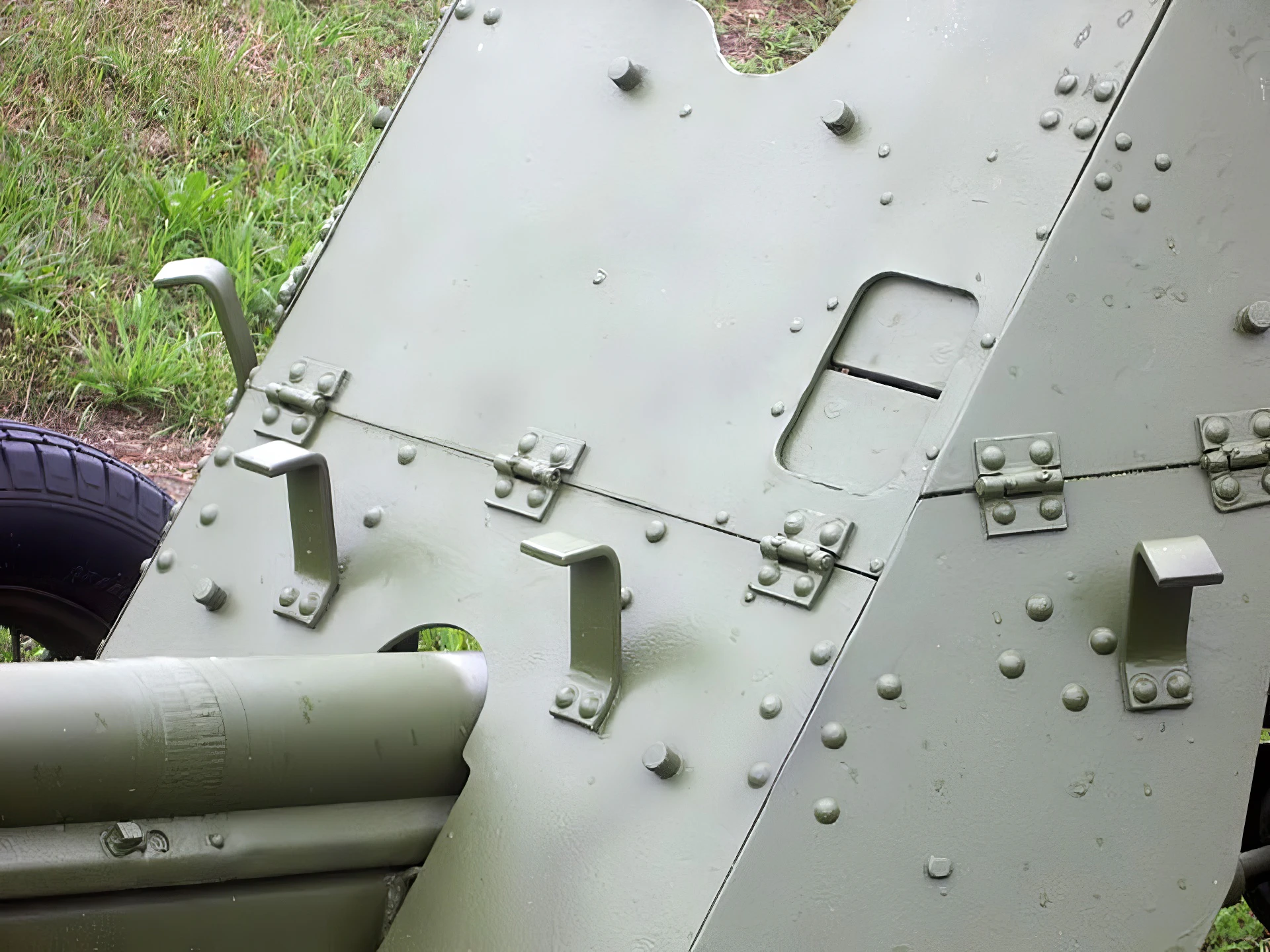
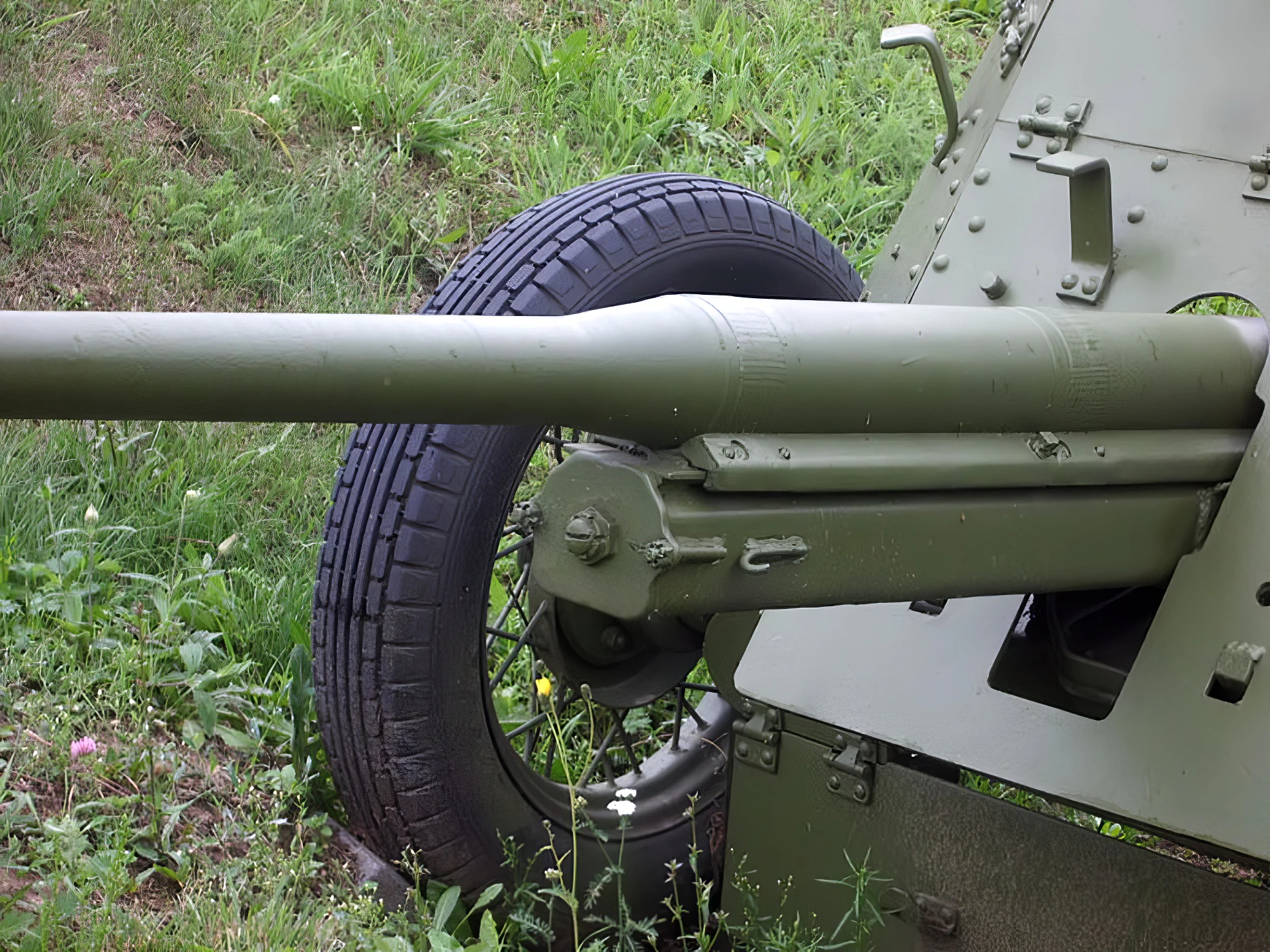
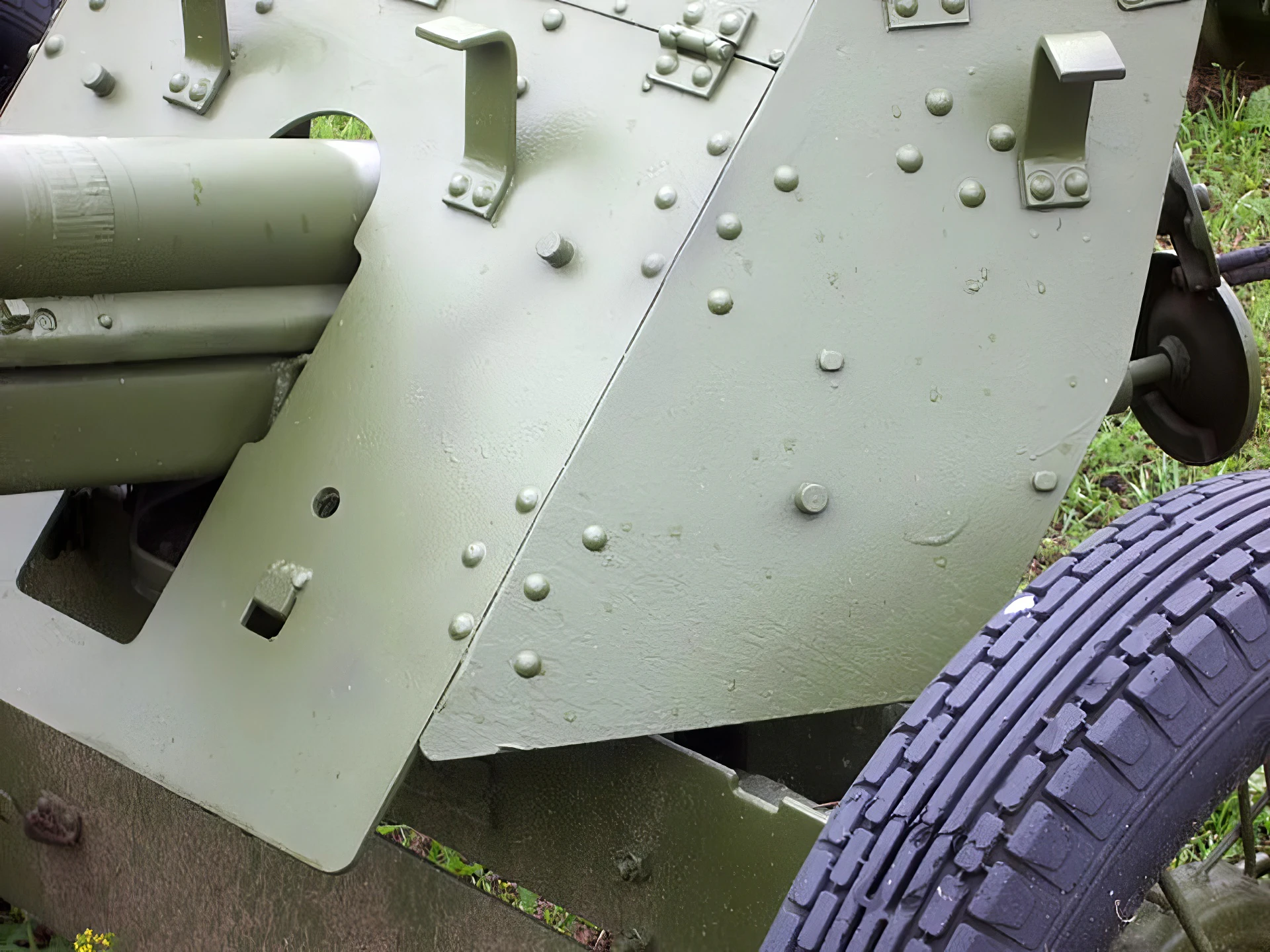
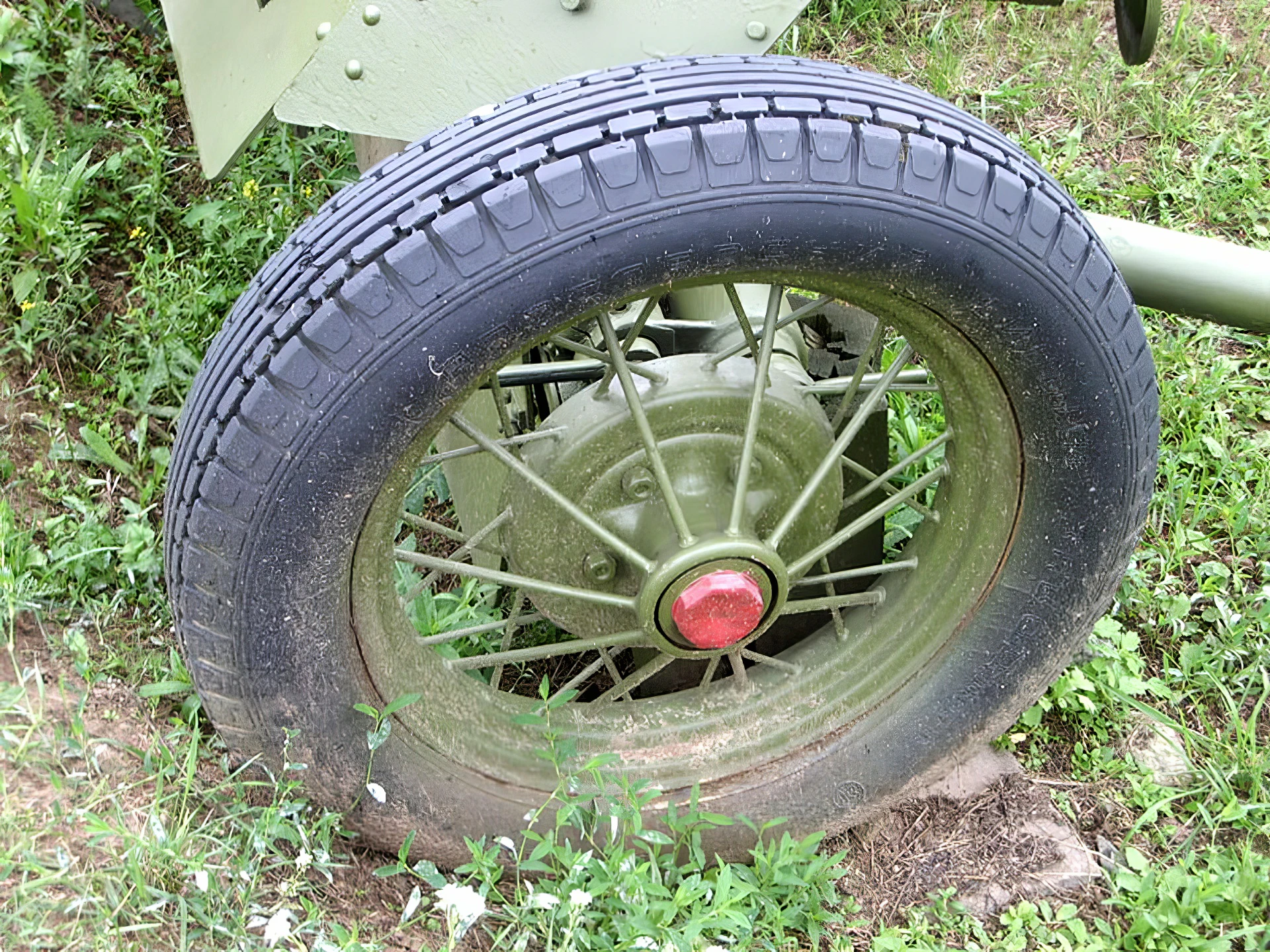
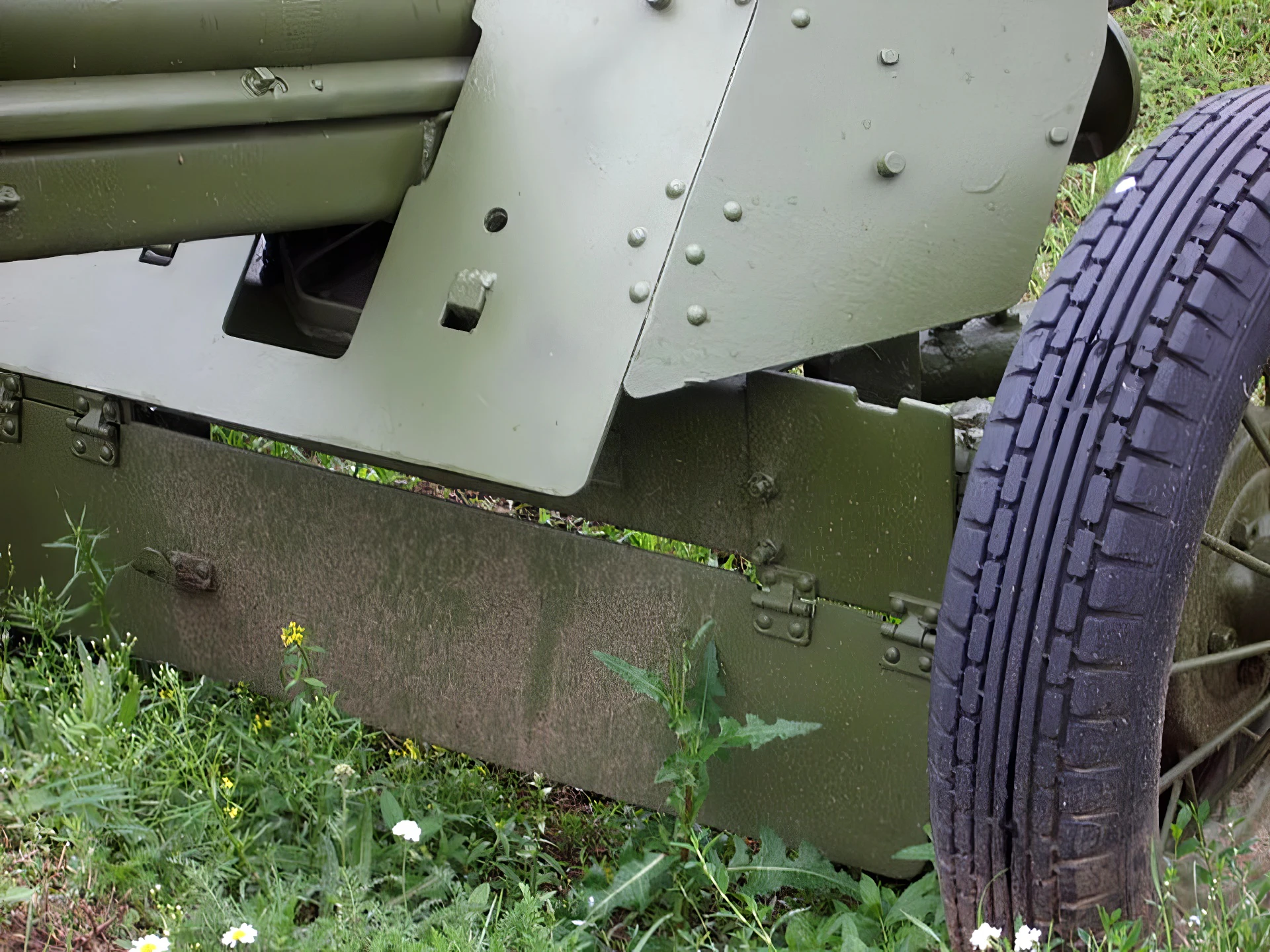
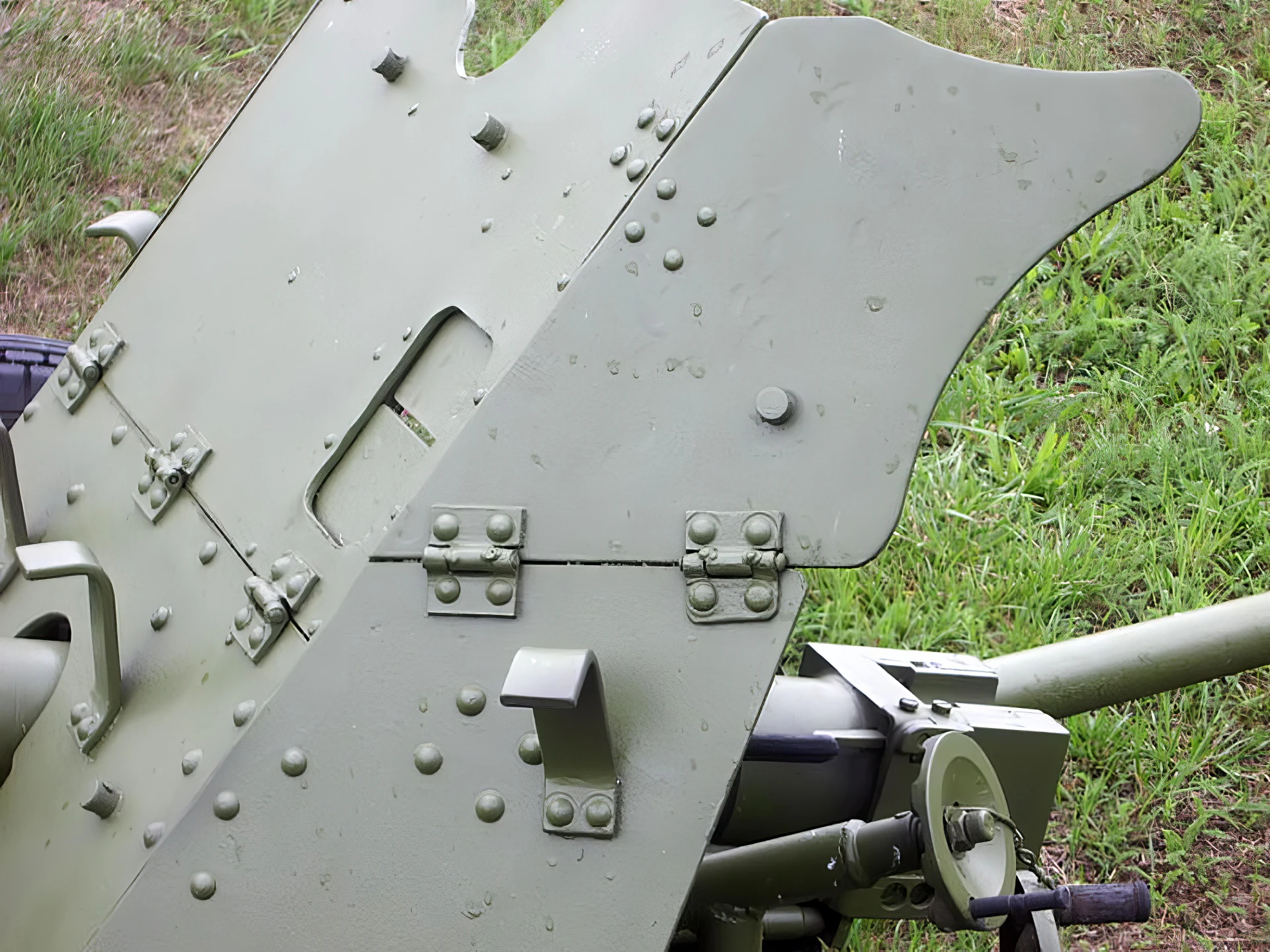
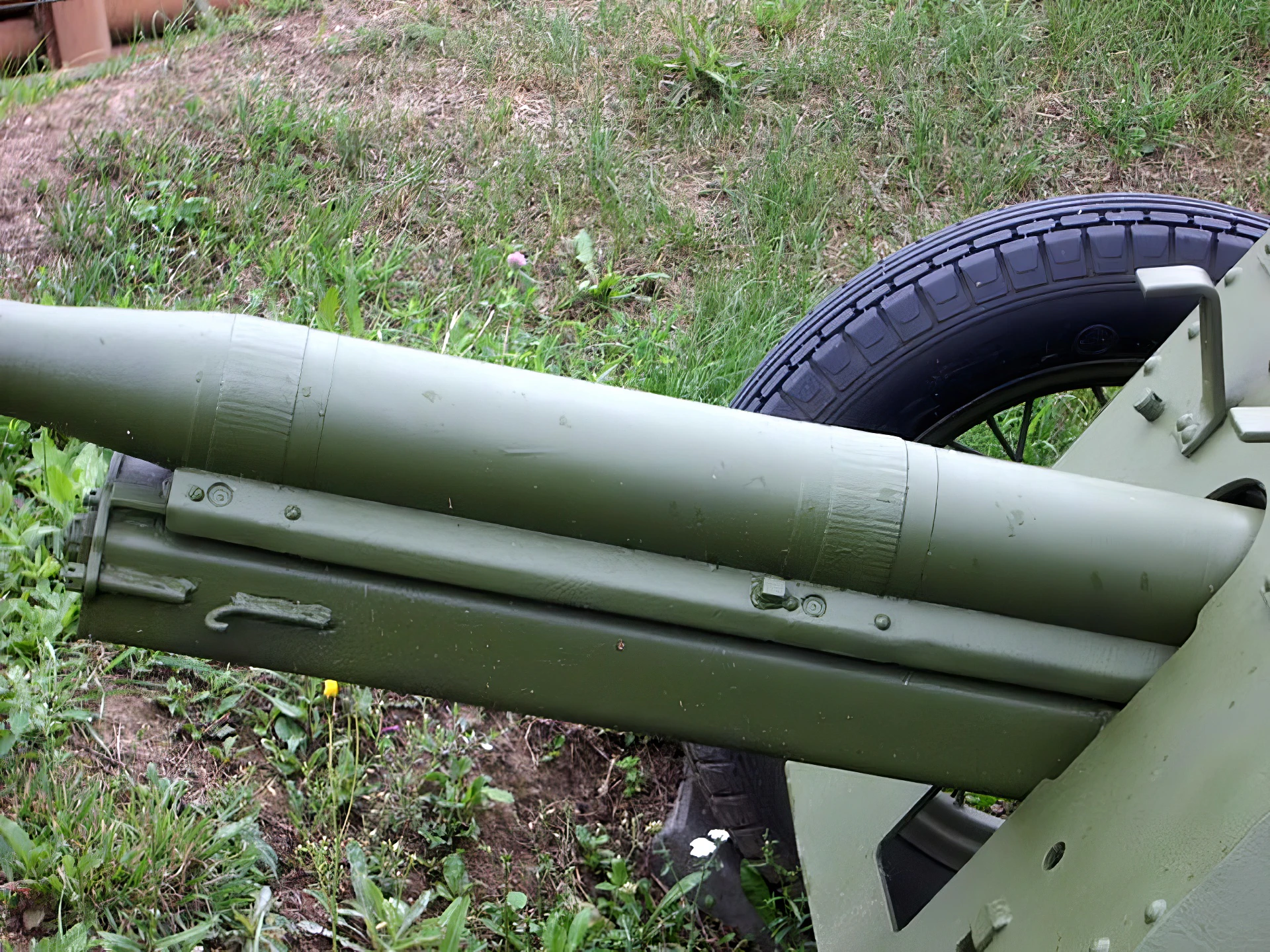

The Soviet 45 mm Anti-Tank Gun Model 1934 (Russian designation: 45-мм противотанковая пушка образца 1934 года) was an improved version of the earlier 45 mm anti-tank gun M1932 (19-K), serving as the Red Army’s standard light anti-tank weapon in the pre-war years.
It was also famously known by the affectionate Russian nickname “Sorokapyatka” (“forty-fiver”).
Development and Characteristics
The Model 1934 gun was part of a development path that began with a foreign design:
- Origin: The gun was a Soviet design based on the carriage of the German 3.7 cm Pak 35/36 anti-tank gun (originally designed by Rheinmetall and sold to the USSR in a secret arrangement).
- Caliber Change: Soviet designers replaced the 37 mm barrel with a larger 45 mm barrel (L/46 caliber length), primarily to utilize a large reserve stock of French 47 mm shells, which could be easily converted to the 45 mm caliber.
- Model 1934 Improvement: The M1934 was a minor modification and upgrade of the M1932 (19-K), featuring an improved semi-automatic breech mechanism to increase the rate of fire, as well as modifications to the recoil and elevation systems. It also upgraded the earlier wooden wheels to pneumatic tires for better mobility when towed.
Service and Obsolescence
The 45 mm gun family was a successful design that was heavily used, but its anti-tank effectiveness quickly faded.
- Pre-War Standard: The M1934 and its direct successor, the M1937 (53-K), became the standard light anti-tank gun of the Red Army and was integrated into nearly all Soviet tanks of the era (as the 45 mm Tank Gun M1932/38 or 20-K).
- Early War Effectiveness: During the opening stages of World War II (the Soviet-German War), the M1934/M1937 guns were generally adequate for dealing with lightly armored German tanks like the Panzer I, II, and early Panzer III/IV variants at typical combat ranges.
- Rapid Obsolescence: The appearance of new German tanks in 1941–1942, such as the later models of the Panzer IV and the medium 팬더 tank, with their significantly thicker and sloped armor, quickly rendered the M1934’s armor-piercing shell largely ineffective. The crews often referred to it bitterly as the **”knock-knock” gun** because its rounds would often just dent the armor instead of penetrating it.
- Successor: To address the lack of penetration, the design was succeeded by the 45 mm Anti-Tank Gun M1942 (M-42), which featured a longer barrel to achieve a higher muzzle velocity. The anti-tank role was ultimately taken over by the heavier 57 mm ZiS-2 and various 76 mm and 100 mm guns.
Views : 2553