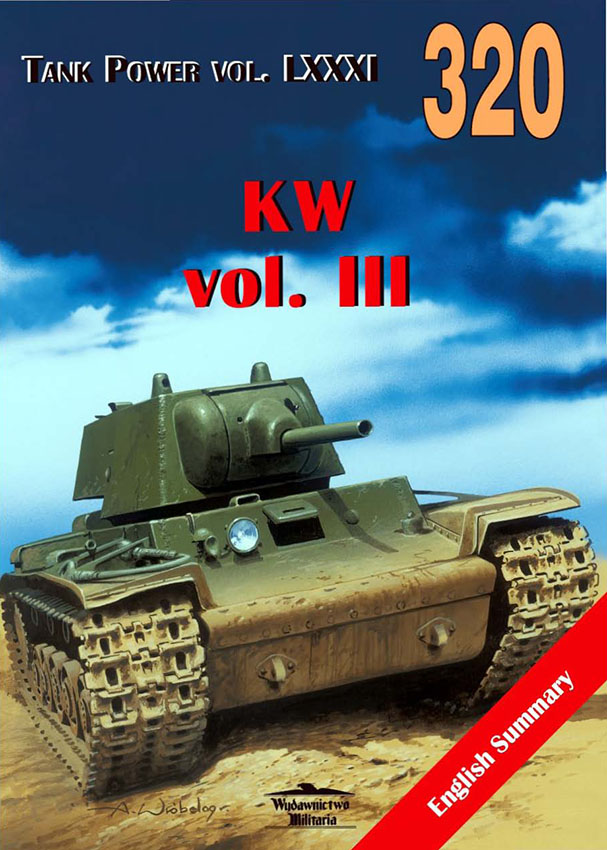
KV-2 - ボロシロフ・クリメント | |
|---|---|
| 国 | ソ連 |
| 型 | 車 |
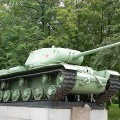
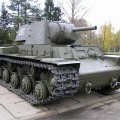
| 説明 | アルバム 42 KV-2タンクの写真 |
タンク クリメント・ボロシロフ (KV)はソ連の破裂戦車です。それはバルバロッサ作戦中のドイツ国防軍にとって不愉快な驚きでした:当時、それは88 mm Flak対空砲と直接砲火を除くすべての武器に対してほとんど無敵でした。
ソース: ウィキペディアの KV-2
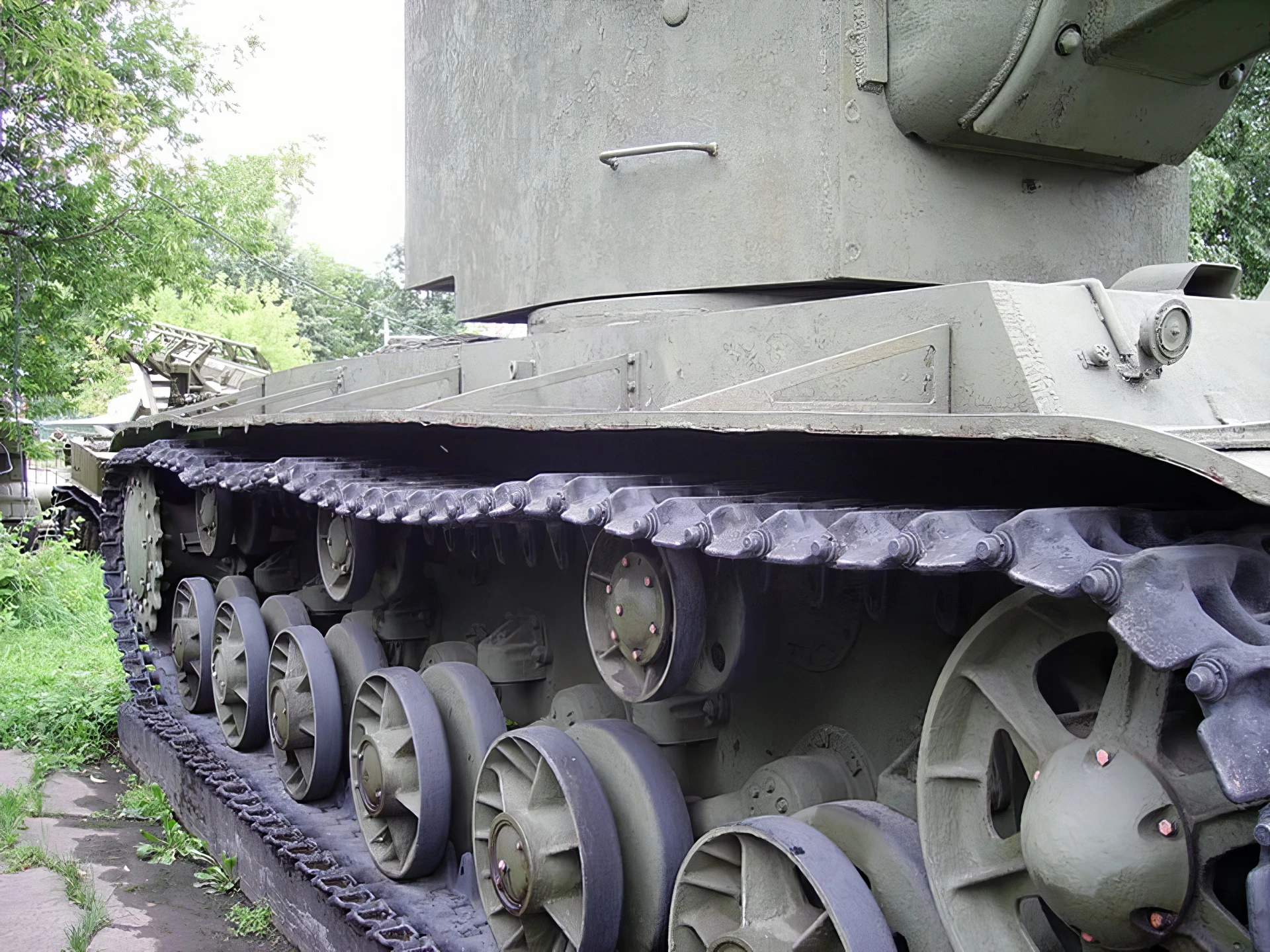
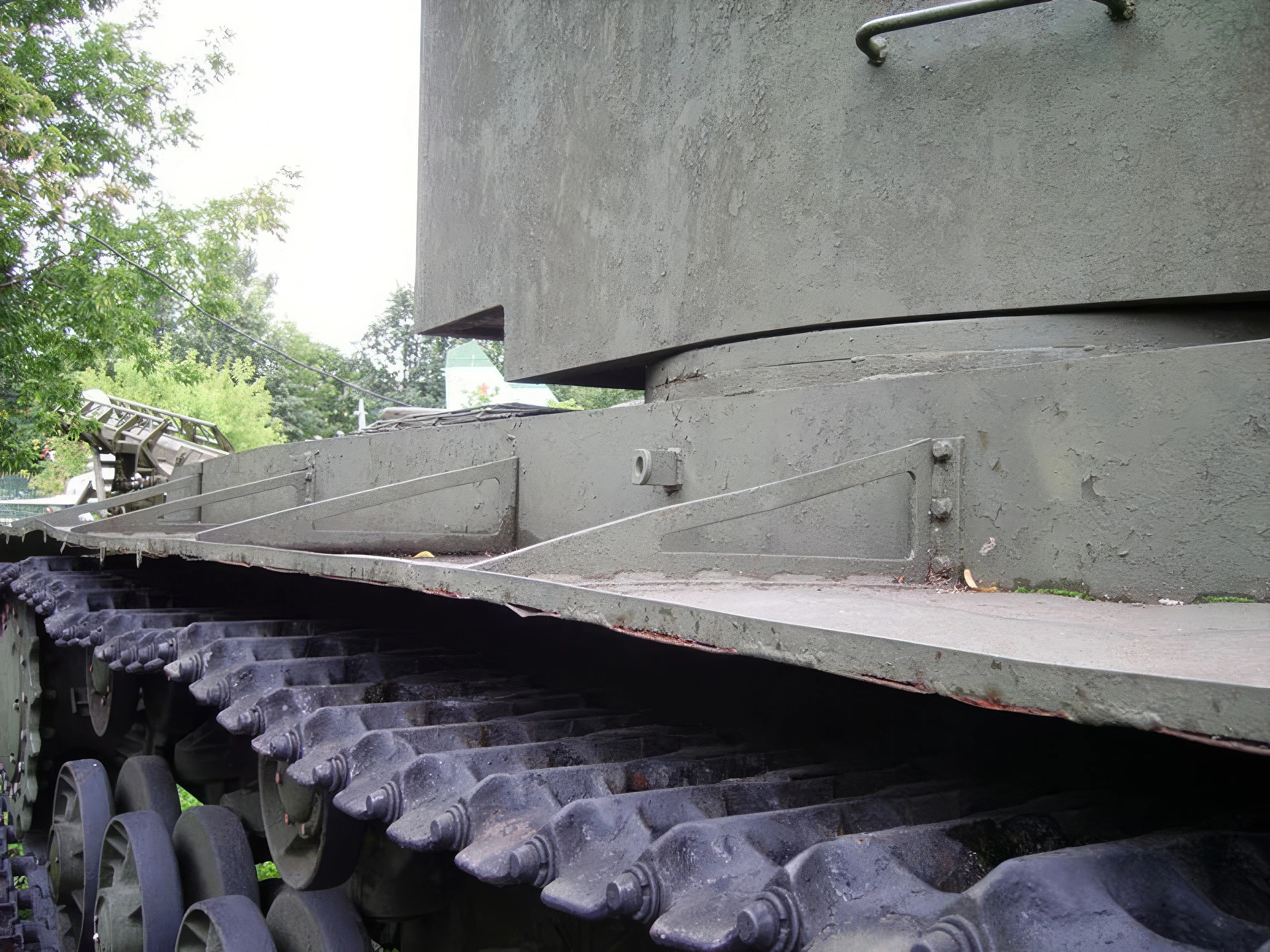
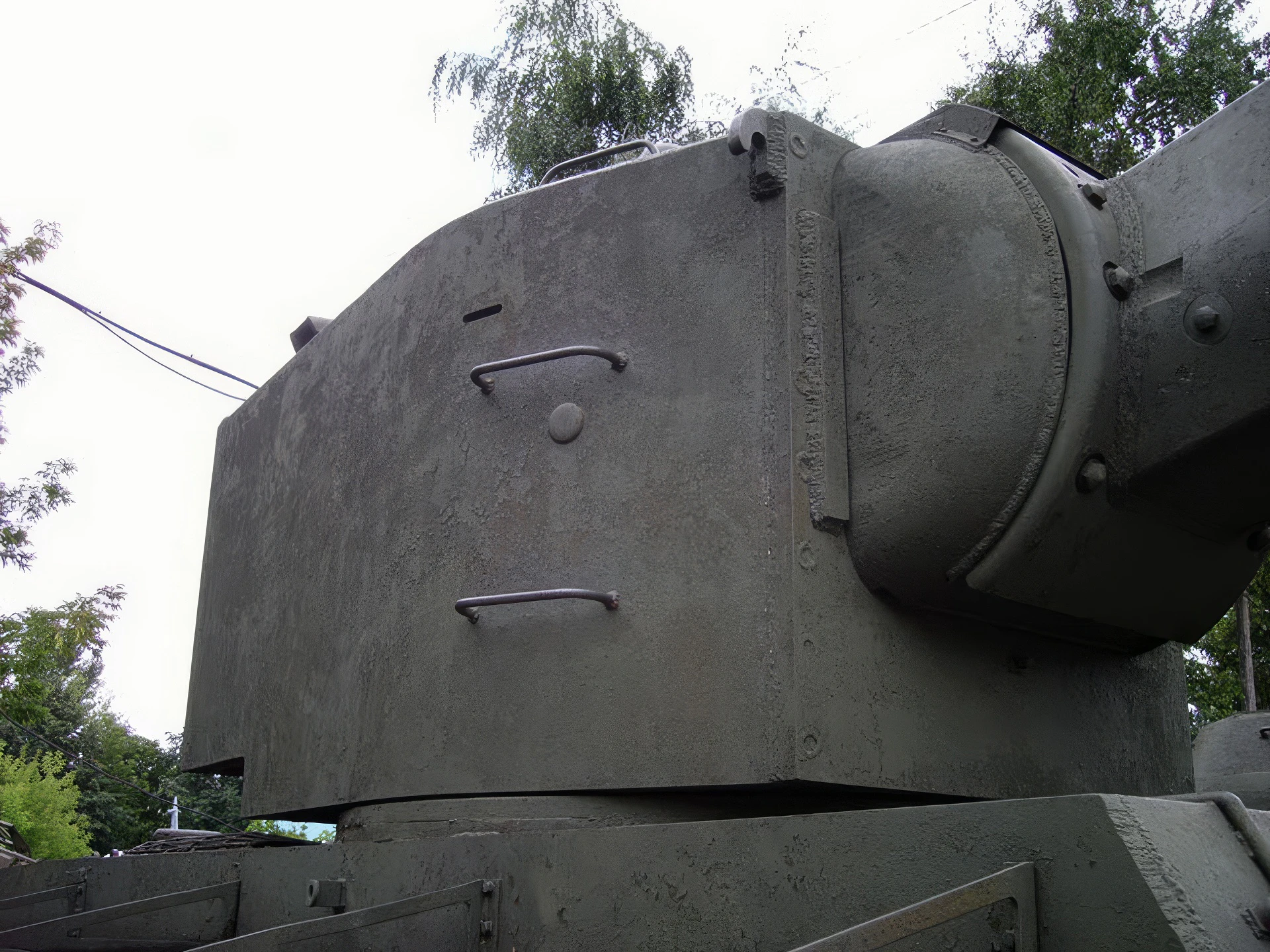
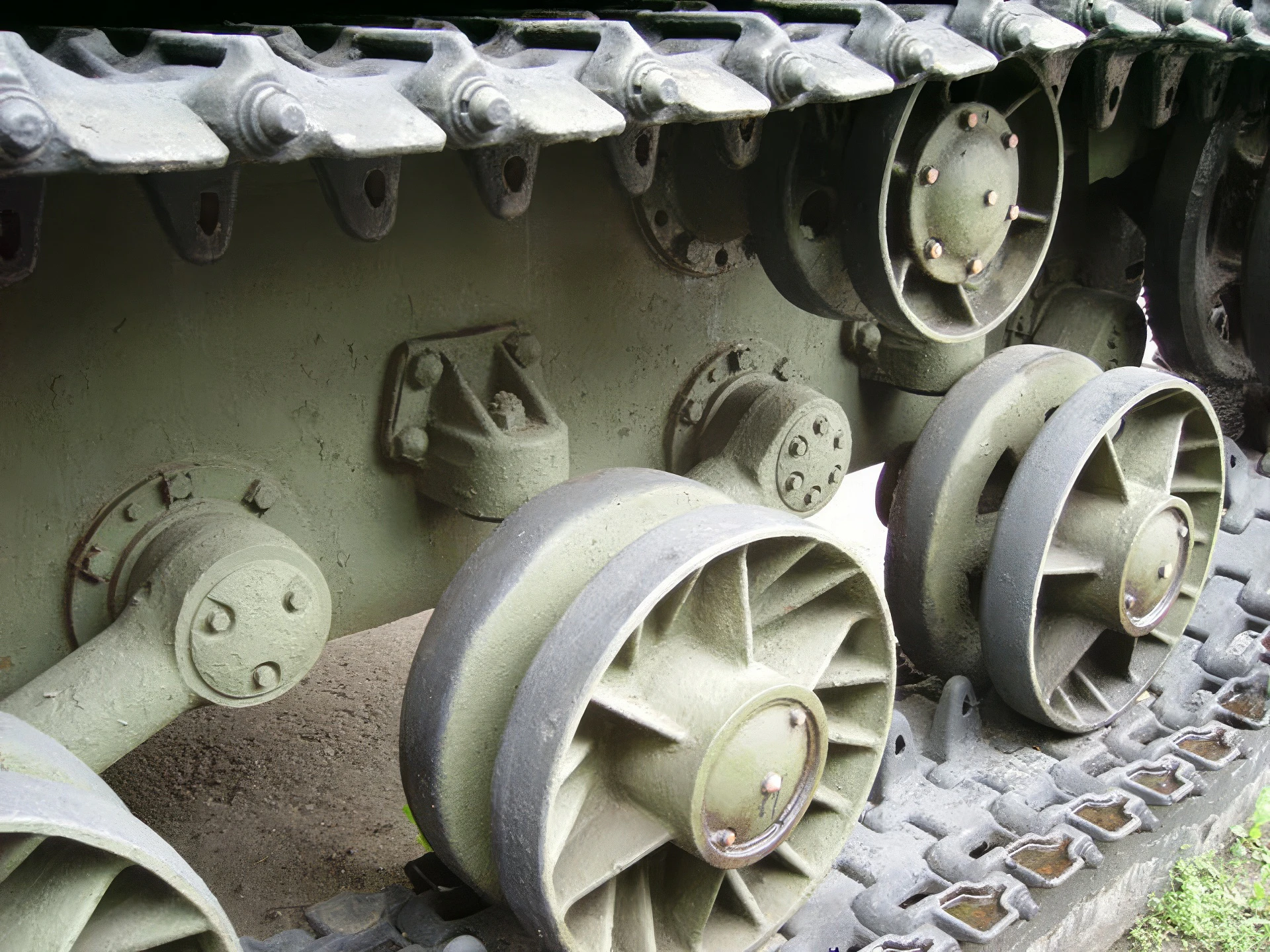
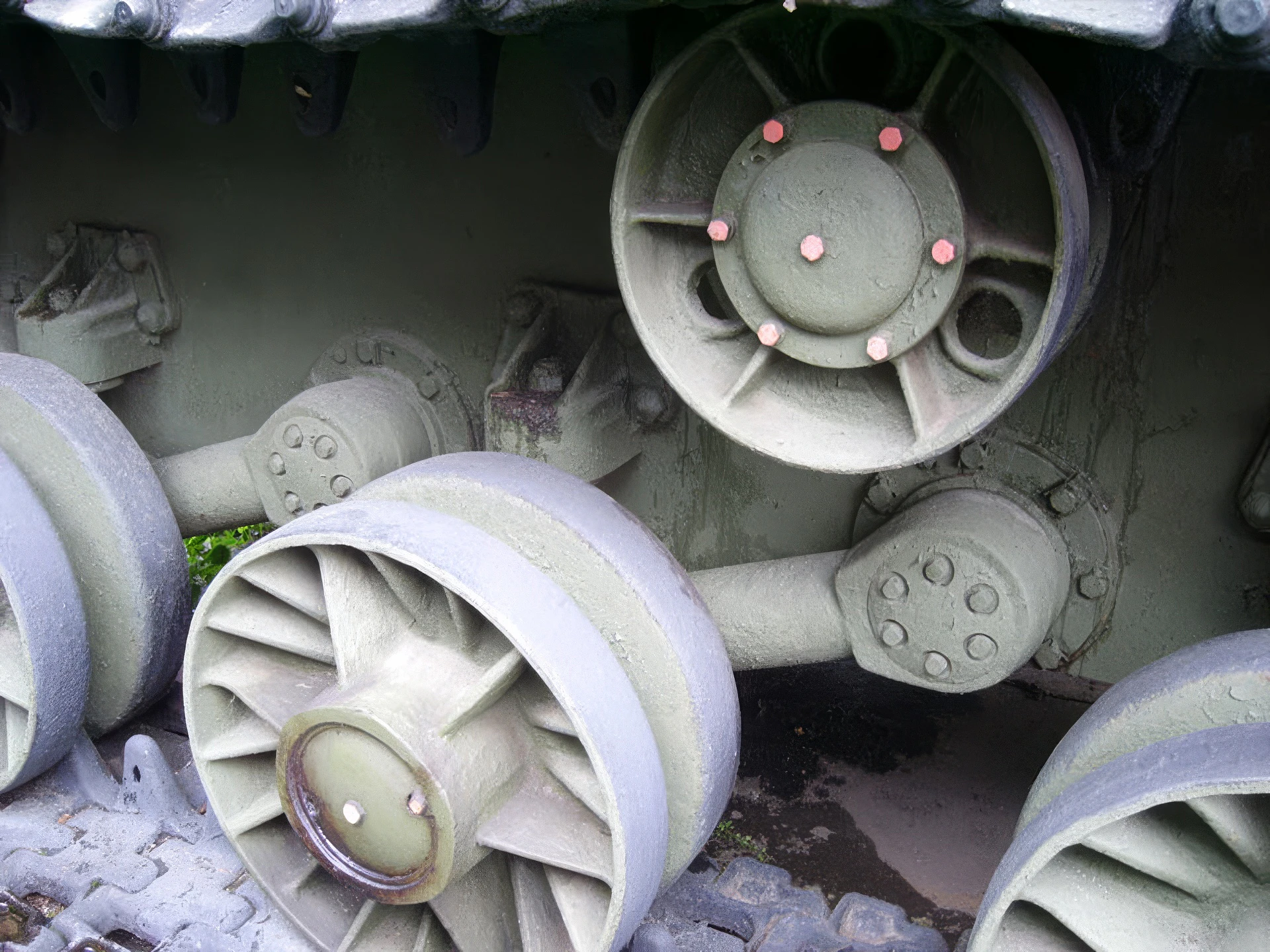
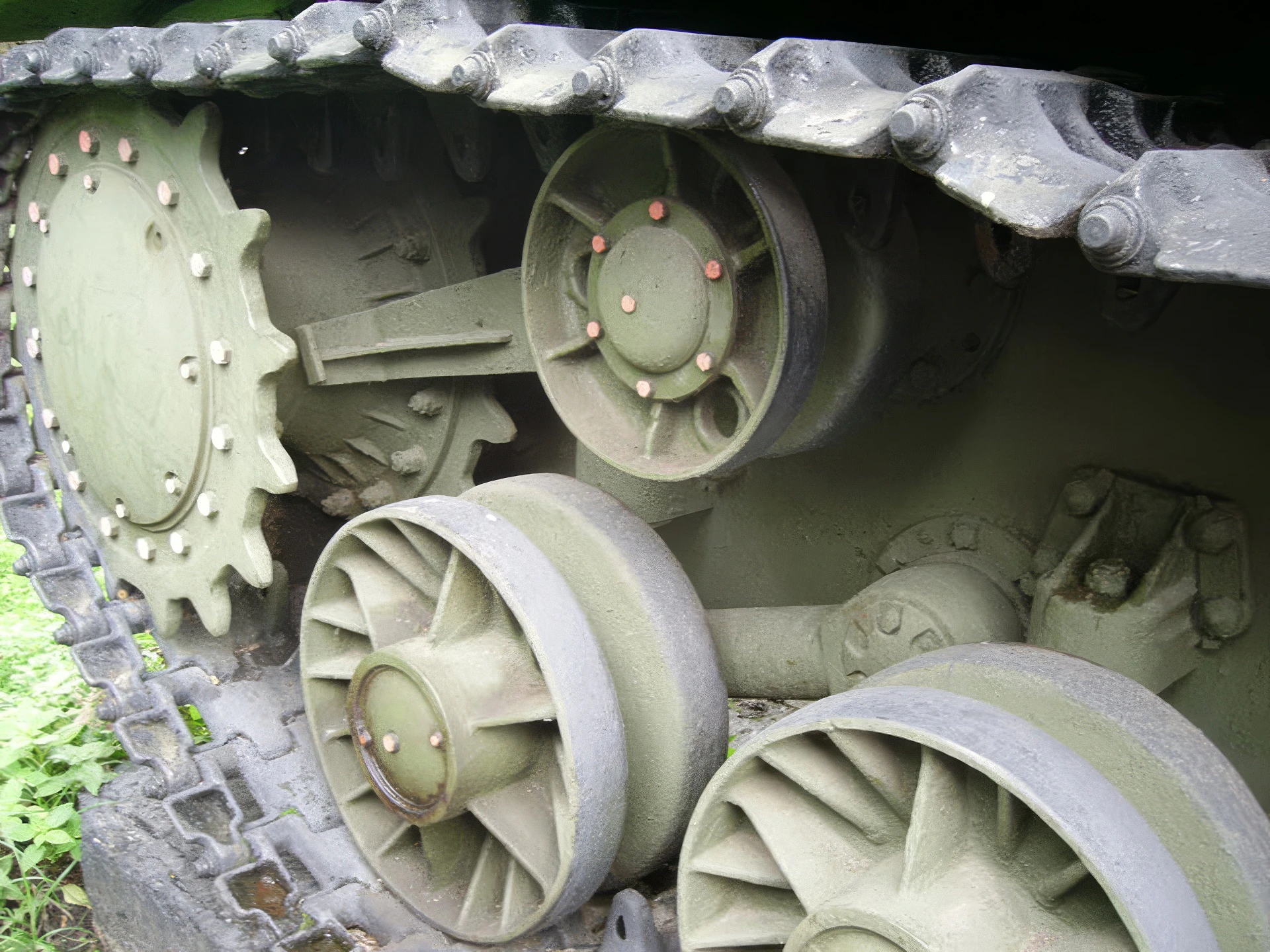
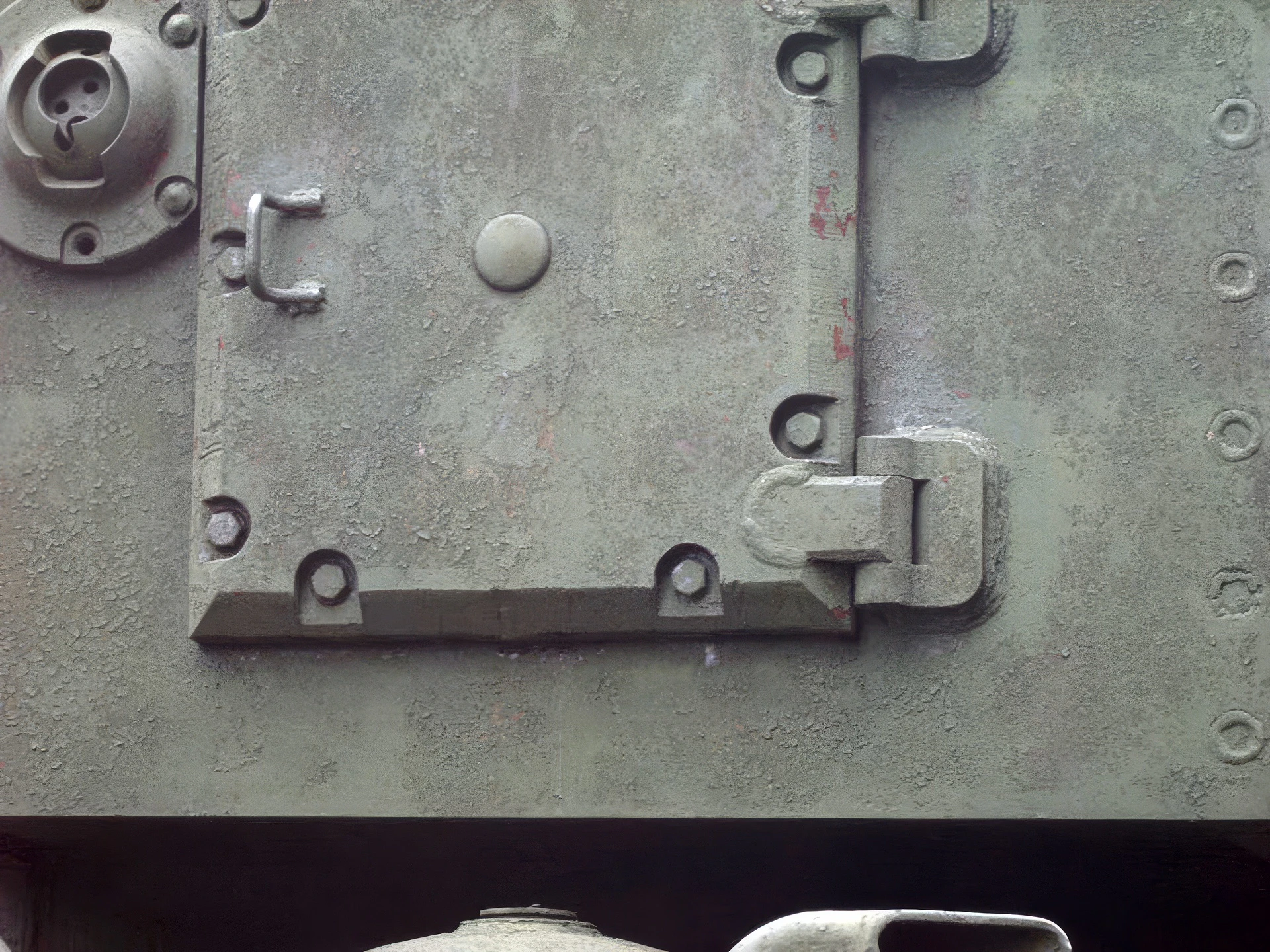
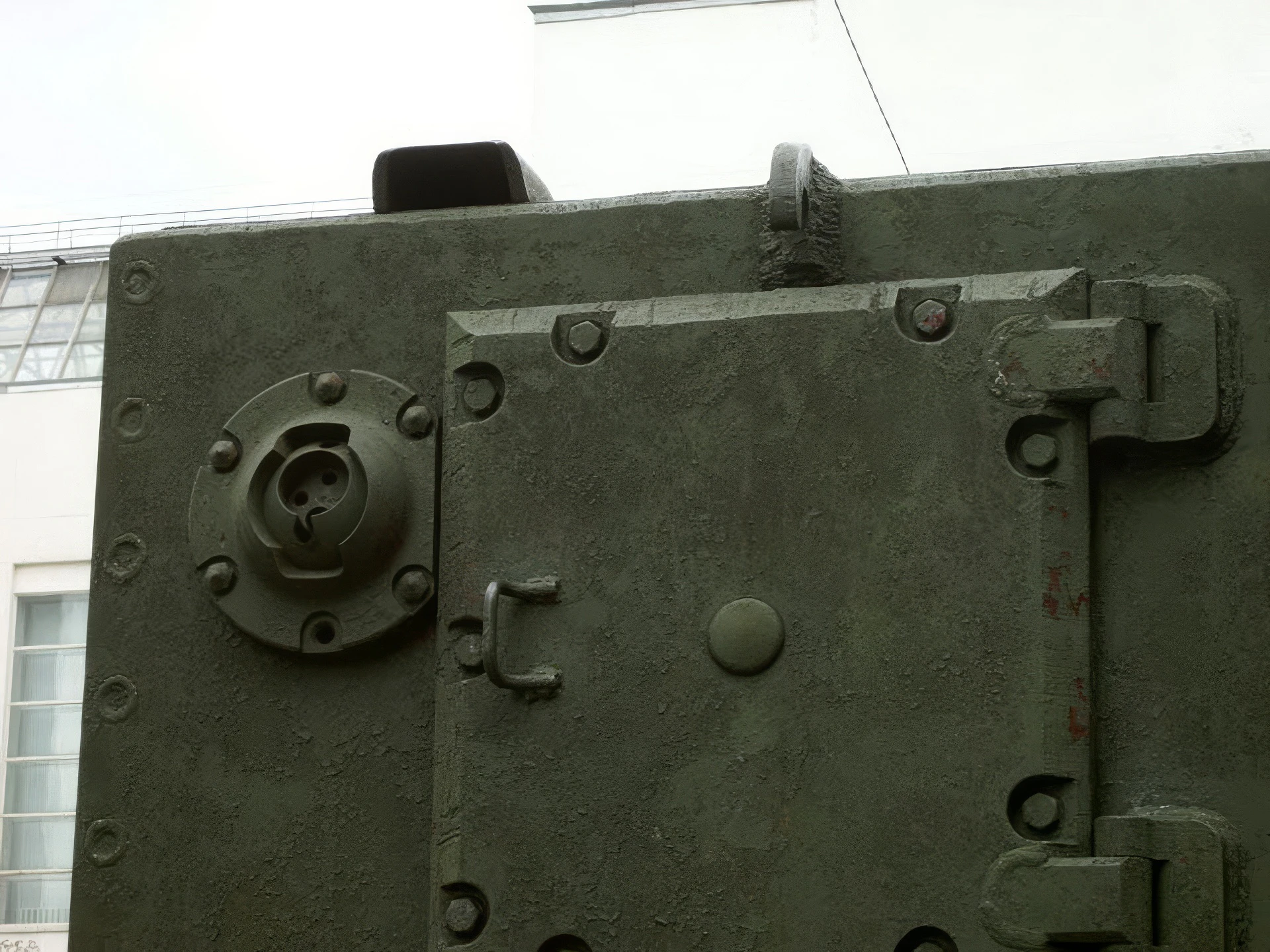


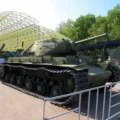
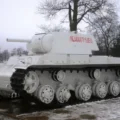
| KV-2 Walk Around | |
|---|---|
| カメラマン | 知りません |
| ローカライズ | 知りません |
| 写真 | 19 |
関連項目:


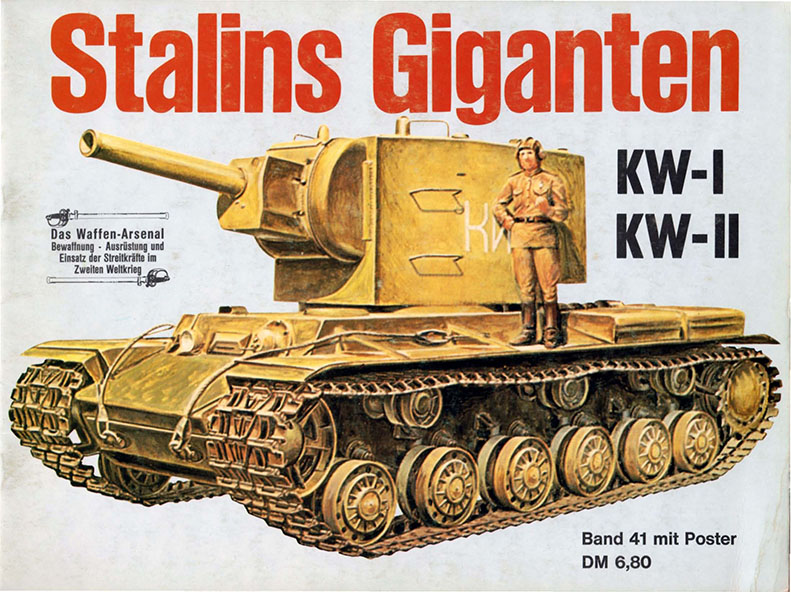
ザ Kliment Voroshilov KV-2 was a Soviet heavy tank, a variant of the KV-1, and is one of the most recognizable tanks of World War II due to its massive, distinctive turret.
Here is a description of its key features and role:
Key Characteristics
- Role and Origin: The KV-2 was designed as a heavy assault tank or “bunker buster.” Its development was spurred by the Soviet experience in the Winter War against Finland (1939–1940), where the Red Army needed a heavily armored vehicle with potent firepower to destroy Finnish fortifications and bunkers.
- 武装: Its most defining feature was its colossal, box-shaped turret housing the 152 mm M-10T howitzer. This gun was intended to fire high-explosive (HE) and concrete-piercing rounds with devastating effect against fixed defensive positions, rather than engaging in tank-on-tank duels.
- Armor Protection: Like the KV-1 on which it was based, the KV-2 was heavily armored, with hull armor up to 75 mm thick. In the early stages of Operation Barbarossa (the German invasion of the Soviet Union in 1941), this armor was virtually invulnerable to almost all standard German anti-tank guns and tank cannons, earning it the nickname “Russian Colossus” from the Germans.
- Mobility Issues: The installation of the huge gun and heavy turret significantly increased the tank’s weight to about 52 tonnes. This made the KV-2 extremely slow そして clumsy (maximum speed around 34 km/h), especially off-road. Its heavy turret was notoriously difficult to traverse quickly, particularly on uneven ground.
- Crew and Production: It required a crew of six to operate, including two loaders for the large, two-piece ammunition (projectile and propellant charge). Only around 204 to 334 units were produced between 1940 and 1941.
Performance and Legacy
The KV-2 achieved legendary status for a brief period in 1941, most famously at the Battle of Raseiniai in Lithuania, where a single KV-2 held up an entire German battlegroup for nearly two days, shrugging off hits from German anti-tank weapons until it was eventually destroyed by concentrated fire from an 88 mm anti-aircraft gun and explosives.
However, its mechanical unreliability, high profile (making it an easy target for artillery), slow speed, and the shift to mobile warfare made it ill-suited for the rapid, fluid actions on the Eastern Front. Most KV-2s were lost early in the war, often due to mechanical breakdown or fuel shortage rather than enemy fire. Despite its short service life, the sheer size and devastating armament of the KV-2 cemented its place as one of the most iconic and visually distinct tanks of WWII.
Views : 11314