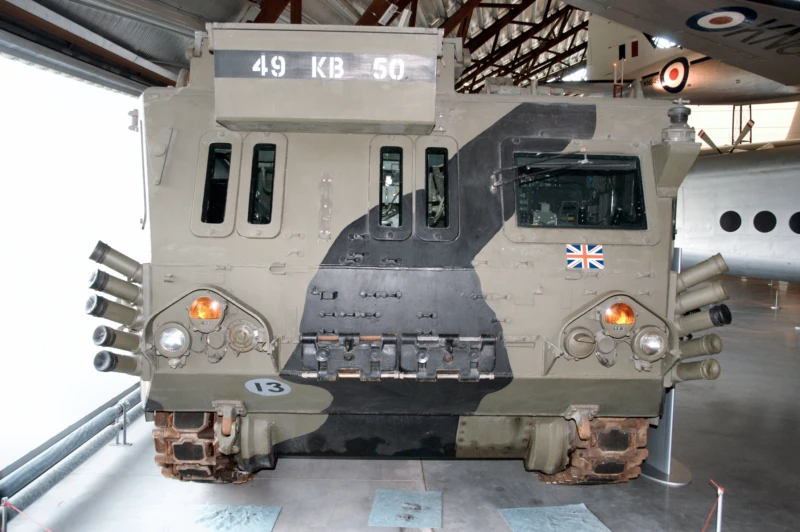
Rapier tracciata | |
|---|---|
| Paese | Regno unito |
| digitare | Apc |
| Fotografia | Robert De Craecker |
| Descrizione | Album di 72 foto walk-around di un «Rapier cingolato» |
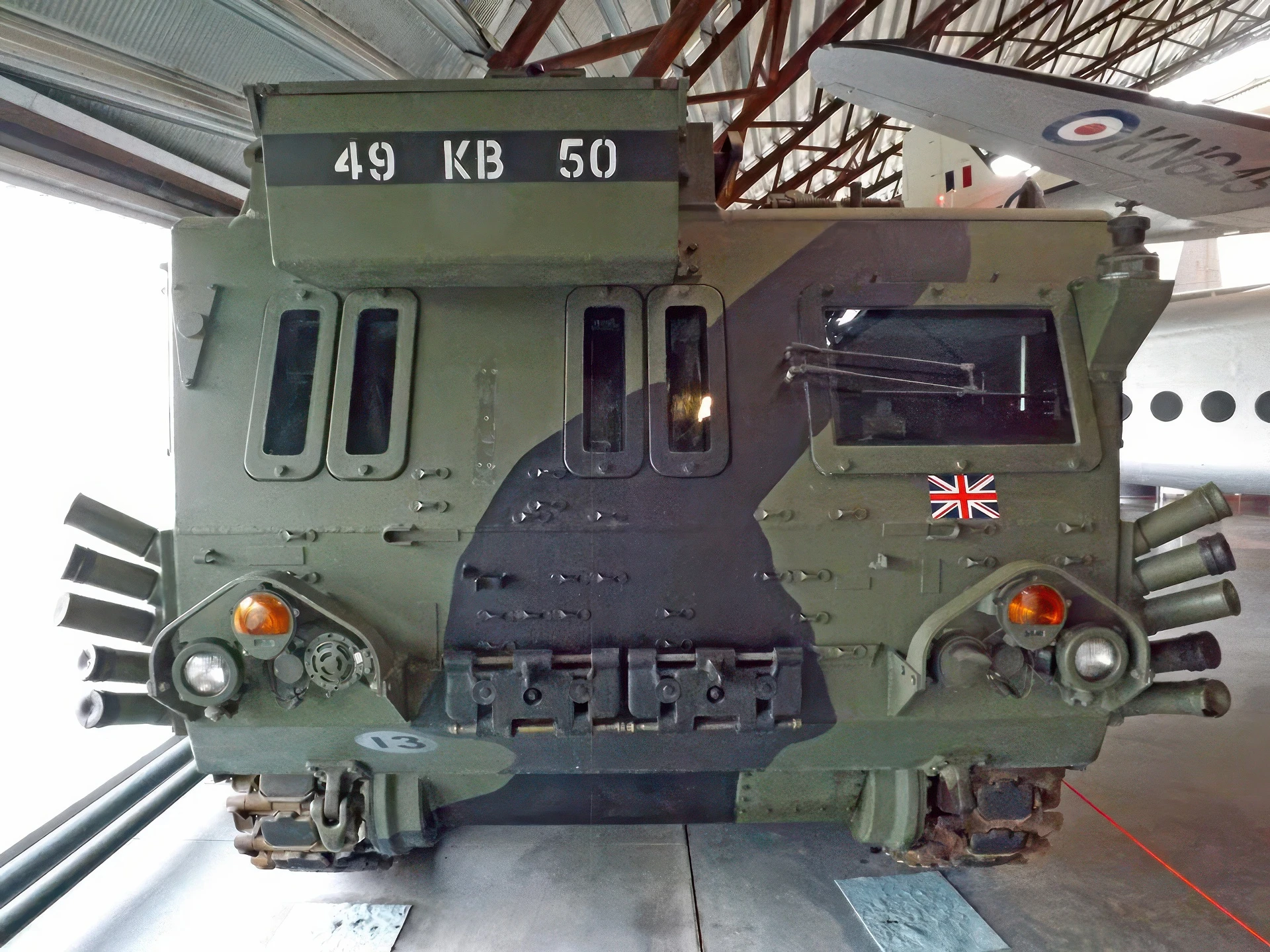
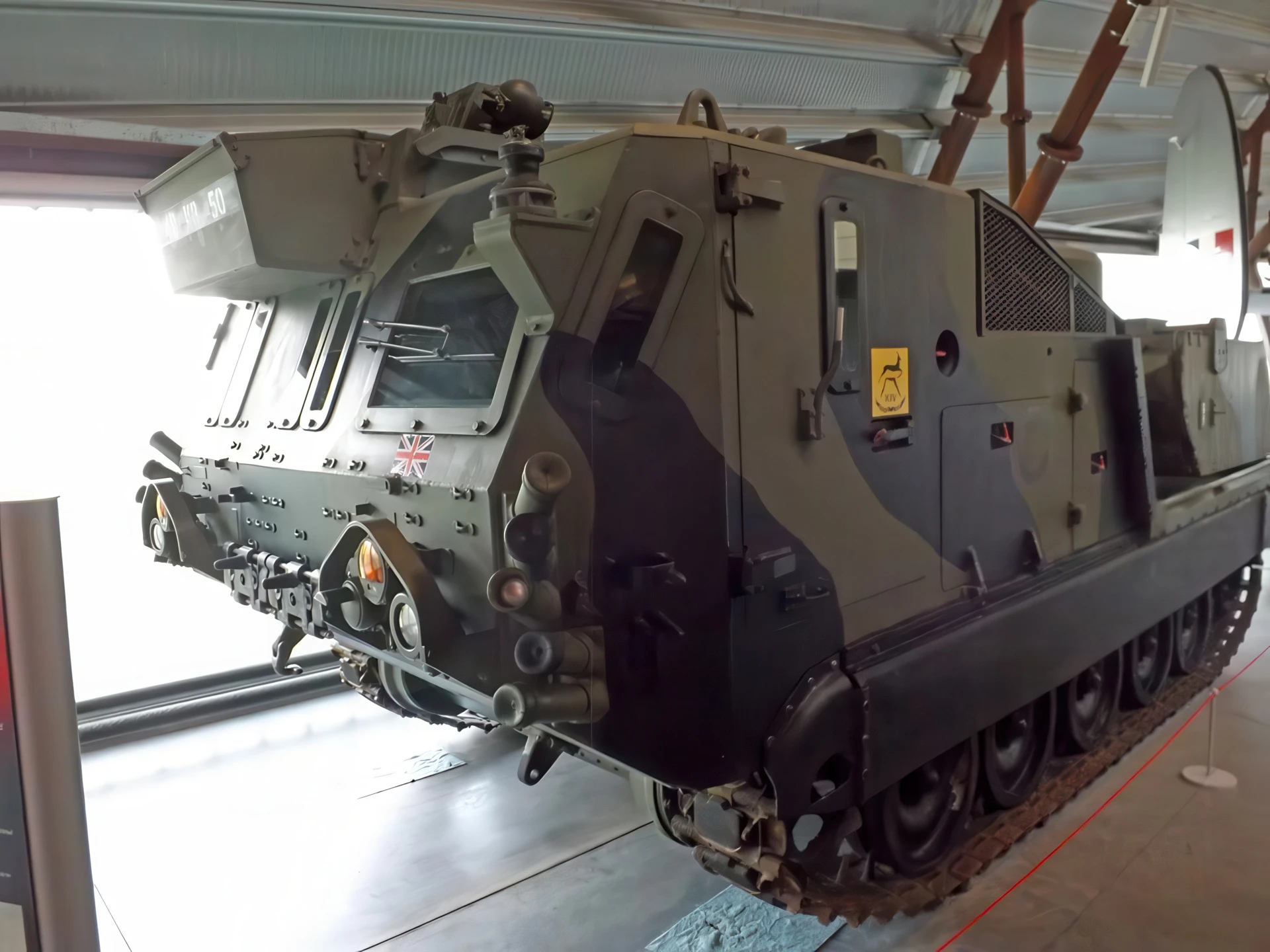
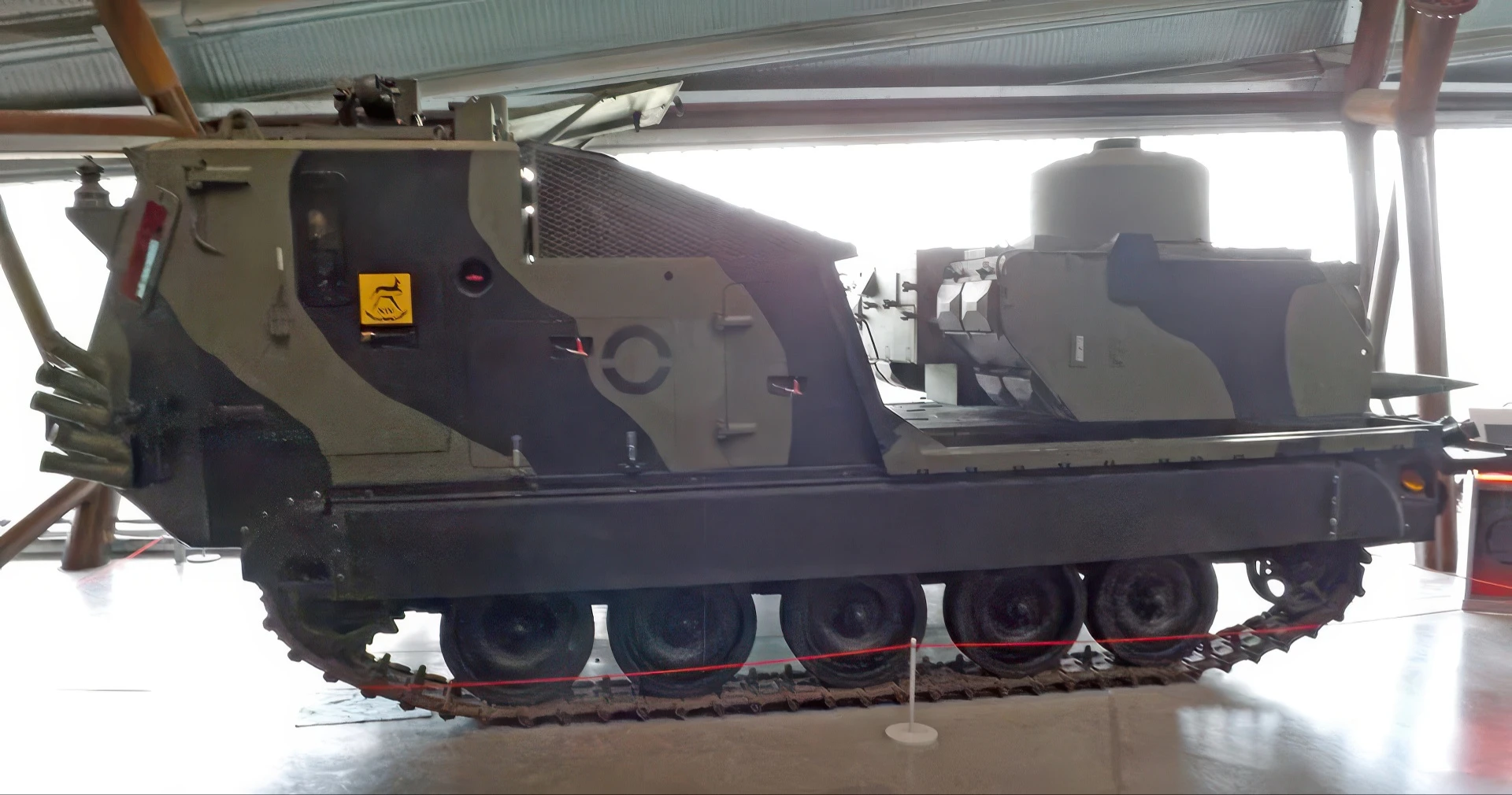
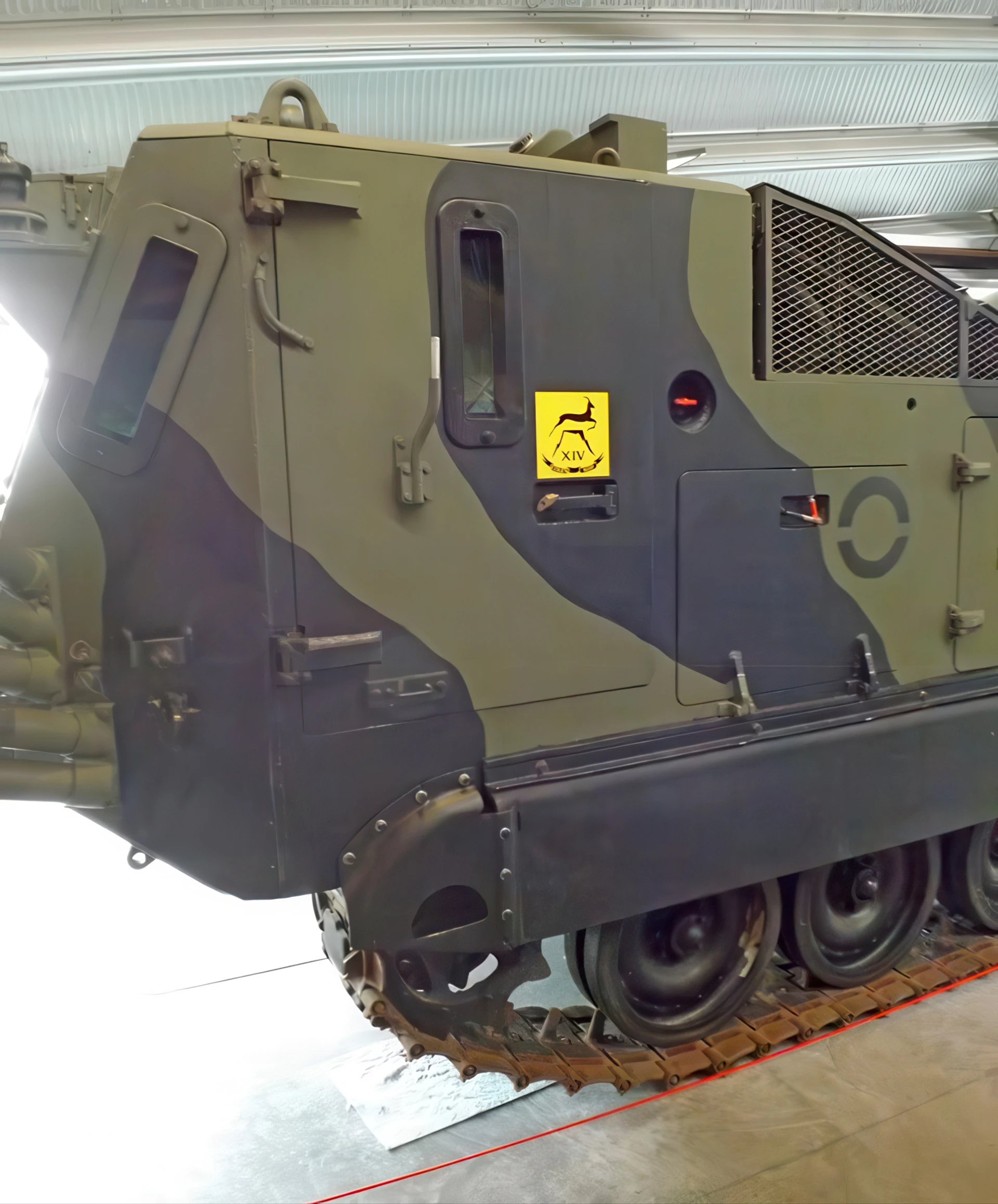
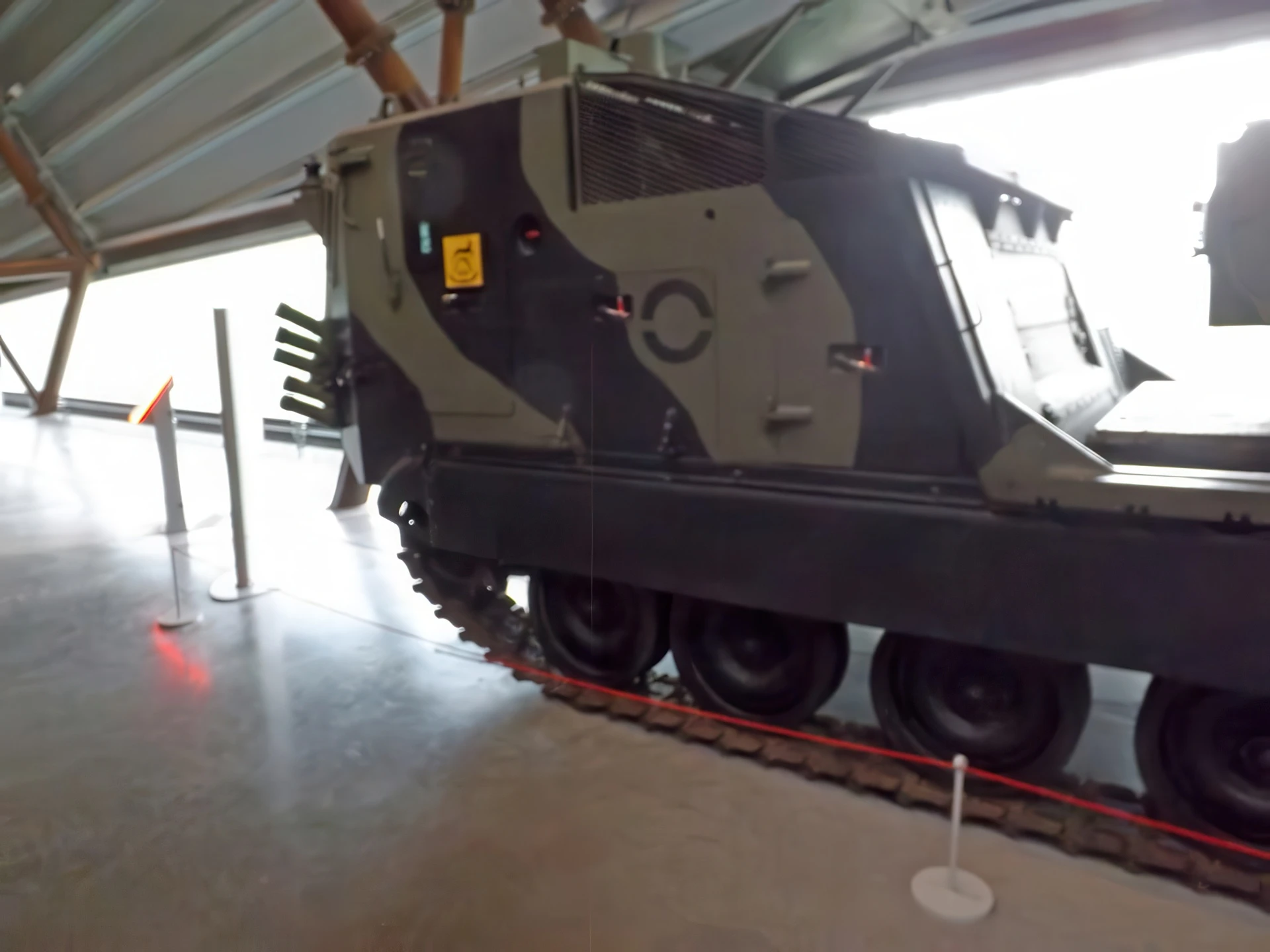
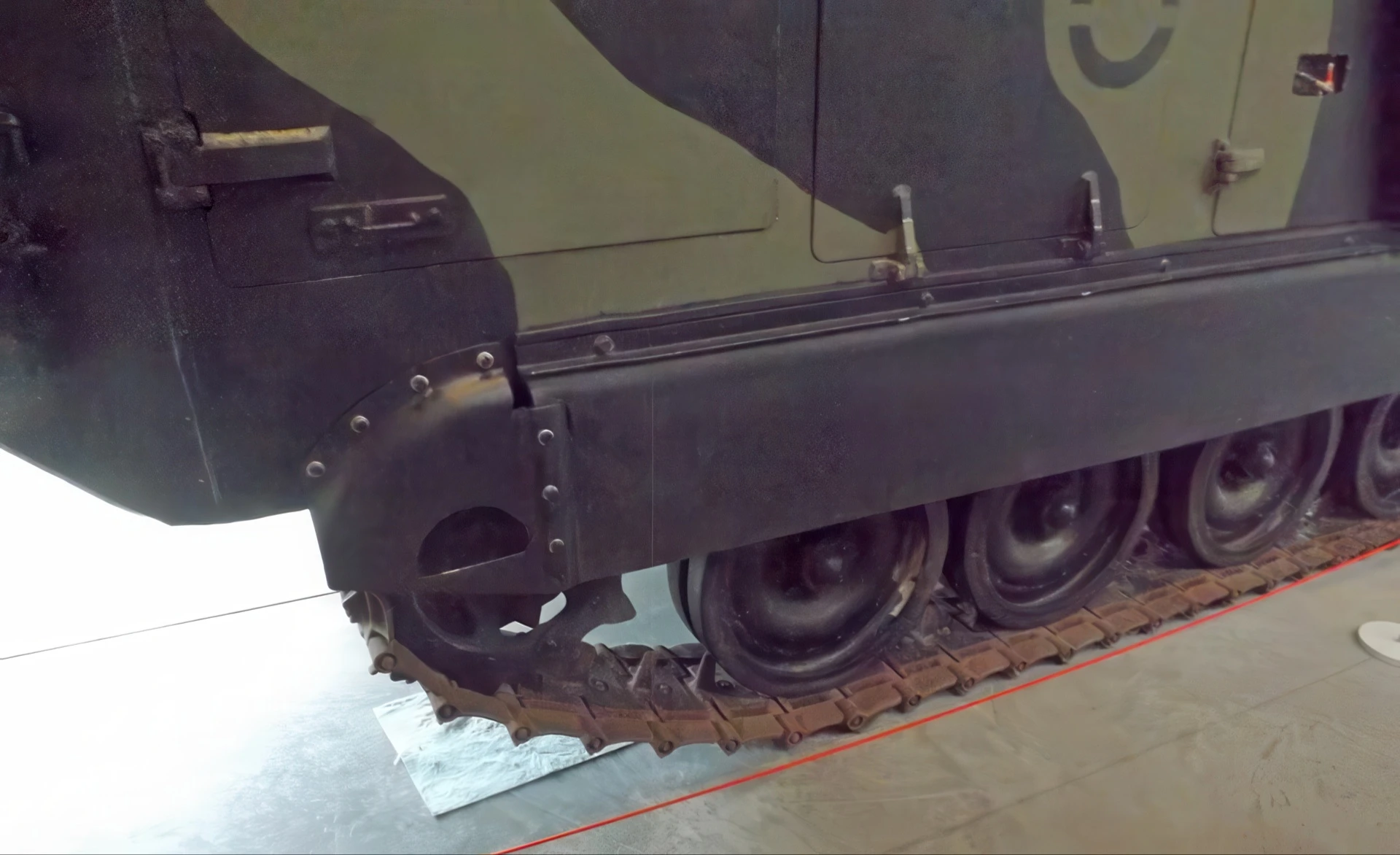
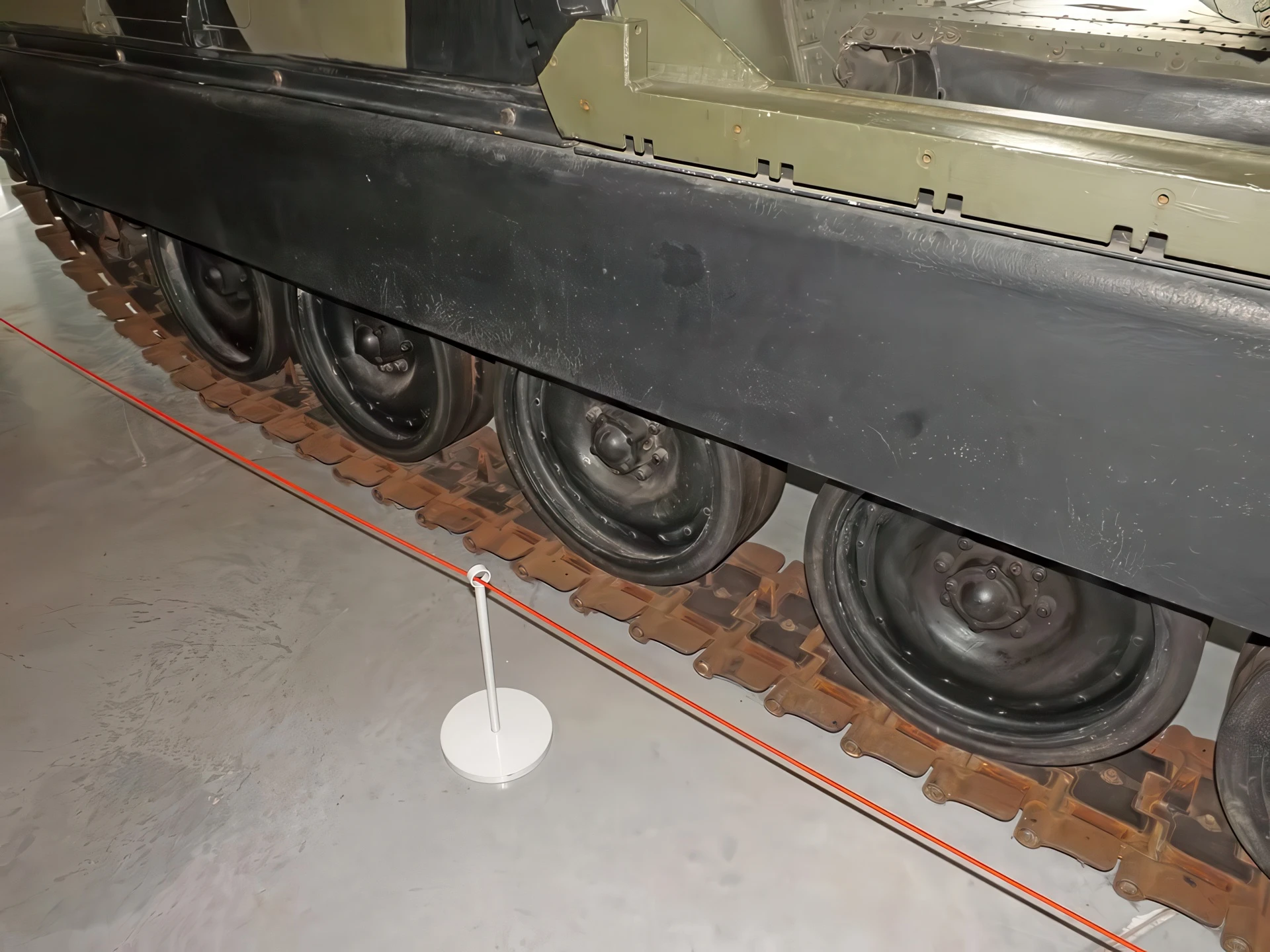
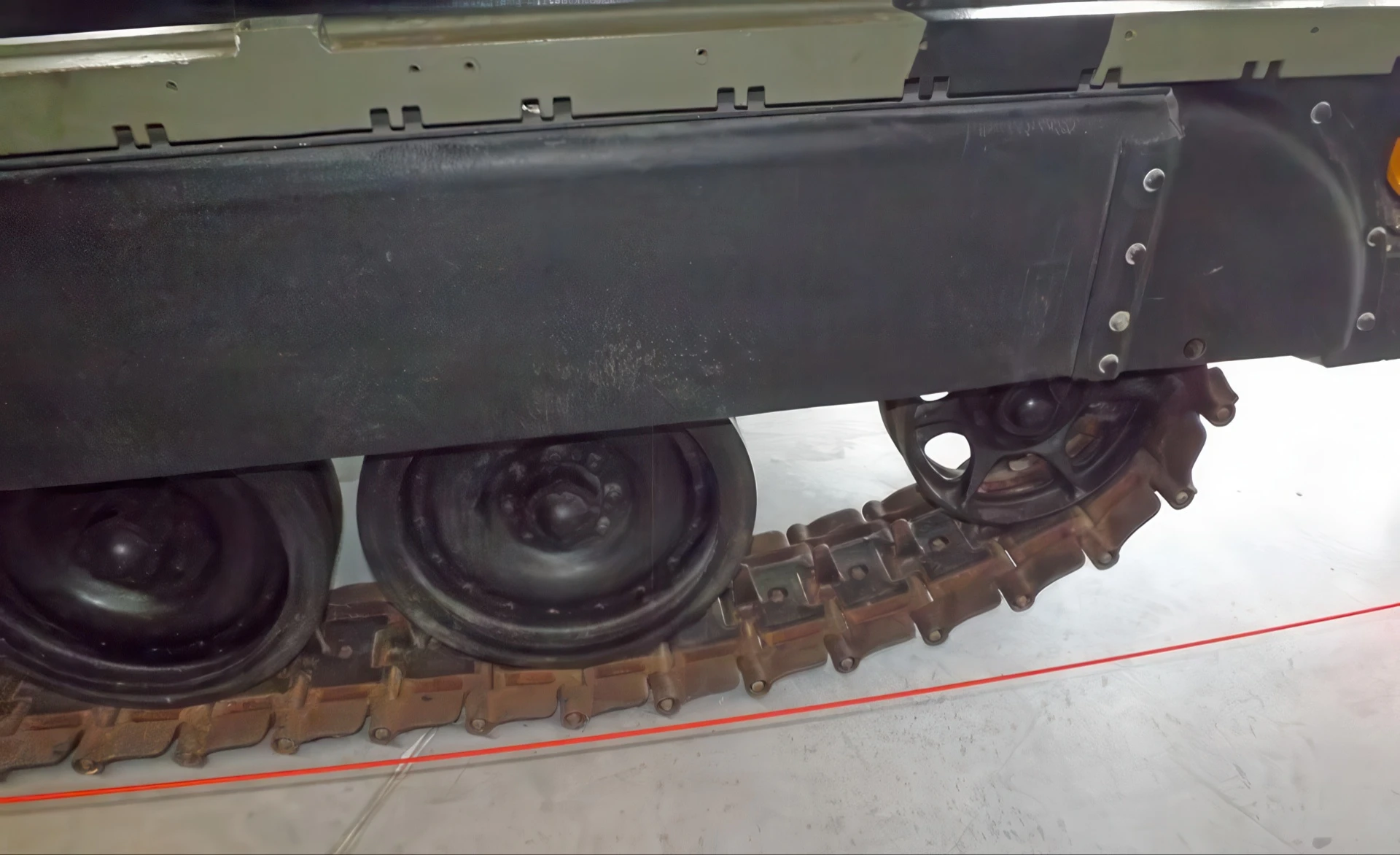
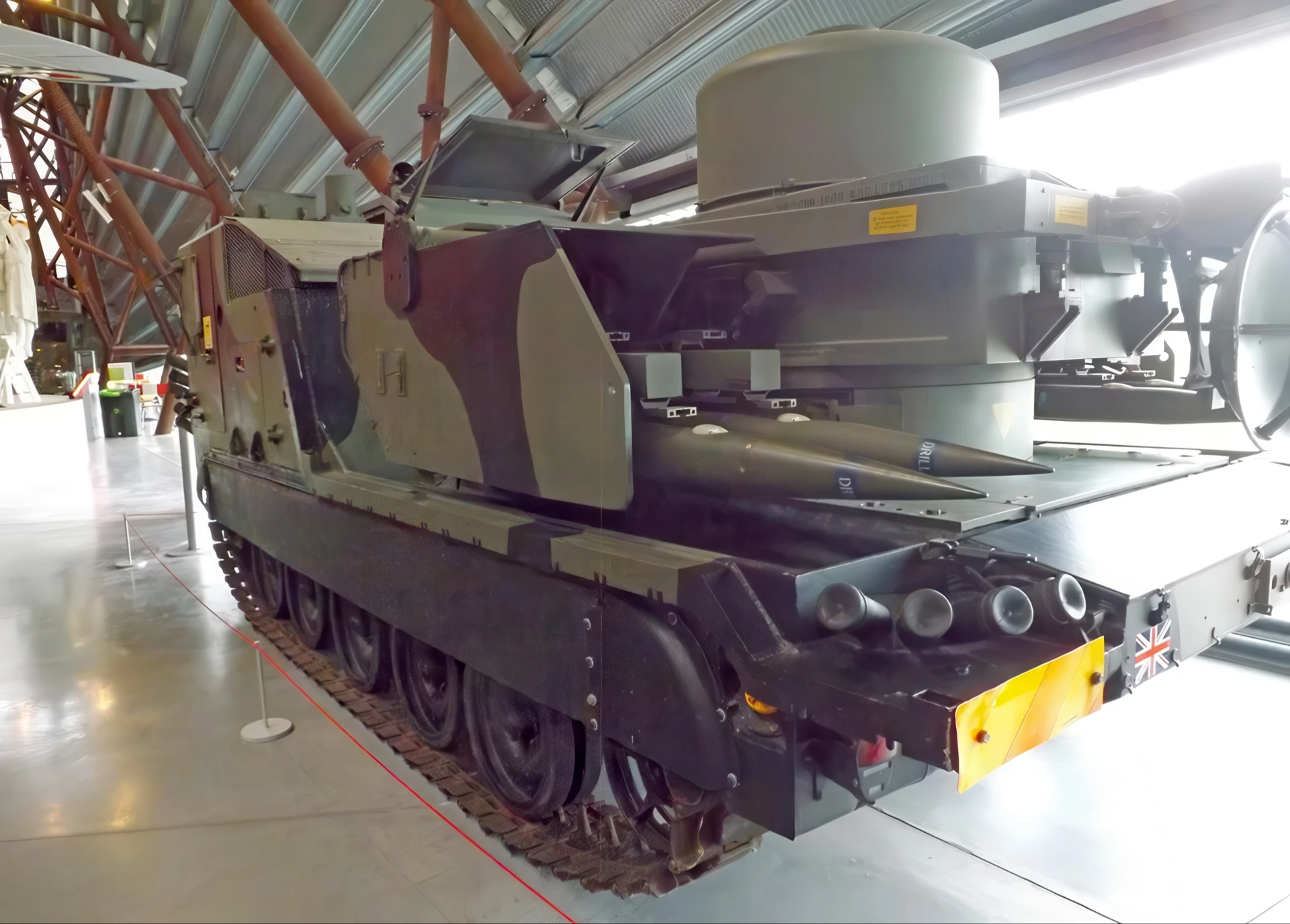
Galleria fotografica di un Rapier tracciata, Adapted Rapier system to fit on the M548, a cargo-carrier version of the ubiquitous M113 armored personnel carrier.


 Comprami un caffè
| BAC Rapier M548 Walk Around | |
|---|---|
| Fotografi | Inconsapevole |
| Localizzazione | Inconsapevole |
| Foto | 24 |
Vedi anche:


The Shield of the Cold War Forward Edge
Le Tracked Rapier (BAC Rapier on M548 Chassis) represents a brilliant feat of military adaptation, transforming a highly effective but slow-to-deploy static British surface-to-air missile (SAM) system into a highly mobile, armored air-defense asset. Developed by the British Aircraft Corporation (BAC) in the late 1970s specifically to meet the aggressive requirements of the British Army of the Rhine (BAOR), it integrated the radar, optical tracking systems, and deadly missiles of the towed Rapier layout directly onto a modified American M548 tracked cargo carrier. This highly mobile platform ensured that fast-moving armored divisions had continuous, low-altitude umbrella protection against supersonic Soviet strike aircraft directly at the front lines, operating entirely without the need for lengthy unhitching or calibration times.
| Attribute | Technical Specification (Tracked Rapier Mk 1 Baseline) |
|---|---|
| Ruolo | Self-Propelled Short-Range Air Defense System (SHORAD) |
| Equipaggio | 3 (Commander/Driver, Tactical Controller, Missile Operator) |
| Chassis Baseline | Modified US M548 Tracked Cargo Carrier (Derived from the M113 APC family) |
| Motore | 1 × Detroit Diesel 6V53 6-cylinder two-stroke liquid-cooled diesel engine (210 hp) |
| Velocità massima | 48 km/h (30 mph) on roads with excellent cross-country mobility |
| Combat Weight | ~14 metric tons |
| Missile Armament | 8 × ready-to-fire Rapier missiles (Housed in two 4-round armored launch bins) |
| Missile Performance | Speed: Mach 2.5+ | Range: 400 m to 6,800 m | Ceiling: 3,000 m (10,000 ft) |
| Guidance System | SACLOS (Semi-Automatic Command to Line-of-Sight) via optical tracking or radar guidance |
Design Engineering: Condensing a Missile Battery into a Single Vehicle
- The M548 Custom Transmutation: The standard towed Rapier required a fleet of Land Rovers, separate generator trailers, launcher units, and radar units to operate. To compress this entire ecosystem onto a single vehicle, BAC heavily modified the unarmored American M548 carrier. They built an armored forward cab to shield the crew from small arms fire and artillery fragments, while the rear open cargo flatbed was converted into a fully integrated, automated missile deck.
- Radars and Optical Tracking Under Armor: The vehicle featured a roof-mounted surveillance radar capable of automatically detecting targets out to 11.5 kilometers. Up front, inside the protective enclosure of the cab, sat the operator’s optical tracking unit. Looking through a specialized armored sight structure, the operator only needed to keep a crosshair locked on the enemy target; the onboard computer automatically calculated steering adjustments and sent radio commands to the flying missile.
- The Direct Hit Philosophy: Unlike American air-defense systems like the MIM-72 Chaparral, which relied on infrared heat-seeking guidance and large explosive blast warheads, the Rapier utilized a hit-to-kill methodology. The missile was incredibly agile and carried a compact, highly lethal semi-armor-piercing warhead with a contact fuze. It was built to punch straight through an aircraft’s titanium cockpit armor or engine housing before detonating, ensuring absolute destruction of the target.
- Climate Conditioning for Electronics: Operating sophisticated, heat-sensitive tracking computers and solid-state electronics inside a cramped armored vehicle required massive support engineering. The Tracked Rapier was fitted with a heavy-duty auxiliary power unit (APU) and an advanced environmental control unit (ECU) to keep both the crew and the delicate missile computing arrays cool in the summer and functional during sub-zero European winters.
Operational History: Cold War Vigilance and Desert Storm Deployment
- The Iron Curtain Guardian: Entering service in 1981, Tracked Rapier was assigned exclusively to the Royal Artillery units supporting the BAOR in West Germany. Its primary mission was to move alongside Chieftain and Challenger 1 main battle tanks, defending them from low-level strikes by Soviet Su-25 Frogfoot attackers and Mi-24 Hind attack helicopters that would attempt to exploit gaps in high-altitude NATO SAM coverage.
- Rapid Reaction Modifications: Early field testing revealed that launching the supersonic missiles created toxic, highly corrosive exhaust plumes that could damage the vehicle’s tracking sensors. Engineers solved this by adding specialized blast deflectors and automated protective covers that slid shut over the optical sights the exact millisecond the missile left the launcher rail.
- Combat Rollout in Operation Desert Storm: During the 1991 Gulf War, Tracked Rapier systems were deployed with British armored divisions to Iraq and Kuwait. Because the Coalition forces gained absolute air supremacy almost immediately, the system was never forced to fire at Iraqi aircraft in anger. However, its ability to keep pace with the hyper-fast armor maneuvers across soft desert sand completely vindicated the tracked design concept.
- The Evolution to Field Standard C: In the late 1990s, the system underwent a final massive overhaul to Field Standard C (FSC). This added an advanced thermal imaging tracking sight, allowing the Tracked Rapier to engage targets in total darkness, heavy fog, or thick smoke. The vehicle remained a critical and highly dependable component of the British Army’s mobile air shield until it was phased out in the early 2000s in favor of the newer, hyper-velocity Starstreak missile system.
Visualizzazioni: 2716
Puoi anche vedere:
 Pershing II – Foto e Video
 AUM-N-2 Petrel – Foto e Video
 BTR-60 – Foto e video
 TPz 1 Fuchs Pioniergruppen – Foto e Video
 PSzH-IV – Foto e video
 Stryker ICV – Foto e video
 SKP M-42 – Foto e video
 SA-6 Gainful – Foto e Video
 Pansarbandvagn 401 – Foto e video
 M901 ITV (Improved TOW Vehicle) – Foto e Video
I can’t remember the RAF Regiment using the Tracked Rapier all there kit was the towed version of the system, the only Air Defence Regiment that used the Tracked Rapier system was 22 AD Regiment RA