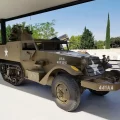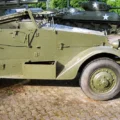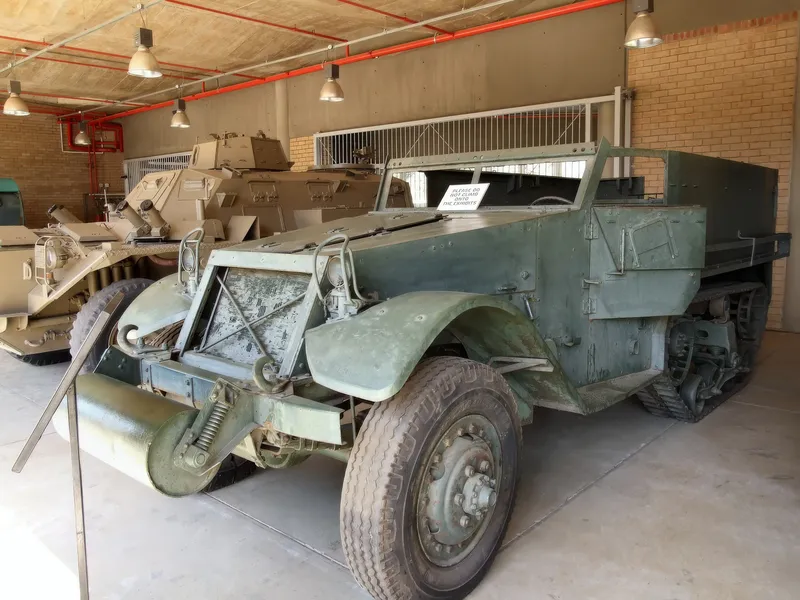
M9A1 · | |
|---|---|
| Paese | Usa |
| digitare | Halftrack |
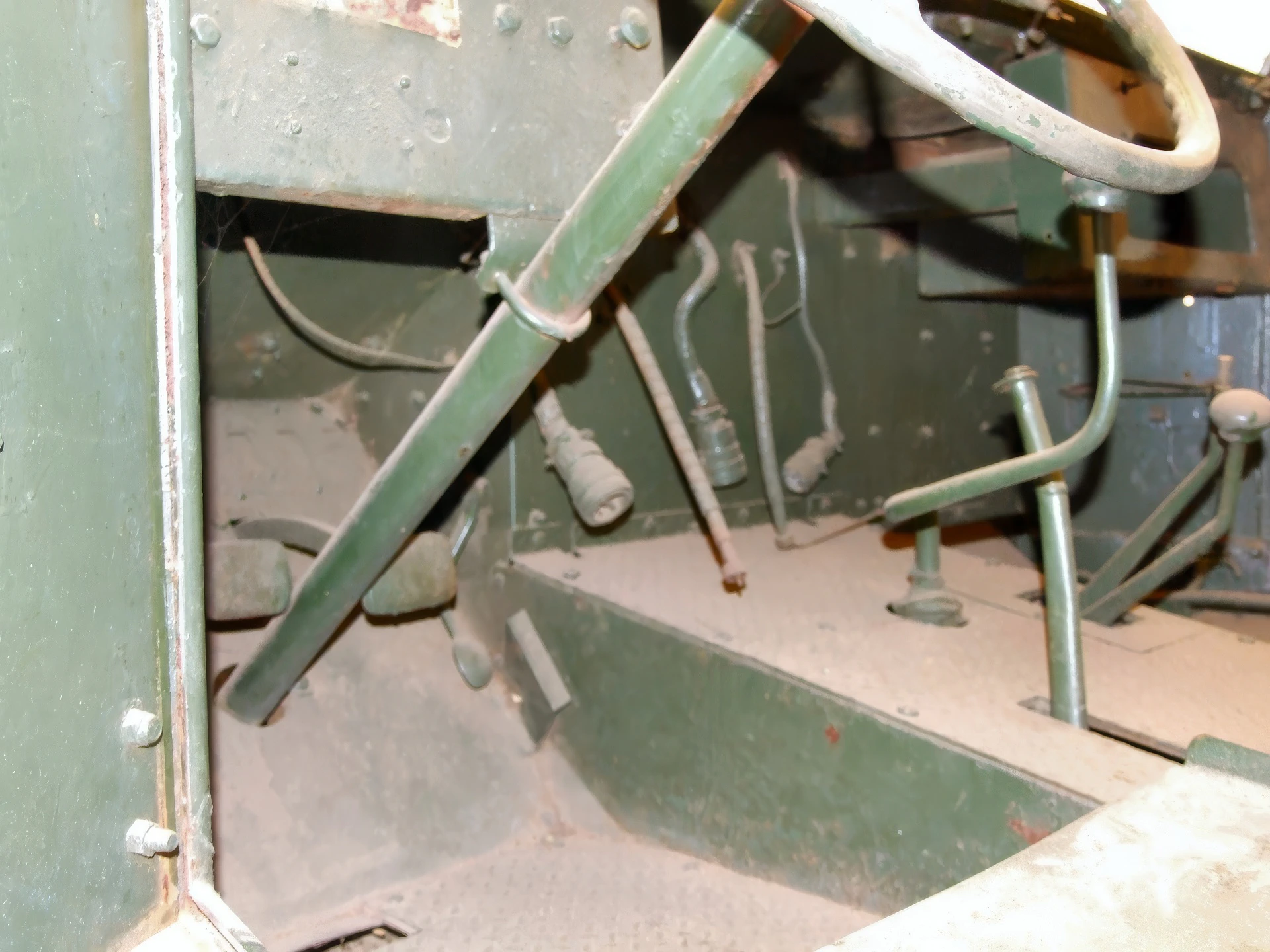
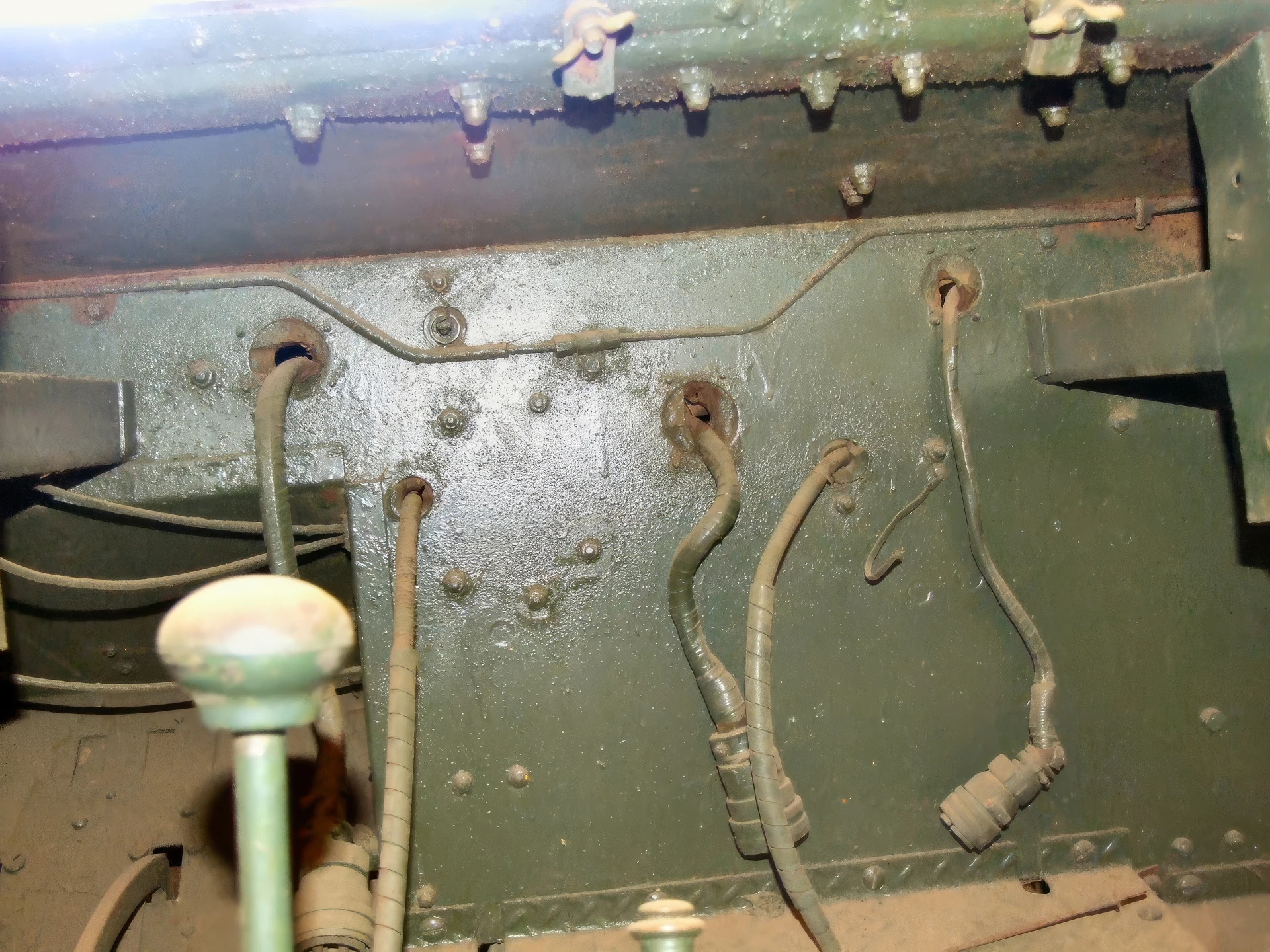
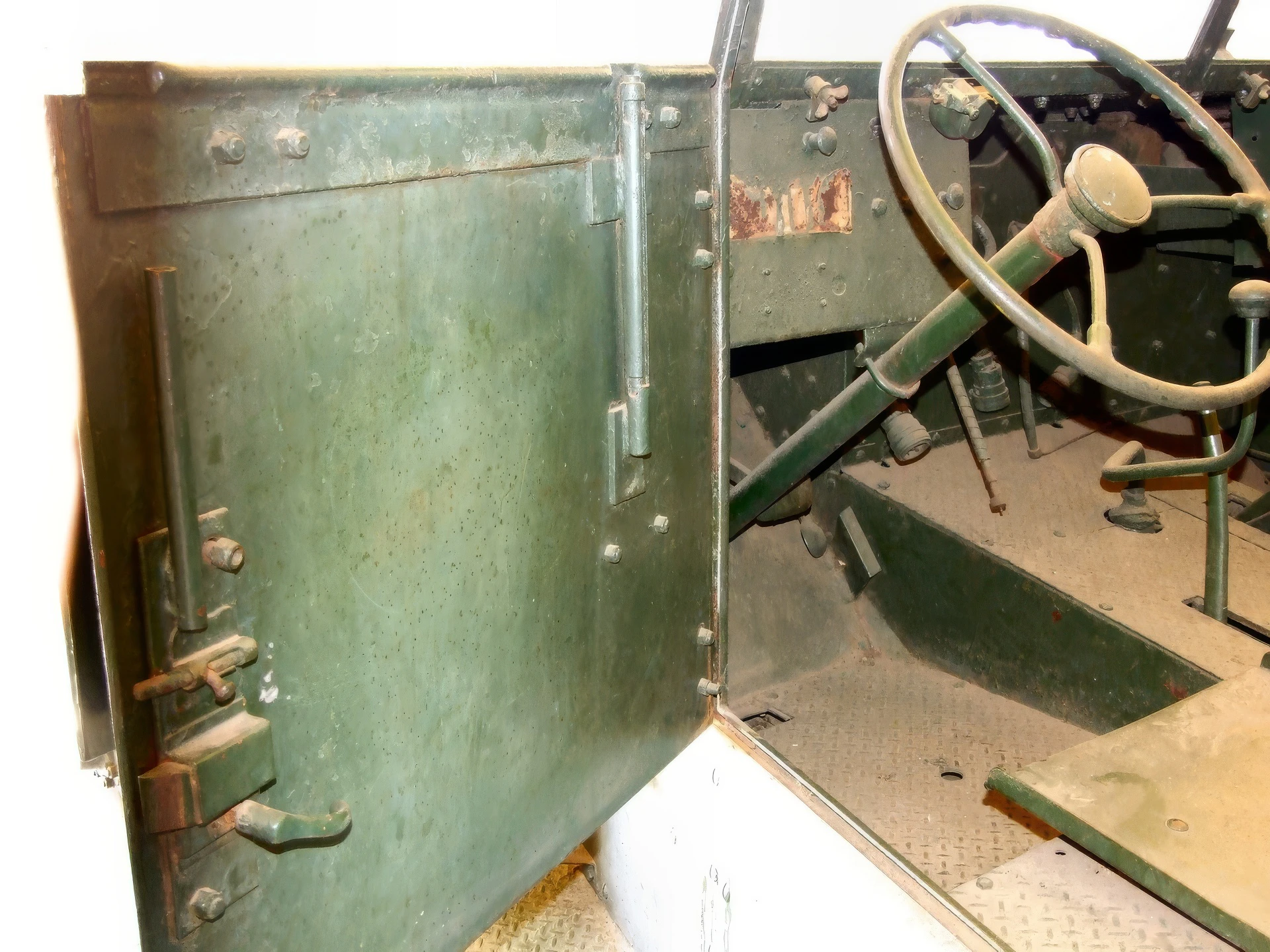
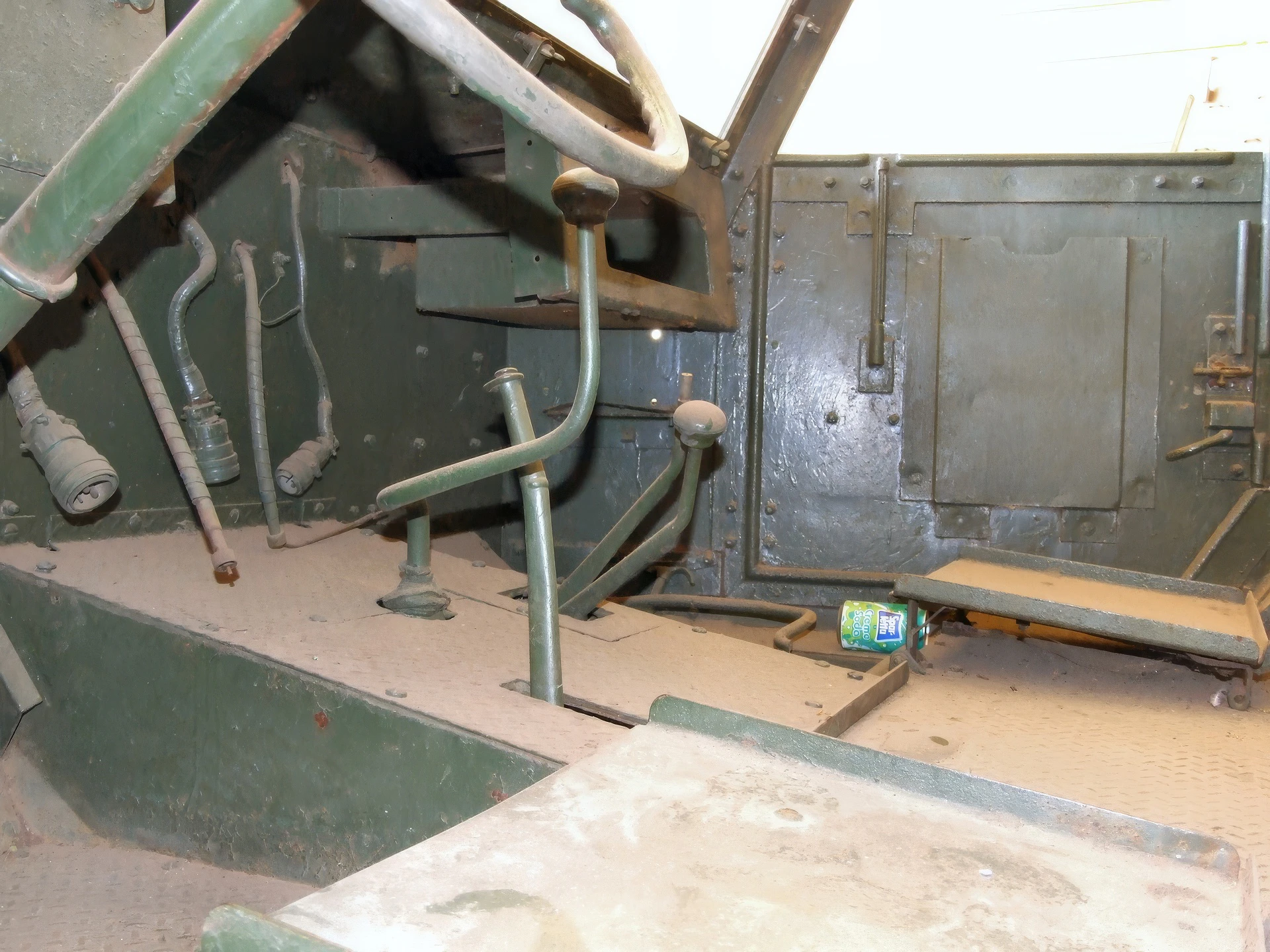
| Argomento | Album di 47 foto walk-around di un M9A1 · |
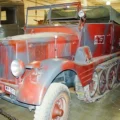
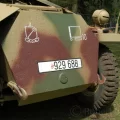
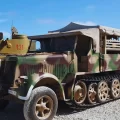
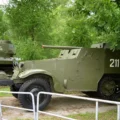
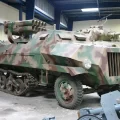
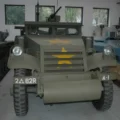
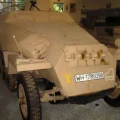
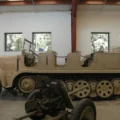
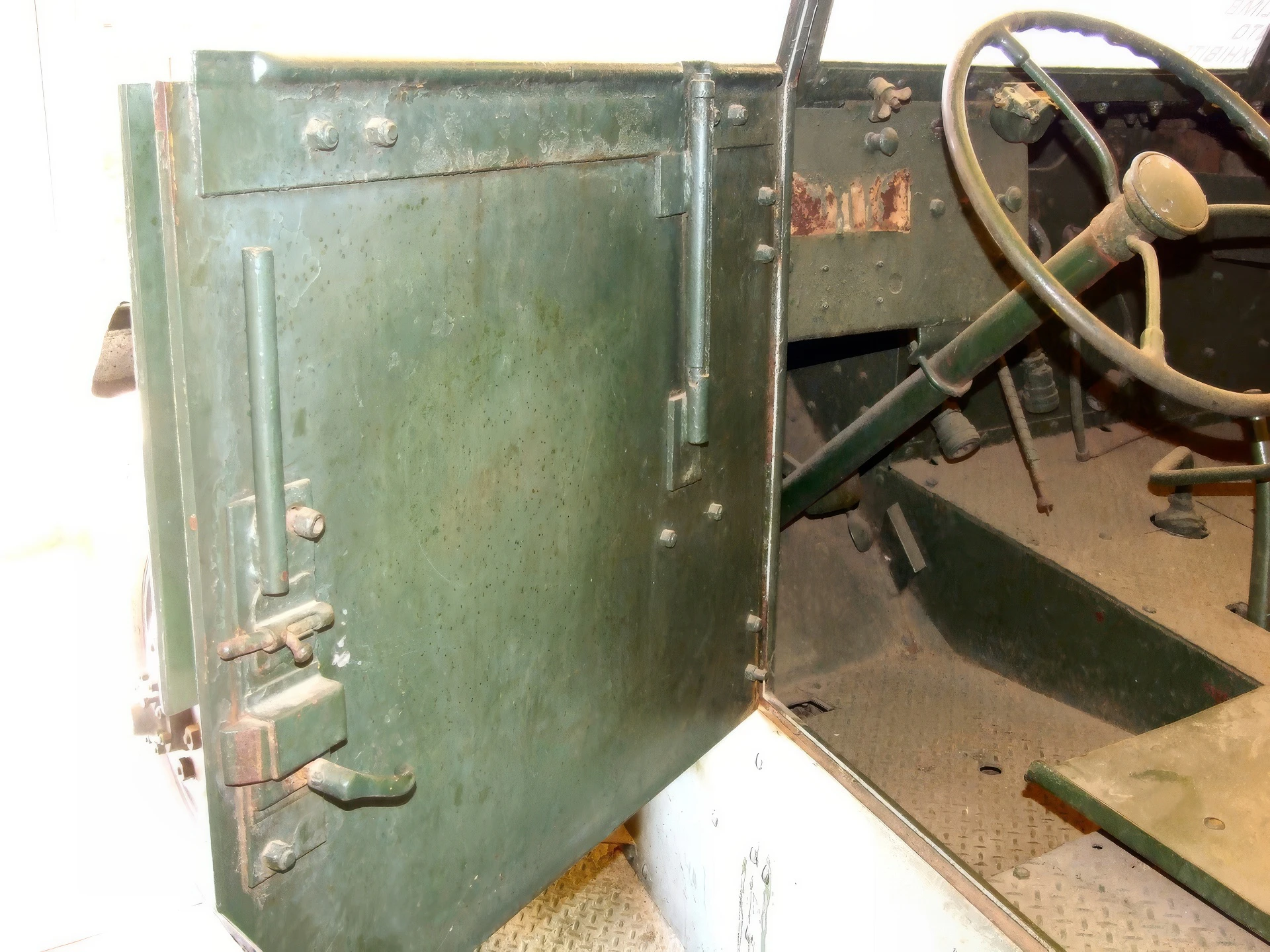
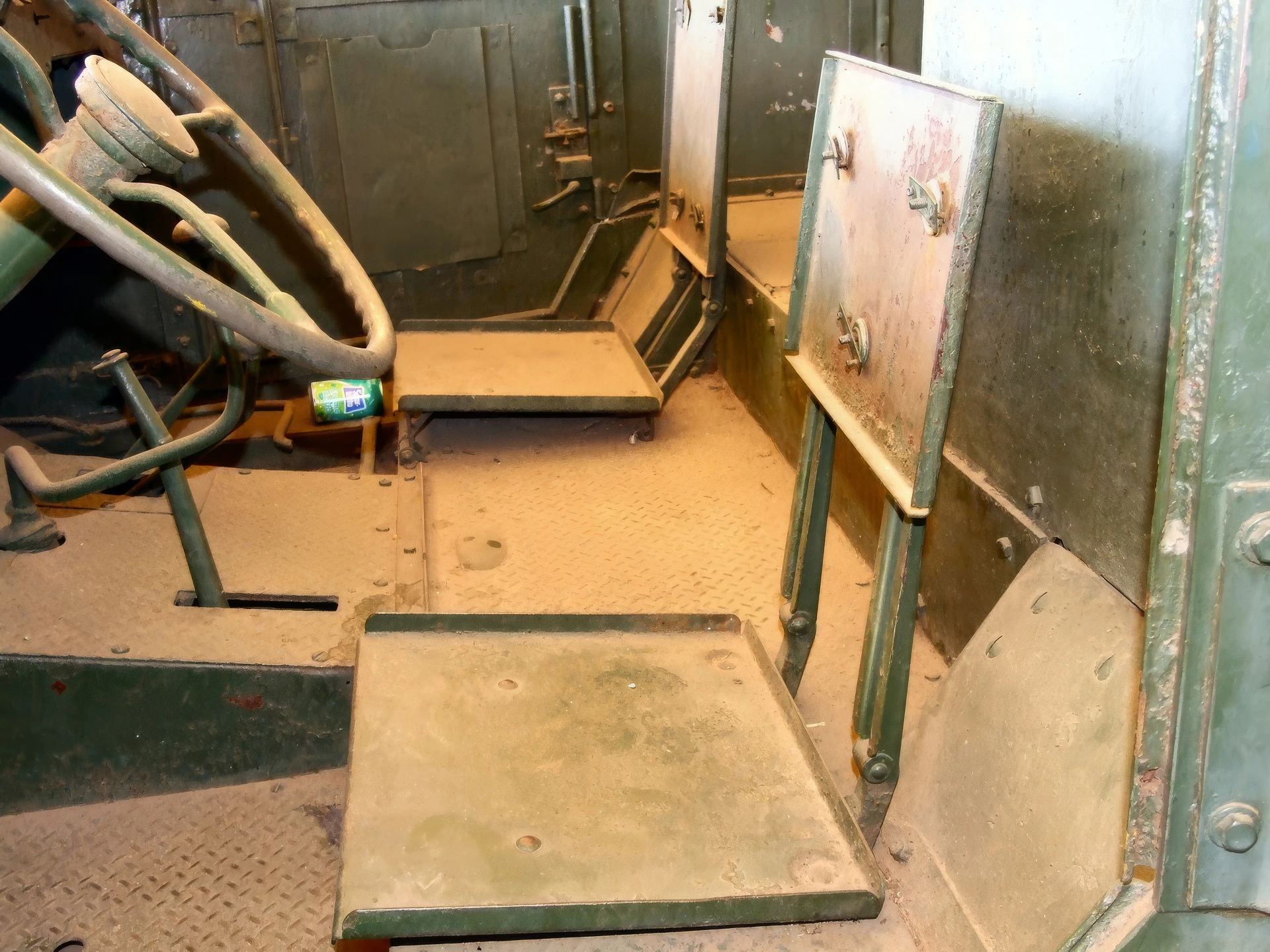
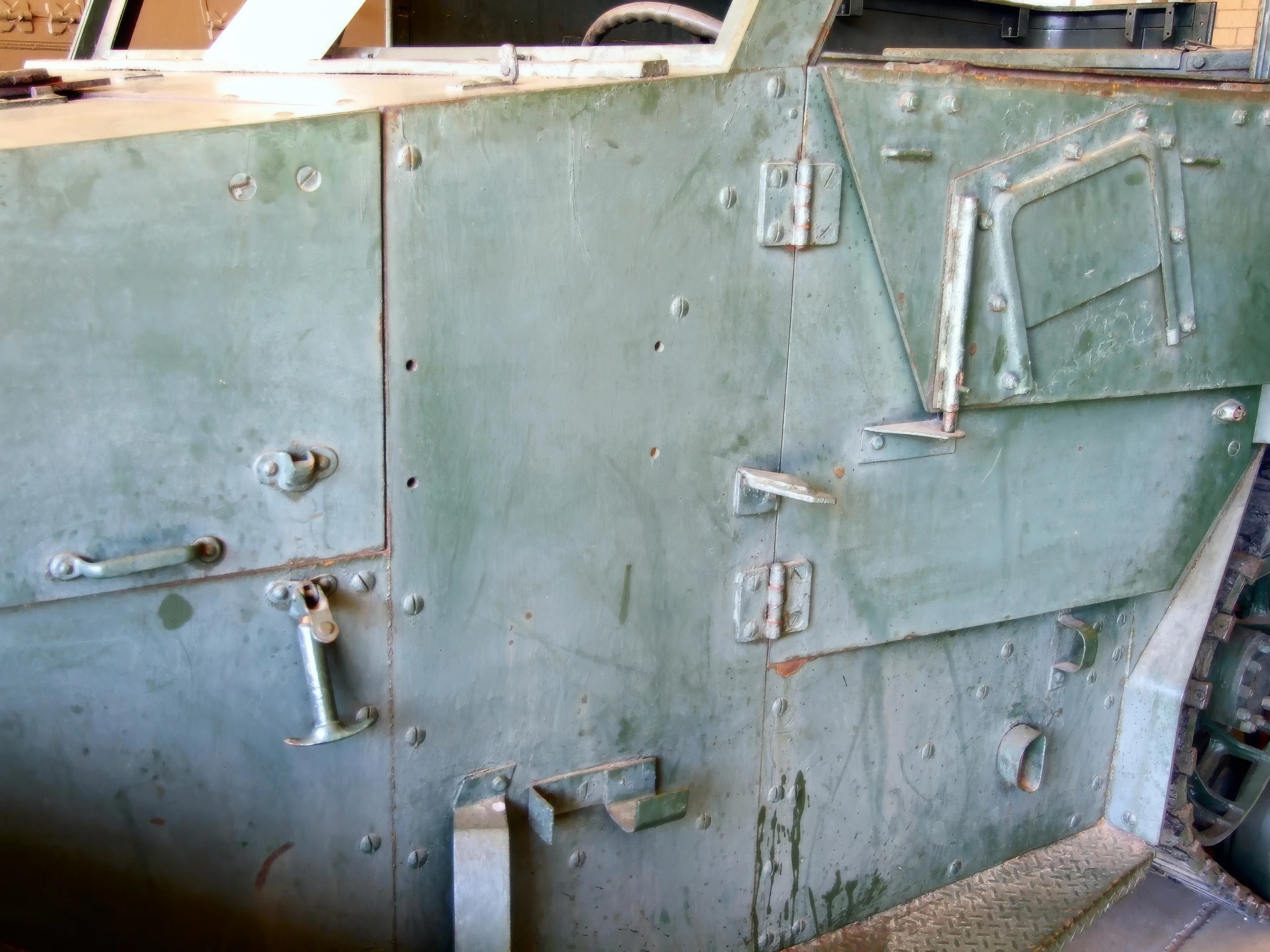
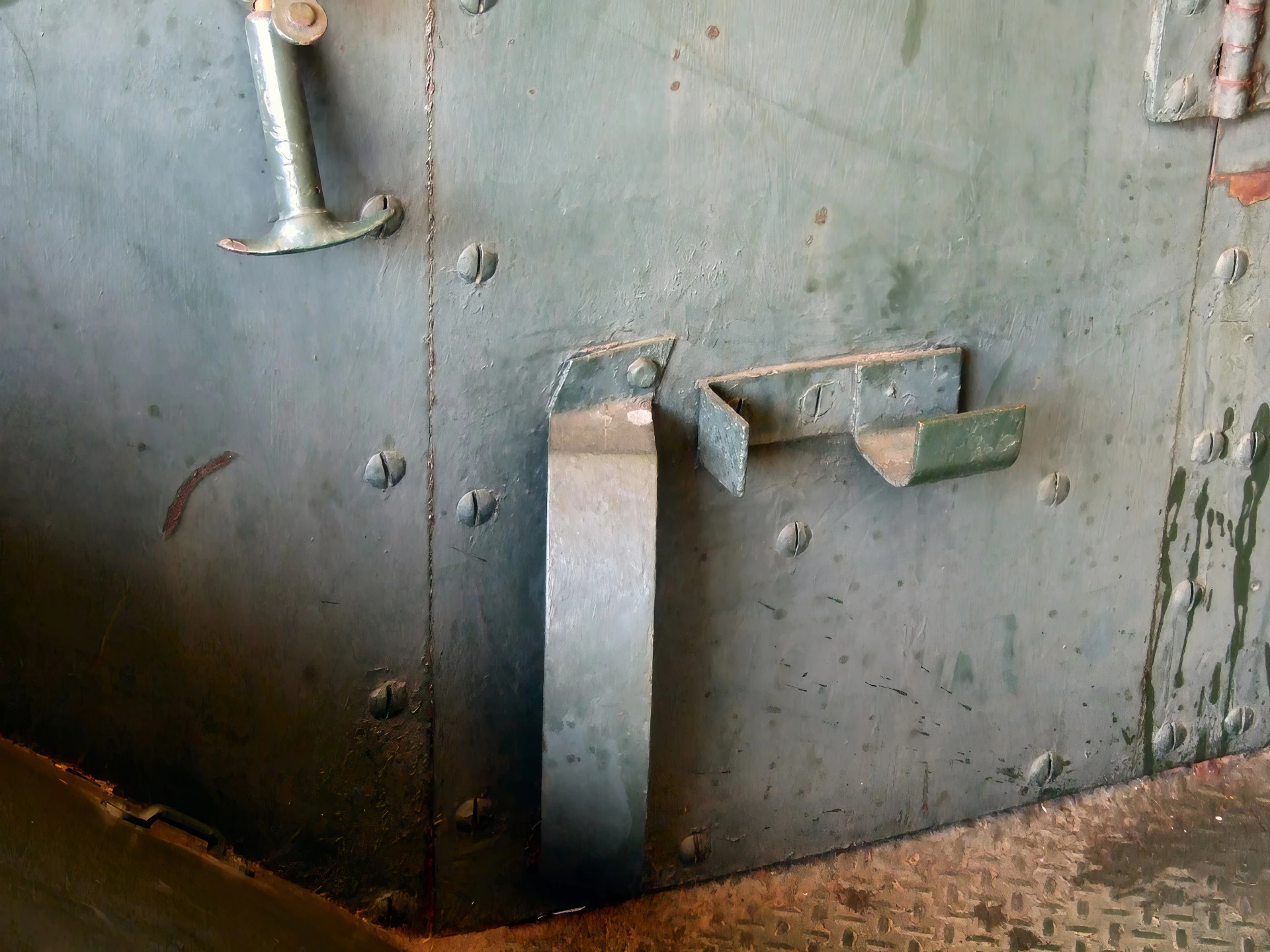
Galleria fotografica di un M9A1 HalfTrack, Il M9A1 · derivava dal fatto che White e Autocar non potevano tenere il passo con la domanda di auto semicingolate, ed era analogo al semicingolato M2. Tuttavia, gli M9A1 differivano per diversi aspetti dall'M2A1. Gli M9A1 mancavano dei compartimenti delle munizioni laterali, presentavano porte posteriori, i parafanghi degli M9A1 erano piatti in sezione trasversale e, a differenza dell'M2A1, il corpo dell'M9A1 era della stessa lunghezza dell'M5, la sua controparte da trasporto personale. Anche la M9A1 non ha mai avuto i grandi fari montati sul parafango. International Harvester ha utilizzato armature in acciaio omogeneo laminato sui loro veicoli, che hanno permesso di saldare insieme le piastre, dando ai semicingolati di IHC un aspetto più liscio rispetto ai semicingolati imbullonati.
fonte: Afvdb


Vedi anche:


Le M9A1 Half-Track Car was a variant of the M5 Half-Track produced by International Harvester (IHC) primarily for Lend-Lease to Allied nations during World War II, complementing the M2 and M3 Half-Tracks built by other manufacturers for US Army service. It served mainly as an armored personnel carrier and scout car.
Key Specifications and Features (M9A1)
| Characteristic | Detail |
|---|---|
| Ruolo | Armored Personnel Carrier (APC) / Scout Car |
| Produttore | International Harvester (IHC) |
| Crew / Capacity | 3 Crew + 10 Troops |
| Weight (Combat) | Approx. 9.6 tonnes (21,200 lbs) |
| Engine / Speed | IHC RED-450-B 6-cyl gasoline engine (141 hp) / Max. 42 mph (68 km/h) |
| Armatura | Rolled Homogeneous Steel (approx. 8–16 mm) |
| Armamento principale | 1 × .50 cal (12.7 mm) M2HB machine gun on an M49 Ring Mount |
| Armamento secondario | 1 or 2 × .30 cal (7.62 mm) M1919A4 machine guns on pintle mounts |
Design & Operational Context
The M9A1 was developed as an export version analogous to the US Army’s M2A1 Half-Track Car, but was based on the longer M5 chassis (similar length to the M3 APC). The key difference between the M9A1 and its M2/M2A1 counterparts were:
- It featured rear access doors for the troop compartment, unlike the standard M2.
- It used a different type of armor (Rolled Homogeneous Steel) which, though thicker, offered slightly less ballistic protection than the face-hardened armor on the M2/M3. This IHC armor gave it distinguishing rounded rear corners.
- It was fitted with the **M49 machine gun ring mount** over the co-driver’s seat, allowing a .50 cal machine gun 360-degree traverse, which was the key update over the base M9 model.
The M9A1 was widely supplied to Allies, particularly the French and British forces, who valued the vehicle for its role in transporting infantry squads, providing fire support, and acting as a motorized artillery prime mover during the Western Front and beyond. It was a rugged and reliable, though lightly armored, part of the Allied armored transport fleet.
Punti di vista: 3236