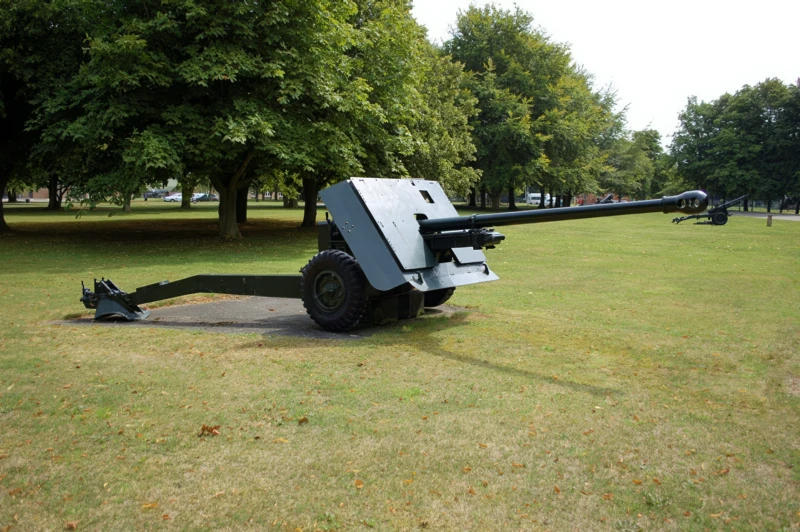
QF 17 pdr Mk I-II | |
|---|---|
| Ország | Egyesült Királyság |
| Típus | Páncéltörő ágyúháború |
| Időszak | második világháború |
| Téma | Albuma 23 Fotók egy fegyverről QF 17 pdr Mk I-II |
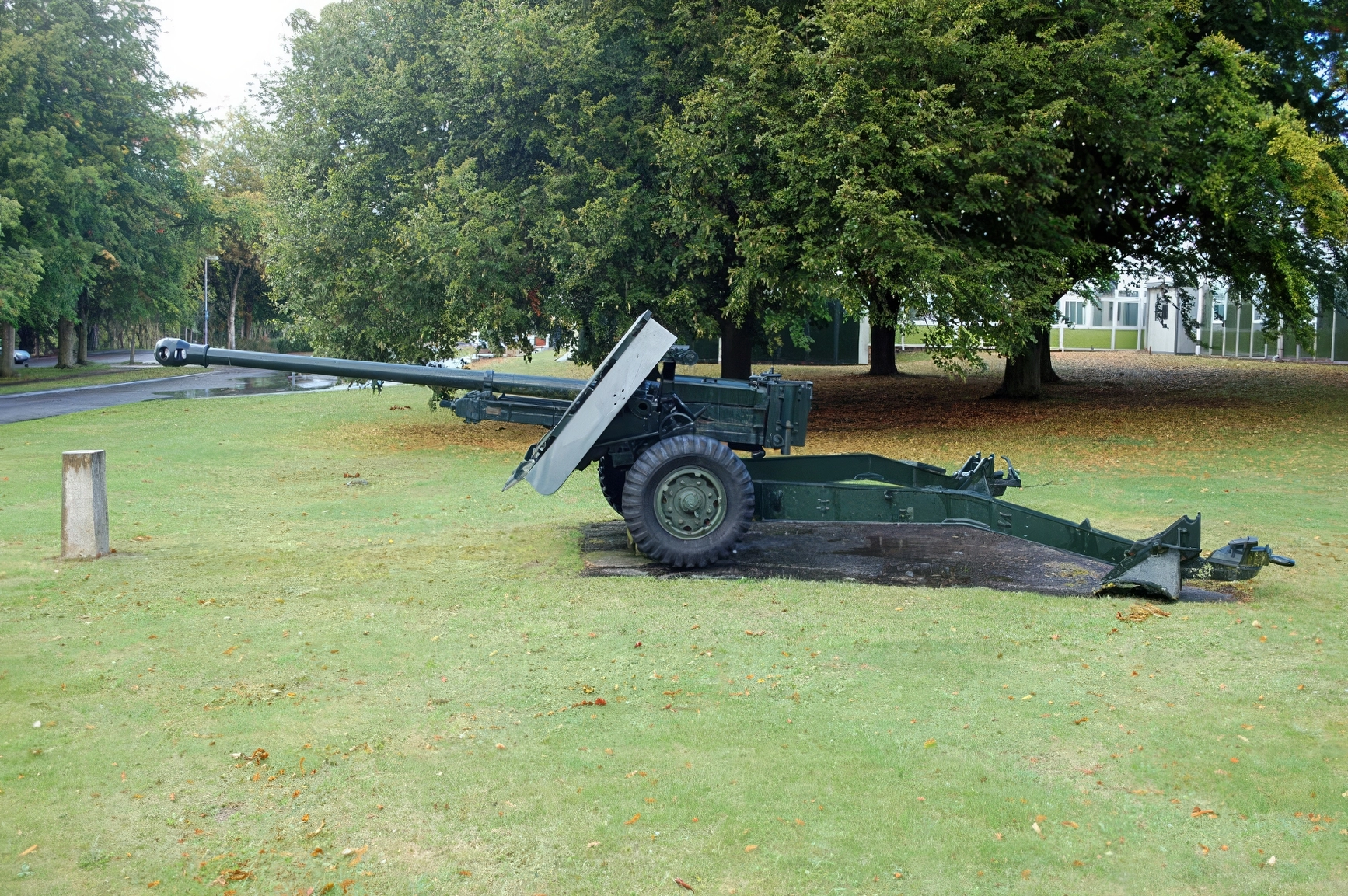
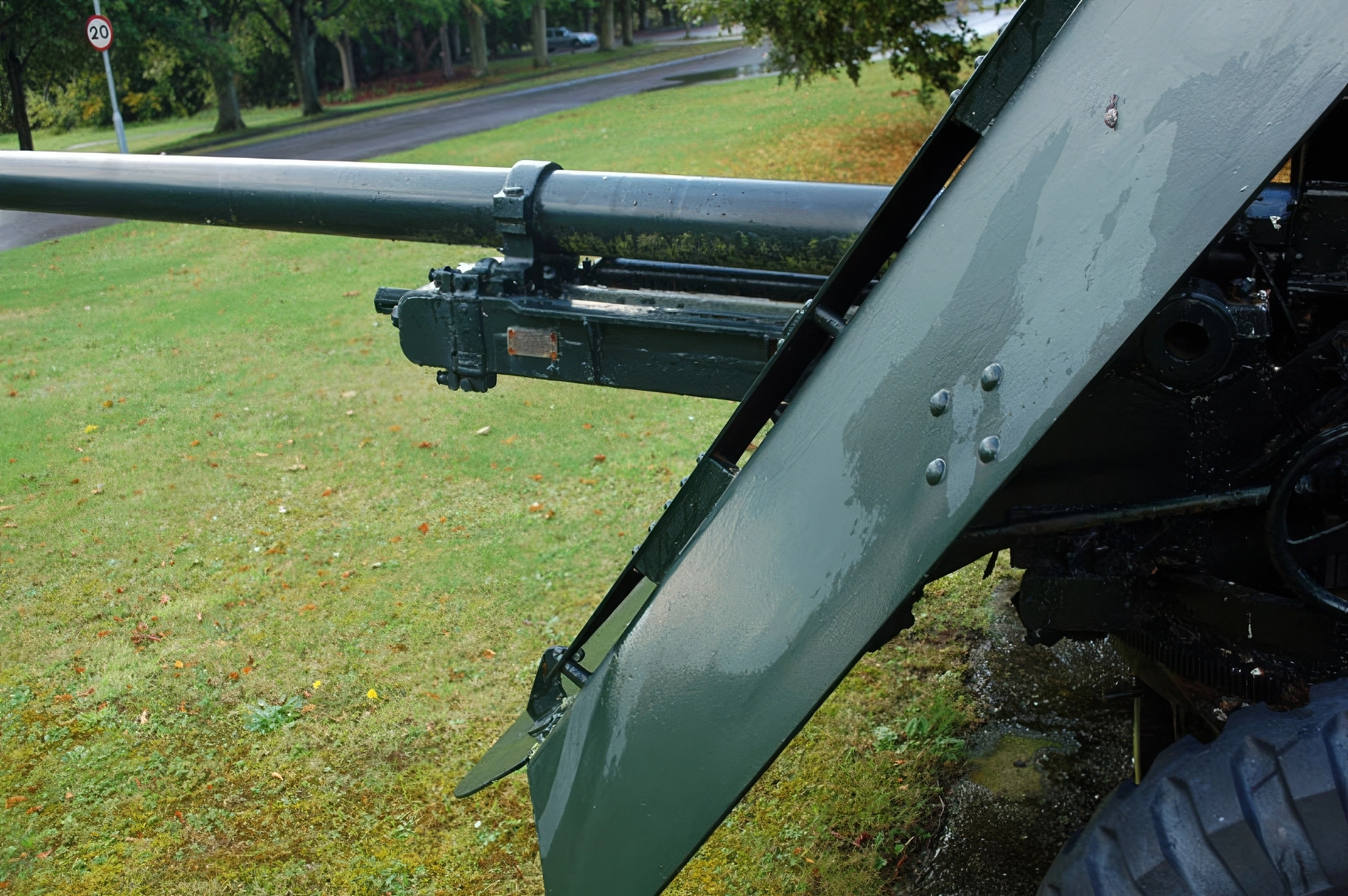
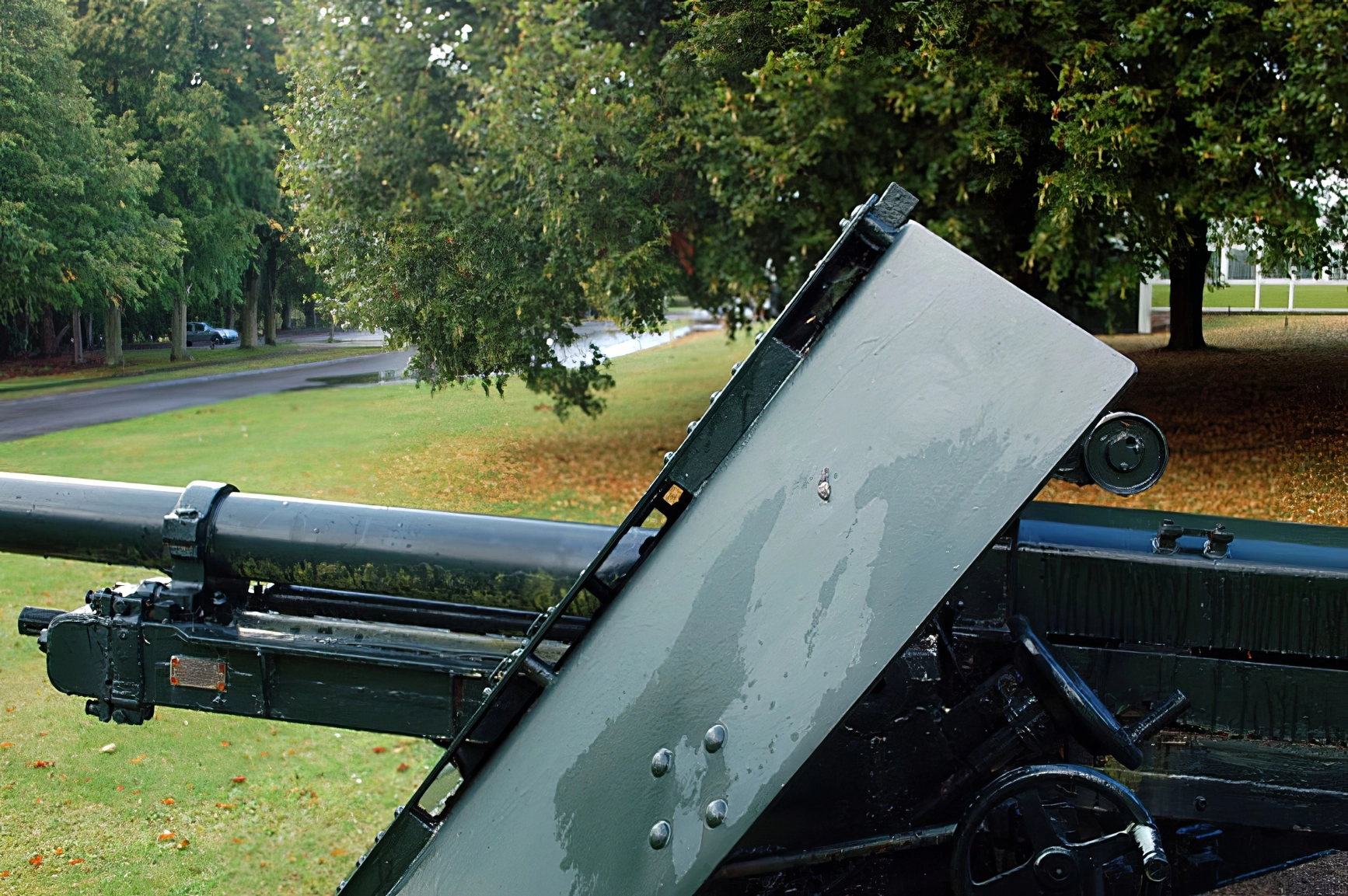
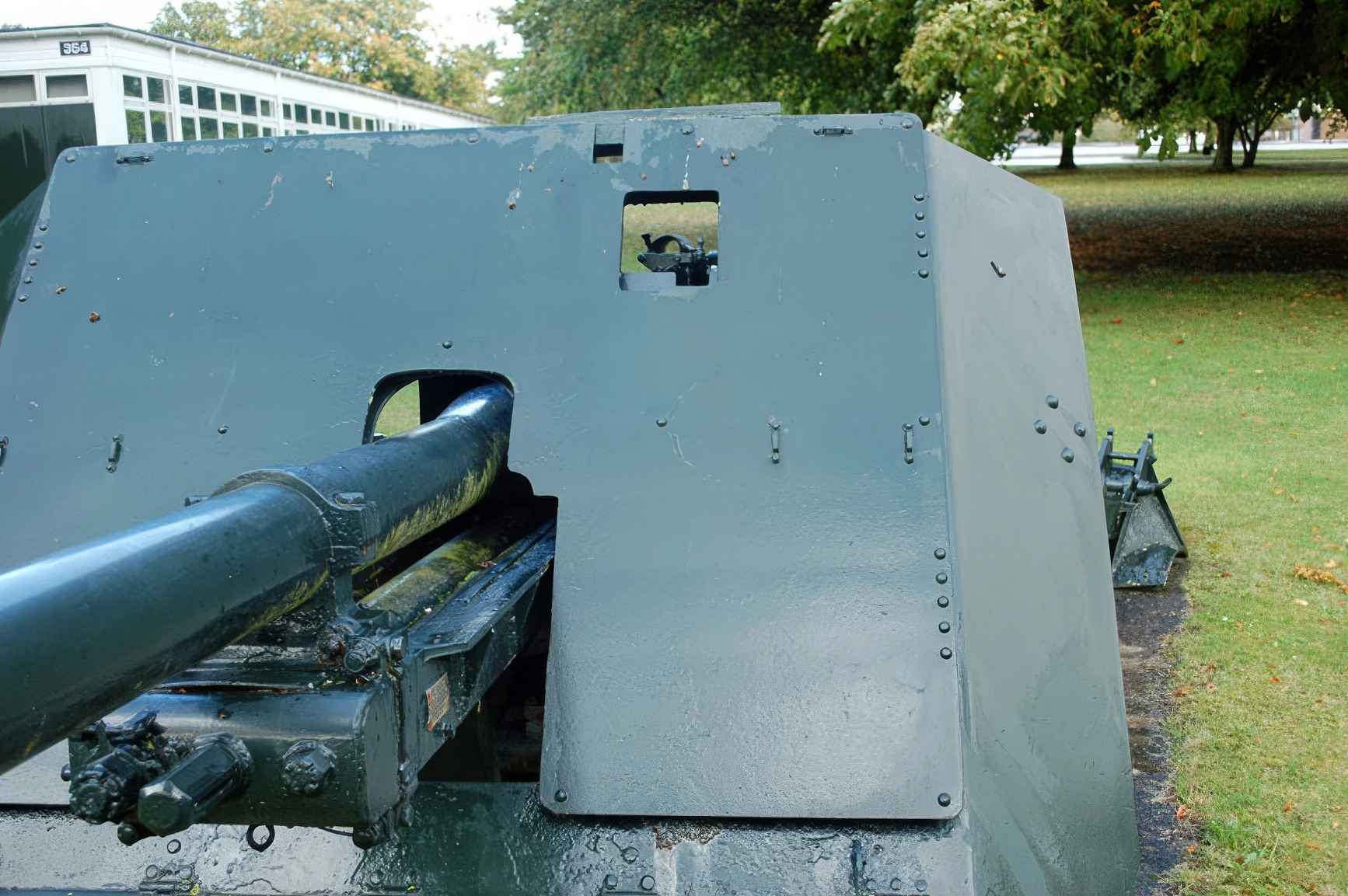
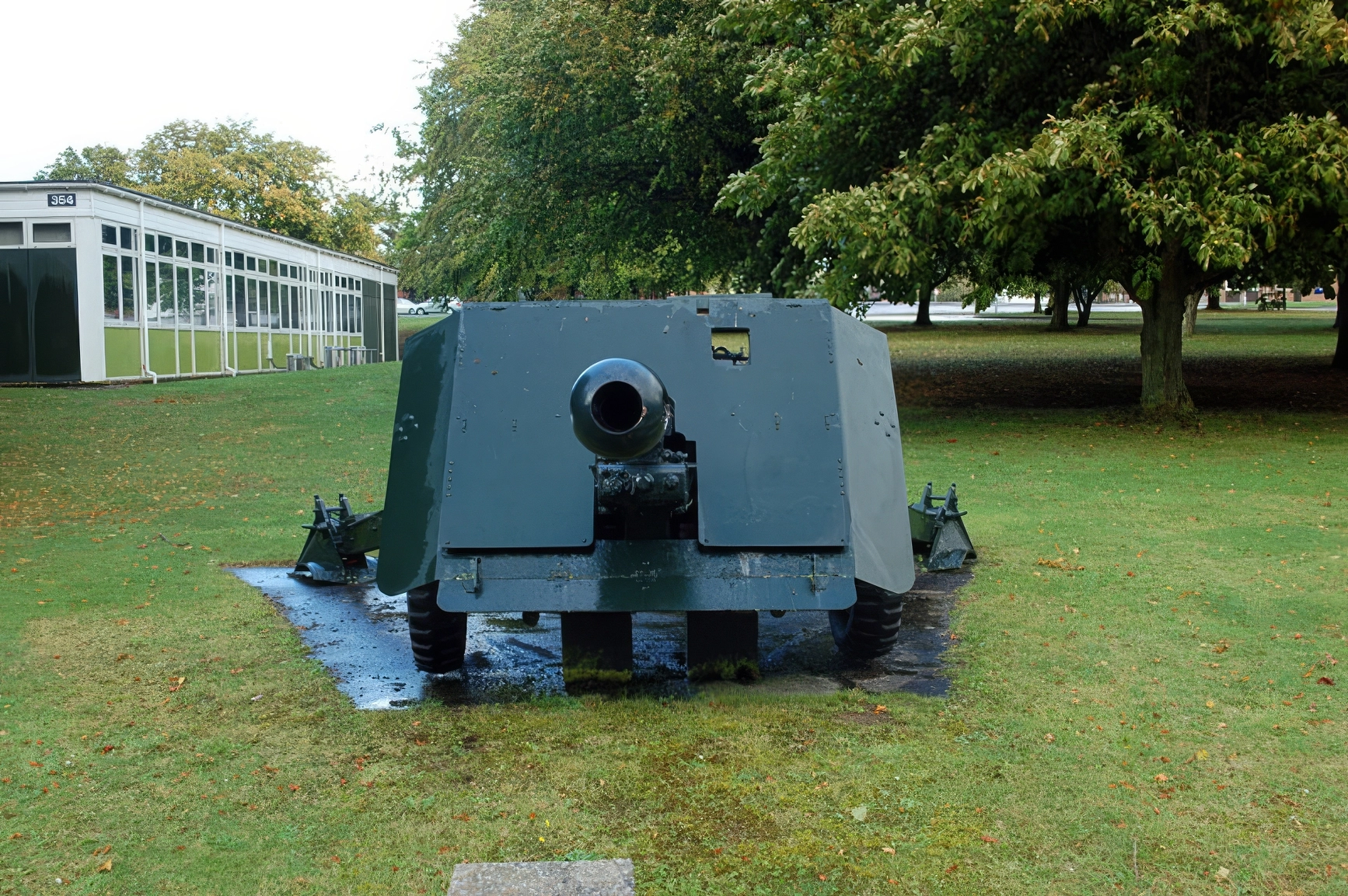
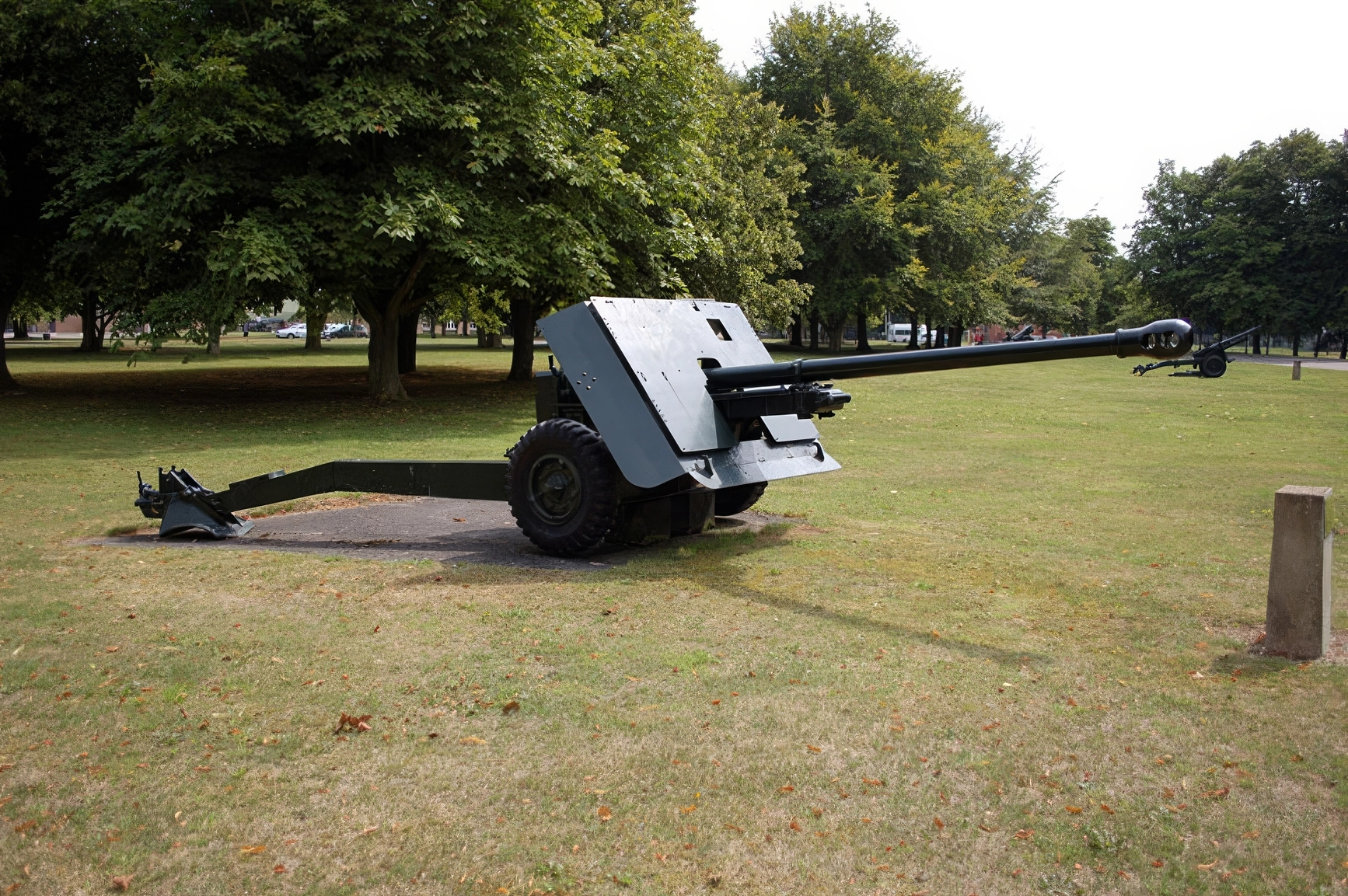
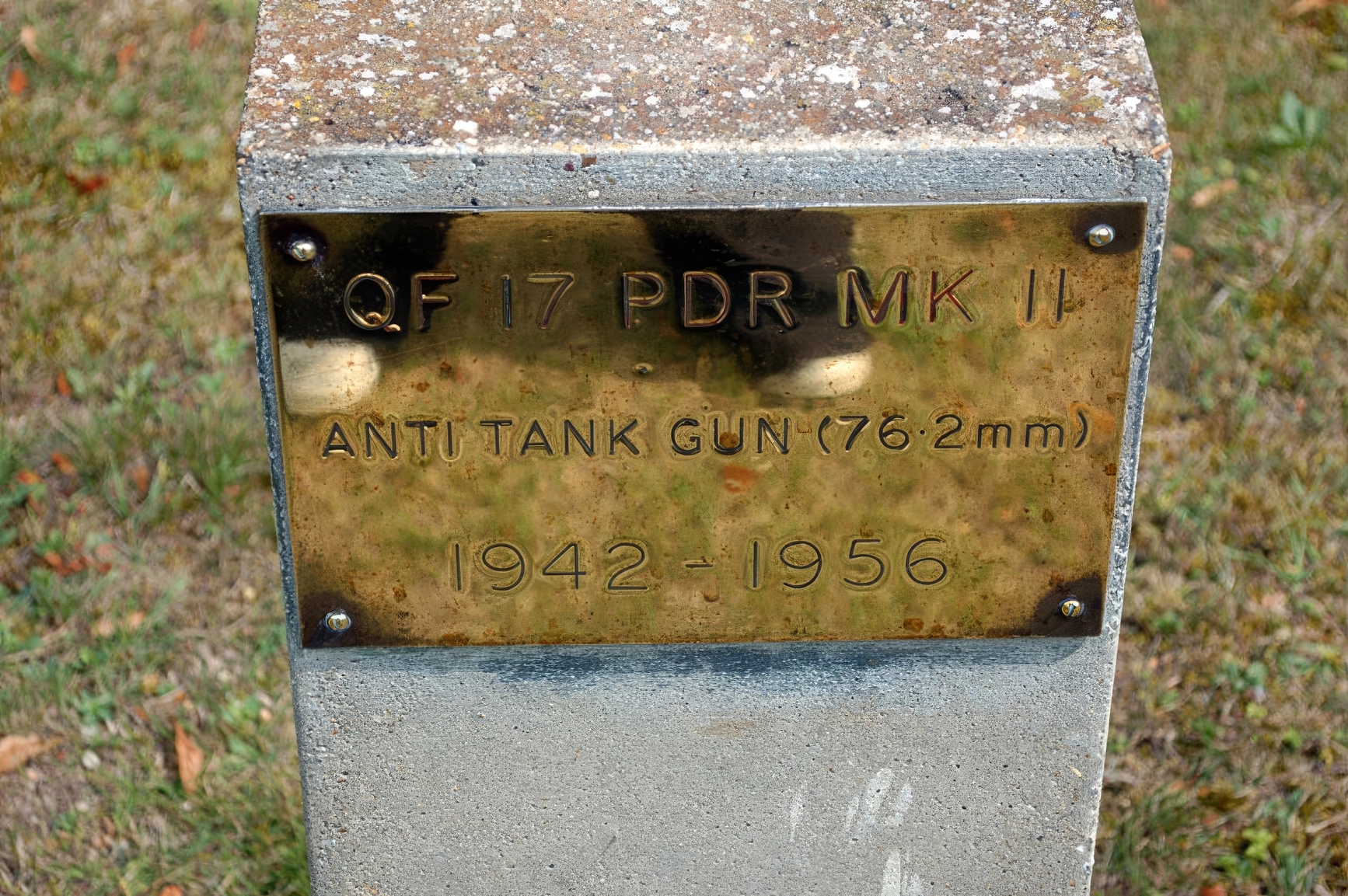
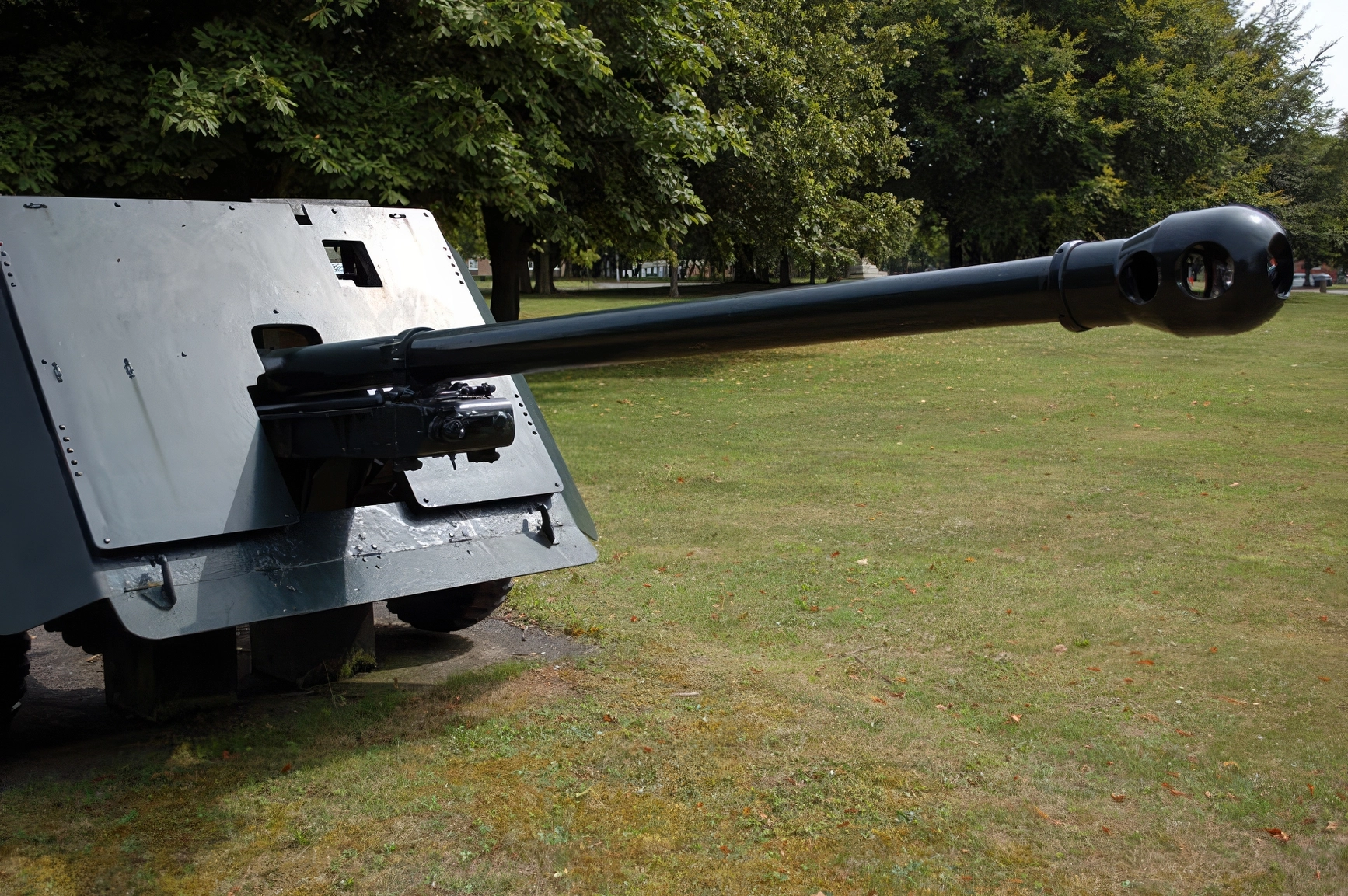
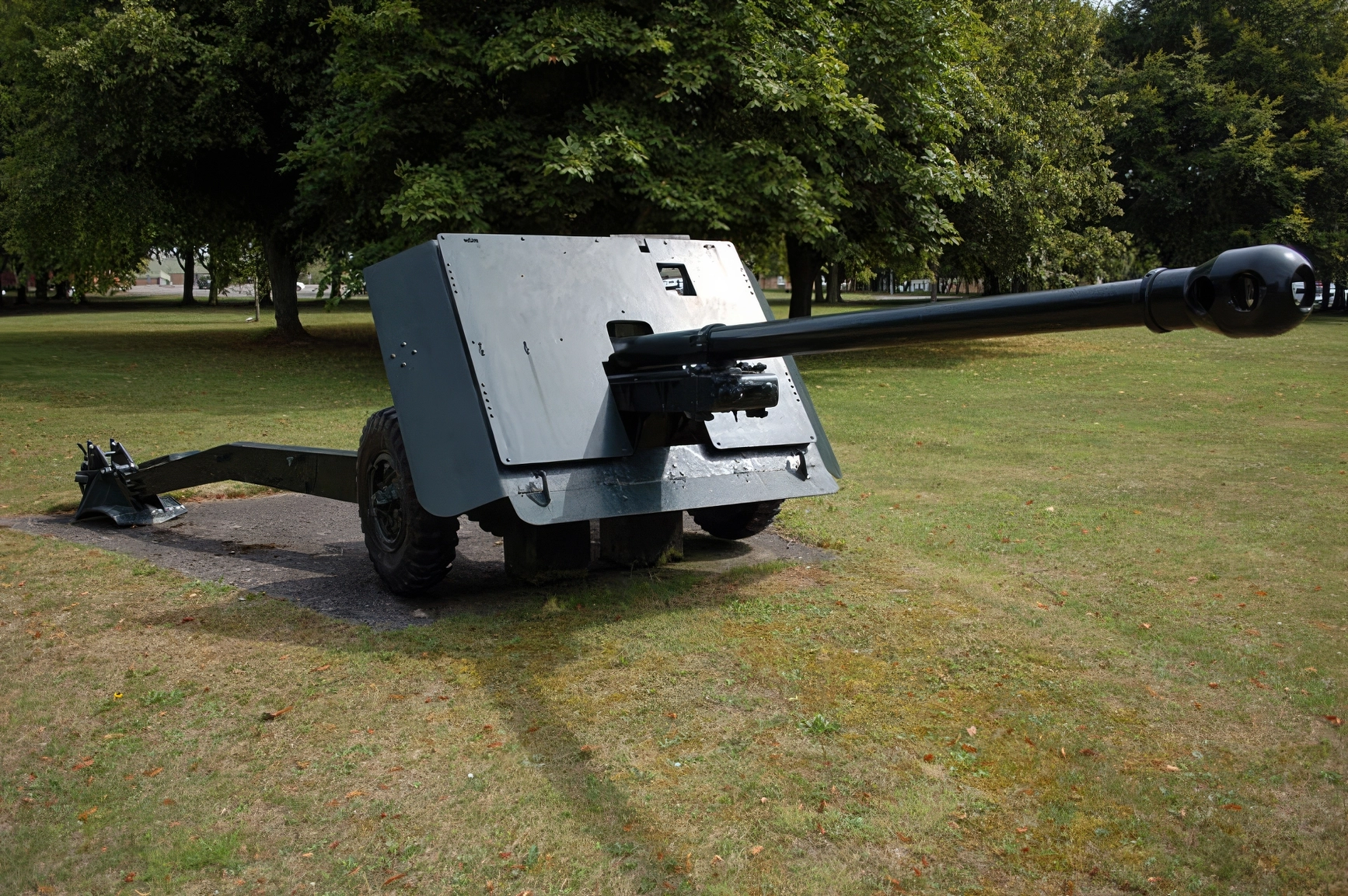
Fotógaléria egy QF 17 pdr Mk I-II-ről, Ordnance gyorstüzelő 17 fontos (vagy csak 17 pdr) egy 76,2 mm-es (3 hüvelykes) löveg volt, amelyet az Egyesült Királyság fejlesztett ki a második világháború alatt. Páncéltörő ágyúként használták saját kocsiján, valamint számos brit harckocsi felszerelésére. Ez volt a háború leghatékonyabb szövetséges páncéltörő ágyúja. Az APDS lövésével együtt használva a legvastagabb páncélzat kivételével a német harckocsik összes páncélzatát képes volt legyőzni. Néhány külföldi gyártmányú, brit szolgálatban lévő jármű "felfegyverzésére" használták, nevezetesen az amerikai M4 Sherman harckocsi Sherman Firefly változatának előállítására, lehetővé téve a brit harckocsiegységek számára, hogy megállják a helyüket német társaikkal szemben. Páncéltörő szerepben a háború után a 120 mm-es BAT visszarúgás nélküli puska váltotta fel. Harckocsiágyúként a 84 mm-es 20 fontos követte.
Forrás: Wikipédia

Lásd még:


The Most Formidable Anti-Tank Gun of the West
A Ordnance QF 17-pounder was arguably the finest Allied anti-tank gun of World War II. Developed in 1941 to counter the increasing thickness of German armor, it surpassed the earlier 2-pdr and 6-pdr guns in every metric. While the Mk I. was the standard towed version on a split-trail carriage, the Mk II (and subsequent Marks) were optimized for use in tanks and tank destroyers. It was the only Allied gun capable of consistently knocking out a Tiger or Panther at combat ranges, making it the most feared weapon in the British arsenal.
| Attribute | Technical Specification (17-pdr Mk I) |
|---|---|
| Szerepet | Anti-Tank Gun (Towed or Vehicle Mounted) |
| Kaliber | 76.2 mm (3 inches) |
| Barrel Length | 55 calibers (approx. 4.2 meters) |
| Rate of Fire | 10 rounds per minute |
| Max Range (HE) | ~9,600 meters (10,500 yards) |
| Armor Penetration | ~130mm (APCBC) to ~230mm (APDS) at 1000m |
| Weight (Towed) | 2,100 kg (4,600 lbs) |
| Carriage | Split-trail (Mk I) / Vehicle mounting (Mk II) |
Design Engineering: High Velocity and Sub-Caliber Power
- The Muzzle Brake: Due to the massive propellant charge required to fire such a heavy shell at high speeds, the 17-pdr produced a violent recoil. A large, double-baffle muzzle brake was essential to dissipate the gases and prevent the gun from leaping off the ground.
- APDS (Sabot) Technology: The 17-pdr pioneered the use of Armor-Piercing Discarding Sabot (APDS) ammunition. By firing a smaller tungsten core inside a lightweight sleeve that fell away after leaving the barrel, the projectile achieved incredible velocities (over 1,200 m/s), allowing it to punch through the front of a Tiger II.
- The “Pheasant” Expedient: When the 17-pdr barrels were ready before their proper carriages were, the British mounted them on 25-pounder howitzer carriages. These hybrid guns, known as “Pheasants,” were rushed to North Africa just in time to surprise German Tiger tanks at Medenine.
- Mk II Integration: To fit this massive gun into a tank turret (like the Sherman Firefly), the recoil system had to be completely redesigned. The Mk II variant featured a shorter recoil stroke and turned the gun 90 degrees on its side to allow the loader to access the breech more easily in cramped conditions.
Operational History: Breaking the Panzers
- The Firefly Legend: Perhaps the most famous use of the 17-pdr was in the Sherman szentjánosbogár. This gave British and Commonwealth armored units a tank that could finally kill German heavies from the front, forcing German tank commanders to target the “long-barreled Shermans” first.
- Northwest Europe: From D-Day to V-E Day, the 17-pdr was the primary “door kicker.” Whether towed by a Crusader tractor or mounted on the Achilles És Íjász tank destroyers, it provided the lethal reach needed to halt German counter-attacks.
- Massive Signature: The downside of its power was the muzzle blast. Firing the 17-pdr kicked up so much dust and debris that it instantly gave away the gun’s position and often blinded the crew for several seconds after the shot.
- Post-War Service: The 17-pdr was so effective it remained in service long after the war, seeing action in the Korean War and serving as the primary armament for the early Israeli tank corps.
Views : 3064
Láthatjuk azt is:
 45 mm-es M1937 páncéltörő ágyú – Fotók és videók
 TACAM R-2 – Fotók & videó
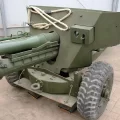 Airborne 6pdr páncéltörő pisztoly – Séta
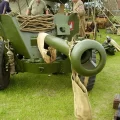 Ordnance QF 6-pounder - Séta körül
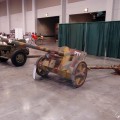 50mm PaK 38 – Séta
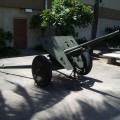 37mm Type 1 – SétaAround
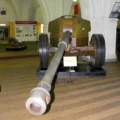 8.8cm Pak 43-41 – Séta
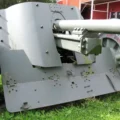 Pak 38 – SétaAround
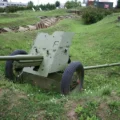 45 mm-es modell 1934 – WalkAround
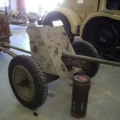 Német 37mm Pak35-36 Anti-Tank Gun - Séta körül