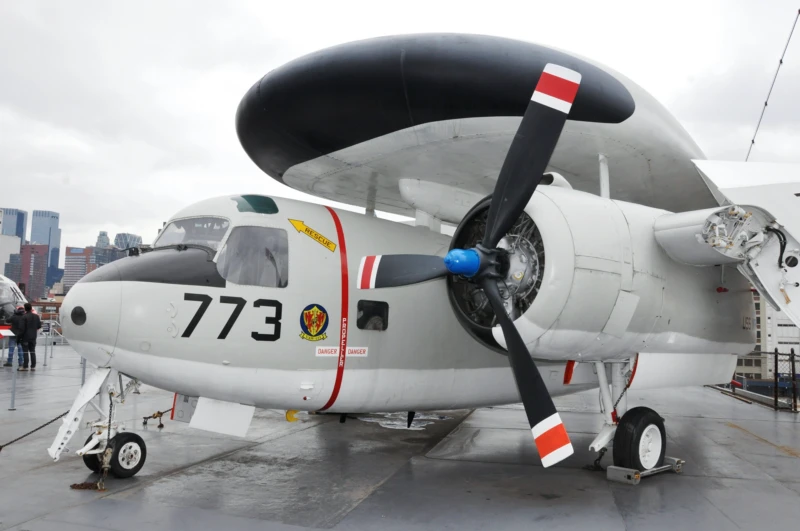
Grumman E-1 Tracer | |
|---|---|
| Ország | Usa |
| Szerepet | A légi légi fuvarozó korai figyelmeztetése |
| Első repülés | 1956. december 17. |
| Beépített | 88 |
A Grumman E-1 nyomjelző ez volt az első erre a célra épített légi korai figyelmeztető repülőgép, amelyet az Egyesült Államok haditengerészete használt. A Grumman C-1 Trader származéka volt, és először 1958-ban állt szolgálatba. Az 1970-es évekre a modernebb Grumman E-2 Hawkeye váltotta fel.
Forrás: Grumman E-1 Tracer a Wikipédián
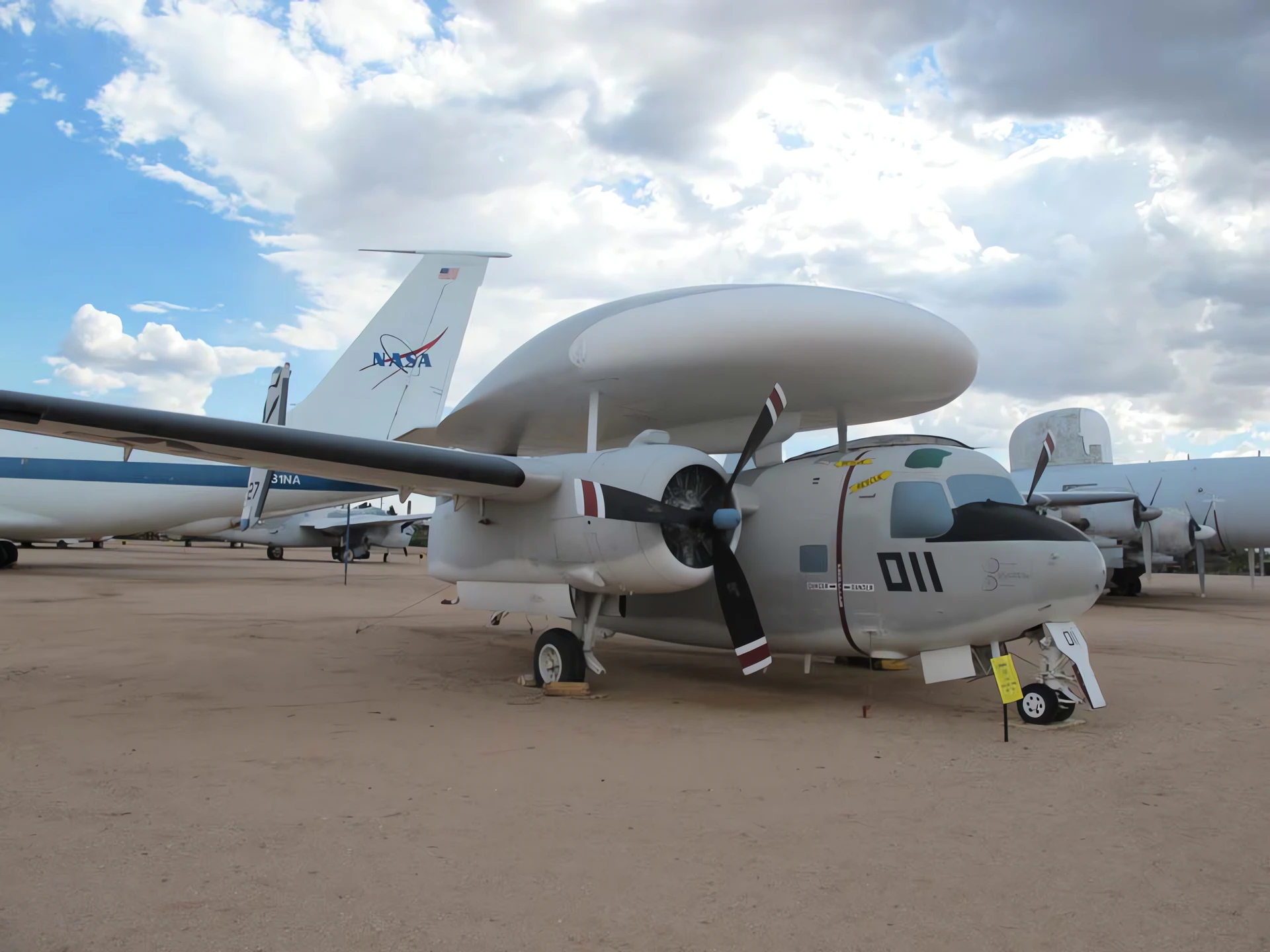
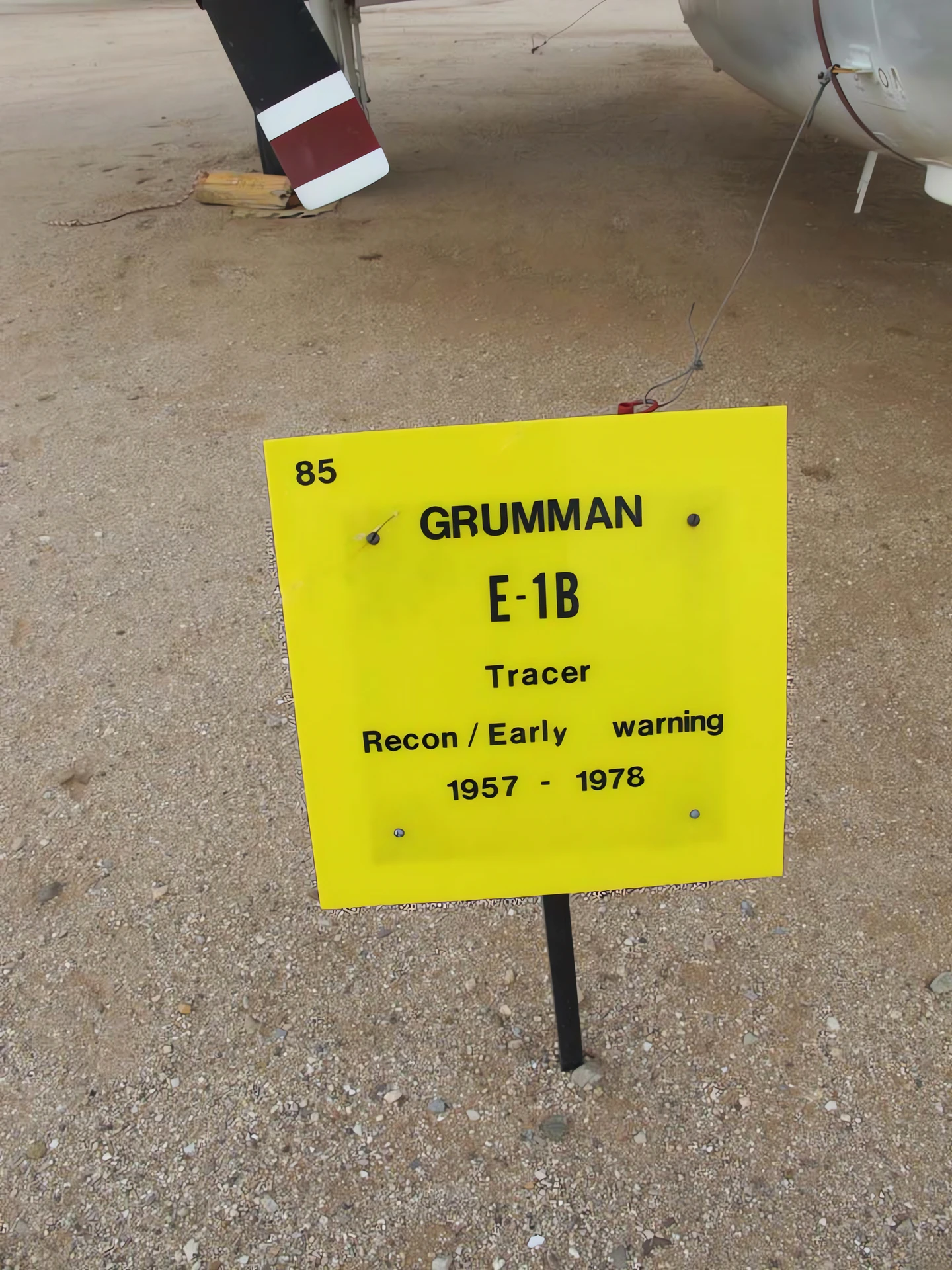
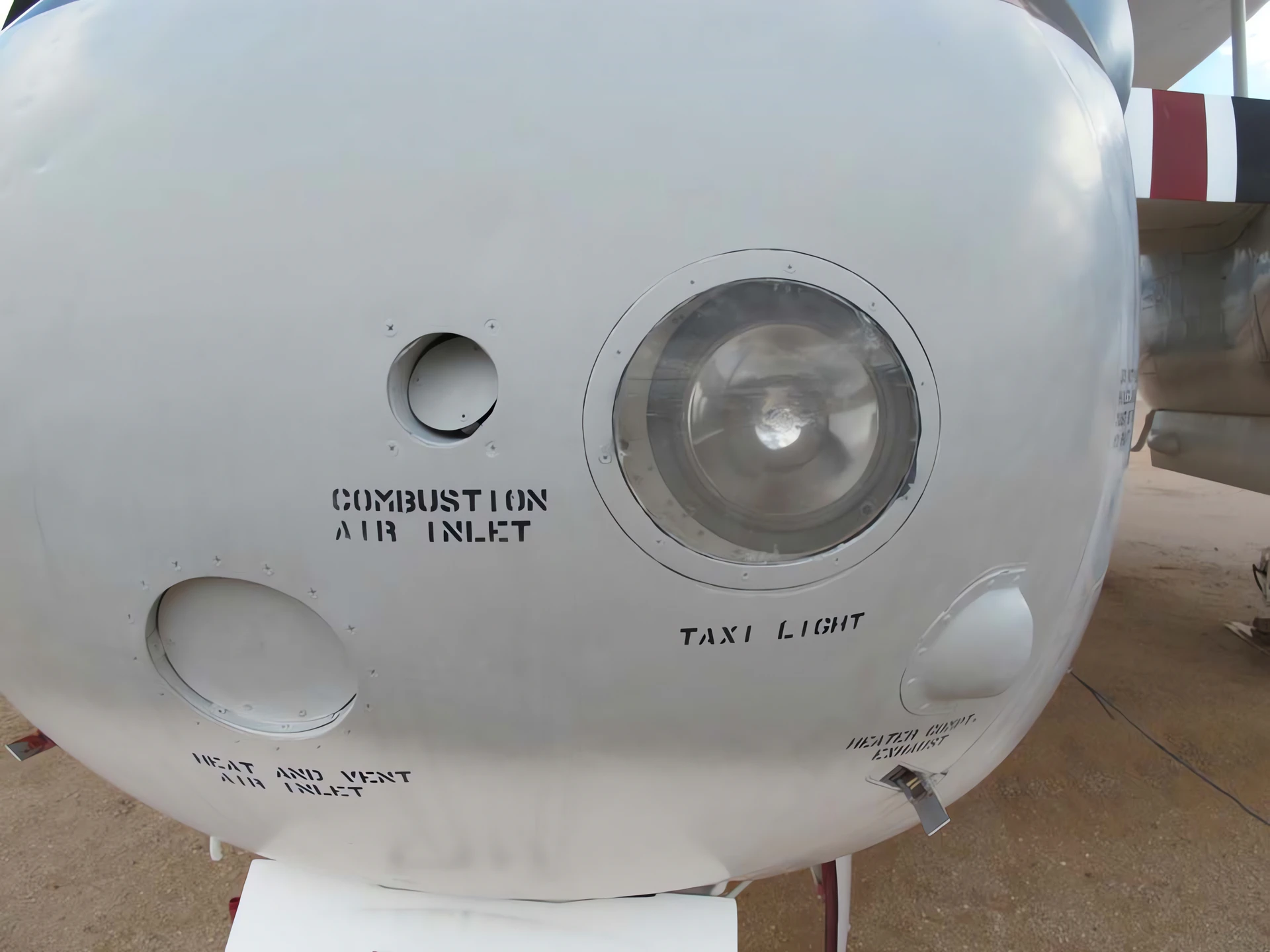
| Grumman E-1B Tracer Walk Around | |
|---|---|
| Fotós | Vlagyimir Jakubov |
| Lokalizáció | Pima Légi Múzeum, Tuscon |
| Fénykép | 139 |
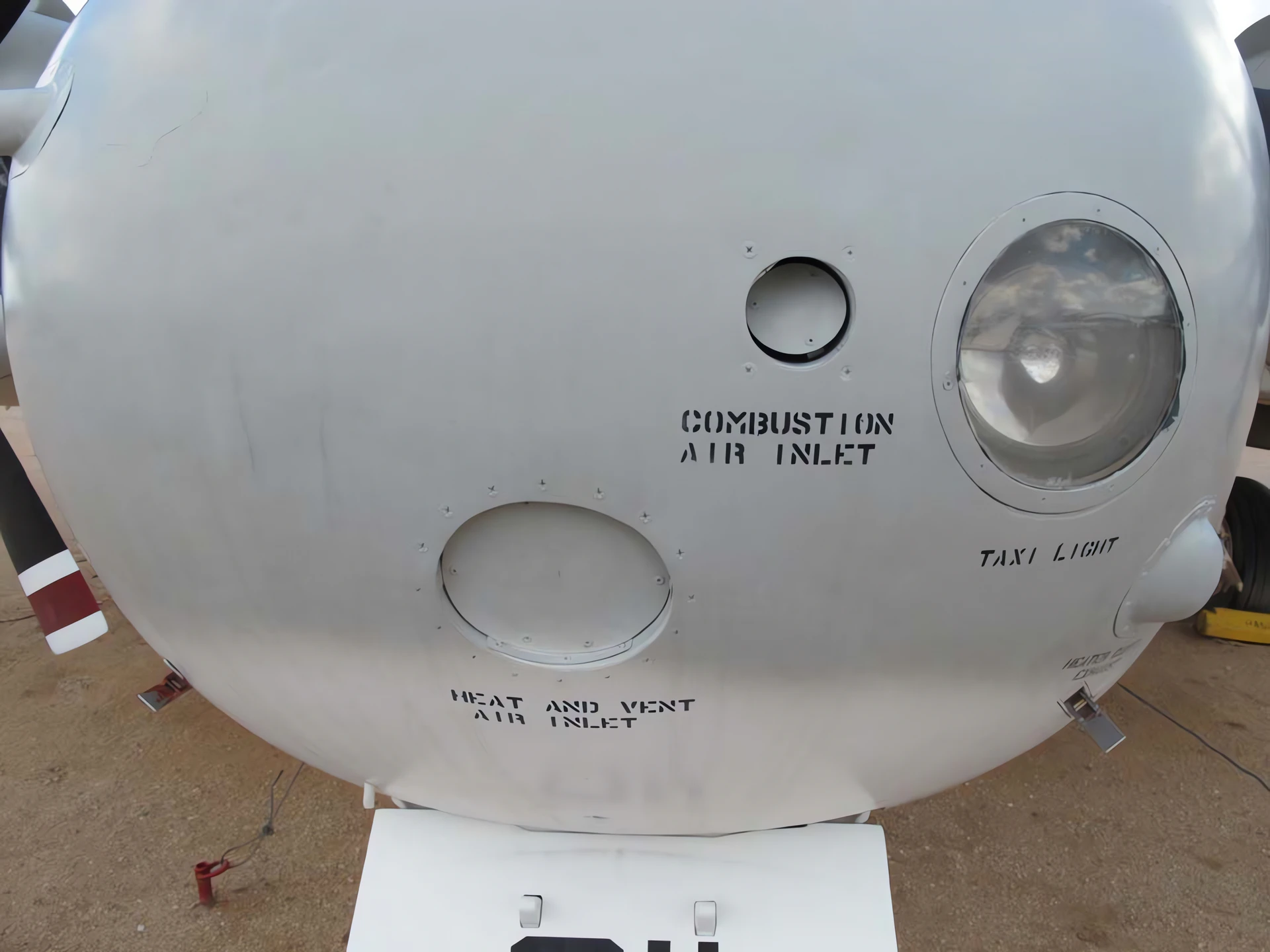
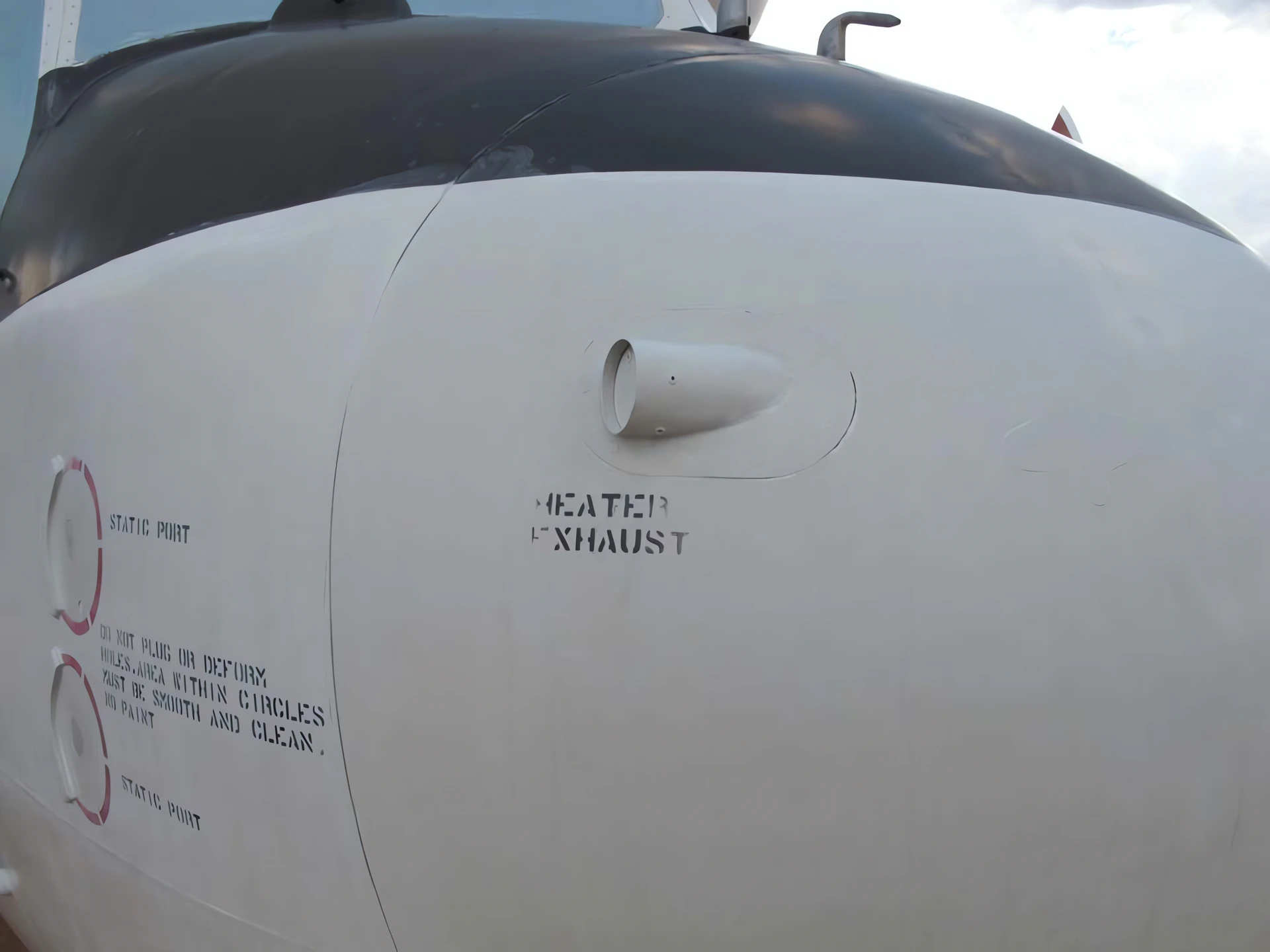
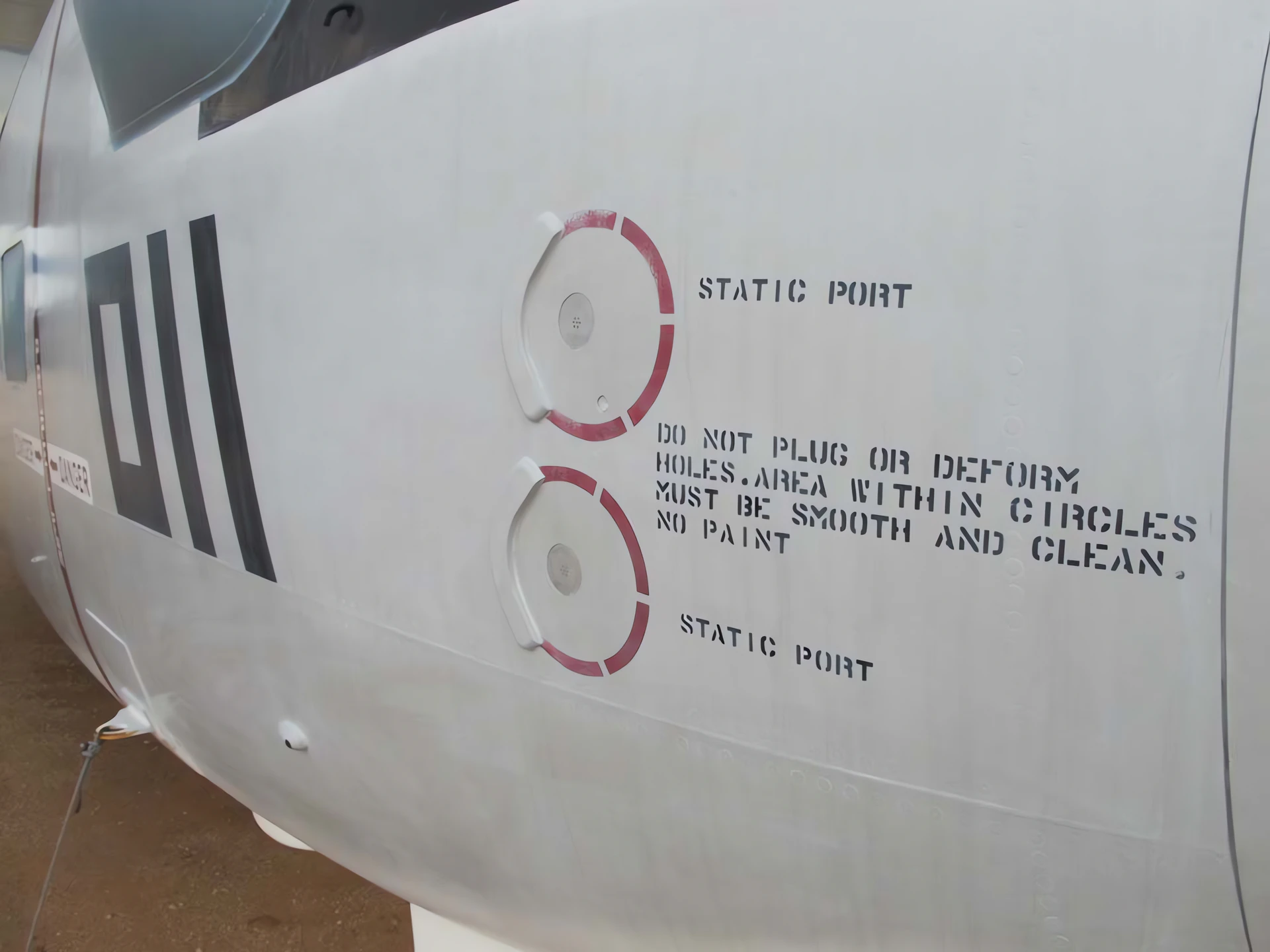
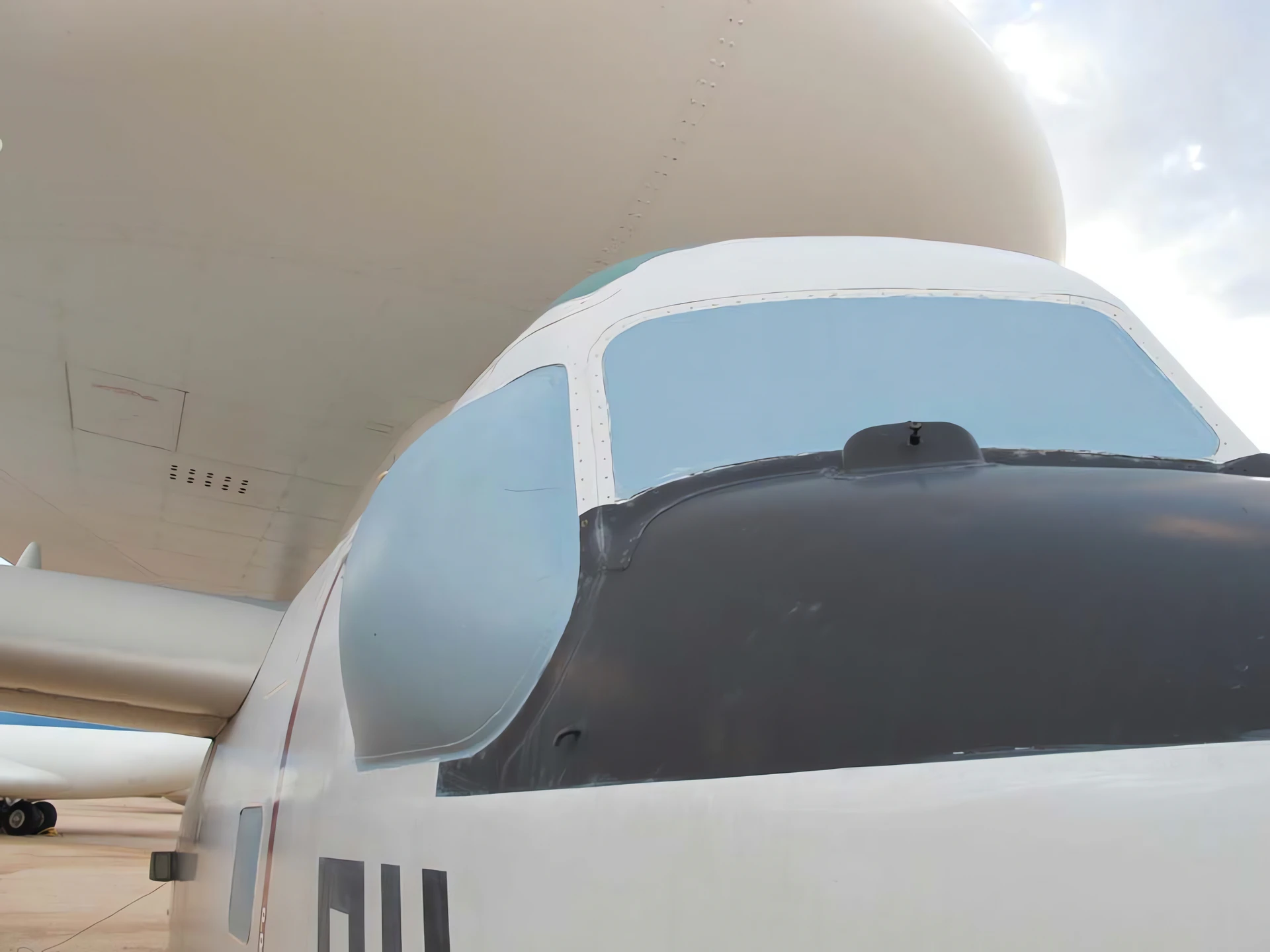
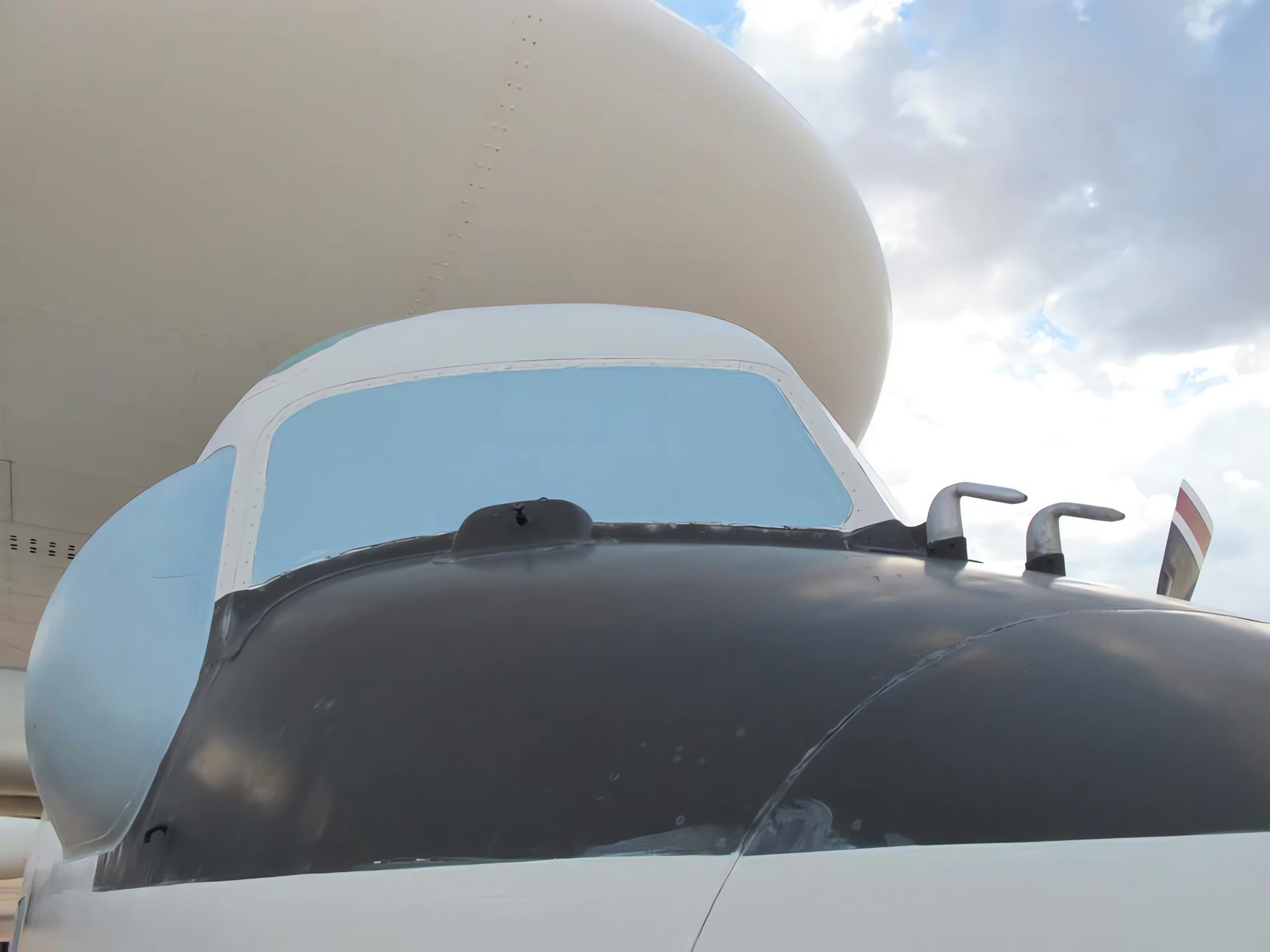
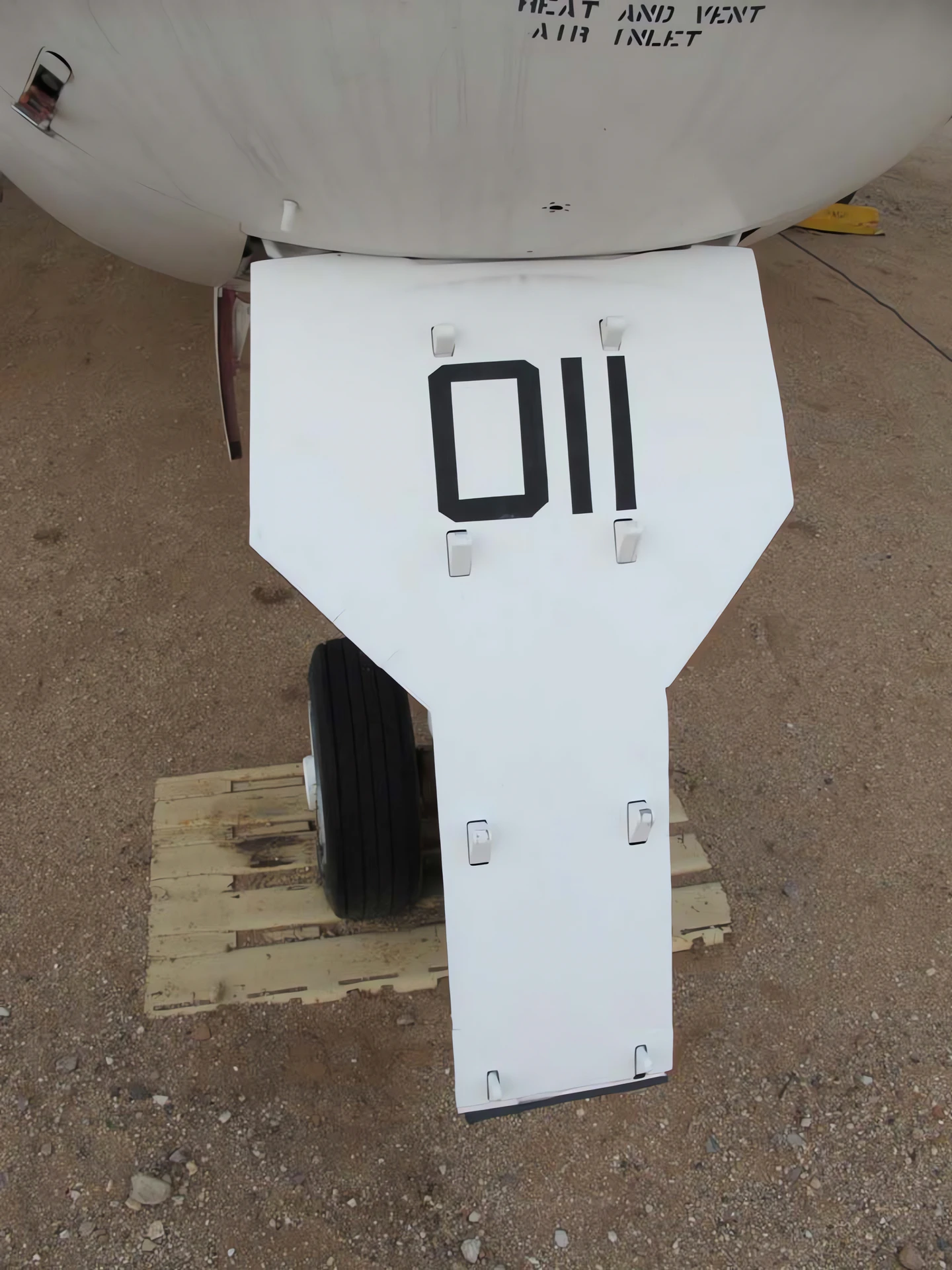

| E1-B Tracer Walk Around | |
|---|---|
| Fotós | Mike Jones |
| Lokalizáció | USS Yorktown múzeum |
| Fénykép | 20 |
| Grumman E-1B (147212) Tracer Walk Around | |
|---|---|
| Fotós | Weichao Csen |
| Lokalizáció | Ismeretlen |
| Fénykép | 58 |
Lásd még:


General Characteristics and Role
The Grumman E-1B Tracer was the world’s first dedicated carrier-based airborne early warning (AEW) aircraft. Developed for the United States Navy, it was a specialized derivative of the C-1 Trader cargo aircraft and the S-2 Tracker anti-submarine aircraft. Its unique and highly recognizable feature was the large, dome-shaped radar fairing, known as a “rotodome,” mounted above the fuselage. The E-1B’s primary role was to extend the radar horizon of the aircraft carrier fleet, detecting incoming hostile aircraft and ships at long ranges, and coordinating fighter interception. Its informal nickname among aviators was the “Willy Fudd,” due to its distinctive radar dome resembling the head of the cartoon character Elmer Fudd. The E-1B served as the Navy’s main AEW platform throughout the 1960s before being replaced by the E-2 Hawkeye.
| Property | Typical Value (E-1B Tracer) |
|---|---|
| Típus | Carrier-based Airborne Early Warning (AEW) |
| National Origin | Egyesült Államok |
| Gyártó | Grumman Aircraft Engineering Corporation |
| Entered Service | 1960 |
| Legénység | 4 (Pilot, Co-Pilot, Radar Operator, CIC Operator) |
| Hossza | 13.26 m (43 ft 6 in) |
| Szárnyfesztávolsága | 22.12 m (72 ft 7 in) |
| Max Takeoff Weight | Approx. 13,200 kg (29,000 lb) |
Powerplant and Sensor Systems
- Engines: 2 x Wright R-1820-82WA Cyclone nine-cylinder radial engines.
- Engine Power: 1,525 hp (1,137 kW) each.
- Maximum Speed: Approx. 462 km/h (287 mph).
- Endurance: Designed for typical missions of up to 4 to 5 hours on station.
- Radar System: APS-82 radar housed in the massive fixed rotodome (6.1 m x 0.9 m or 20 ft x 3 ft). The radar rotated slowly, providing 360-degree coverage.
- Carrier Operations: Equipped with a retractable tailhook for arrested landings on aircraft carriers and folding wings for storage.
- Operating Environment: Essential for providing air defense for US carrier battle groups, particularly against Soviet bombers and missile threats.
Service History and Legacy
- Vietnam War: The E-1B was heavily used during the Vietnam War, flying countless combat air patrol and search and rescue coordination missions over the Tonkin Gulf.
- Radar Evolution: The success of the E-1B’s concept proved the viability of carrier-based AEW, paving the way for the sophisticated E-2 Hawkeye.
- Design Family: The E-1B belongs to the “Stoof” family of Grumman aircraft, which included the S-2 Tracker (S-Stoof), C-1 Trader (C-Stoof), and the E-1B (Willy Fudd).
- Retirement: The E-1B was retired from active US Navy service in 1977, having been entirely replaced by the jet-powered E-2 Hawkeye, which offered greater speed, altitude, and more advanced radar capabilities.
- International Use: Unlike its S-2 Tracker sibling, the E-1B was used exclusively by the US Navy.
Megtekintették : 3877
Láthatjuk azt is:
 Northrop Grumman X-47B – Fotók & Videók
 Grumman C-1 Trader – Fotók & videó
 Grumman F9F Panther – Fotók & videó
 Grumman F6F Hellcat – Fotók & videó
 C-2A agár – Fotók & videó
 Grumman HU-16 Albatross – Fotók & videó
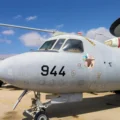 Northrop Grumman E-2 Sólyomszem – Séta
 Grumman F8F Bearcat – Fotók & videó
 Grumman F-14 Tomcat – Séta
 Grumman FM-2 Wildcat – Séta