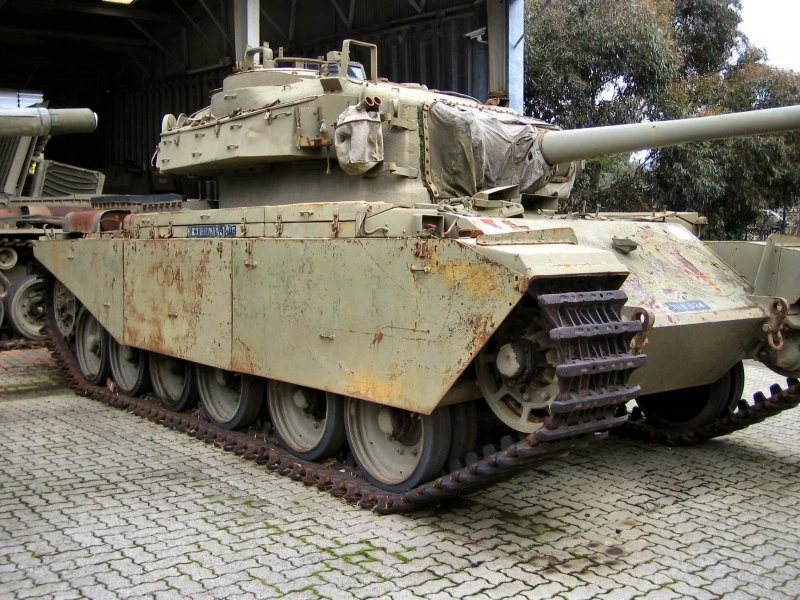
Centurion | |
|---|---|
| Ország | Egyesült Királyság |
| Típus | Fő harckocsi |
| Szolgálatban | 1946-tól napjainkig |
| Beépített | 4423 |
A Centurion a második világháború utáni időszak elsődleges brit fő harckocsija volt. 1945-ben vezették be, széles körben az egyik legsikeresebb háború utáni harckocsi-tervnek tartják, az 1960-as években is gyártásban maradt, és az 1980-as években a frontvonalakban harcolt. Az alvázat több más szerepre is adaptálták, és ezek a mai napig szolgálatban vannak.
Forrás: Centurion on Wikipedia
| Centurion tank | |
|---|---|
| Fotós | Ismeretlen |
| Lokalizáció | Ismeretlen |
| Fénykép | 46 |
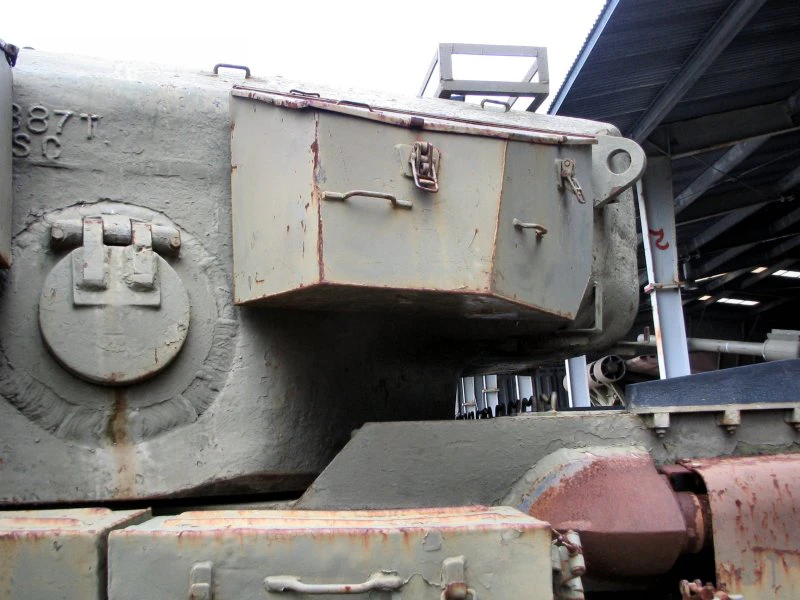
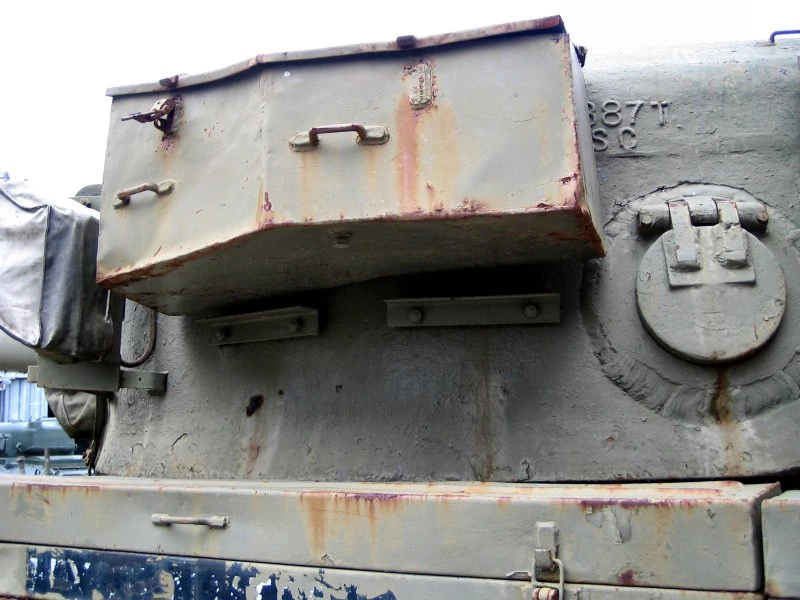
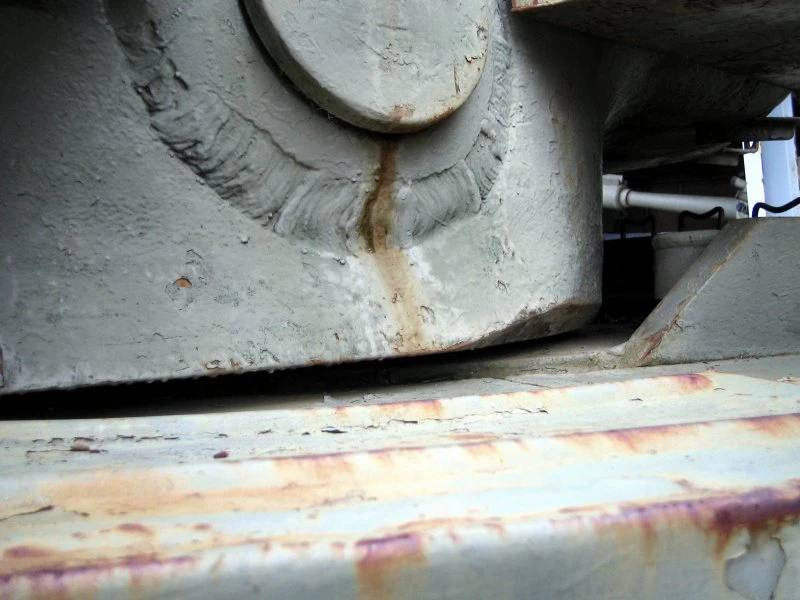
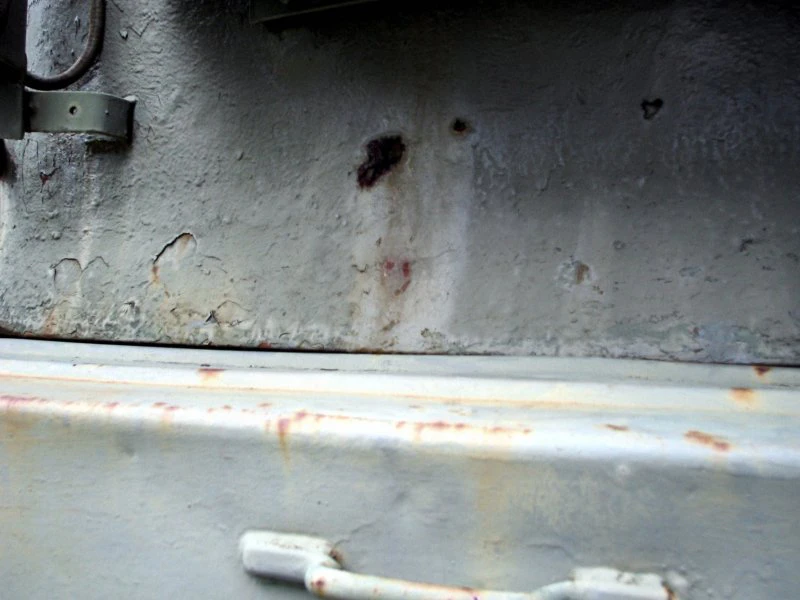
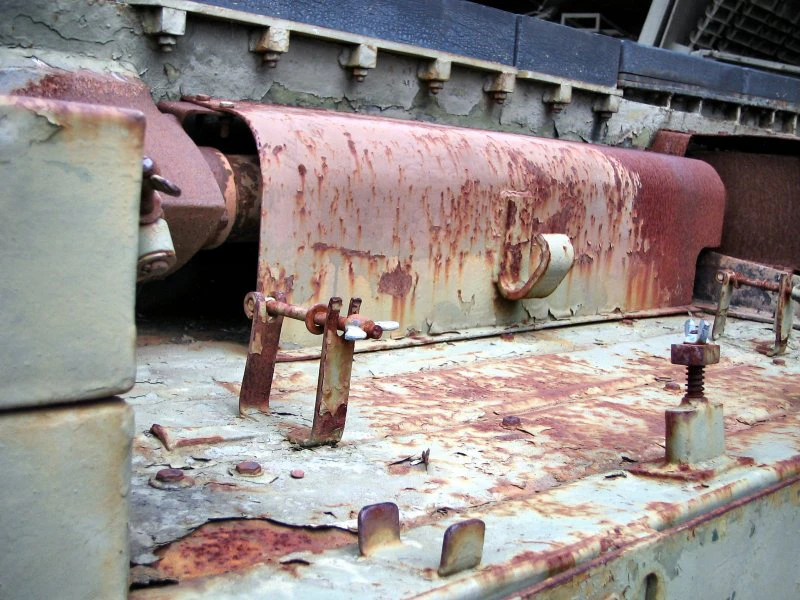
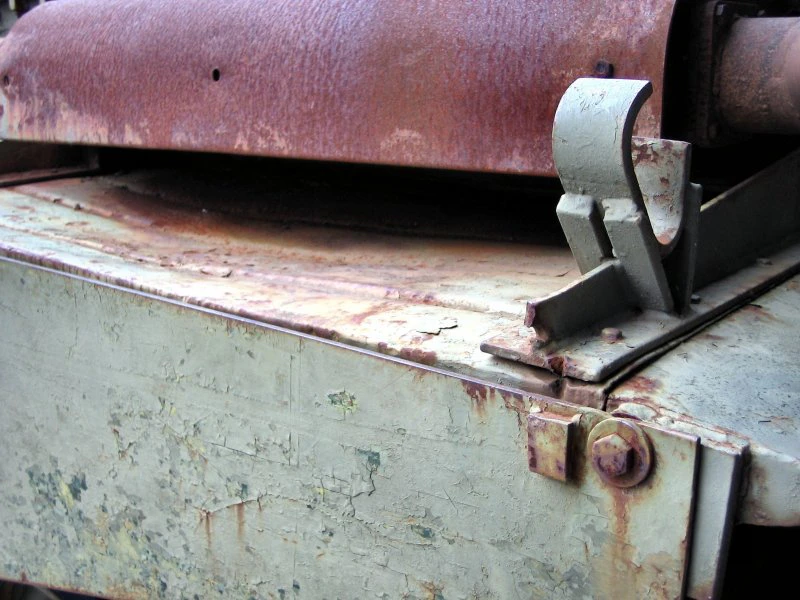
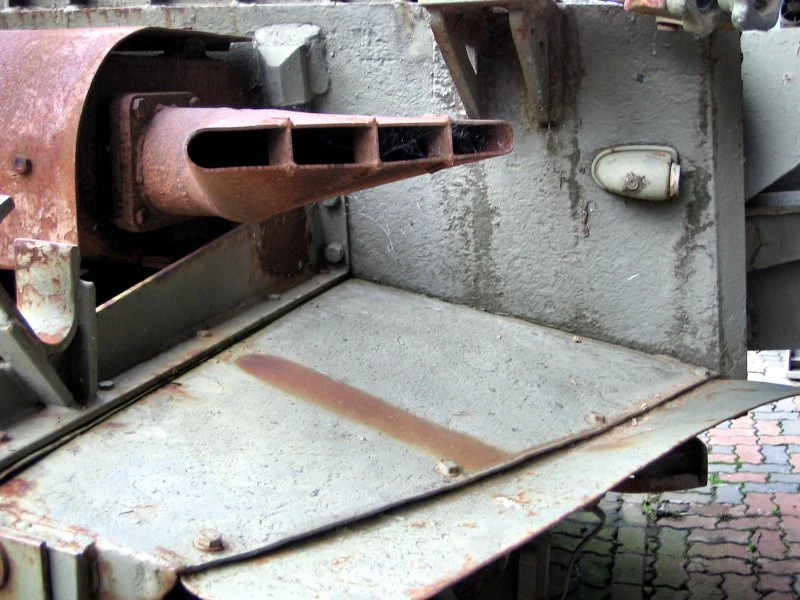

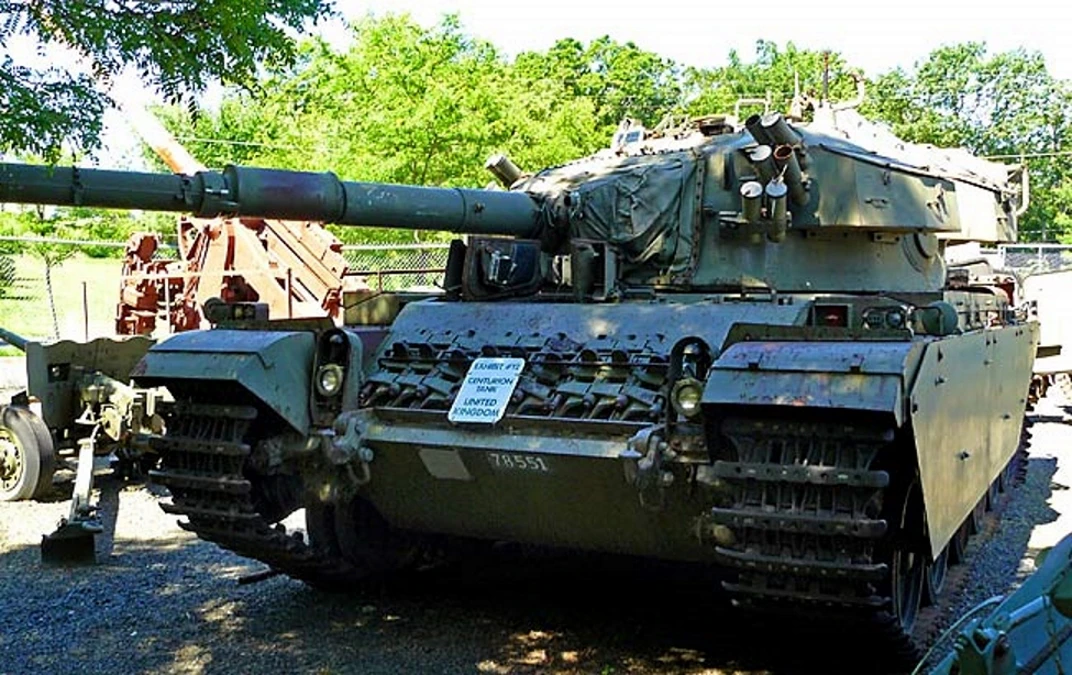
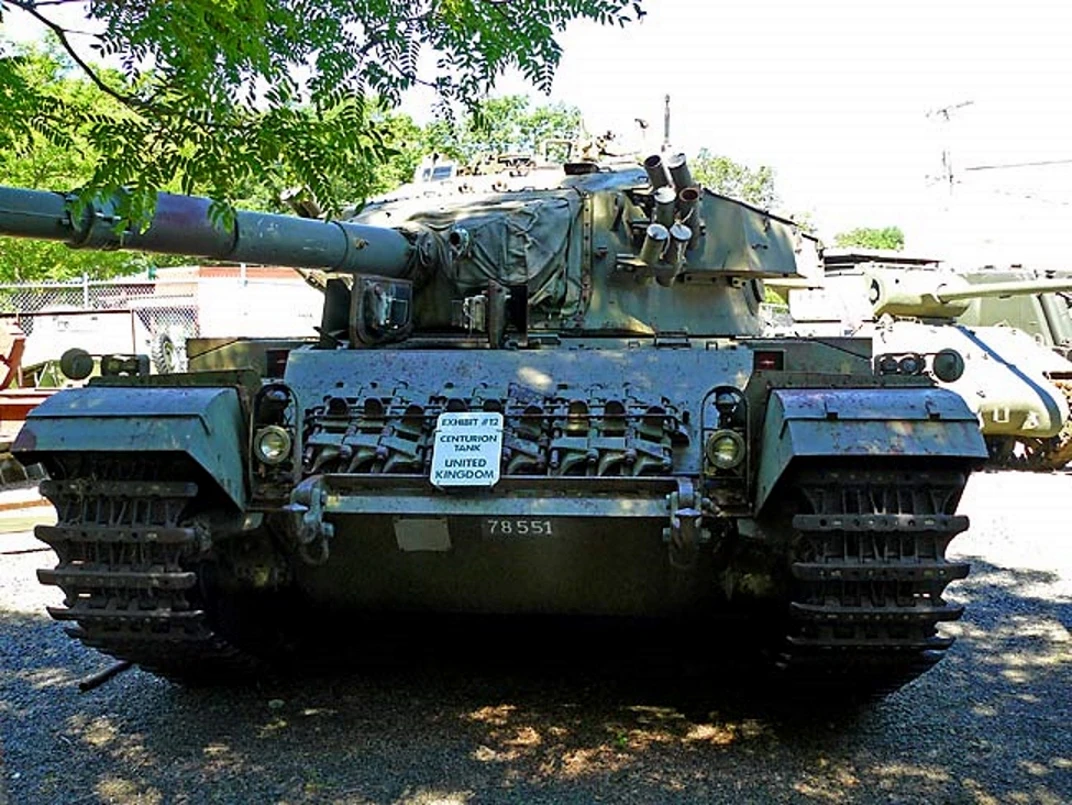
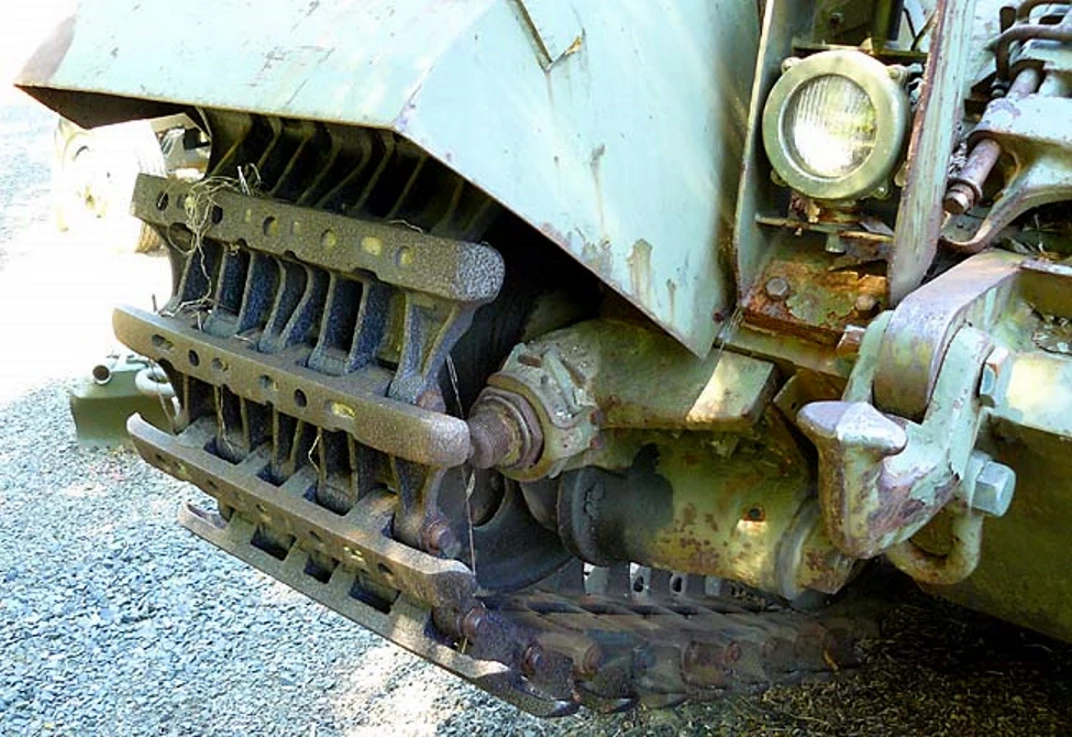
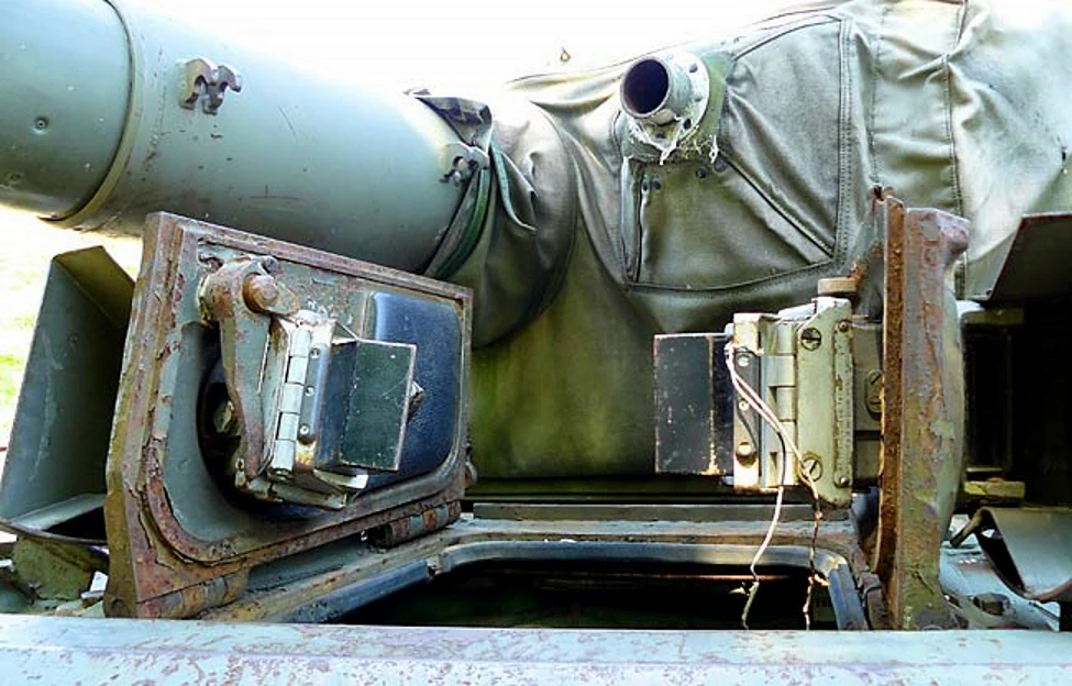
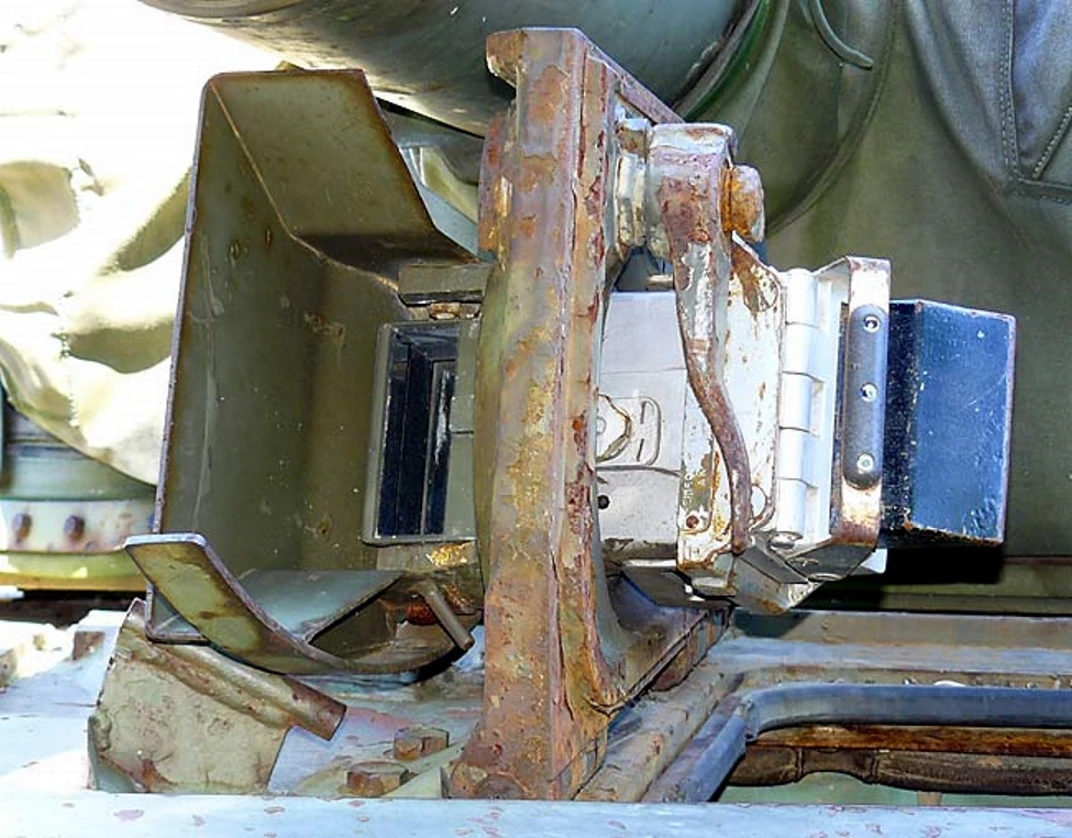
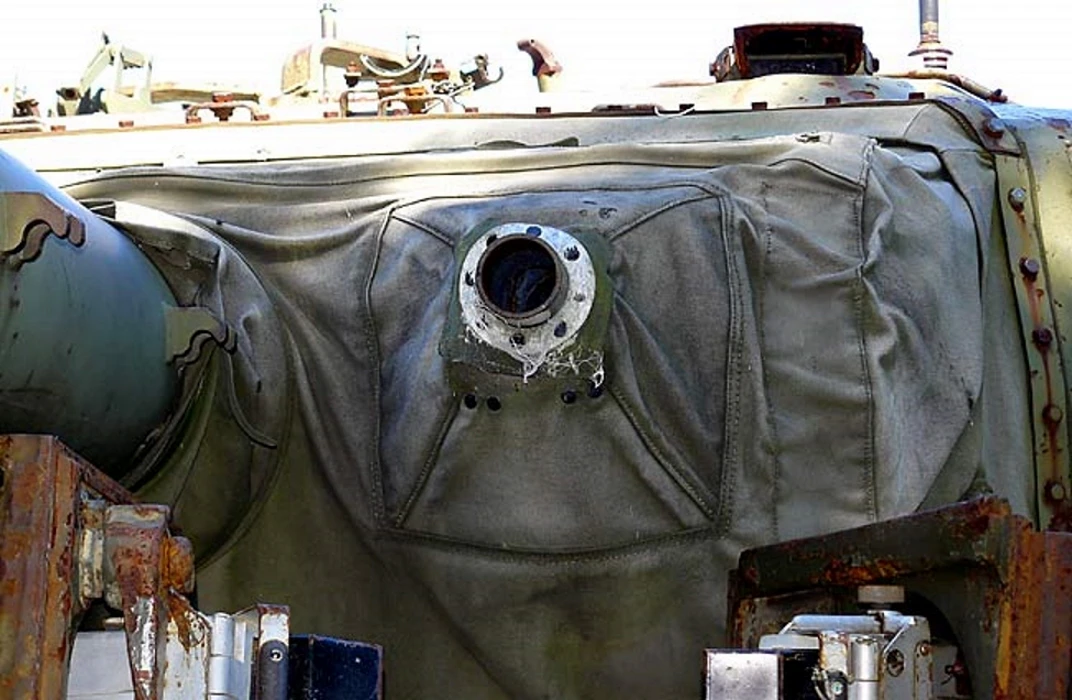
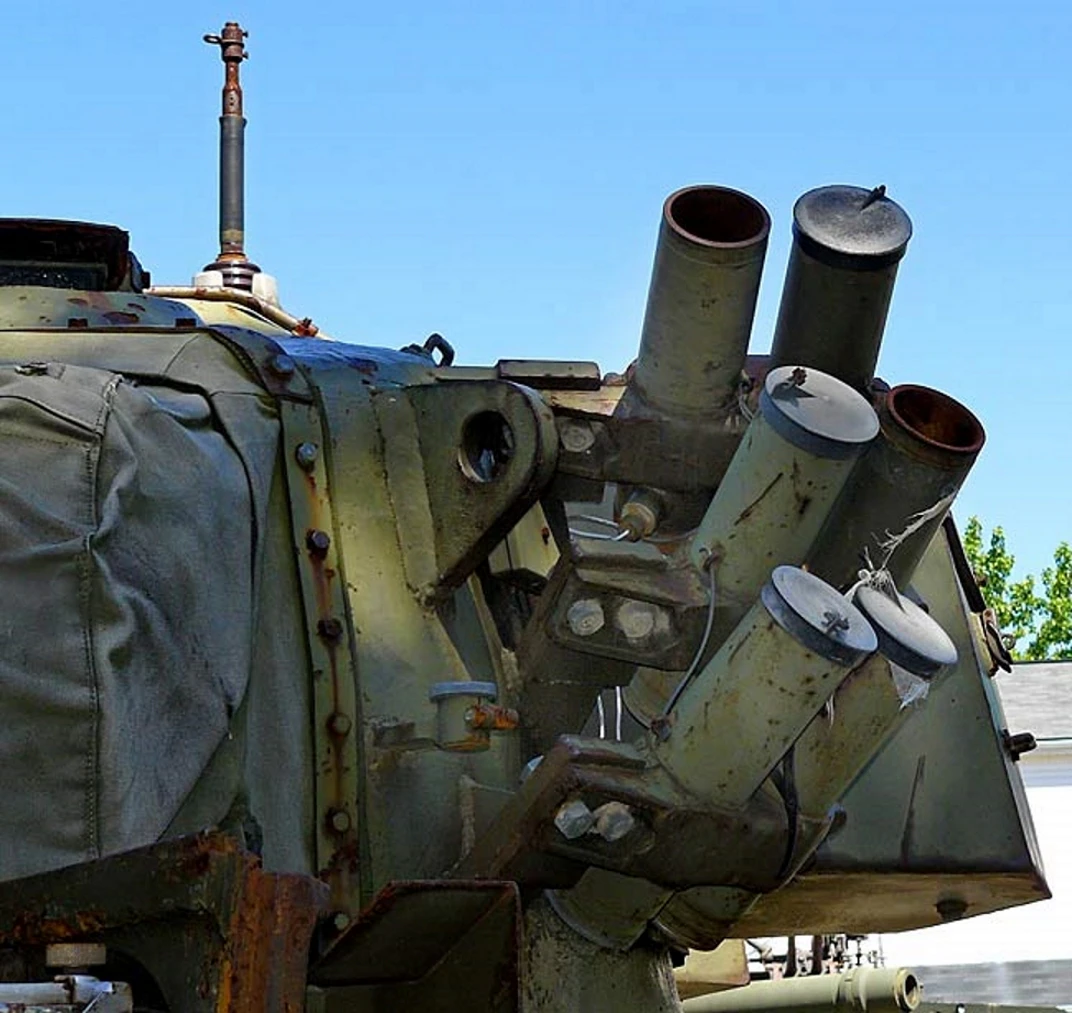
| Centurion Battle Tank Walk Around | |
|---|---|
| Fotós | Bill Maloney |
| Lokalizáció | Dél-New England Katonai Múzeuma |
| Fénykép | 20 |
Lásd még:


The Universal Soldier of the Cold War
A Centurion Main Battle Tank is widely recognized as one of the most successful, influential, and long-lived armored fighting vehicles ever constructed. Introduced at the very tail end of World War II, the Centurion revolutionized British armored doctrine by effectively merging the speed of light cruiser tanks with the heavy armor of infantry tanks, creating the concept of the “Universal Tank” (the precursor to the modern Main Battle Tank). Known for its extreme adaptability, legendary reliability, and highly upgradable chassis, the Centurion served across the globe for over half a century, becoming the premier frontline shield for Western and Allied nations throughout the tensest decades of the Cold War.
| Attribute | Technical Specification (Centurion Mk 5 / Mk 13 Upgraded Baseline) |
|---|---|
| Szerepet | Main Battle Tank (MBT) / Universal Tank |
| Legénység | 4 (Commander, Gunner, Loader, Driver) |
| Motor | 1 × Rolls-Royce Meteor 27-liter V12 liquid-cooled gasoline engine (650 hp) |
| Maximum Speed | 35 km/h (22 mph) on road; 25 km/h cross-country (deliberately geared for low-speed reliability) |
| Súly | ~51 metric tons (Combat-loaded weight varying by armor mark configuration) |
| Dimensions | Length (with gun forward): 9.83 m | Width: 3.39 m | Height: 3.01 m |
| Primary Armament | 1 × Royal Ordnance L7 105mm rifled gun (Upgraded from the early-war 17-pounder and 20-pounder) |
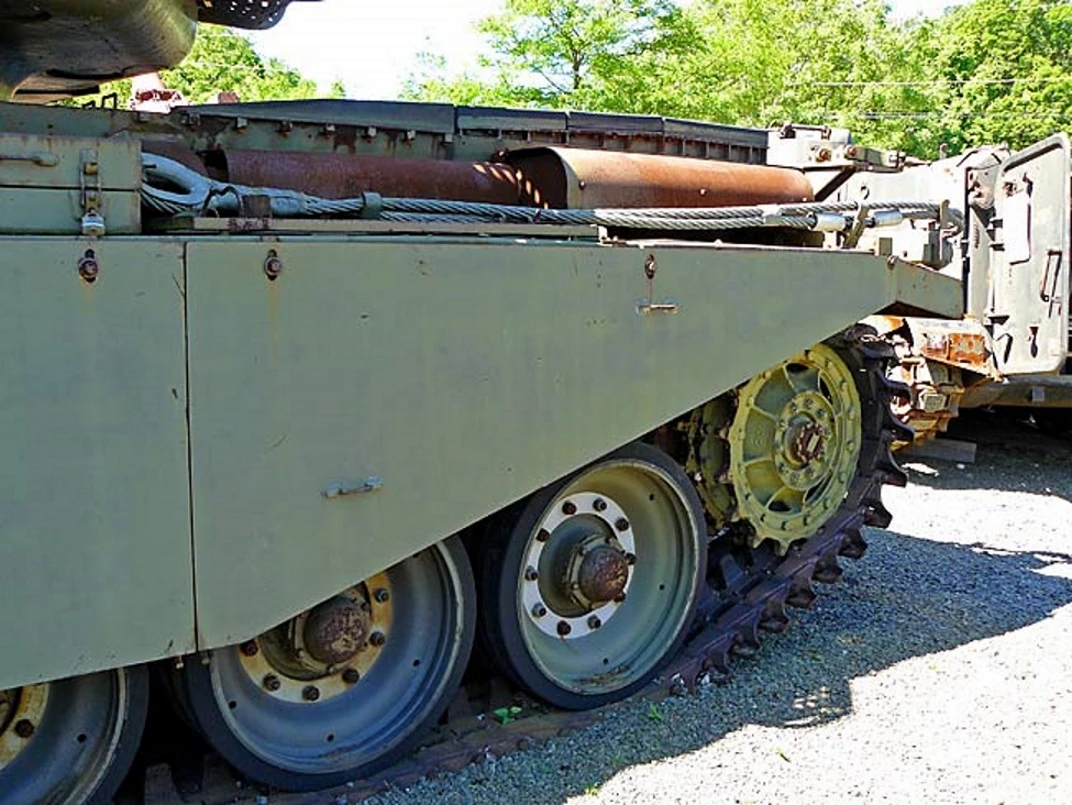
| Suspension Type | Horstmann suspension (Three external bogie assemblies per side with twin road wheels) |
Design Engineering: Horstmann Bogies and the Legendary L7 Gun
- The Horstmann Suspension Advantage: Instead of relying on complex internal torsion bars that take up vital space inside the tank’s hull floor, the Centurion utilized an external Horstmann suspension system. This configuration consisted of spring-loaded bogie mechanisms bolted directly onto the outer hull. This choice made the tank incredibly easy to repair in the field following mine damage and provided a highly stable firing platform.
- The Royal Ordnance L7 105mm Masterpiece: While the Centurion entered service with smaller guns, its crowning technological moment arrived with the integration of the British L7 105mm rifled cannon. Firing hyper-velocity discarding sabot (APDS) and high-explosive squash head (HESH) rounds, this gun was so brutally accurate and destructive that it became the standard weapon for nearly all Western Cold War tanks, including early American M60s and German Leopard 1s.
- The Rolls-Royce Meteor Heart: Powering the massive vehicle was the Rolls-Royce Meteor engine, a naturally aspirated derivative of the iconic Merlin V12 engine that powered the Spitfire. Detuned for ground vehicular use, the 27-liter engine was incredibly reliable and packed massive torque, though it was highly thirsty for gasoline, requiring external auxiliary fuel tanks on later marks to extend the vehicle’s short operational range.
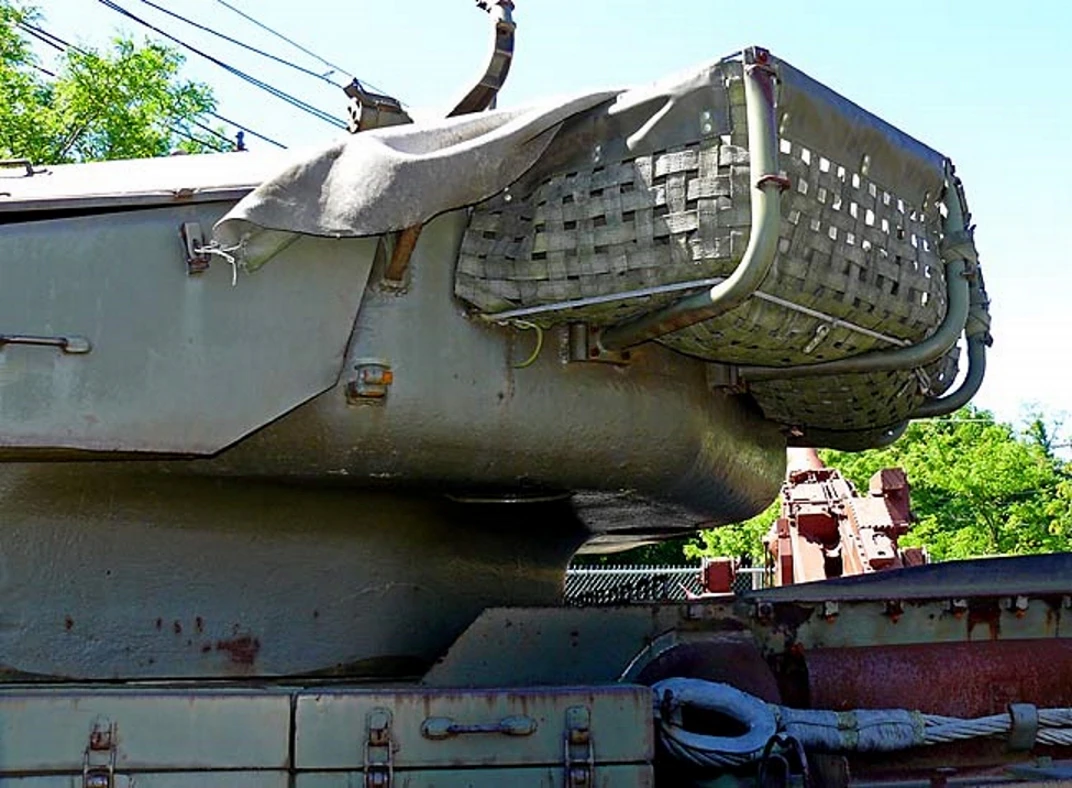
- Sloping Welded Armor Hull: Moving away from the riveted hulls of earlier British tank designs, the Centurion featured a heavily sloped, welded glacis (front hull) plate. The thick cast turret was continuously reshaped across subsequent development marks, eventually receiving additional layers of applique armor to withstand modern Soviet kinetic penetrators and chemical warheads.
Operational History: From the Chosin Reservoir to the Golan Heights
- The Korean War Debut: The Centurion saw its first intensive baptism of fire during the Korean War in 1950 with the British Army. Operating in sub-zero alpine conditions during the Battle of the Imjin River and the retreat from the Chosin Reservoir, Centurions proved capable of climbing steep, icy ridges that no other Allied tanks could navigate, establishing their legendary off-road reputation.
- The Scourge of the Sinai (The Six-Day War): Highly modified Israeli Centurions, renamed the “Sho’t” (Whip), completely dominated the Middle Eastern battlefields in 1967 and 1973. During the Yom Kippur War, a heavily outnumbered force of Israeli Sho’t tanks held the line in the “Valley of Tears” on the Golan Heights, single-handedly absorbing and destroying hundreds of advancing Syrian T-55 and T-62 tanks through superior long-range gunnery.
- Withstanding the Jungle (Vietnam War): The Royal Australian Armoured Corps deployed Centurion Mk 5/1 tanks to Vietnam, where they provided heavy firepower during close-quarters jungle engagements. The tanks survived relentless hits from rocket-propelled grenades (RPGs) and heavy landmines, utilizing their thick hulls and crew survivability features to protect Australian infantry personnel.
- An Half-Century Global Legacy: Because the underlying chassis was so over-engineered and structurally sound, the Centurion remained relevant well into the late 20th century. It was adapted into engineering vehicles, heavy armored personnel carriers (like the Israeli Nagmachon), and bridgelayers, concluding a historic frontline operational tenure that spanned over 50 years of continuous active service across dozens of nations.
Megtekintések : 2684