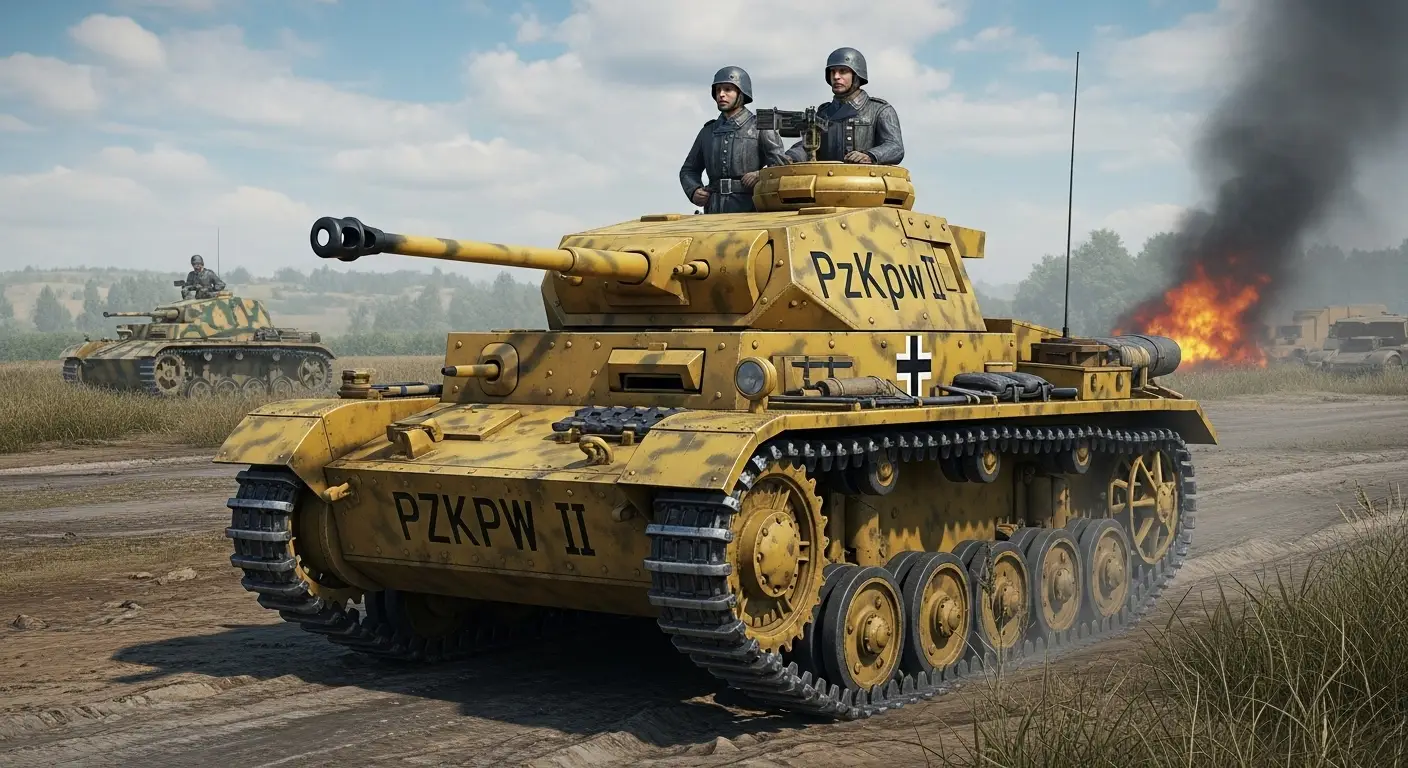
Lla Panzer IIis the common name used for a family of German tanks used in World War II. The official German designation was Panzerkampfwagen II (abbreviated PzKpfw II).
Although the vehicle had originally been designed as a stopgap while larger, more advanced tanks were developed, it nonetheless went on to play an important role in the early years of World War II, during the Polish and French campaigns. The Panzer II was the most numerous tank in the German Panzer divisions at the beginning of the war.[2] It was used in both North Africa against the Western Allies and on the Eastern Front against the Soviet Union.
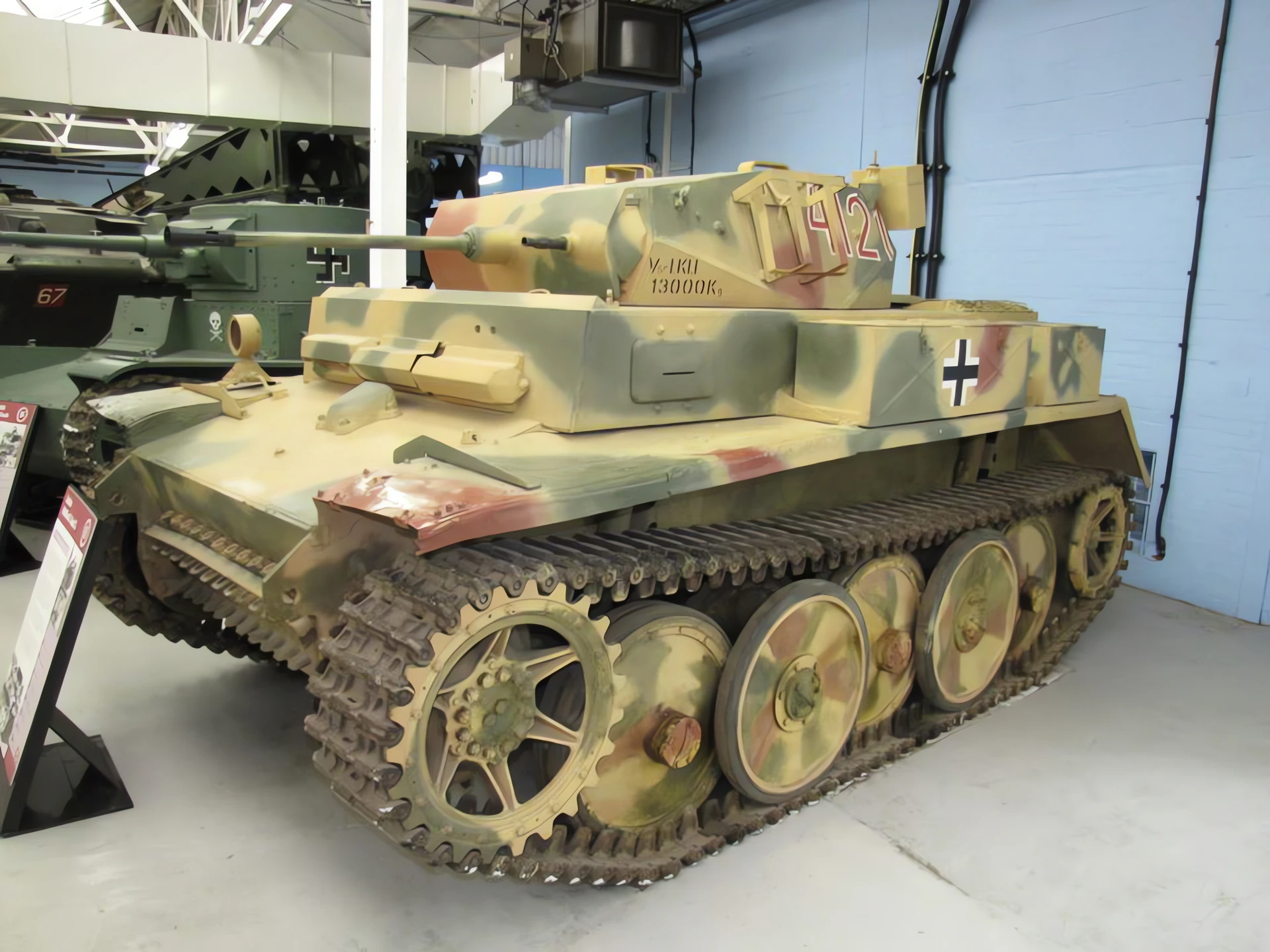
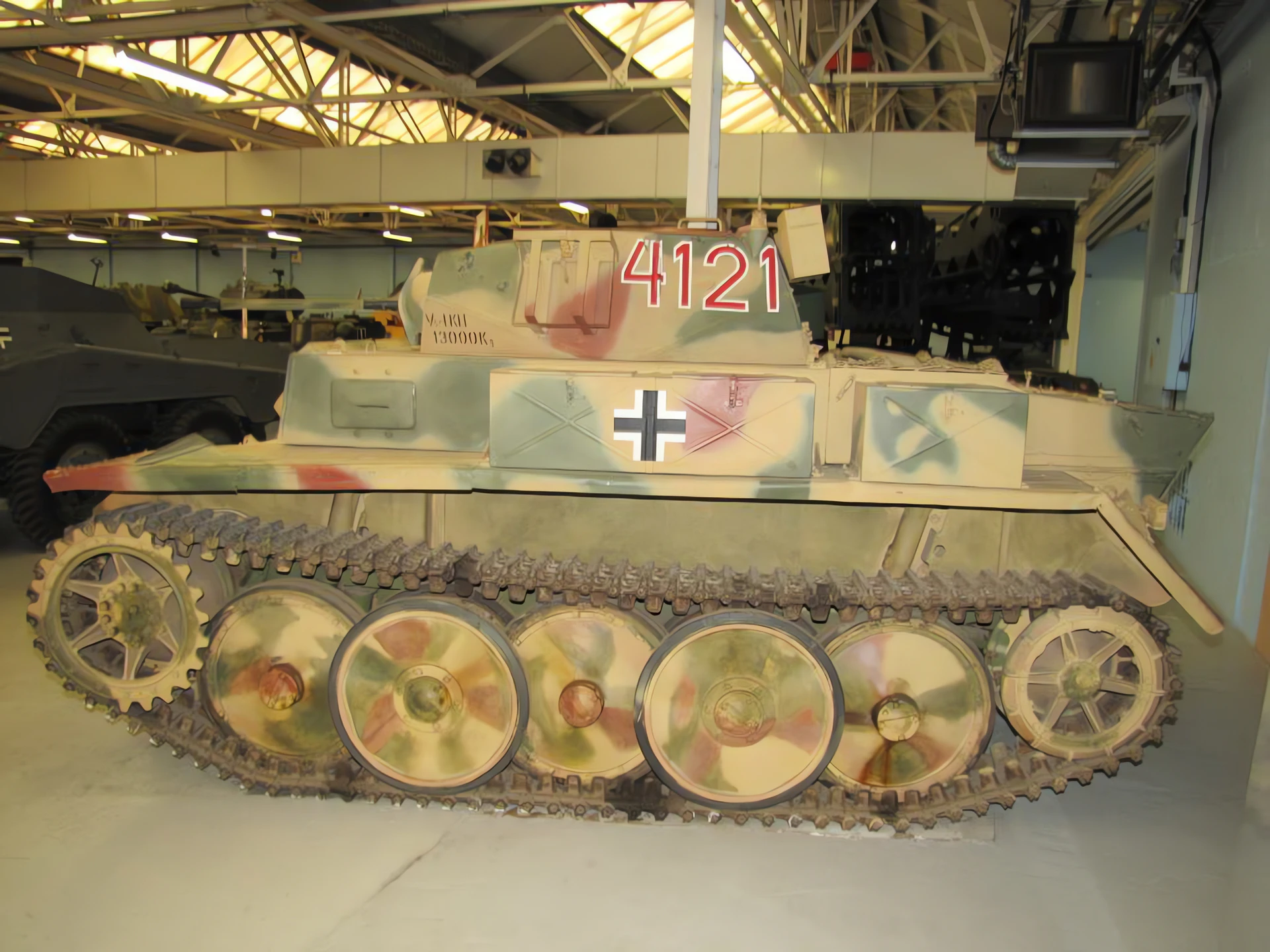
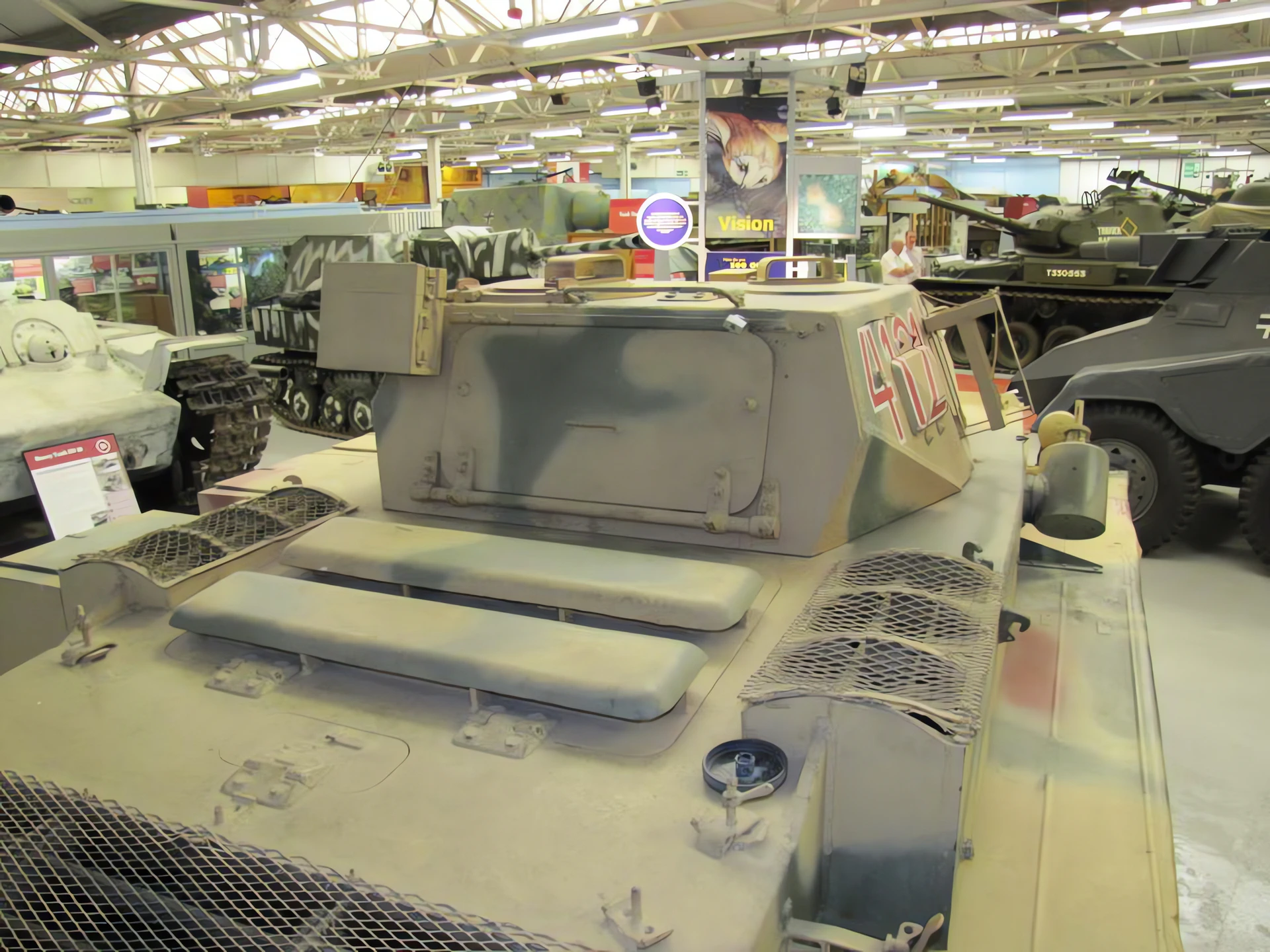
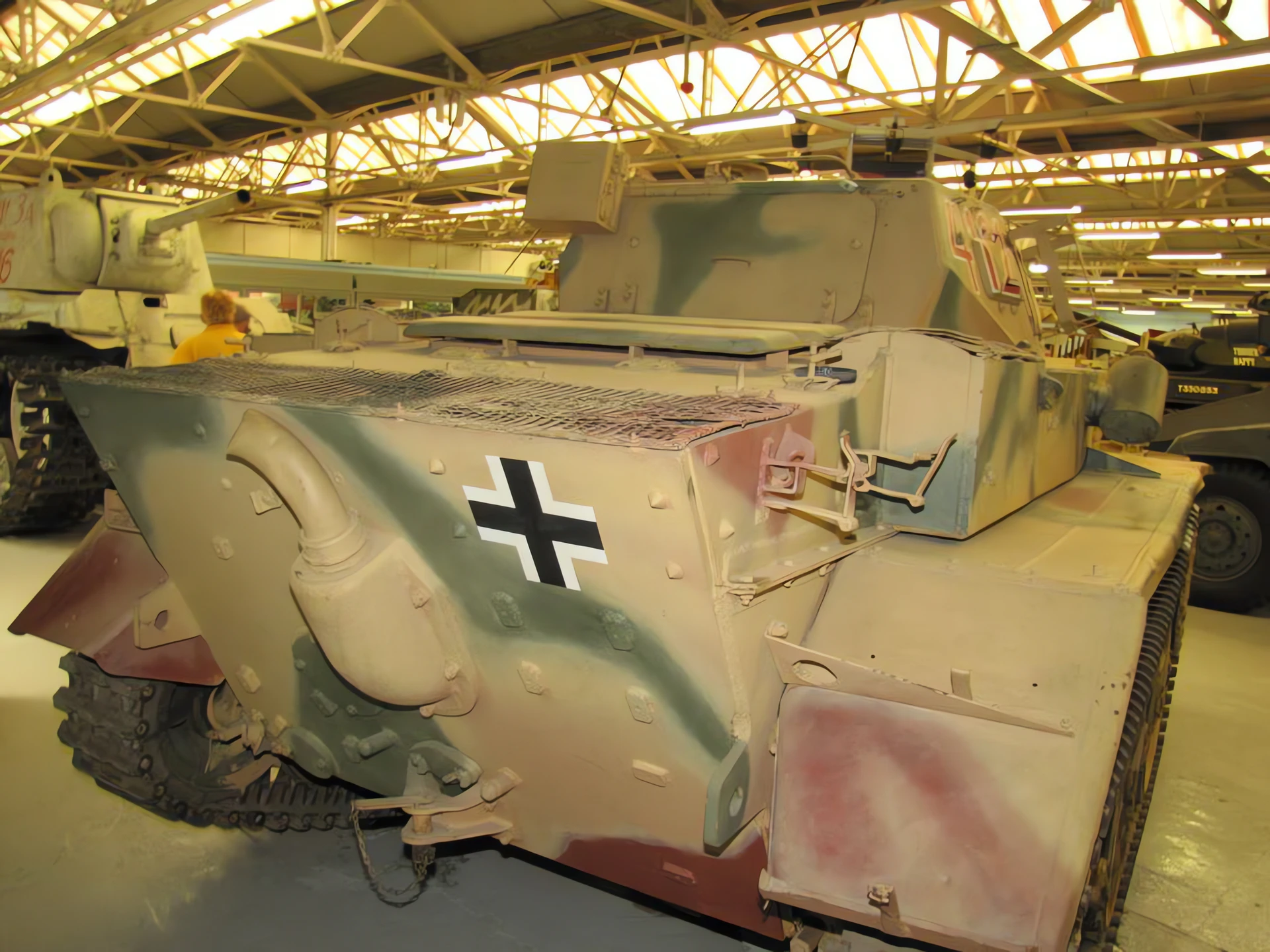
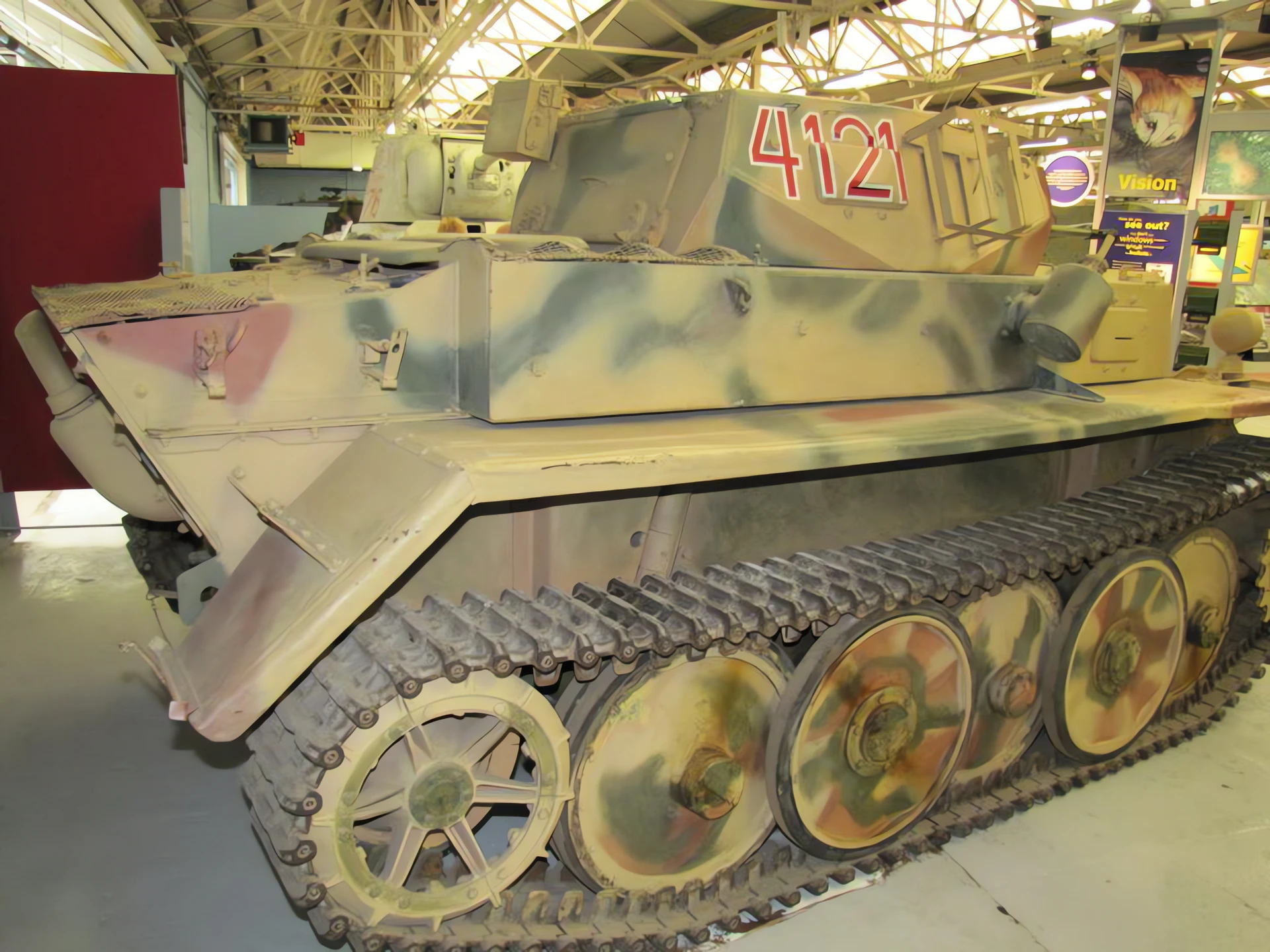
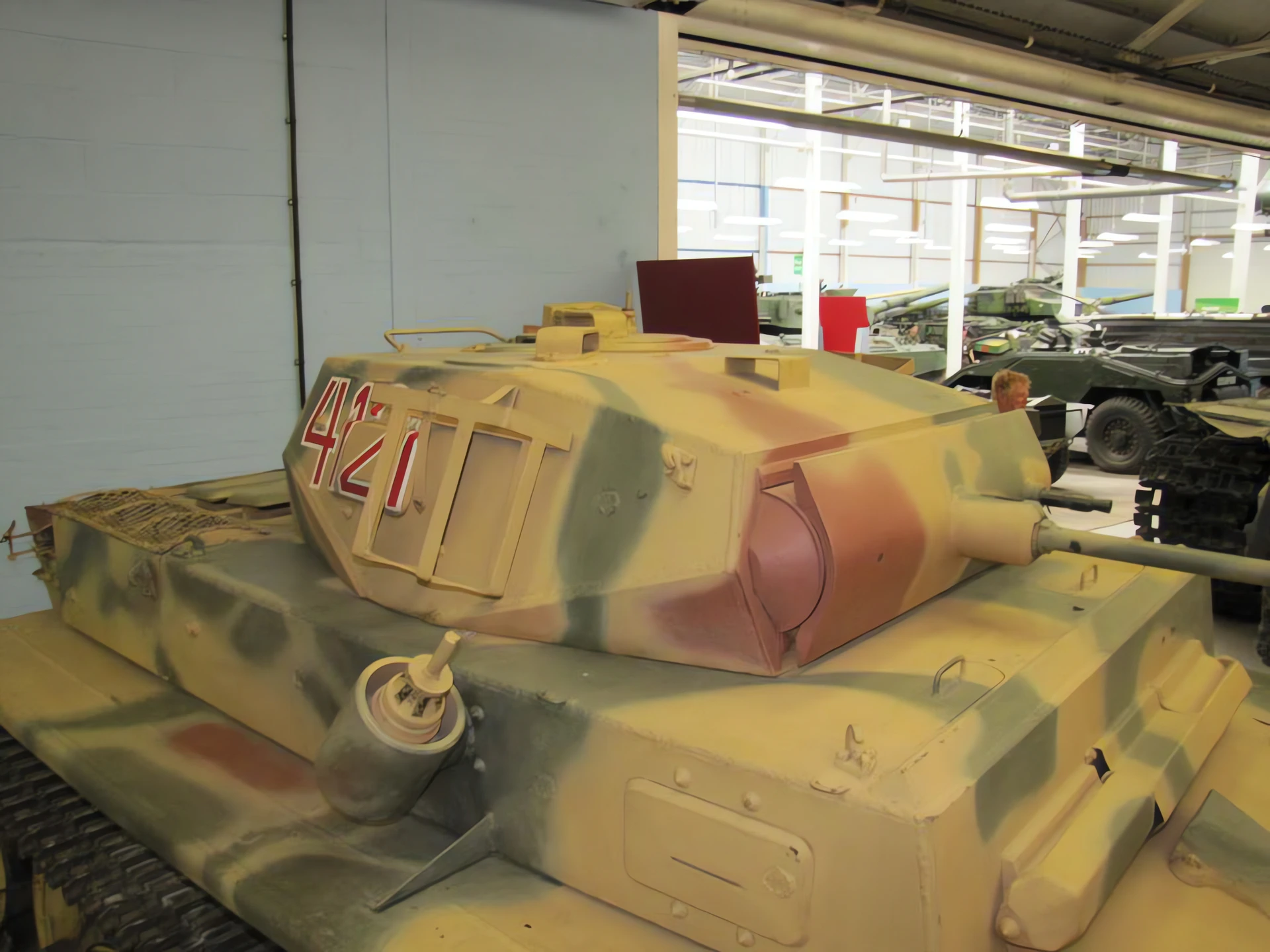
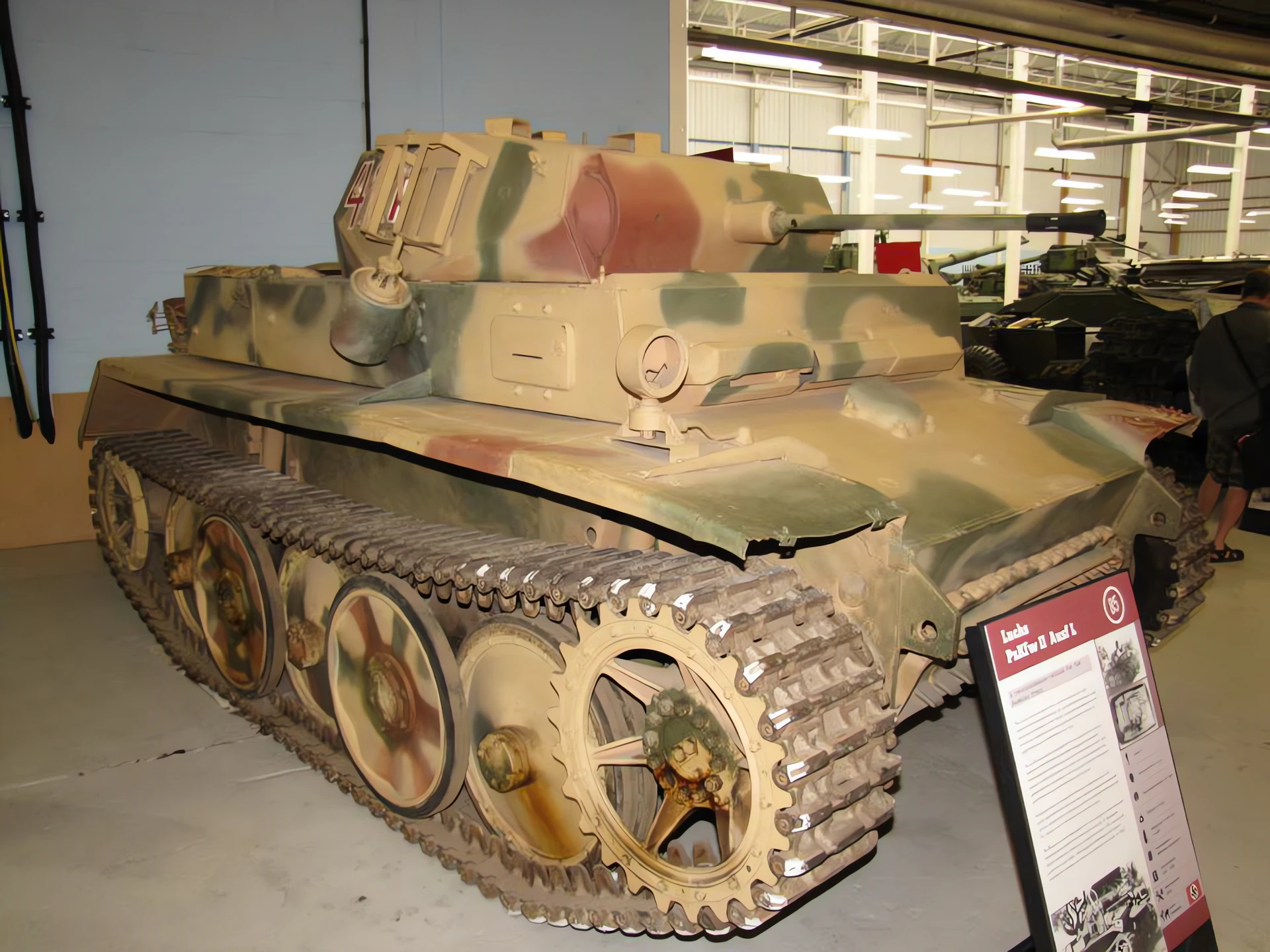
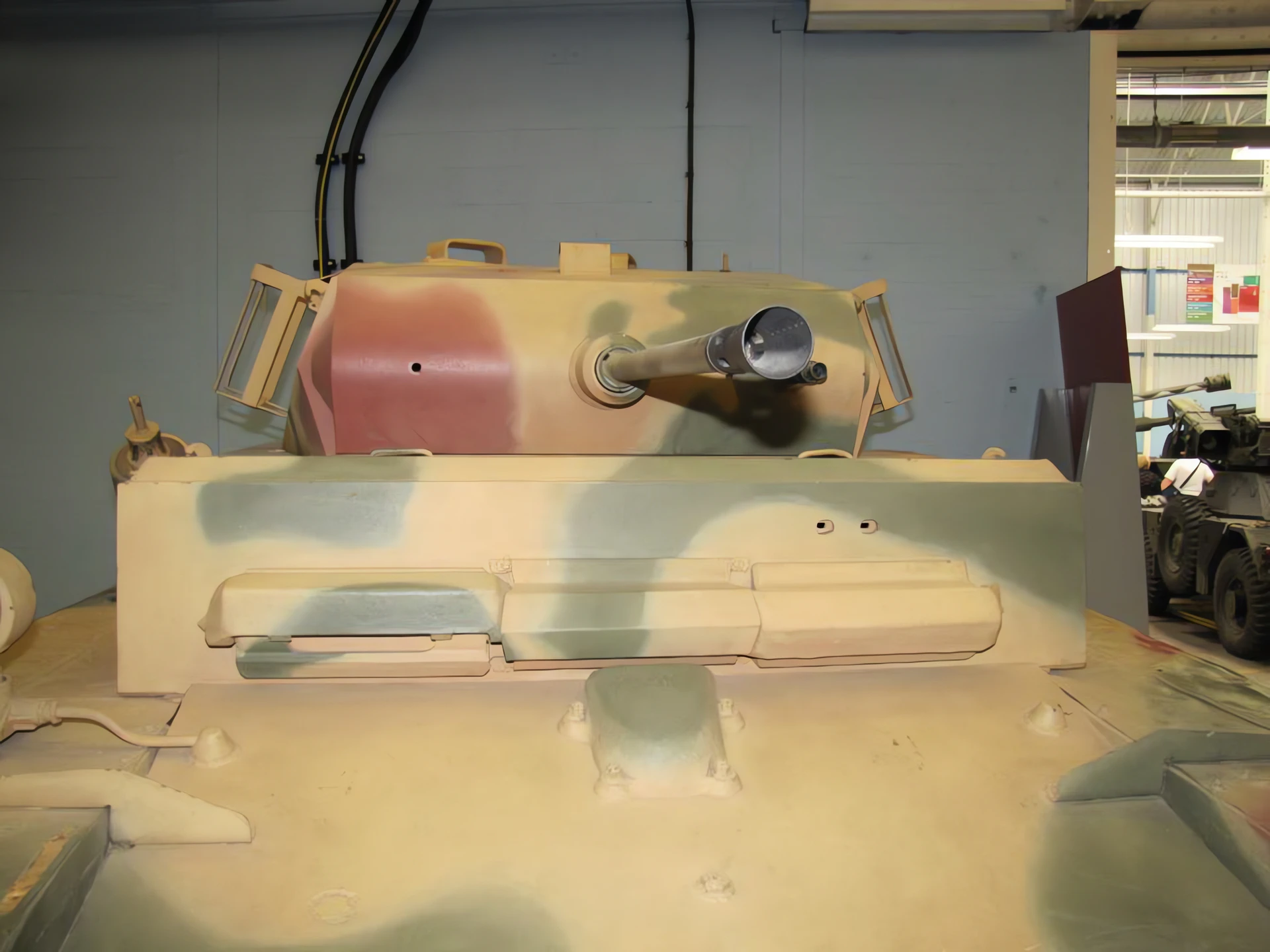
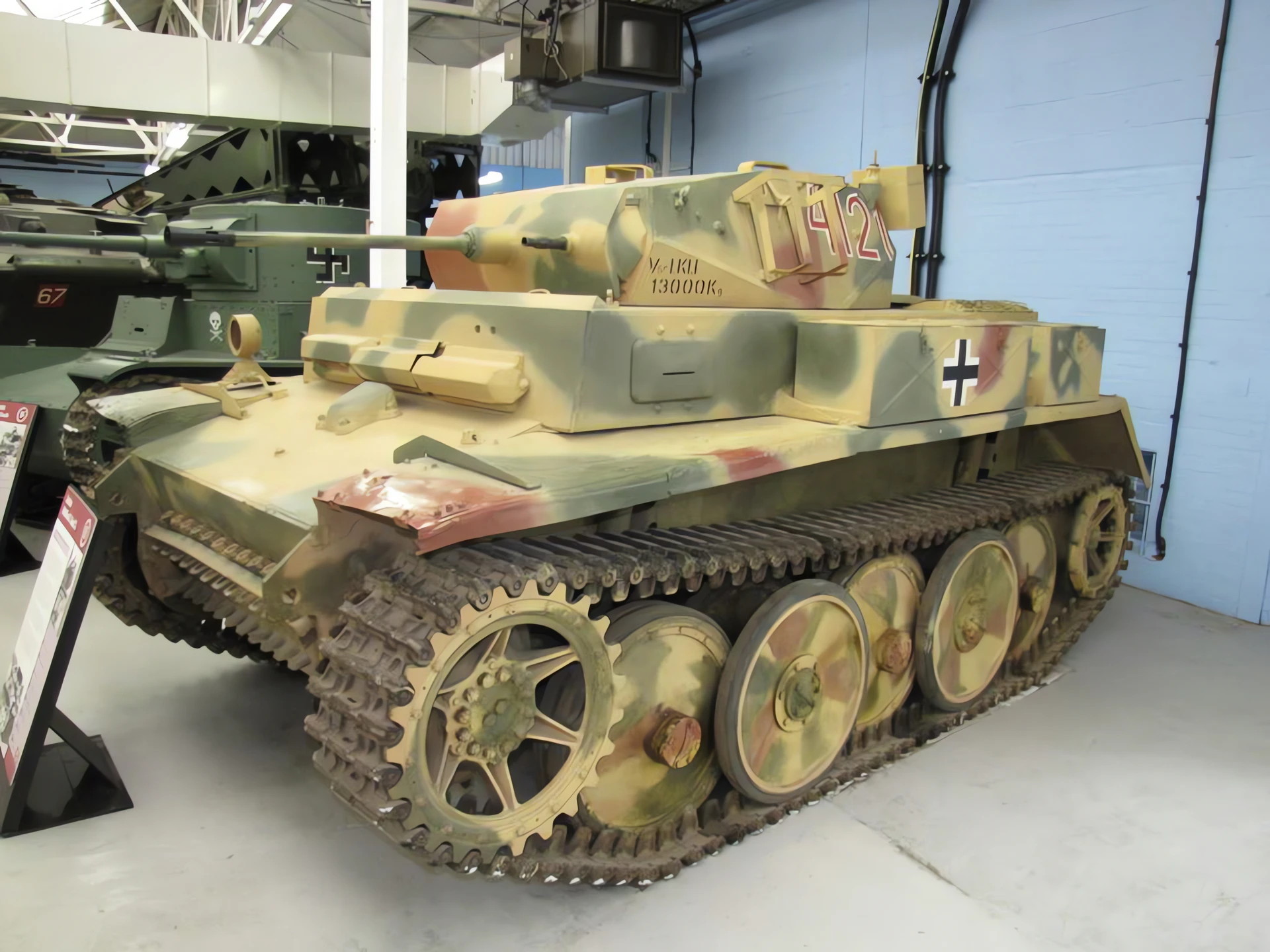
Lla Panzerkampfwagen II Ausf. L « Luchs »(Lynx) was the final and most refined evolution of the Panzer II series. Unlike its predecessors, which were intended as stop-gap light tanks, the Luchs was a purpose-builtarmored reconnaissance vehicle. It traded heavy armament for exceptional speed and agility, featuring a advanced « slack-track » suspension system that allowed it to traverse rough terrain far faster than the main battle tanks of its era.
Attribute
Technical Specification (Ausf. L Luchs)
Rôle
Light Reconnaissance Tank
Crew
4 (Commander/Gunner, Loader, Driver, Radio Operator)
Production Period
September 1943 – January 1944
Total Produced
~100 units
Groupe motopropulseur
1 × Maybach HL 66P 6-cylinder petrol
Horsepower
180 hp (134 kW)
Vitesse maximale
60 km/h (37 mph) on road / 42 km/h off-road
Armement principal
1 × 2 cm KwK 38 L/55 autocannon
Design Innovations: The Schachtellaufwerk System
Interleaved Road Wheels:The Luchs utilized theSchachtellaufwerk(interleaved) suspension system, similar to the Tiger and Panther. This distributed the tank’s weight more evenly, providing a smoother ride at high speeds and lower ground pressure for muddy environments.
The Four-Man Crew:Earlier Panzer II models struggled with a 3-man crew where the commander was overworked. The Luchs added a dedicated radio operator, allowing the commander to focus entirely on spotting the enemy and directing the gunner.
Compact Protection:Despite being a « lumière » tank, it featured 30mm of frontal armor and 20mm on the sides. While insufficient against heavy anti-tank guns, it provided excellent protection against small arms and shell splinters during high-speed scouting runs.
High Fuel Capacity:To support long-range reconnaissance missions, the hull was designed to carry 235 liters of fuel, giving it an impressive operational range of up to 290 km (180 miles).
Operational History and Rarity
Limited Production:Originally, 800 units were ordered, but production was canceled after only 100 were built to prioritize the production of heavier tanks and tank destroyers.
Lla « Leopard » Successor:A planned variant armed with a 5 cm KwK 39 gun (known as the VK 16.02 Leopard) was intended to follow the Luchs but never made it past the prototype stage due to the changing needs of the war.
Elite Recon Units:The Luchs served primarily with thePanzeraufklärungs-Abteilungen(armored reconnaissance battalions) of elite divisions like the 4th Panzer Division on both the Eastern and Western Fronts.
Survivors:Today, onlytwooriginal Luchs tanks survive—one at The Tank Museum in Bovington, UK, and another at the Musée des Blindés in Saumur, France.


 Char T-18 – Photos & Vidéos
 M8 Armored Gun System - Photos et vidéos
 Renault AMR 33 – Photos & Vidéo
 T-30 – Photos & Vidéo
 Système de canon blindé XM-8 - Photos et vidéo
 Réservoir de six tonnes M1917 – WalkAround
 T-26 - WalkAround
 Renault R35 – WalkAround
 Char léger T-46 – WalkAround
 Char léger BT2 – Walk Around