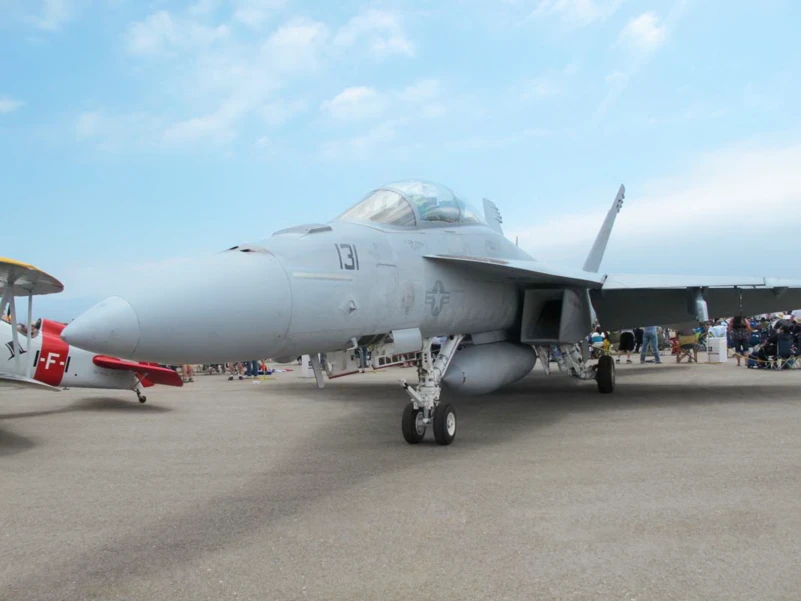
F-18F Super Hornet | |
|---|---|
| Pays | Usa |
| Type | Avion de chasse multirôle |
| Produit | 1995-présent |
| Construit | Plus de 500 |
Galerie de photos d’un F-18F Super Hornet, The Boeing F/A-18E and F/A-18F Super Hornet are twin-engine carrier-capable multirole fighter aircraft variants based on the McDonnell Douglas F/A-18 Hornet. The F/A-18E single-seat and F/A-18F tandem-seat variants are larger and more advanced derivatives of the F/A-18C and D Hornet. The Super Hornet has an internal 20 mm M61 rotary cannon and can carry air-to-air missiles and air-to-surface weapons. Additional fuel can be carried in up to five external fuel tanks and the aircraft can be configured as an airborne tanker by adding an external air refueling system.
Source: F-18F Super Hornet sur Wiki
| F-18F Super Hornet | |
|---|---|
| Photographe | Ray Peterson |
| Localisation | Inconnu |
| Photos | 28 |
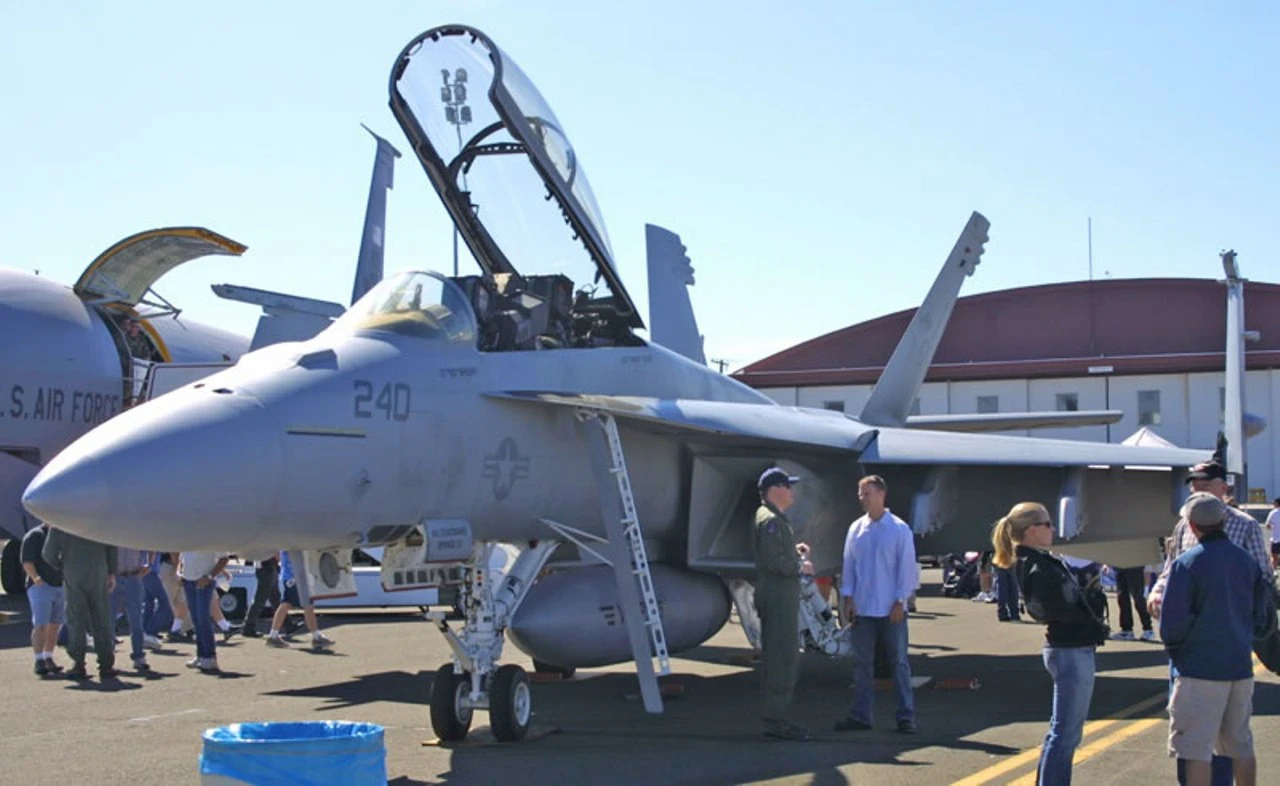
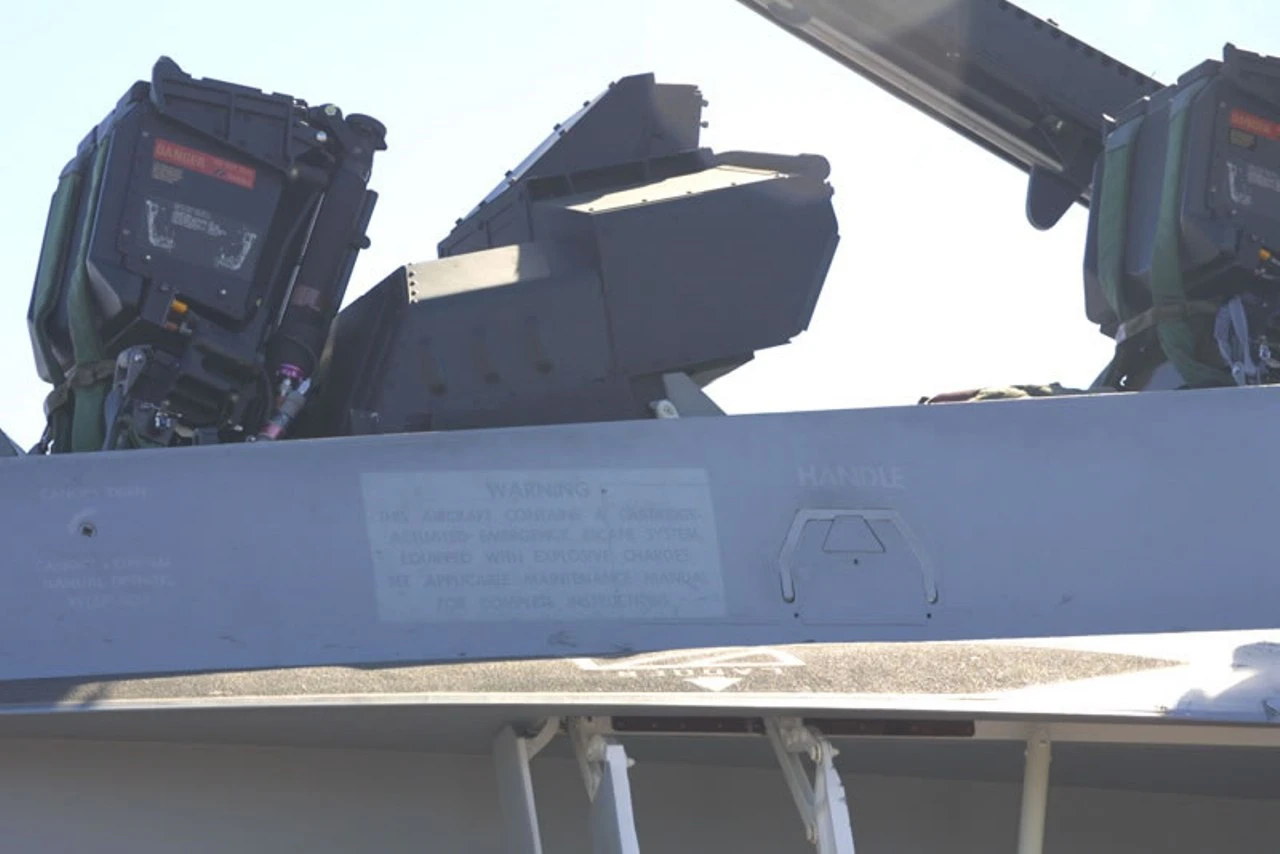
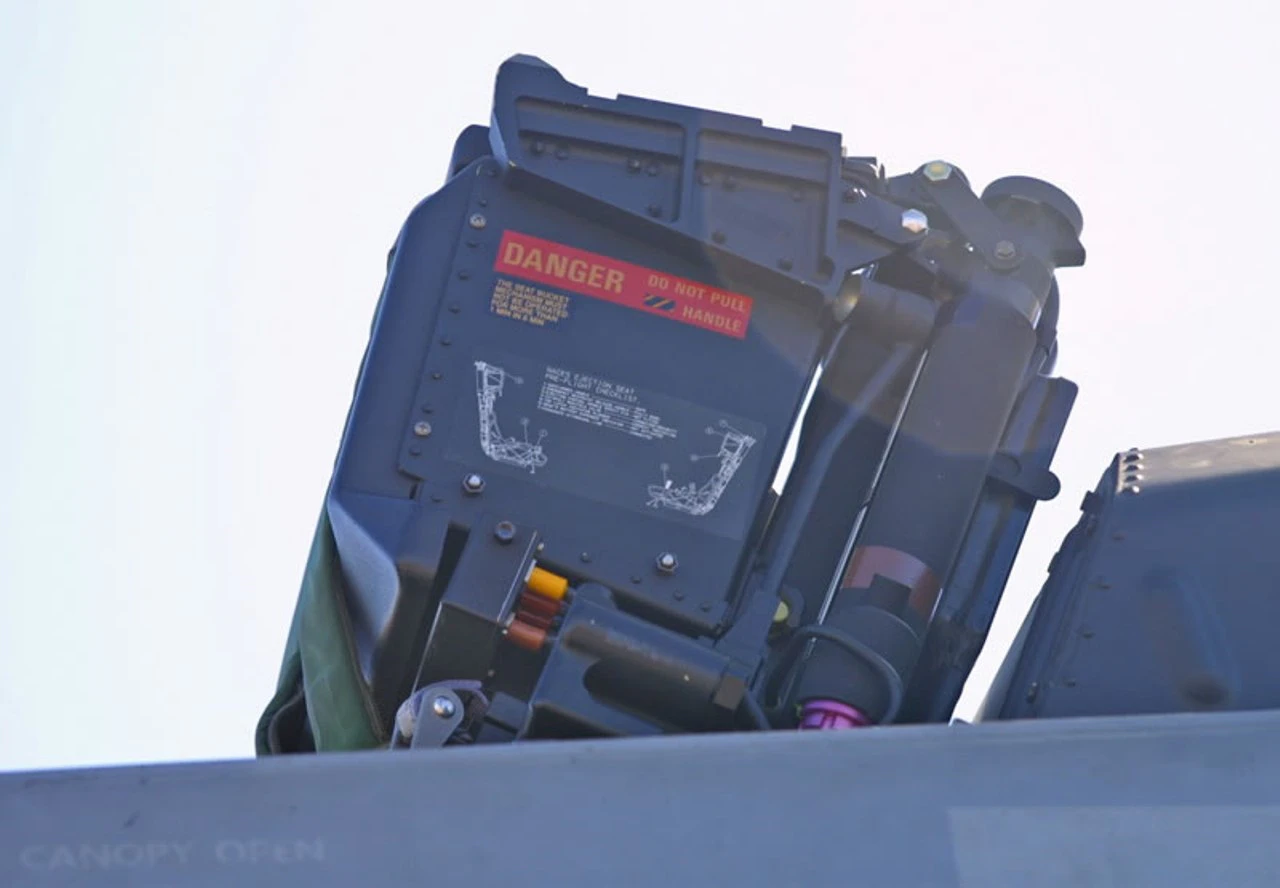
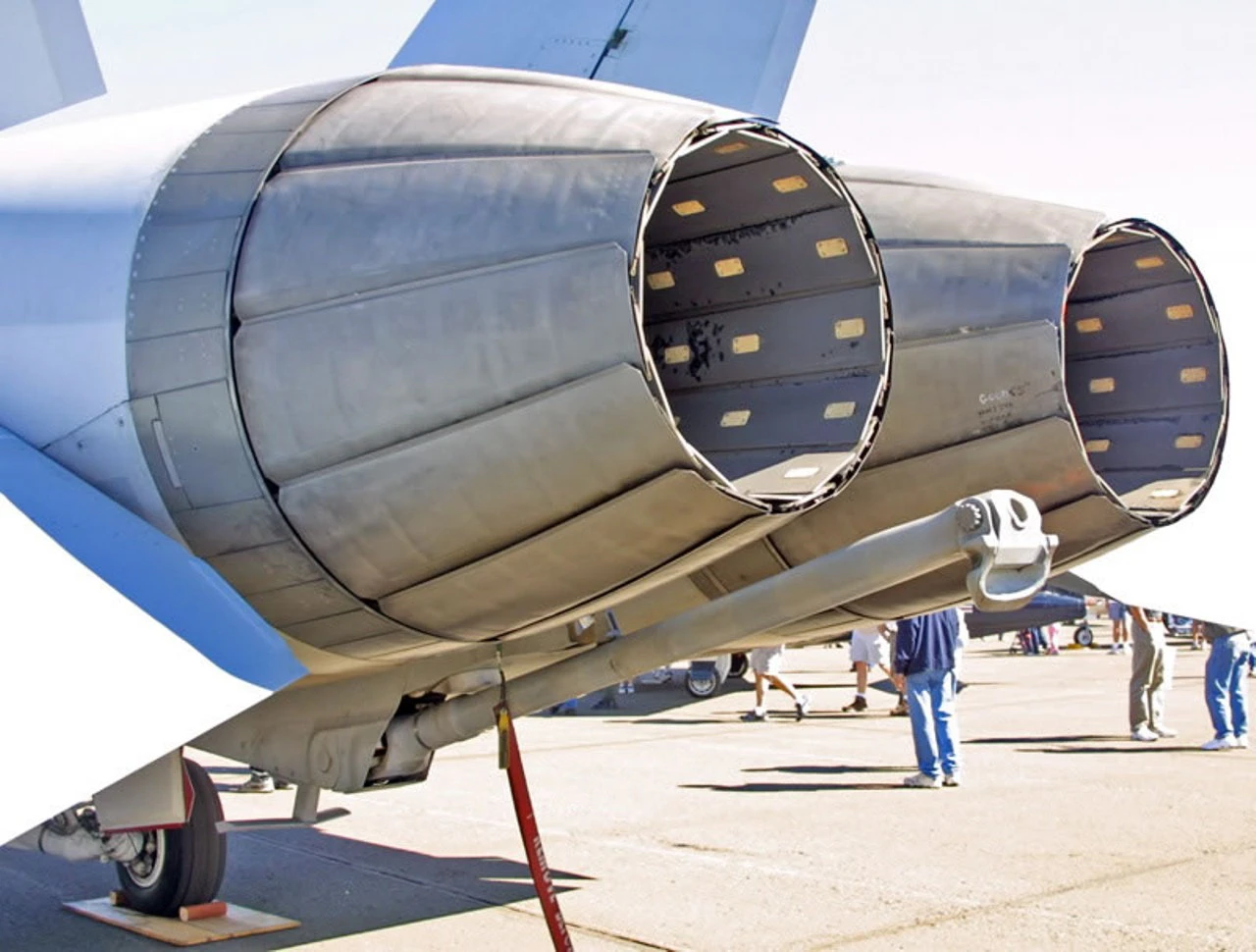
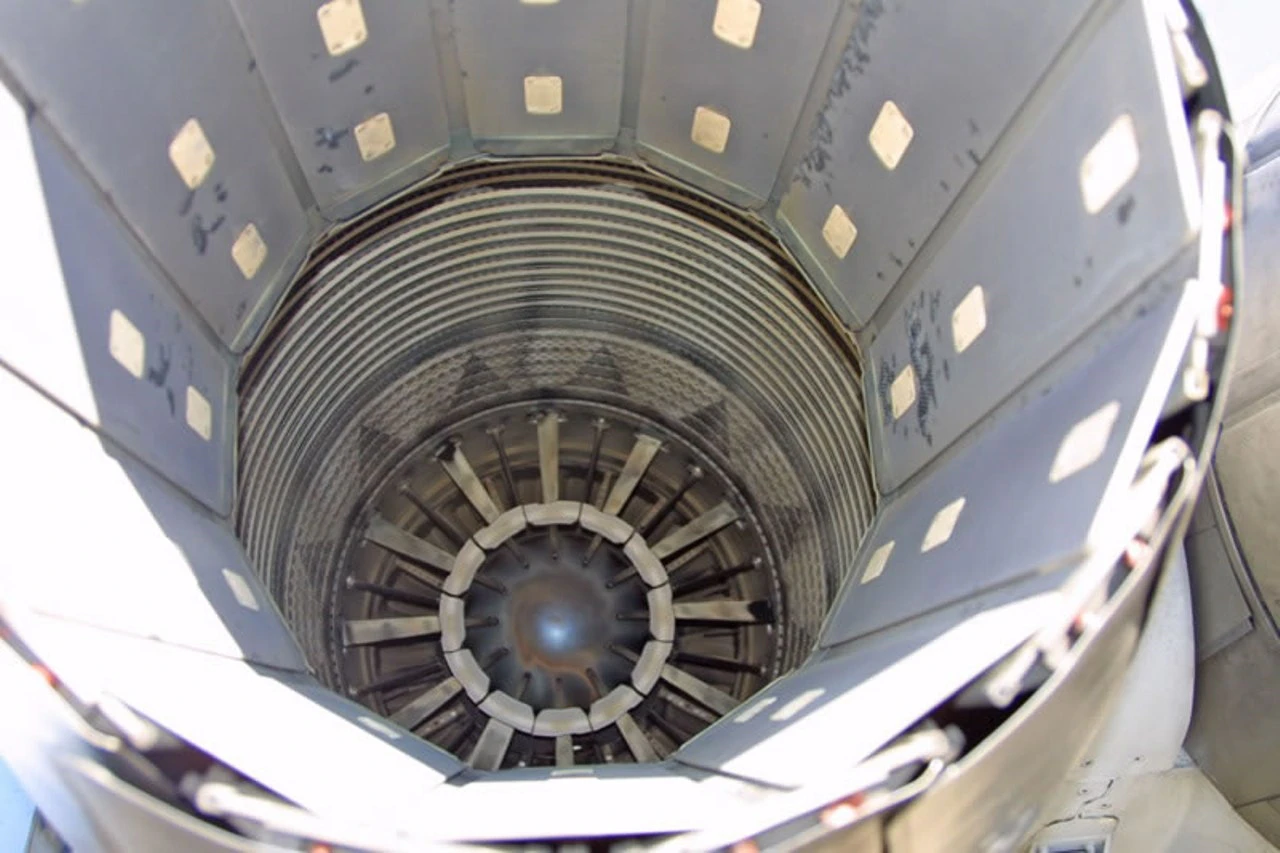
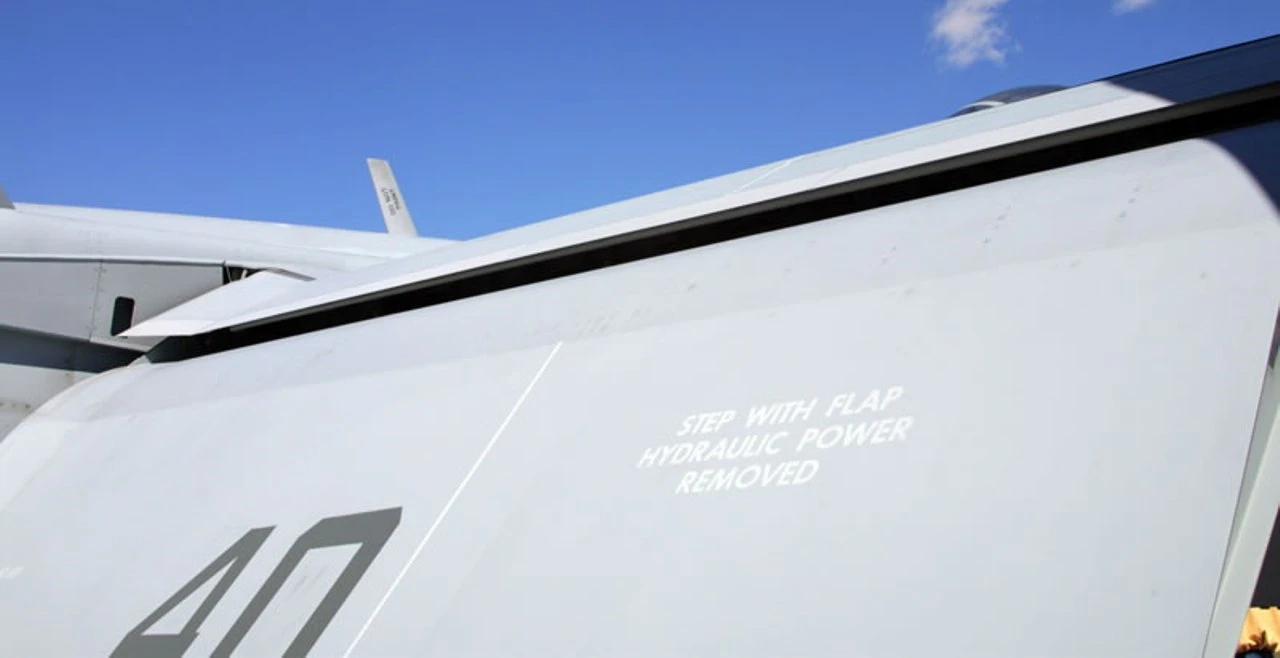
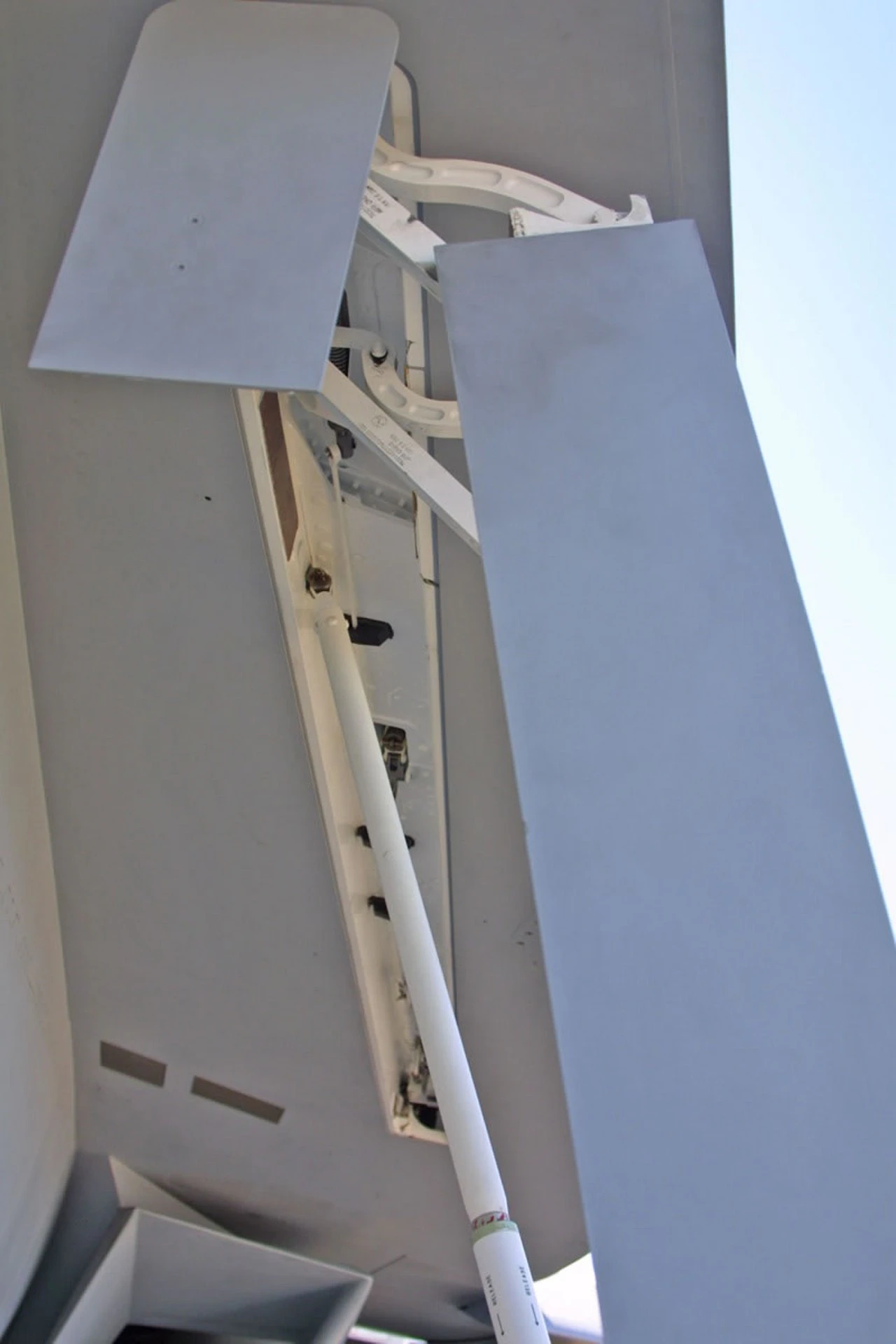
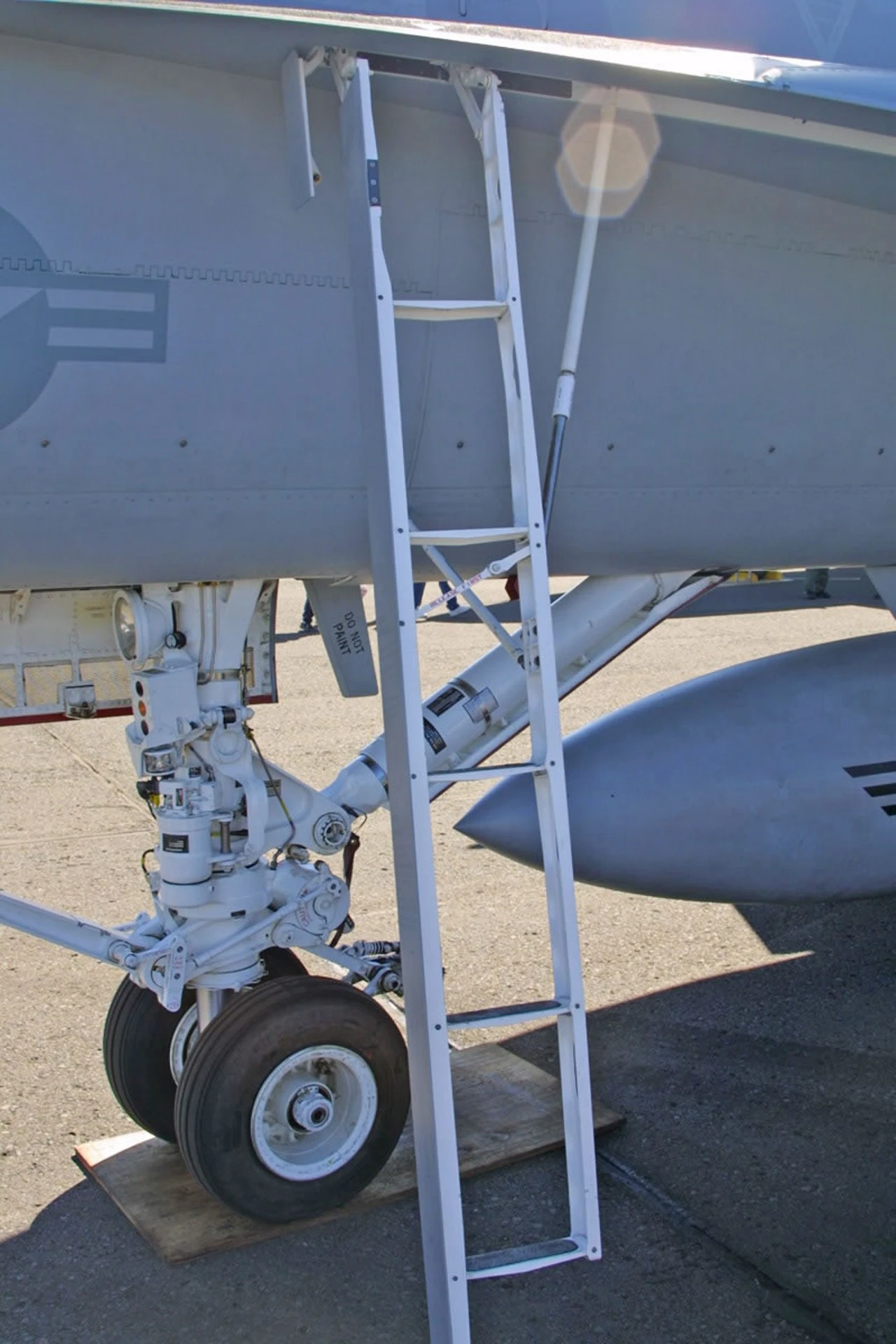

| Boeing F-18 F Super Hornet Se promener | |
|---|---|
| Photographe | Cees Hendriks |
| Localisation | Inconnu |
| Photos | 189 |
| Boeing F-18F Super Hornet Walk Around | |
|---|---|
| Photographe | Vladimir Yakubov |
| Localisation | Inconnu |
| Photos | 98 |
Voir aussi :


Lla « Héritage » Outgrown
Lla F/A-18F Super Hornet is a twin-engine, carrier-capable, multi-role fighter that represents a significant evolution of the original F/A-18 Hornet. While it looks similar to its predecessor, the Super Hornet is essentially a new aircraft: 25% larger, with 35% more internal fuel and significantly more powerful engines. The « F » variant is the two-seat version, which utilizes a Weapon Systems Officer (WSO) in the rear seat to manage complex strike missions, electronic warfare, and air-to-ground targeting. It successfully replaced both the iconic F-14 Tomcat and the A-6 Intruder, consolidating the Carrier Air Wing into a single, versatile platform.
| Attribute | Technical Specification (F/A-18F Block III) |
|---|---|
| Rôle | Multi-role Fighter / Strike Fighter |
| Crew | 2 (Pilot and Weapon Systems Officer) |
| First Flight | November 29, 1995 |
| Groupe motopropulseur | 2 × General Electric F414-GE-400 turbofans |
| Thrust | 22,000 lbf (98 kN) per engine with afterburner |
| Vitesse maximale | Mach 1.6 (1,190 mph / 1,915 km/h) |
| Combat Range | 450 nmi (518 miles / 833 km) interdiction mission |
| Armement | 1 × 20 mm M61A2 Vulcan; 11 hardpoints for AIM-120, AIM-9X, JDAM, and more |
Design Engineering: Stealth and Strength
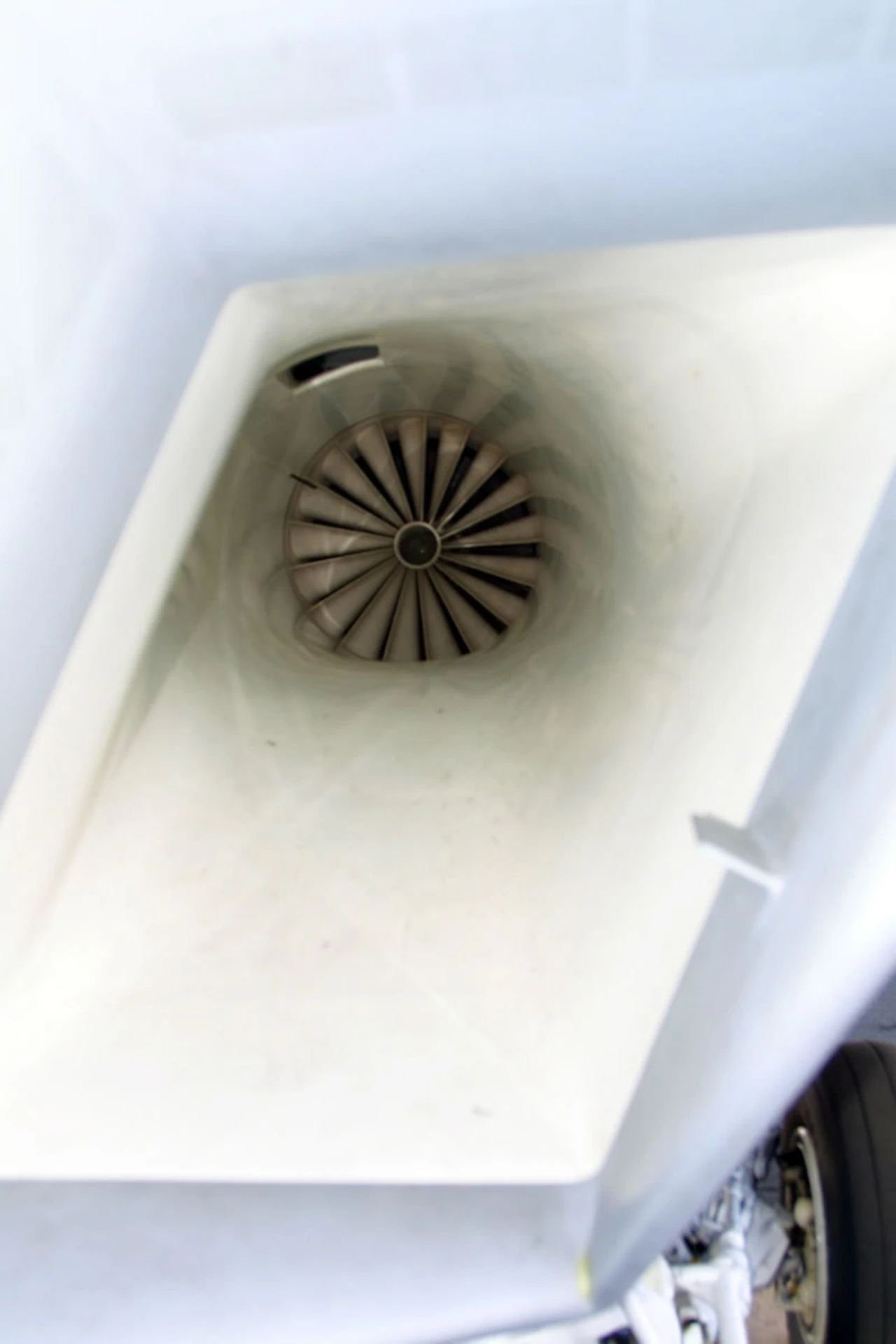
- Rectangular Intakes: The most obvious visual difference from the original « Héritage » Hornet is the sharp, rectangular air intakes. These were designed to reduce the aircraft’s Radar Cross Section (RCS) by shielding the engine fan blades from enemy radar waves. [Image detail of the Super Hornet’s « caret » shaped air intakes]
- Large Leading Edge Extensions (LEX): The massive LEX surfaces generate powerful vortices at high angles of attack, allowing the Super Hornet to remain maneuverable and stable during slow-speed carrier approaches or high-G dogfights.
- Conformal Fuel Tanks (Block III): Newer versions feature tanks that sit flush on top of the fuselage. This increases range without the drag of traditional drop tanks, allowing the « Rhinocéros » to carry more weapons further into enemy territory.
- Digital Backbone: The Block III upgrade introduced a massive 10×19-inch Large Area Display (LAD) in both cockpits, replacing multiple smaller screens with a single, customizable touch interface for better situational awareness.
Combat Roles and the « Five-Wet » Tanker
- The Tactical Air Controller (Airborne): In the F variant, the WSO acts as a « battle manager, » coordinating other aircraft and drones (like the MQ-25 Stingray) while the pilot focuses on flying, making it the preferred choice for complex strikes.
- Lla « Five-Wet » Tanker: A unique capability of the Super Hornet is its role as a « buddy tanker. » It can carry five external fuel tanks and a refueling pod, allowing it to refuel other fighters in the air, a critical job since the retirement of the S-3 Viking.
- Electronic Warfare Cousin: The Super Hornet airframe provided the basis for the EA-18G Growler, which replaced the EA-6B Prowler. It uses the same flight characteristics but is packed with jamming pods to blind enemy radar.
- « Rhinocéros » Call Sign: Pilots nicknamed it the « Rhinocéros » to distinguish it from the older Hornet during carrier deck operations, as the Super Hornet is much heavier and requires different catapult and arresting gear settings.
Views : 16464
Vous pouvez voir aussi :
 McDonnell Douglas C-9 – Photos et vidéos
 McDonnell Douglas F-15 Eagle – Photos et vidéos
 Martin 4-0-4 – Photos & Vidéos
 Bristol F.2 Fighter – Photos & Vidéos
 Northrop JB-1 Bat – Photos et vidéos
 Convair F2Y Sea Dart – Photos & Vidéos
 Miles Magister – Photos & Vidéos
 Boeing X-36 – Photos & Vidéos
 KFIR C-1 - WalkAround
 MiG-29 - WalkAround