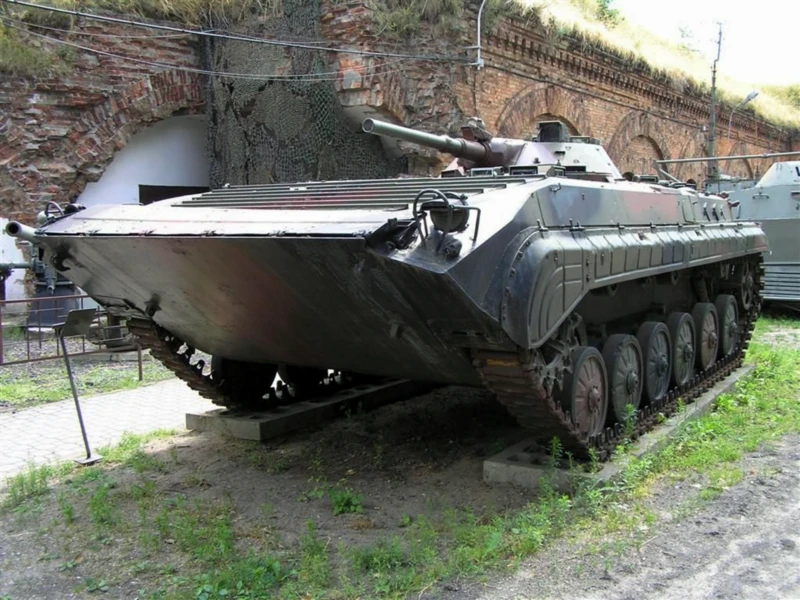
BMP-1 | |
|---|---|
| Pays | Union soviétique |
| Type | Véhicule amphibie de combat d’infanterie suivi |
| En service | 1966-présent |
| Construit | Plus de 20000 |
Galerie de photos d’un BMP-1, The BMP-1 is a Soviet amphibious tracked infantry fighting vehicle. BMP stands for Boyevaya Mashina Pekhoty 1 (Russian: Боевая Машина Пехоты 1; БМП-1), meaning « véhicule de combat d’infanterie ». Le BMP-1 a été le premier véhicule de combat d’infanterie (IFV) produit en série en URSS. Il a été appelé M-1967, BMP et BMP-76PB par l’OTAN avant que sa désignation correcte ne soit connue.
Source: BMP-1 sur Wiki
| BMP-1 WalkAround | |
|---|---|
| Photographe | Unknow |
| Localisation | Inconnu |
| Photos | 37 |
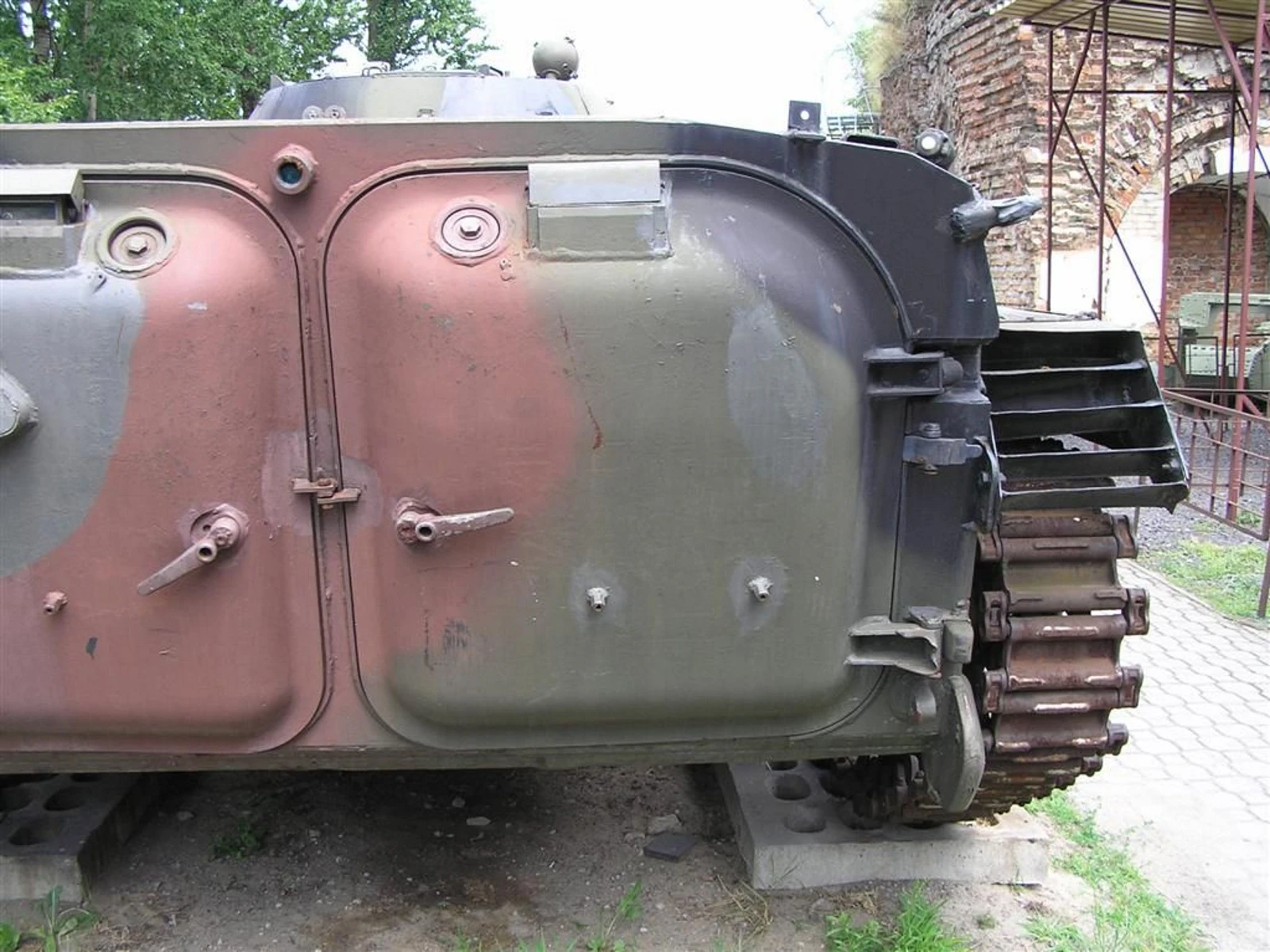
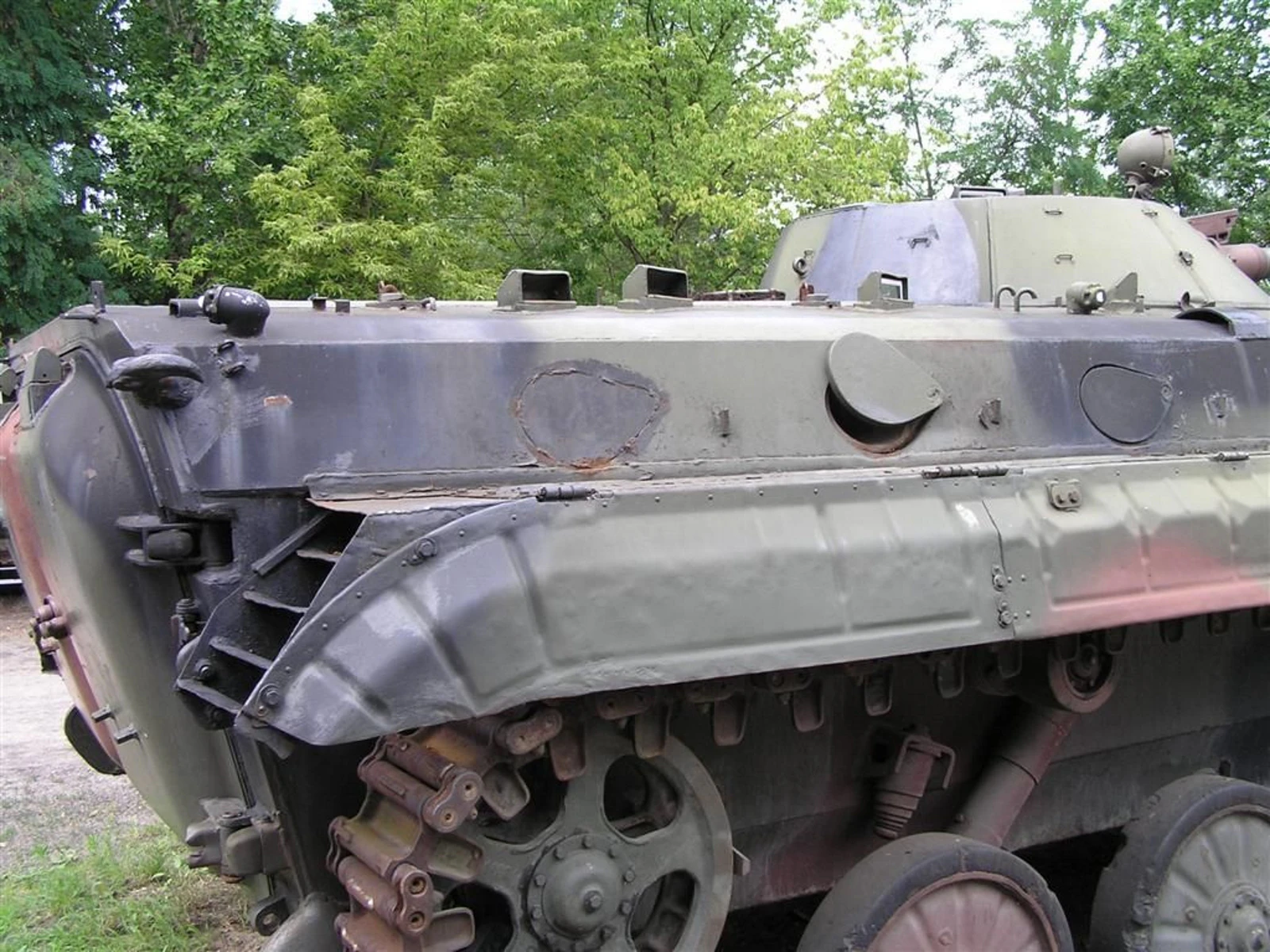
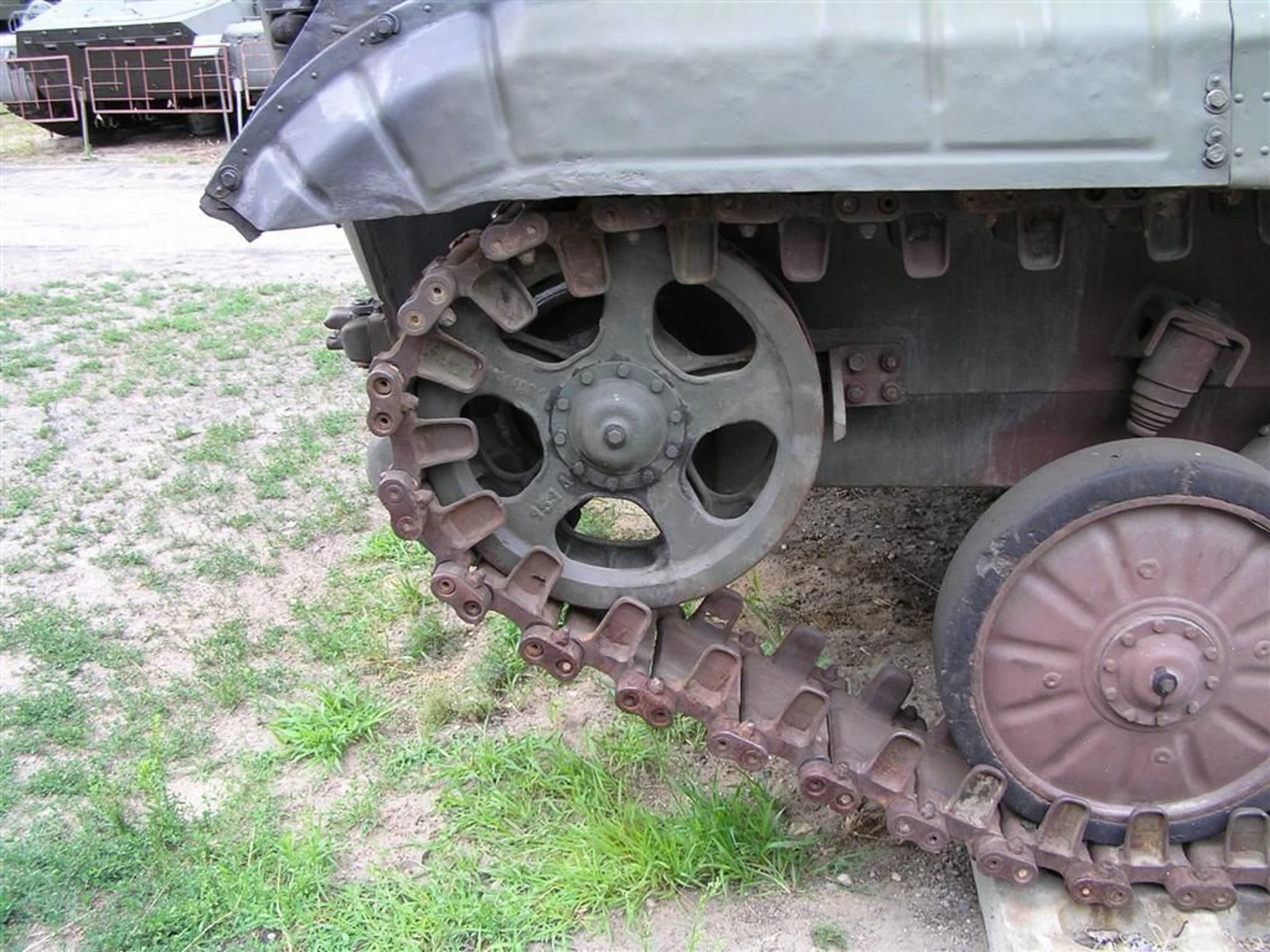
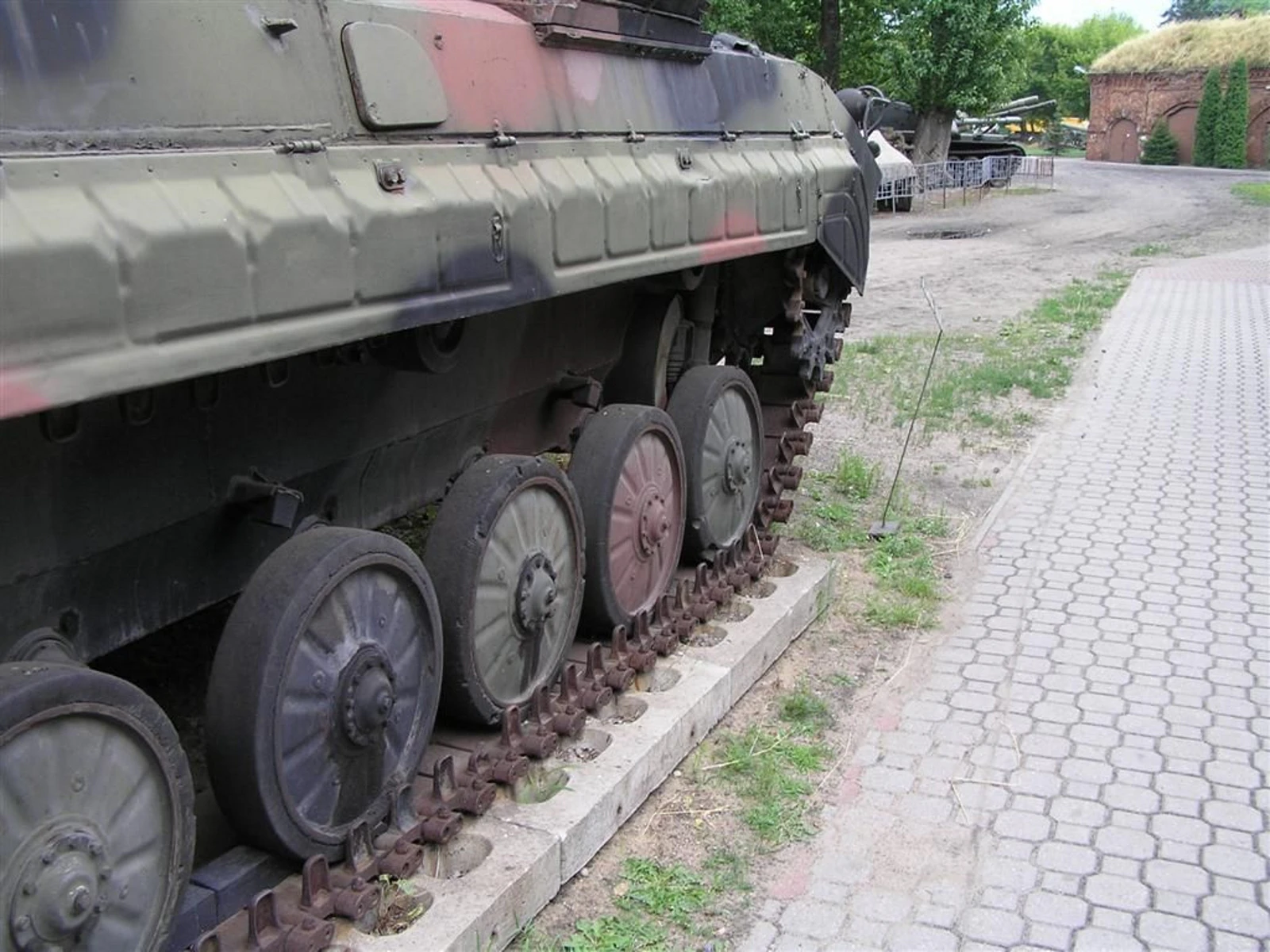
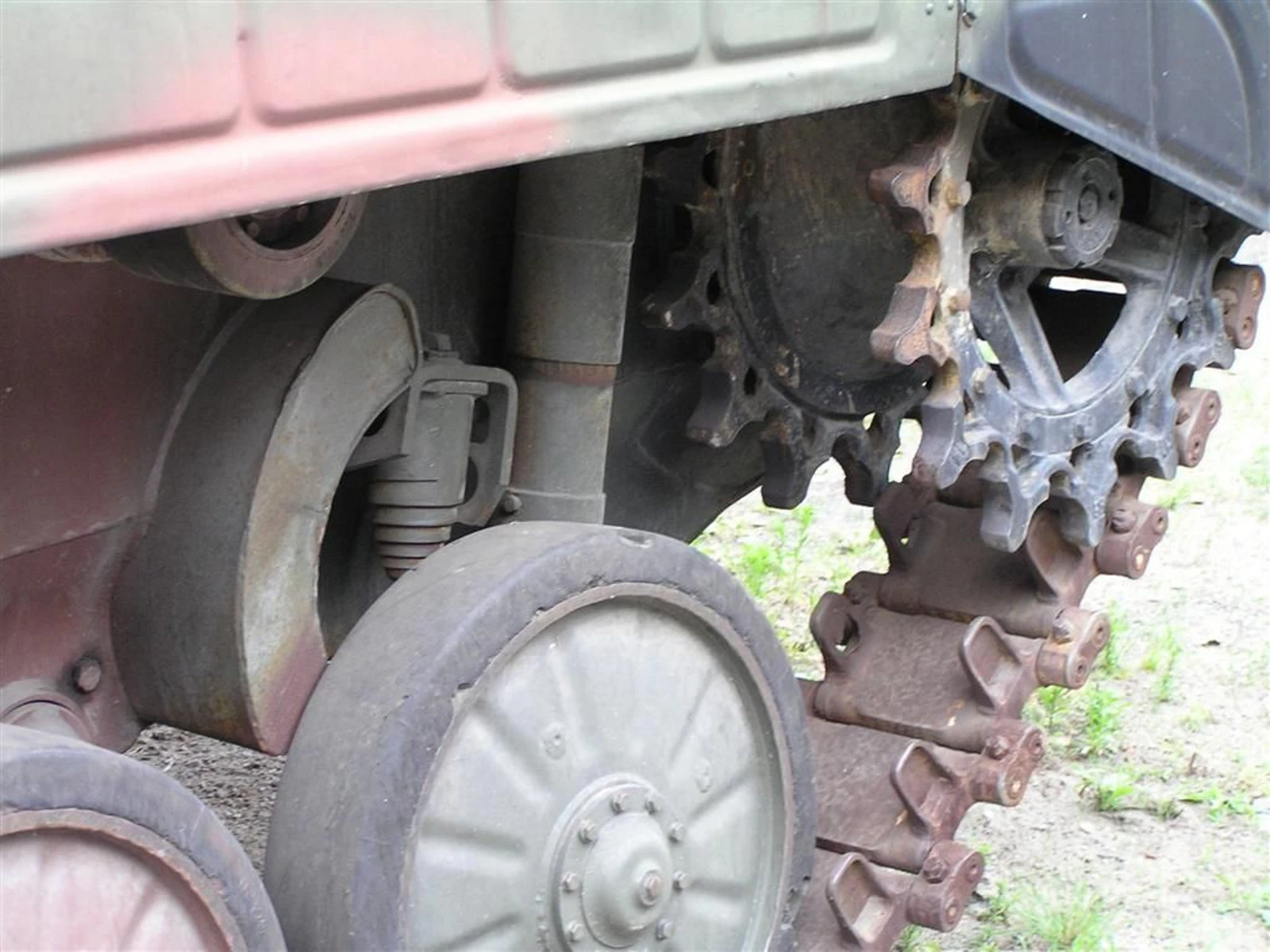
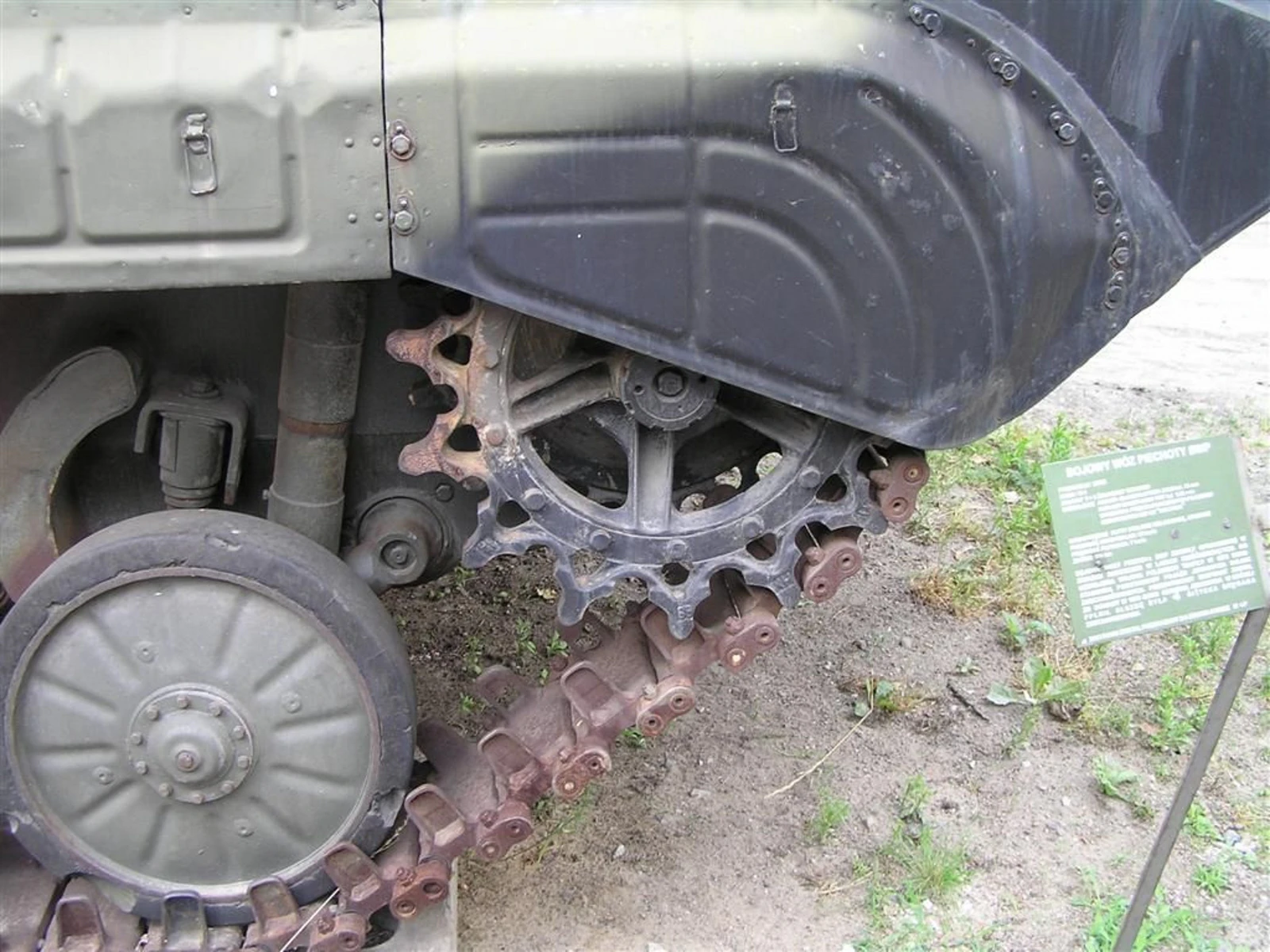
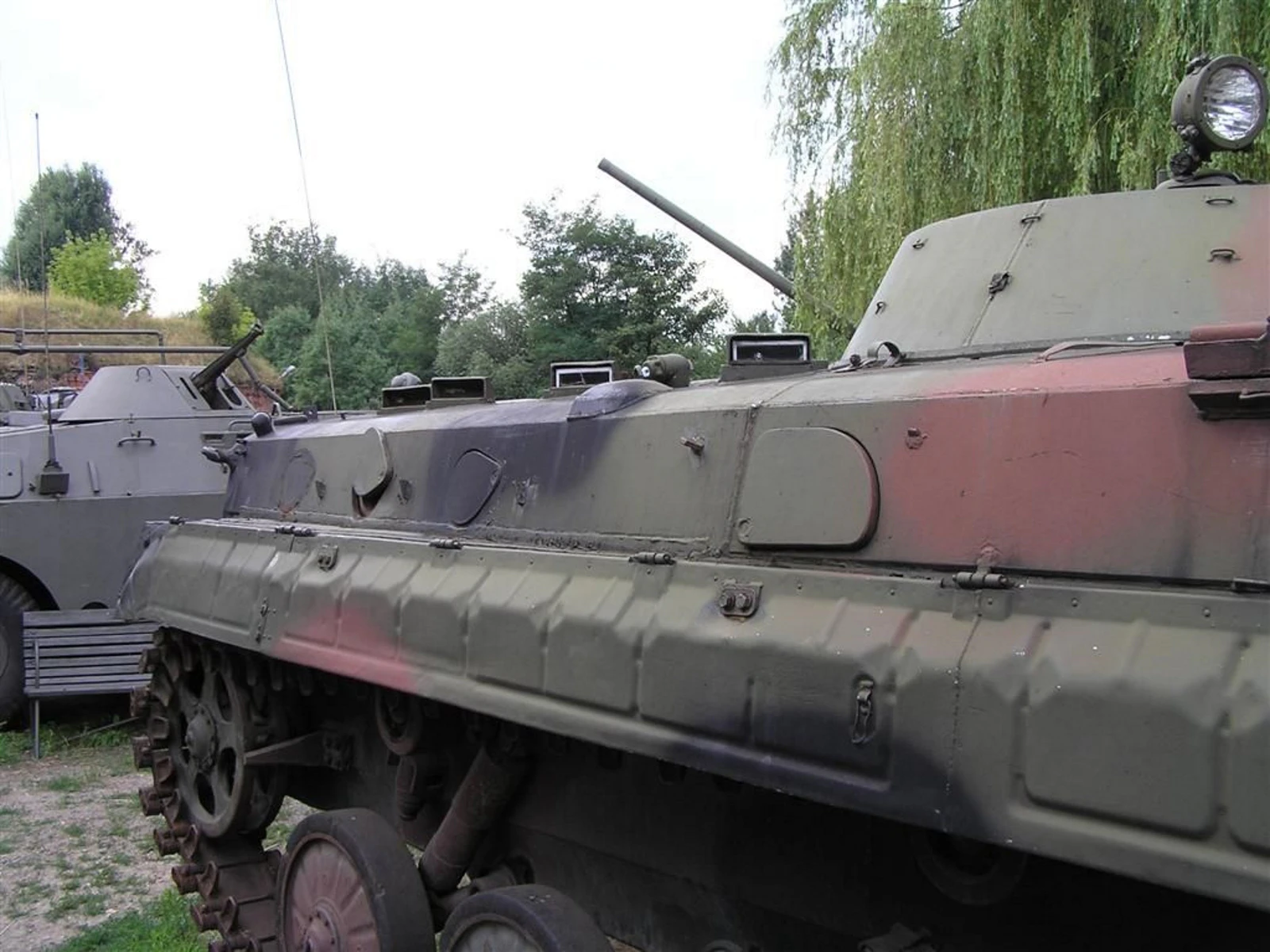
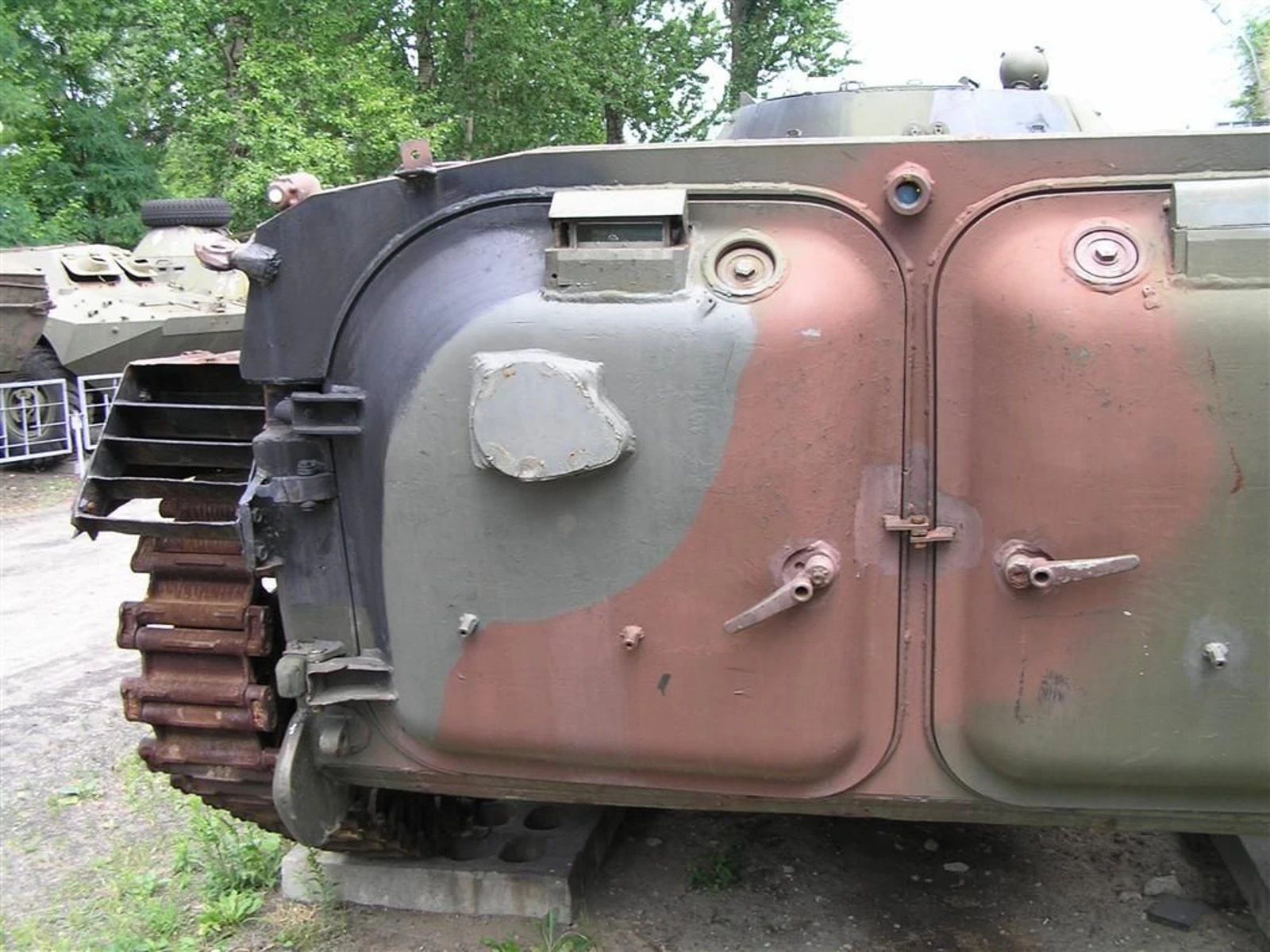
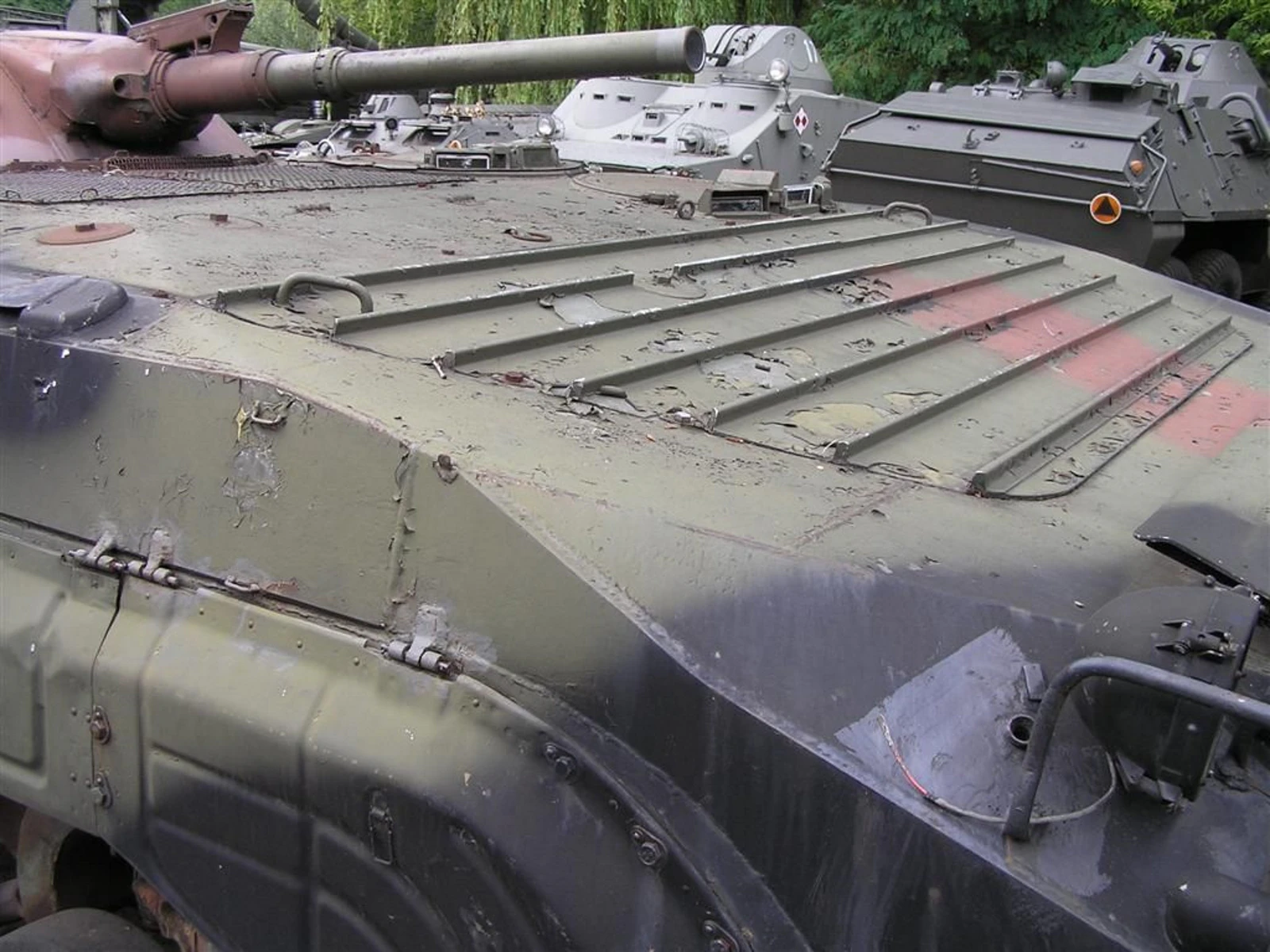

| BMP-1 APC Walk Around | |
|---|---|
| Photographe | Bill Maloney |
| Localisation | Allegheny Arms & Armor Musée |
| Photos | 18 |
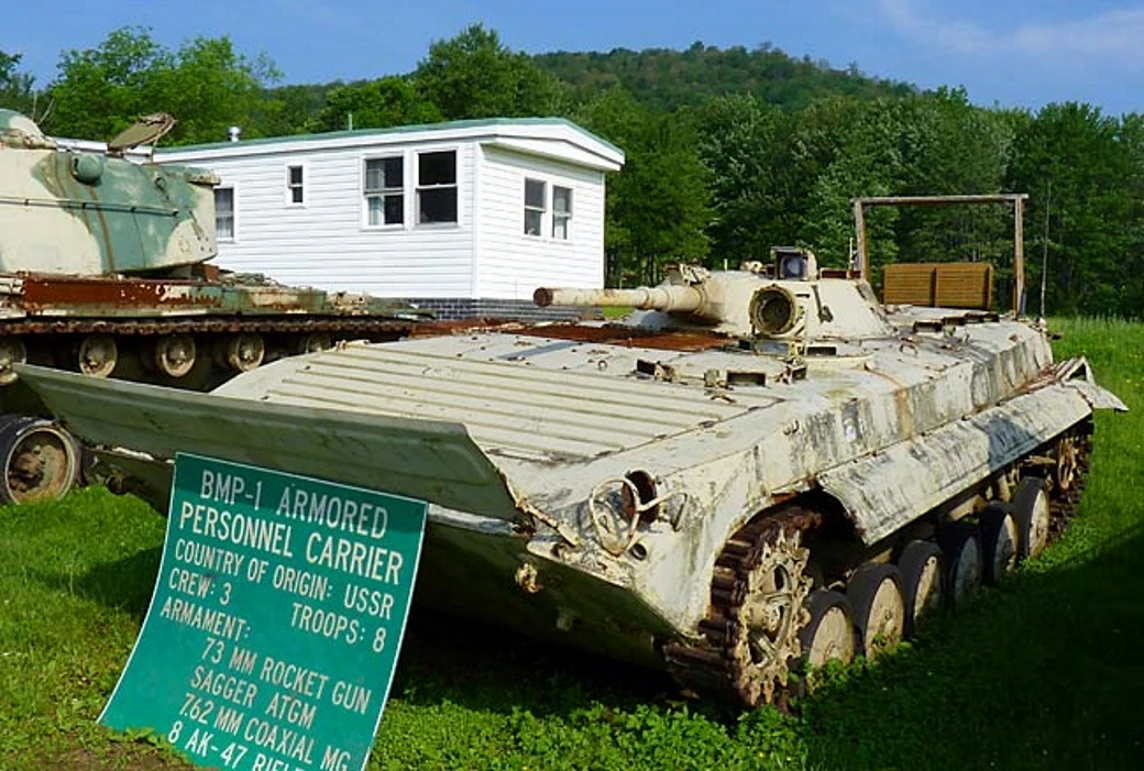
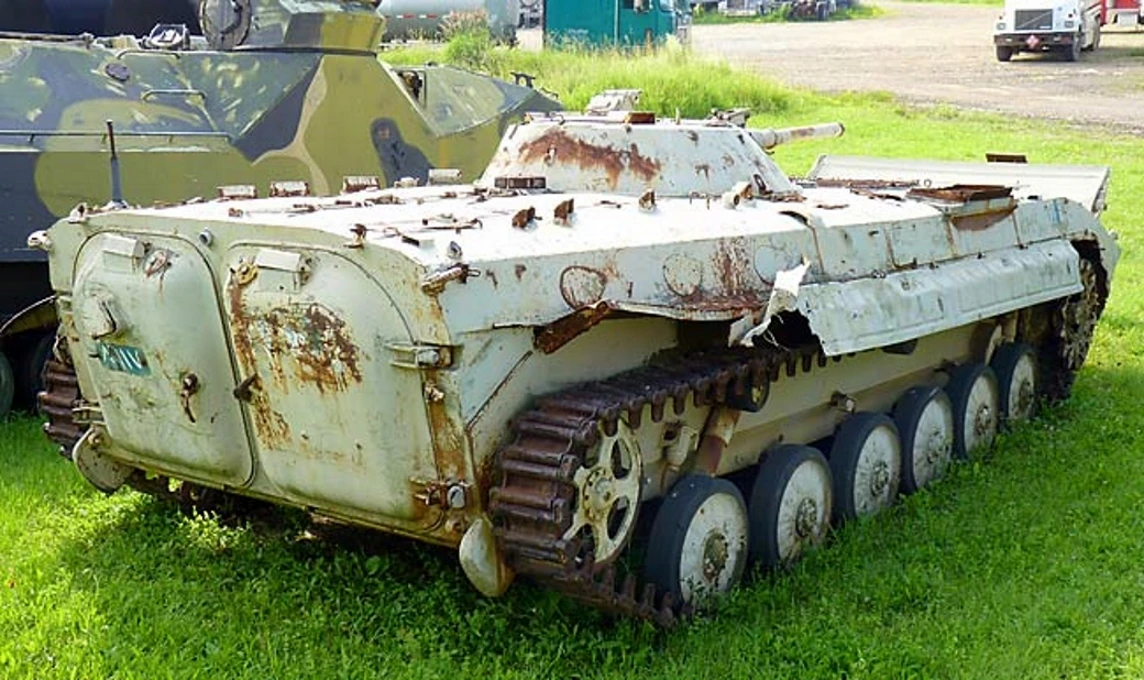
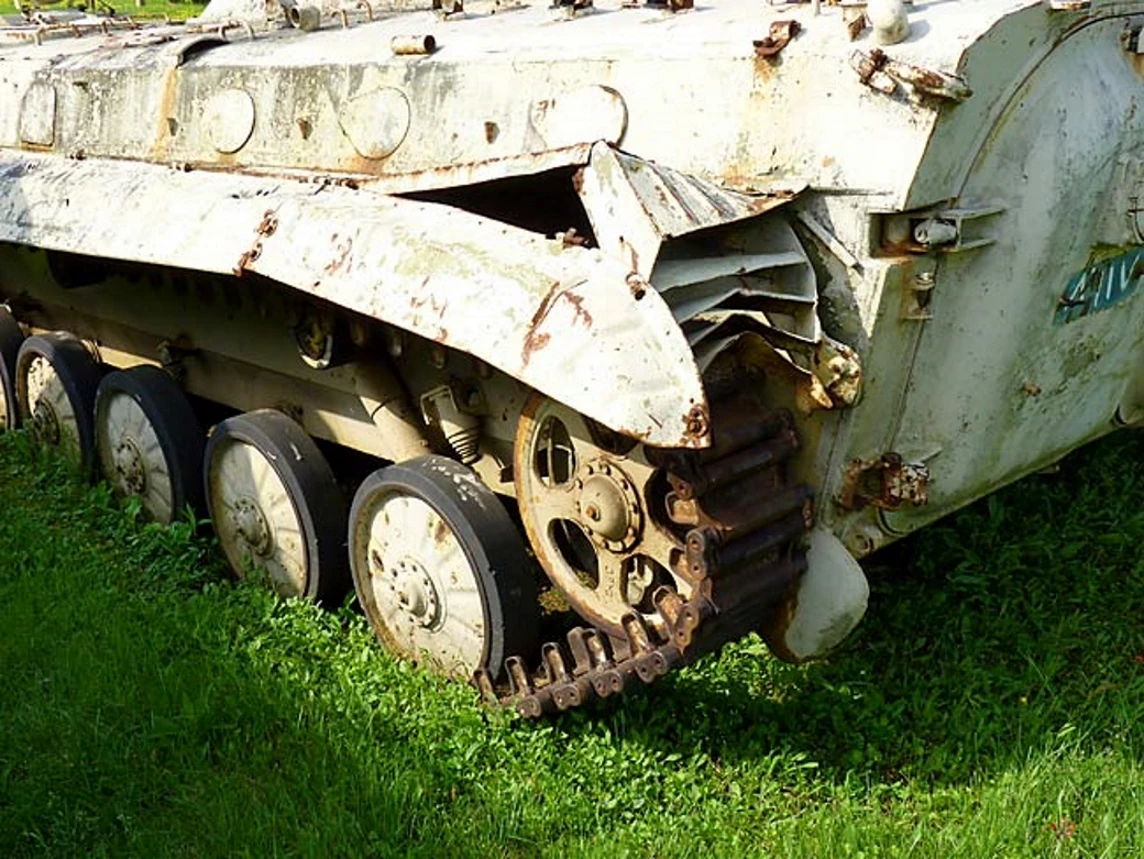
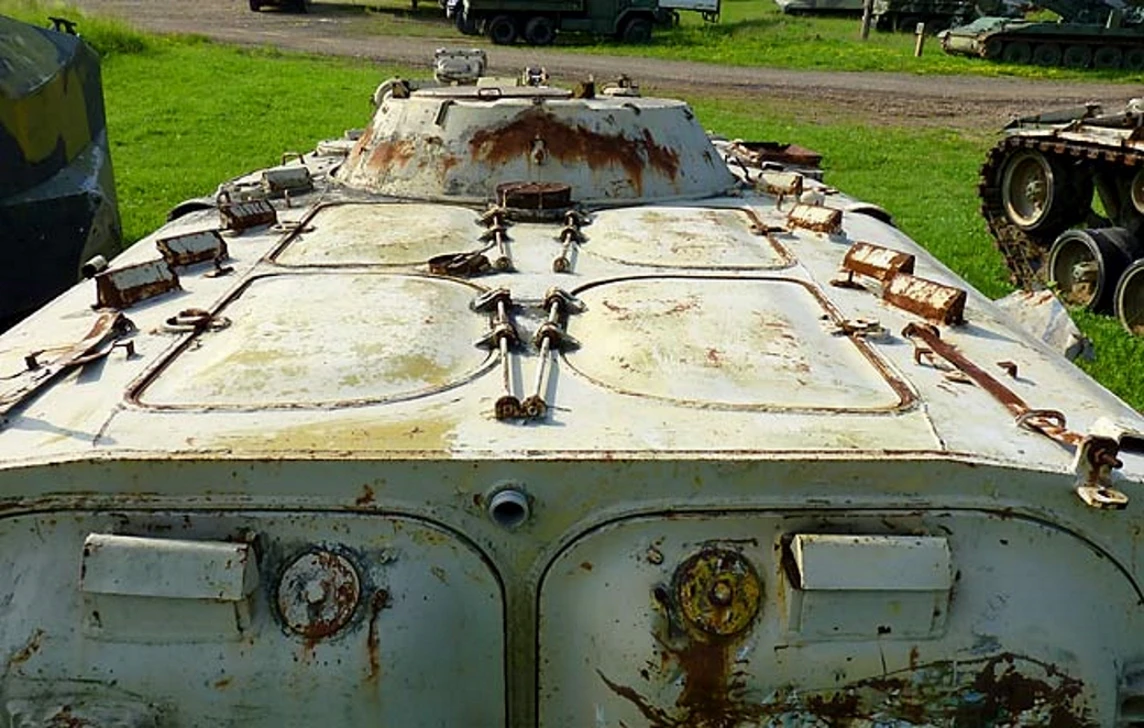
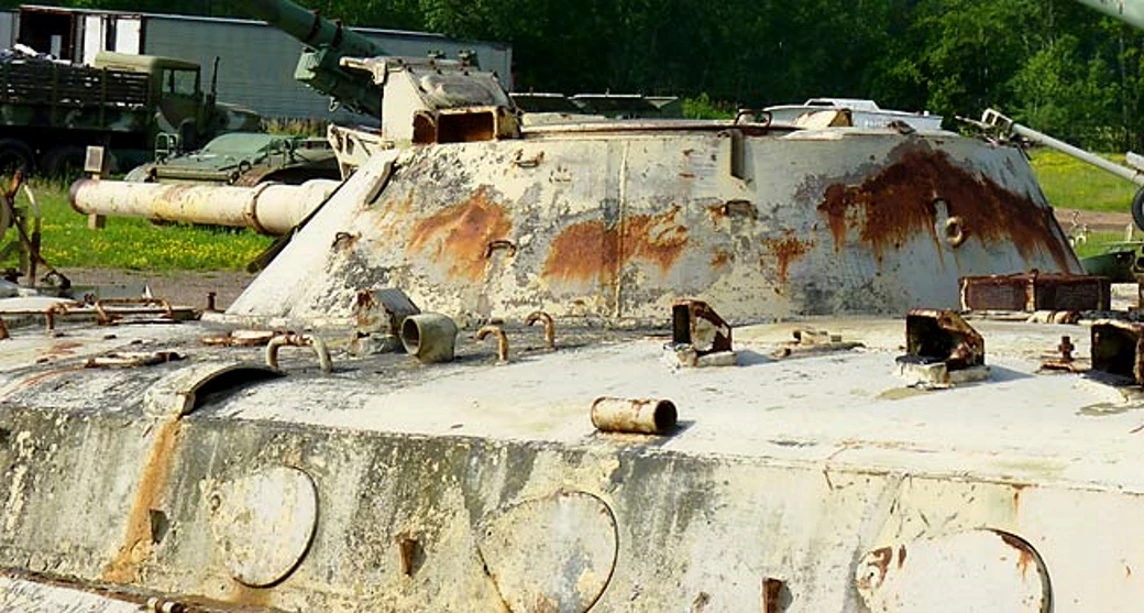
| BMP-1 (Czech) Walk Around | |
|---|---|
| Photographe | Robert De Craecker |
| Localisation | Inconnu |
| Photos | 35 |
Voir aussi :


| BMP-1 Walk Around | |
|---|---|
| Photographe | Unknow |
| Localisation | Inconnu |
| Photos | 131 |
A Revolution in Mechanized Warfare
Introduced in 1966, the BMP-1 completely changed the concept of infantry transport. Before the BMP, armored personnel carriers (APCs) like the American M113 were simply « battle taxis » meant to drop troops off and retreat. The BMP-1 was designed to fight alongside tanks. It was low-profile, amphibious, and packed enough firepower—including a cannon and anti-tank missiles—to engage enemy armor. It was designed for the nightmare scenario of a nuclear battlefield, allowing infantry to fight from within a sealed, filtered environment.
| Attribute | Technical Specification (BMP-1) |
|---|---|
| Rôle | Infantry Fighting Vehicle (IFV) |
| Crew / Capacity | 3 (Commander, Gunner, Driver) + 8 Infantry |
| Armement principal | 73 mm 2A28 « Grom » low-pressure smoothbore gun |
| Armement secondaire | 9M14 Malyutka (AT-3 Sagger) ATGM; 7.62mm PKT MG |
| Armor | 6–33 mm (Steel, highly sloped) |
| Top Speed | 65 km/h (Road) / 7 km/h (Water) |
| moteur | UTD-20 V6 diesel (300 hp) |
| Weight | 13.2 tonnes |
Design Engineering: The Amphibious Predator
- Low Silhouette and Sloped Nose: The BMP-1 is famously low to the ground (only 2.09 meters high), making it a difficult target to hit. Its extreme frontal sloping was designed to deflect heavy machine gun fire and even small autocannons.
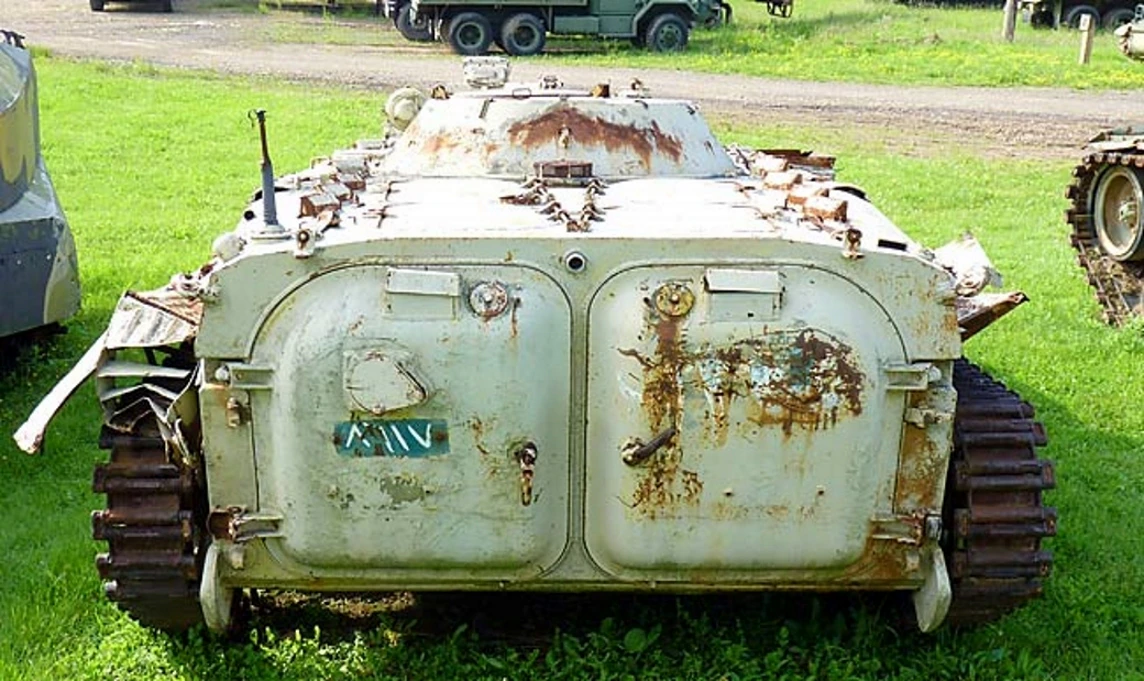
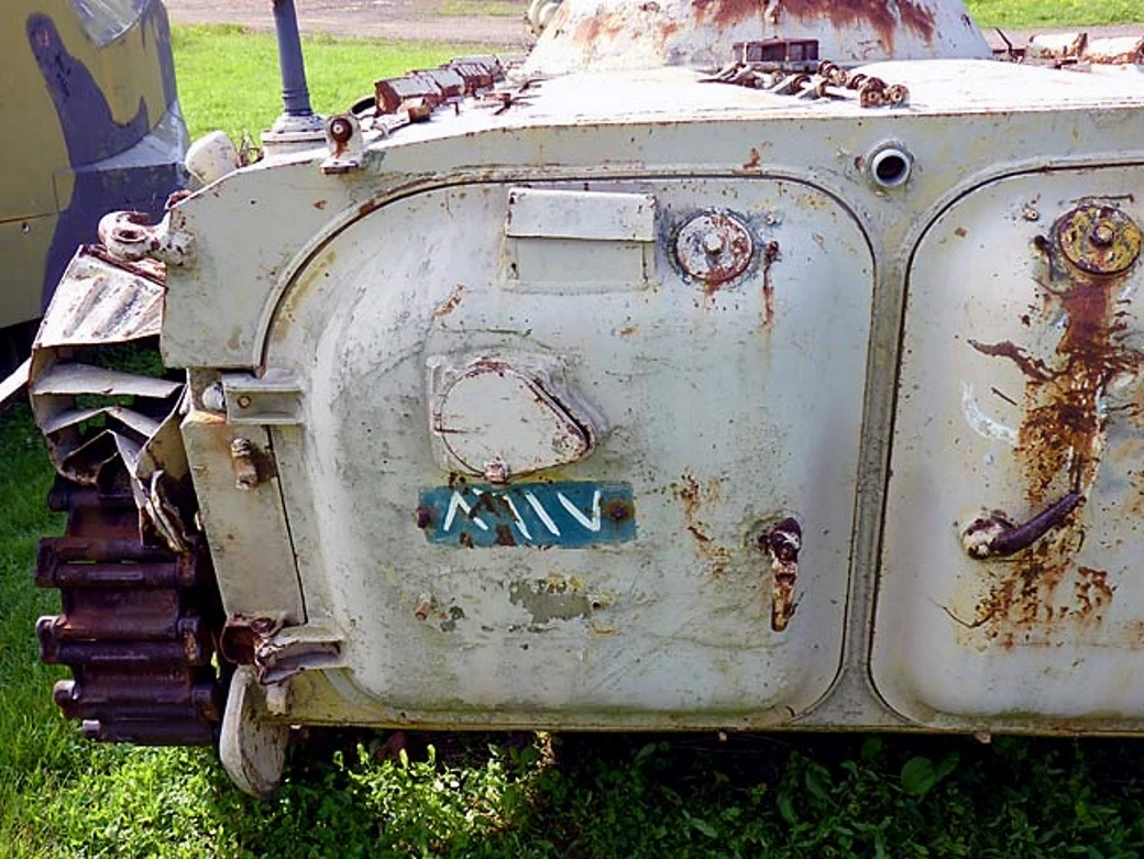
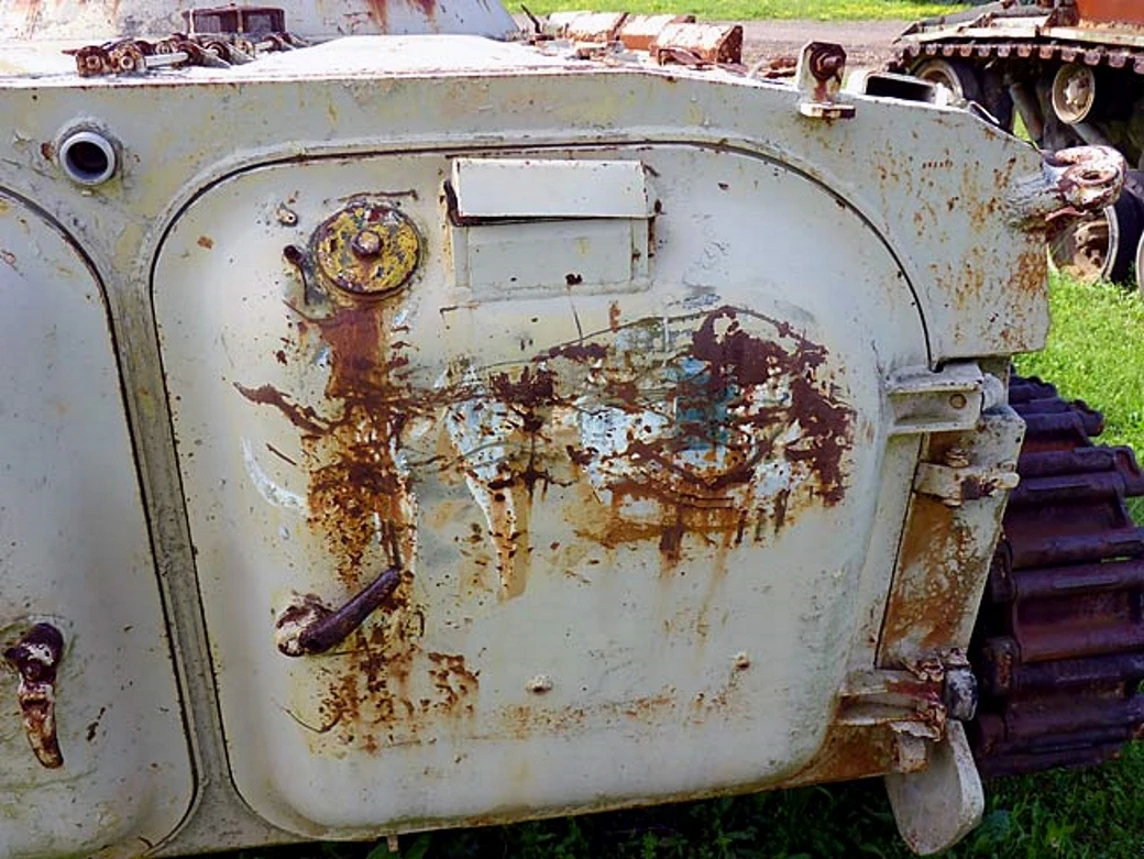
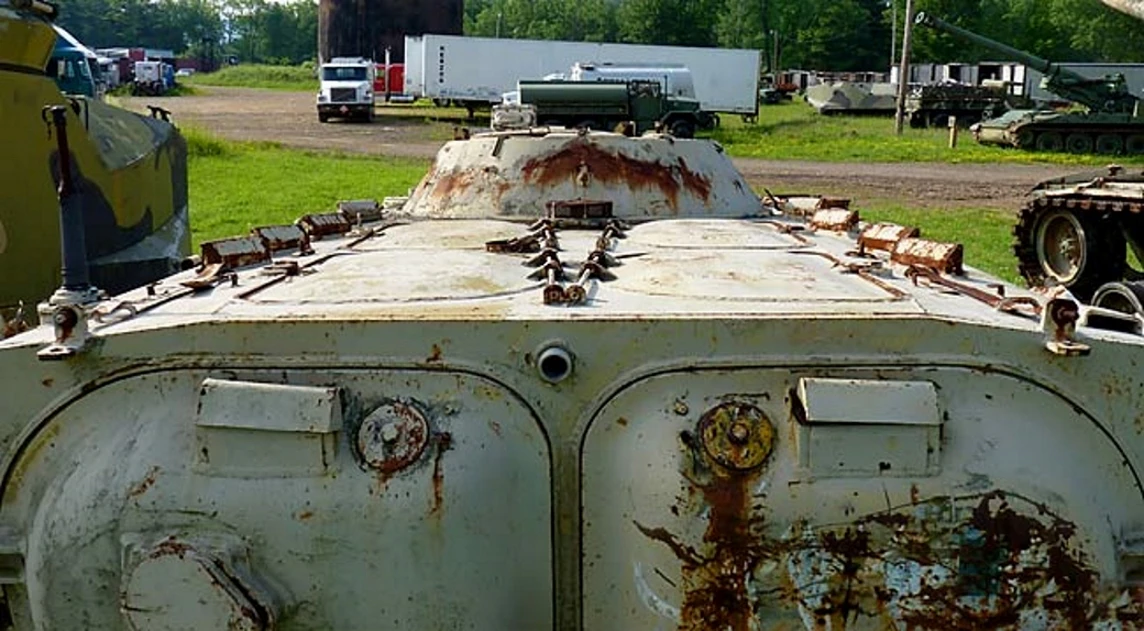
- Rear Fuel-Tank Doors: In a unique but controversial space-saving design, the two large rear exit doors for the infantry also serve as the vehicle’s secondary fuel tanks. While protected by the hull, they are vulnerable to rear-aspect fire.
- Lla « Grom » Cannon: The 73mm main gun was essentially a rocket launcher in a turret. It fired the same projectile as the SPG-9 recoilless rifle. Because it was low-pressure, it had limited range and accuracy but was devastating against light fortifications.
- Capacité amphibie : The BMP-1 can swim without any preparation. It uses its tracks to paddle through water, with specially shaped fenders that help direct the flow and provide buoyancy.
Combat History and Global Proliferation
- The Yom Kippur War Debut: The BMP-1 first saw major action in 1973. While its Sagger missiles terrified Israeli tankers, the vehicle’s thin side armor and cramped interior highlighted its vulnerabilities to modern anti-tank weapons.
- The Afghan « Iron Coffin »: During the Soviet-Afghan War, Mujahideen fighters used RPGs from high ground to strike the BMP’s thin roof armor. Soviet crews often nicknamed it the « Mass Grave for Eight » because of its tendency to explode if hit.
- Combat Firing Ports: The troop compartment features tiny glass vision blocks and firing ports, allowing the 8-man squad to fire their AK-47s from inside the vehicle while under NBC (Nuclear, Biological, Chemical) protection.
- Universal Service: With over 20,000 produced in the USSR alone (plus thousands more in Eastern Europe and China), the BMP-1 remains in active service in dozens of countries and continues to appear in nearly every modern conflict, from Syria to Ukraine.
Vues : 4823
Vous pouvez voir aussi :
 Dardo IFV – Promenade
 Véhicule amphibie d’assaut – Photos et vidéos
 Panhard M3 – Photos & Videos
 BMD-1 – Photos et vidéos
 T-30 – Photos & Vidéo
 Véhicule blindé chenillé Warrior – Photos & Vidéo
 FV180 Combat Engineer Tractor – Photos & Vidéo
 OT-62 TOPAS – Photos & Vidéo
 MT-LB Sjvpbv 4024 – Photos & Vidéo
 PTS-M Transport amphibie chenillé – Photos et vidéo