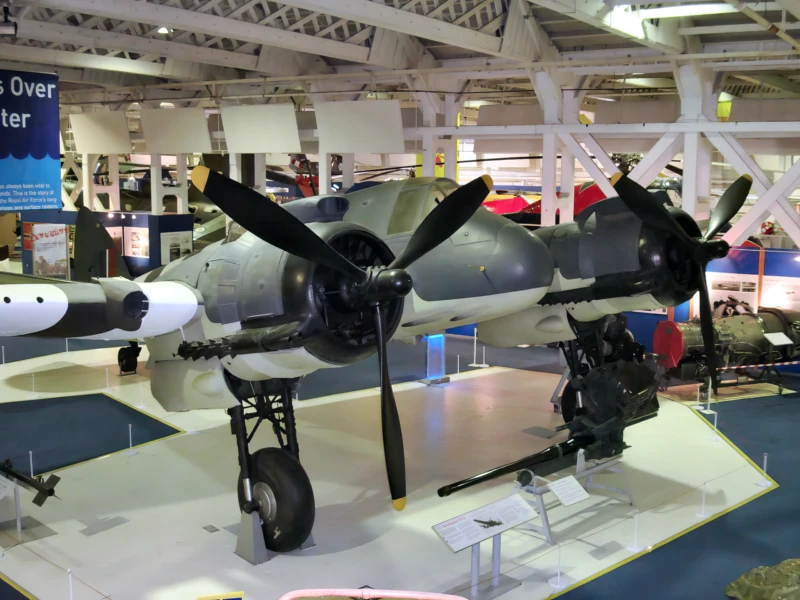
Bristol Beaufighter | |
|---|---|
| Pays | Royaume-uni |
| Rôle | Chasseur lourd / avion d’attaque |
| Première mouche | Le 17 juillet 1939 |
| Construit | 5928 |
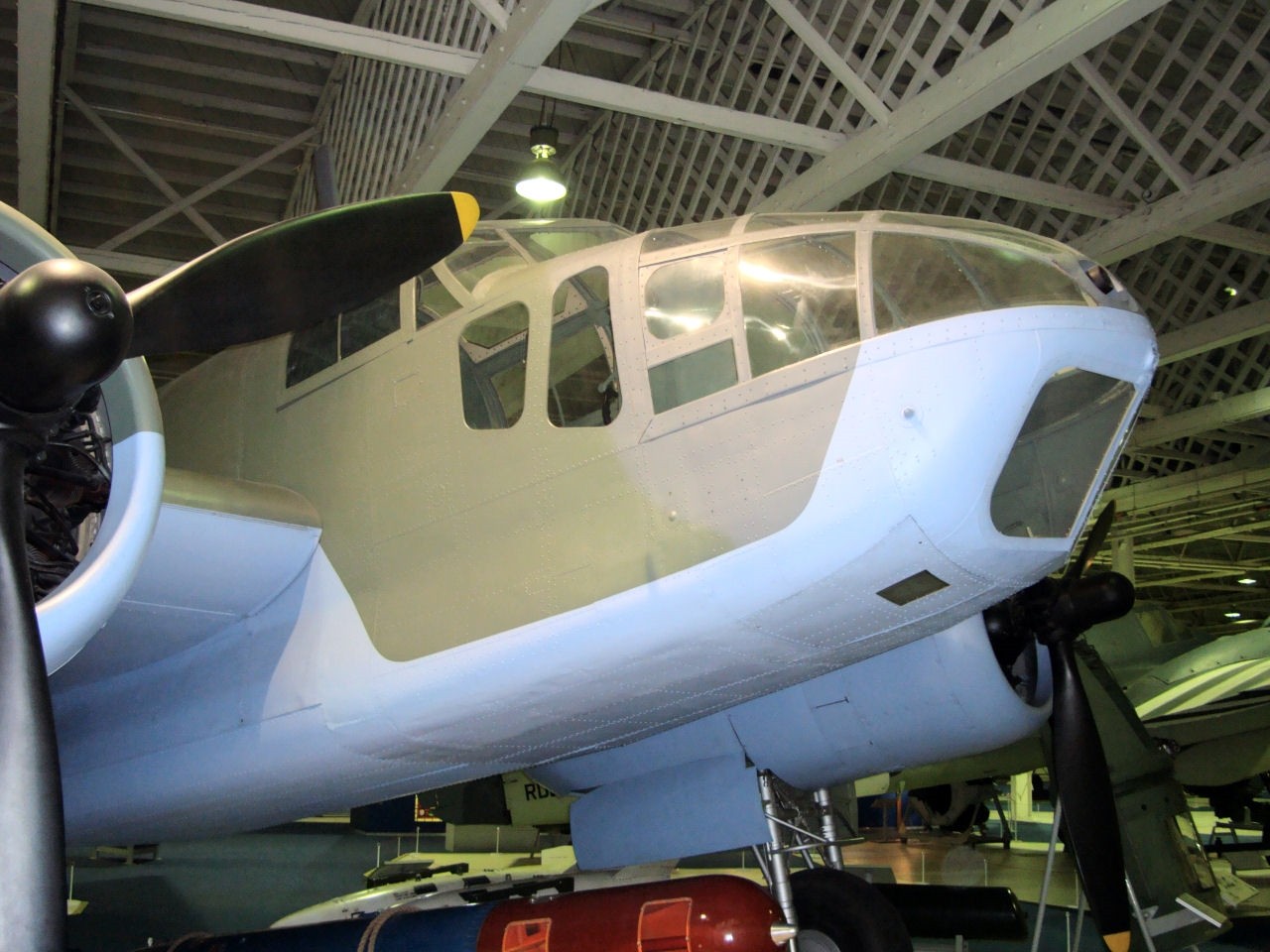
Lla Bristol Type 156 Beaufighter (souvent appelé simplement le « Beau Beau ») est un avion multirâ rôle développé pendant la Seconde Guerre mondiale par la Bristol Airplane Company au Royaume-Uni. Il a été conçu à l’origine comme une variante de chasseur lourd du bombardier Bristol Beaufort. Dès son entrée en service, le Beaufighter s’est avéré bien adapté au rôle de chasseur de nuit, pour lequel la Royal Air Force (RAF) a d’abord déployé le type au plus fort de la bataille d’Angleterre, en partie en raison de sa grande taille lui permettant d’accueillir à la fois des armements lourds et des radars d’interception aéroportés précoces sans pénalités de performance majeures.
Source: Beaufighter sur Wikipedia
| Beaufighter WalkAround | |
|---|---|
| Photographe | Inconnu |
| Localisation | Inconnu |
| Photos | 21 |
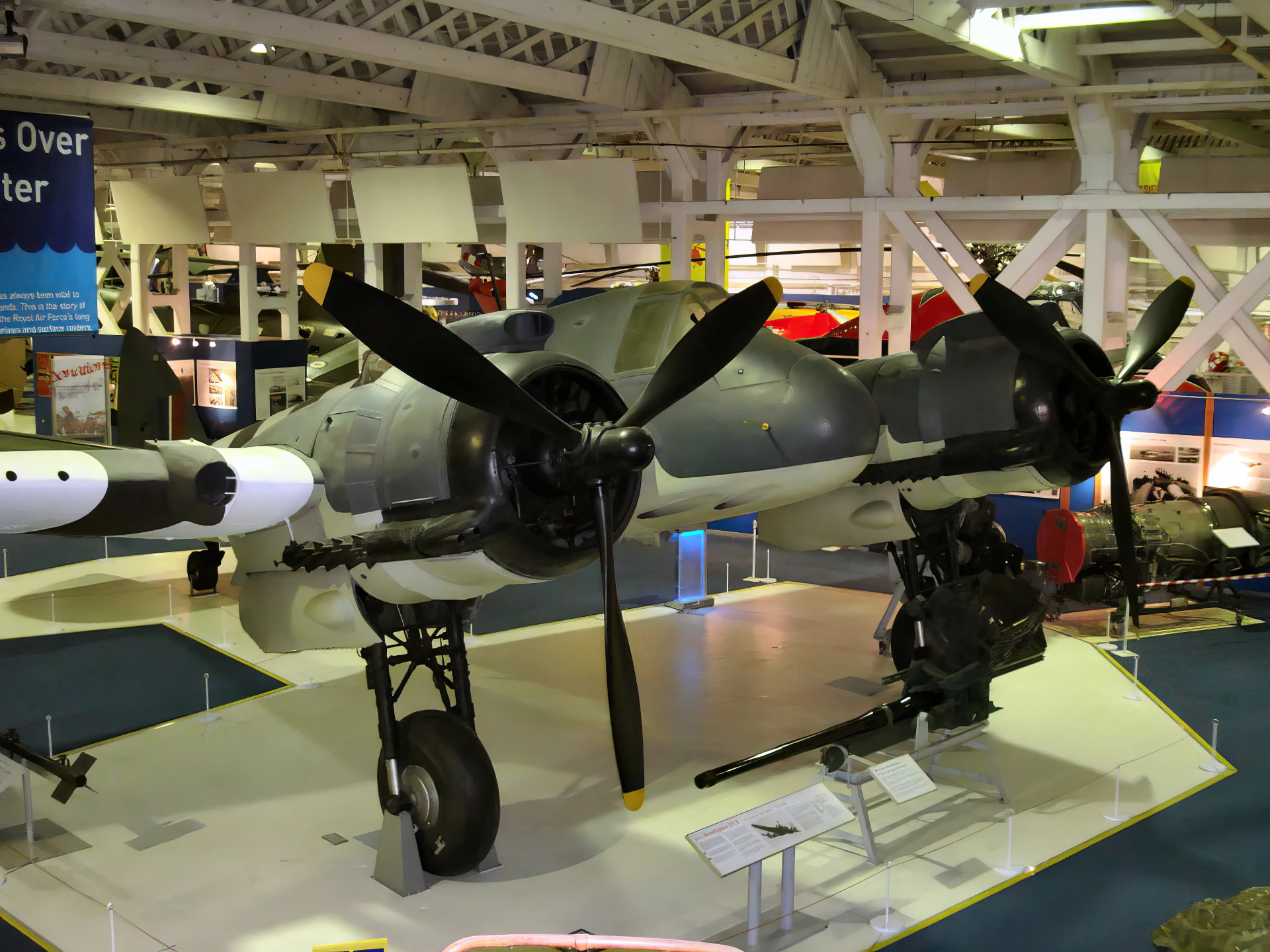
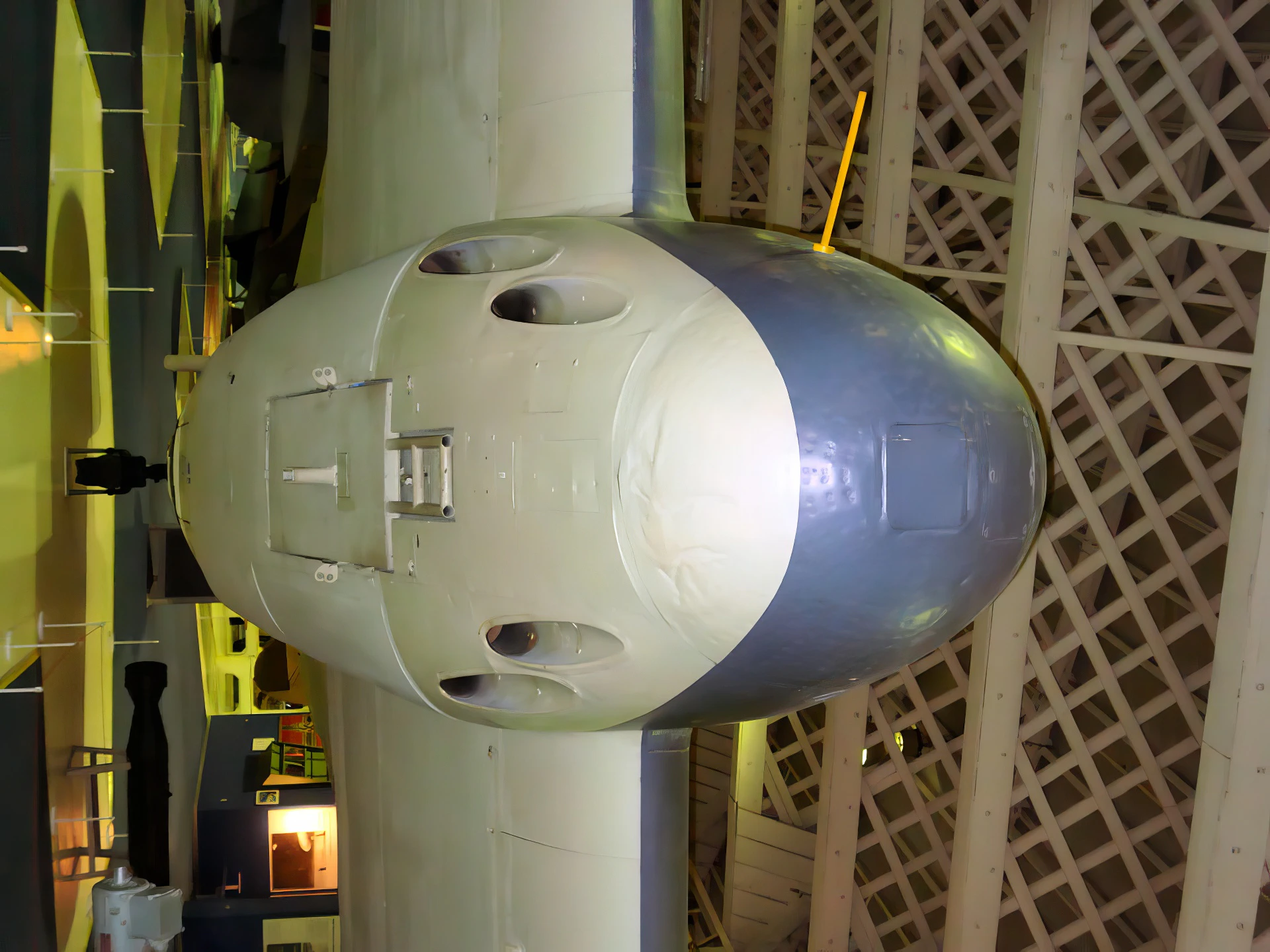
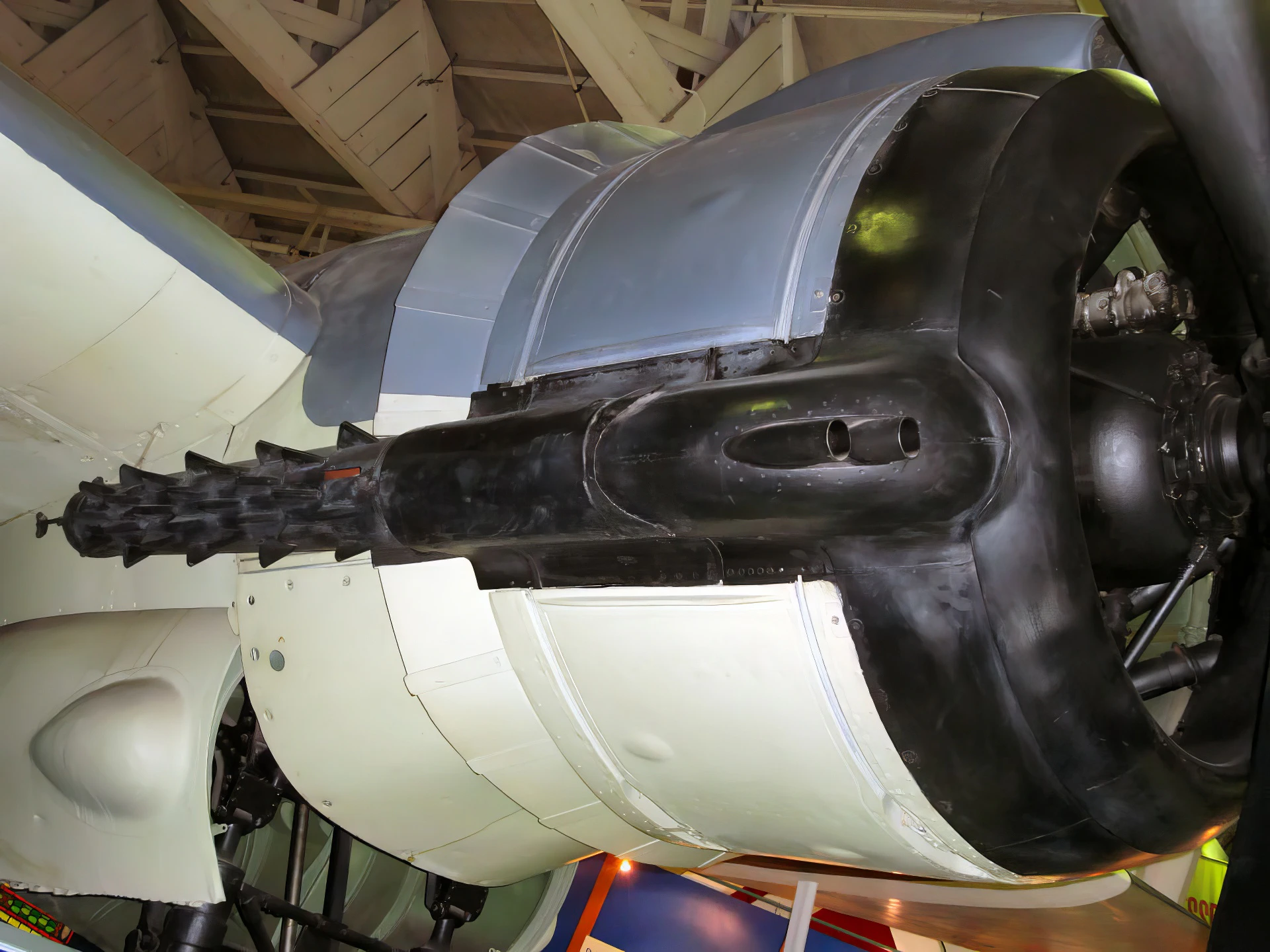
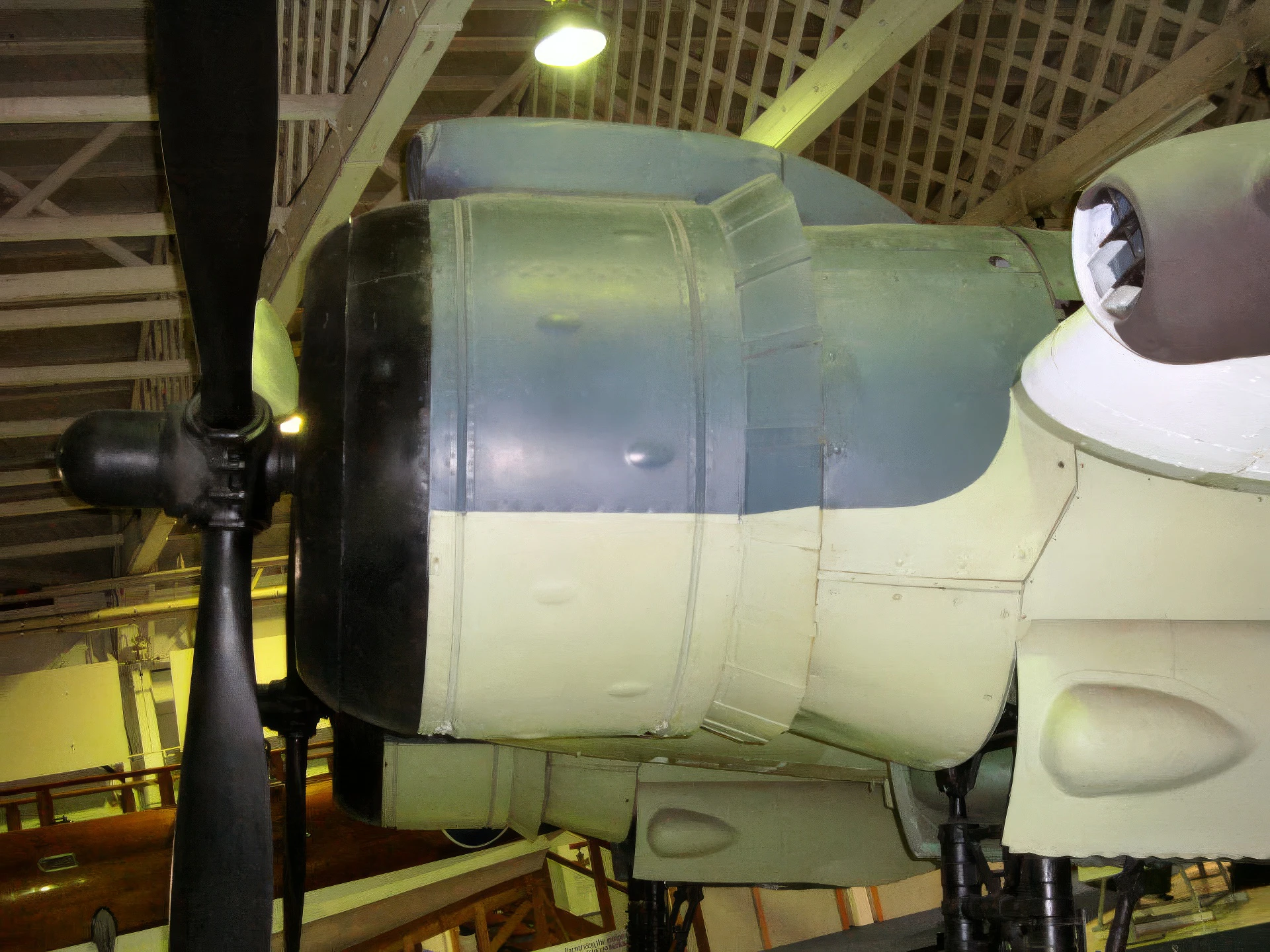
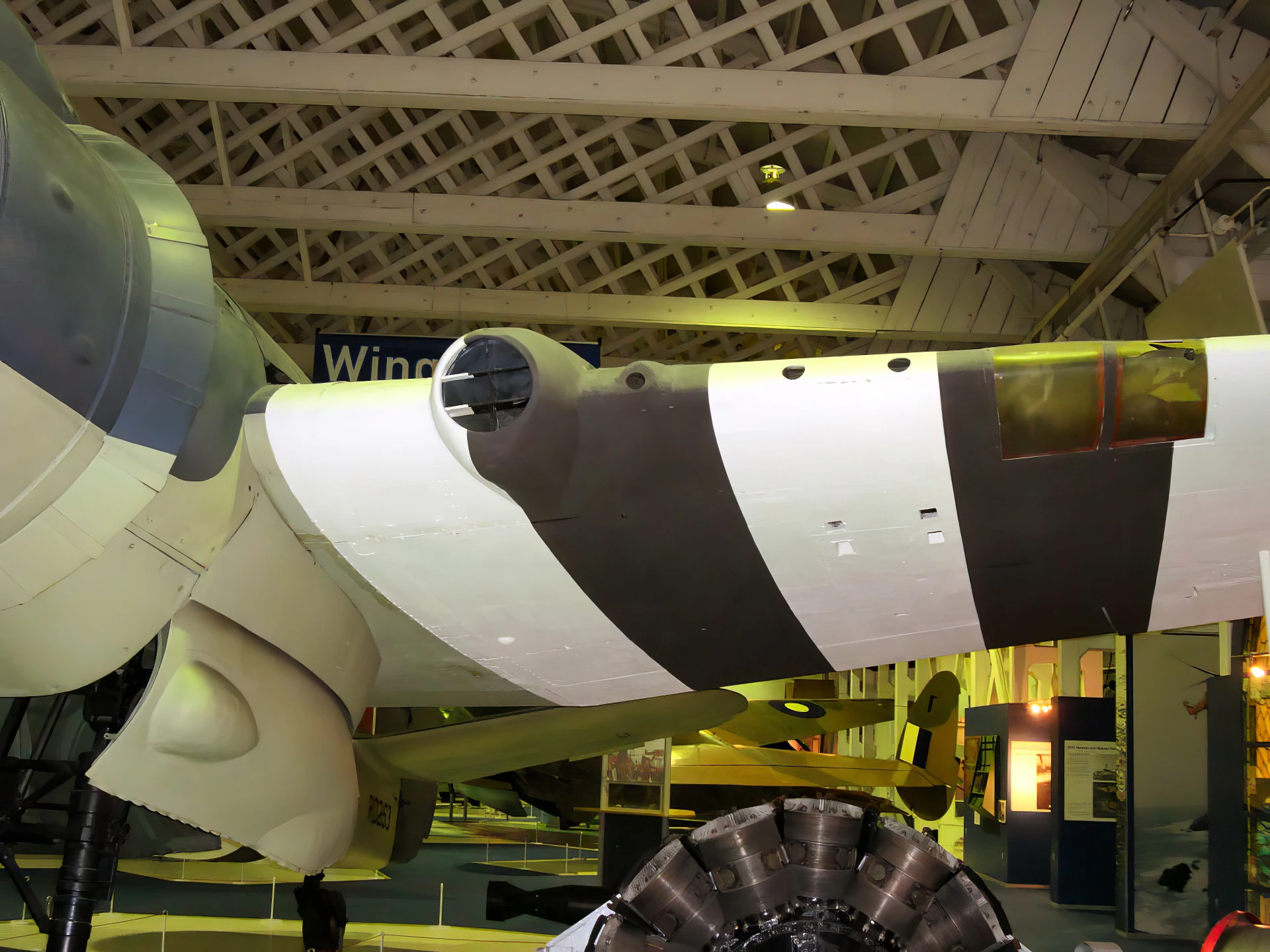
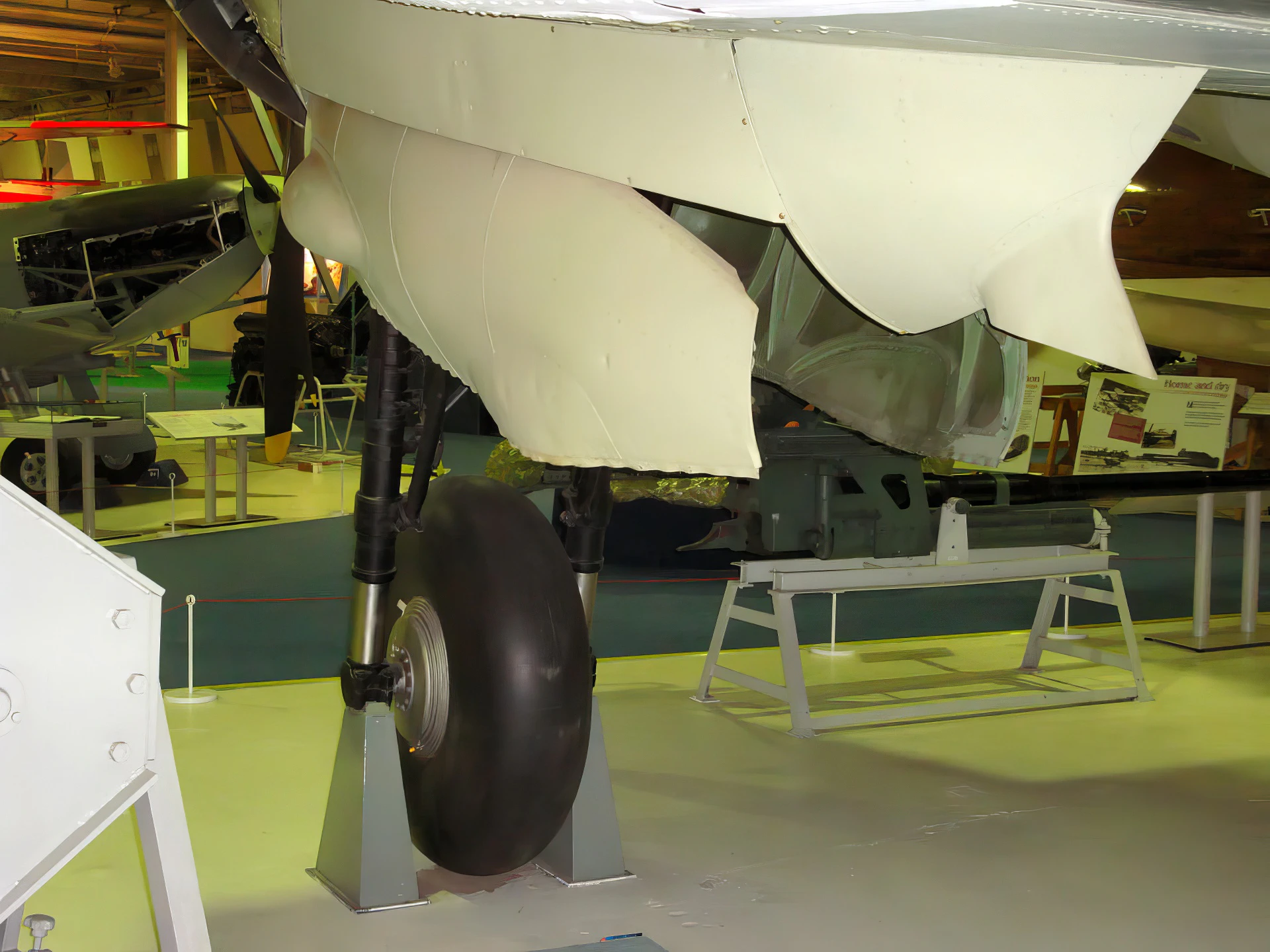
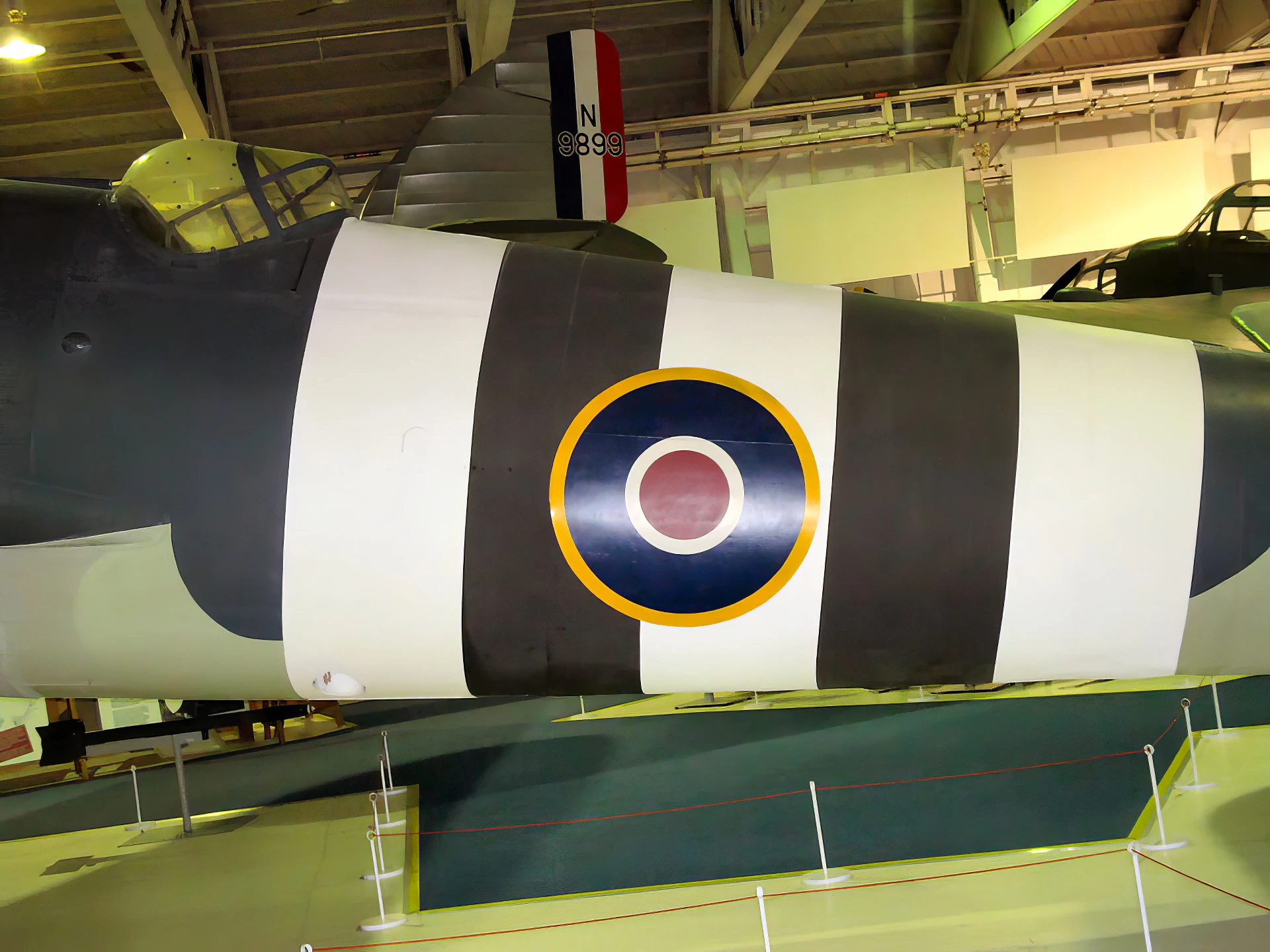
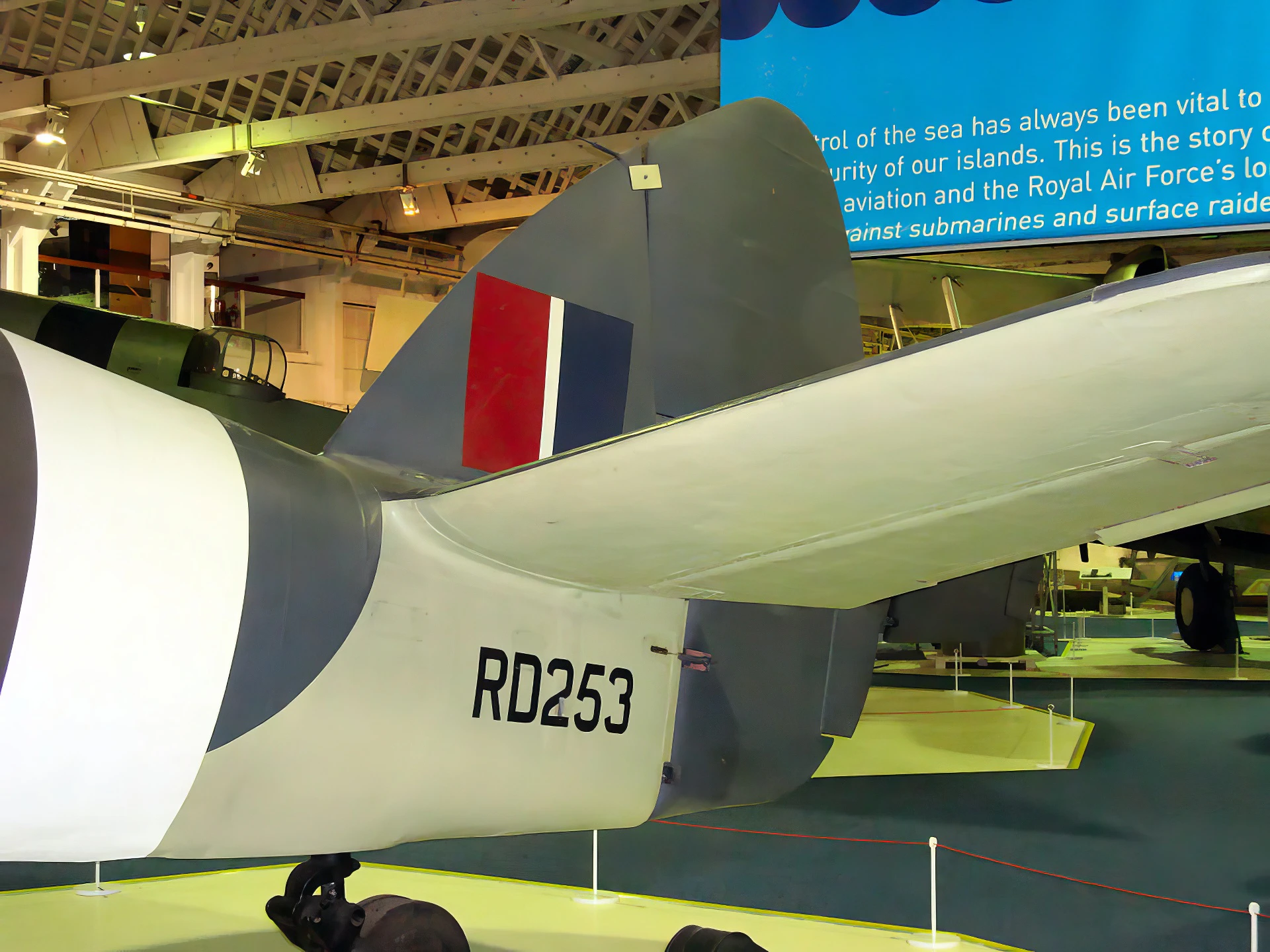
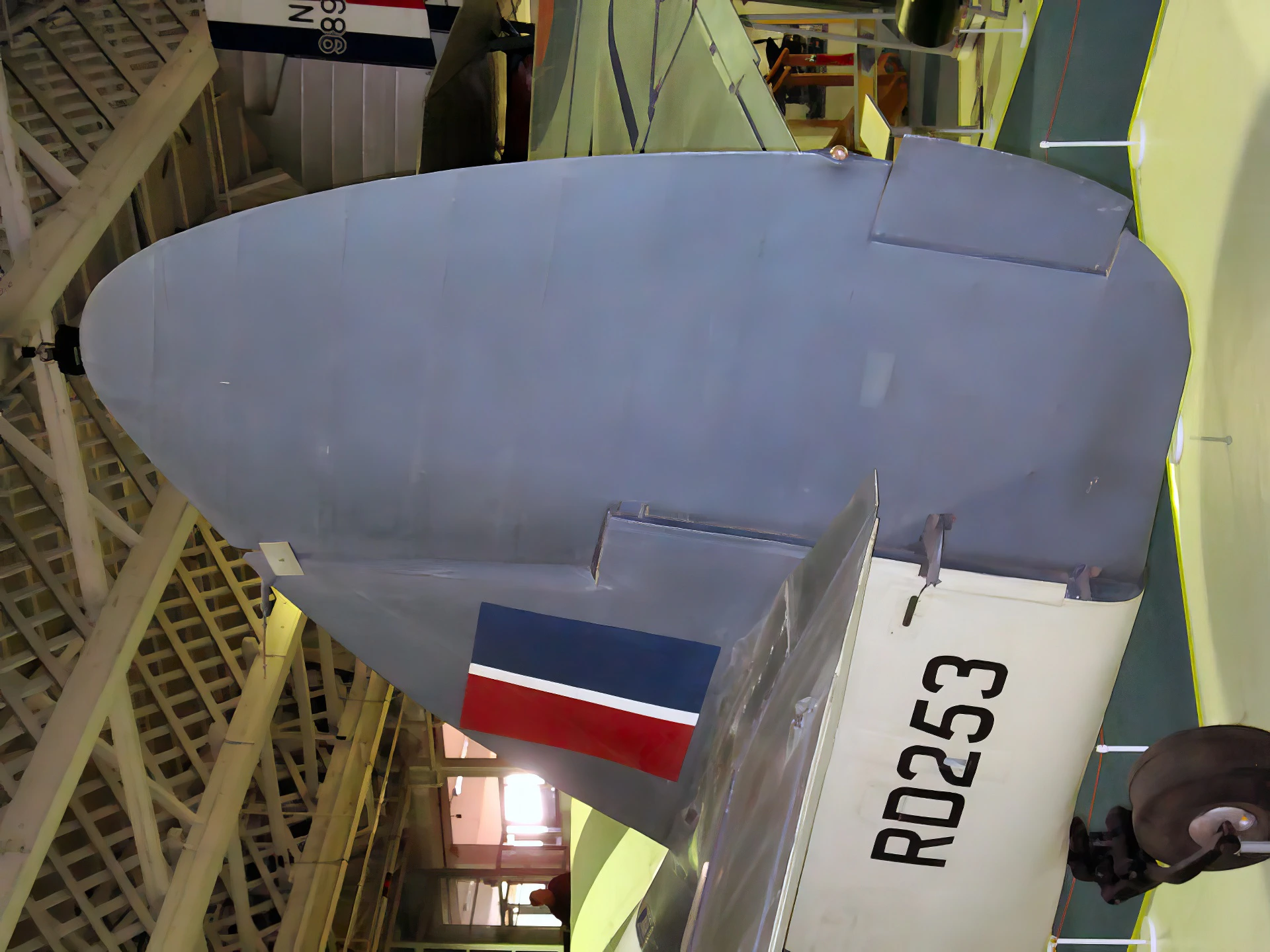

| Bristol Beaufighter TF. X Se promener | |
|---|---|
| Photographe | Cees Hendriks |
| Localisation | Inconnu |
| Photos | 20 |
| Bristol Beaufighter Mk.Ic Walk Around | |
|---|---|
| Photographe | Vladimir Yakubov |
| Localisation | Inconnu |
| Photos | 71 |
| Bristol Beaufighter Walk Around | |
|---|---|
| Photographe | Michael Benolkin |
| Localisation | Inconnu |
| Photos | 45 |
Voir aussi :


| Beaufighter TF.X Walk Around | |
|---|---|
| Photographe | Michael Benolkin |
| Localisation | Inconnu |
| Photos | 31 |
| Bristol Beaufighter Mk.XXI Walk Around | |
|---|---|
| Photographe | Azrael Raven |
| Localisation | Inconnu |
| Photos | 93 |
| Bristol Beaufighter TFX Walk Around | |
|---|---|
| Photographe | Unknow |
| Localisation | Inconnu |
| Photos | 35 |
Development and Design
The Bristol Type 156 Beaufighter, often simply called the « Beau, » was a heavy, multi-role aircraft developed by the Bristol Aeroplane Company during World War II. It was cleverly derived as a fighter variant of the earlier Bristol Beaufort torpedo bomber, which sped up its design and production. This twin-engine, two-seat design allowed it to carry a substantial payload and heavy equipment, including early Airborne Interception (AI) radar systems.
The Beaufighter was a large, all-metal aircraft with a distinctly stubby appearance, resulting from its nose being shortened to accommodate the powerful twin **Bristol Hercules radial engines** and to adjust the center of gravity.
Primary Roles and Nicknames
Few aircraft of the war were as adaptable as the Beaufighter. It excelled in several critical missions across various theaters, including the European, Mediterranean, and Pacific fronts:
- Night Fighter: Early variants (Mk I and IIF) served as formidable night fighters, using their size to carry heavy armament and radar, successfully defending Britain during the Blitz.
- Maritime Strike: It became a potent maritime attack aircraft, particularly with Coastal Command. Armed with a torpedo, it earned the popular nickname « Torbeau » and was highly successful against Axis shipping.
- Ground Attack: Equipped with rockets, it performed devastating low-level ground attack missions, sometimes referred to as the « Rockbeau. »
Intimidating Armament
The Beaufighter was famous for its heavy and concentrated firepower. Its standard fixed armament, mounted in the lower nose section, was exceptionally potent for the era:
- Cannons: Typically four 20 mm Hispano cannons, giving it a concentrated « punch » unparalleled by many contemporary fighters.
- Machine Guns: Various models also carried several machine guns in the wings or a defensive machine gun for the observer/navigator in the rear cockpit.
- External Stores: It could carry bombs, depth charges, unguided rockets, or an 18-inch torpedo, depending on the mission variant.
Vues : 7967
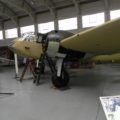
Nouvel ensemble de 20 photos