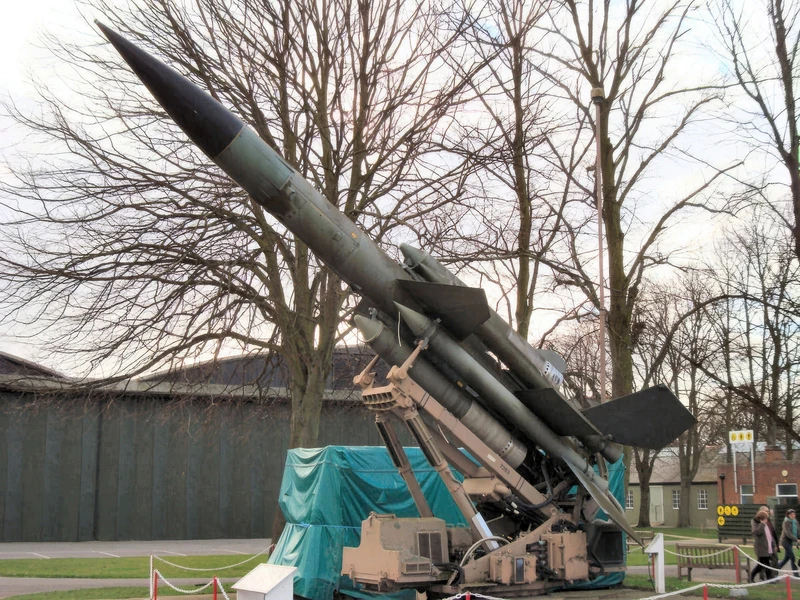
Limier de Bristol | |
|---|---|
| Pays | Royaume-uni |
| Rôle | Missile sol-air |
| En service | 1958 – 1991 |
| Construit | 783 |
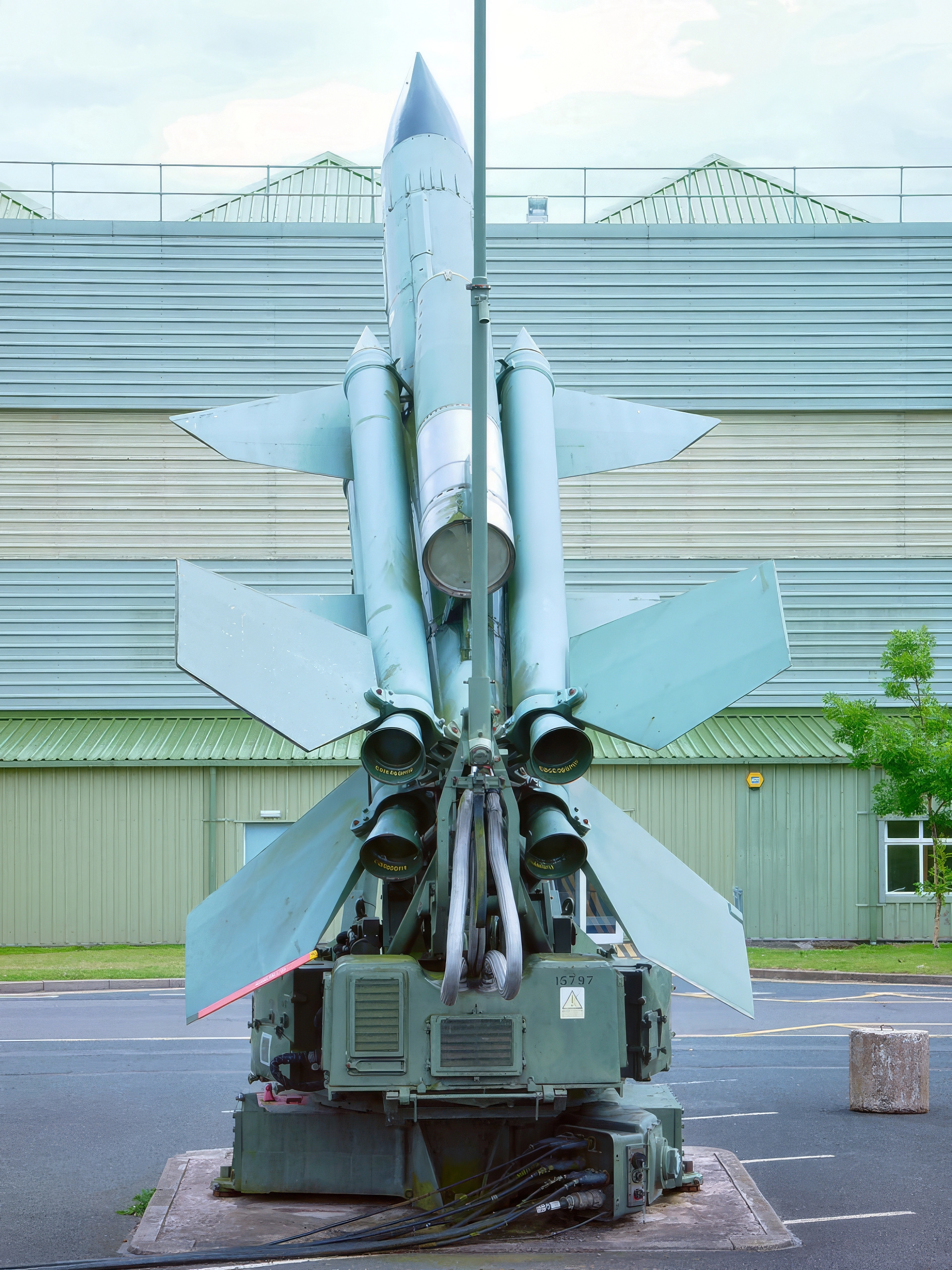
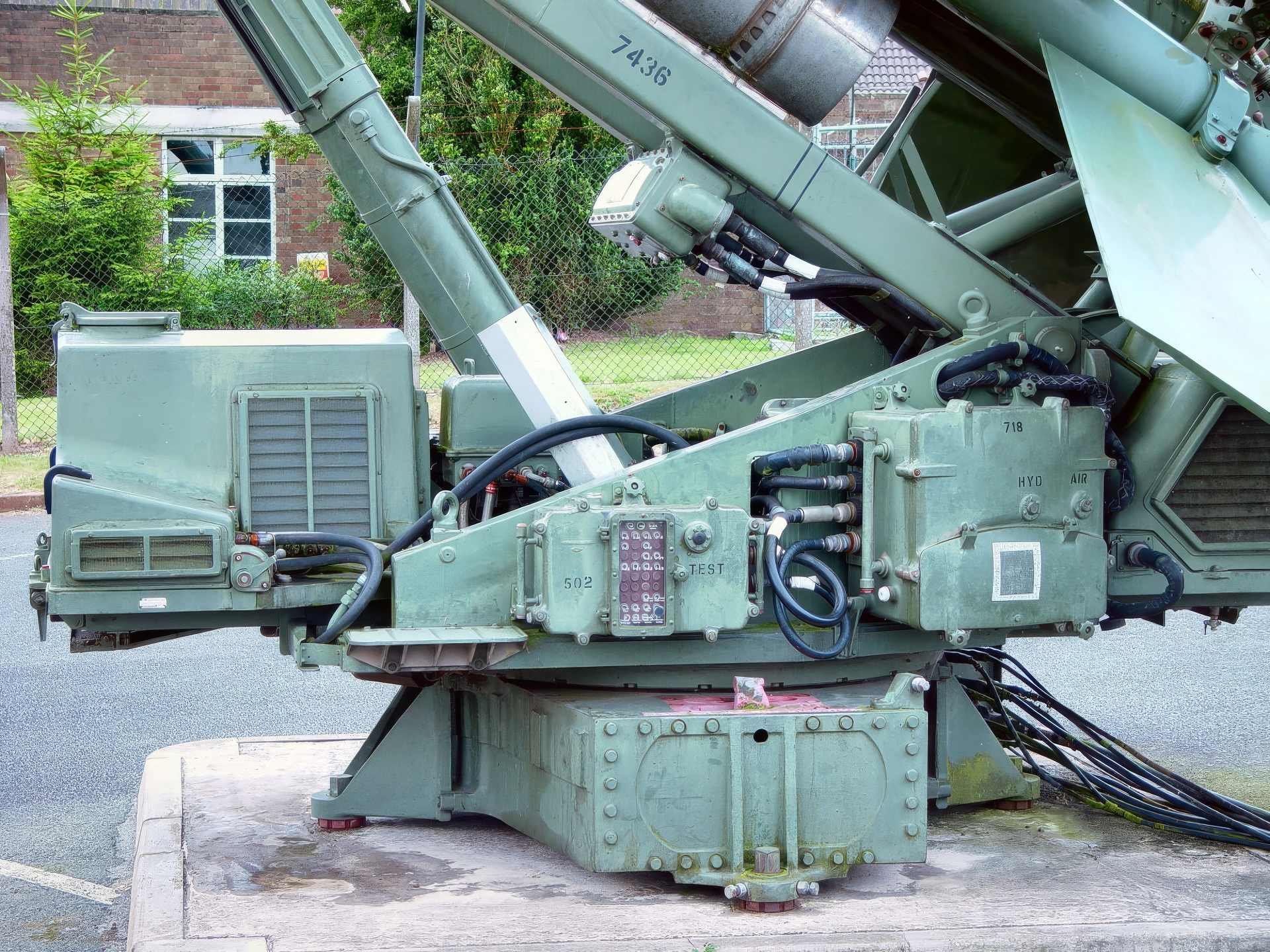
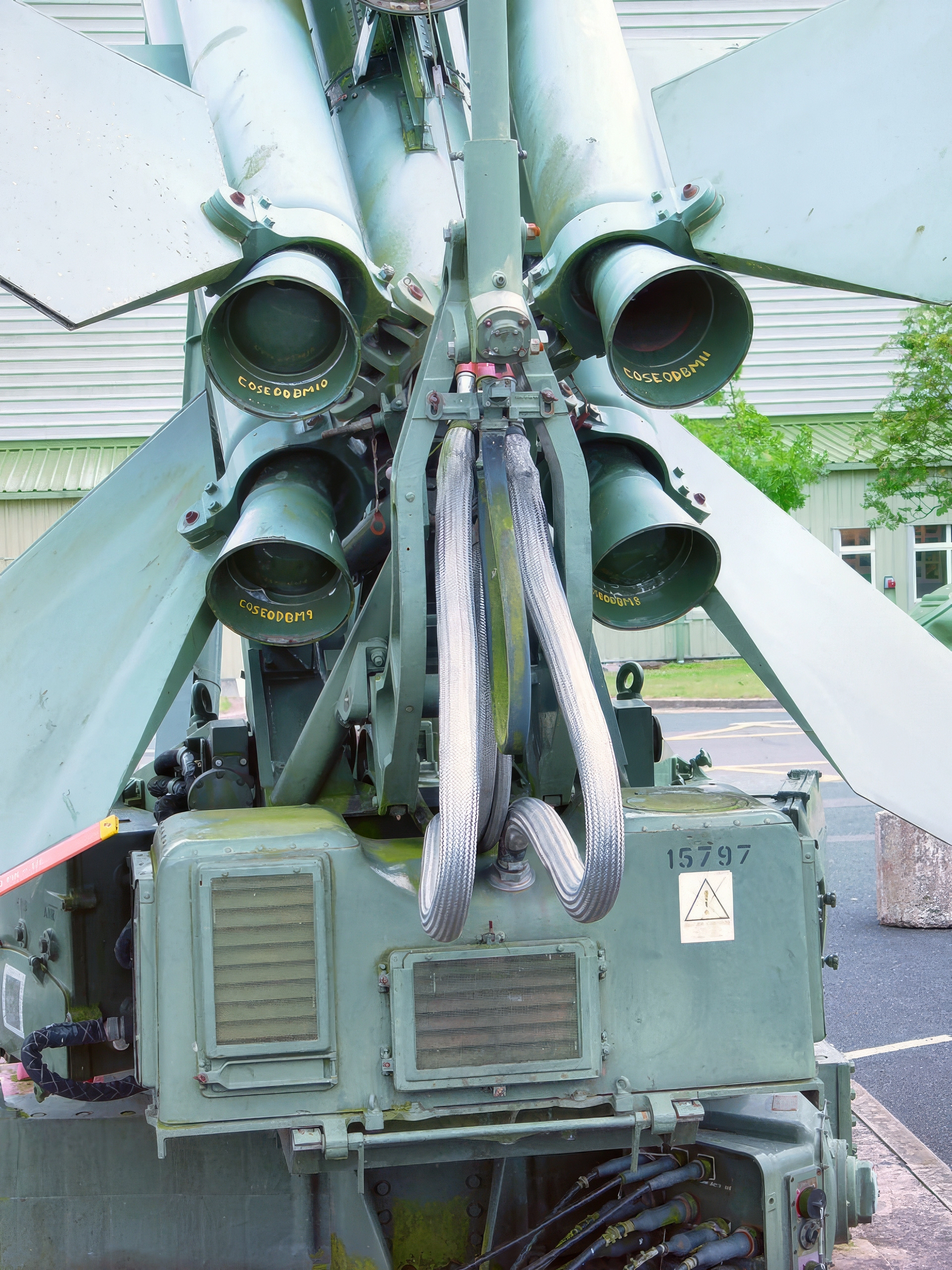
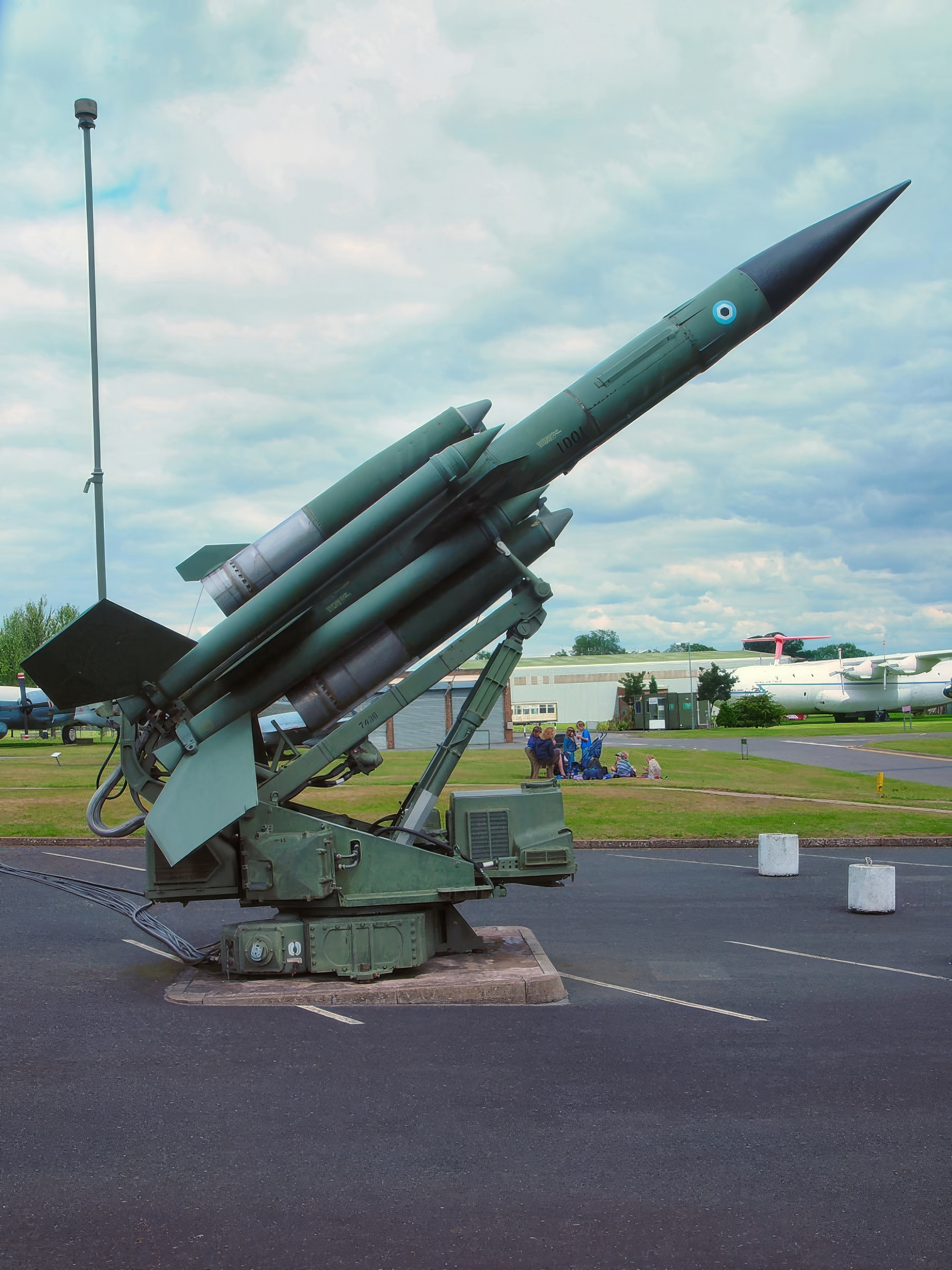
Lla Limier de Bristol est un missile sol-air britannique développé dans les années 1950. Il a servi de Royaume-Uni’s main air defence weapon into the 1990s and was in large-scale service with the Royal Air Force (RAF) and the forces of four other countries. Part of sweeping changes to the UK’, le Bloodhound était destiné à protéger la RAF.’s V bases de bombardiers pour préserver la force de dissuasion, attaquant les bombardiers qui ont réussi à passer la force d’interception Lightning. Limier Mk. Je suis entré en service en décembre 1958, la première arme guidée britannique à entrer en service opérationnel complet. Cela faisait partie des améliorations de l’étape 1 des systèmes défensifs, dans la dernière étape 2, Bloodhound et les chasseurs seraient remplacés par un missile à plus longue portée nommé Blue Envoy. Lorsque cela a finalement été annulé en 1957, certaines parties de sa conception ont été intégrées au Bloodhound Mk. II, doublant à peu près la portée du missile. Le Mk. J’ai commencé à être remplacé par le Mk. II à partir de 1964.
Source: Bristol Bloodhound sur Wikipédia
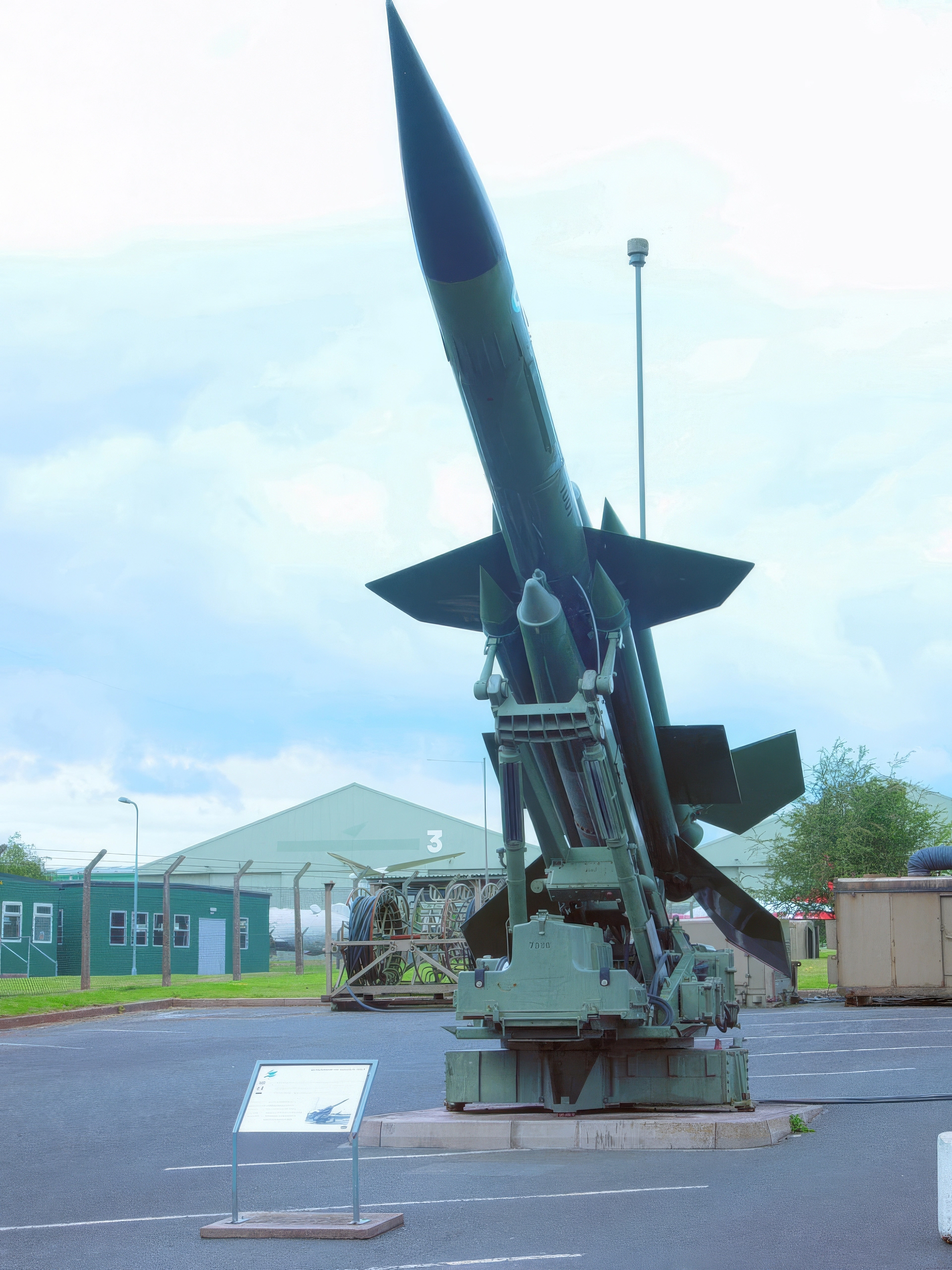
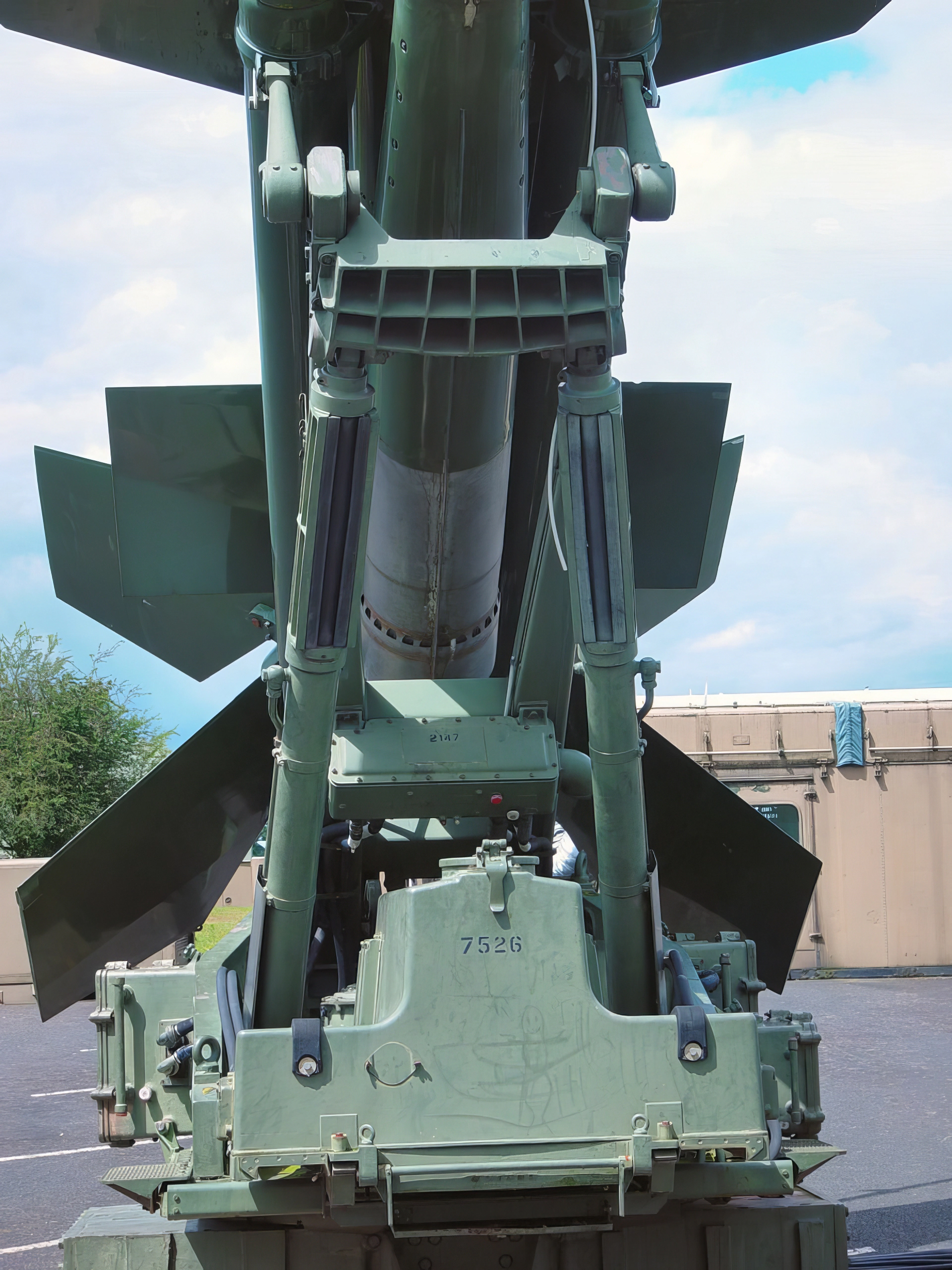
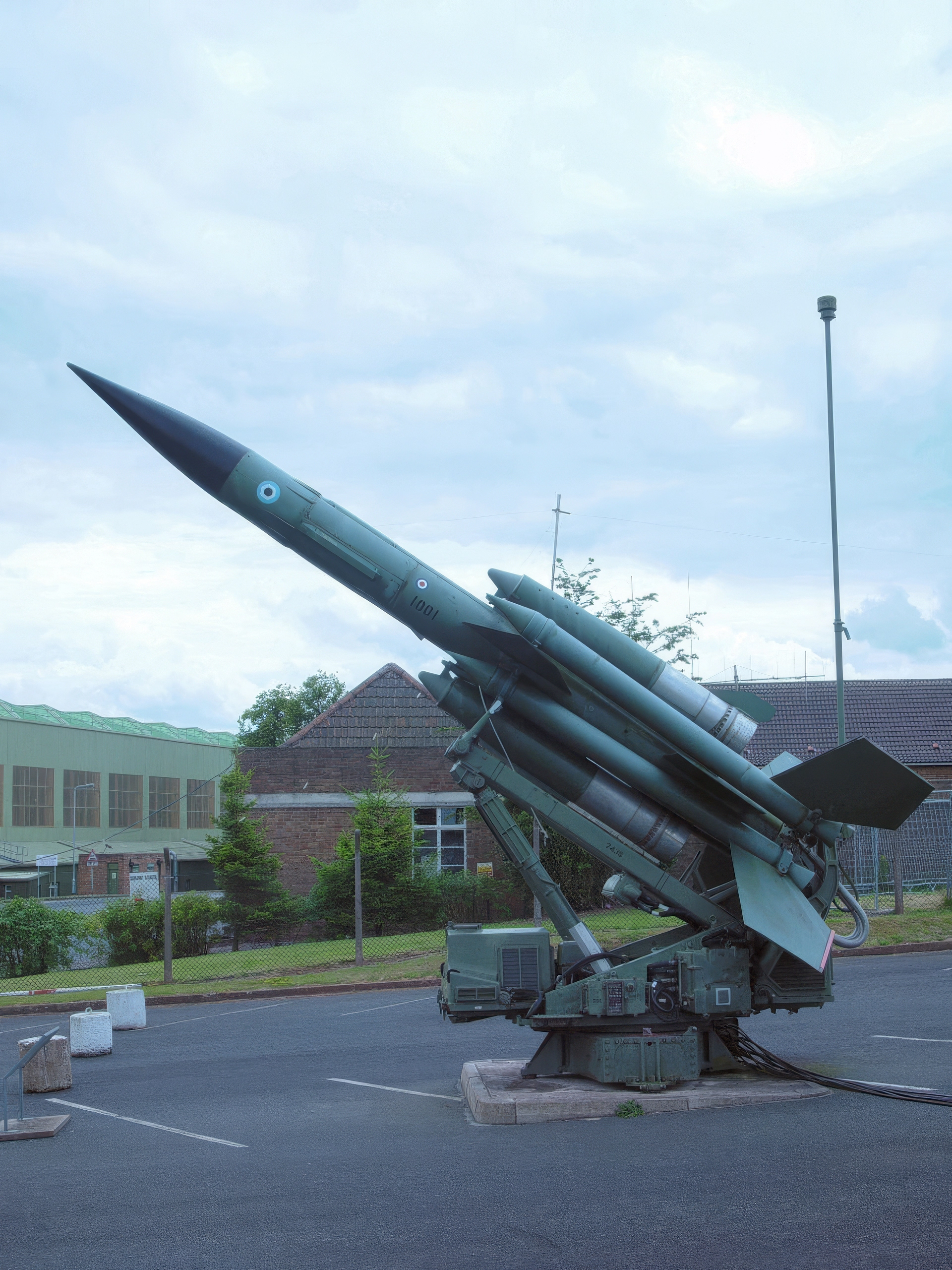
| Bristol Bloodhound SAM Walk Around | |
|---|---|
| Photographes | Michael Benolkin, David Spurgeon-Jackson |
| Localisation | Inconnu |
| Photos | 38 |


Voir aussi :


General Characteristics and Role
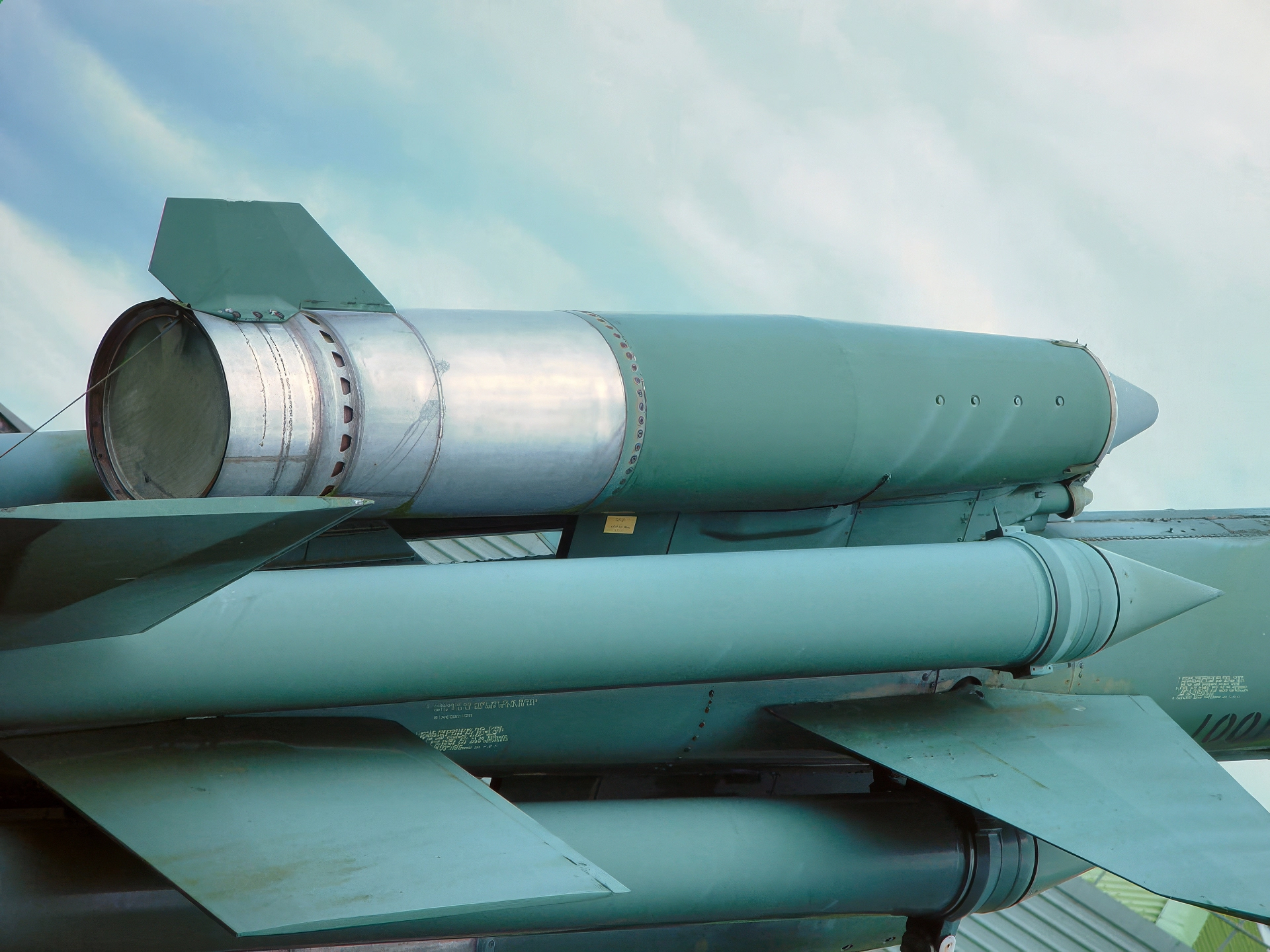
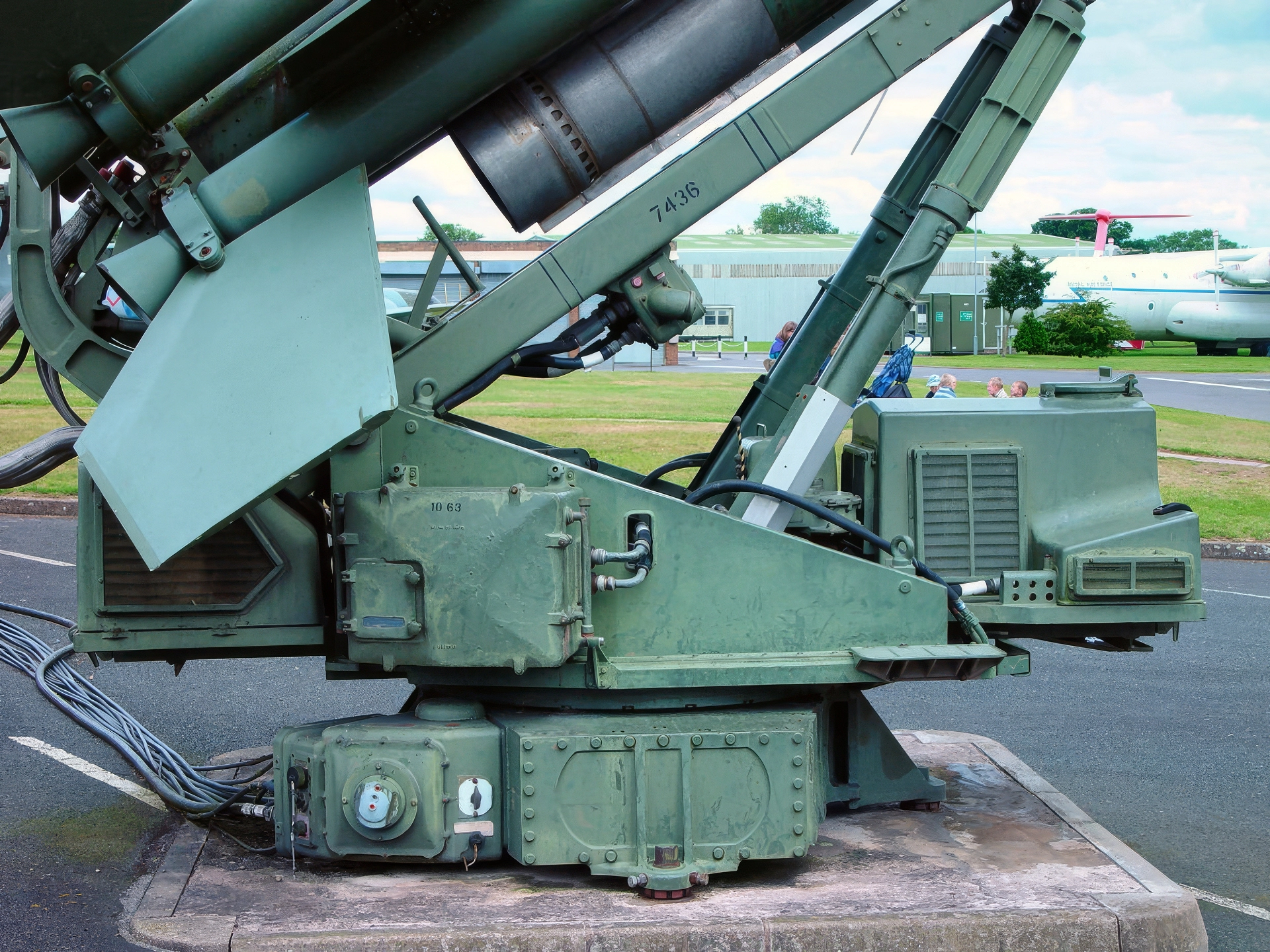
The Bristol Bloodhound was the United Kingdom’s first operational surface-to-air missile system, developed during the Cold War as a long-range defensive weapon. Known initially by the codename « Red Duster, » it was designed primarily to protect critical assets like Royal Air Force V bomber bases from high-flying Soviet nuclear bombers. The system evolved significantly from the Mk 1, which was vulnerable to jamming, to the much more capable Mk 2. The Mk 2 utilized advanced continuous-wave radar and more powerful ramjet engines, allowing it to engage targets at a wider range of altitudes, including low-level strikes, and remained a key part of UK air defenses until 1991.
| Property | Typical Value (Bloodhound Mk 2) |
|---|---|
| Rôle | Long-Range Surface-to-Air Missile (SAM) |
| National Origin | Royaume-Uni |
| Fabricant | Bristol Aeroplane Co. / Ferranti Ltd. (Guidance) |
| Service Entry (Mk 2) | 1964 |
| Length (with boosters) | 8.45 m (27 ft 9 in) |
| Envergure | 2.83 m (9 ft 3 in) |
| Launch Weight | Approx. 2,270 kg (5,000 lb) |
| Guidance System | Semi-Active Radar Homing (Continuous Wave) |
Propulsion and Performance
- Propulsion System:
- Main Engines: 2 x Bristol Thor ramjet engines (Improved for Mk 2).
- Boosters: 4 x Gosling solid-fuel booster rockets (used only for initial launch and acceleration).
- Maximum Speed: Mach 2.7 (Approx. 3,330 km/h or 2,070 mph).
- Note: The missile achieves Mach 1 within its own length (25 ft) upon launch.
- Maximum Range (Mk 2): Up to 190 km (120 mi) (Target engagement range: approx. 85 km / 50 mi).
- Engagement Altitude: Between 300 m (1,000 ft) and 18,000 m (60,000 ft).
- Control System: Uses a unique « twist and steer » aerodynamic control system where the main wings pivot to steer the missile.
Radar and Warhead
- Fire Control Radar (Target Illumination Radar – TIR):
- Mobile System: Ferranti Type 86 « Firelight » (codenamed Indigo Corkscrew).
- Fixed System: Marconi Type 87 « Scorpion » (codenamed Blue Anchor).
- Guidance Method: The ground radar tracks and illuminates the target; the missile’s nose receiver homes in on the reflected energy.
- Warhead: High Explosive (HE) continuous-rod warhead (Mk 2: 179 kg / 395 lb).
- Detonation: Proximity fuse designed to scatter a large number of metal rods, creating a massive blast effect.
- Deployment: Used by the RAF, Royal Australian Air Force (RAAF), Republic of Singapore Air Force (RSAF), and the Swedish and Swiss Air Forces (who utilized a semi-mobile configuration).
Vues : 1816
Vous pouvez voir aussi :
 Bristol Bolingbroke – Photos & Vidéos
 Bombe volante V-1 – Photos & Vidéos
 9K33 Osa – Photos & Vidéos
 Bristol F.2 Fighter – Photos & Vidéos
 Northrop JB-1 Bat – Photos et vidéos
 Republic-Ford JB-2 – Photos & Vidéos
 MIM-3 Nike Ajax – Photos & Vidéo
 Char de missiles IT-1 – Photos et vidéo
 Porte-REMORQUE M1167 – WalkAround
 Beaufighter - WalkAround