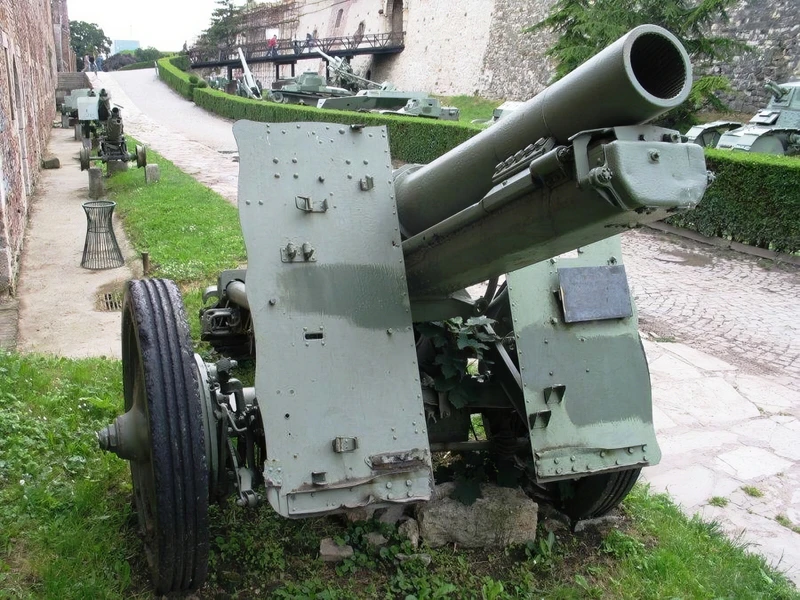
15 cm sIG 33 | |
|---|---|
| Pays | Germany |
| Type | Obusier |
| En service | 1927–1945 |
| Construit | 4600+ |
Lla 15 cm sIG 33 (schweres Infanterie Geschütz 33, lit. « canon d’infanterie lourde ») was the standard German heavy infantry gun used in the Second World War. It was the largest weapon ever classified as an infantry gun by any nation. Its weight made it difficult to use in the field, and the gun was increasingly adapted to various ad hoc mobile mountings. These were generically referred to as the SIG 33
Source: 15 cm sIG 33 sur Wikipédia
| 15cm SIG 33 Promenade | |
|---|---|
| Photographe | Inconnu |
| Localisation | Inconnu |
| Photos | 31 |
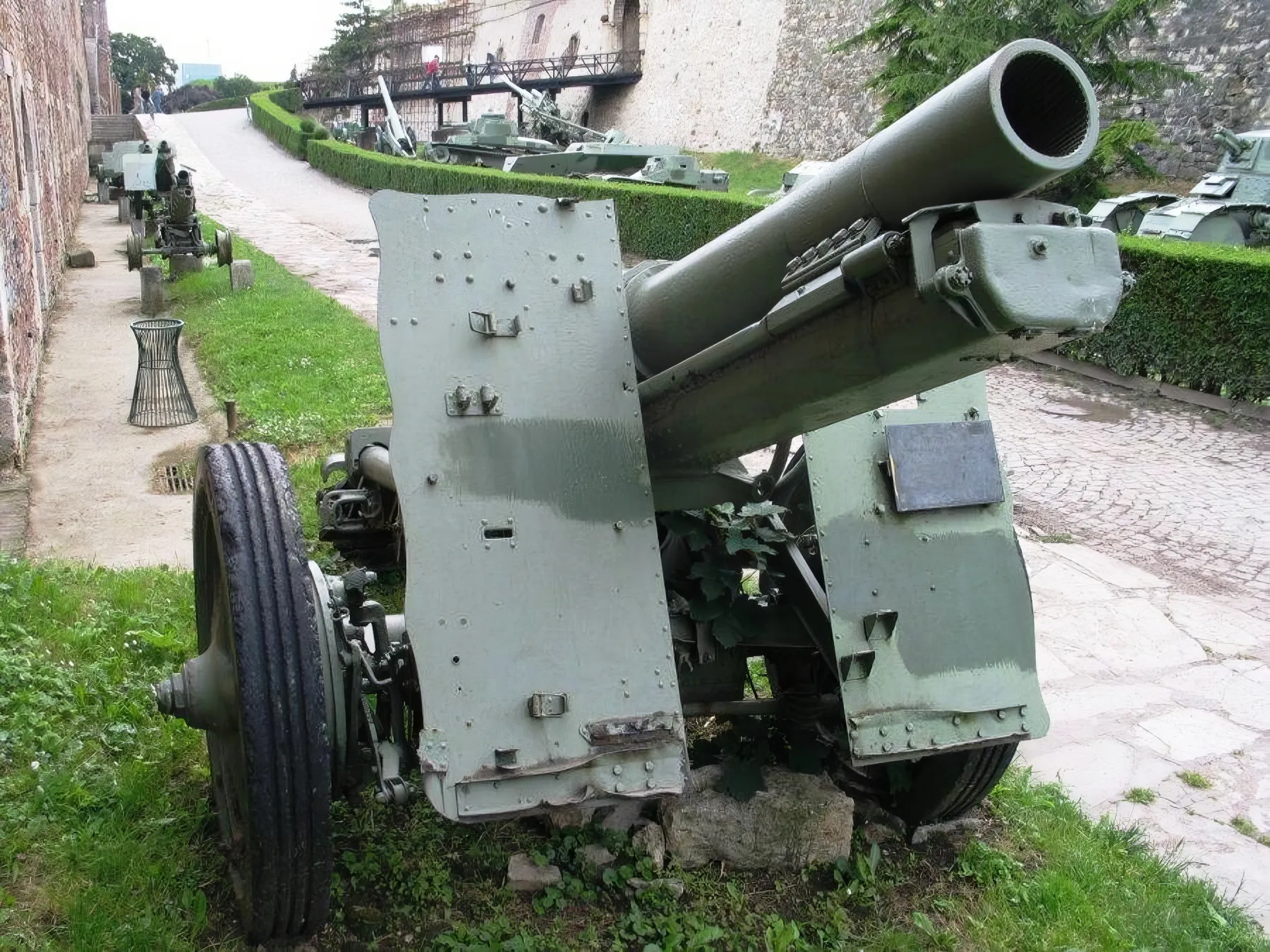
15cm SIG 33 01
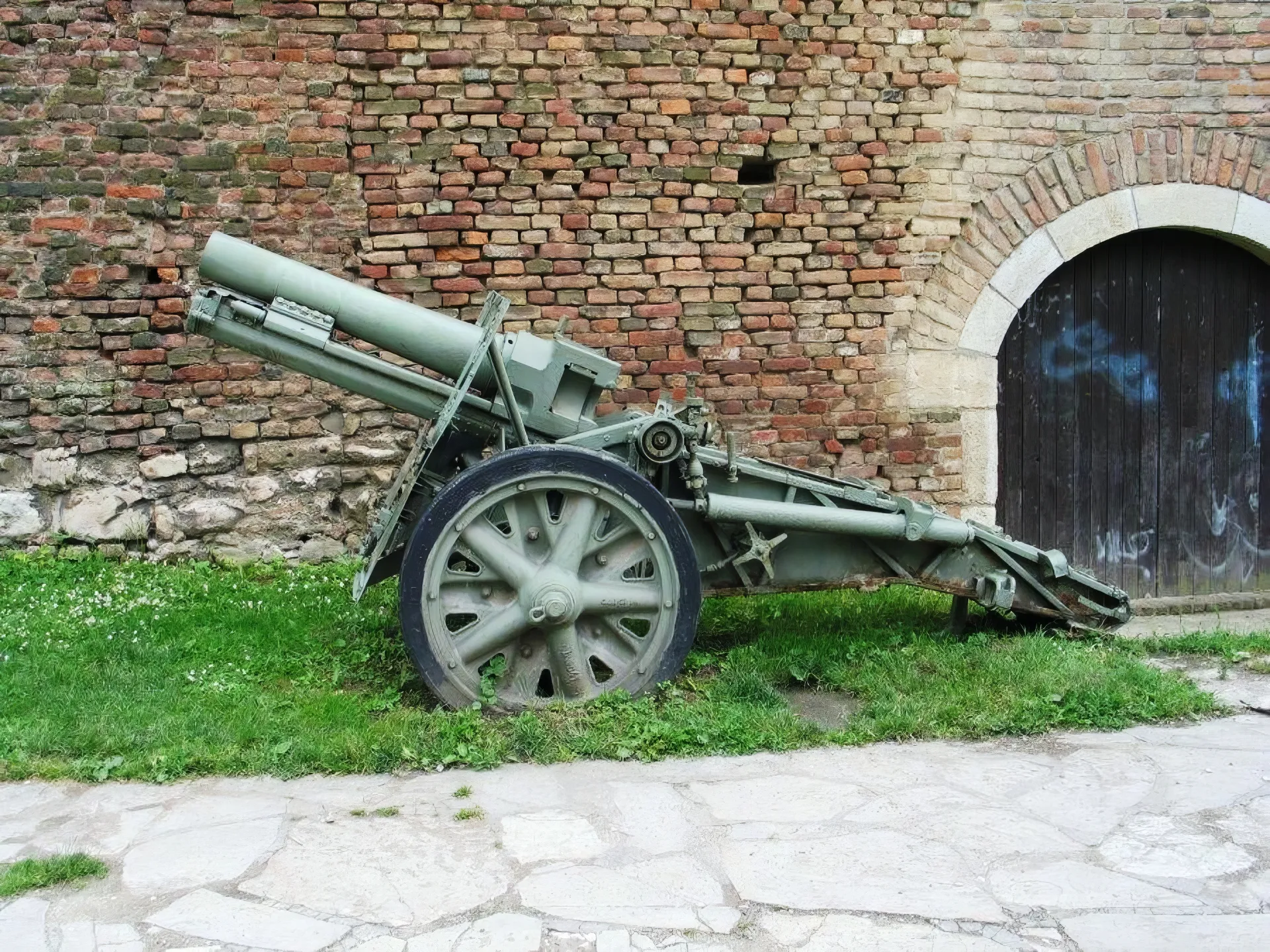
15cm SIG 33 02
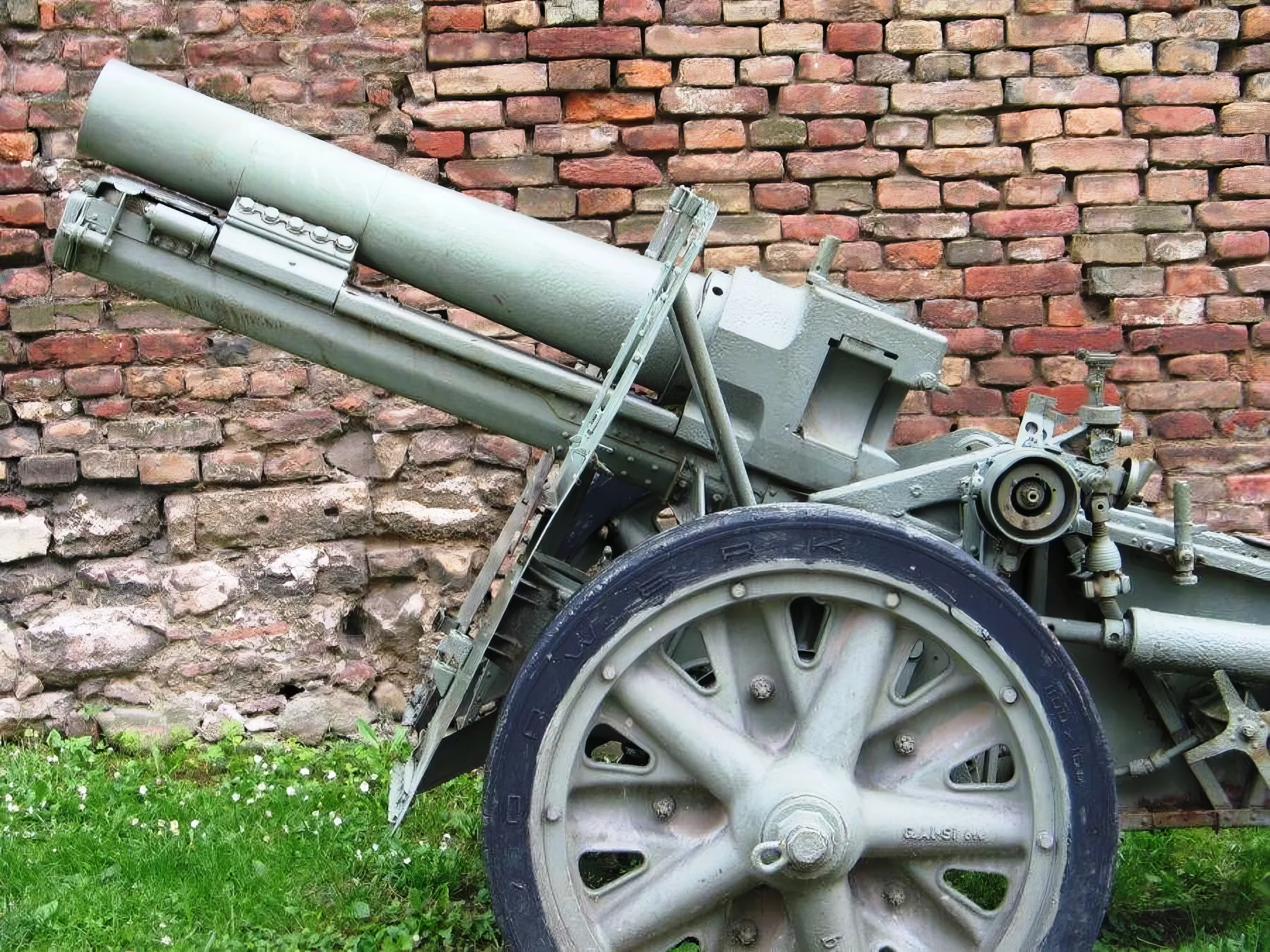
15cm SIG 33 03
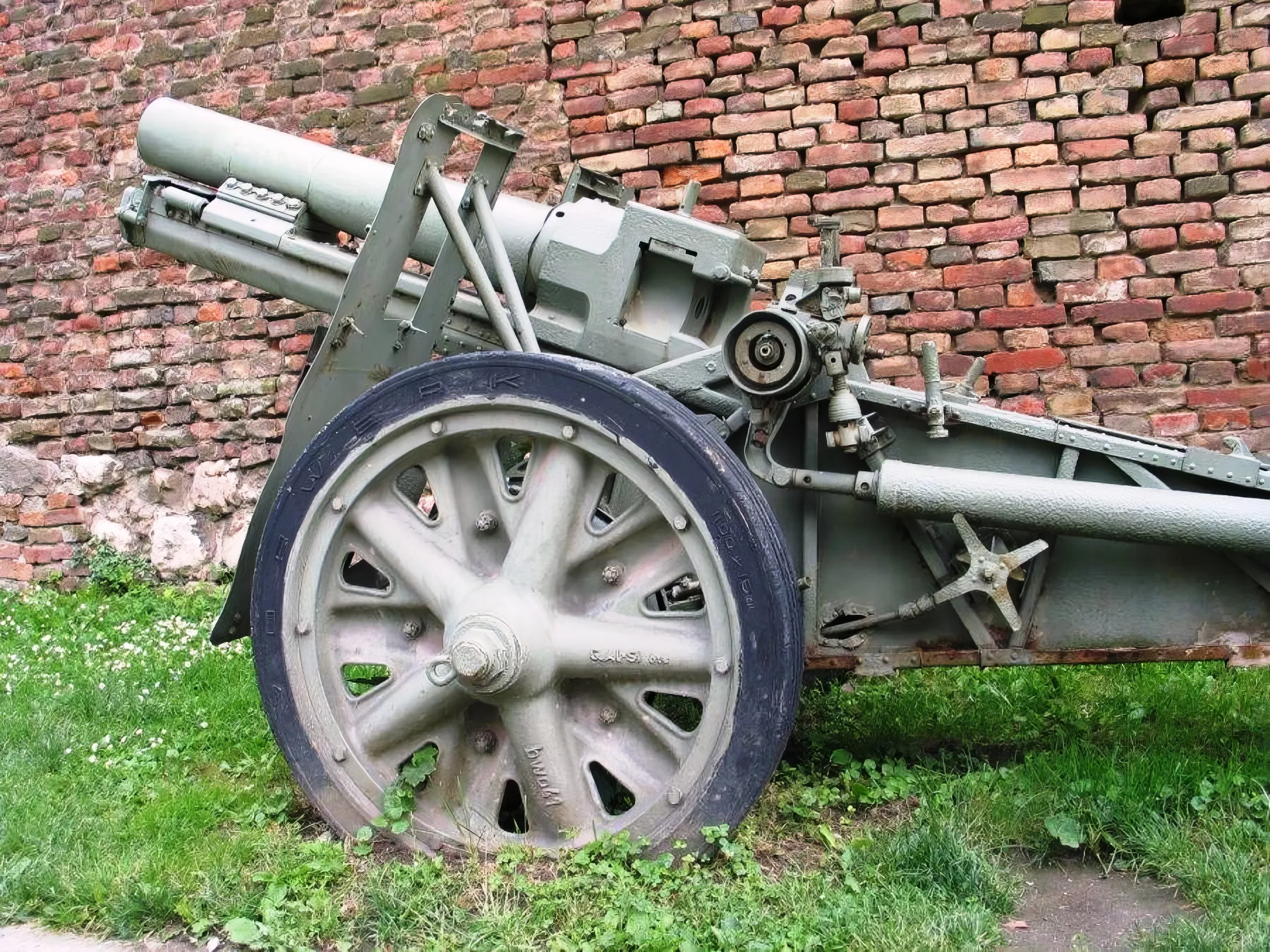
15cm SIG 33 04
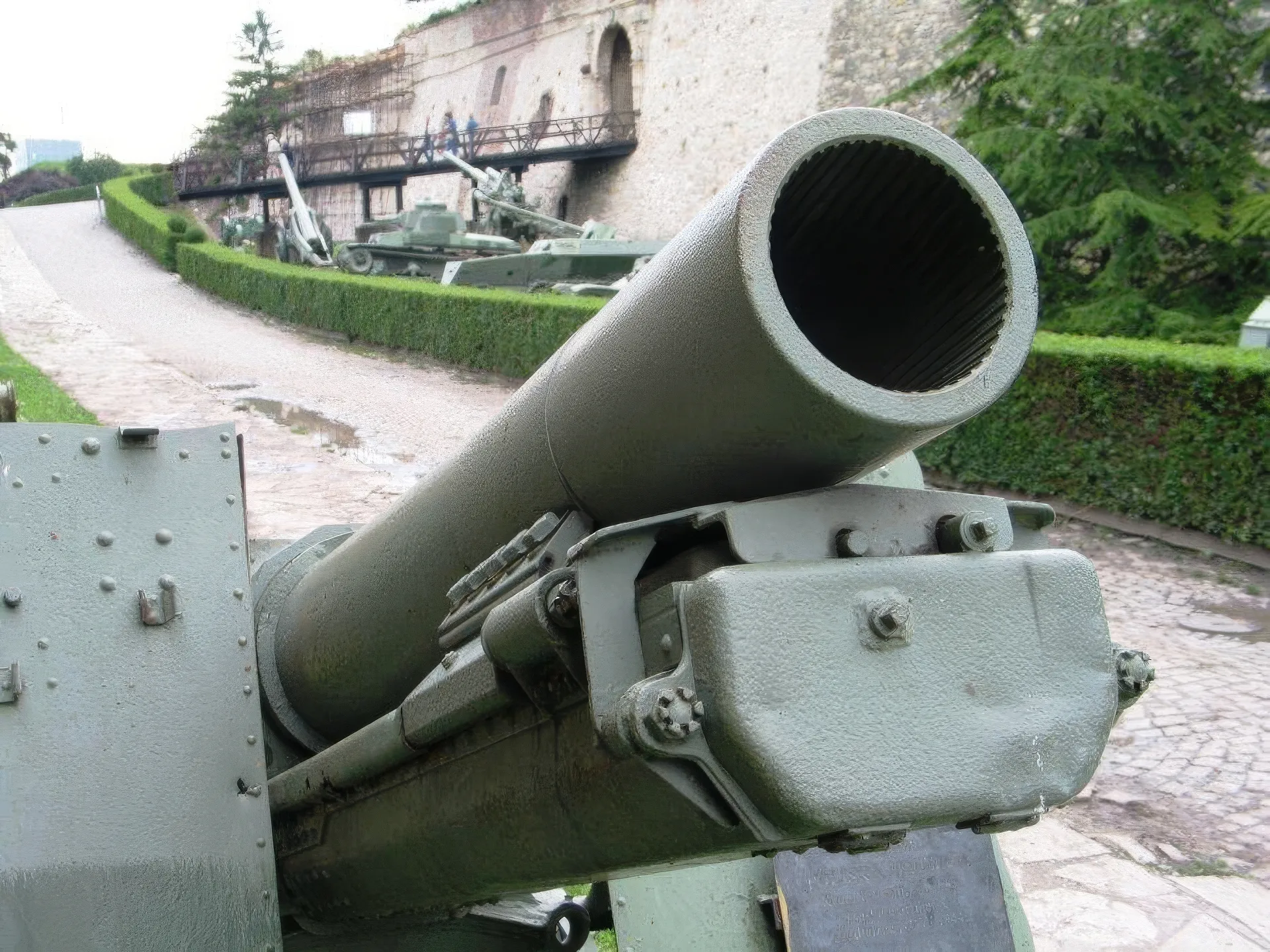
15cm SIG 33 05
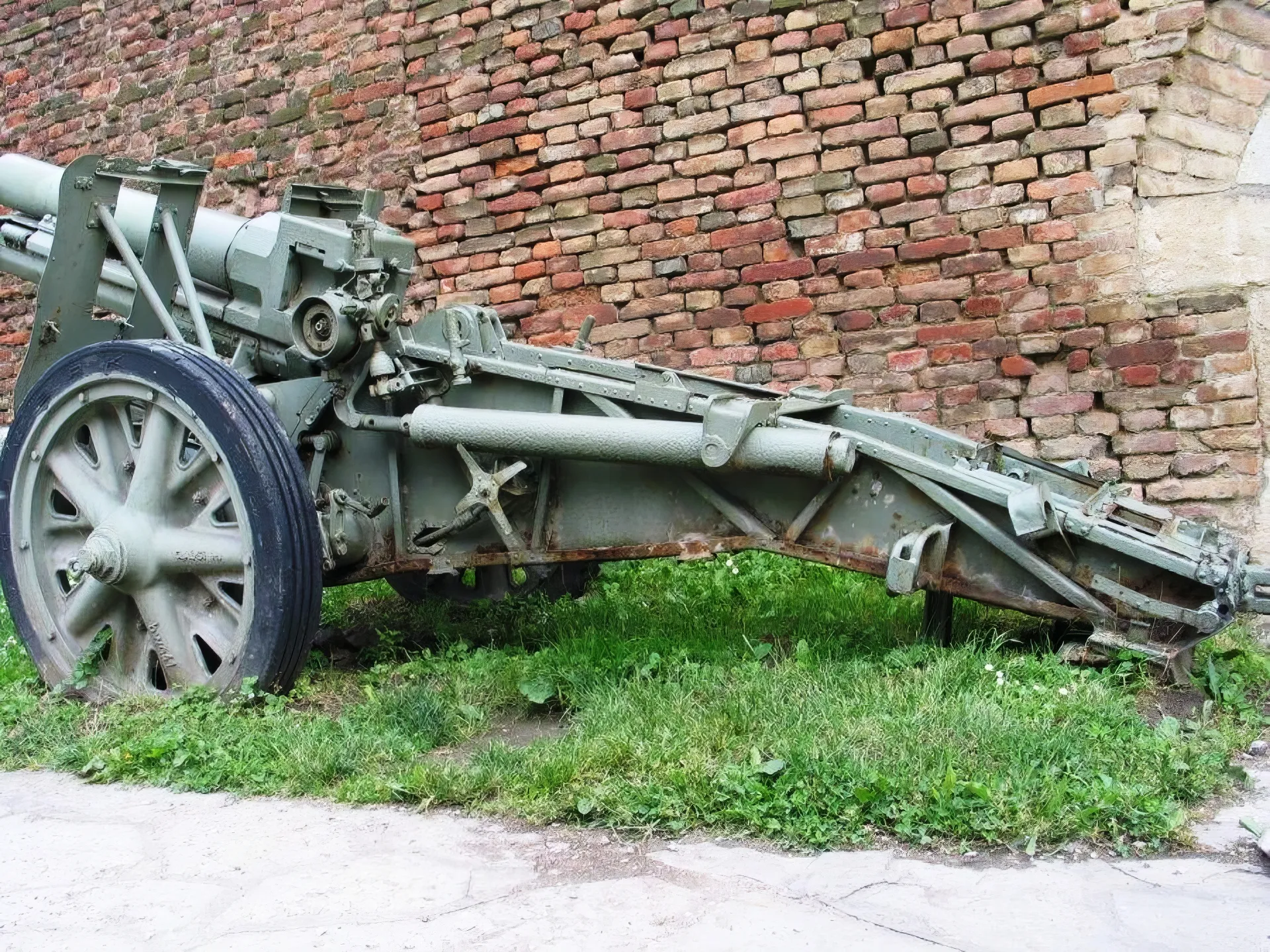
15cm SIG 33 06
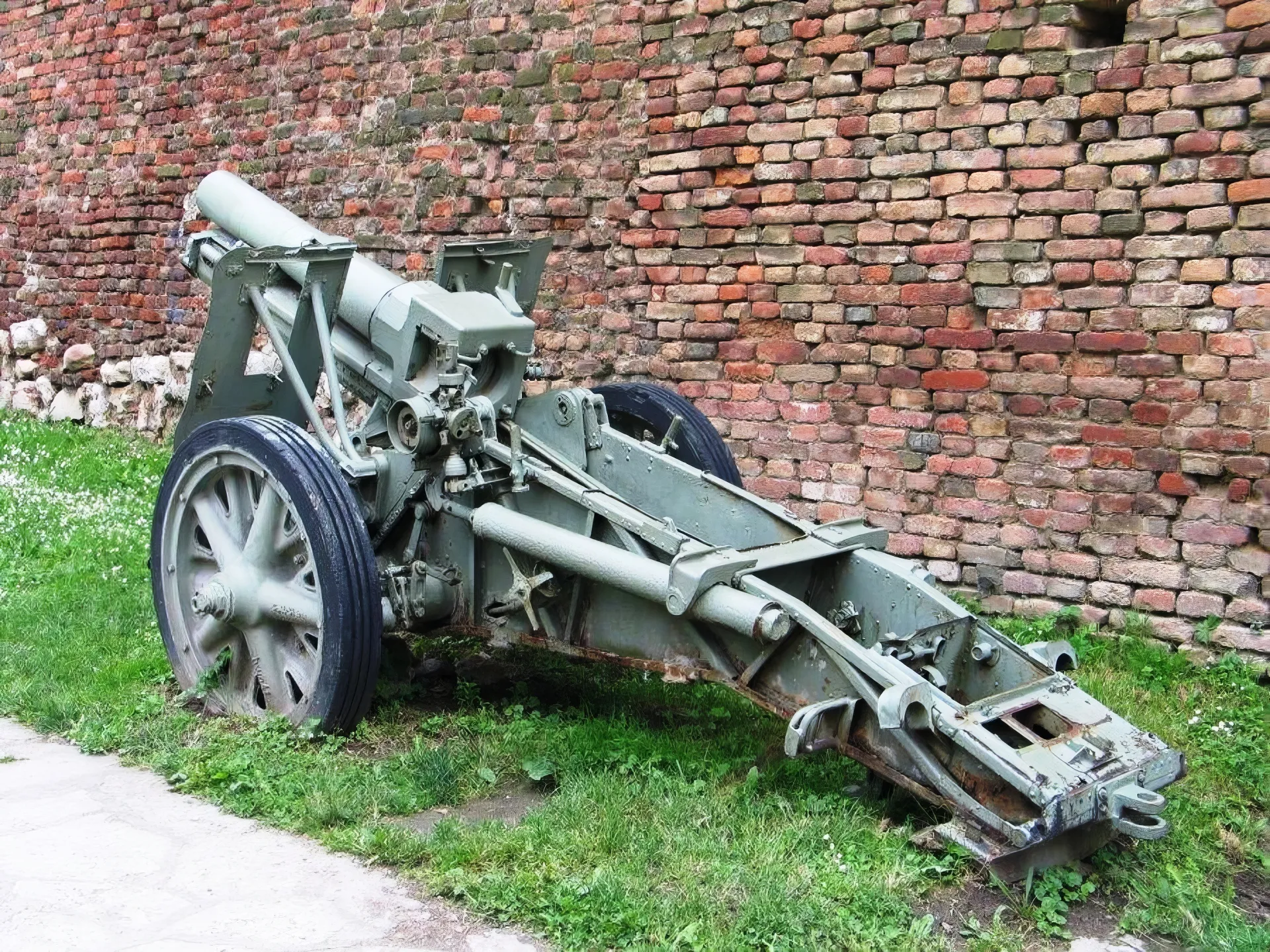
15cm SIG 33 07
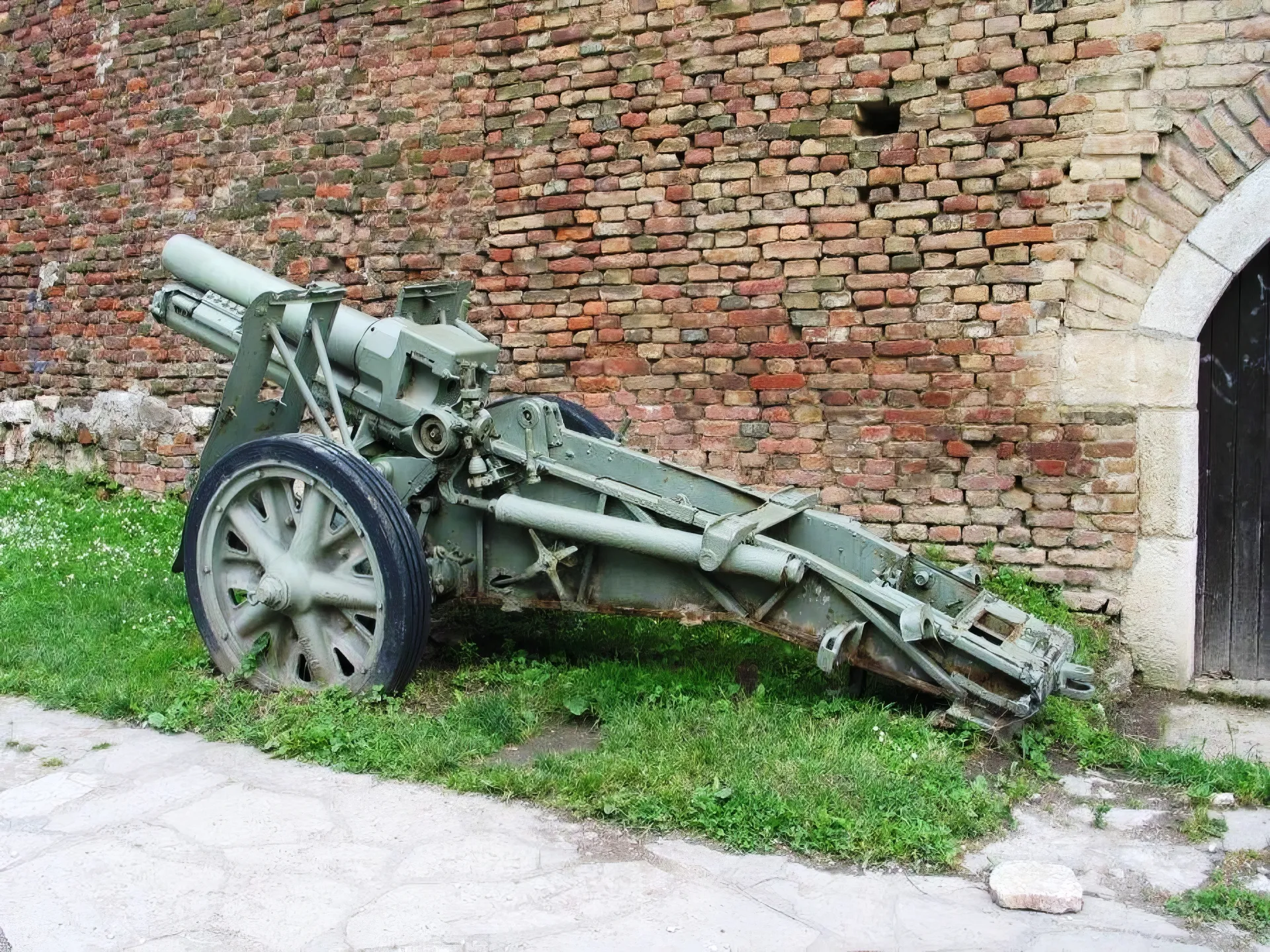
15cm SIG 33 08
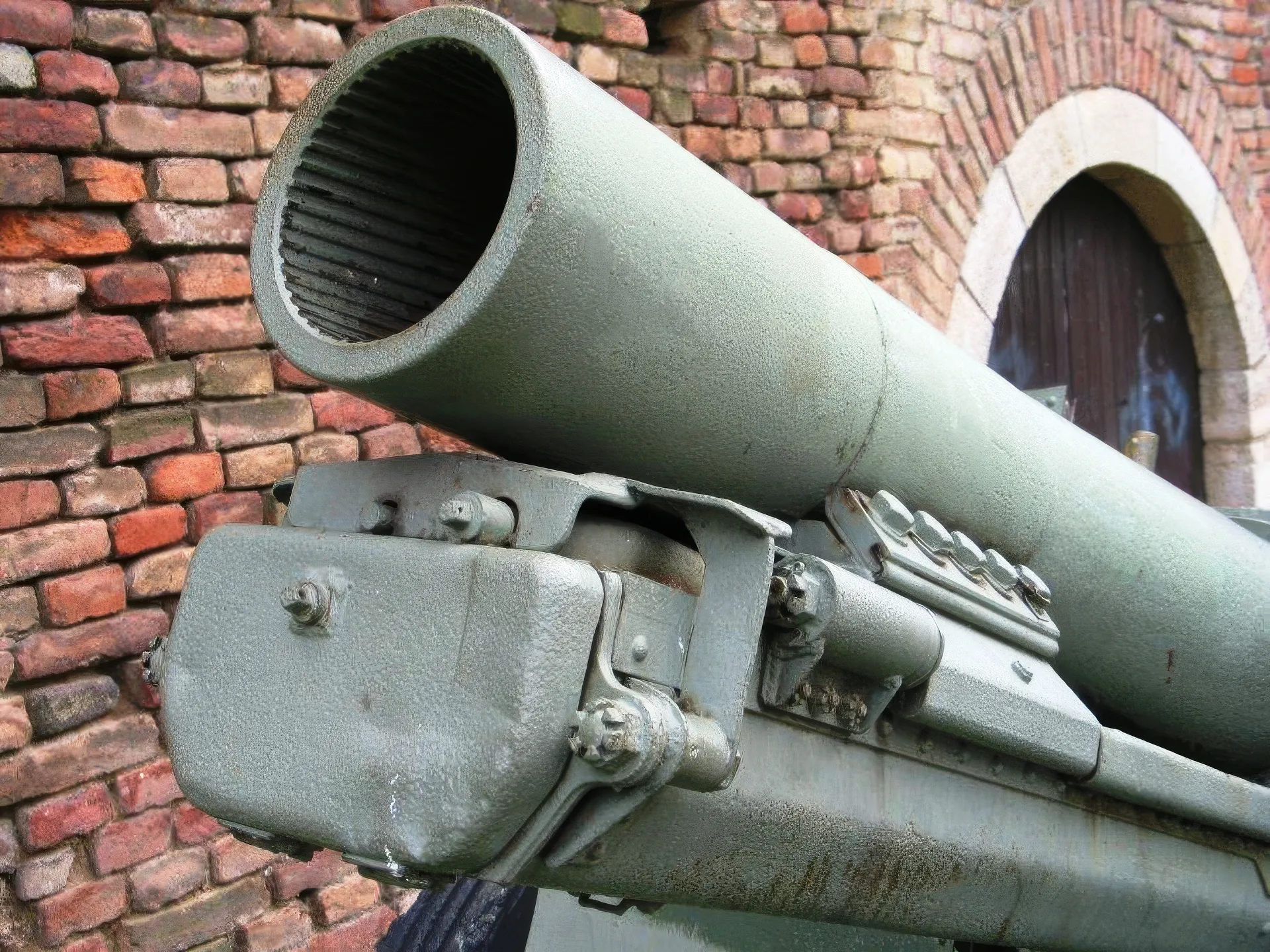
15cm SIG 33 09
Attendez, à la recherche de photos d’obusiers allemands 150mm s.F.H.18 pour vous...

Attendez, à la recherche de photos d’obusier pour vous...
Voir aussi :


General Characteristics
The 15 cm sIG 33 (Heavy Infantry Gun 33) was the standard German heavy infantry support weapon used throughout World War II. It was the largest and heaviest weapon ever officially classified as an infantry gun by any nation.
| Property | Value (Towed sIG 33) |
|---|---|
| Rôle | Heavy Infantry Support Gun |
| Designer | Rheinmetall |
| Entered Service | 1933 |
| Calibre | 149.1 mm (5.87 in) |
| Mass (In Action) | 1,800 kg (4,000 lb) |
| Wagon | Box trail |
| Numéro construit | ~4,600 (1936–1945) |
Performance and Ammunition
- Shell Weight: Standard High Explosive (HE) shell (I Gr 33) was approximately 38 kg (84 lb).
- Muzzle Velocity: ~240 m/s (790 ft/s) (HE shell), which was very low.
- Maximum Range: 4,700 meters (5,100 yd). The short range reflected its role as a close-support weapon.
- Rate of Fire: 2–3 rounds per minute (rpm).
- Key Ammunition: Fired the standard HE and Smoke shells, but also the specialized 90 kg Stielgranate 42 demolition projectile, which was muzzle-loaded and had a range of about 1,000 meters.
Mobility and Self-Propelled Variants
- Towed Mobility: Originally horse-drawn due to its heavy weight. Later models had pressed steel wheels and air brakes for limited motor towing, but was still generally slow and cumbersome in the field.
- Self-Propelled Use: Due to mobility limitations, the sIG 33 was widely adapted to various armored chassis to create self-propelled artillery pieces (commonly referred to as SIG 33), including:
- 15 cm sIG 33 auf Panzerkampfwagen I Ausf B (« Sturmpanzer I Bison »)
- 15 cm sIG 33 auf Fahrgestell Panzerkampfwagen II (Sf) (« Sturmpanzer II Bison »)
- Sturm-Infanteriegeschütz 33B (StuIG 33B) on a StuG III chassis
- Role: Primarily used for destroying enemy strongpoints, machine gun nests, and fortified positions with high-explosive fire in direct support of the infantry.
Vues : 527
Vous pouvez voir aussi :
 Système de fusée à lancement multiple M270 – Photos et vidéo
 Obusier M198 – Photos & Vidéo
 Obusier américain M1A1 de 155 mm – Photos & Vidéo
 Obusier M110A2 – Photos & Vidéo
 Prêtre M7B1 – Promenez-vous
 Obusier M1918A1 155mm – Promenez-vous
 Obusier M115 203 mm – Walk Around
 Obusier automoteur 2C19 MSTA-S – WalkAround
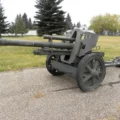 leFH 18-40 105mm - WalkAround
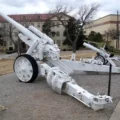 German 150mm s.F.H.18 Howitzer – Walk Around