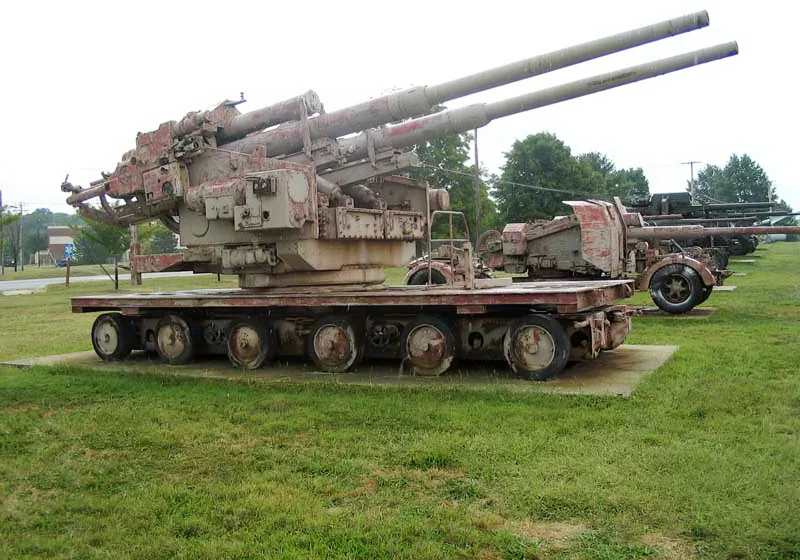
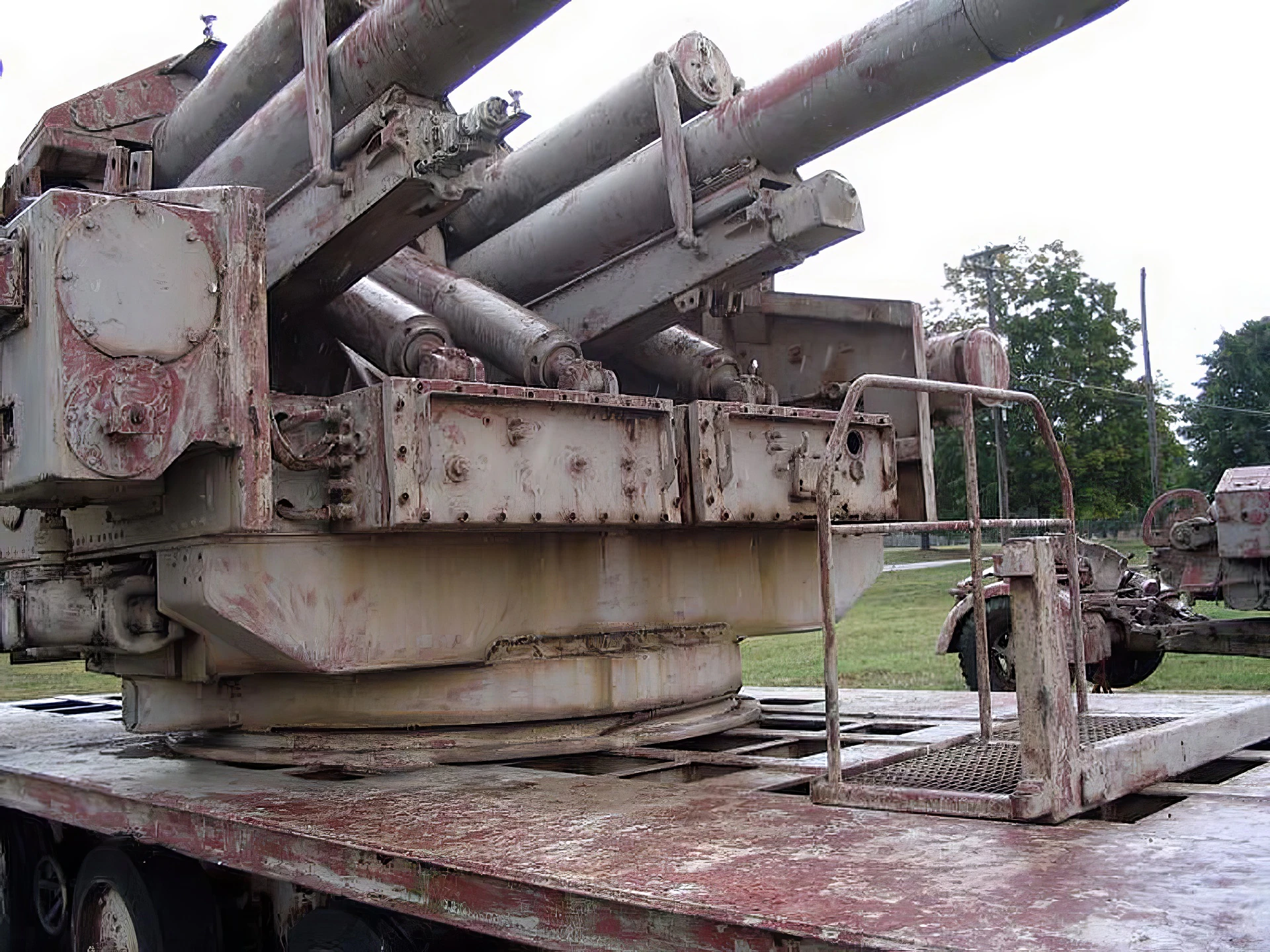
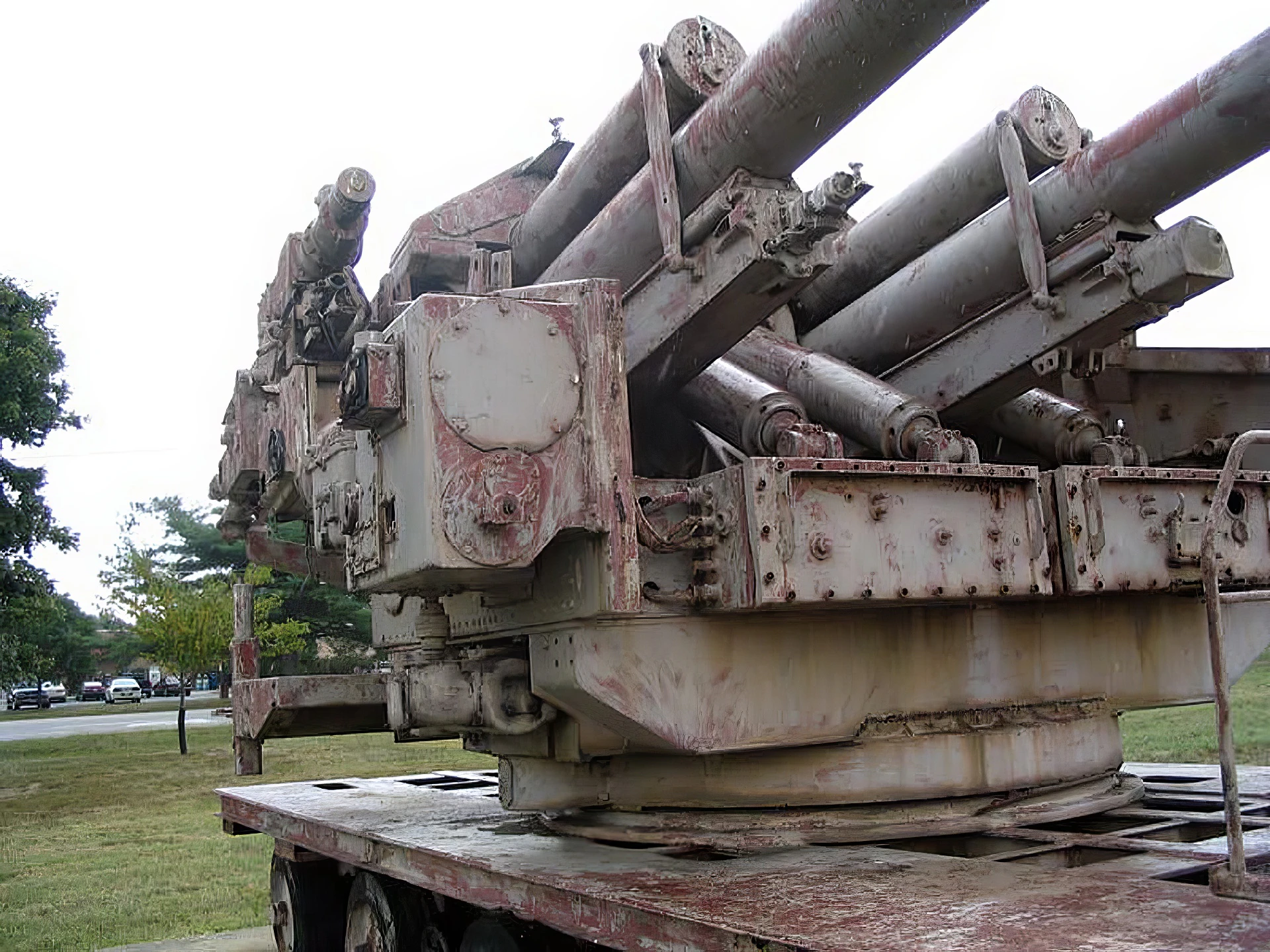
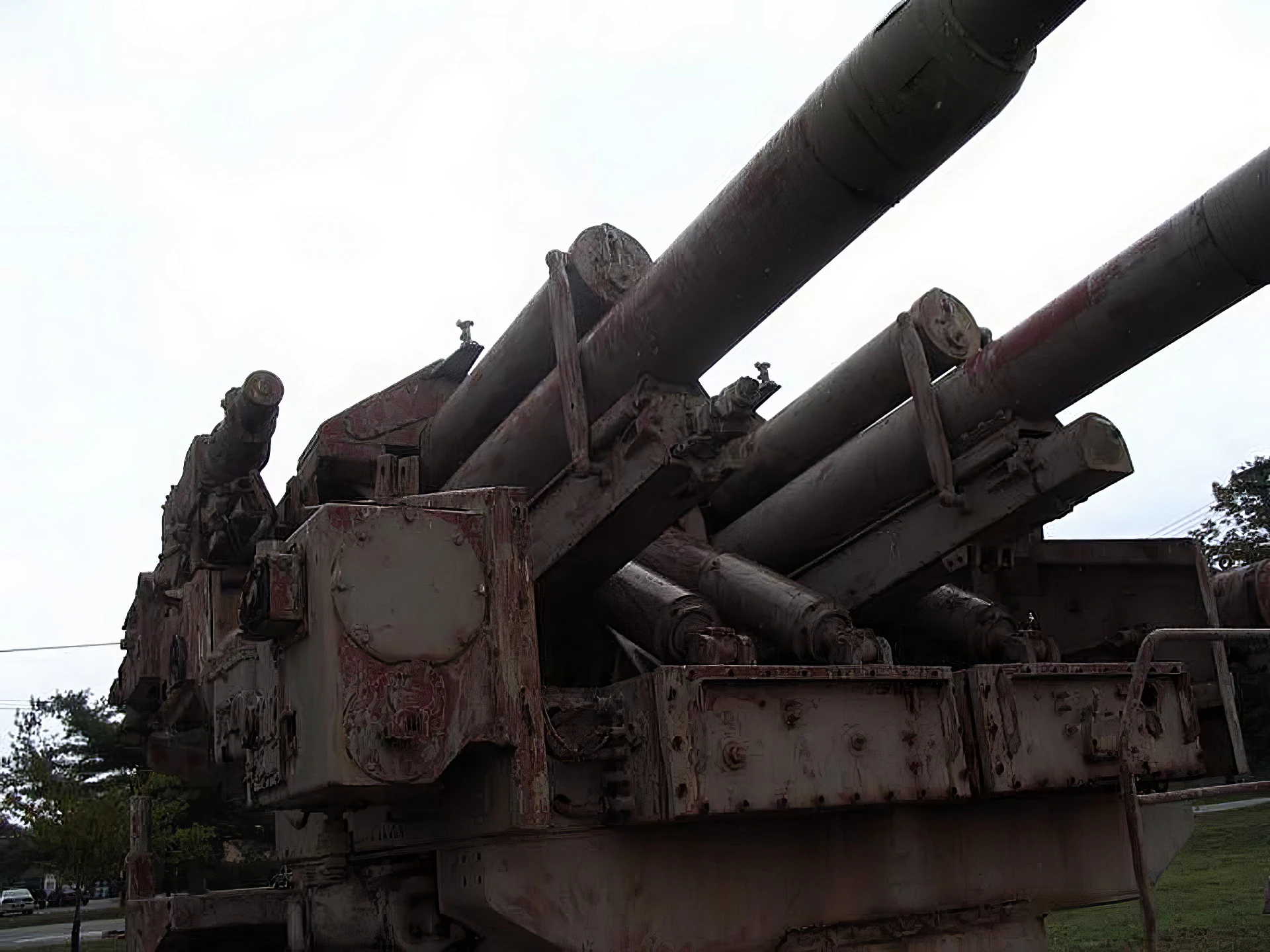
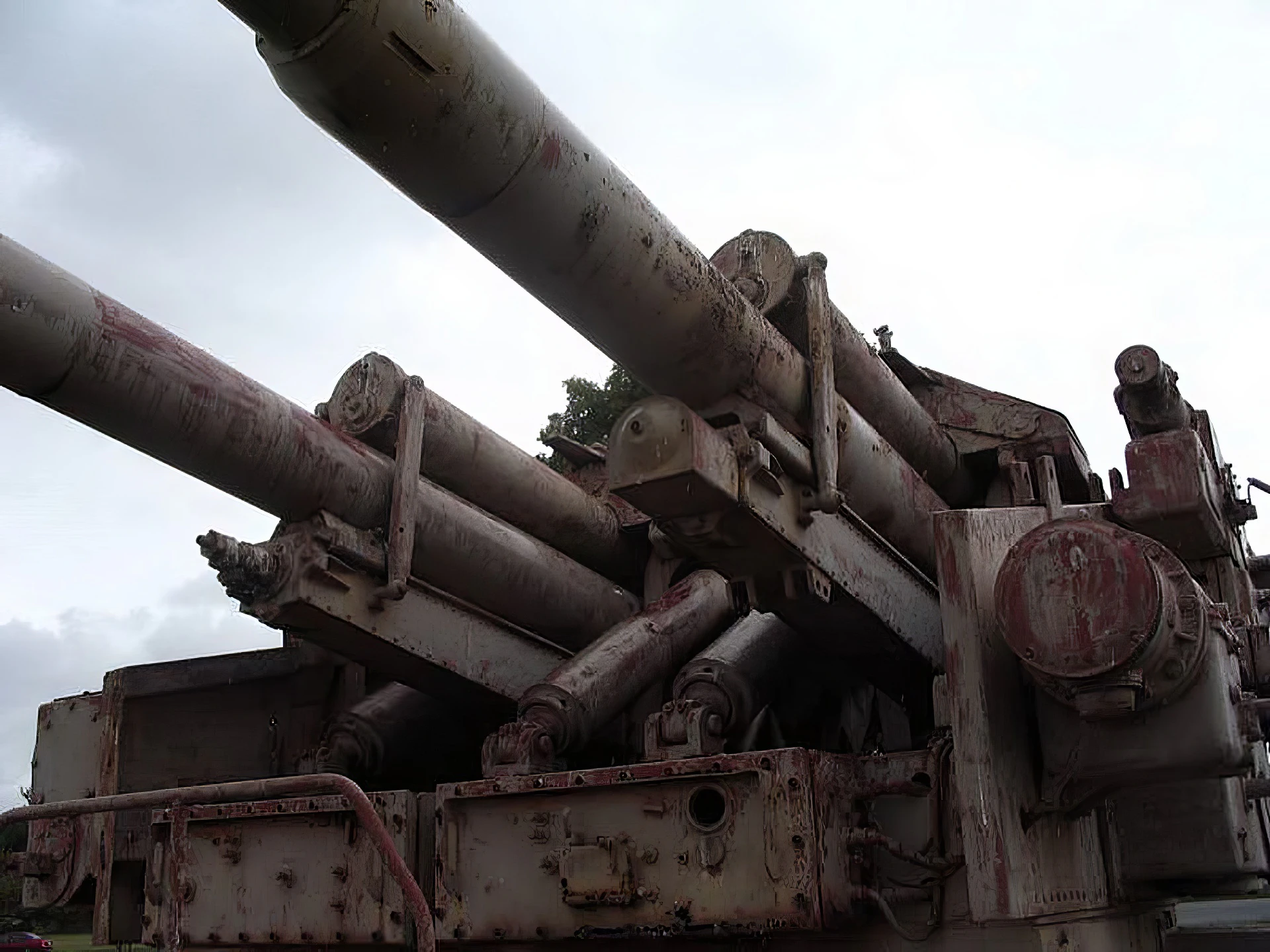
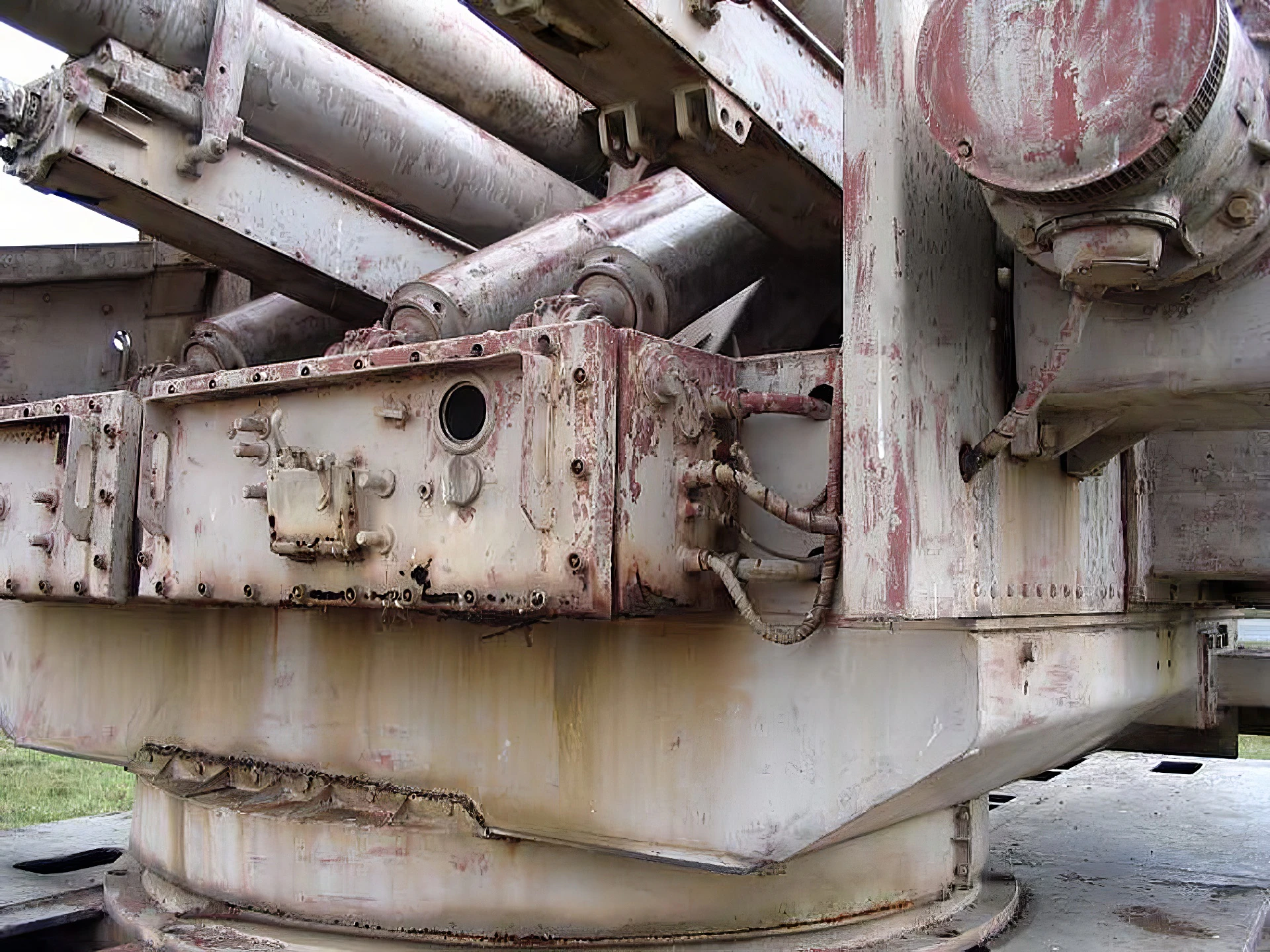
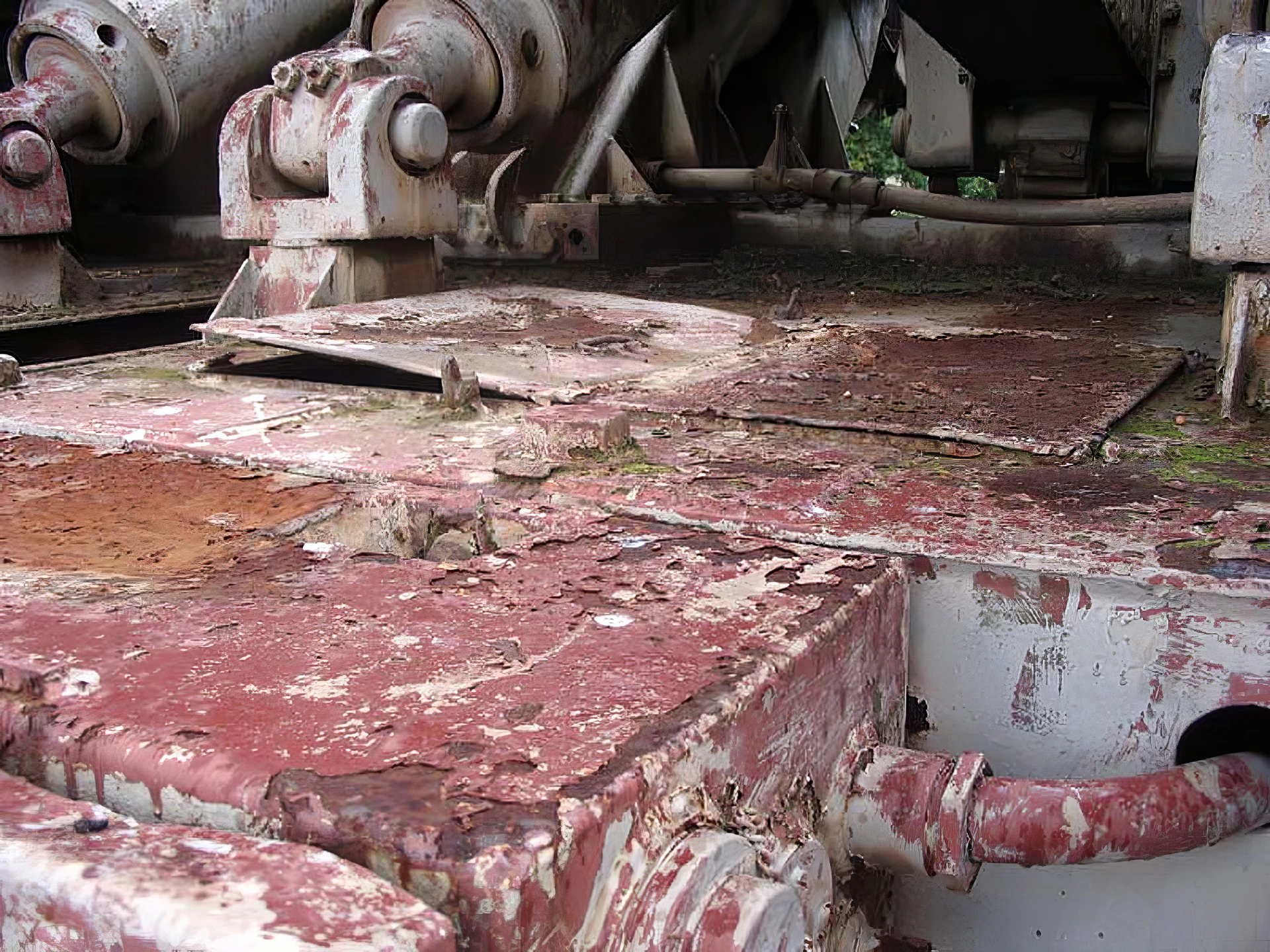
128mm FlaK 40 Zwilling | |
|---|---|
| Pays | Allemagne nazie |
| Rôle | Canon antiaérène |
| En service | 1942–45 |
| Construit | 1125 |
Lla Flak 40 de 12,8 cm était un canon antiaérène allemand de la Seconde Guerre mondiale. Bien qu’il n’ait pas été produit en grand nombre, il a été l’un des canons lourds AA les plus efficaces de son époque.
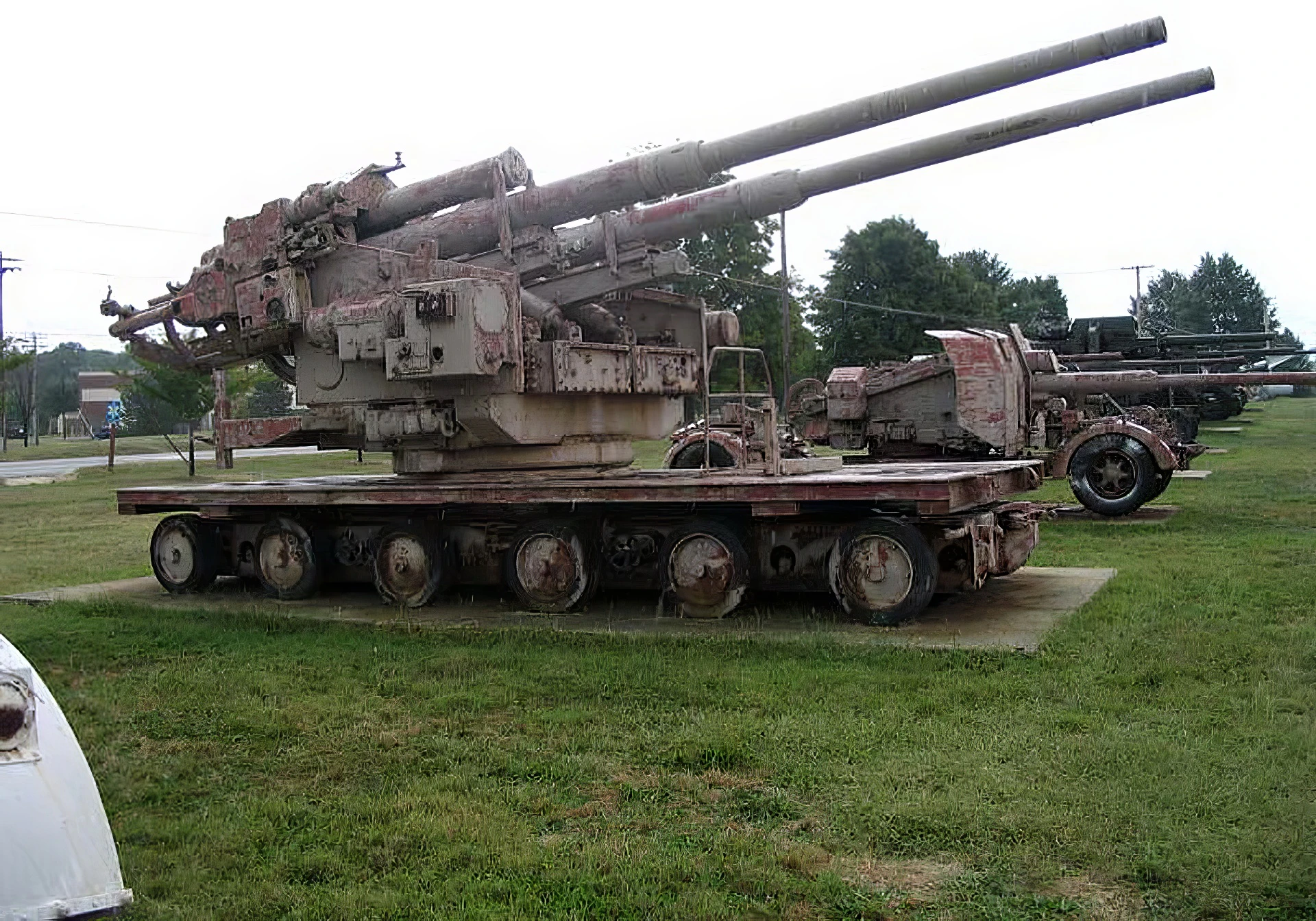
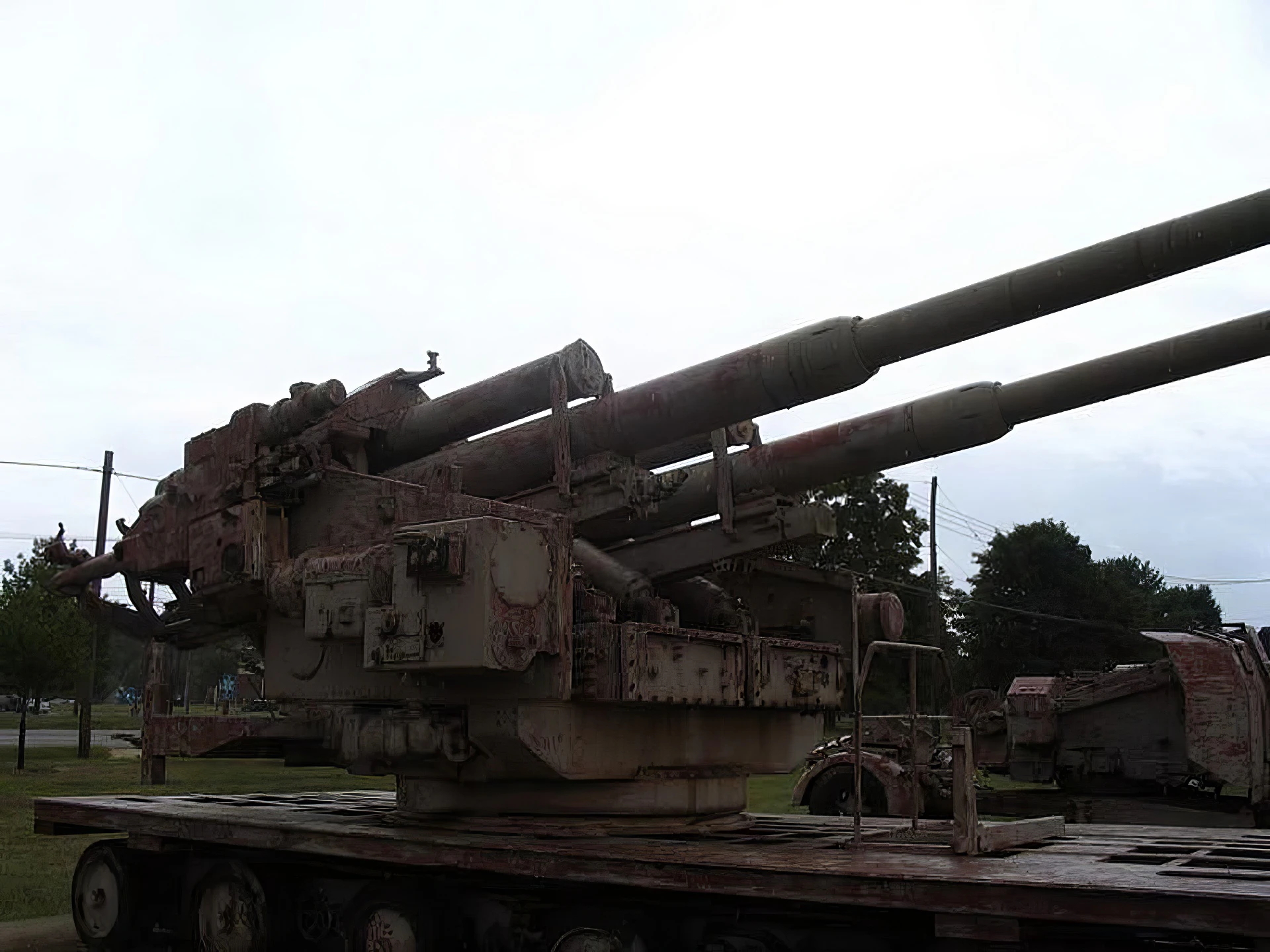
12,8 cm Flakzwilling 40/2: Les 12,8 cm flak 40 ordnance sur un double montage statique avec un poids total de 26 tonnes, capable de tirer 20 tours par minute. Utilisé principalement sur les tours de flak. La production a commencé en 1942 avec 10 ensembles jumeaux produits, huit autres en 1943, et en février 1945 un total de 34 étaient disponibles.
Source: FlaK 128mm 40 Zwilling sur Wikipedia
| 128mm FlaK 40 Zwilling | |
|---|---|
| Photographe | Matthew Flegal |
| Localisation | Inconnu |
| Photos | 38 |

Voir aussi :


Concept and Design
The 12.8 cm FlaK 40 was designed by Rheinmetall-Borsig starting in 1936 to counter anticipated high-altitude Allied bombers. It was a massive weapon, firing a 26 kg (57 lb) shell to a maximum effective ceiling of nearly 15,000 meters (48,600 ft), well above the reach of most enemy aircraft.
The immense size and weight of the FlaK 40 made it impractical for frontline use, with its total weight in a firing position being over 13,000 kg. This led to its primary deployment in static, defensive roles
The Zwilling Variant
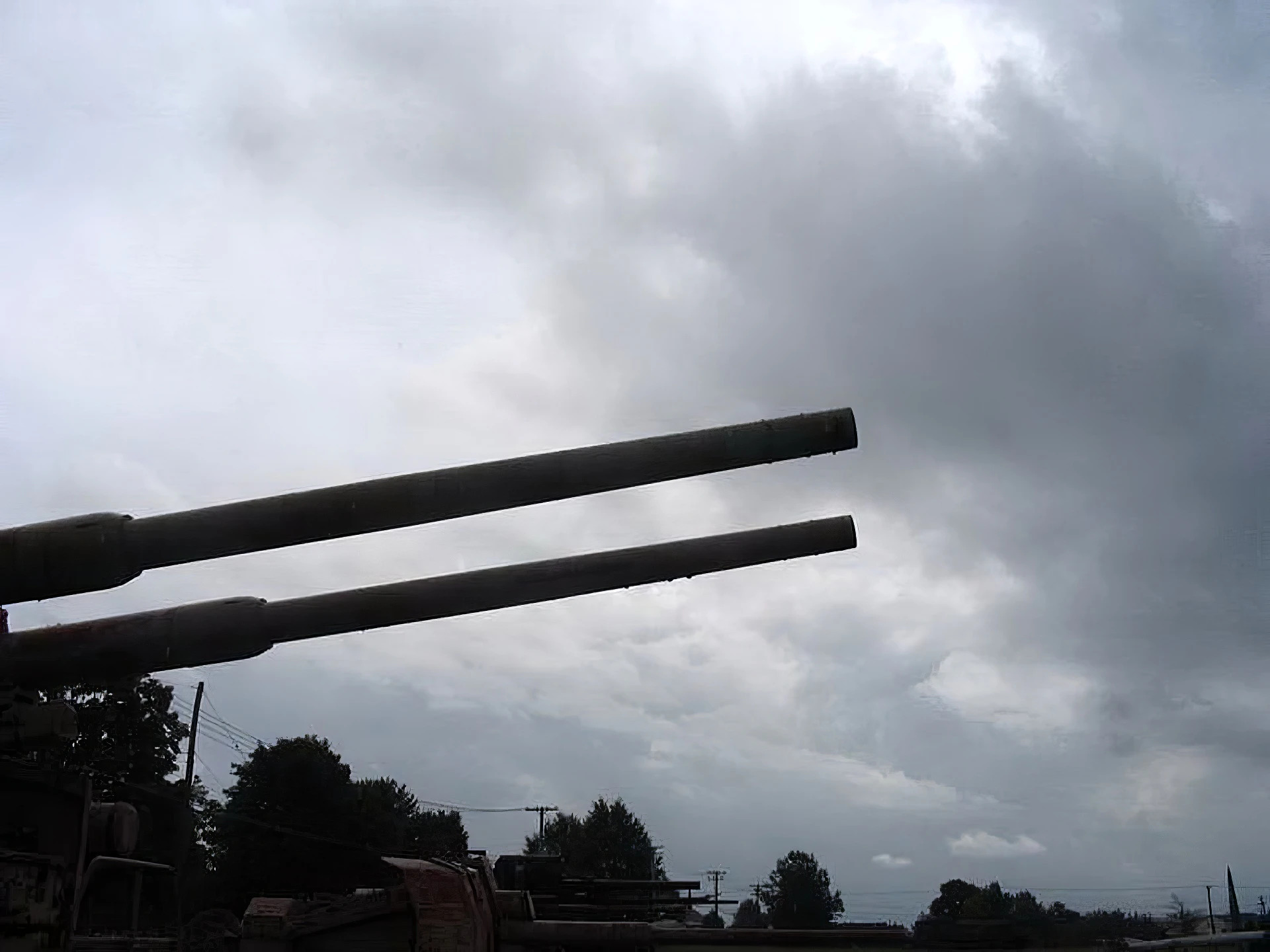
The most recognizable and powerful version was the 12.8 cm FlaK 40 Zwilling. This variant mounted two FlaK 40 barrels side-by-side on a single, heavy, rotating platform. The *Zwilling* (German for « Jumeau ») configuration aimed to double the gun’s volume of fire, dramatically increasing the chance of a hit against fast-moving aircraft.
The Zwilling mount was incredibly heavy, weighing about 26.5 tonnes, cementing its role as a completely immobile defense system. It was highly complex and costly to produce, with only around 34 units completed by the end of the war.
Deployment and Impact
The FlaK 40 Zwilling guns were almost exclusively mounted atop the massive, heavily fortified concrete anti-aircraft towers, known as Flaktürme (Flak Towers), constructed in major German cities like Berlin, Hamburg, and Vienna.
These guns were the heavy backbone of the *Reich’s* home defense, utilizing complex Kommandogerät fire-control systems to direct their fire. During the final battles for Germany, particularly the Battle of Berlin, the Flak Towers were used as citadels and their massive 128 mm guns were depressed to fire on Soviet ground targets, including tanks, proving highly effective in a secondary anti-tank role.
Key Specifications (Zwilling)
- Calibre: 128 mm (5.03 in)
- Rate of Fire: Up to 20 rounds per minute (total for both barrels)
- Shell Weight: 26 kg (57 lb 5 oz)
- Maximum Effective Ceiling: 14,800 m (48,560 ft)
Views : 10026
Vous pouvez voir aussi :
 B-52D Stratofortress – Promenez-vous
 Photos Aviation Volodin
 Gaz MM – Walk Around
 B-17G Flying Fortress Vol3 – WalkAround
 Char T-34/76 Modèle 1941 vol2 – WalkAround
 FV 4101 Charioteer – Walk Around
 2 Pounder Anti-tank gun Carrier – Walk Around
 Canon Zis-3 – WalkAround
 Grille Ausf.M – sdkfz.138/1 – Walk Around
 BM-13 Katioucha – Walk Around