Nniiden Grumman F9F Pantteriwas the manufacturer’s first jet fighter and one of the United States Navy’s first successful carrier-based jet fighters. A single-engined, straight-winged day fighter, it was armed with four 20 mm (0.79 in) cannon and could carry a wide assortment of air-to-ground munitions.
The Panther was used extensively by the U.S. Navy and Marine Corps in the Korean War. It was also the first jet aircraft used by the Blue Angels flight team, used by them from 1949 through late 1954. The aircraft was exported to Argentina and was the first jet used by the Argentine Naval Aviation.
Total F9F production was 1,382. The design evolved into the swept wing Grumman F-9 Cougar.
Nniiden Grumman F9F Pantteriwas the first jet-powered fighter produced by the legendary “Grumman Iron Works.” While earlier jets were often delicate or experimental, the Panther brought Grumman’s signature ruggedness to the jet age. It was a straight-wing, carrier-based fighter-bomber that became the U.S. Navy’s primary strike aircraft during the Korean War. Although it was eventually outpaced by swept-wing adversaries like the MiG-15, its stability and heavy armament made it a beloved platform for close air support and carrier operations.
Attribute
Technical Specification (F9F-5)
Rooli
Carrier-based Fighter-Bomber
miehistö
1 (Pilot)
First Flight
November 24, 1947
Voimalaitos
1 × Pratt & Whitney J48-P-6A turbojet
Thrust
6,250 lbf (27.8 kN) dry thrust
Enimmäisnopeus
579 mph (932 km/h) at 5,000 ft
Aseistus
4 × 20mm M3 cannons; up to 3,465 lbs of bombs/rockets
Service Ceiling
42,800 feet (13,000 m)
Design Features: The Grumman Philosophy
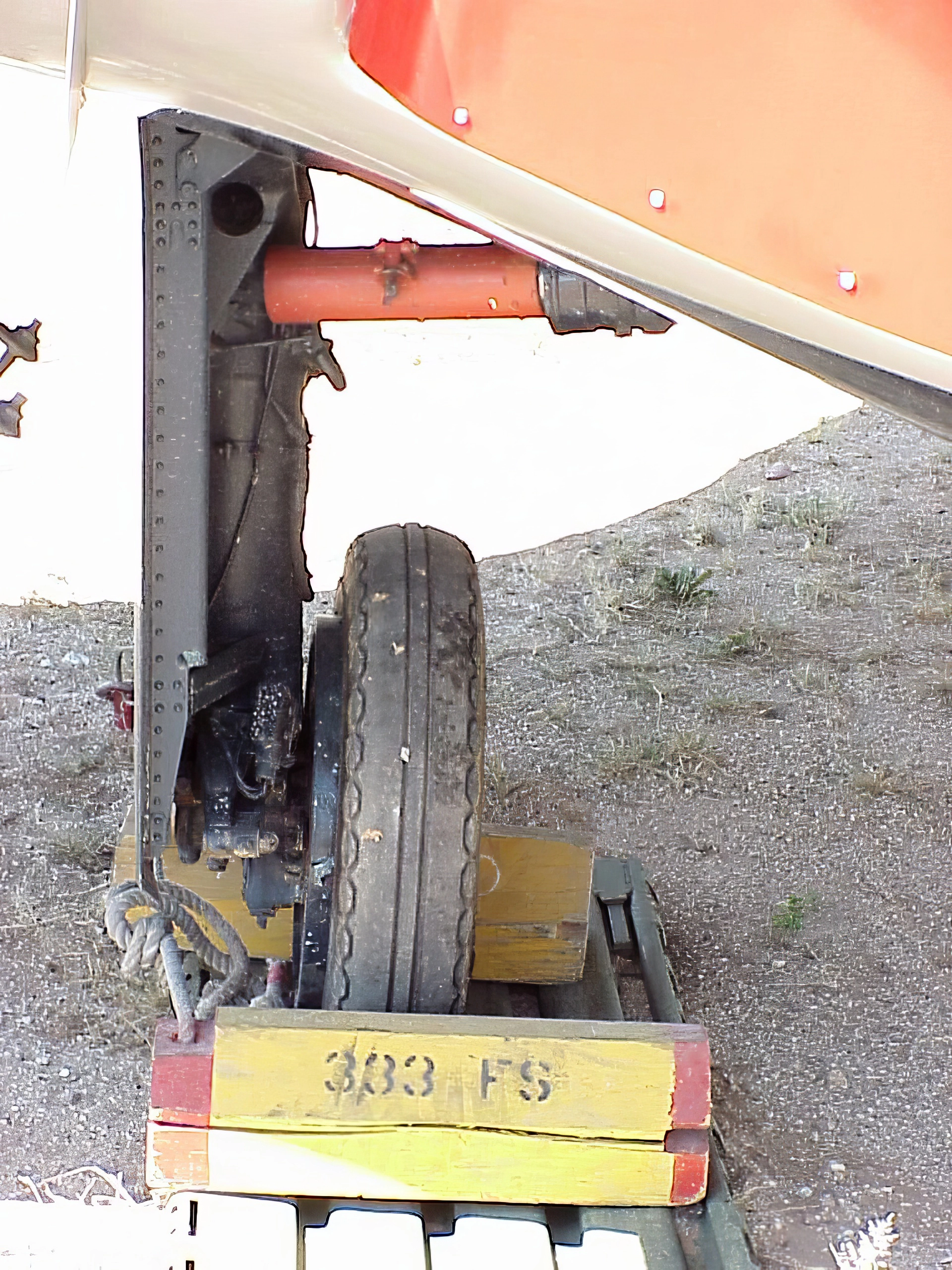
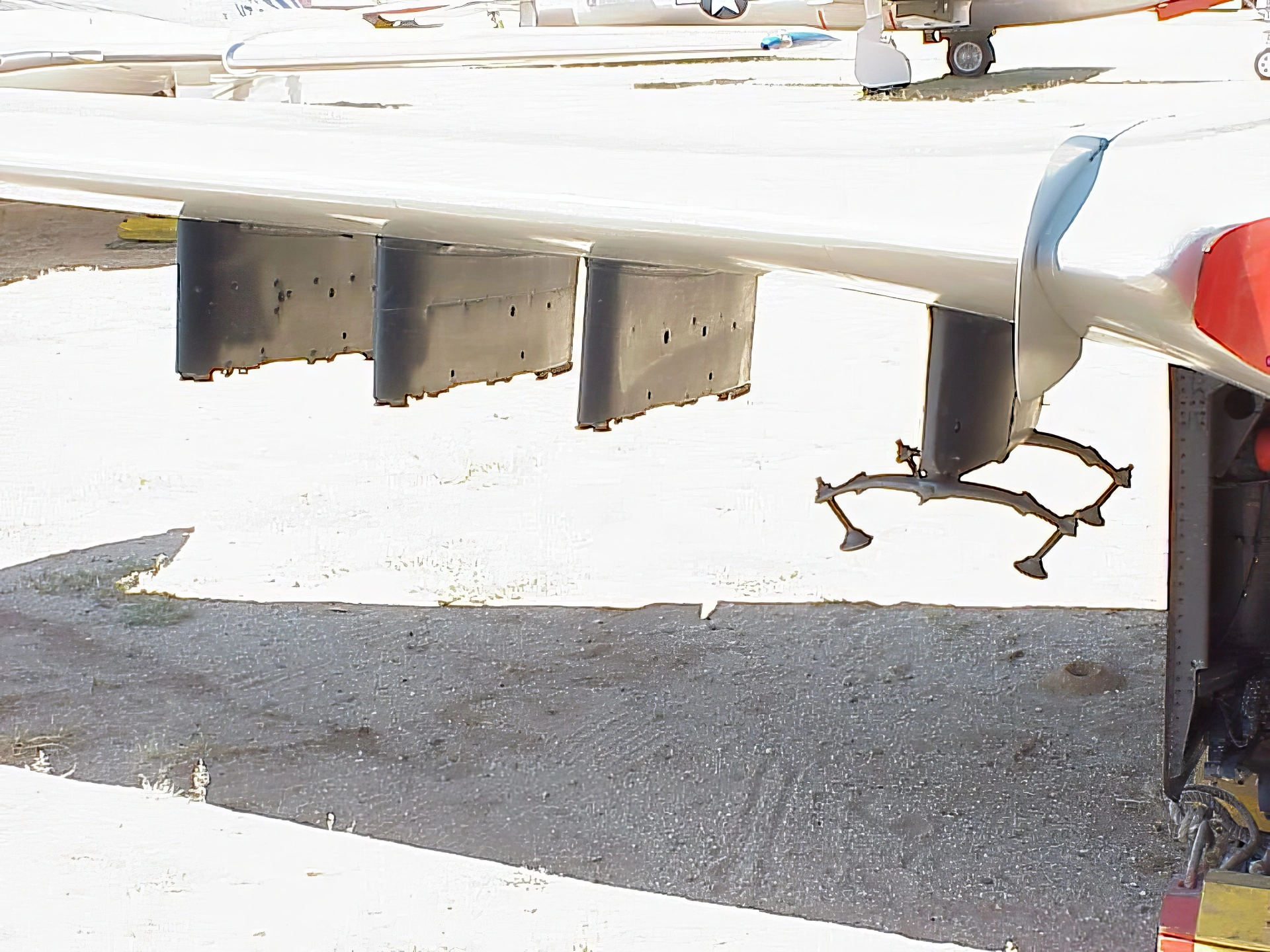
Permanent Wingtip Tanks:To compensate for the “thirsty” early jet engines, Grumman added permanently mounted fuel tanks to the wingtips. This not only extended the range but actually improved the aircraft’s roll rate by acting as aerodynamic endplates.
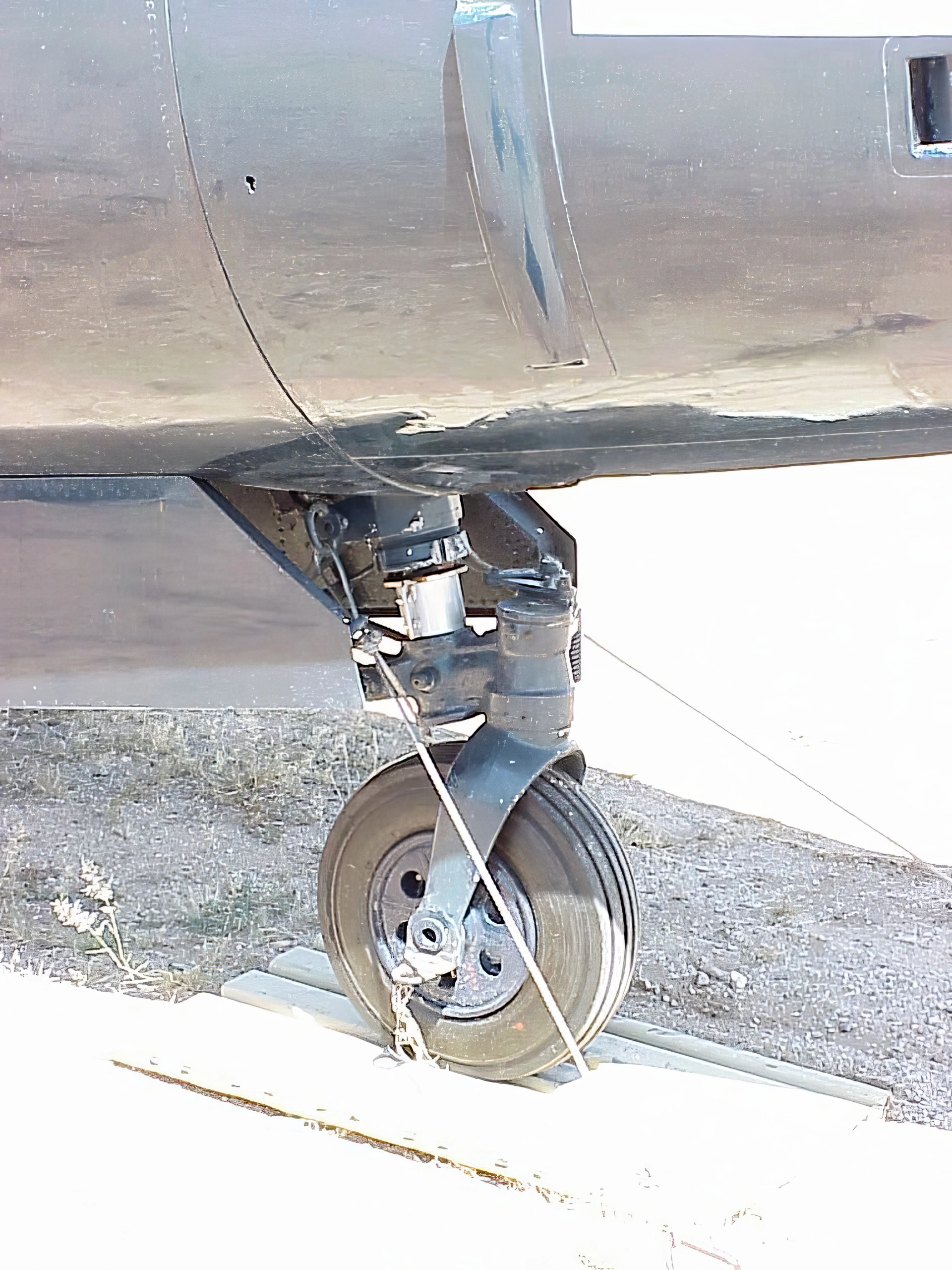
The “Sliding Nose” for Maintenance:In a clever bit of engineering for cramped carrier decks, the entire nose section containing the four 20mm cannons could slide forward on tracks, allowing armorers easy access to the guns and ammunition without needing ladders or large workspaces.
Leading-Edge Flaps:The Panther was one of the first jets to successfully use leading-edge “slats” or flaps to improve low-speed lift. This allowed the straight-wing jet to have a manageable landing speed for the relatively short carrier decks of the era.
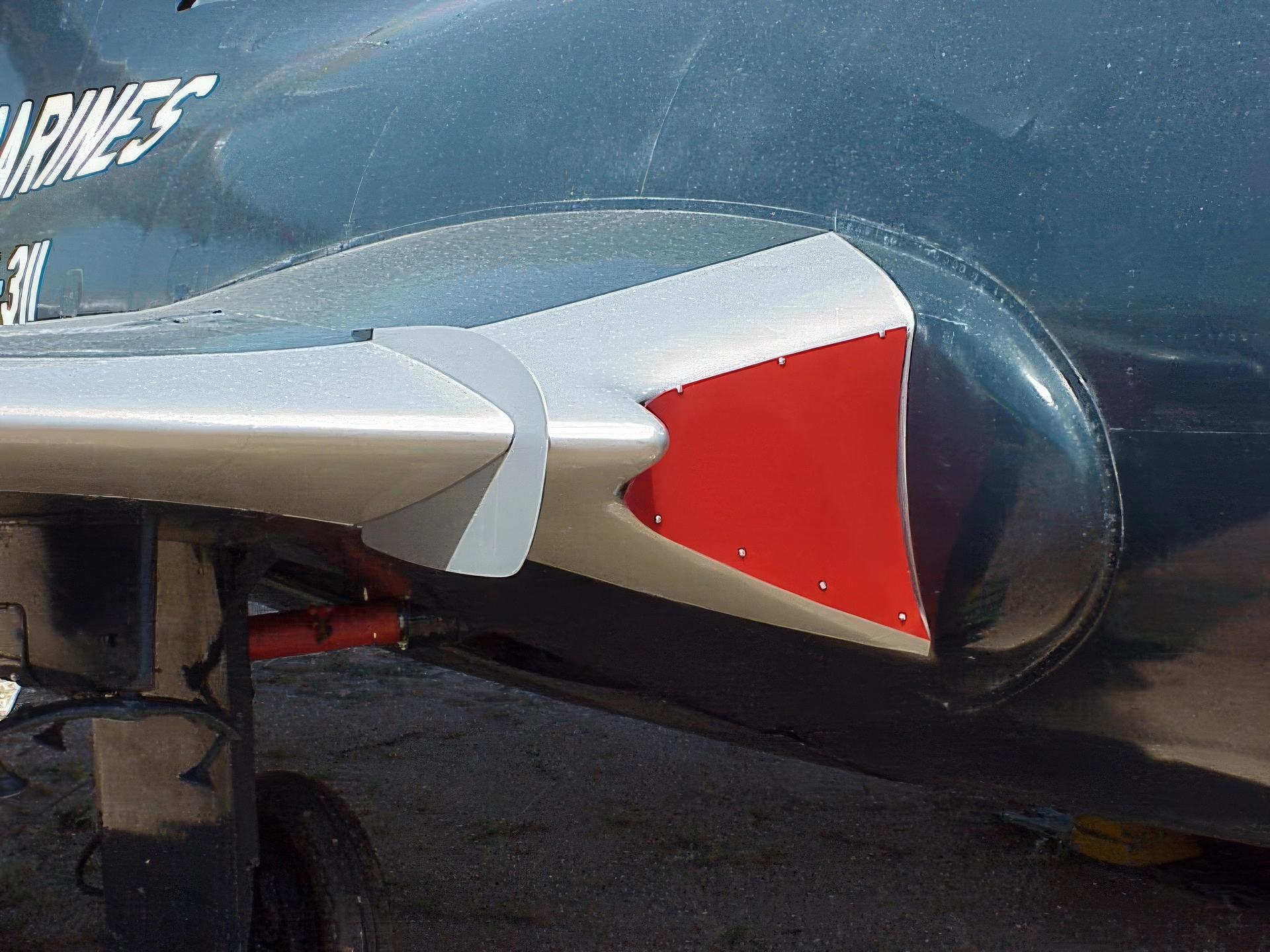
Centrifugal Flow Engine:Unlike the slim axial-flow engines of the Air Force’s F-86, the Panther used the “pudgy” J42/J48 engines (derived from the British Rolls-Royce Nene). This gave the Panther its distinctive “pregnant” or rounded fuselage shape.
A Legacy of Firsts & Famous Pilots
Navy’s First Jet Kill:On July 3, 1950, an F9F-2 from theUSS Valley Forgeshot down a North Korean Yak-9, marking the first aerial victory for a U.S. Navy jet. Later that year, a Panther pilot scored the Navy’s first jet-on-jet victory by downing a MiG-15.
The First Blue Angel Jet:In 1949, theBlue Angelstransitioned from the piston-powered F8F Bearcat to the F9F-2 Panther, making it the first jet aircraft used by the Navy’s flight demonstration team.
Legendary Aviators:The Panther was flown by several pilots who would become American icons, includingNeil Armstrong(who once had to eject after his Panther clipped a cable),John Glenn, and baseball legendTed Williams.
The Cougar Evolution:Recognizing that the straight wing was a limitation in high-speed combat, Grumman eventually added swept wings to the Panther airframe, creating theF9F-6 Cougar, which would carry the lineage into the supersonic era.
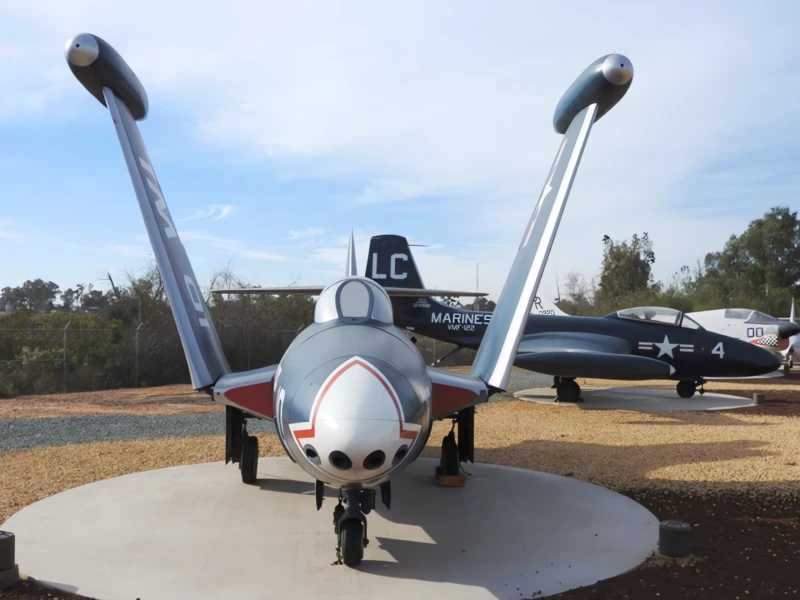
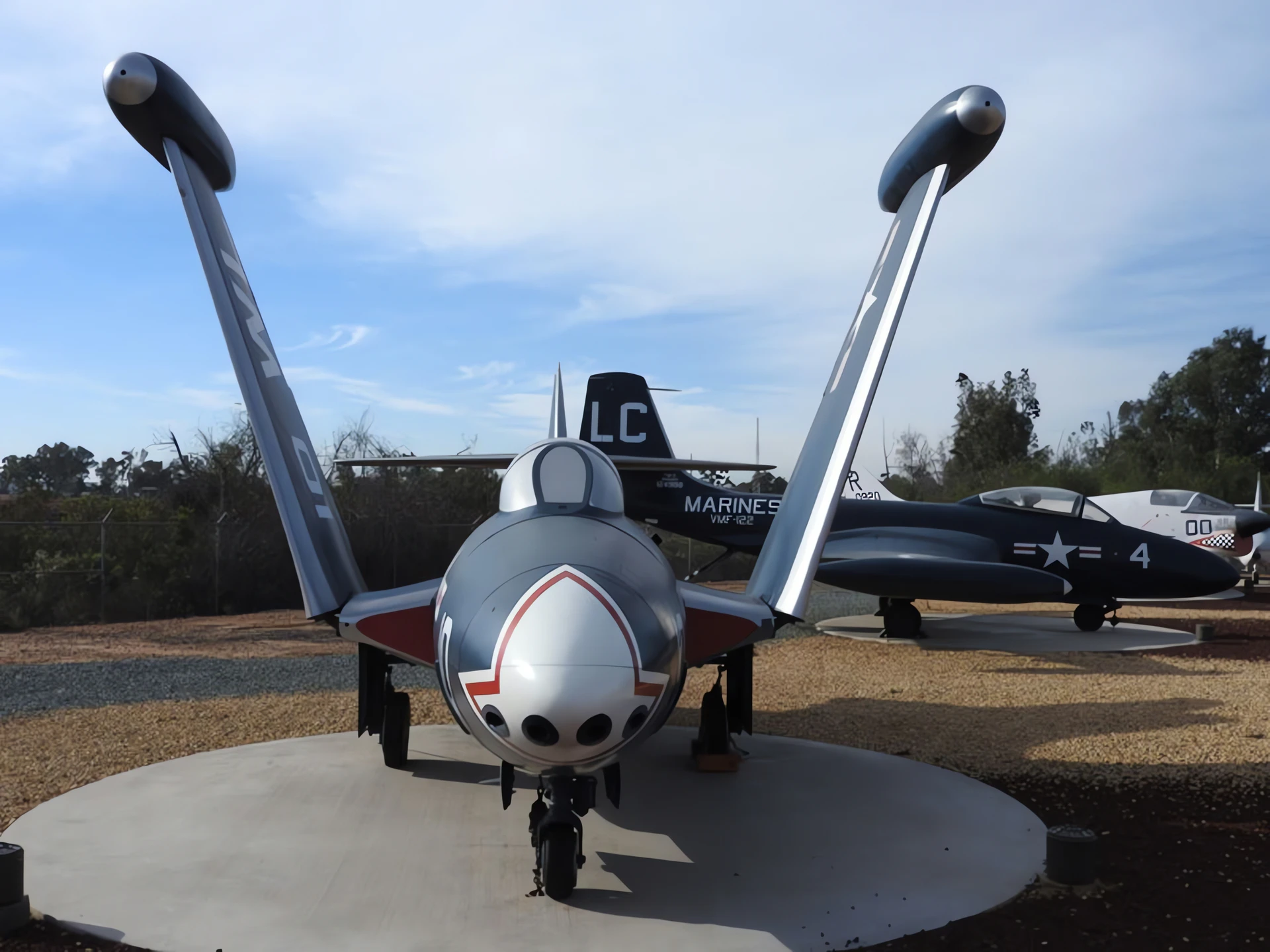
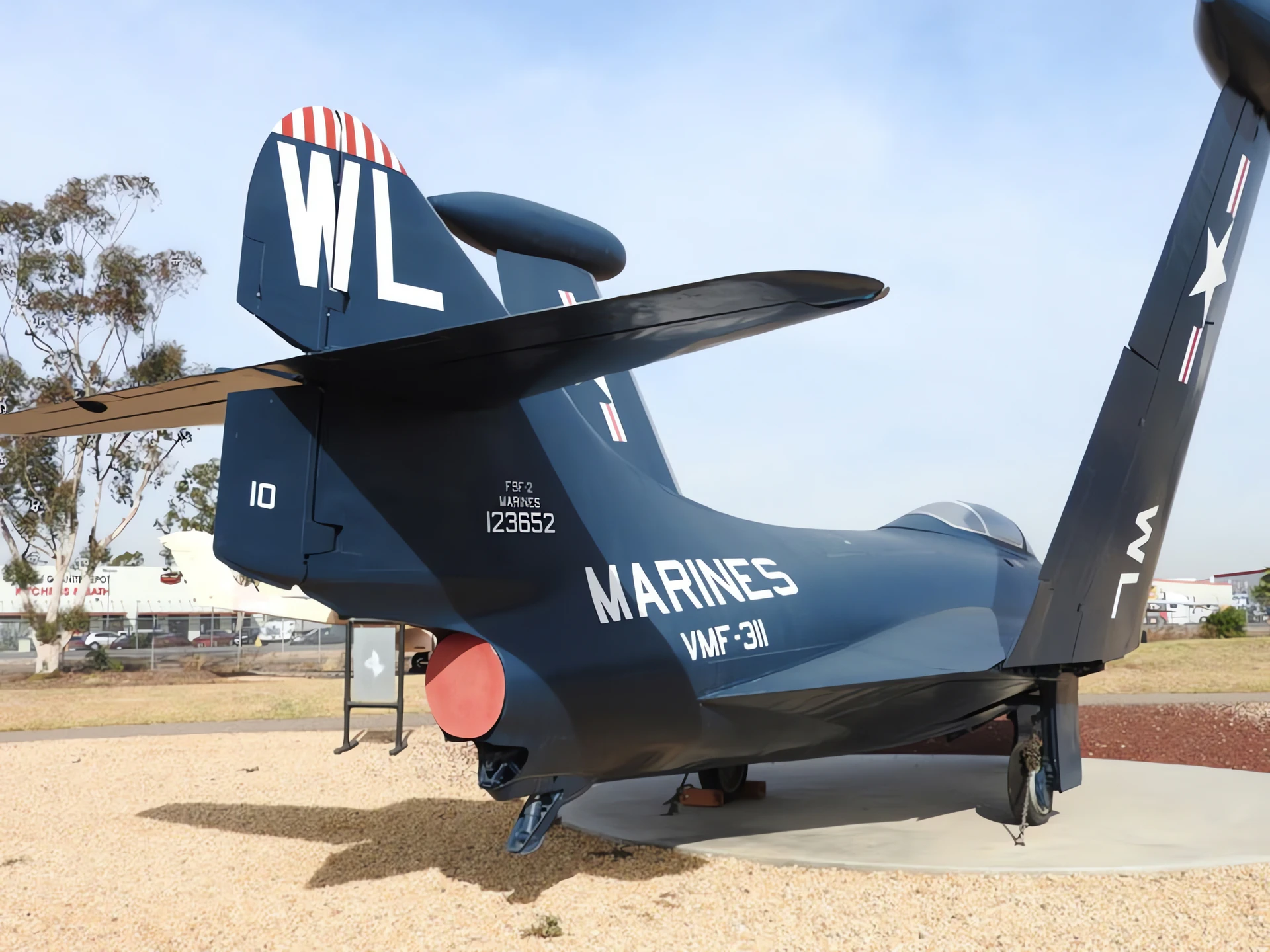
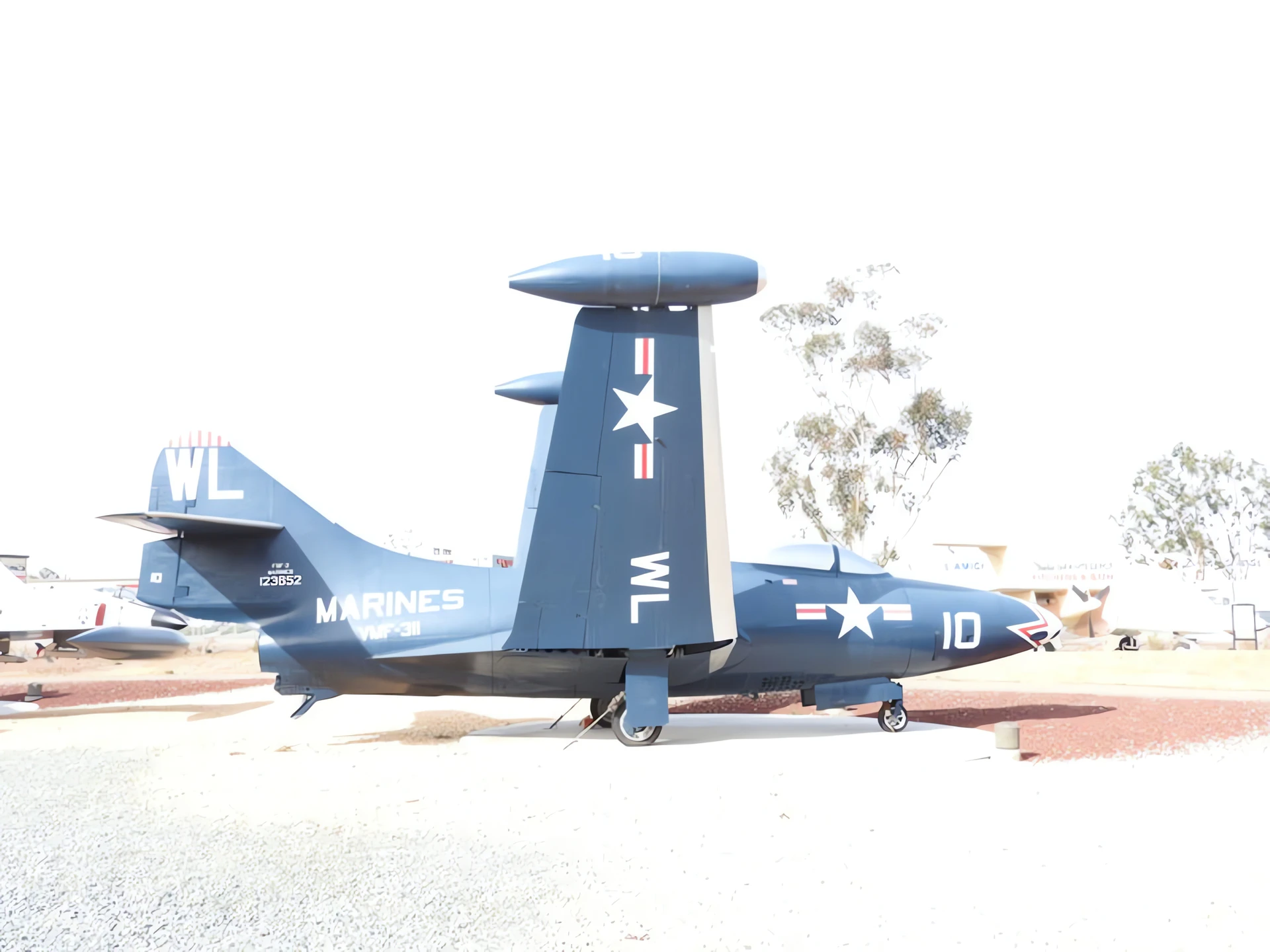
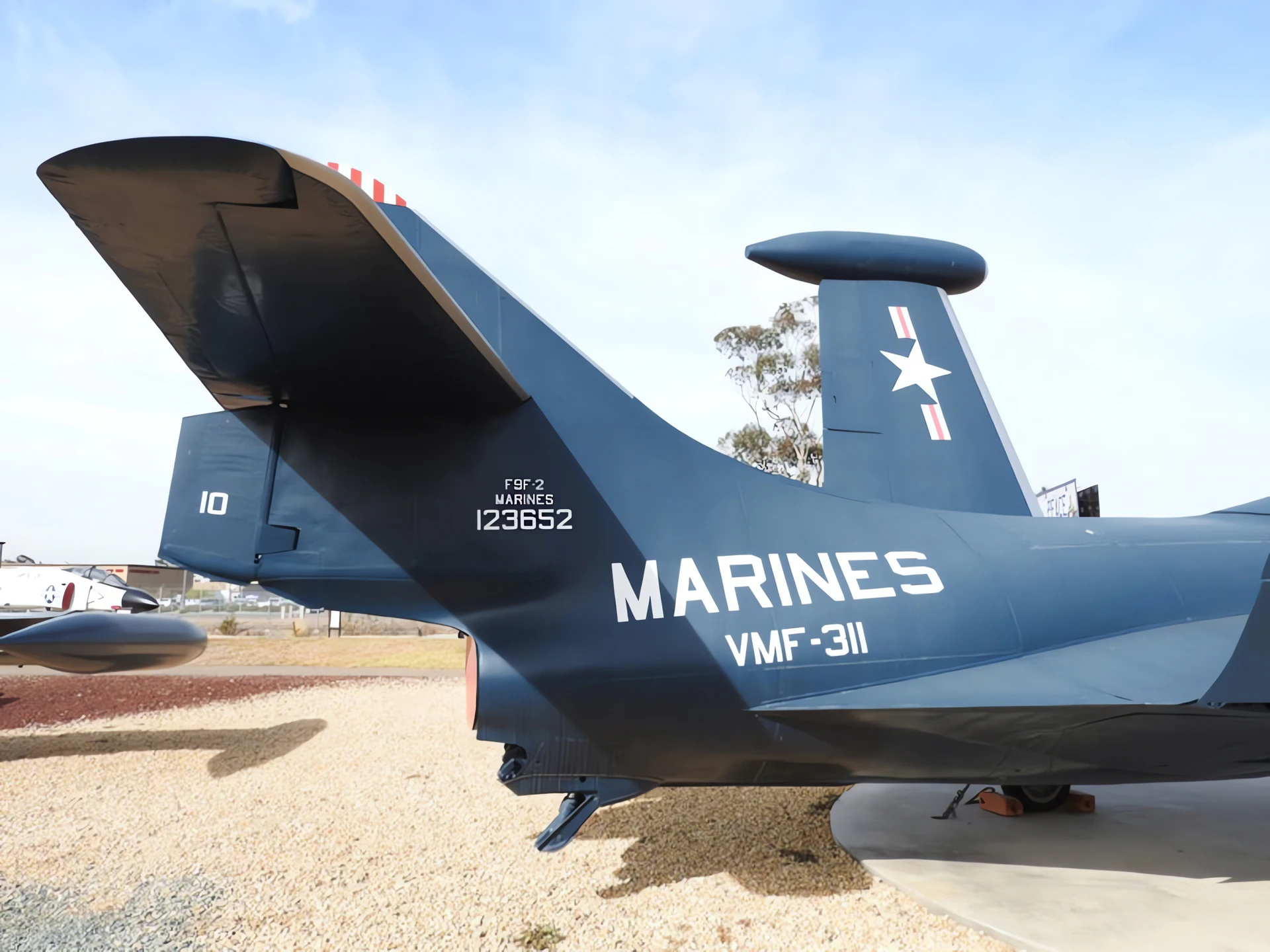
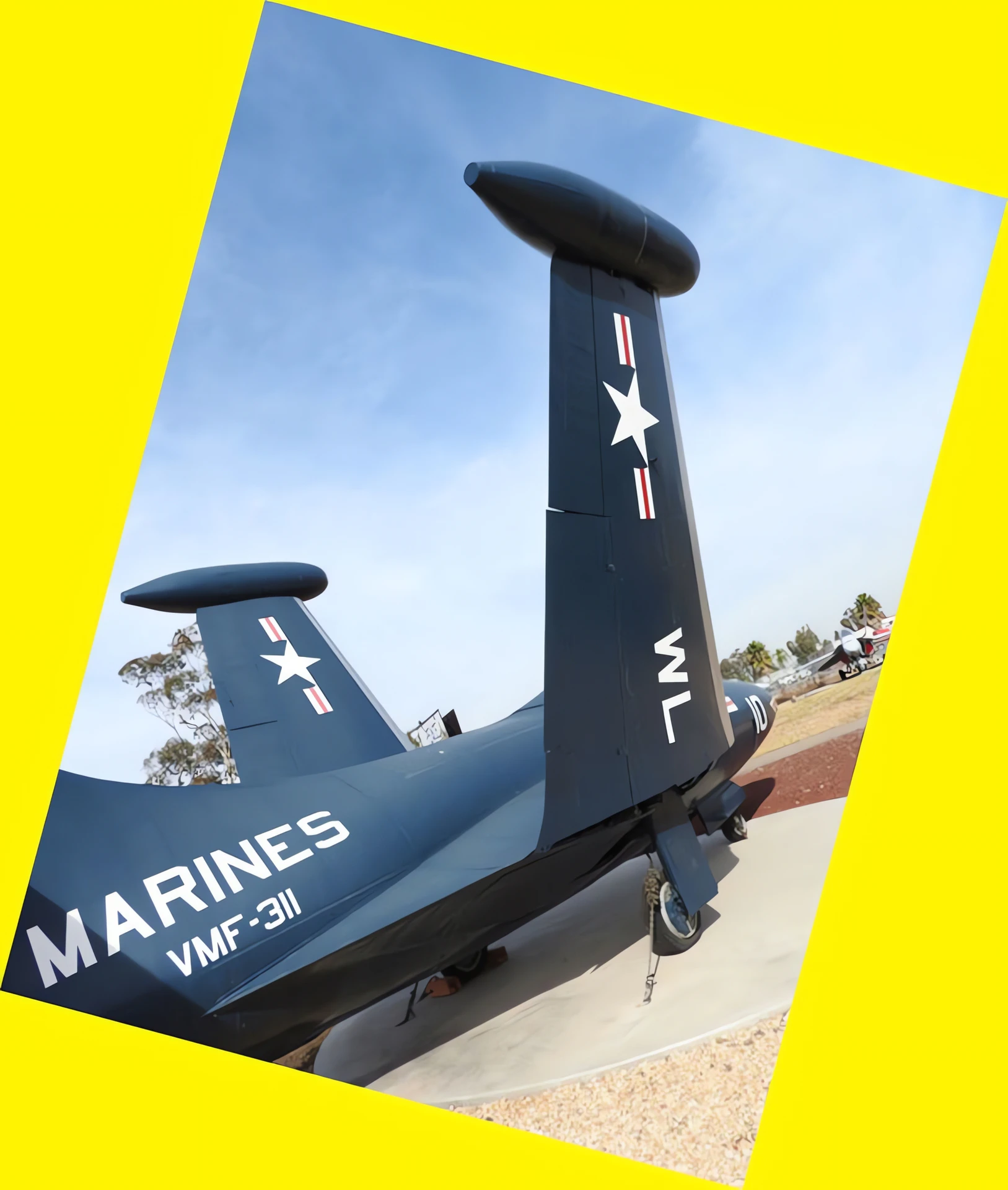
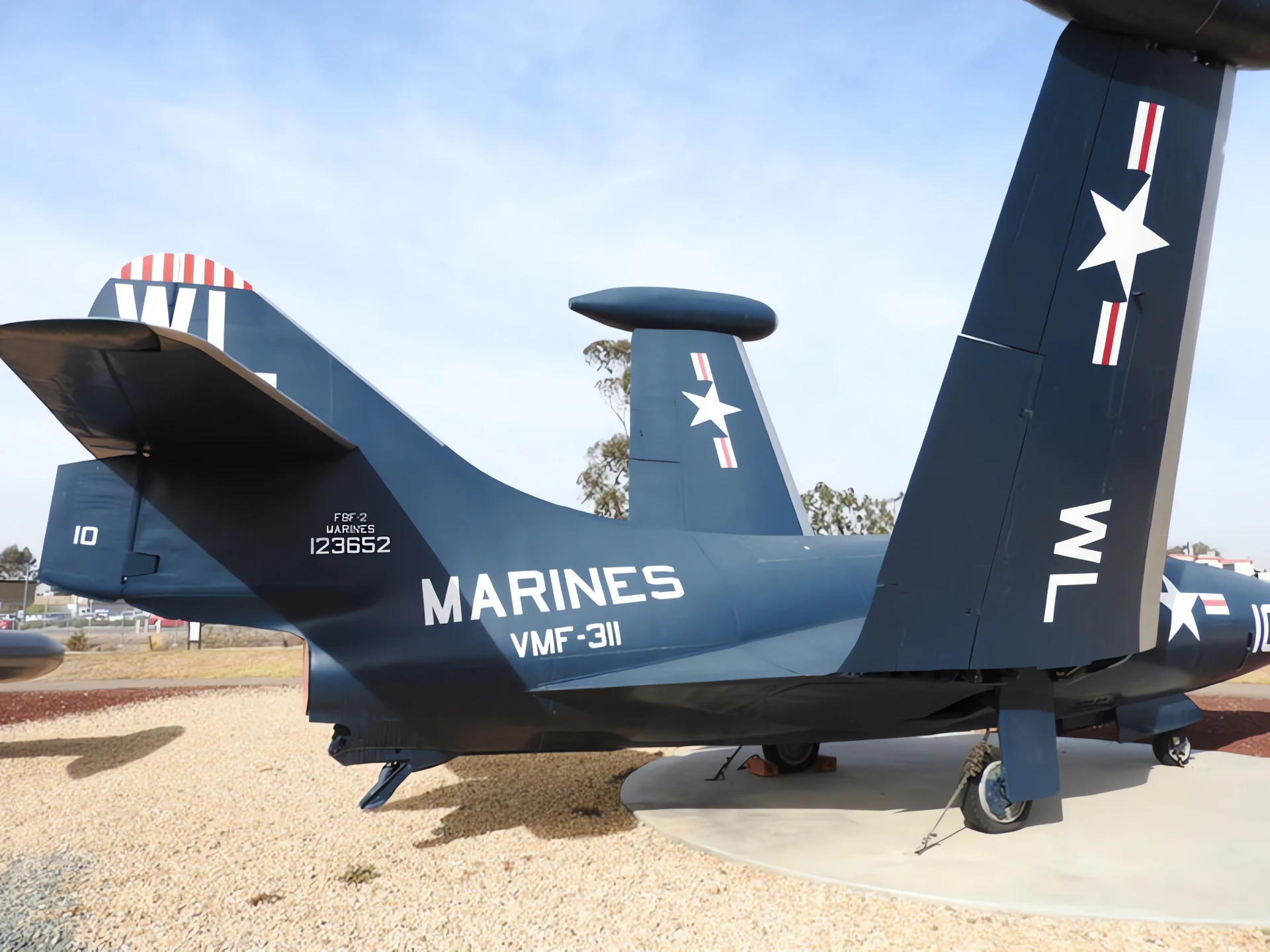
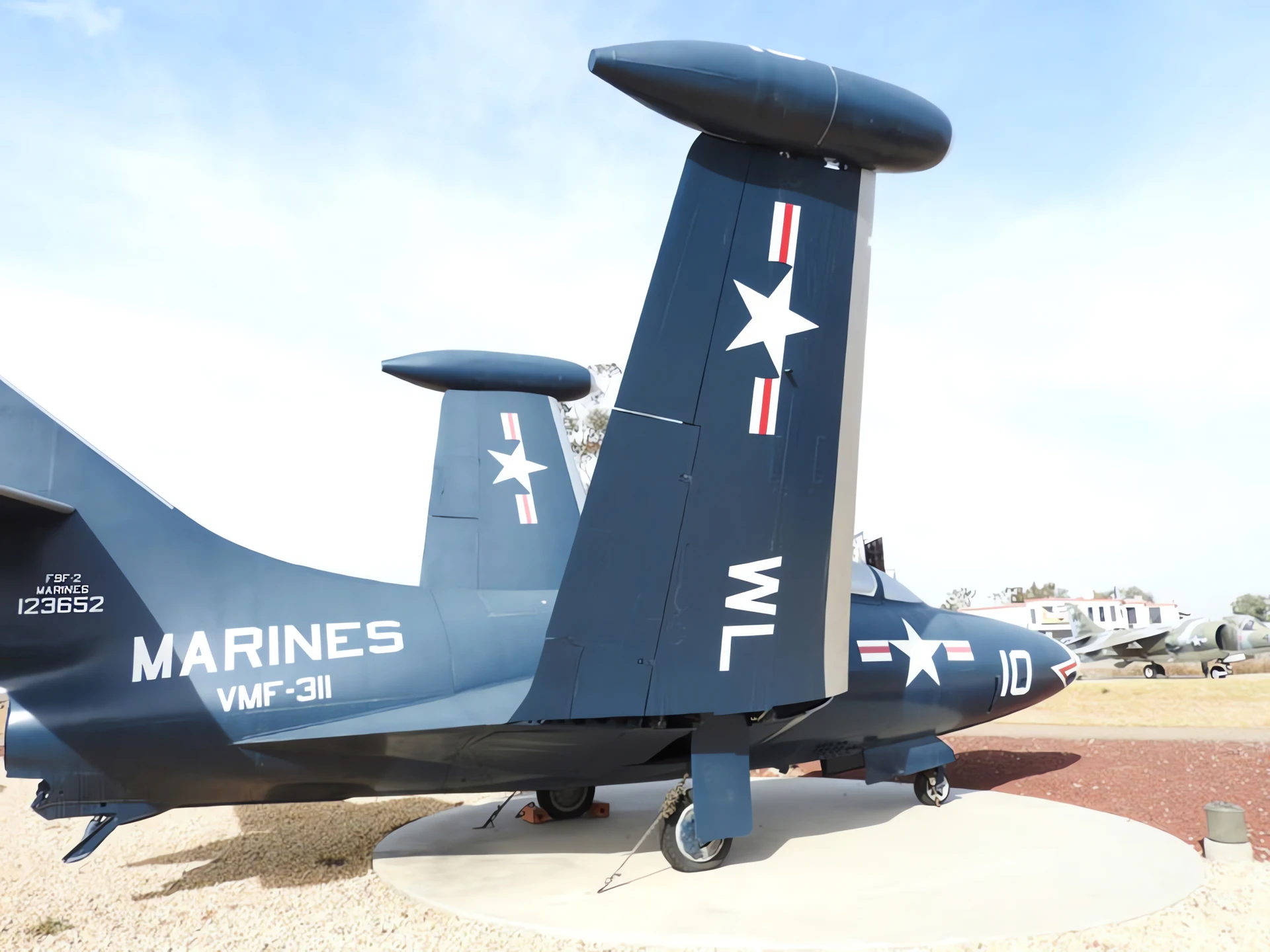
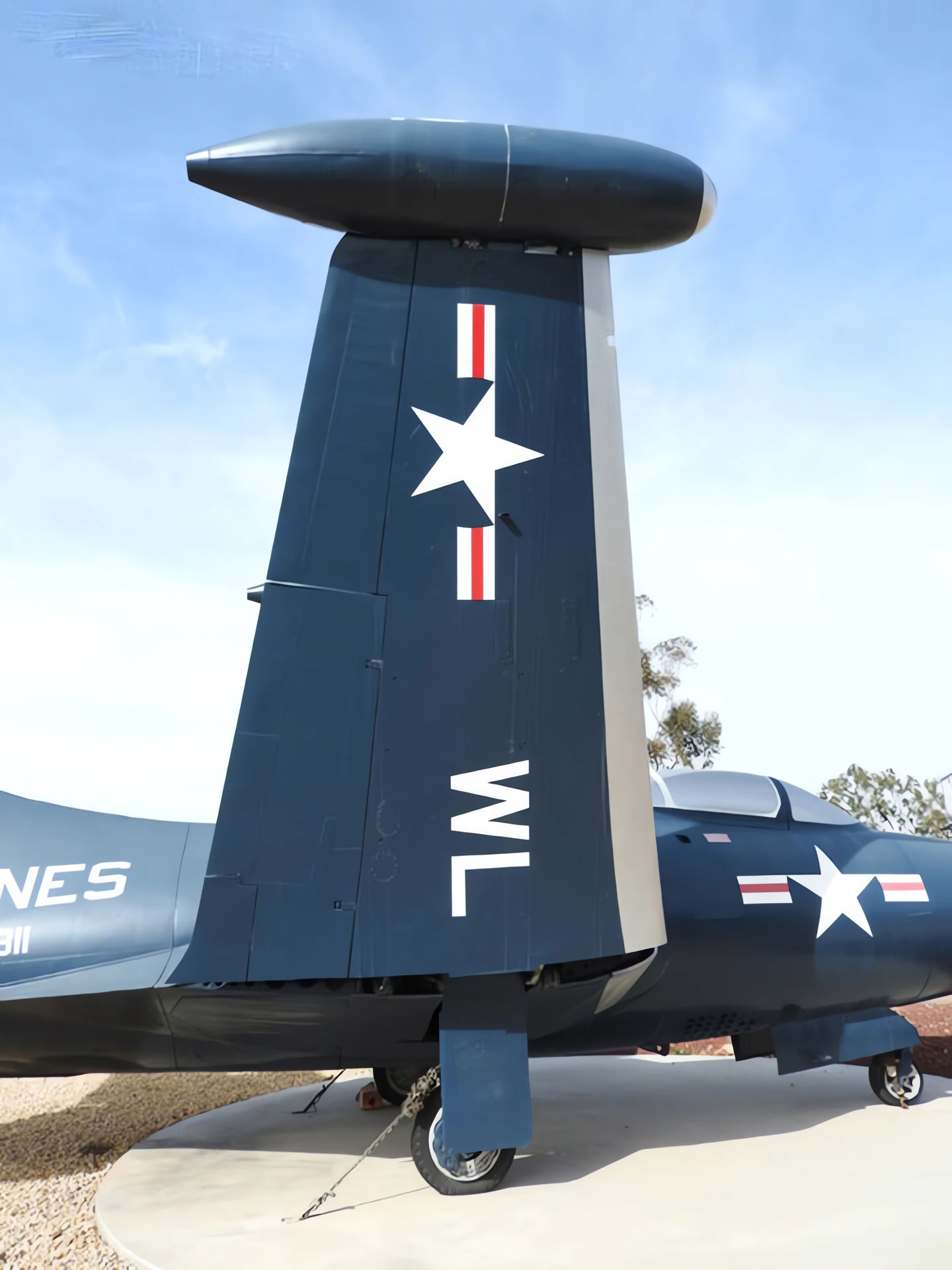
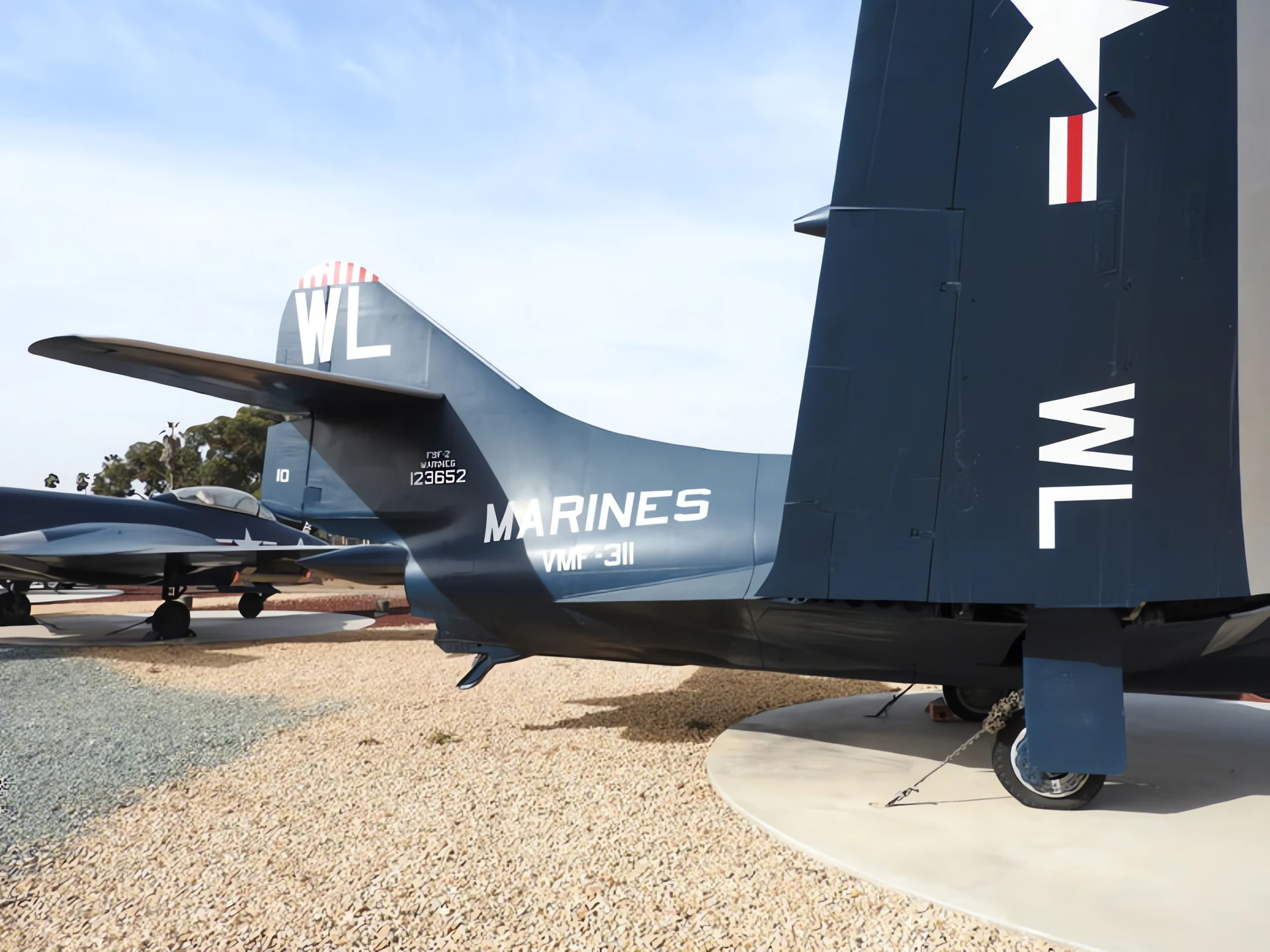

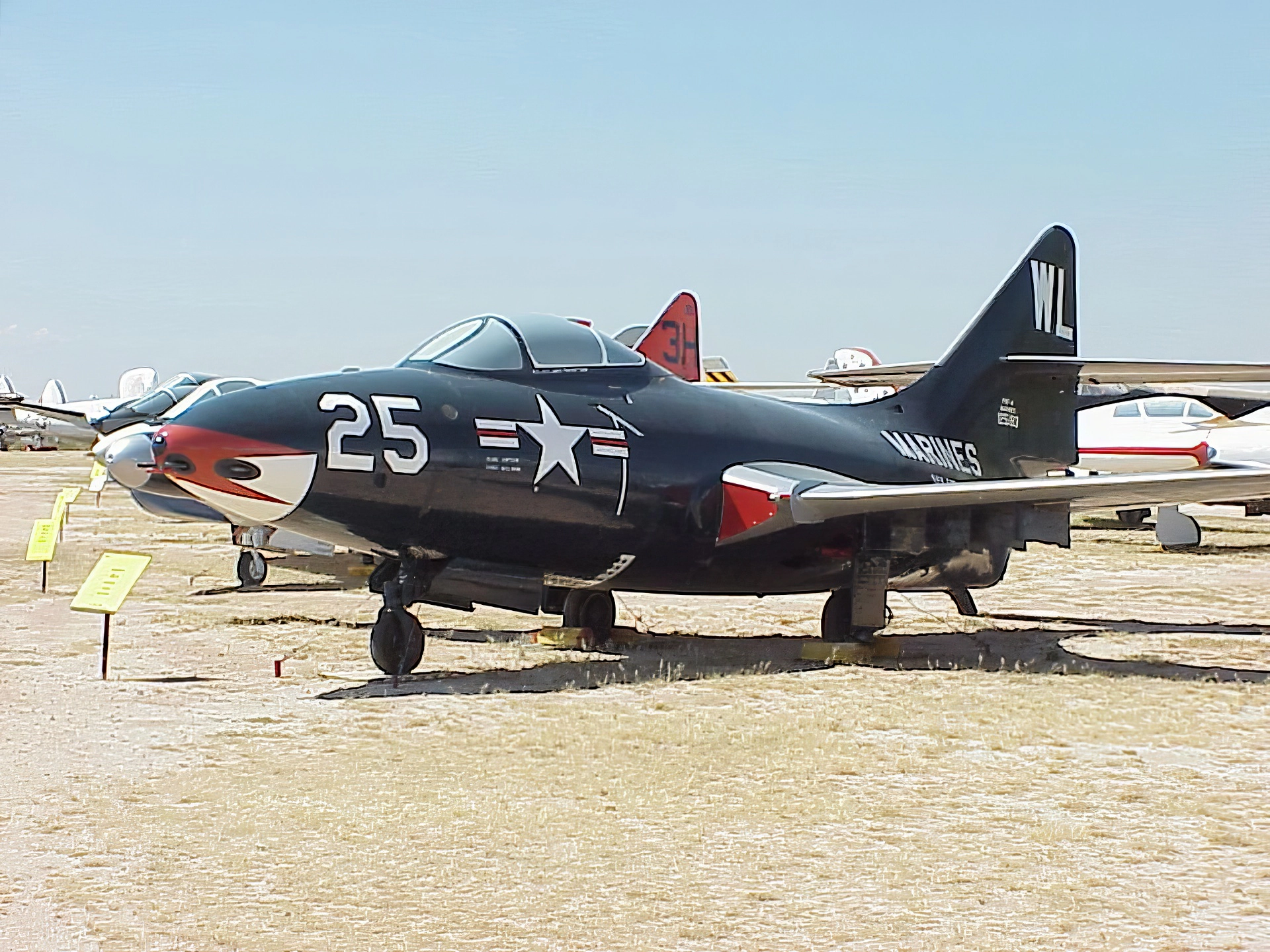
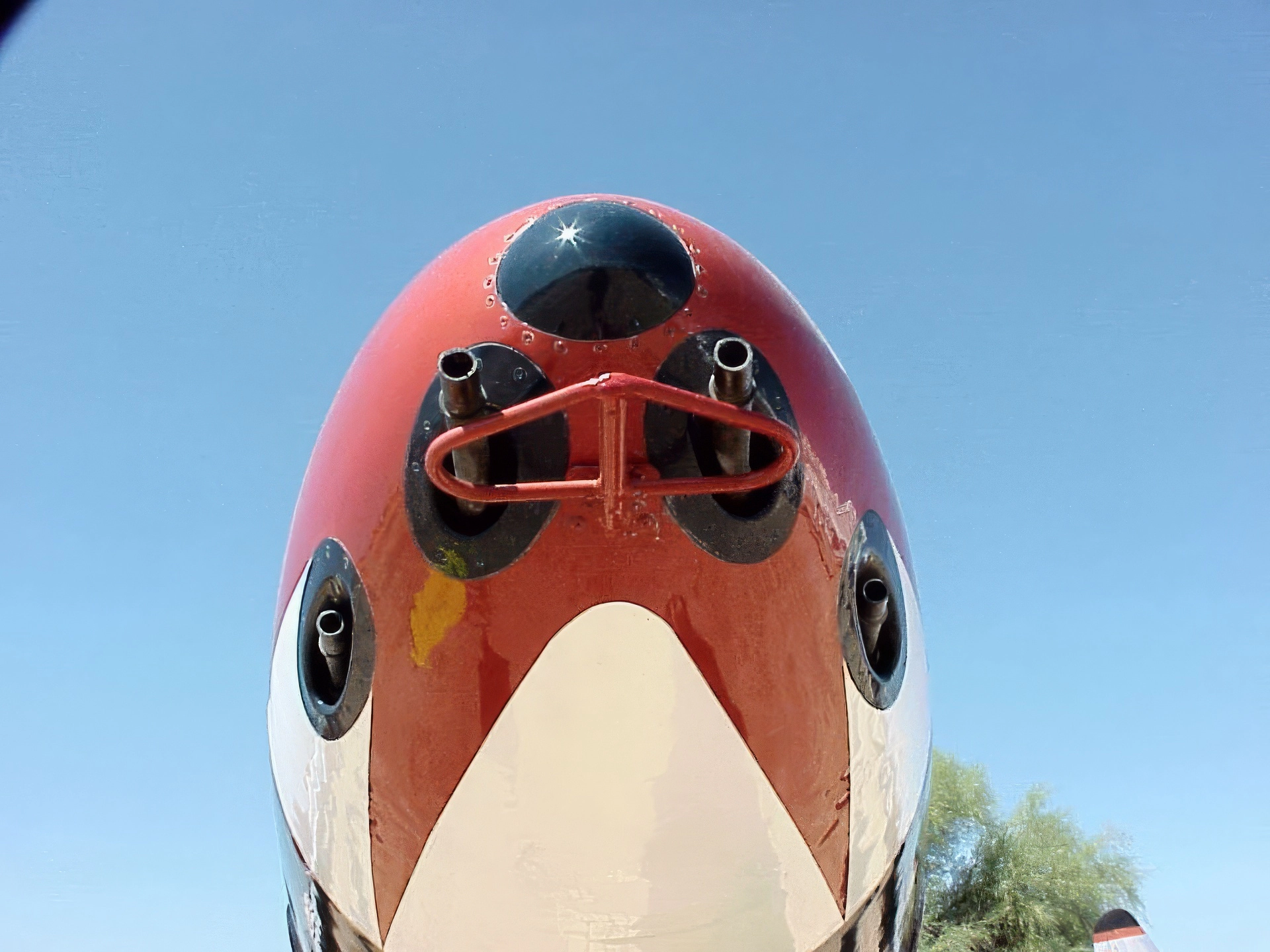
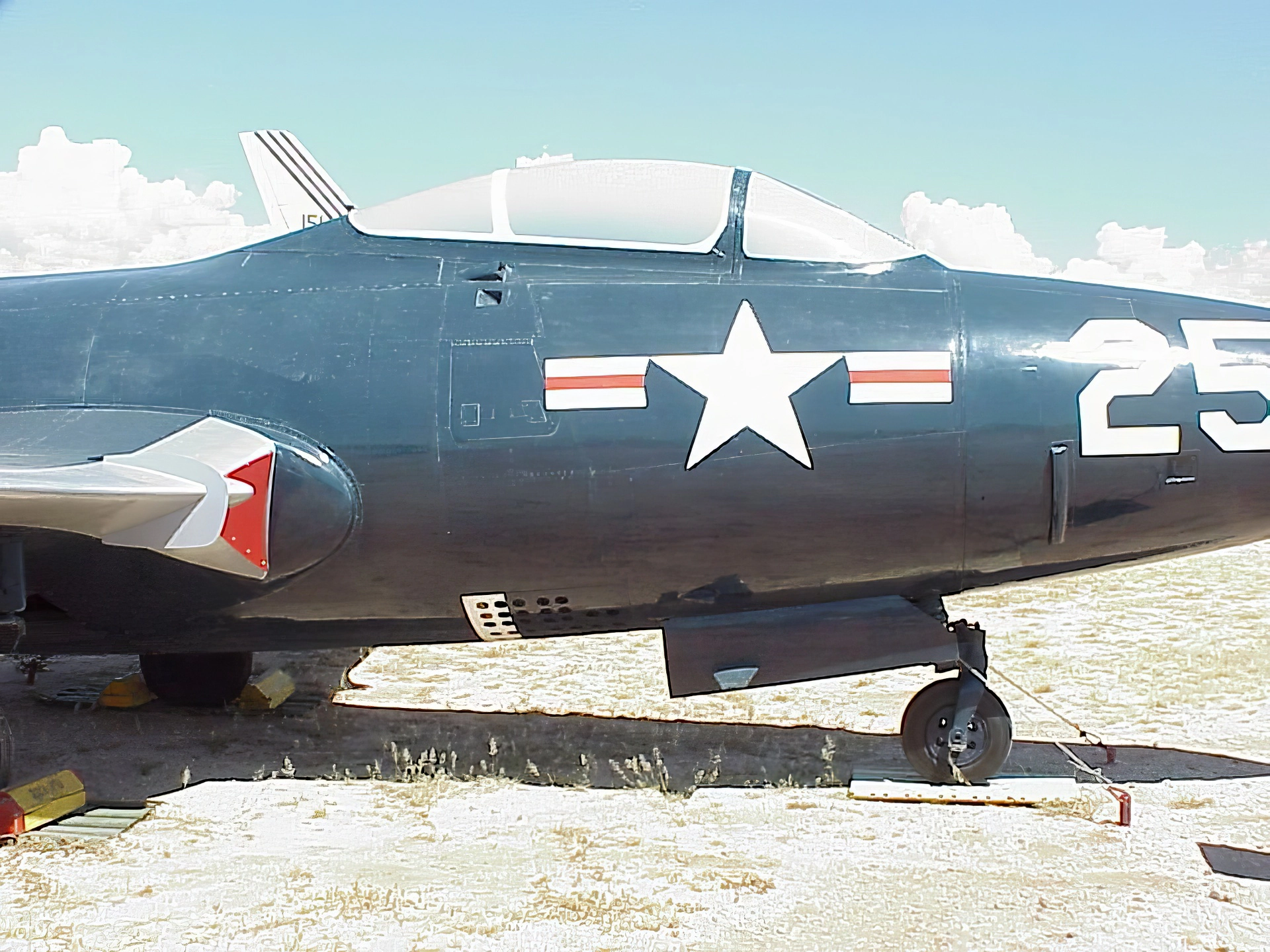
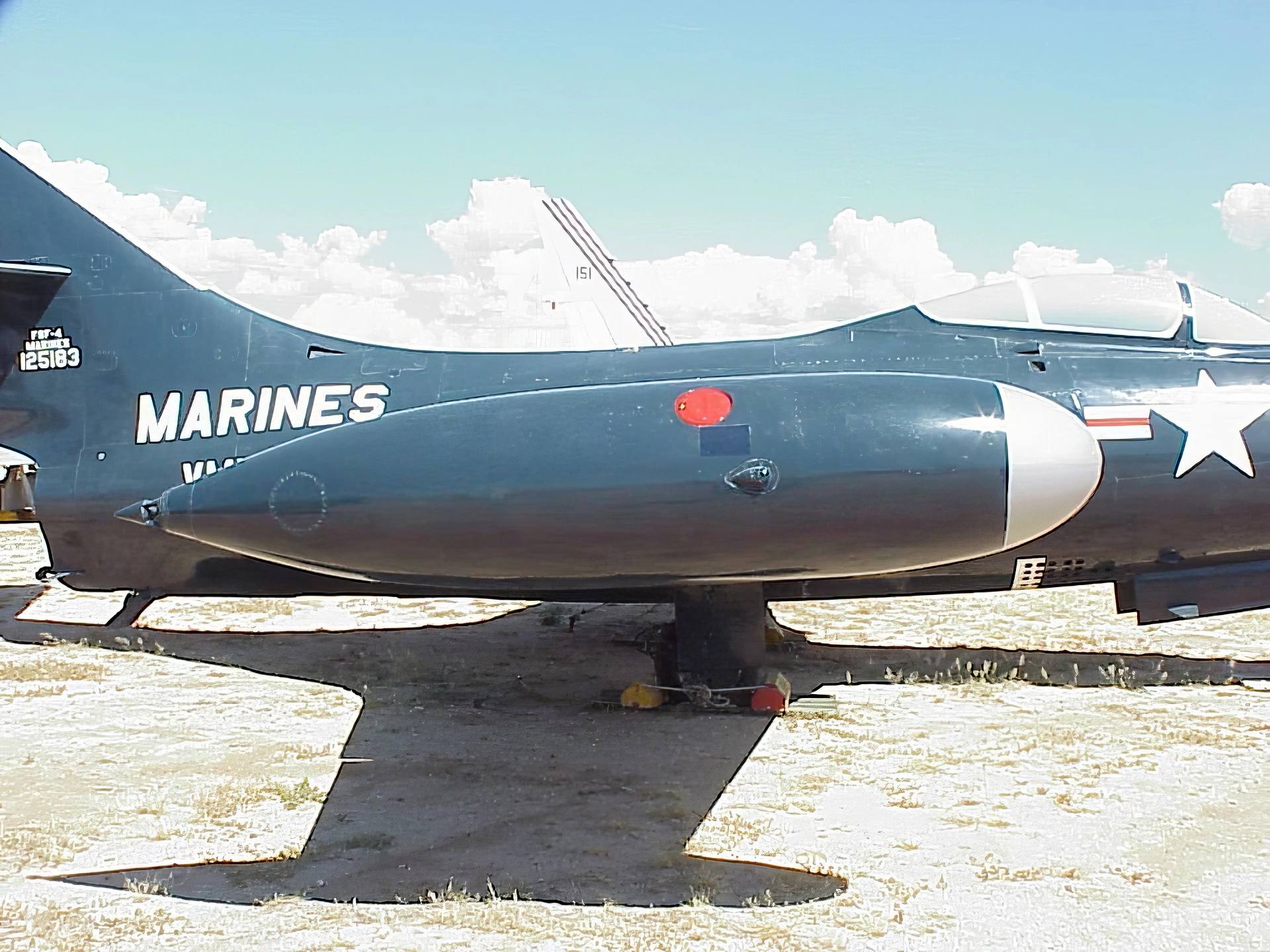
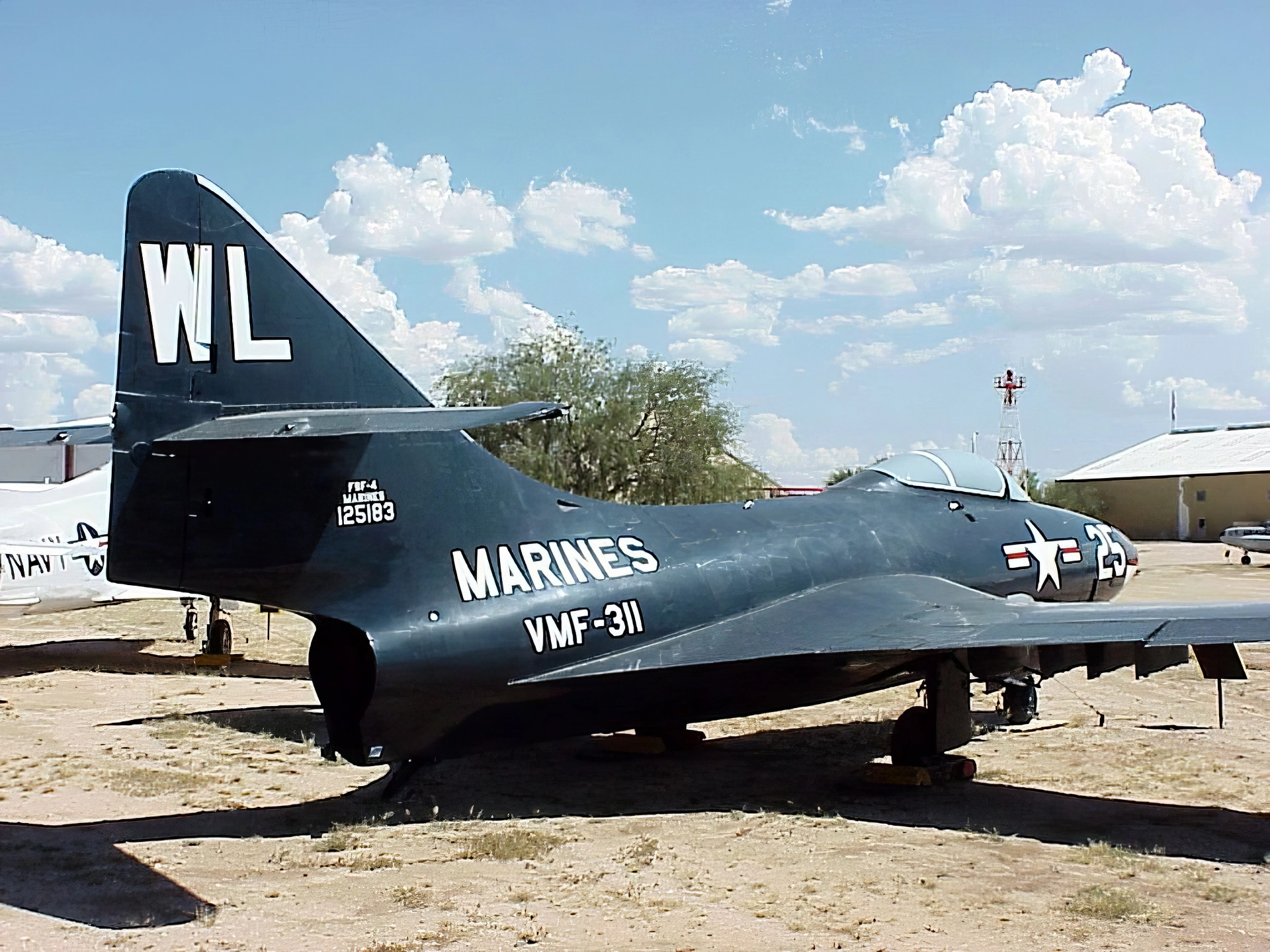


 Grumman F9F Panther - Valokuvat ja videot
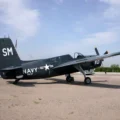 Grumman AF Guardian – Valokuvat & Videot
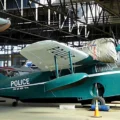 Grumman G-21 Goose – Valokuvat & Videot
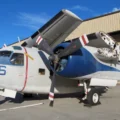 Grumman C-1 Trader – Valokuvat & Video
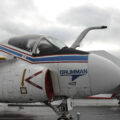 Grumman A-6A tunkeilija – Valokuvat ja video
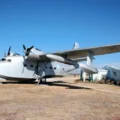 Grumman HU-16 Albatross – Valokuvat ja video
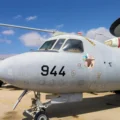 Northrop Grumman E-2 Hawkeye – WalkAround
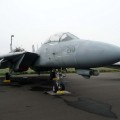 Grumman F-14 Tomcat – WalkAround
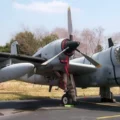 Grumman OV-1 Mohawk – Kävele
 Grumman FM-2 Wildcat – WalkAround