162 - US Destroyers 1934-45 - Pre-war classes

Osprey-julkaisu

Viite

New Vanguard 182

ISBN9781846034435
Tekijä
KuvittajaPaul Wright

Allekirjoitetut asiakirjat Osprey-julkaisu le livre «US Destroyers 1934–45: Pre-war -luokat - NEW VANGUARD 162».

Since the beginning of the 20th century, destroyers have been all-purpose ships, indispensable in roles large and small – from delivering the mail at sea to screening other vessels and, where larger ships were not present, forming the front line in battle. This title details the 169 ships of ten classes introduced in the 1930s: early 1,500-tonners and 1,850-ton destroyer leaders designed to conform to the 1930 London Naval Treaty, plus the successor 1,570-ton Sims class and 1,620- and 1,630-ton Benson and Gleaves classes. In wartime, most 1,500-tonners and leaders initially saw front line duty in the Pacific but were relegated to secondary assignments as newer vessels arrived; while the later 1,620- and 1,630-tonners became the standard destroyers of the Atlantic War. This volume reveals the fascinating design story behind these pioneering classes – from the constraints of peacetime treaties to advances in propulsion engineering, and wartime modifications. With an operational overview of their service and tables listing all ships by class, builder, and initial squadron, this is the definitive guide to the pre-war US destroyer classes.

Lähde: Osprey Publishing

Jatka lukemista

Katsottu: 739

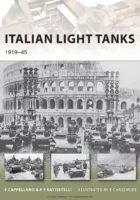
191 - Italialaiset kevyet panssarivaunut 1919-45

Osprey-julkaisu

Viite

New Vanguard 191

ISBN9781849087773
Tekijä
KuvittajaRichard Chasemore

The Italian army, unlike those of the British and French, did not use tanks in combat during World War I and, by November 1918, only one training unit equipped with French Schneider and Renault tanks had been formed. Consequently, during the 1920s the Italian army had just one single tank type in its armoured inventory – the Fiat 3000. Only in 1927 was the first tank unit formed as a branch of the infantry and not as an independent organization, while the cavalry rejected the idea of both tanks and armoured cars and decided to stand by the use of horses for its mounted units. Between 1933 and March 1939, a further 2,724 CV 33 / L 3 tanks were built, 1,216 of which were exported all over the world. By the time Italy entered the war in June 1940, the army had 1,284 light tanks, 855 of which were in combat units, including three armoured divisions. Variants of the CV 33 / L 3 tanks included flame-throwers, bridge-layers, recovery vehicles, and a radio command tank. Some L 3 tanks were still in use in 1945, by both the Germans and the German-allied Italian units of the Repubblica Sociale.

Lähde: Osprey-julkaisu

Jatka lukemista

Katsottu : 912

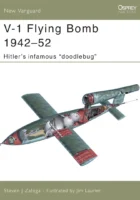
106 - V-1 Flying Bomb Hitler’s infamous doodlebug

Osprey-julkaisu

Viite

New Vanguard 106

ISBN9781841767918
Tekijä
KuvittajaJim Laurier

Allekirjoitetut asiakirjat Osprey-julkaisu le livre «V-1 lentävä pommi 1942–52 - UUSI ETUJOUKKO 106».

Ensimmäinen käyttöönotto V-1 oli kesäkuussa 1944, kun kahden vuoden testien jälkeen Hitler antoi käskyn hyökätä Englantiin. Liittoutuneiden tuntema Buzz Bomb tai Doodlebug, V-1 oli maailman ensimmäinen risteilyohjus. Tämä kirja tutkii V-1 yksityiskohtaisesti alkuperäisestä konseptistaan, ensimmäisestä käytöstä vuonna 1944, erilaisista liittoutuneiden vastatoimista ja V-1: n myöhemmästä käytöstä Bulgen taistelun aikana. Tärkeimmät ulkomaiset johdannaiset, mukaan lukien yhdysvaltalainen kopio JB-2 Loon ja lukuisat sodanjälkeiset Neuvostoliiton muunnelmat, kuuluvat myös soveltamisalaan.

Lähde: Osprey Publishing

Jatka lukemista

Katsottu : 613

Grumman F-14 Tomcat - WalkAround

Grumman F-14 Tomcat

MaaYhdysvallat
Tyyppi

Muuttuvan pyyhkäisyn siipihävittäjälentokoneet

Ensimmäinen lento21 päivänä joulukuuta 1970
Rakennettu712

Nniiden Grumman F-14 Tomcat on yliääni-, kaksimoottorinen, kaksipaikkainen, vaihtelevan pyyhkäisysiiven hävittäjälentokone. Tomcat kehitettiin Yhdysvaltain laivaston laivaston merivoimien hävittäjäkoeohjelmaan (VFX) F-111B-projektin romahdettua. F-14 oli ensimmäinen amerikkalaisista teinisarjan hävittäjistä, jotka suunniteltiin sisällyttämään kokemusta ilmataistelusta MiG-hävittäjiä vastaan Vietnamin sodan aikana.

Lähde: F-14 Tomcat Wikipediassa

Jatka lukemista

Katselut : 18515

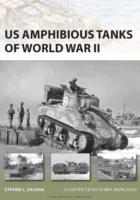
192 - Yhdysvaltain amfibiopanssarivaunut toisessa maailmansodassa

Osprey-julkaisu

Viite

New Vanguard 192

ISBN9781849086363
Tekijä
KuvittajaHenry Morshead

Yhdistettyjen aseoperaatioiden tulo toisessa maailmansodassa loi tarpeen erikoistuneille panssaroiduille ajoneuvoille. Amfibiohyökkäysten tapauksessa nousi esiin kysymys siitä, miten panssarivaunut voidaan parhaiten laskea rannalle. Vaikka erilaisia erikoistuneita maihinnousualuksia kehitettiin, Dieppen hyökkäys vuonna 1942 rohkaisi kehittämään panssarivaunuja, joita voitiin sijoittaa kauempana rannikolla LCT-alusten haavoittuvuuden rajoittamiseksi. Heidän kehittämiään syväkahluulaitteita käytettiin ensimmäisen kerran operaatio Huskyn aikana Sisiliassa heinäkuussa 1943 ja myöhemmin operaatioissa Avalanche (Salerno, syyskuu 1943), Shingle (Anzio, tammikuu 1944) ja Overlord (Normandia, kesäkuu 1944). Yhdysvaltalaisvalmisteisia DD-panssarivaunuja käyttivät Overlordin aikana sekä Yhdysvaltain että Britannian joukot ja uudelleen vuonna 1945 Reinin ylityksissä. Aluksi Tyynenmeren teatterin kehitys oli erillään Euroopan kehityksestä. Merijalkaväki oppi Tarawan maihinnoususta vuonna 1943, että valmistelemattomia panssarivaunuja ei voitu laskea turvallisesti edes matalaan veteen. DD-panssarivaunuja ei koskaan harkittu vakavasti Tyynellämerellä, joten muita ratkaisuja etsittiin. Yksityiskohtainen tutkimus erikoistuneista yhdysvaltalaisista amfibiosäiliöistä, tämä on nimike, joka vetoaa sekä Tyynenmeren että Euroopan teattereista kiinnostuneisiin, mallintajiin ja keräilijöihin.

Lähde: Osprey Publishing

Jatka lukemista

Näkymät : 1264

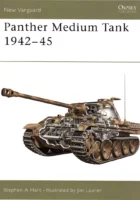
067 - Panther keskikokoinen säiliö 1942-45

Osprey-julkaisu

Viite

New Vanguard 67

ISBN9781841765433
Tekijä
KuvittajaJim Laurier

Allekirjoitetut asiakirjat Osprey-julkaisu le livre «Panther Medium Tank 1942–45 - UUSI ETUJOUKKO 67».

Nniiden Panzerkampfwagen V Pantteri on yksi tunnetuimmista saksalaisista panssarivaunuista ja sitä pidetään yhtenä toisen maailmansodan suurimmista tankeista. Kun kesäkuussa 1941 Saksa hyökkäsi Venäjälle, Panzertruppe kohtasi KV-sarjan ja T-34/76-panssarivaunut, jotka olivat tulivoimaltaan ja panssarisuojaukseltaan paljon parempia kuin mikään tuolloin käytössä ollut panssarivaunu. Siksi päätettiin suunnitella uusi tehokkaampi keskikokoinen säiliö, joka voitaisiin ottaa nopeasti tuotantoon. Tässä kirjassa kerrotaan yksityiskohtaisesti tuloksesta, Medium Battle Tankista, joka oli käytettävissä tammikuussa 1943. Myöhemmät mallit varmistivat, että siitä tuli yksi toisen maailmansodan pelätyimmistä säiliöistä.

Lähde: osprey

Jatka lukemista

Katsottu: 968

194 - British Light Cruisers 1939-45

Osprey Publishing

Ref

New Vanguard 194

ISBN9781849086844
Author
IllustratorPaul Wright

Allekirjoitettu kirja Osprey-julkaisu the book «British Light Cruisers 1939-45 – NEW VANGUARD 194» .

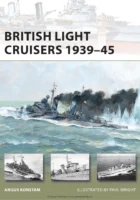
The light cruiser was a natural development of the sailing frigate – a fast multi-purpose warship that could patrol the sea lanes, protect convoys and scout for enemy battle fleets. By the inter-war period the need for this type of ship was even more important, given the increasing need for protection from aircraft, and the need to screen the fleet from submarines or destroyers. Wartime experience had shown that the British light cruiser was one of the most versatile types of ship in the Royal Navy, able to protect other warships, bombard enemy shores, guard life-saving convoys and intercept and destroy enemy warships. These were truly the workhorses of the wartime Royal Navy. While the battleships and carriers grabbed the headlines, these sleek, elegant warships quietly got on with the job of securing control of the seas.

Lähde: Osprey

Jatka lukemista

Katsottu: 672

Boeing NB-52A Stratofortress - WalkAround

Boeing NB-52A Stratofortress

MaaYhdysvallat
Tyyppi

Pitkän kantaman, subsoninen, suihkukäyttöinen strateginen pommikone

Ensimmäinen lento15. huhtikuuta 1952
Rakennettu744

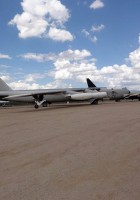
Photo gallery of a Boeing NB-52A Stratofortress, The Boeing B-52 Stratofortress is a long-range, subsonic, jet-powered strategic bomber. The B-52 was designed and built by Boeing, who have continued to provide support and upgrades. It has been operated by the United States Air Force (USAF) since the 1950s. The bomber carries up to 70,000 pounds (32,000 kg) of weapons. Beginning with the successful contract bid in June 1946, the B-52 design evolved from a straight-wing aircraft powered by six turboprop engines to the final prototype YB-52 with eight turbojet engines and swept wings. The B-52 took its maiden flight in April 1952. Built to carry nuclear weapons for Cold War-era deterrence missions, the B-52 Stratofortress replaced the Convair B-36. Although a veteran of several wars, the Stratofortress has dropped only conventional munitions in combat. Its Stratofortress name is rarely used outside of official contexts; it has been referred to by Air Force personnel as the BUFF (Big Ugly Fat/Flying Fucker/Fellow).

Lähde: Boeing NB-52A Stratofortress Wikipediassa

Jatka lukemista

Katsottu : 2316

Austro-Hungarian Battleships 1914-18 - NEW VANGUARD 193

Osprey-julkaisu

Viite

New Vanguard 193

ISBN9781849086882
Tekijä
KuvittajaPaul Wright

Allekirjoitettu kirja Osprey-julkaisu the book «Austro-Hungarian Battleships 1914-18 – NEW VANGUARD 193» .

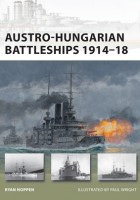
Austria-Hungary did not have an overseas empire; its empire lay within its own boundaries and the primary purpose of its navy until the beginning of the twentieth century was the defense of its coastline. As its merchant marine dramatically grew, admirals believed that the navy should take a more proactive policy of defense. The 1890s saw the beginning of a series of naval building programs that would create a well-balanced modern fleet. Cruisers were constructed for the protection of overseas trade and for “showing the flag” but the decisive projection of Austria-Hungary’s commitment to control the Adriatic was the construction of a force of modern battleships. Despite the naval arms race throughout Europe at the time, the navy had difficulty obtaining funds for new ships. The difficulties experienced in battleship funding and construction mirrored the political difficulties and ethnic rivalries within the empire. Nevertheless by August of 1914, the Austro-Hungarian had a fleet of battleships. This book details the five classes of Austro-Hungarian battleships in service during World War I.

Lähde: Osprey-julkaisu

Jatka lukemista

Views : 1072

88 mm Hiutaleet 18/36/37/41 ja PaK 43 1936–45 - UUSI VANGUARD 46

Osprey-julkaisu

Viite

New Vanguard 46

ISBN9781841763415
Tekijä
KuvittajaMike Fuller

Un livre signé -merkki Osprey-julkaisu le livre «88 mm FlaK 18/36/37/41 and PaK 43 1936–45 – NEW VANGUARD 46» .

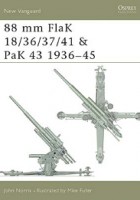
The German 88 mm was by far the most famous and versatile artillery weapon of World War II. It was first used as an anti-aircraft weapon by the Condor Legion during the Spanish Civil War and saw further service in the German invasions of Poland and France, where it was first used in its anti-tank role. This role was particularly successful and the 88 became feared by tank crews from North Africa to Russia. Apart from these two main roles the 88 mm was used as the main weapon on late-war German tanks, as a self-propelled gun, and even as an aerial weapon. This book covers all these variants, explaining their design, development and operational use.

Lähde: osprey

Jatka lukemista

Views : 973