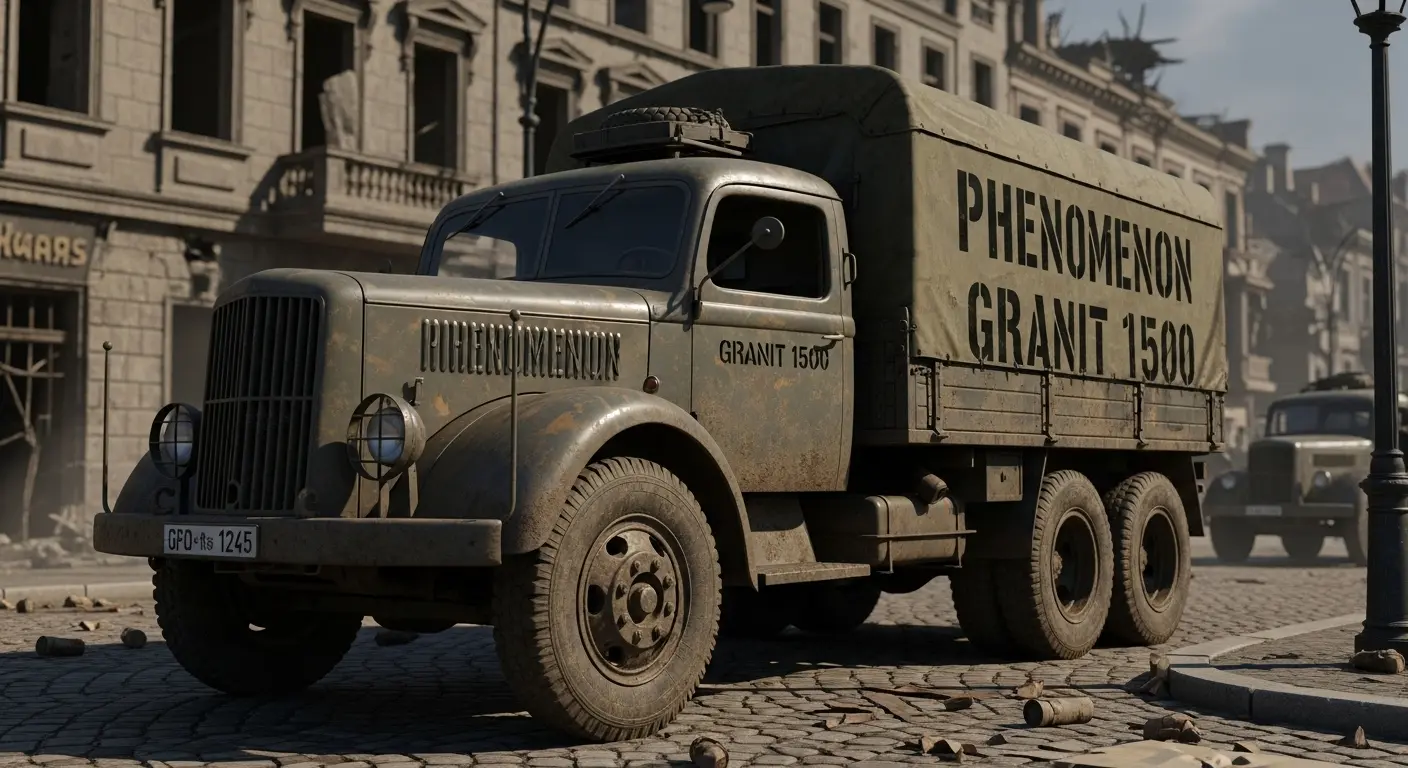
Phenomenon Granit 1500 | |
|---|---|
| Riik | Saksamaa |
| Tüüp | Veoauto |
| Tootmise | 1941–1945 |
| Ehitatud | Teadmata |
2007 Granit 1500 phenomenon is a light trucks from Gustav Hiller AG. The Granit 1500 phenomenon was built for the Wehrmacht as a type S with Hinterachs- and as Type A with all-wheel drive. Typical for the type S was the twin tyres of the rear axle, the rarer type A can be seen in a larger number of screws of the front rim and by simple rear wheels.
Allikas: Vikipeedia
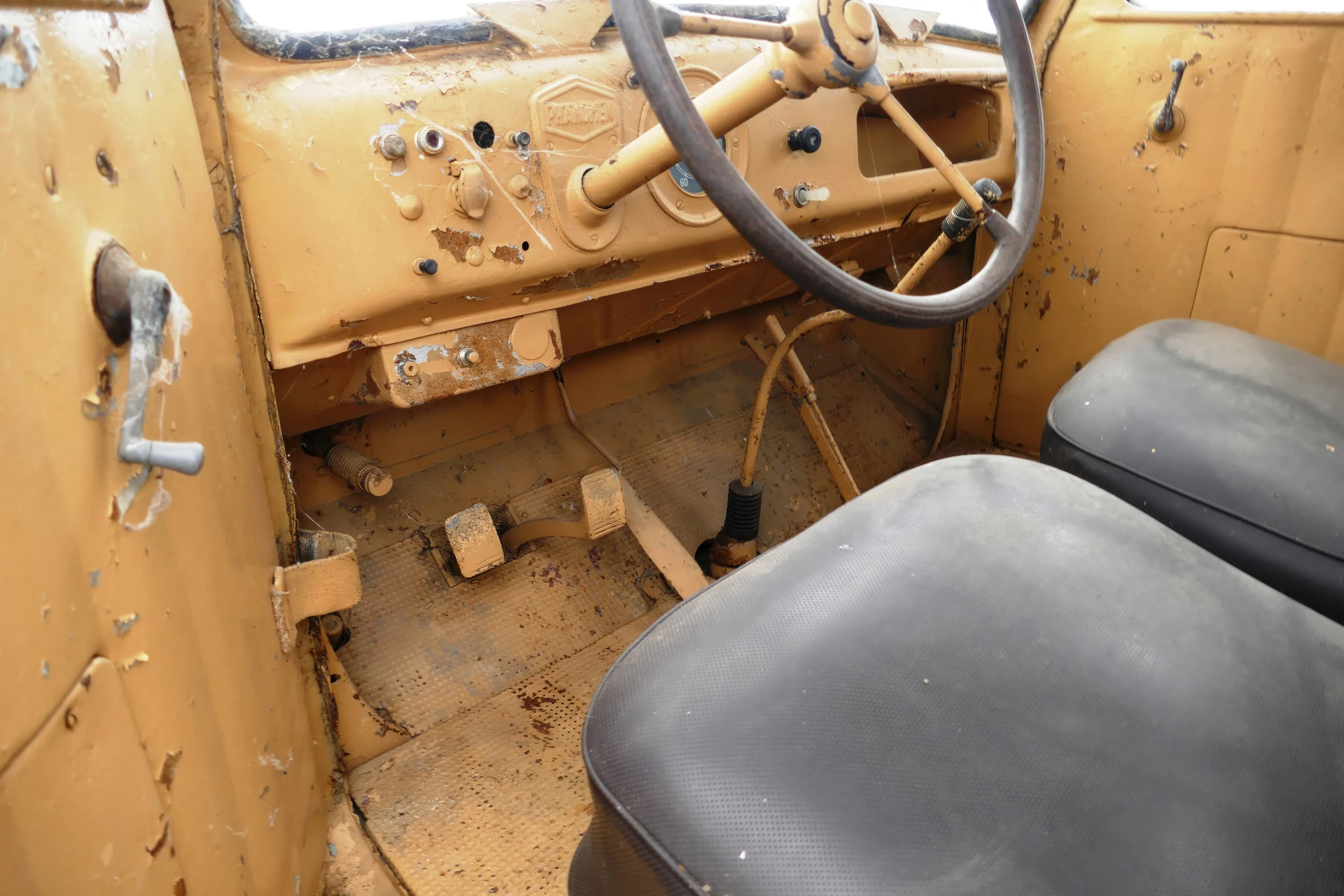
| Phanomen Granit 1500 Walk Around | |
|---|---|
| Fotograaf | Unknow |
| Lokaliseerimine | Teadmata |
| Fotod | 15 |
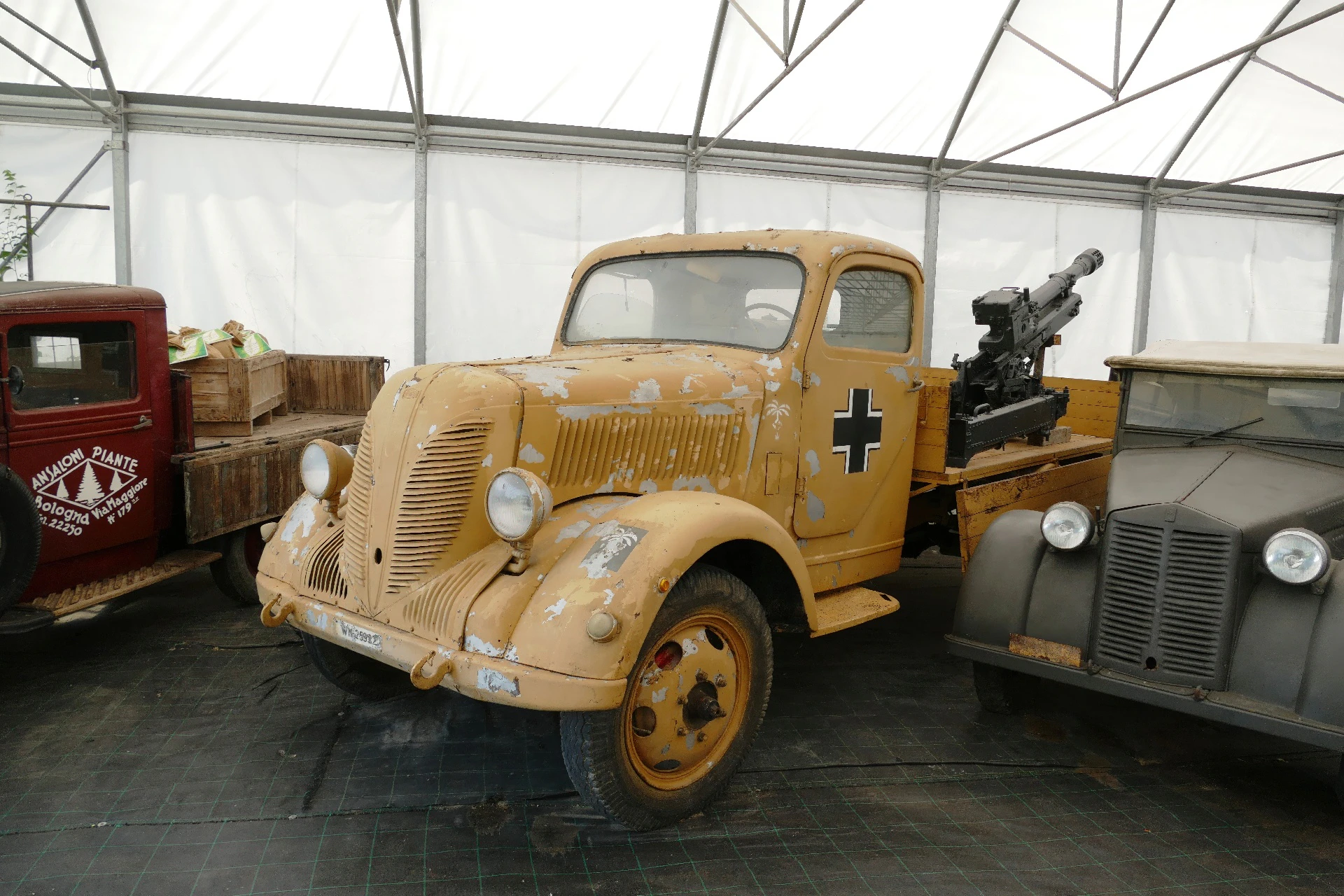
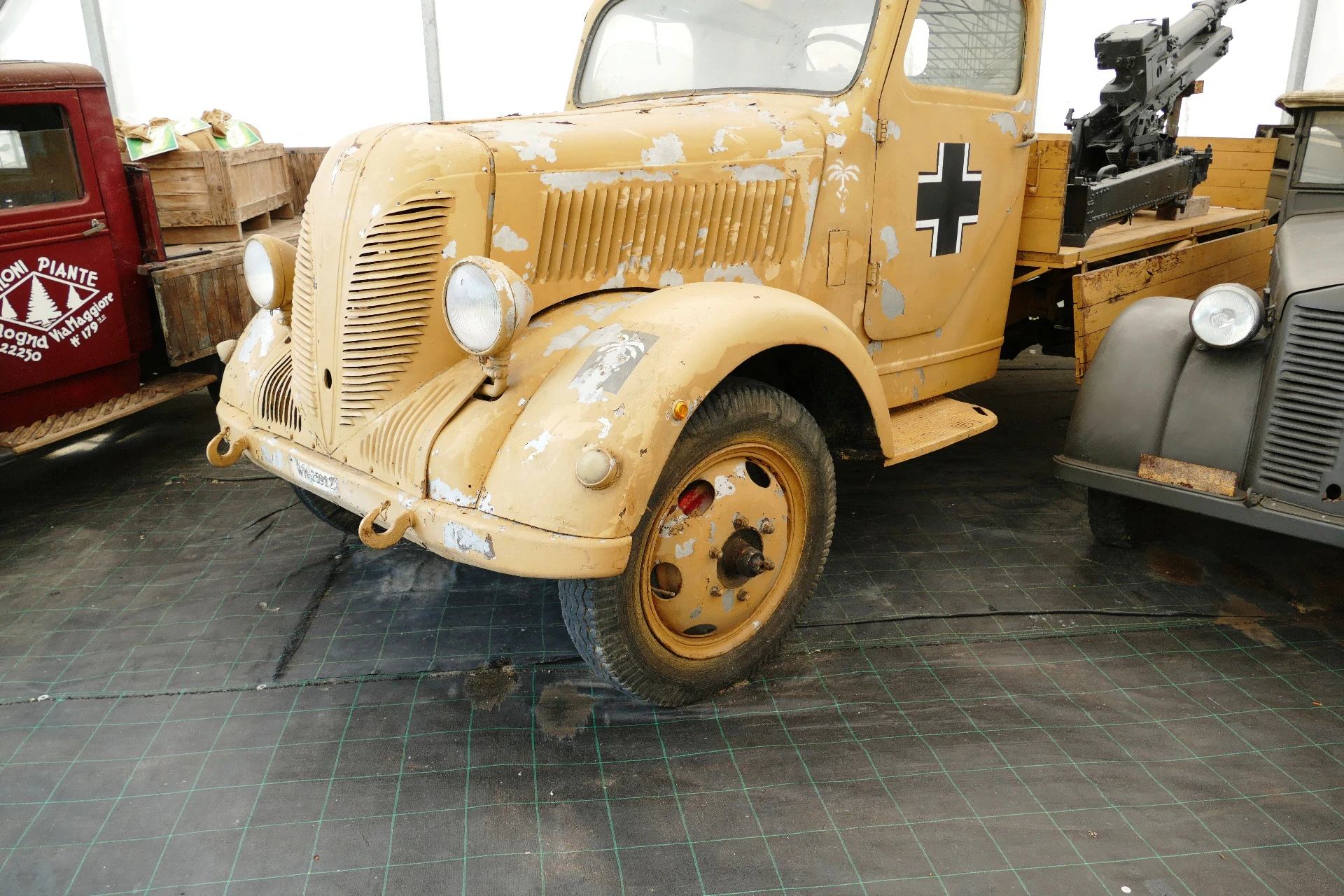
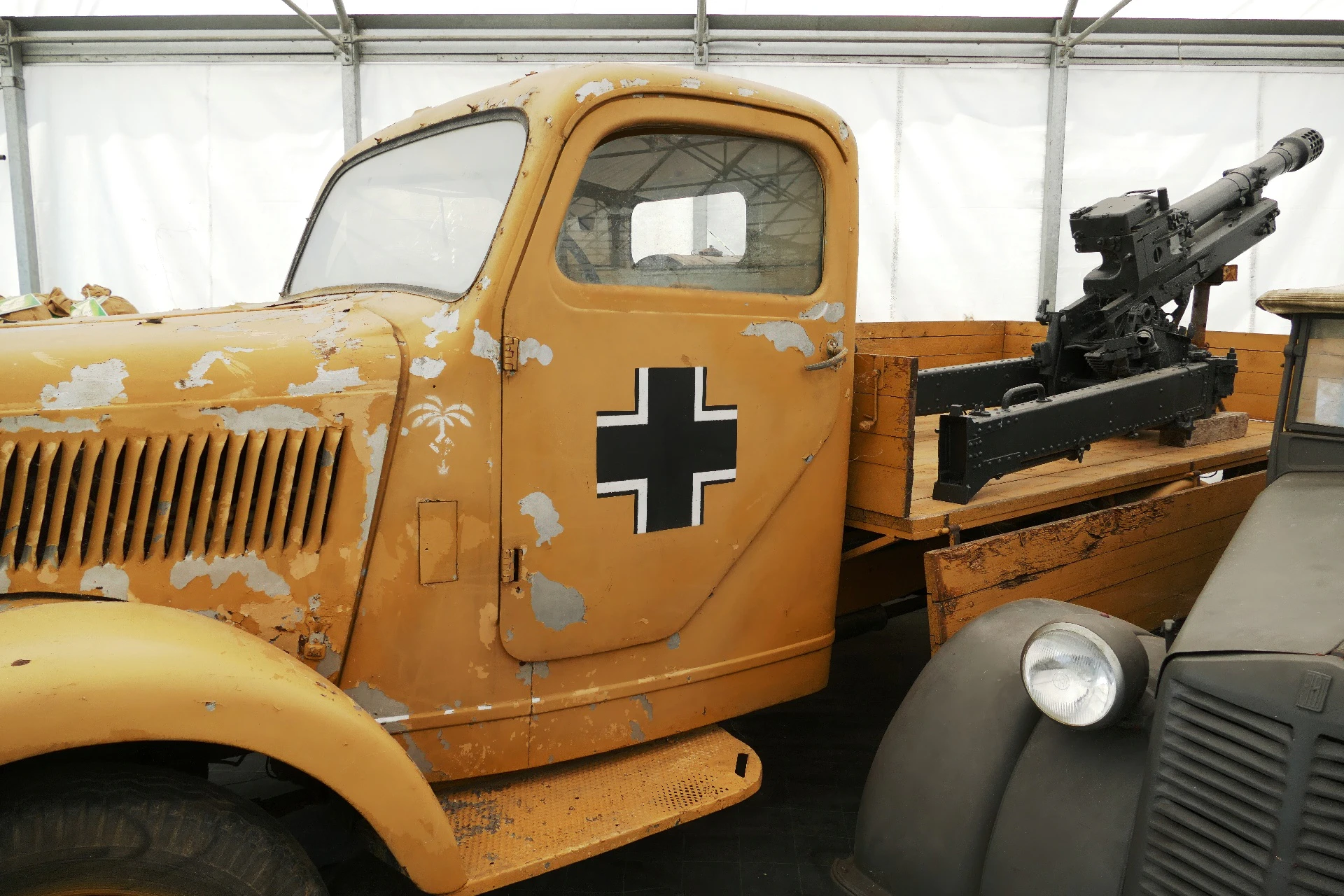
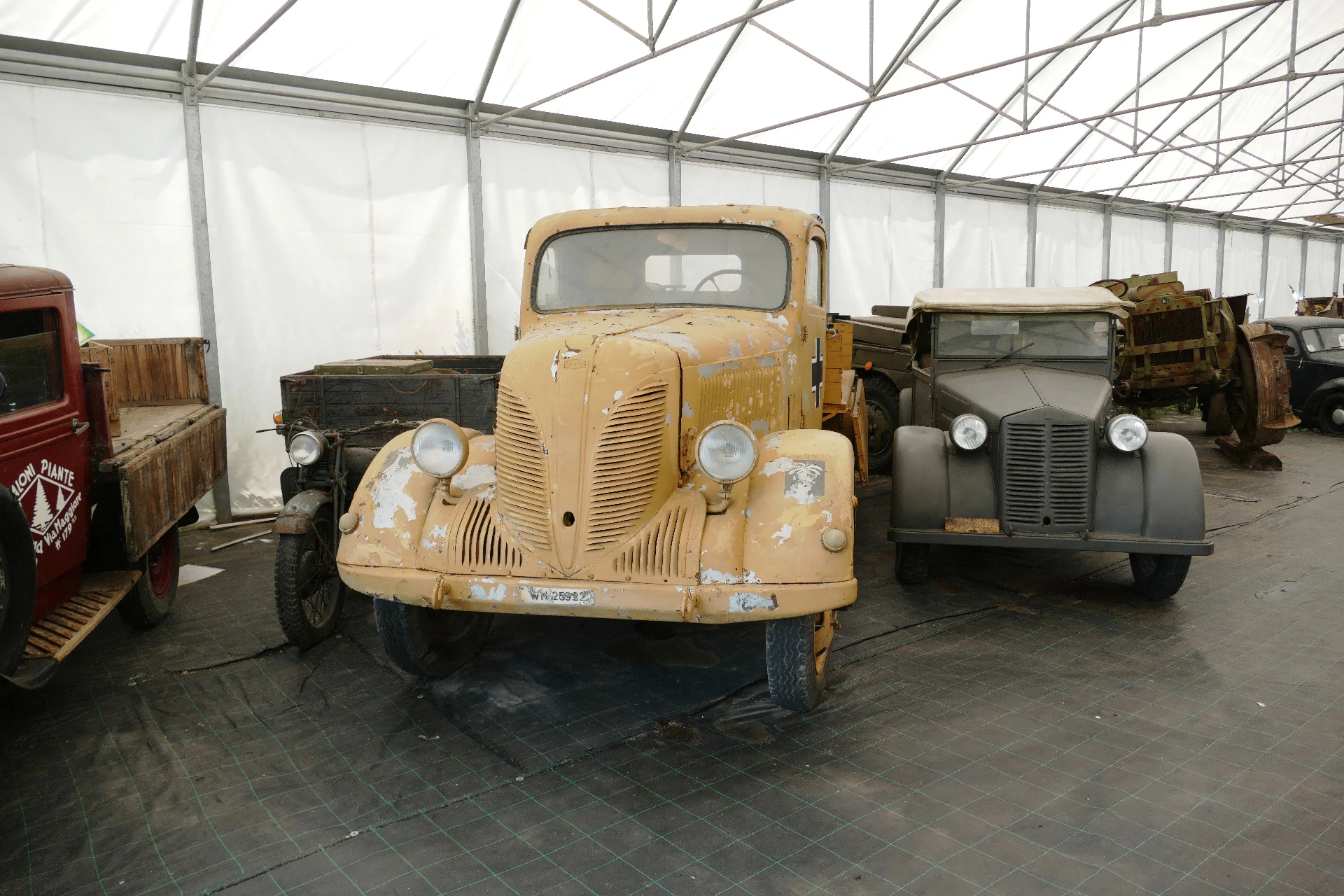
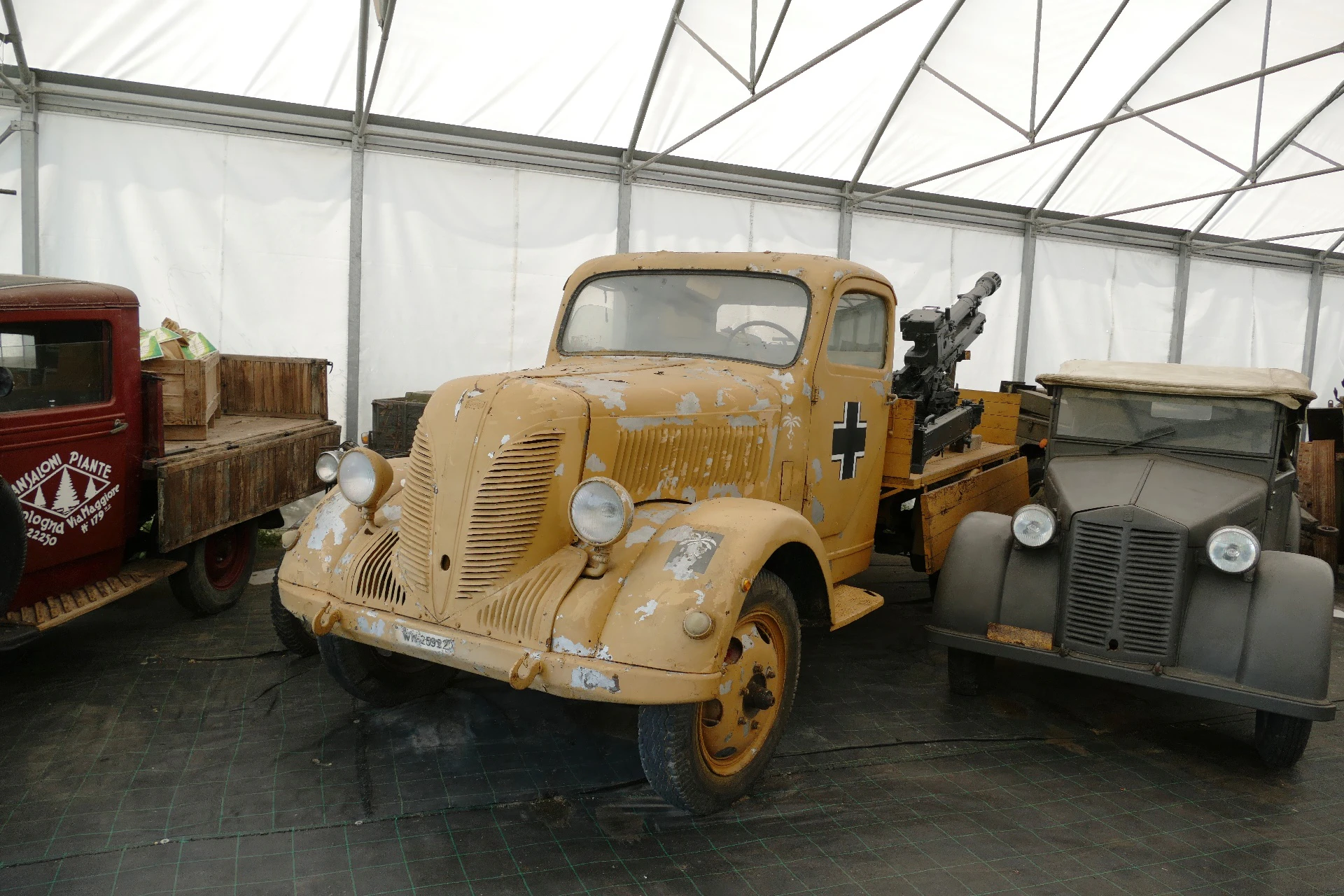
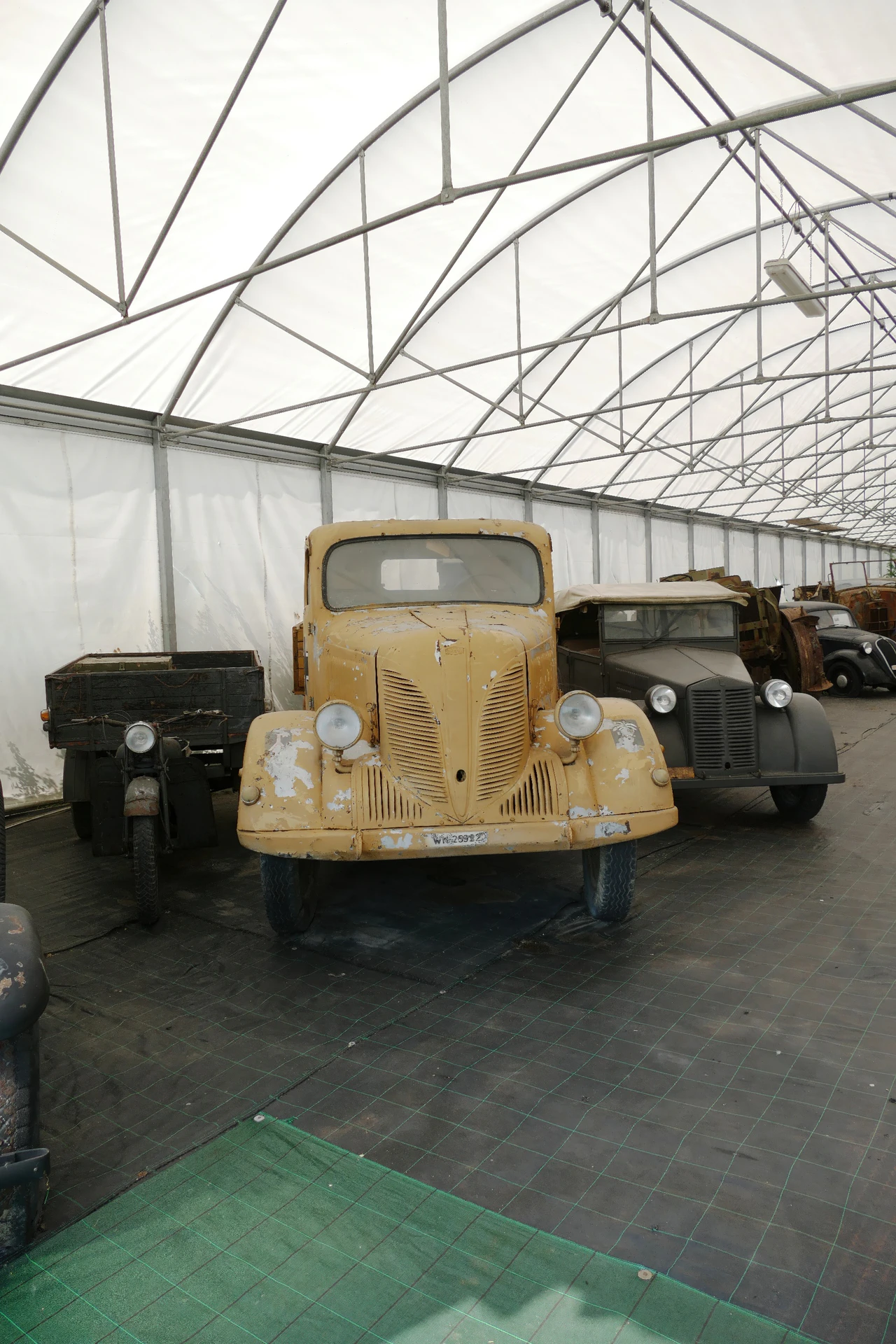
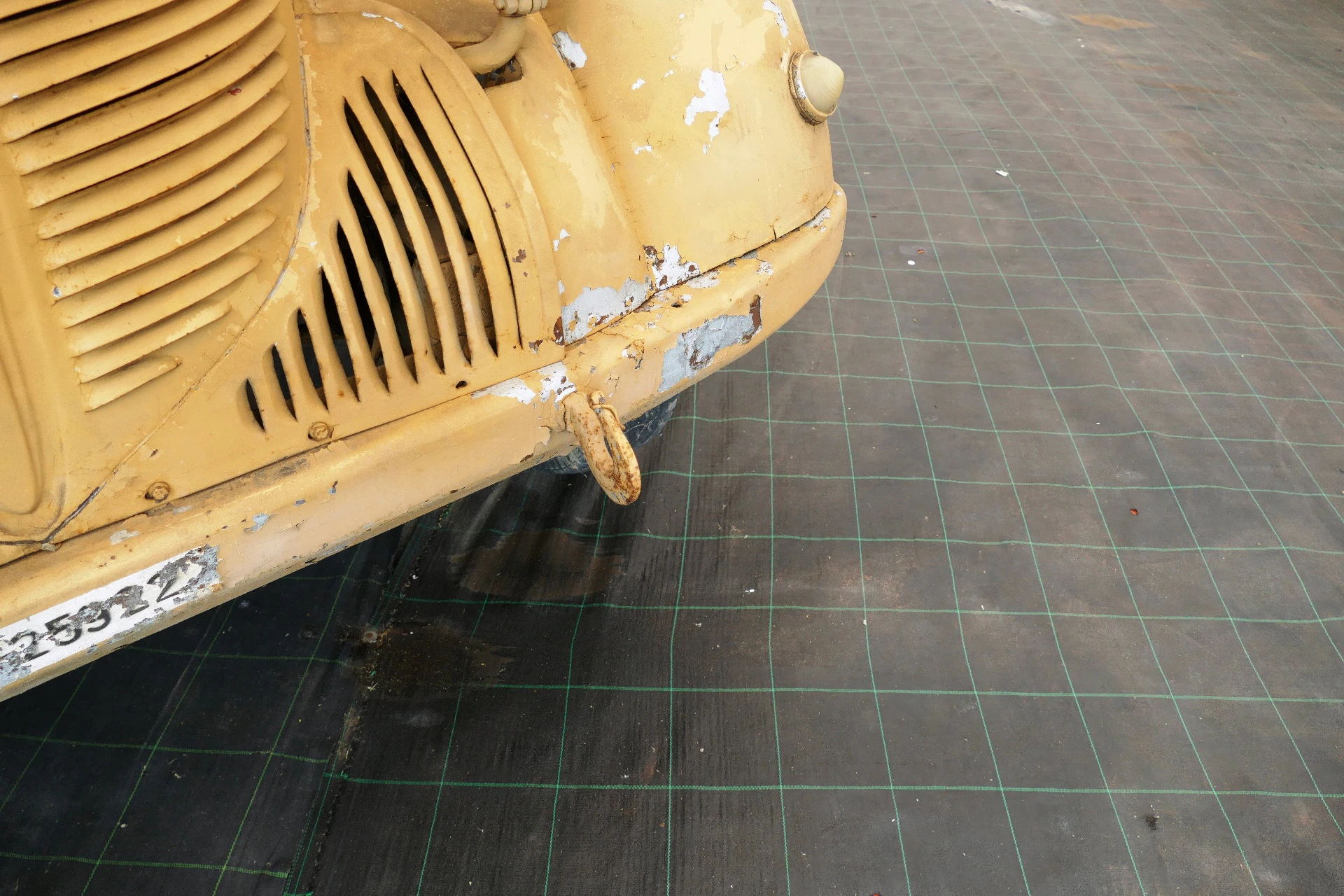
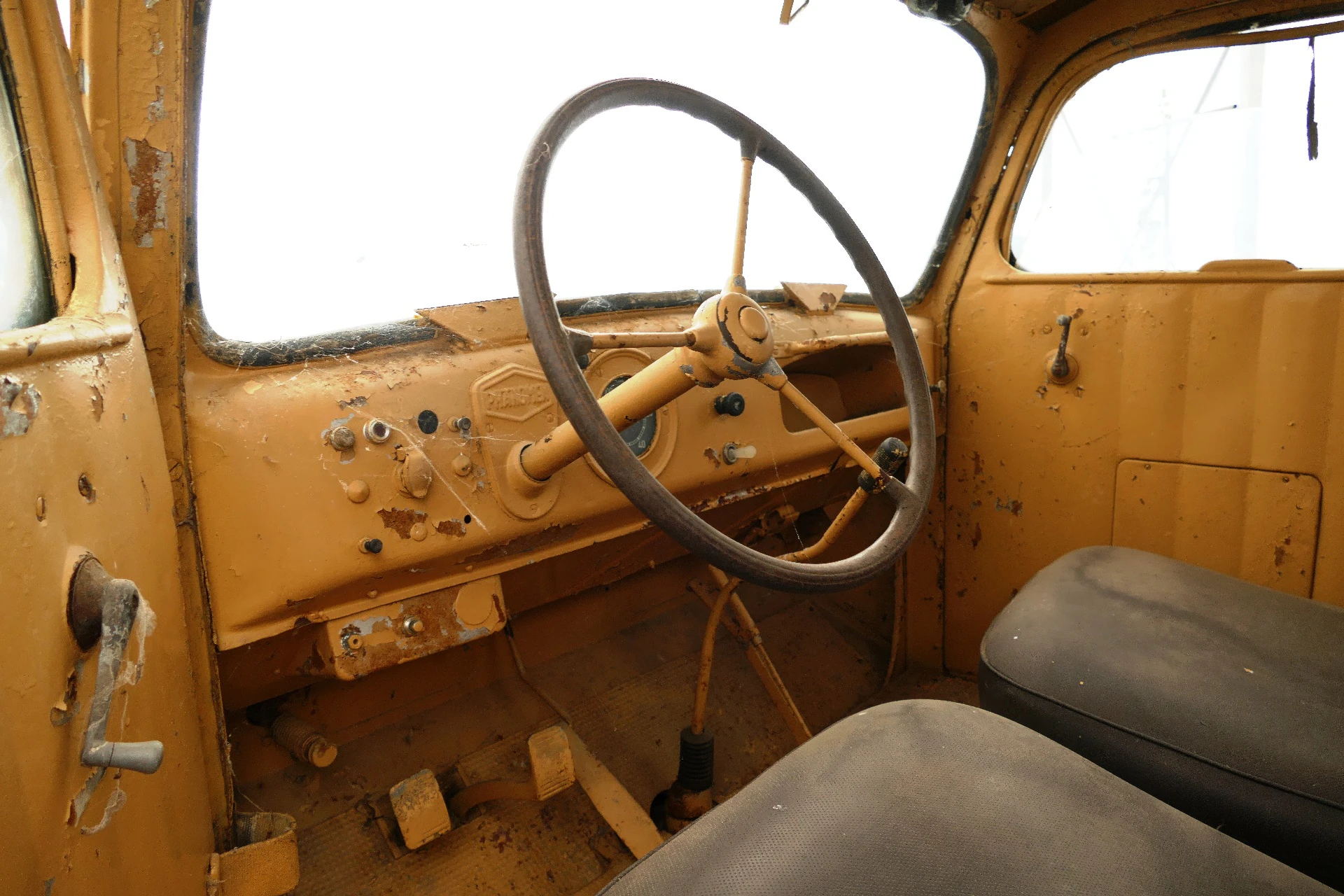

| Phanomen Granit 1500 Radio Walk Around | |
|---|---|
| Fotograaf | Unknow |
| Lokaliseerimine | Teadmata |
| Fotod | 8 |
Vaata ka:


Design Philosophy and Military Standardization
The Phänomen Granit 1500 was a light truck developed by the Phänomen Werke Gustav Hiller in Zittau, Germany. Originally a civilian design, it was adapted for the Wehrmacht under the Schell Program, which sought to standardize the chaotic variety of vehicles used by the German military. The “1500” designation referred to its 1.5-tonne payload capacity. Its most defining characteristic was its air-cooled engine, which made it exceptionally reliable in the extreme temperatures of North Africa and the Soviet Union, as there was no radiator to freeze or leak under fire.
| Attribute | Standard Specification (Granit 1500S / 1500A) |
|---|---|
| Rolli | Light Utility Truck / Ambulance / Command Car |
| Lasti | 1,500 kg (1.5 Tonnes) |
| Jõuallikas | Phänomen Granit 4-cylinder, air-cooled, OHV |
| Displacement | 2.7 Liters (2,678 cc) |
| Horsepower | 50 hp to 55 hp at 3,000 rpm |
| Drive Configuration | 1500S (4×2 Rear Drive) / 1500A (4×4 All-Wheel Drive) |
| Transmission | 4-speed Manual |
| Top Speed | 80 km/h (approx. 50 mph) |
Technical Innovation: Air-Cooling
- The Cooling System: The Granit used a massive fan driven by the crankshaft to blow air over deeply finned cylinders. This eliminated the need for a water pump, radiator, and hoses—components that were frequently damaged by shrapnel or vibration.
- Cold Weather Performance: On the Eastern Front, where liquid-cooled trucks required fires built under their oil pans to start in winter, the Granit could be operational much faster.
- Chassis Variants: The 1500A (All-wheel drive) variant featured a transfer case that allowed for superior off-road capability, making it a preferred choice for high-ranking officers and medical teams.
Specialized Roles and Configurations
- Sanitätskraftwagen (Ambulance): The Granit 1500 was perhaps most famous in its role as a field ambulance (Kfz. 31). The enclosed box body was well-insulated and could carry four stretchers or eight seated patients.
- The “Fenomen” Reputation: Soldiers appreciated the truck for its “phenomenal” durability, often overloading it well beyond its 1.5-tonne rating without mechanical failure.
- Post-War Legacy: After 1945, the factory fell into the Soviet occupation zone. The design was continued and evolved into the Robur series of trucks in East Germany (GDR), which maintained the signature air-cooled engine design for decades.
Vaadatud : 374
Näete ka :
 M915 veoauto – fotod ja videod
 Dodge Power Wagon - fotod ja videod
 Krupp Kfz.81 Protze - fotod ja videod
 Pinzgaueri suure liikuvusega maastikusõiduk - fotod ja video
 6-tonnine 6×6-tonnine veoauto – fotod ja video
 Ural-375 – fotod ja video
 MAZ-205 – fotod ja video
 Tatra 813 Kolos – fotod ja video
 Hillmani kergeveok – jalutuskäik
 Opel Blitz Firetruck – Jalutada