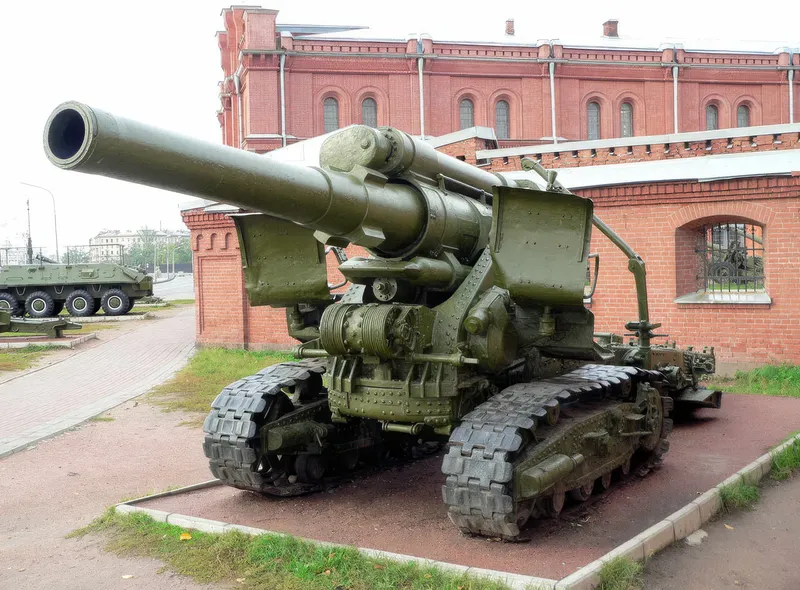
203 mm M1931 B-4 | |
|---|---|
| Riik | URSS |
| Tüüp | Raske haubits |
| Toodetud | 1932.-1940. aastad |
| Ehitatud | 871 |
203 mm haubits M1931 oli 203 mm nõukogude raske haubits. Teise maailmasõja ajal oli see Stavka strateegilise reservi alluvuses. Saksa sõdurid panid sellele hüüdnime "Stalini kelguhammer". Neid relvi kasutati edukalt raskete Saksa kindlustuste vastu ja linnavõitluses kaitstud hoonete ja punkrite purustamiseks. Seda relva kasutati kuni sõja lõpuni Berliini lahingus, kus Punaarmee tõi need relvad tühjale kohale, et purustada Saksa kindlustused oma raskete 203 mm mürskudega. 1944. aasta kevadel kasutati ISEliikuva variandi S-51 loomiseks KV-1s paagi šassiid. Koonu plahvatuse raske tagasilöök viskas meeskonna istmetelt maha ja kahjustas käigukasti ning nii see tühistati.
| Haubitsad 203mm M1931 B4 | |
|---|---|
| Fotograaf | Teadmata |
| Lokaliseerimine | Teadmata |
| Fotod | 200 |
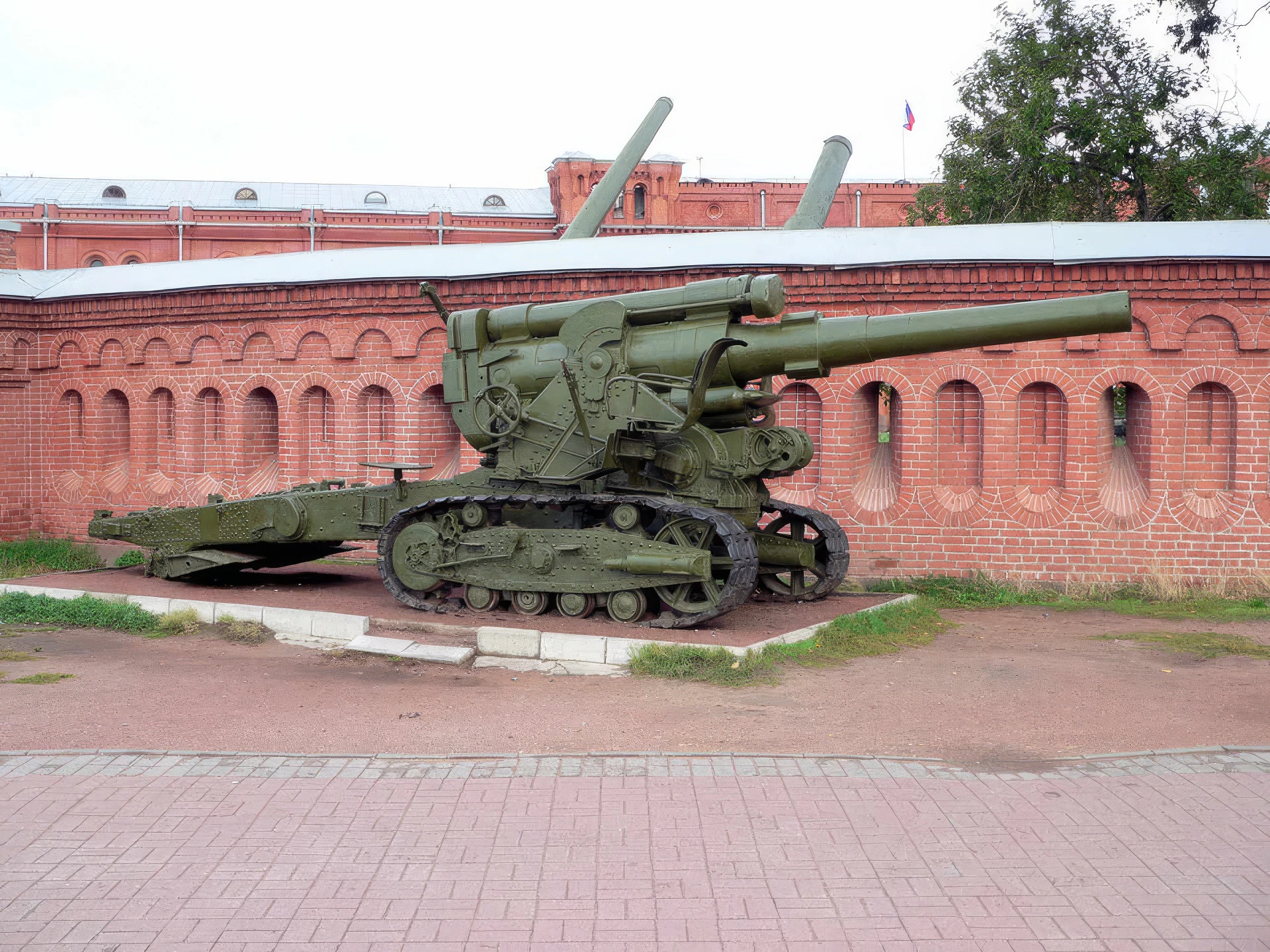
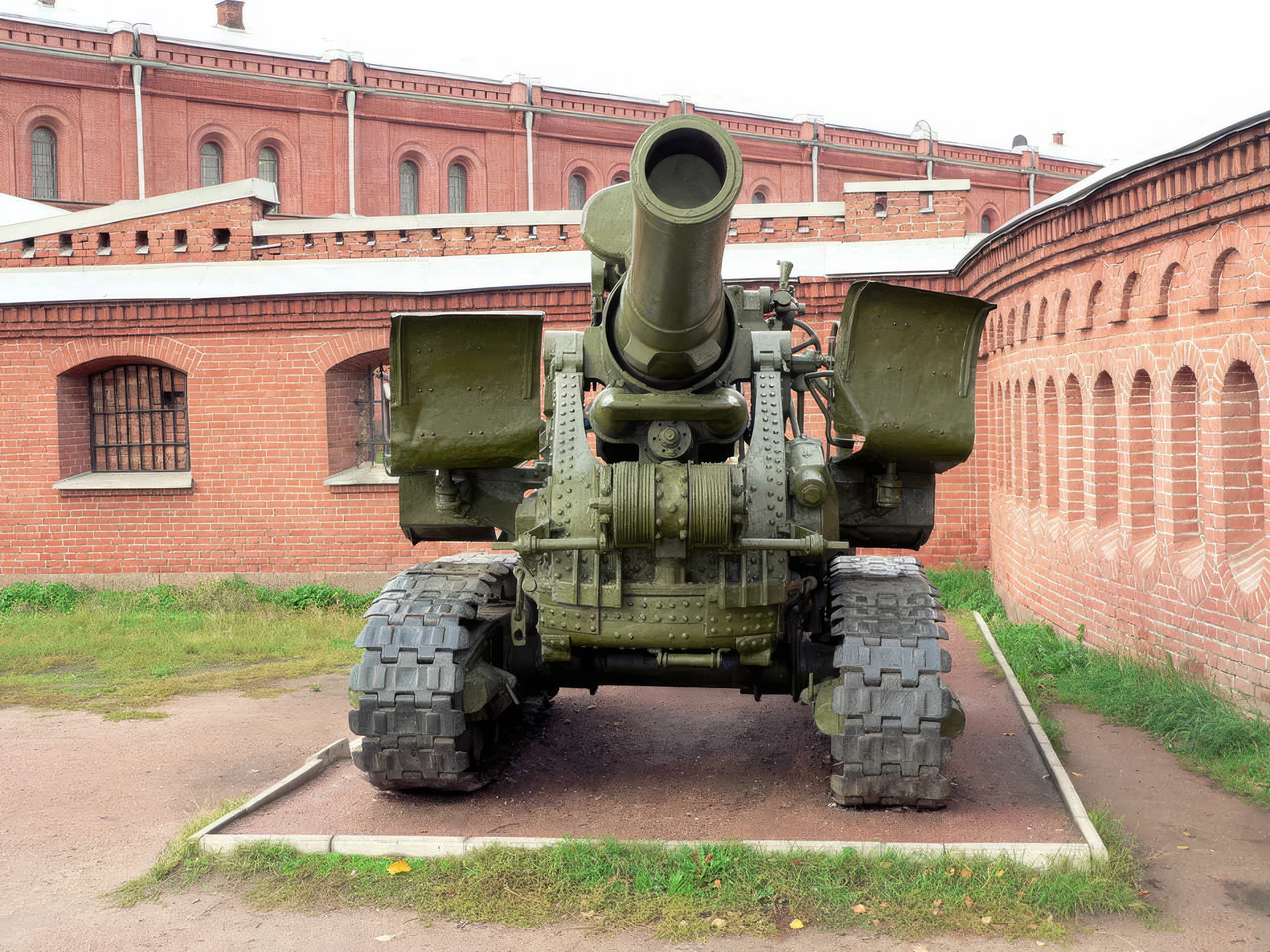
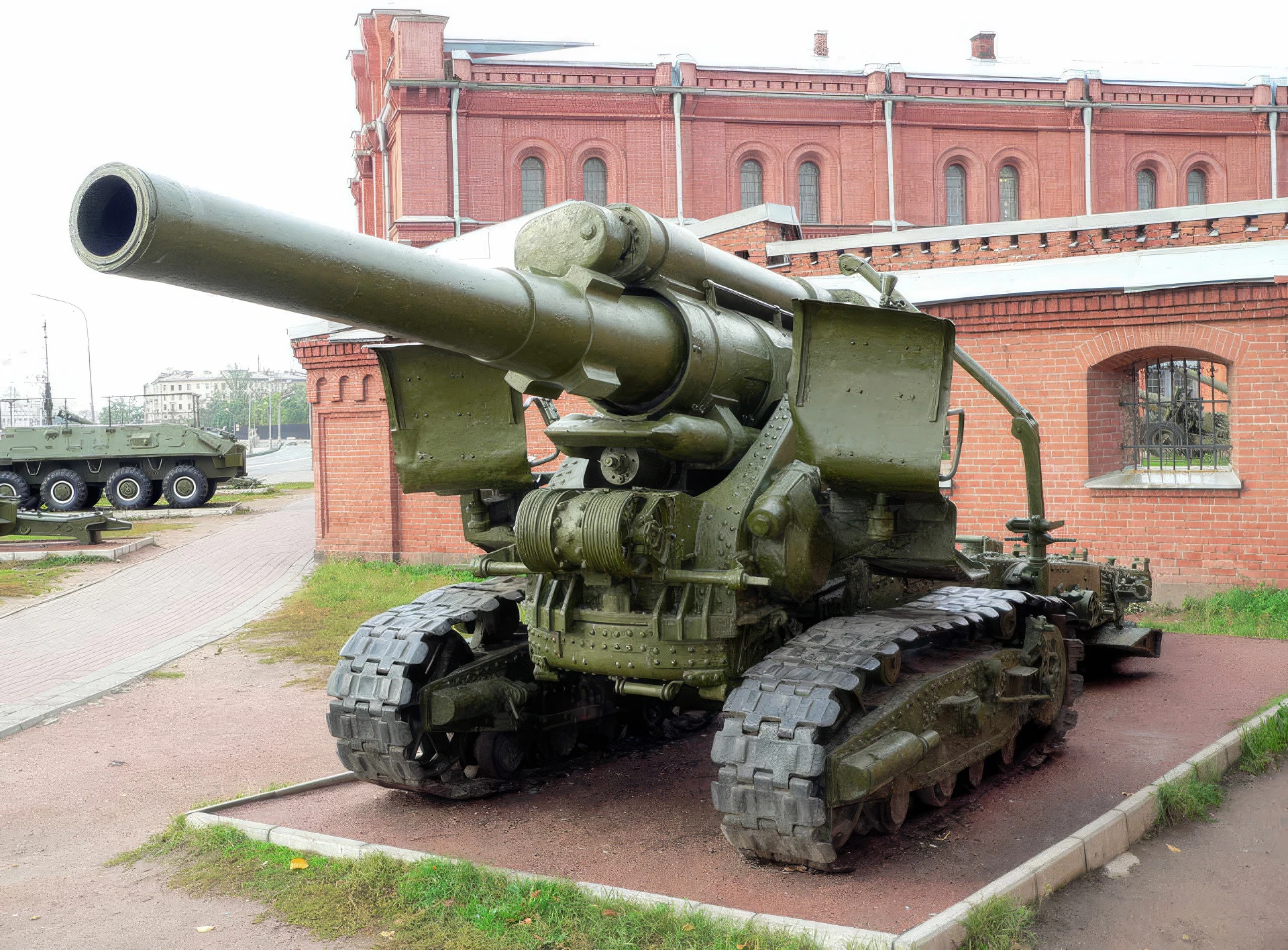
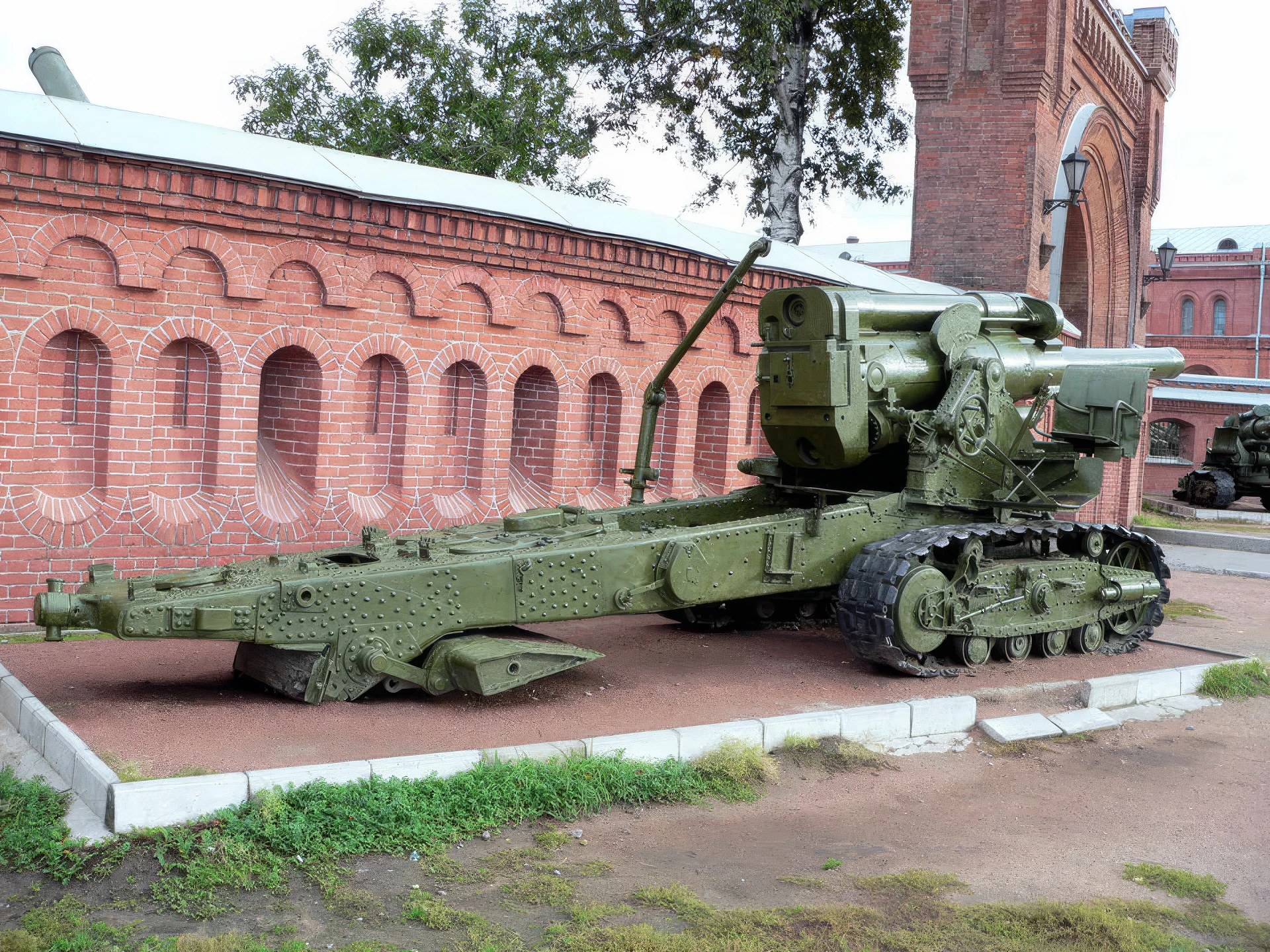
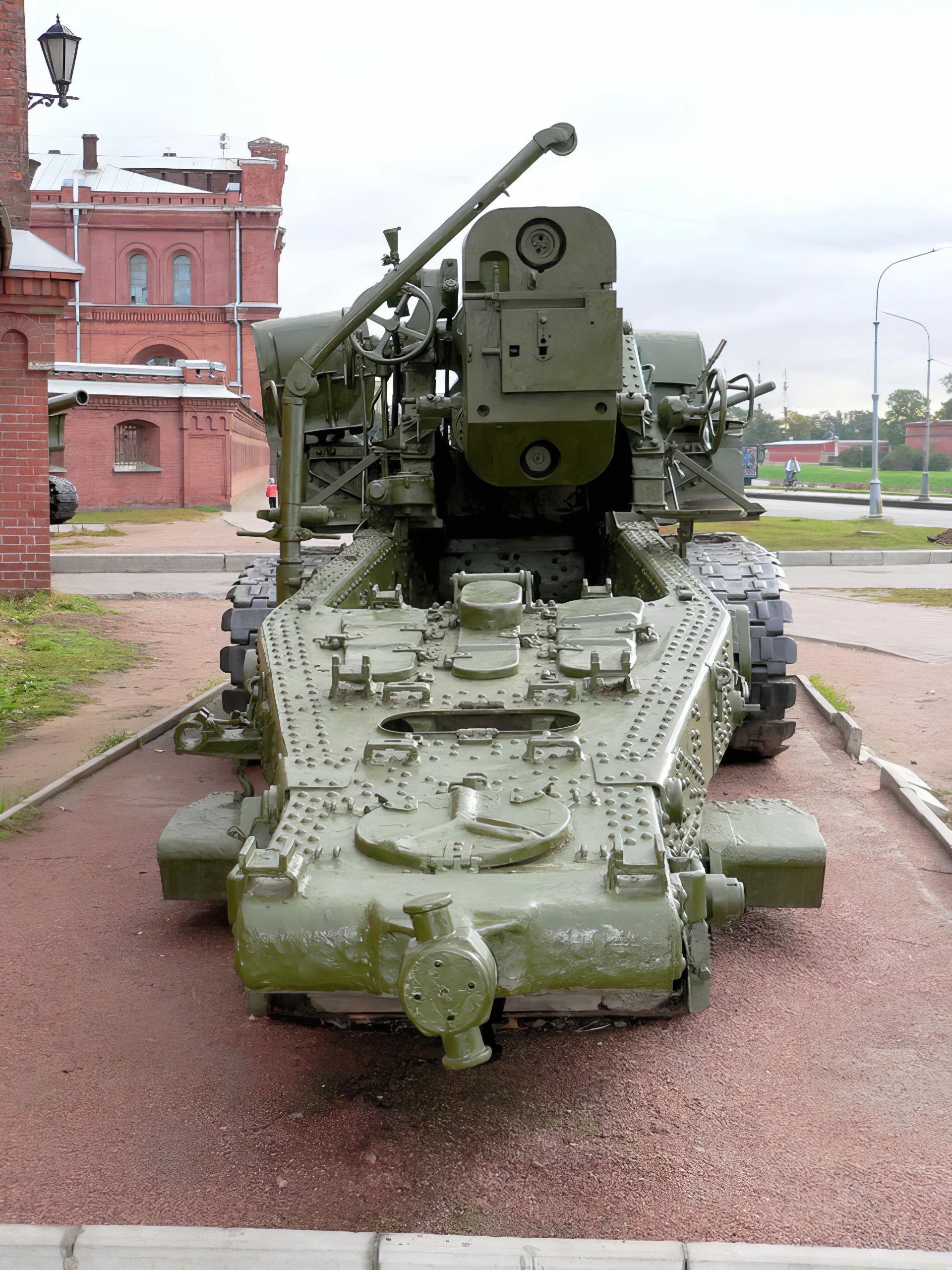
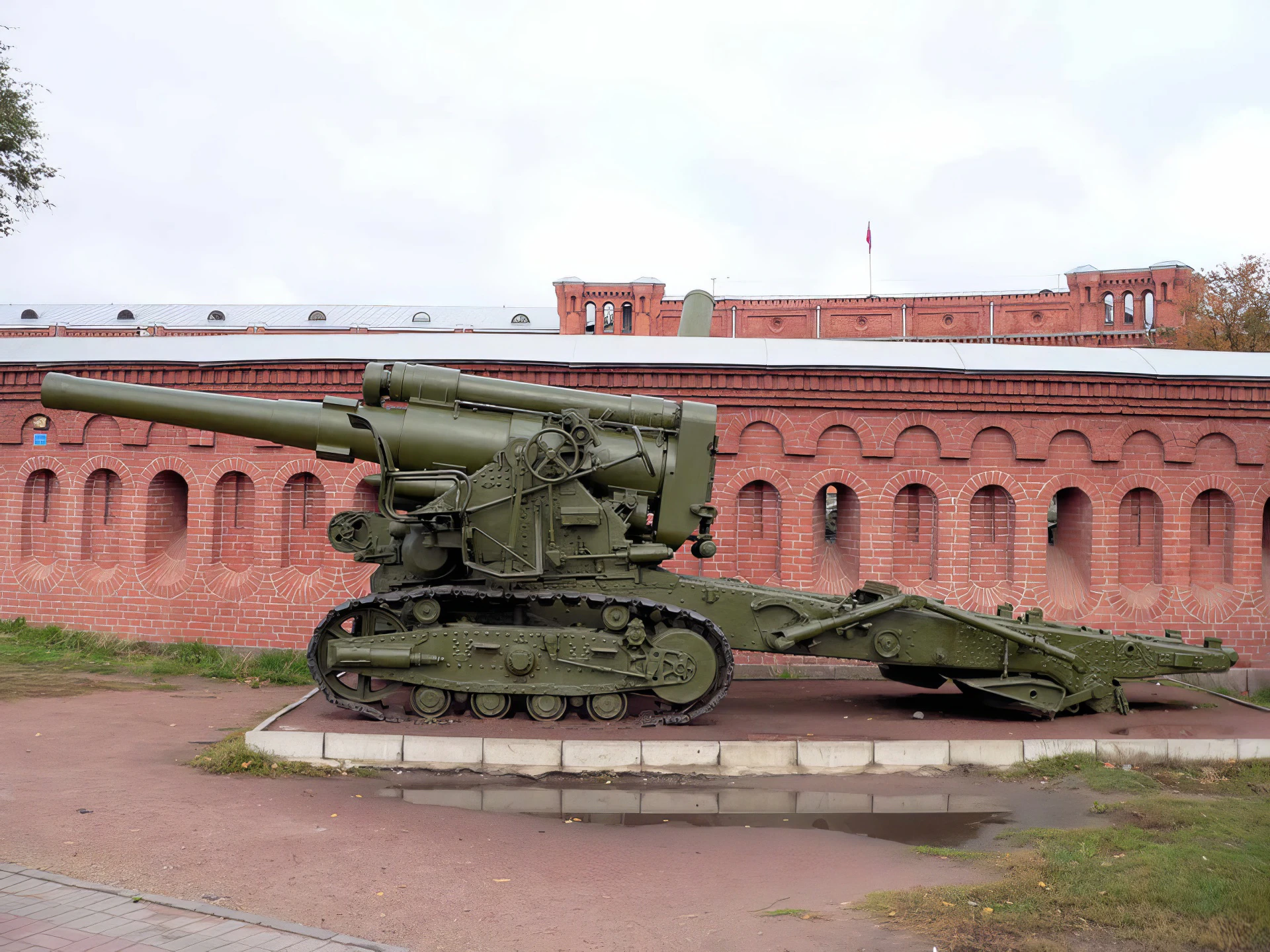
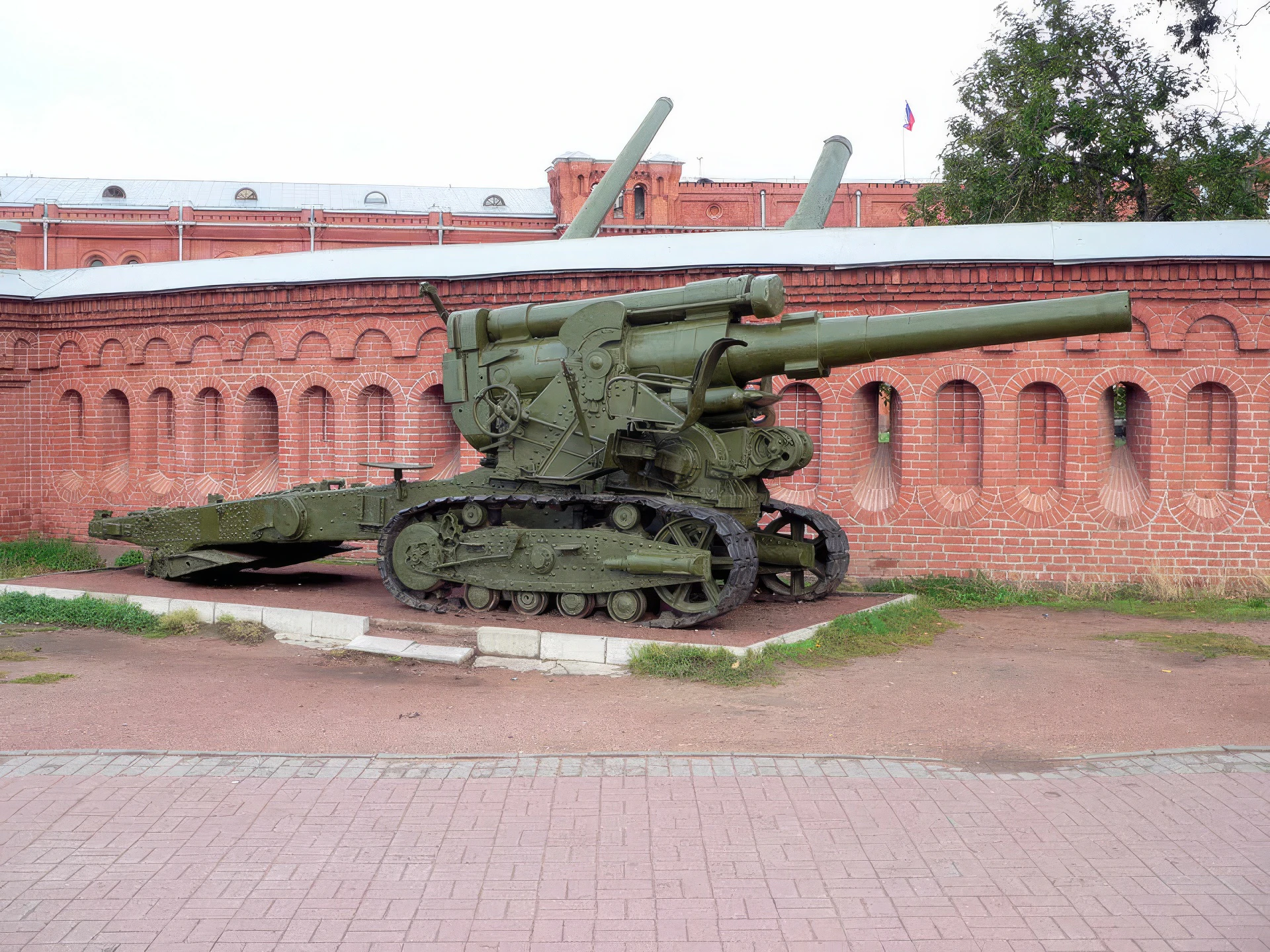
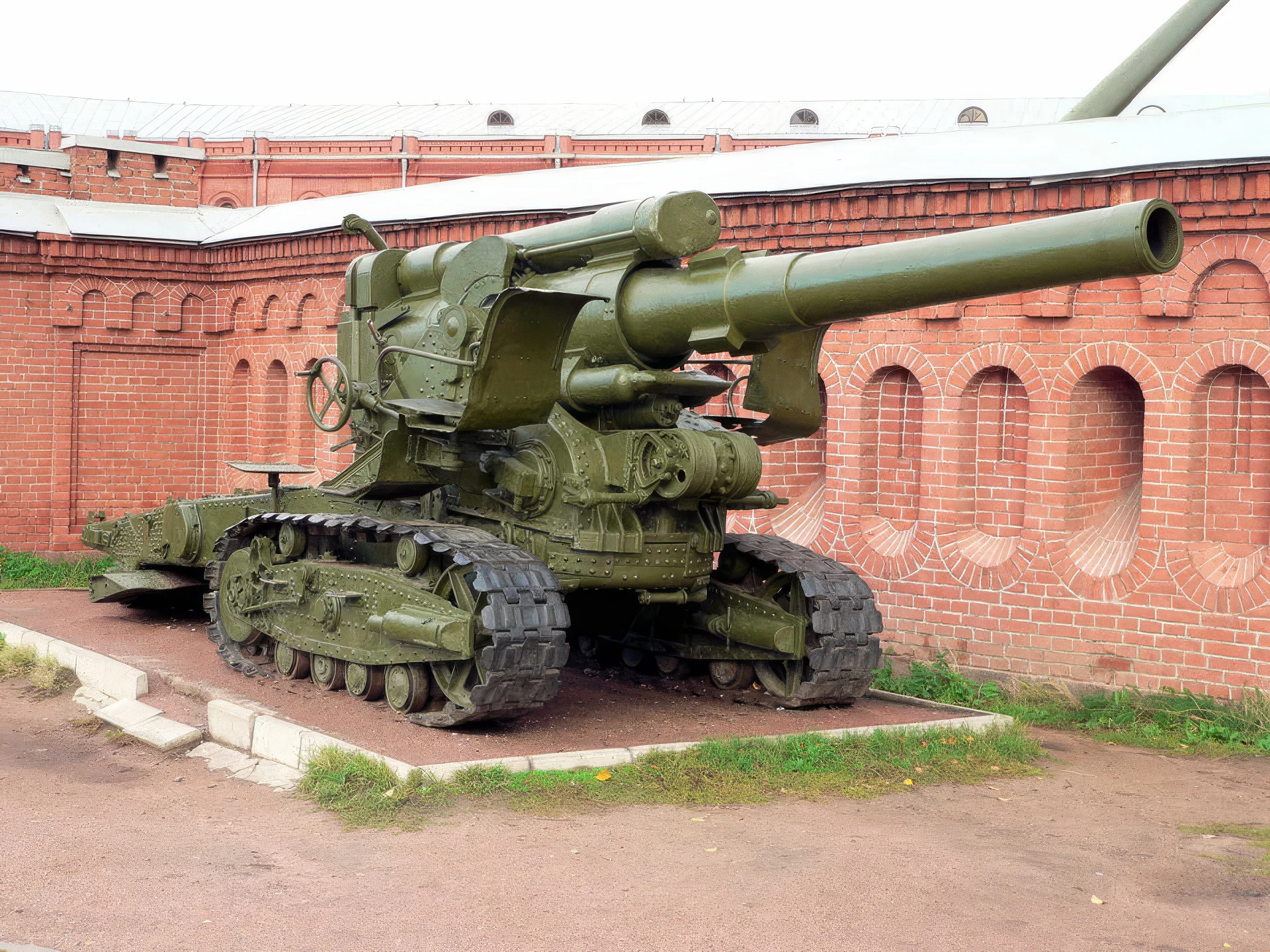
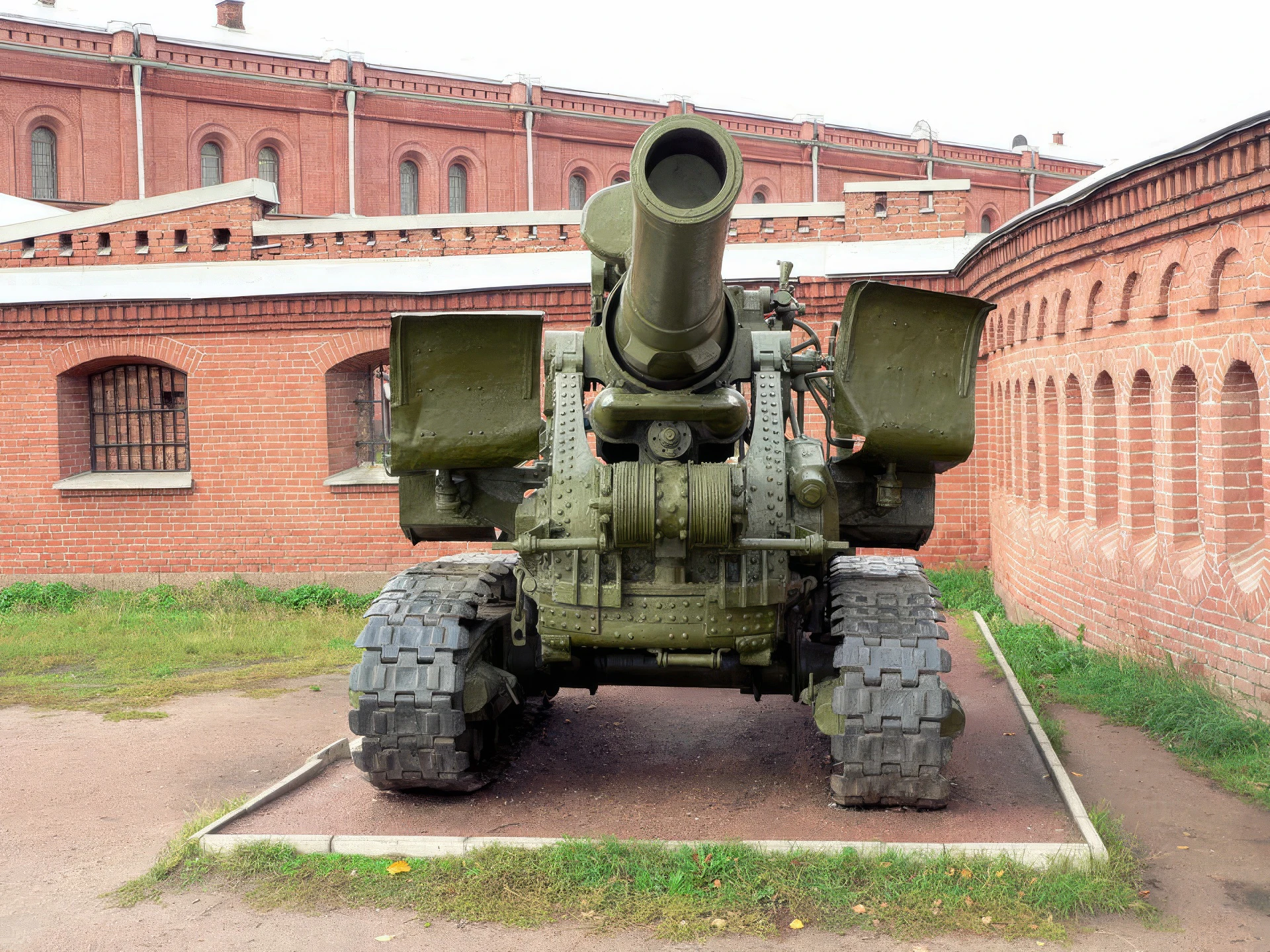

| 203 mm Haubitsa mod. 1931 (B-4) | |
|---|---|
| Fotograaf | Teadmata |
| Lokaliseerimine | Teadmata |
| Fotod | 21 |
Vaata ka:


General Overview
The B-4 was a Soviet high-power heavy howitzer used to destroy heavily fortified positions and bunkers during World War II.
| Official Name | 203 mm howitzer M1931 (B-4) |
|---|---|
| Place of Origin | Nõukogude Liit |
| Tootja | Barrikady Plant |
| Production Years | 1932–1945 |
| Primary Role | Siege Artillery / Crushing Fortifications |
| Hüüdnimi | Stalin’s Sledgehammer (coined by German soldiers) |
Tehnilised parameetrid
| Kaliiber | 203 mm (8 inch) |
|---|---|
| Mass (Combat) | 17,700 kg (39,022 lbs) |
| Mass (Travel) | 19,000 kg (41,888 lbs) |
| Shell Weight (HE) | 100 kg (220 lbs) |
| Maximum Firing Range | 18 km (11 mi) |
| Rate of Fire | Approx. 1 round every 4 minutes (Slow due to shell weight) |
| Carriage Type | Tracked Carriage (Unique feature for stability) |
| Meeskonna | 15 |
| Towing Vehicle | Voroshilovets or Komintern Artillery Tractor |
Operational Role in WWII
The B-4 was held under the direct command of the Stavka Strategic Reserve and was deployed only where its massive firepower was required.
- Winter War: Known as the “Karelia Sculptor” for its effectiveness against Finnish pillboxes on the Mannerheim Line.
- Urban Combat: Used for direct fire against German fortified buildings and bunkers, notably during the Battle of Berliin in 1945.
- Loading Challenge: Due to the heavy 100 kg projectile, a special hoisting crane was often used to assist in loading the breech.
Key Innovation: The unique tracked carriage allowed the gun to be fired directly from the ground without a separate firing platform, a significant innovation for heavy artillery of that era.
Views : 12995
Näete ka :
 Howitzer 149-19 – Photos & Video
 15 cm sFH 13 - jalutage ringi
 M108 haubits – fotod ja videod
 M119 haubits – fotod ja videod
 Obice da 75/18 modello 35 – Fotod ja videod
 Briti 9,2-tolline haubitsas – fotod ja video
 105mm leFH auf Hotchkiss 39H - fotod ja video
 M55 iseliikuv haubits – fotod ja video
 21cm Morser 18 Howitzer – Jalutada
 70mm Tüüp 92 Haubitsad – WalkAround
Uued fotod