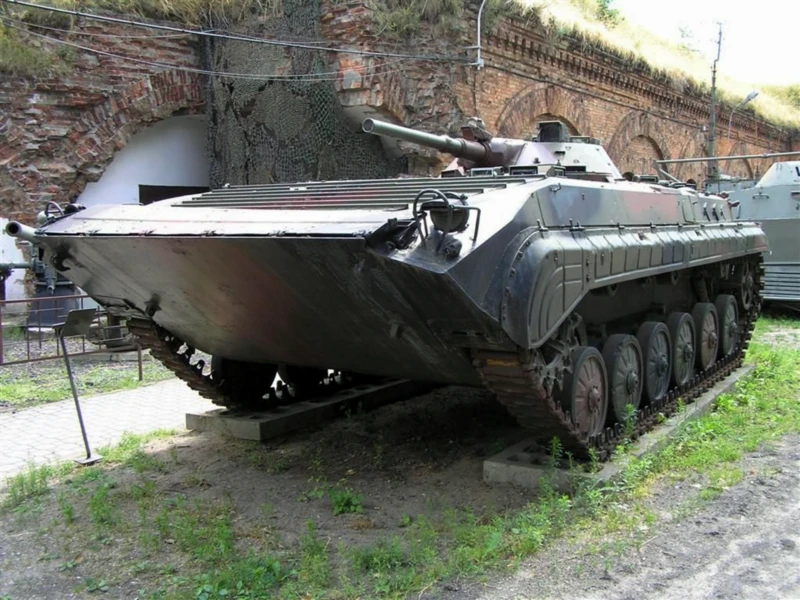
BMP-1 | |
|---|---|
| Riik | Nõukogude Liit |
| Tüüp | Amfiibne jälgitav jalaväe võitlussõiduk |
| Kasutuses | 1966–tänaseni |
| Ehitatud | 20000+ |
Fotogalerii BMP-1, The BMP-1 is a Soviet amphibious tracked infantry fighting vehicle. BMP stands for Boyevaya Mashina Pekhoty 1 (Russian: Боевая Машина Пехоты 1; БМП-1), meaning “infantry fighting vehicle”. The BMP-1 was the first mass-produced infantry fighting vehicle (IFV) of USSR. It was called the M-1967, BMP and BMP-76PB by NATO before its correct designation was known.
Allikas: BMP-1 vikis
| BMP-1 WalkAround | |
|---|---|
| Fotograaf | Unknow |
| Lokaliseerimine | Teadmata |
| Fotod | 37 |
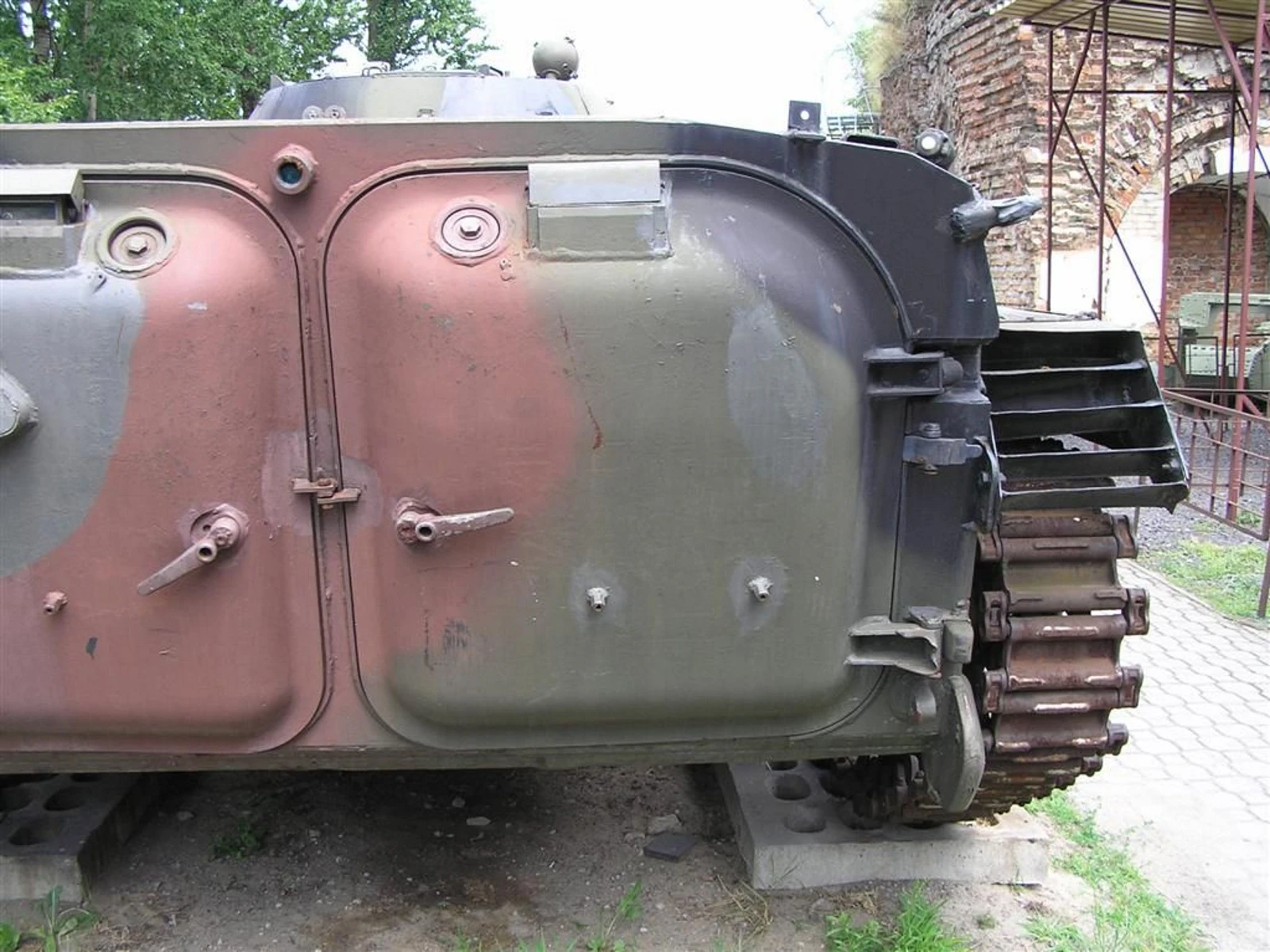
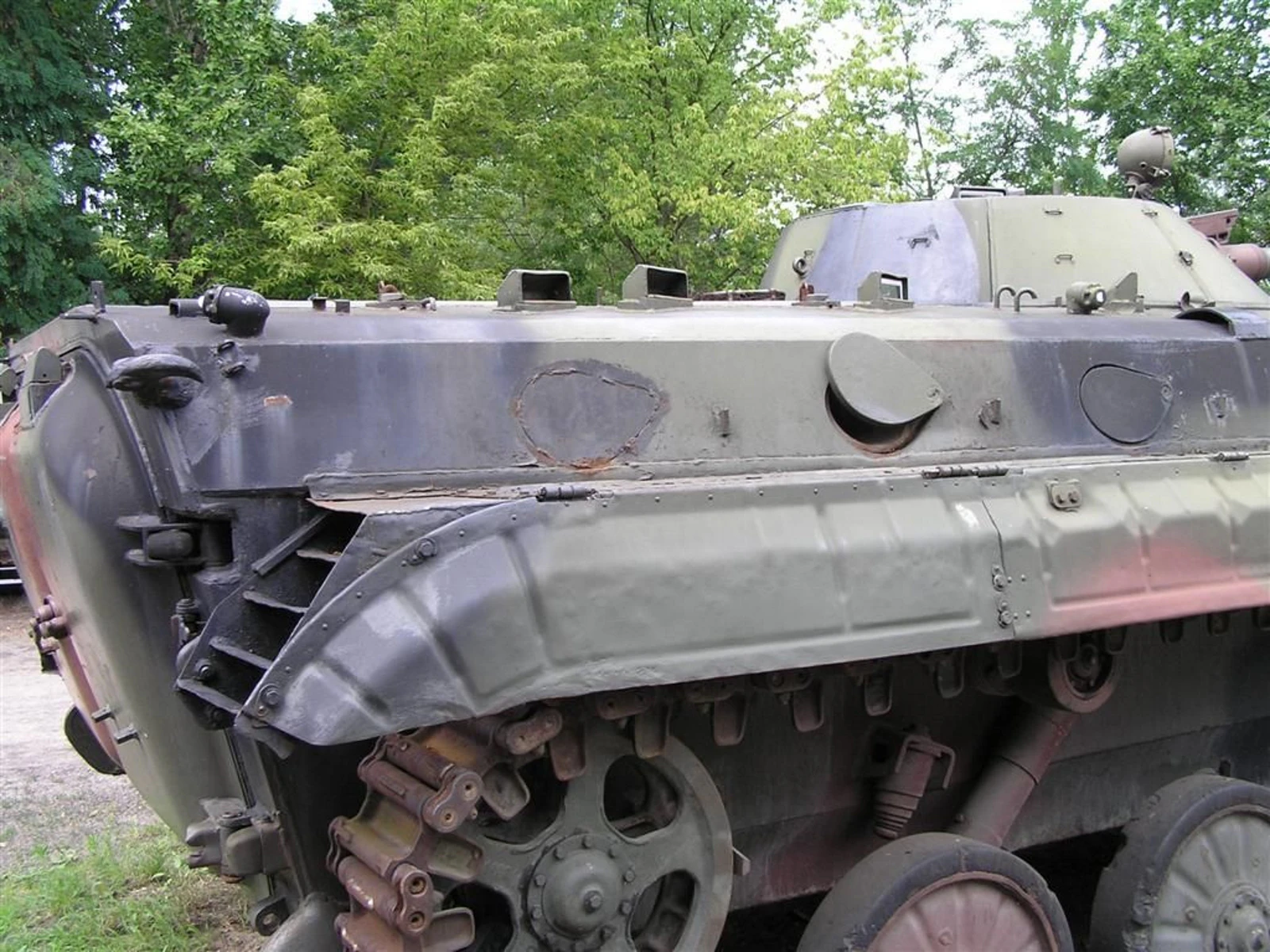
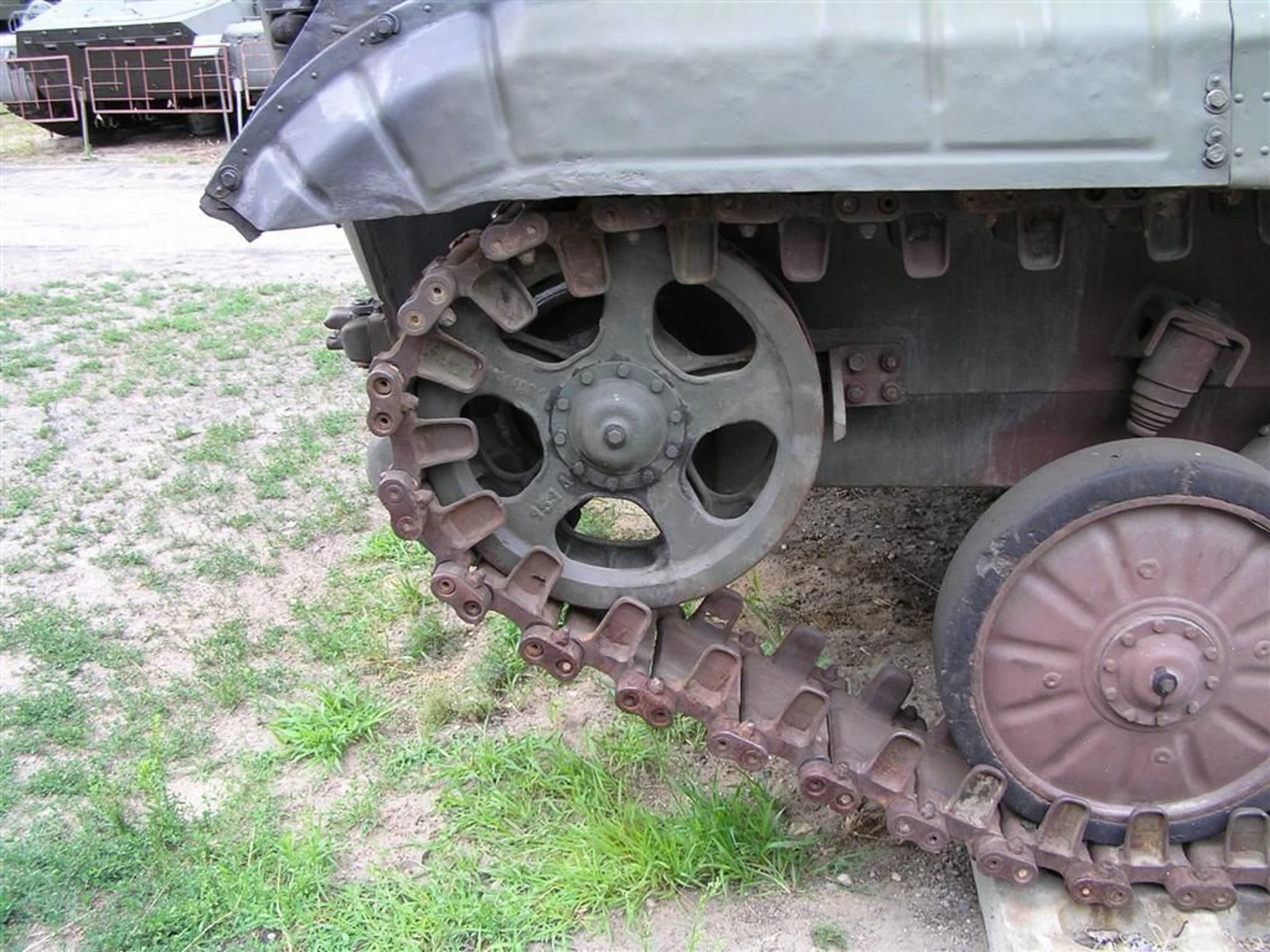
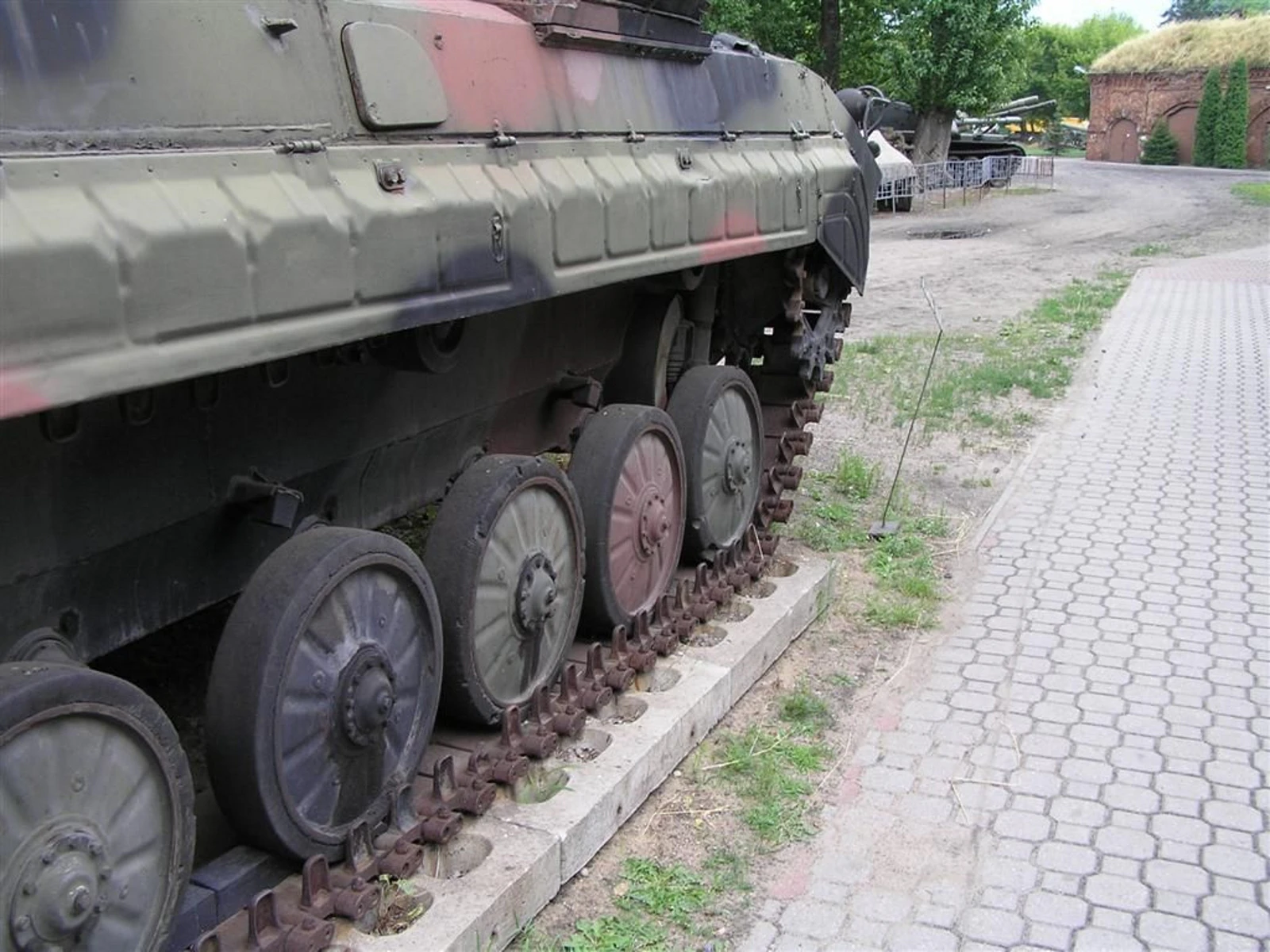
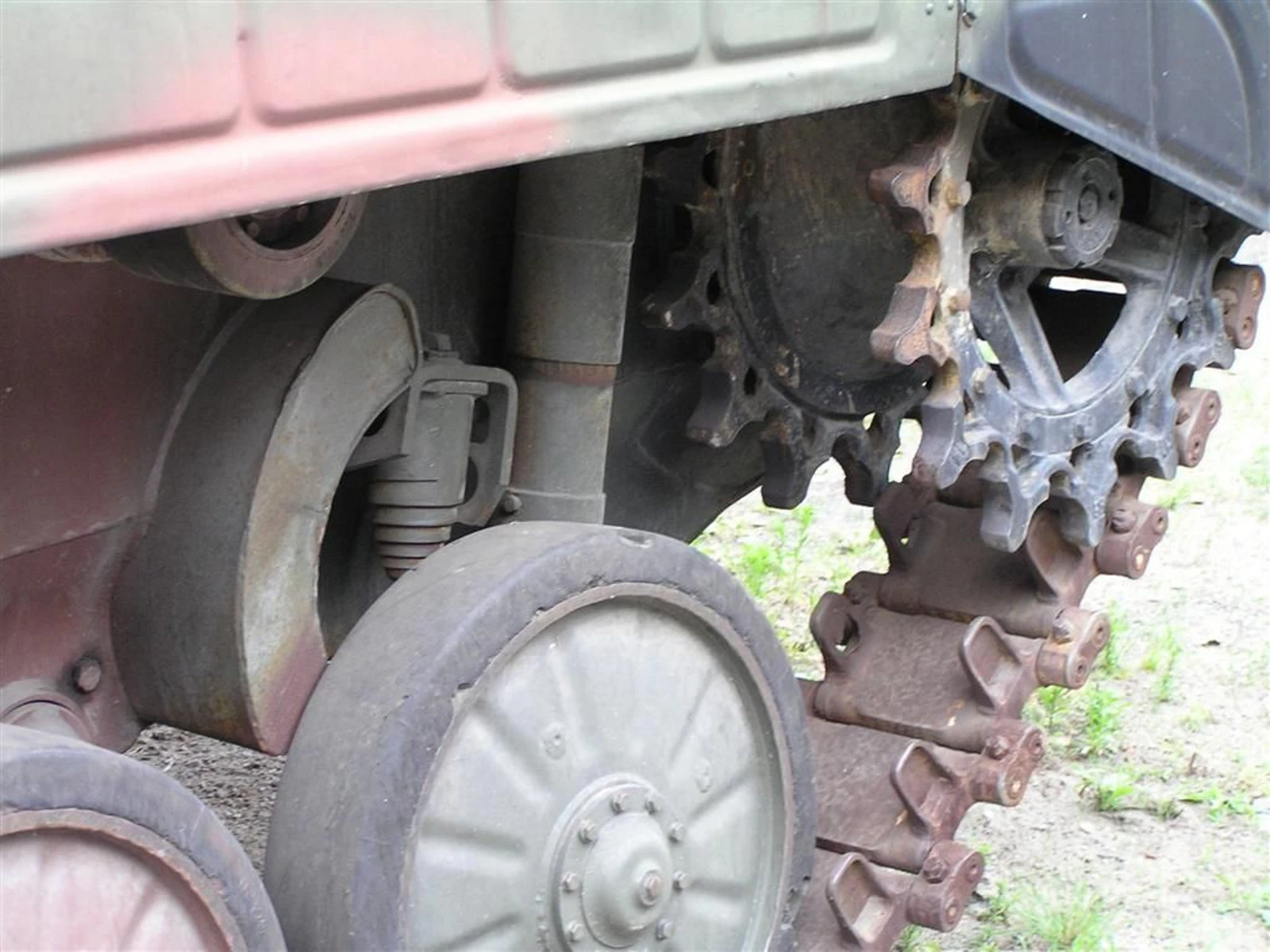
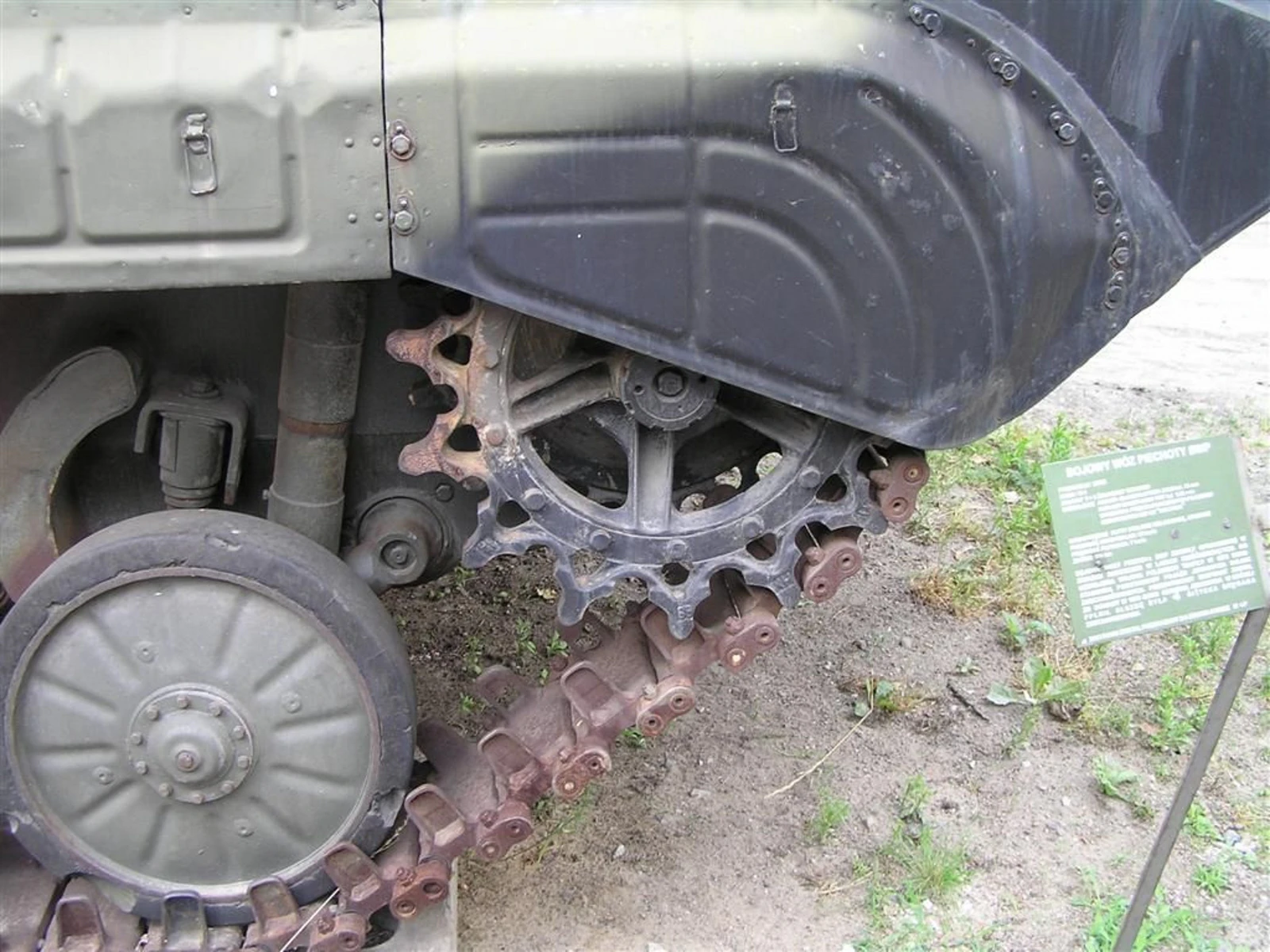
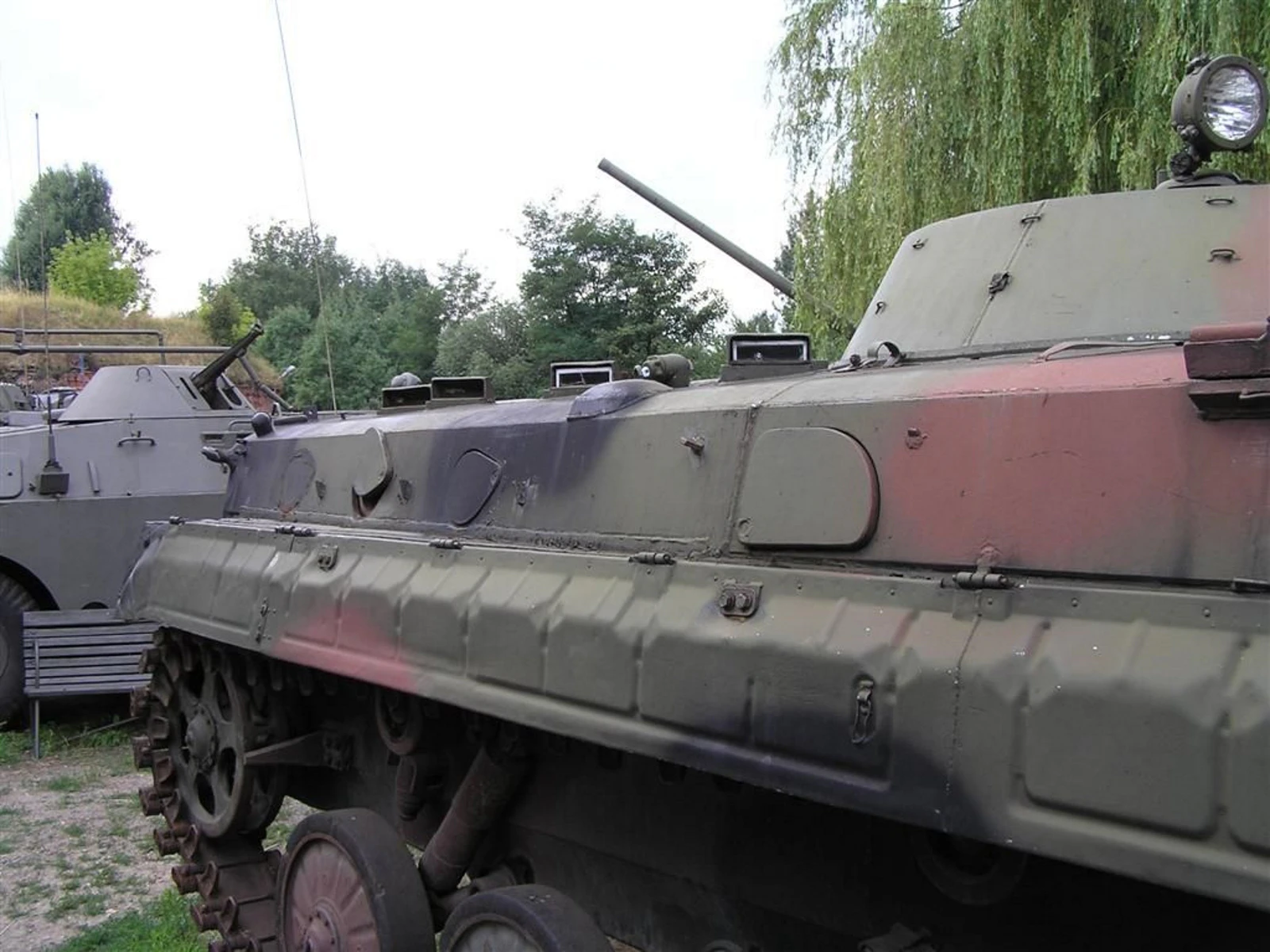
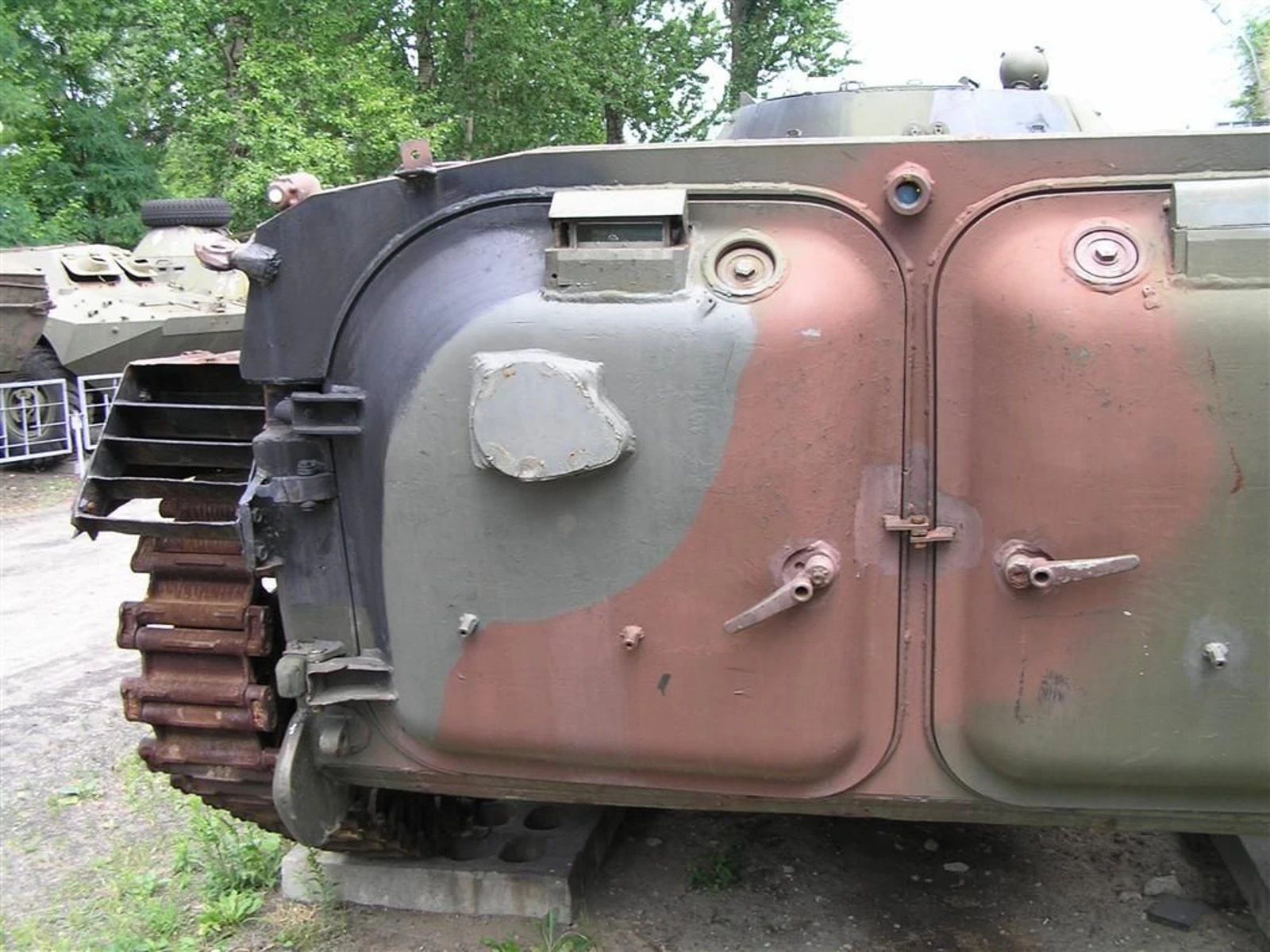
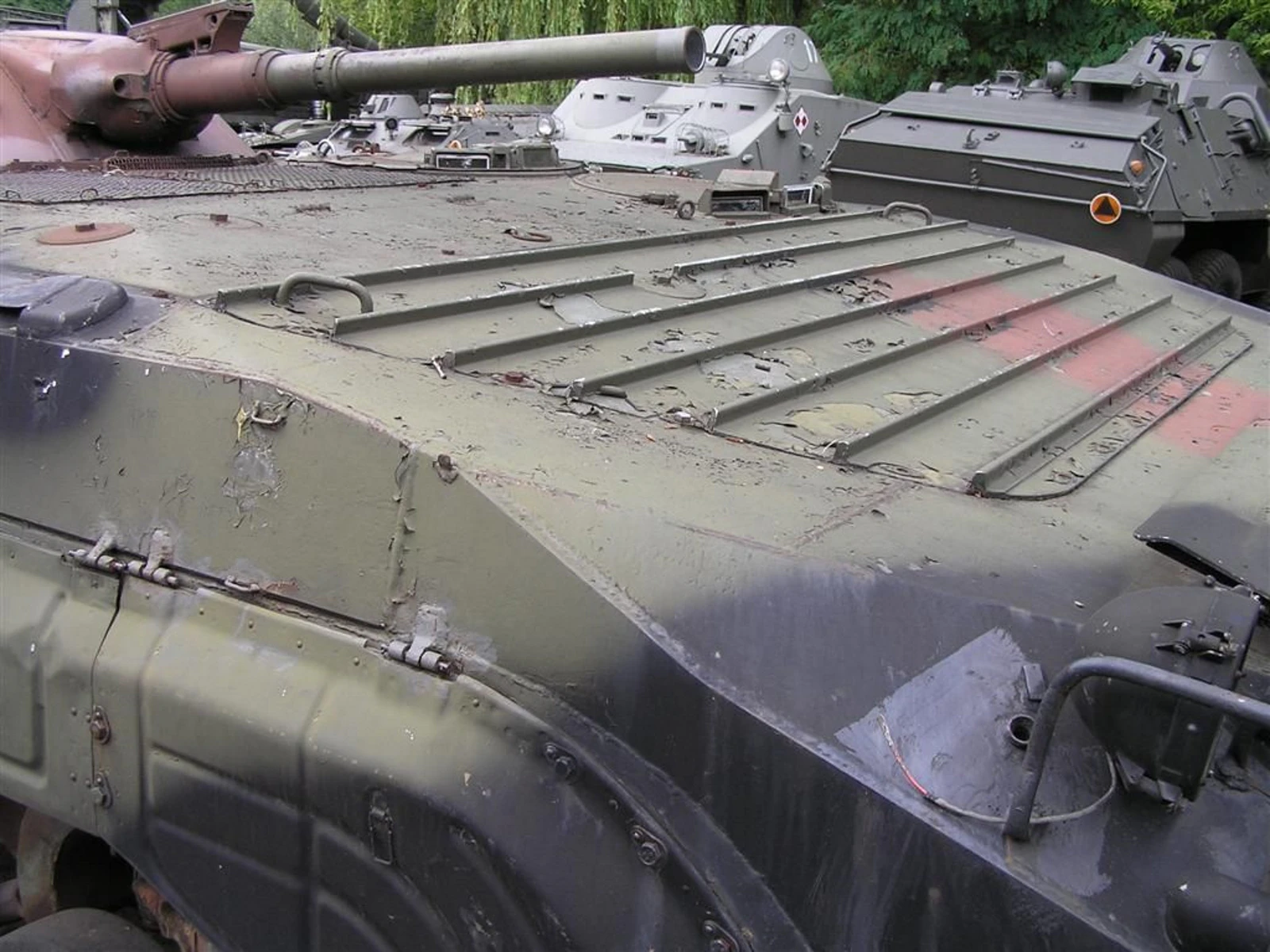

| BMP-1 APC Walk Around | |
|---|---|
| Fotograaf | Bill Maloney |
| Lokaliseerimine | Allegheny Arms & Armor muuseum |
| Fotod | 18 |
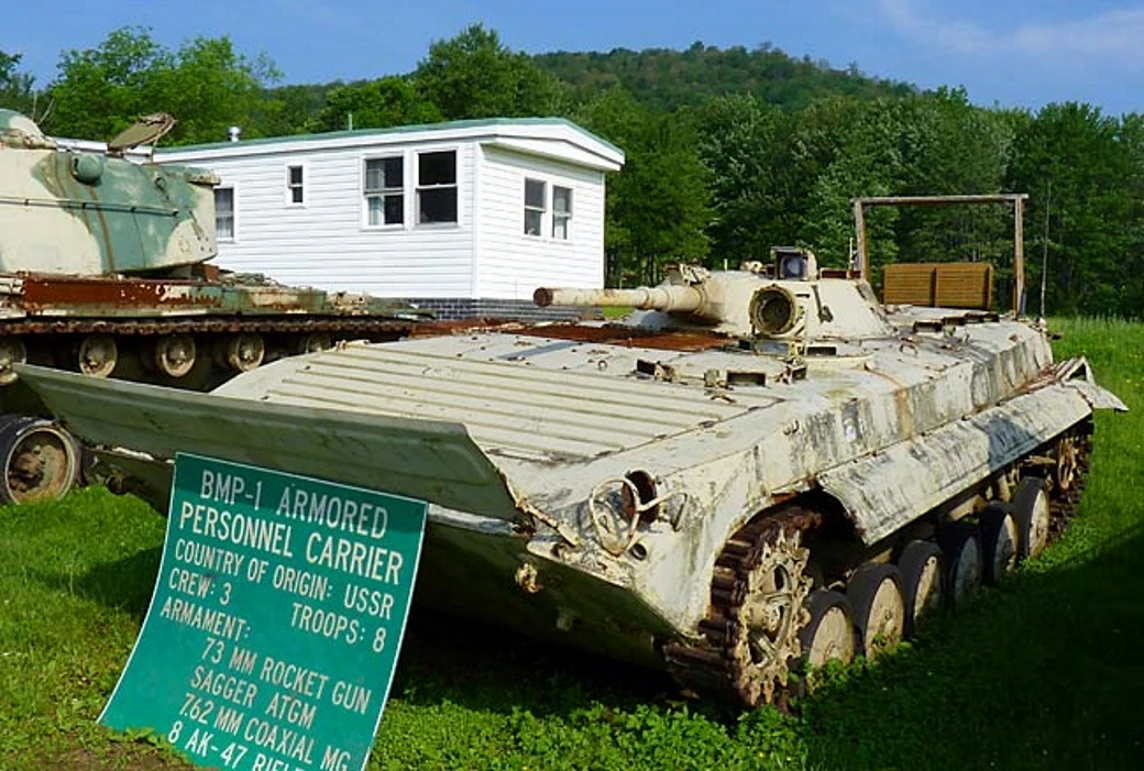
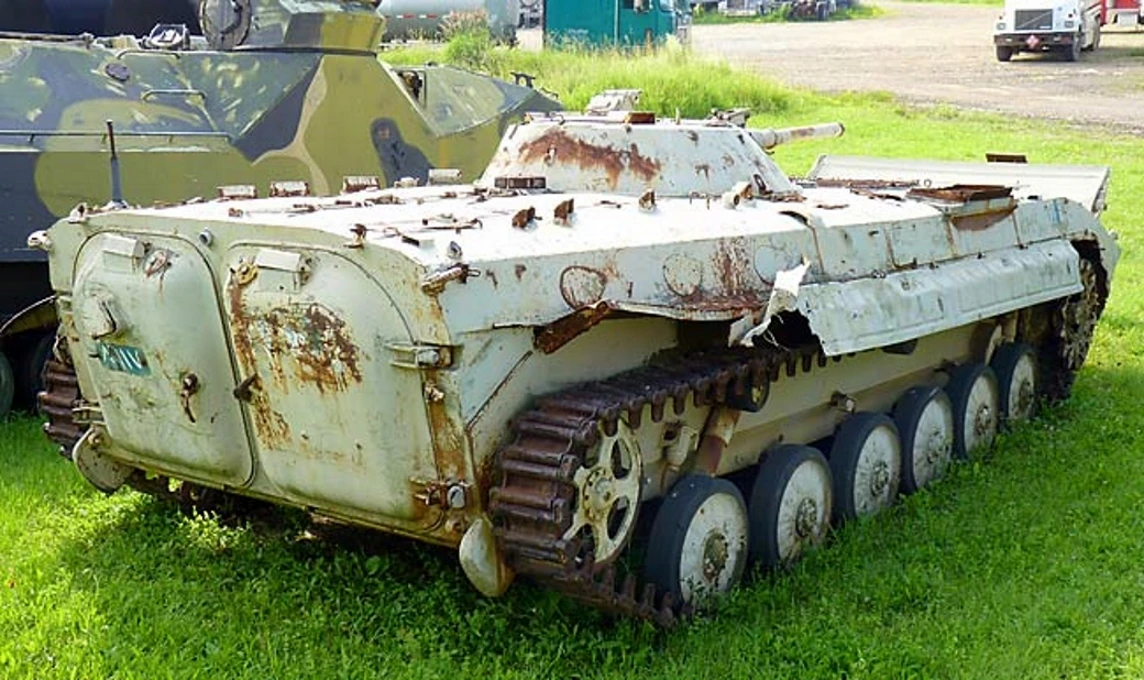
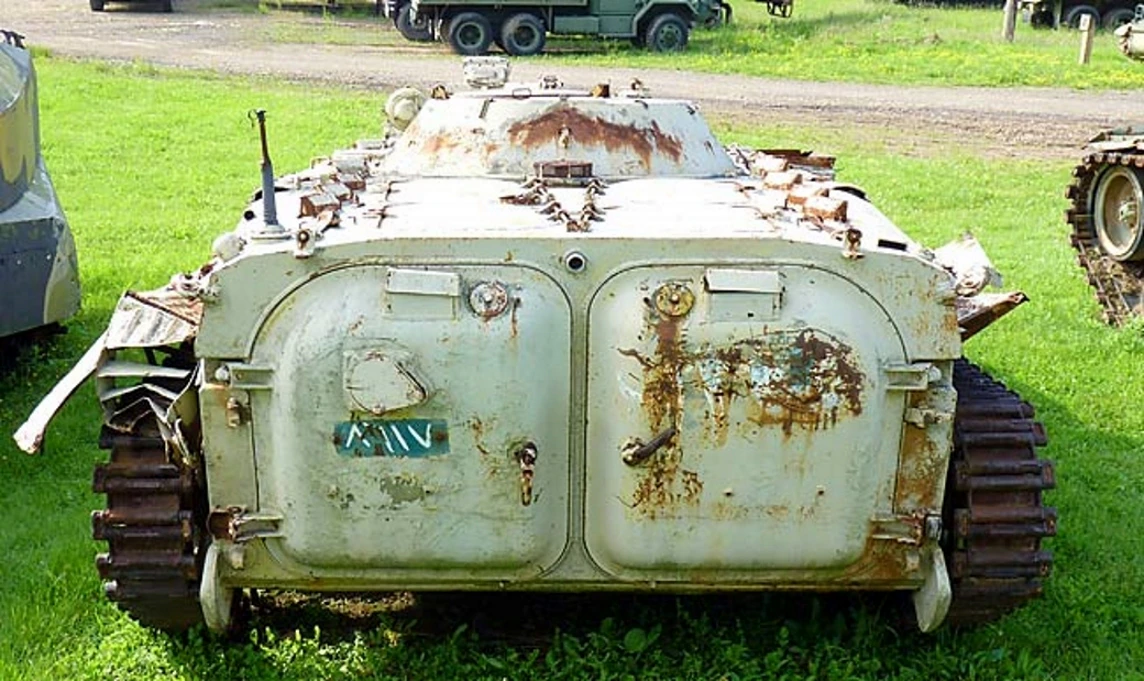
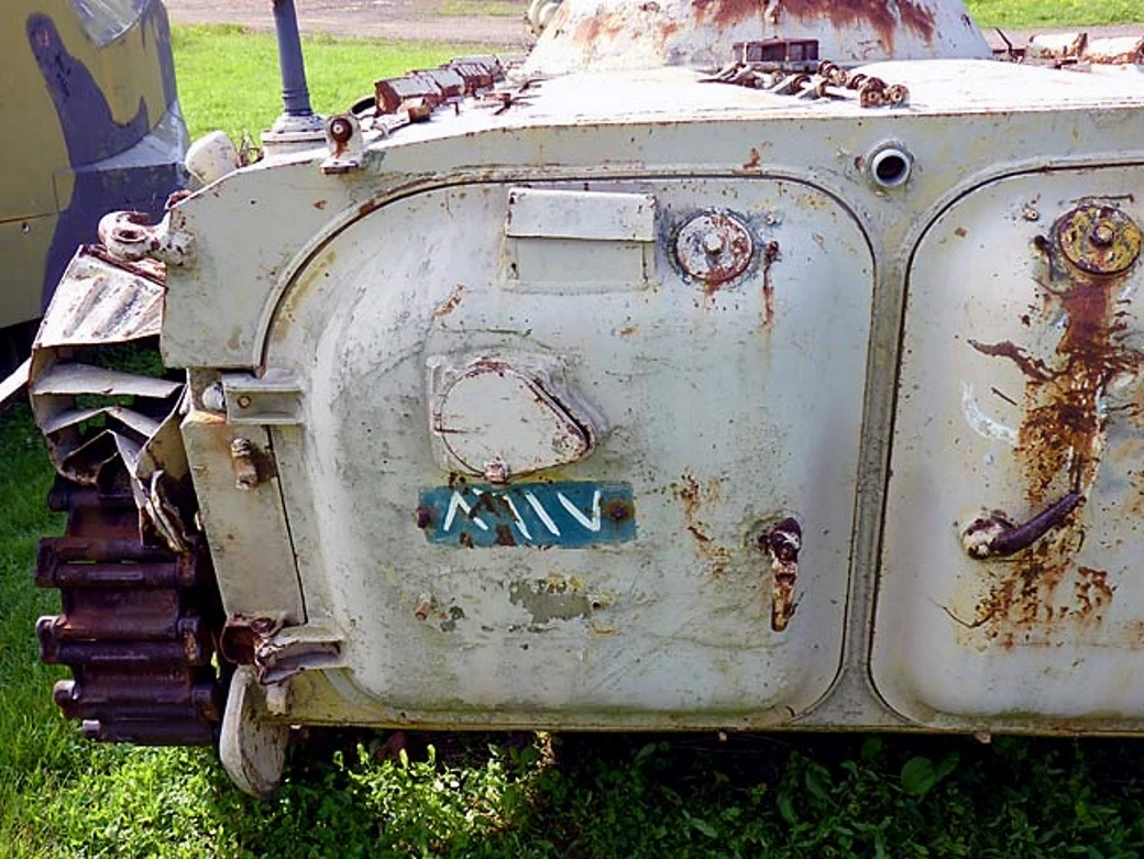
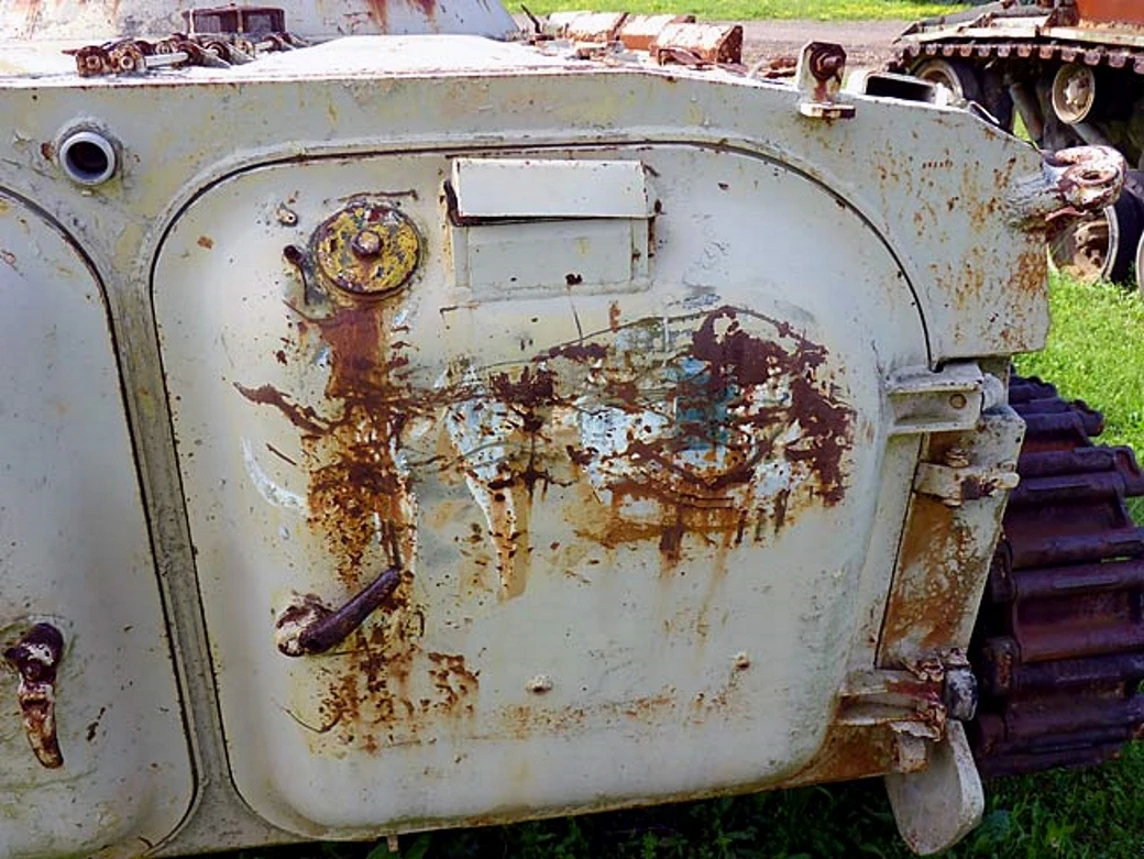
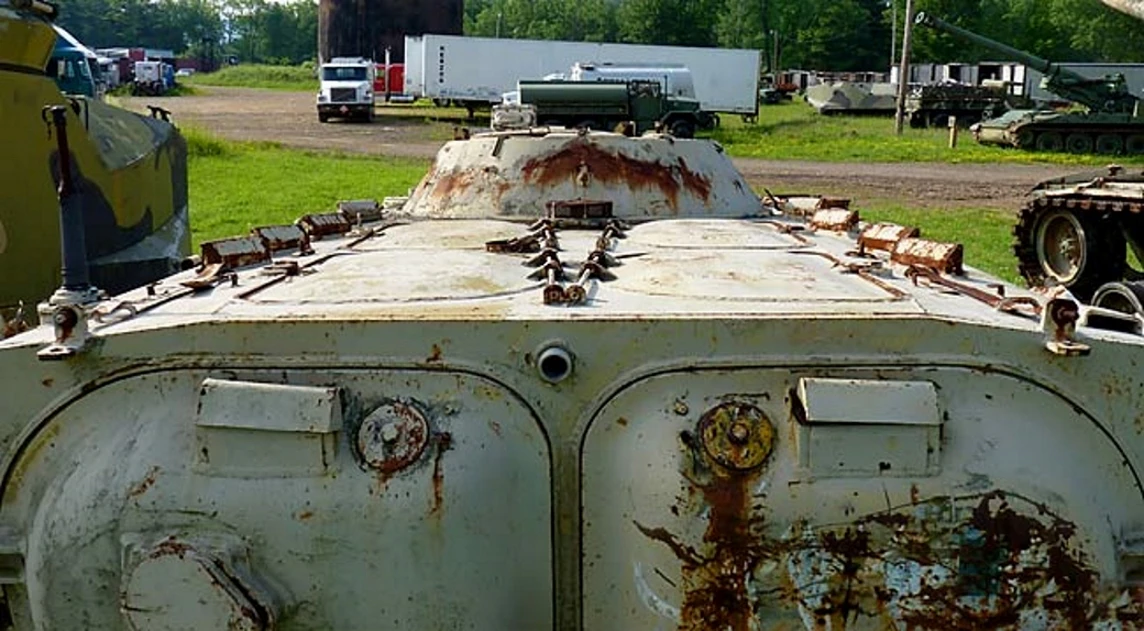
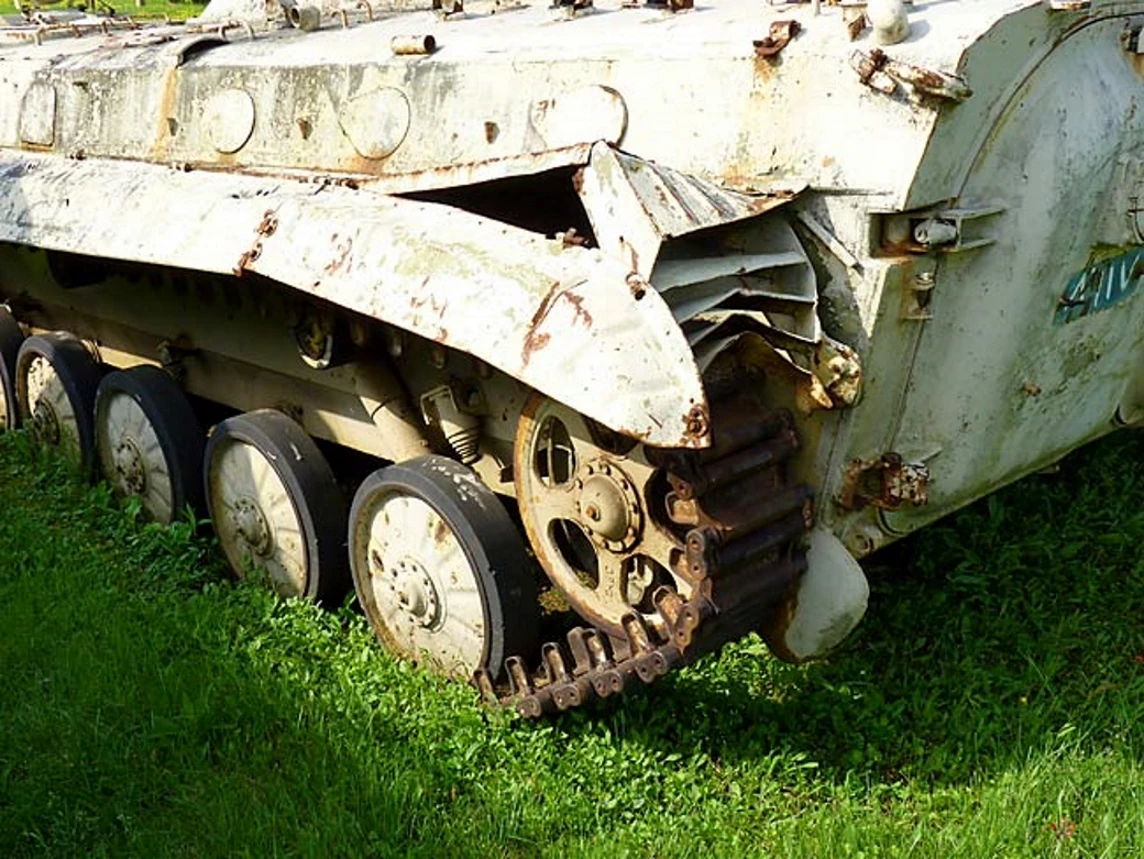
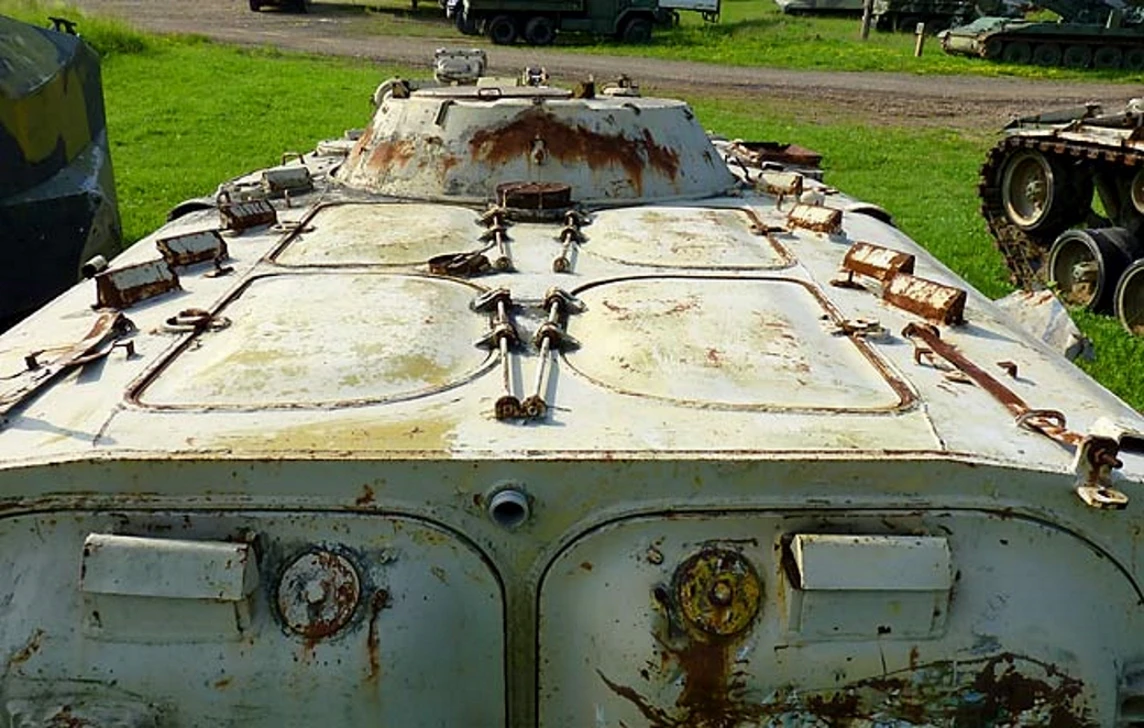
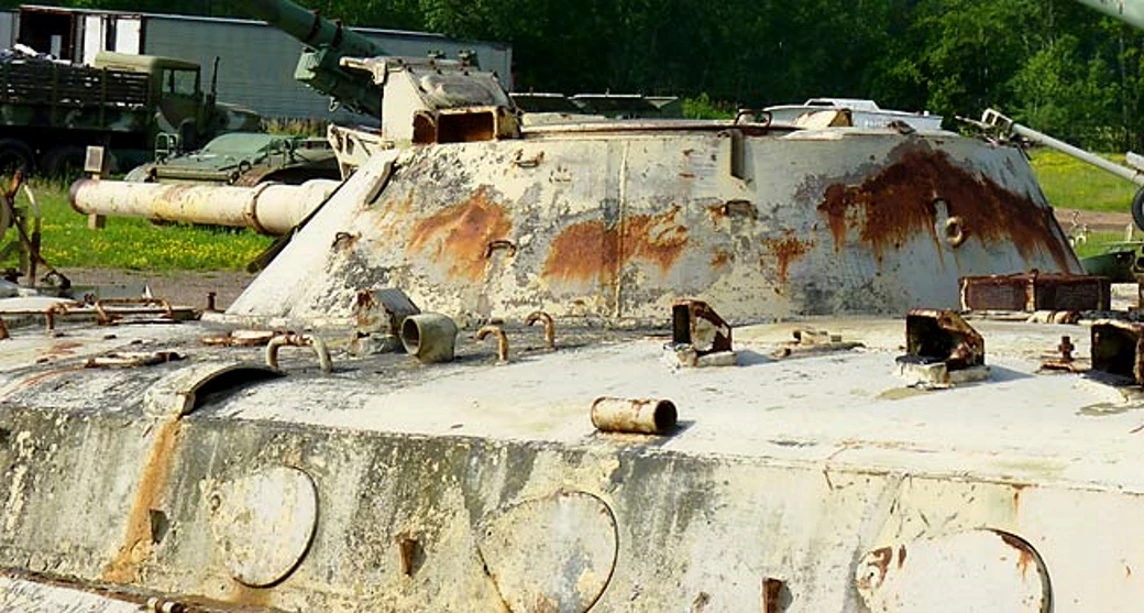
| BMP-1 (Czech) Walk Around | |
|---|---|
| Fotograaf | Robert De Craecker |
| Lokaliseerimine | Teadmata |
| Fotod | 35 |
Vaata ka:


| BMP-1 Walk Around | |
|---|---|
| Fotograaf | Unknow |
| Lokaliseerimine | Teadmata |
| Fotod | 131 |
A Revolution in Mechanized Warfare
Introduced in 1966, the BMP-1 completely changed the concept of infantry transport. Before the BMP, armored personnel carriers (APCs) like the American M113 were simply “battle taxis” meant to drop troops off and retreat. The BMP-1 was designed to fight alongside tanks. It was low-profile, amphibious, and packed enough firepower—including a cannon and anti-tank missiles—to engage enemy armor. It was designed for the nightmare scenario of a nuclear battlefield, allowing infantry to fight from within a sealed, filtered environment.
| Attribute | Technical Specification (BMP-1) |
|---|---|
| Rolli | Infantry Fighting Vehicle (IFV) |
| Crew / Capacity | 3 (Commander, Gunner, Driver) + 8 Infantry |
| Main Armament | 73 mm 2A28 “Grom” low-pressure smoothbore gun |
| Secondary Armament | 9M14 Malyutka (AT-3 Sagger) ATGM; 7.62mm PKT MG |
| Armor | 6–33 mm (Steel, highly sloped) |
| Top Speed | 65 km/h (Road) / 7 km/h (Water) |
| Mootor | UTD-20 V6 diesel (300 hp) |
| kaal | 13.2 tonnes |
Design Engineering: The Amphibious Predator
- Low Silhouette and Sloped Nose: The BMP-1 is famously low to the ground (only 2.09 meters high), making it a difficult target to hit. Its extreme frontal sloping was designed to deflect heavy machine gun fire and even small autocannons.
- Rear Fuel-Tank Doors: In a unique but controversial space-saving design, the two large rear exit doors for the infantry also serve as the vehicle’s secondary fuel tanks. While protected by the hull, they are vulnerable to rear-aspect fire.
- The “Grom” Cannon: The 73mm main gun was essentially a rocket launcher in a turret. It fired the same projectile as the SPG-9 recoilless rifle. Because it was low-pressure, it had limited range and accuracy but was devastating against light fortifications.
- Amphibious Capability: The BMP-1 can swim without any preparation. It uses its tracks to paddle through water, with specially shaped fenders that help direct the flow and provide buoyancy.
Combat History and Global Proliferation
- The Yom Kippur War Debut: The BMP-1 first saw major action in 1973. While its Sagger missiles terrified Israeli tankers, the vehicle’s thin side armor and cramped interior highlighted its vulnerabilities to modern anti-tank weapons.
- The Afghan “Iron Coffin”: During the Soviet-Afghan War, Mujahideen fighters used RPGs from high ground to strike the BMP’s thin roof armor. Soviet crews often nicknamed it the “Mass Grave for Eight” because of its tendency to explode if hit.
- Combat Firing Ports: The troop compartment features tiny glass vision blocks and firing ports, allowing the 8-man squad to fire their AK-47s from inside the vehicle while under NBC (Nuclear, Biological, Chemical) protection.
- Universal Service: With over 20,000 produced in the USSR alone (plus thousands more in Eastern Europe and China), the BMP-1 remains in active service in dozens of countries and continues to appear in nearly every modern conflict, from Syria to Ukraine.
Views : 5893
Näete ka :
 Dardo IFV – Jaluta ringi
 Ründav amfiibsõiduk - fotod ja videod
 Panhard M3 - fotod ja videod
 BMD-1 – fotod ja video
 T-30 – Fotod ja video
 Warriori jälgitav soomuk - fotod ja video
 FV180 lahinguinsener traktor - fotod ja video
 OT-62 TOPAS - fotod ja video
 MT-LB Sjvpbv 4024 – fotod ja video
 PTS-M jälgitav amfiibtransport - fotod ja video