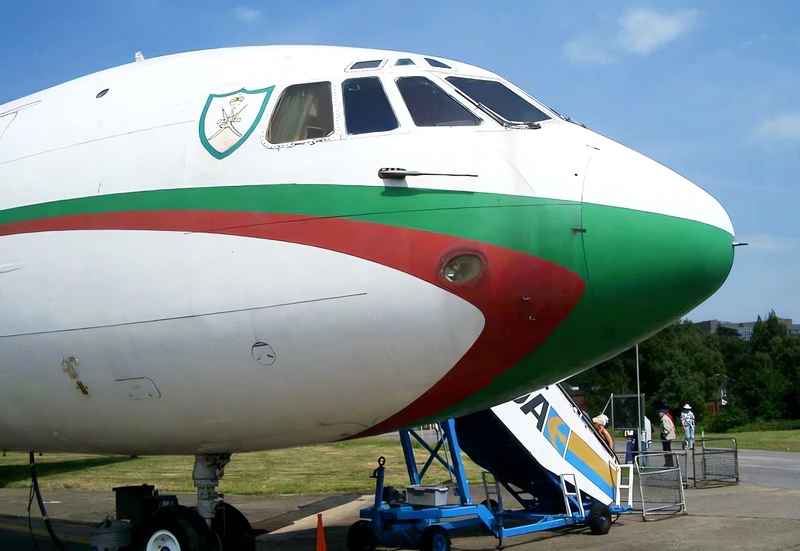
Vickers VC10 | |
|---|---|
| Riik | Uk |
| Rolli | Kitsa kerega reaktiivlennuk ja õhust tankimispaak |
| Esimene lend | 9. juuni 1962 |
| Ehitatud | 54 |
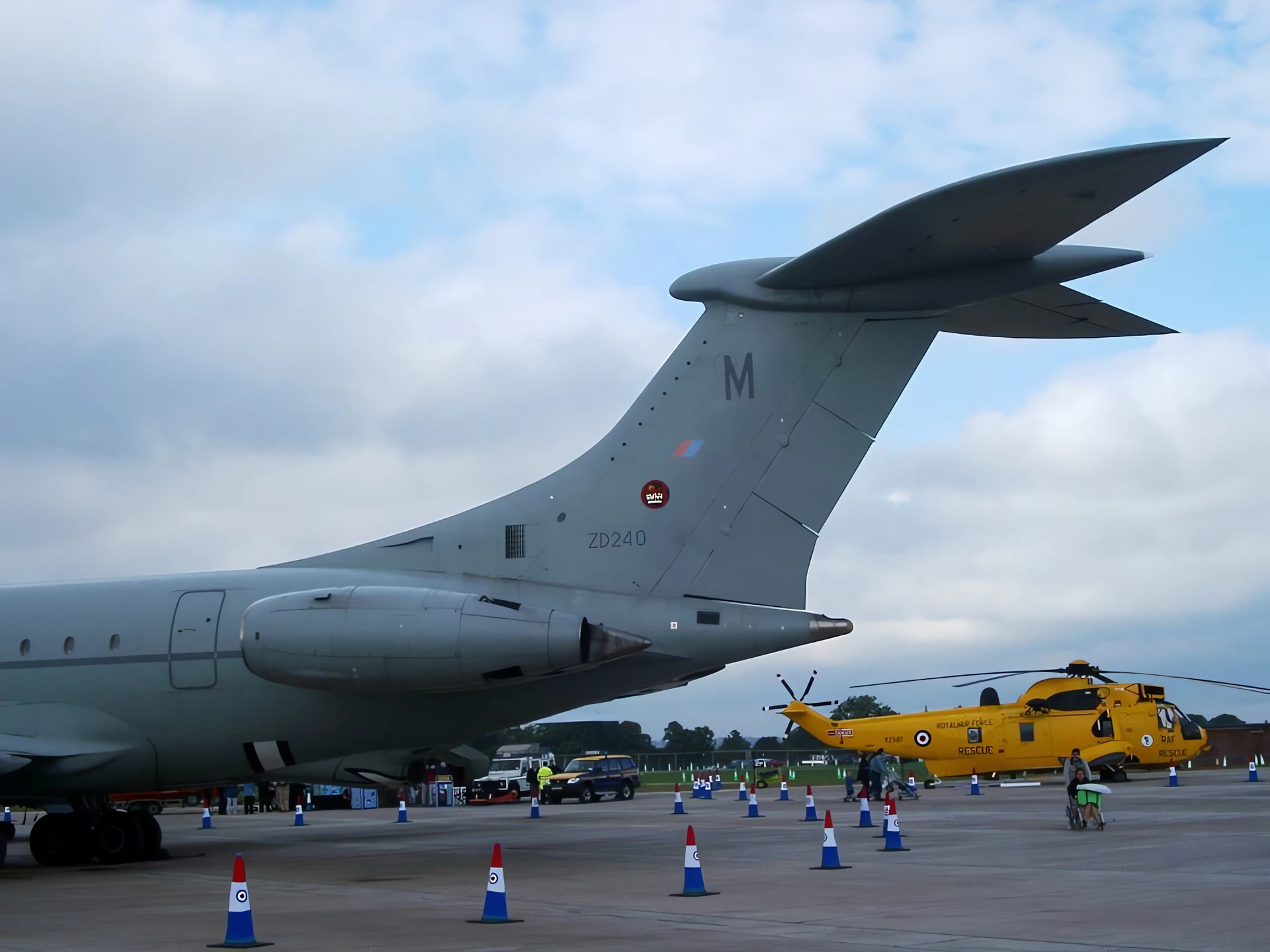
Vickers VC10 on keskmise suurusega kitsa kerega pikamaa Briti reaktiivlennuk, mille on projekteerinud ja ehitanud Vickers-Armstrongs (Aircraft) Ltd ning mis lendas esmakordselt Brooklandsis, Surreys, 1962. aastal. Lennuk oli mõeldud töötama pikamaaliinidel ajastu lühematest radadest ning käskis suurepäraselt kuuma ja suurt jõudlust Aafrika lennujaamade käitamiseks.
Allikas: Vickers VC10 Vikipeedias
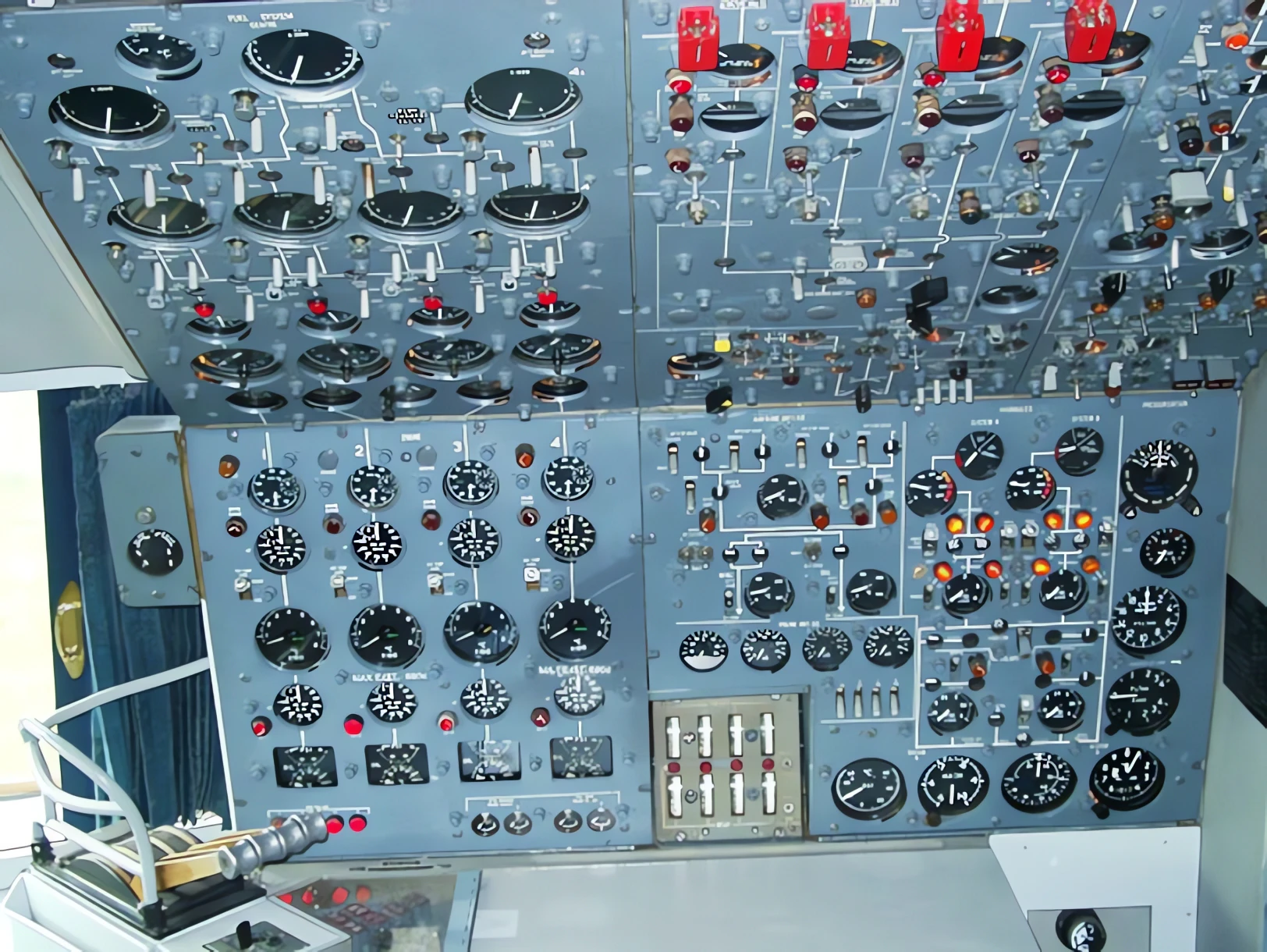
| Vickers VC10 Walk Around | |
|---|---|
| Fotograaf | Howard Mason |
| Lokaliseerimine | Teadmata |
| Fotod | 65 |
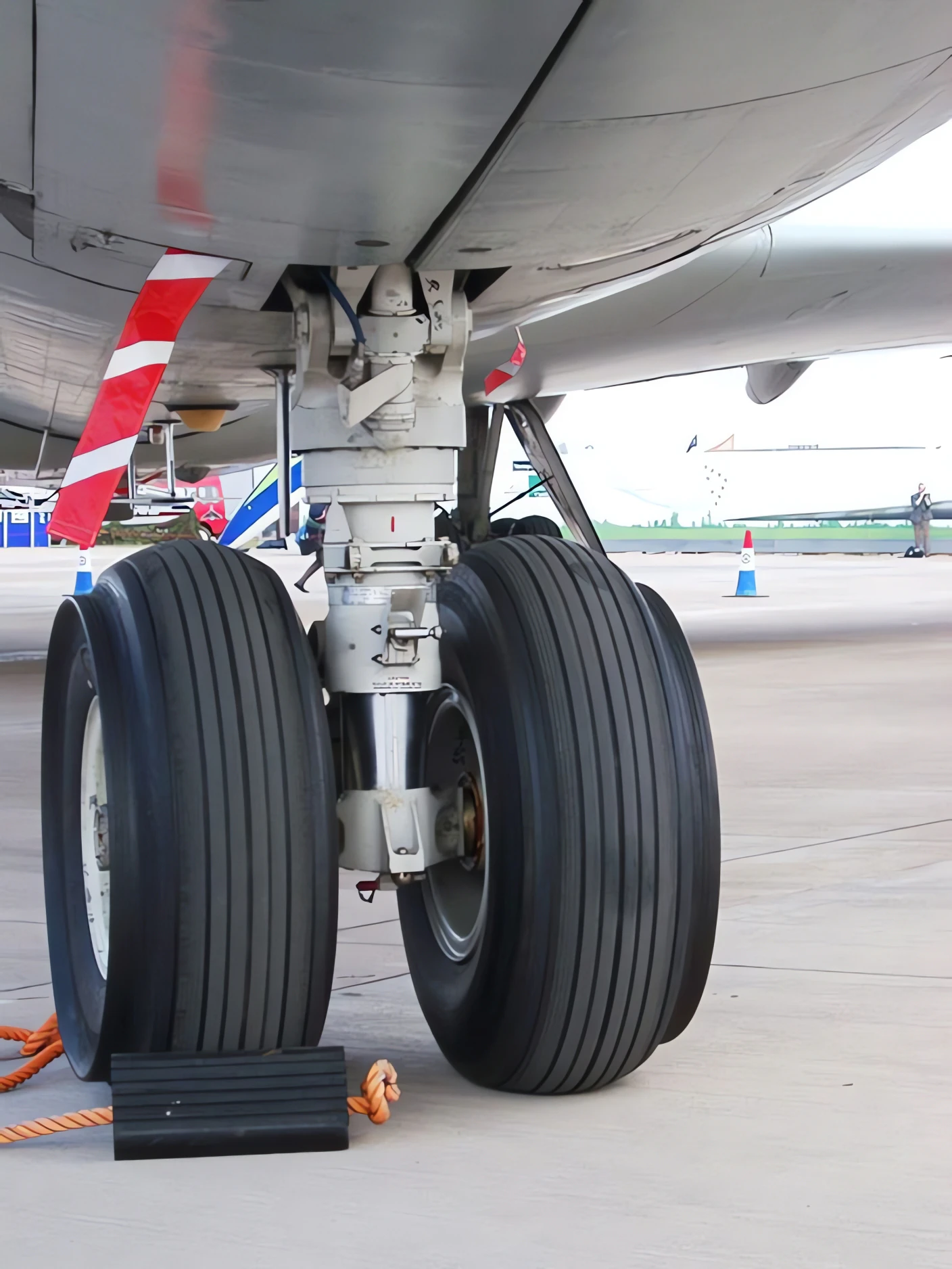
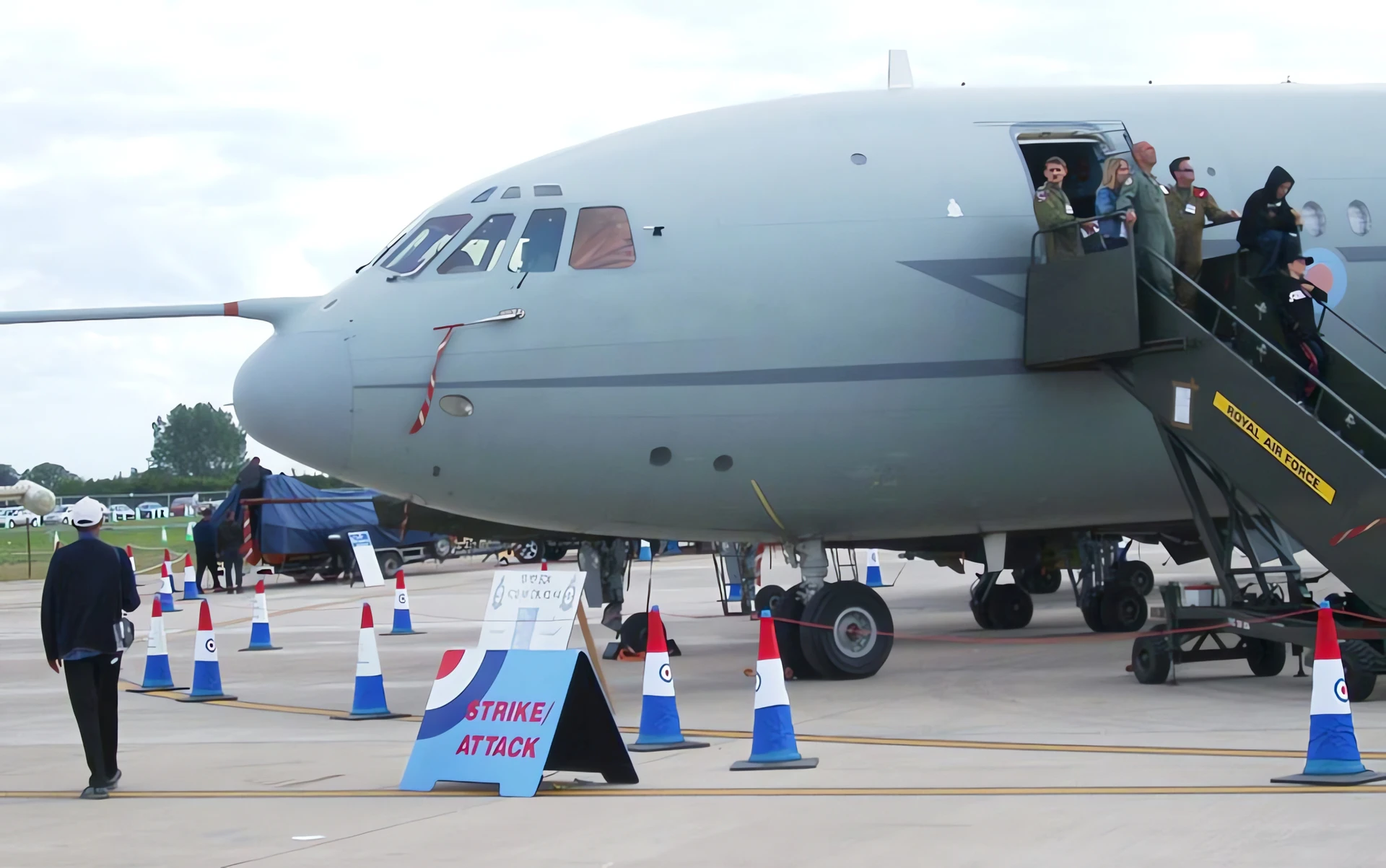
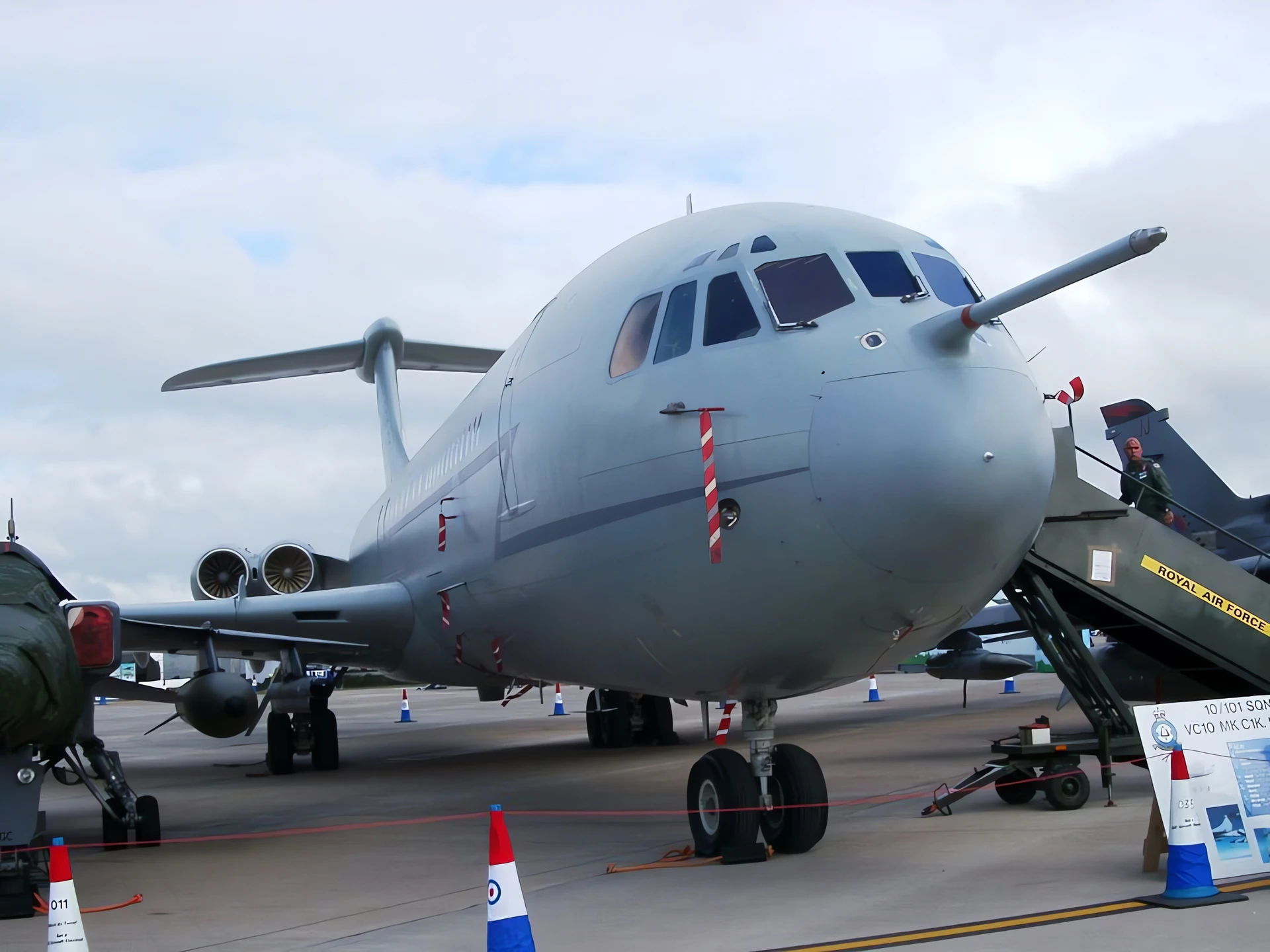
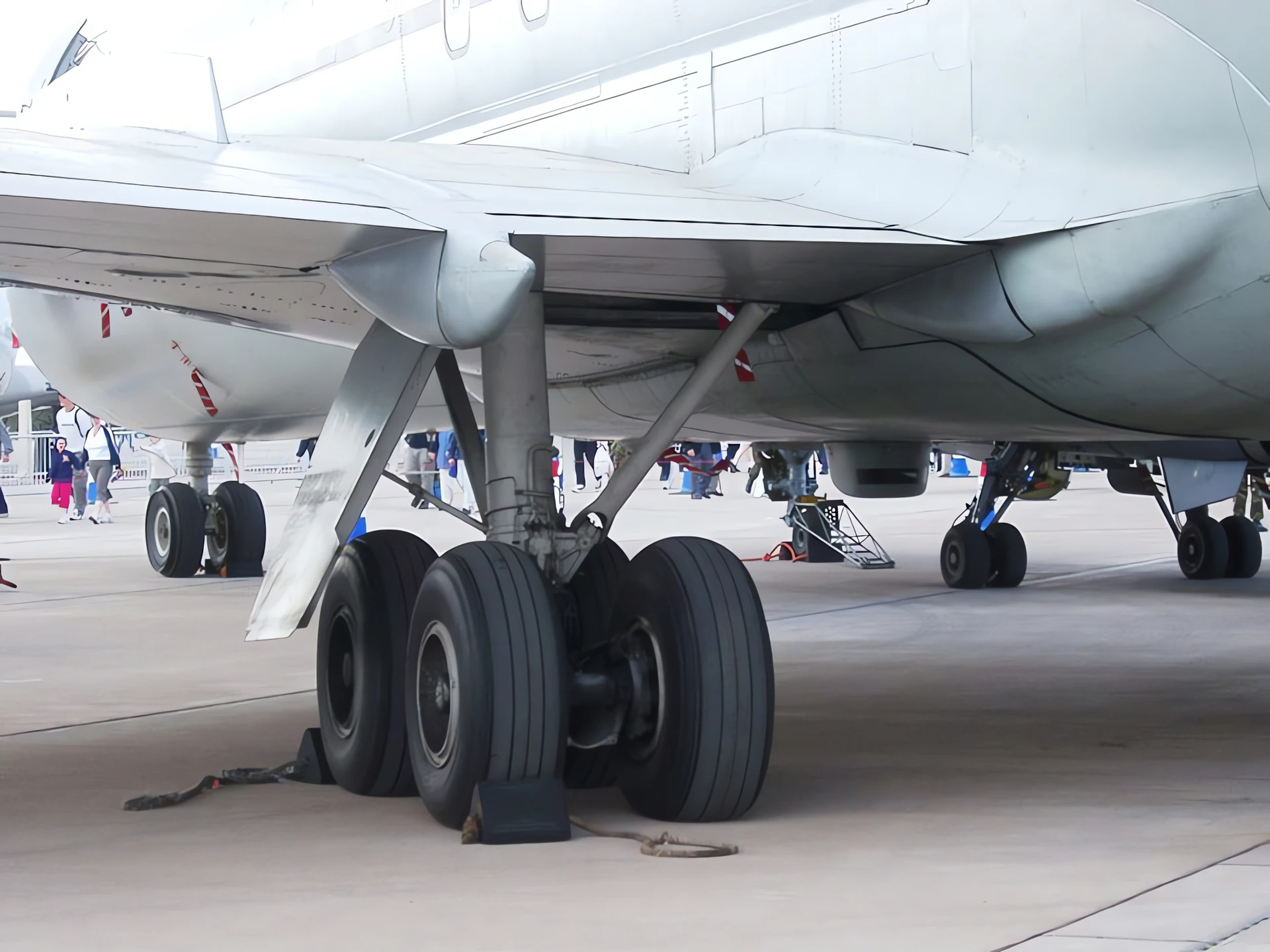
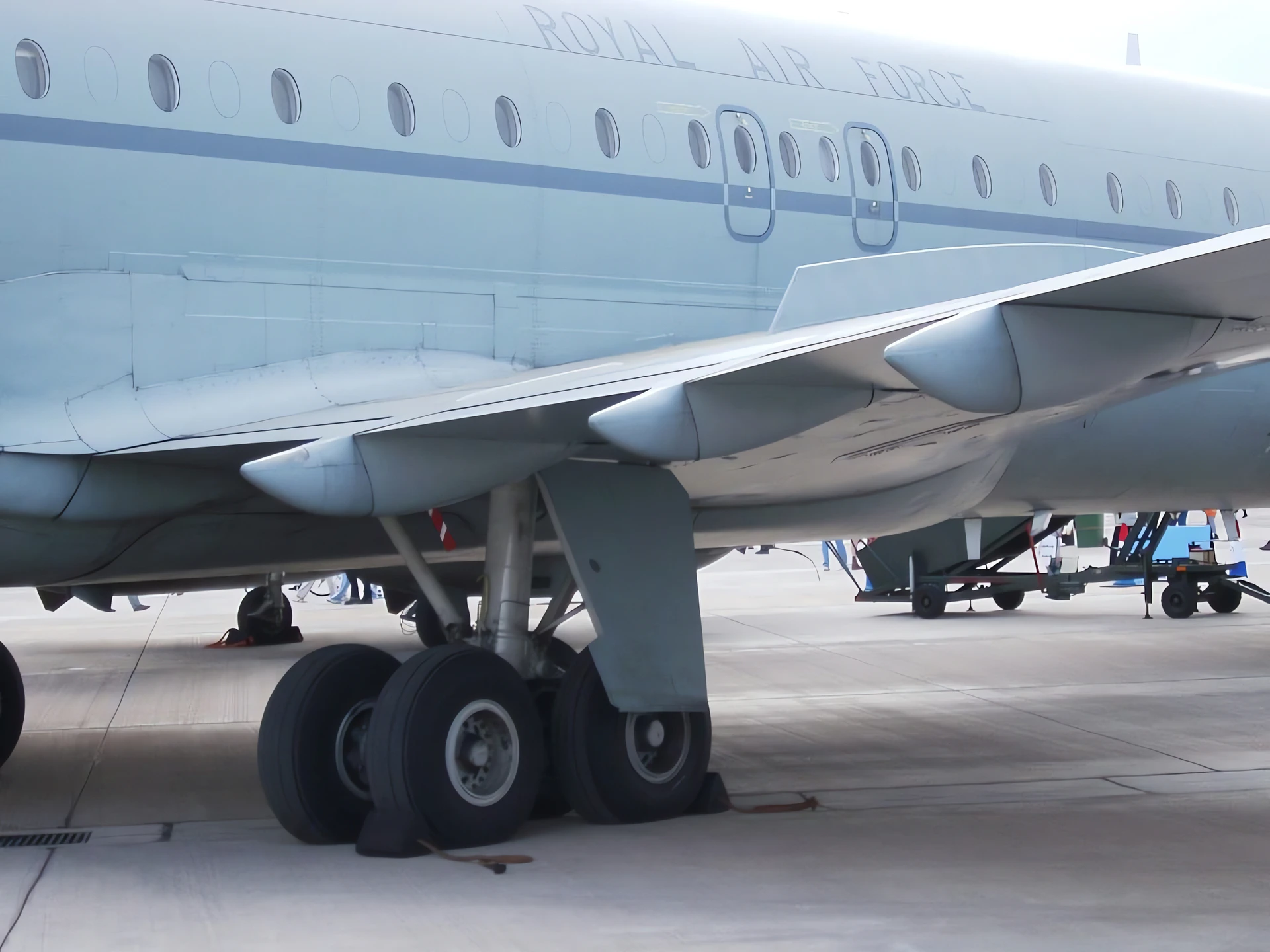
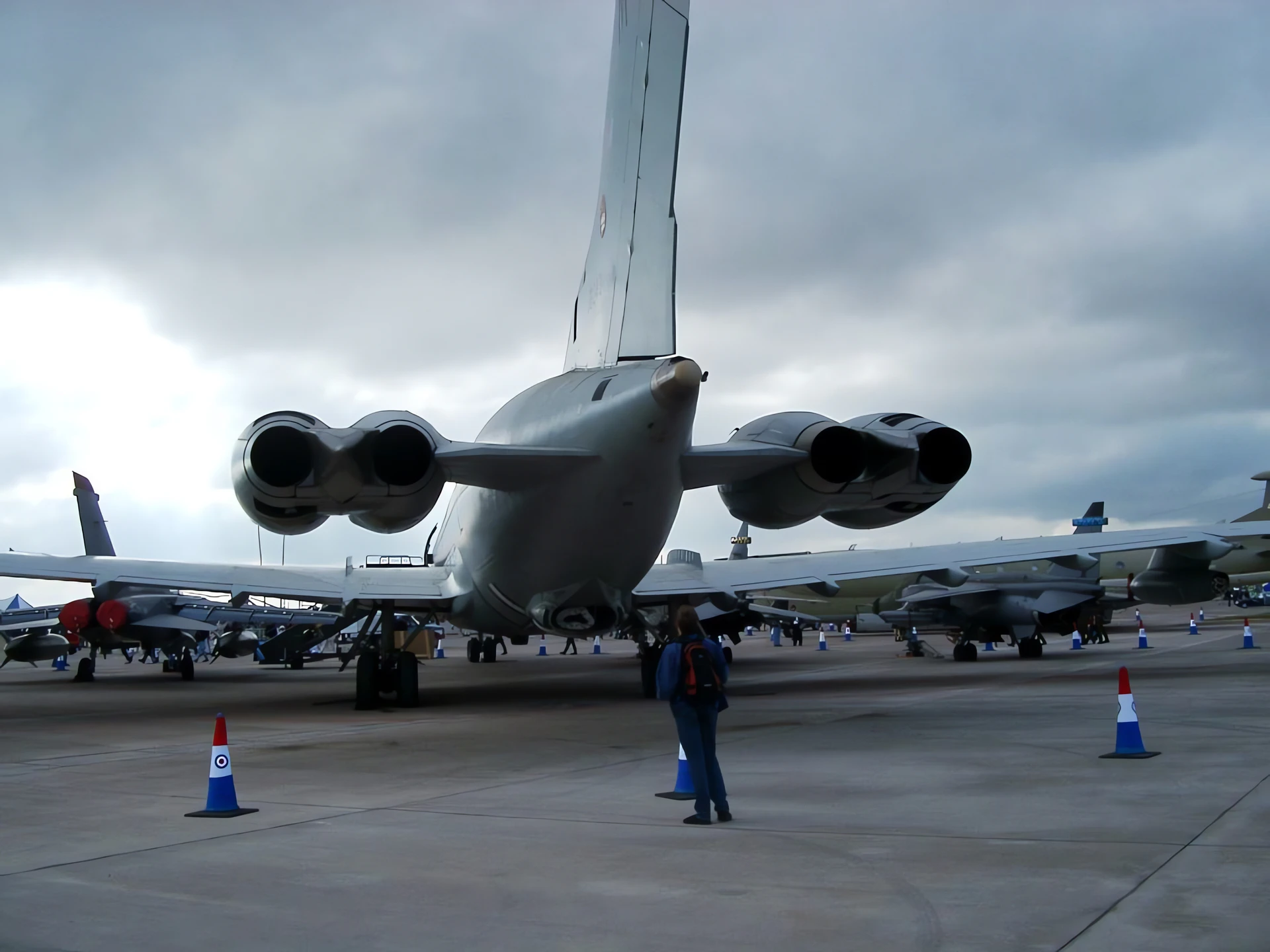
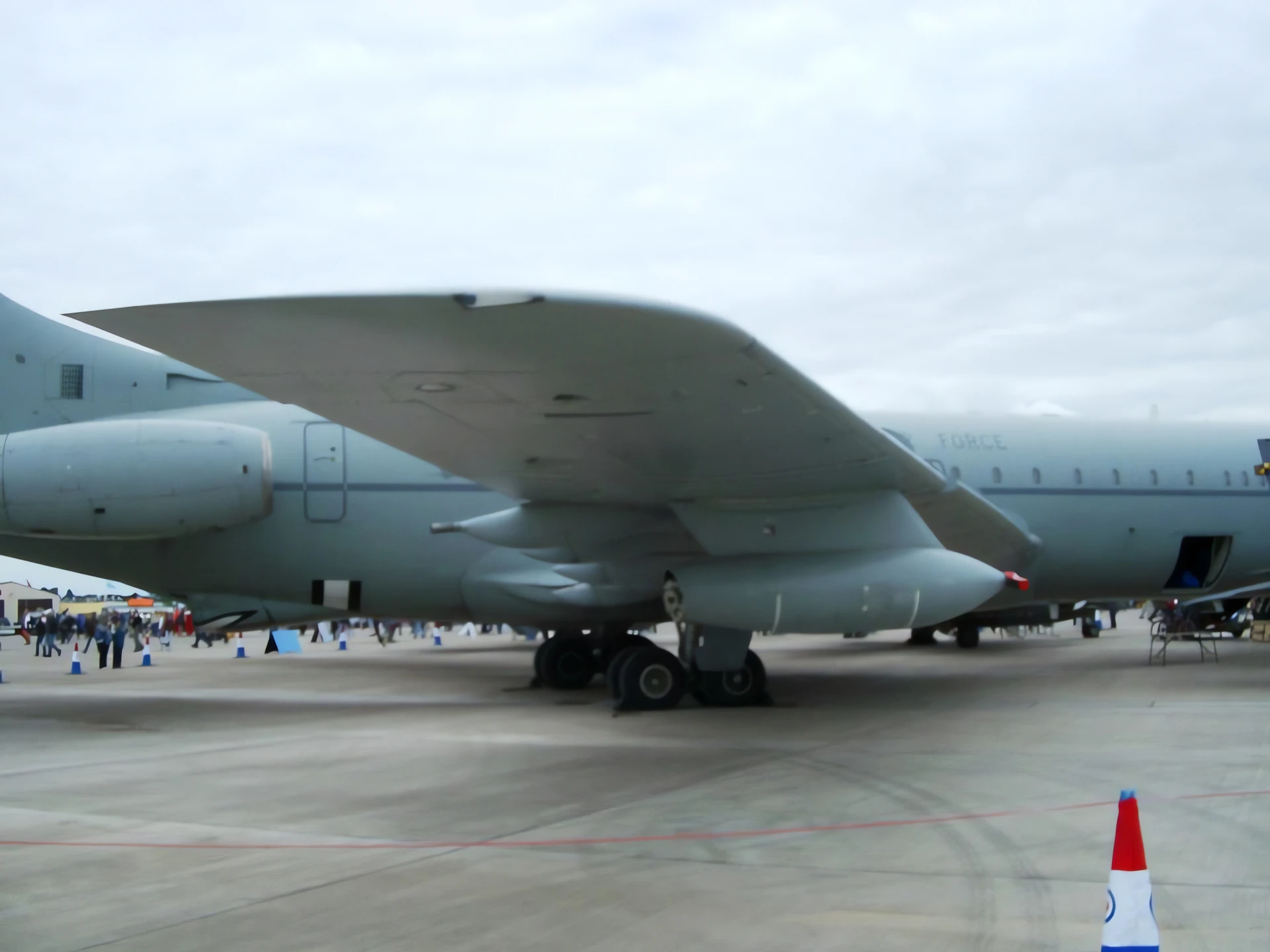


Vaata ka:


General Characteristics and Role
The Vickers VC10 was a long-range, narrow-body jet airliner designed and built by Vickers-Armstrongs (later British Aircraft Corporation) in the United Kingdom. It was specifically engineered for hot and high environments, featuring oversized wings and powerful, rear-mounted engines that gave it exceptional takeoff performance from challenging airfields, particularly in Africa and Asia. Although fewer were built than its competitor, the Boeing 707, the VC10 was famous for its speed, quiet cabin, and elegant design, earning it the title of “The Queen of the Skies” among many pilots and passengers. It saw extensive service with British Overseas Airways Corporation (BOAC) and later had a long and distinguished second career with the Royal Air Force (RAF) as a transport and aerial refueling tanker (VC10 K versions).
| Property | Typical Value (VC10 Type 1101/K3 Tanker) |
|---|---|
| Rolli | Long-Range Airliner, Military Transport/Tanker |
| National Origin | Ühendkuningriik |
| Tootja | Vickers-Armstrongs / BAC |
| First Flight | 29 June 1962 |
| Meeskonna | 4 (Pilot, Co-pilot, Flight Engineer, Navigator) |
| Capacity (Airliner) | 135 – 151 passengers |
| pikkus | 48.36 m (158 ft 8 in) |
| Tiibade siruulatus | 44.55 m (146 ft 2 in) |
| kõrgus | 12.04 m (39 ft 6 in) |
| Empty Weight | 66,500 kg (146,600 lb) |
| Max Takeoff Weight | 146,500 kg (323,000 lb) |
Powerplant and Performance
- Engines: 4 x Rolls-Royce Conway Mk. 540 turbofan engines.
- Thrust (Each): 91.9 kN (20,700 lbf).
- Engine Configuration: Uniquely featured four engines mounted in pairs on the sides of the rear fuselage, minimizing wing bending and noise in the passenger cabin.
- Maximum Speed: Mach 0.86 (933 km/h; 580 mph).
- Cruise Speed: Mach 0.82 (886 km/h; 550 mph).
- Range (Typical): 9,415 km (5,850 mi; 5,084 nmi).
- Service Ceiling: 13,100 m (43,000 ft).
Variants and Retirement
- Standard VC10: Initial production model.
- Super VC10: Stretched fuselage version with a greater range and capacity (up to 151 passengers).
- VC10 K2/K3/K4: Military conversion of former civilian airliners into aerial refueling tankers for the RAF.
- Retirement: The VC10 had an exceptionally long service life; the last remaining airframes, operated by the RAF as tankers, were retired in 2013, over 50 years after the first flight.
- Legacy: It was the fastest jet airliner in operation between the UK and New York until the introduction of the Concorde.
Vaadatud : 1559
Näete ka :
 Boeing C-97 Stratofreighter - fotod ja videod
 Cessna 150 - fotod ja videod
 Saab 37 Viggen - fotod ja videod
 Cessna AT-17 Bobcat - fotod ja videod
 Vickers Viscount - fotod ja videod
 Vickers Valiant B.1 – Fotod ja video
 Vickers Vimy - fotod ja video
 Vought F-8 Ristisõdija – WalkAround
 Focke-Wulf FW-190 – Jalutada
 Sukhoi Su-17UM3 – WalkAround