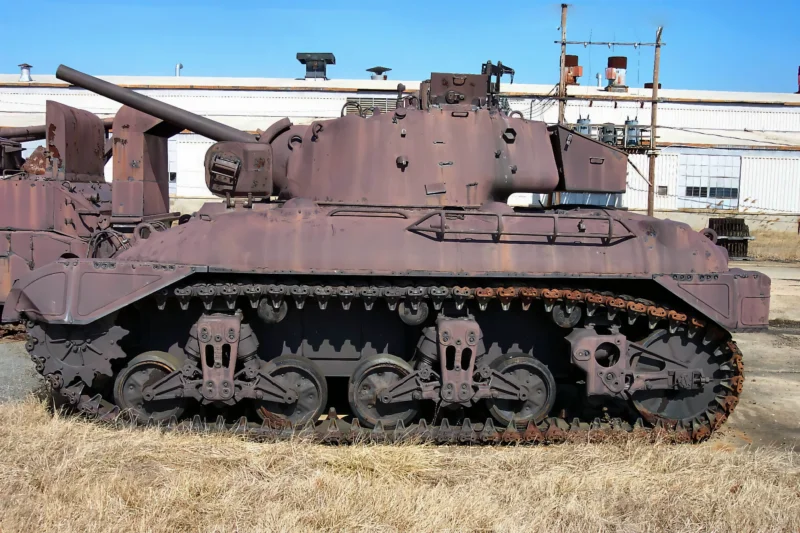
Tanque ligero M7 | |
|---|---|
| País | E.e.u.u |
| Categoría | Vehículos blindados |
| Tipo | Tanque ligero |
| Descripción | Álbum 94 fotos del "M7 Light Tank" |
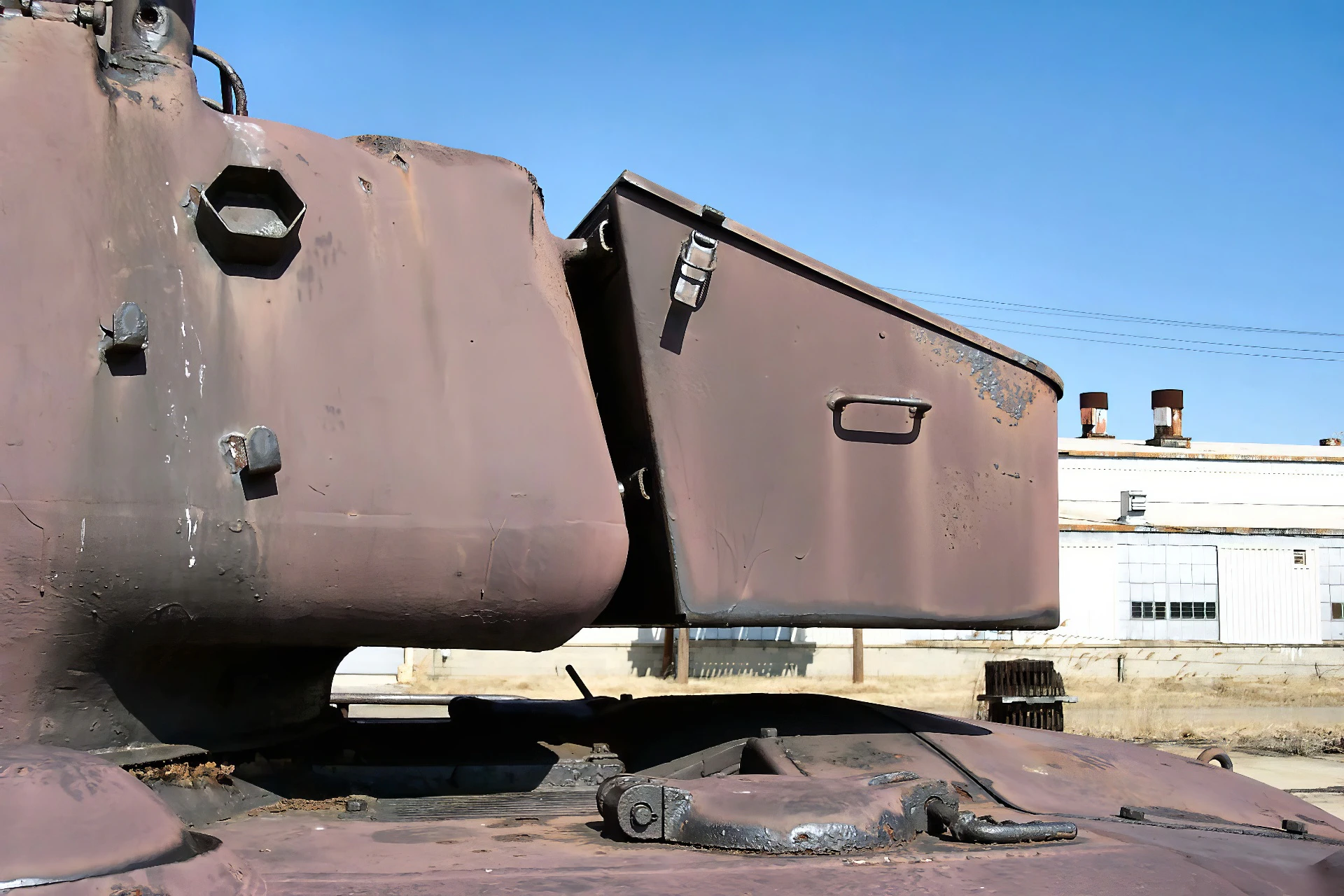
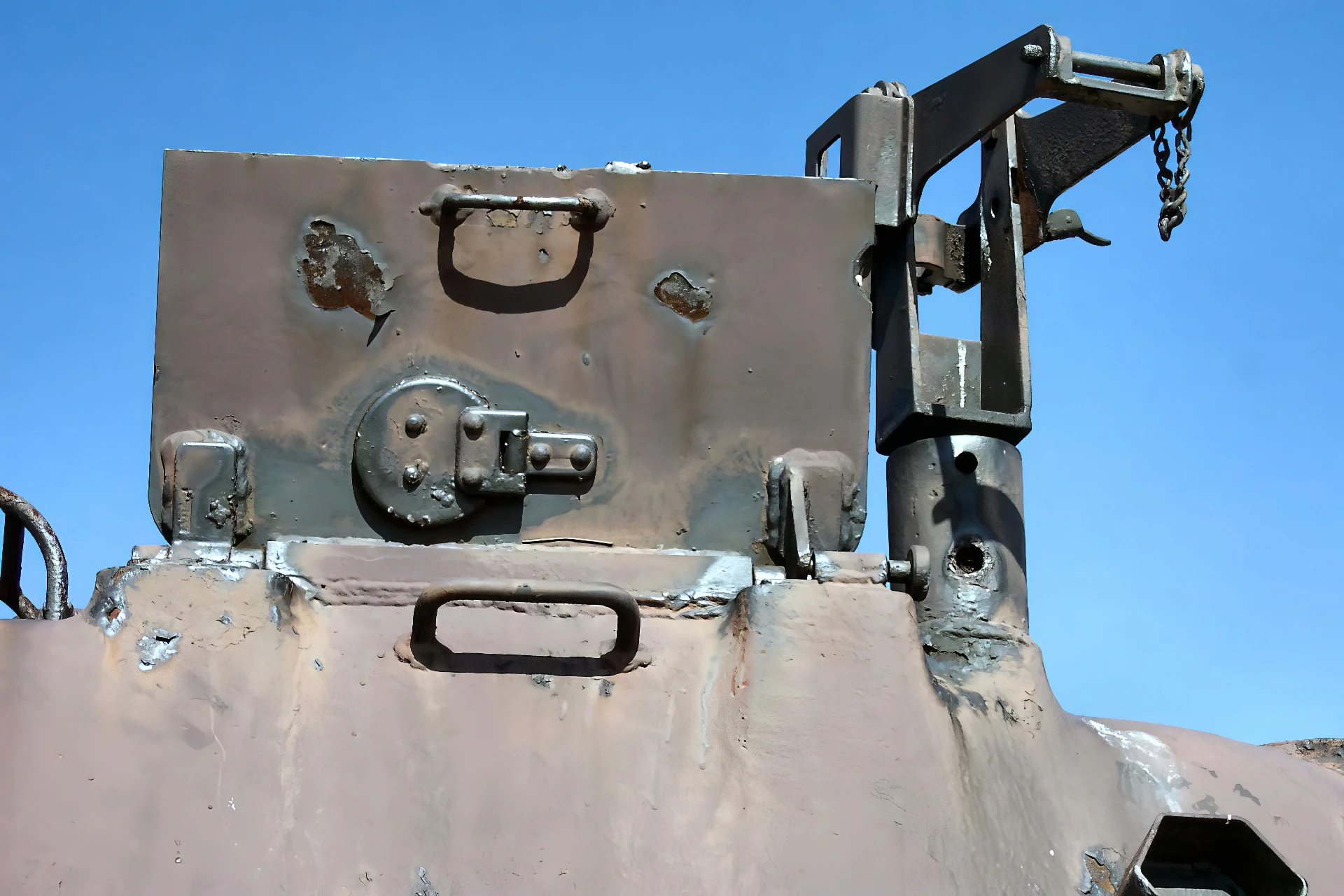
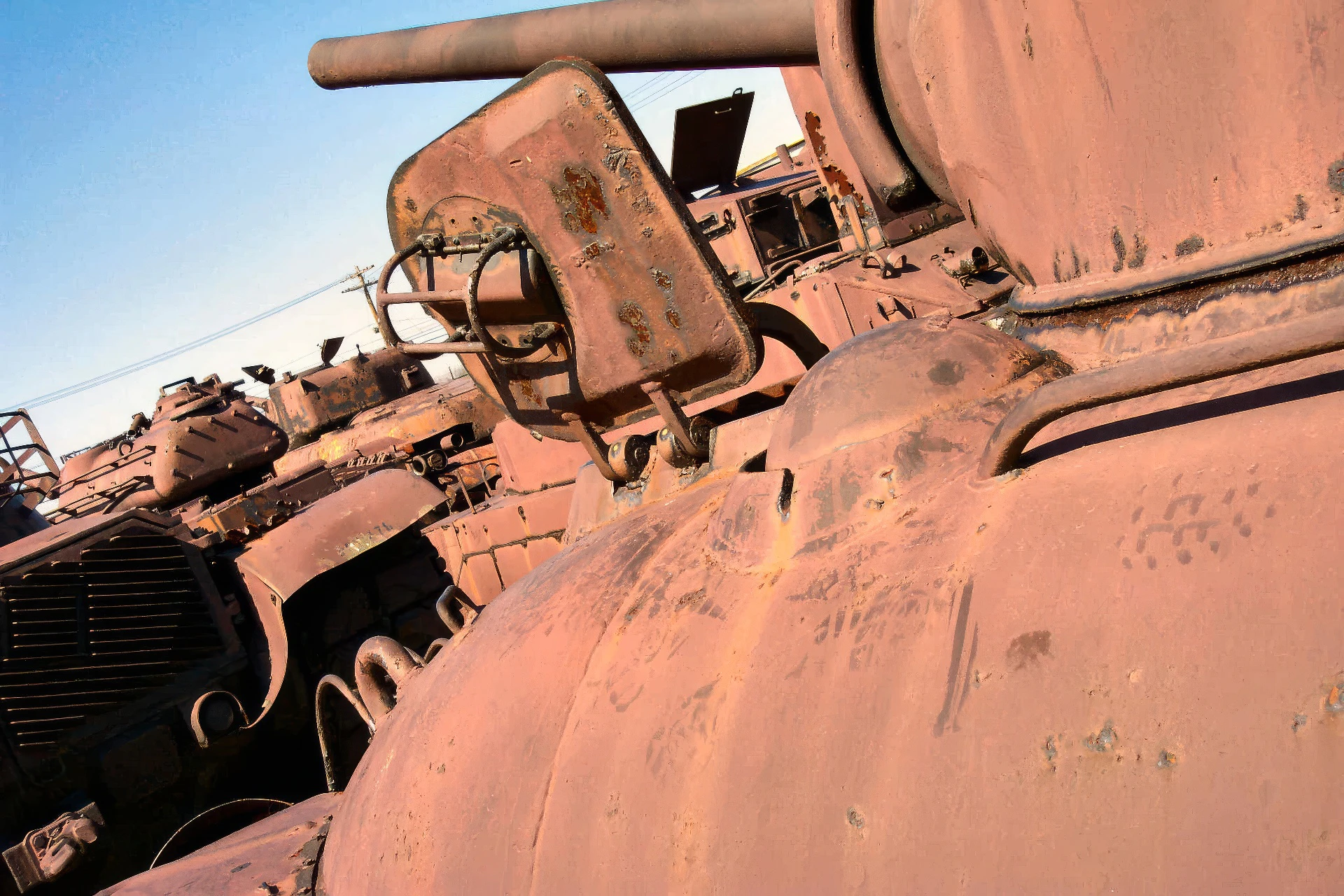
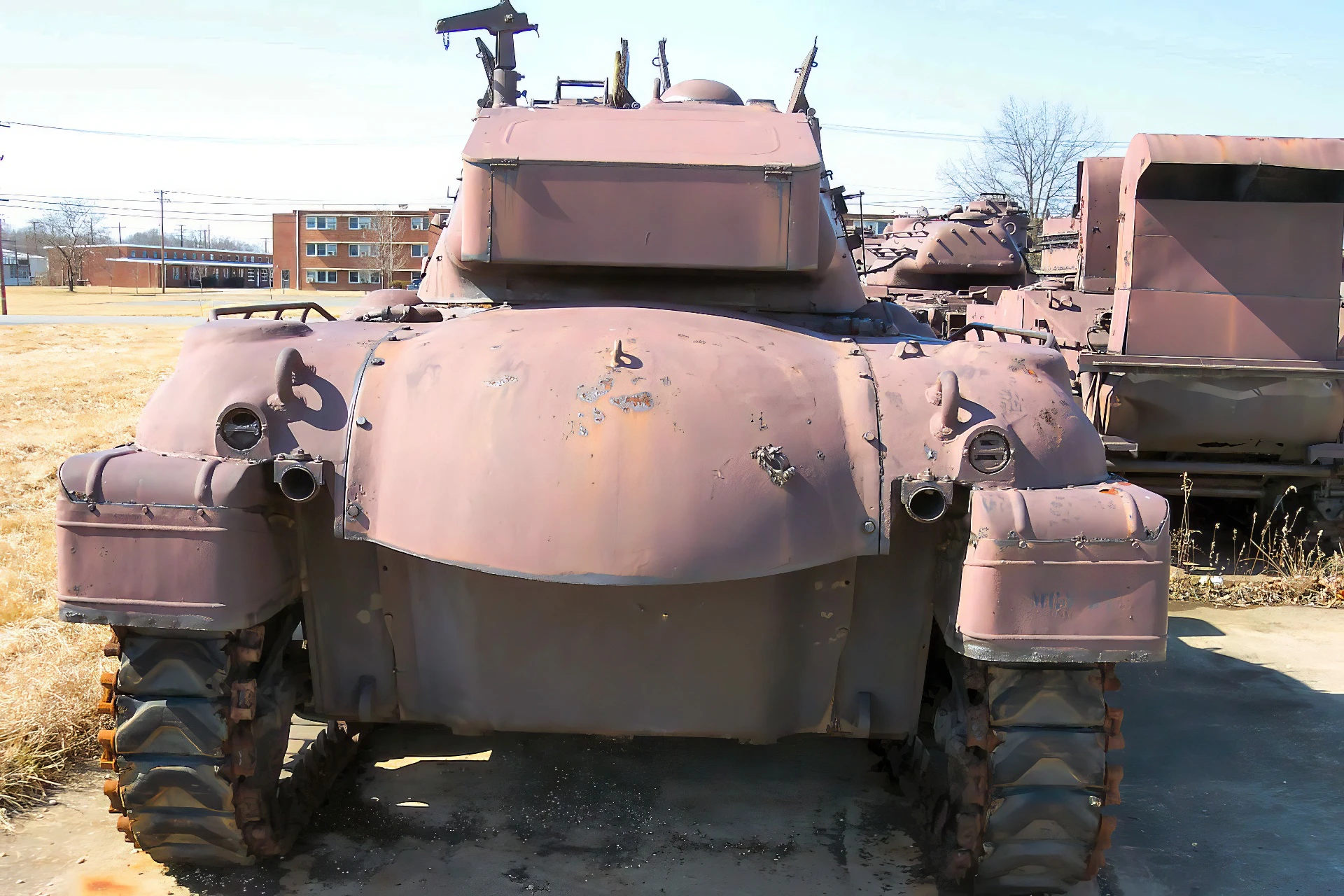
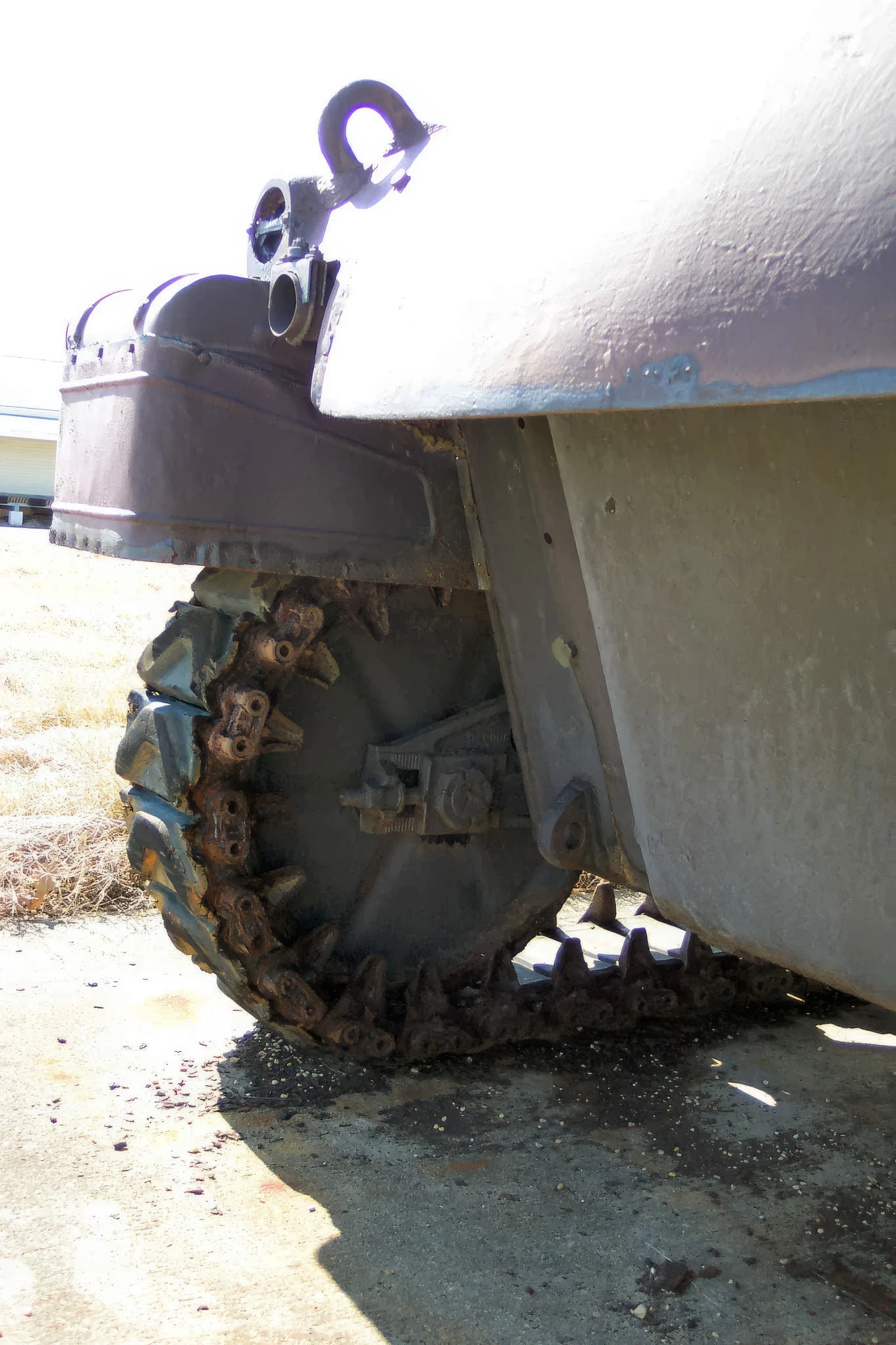
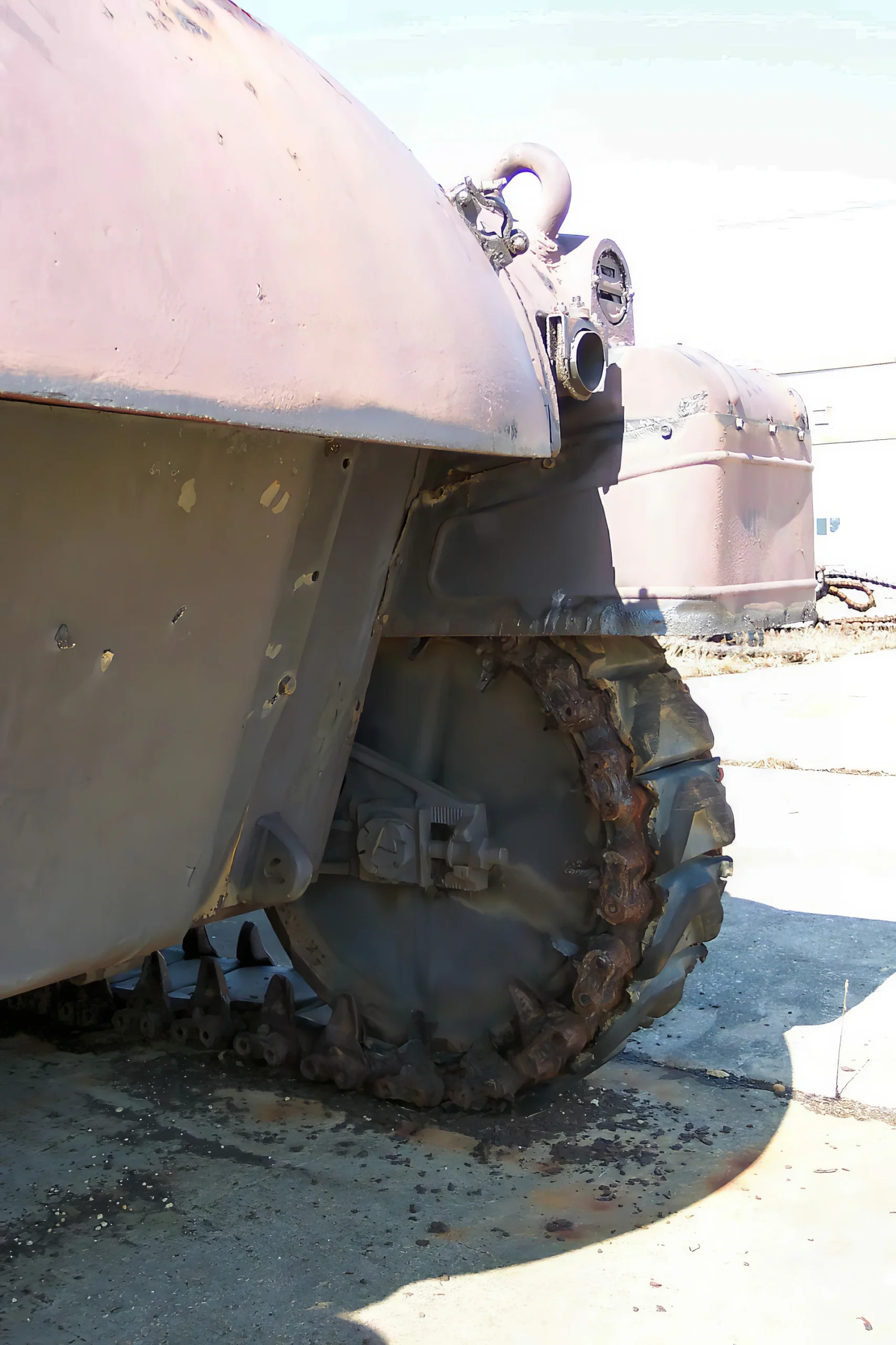
Galería de fotos en un tanque ligero M7, ordenado como sucesor del popular tanque M5, nunca pasó de la etapa de prototipo, solo se construyeron 7. El M5 no podía competir con el Sherman M4.
Características técnicas: Armement: canon de 75mm et une mitrailleuse MG 0.3″ Moteur: Wright R975, 9 cyl. Whirlwind radial, gas, 340 hp Vitesse: 50 Km/h Autonomie: 160 Km Poids: 25t
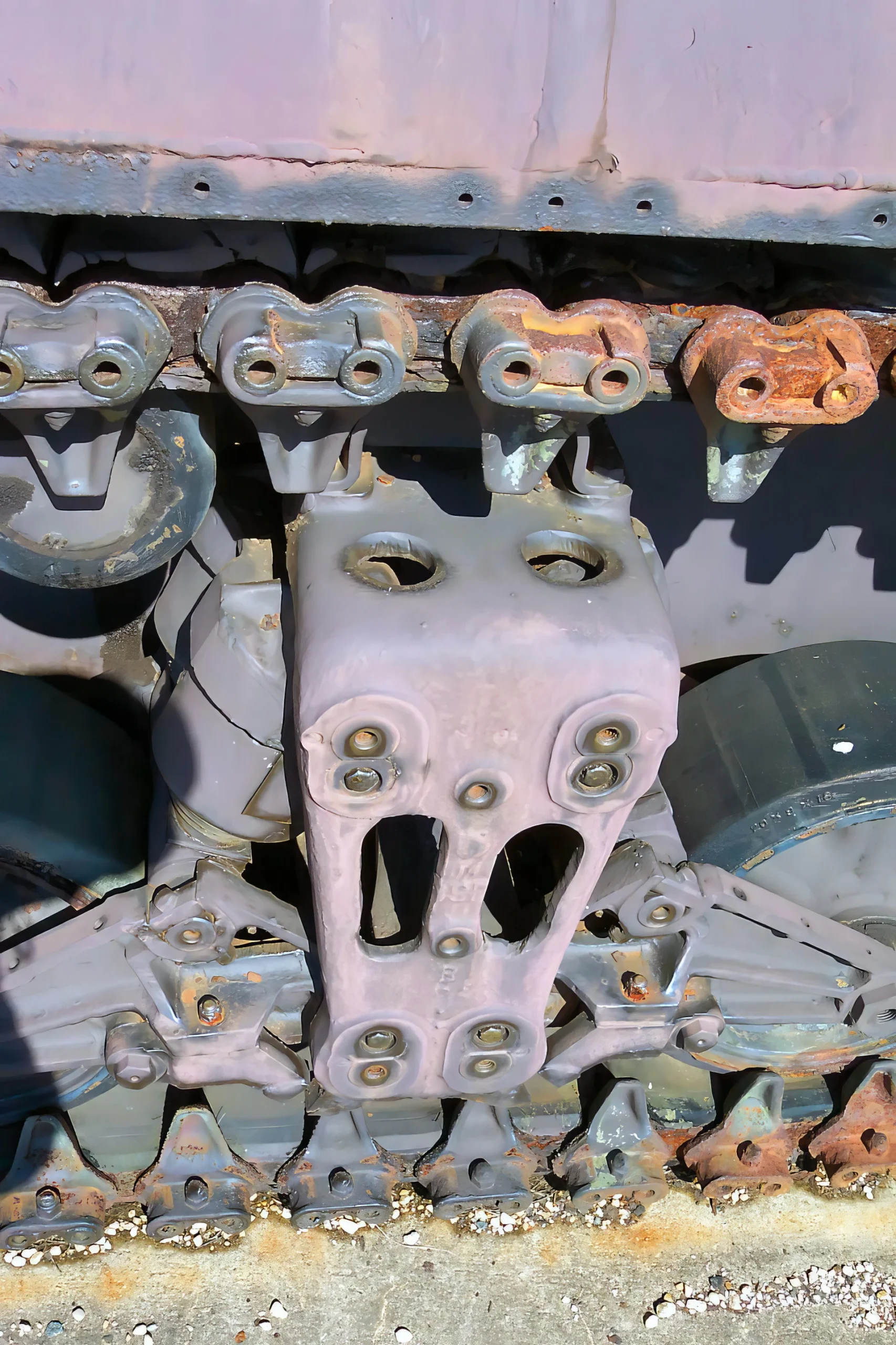
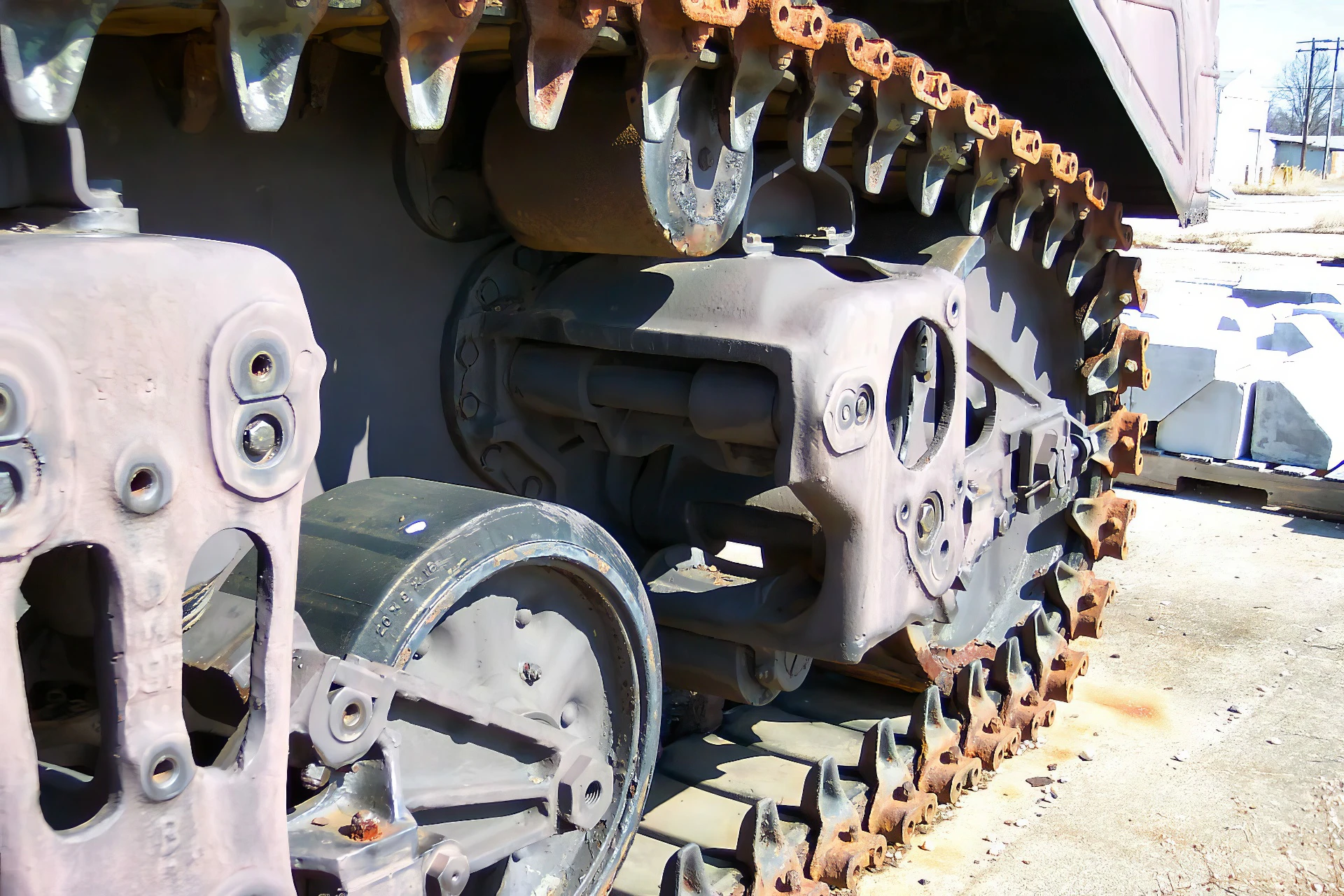
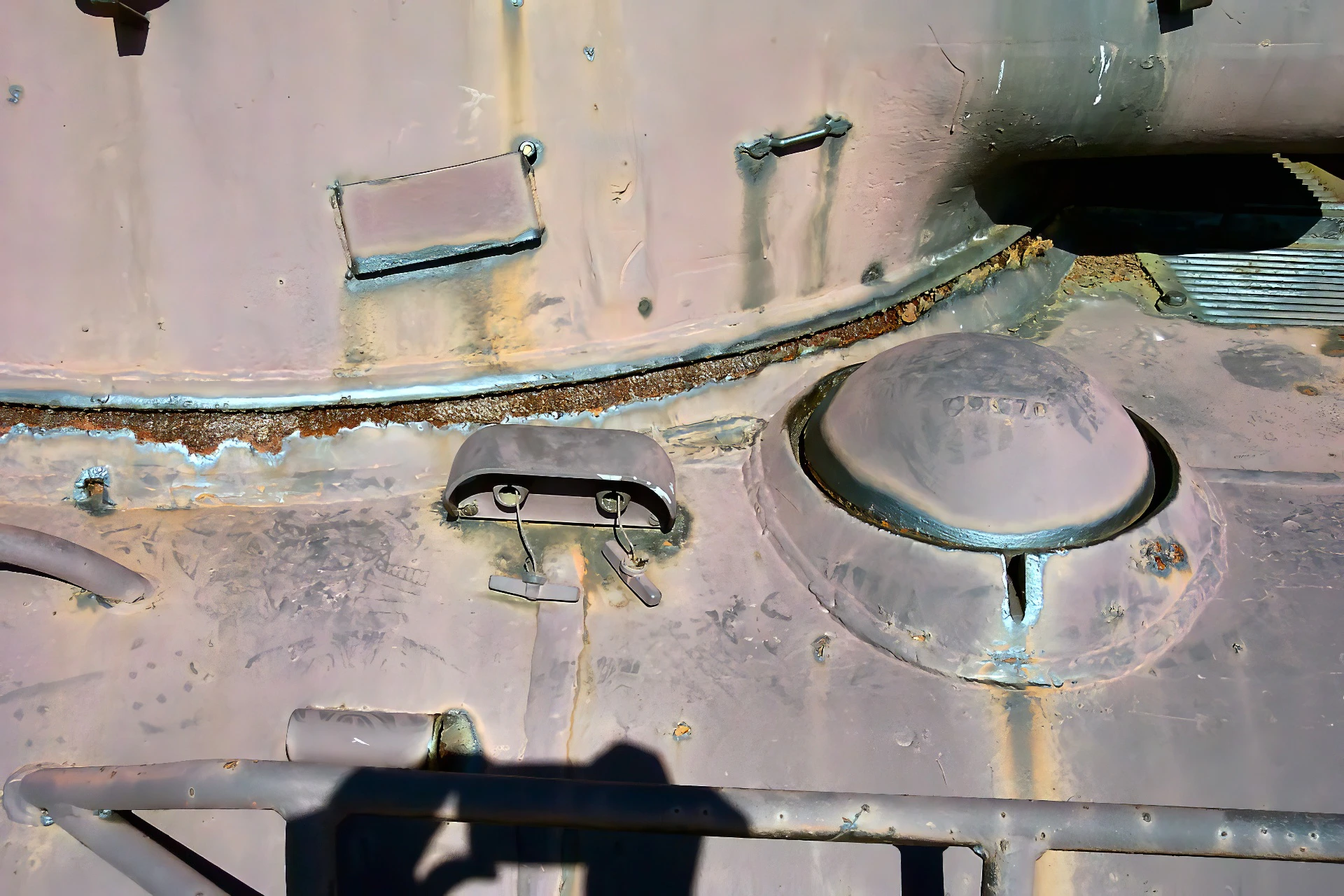

Ver también:


The M7 Medium Tank, initially conceived as the T7 Light Tank, was a World War II armored vehicle project by the United States intended to replace the M3/M5 “Stuart” light tank series. Due to successive requirements for increased armor and firepower, the tank grew significantly in weight during its development, ultimately exceeding the specifications for a light tank and leading to its reclassification as a medium tank.
Development and Classification Changes
The T7 Light Tank Program
- Initial Requirement: The program began in 1941 to design a new light tank, aiming for a combat weight of under 14 short tons (12.7 tonnes), armed with a 37 mm gun, and featuring a low silhouette.
- Weight Creep: As development progressed through prototypes (T7E2, T7E3, T7E4), the Ordnance Department and Armored Force requested a heavier main gun—first the British 57 mm (6-pounder), and finally the American 75 mm M3 gun (the same as the M4 Sherman).
- Armor Increase: Correspondingly, armor thickness was increased to handle the heavier armament and match contemporary threats, pushing the weight past the original 14-ton limit.
Standardization and Cancellation
- Reclassification: By the time the T7E5 prototype was ready, its combat weight had reached approximately **24.5 short tons** (22.2 tonnes). It was standardized as the **M7 Medium Tank** in August 1942.
- Production Failure: International Harvester Co. was contracted to build 3,000 M7s, but production models were found to be even heavier than the prototypes, approaching 29 short tons.
- Project Cancellation: The M7 was deemed **inferior** in performance and reliability to the already standardized and mass-produced **M4 Sherman**, while offering no significant operational benefit. Production was halted in July 1943 after only **13 units** were fully completed.
Technical Specifications (M7 Medium Tank)
General Characteristics
| Especificación | Detail |
|---|---|
| Designation | Medium Tank M7 |
| Equipo | 5 (Commander, Gunner, Loader, Driver, Co-Driver) |
| Mass (Combat) | Approx. 24.5 tonnes (54,000 lb) |
| Longitud | 5.23 m (17 ft 2 in) |
| Ancho | 2.84 m (9 ft 4 in) |
Armament and Armor
| Component | Detail |
|---|---|
| Armamento principal | 1 x 75 mm M3 L/40 gun |
| Ammunition Capacity | 71 rounds (75 mm) |
| Armamento secundario | 3 x .30 cal (7.62 mm) M1919A4 machine guns |
| Armor (Max Frontal) | Up to 64 mm (2.5 in) on the gun shield |
| Hull Construction | Predominantly cast homogeneous steel with sloped frontal armor. |
Mobility and Powerplant
| Component | Detail |
|---|---|
| Motor | Continental R975-C1 9-cylinder radial gasoline |
| Engine Power | 400 hp (298 kW) |
| Velocidad máxima | Approx. 48 km/h (30 mph) on road |
| Suspensión | Vertical Volute Spring Suspension (VVSS) |
The M7 project represents a transitional design in American tank development, illustrating the difficulty of balancing speed, armor, and firepower as battlefield requirements evolved in World War II.
Vistas : 3186
También puede ver:
 Tanque T-18 – Fotos y Videos
 Tipo 63 – Fotos y videos
 Tanque T-60 – Fotos y Videos
 FCM36 – Fotos y Video
 T-30 – Fotos y Video
 Sistema de armas blindadas XM-8 - Fotos y video
 T-92 Light Tank - Fotos y video
 Tanque de seis toneladas M1917 – WalkAround
 Tanque de caballería soviético BT-7 – Caminar alrededor
 Char léger T-46 – WalkAround