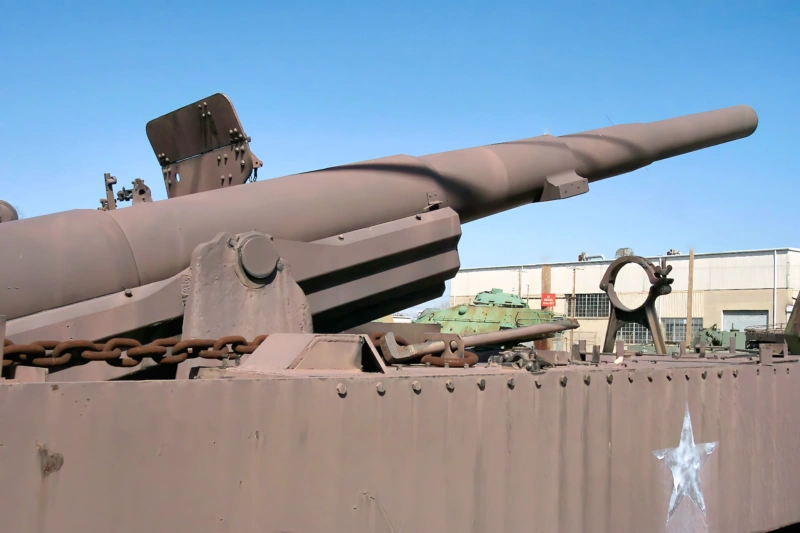
M12 155mm | |
|---|---|
| País | E.e.u.u |
| Tipo | Pistola autopropulsada |
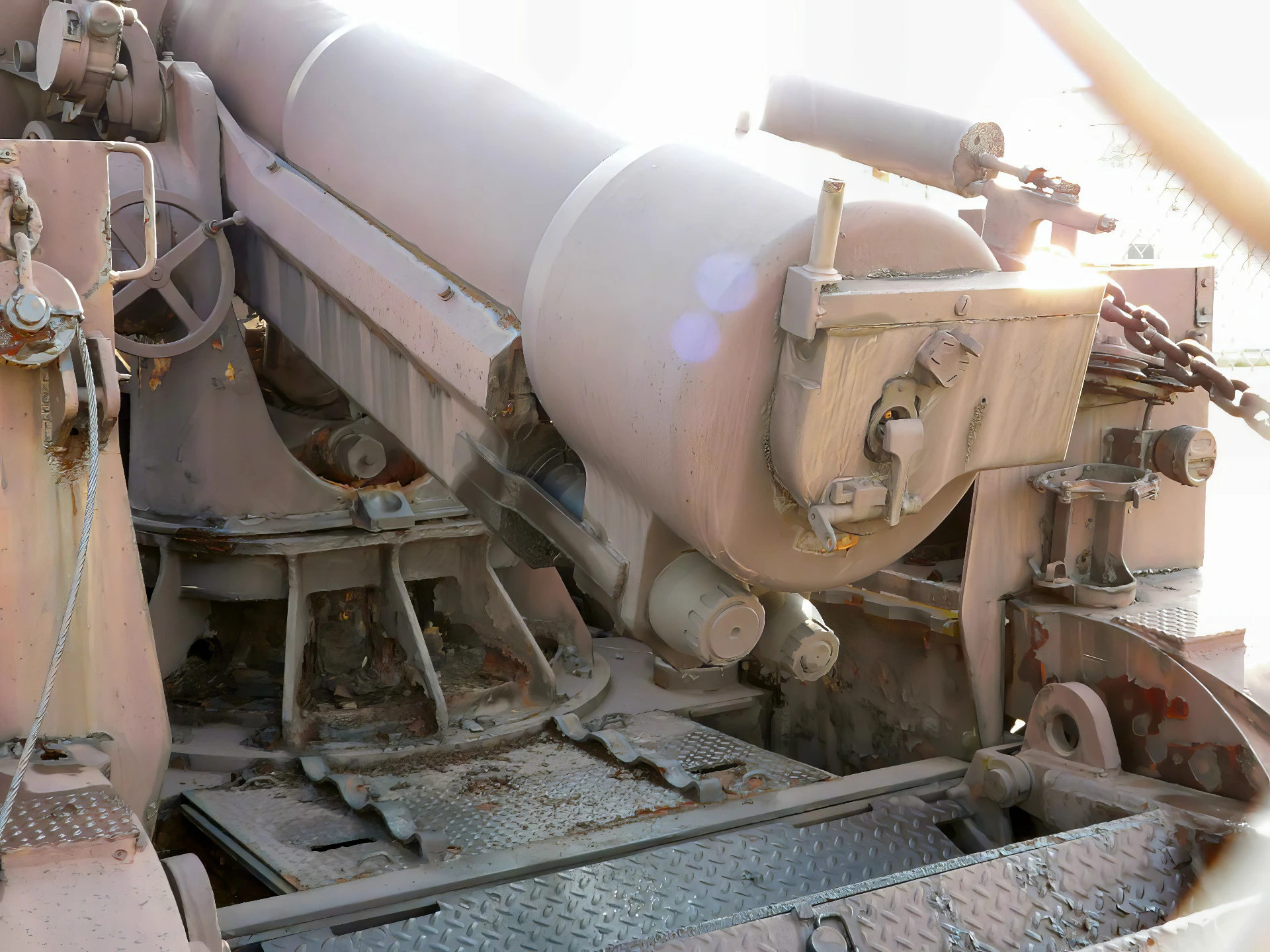
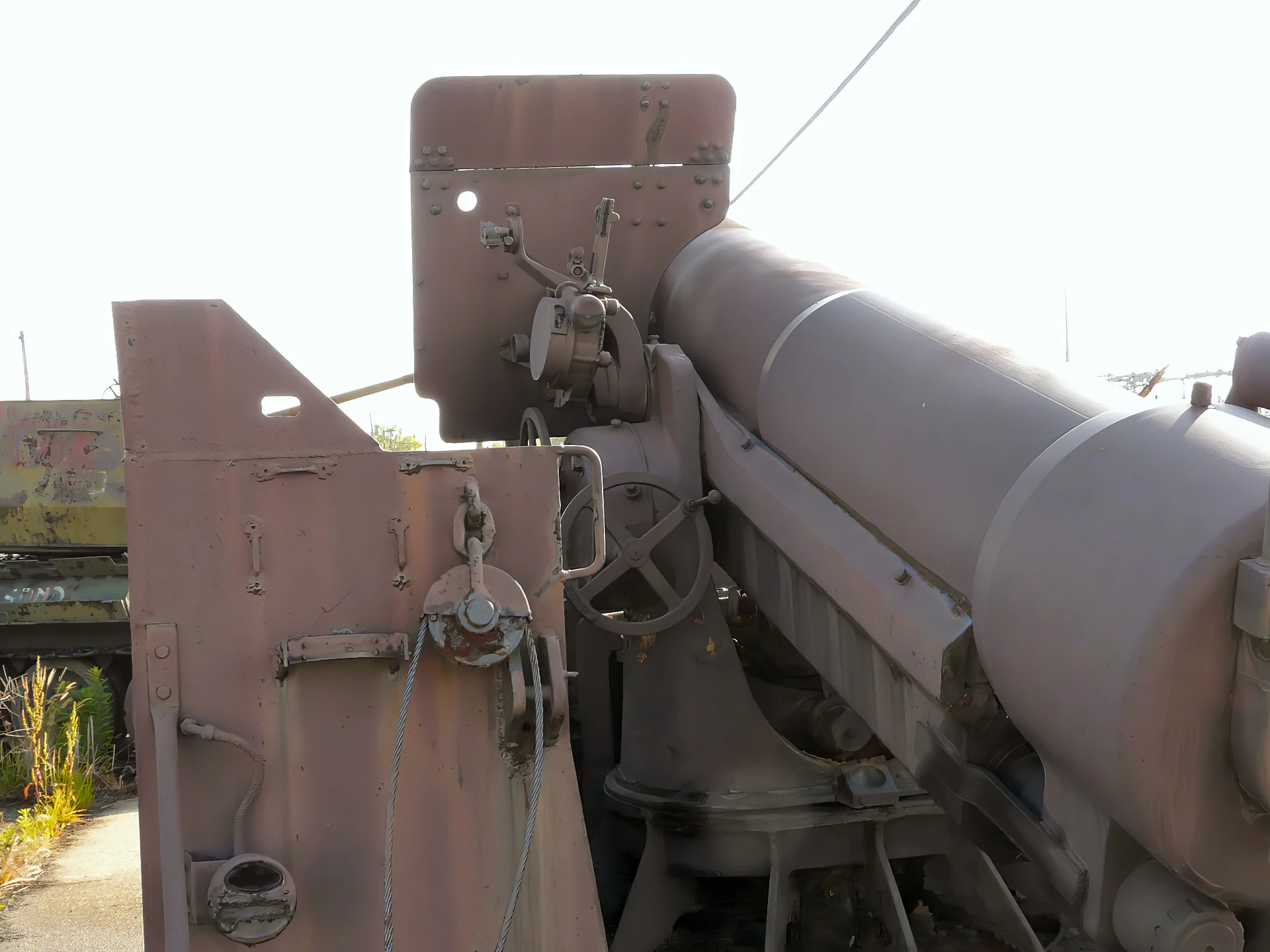
| Descripción | Álbum 55 Fotos del cañón autopropulsado "M12 155mm" |
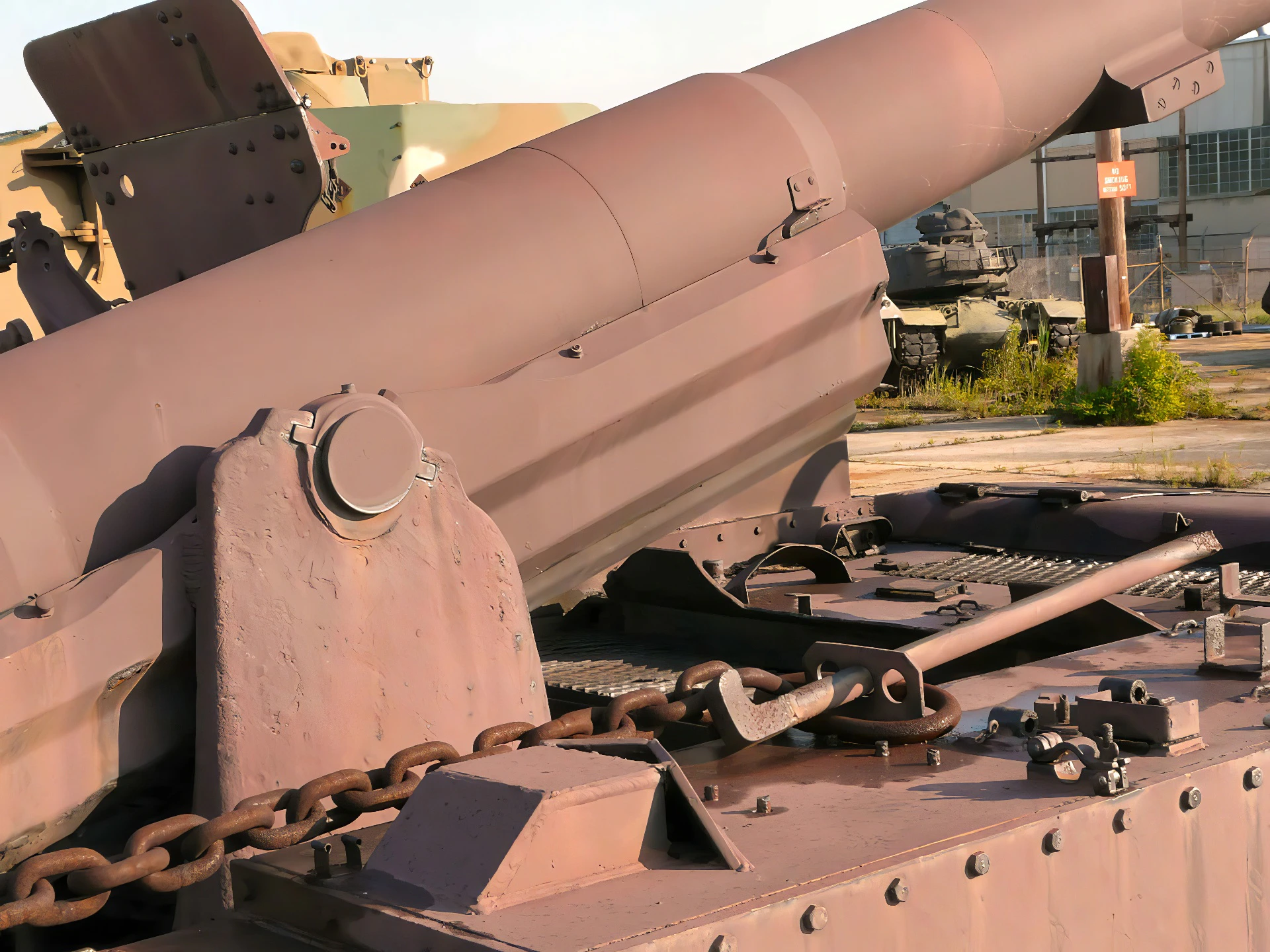
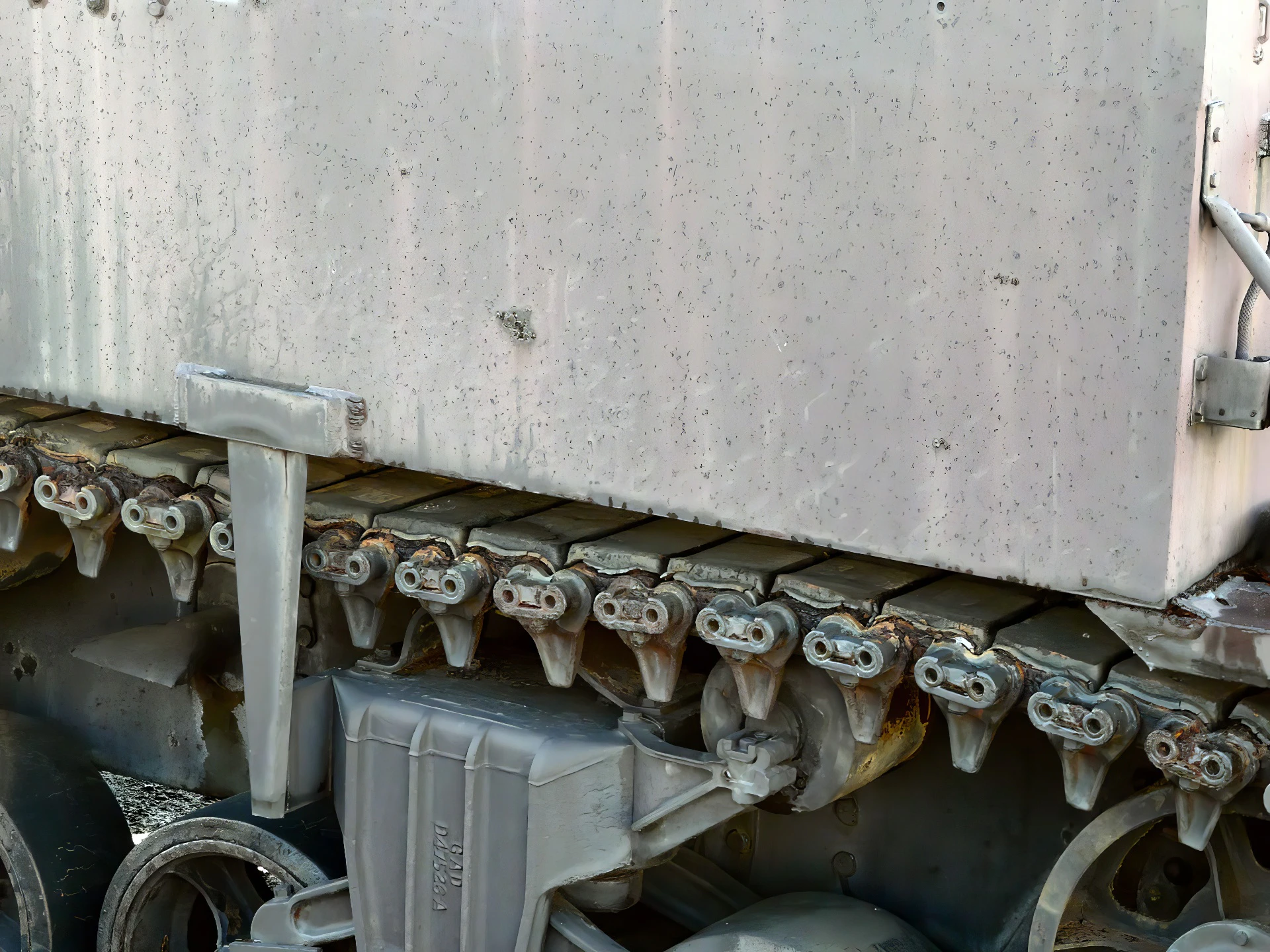
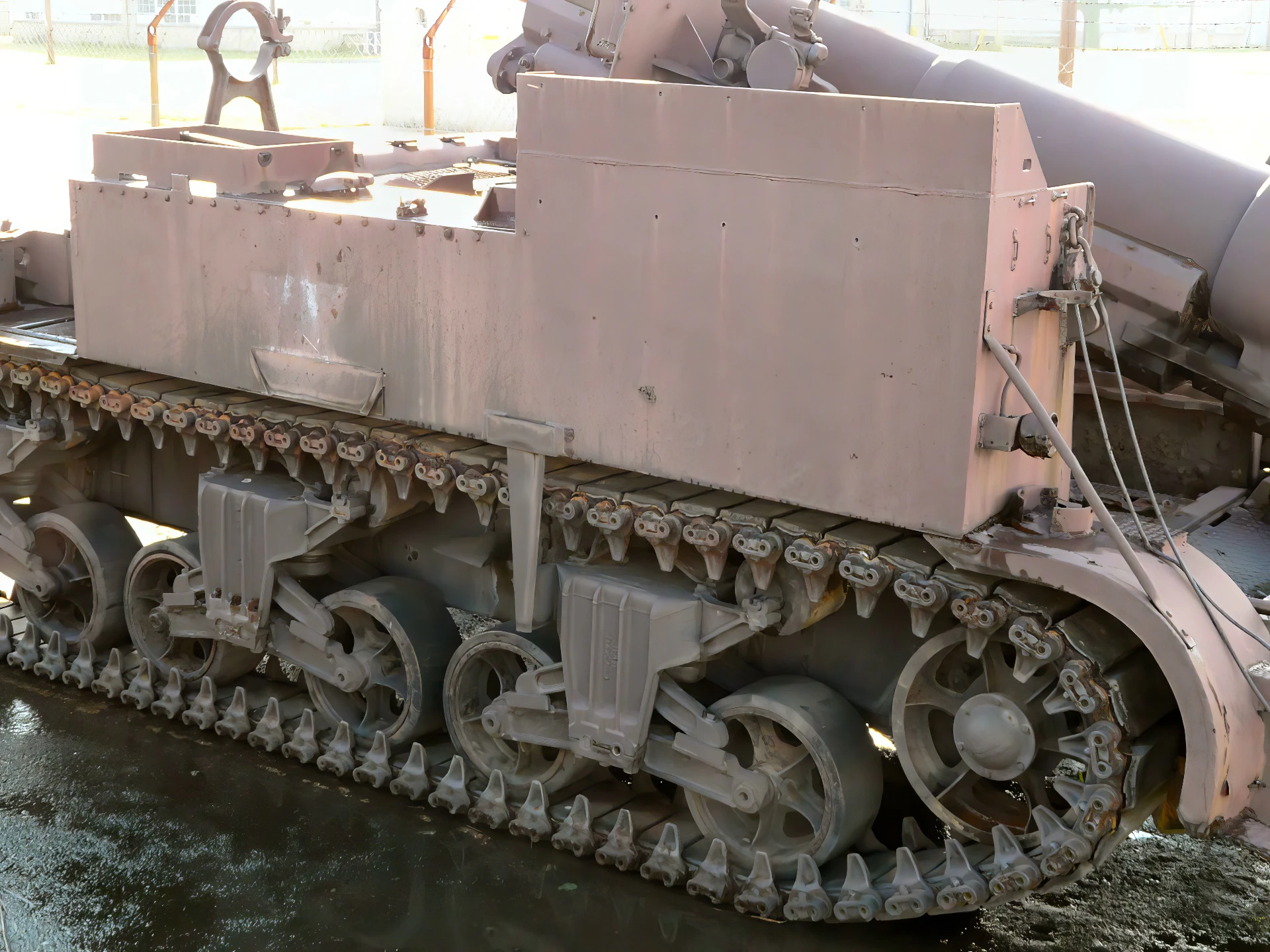
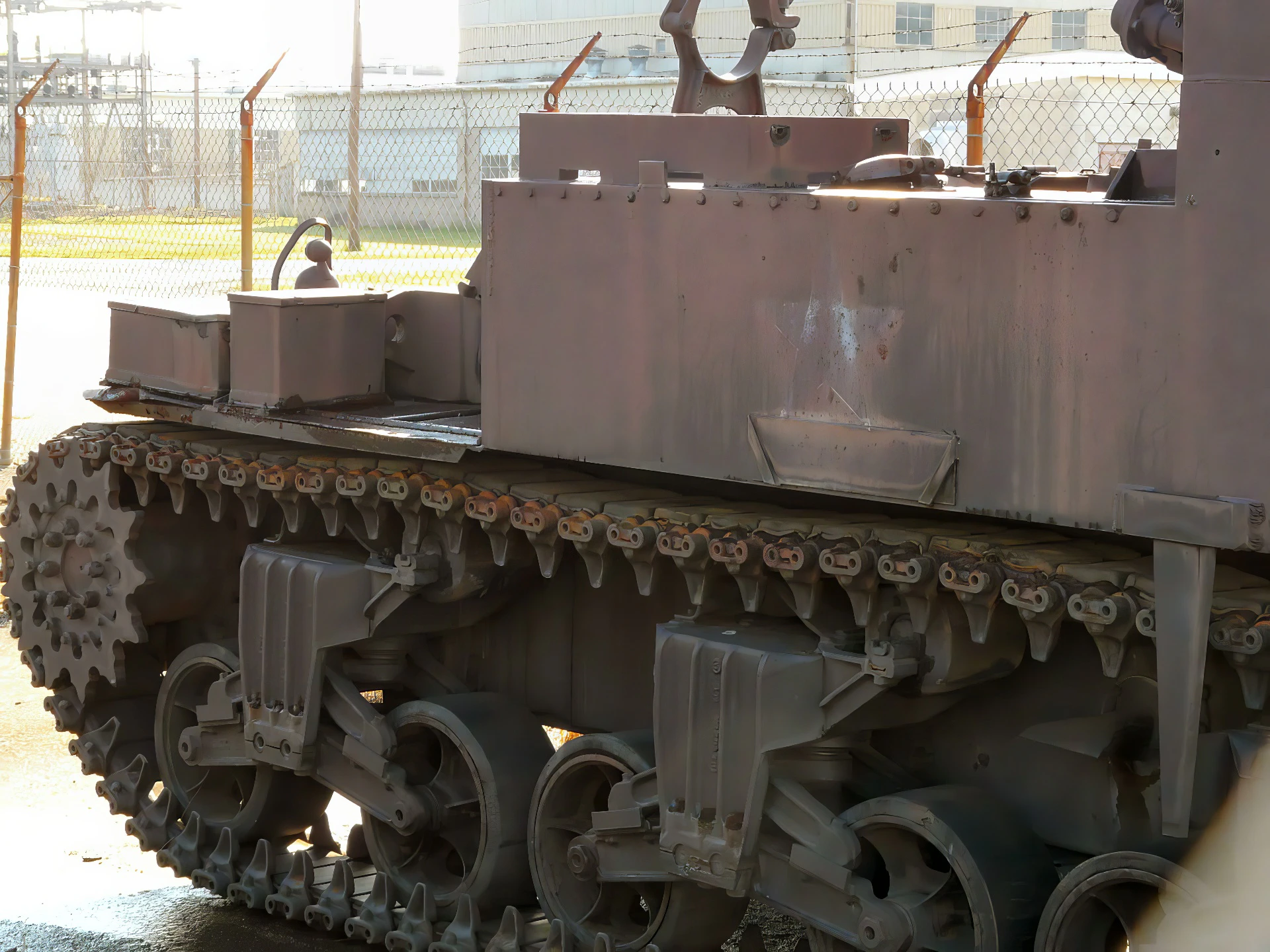
Galería de fotos en un M12 155mm, El cañón blindado autopropulsado Carro de motor de cañón M12 a été produit par l’armée américaine pendant la seconde guerre mondiale. L’U.S Army très tôt après la fin de la Première Guerre mondiale commence l’étude d’une artillerie automotrice lourde qui ferait usage du canon de 155mm. Pour des raisons stratégiques cela reste à l’état de projet jusqu’au début du second conflit mondial et surtout pour le champs de bataille européen. A partir du mois de juin 41 l’idée d’adapter les canons français de 155mm M1918A1 et M1917 sur un chassis de M3 est adoptée. Le M12 canon d’appui aux forces blindées est nait
Fuente: M12 155mm en Wkipedia

Ver también:


Primary Role and Design
The M12 Gun Motor Carriage (GMC) was an American self-propelled artillery vehicle developed during World War II. It was designed to provide long-range heavy fire support that could keep pace with fast-moving armored divisions.
- Chasis: The M12 was built on a modified and lengthened chassis of the obsolescent M3 Grant/Lee medium tank.
- Layout: The engine was moved forward to the center of the vehicle to accommodate the massive gun mount and recoil system at the rear.
- Gun Compartment: The gun crew and breech mechanism were located in a large, open-topped compartment at the back, offering minimal protection, in contrast to the heavily armored driver and commander positions at the front.
Armament and Support
The main weapon was a powerful, if vintage, piece of ordnance:
| Especificación | Detail |
|---|---|
| Armamento principal | 155 mm M1917 or M1918 gun (a US-produced version of the French Canon de 155 mm GPF from WWI). |
| Ammunition Capacity | Solamente 10 rounds of 155 mm ammunition could be carried on the M12 itself due to space constraints. |
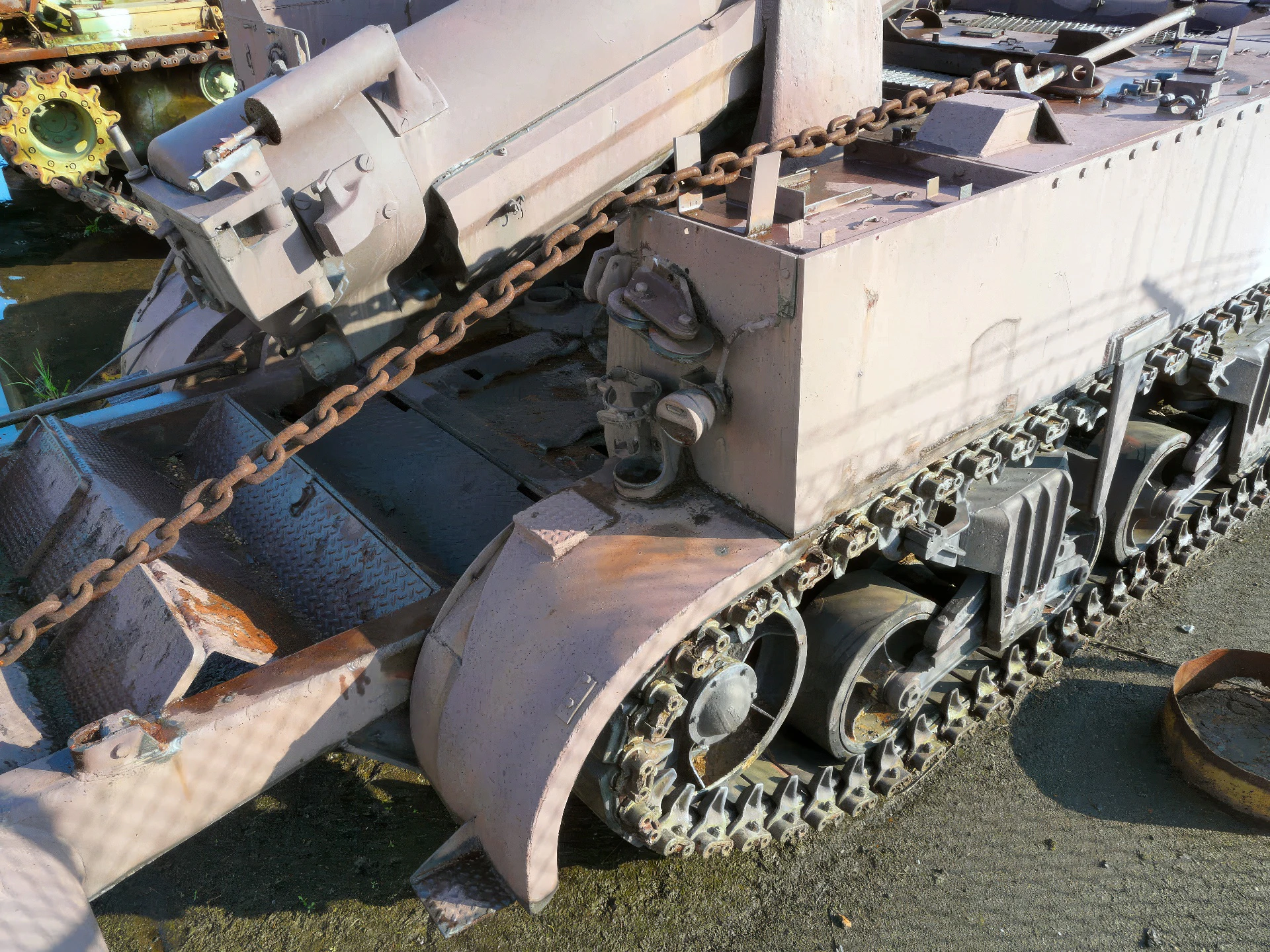
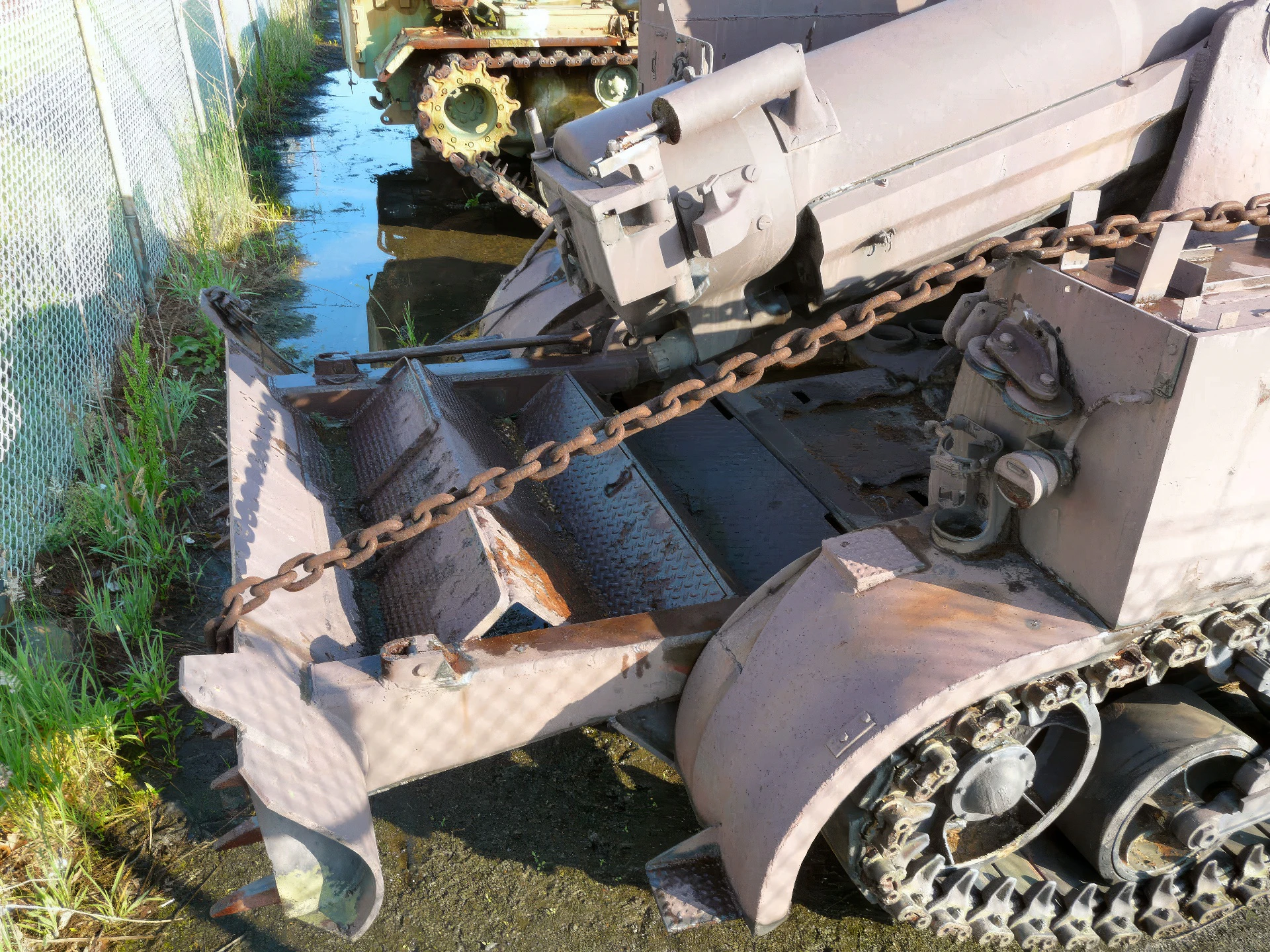
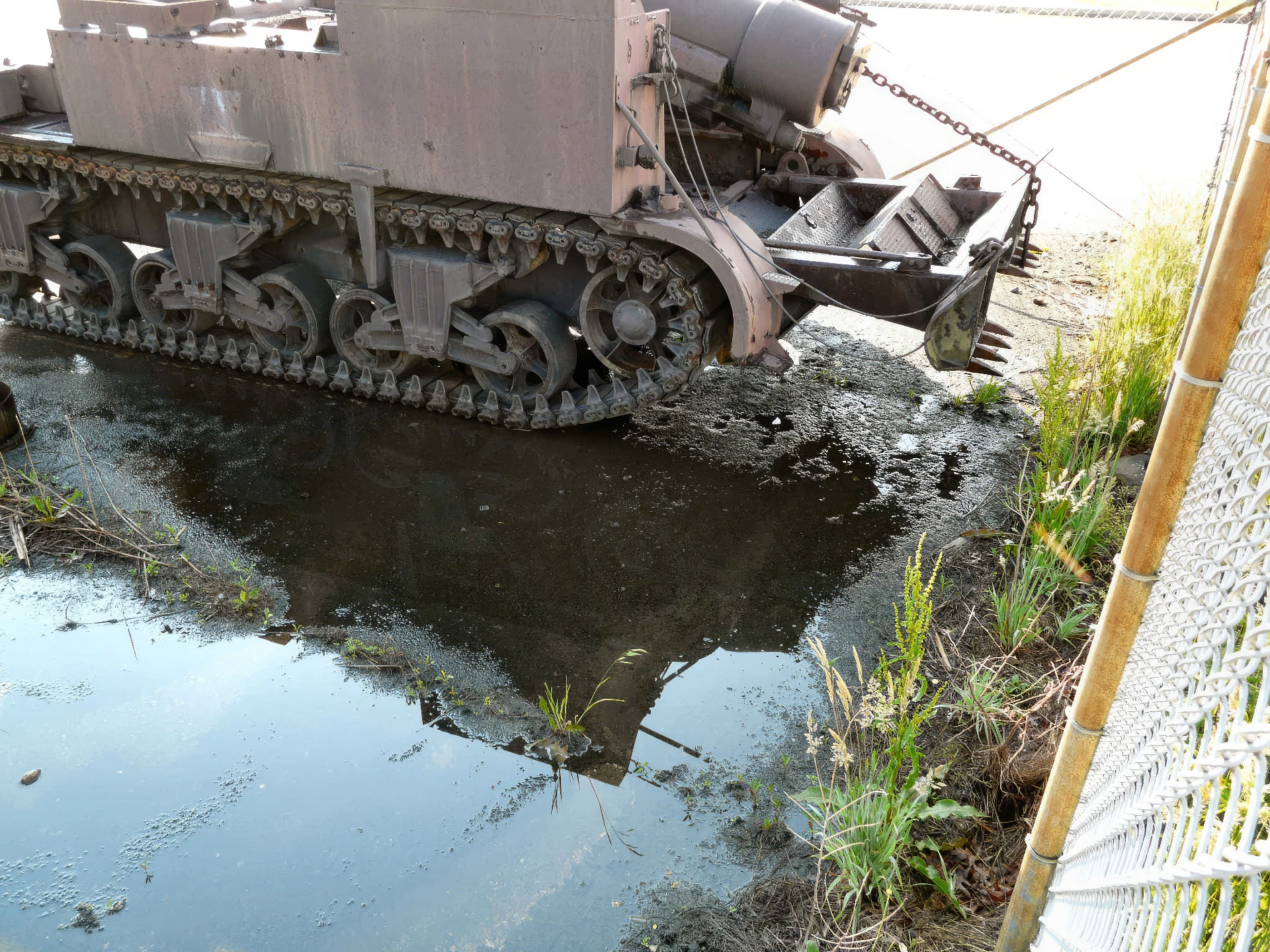
| Recoil System | A large, hydraulically operated earth spade (or recoil shovel) at the rear was lowered into the ground before firing to absorb the immense recoil. |
| Support Vehicle | The M12 operated in tandem with the M30 Cargo Carrier (a virtually identical vehicle without the gun), which carried the remaining crew (six men) and up to 40 additional 155 mm rounds. |
Service and Legacy
Only 100 M12s were manufactured between 1942 and 1943. Initially used for training, 74 vehicles were later refurbished and sent to Europe in 1944. They proved highly effective in the European Theater of Operations, particularly for:
- Heavy Indirect Fire: Providing deep-range artillery support.
- Direct Fire: Earning the nickname “Doorknocker” for its successful use in direct-fire mode against heavily fortified targets, especially German bunkers in the Siegfried Line, where the 155 mm shells could penetrate significant thicknesses of concrete.
The M12’s design—mounting a heavy gun rearward on a tracked chassis with an open fighting compartment and a recoil spade—established a template for future US self-propelled artillery, which was later improved upon by the M40 Gun Motor Carriage.
Vistas : 3903
También puede ver:
 220 mm TR mle 1915/1916 – Fotos y Video
 Wespe Sd.Kfz. 124 – WalkAround
 15 cm Kanone 18 – WalkAround
 17 cm Kanone 18 – WalkAround
 Obús QF de 3.7 pulgadas – Fotos y videos
 152mm BR-2 Gun Mod.1935 – Fotos y Video
 Mortero de 160 mm M-160 – Fotos y Video
 Obús de 122 mm M1910/30 – Fotos y video
 Bofors Archer BD 77 – WalkAround
 Canon Pak 38 – WalkAround