Lockheed U-2 |
|
|---|---|
| Χώρα | Ηπα |
| Ρόλο | Αναγνωριστικά αεροσκάφη μεγάλου υψομέτρου |
| Πρώτη πτήση | 1 Αυγούστου 1955 |
| Χτισμένο | 1104 |
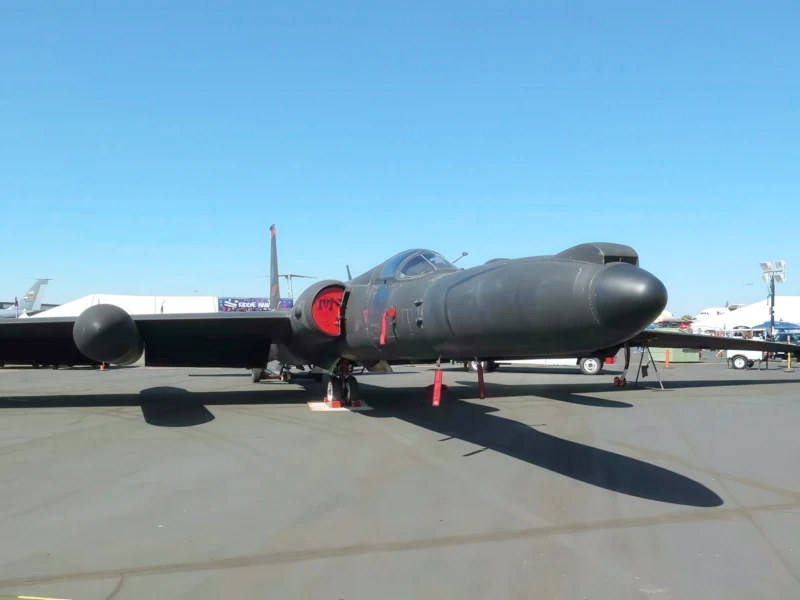
Teh Λόκχεντ U-2, με το παρατσούκλι "Dragon Lady", είναι ένα αμερικανικό μονοκινητήριο, εξαιρετικά μεγάλο υψόμετρο αναγνωριστικό αεροσκάφος που λειτουργεί από την Πολεμική Αεροπορία των Ηνωμένων Πολιτειών (USAF) και προηγουμένως πέταξε από την Κεντρική Υπηρεσία Πληροφοριών (CIA). Παρέχει μέρα και νύχτα, μεγάλο υψόμετρο (70.000 πόδια, 21.000 μ.), συλλογή πληροφοριών παντός καιρού. Το U-2 έχει επίσης χρησιμοποιηθεί για έρευνα ηλεκτρονικών αισθητήρων, βαθμονόμηση δορυφόρων, επιστημονική έρευνα και σκοπούς επικοινωνιών.
Πηγή: Η Lockheed U-2 στη Βικιπαίδεια
| Lockheed P2V-7 (SP-2H) Neptune + Cockpit | |
|---|---|
| Φωτογράφος | Σίες Χέντρικς |
| Εντοπισμού | Αγνοώ |
| Φωτογραφίες | 136 |
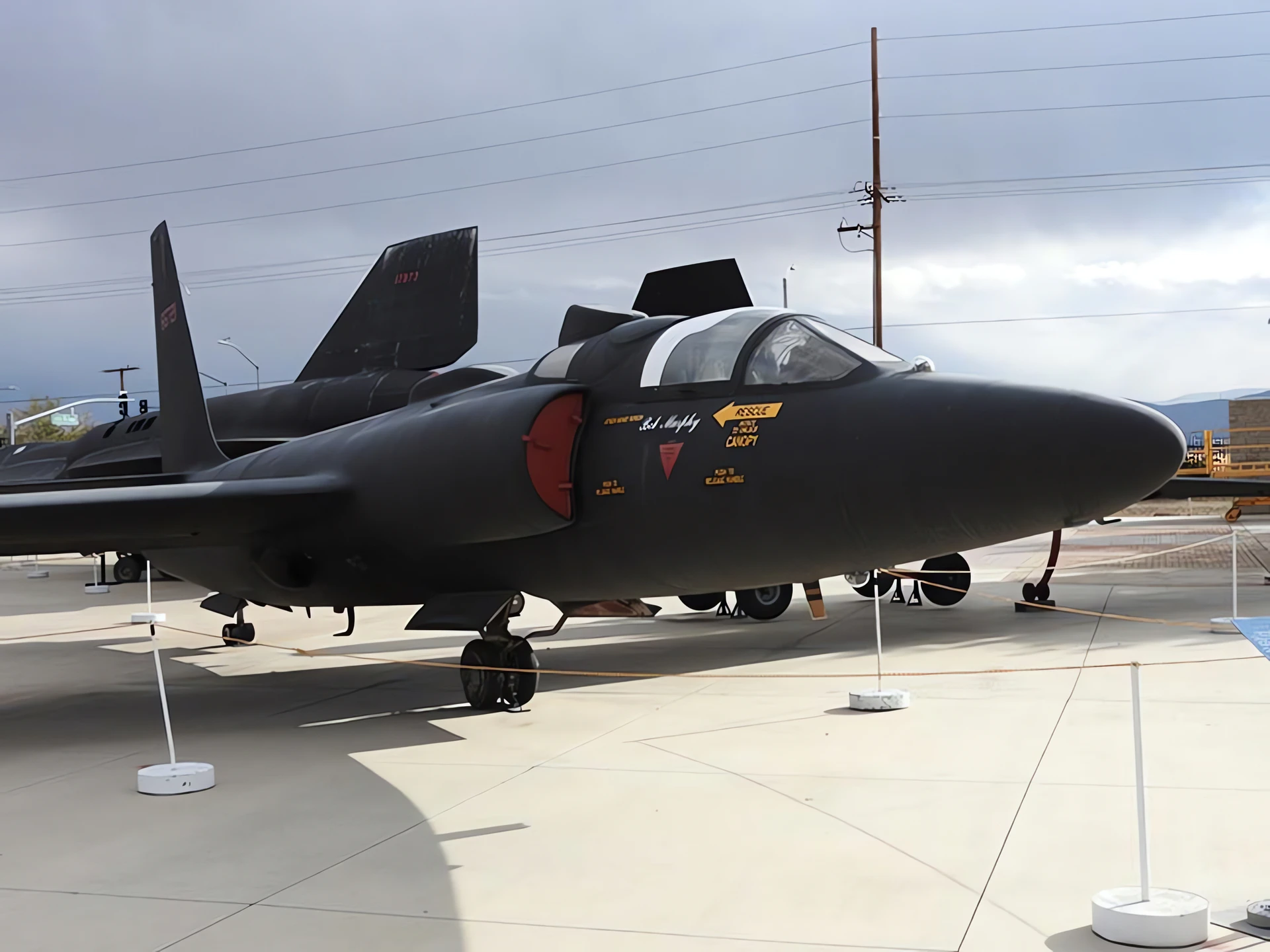
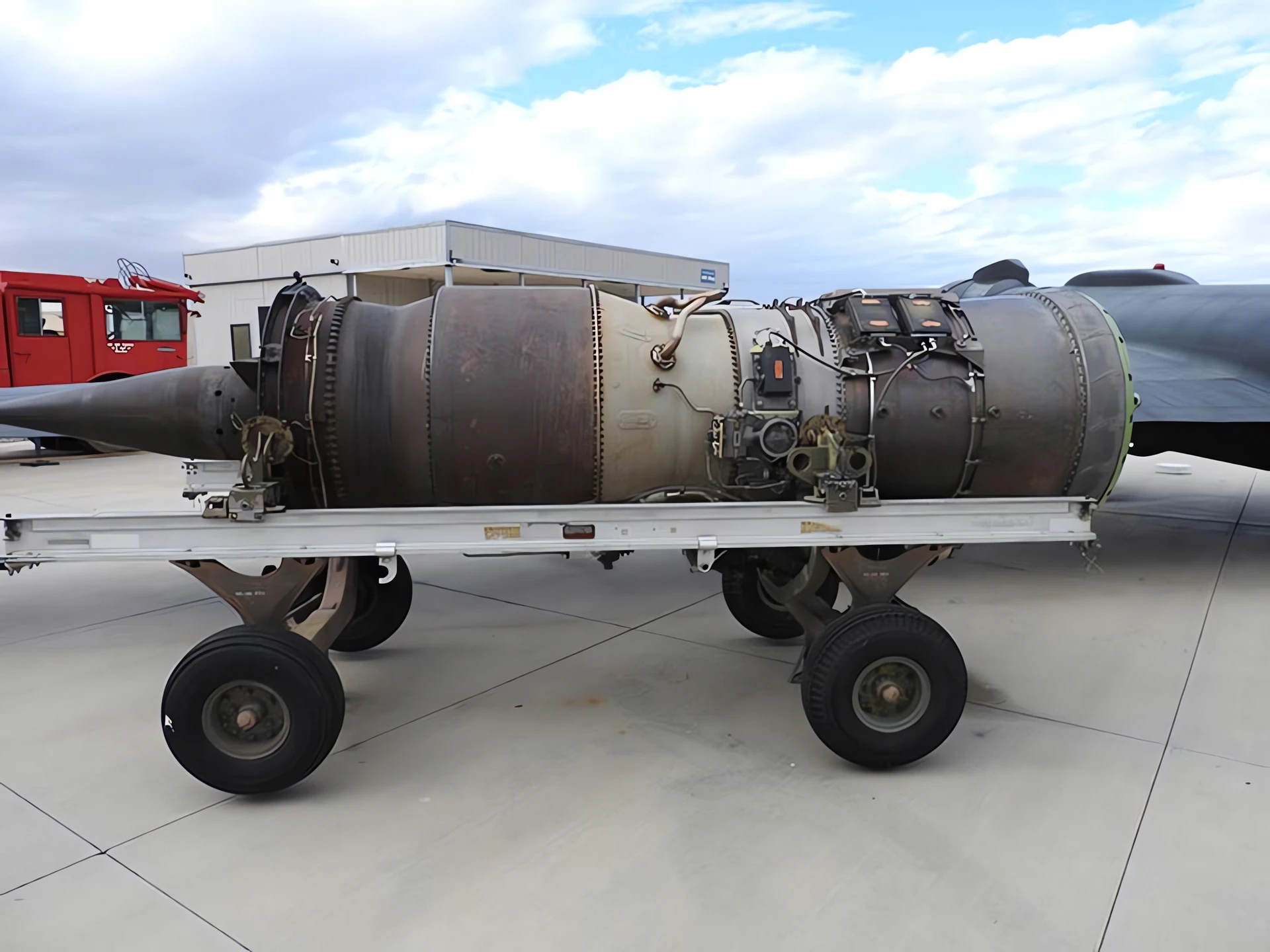
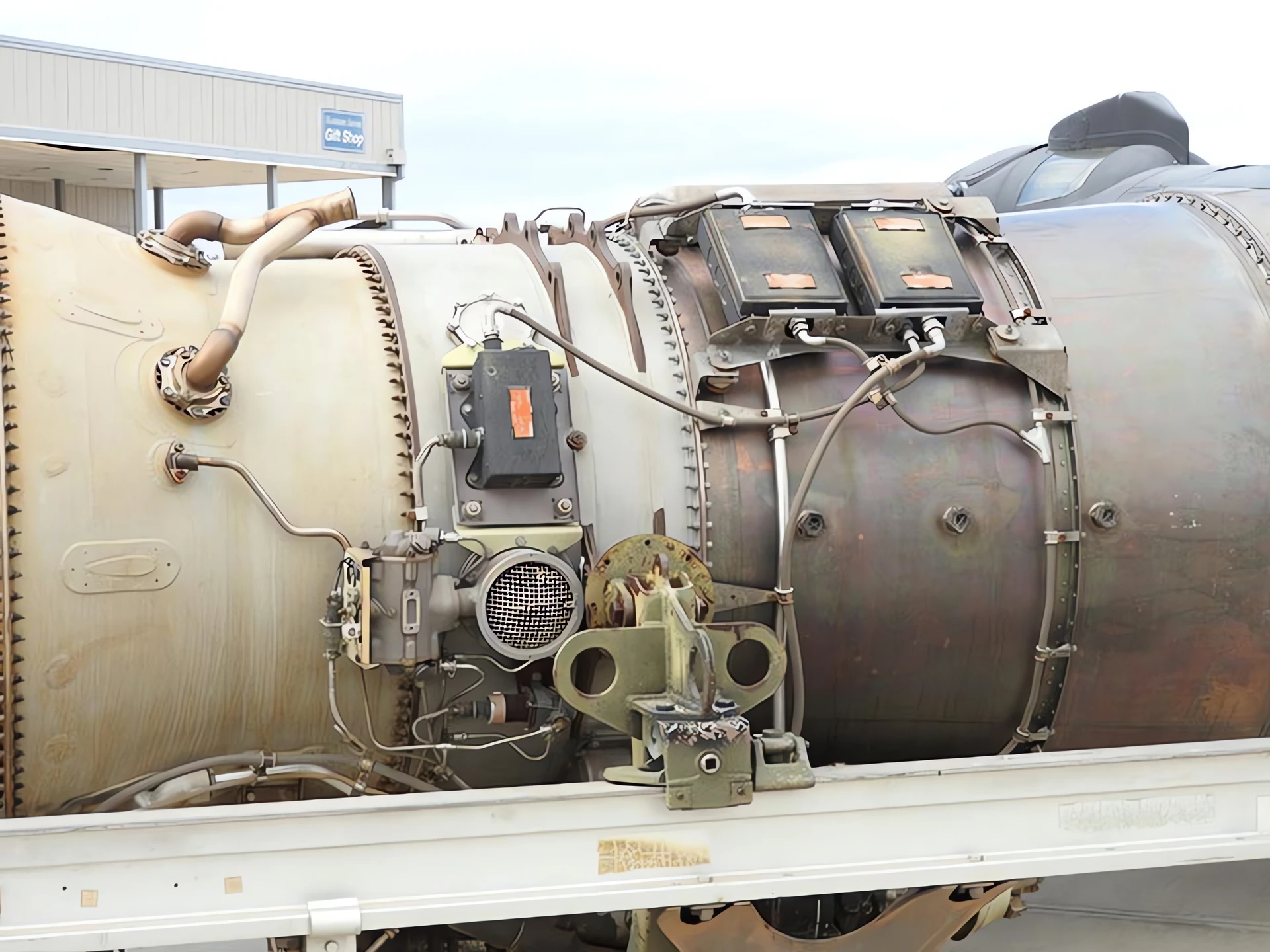
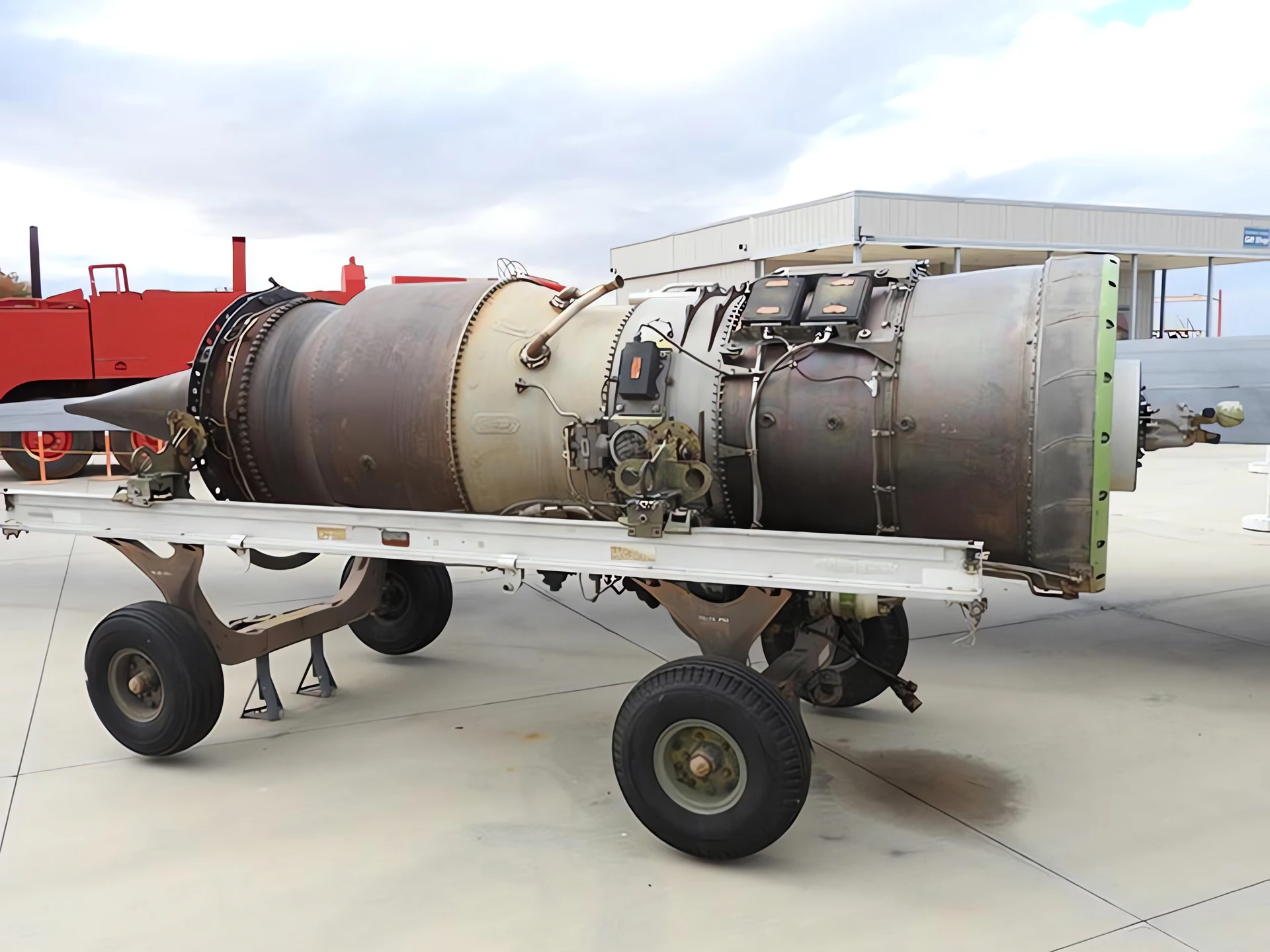
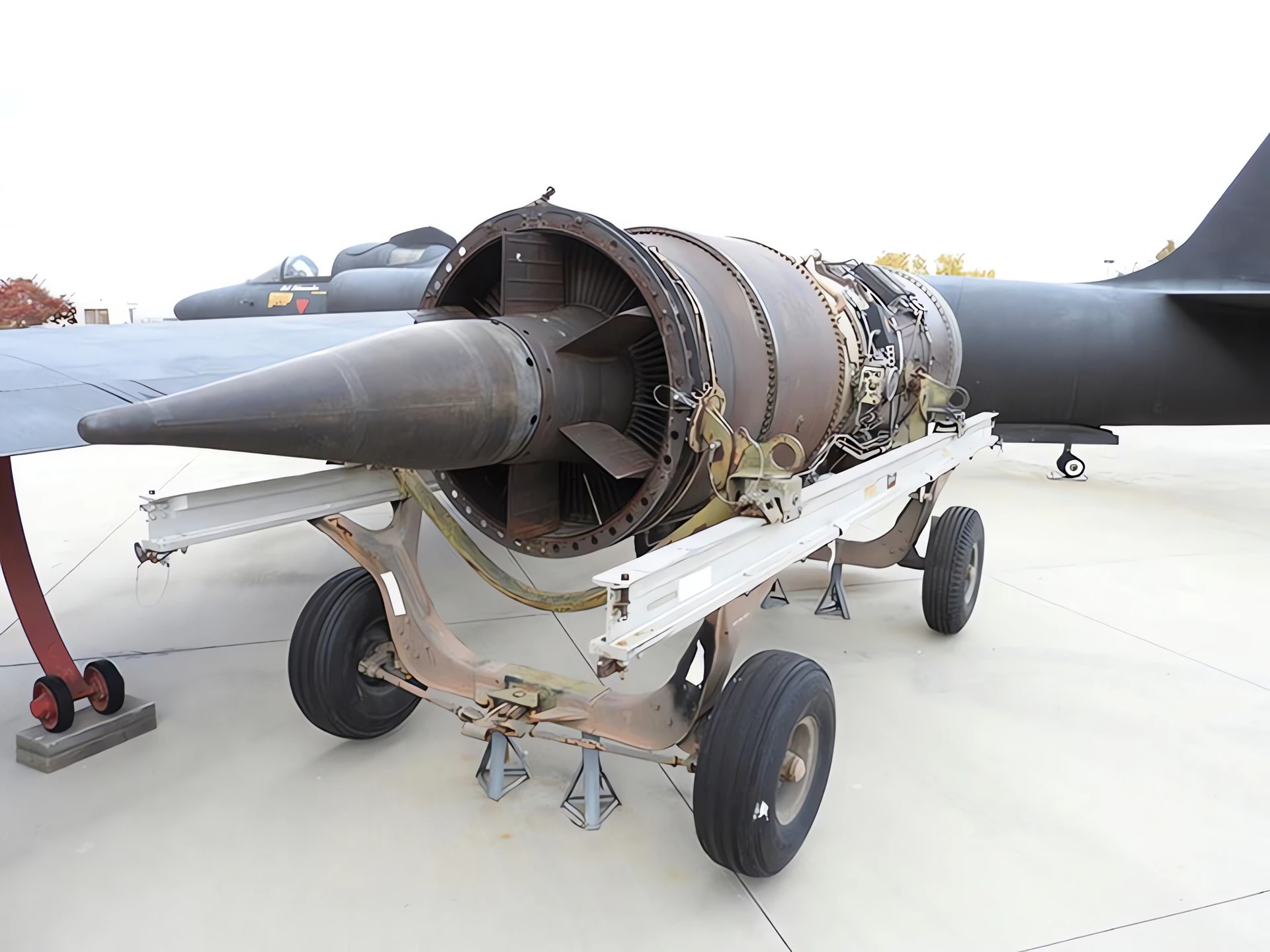
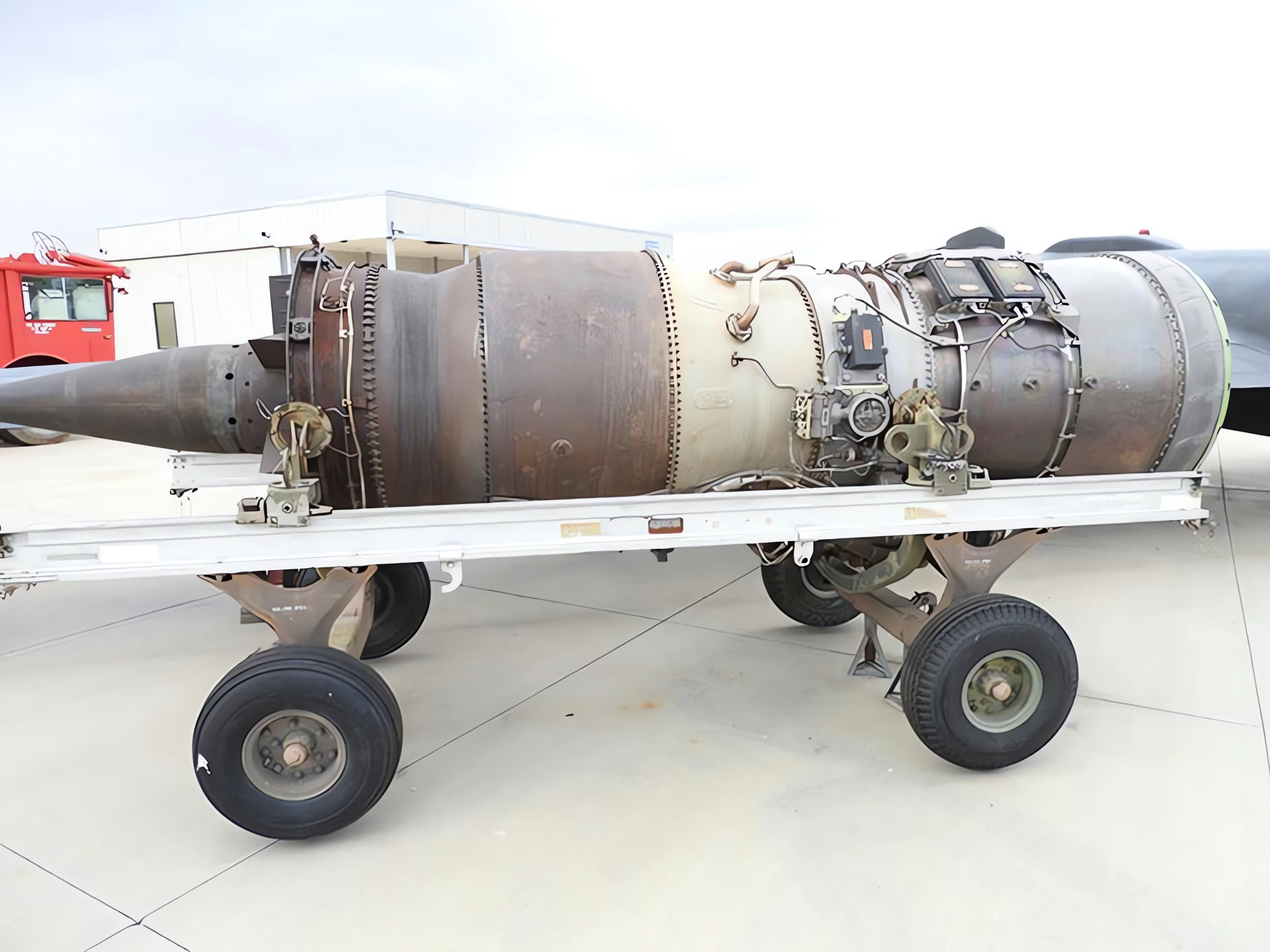
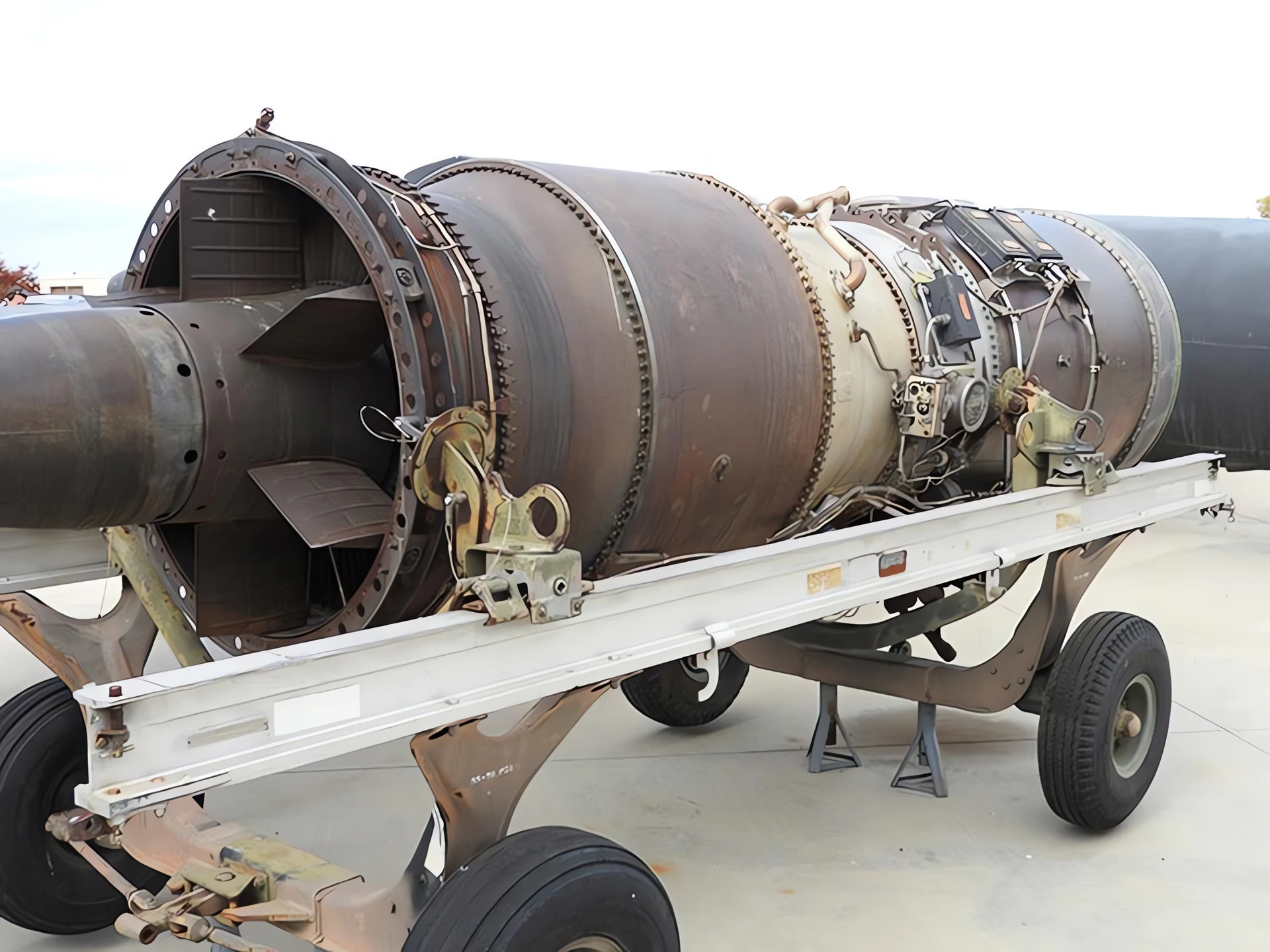
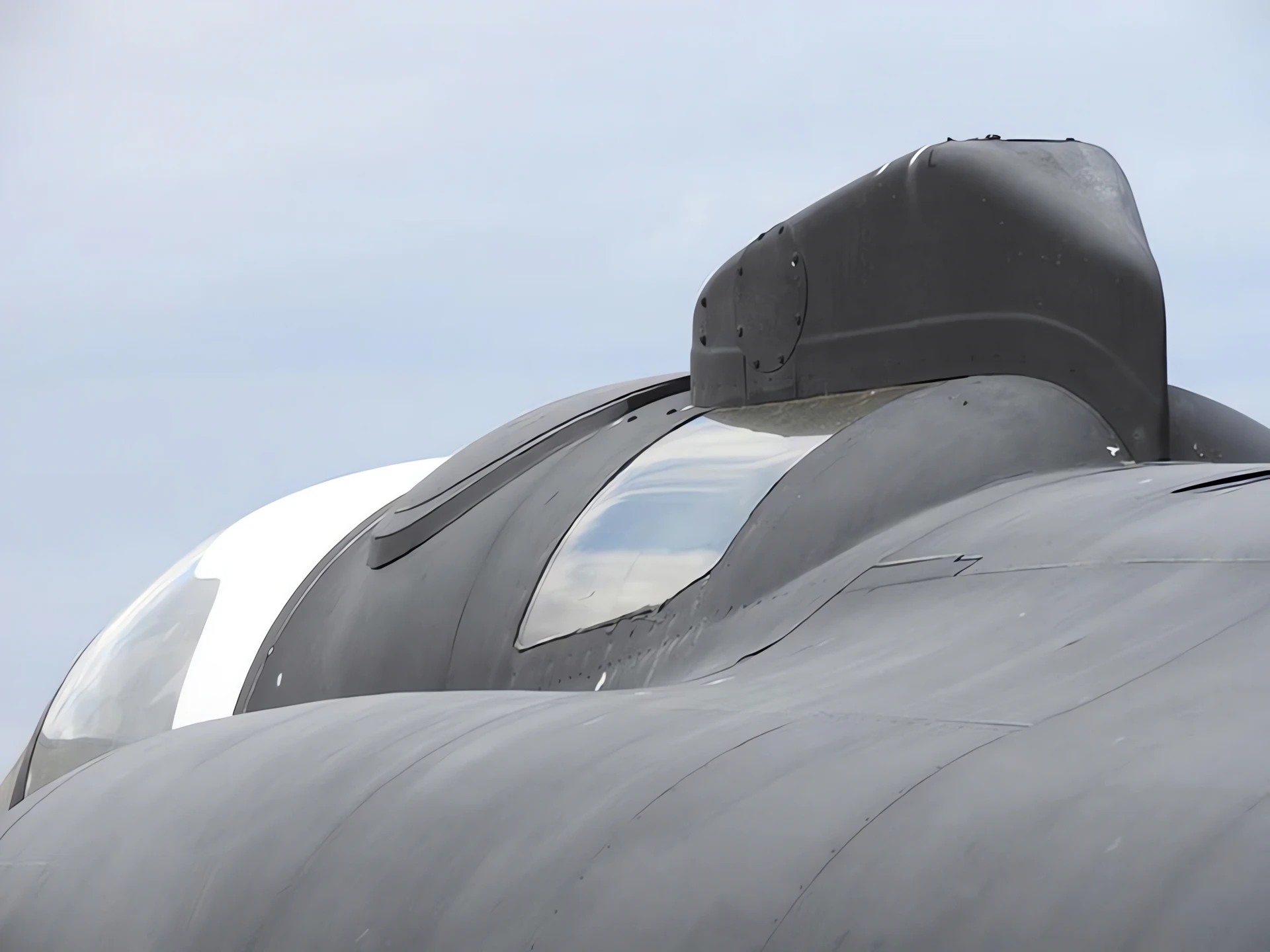
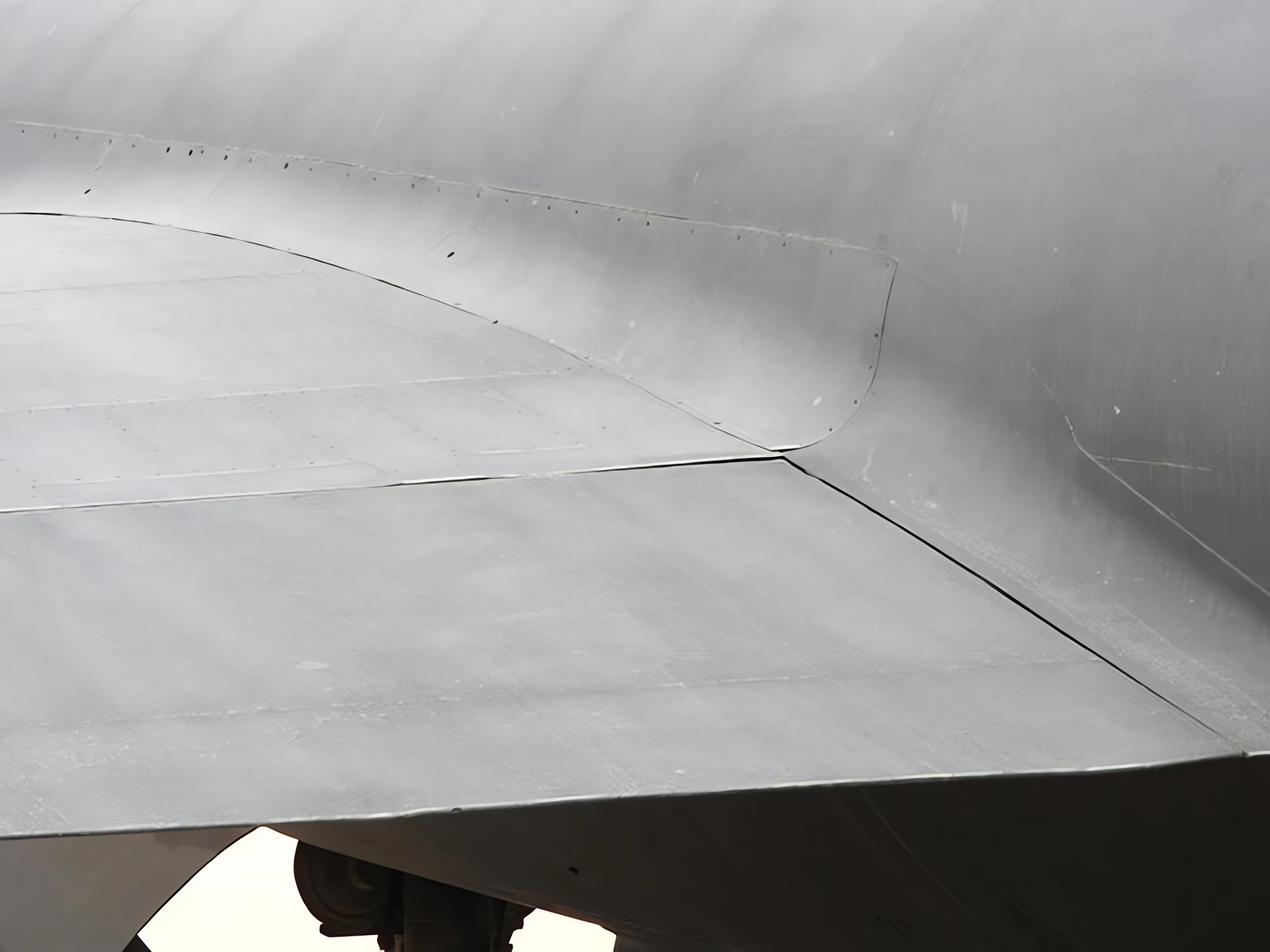

| Lockheed U-2S Senior Year Walk Around | |
|---|---|
| Φωτογράφος | Βλαντιμίρ Γιακούμποφ |
| Εντοπισμού | Capital City Airshow 2016, Sacramento |
| Φωτογραφίες | 124 |
Δείτε επίσης:


General Characteristics and Role
The Lockheed U-2 Dragon Lady is an American single-jet engine, high-altitude reconnaissance aircraft famous for its role in intelligence gathering during the Cold War. Designed by Lockheed’s Skunk Works under Clarence “Kelly” Johnson, the U-2 was engineered to fly at extreme altitudes—well above 70,000 feet (21,300 meters)—to remain beyond the reach of Soviet interceptors and surface-to-air missiles of the 1950s and early 1960s. The U-2C was an upgraded version of the initial U-2A, featuring a more powerful J75 engine and an enlarged air intake for improved performance. The U-2D was a specialized two-seat trainer variant developed later. The aircraft’s primary role was photographic and signals intelligence (SIGINT) collection deep inside denied airspace, a mission that required the pilot to wear a specialized pressure suit. Its unique high-aspect ratio wings give it glider-like performance, crucial for maintaining altitude and range.
| Property | Typical Value (U-2C) |
|---|---|
| Πληκτρολογήστε | High-Altitude, Single-Seat Reconnaissance Aircraft |
| National Origin | Ηνωμένες Πολιτείες |
| Κατασκευαστής | Lockheed Skunk Works |
| Entered Service (U-2A) | 1957 |
| Πλήρωμα | 1 (Pilot) / 2 (Pilot and Instructor/Sensor Operator for U-2D) |
| Μήκος | 15.24 m (50 ft 0 in) |
| Εκπέτασμα | 24.38 m (80 ft 0 in) |
| Max Takeoff Weight | Approx. 13,150 kg (28,990 lb) |
Powerplant and Performance
- Engine (U-2C): 1 x Pratt & Whitney J75-P-13 turbojet engine.
- Engine Thrust: Approx. 75.6 kN (17,000 lbf).
- Maximum Speed: Approx. 805 km/h (500 mph) / Mach 0.7.
- Operational Ceiling: Officially greater than 21,300 m (70,000 ft), earning it the nickname “The Dragon Lady.”
- Range: 4,633 km (2,879 miles) on a typical mission.
- Sensors: Carried a variety of interchangeable payloads, including specialized large-format cameras (e.g., the A-2) and highly sensitive electronic intelligence (ELINT) and signals intelligence (SIGINT) equipment. The nose and equipment bays are modular.
- Landing Characteristics: Due to its extreme wingspan and bicycle-type landing gear, the aircraft is notoriously difficult to land, often requiring a chase car to communicate final speed and altitude to the pilot.
Service History and Legacy
- The U-2 Incident: The U-2’s global notoriety began with the 1960 shoot-down of CIA pilot Francis Gary Powers over the Soviet Union while flying a U-2A. This event exposed the highly secret program and dramatically escalated Cold War tensions.
- Cuban Missile Crisis: U-2 missions provided definitive photographic evidence of Soviet intermediate-range ballistic missile sites in Cuba in 1962, triggering the Cuban Missile Crisis.
- Variants: The U-2 program led to numerous variants, including the U-2R (larger airframe) and the current operational version, the U-2S, which features a modern GE F118 turbofan engine.
- The D-Model: The U-2D was primarily used for testing high-altitude sensors and systems, and was also sometimes used for two-seat training.
- Longevity: Despite its age and the introduction of advanced satellites and the SR-71 Blackbird, the U-2 remains in service with the US Air Force, having outlasted its supposed successor, the SR-71, due to its operational flexibility and payload capacity.
Views : 5851
Μπορείτε επίσης να δείτε:
 Grumman AF Guardian – Φώτο &; Βίντεο
 Lockheed Electra 12 – Φώτο &; Βίντεο
 Lockheed F-117 Nighthawk – Φώτο & Βίντεο
 Lockheed MC-130 – Φώτο & Βίντεο
 Lockheed F-94 Starfire – Φώτο & Βίντεο
 Lockheed CP-140 Aurora – Φώτο & Βίντεο
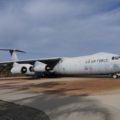 Lockheed C-141 Starlifter – Φώτο &; Βίντεο
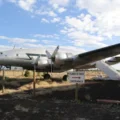 Lockheed C-121 Constellation – Φώτο &; Βίντεο
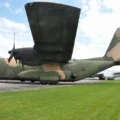 Lockheed AC-130A Spectre – Φώτο & Βίντεο
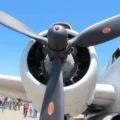 Lockheed PV-2D Καμάκι – Βόλτα