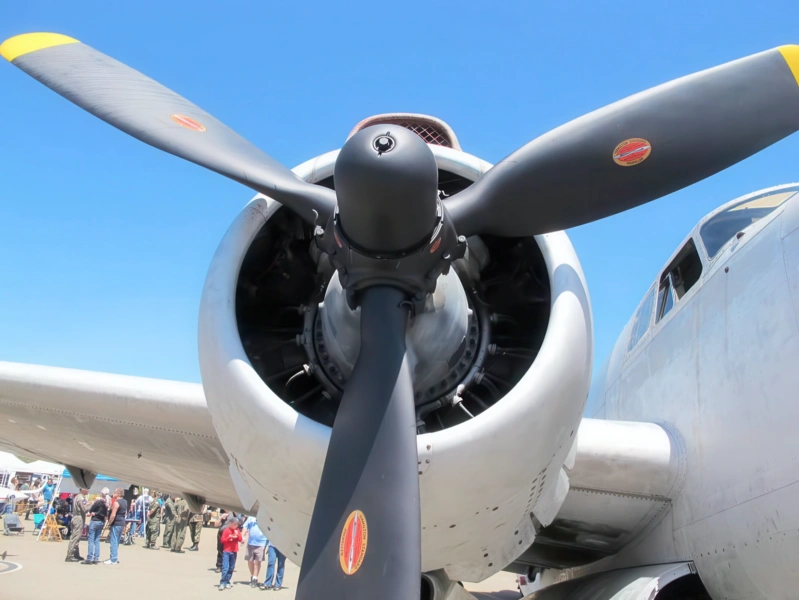
Lockheed PV-2D Καμάκι | |
|---|---|
| Πληρώνει | Ηπα |
| Πληκτρολογήστε | Αεροσκάφη επιτήρησης |
Le Lockheed PV-2D Καμάκι ήταν ένα αμερικανικό μονοπλάνο θαλάσσιας επιτήρησης που συμμετείχε στον Β ' Παγκόσμιο Πόλεμο. Το PV-2 Harpoon ακολούθησε την ανάπτυξη του PV-1 Ventura. Το PV-2D Harpoon μπορούσε να μεταφέρει 1800 κιλά βόμβες ή φορτία βάθους ή τελικά μια τορπίλη, επιπλέον ήταν εξοπλισμένο στο μέτωπο με 5 πολυβόλα των 12,7 χιλιοστών, έναν ραχιαίο πυργίσκο Martin με 2 πολυβόλα των 12,7 χιλιοστών και για έναν τηλεκατευθυνόμενο κοιλιακό πυργίσκο με επίσης δύο πολυβόλα. Μερικές σπάνιες εκδόσεις έφεραν 5 πυραύλους HVAR 127 mm κάτω από τα φτερά.
| Lockheed PV-2D Καμάκι | |
|---|---|
| Φωτογράφος | Αγνοώ |
| Εντοπισμού | Αγνοώ |
| Φωτογραφίες | 150 |
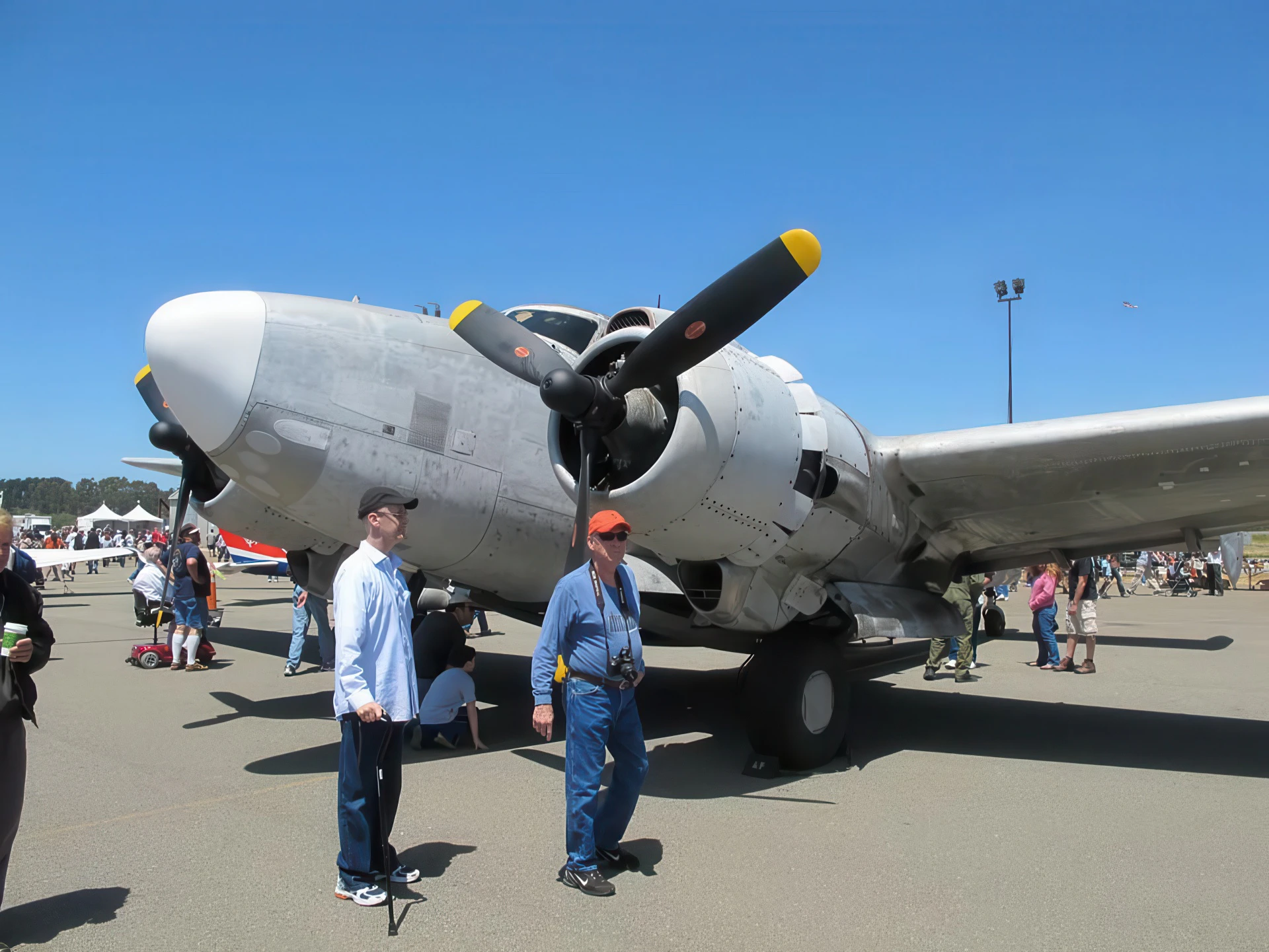
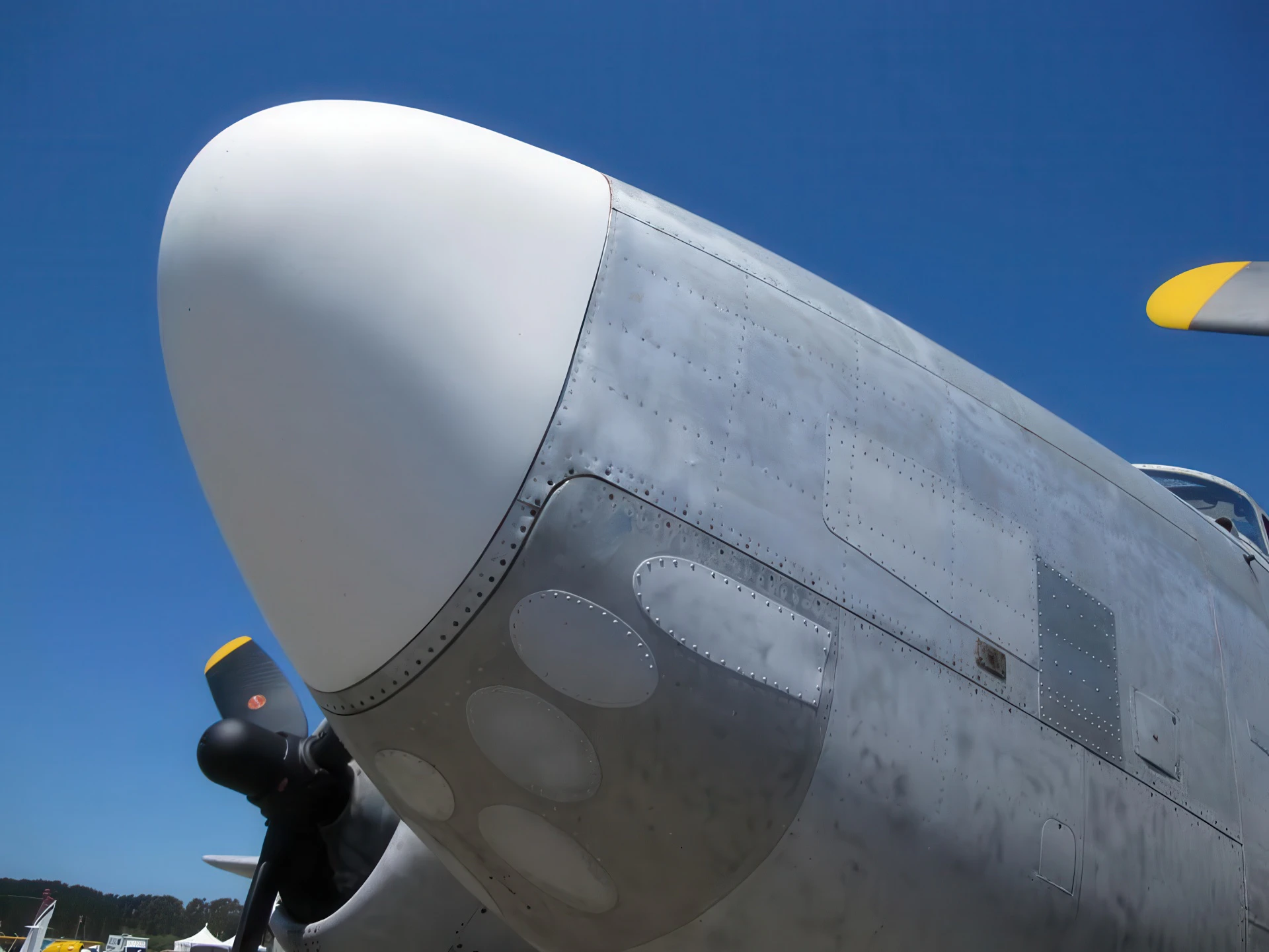
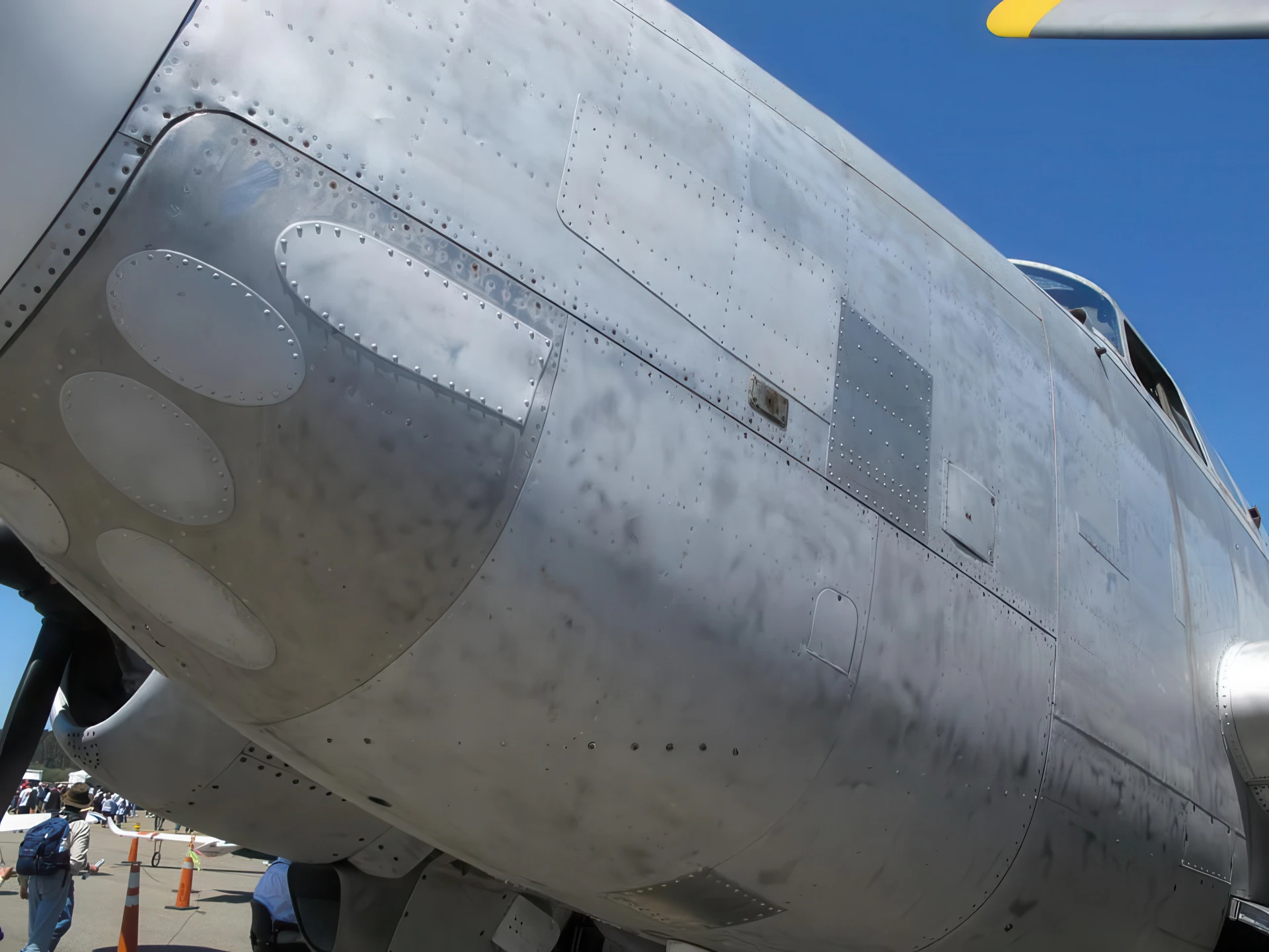
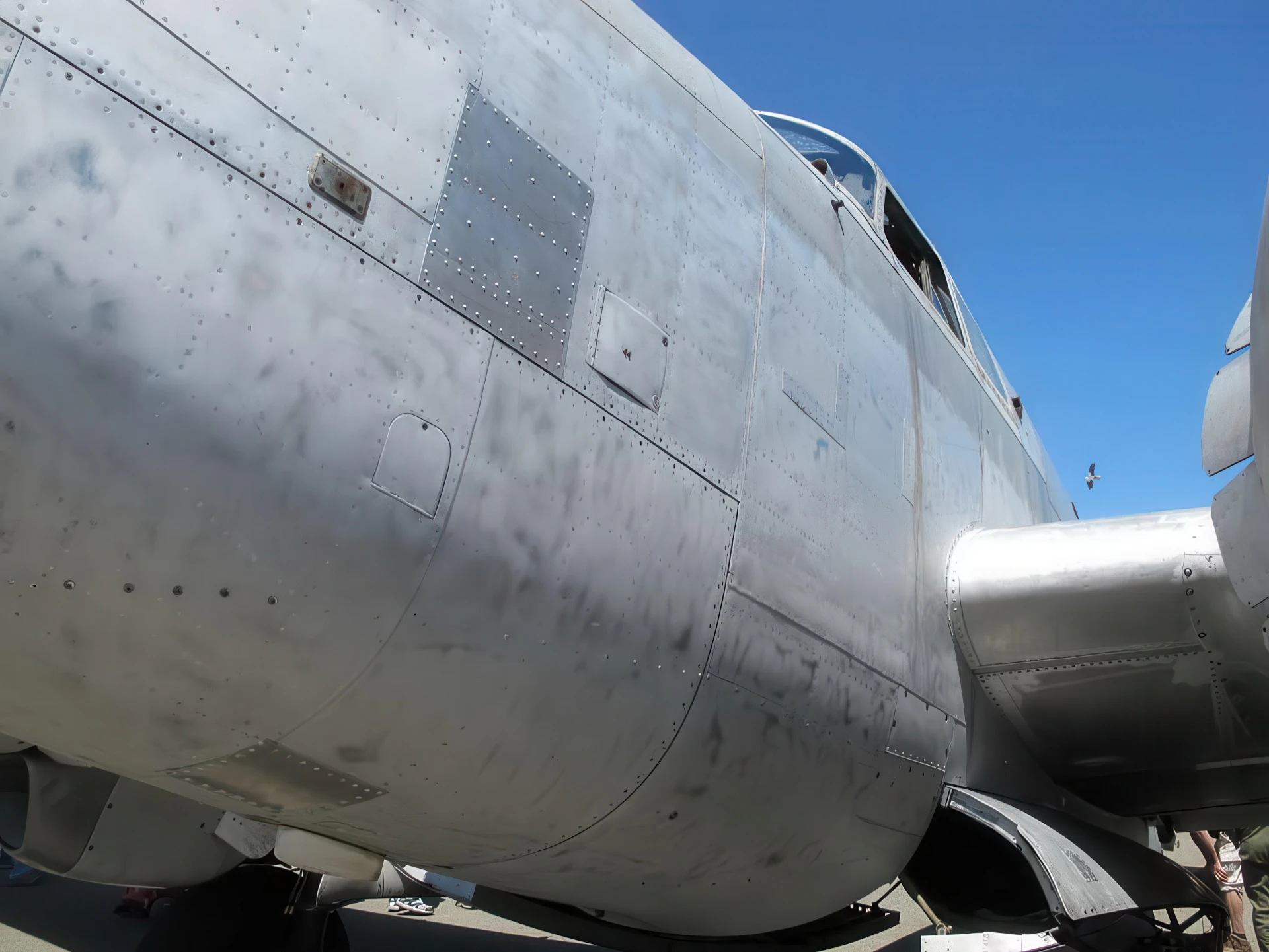
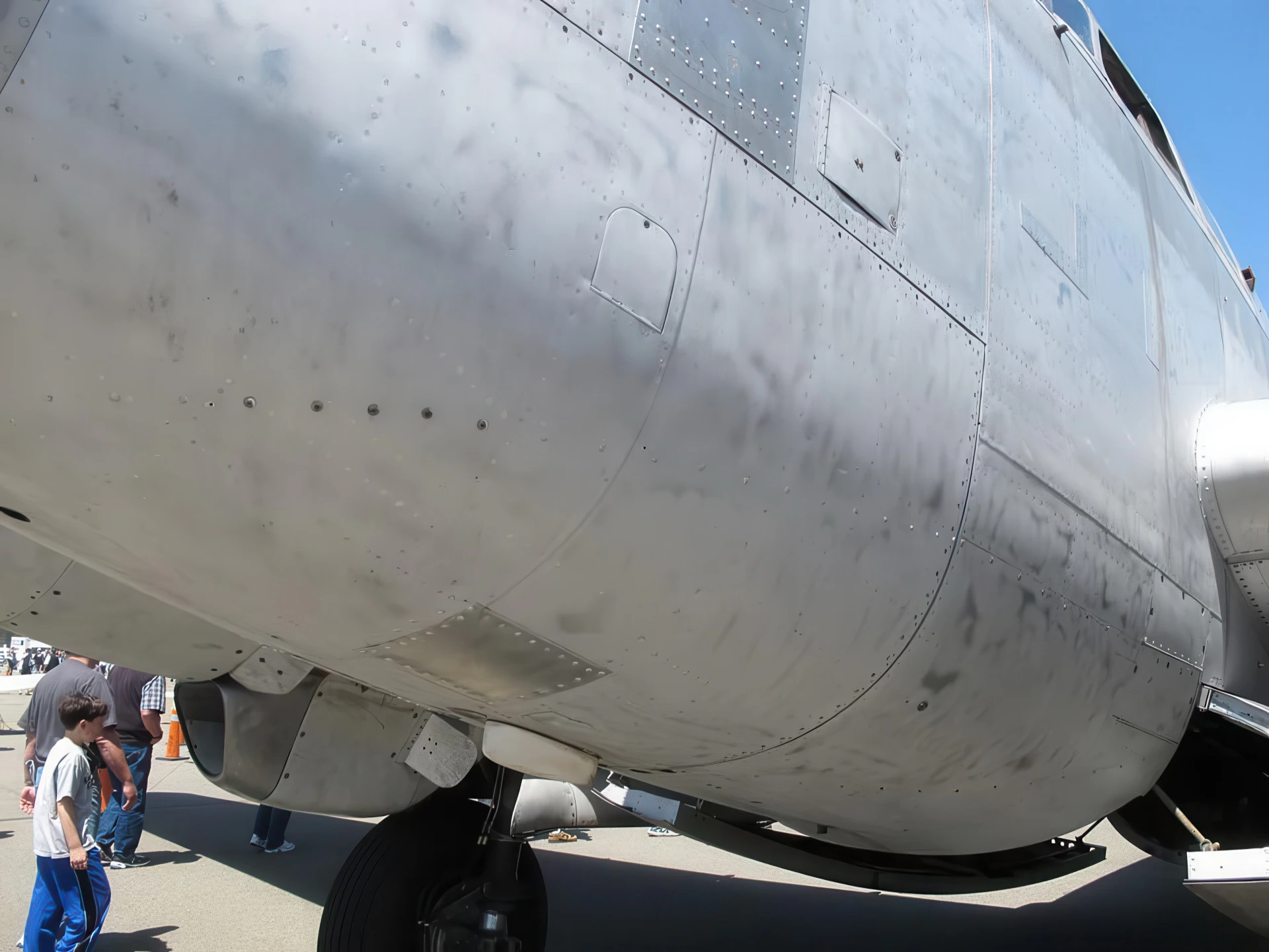
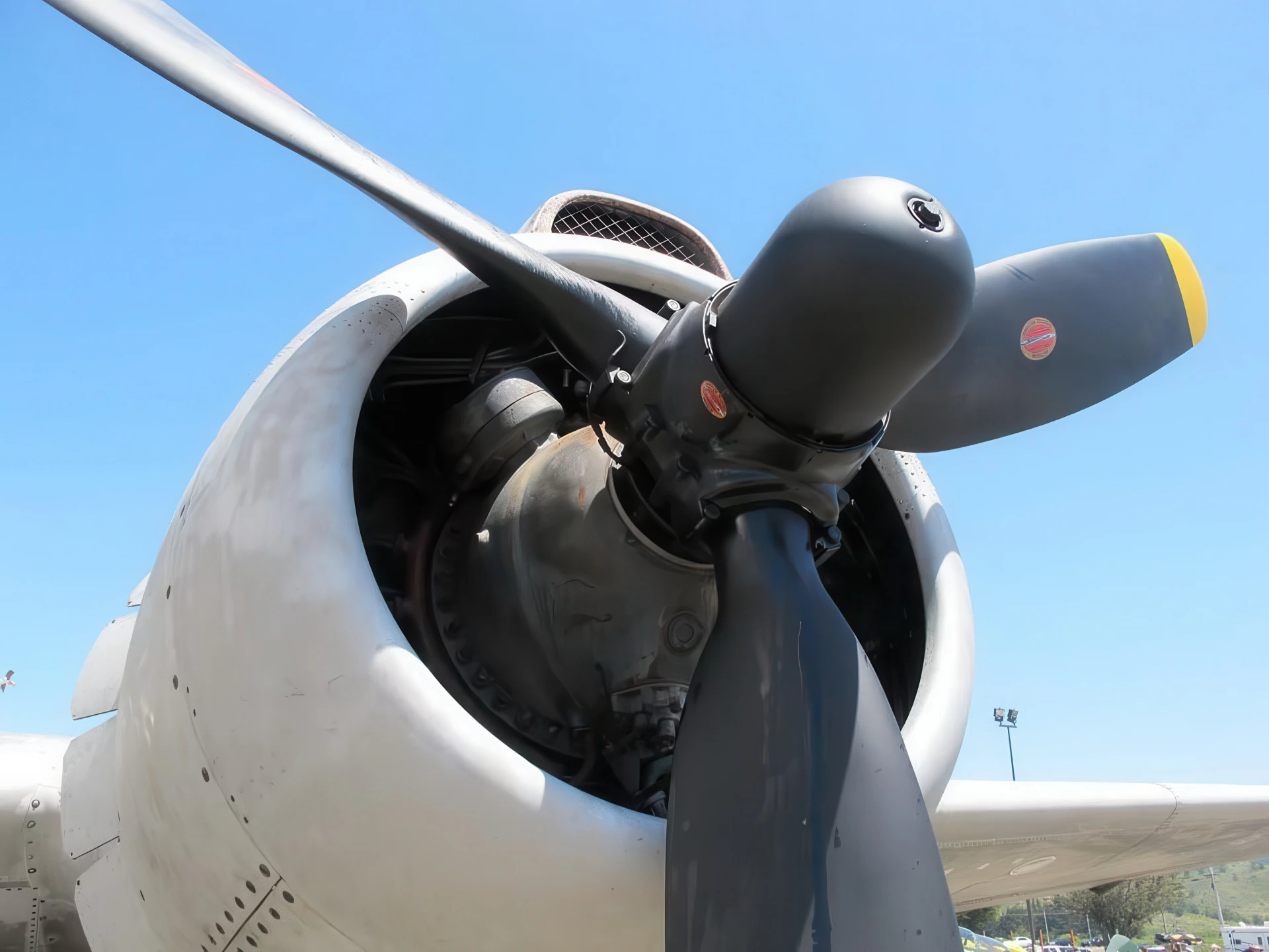
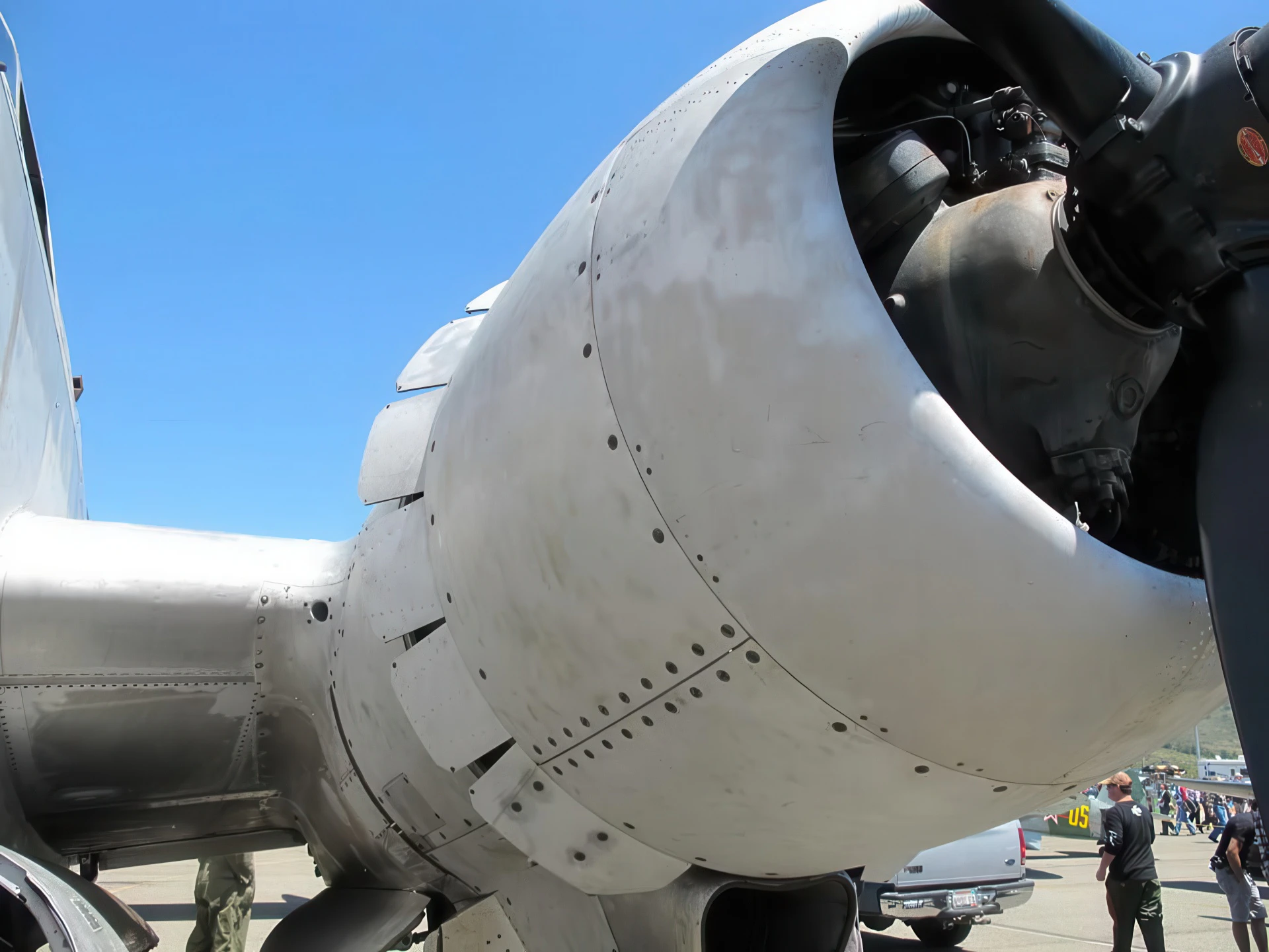
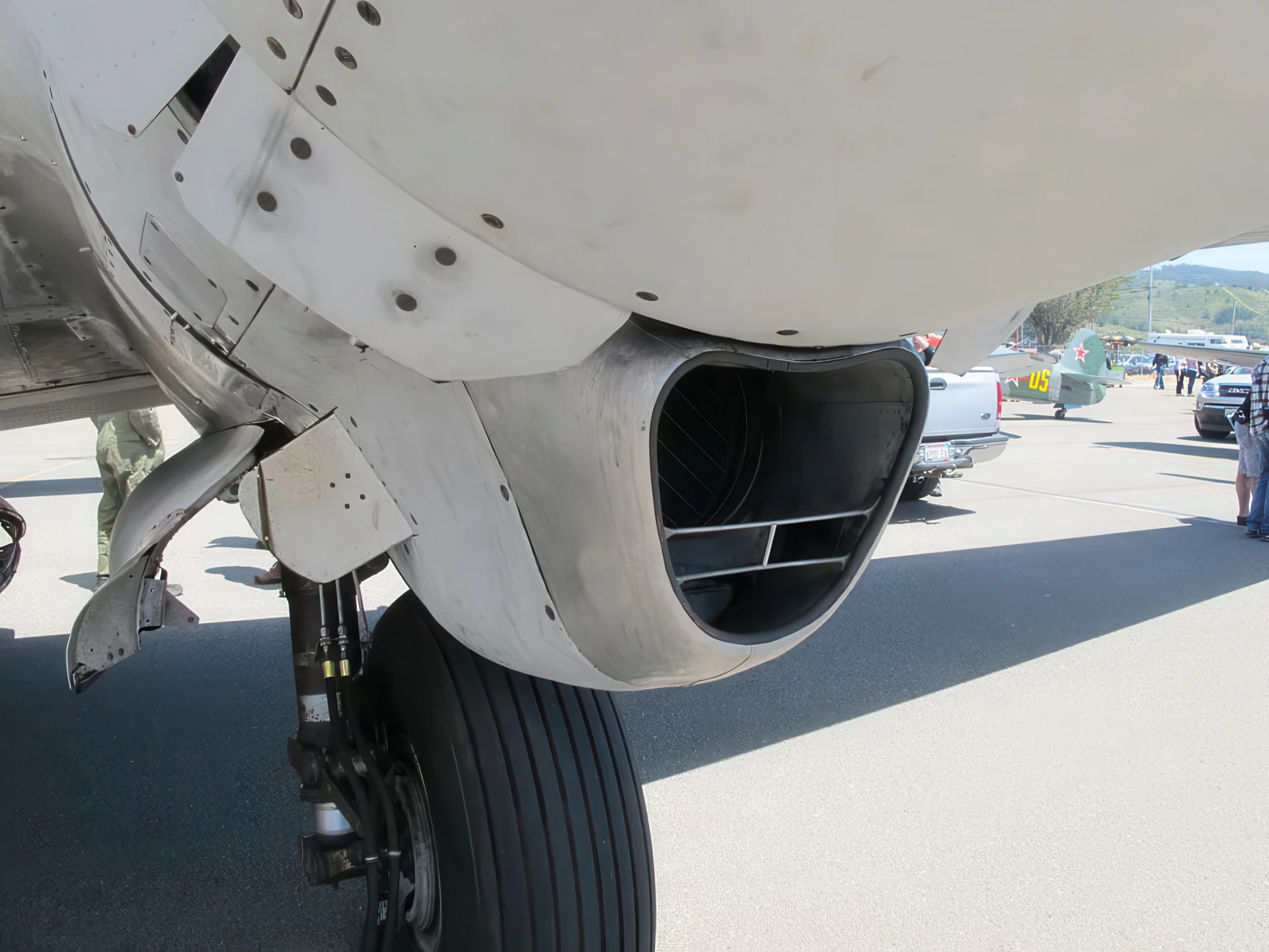
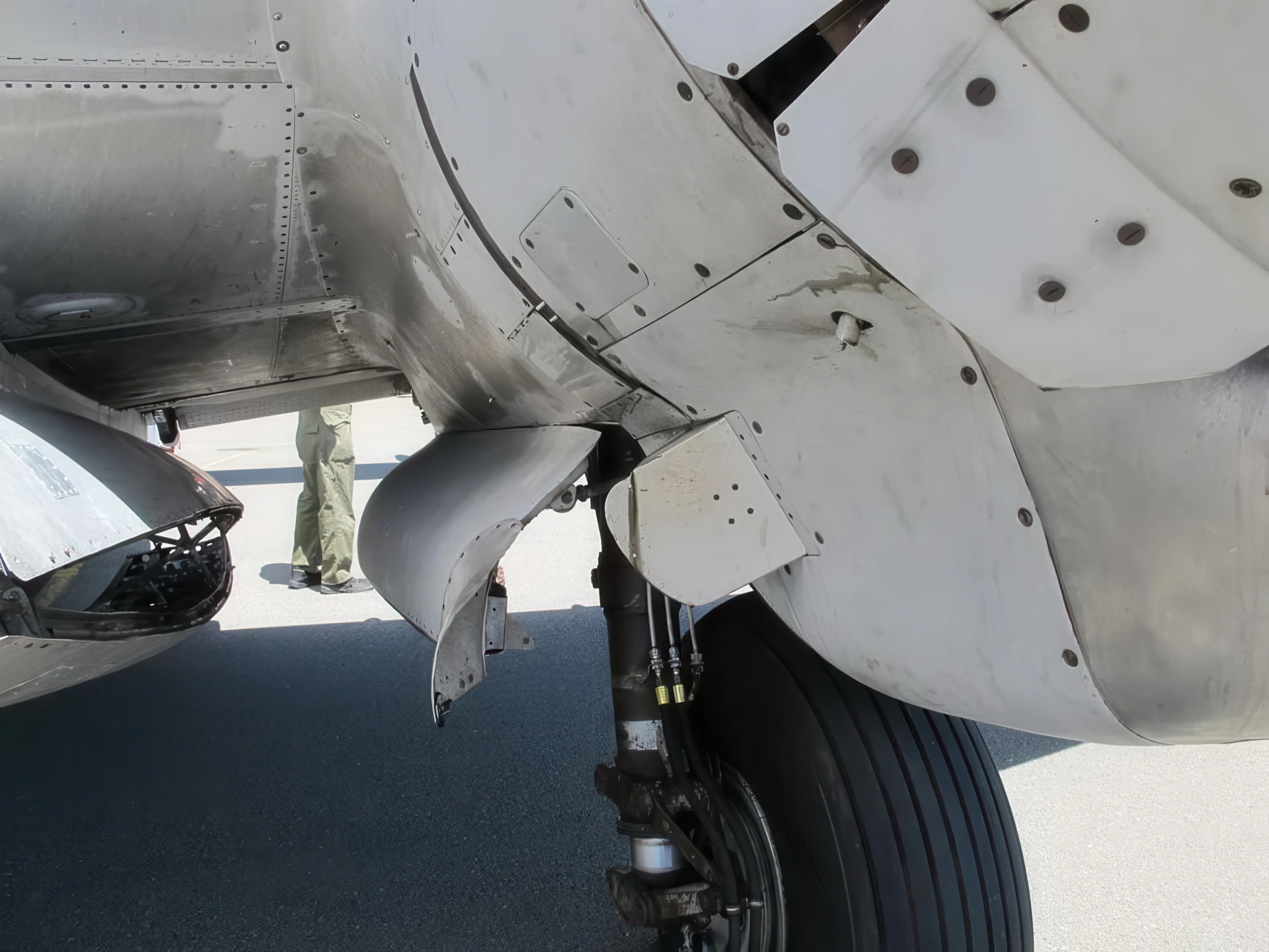
Τεχνικές καριέρας : Moteurs : 2 moteurs à pistons Pratt & Whitney R-2800-31 de 2000 CV Envergure : 22,86 m Longueur : 15,51 m Hauteur : 4,04 m Poids : 16.330 kg Vitesse : 440 km/h à 0 m Plafond : 7.285 m Autonomie : 2.880 km

| Lockheed PV-2 Harpoon Walk Around | |
|---|---|
| Φωτογράφος | Σίες Χέντρικς |
| Εντοπισμού | Αγνοώ |
| Φωτογραφίες | 88 |
| Lockheed PV-2 Harpoon Walk Around | |
|---|---|
| Φωτογράφος | Σίες Χέντρικς |
| Εντοπισμού | Αγνοώ |
| Φωτογραφίες | 132 |
| Lockheed PV-2 Harpoon Walk Around | |
|---|---|
| Φωτογράφος | Unknow |
| Εντοπισμού | Αγνοώ |
| Φωτογραφίες | 15 |
Δείτε επίσης:


Teh Lockheed PV-2D Καμάκι was the final, dedicated ground attack variant of the PV-2 Harpoon, a twin-engine patrol bomber developed by the Lockheed Vega Division for the U.S. Navy late in World War II. It was a major redesign of the earlier PV-1 Ventura, intended for **anti-submarine warfare** and long-range patrol, but the ‘D’ model focused specifically on **offensive strikes** against surface targets.
Design & Performance Improvements
The PV-2 series was designed to overcome the PV-1’s biggest drawback—its difficulty taking off when fully loaded. The Harpoon achieved this through significant modifications:
- Wings: It featured a **longer wingspan** and increased wing area to improve lift and load-carrying capacity, resulting in better takeoff performance.
- Tail: A distinctive, new **large rectangular vertical tail stabilizer** was adopted for improved stability and control.
- Power: Propulsion came from two reliable **Pratt & Whitney R-2800-31 Double Wasp** radial engines.
PV-2D Offensive Armament
The ‘D’ variant was defined by its massive fixed forward-firing armament, turning the patrol bomber into a potent gunship for low-level attacks:
Key Weaponry:
- Nose Guns: The nose was heavily armed with **eight fixed, forward-firing 12.7 mm (.50 caliber) M2 Browning machine guns**, giving it immense concentrated firepower for strafing runs.
- Defensive Guns: Standard defensive armament was retained, including twin **.50 caliber machine guns** in a dorsal turret and often two more in a ventral position.
- Payload Capacity: It could carry up to **4,000 lbs** of ordnance in its enlarged bomb bay, including bombs, depth charges, or a torpedo. External hardpoints allowed for the carriage of up to eight 5-inch **HVAR** (High Velocity Aircraft Rocket) rockets.
Service and Legacy
Despite early structural issues and a subsequent delay, the PV-2 design proved reliable. The PV-2D model entered service too late (beginning in **1945**) to make a major contribution to World War II. However, it was popular with aircrews and served extensively with U.S. Navy reserve squadrons after the war, and was widely exported, seeing continued service with numerous allied air forces well into the Cold War era.
Θεάσεις : 9543
Μπορείτε επίσης να δείτε:
 Lockheed P-80 Shooting Star – Φώτο &; Βίντεο
 Lockheed P-3 Orion – Φώτο &; Βίντεο
 Lockheed U-2 – Φώτο & Βίντεο
 Lockheed S-3 Viking – Φώτο &; Βίντεο
 Lockheed A-12 – Φώτο &; Βίντεο
 Lockheed Hudson Mk.III – Φώτο &; Βίντεο
 Lockheed T-33 – Φώτο & Βίντεο
 Lockheed SR-71 Blackbird – Φώτο &; Βίντεο
 Lockheed F-22A Raptor – Φώτο & Βίντεο
 P-38L Μανταρίνι – WalkAround