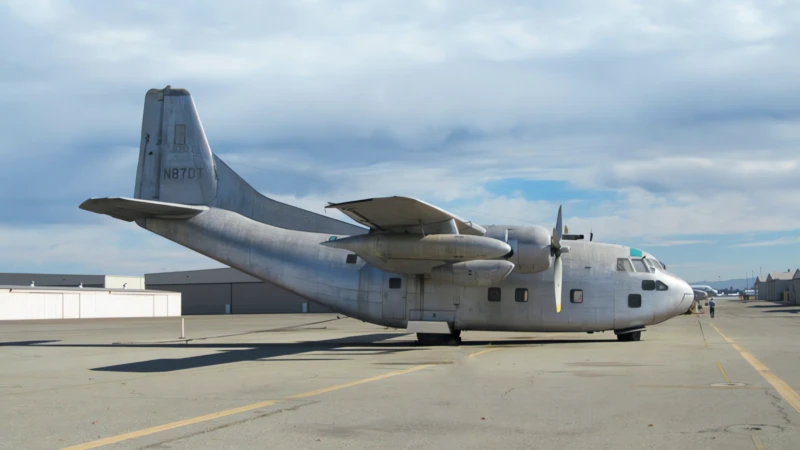
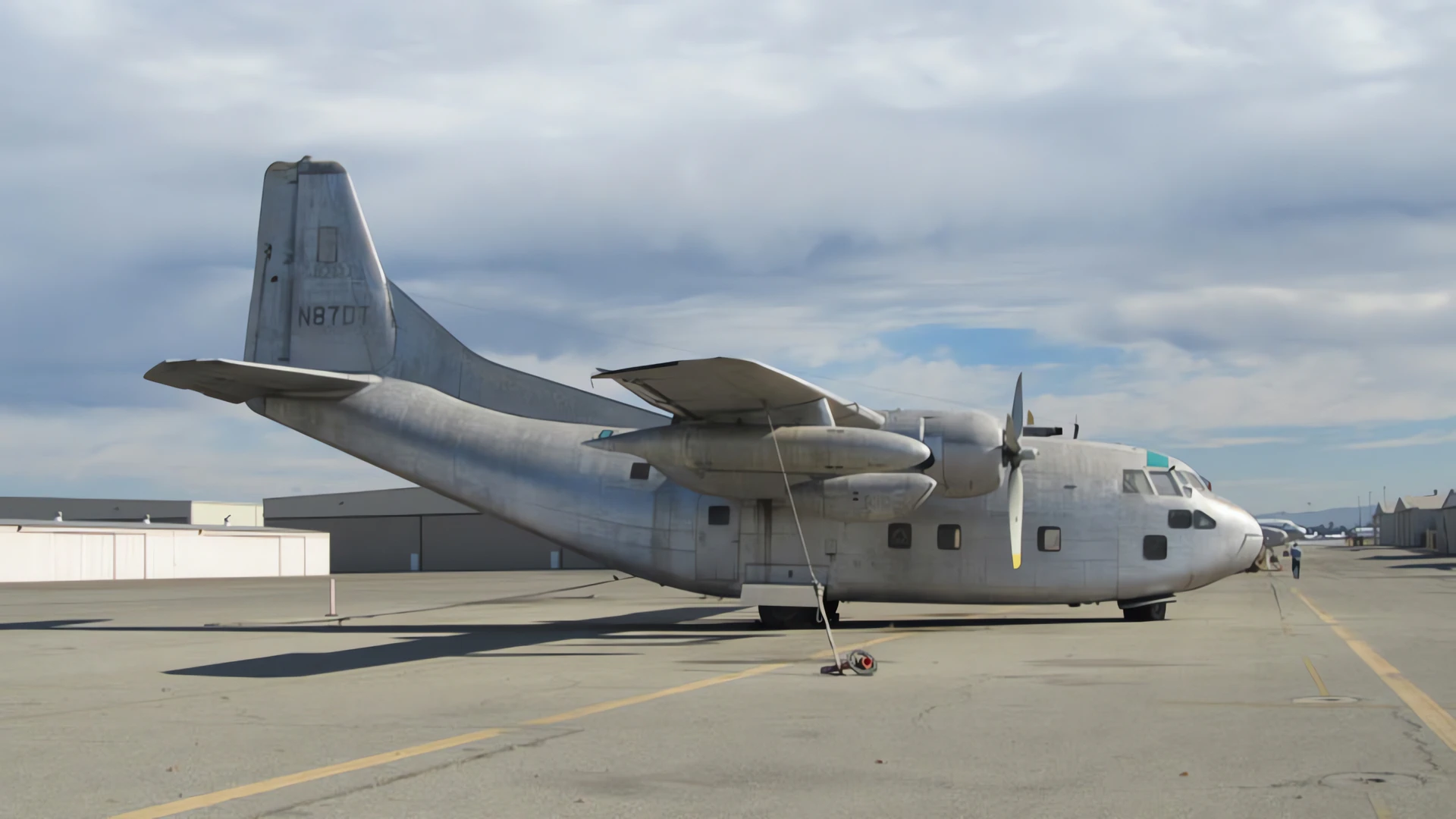
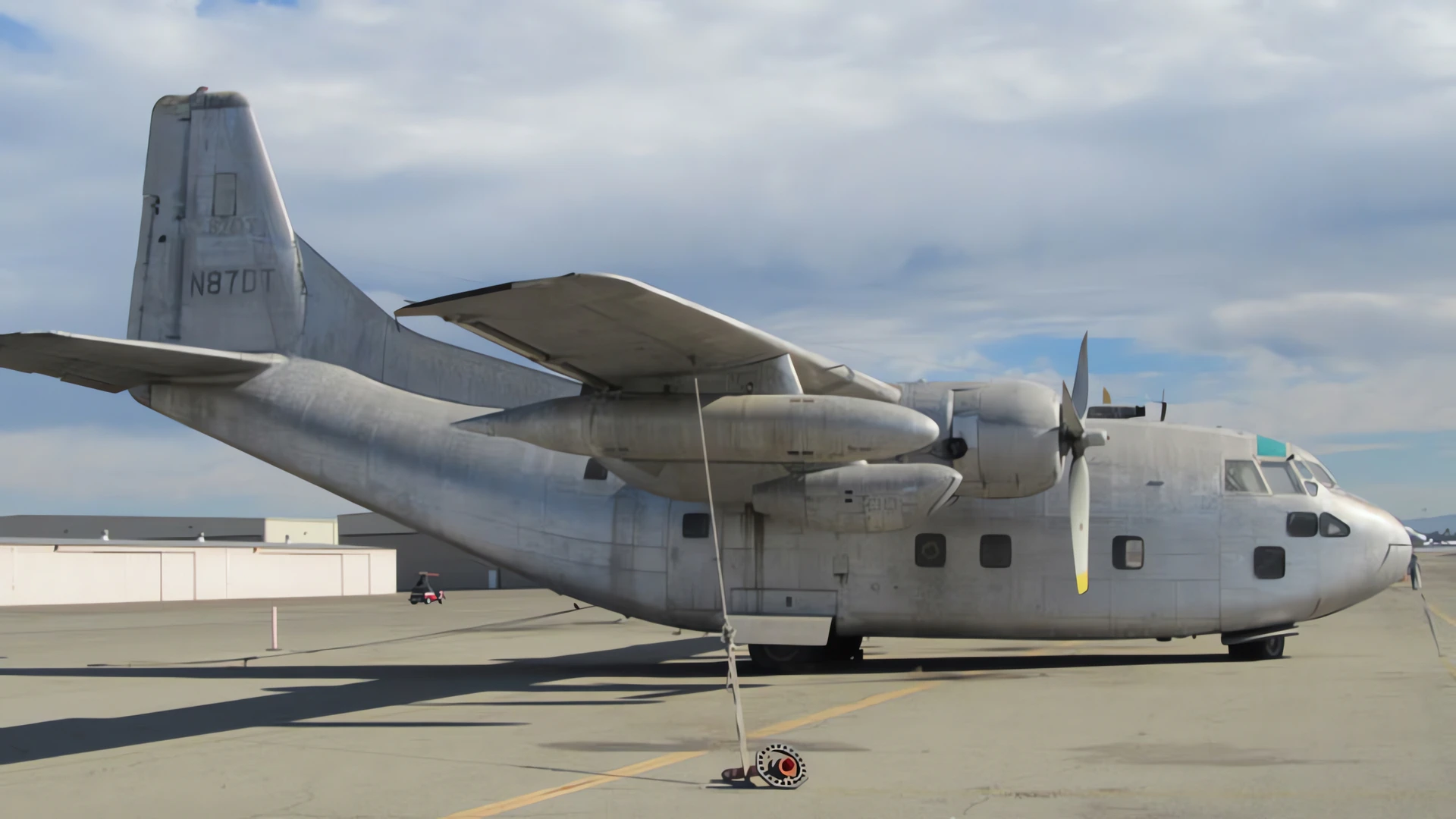
Teh Fairchild C-123 Πάροχος είναι ένα αμερικανικό στρατιωτικό μεταγωγικό αεροσκάφος που σχεδιάστηκε από την Chase Aircraft και στη συνέχεια κατασκευάστηκε από την Fairchild Aircraft για την Πολεμική Αεροπορία των Ηνωμένων Πολιτειών. Εκτός από την υπηρεσία της USAF, η οποία περιελάμβανε μεταγενέστερη υπηρεσία με την Εφεδρεία της Πολεμικής Αεροπορίας και την Εθνική Φρουρά της Αεροπορίας, συνέχισε επίσης να υπηρετεί κυρίως με την Ακτοφυλακή των Ηνωμένων Πολιτειών και διάφορες αεροπορικές δυνάμεις στη Νοτιοανατολική Ασία. Κατά τη διάρκεια του πολέμου του Βιετνάμ, το αεροσκάφος χρησιμοποιήθηκε για να ψεκάσει το Agent Orange.
Περιμένετε, Αναζήτηση Fairchild C-123 Provider για σας ...
Fairchild C-123K Provider Walk Around
Φωτογράφος
Βλαντιμίρ Γιακούμποφ
Εντοπισμού
Μουσείο Κάστρου AFB
Φωτογραφίες
178
Fairchild C-123K Provider Walk Around
Φωτογράφος
Bill Maloney
Εντοπισμού
Μουσείο Αεροπορικής Κληρονομιάς
Φωτογραφίες
19
Δείτε επίσης:
From Glider to Jet-Assisted Workhorse
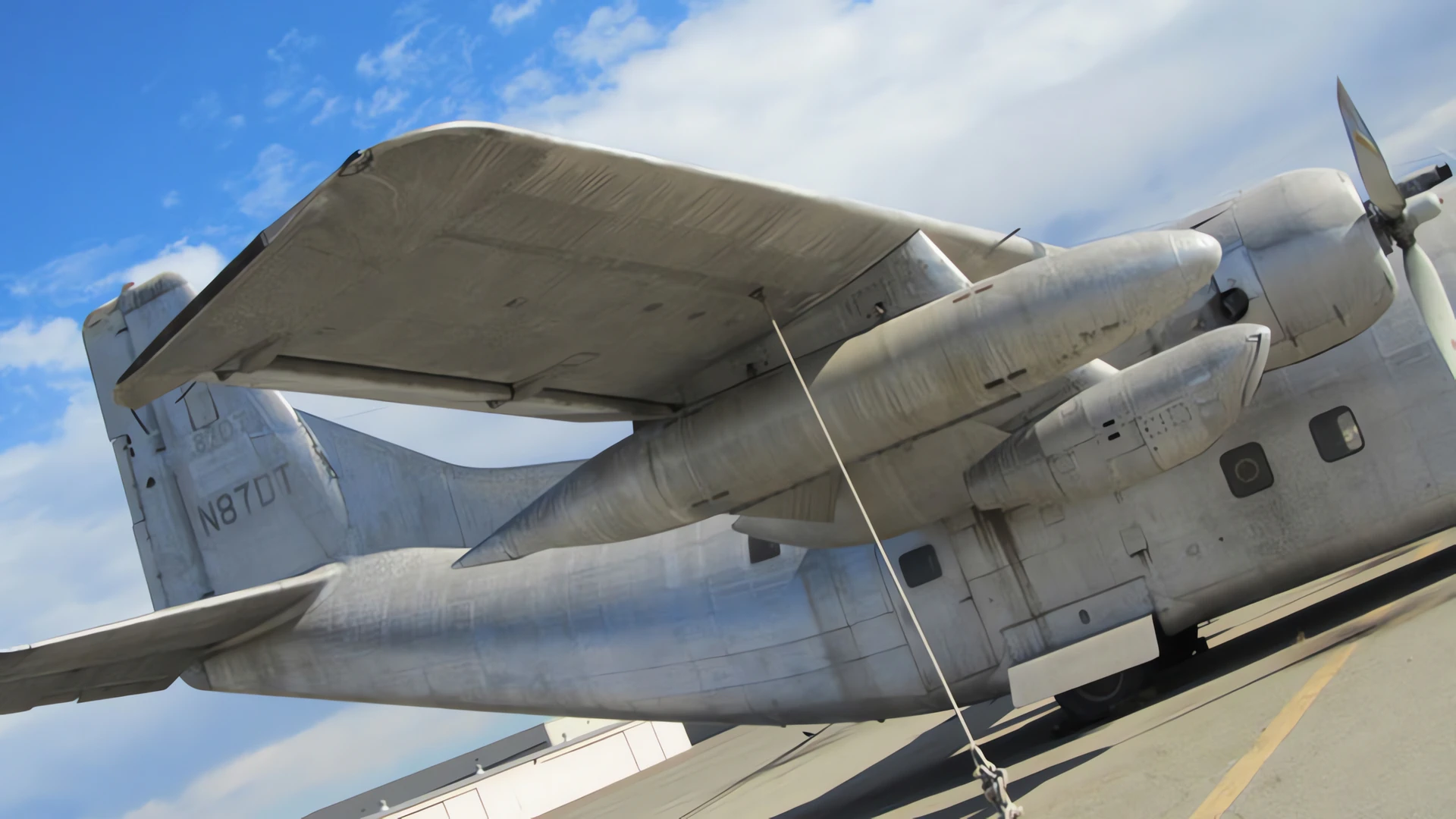
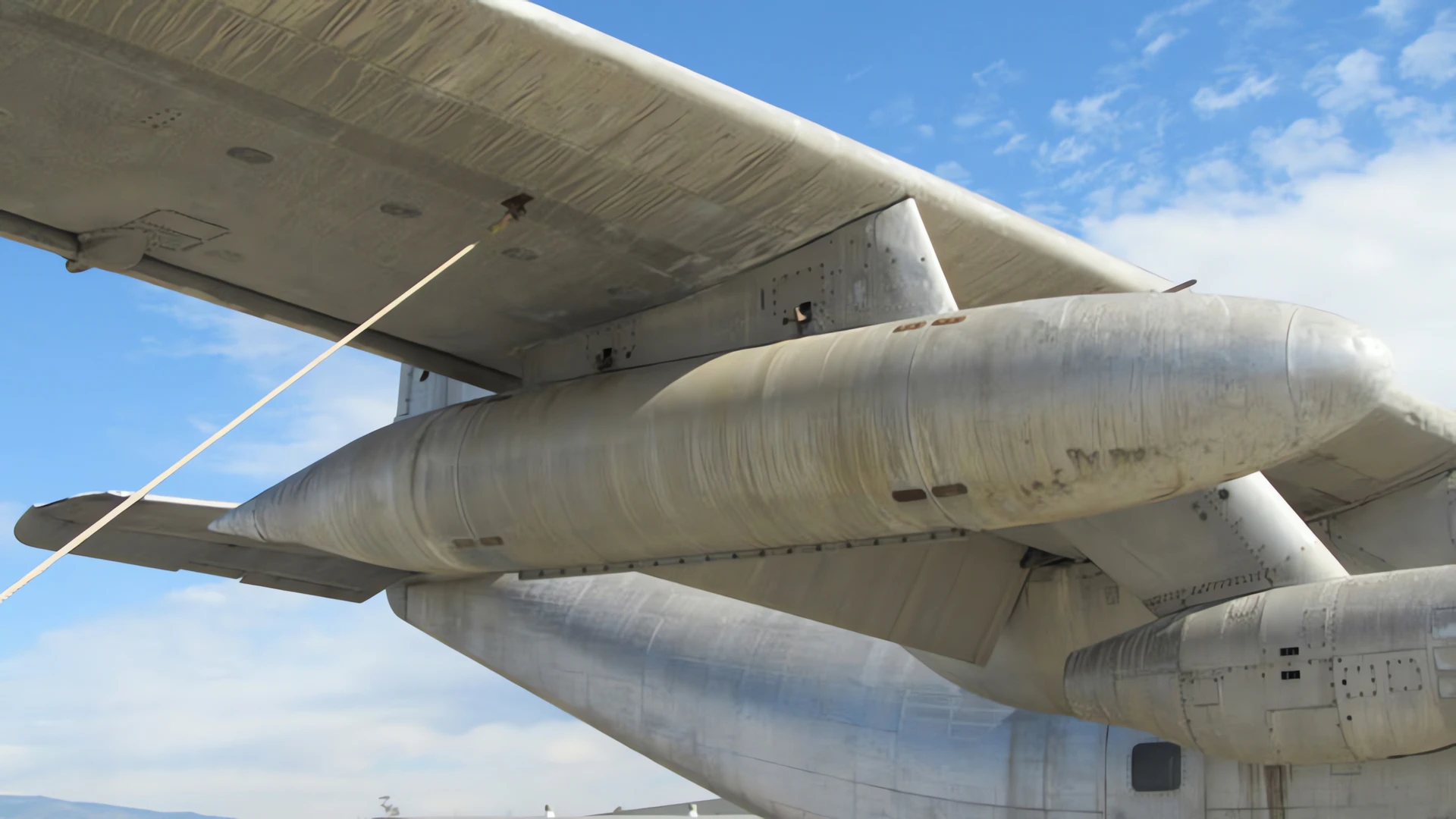
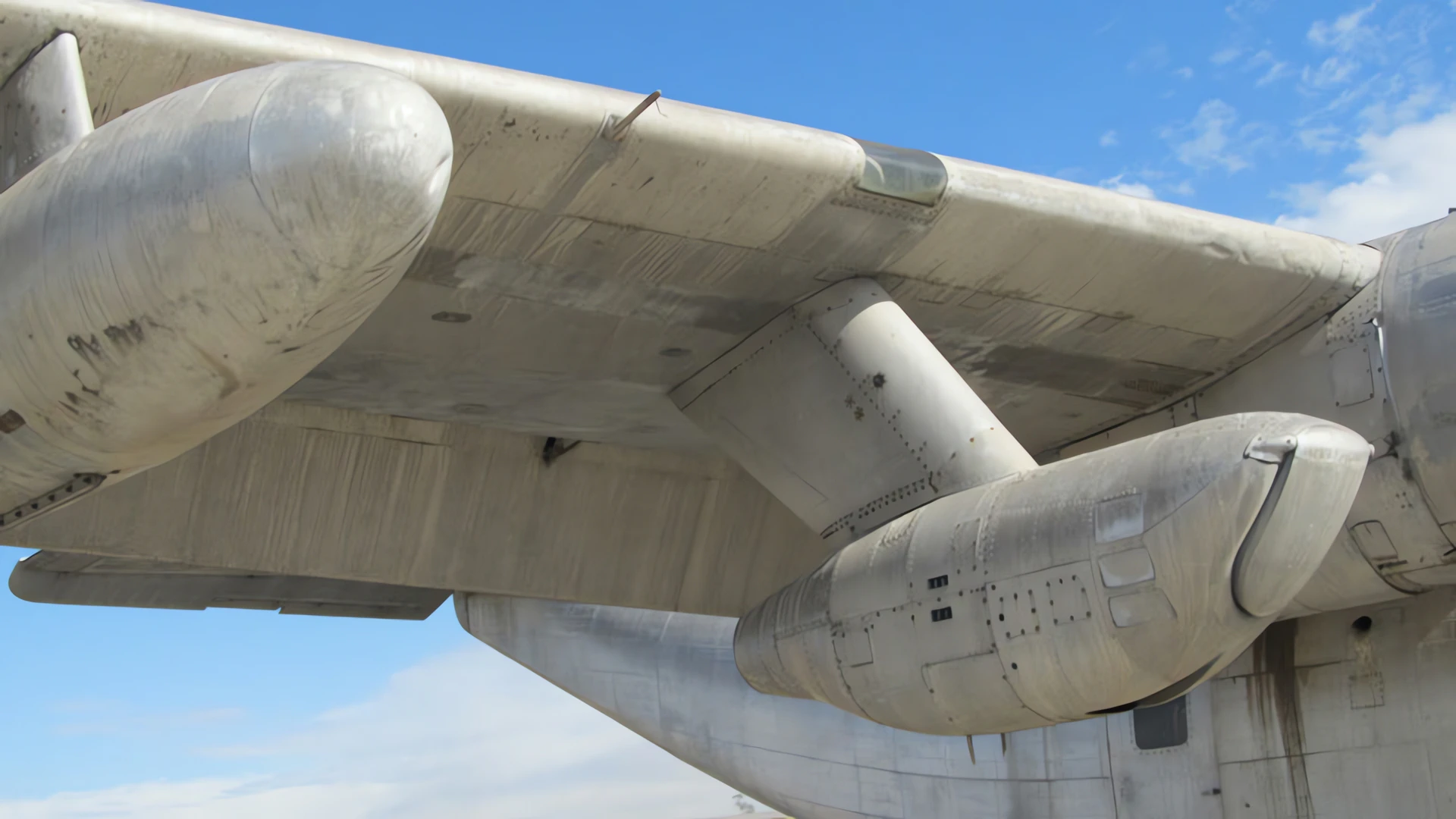
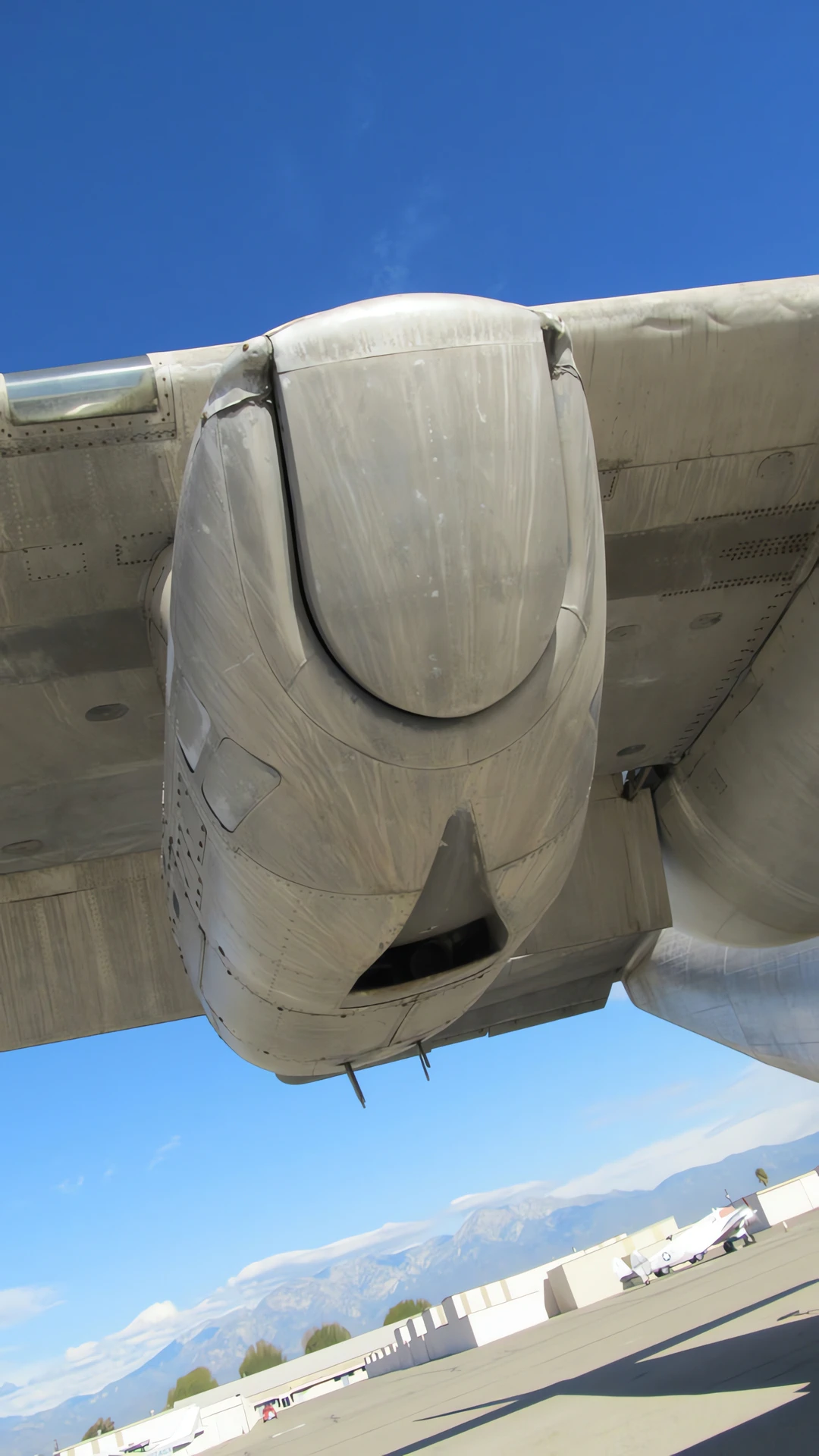
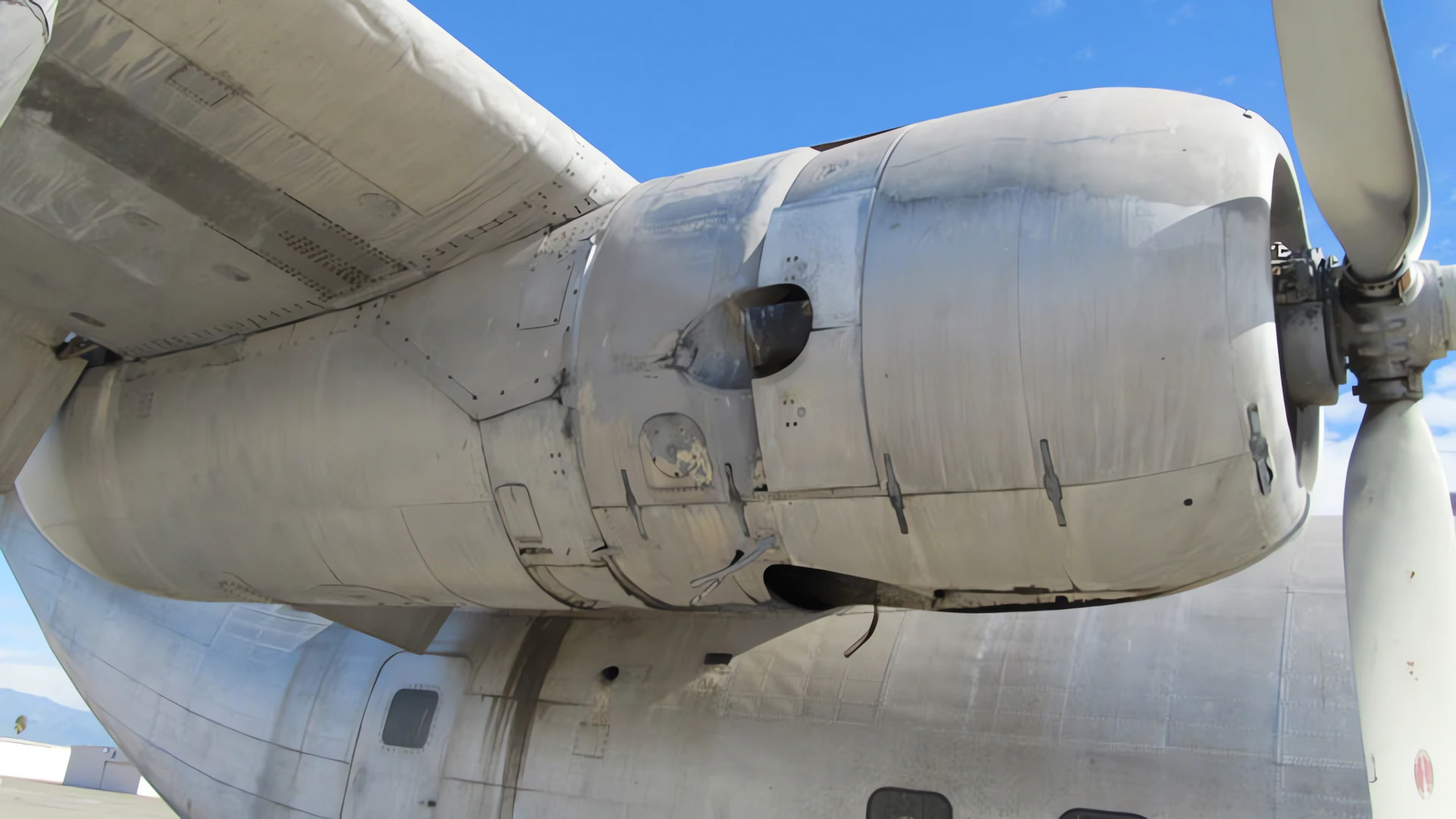
Teh Πάροχος C-123has one of the most unusual origin stories in aviation history. Originally designed by Chase Aircraft as an all-metalassault glider(the XG-20), it proved so sturdy that engines were added to turn it into a transport. While the early “B” models relied on piston engines, theC-123Kwas the ultimate evolution. To handle the heavy loads and short, muddy runways of Vietnam, Fairchild added two auxiliary turbojets, giving the plane a distinctive “two-turning, two-burning” configuration.
2 × General Electric J85-GE-17 turbojets (2,850 lbf each)
Maximum Speed
228 mph (367 km/h)
Ωφέλιμο φορτίο
24,000 lbs (11,000 kg) or 60 troops / 50 litters
Takeoff Distance
Approx. 1,160 ft (with jet assistance)
Max Takeoff Weight
60,000 lbs (27,215 kg)
The “Jet-Pod” Advantage
Boosted STOL Performance:The “K” model’s two underwingJ85 jet podswere used primarily for takeoff and climb-out. This extra thrust allowed the Provider to clear jungle treelines while carrying maximum weight from short, unimproved dirt strips.
The “In-Flight” Safety Net:In the event of a piston engine failure—a common occurrence in the humid, high-stress environment of Vietnam—the auxiliary jets could be fired up to maintain altitude and help the crew return to base safely.
High-Flotation Landing Gear:To support its role as an “assault” transport, the C-123 used wide, low-pressure tires and a sturdy tricycle landing gear that allowed it to land on surfaces that would bog down more delicate aircraft.
Rear Loading Ramp:Like modern transports, the C-123 featured a large rear ramp that could be lowered in flight for air-dropping supplies or on the ground for rapid loading of vehicles and troops.
Vietnam Service & “Patches”
Operation Ranch Hand:The C-123 is famously (and controversially) associated with the spraying ofAgent Orange. Modified variants, known asUC-123K, flew low and slow over the jungle to strip away enemy cover.
“Patches”:One of the most famous C-123s, namedPatches, earned its name from the nearly 600 shrapnel and bullet hole repairs it accumulated during the war. It is now preserved at the National Museum of the U.S. Air Force.
Special Ops & Black Spot:Two Providers were converted intoNC-123K “Black Spot”night attackers, equipped with a long nose housing radar and sensors to hunt trucks along the Ho Chi Minh Trail—a precursor to modern gunships.
Hollywood Star:Beyond its military service, the C-123 became a pop-culture icon, most notably starring as the “Jailbird” in the 1997 action filmCon Air.


 Fairchild 24 – Φώτο & Βίντεο
 Lockheed P-2 Neptune – Φώτο &; Βίντεο
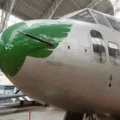 Fairchild C-119 Flying Boxcar – Φώτο &; Βίντεο
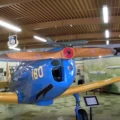 Fairchild PT-19A, Cornell – Φώτο &; Βίντεο
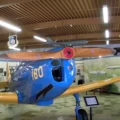 Fairchild PT-19 – Φώτο &; Βίντεο
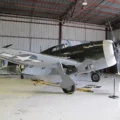 P-47G Κεραυνός – Περίπατος
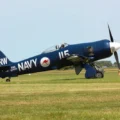 Μανία θάλασσας Hawker FBII vol2 - Περίπατος γύρω
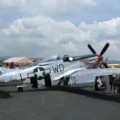 P-51D Μάστανγκ vol2 – Περπατήστε γύρω
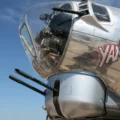 B-17G Ιπτάμενο Φρούριο – Περίπατος
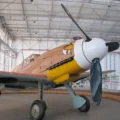 Μέσερσμιτ Bf 109G-2 – Περίπατος