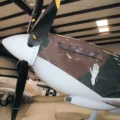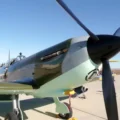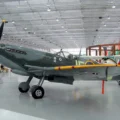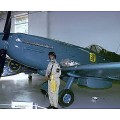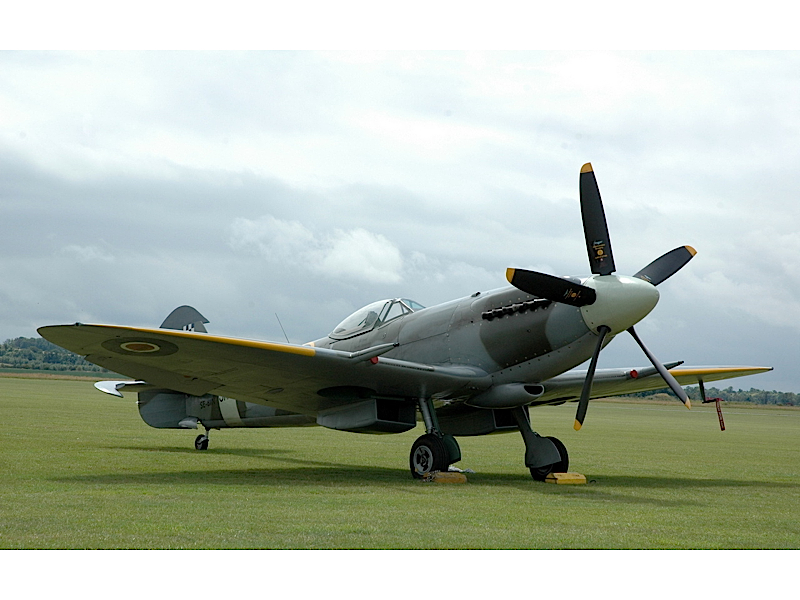
Spitfire FR XVIIIth | |
|---|---|
| Land | Großbritannien |
| Zeitraum | Zweiter Weltkrieg |
| Typ | Jäger |
| Beschreibung | Album von 37 Rundgangsfotos des Jägers "Spitfire FR XVIIIth" |
Der Supermarine Spitfire (en anglais cracheur de feu, mais aussi au sens figuré soupe au lait) fut l’un des chasseurs monoplaces les plus utilisés par la RAF et par les Alliés pendant la Seconde Guerre mondiale. Les ailes elliptiques du Spitfire lui ont donné une apparence très reconnaissable ; leur section transversale mince lui a donné une vitesse impressionnante ; la conception brillante du concepteur en chef Reginald Mitchell et de ses successeurs (il est mort en 1937), a fait du Spitfire un avion apprécié par les pilotes. Il a servi pendant toute la durée de la Seconde Guerre mondiale, et avec toutes ses variantes a été de tous les combats. Plus de 20 300 appareils furent construits, et les Spitfire sont restés en service jusque dans les années 1950. Spitfire FR XVIIIth : neueste Version mit dem zweistufigen Kompressor Griffon; Flügel F; Bewaffnung E; Glasdach in Wassertropfen; größere Kraftstoffkapazität; genannt FR XVIII (für FR 18 Jahre nach 1945) ausgestattet mit einer im Rumpf montierten Kamera (300 Exemplare)
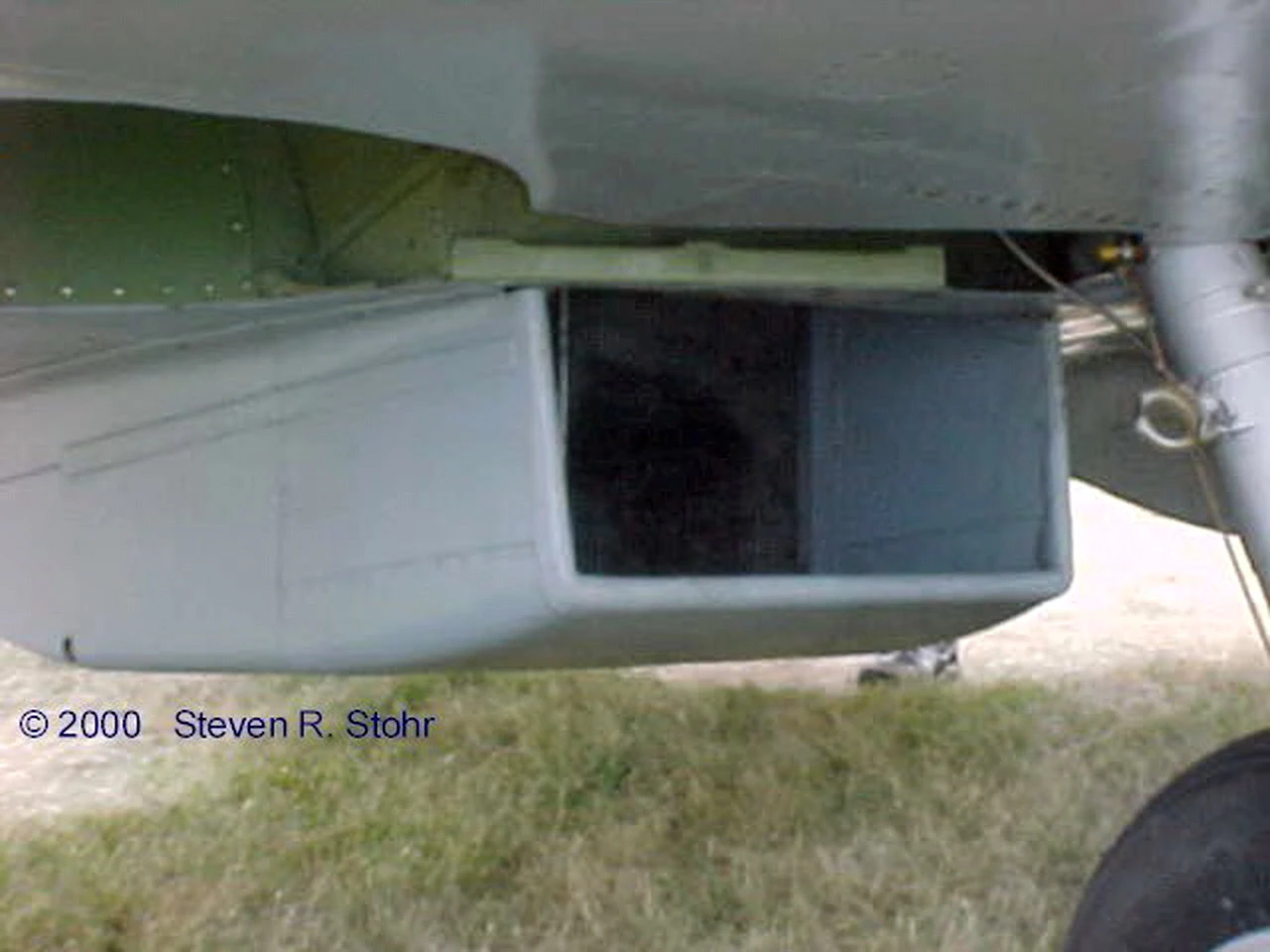
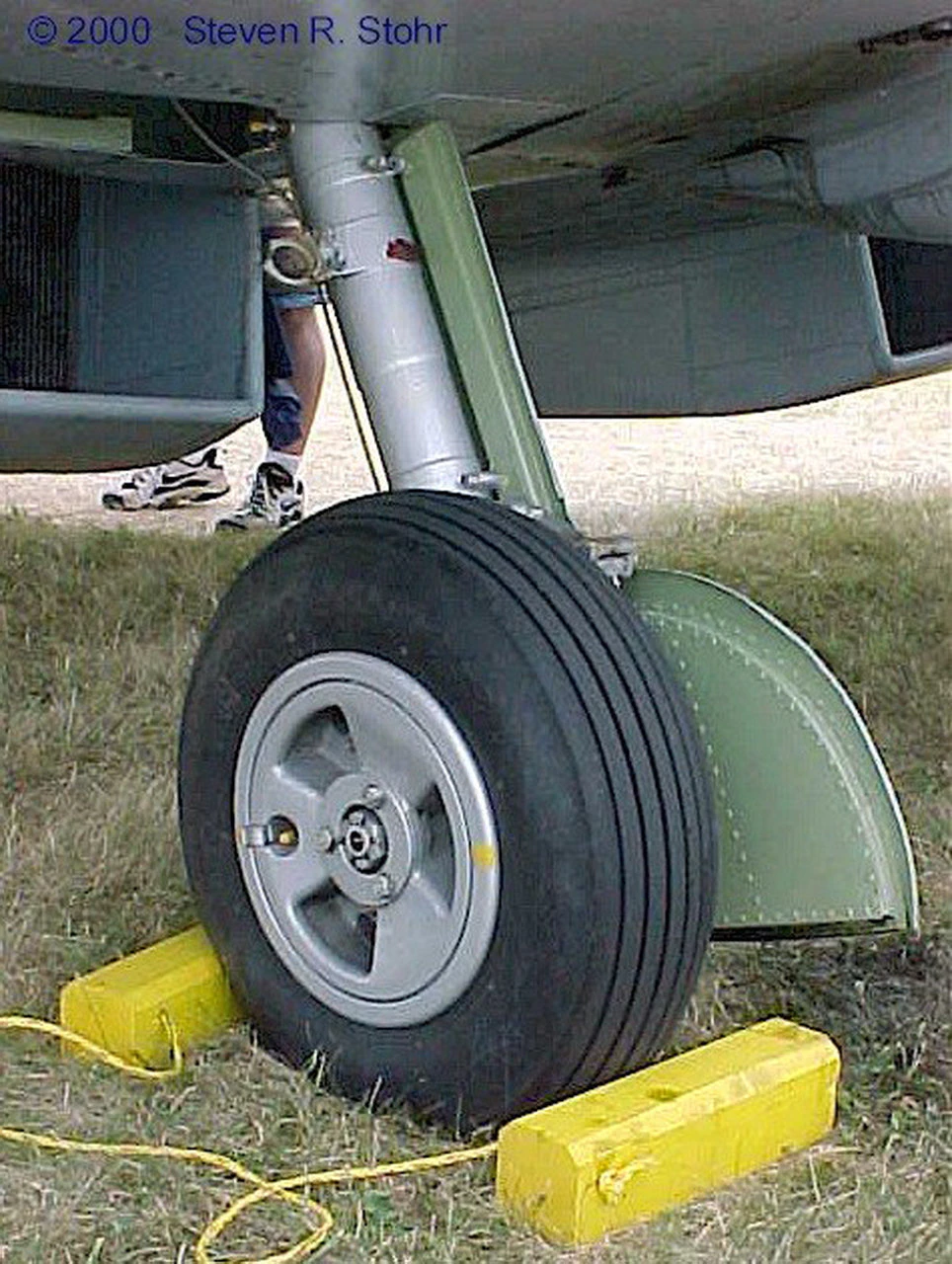
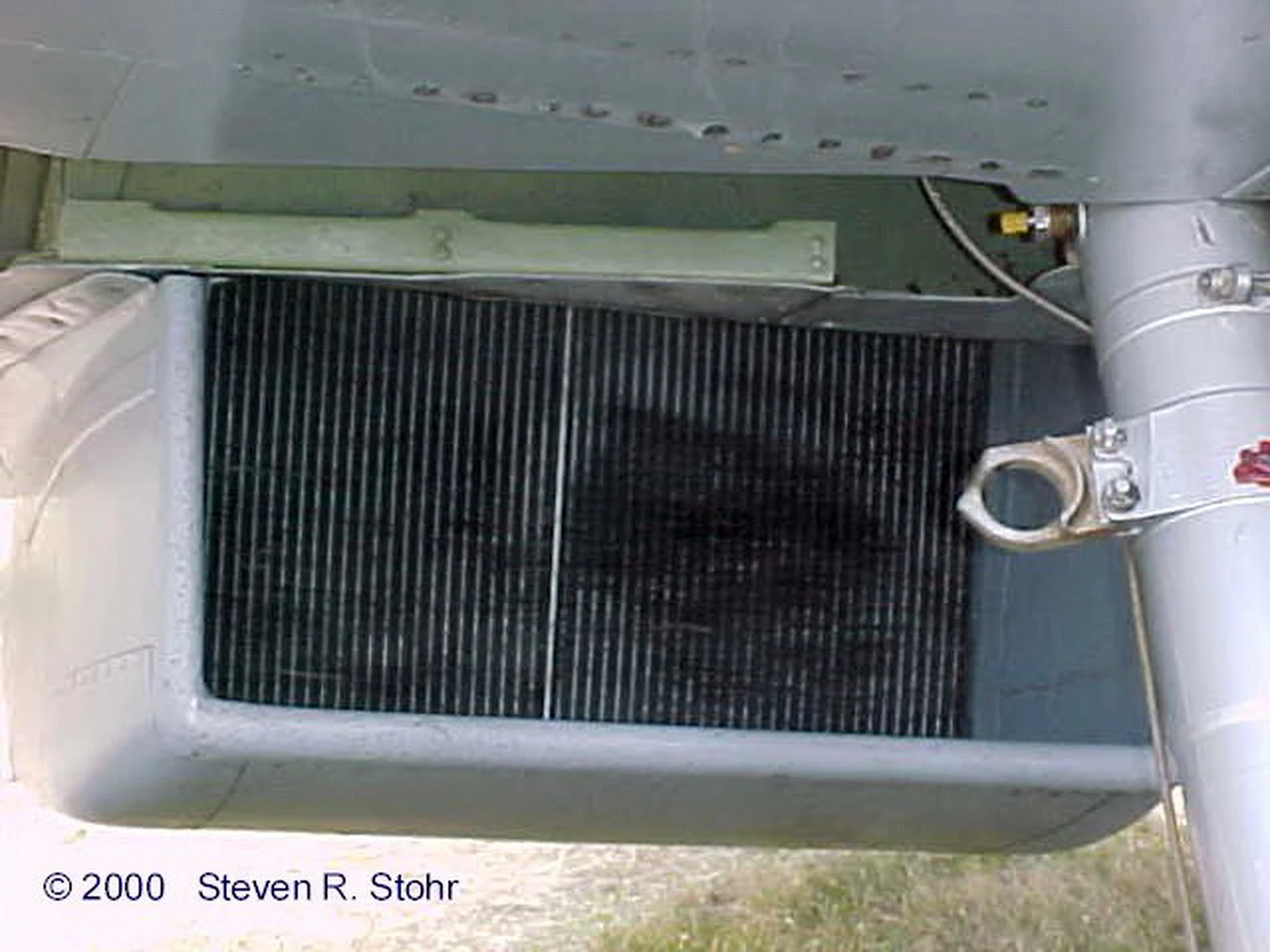
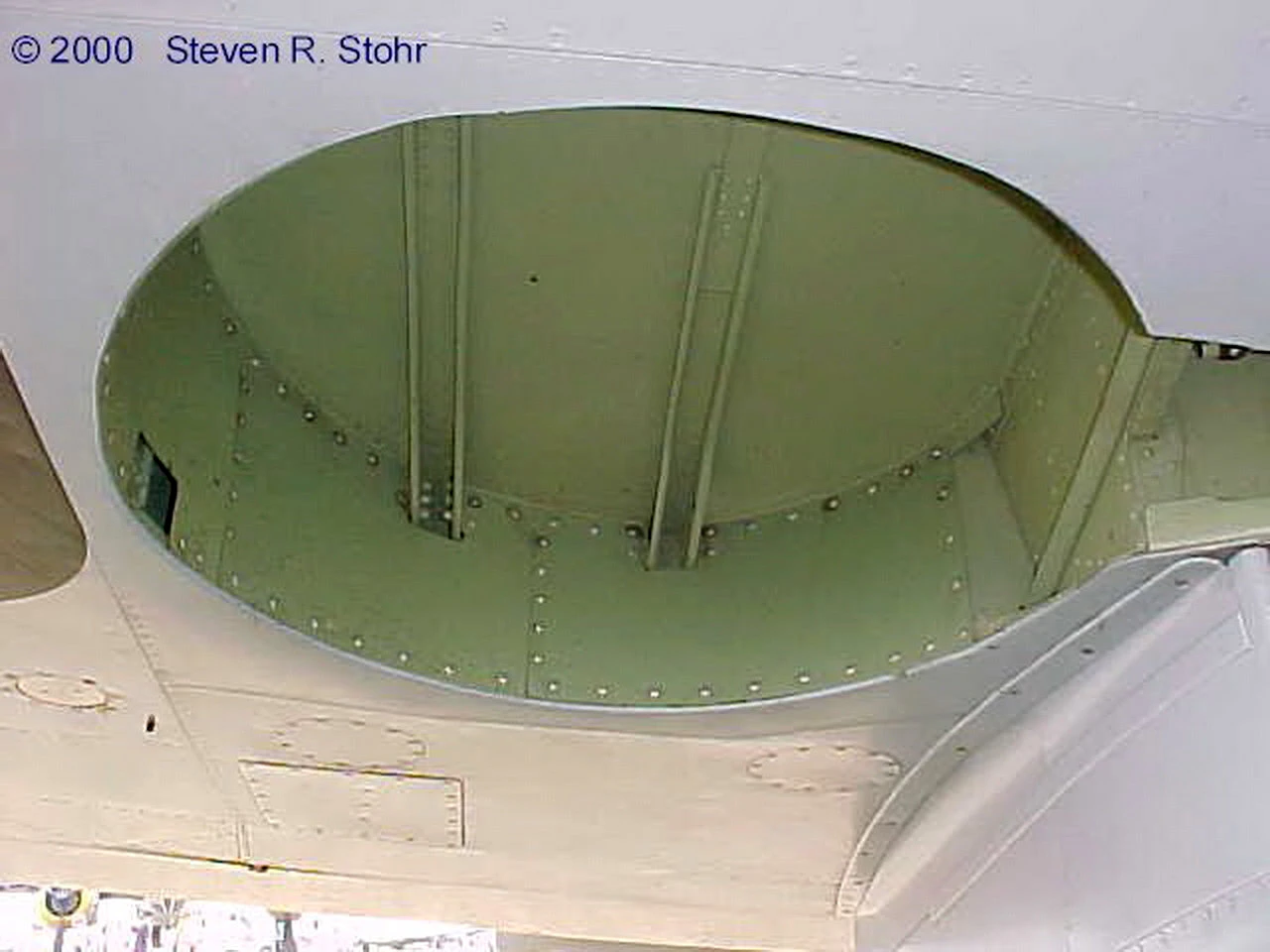
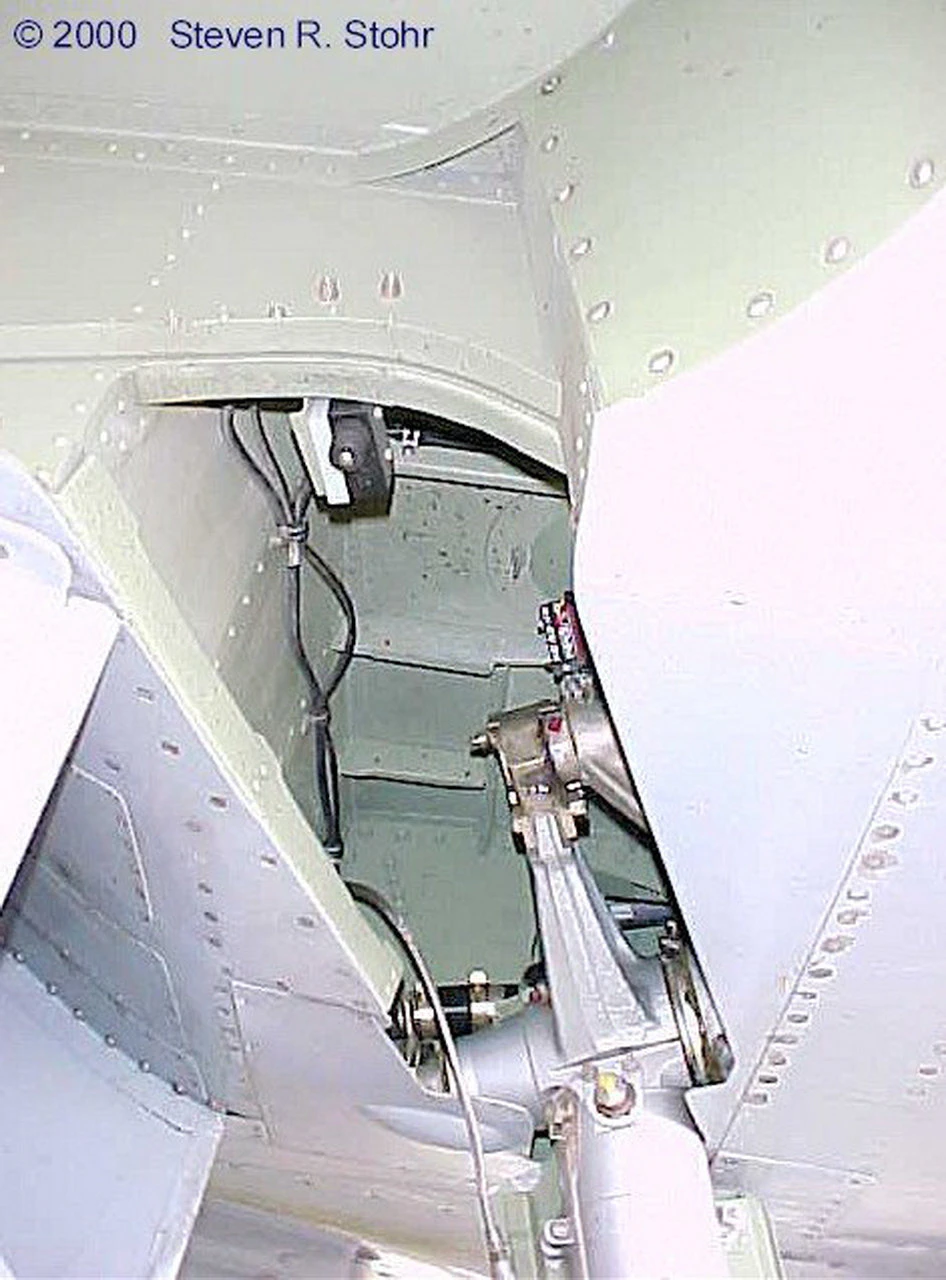
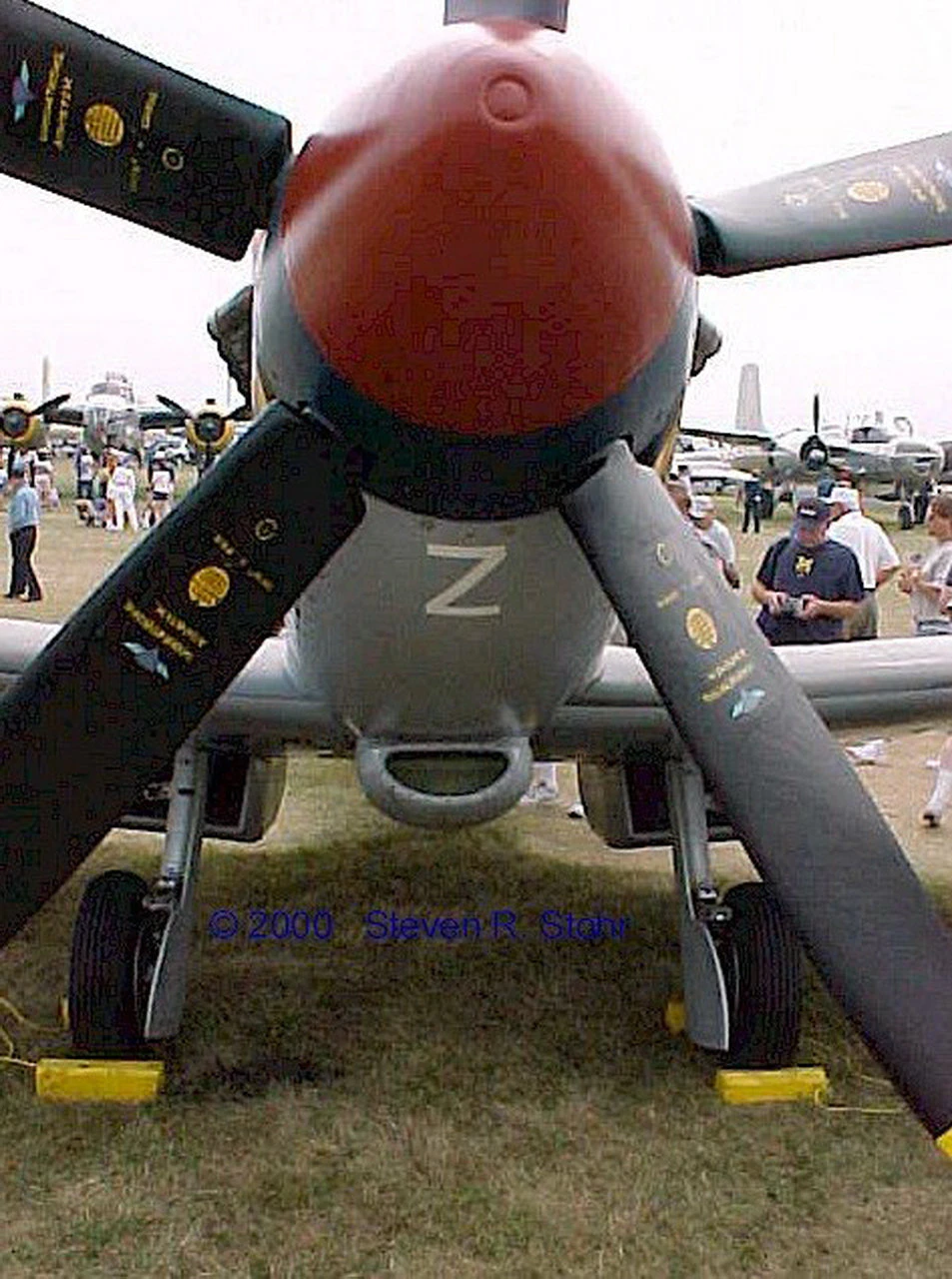
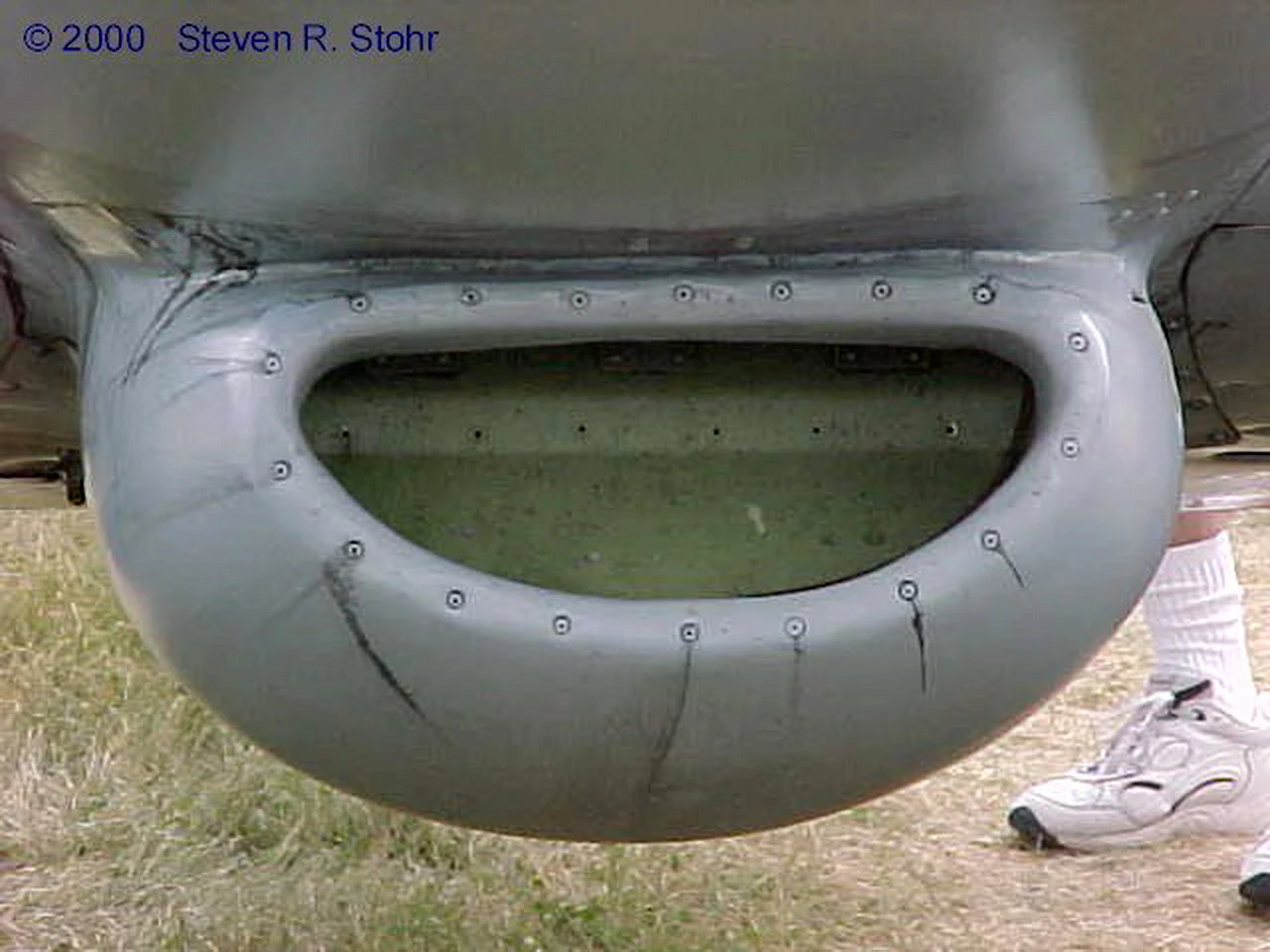

Technische Daten: Equipage : 1 pilote Moteur : 1xRolls-Royce Merlin 61 12-Cylindres en V de 1470 ch, refroidis par liquide Type : 12 cylindres en V Puissance unitaire : 1470 ch (1 096 kW) Envergure : 11,23 m Longueur : 9,47 m Hauteur : 3,86 m Surface alaire : 22,48 m Poids à vide : 2 300 kg Poids Maxi : 3 100 kg Vitesse maximale : 575 km/h (Mach 0,49) Plafond : 13 105 m Vitesse ascensionnelle : 1 445 m/min Rayon d’action : 724 km Endurance : 1 840 km Charge alaire : 119,91 kg/m² Rapport poids/puissance : 0,22 kg/ch Armement interne : 2 canons Hispano Mk II de 20 mm (60 obus/arme) 4 mitrailleuses Browning 1919 de 7,7 mm (350 coups/arme) Armement externe : 1 bombe de 230 kg
Siehe auch:


The Ultimate Evolution of the Griffon Breed
das Supermarine Spitfire FR Mk XVIIIe (Type 394) represents the absolute pinnacle of the piston-engine Spitfire lineage, combining raw, uncompromising fighter performance with specialized tactical reconnaissance capabilities. Developed at the very end of World War II, the Mk XVIII (18) was not a modified stopgap like the famous Mk IX, but a fully re-engineered airframe designed from the ground up to handle the immense torque of the massive Rolls-Royce Griffon engine. Featuring a cut-down rear fuselage, a teardrop bubble canopy, and extra fuel tanks embedded inside the wings, the Fighter-Reconnaissance (FR) variant became the definitive post-war tropical hunter, spearheading British counter-insurgency operations across the jungles of East Asia during the twilight of the British Empire.
| Attribute | Technical Specification (Spitfire FR Mk XVIIIe) |
|---|---|
| Rolle | Fighter-Reconnaissance (Tactical Reconnaissance / Interceptor) |
| Crew | 1 (Pilot / Photographer) |
| Motor | 1 × Rolls-Royce Griffon 65 V12 with a two-stage, two-speed supercharger (2,050 hp) |
| Höchstgeschwindigkeit | 711 km/h (442 mph) at 7,900 m (26,000 ft) |
| Combat Range | 900 km (560 miles) internal fuel; up to 1,850 km with external drop tanks |
| Service Ceiling | 13,300 m (43,700 ft) |
| Primary Armament | 2 × 20mm Hispano Mk V cannons; 2 × .50 caliber (12.7mm) Browning heavy machine guns (“E” Wing layout) |
| Reconnaissance Gear | 3 × internal oblique/vertical cameras (2 × F24 and 1 × F52) housed in the rear fuselage |
| Ordnance Capacity | Up to 1 × 500 lb bomb under centerline hull, 2 × 250 lb bombs or 3-inch rockets under wings |
Design Engineering: Griffon Muscle, Symmetrical Wings, and Fuselage Cameras
- The Griffon 65 Powerhouse: Moving past the classic Merlin engine, the Mk XVIII utilized the massive 37-liter Rolls-Royce Griffon 65. Delivering over 2,000 horsepower, this engine featured a two-stage, two-speed supercharger that forced massive amounts of air into the cylinders. Because the Griffon’s crankshaft rotated in the opposite direction of the Merlin, pilots had to apply right-rudder instead of left-rudder during take-off to counter the immense engine torque.
- A Re-Engineered Super-Airframe: To prevent the massive Griffon engine from ripping the aircraft apart, Supermarine completely updated the underlying structural layout. The Mk XVIII featured a significantly strengthened fuselage, a revised main spar, and the enlarged, pointed tail fin from the Spitfire Mk XIV to maintain directional stability against the wash of the massive five-bladed Rotol propeller.
- The “E” Wing and Wet Leading Edges: The universal “E” wing layout standardized a lethal weapon combination, trading weak .303 machine guns for hard-hitting .50 caliber Brownings placed right next to the 20mm Hispano cannons. More importantly, engineers sealed off the leading edges of the wings to act as internal “wet” fuel tanks, significantly expanding the aircraft’s range for long reconnaissance missions over remote territory.
- The Reconnaissance Suite: Housed directly inside the cut-down rear fuselage spine were three specialized, high-resolution cameras. Two F24 cameras took side-angled (oblique) photos, while a larger F52 camera pointed straight down through a hatch in the belly. This allowed the pilot to engage in high-speed, low-altitude photo runs directly over enemy positions, switching seamlessly from a scout into a deadly fighter if intercepted.
Operational History: Twilight Sweeps and the Malayan Emergency
- Arriving Too Late for the Reich: Although intended to lead tactical scouting wings over Germany, production bottlenecks meant that only a handful of airframes were completed before V-E Day in May 1945. Consequently, the Mk XVIII missed the massive air duels of WWII, transitioning immediately into the Royal Air Force’s elite overseas peacetime squadrons.
- The Malayan Emergency (Operation Firedog): The FR Mk XVIIIe found its true combat calling in the dense jungles of Southeast Asia during the Malayan Emergency (1948–1960). Operating with No. 28 and No. 60 Squadrons based in Singapore and Malaya, these late-model Spitfires flew hundreds of grueling tactical strike missions against communist insurgent guerrilla camps hidden beneath the jungle canopy.
- The Ultimate Rocket Striker: During operations in Malaya, the Mk XVIII proved to be a highly stable, devastating ground-attack platform. Armed with under-wing unguided rockets and high-explosive 20mm cannon shells, pilots executed steep dive-bombing runs through narrow mountain valleys, providing vital close air support to British and Commonwealth ground troops.
- The End of the Piston Era: By the early 1950s, the curtain was rapidly falling on piston-engine fighters as modern jets like the Gloster Meteor took over the skies. On January 1, 1951, a Spitfire FR Mk XVIIIe belonging to No. 60 Squadron flew the **last offensive combat mission ever executed by a frontline RAF Spitfire**, closing a legendary chapter in aviation history that began in 1938.
Views : 4162