
PT boat | |
|---|---|
| Land | Usa |
| Klasse | Zerstörereskorte der Cannon-Klasse |
| Gestartet | 20. Februar 1944 |
| Identifizierung | DE-766 |
Eine PT Boot (kurz für Patrol Torpedo Boat) war ein torpedobewaffnetes Schnellangriffsschiff (MTB), das von der United States Navy im Zweiten Weltkrieg eingesetzt wurde. Es war klein, schnell und kostengünstig zu bauen, geschätzt für seine Manövrierfähigkeit und Geschwindigkeit, aber zu Beginn des Krieges durch ineffektive Torpedos, begrenzte Bewaffnung und vergleichsweise zerbrechliche Konstruktion behindert, die einige der Varianten auf Küstengewässer beschränkte.
Quelle: PT Boot auf Wikipedia
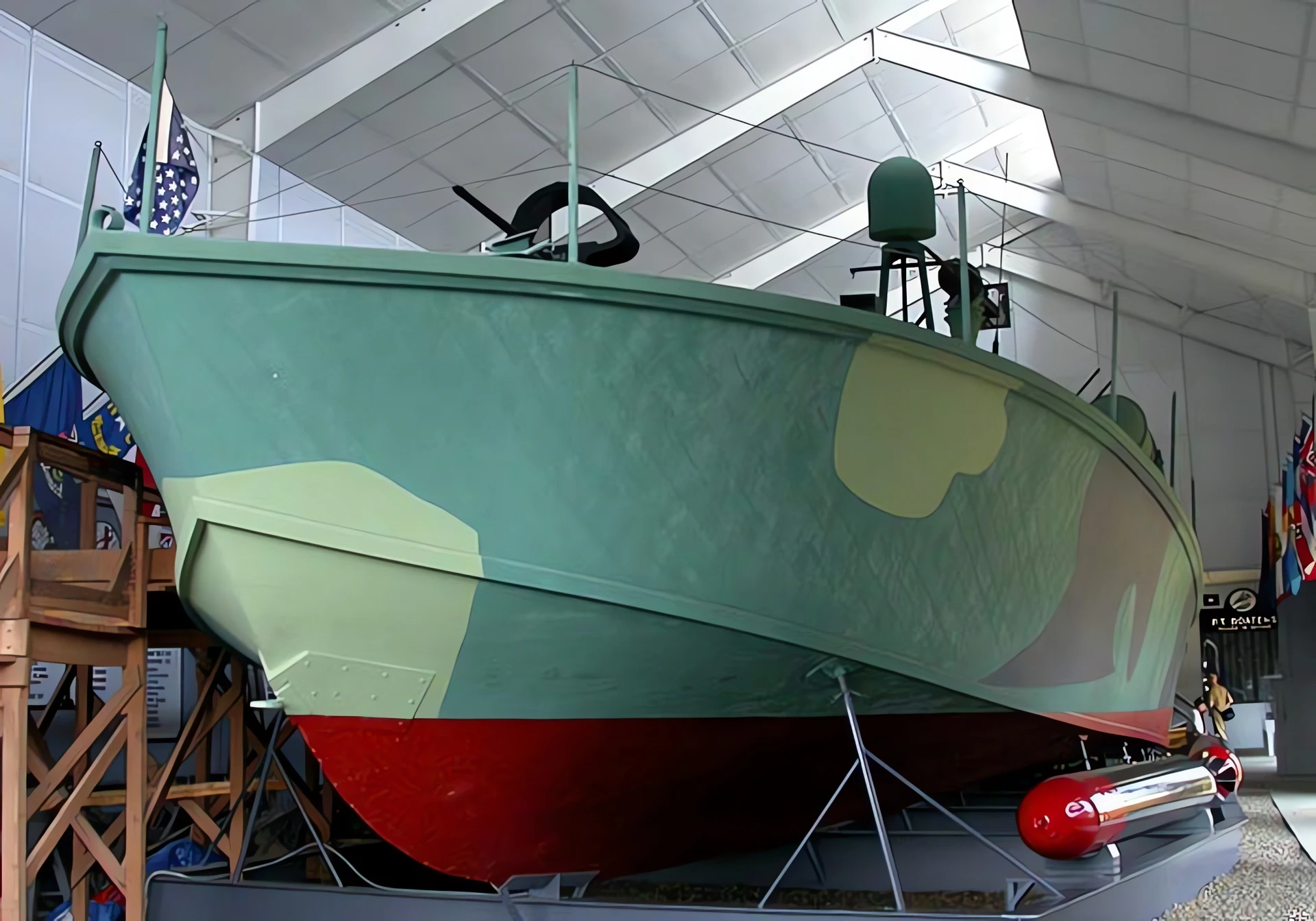
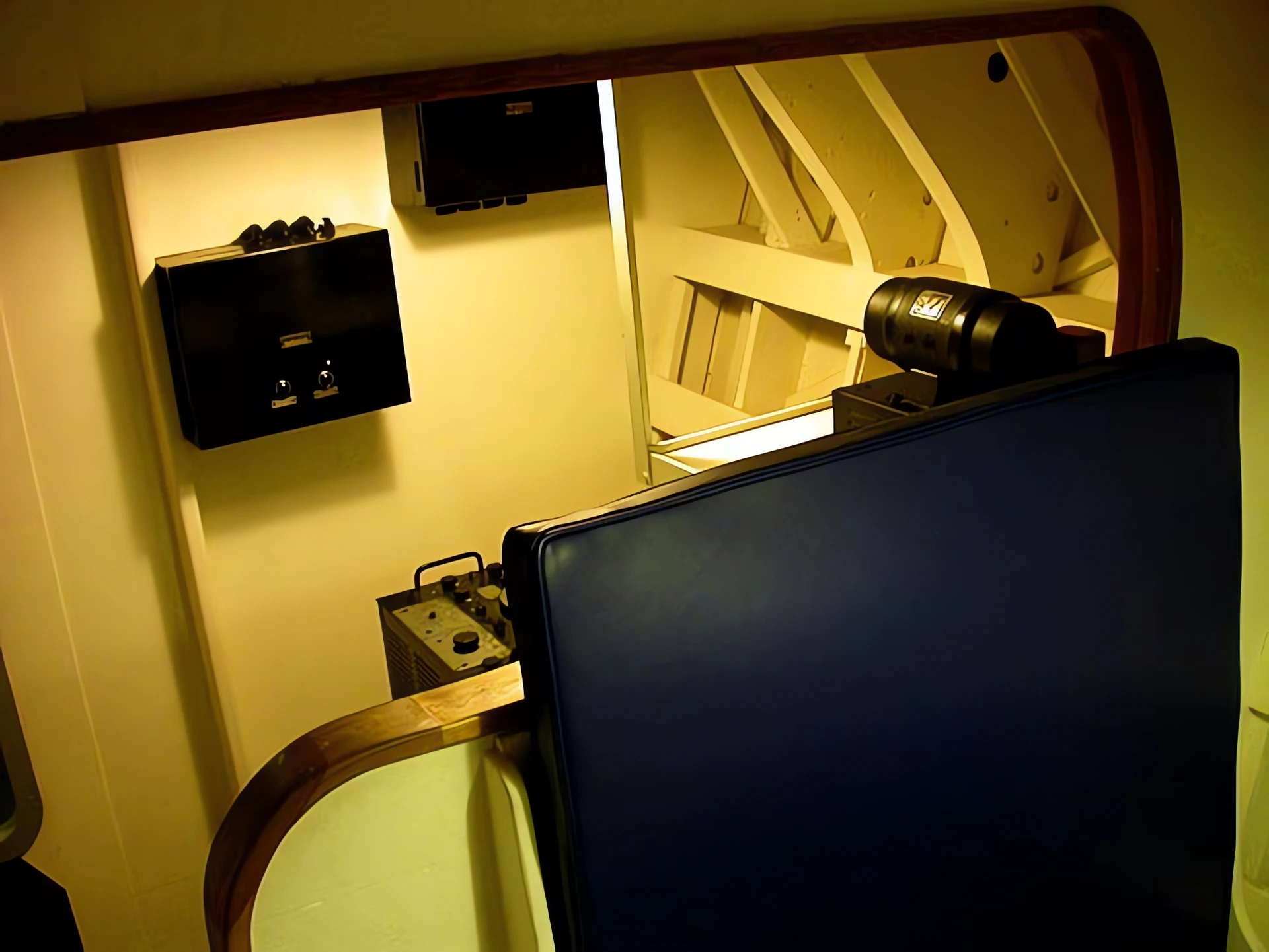
| PT Boat PT-617 (Elco Model) Walk Around | |
|---|---|
| Photographer | Bill Maloney |
| Localisation | Unknow |
| Photos | 135 |
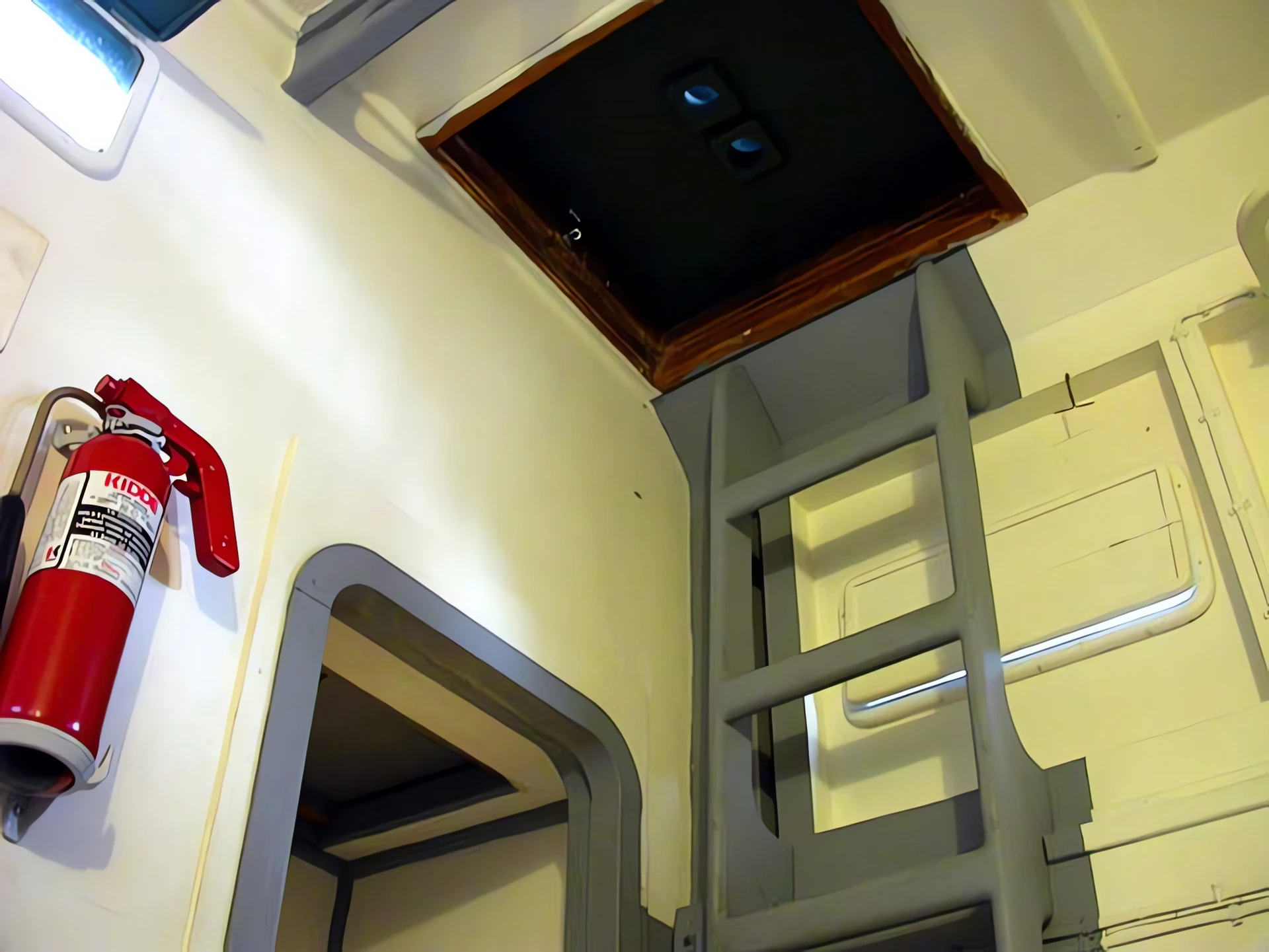
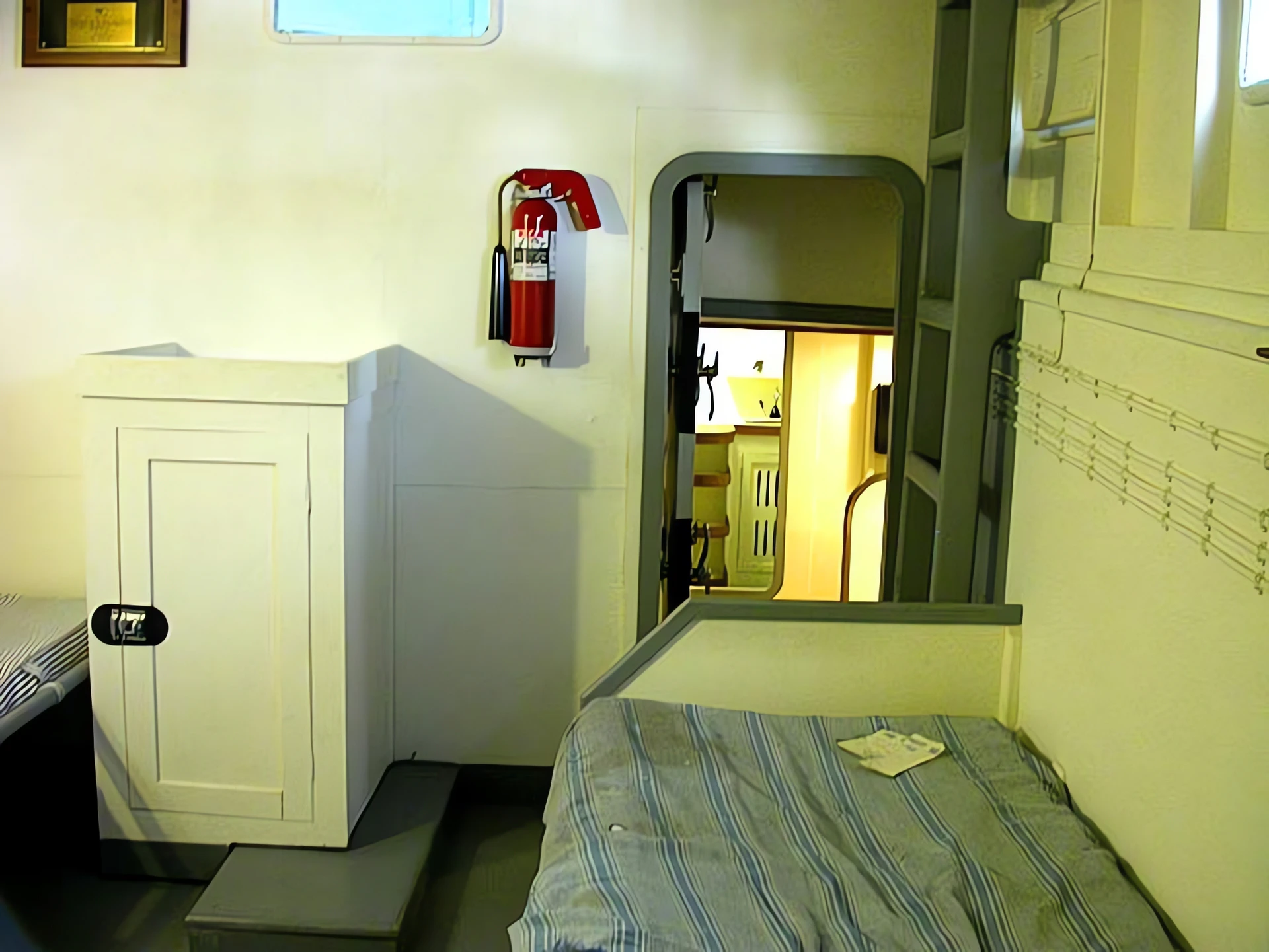
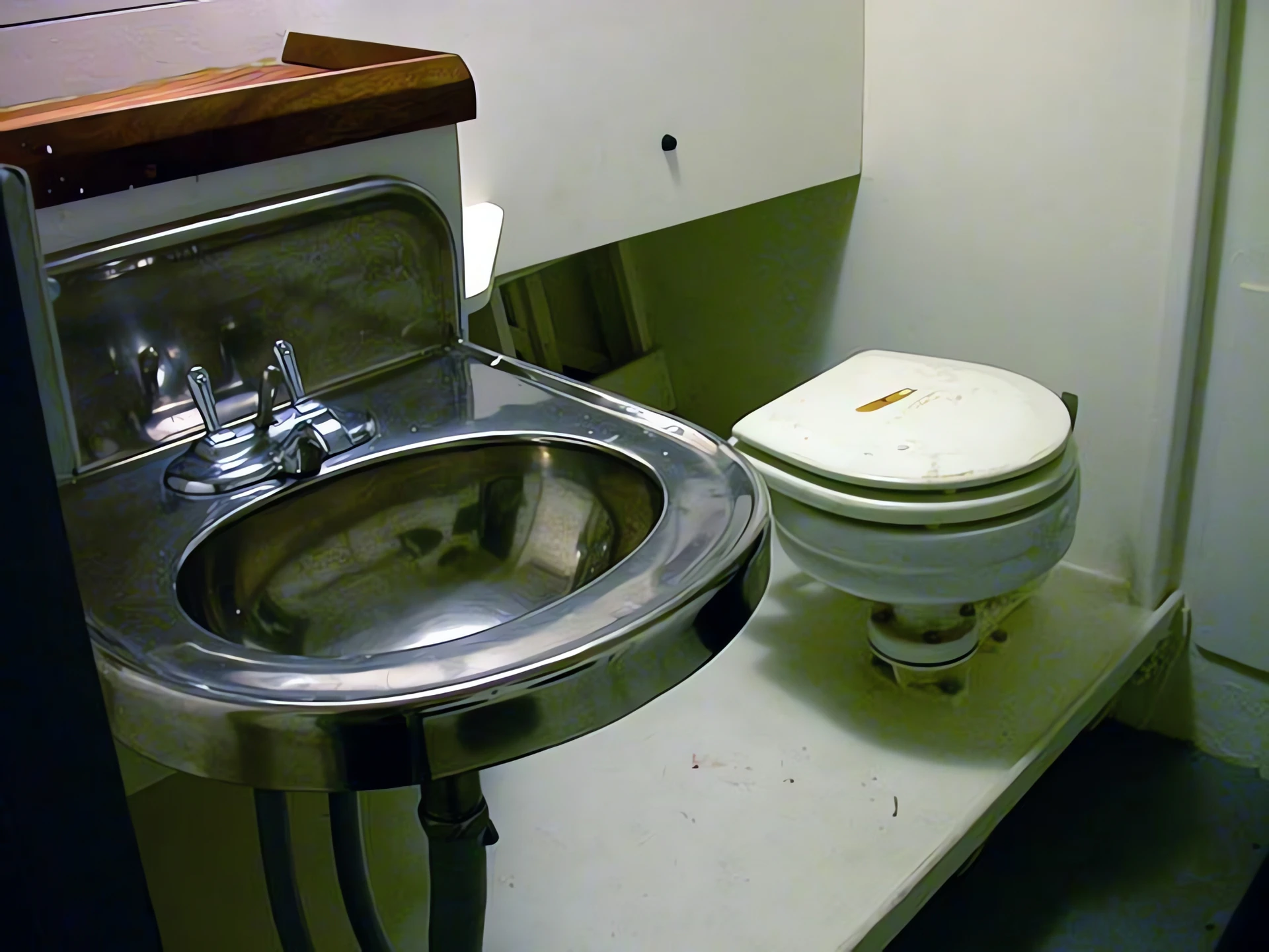
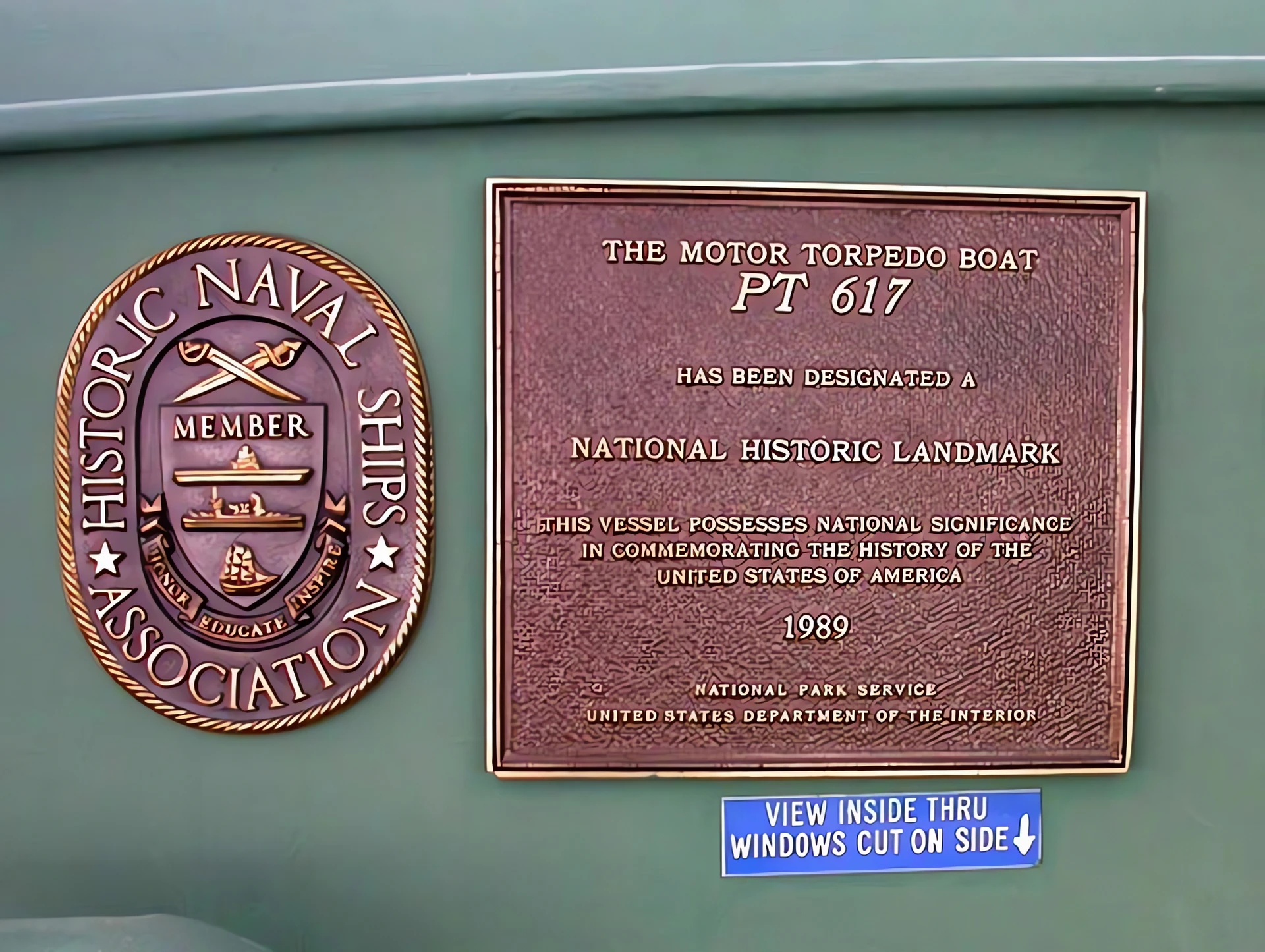

| PT Boat PT-796 (Higgins) Walk Around | |
|---|---|
| Photographer | Bill Maloney |
| Localisation | Unknow |
| Photos | 93 |
Siehe auch:


General Characteristics and Role
PT-617 was one of the late-war, high-production Elco 80-foot class Patrol Torpedo boats of the US Navy. PT boats were small, fast, and lightly armed vessels designed for high-speed hit-and-run attacks on larger enemy ships, especially at night. By the time PT-617 was built, the class had evolved significantly, incorporating heavier armament and better armor protection based on combat experience in the Solomon Islands and the Pacific. The 80-foot Elco design was the largest and most widely produced US Navy PT boat, known for its powerful engines and wooden construction, which kept the weight down while retaining high performance.
| Property | Typical Value (PT-617 Elco 80-foot) |
|---|---|
| Class & Type | PT Boat (Patrol Torpedo), Elco 80-foot Class |
| National Origin | USA |
| Service Entry | 1945 (World War II) |
| Crew | Approx. 12 to 17 Officers and Enlisted |
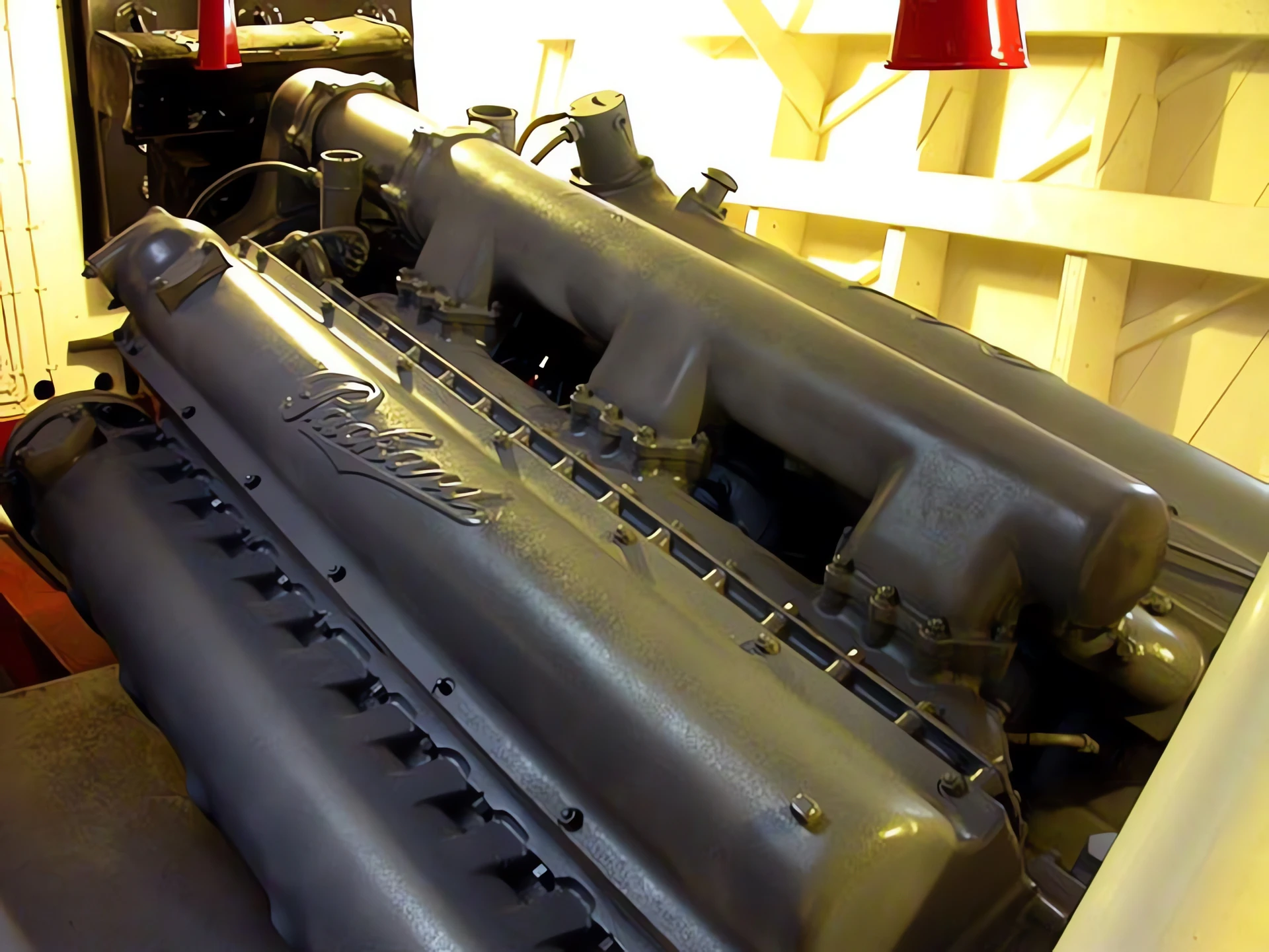
| Propulsion | 3 x Packard V-12 Marine Engines (gasoline) |
| Power Output (Total) | Approx. 4,500 hp (3,356 kW) |
| Länge | 24.38 m (80 ft 0 in) |
| Beam | 6.32 m (20 ft 9 in) |
| Displacement (Full Load) | Approx. 56 long tons (57 t) |
| Höchstgeschwindigkeit | 41 knots (76 km/h) |
Armament and Configuration
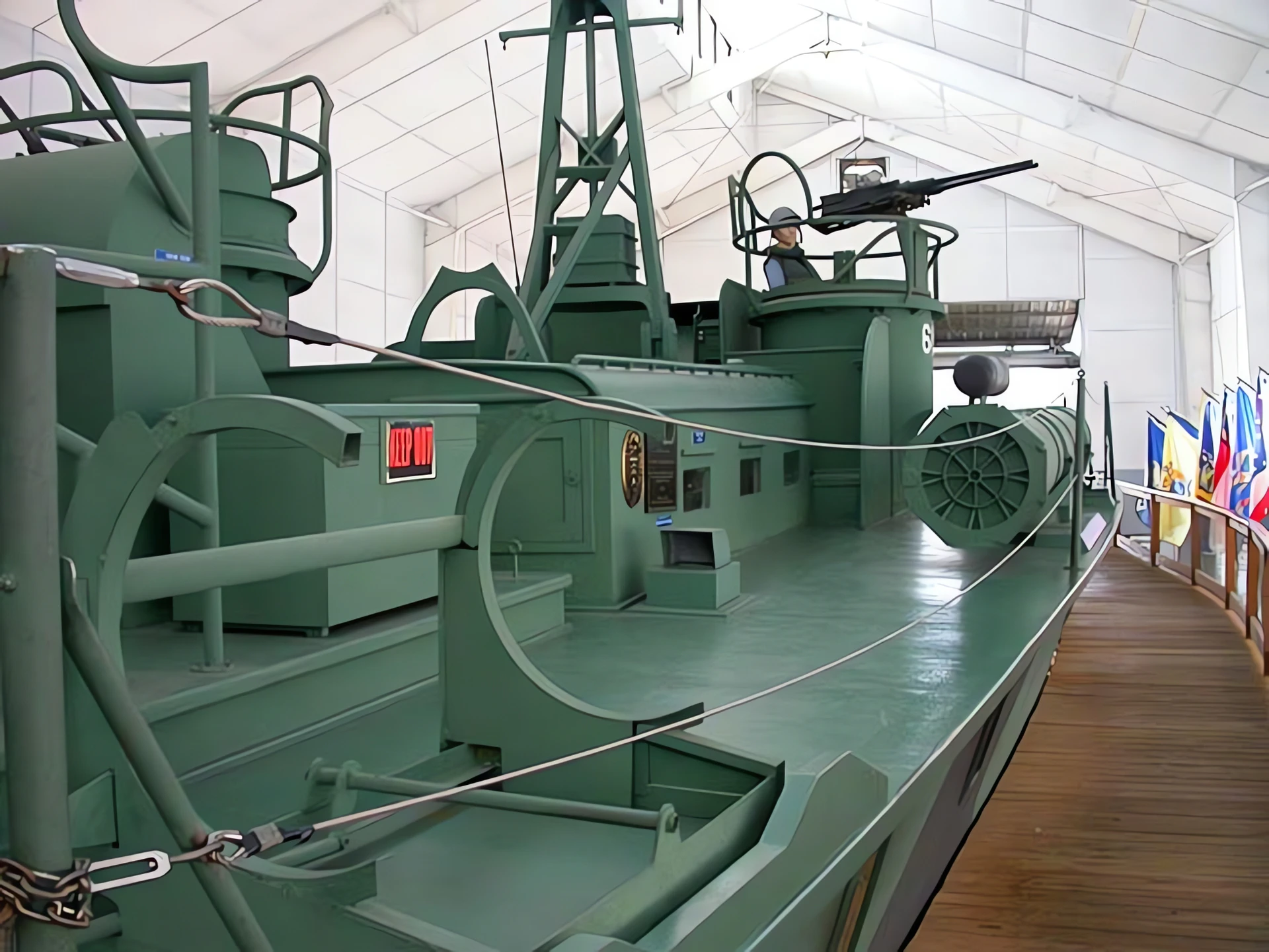
- Main Armament: 4 x 21-inch (533 mm) Mark 8 torpedo tubes (carrying Mark 13 or Mark 8 torpedoes).
- Heavy Gun: 1 x 40 mm Bofors cannon at the stern.
- Medium Guns: 1 x 37 mm M9 automatic cannon (or sometimes a 20 mm Oerlikon) at the bow.
- Anti-Aircraft: 2 x twin .50 cal (12.7 mm) machine guns in powered turrets.
- Depth Charges: Typically carried a selection of Mark 6 depth charges for anti-submarine duties, or sometimes rocket launchers.
Service and Legacy
- Service Theater: PT-617 served in the Pacific Theater, primarily operating in the Philippines and later in the Okinawa campaign.
- Mission Profile: Primarily used for interdiction, sinking barges and small coastal vessels (“Barge Busters”), shore bombardment, and rescue operations.
- Post-War Status: Many late-war PT boats, including PT-617, were quickly decommissioned after the war and later sold or scrapped as they were highly specialized wartime assets.
- Preservation Note: PT-617 is notable today for being the only remaining operational 80-foot Elco PT boat in the world, preserved and restored by the Battleship Cove museum in Fall River, Massachusetts, alongside the USS Joseph P. Kennedy, Jr. (DD-850).
Aufrufe : 2969
Sie können auch sehen:
 USS Preble (DDG-88) – Fotos und Videos
 PTF-17 Patrol Torpedo Fast Boat – Fotos & Videos
 USS Bunker Hill (CG-52) – Fotos & Videos
 Intelligent Whale – Fotos & Videos
 USS Salem – Fotos & Videos
 USS Joseph P. Kennedy – Fotos & Videos
 HMCS Haida – Fotos & Videos
 USNS Hiddensee – Fotos & Video
 USS New Jersey (BB-62) – Fotos und Video
 Italienischer 'Menschlicher Torpedo' – WalkAround
Das "PT" in einem PT-Boot ist eine Abkürzung für Patrouillentorpedo. Wenn man das zusammennimmt, ist ein PT-Boot ein Patrouillentorpedoboot. Es wurde im Zweiten Weltkrieg von der U.S. Navy eingesetzt.