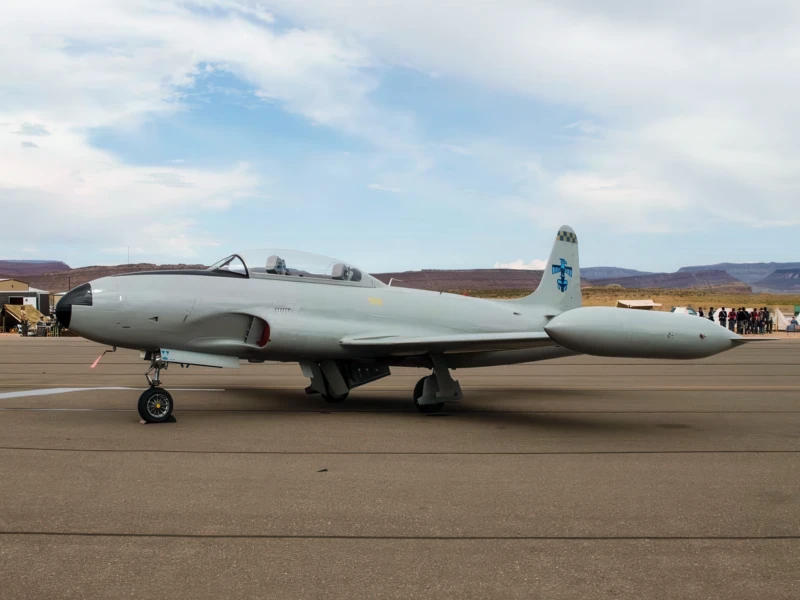
Canadair CT-133 Silberner Stern | |
|---|---|
| Land | Kanada |
| Rolle | Militär-Trainerflugzeug |
| Erstflug | Dezember 1952 |
| Gebaut | 656 |
das Canadair CT-133 Silberner Stern (Firmenmodellnummer CL-30) ist die kanadische Lizenzversion des Lockheed T-33 Jet-Trainerflugzeugs, das von den 1950er Jahren bis 2005 im Einsatz war. Die kanadische Version wurde vom Rolls-Royce Nene 10 Turbojet angetrieben, während die Lockheed-Produktion den Allison J33 verwendete.
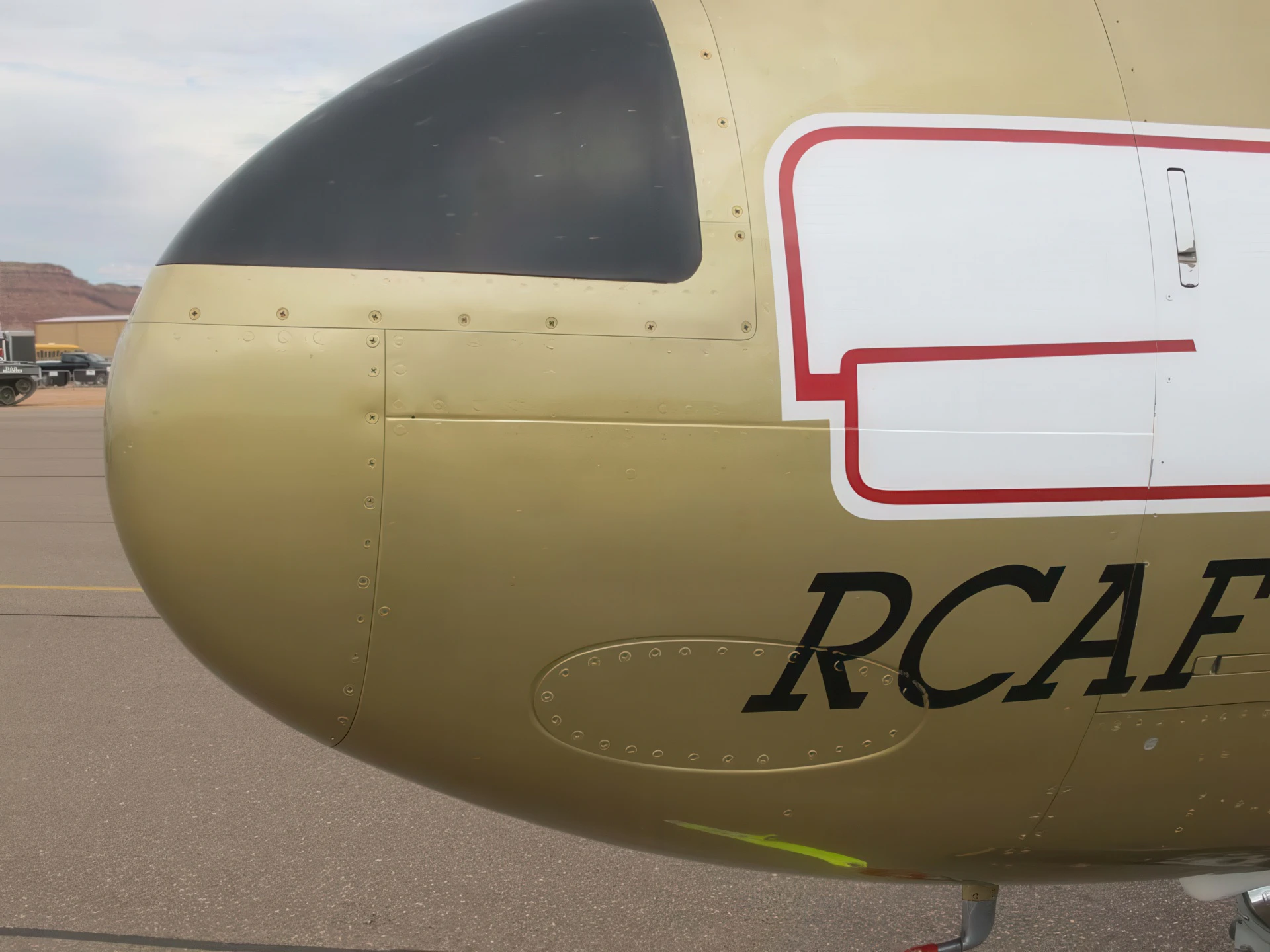
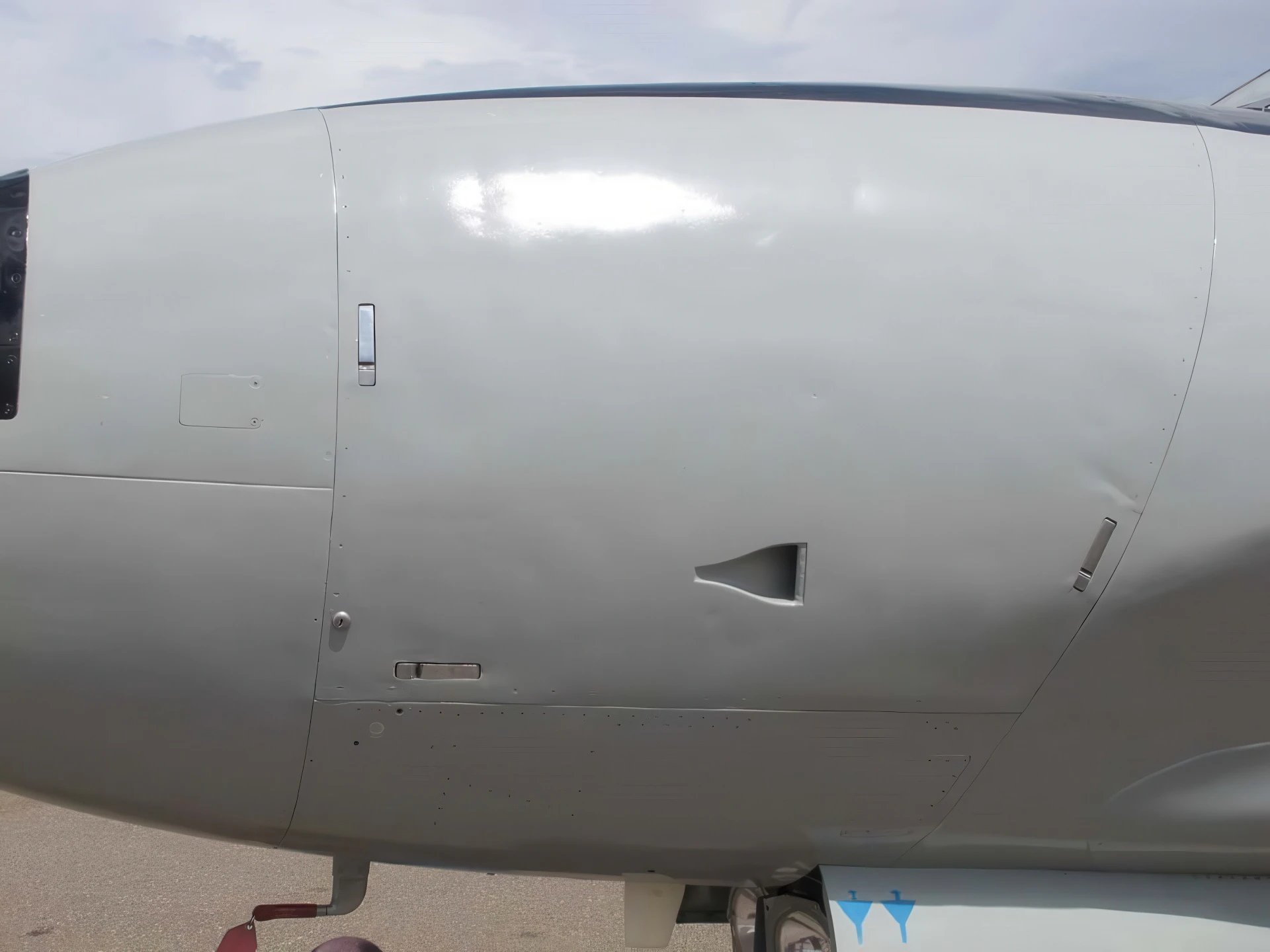
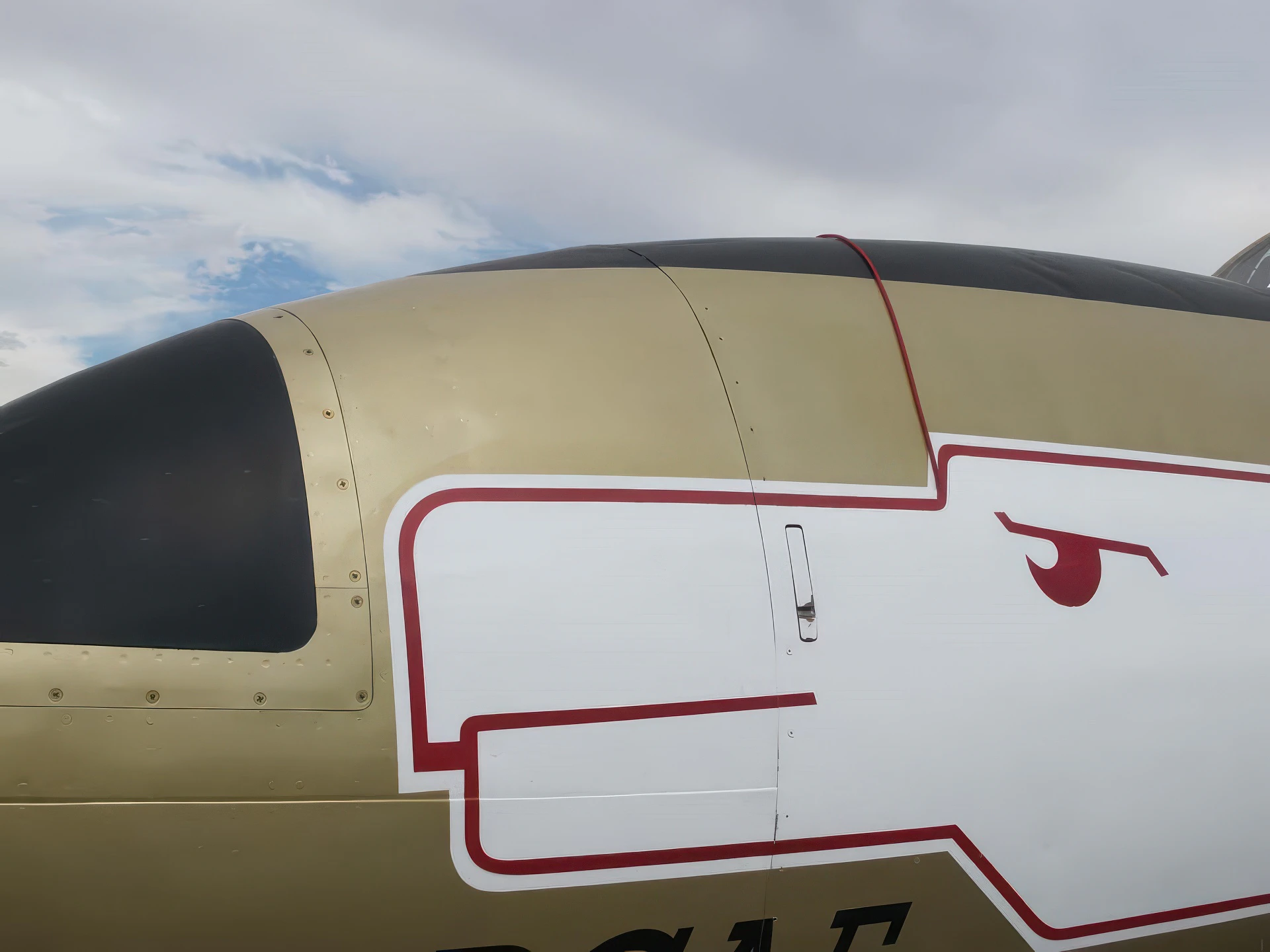
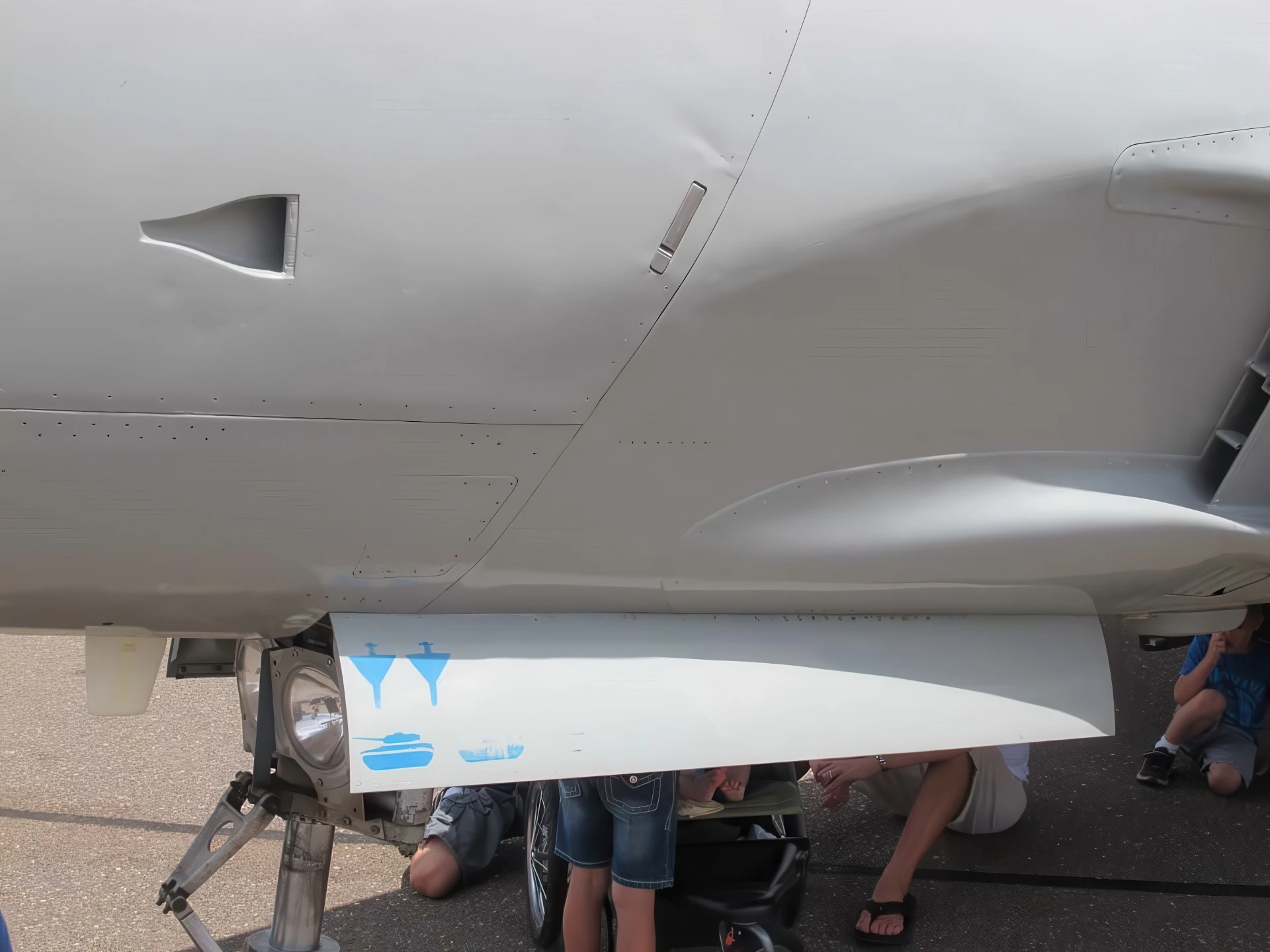
| Canadair CT-133AN Silver Star 3 Rundgang | |
|---|---|
| Fotografen | Wladimir Nikolajewitsch Jakubow |
| Lokalisierung | Donner über Utah Air Show |
| Fotos | 173 |
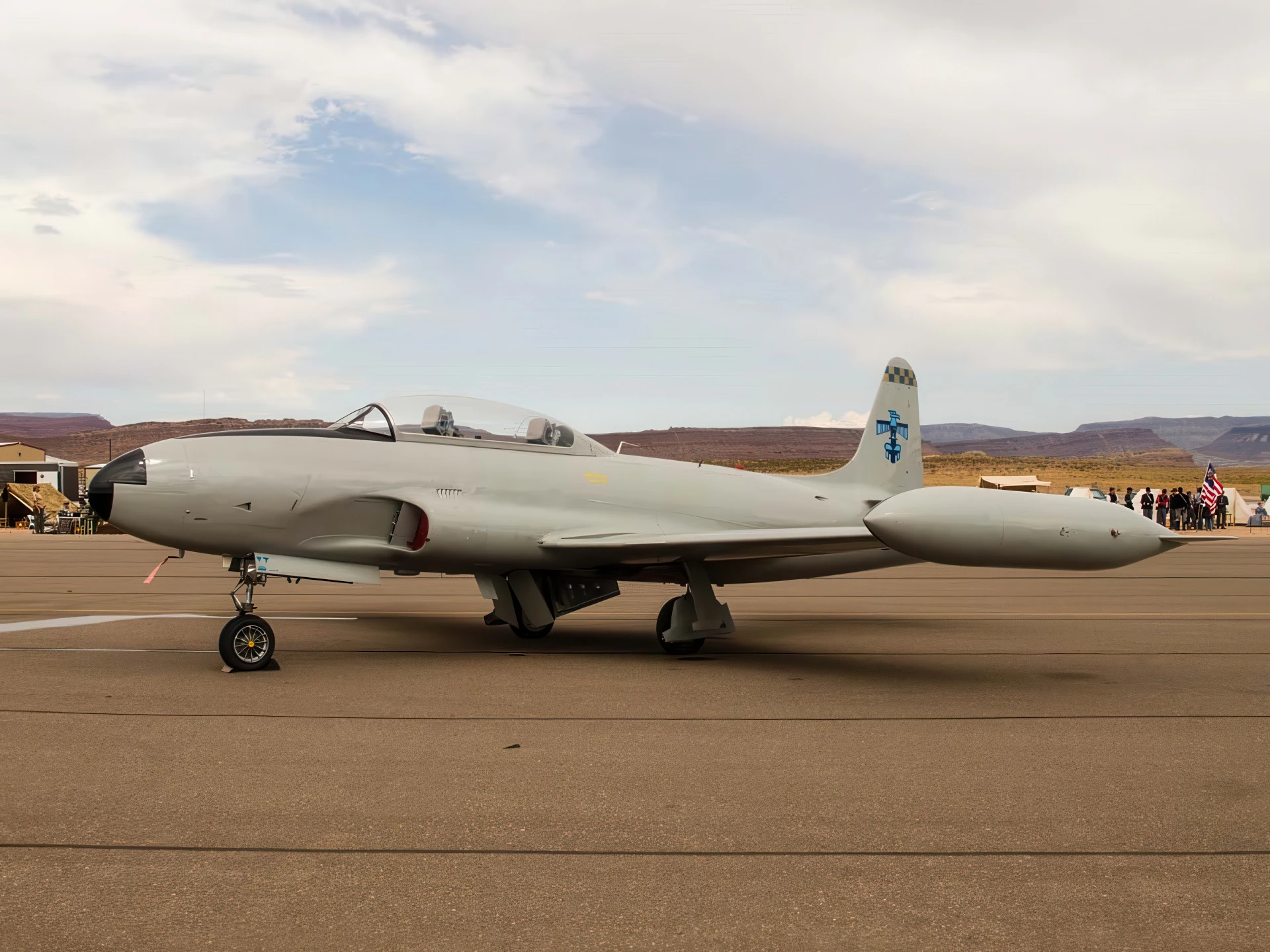
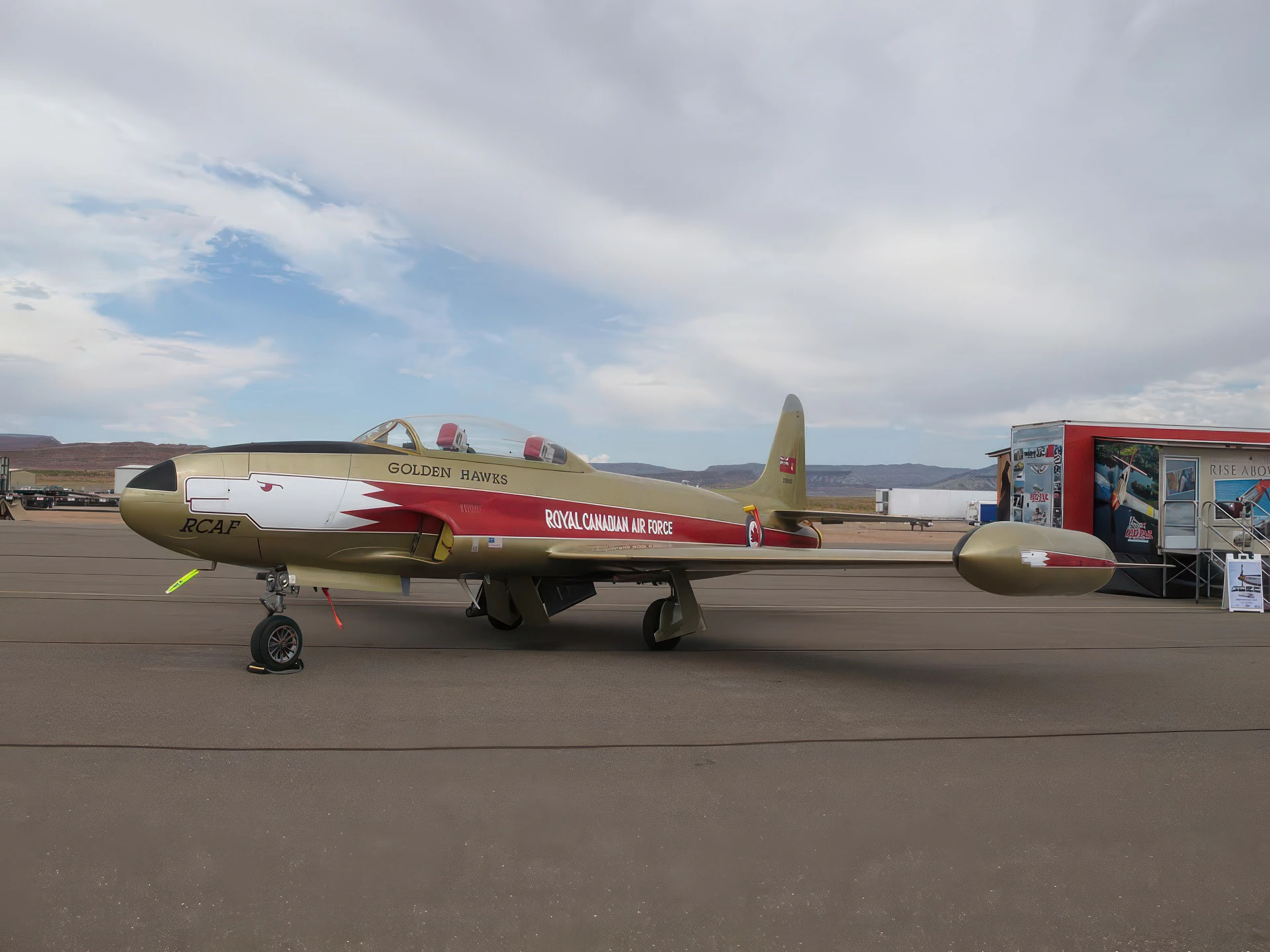
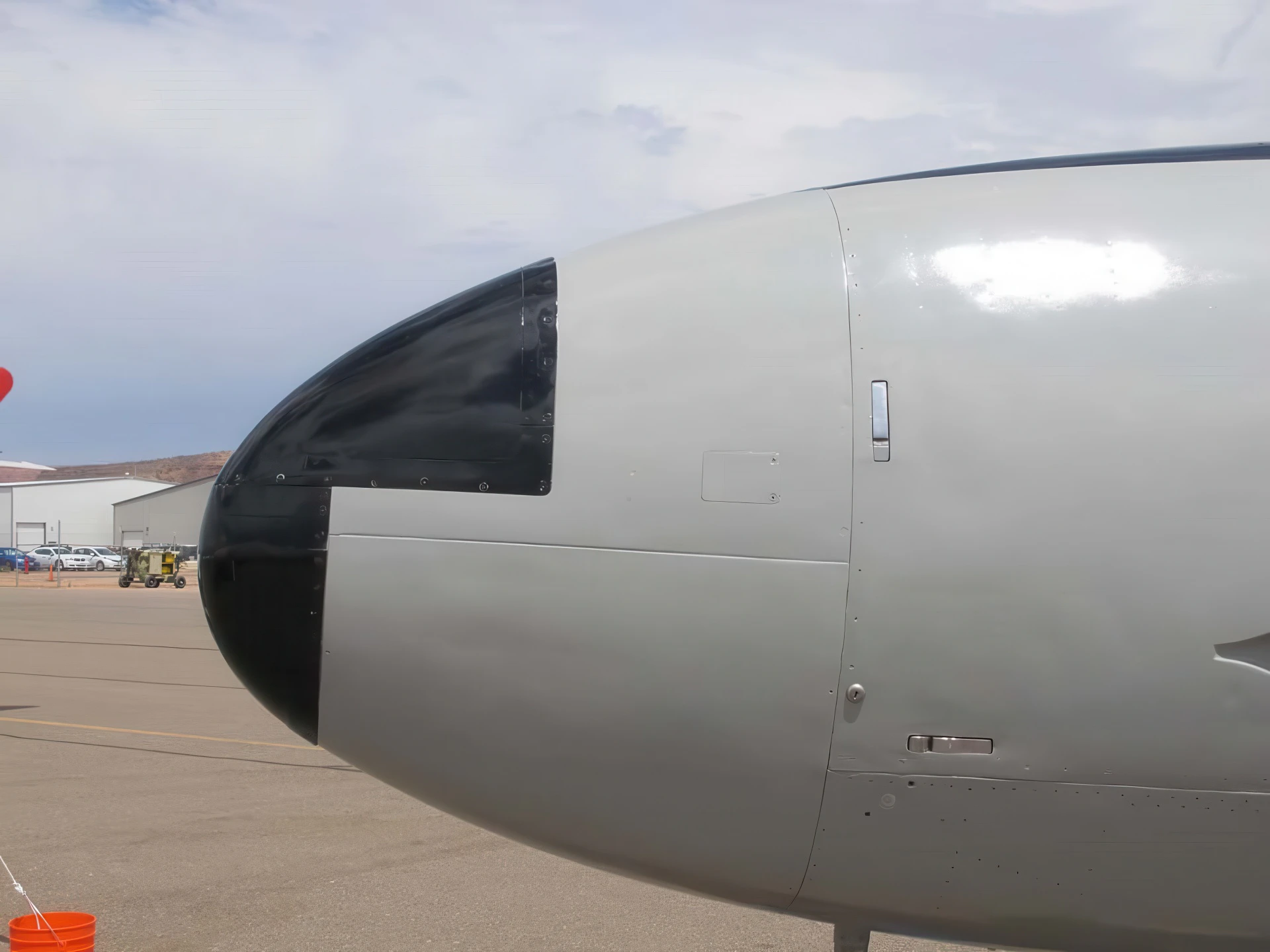
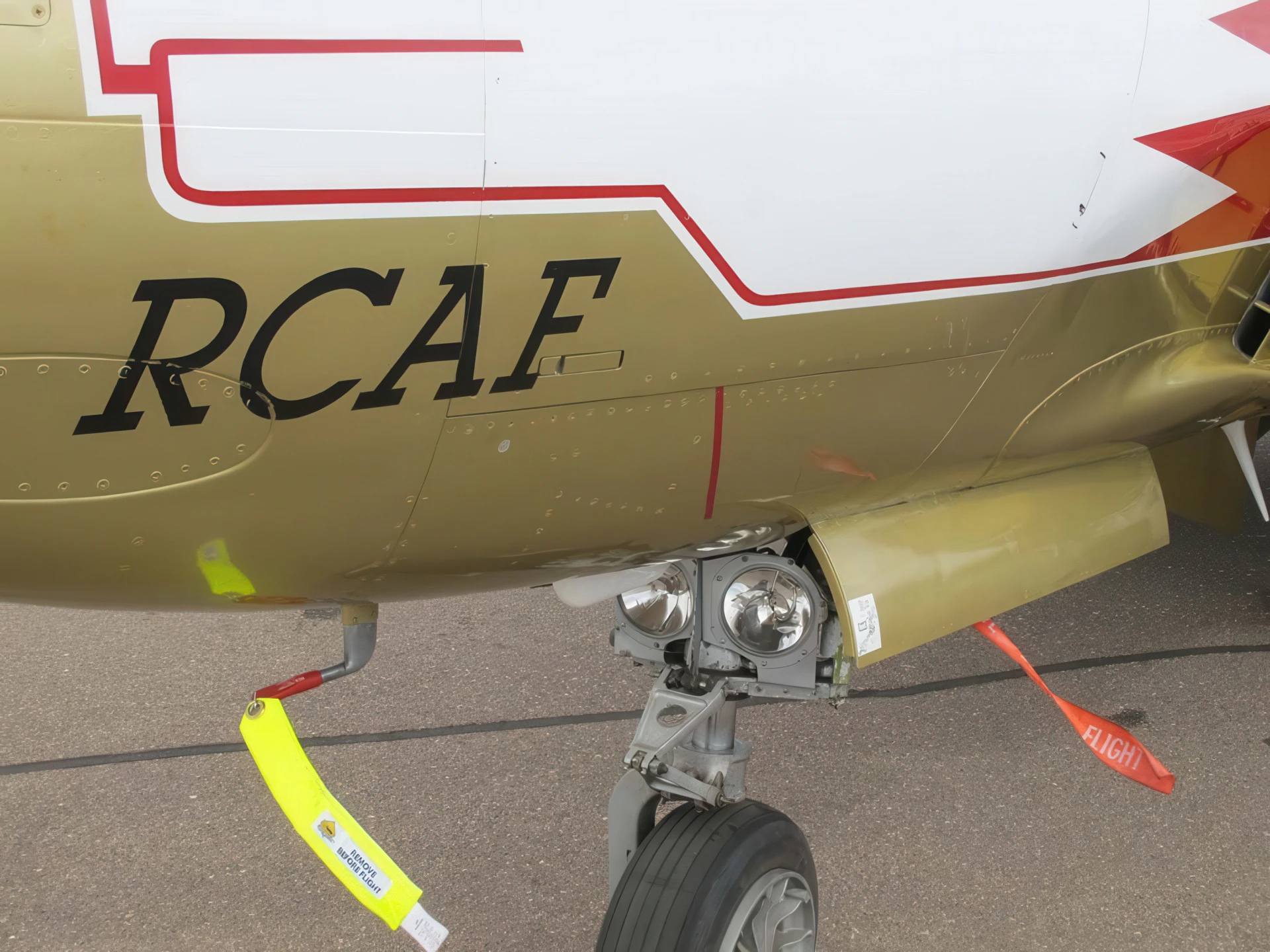
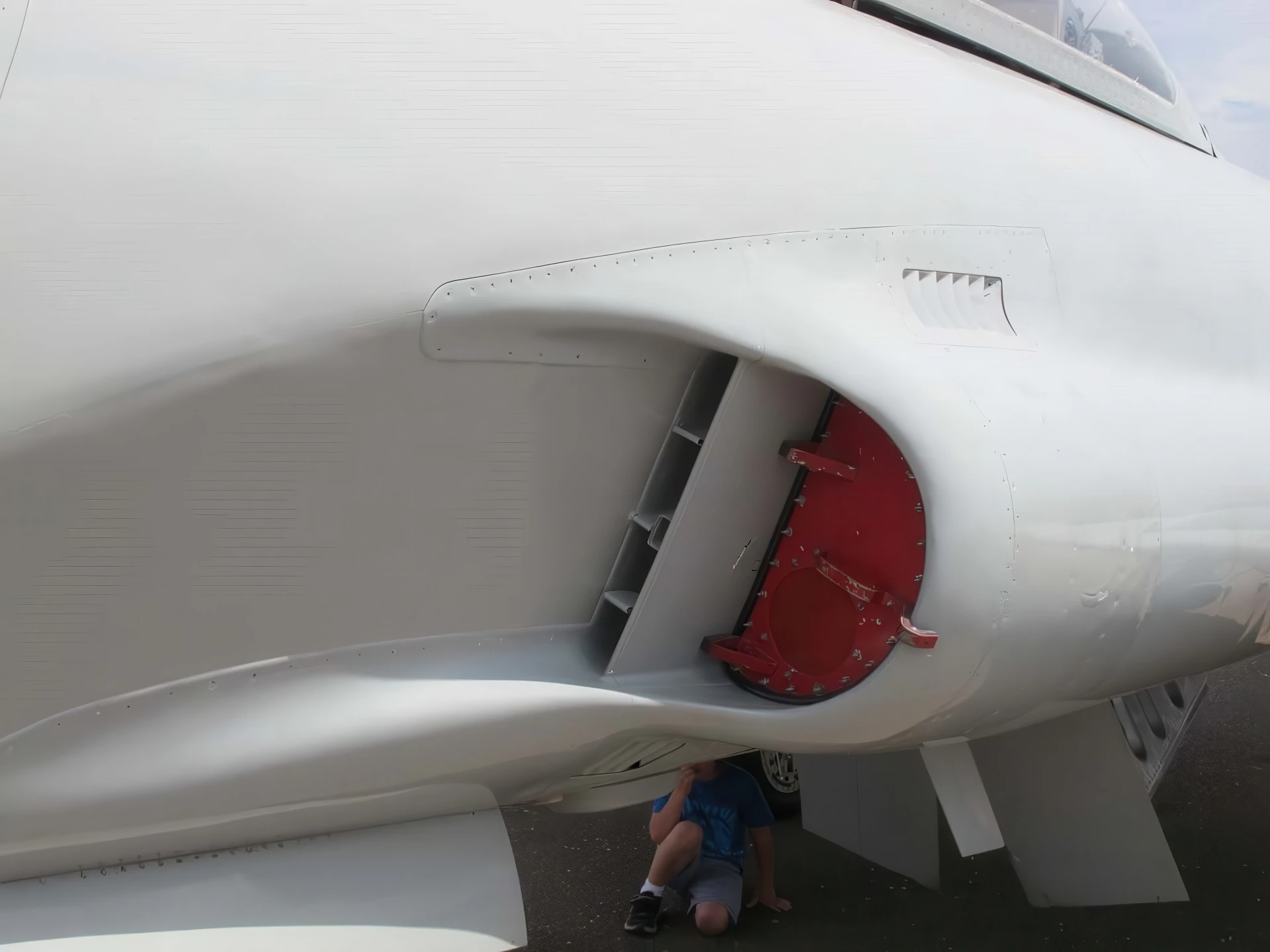

Siehe auch:


A Canadian Twist on an American Classic
das CT-133 Silver Star (affectionately known as the “T-Bird”) is the Canadian license-built version of the Lockheed T-33. While it looks nearly identical to its American cousin, the Canadians made one major change: they swapped out the standard engine for the more powerful Rolls-Royce Nene 10. This modification made the Silver Star faster and gave it a better climb rate than the original. Serving for an incredible 50+ years, it transitioned from a front-line trainer for the RCAF’s “Golden Age” of jets to a versatile utility player, outlasting almost every aircraft it was designed to train pilots for.
| Attribute | Technical Specification (Silver Star Mk. 3) |
|---|---|
| Rolle | Jet Trainer / Electronic Warfare / Target Tow |
| Crew | 2 (Student and Instructor in tandem) |
| Motor | 1 × Rolls-Royce Nene 10 turbojet (5,100 lbf thrust) |
| Höchstgeschwindigkeit | 960 km/h (597 mph / 518 knots) |
| Service Ceiling | 14,478 meters (47,500 feet) |
| Range | 2,050 km (1,275 miles) with wingtip tanks |
| Armament (Mk. 3AT) | 2 × .50 cal (12.7 mm) Browning machine guns + Underwing pylons |
| Produktion | 656 units built by Canadair in Montreal |
Design Engineering: The “Nene” Advantage
- Engine Upgrade: The Rolls-Royce Nene engine provided roughly 10% more thrust than the American Allison J33. This turned the T-Bird into a “hot rod,” allowing it to better simulate the performance of the higher-speed fighters like the F-86 Sabre.
- The Wingtip Tanks: To compensate for the thirsty early turbojets, the CT-133 almost always flew with its distinctive 230-gallon wingtip fuel tanks. These were permanent fixtures that gave the “T-Bird” its iconic, sleek silhouette.
- Centrifugal Flow: Unlike modern “straight-through” jet engines, the Nene was a centrifugal flow engine (using a large spinning fan to sling air outward). This made the fuselage slightly wider and the engine incredibly robust against debris.
- Forgiving Flight: Despite being a jet, the CT-133 was famous for being “honest.” It had predictable stall characteristics and stable handling, making it the perfect platform for teaching the first generation of jet pilots how to stay alive at high speeds.
Operational History: The “Indestructible” Trainer
- The Red Knight: From 1958 to 1969, a single, brilliant-red CT-133 performed solo aerobatics at airshows across North America. The “Red Knight” became a symbol of RCAF precision and helped recruit thousands of young Canadians into aviation.
- Target Towing & Aggressor: After being replaced as a trainer by the CT-114 Tutor in the 1960s, the Silver Star took on a new life. It was used as an “aggressor” to simulate enemy missiles or aircraft, and as a target tug for anti-aircraft gunnery practice.
- Electronic Warfare (EW): Variants like the **CE-133** were packed with jamming equipment. They would fly against Canadian Navy ships and CF-18 fighters to test their ability to lock onto targets through heavy electronic “noise.”
- The Final Flight: The Canadian Forces didn’t fully retire the Silver Star until 2005. At the time of its retirement, the oldest airframes had exceeded their original design life by over 250%, proving just how well-built the Canadair version was.
Views : 2928
Sie können auch sehen:
 Northrop Gamma – Fotos & Videos
 SPAD S.XI – Rundgang
 BAC Jet Provost – Fotos & Videos
 Morane-Saulnier AI – Fotos und Videos
 Bréguet 1050 Alizé – Fotos und Videos
 Phönix D.I – Fotos & Videos
 Mitsubishi G4M – Fotos & Videos
 Nieuport 27 – Fotos & Videos
 Percival Provost – Fotos & Video
 Dassault Rafale M – WalkAround
Neuer Satz von 71 Fotos