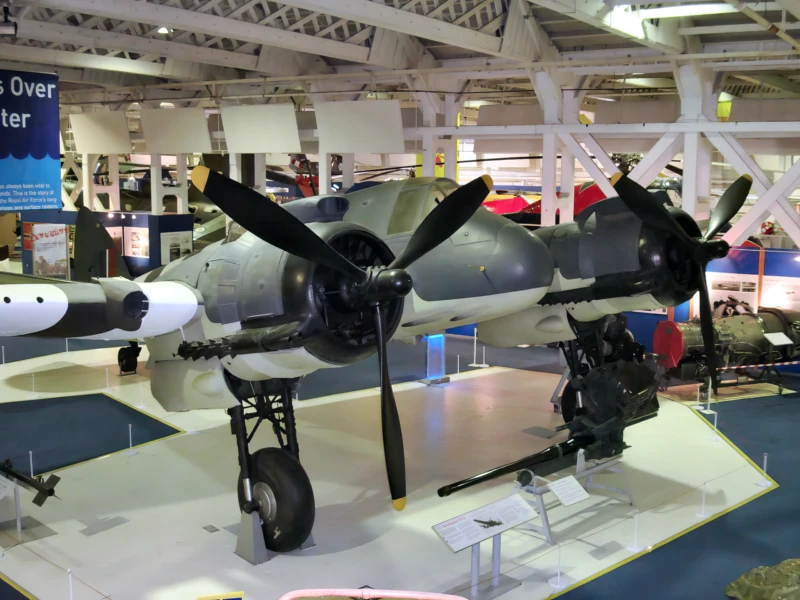
Bristol Beaufighter | |
|---|---|
| Land | Großbritannien |
| Rolle | Schweres Kampfflugzeug / Schlagflugzeug |
| Erste Fliege | 17. Juli 1939 |
| Gebaut | 5928 |
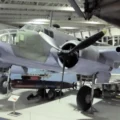
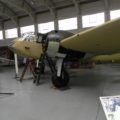
das Bristol Typ 156 Beaufighter "Beau" ist ein Mehrzweckflugzeug, das während des Zweiten Weltkriegs von der Bristol Aeroplane Company im Vereinigten Königreich entwickelt wurde. Ursprünglich war er als schwere Jagdflugzeug-Variante des Bristol Beaufort-Bombers konzipiert. Nach seiner Dienstzeit erwies sich der Beaufighter als gut geeignet für die Nachtjägerrolle, für die die Royal Air Force (RAF) diesen Typ zunächst auf dem Höhepunkt der Schlacht von Großbritannien einsetzte, teilweise aufgrund seiner größe, die es ihm ermöglichte, sowohl schwere Bewaffnung als auch frühe sederluftgestützte Abfangradare ohne größere Leistungsstrafen unterzubringen.
Quelle: Beaufighter auf Wikipedia
| Beaufighter WalkAround | |
|---|---|
| Fotograf | Unbekannter |
| Lokalisierung | Unbekannter |
| Fotos | 21 |
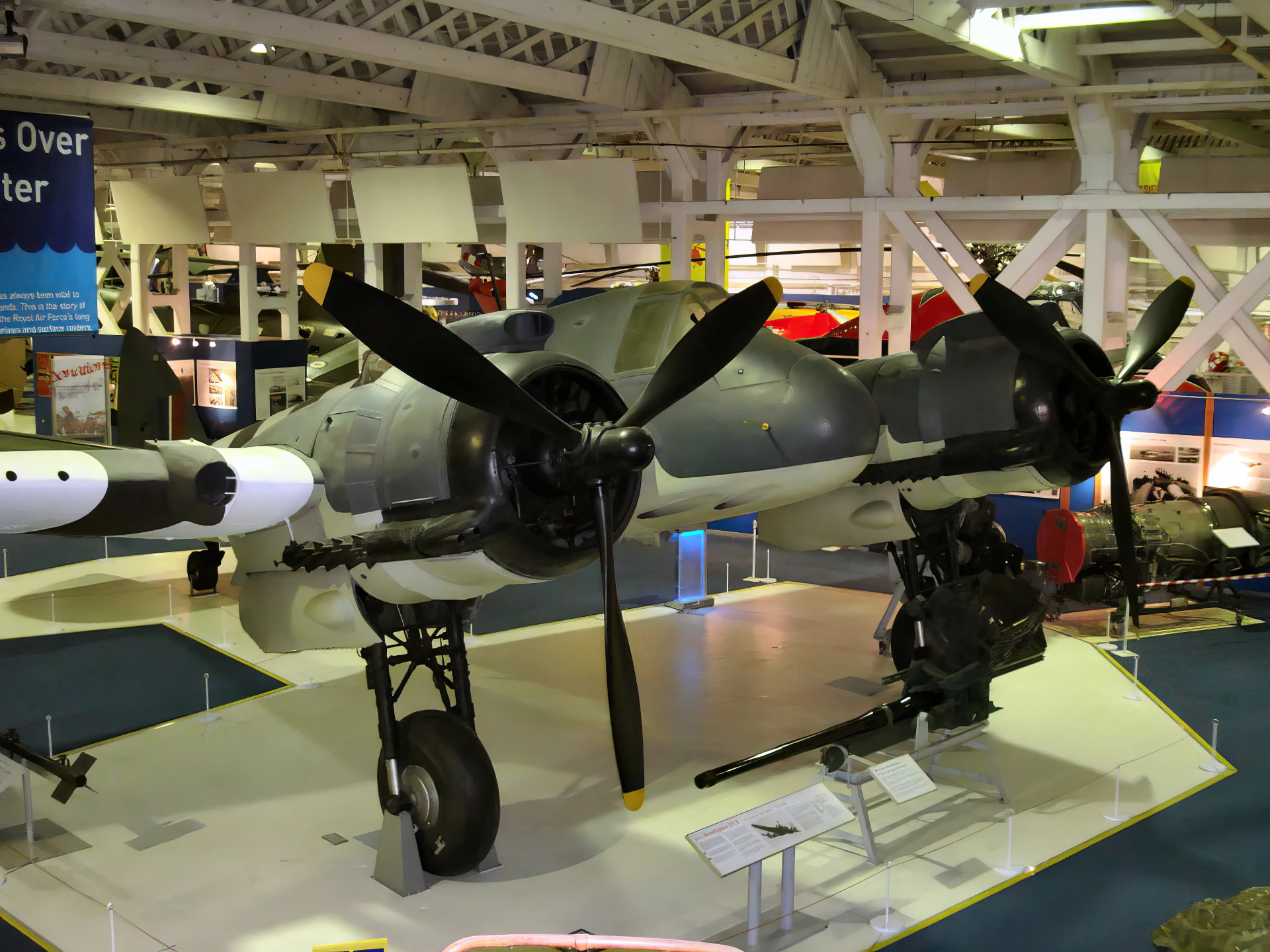
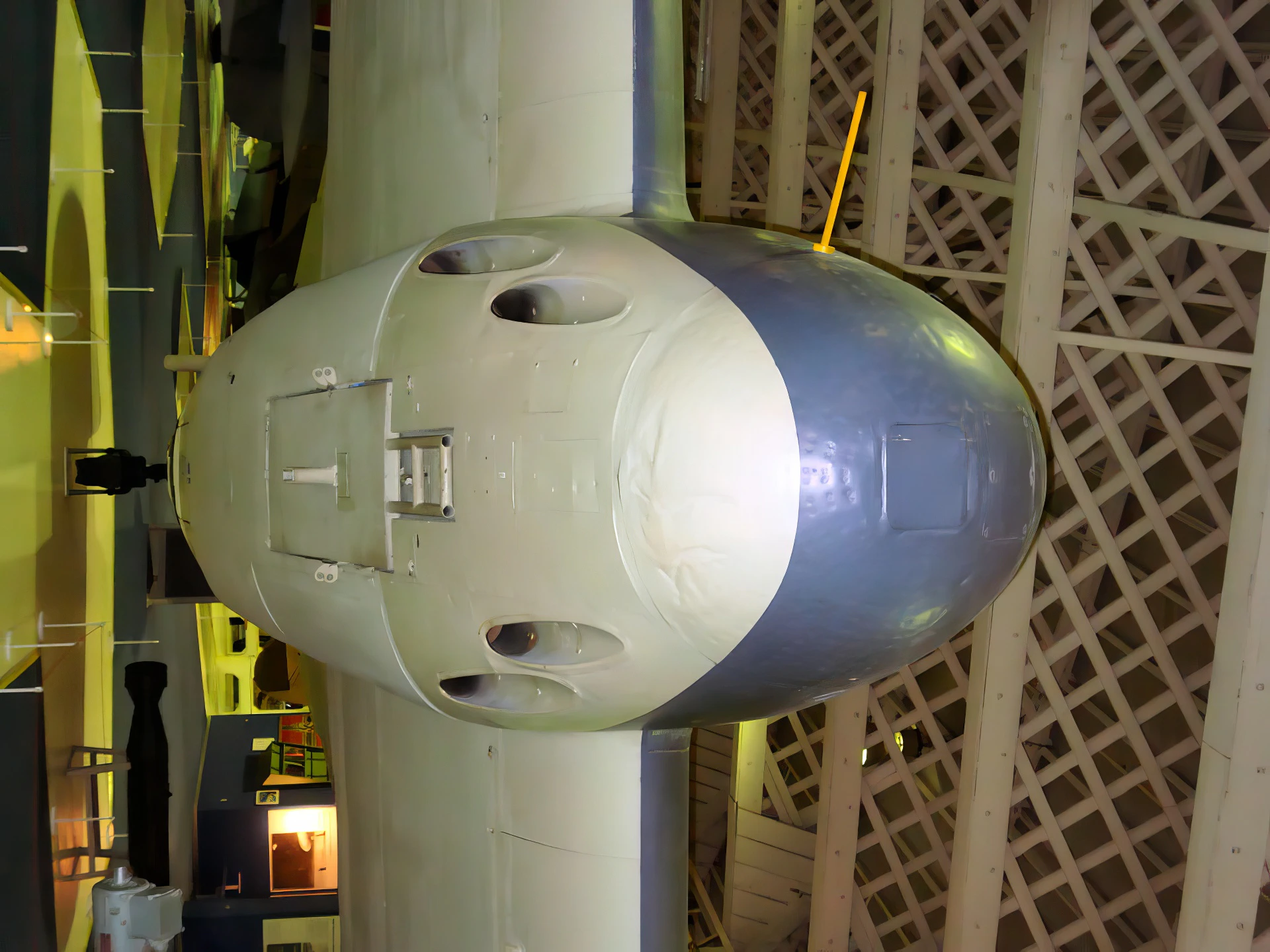
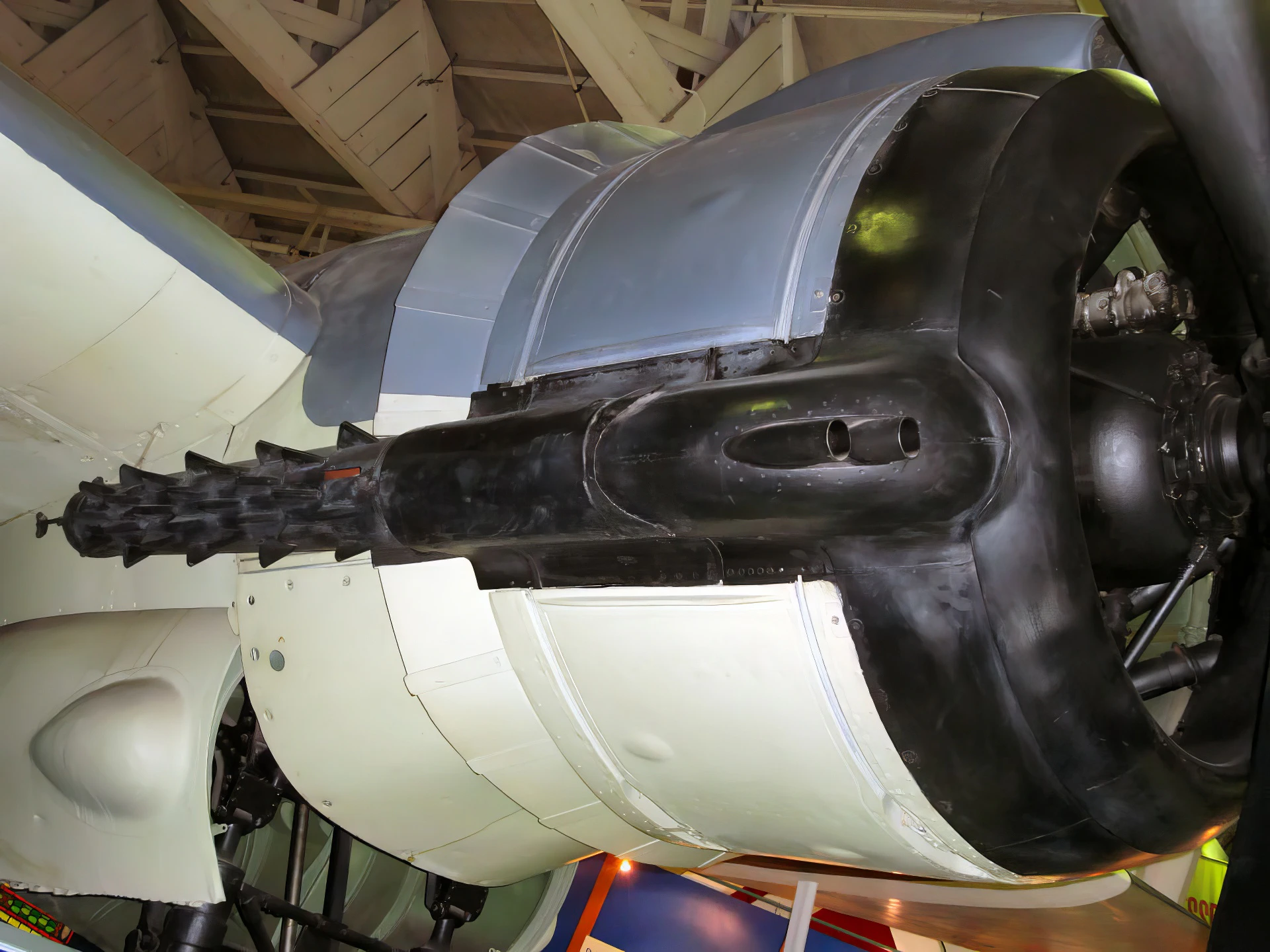
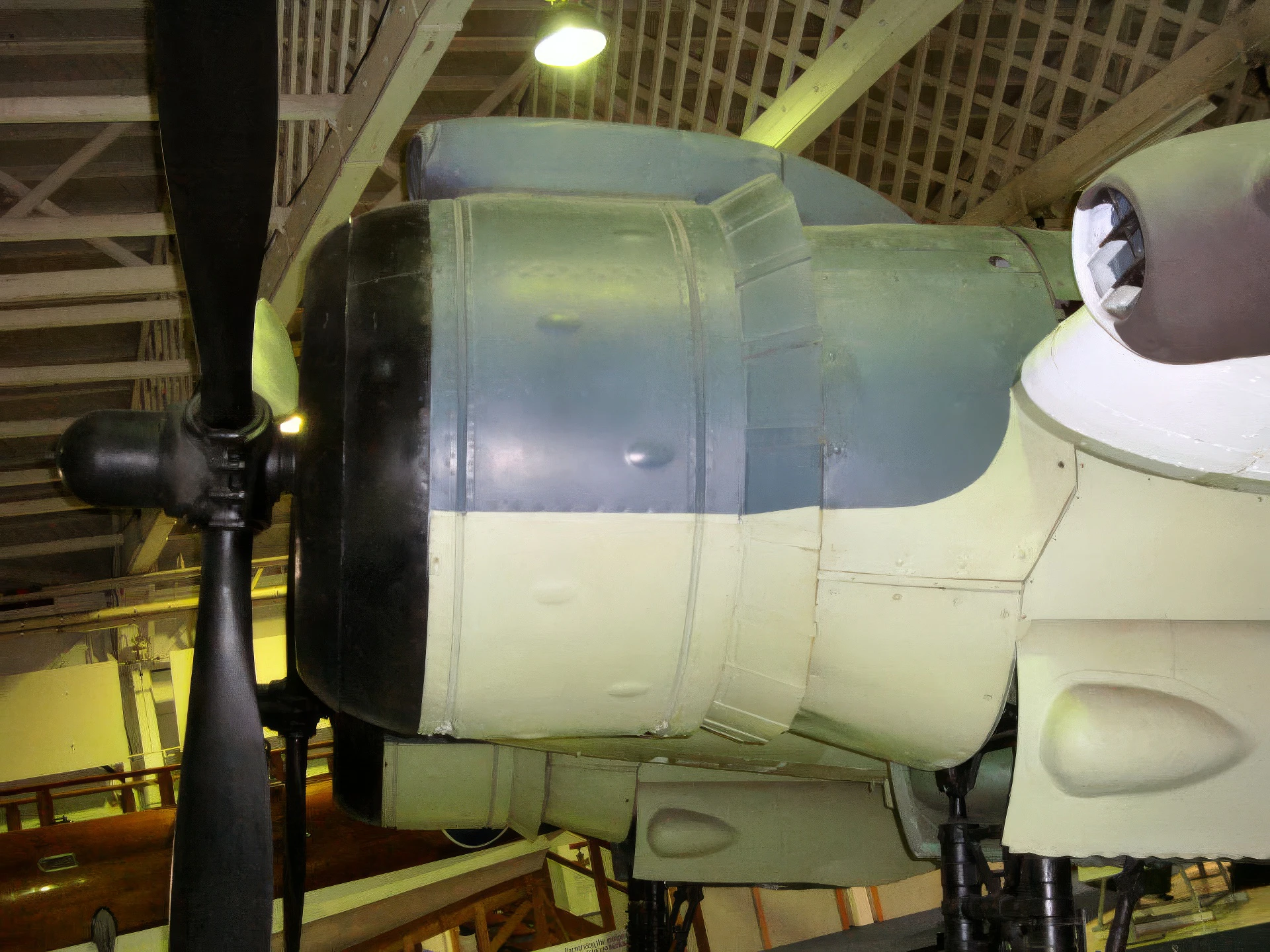
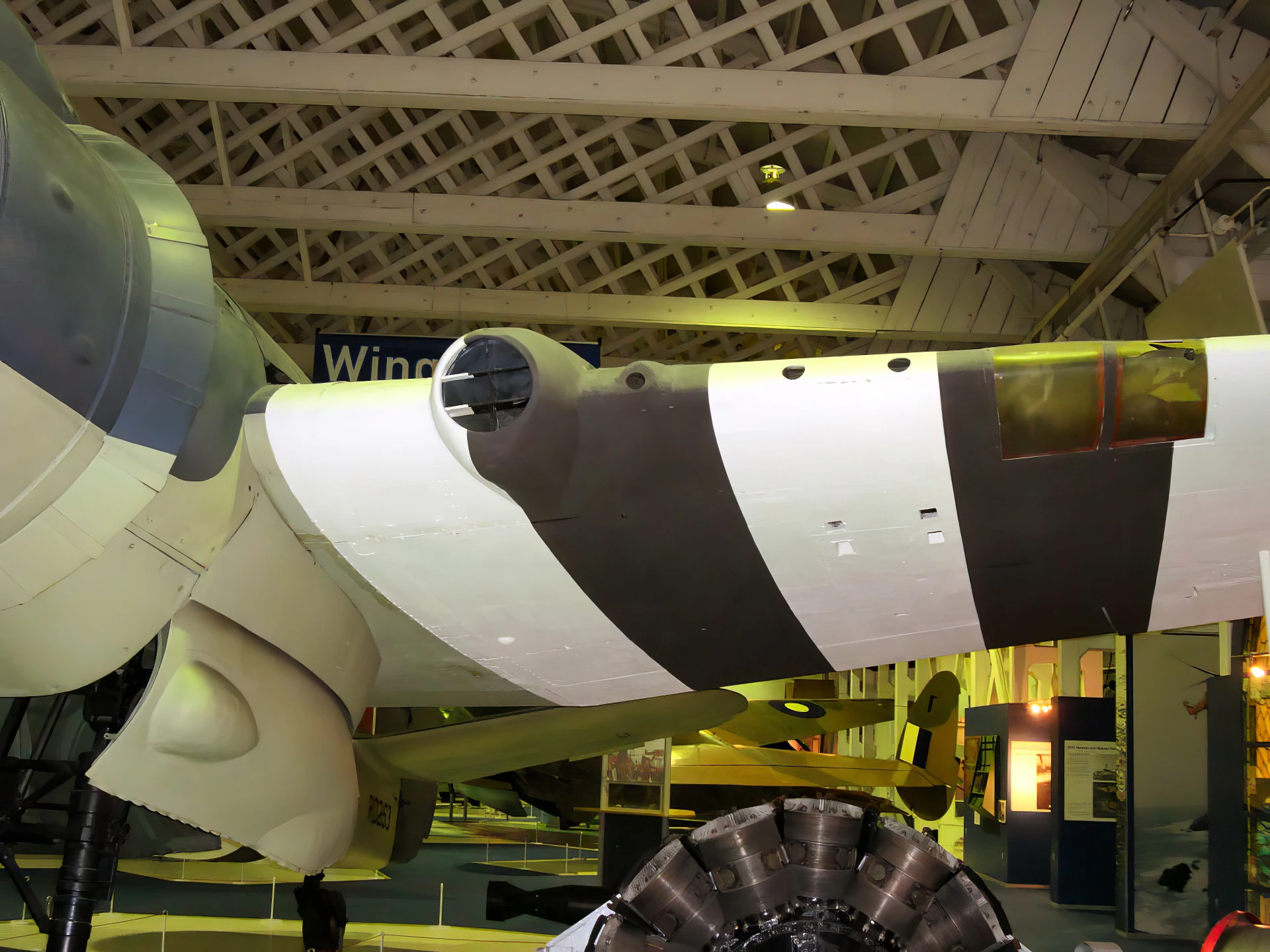
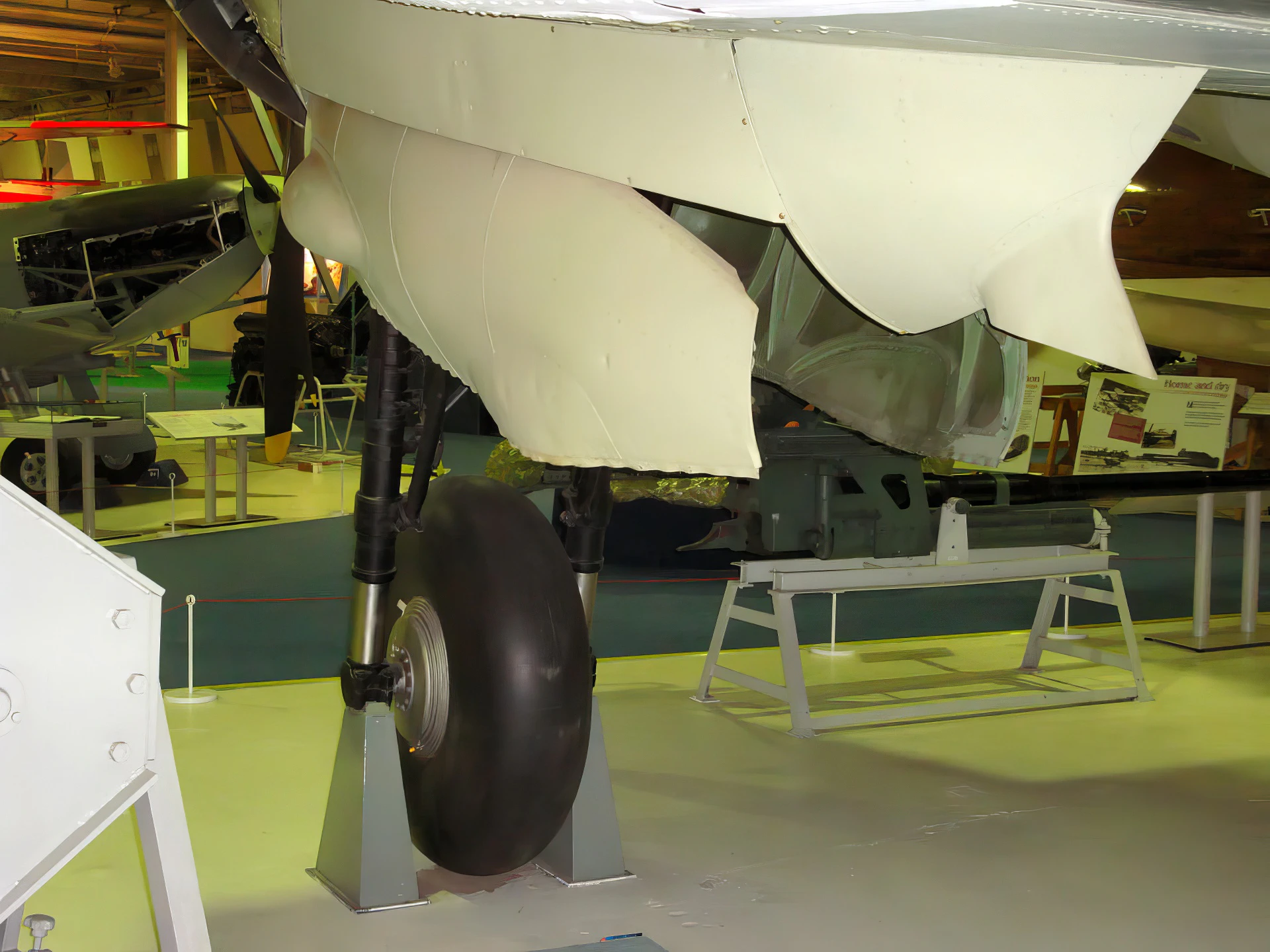
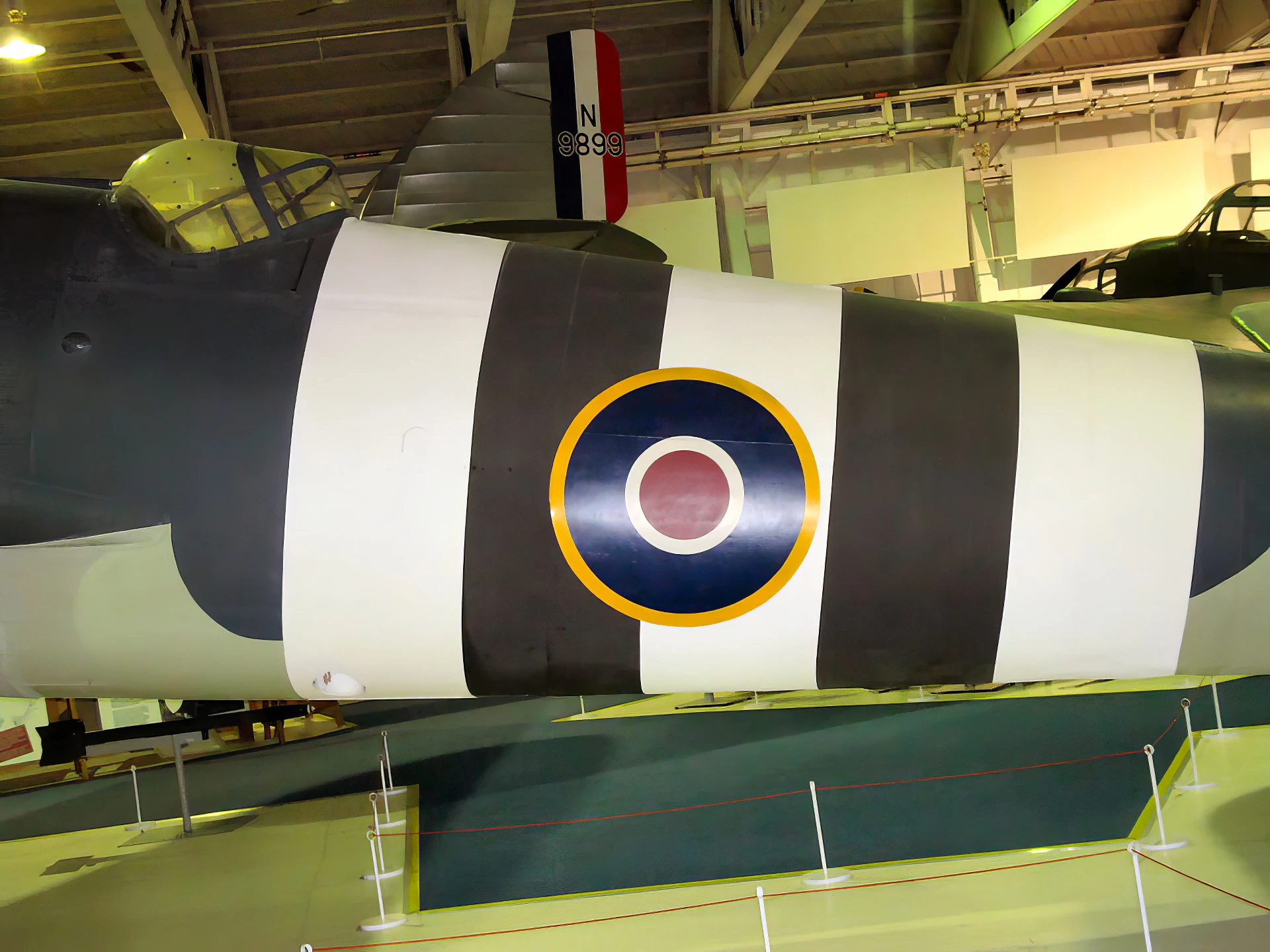
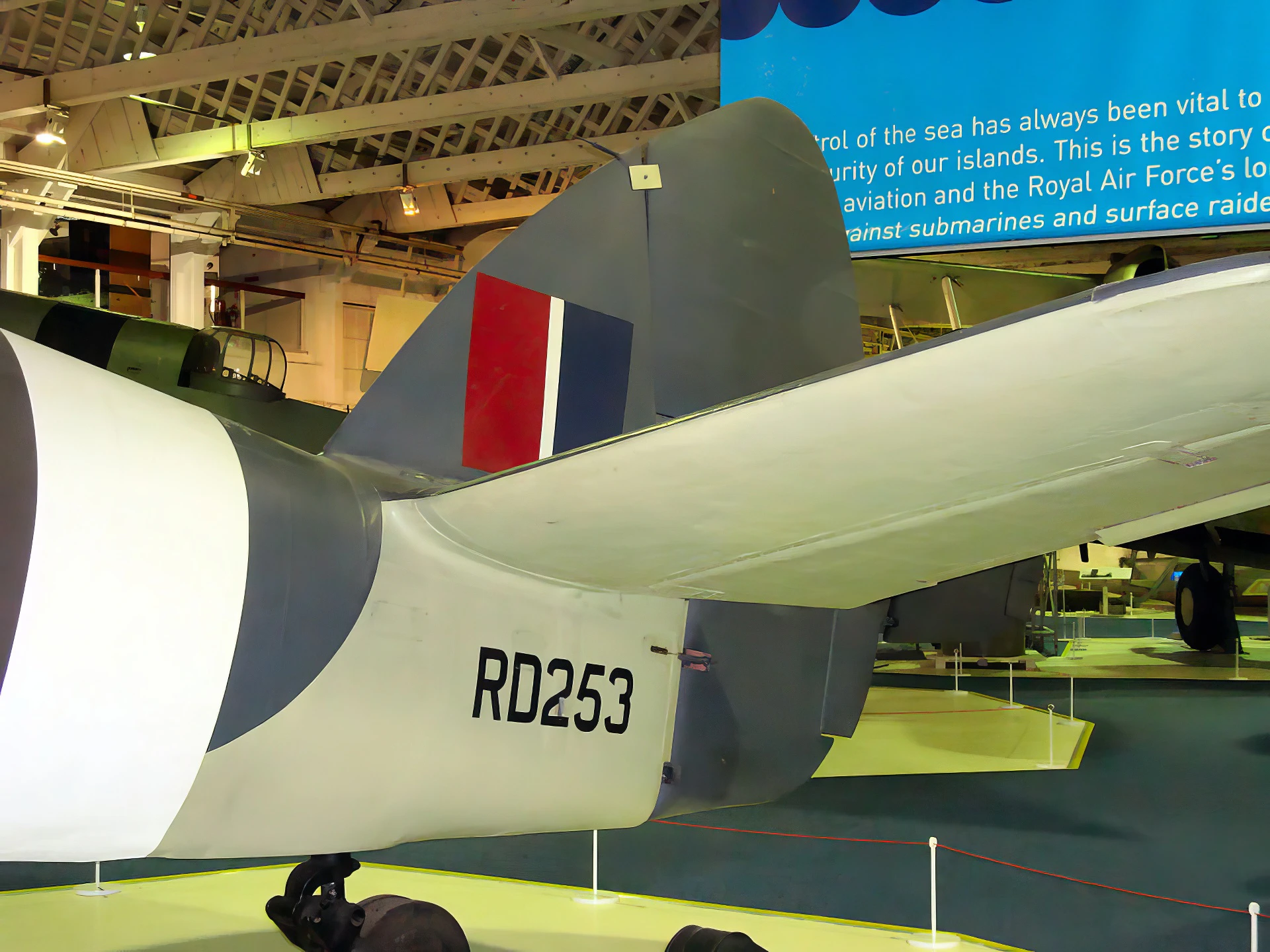
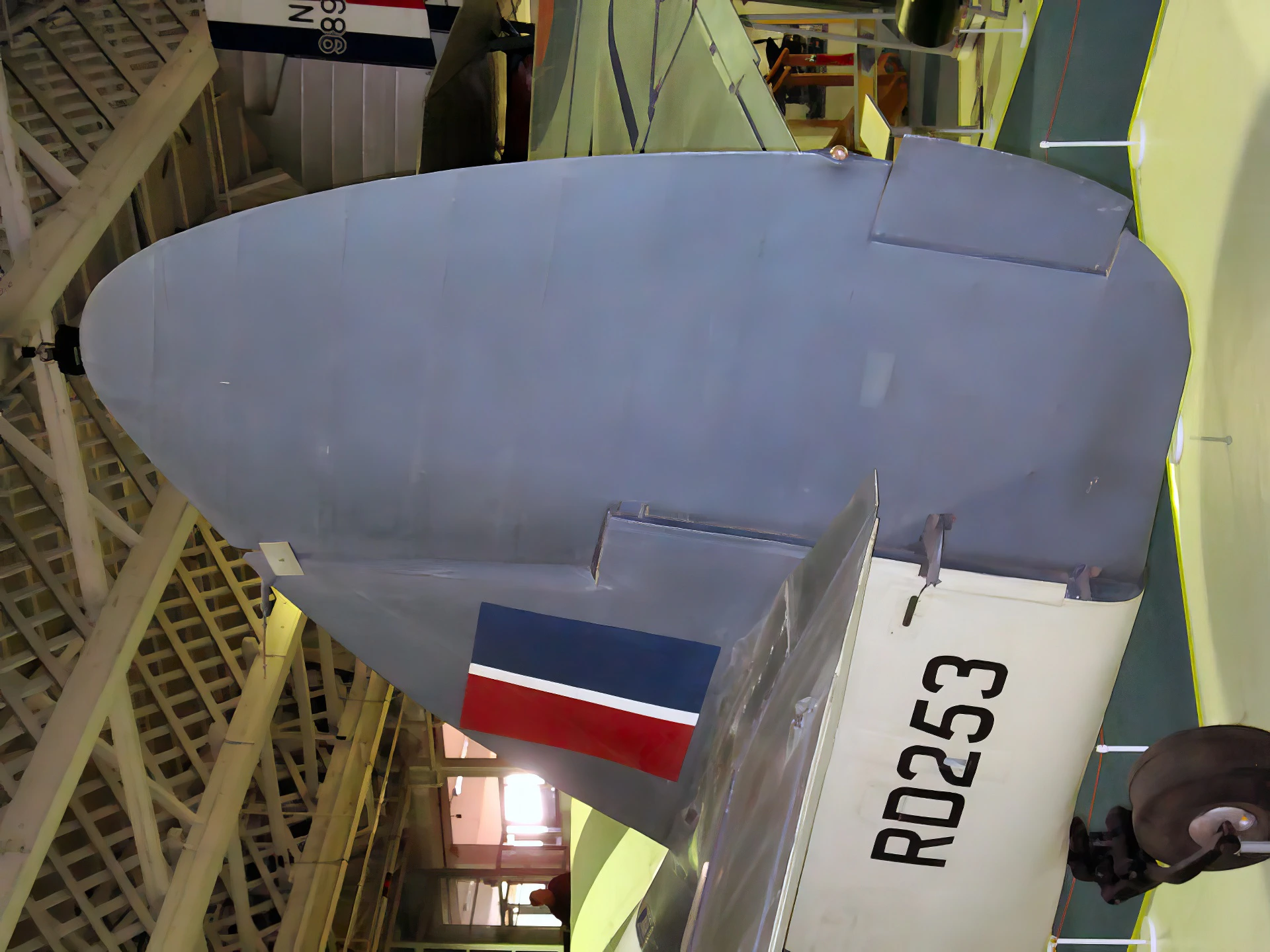

| Bristol Beaufighter TF. X Walk Around | |
|---|---|
| Fotograf | Cees Hendriks |
| Lokalisierung | Unbekannter |
| Fotos | 20 |
| Bristol Beaufighter Mk.Ic Walk Around | |
|---|---|
| Fotograf | Vladimir Yakubov |
| Lokalisierung | Unbekannter |
| Fotos | 71 |
| Bristol Beaufighter Walk Around | |
|---|---|
| Fotograf | Michael Benolkin |
| Lokalisierung | Unbekannter |
| Fotos | 45 |
Siehe auch:


| Beaufighter TF.X Walk Around | |
|---|---|
| Fotograf | Michael Benolkin |
| Lokalisierung | Unbekannter |
| Fotos | 31 |
| Bristol Beaufighter Mk.XXI Walk Around | |
|---|---|
| Fotograf | Azrael Raven |
| Lokalisierung | Unbekannter |
| Fotos | 93 |
| Bristol Beaufighter TFX Walk Around | |
|---|---|
| Fotograf | Unknow |
| Lokalisierung | Unbekannter |
| Fotos | 35 |
Development and Design
The Bristol Type 156 Beaufighter, often simply called the “Beau,” was a heavy, multi-role aircraft developed by the Bristol Aeroplane Company during World War II. It was cleverly derived as a fighter variant of the earlier Bristol Beaufort torpedo bomber, which sped up its design and production. This twin-engine, two-seat design allowed it to carry a substantial payload and heavy equipment, including early Airborne Interception (AI) radar systems.
The Beaufighter was a large, all-metal aircraft with a distinctly stubby appearance, resulting from its nose being shortened to accommodate the powerful twin **Bristol Hercules radial engines** and to adjust the center of gravity.
Primary Roles and Nicknames
Few aircraft of the war were as adaptable as the Beaufighter. It excelled in several critical missions across various theaters, including the European, Mediterranean, and Pacific fronts:
- Night Fighter: Early variants (Mk I and IIF) served as formidable night fighters, using their size to carry heavy armament and radar, successfully defending Britain during the Blitz.
- Maritime Strike: It became a potent maritime attack aircraft, particularly with Coastal Command. Armed with a torpedo, it earned the popular nickname “Torbeau” and was highly successful against Axis shipping.
- Ground Attack: Equipped with rockets, it performed devastating low-level ground attack missions, sometimes referred to as the “Rockbeau.”
Intimidating Armament
The Beaufighter was famous for its heavy and concentrated firepower. Its standard fixed armament, mounted in the lower nose section, was exceptionally potent for the era:
- Cannons: Typically four 20 mm Hispano cannons, giving it a concentrated “punch” unparalleled by many contemporary fighters.
- Machine Guns: Various models also carried several machine guns in the wings or a defensive machine gun for the observer/navigator in the rear cockpit.
- External Stores: It could carry bombs, depth charges, unguided rockets, or an 18-inch torpedo, depending on the mission variant.
Views : 8658
Neuer Satz von 20 Fotos