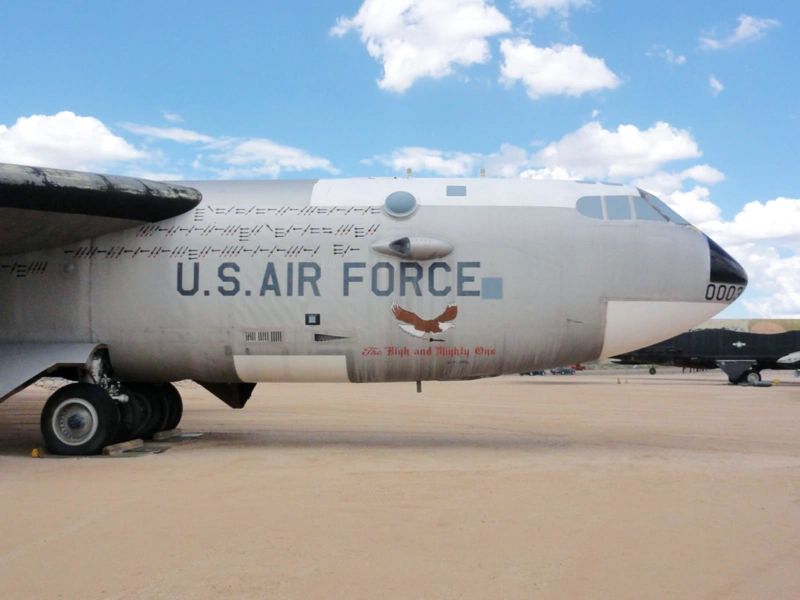
Boeing NB-52A Stratofortress | |
|---|---|
| Land | Usa |
| Type | Langtrækkende, subsonisk, jetdrevet strategisk bombefly |
| Første flyvning | 15. april 1952 |
| Bygget | 744 |
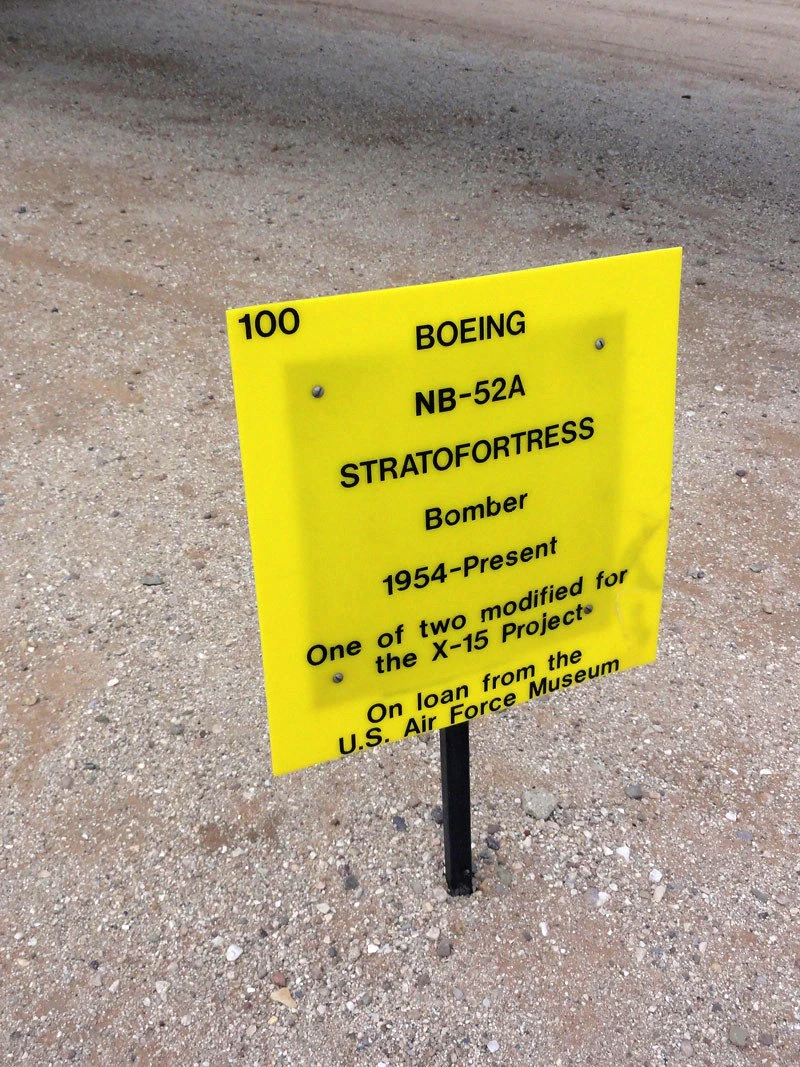
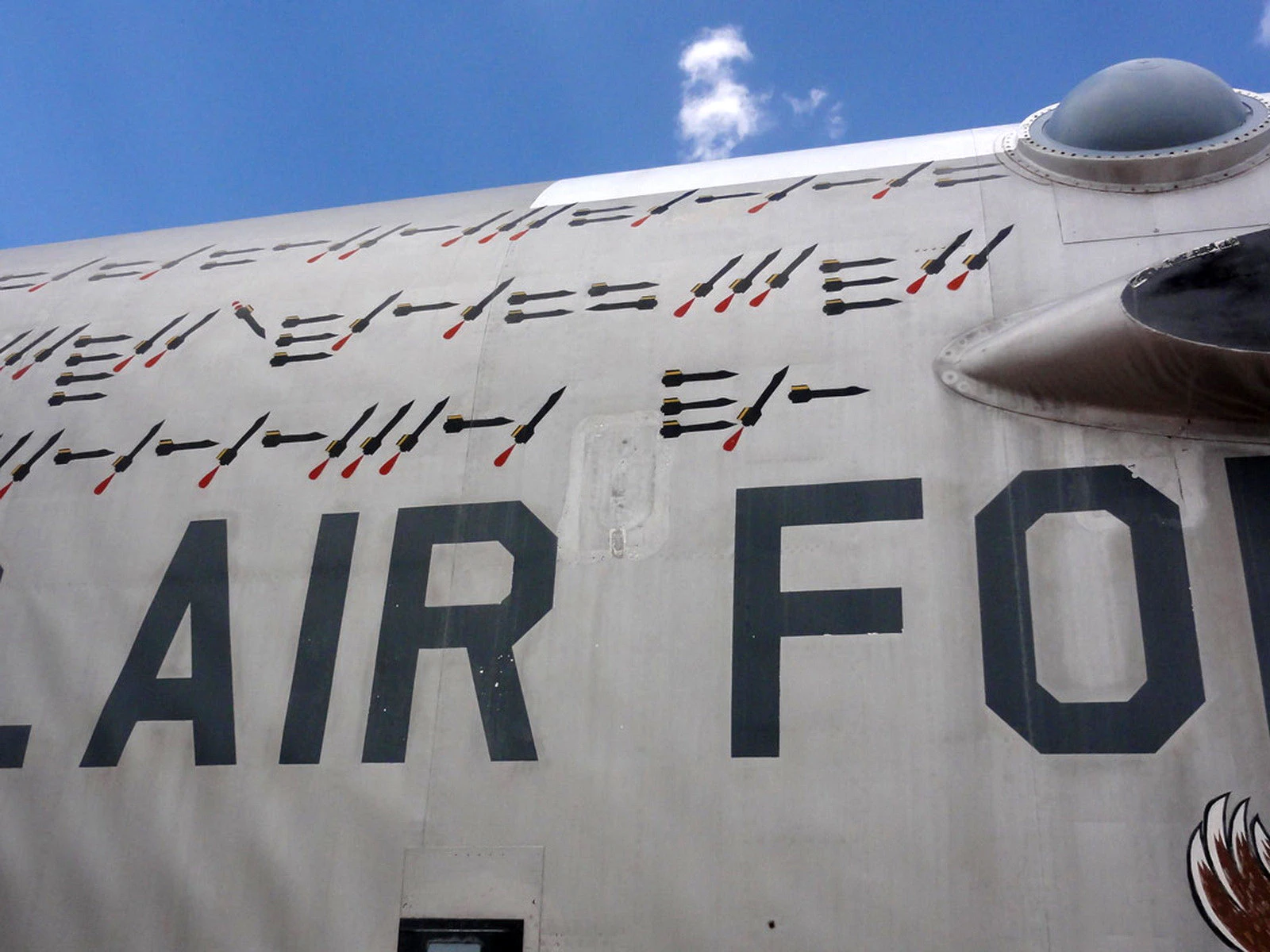
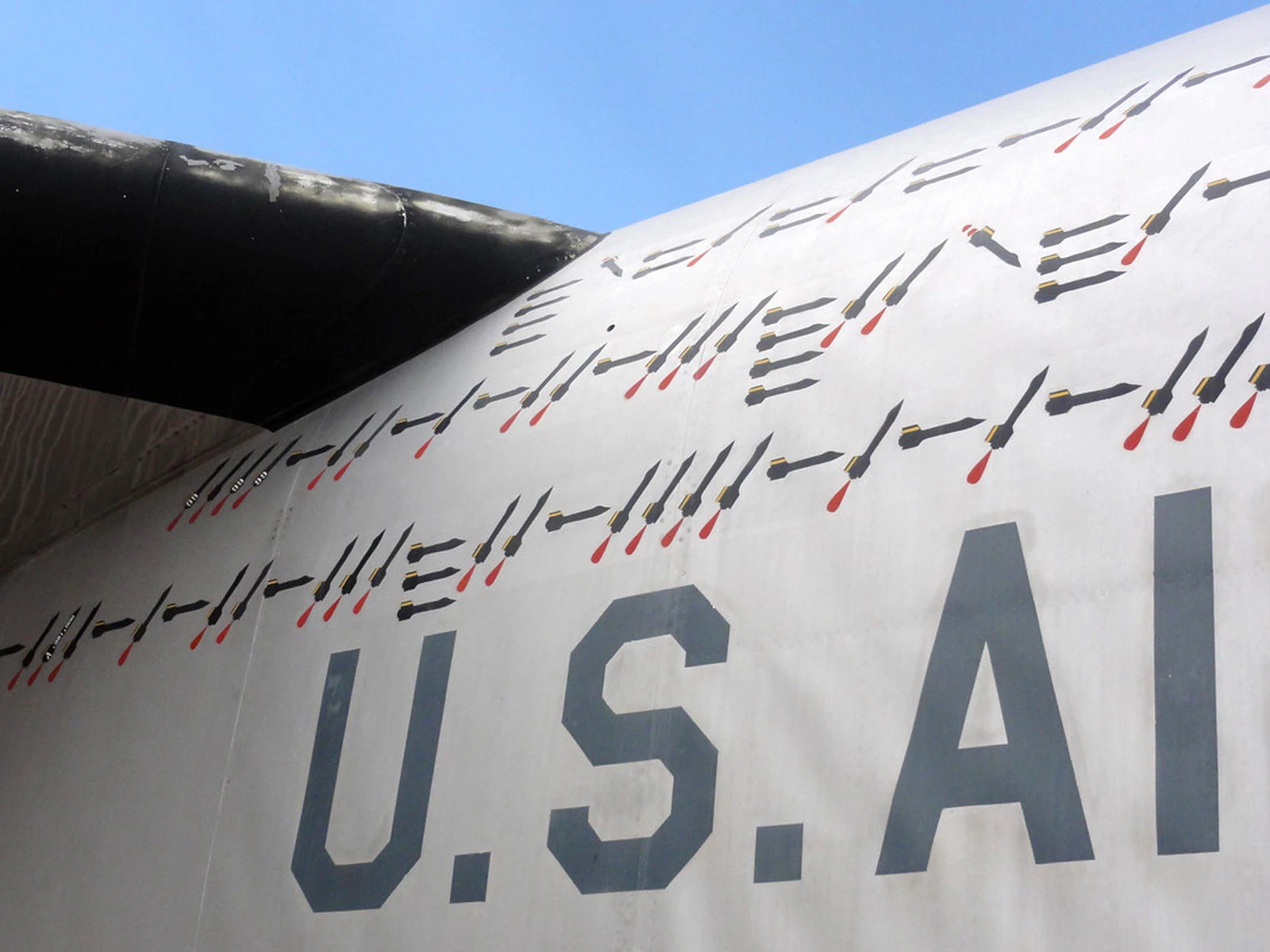
Photo gallery of a Boeing NB-52A Stratofortress, The Boeing B-52 Stratofortress is a long-range, subsonic, jet-powered strategic bomber. The B-52 was designed and built by Boeing, who have continued to provide support and upgrades. It has been operated by the United States Air Force (USAF) since the 1950s. The bomber carries up to 70,000 pounds (32,000 kg) of weapons. Beginning with the successful contract bid in June 1946, the B-52 design evolved from a straight-wing aircraft powered by six turboprop engines to the final prototype YB-52 with eight turbojet engines and swept wings. The B-52 took its maiden flight in April 1952. Built to carry nuclear weapons for Cold War-era deterrence missions, the B-52 Stratofortress replaced the Convair B-36. Although a veteran of several wars, the Stratofortress has dropped only conventional munitions in combat. Its Stratofortress name is rarely used outside of official contexts; it has been referred to by Air Force personnel as the BUFF (Big Ugly Fat/Flying Fucker/Fellow).

Se også:


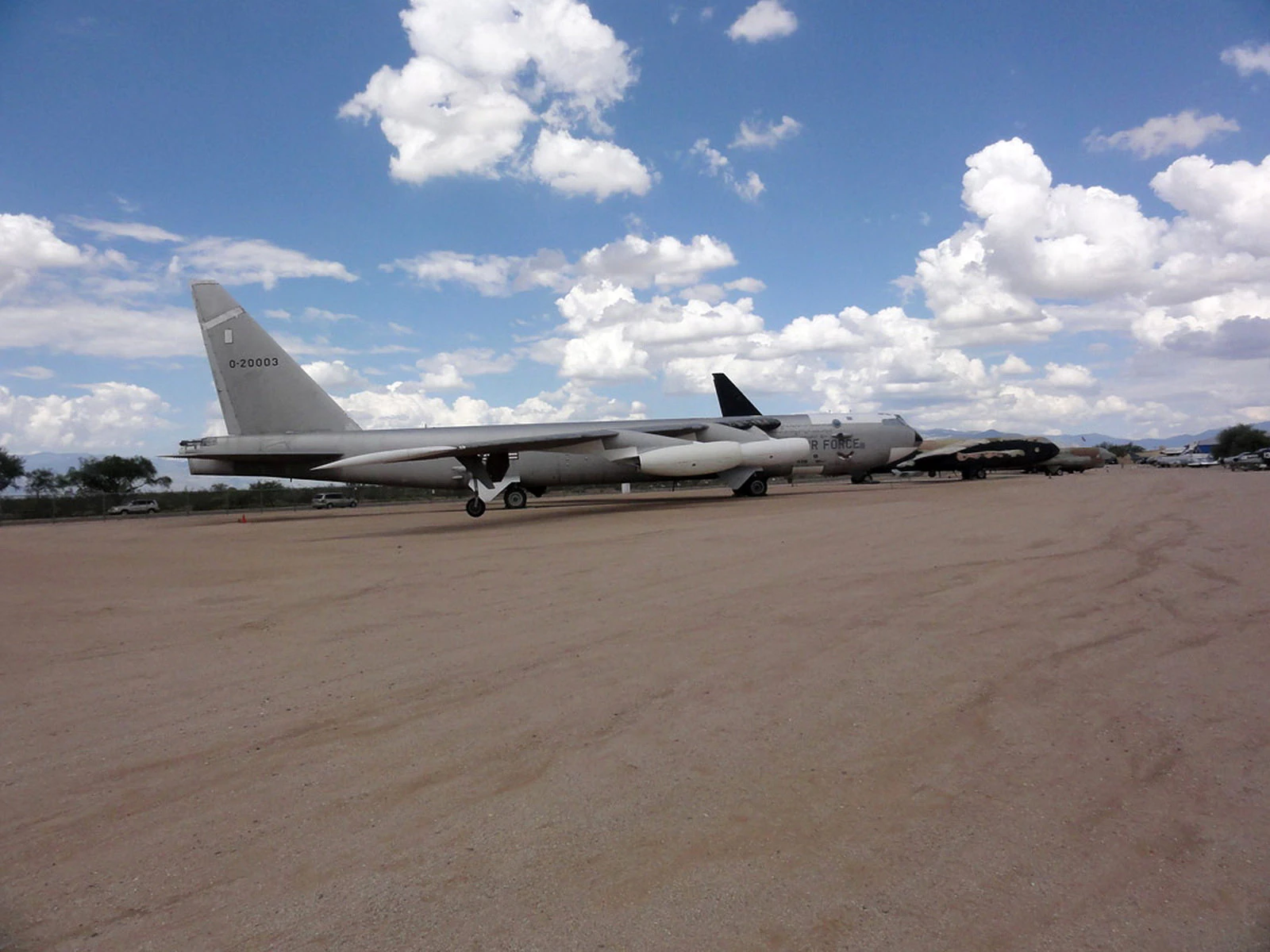
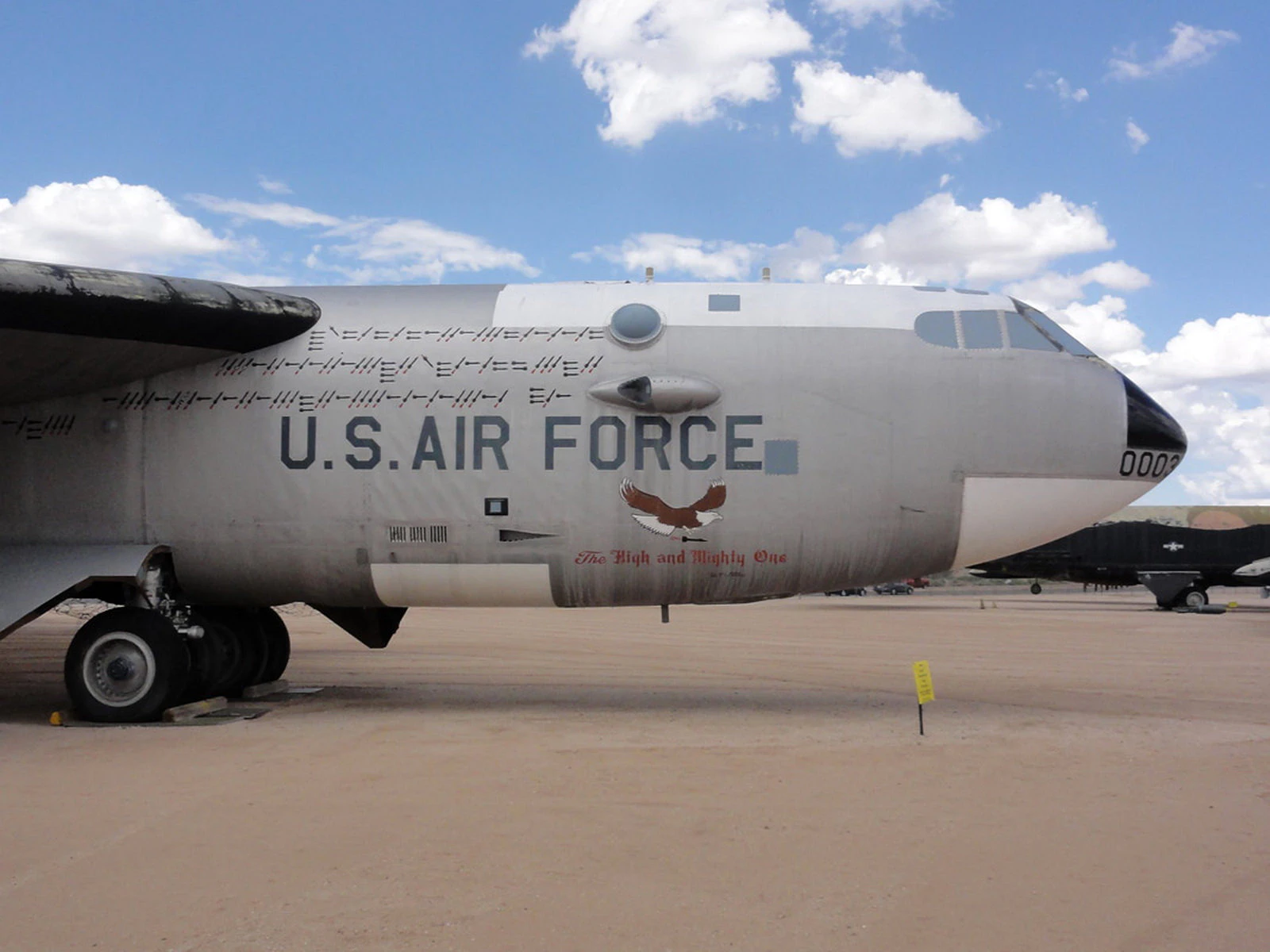
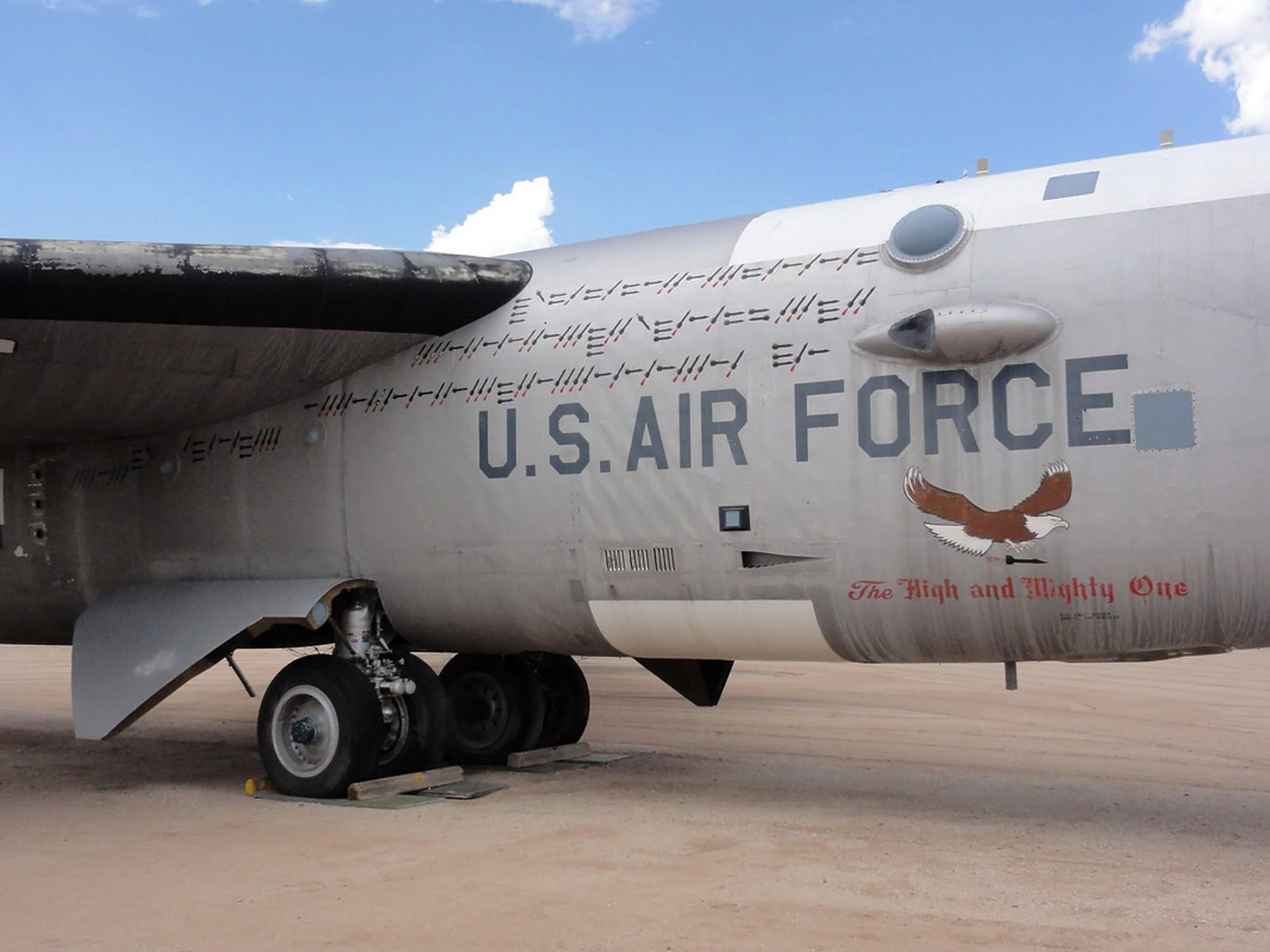
The Boeing NB-52A Stratofortress was a highly modified version of the B-52A bomber, renowned for its critical role as an airborne launch platform, or “mothership,” for the North American X-15 hypersonic research aircraft and other advanced aerospace vehicles.
This specific aircraft (Air Force serial number 52-0003), affectionately nicknamed “The High and Mighty One,” is historically significant as it is one of only three B-52A pre-production models ever built, making it the oldest B-52 airframe still in existence.
Primary Mission: The X-15 Program
The NB-52A was dedicated to the high-speed flight research programs conducted by the U.S. Air Force and NASA. The “N” in its designation signifies that the aircraft was permanently configured for special test duties.
Its most famous service involved carrying and air-launching the X-15 rocket-powered research aircraft between 1959 and 1968. By releasing the X-15 at an altitude of approximately 45,000 feet and a speed of about 500 mph, the mothership provided a crucial head-start, conserving the X-15’s limited rocket fuel for its own high-Mach, high-altitude research flights.
Key Modifications and Features
The conversion from a heavy bomber to a “flying launch pad” required extensive and specialized modifications:
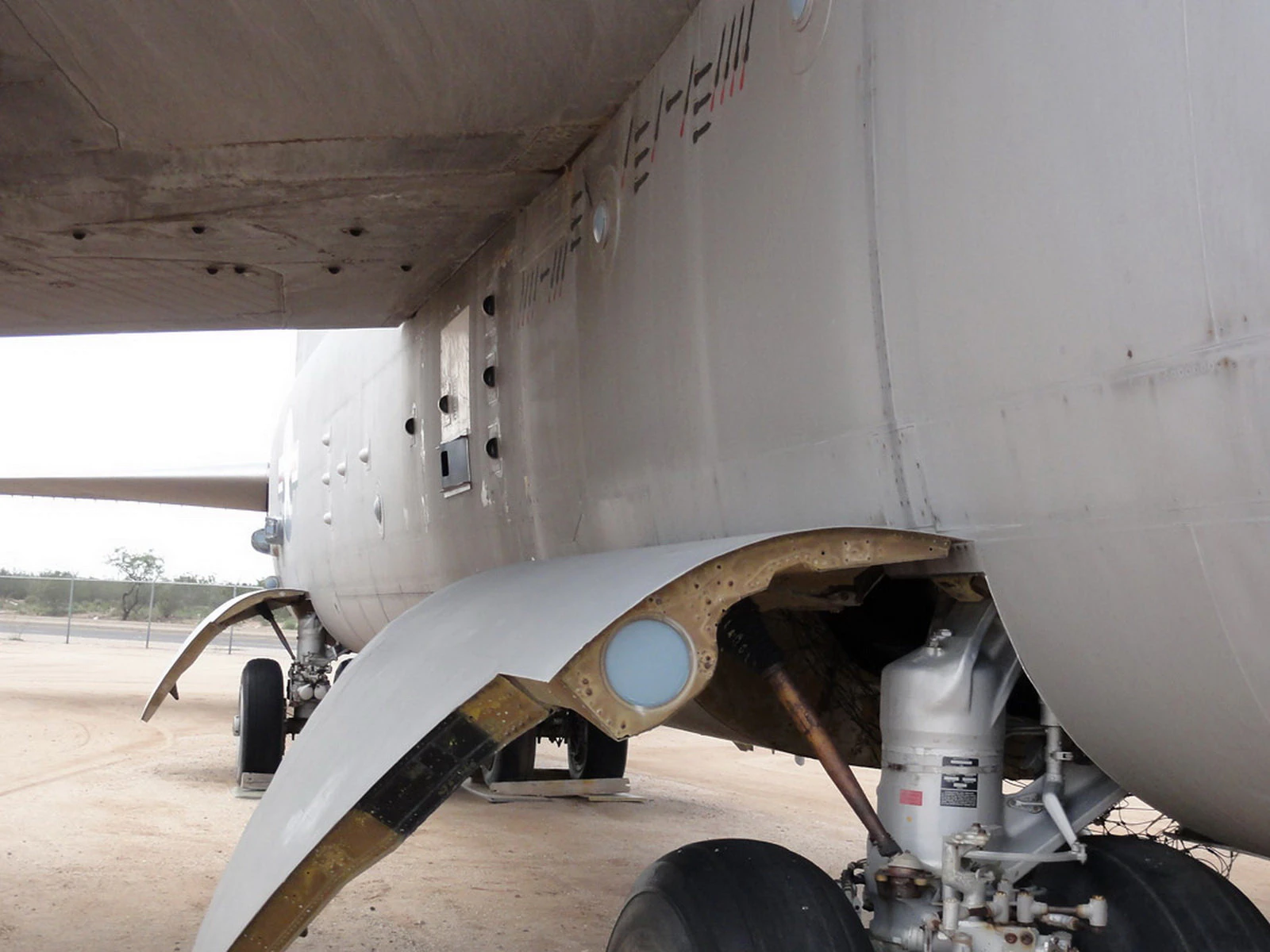
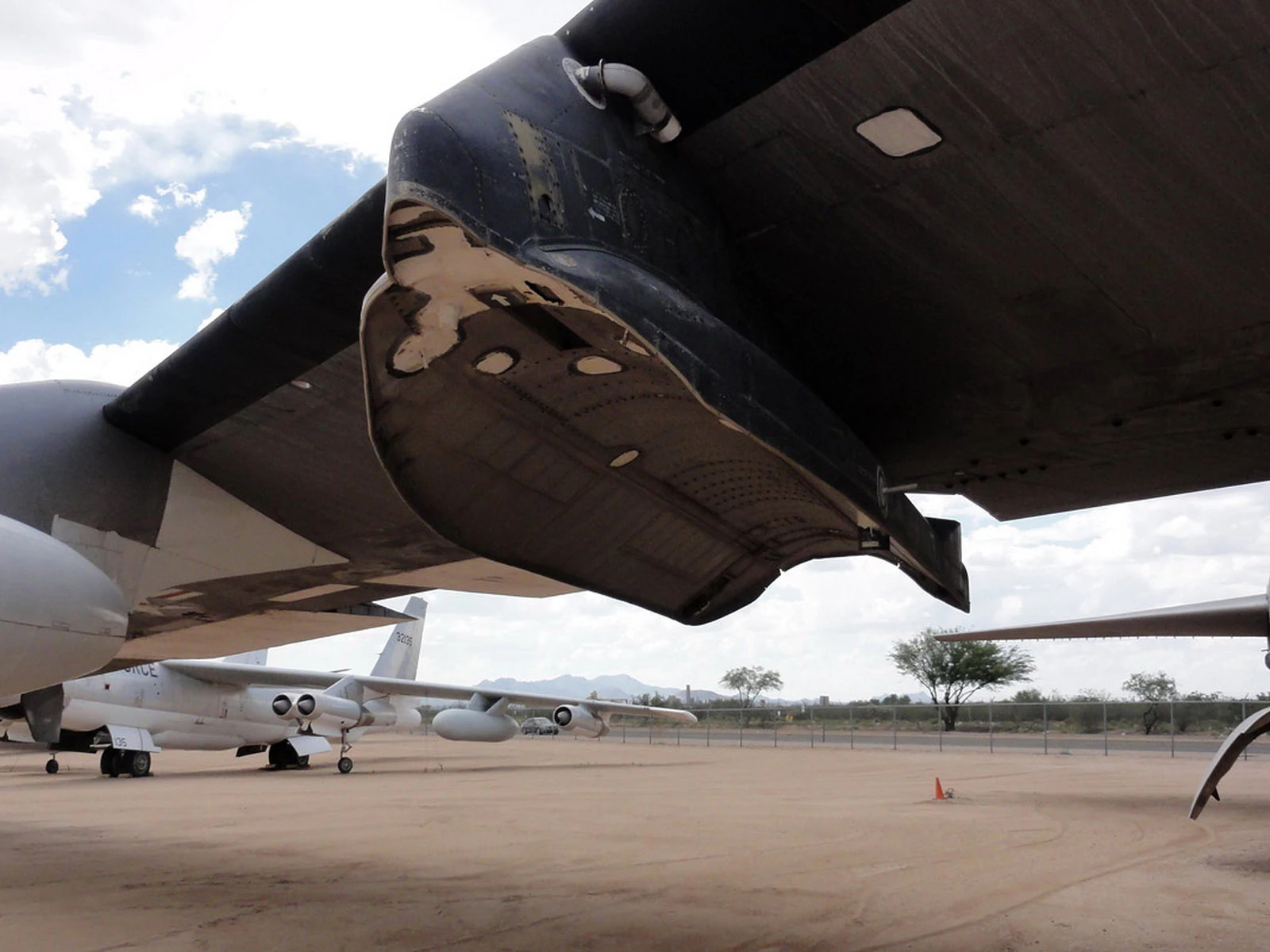
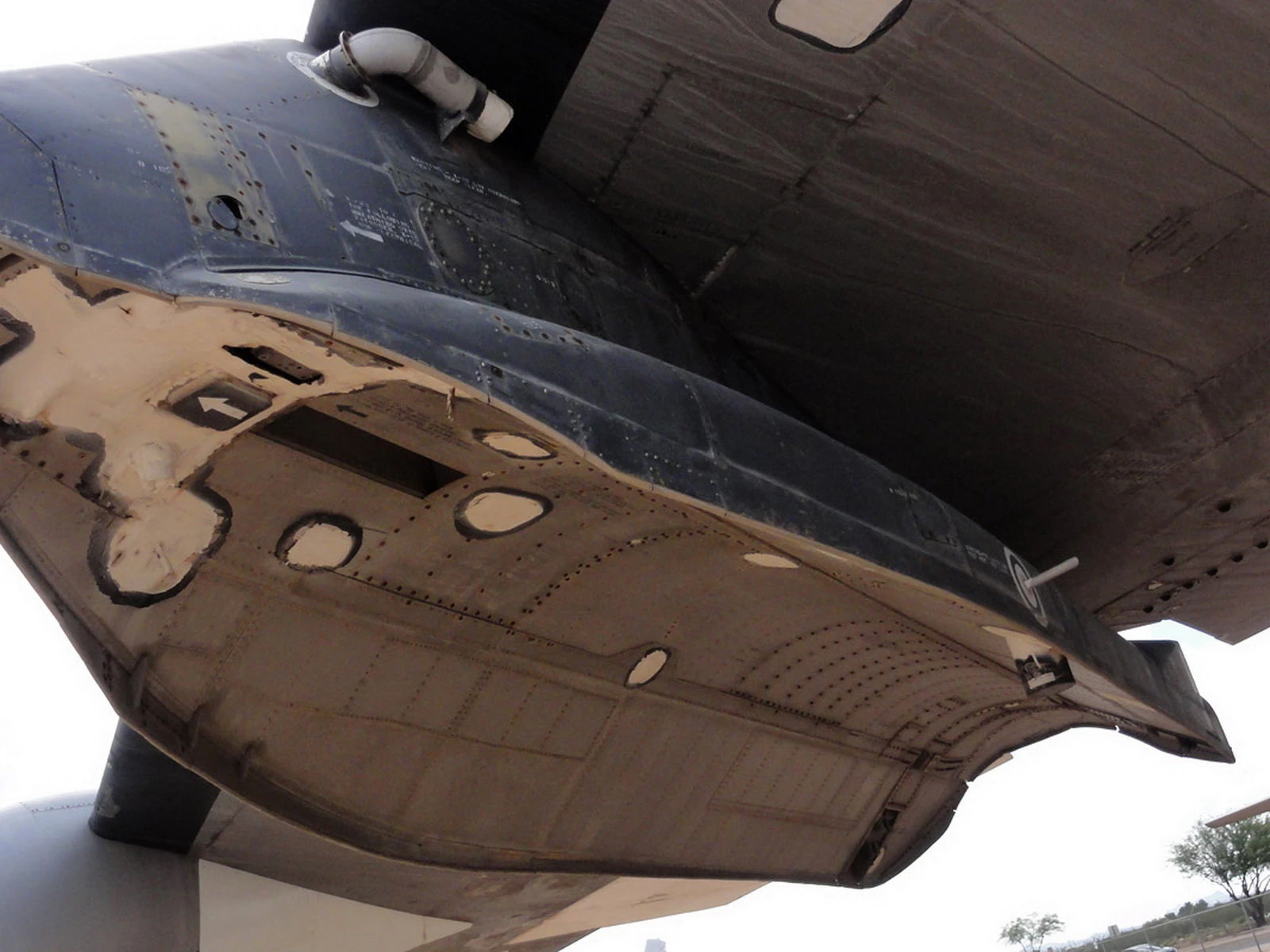
- Launch Pylon: A heavy-duty pylon was permanently installed beneath the aircraft’s right inboard wing (between the fuselage and the inboard engine pod) to securely cradle the X-15 and subsequent payloads.
- Wing Cutout: A section of the right inboard wing flap was removed to accommodate the large vertical tail of the X-15 research plane.
- Support Systems: The bomber was outfitted with complex systems to function as an orbital launch pad. It was modified to carry and supply the X-15 with essential propellants (like liquid oxygen and hydrogen peroxide), gasses, and electrical power while airborne, a highly technical logistical task.
- Launch Control Station: A dedicated station, complete with specialized controls and instrumentation, was installed in the fuselage behind the cockpit to allow a Launch Panel Operator to monitor and execute the rocket plane’s release.
Core Specifications (B-52A Model)
While heavily modified, the NB-52A retained the fundamental specifications of the base B-52A model:
| Characteristic | Specification |
|---|---|
| Motorer | Eight Pratt & Whitney J57-P-1W turbojets |
| Vingefang | 185 ft |
| Længde | 156 ft |
| Højde | 48 ft |
| Maximum Speed | Approximately 650 mph |
| Service Ceiling | 50,000 ft |
| Crew (B-52A) | 6 |
Disposition
The NB-52A (serial 52-0003) was retired from service in October 1969. It is now preserved and on permanent public display at the Pima Air & Space Museum in Tucson, Arizona.
Visninger : 2383
Du kan også se:
 Boeing X-32 – Billeder og videoer
 Boeing 80 – Billeder og videoer
 Boeing C-97 Stratofreighter – Billeder og videoer
 Boeing NC-135 – Billeder & Video
 Boeing P-26 – Billeder og video
 Boeing F4B-4 – Billeder & Video
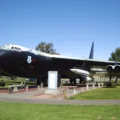 Boeing B-52D-80-BO Stratofortress – Billeder & Video
 Boeing PT-13 – Billeder & Video
 Boeing AH-64 Apache – WalkAround
 B-29 Super Fortress vol2 - WalkAround