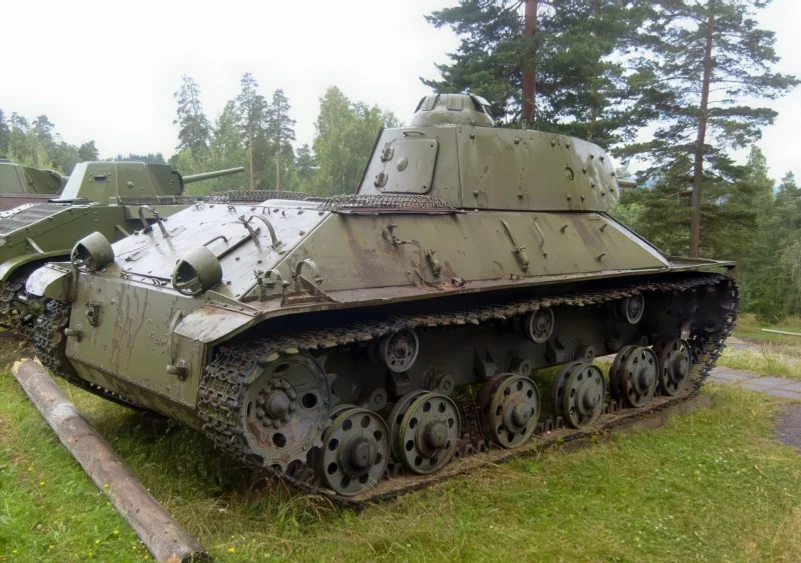
Lehká nádrž T-50 | |
|---|---|
| Země | URSS |
| Typ | Lehká nádrž |
| Popis | Album 109 fotografie procházka kolem T-50 |
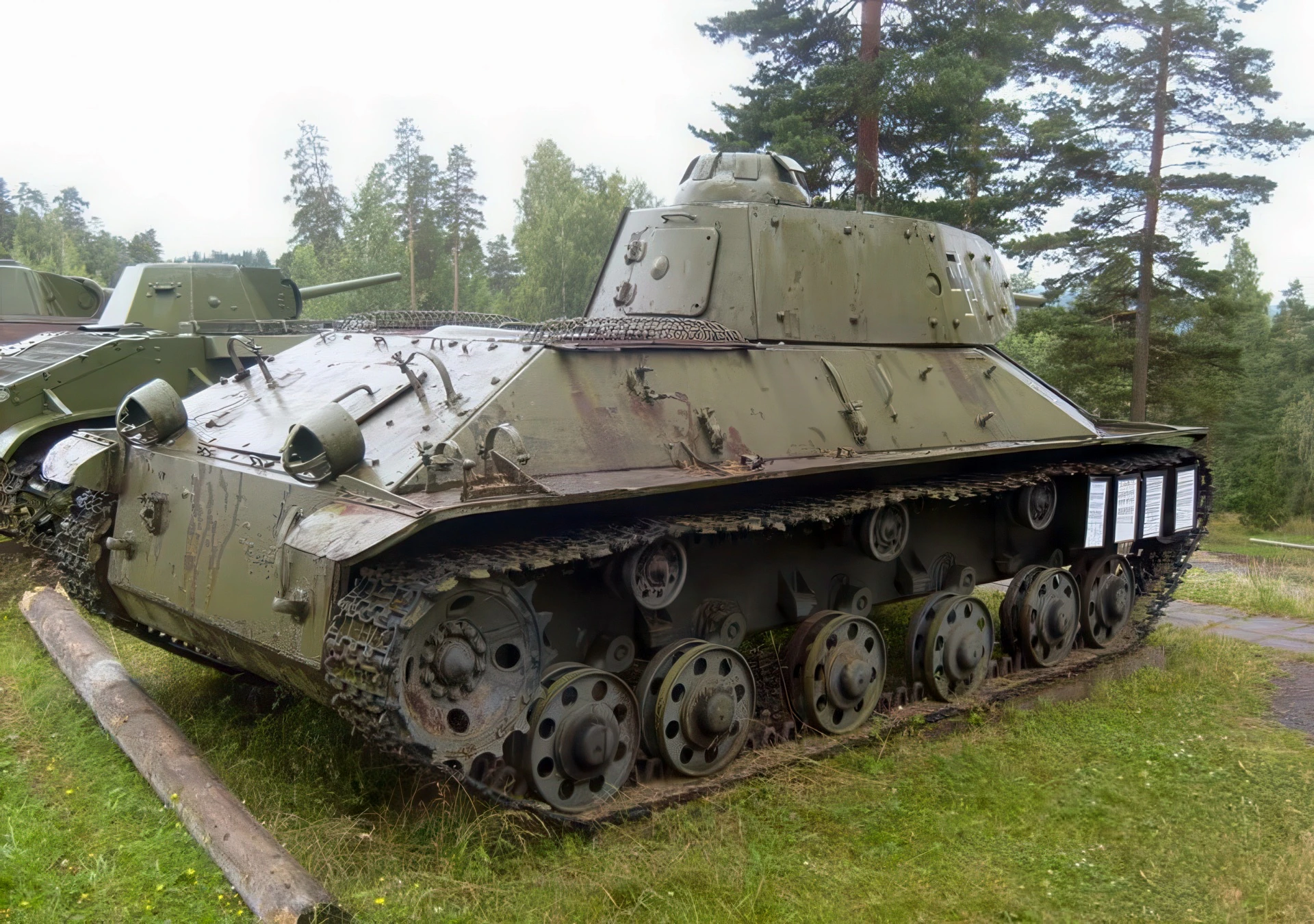
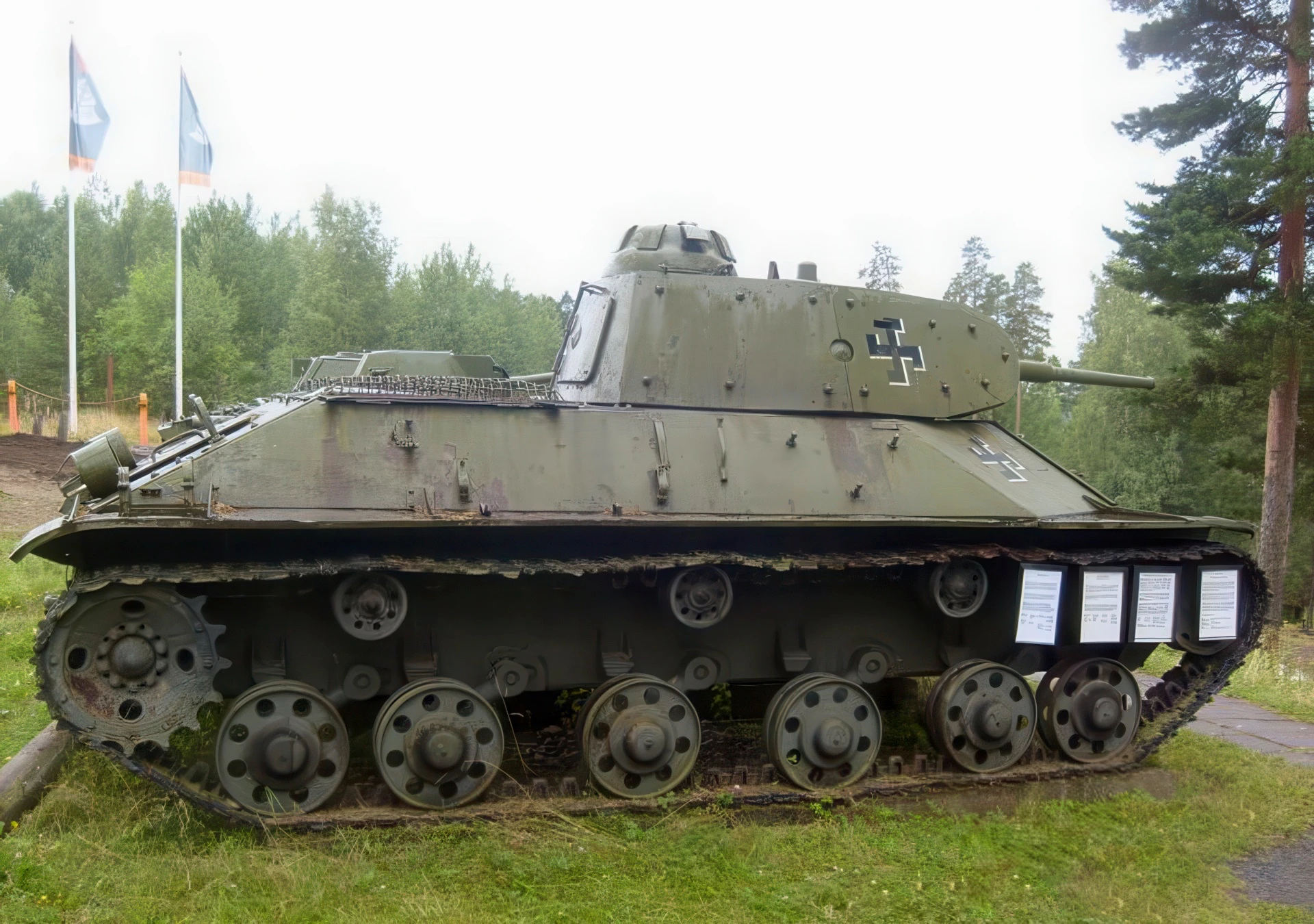
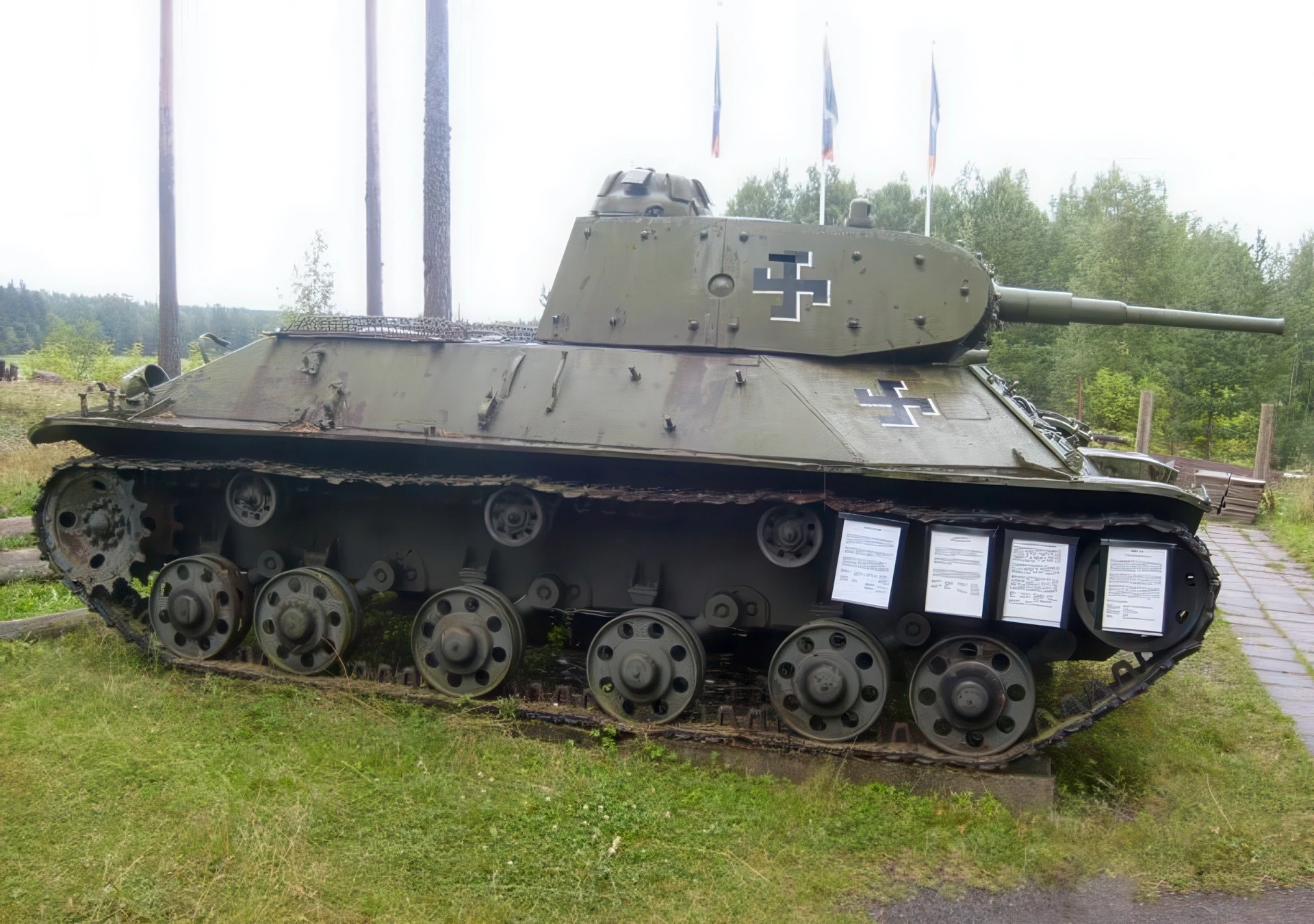
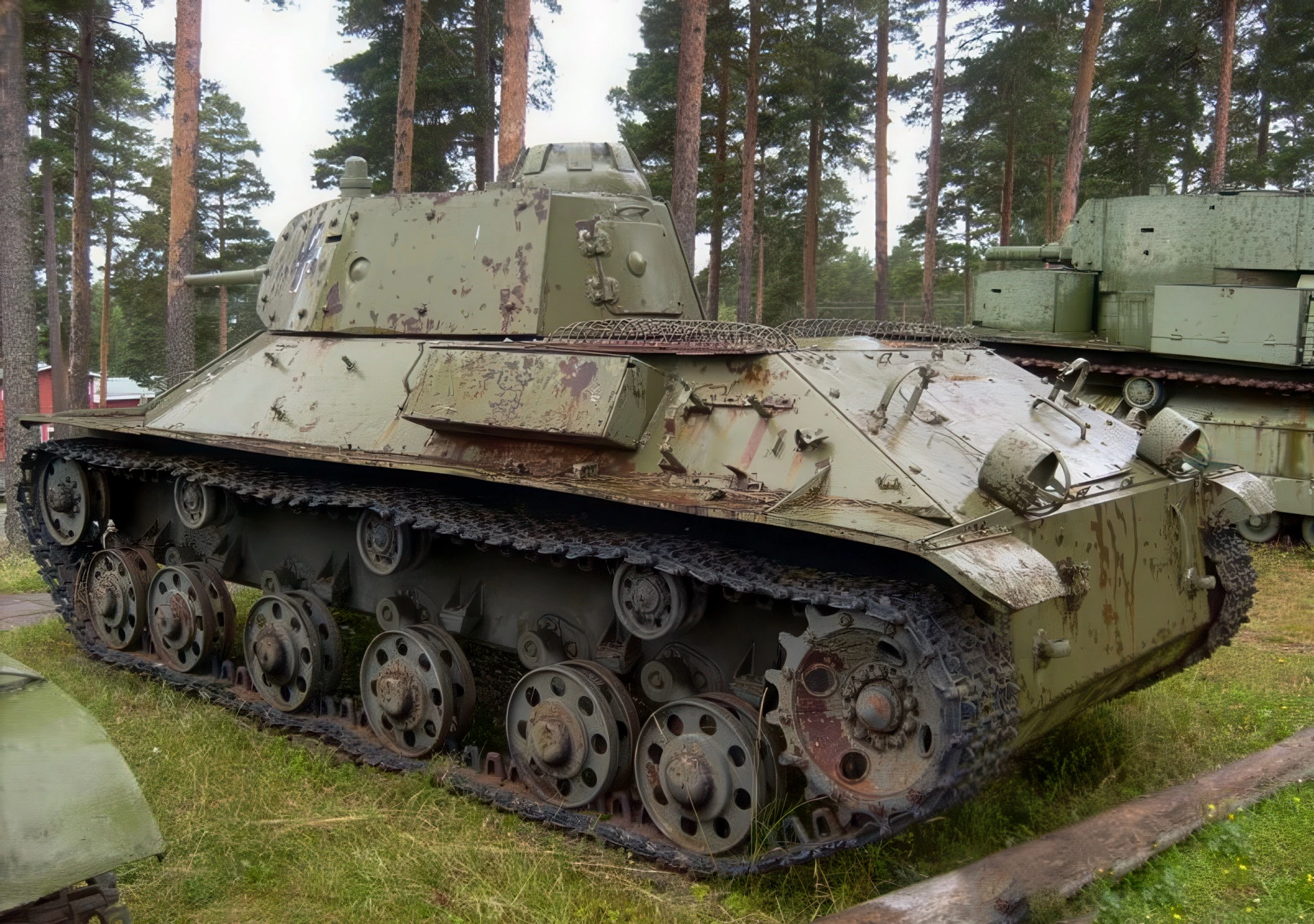
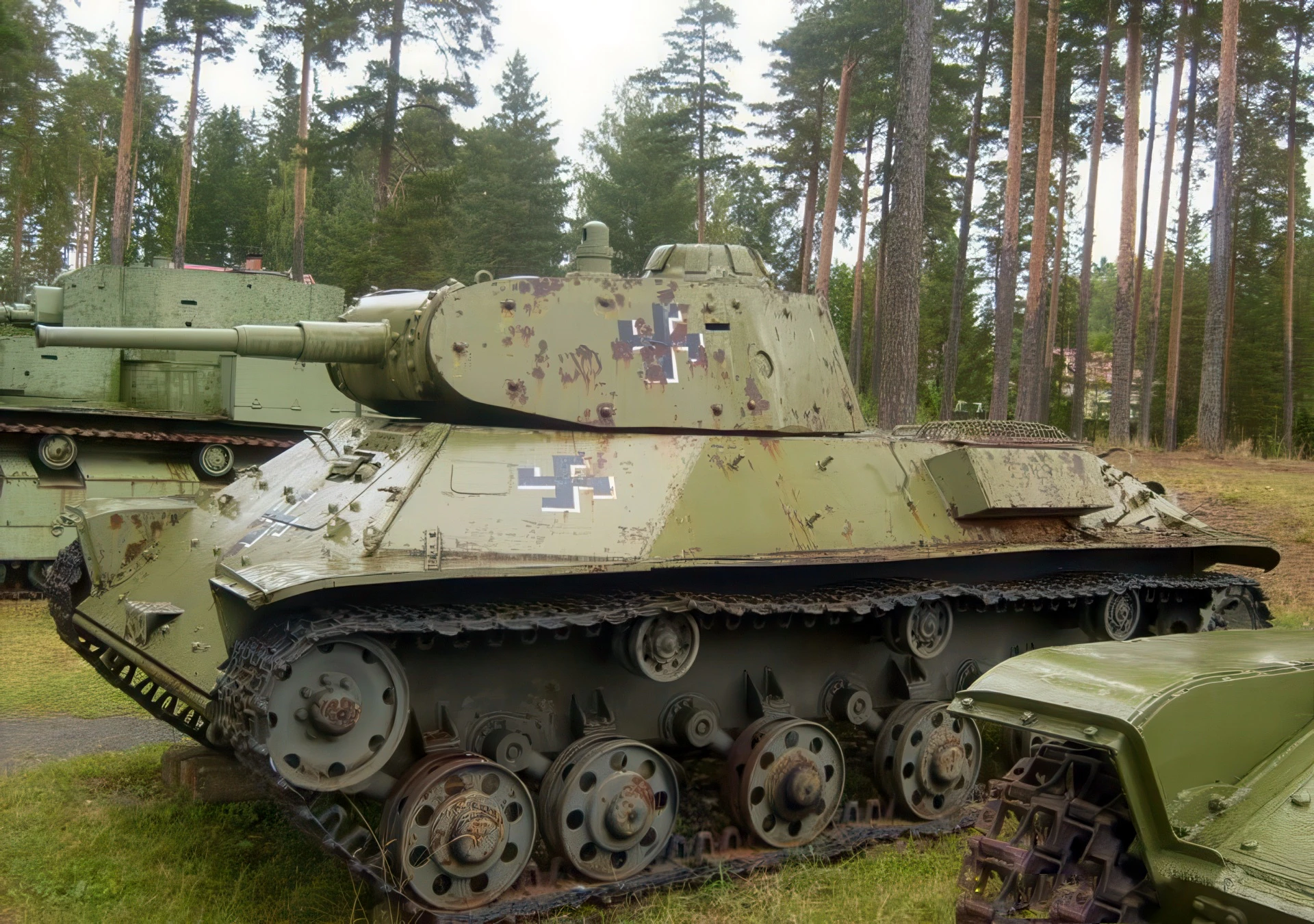
Fotogalerie lehké nádrže T-50, The T-50 světlo pěchotní tank byl postaven Sovětským svazem na počátku druhé světové války.
Zdroj: T-50 sur Wikipedie
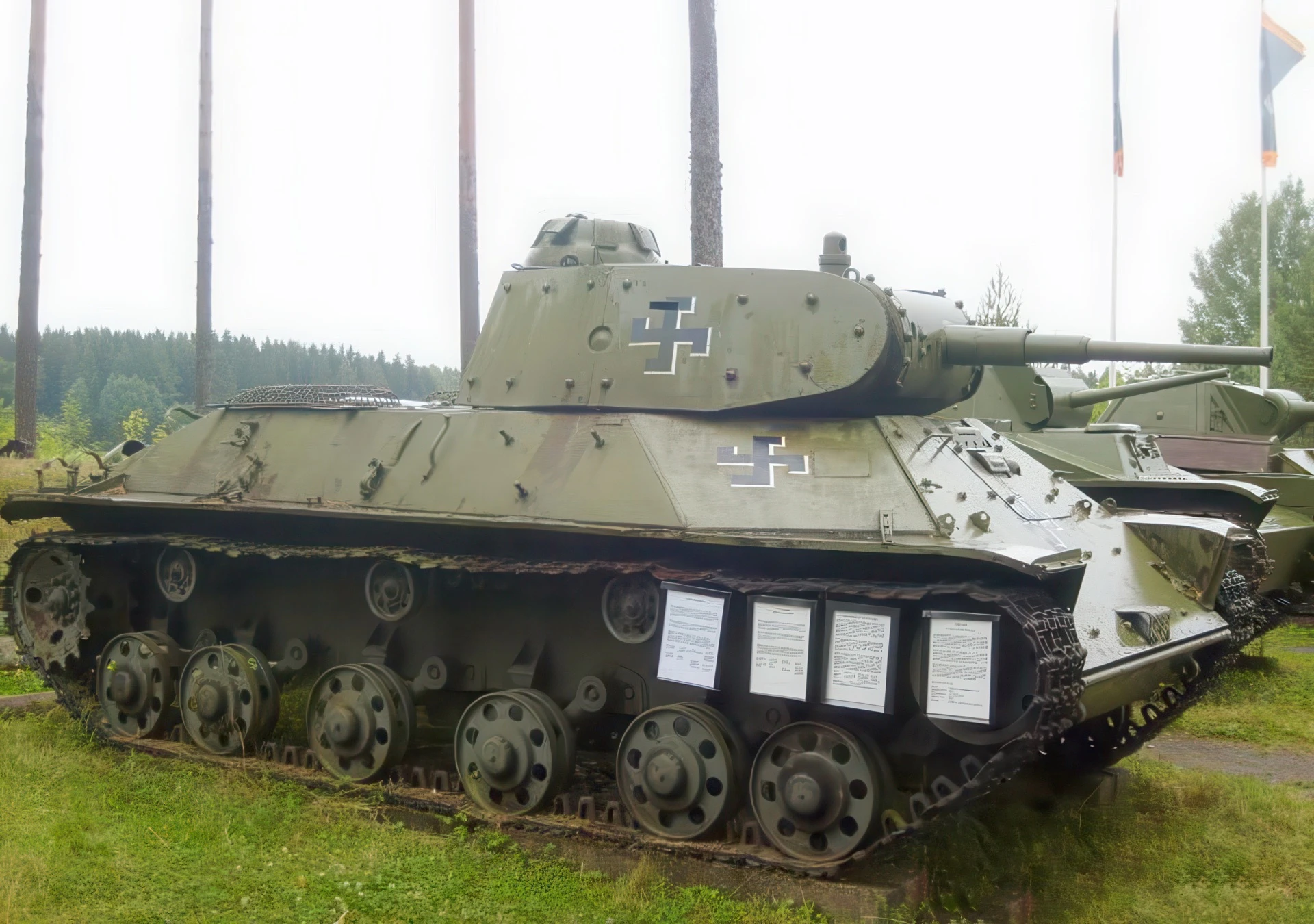
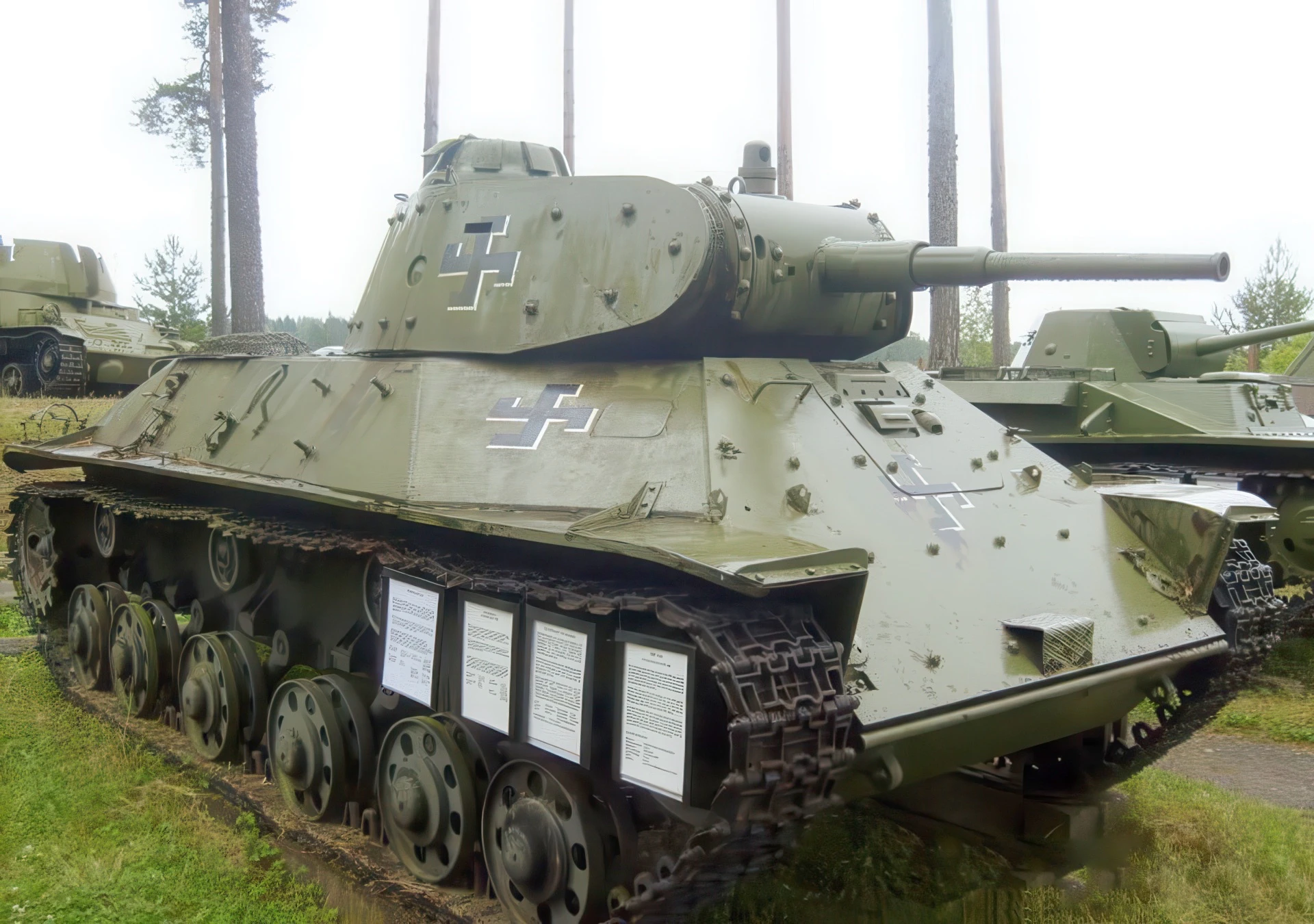
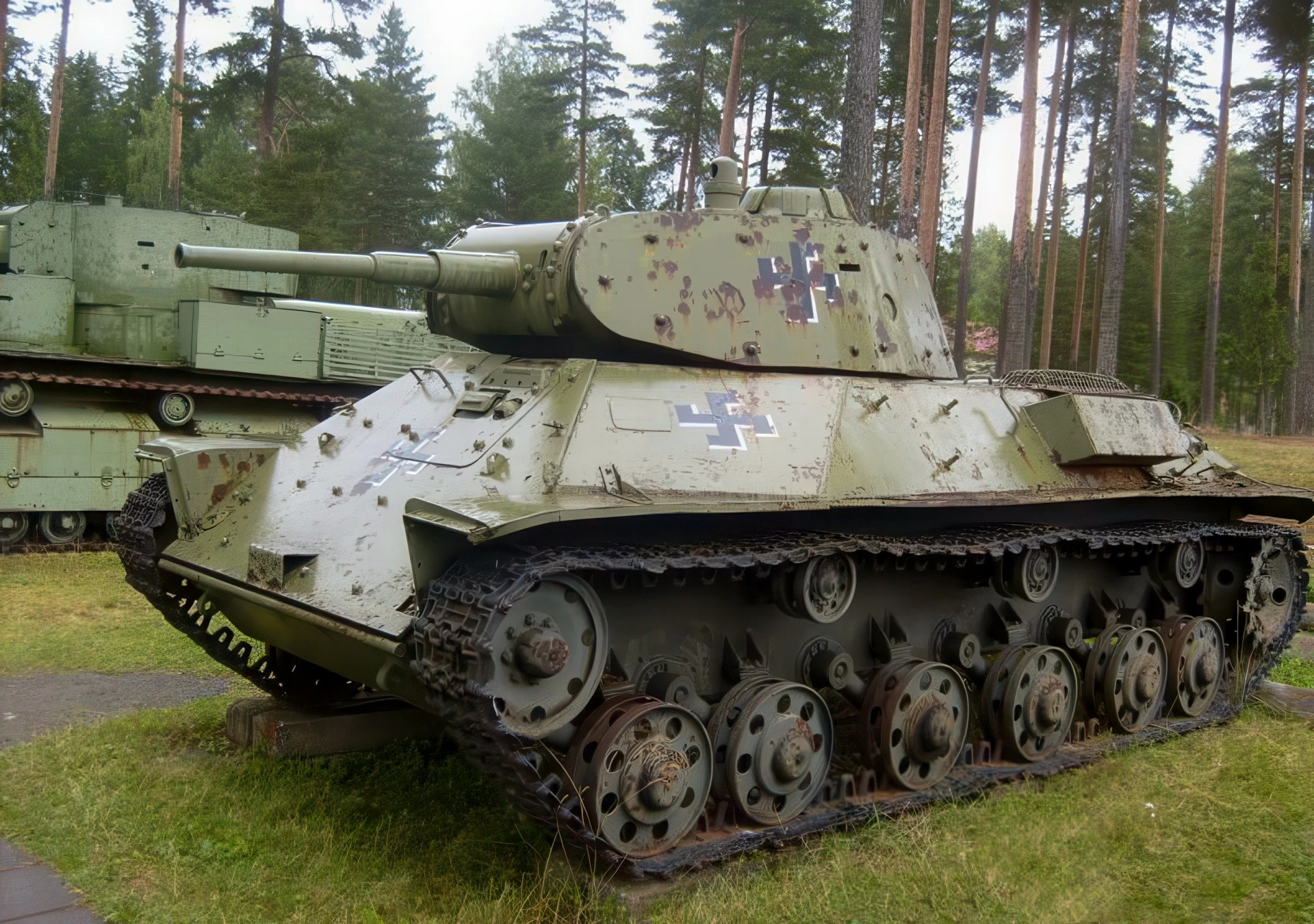
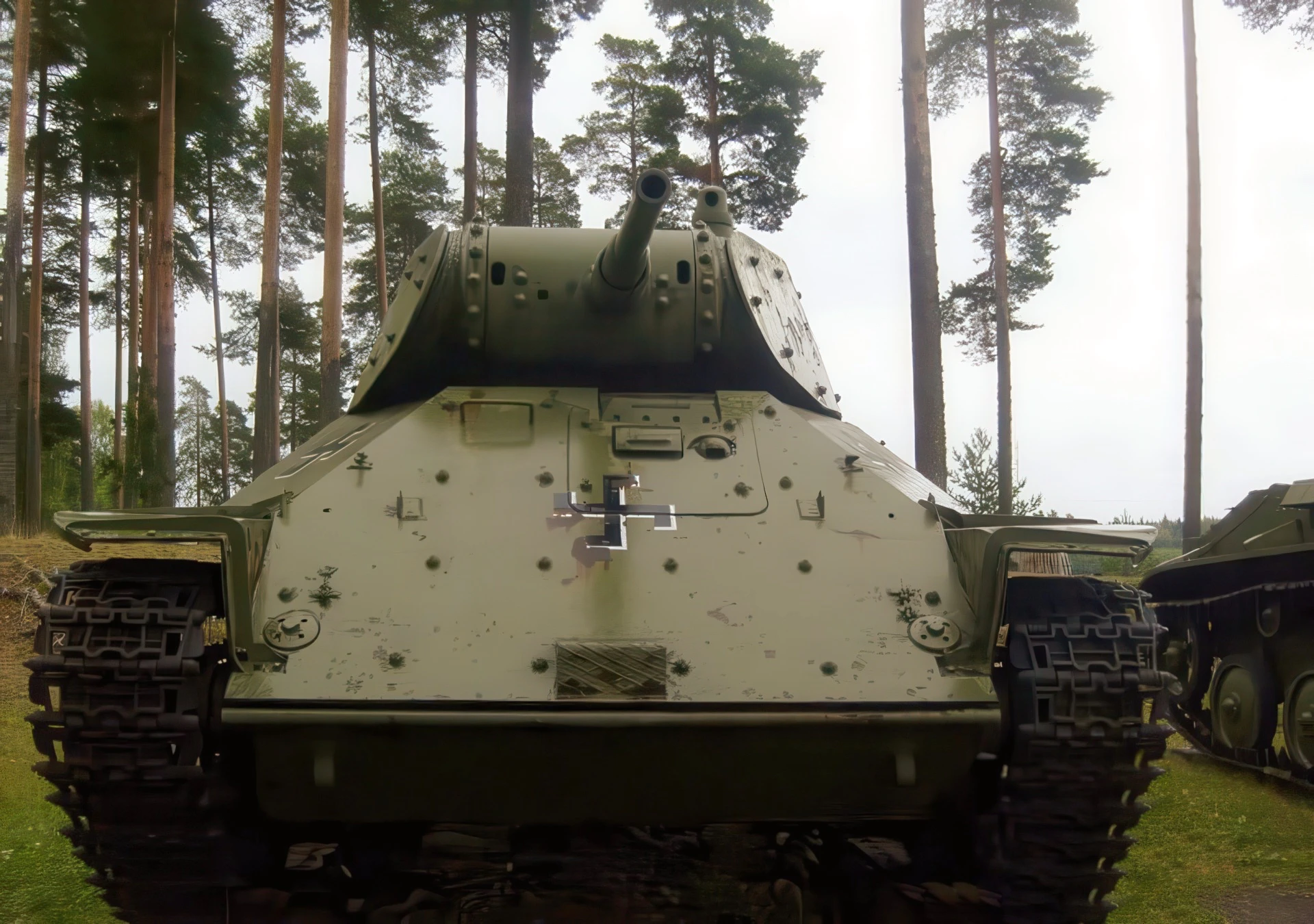
| Specifikace | |
|---|---|
| Hmotnost | 14 tun |
| Délka | 5,20 m |
| Šířka | 2,47 m |
| Posádky | 4 |
| Provozní rozsah | 220 km |
| Rychlost | 60 km/h |

Viz také:


The T-50 was a highly advanced Soviet light tank designed in the late 1930s and early 1940s to replace the obsolete T-26 and BT series. It was intended to become the primary mass-produced light tank of the Red Army, showcasing several design features that were revolutionary for its class and time.
Often referred to as a “mini-T-34,” the T-50 offered an excellent blend of sloped armor, mobility, and firepower, but its complex manufacturing process and high cost limited its production drastically.
Advanced Design and Features
The T-50 incorporated sophisticated features found primarily in the new generation of Soviet medium and heavy tanks:
- Sloped, All-Welded Armor: It utilized a modern, all-welded hull construction with heavily sloped armor plates. This design feature gave the T-50 surprisingly effective ballistic protection for a light tank, capable of deflecting many early German anti-tank rounds.
- Three-Man Turret: Unlike most contemporary light tanks that forced the commander to also load and fire the gun, the T-50 featured a proper three-man turret (Commander, Gunner, Loader). This significantly improved the commander’s situational awareness and combat effectiveness.
- Commander’s Cupola: It was one of the first Soviet tanks to incorporate a dedicated commander’s cupola, providing the commander with better all-around vision.
- Torsion Bar Suspension: The use of torsion bar suspension contributed to its superior speed and cross-country mobility compared to its predecessors.
Technical Specifications (Standard Model)
| Rys | Detail |
|---|---|
| Typ | Light Tank / Infantry Tank |
| Mass (Weight) | Approx. 14 tonnes |
| Posádky | 4 (Commander, Gunner, Loader, Driver) |
| Main Armament | 45 mm Model 1932/38 20-K gun |
| motor | V-4 Inline-Six Diesel Engine (300 hp) |
| Max Speed (Road) | Approx. 60 km/h |
| Armor Thickness (Maximum) | Up to 37 mm (standard model) |
| Suspenze | Torsion Bar |
Operational History and Legacy
Despite its excellent design, the T-50 had a brief and limited service life. Manufacturing difficulties with its dedicated V-4 engine, coupled with the complexity and cost of the hull construction, severely hampered production. At the onset of the Great Patriotic War, the Soviet Union chose to prioritize the simpler, cheaper T-60 and T-70 light tanks, and the vastly superior T-34 medium tank.
Only about 69 units were built, many of which saw action on the Leningrad Front and in the defense of Moscow. While the tank itself was a technical success, the severe production constraints meant it never fulfilled its intended role as the Soviet Union’s primary light tank, leaving a small but important legacy as a technologically advanced, albeit unmass-produced, machine.
Diváci : 4180