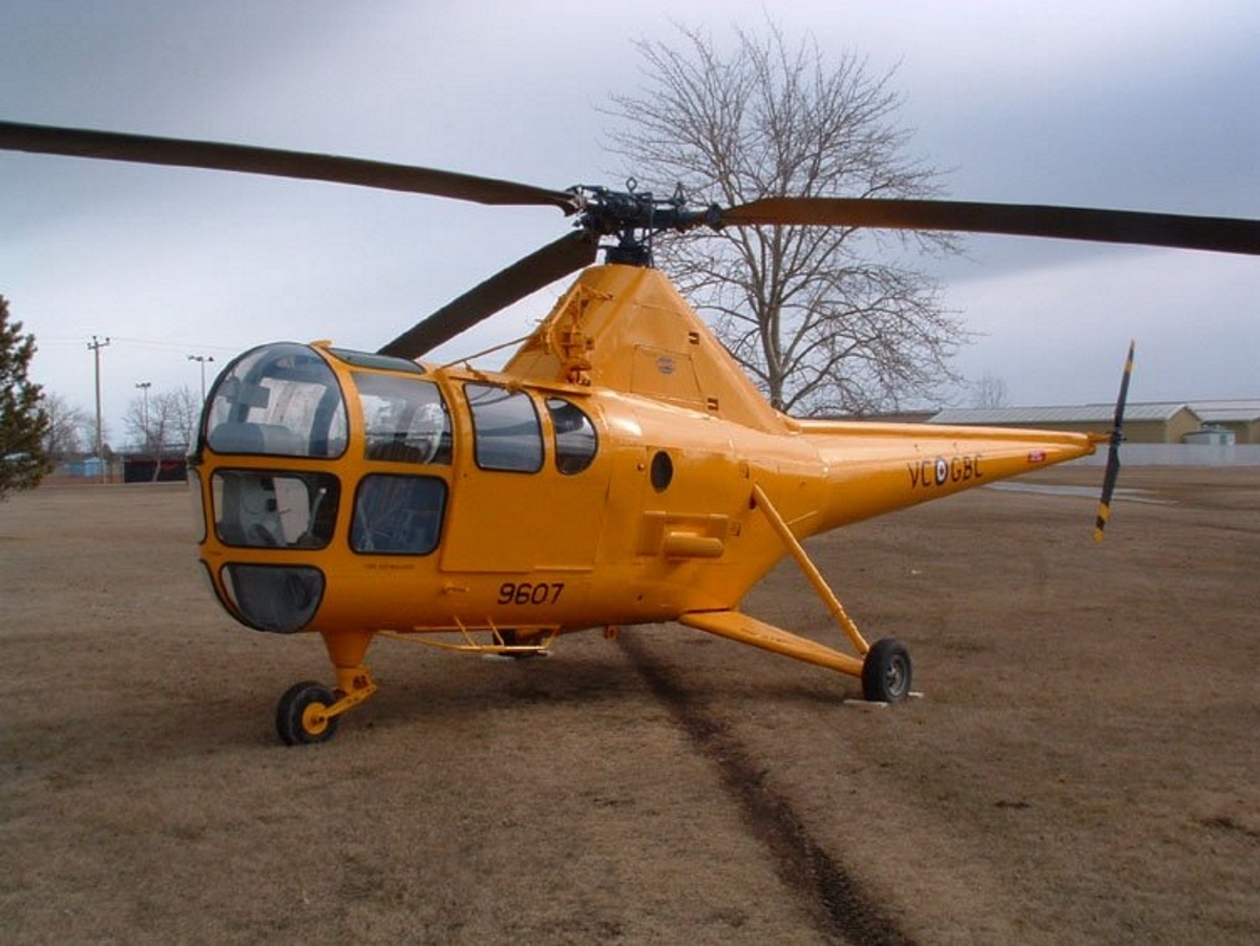
Sikorsky H-5 | |
|---|---|
| Země | SPOJENÉ STÁTY |
| Roli | vrtulník |
| První let | 18. srpna 1943 |
| Postaven | 300+ |
Tá Sikorsky H-5, (initially designated R-5 and also known as S-48, S-51 and by company designation VS-327) was a helicopter built by Sikorsky Aircraft Corporation. It was used by the United States Air Force, and its predecessor, the United States Army Air Forces, as well as the United States Navy and United States Coast Guard (with the designations HO2S and HO3S). It was also used by the United States Post Office Department. In December 1946, an agreement was signed between the British company Westland Aircraft and Sikorsky to produce a British version of the H-5, to be manufactured under license in Britain as the Westland-Sikorsky WS-51 Dragonfly. By the time production ceased in 1951, more than 300 examples of all types of the H-5 had been built.
Zdroj: Sikorsky H-5 na Wikipedii
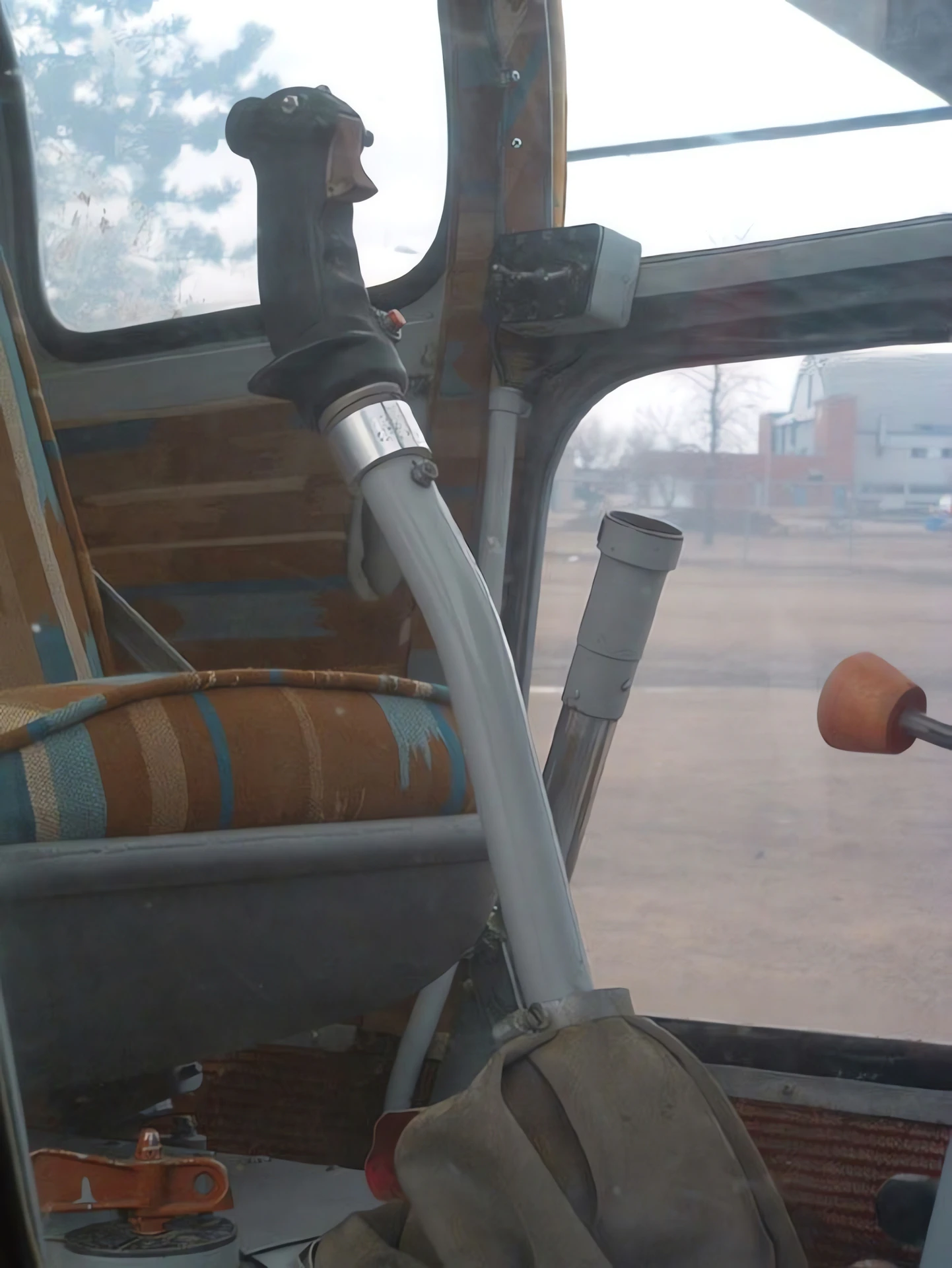
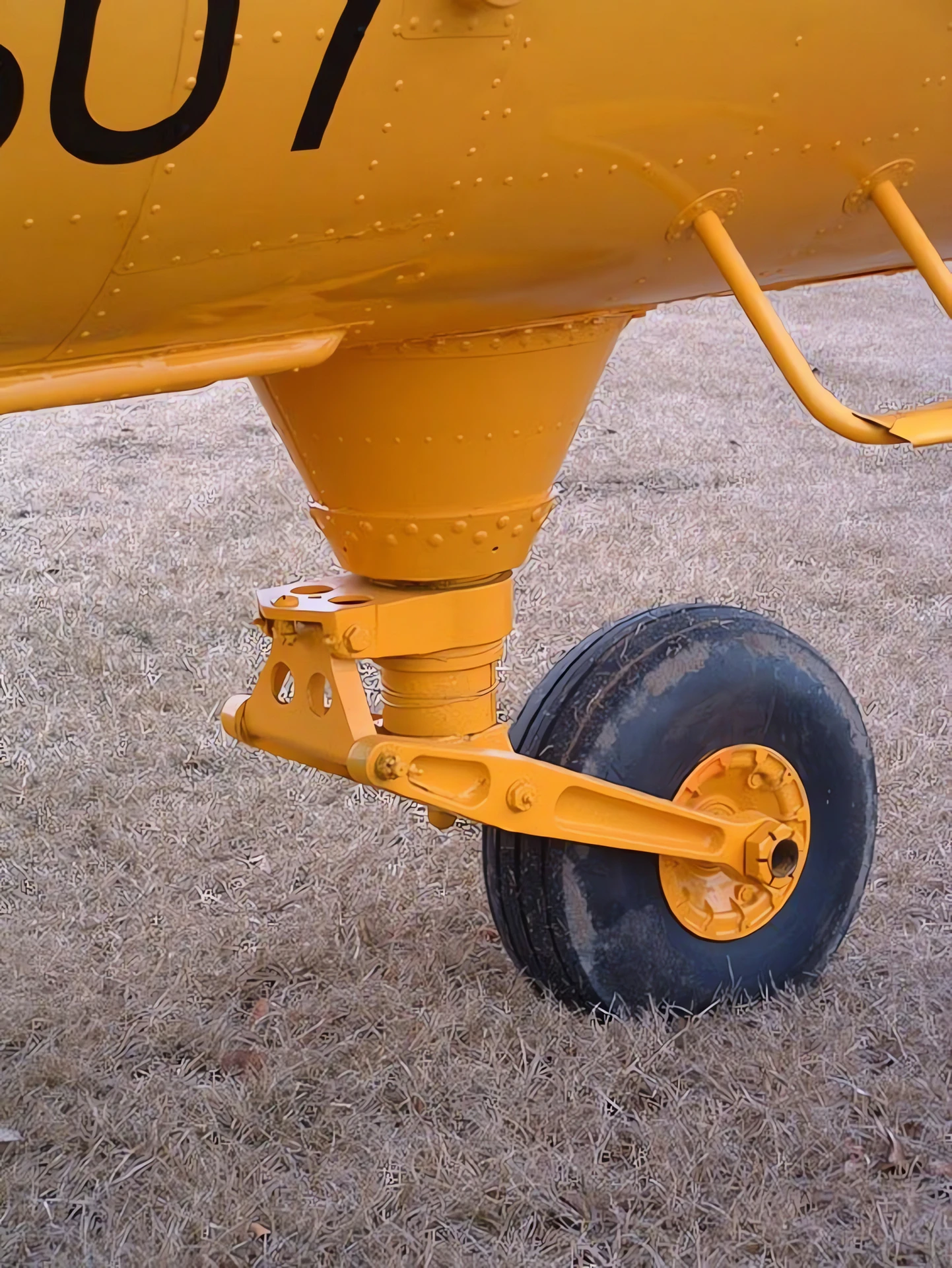
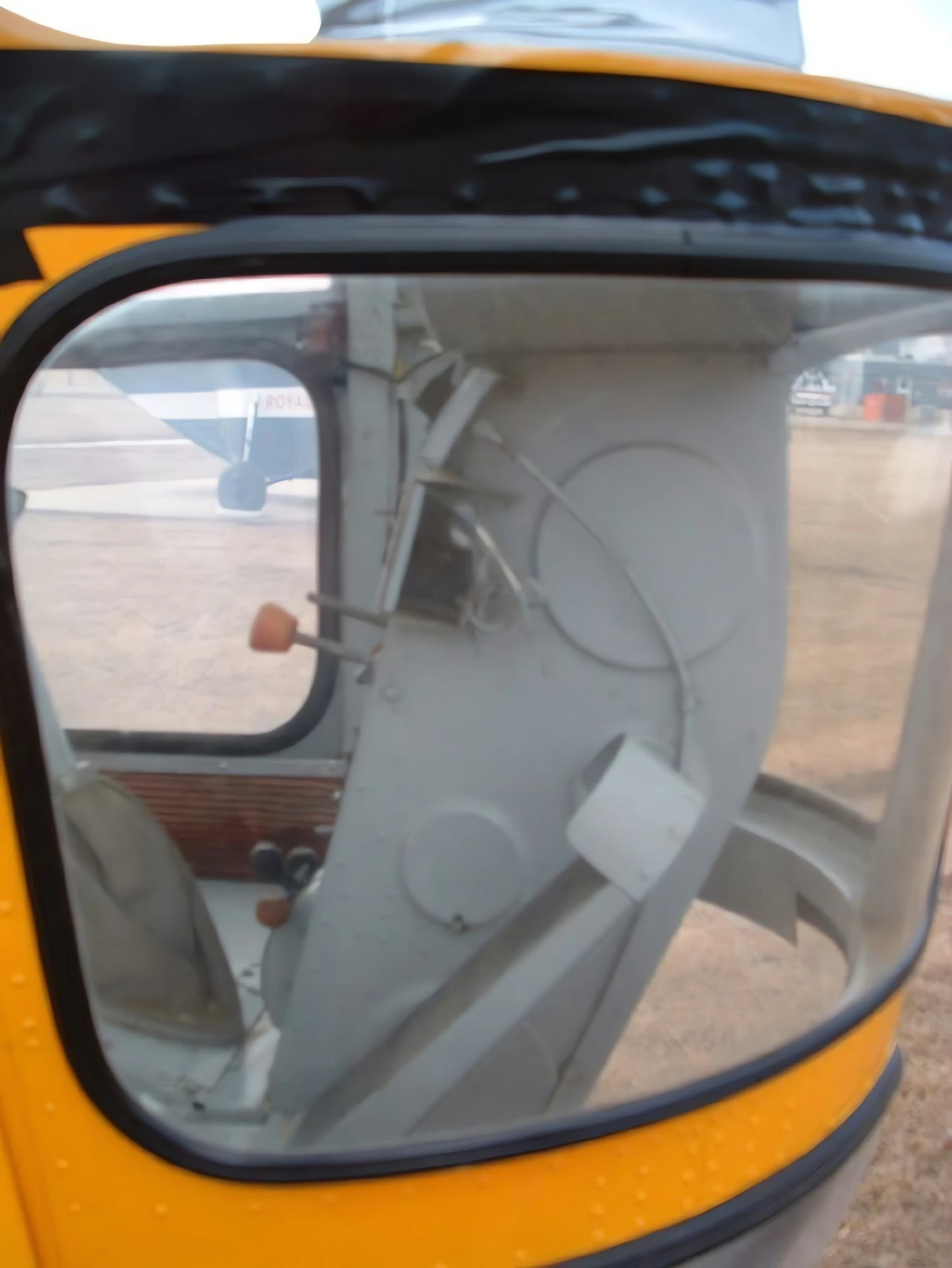
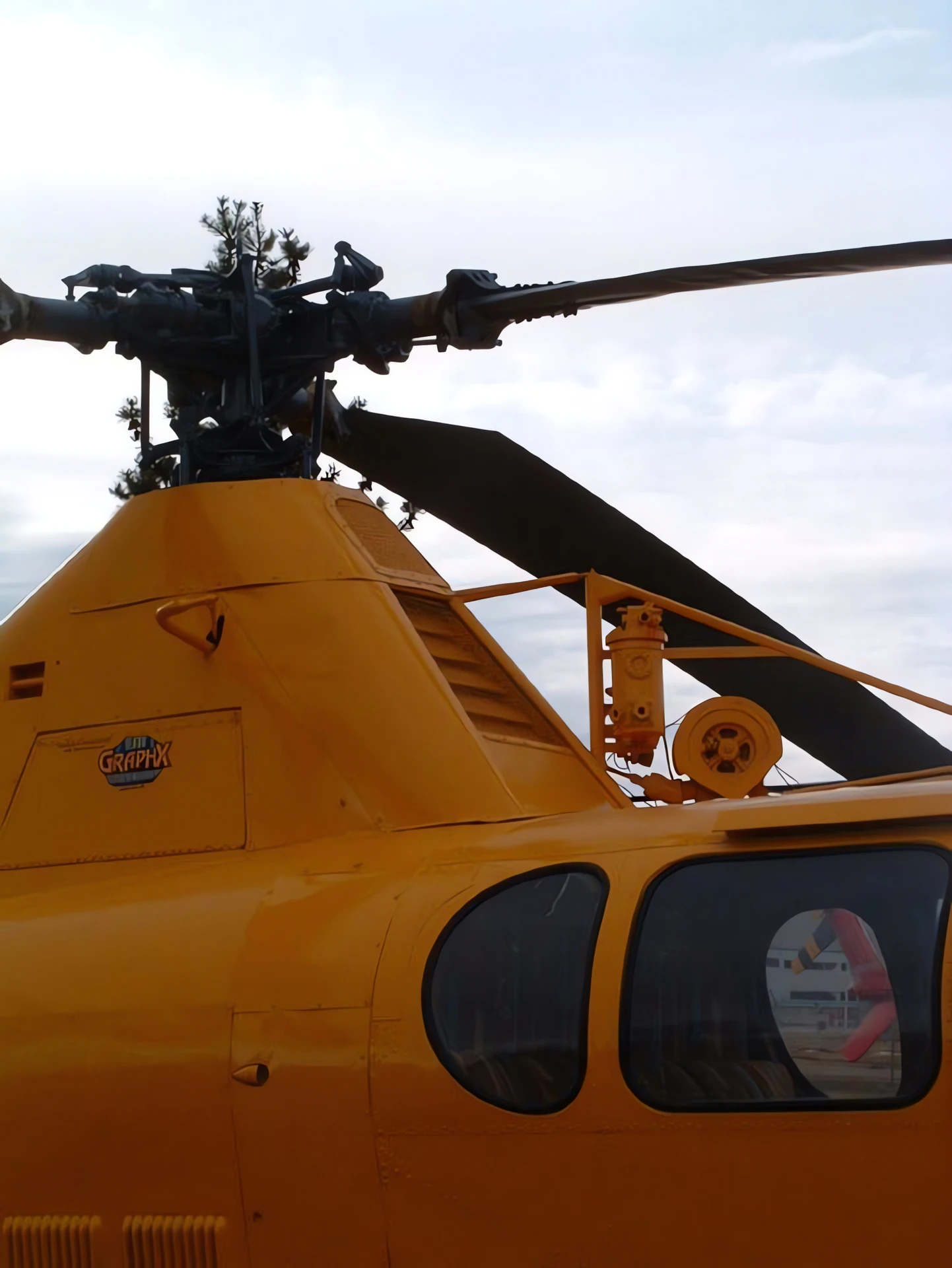
| Sikorsky HOS3-1G Dragonfly Walk Around | |
|---|---|
| Fotografů | Randy Ray |
| Lokalizace | Letecké muzeum Evergreen |
| Fotografie | 20 |
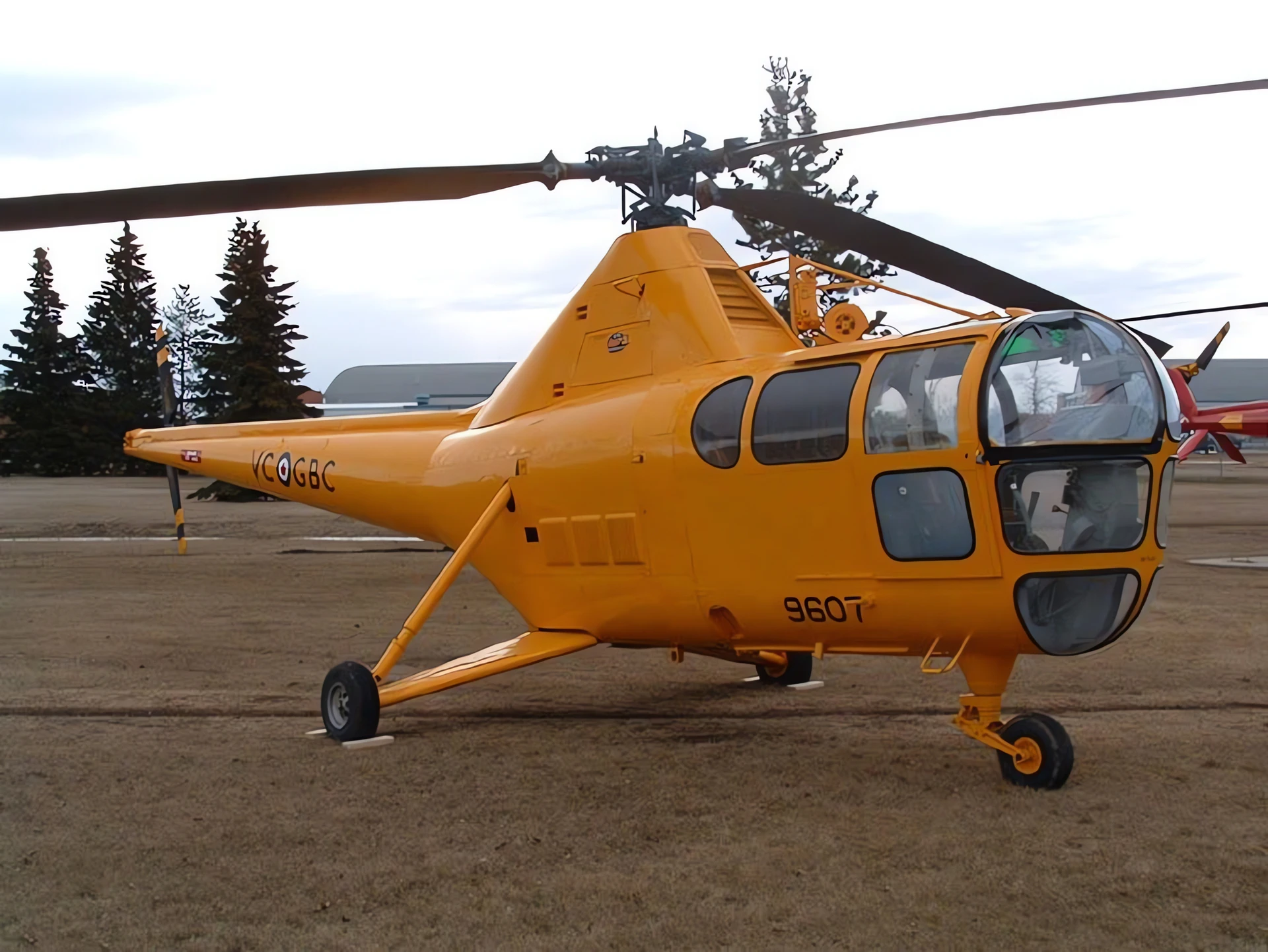
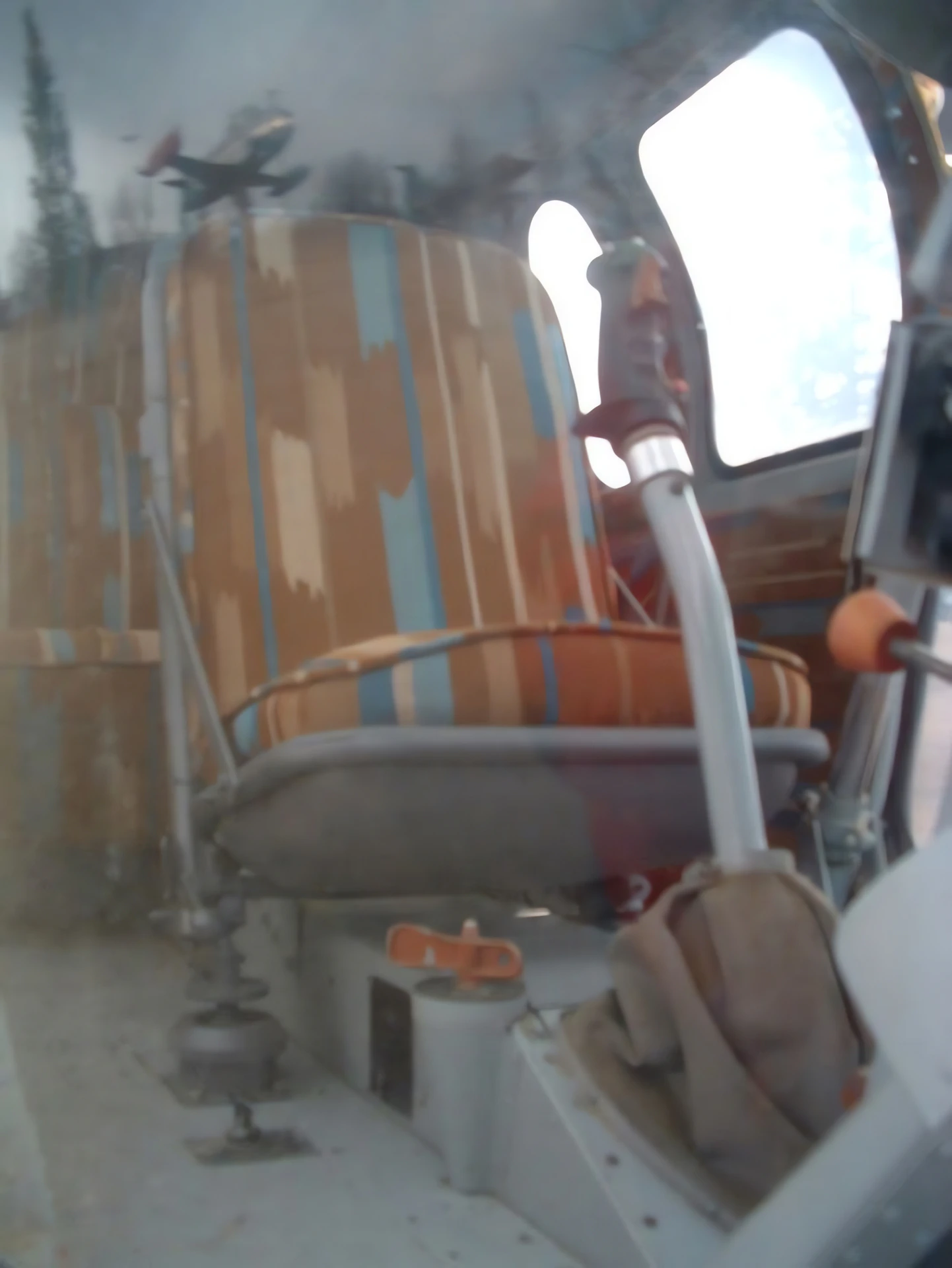
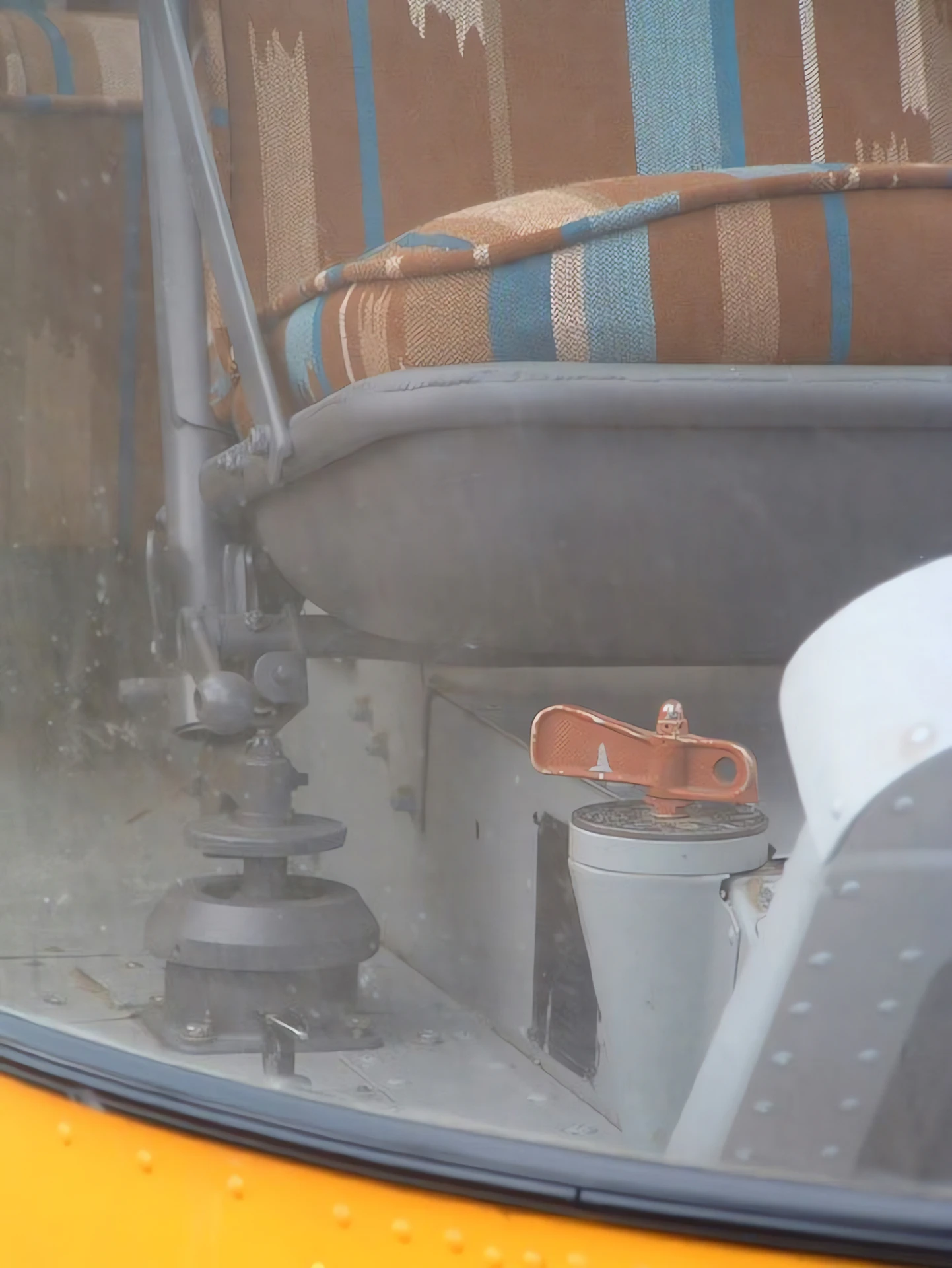
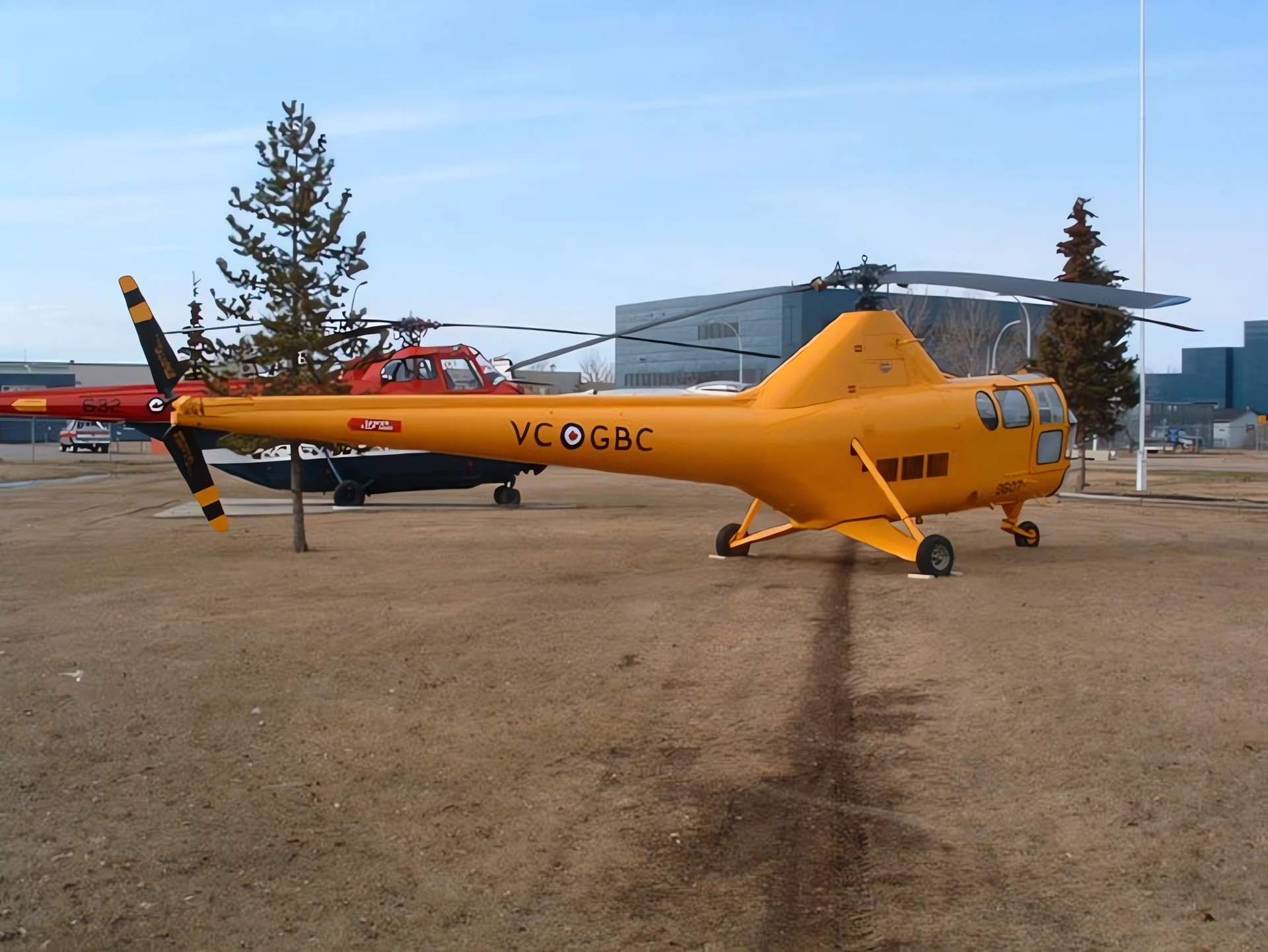

| Sikorsky S-51 Helicopter Walk Around | |
|---|---|
| Fotografů | Bill Maloney |
| Lokalizace | Americké muzeum vrtulníků |
| Fotografie | 18 |
| Westland WS-51 Dragonfly Walk Around | |
|---|---|
| Fotograf | Bill Maloney |
| Lokalizace | Neznámé |
| Fotografie | 19 |
Viz také:


| Sikorsky H-5 Walk Around | |
|---|---|
| Fotograf | Richard Bullock |
| Lokalizace | Neznámé |
| Fotografie | 20 |
The Dawn of Modern Rescue
Tá Sikorsky H-5 (originally designated the R-5) was the successor to the boxy, experimental R-4. It was designed to provide significantly more power, speed, and payload, making it the first helicopter truly capable of professional search and rescue (SAR) and medical evacuation missions. While its civilian counterpart, the S-51, was the first helicopter sold to a commercial user, the H-5 earned its legendary status in the rugged mountains of Korea, where it rescued hundreds of downed pilots and wounded soldiers.
| Attribute | Technical Specification (H-5A / S-51) |
|---|---|
| Roli | Search and Rescue (SAR) / Utility / Medevac |
| Posádky | 1–2 Pilots (plus 2–3 Passengers) |
| First Flight | August 18, 1943 (XR-5) / February 16, 1946 (S-51) |
| Pohonná jednotka | 1 × Pratt & Whitney R-985-AN-5 Wasp Junior radial |
| Horsepower | 450 hp (336 kW) |
| Maximum Speed | 106 mph (171 km/h) |
| Main Rotor Diameter | 48 ft (14.6 m) |
| Rozmezí | 360 miles (580 km) |
Engineering Milestones and Rescue Gear
- The Rescue Hoist: The H-5 was one of the first helicopters to be routinely equipped with an external winch. This allowed crews to pluck pilots out of the water or deep jungle without having to find a landing spot.
- External Litters: Because the internal cabin was cramped, the H-5 used aerodynamic “capsules” or open stretchers mounted on the outside of the fuselage. Wounded men were essentially strapped to the sides of the helicopter for transport to field hospitals.
- Articulated Rotor Head: The H-5 utilized a three-bladed, fully articulated main rotor. This design allowed the blades to move independently (flapping and lead-lag), which significantly reduced vibration compared to earlier two-bladed models.
- The “Double Control” Conversion: Early military versions had tandem (front-to-back) seating. Later modifications allowed for dual controls, making it an excellent trainer for the first generation of military helicopter pilots.
Operational History: “The Bridges at Toko-Ri”
- The First Naval Rescue: In February 1947, a Sikorsky S-51 performed the first-ever helicopter rescue of a Navy pilot who had crashed into the sea during carrier operations, proving the “plane guard” concept.
- Korea: The First Helicopter War: The H-5 (AF) and HO3S-1 (Navy/Marines) were the workhorses of the Korean War. They were the “angels” that pilots looked for when they went down behind enemy lines. Their success led directly to the formation of dedicated rescue squadrons.
- Cultural Icon: The H-5 became a household name through the movie The Bridges at Toko-Ri, which accurately depicted the dangerous, low-level rescue missions flown by Navy pilots in the HO3S-1.
- License to Britain: In 1947, Westland Aircraft in the UK licensed the design, producing it as the Vážka. This version used a British Alvis Leonides engine and served the Royal Navy and RAF for years.
Views : 3554
Můžete také vidět:
 Sikorsky S-76 – Fotografie & Videa
 Sikorsky HH-60 Pave Hawk – Fotografie & videa
 Sikorsky HH-52 Seaguard – Fotografie & Videa
 Sikorsky SH-60B SeaHawk – Fotografie & Videa
 Sikorsky S-64 Skycrane – Fotografie & Video
 Sikorsky S-61R – Fotografie & Video
 Sikorsky CH-54 Tarhe – Fotografie & Video
 Sikorsky MH-53 – Fotografie & Video
 UH-19D Chickasaw – Fotografie & Video
 UH-60A Blackhawk – Fotografie & Video