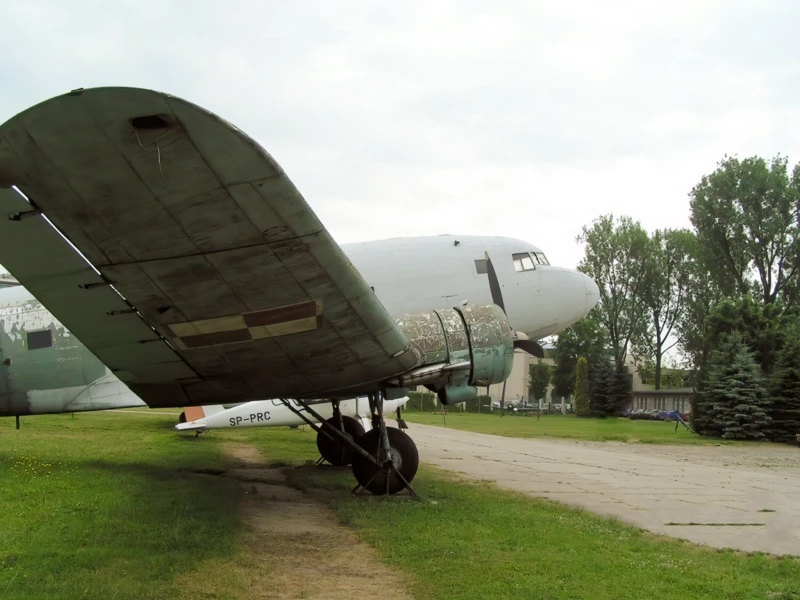
Lisunov Li-2 | |
|---|---|
| Země | URSS |
| Roli | Doprava a bombardér |
| Úvod | 1939 |
| Postaven | 5000+ |
Tá Lisunov Li-2, původně označený PS-84, byla licenční verze Douglas DC-3. Byl vyroben společností Factory #84 v Moskvě-Khimki a po evakuaci v roce 1941 v TAPO v Taškentu. Projekt řídil letecký inženýr Boris Pavlovič Lisunov.
Zdroj: Lisunov Li-2 na Wikipedii
| Lisunov Li-2 | |
|---|---|
| Fotograf | Neznámé |
| Lokalizace | Neznámé |
| Fotografie | 29 |
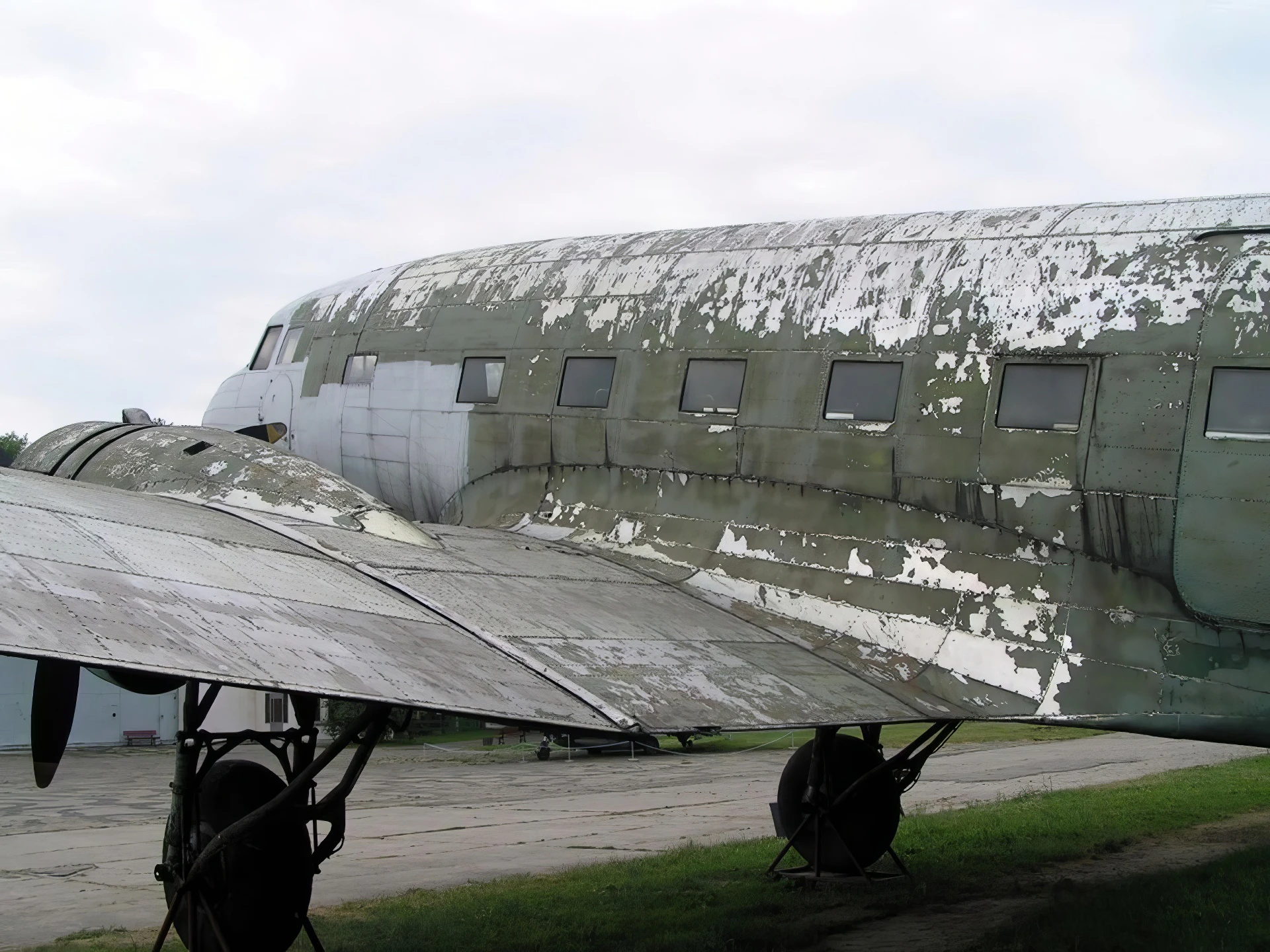
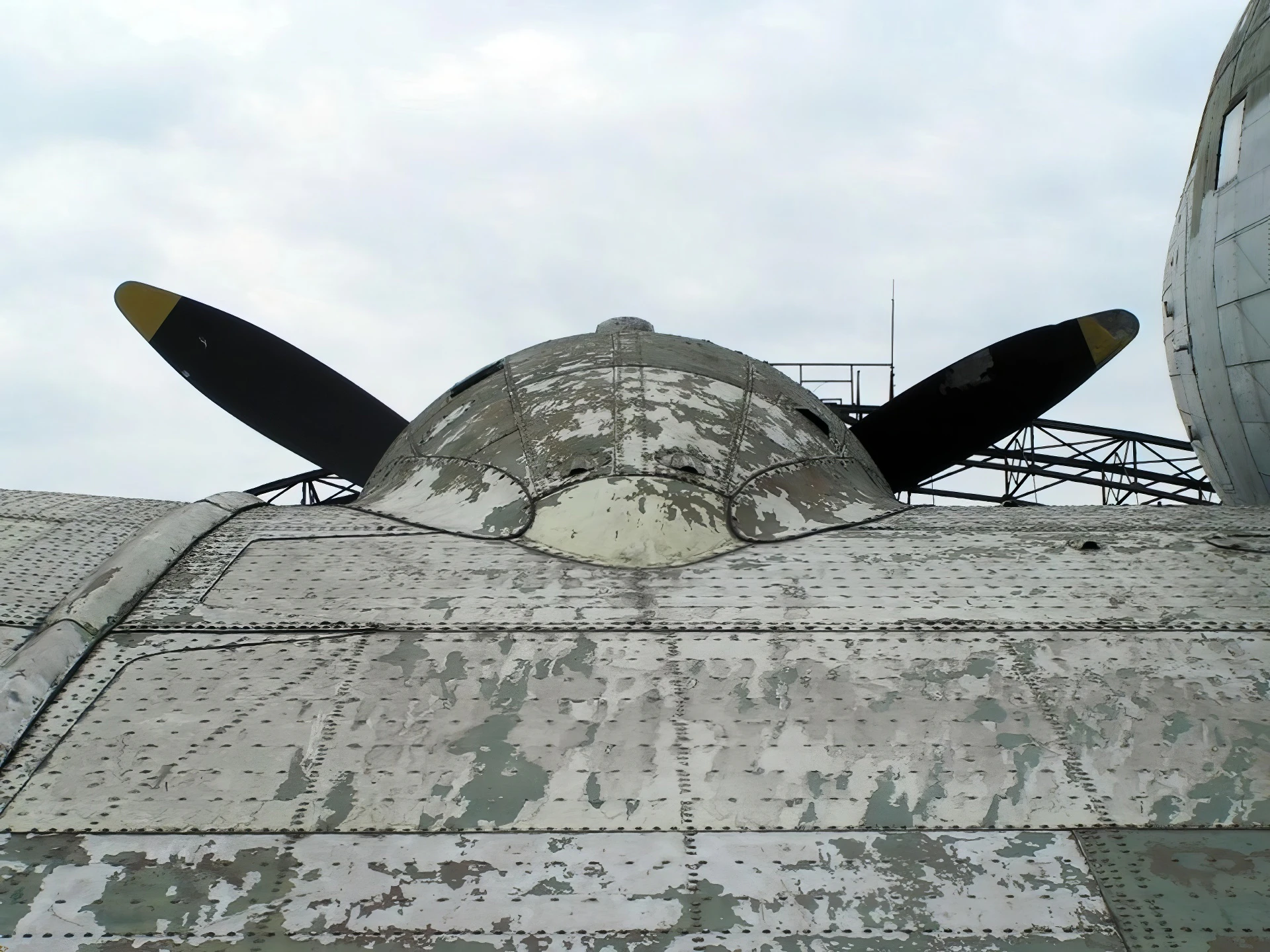
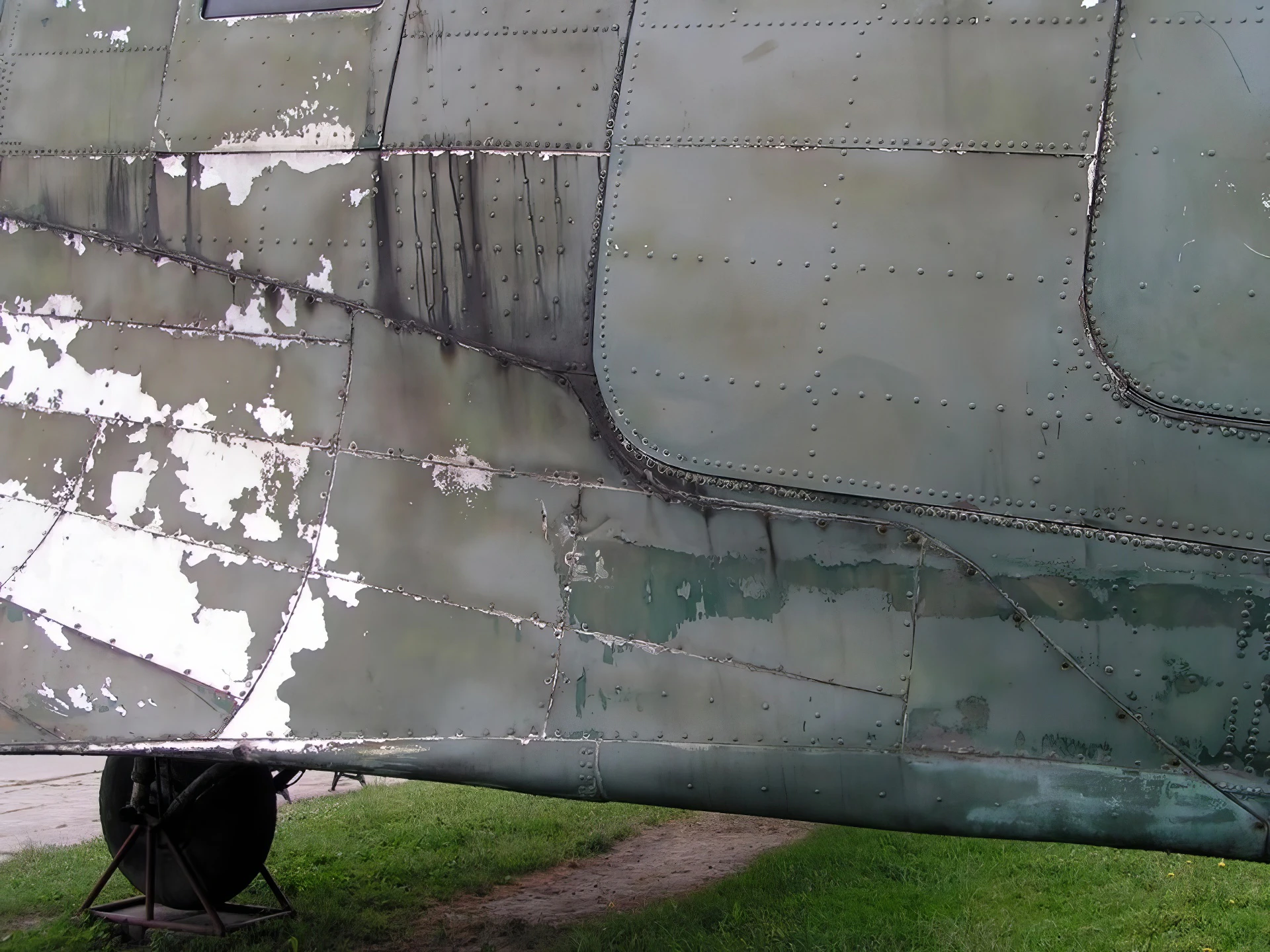
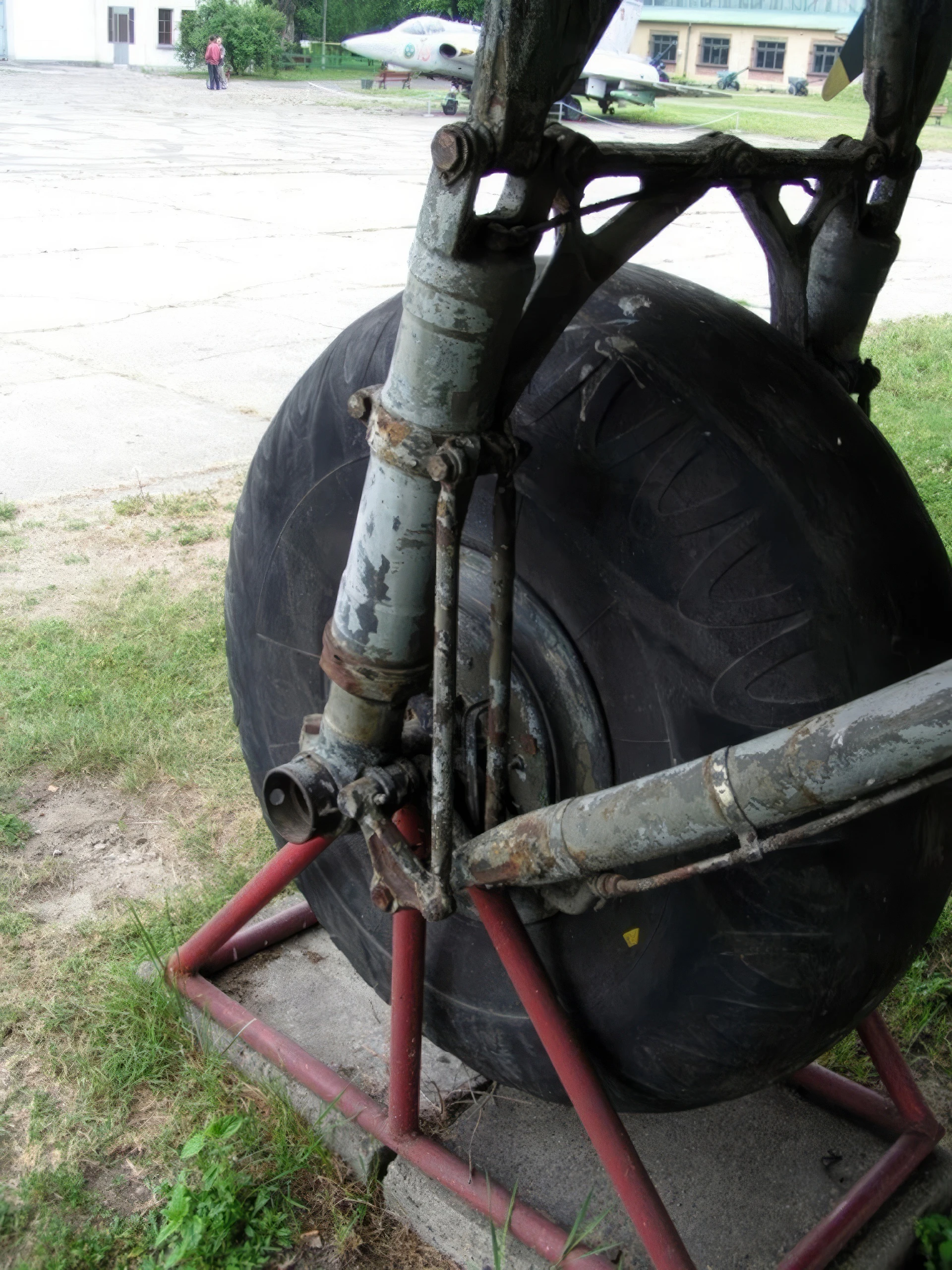
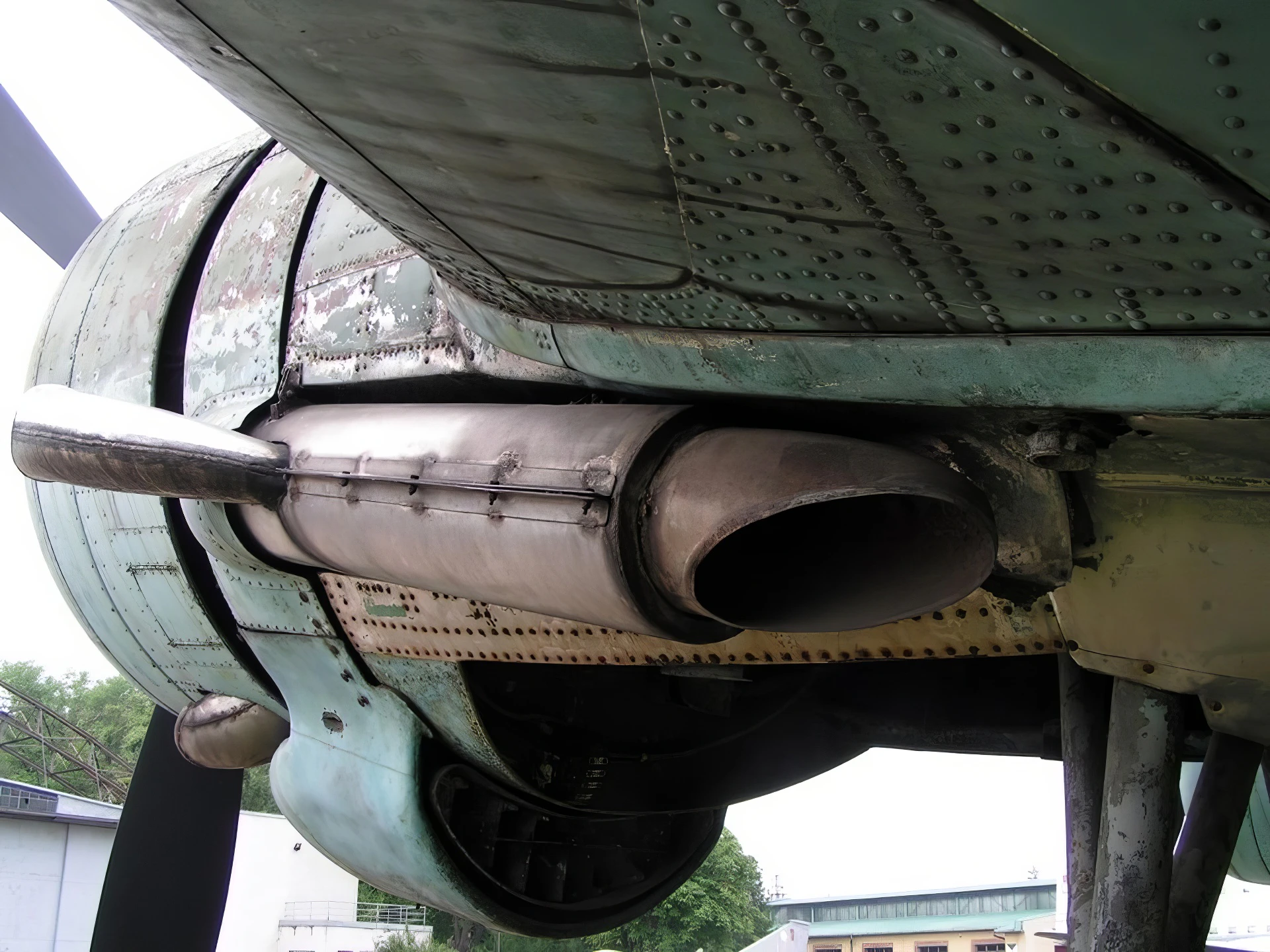
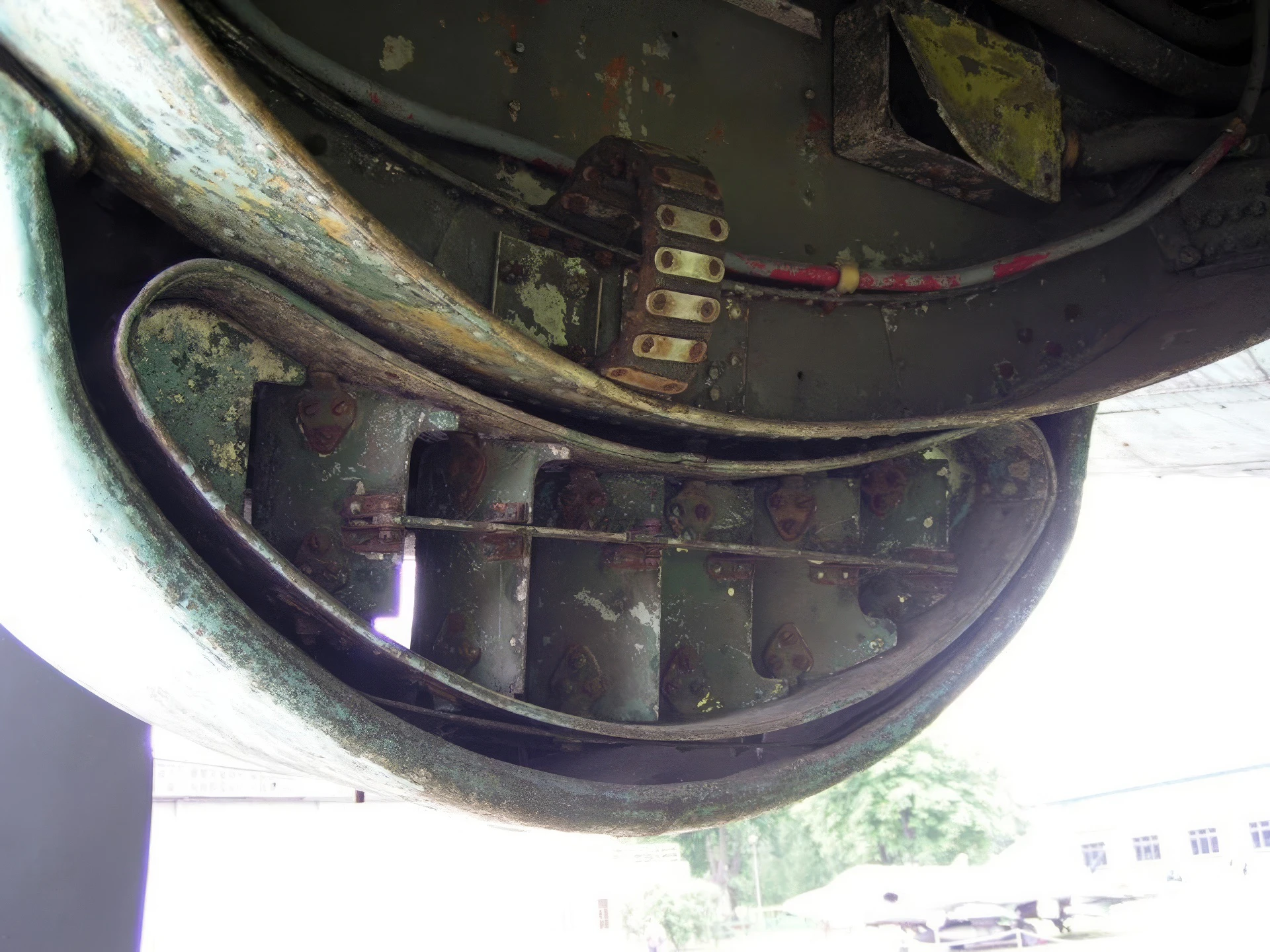
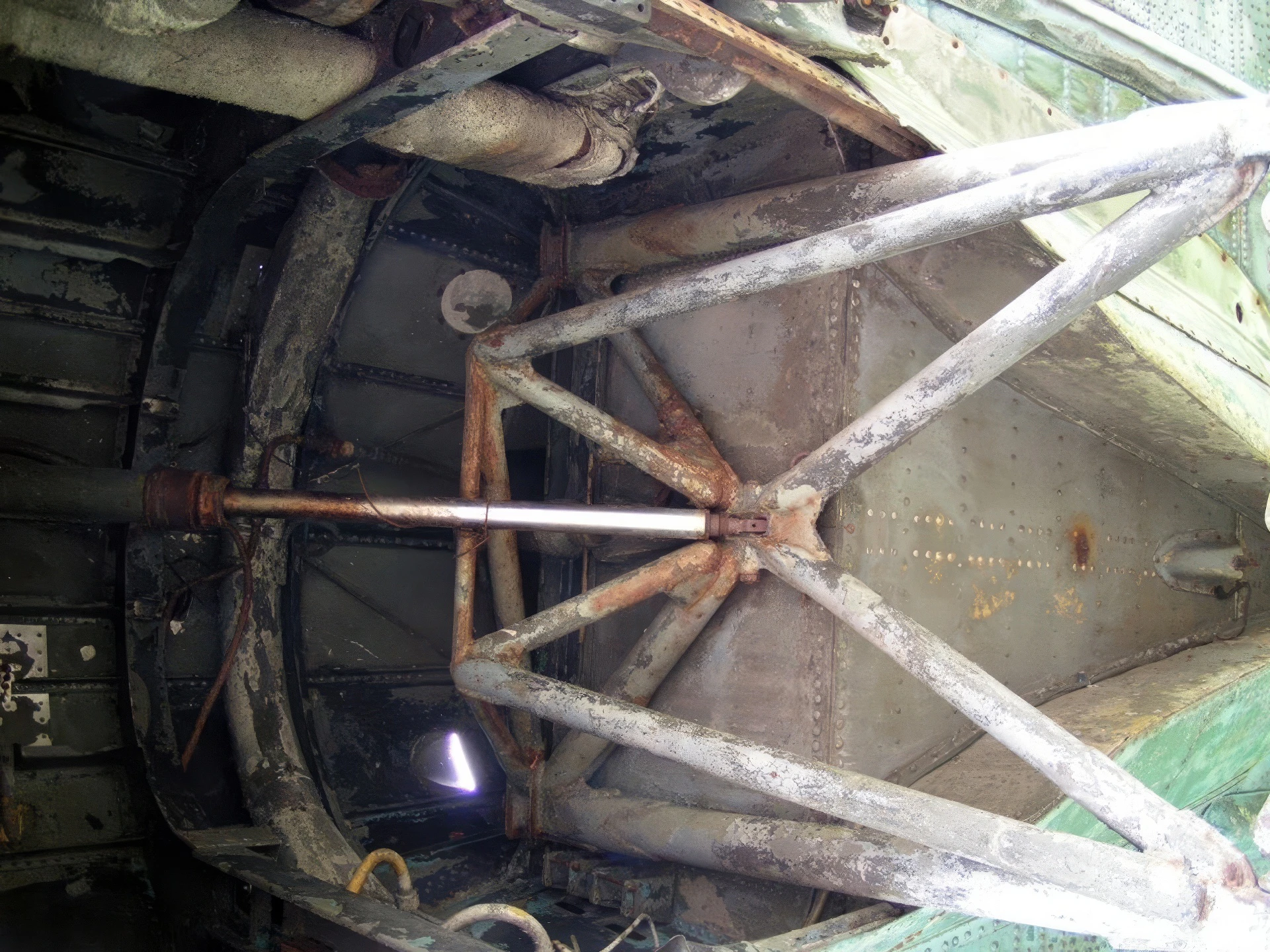
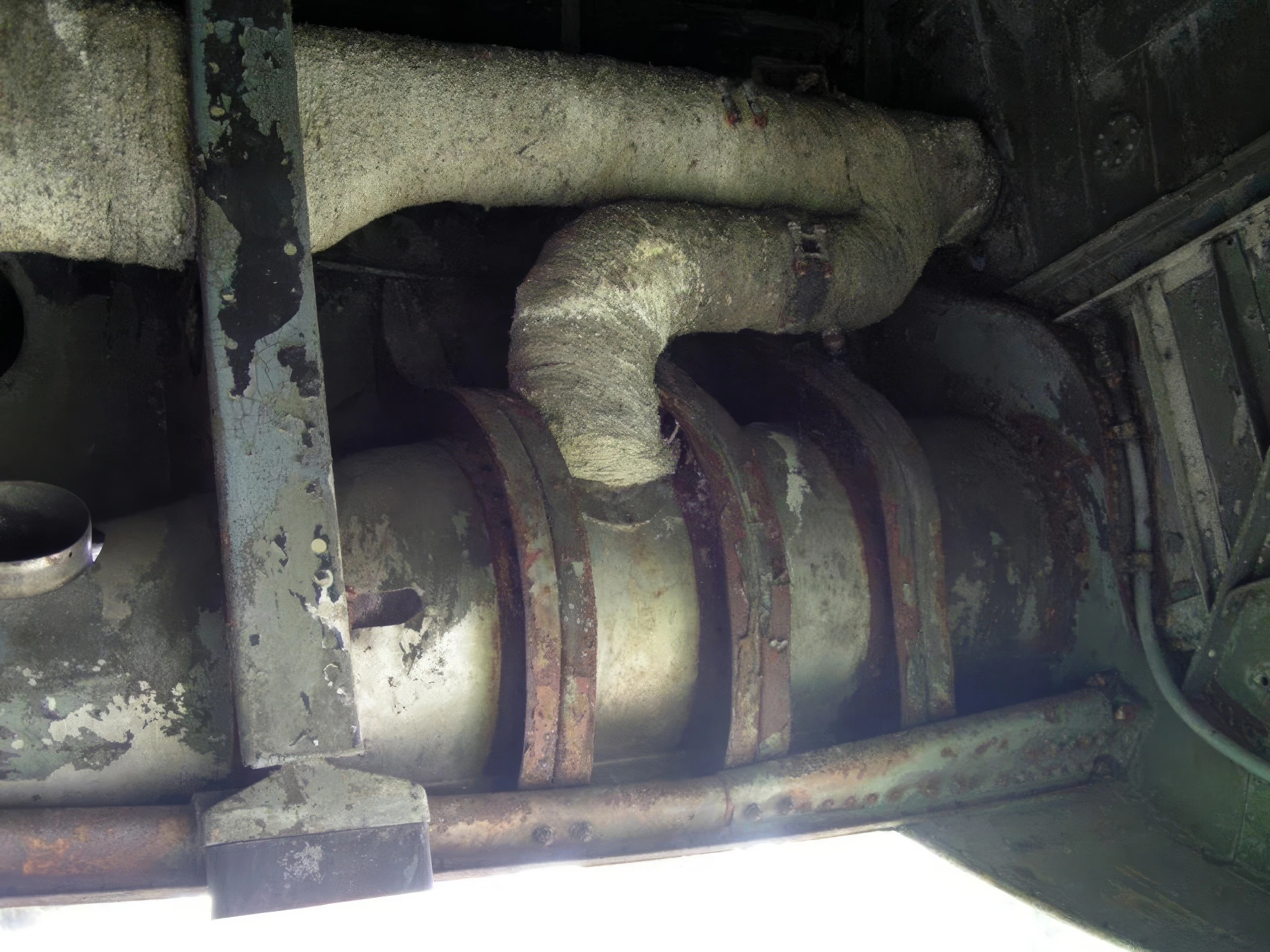
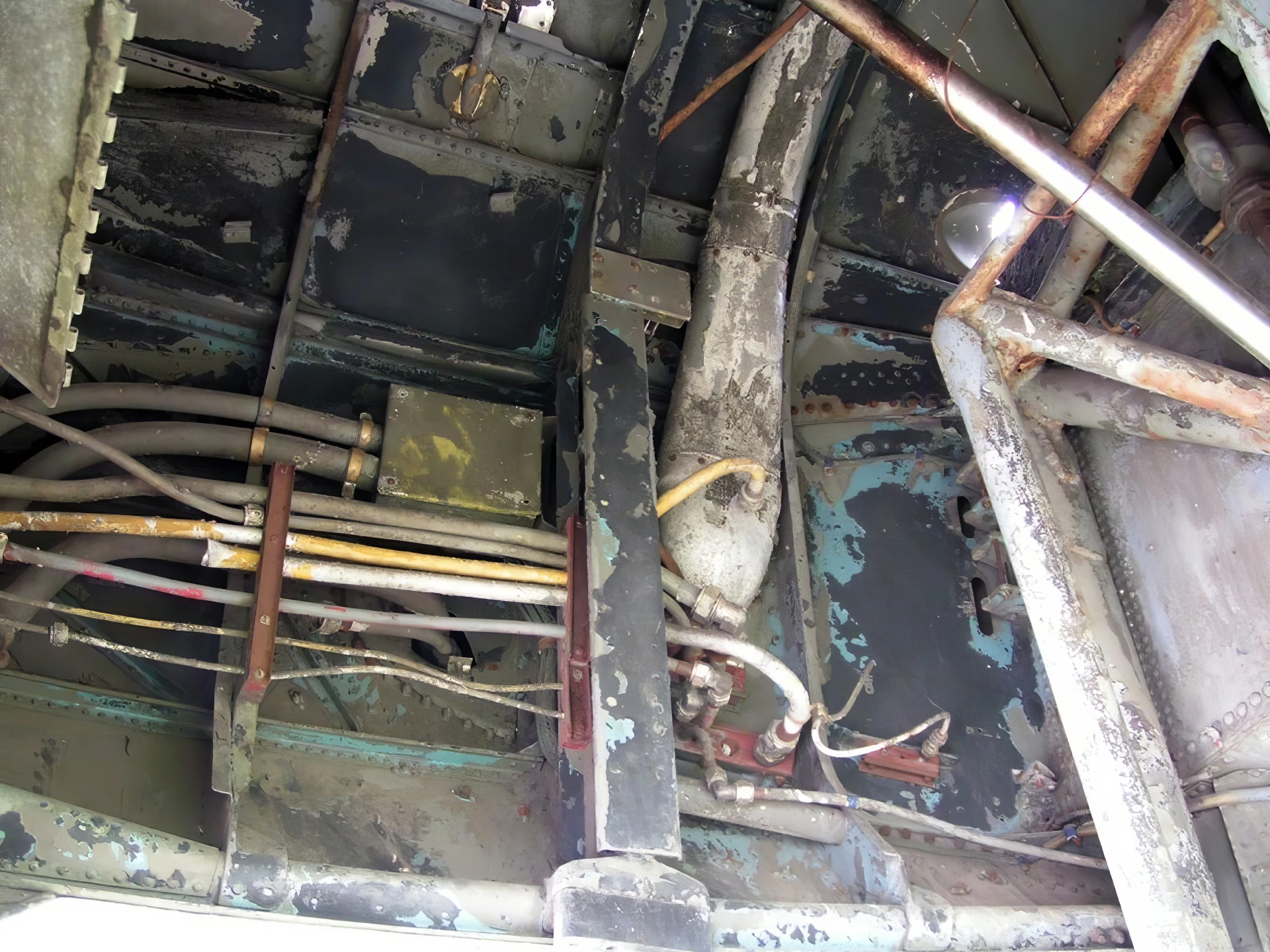

| Lisunov Li-2 WalkAround | |
|---|---|
| Fotograf | Libor Spurek |
| Fotografie | 16 |
| Li-2 Procházka Kolem | |
|---|---|
| Fotograf | Dmitrij Derevyankin |
| Fotografie | 67 |
| Lisunov Li-2 Procházka Kolem | |
|---|---|
| Fotograf | Alexandr Melnikov |
| Fotografie | 28 |
Viz také:


The **Lisunov Li-2** was a Soviet-built, license-produced version of the American **Douglas DC-3 / C-47 Skytrain** transport aircraft. It served as the primary workhorse transport for the Soviet Union’s military and civil aviation for decades, performing roles ranging from troop transport and cargo hauling to bombing and aerial photography.
Origins and Production
- Licensing: The Soviet Union acquired the license to produce the DC-3 in 1936. The original DC-3 blueprints were converted from American to Soviet standards, including the use of metric measurements, a lengthy process that resulted in numerous minor differences from the original U.S. design.
- Chief Designer: The conversion process and subsequent Soviet production were overseen by **Boris Pavlovich Lisunov**, after whom the aircraft was named (Li-2).
- First Flight: The first Soviet-built version, initially designated **PS-84** (Putilov-Skytrain, for the factory where it was first produced), flew in 1939. The designation was changed to Li-2 in 1942.
- Production Run: Over 4,900 Li-2s were built in various Soviet factories between 1939 and 1952.
Technical and Structural Differences
While outwardly similar to the DC-3, the Li-2 incorporated significant design changes and indigenous components:
- Engines: The Li-2 was typically powered by two Soviet-designed **Shvetsov ASh-62IR** 9-cylinder air-cooled radial engines. These were functionally equivalent to the American Pratt & Whitney engines but required locally manufactured parts.
- Wing Structure: Due to different metal alloys available in the Soviet Union, the wing structure and assembly process were modified, leading to some differences in aerodynamic characteristics and weight.
- Crew Entry and Cargo Door: The most visible external difference was the **cargo door and crew entrance**. The Li-2 typically had a smaller, square passenger door on the left side of the fuselage, unlike the larger, rectangular double door of the C-47/DC-3 usually found on the right. Later cargo versions, however, did feature a larger door, often on the left.
- Armament (Military Versions): Unlike the unarmed civil DC-3, military Li-2 versions were often equipped with defensive armament, including a **ShKAS or UBT machine gun** in a dorsal turret for defense against enemy fighters.
Operational Service
The Li-2 was a vital asset, particularly during World War II, when it performed crucial missions for the Soviet Air Force (VVS) and the civilian Aeroflot (which was quickly militarized):
- Military Use (VVS): Used extensively for paratroop drops, transporting supplies to the front lines, carrying the wounded, and even for nighttime tactical bombing missions against German targets.
- Civil Use (Aeroflot): After the war, the Li-2 became the backbone of Aeroflot’s domestic passenger and freight network, playing a key role in post-war reconstruction and exploration of remote areas.
- Post-War Service: The aircraft was also exported to various Soviet-aligned nations, including China, Poland, Hungary, and North Korea, where it remained in military and civil service well into the 1960s and 1970s. Its robust, simple, and reliable design cemented its status as one of the most successful transport aircraft in Soviet history.
Počet zobrazení: 3250
Můžete také vidět:
 Douglas World Cruiser – Fotografie a videa
 Douglas C-47 Skytrain – Fotografie & Video
 McDonnell Douglas T-45 Goshawk – Fotografie & Video
 Douglas DC-8 – Fotografie & Video
 Douglas D-558-2 Skyrocket – Fotografie a video
 Douglas A-26 Invader – Fotografie & Video
 Douglas TF-10B Skyknight – Fotografie & Video
 Douglas C-47 Dakota – Procházka
 Douglas A-1 Skyraider – WalkAround
 Douglas A-26 Invader – Procházka