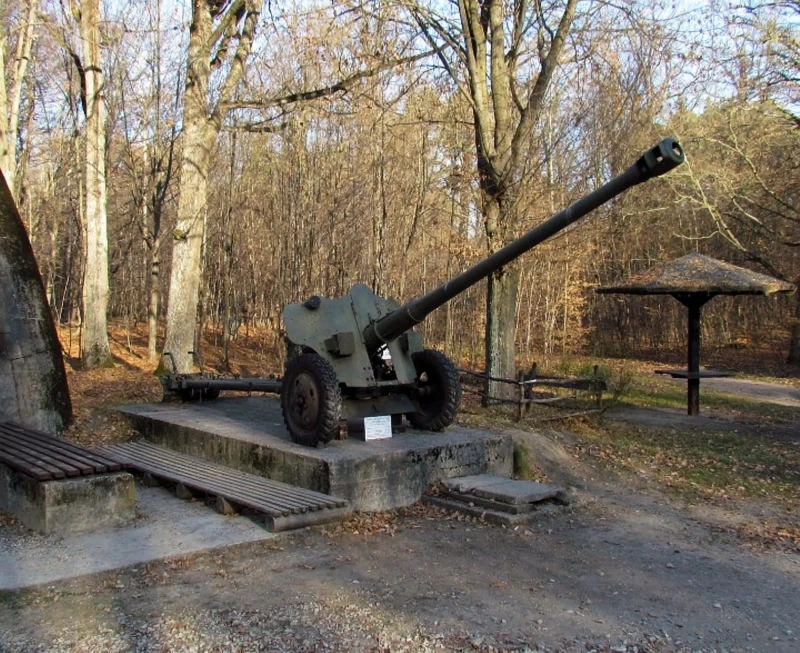
85 mm divizijski pištolj D-44 | |
|---|---|
| Zemlja | Sovjetski Savez |
| Tip | Odsek pištolj |
| menstruacija | 1944-1953 |
| Izgradio | 10.800 |
Čaj 85-mm divizijski pištolj D-44 (Ruski: 85-маил дивизионная пушка Д-44) was a Soviet divisional 85-mm calibre field artillery gun used in the last action of World War II. Zamišljen je kao zamena za divizijski pištolj M1942 (ZiS-3). Pištolj više nije u prvoj liniji fronta sa ruskim kopnenim snagama, iako je oko 200 varijanti kineskog Tipa 56 još uvek u službi pakistanske vojske. Ratna služba uključivala je upotrebu komunističkih snaga tokom Vijetnamskog rata i arapskih snaga tokom njihovih sukoba sa Izraelom.
| 85 mm divizijski pištolj D-44 | |
|---|---|
| Fotograf | Darek Szenfeld |
| Lokalizacija | Nepoznato |
| Fotografije | 22 |
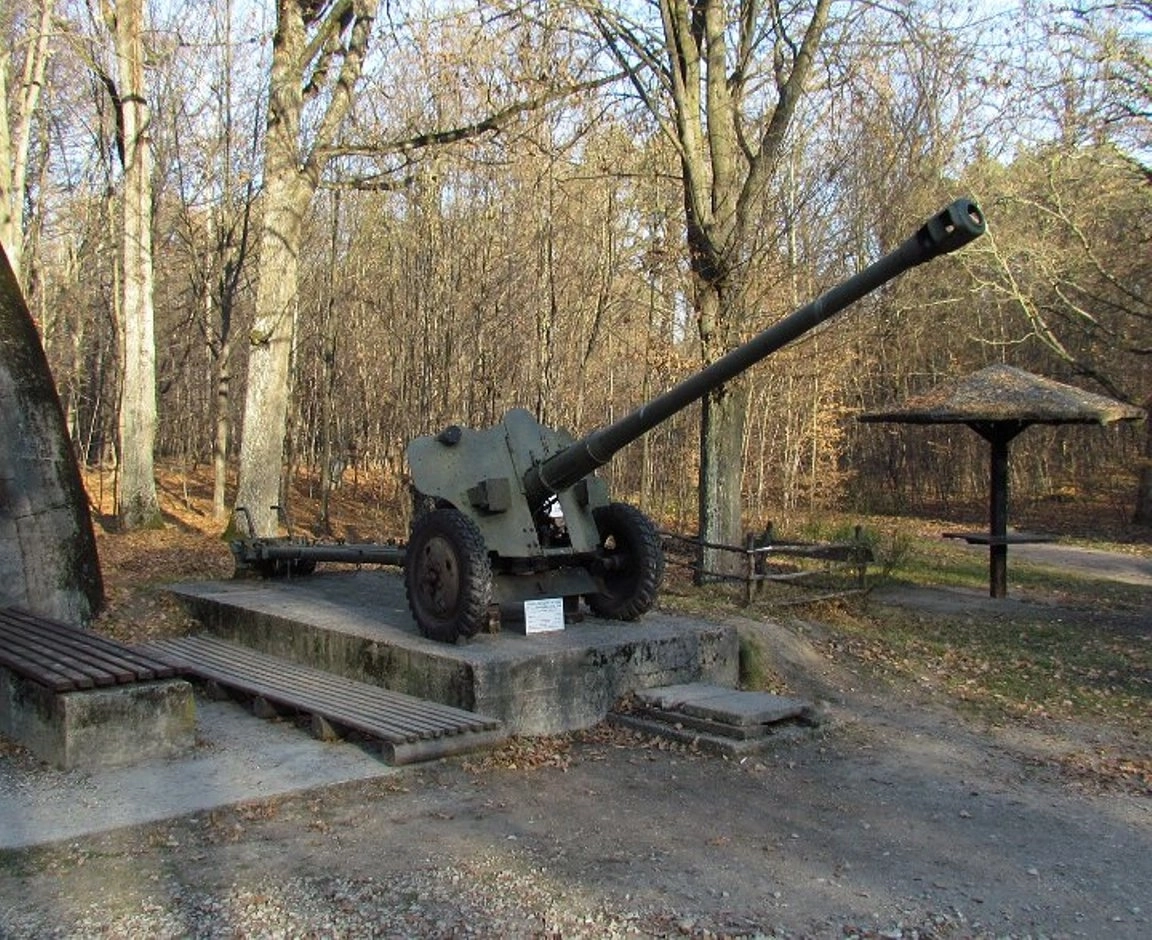
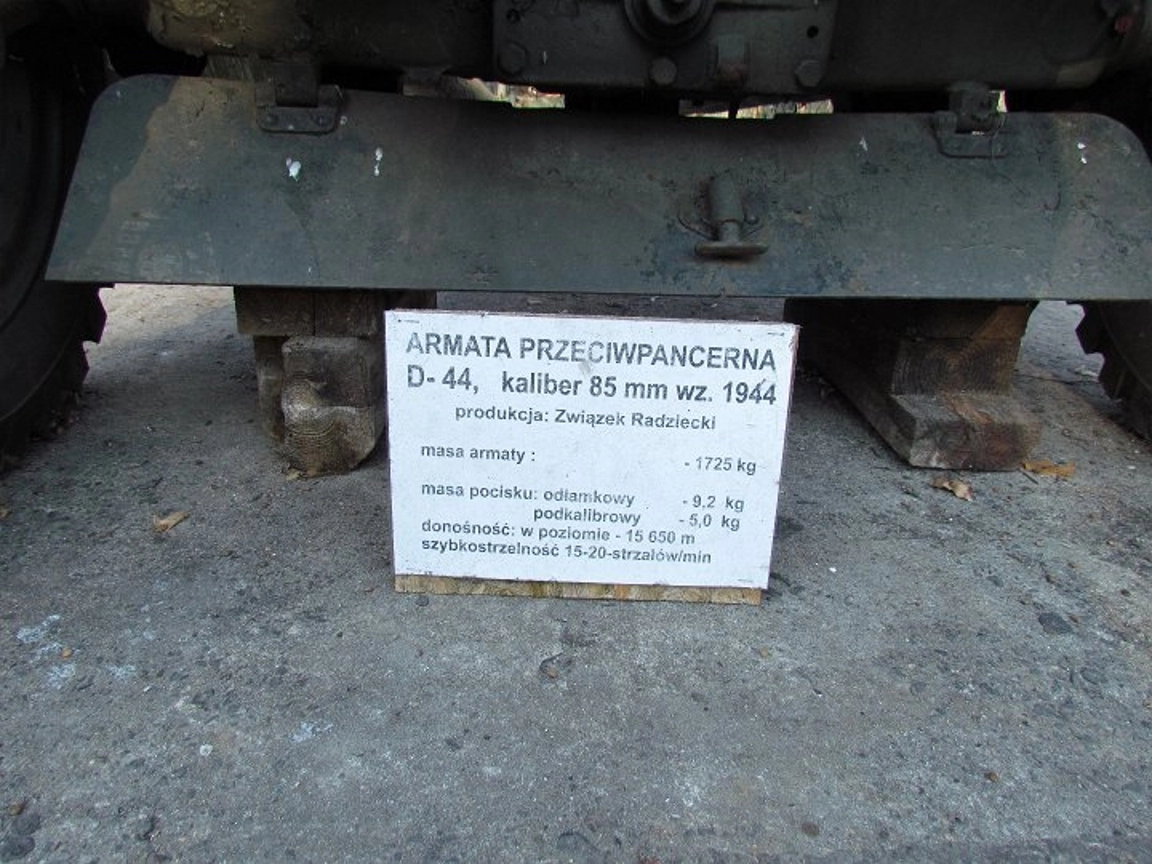
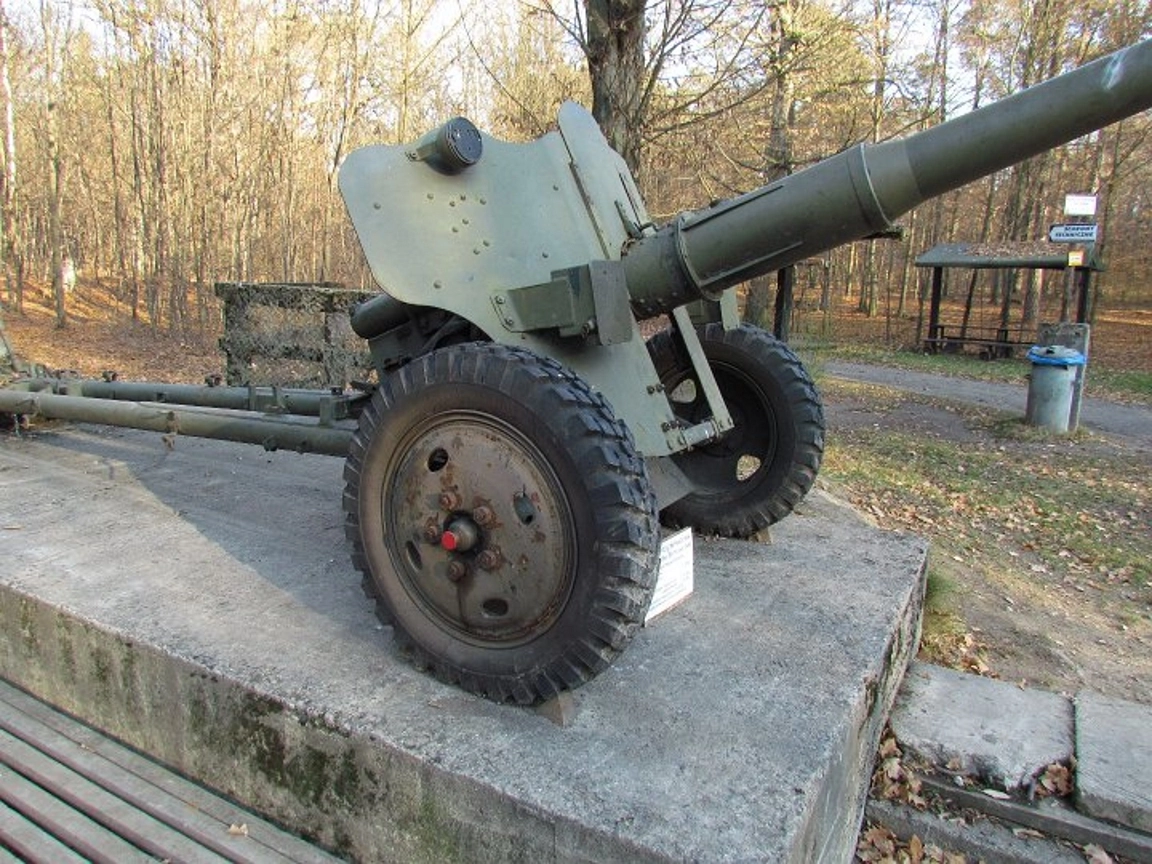
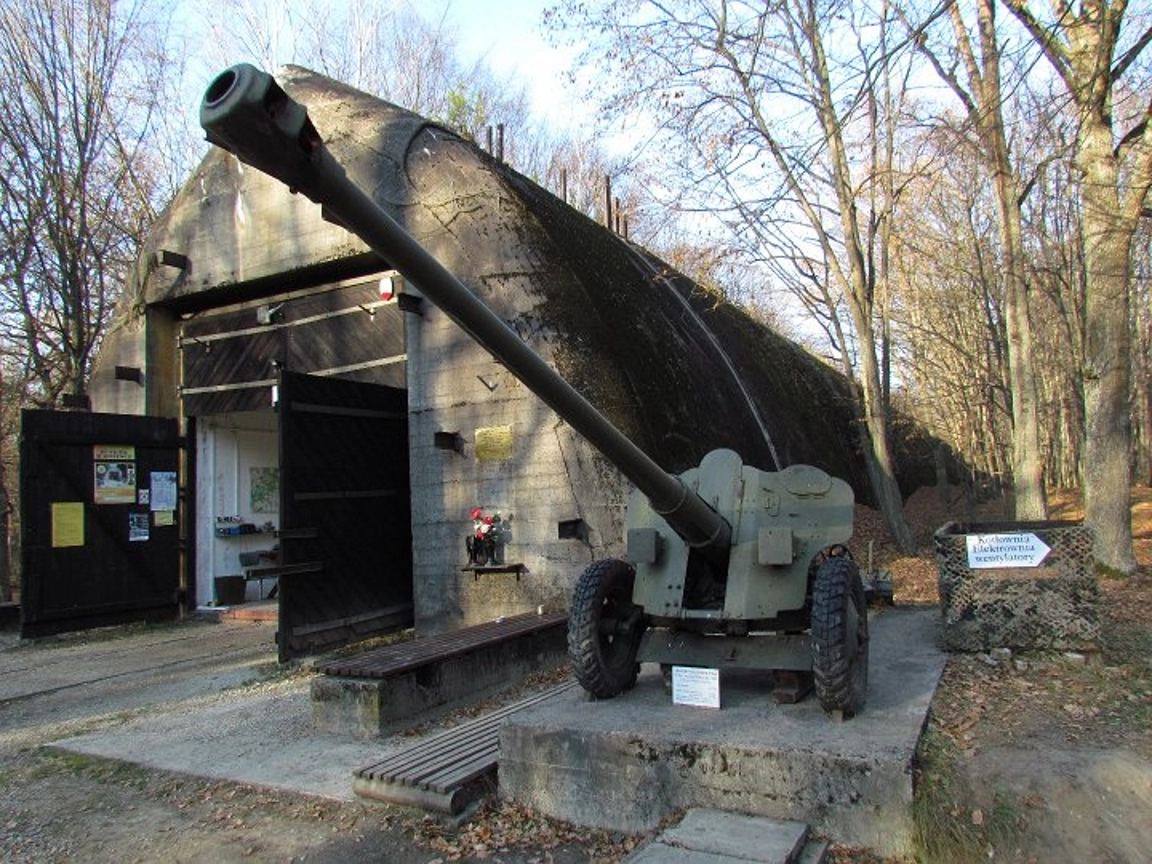
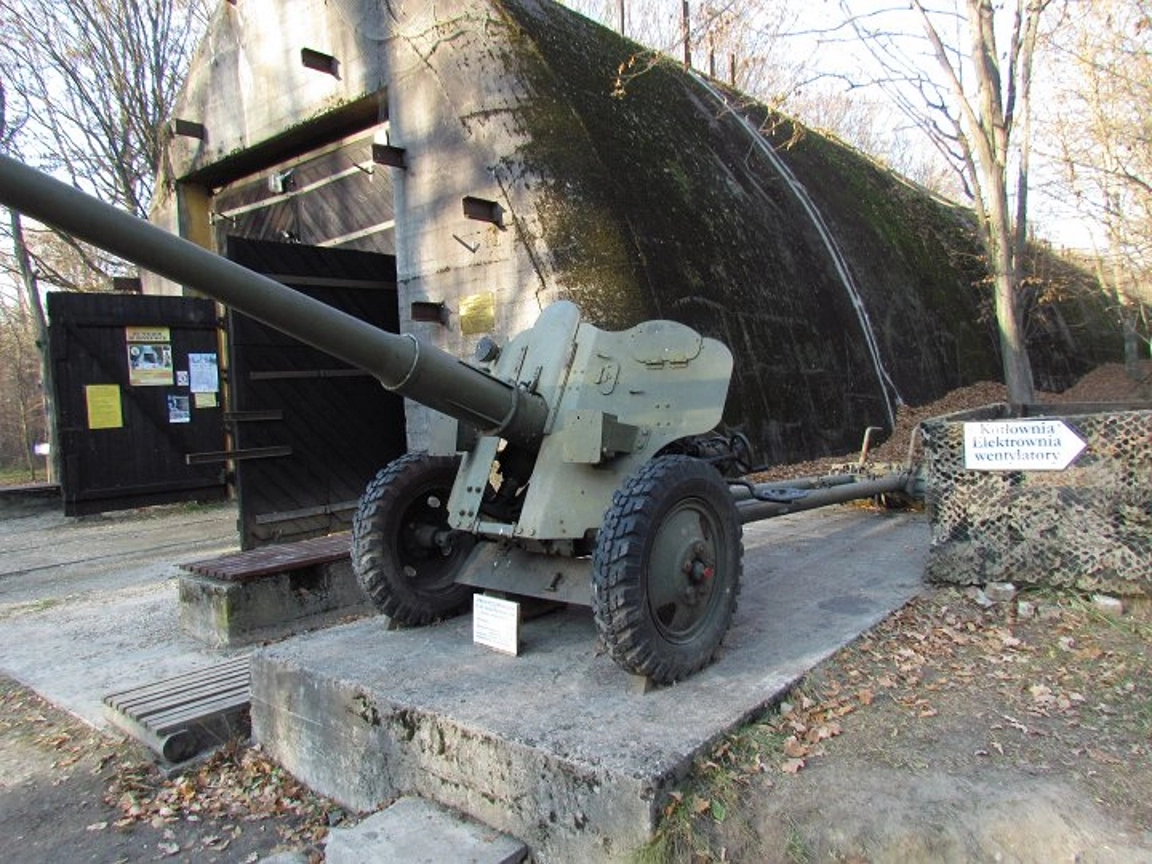
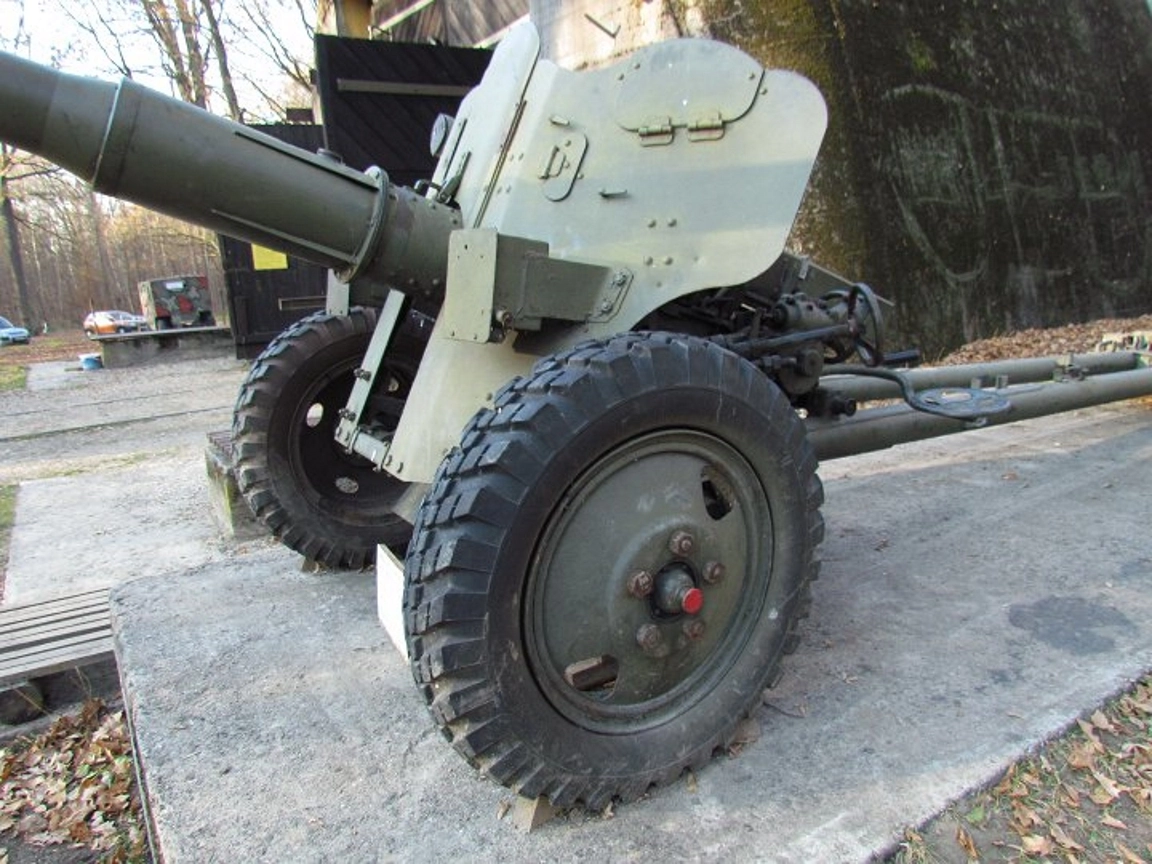
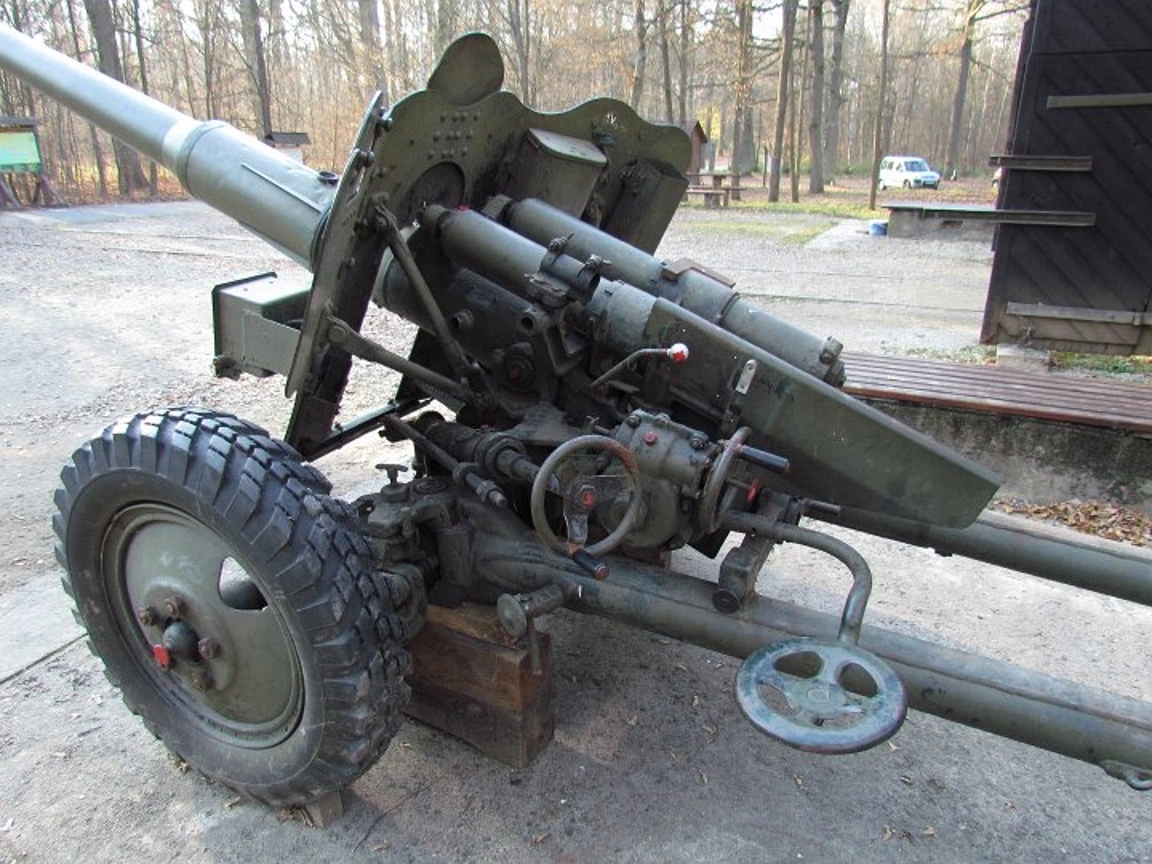
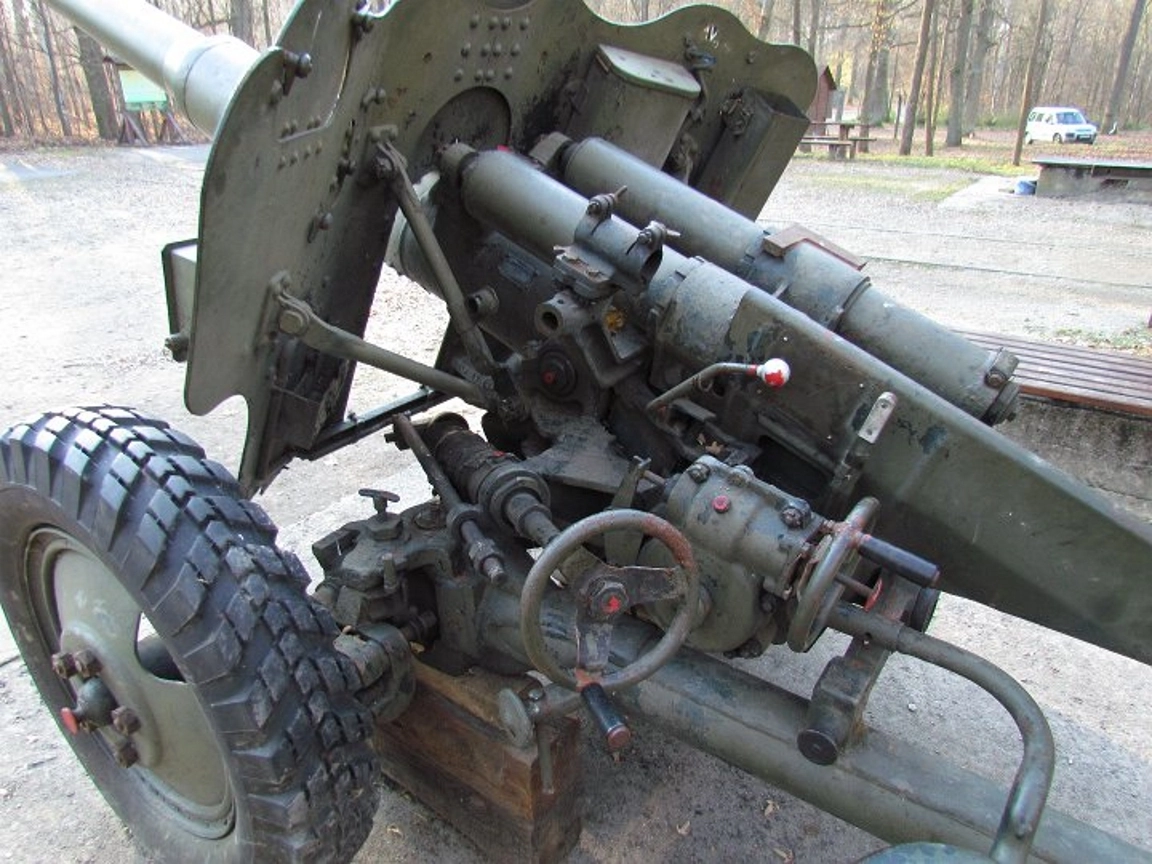
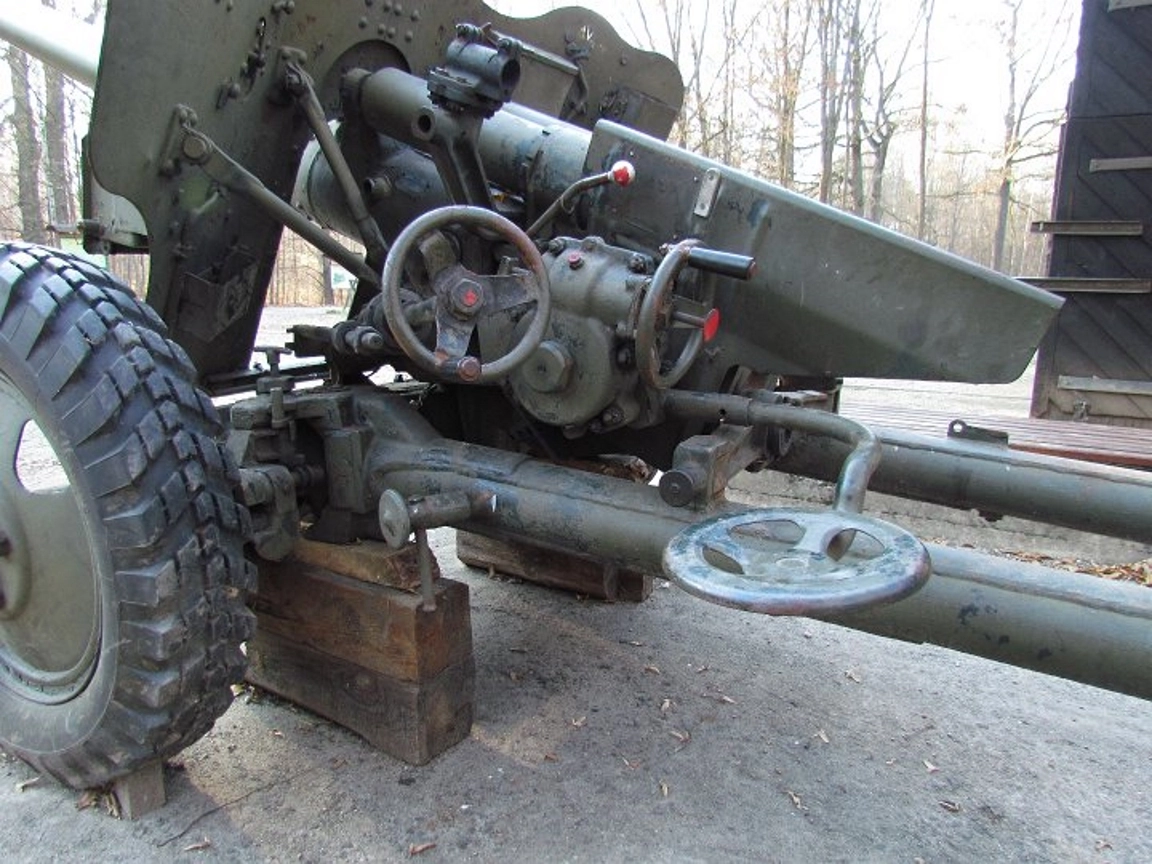

| 85 mm divisional gun D-44 Walk Around | |
|---|---|
| Fotograf | Bamovi |
| Lokalizacija | Nepoznato |
| Fotografije | 38 |
 Časti me kafom
Pogledajte i:


The “Universal” Artillery Piece
Čaj 85 mm Divisional Gun D-44 was designed in late 1944 to replace the older 76mm guns that had struggled against heavy German armor. It was a “dual-purpose” weapon, meant to function both as a traditional field howitzer for high-explosive bombardment and as a high-velocity anti-tank gun. Borrowing the ballistics from the legendary SU-34/85 tank gun, the D-44 was exceptionally mobile, low-profile, and reliable. It became the standard divisional gun for the Warsaw Pact throughout the early Cold War and remains in use today in secondary conflicts across the globe.
| Attribute | Technical Specification (D-44) |
|---|---|
| Ulogu | Divisional Field Gun / Anti-Tank Gun |
| Kalibar | 85 mm (3.34 in) |
| Barrel Length | L/55 (approx. 4.6 m) |
| Weight (Travel) | 1,725 kg (3,803 lbs) |
| Rate of Fire | 15–20 rounds per minute (highly trained crew) |
| Muzzle Velocity | 800 m/s (HE) / 1,030 m/s (HVAP-T) |
| Max Range | 15,650 meters (17,115 yards) |
| Armor Penetration | 130mm at 1,000 meters (with BR-367P ammo) |
Design Engineering: Low Profile, High Velocity
- Low Silhouette: The D-44 was designed to be incredibly difficult to spot in an ambush. Its total height was only 1.42 meters, allowing crews to hide it in tall grass or shallow trenches—a vital trait for an anti-tank role.
- Torsion Bar Suspension: Unlike many contemporary field guns, the D-44 featured a torsion bar suspension. This allowed it to be towed by trucks at speeds up to 60 km/h (37 mph) without shaking the sights out of alignment.
- Semi-Automatic Breech: It utilized a vertical sliding-block breech that automatically ejected the spent casing upon recoil and stayed open for the next round. This facilitated an incredibly high rate of fire during intense combat.
- The SD-44 (Self-Propelled) Variant: A unique modification added a small 14-hp auxiliary engine and a steering wheel, allowing the gun crew to “drive” the artillery piece across the battlefield at 10 km/h without a towing vehicle.
Combat History: From the Iron Curtain to Modern Trenches
- Vietnam and Beyond: The D-44 saw extensive use by the NVA during the Vietnam War, where its long range and mobility made it perfect for harassing American firebases.
- Middle Eastern Conflicts: It was a staple in the Arab-Israeli wars, often used by Egyptian and Syrian forces as a long-range anti-tank sniper.
- Modern Longevity: Even in 2026, the D-44 continues to appear in the Russo-Ukrainian War. While it cannot penetrate the front of a modern Abrams or Leopard 2, its high accuracy and rapid fire make it a terrifying weapon against APCs, infantry, and fortifications.
- Chinese Production: China produced its own version, known as the Type 56, which remains in the reserve inventories of several Asian and African nations.
Views : 3609
Možete videti i :
 220 mm TR mle 1915/1916 – Fotografije i video
 15 cm Kanone 18 – WalkAround
 17 cm Kanone 18 – WalkAround
 QF 3.7-inch howitzer – Photos & Videos
 152mm BR-2 Gun Mod.1935 – Photos & Video
 160mm malter M-160 – Photos & Video
 Haubica od 122 mm M1910/30 – Fotografije & Video
 21cm Morser 18 Howitzer – Walk Around
 Bofors Archer BD 77 – WalkAround
 Canon Pak 38 – WalkAround