雷诺B1双 | |
|---|---|
| 国家 | 法国 |
| 模型 | B1比斯 |
| 类型 | 重型坦克 |
| 在服务中 | 1936–1940 (法国) |
| 建立 | 405) |
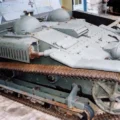
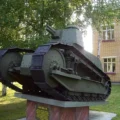
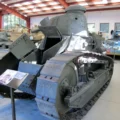
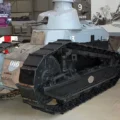
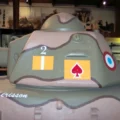
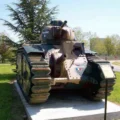
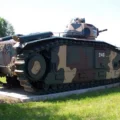
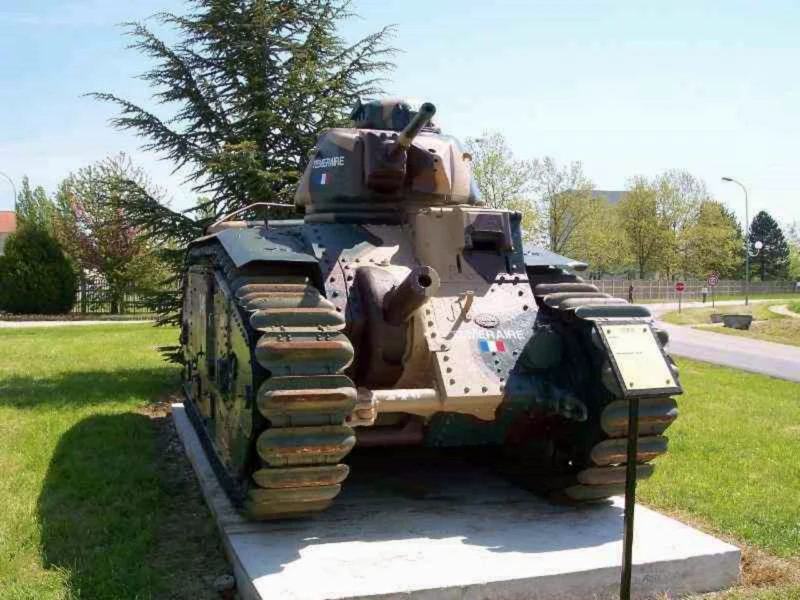
照片库的 雷诺B1双,坦克的开发被证明是一个漫长的过程,由于经济,政治和国际问题,它没有立即标准化。出于同样的原因,订购的数量保持在很小的水平。第一个“系列”订单于1934年4月6日签署,用于7个示例,第二个在Oecember 1934中为20多个,最后三分之一于1935年4月29日。50,3辆原型车,总数达35辆,足以装备一个完整的营。施工委托给该计划的不同共同承包商,最终组装由雷诺和FCM共同负责。
源: 跟踪故事
| Renault B1 bis – WalkAround | |
|---|---|
| 摄影师 | Unknow |
| 本地化 | 未知 |
| 照片 | 64 |
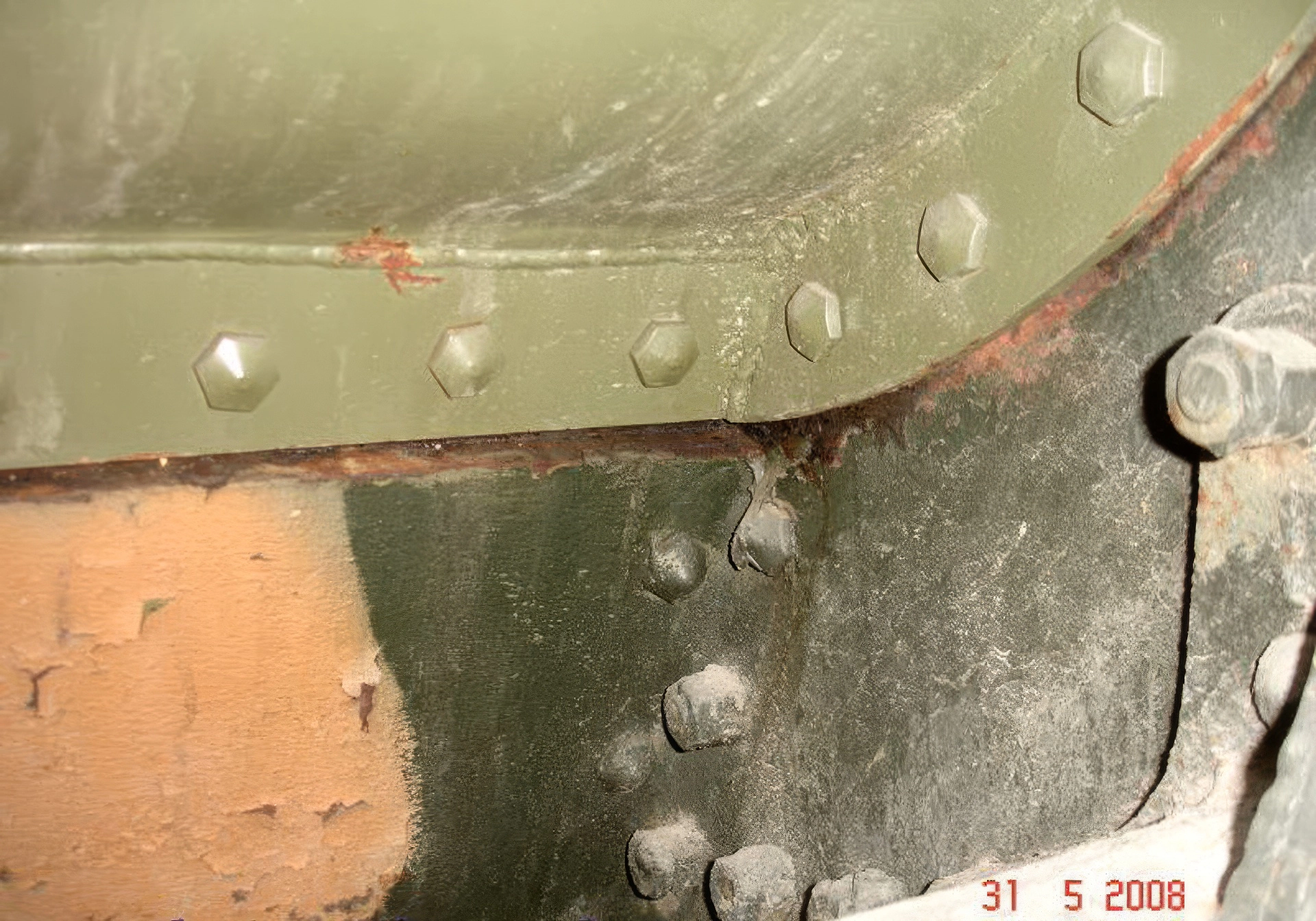
等等,为您搜索雷诺B1双张照片。。。

| Renault B1 Bis Walk Around | |
|---|---|
| 摄影师 | Unknow |
| 本地化 | 未知 |
| 照片 | 46 |
等等,为您搜索雷诺B1双张照片。。。
另请参阅:


这 Renault Char B1 was a heavy tank designed in France in the 1930s, and the B1 bis was the main production and most formidable variant used by the French Army during the Battle of France in 1940. It was one of the most heavily armored and powerfully armed tanks available to any nation at the start of World War II.
Development and Design
- 角色: The Char B1 series was designed as a “battle tank” or “tank of maneuver” (主战坦克), intended to lead infantry breakthroughs, destroy enemy fortifications, and engage enemy armor.
- Heavy Armor: Its greatest strength was its armor. The B1 bis featured **cast and riveted steel armor** up to **60 mm** thick on the hull and turret front. This made it virtually immune to all standard German anti-tank guns and tank guns at typical combat ranges in 1940.
- 发动机: It was powered by a **Renault gasoline engine** producing 307 horsepower, which was necessary to move the tank’s substantial weight of about 31.5 tonnes. However, the tank was slow, with a top speed of only around 28 km/h on roads.
Unique Armament Configuration
The B1 bis had a highly unusual and complex armament layout with two primary guns:
- Hull Gun: Its primary anti-tank weapon was a **75 mm ABS SA 35 gun** mounted rigidly in the **front right hull**. This gun had very limited traverse (only 1 degree left/right), meaning the **entire tank had to be pointed** at the target to aim the gun horizontally. The driver was also responsible for aiming and firing the hull gun, placing an enormous burden on one crew member.
- Turret Gun: A **47 mm SA 35 gun** was mounted in a small, single-man cast turret (**APX4**). This gun was excellent against German armor, but the single-man turret meant the commander was severely overloaded, having to search for targets, load, aim, fire the gun, and command the tank simultaneously.
- Secondary Armament: Two **7.5 mm Reibel machine guns** were also carried—one coaxially in the turret and one in the hull.
Operational History and Flaws
- Battle of France (1940): The B1 bis achieved notable successes early in the campaign. During the Battle of Stonne, a single B1 bis famously survived 140 hits from German anti-tank rounds without being penetrated.
- Key Flaws: Despite its resilience, the B1 bis was strategically limited:
- Overburdened Commander: The single-man turret severely reduced the tank’s situational awareness and rate of fire in dynamic combat.
- Range and Endurance: High fuel consumption and slow speed limited strategic mobility and operational range. Refueling was complex and time-consuming.
- German Use: After the French defeat, many captured B1 bis tanks were pressed into service by the German Wehrmacht, often designated the **Panzerkampfwagen B2 740(f)**, primarily for occupation duties, training, and anti-partisan roles.
意见:5645