PZL P.11 | |
|---|---|
| 国家 | 波兰 |
| 作用 | 战斗机 |
| 第一只苍蝇 | 1931年8月 |
| 建立 | 325 |
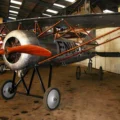
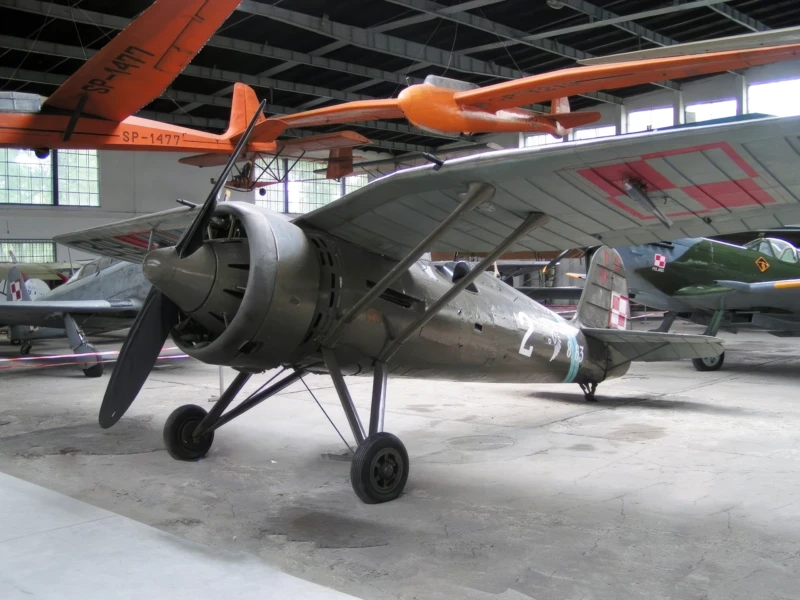
这 PZL P.11 was a Polish fighter aircraft, designed and constructed during the early 1930s by Warsaw-based aircraft manufacturer PZL. Possessing an all-metal structure, metal-covering, and high-mounted gull wing, the type held the distinction of being widely considered to have briefly been the most advanced fighter aircraft of its kind in the world. The design of the P.11 commenced during the late 1920s, initially designated as the P.1. The primary individual responsible for its development was Polish aeronautical engineer Zygmunt Puławski, who has been attributed as having designed many of its innovative features. While the majority of the world’s forces were still using biplanes, the P.1 used a high-mounted and aerodynamically clean gull wing, which provided the pilot with a superior field of view. During September 1929, the first prototype conducted its maiden flight. The design quickly drew international attention; the general layout became commonly known as the “Polish wing” or “Puławski wing”.
| PZL P.11 | |
|---|---|
| 摄影师 | 未知 |
| 本地化 | 未知 |
| 照片 | 28 |
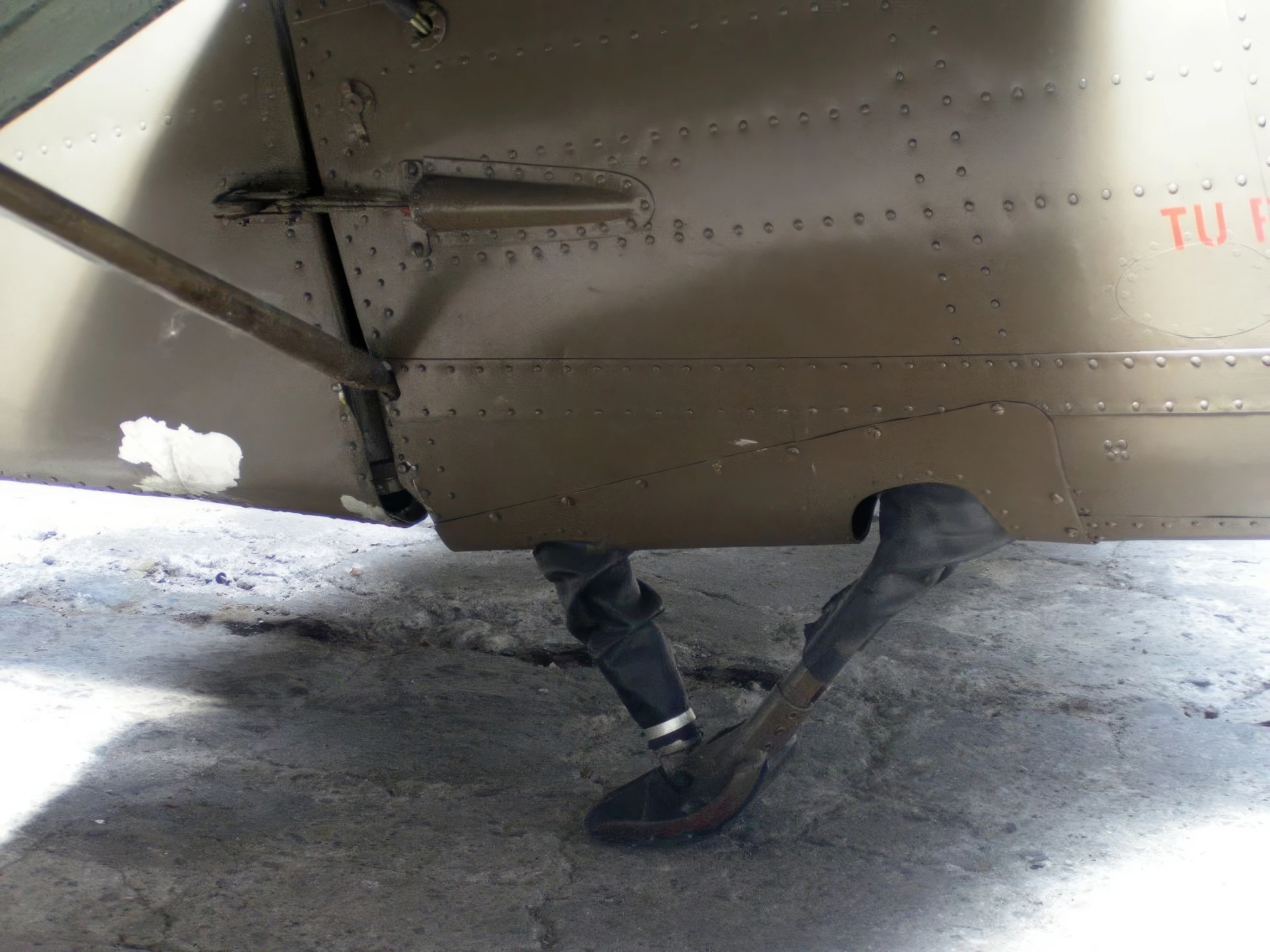
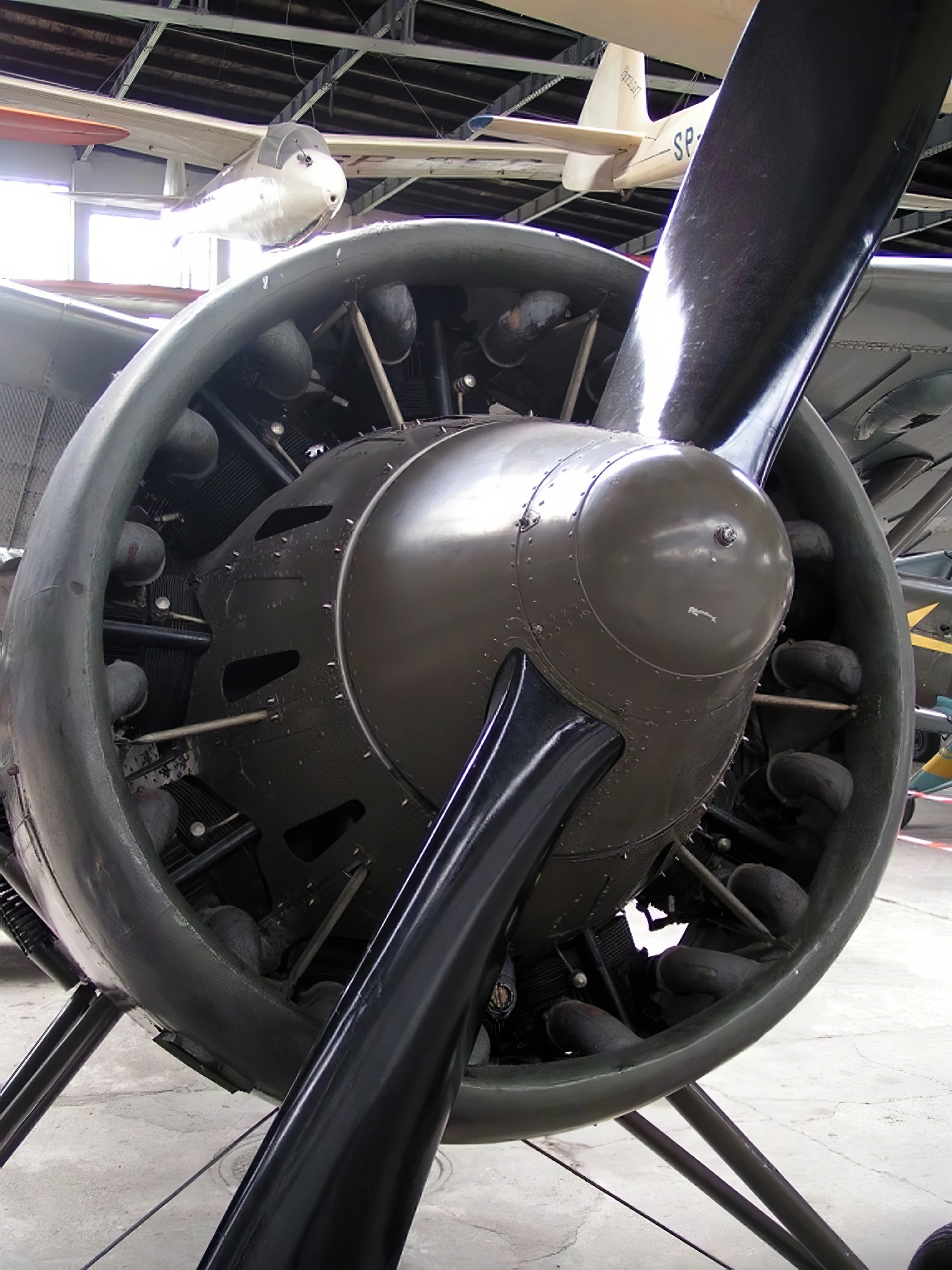
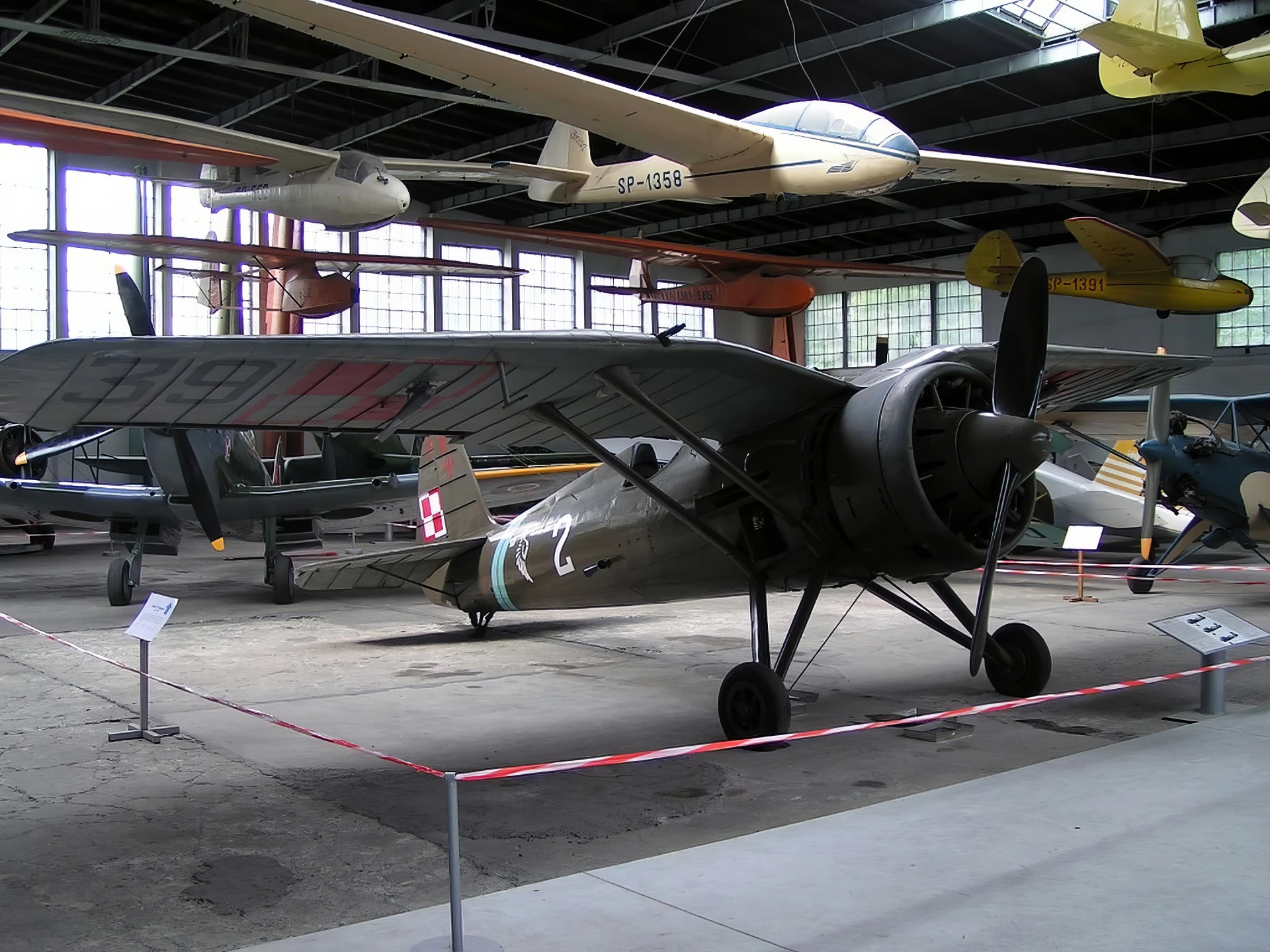
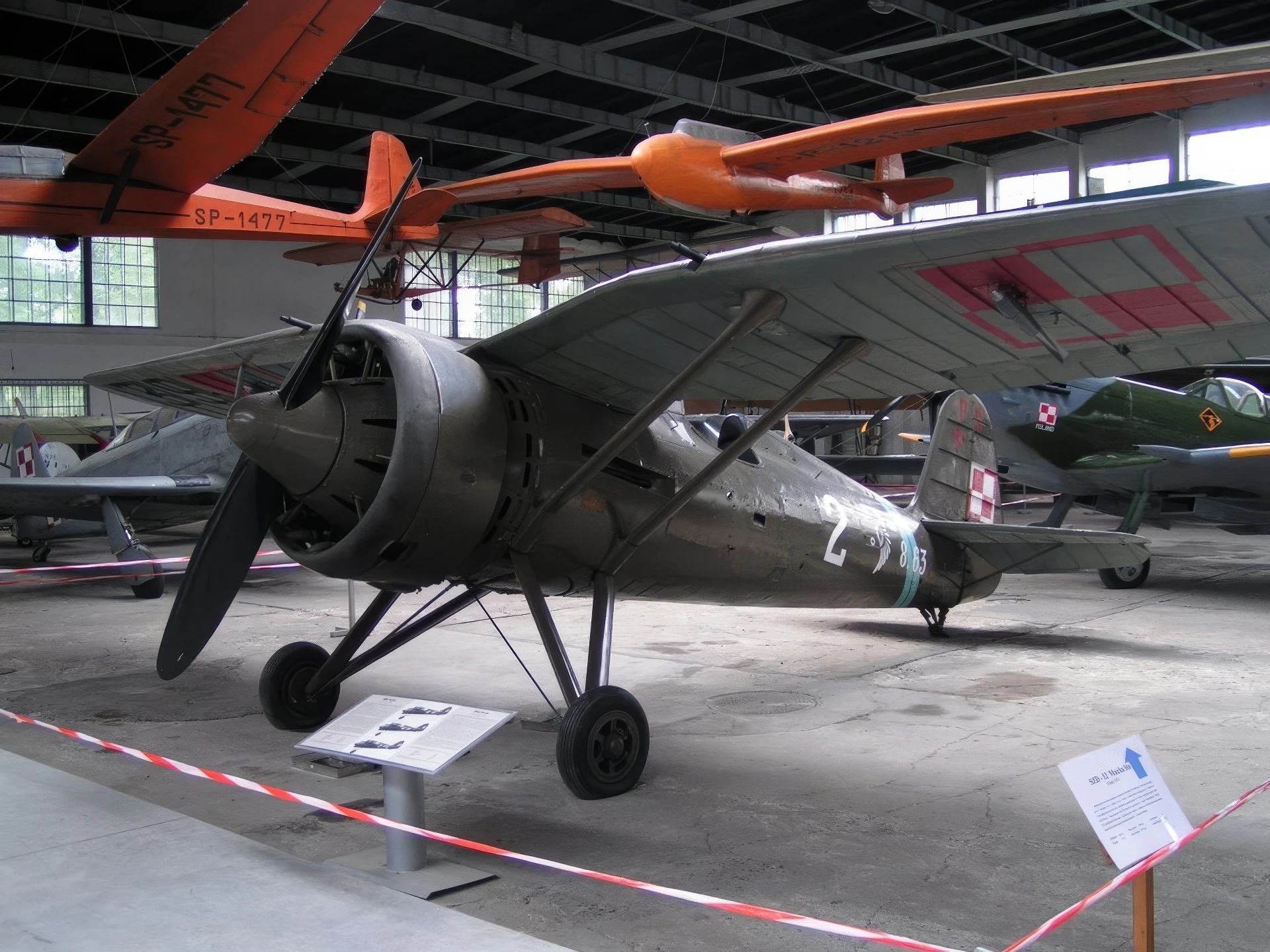
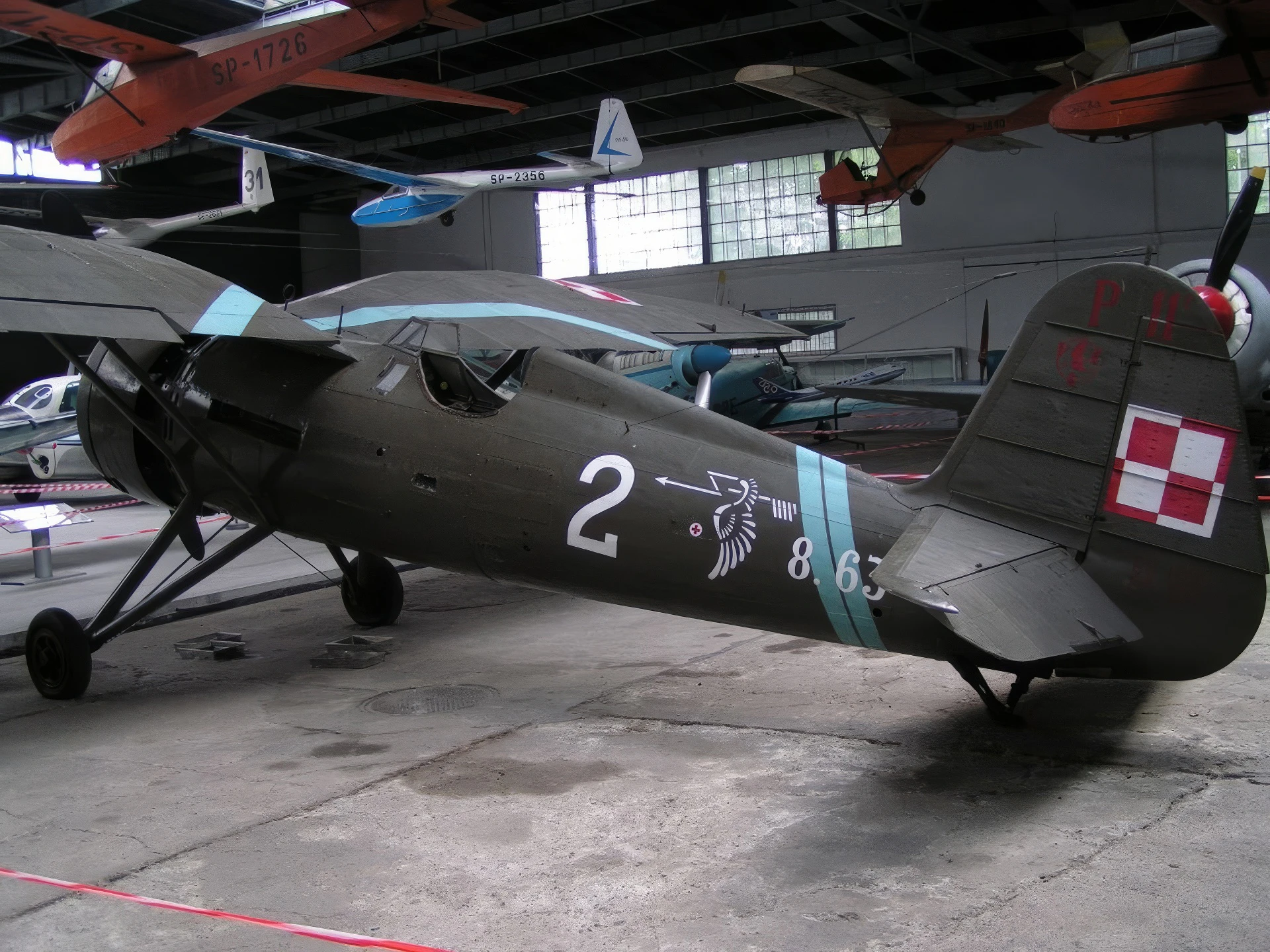
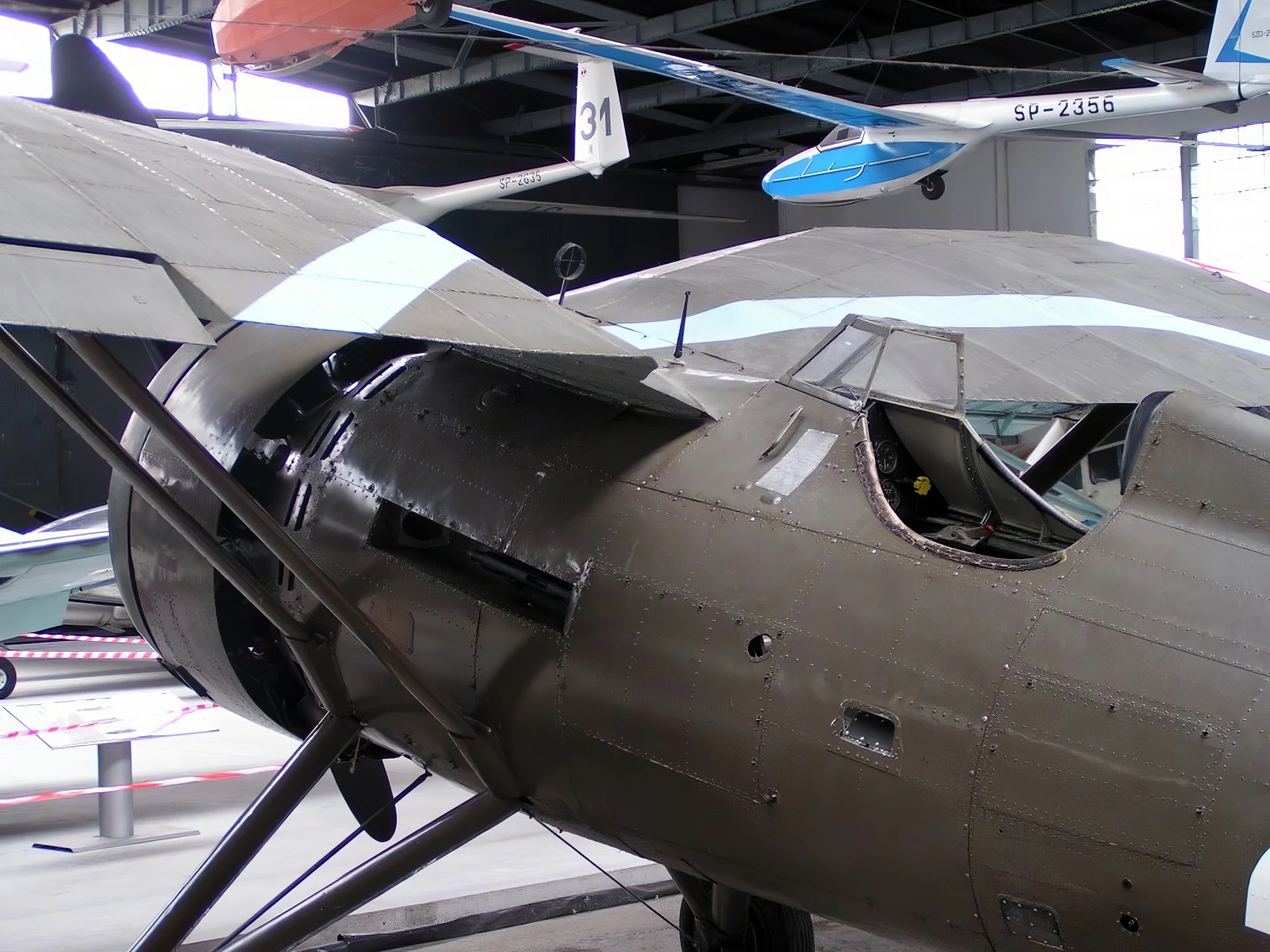
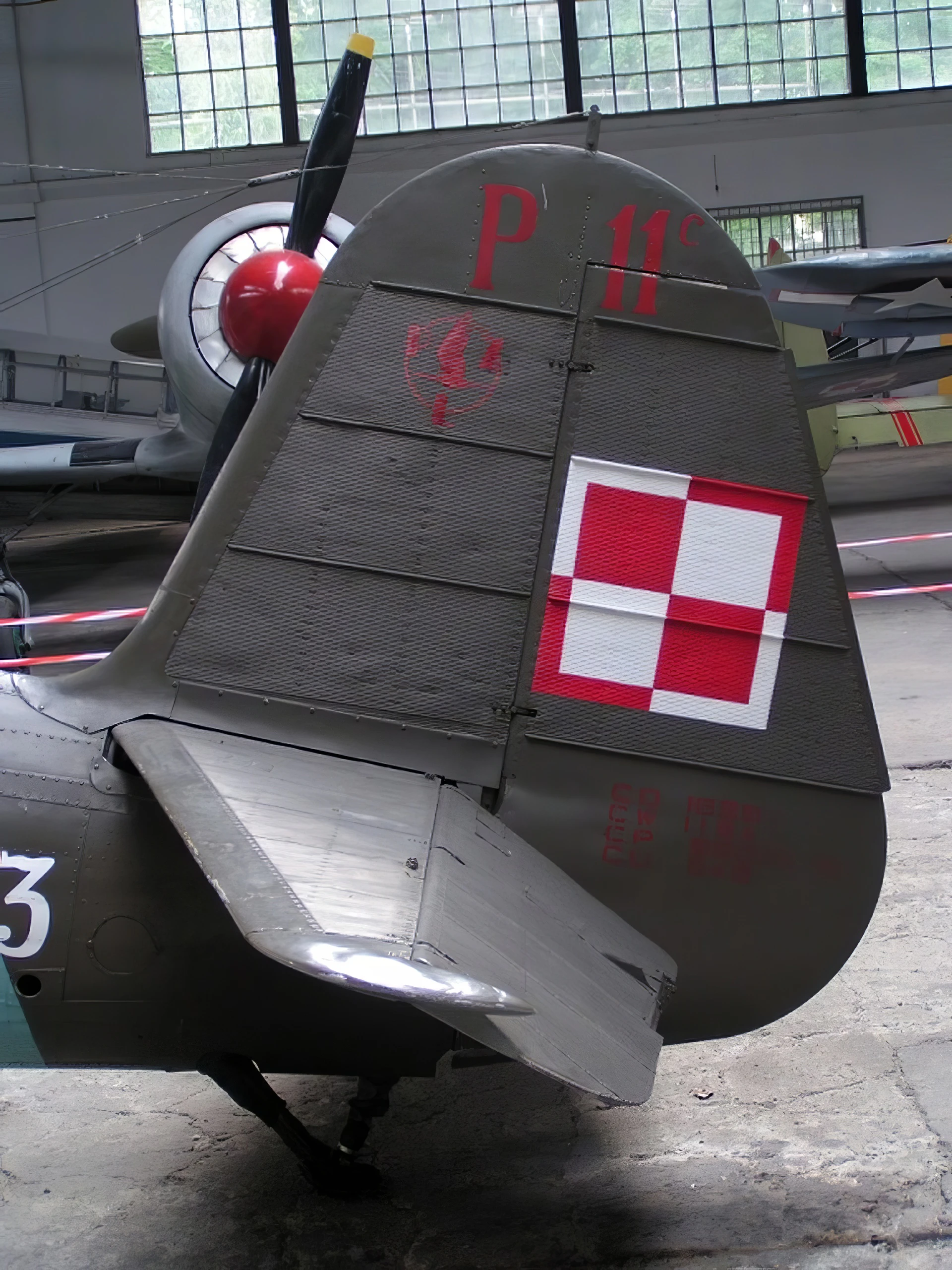
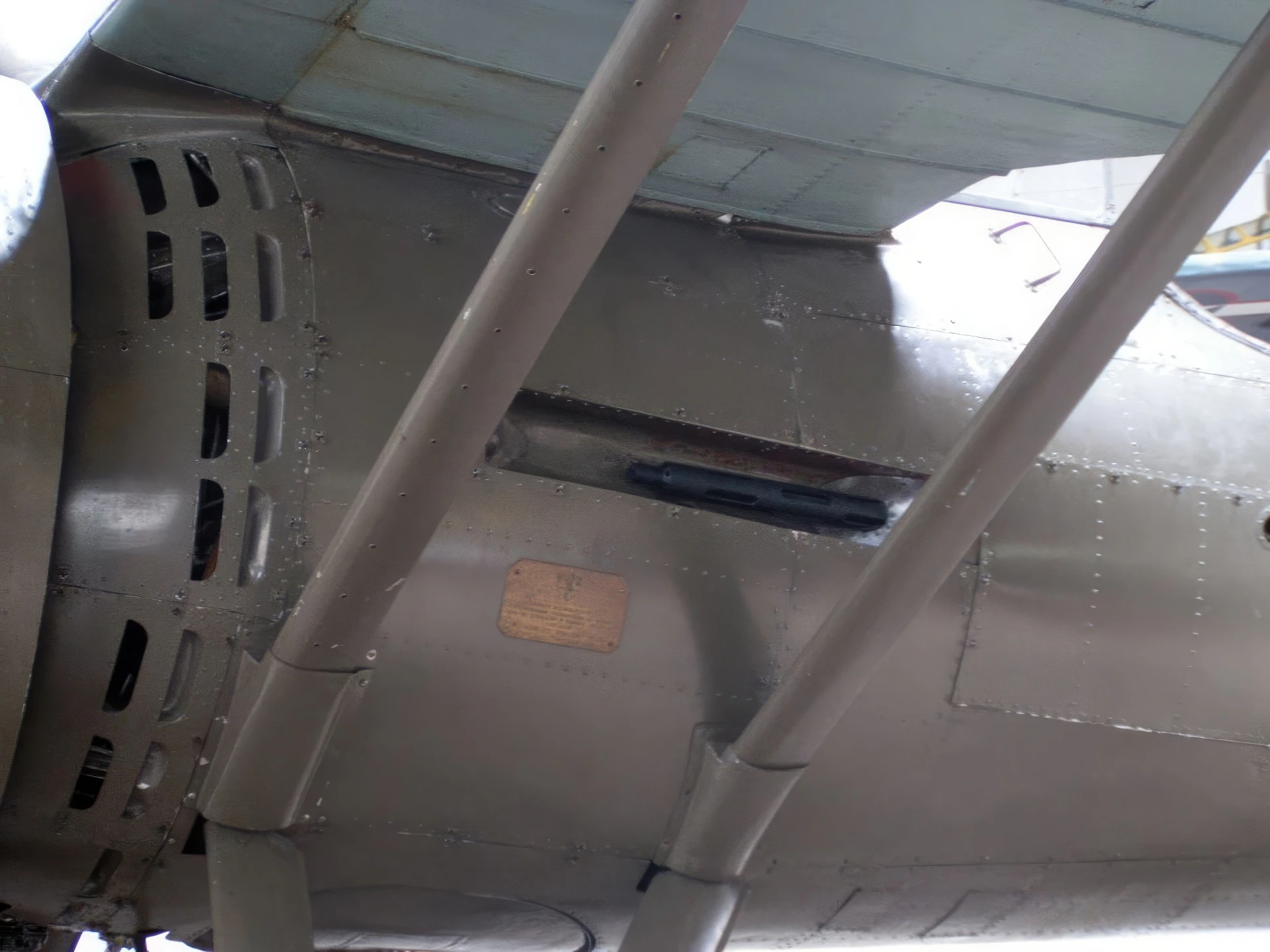

 给我买杯咖啡
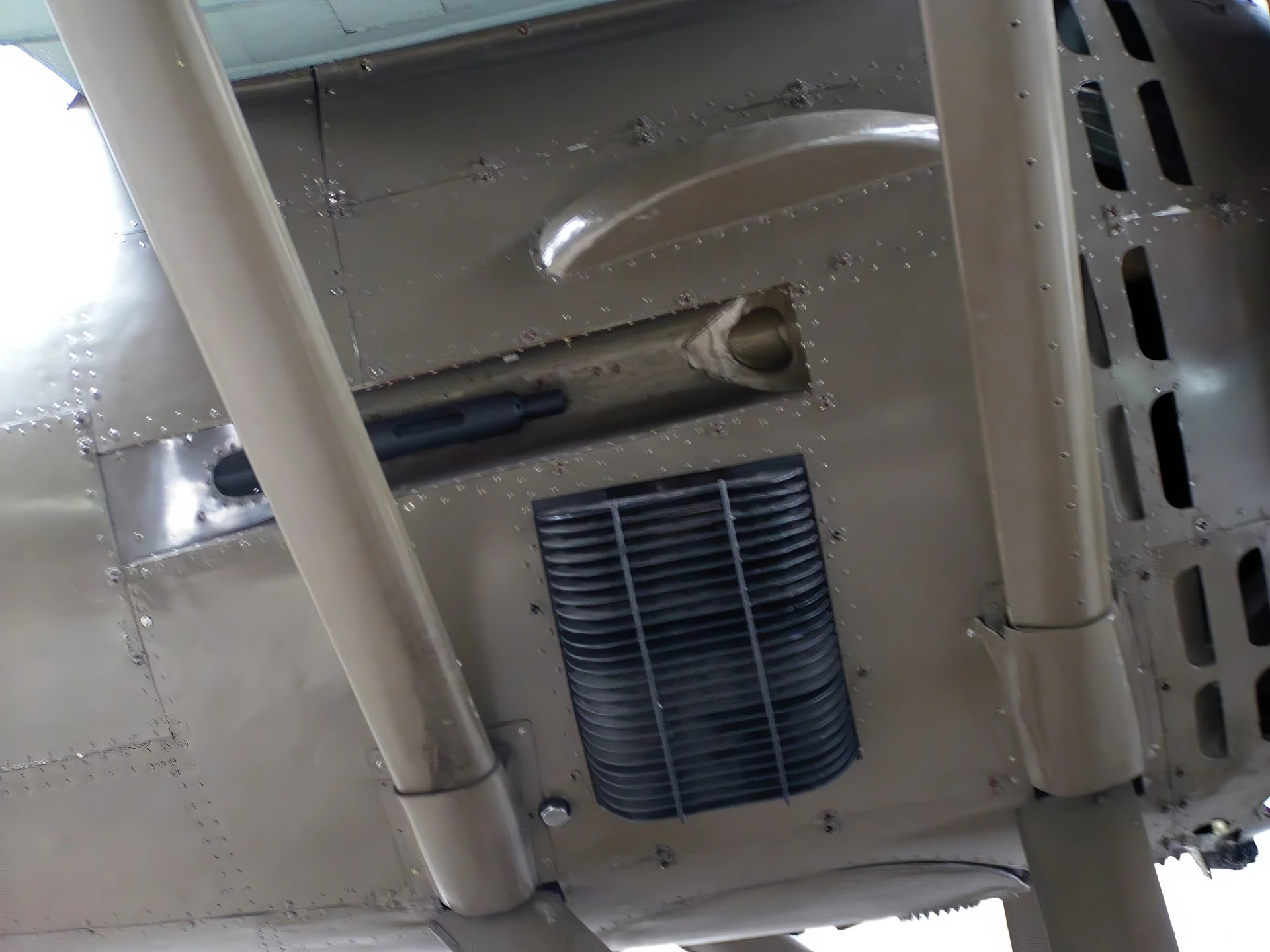
| PZL P.11c Walk Around | |
|---|---|
| 摄影师 | 利博尔·斯普雷克 |
| 本地化 | 未知 |
| 照片 | 25 |
另请参阅:


The PZL P.11 was a Polish fighter aircraft designed and produced by Państwowe Zakłady Lotnicze (PZL) in the early 1930s. At the time of its introduction, it was widely regarded as one of the most advanced fighter designs in the world, pioneering all-metal construction and a unique wing configuration.
Innovative Design and Development
The aircraft was the pinnacle of a series of fighters designed by Polish aeronautical engineer **Zygmunt Puławski**. Its most recognizable feature was the:
- “Puławski Wing” or “Polish Wing”: A high-mounted, gull-wing monoplane design. This configuration greatly improved the pilot’s field of view compared to contemporary biplanes and other monoplanes.
- 建设: It featured all-metal construction with a corrugated metal skin, making it durable and a technological leap over the fabric-covered biplanes still in use globally.
The final and most numerous version was the **PZL P.11c**, which featured a redesigned fuselage and a lowered engine to further improve the pilot’s forward visibility.
Technical Specifications (P.11c Approximate)
- 发动机: Single Bristol Mercury V S2 or VI S2 radial engine.
- Maximum Speed: Approximately 390 km/h (240 mph) at altitude.
- 装备: Typically two fuselage-mounted 7.92 mm machine guns, often supplemented by two additional 7.92 mm machine guns mounted in the wings.
- Ceiling: Around 8,000 meters (26,000 feet).
While excellent for its time in the early 1930s, the speed was its major drawback by the outbreak of war, as it was slower than most German fighters and even some bombers.
Service History in 1939
The PZL P.11 was the backbone of the Polish Air Force fighter defense during the **Invasion of Poland in September 1939**. Despite being technically obsolete against the German Messerschmitt Bf 109 and Bf 110, the P.11 achieved notable successes due to the skill and determination of Polish pilots, and its excellent maneuverability and high rate of climb.
- First Allied Victory: A PZL P.11c is credited with the **first Allied air victory of World War II**, when pilot Władysław Gnyś shot down two German Dornier Do 17 bombers on September 1, 1939.
- Combat Record: Polish pilots flying the P.11 were credited with destroying a significant number of Luftwaffe aircraft—at least 110 confirmed kills—before the campaign ended.
- Post-War Fate: The majority of surviving P.11s were either destroyed or flown to neighboring 罗马尼亚, where they were integrated into the Romanian Air Force and continued service for several years.
Views : 12513