Lockheed F-117 Nighthawk | |
|---|---|
| 国家 | 美国 |
| 作用 | 隐形攻击机 |
| 首次飞行 | 1981年6月18日 |
| 建立 | 64 |
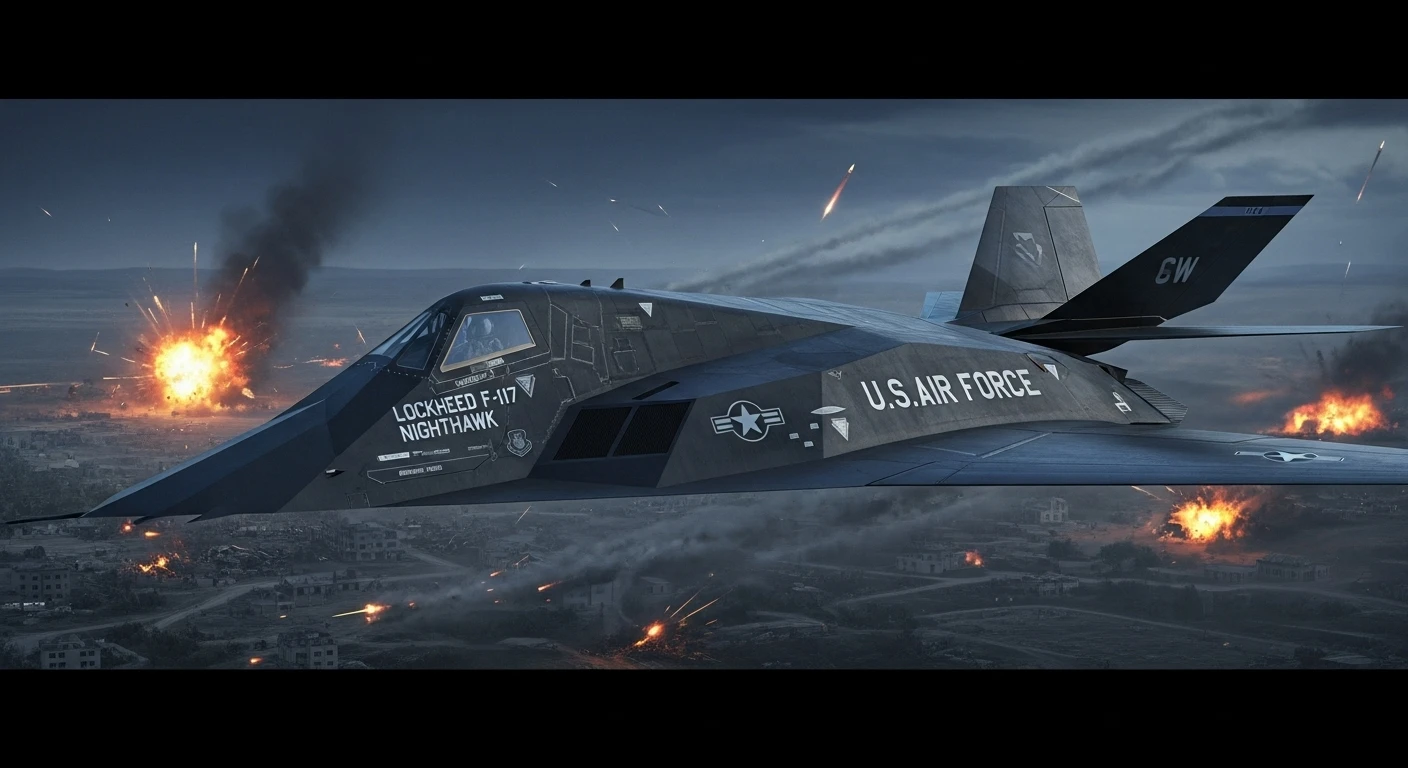
这 洛克希德F-117夜鹰 is an American single-seat, twin-engine stealth attack aircraft that was developed by Lockheed’s secretive Skunk Works division and operated by the United States Air Force (USAF). The F-117 was based on the Have Blue technology demonstrator. The Nighthawk was the first operational aircraft to be designed around stealth technology. Its maiden flight took place in 1981, and the aircraft achieved initial operating capability status in 1983. The Nighthawk was shrouded in secrecy until it was revealed to the public in 1988. Of the 64 F-117s built, 59 were production versions, with the other five being prototypes.
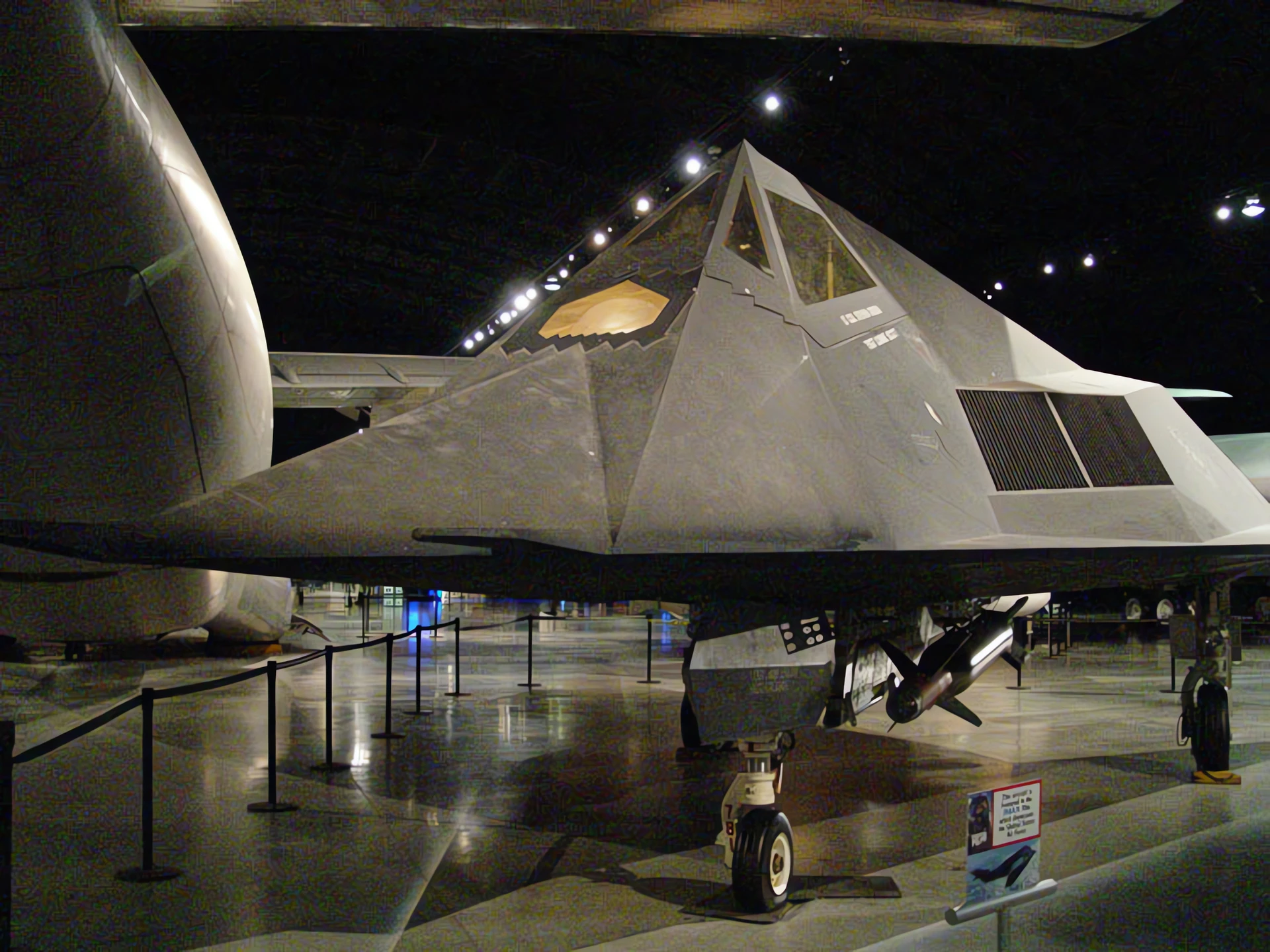
| 洛克希德F-117A夜鹰四处走动 | |
|---|---|
| 摄影师 | 约翰·赫克 |
| 本地化 | 美国空军国家博物馆 |
| 照片 | 27 |
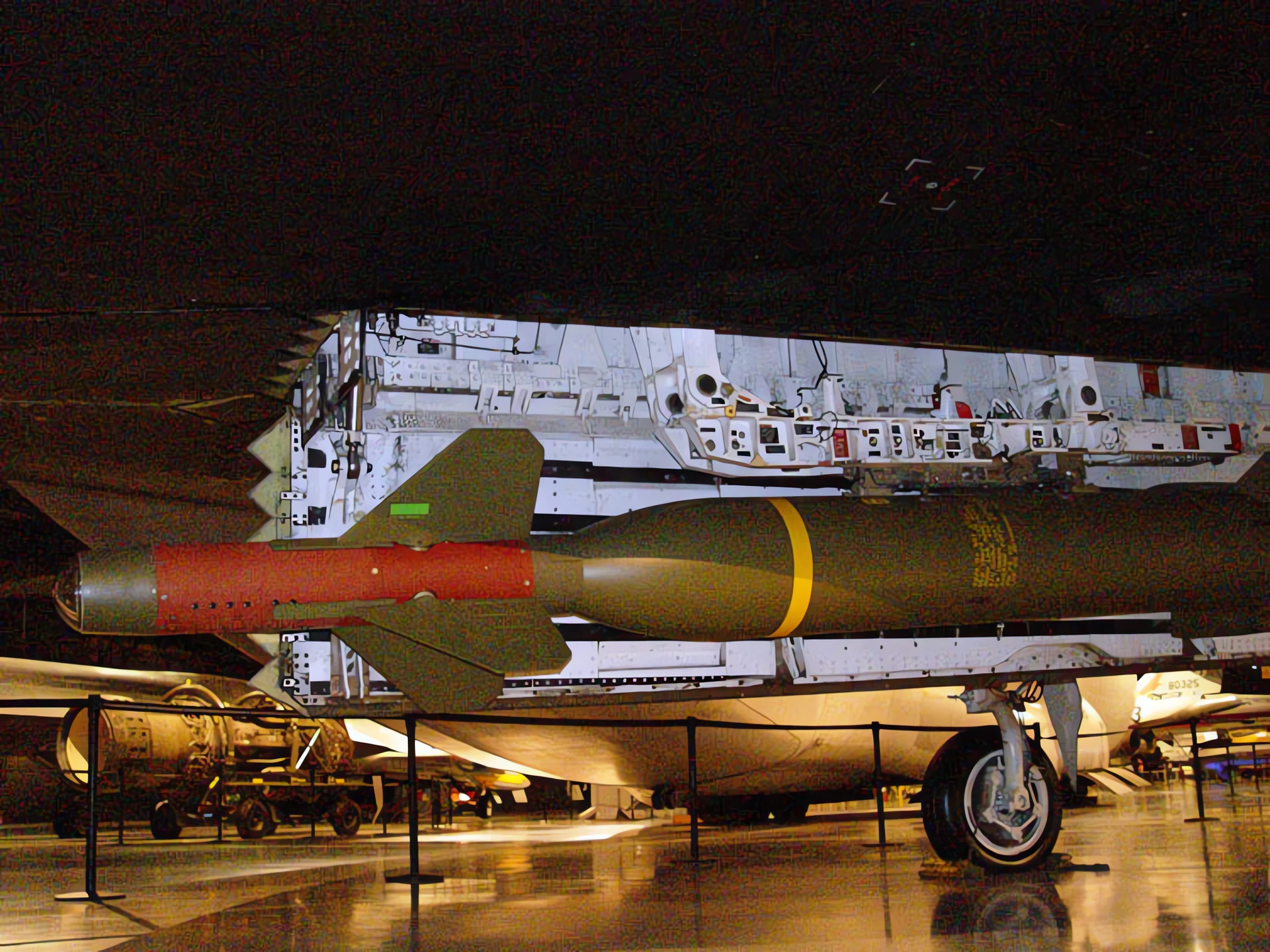
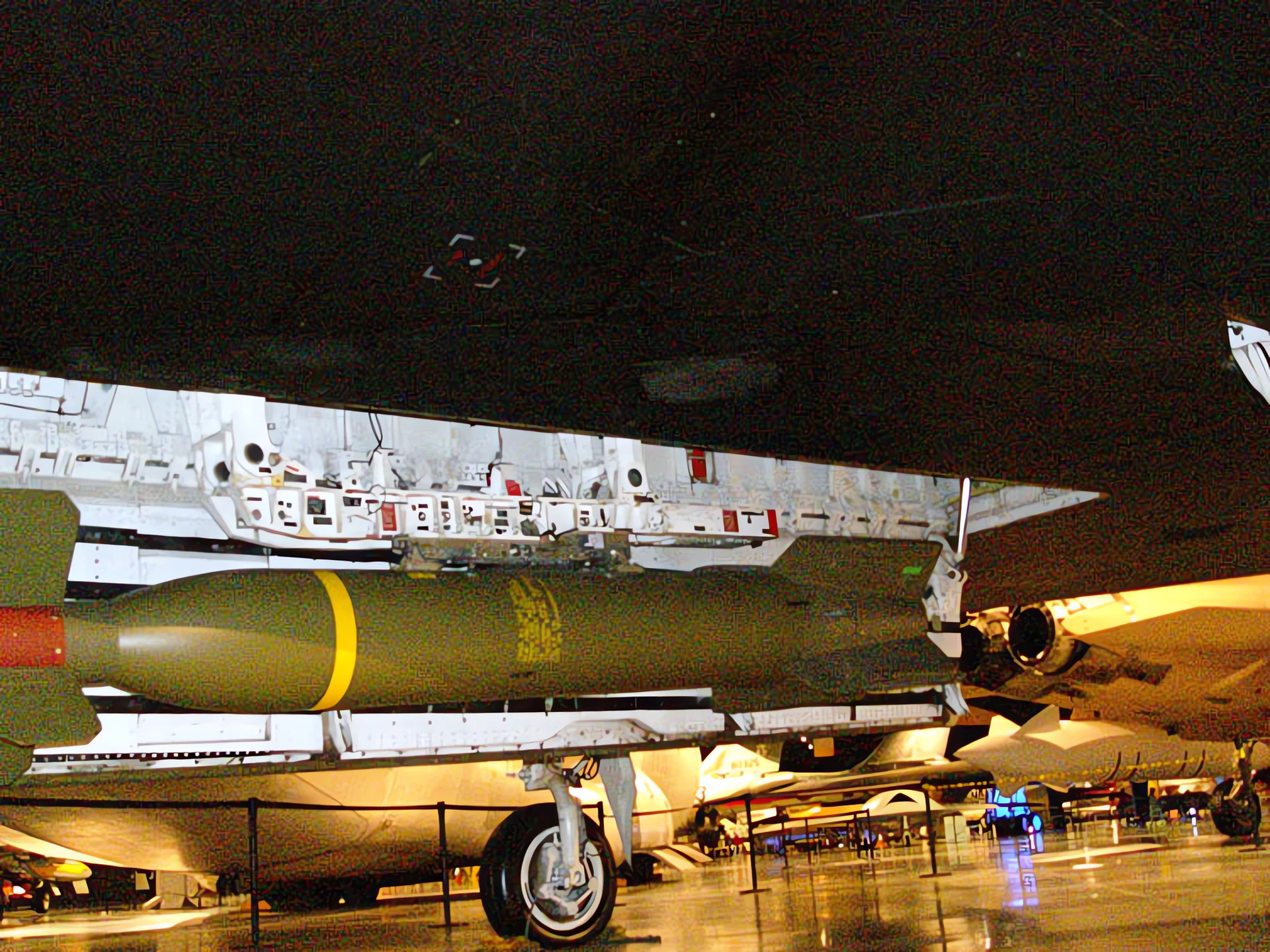
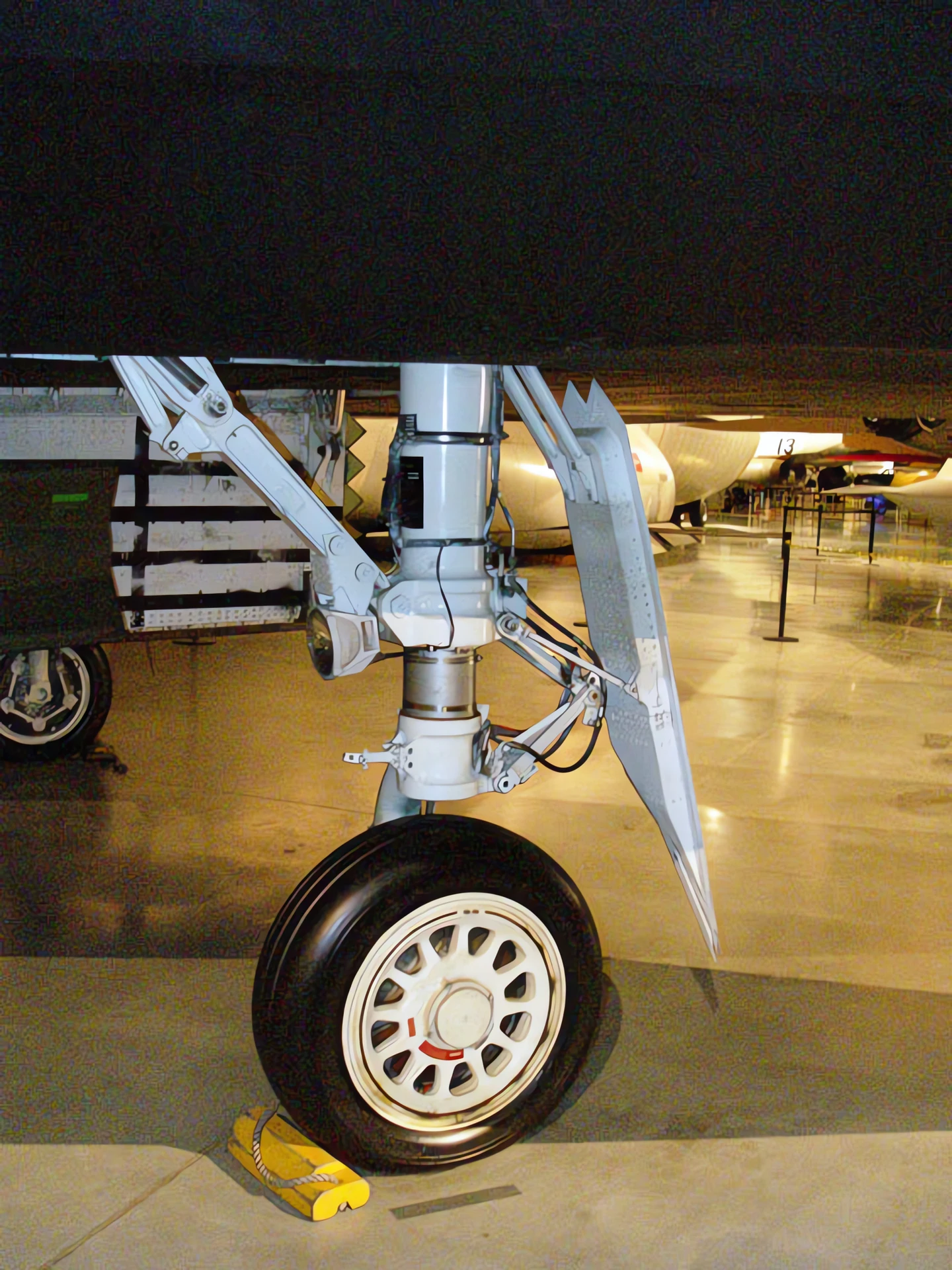
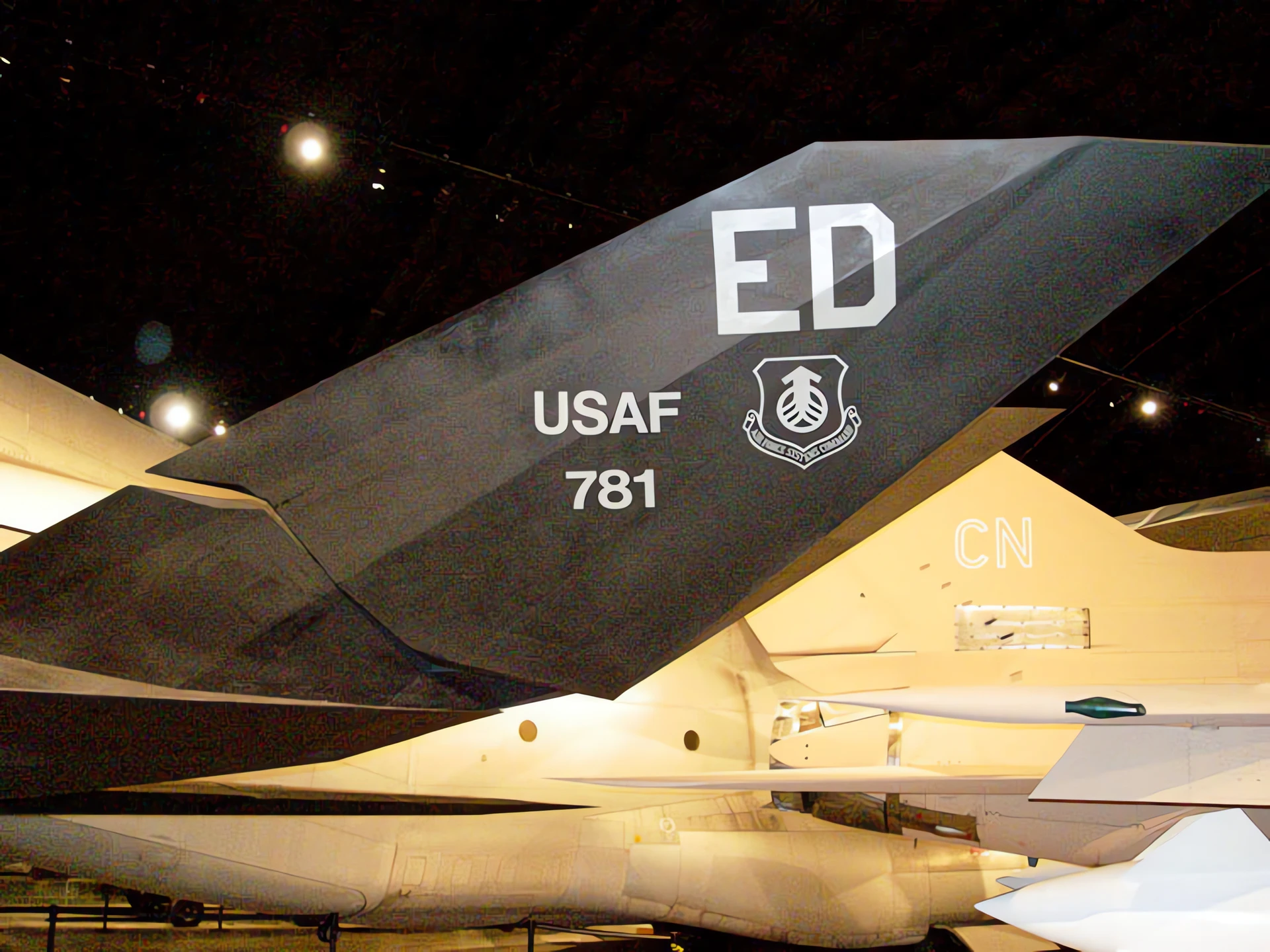

另请参阅:


| Lockheed F-117A Nighthawk Walk Around | |
|---|---|
| 摄影师 | Burhand Donke |
| 本地化 | 未知 |
| 照片 | 23 |
The “Hopeless Diamond”
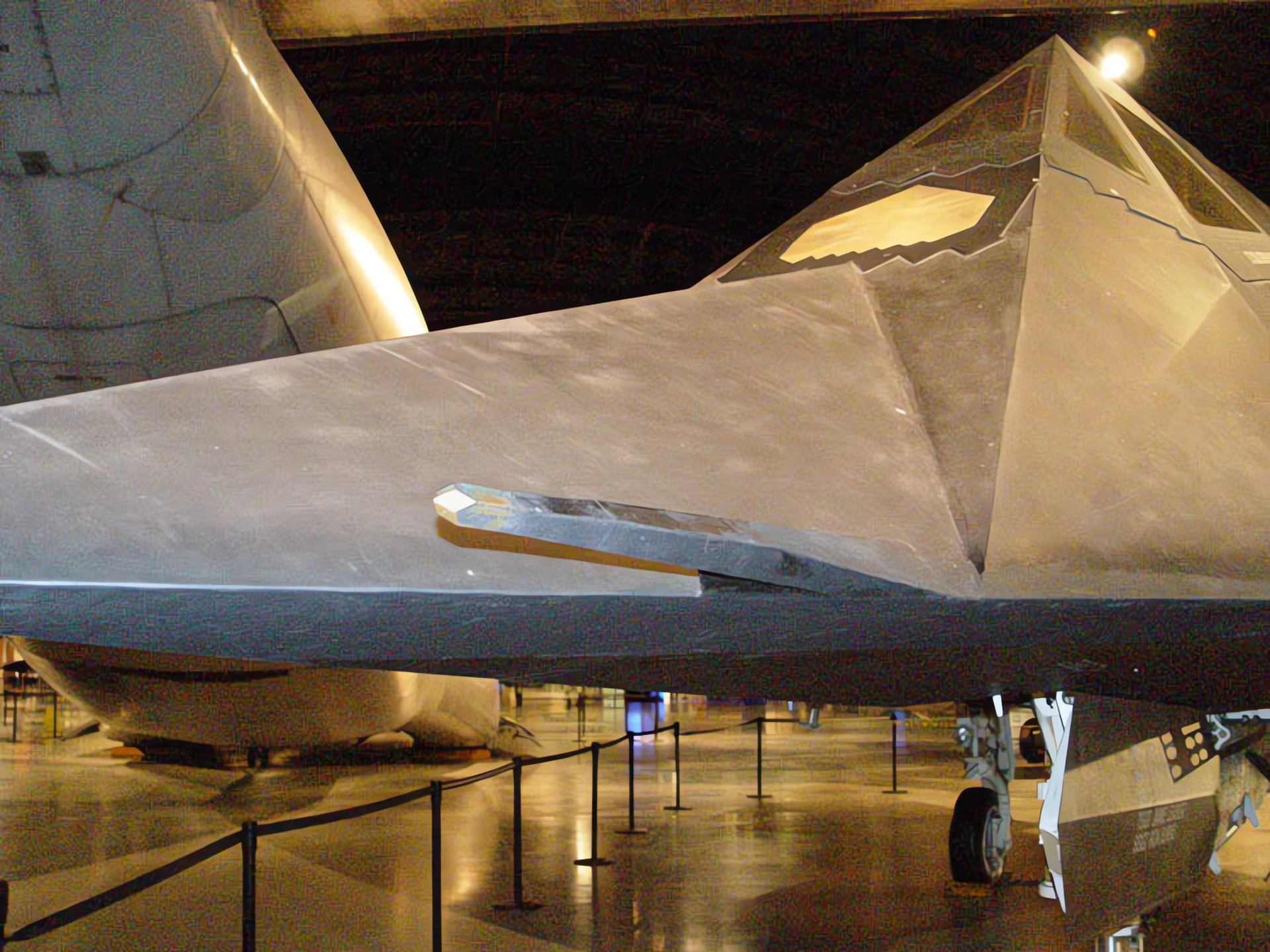
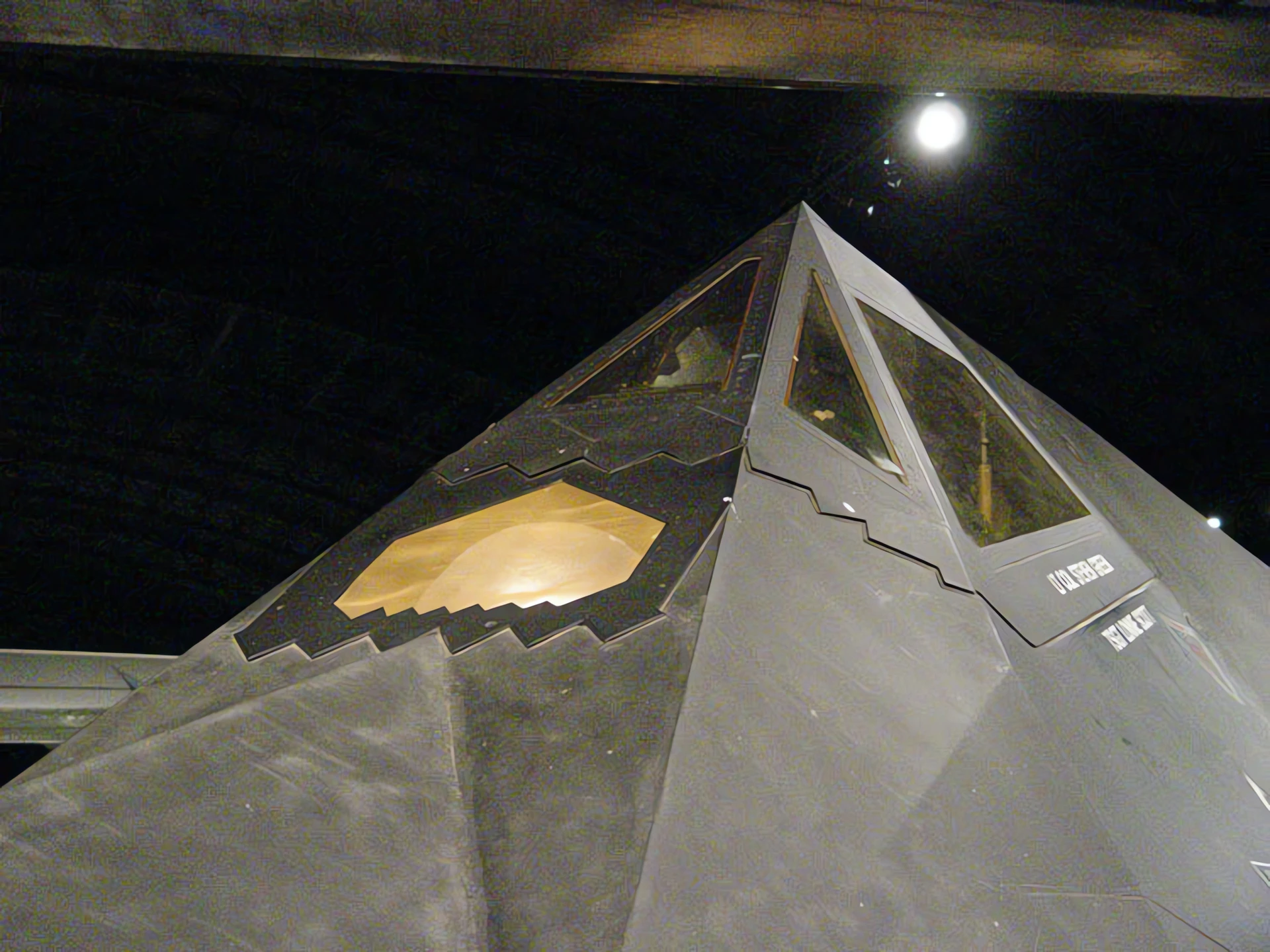
这 洛克希德F-117A夜鹰 was the first operational aircraft built specifically to exploit low-observable (stealth) technology. Developed in total secrecy by Lockheed’s “Skunk Works,” it was famously faceted—covered in flat, angular plates. This design was chosen because the computers of the late 1970s could only calculate radar reflections for flat surfaces, not curves. Though nicknamed the “Stealth Fighter,” the F-117 was strictly a ground-attack aircraft with no radar of its own and no air-to-air weapons, designed to slip through the world’s most dense air defenses undetected.
| Attribute | Technical Specification (F-117A) |
|---|---|
| 作用 | Stealth Attack Aircraft |
| 船员 | 1 (Pilot) |
| First Flight | June 18, 1981 |
| 动力装置 | 2 × General Electric F404-F1D2 non-afterburning engines |
| 最高速度 | High Subsonic (approx. 684 mph / 1,100 km/h) |
| 翼展 | 43 ft 4 in (13.2 m) |
| 长度 | 65 ft 11 in (20.1 m) |
| 装备 | Internal bay for 2 × 2,000 lb laser-guided bombs (GBU-10/24/27) |
Design Features: Defeating Radar and Infrared
- Faceting (The “Diamond” Cut): To minimize its Radar Cross Section (RCS), the F-117 used flat panels angled at least 30 degrees from the vertical. This reflected radar waves away from the source rather than back to it.
- Radar Absorbent Material (RAM): The entire airframe was coated in a “ferrite” based RAM paint, which absorbed remaining radar energy and converted it into heat.
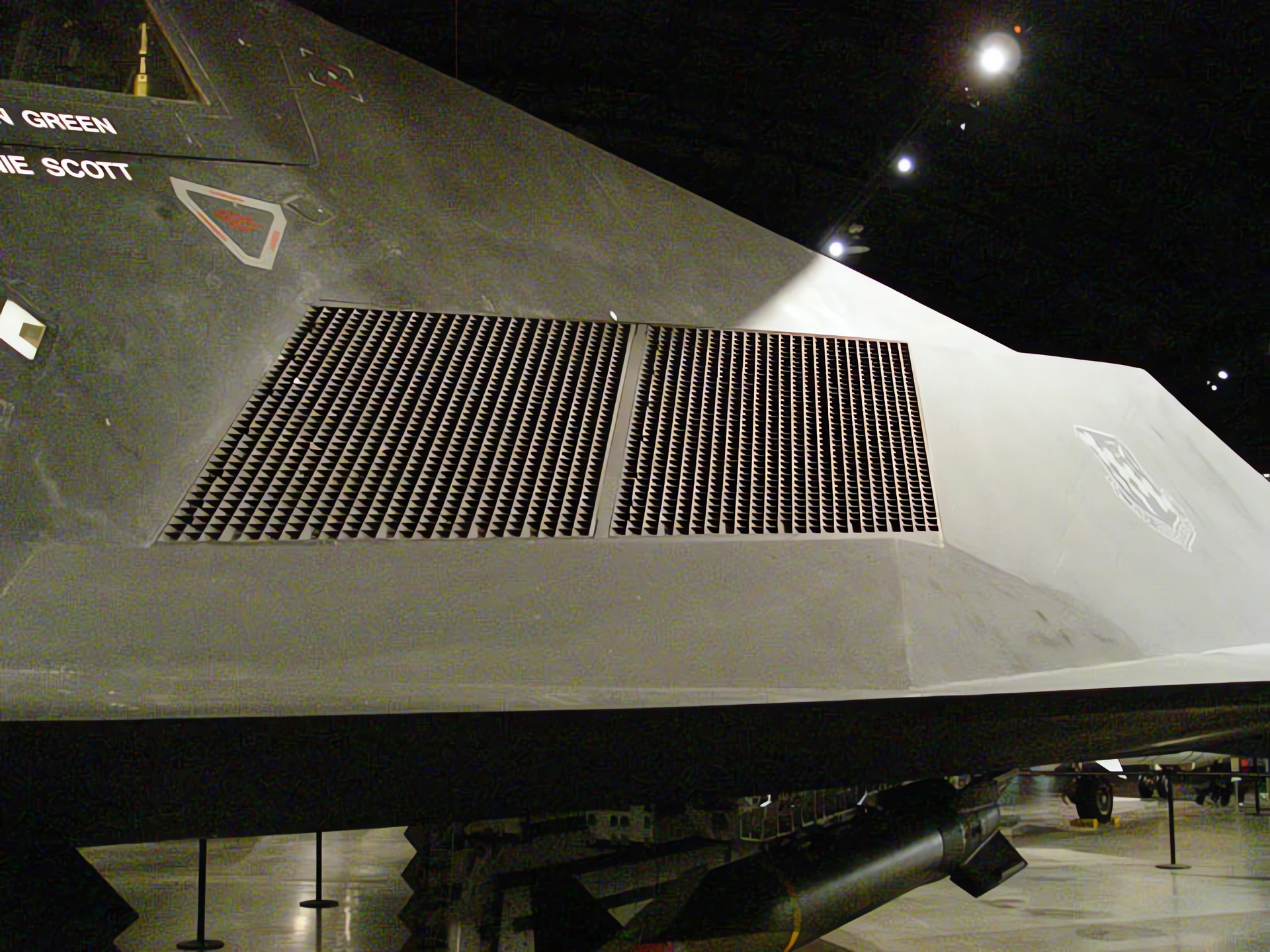
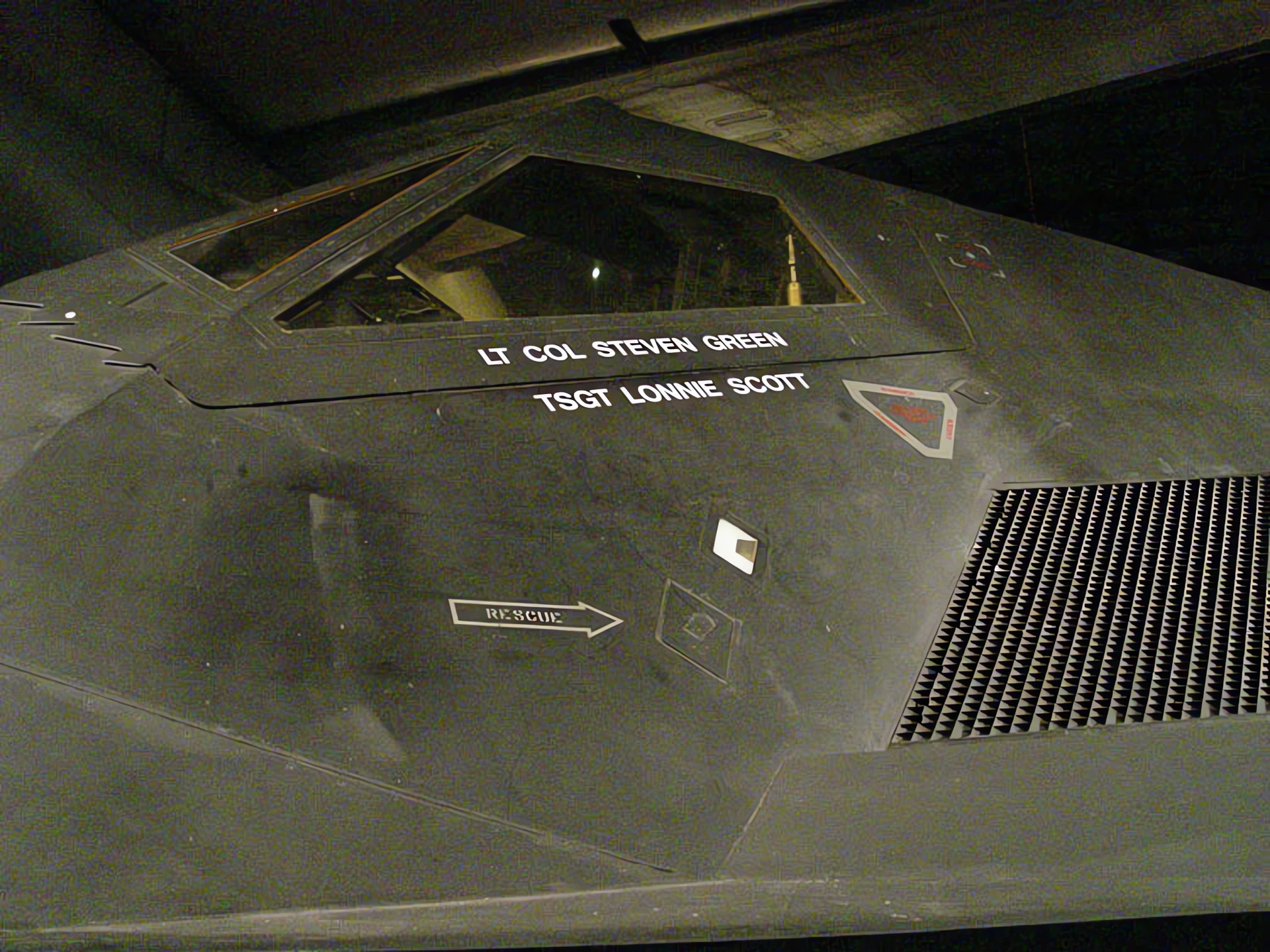
- Hidden Inlets and Exhaust: The engine intakes were covered with grids (screens) to prevent radar from reaching the compressor blades. The exhaust was vented through wide, flat “platypus” nozzles to quickly mix hot gases with cool air, reducing its infrared signature.
- Fly-By-Wire Necessity: The angular shape was so aerodynamically unstable that it was nicknamed the “Wobblin’ Goblin.” It required a quadruple-redundant computer system (derived from the F-16) to keep it in the air.
Combat History: “Black Jet” Legacy
- Desert Storm Legend: During the 1991 Gulf War, F-117s flew only 2% of the total sorties but struck 40% of the strategic targets, including the most heavily defended sites in Baghdad.
- The 1999 Shootdown: The only F-117 ever lost in combat occurred over Yugoslavia when a modified Soviet SA-3 SAM battery managed to track it briefly while its bomb bay doors were open, proving that stealth is not “invincibility.”
- Retirement and Re-emergence: Officially retired in 2008, several F-117s are still seen flying today at the Tonopah Test Range, reportedly used as “adversary” aircraft to help train new pilots to detect low-observable threats.
意见:3531